Social & External
World War II propaganda film on the importance of American farming. A morale booster film stressing the abudance of American agricultural output.
The Oishinbo gang takes time off from the normal culinary wars to get involved with a political dispute about American rice imports. The economic conflict between a pushy US Senator from California and a nationalistic Japanese politician is further complicated by concerns about the cumulative effect of pesticide use in both American and Japanese agriculture.
Before we run out of gasoline, we will no longer have phosphorus for industrial agriculture. No fertilizer, no harvest! And in 300 years, humanity will be history...
This film about agricultural advances in the USSR was meant to serve as a teaching aid. Featuring documentary footage and animation.
In a post-apocalyptic future, a wheat farmer embarks upon a journey and encounters a variety of unusual characters, while traveling across the land.
King Corn is a fun and crusading journey into the digestive tract of our fast food nation where one ultra-industrial, pesticide-laden, heavily-subsidized commodity dominates the food pyramid from top to bottom – corn. Fueled by curiosity and a dash of naiveté, two college buddies return to their ancestral home of Greene, Iowa to figure out how a modest kernel conquered America. With the help of some real farmers, oodles of fertilizer and government aide, and some genetically modified seeds, the friends manage to grow one acre of corn. Along the way, they unlock the hilarious absurdities and scary but hidden truths about America’s modern food system in this engrossing and eye-opening documentary.
The drought in the American West is predicted to be the worst in 1,000 years. Join five Academy Award-winning filmmakers as they explore the environmental crisis of our time and how to fix it before it's too late.
Government agents find evidence of extraterrestrial life at the South Pole.
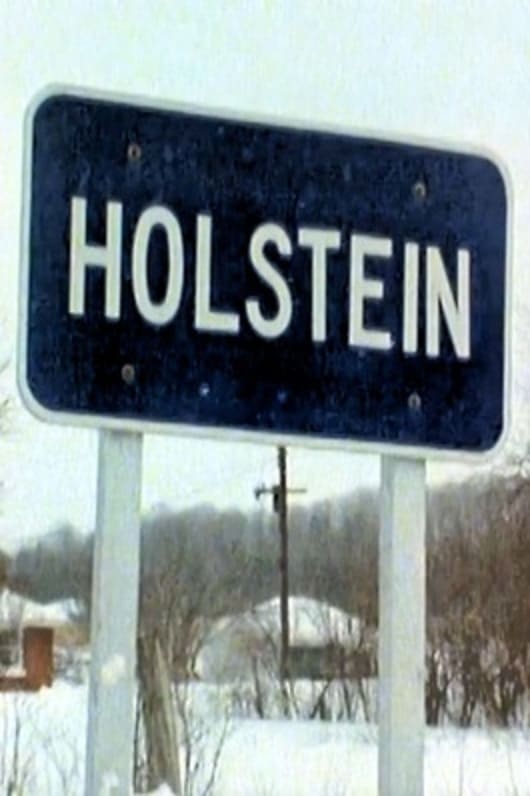
A portrait of a small Ontario town, this film introduces its audience to the people of Holstein by filming them in the old-fashioned general store, the blacksmith's shop and the town granary. Old-time residents reminisce, while old-fashioned sleighs travel down the main road bordered by beautiful old frame houses.
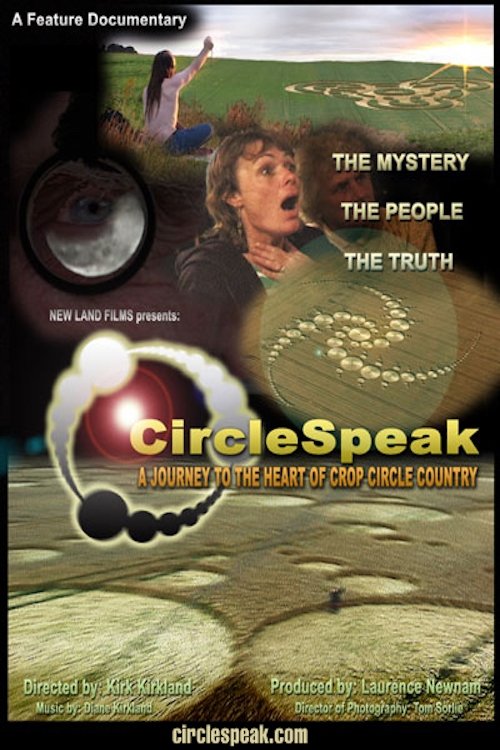
Shot in Southern England over the course of six weeks by a crew of three American filmmakers, CircleSpeak offers a nuanced look at the passions and beliefs of the people immersed in the crop circle phenomenon during the season of 2001. This feature-length documentary presents interviews with serious “researchers”, self-proclaimed “hoaxers”, local farmers and villagers who are all, in one way or another, involved in this strange and compelling summer spectacle taking place year after year.
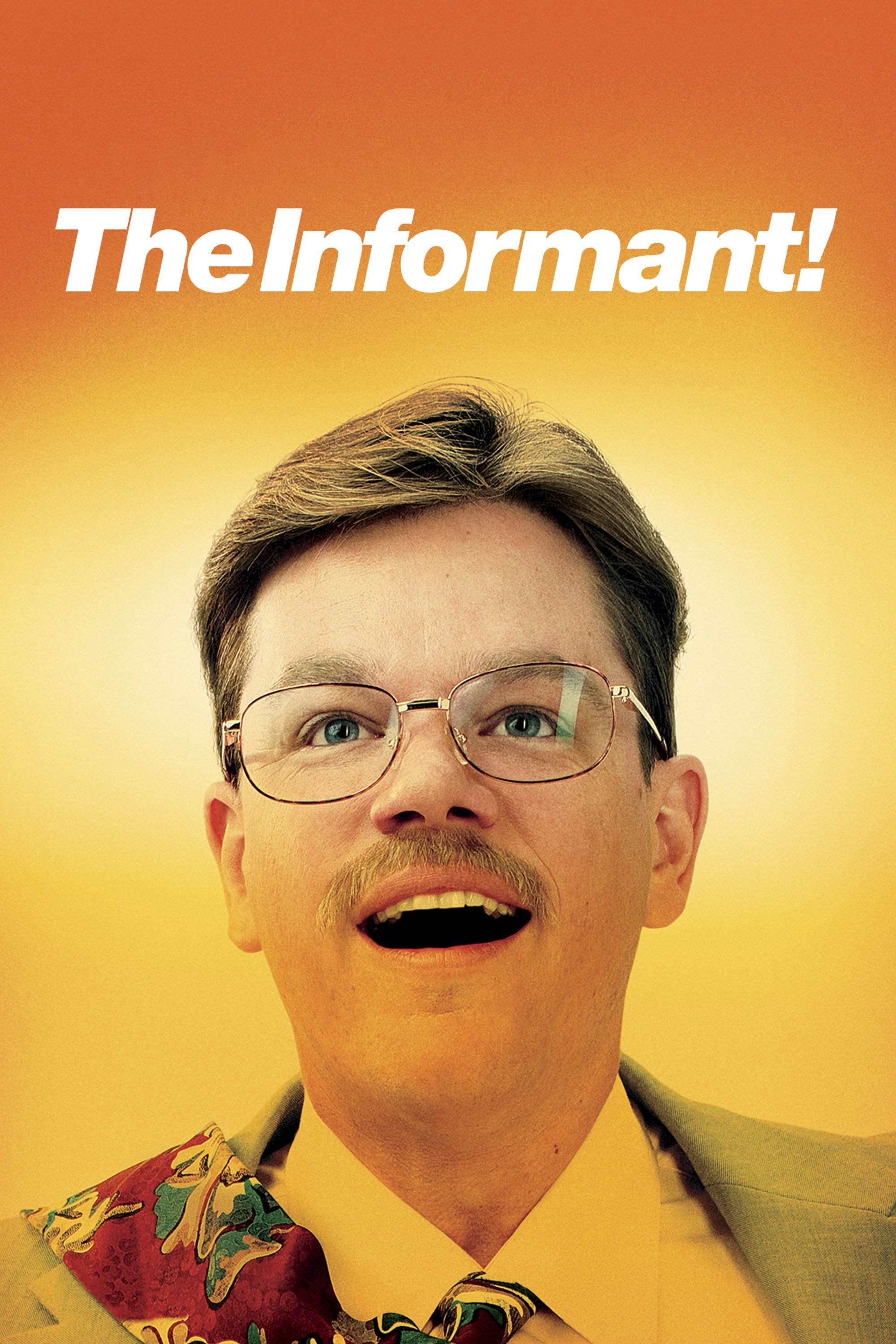
A rising star at agri-industry giant Archer Daniels Midland (ADM), Mark Whitacre suddenly turns whistleblower. Even as he exposes his company’s multi-national price-fixing conspiracy to the FBI, Whitacre envisions himself being hailed as a hero of the common man and handed a promotion.
Set in the South just after the US Civil War, Laurel Sommersby is just managing to work the farm without her husband, believed killed in battle. By all accounts, Jack Sommersby was not a pleasant man, thus when he suddenly returns, Laurel has mixed emotions. It appears that Jack has changed a great deal, leading some people to believe that this is not actually Jack but an imposter. Laurel herself is unsure, but willing to take the man into her home, and perhaps later into her heart.
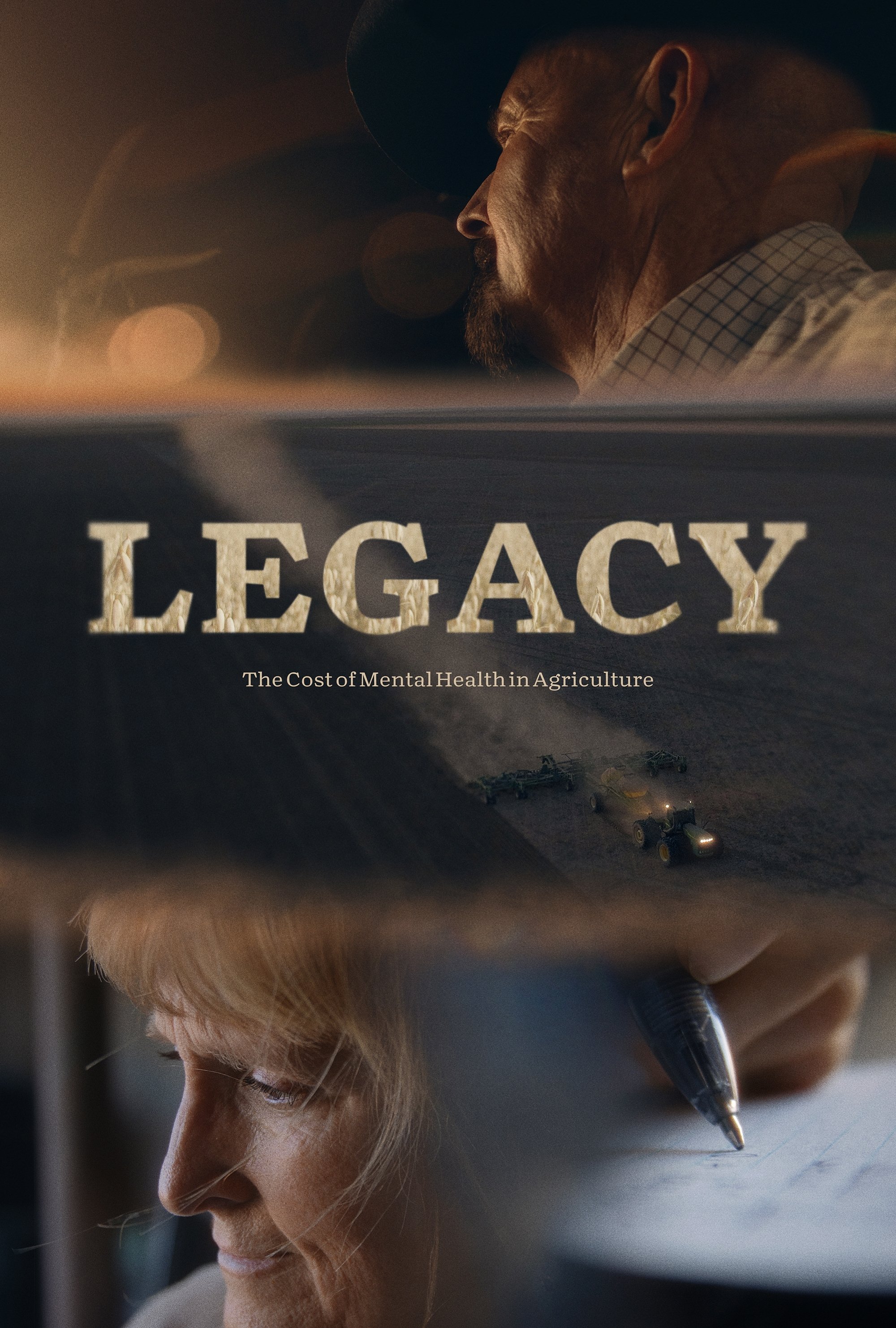
Is there a mental health crisis in agriculture in Colorado? Farming and ranching has become increasingly difficult over the years. An industry that is typically viewed as romantic, hardworking, and "salt-of-the earth" is actually a job full of tremendous stress outside of anyone's control. Combine that with the enormous generational pressure to continue the family farm, and you have a large group of people that are suffering silently. How do we take care of those that are taking care of us?
Is your hedge thin and straggly? Don't worry, help is at hand.
The people, the scenery and the industrial traditions of the Stroud valley and the growth of the woollen industry.
How safe is the future of the world’s food? This documentary explores a growing crisis in world agriculture. Plant breeding has created today’s crops, which are high yielding but vulnerable to disease and insects. To keep crops healthy, breeders tap all the genetic diversity of the world’s food plants. But that rich resource is quickly being wiped out. (NFB)
Documentary filmmaker Robert Kenner examines how mammoth corporations have taken over all aspects of the food chain in the United States, from the farms where our food is grown to the chain restaurants and supermarkets where it's sold. Narrated by author and activist Eric Schlosser, the film features interviews with average Americans about their dietary habits, commentary from food experts like Michael Pollan and unsettling footage shot inside large-scale animal processing plants.
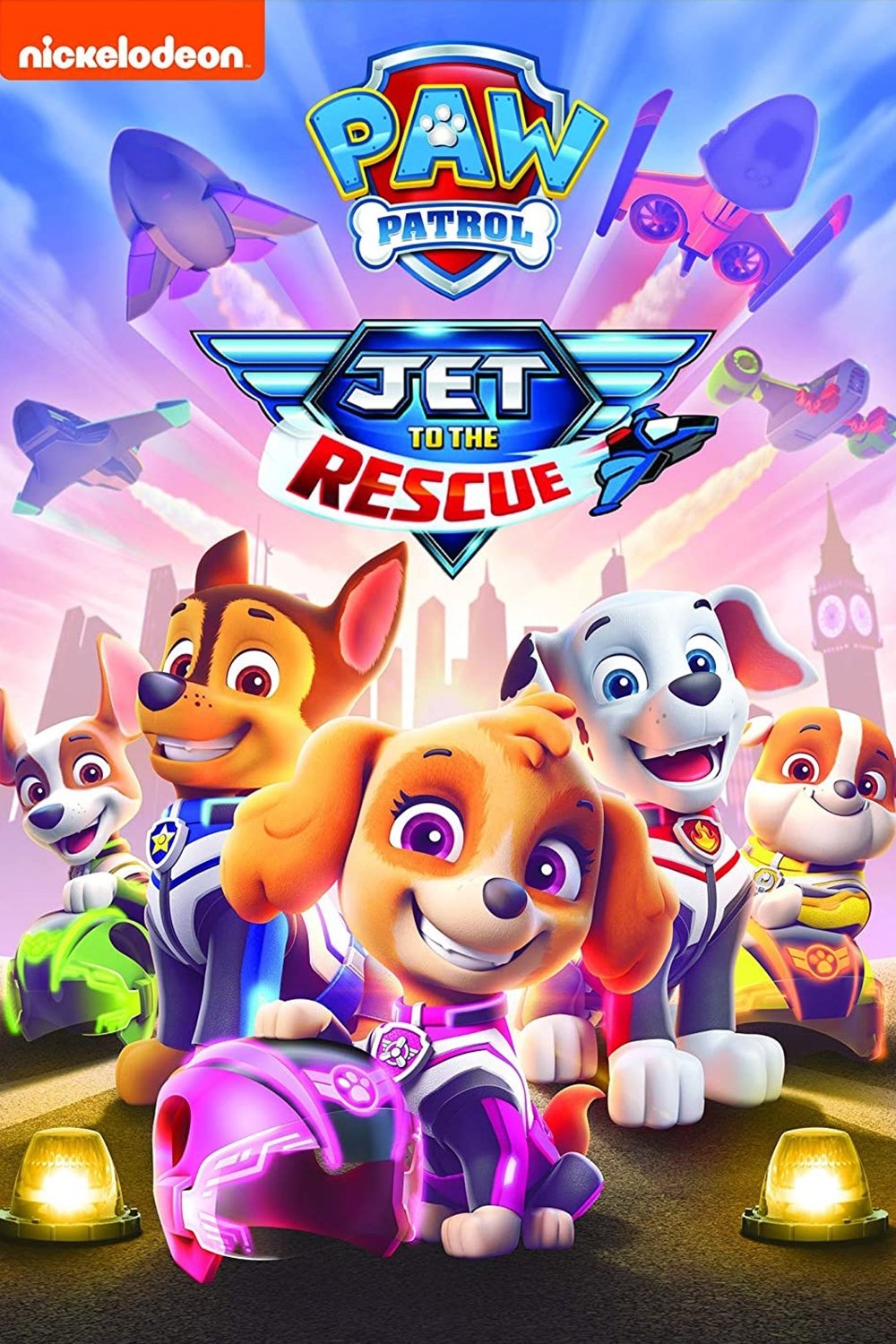
A royal relative steals a gem with the power to make things fly, the Paw Patrol takes to the skies to stop him and save Barkingburg.
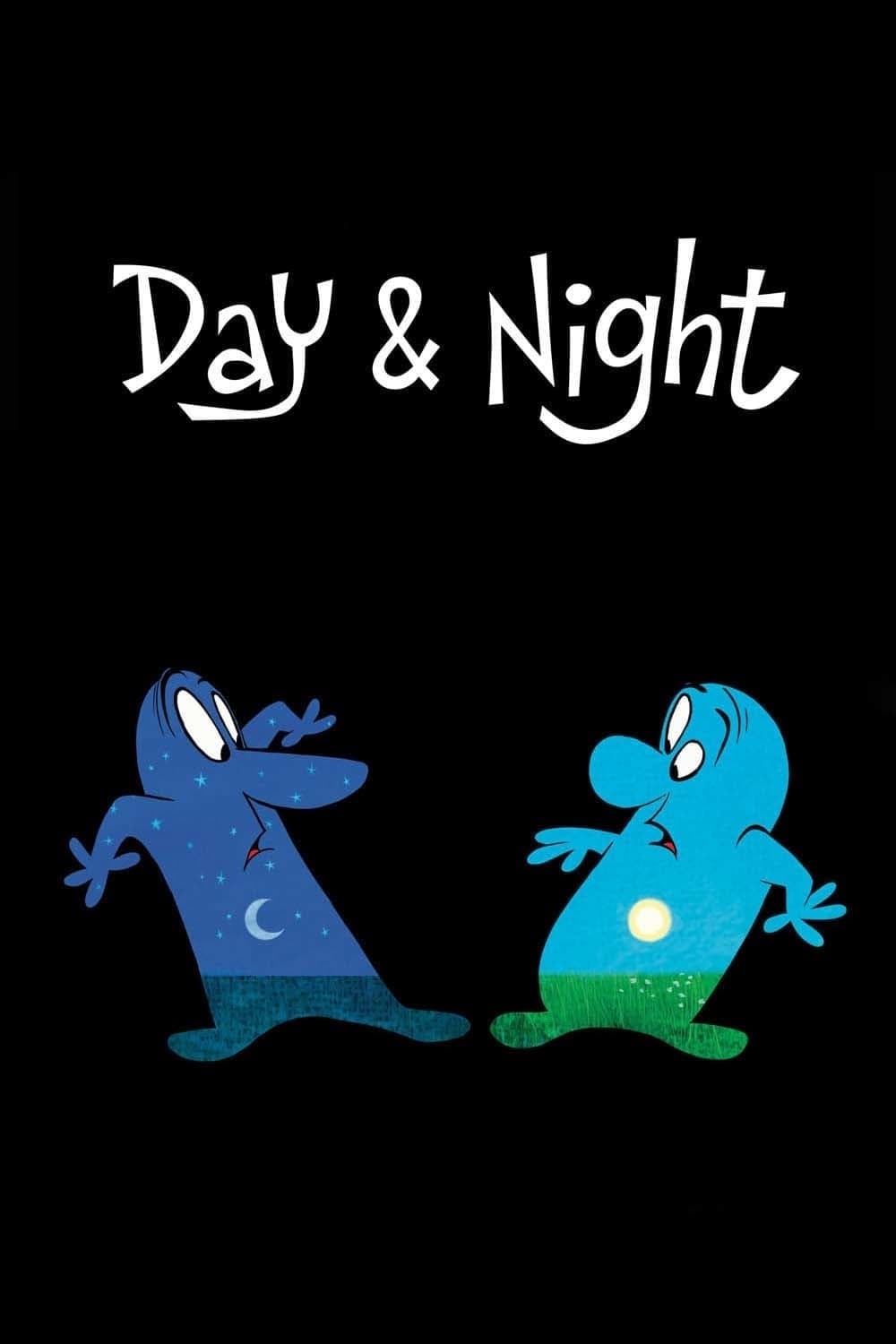
When Day, a sunny fellow, encounters Night, a stranger of distinctly darker moods, sparks fly! Day and Night are frightened and suspicious of each other at first, and quickly get off on the wrong foot. But as they discover each other's unique qualities--and come to realize that each of them offers a different window onto the same world-the friendship helps both to gain a new perspective.
The human resistance works to convert a sentinel to their side. Part of the Animatrix collection of animated shorts set in the Matrix universe.
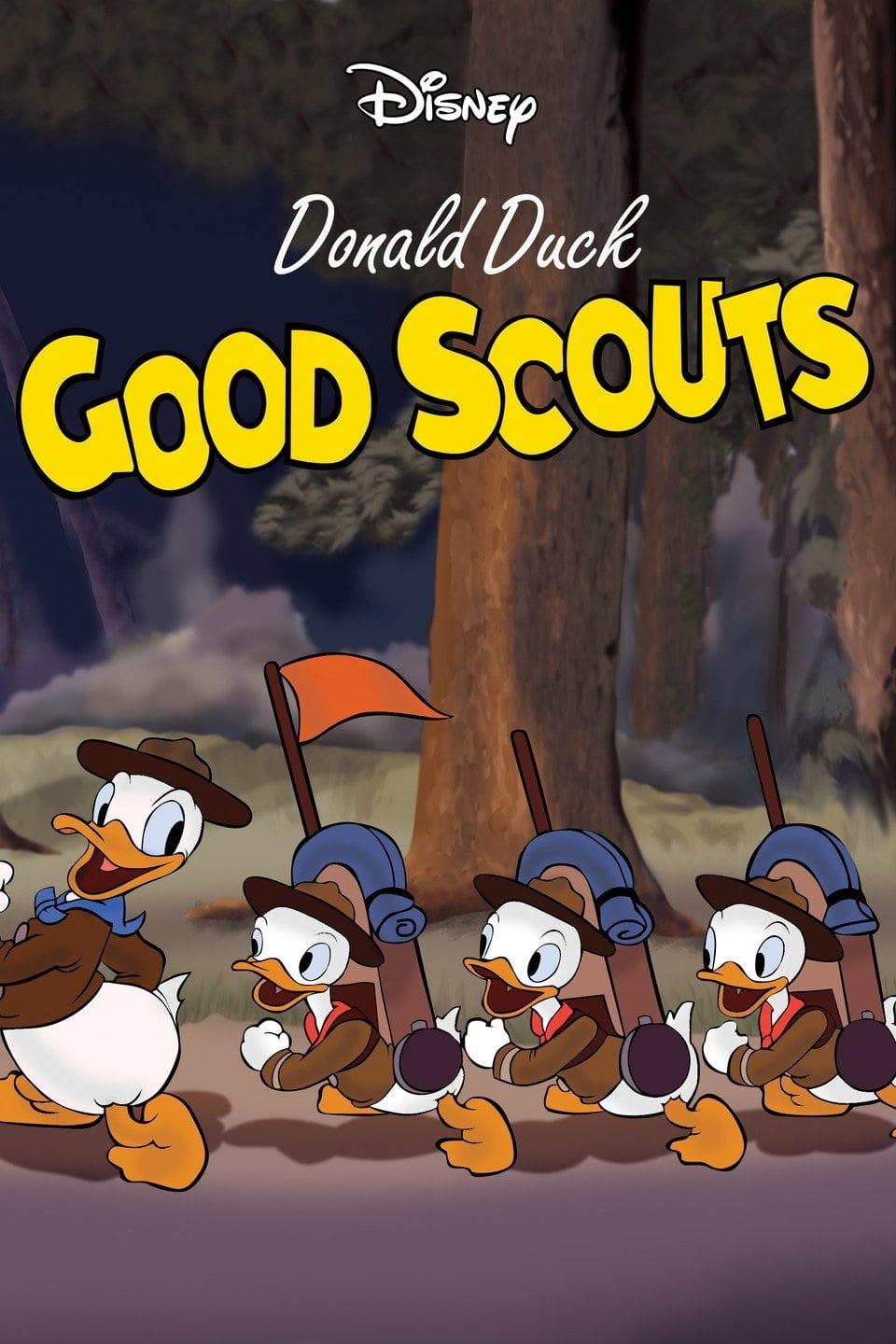
Donald is leading a scout troop consisting of his nephews on a hike in the woods. Donald isn't nearly the expert on the woods that he thinks he is, much to the amusement of the boys. In a bid for sympathy, he douses himself in catsup and fakes injury; the boys bandage him so thoroughly he can't see, and he stumbles into a pot of honey, and is soon getting all too much attention from a bear.
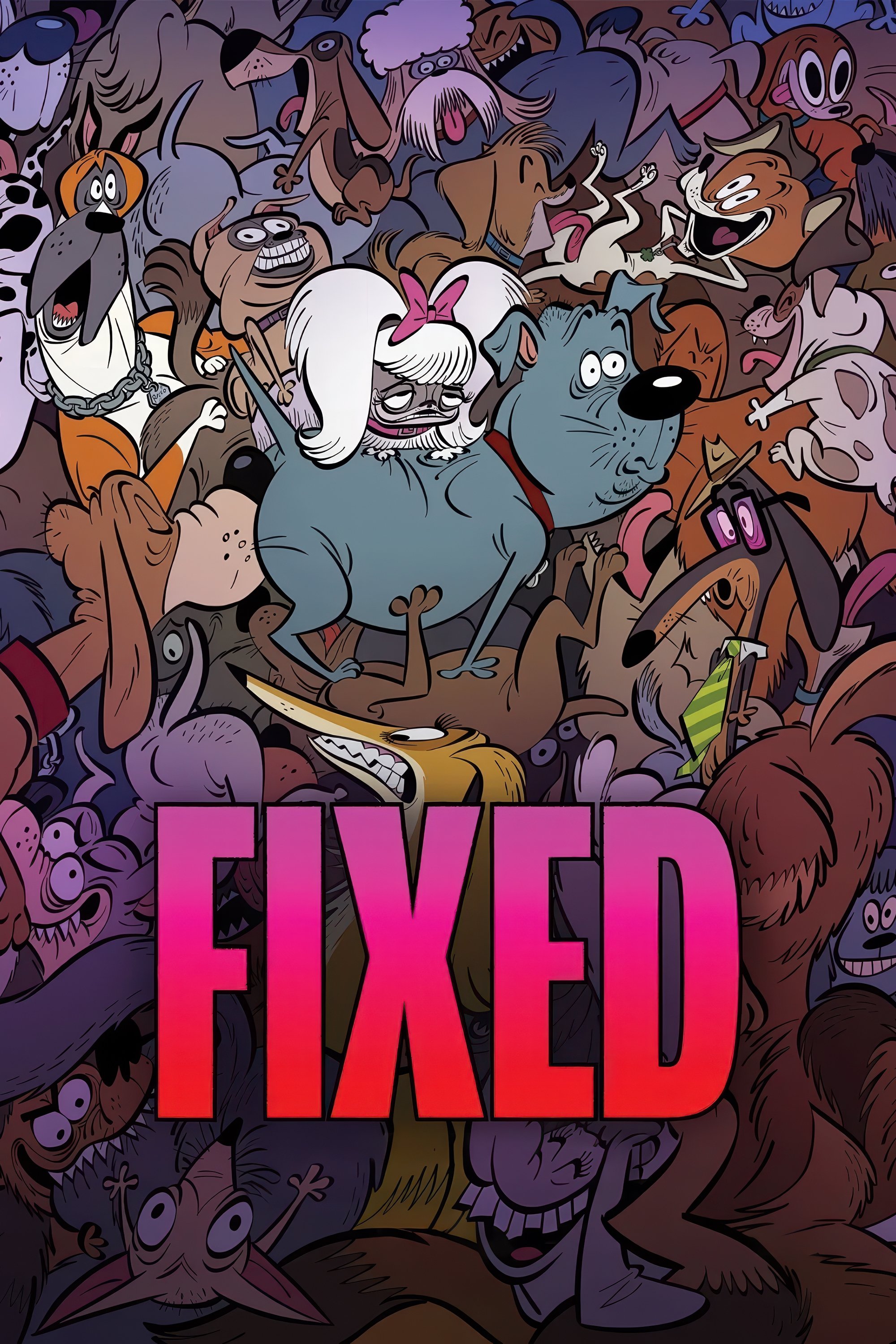
After learning he's getting neutered, a dog has 24 hours to squeeze in one last balls-to-the-wall adventure with the boys.
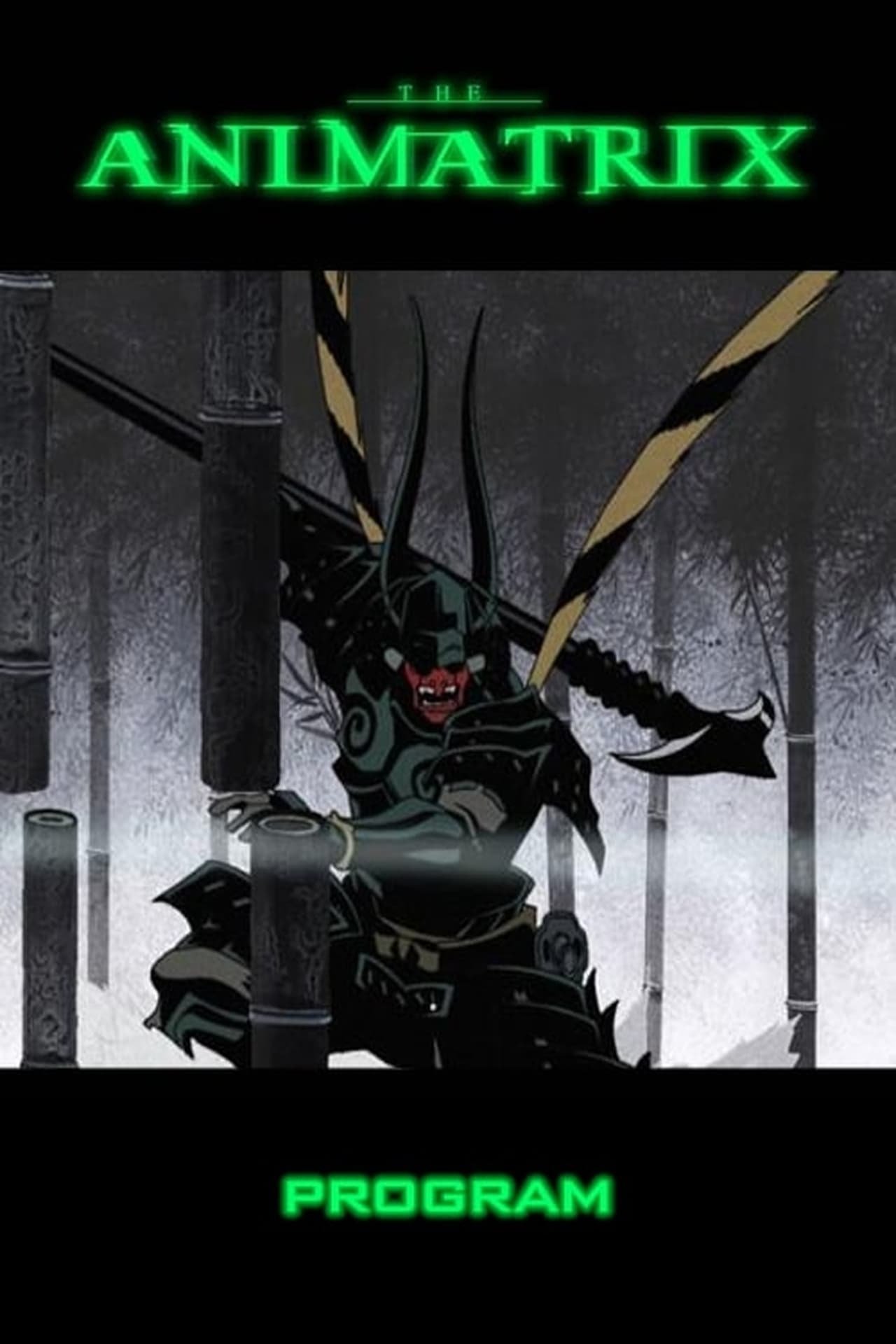
Cis and Duo discuss leaving the real world while during a samurai sword fight. Part of the Animatrix collection of animated shorts set in the Matrix universe.
Dexter and Dee Dee wreck havok using Dexter's latest invention: a hand-held device that turns people into various animals. The short film that inspired the TV-series.
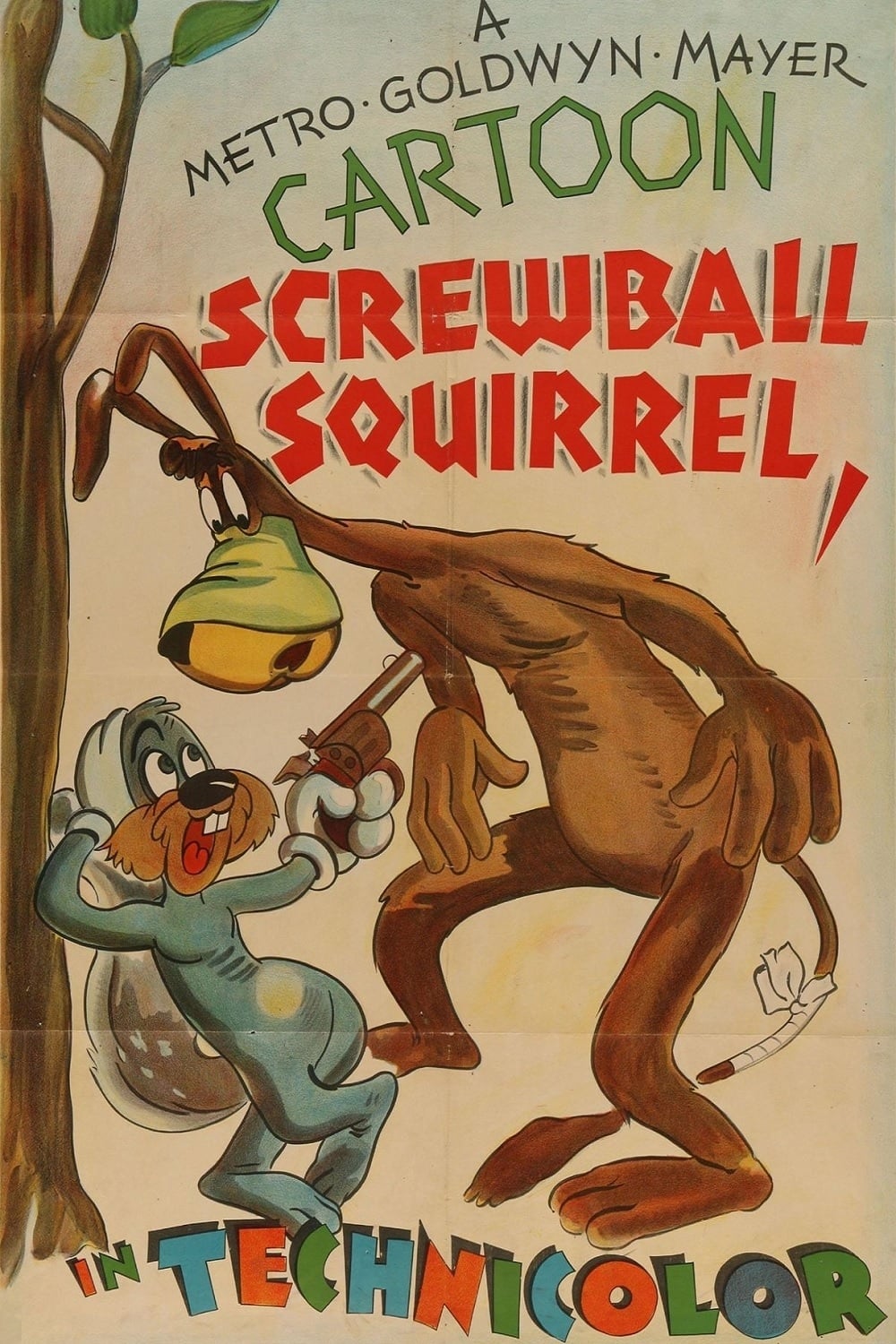
A crazy squirrel provokes a dog into trying to catch him throughout the picture.
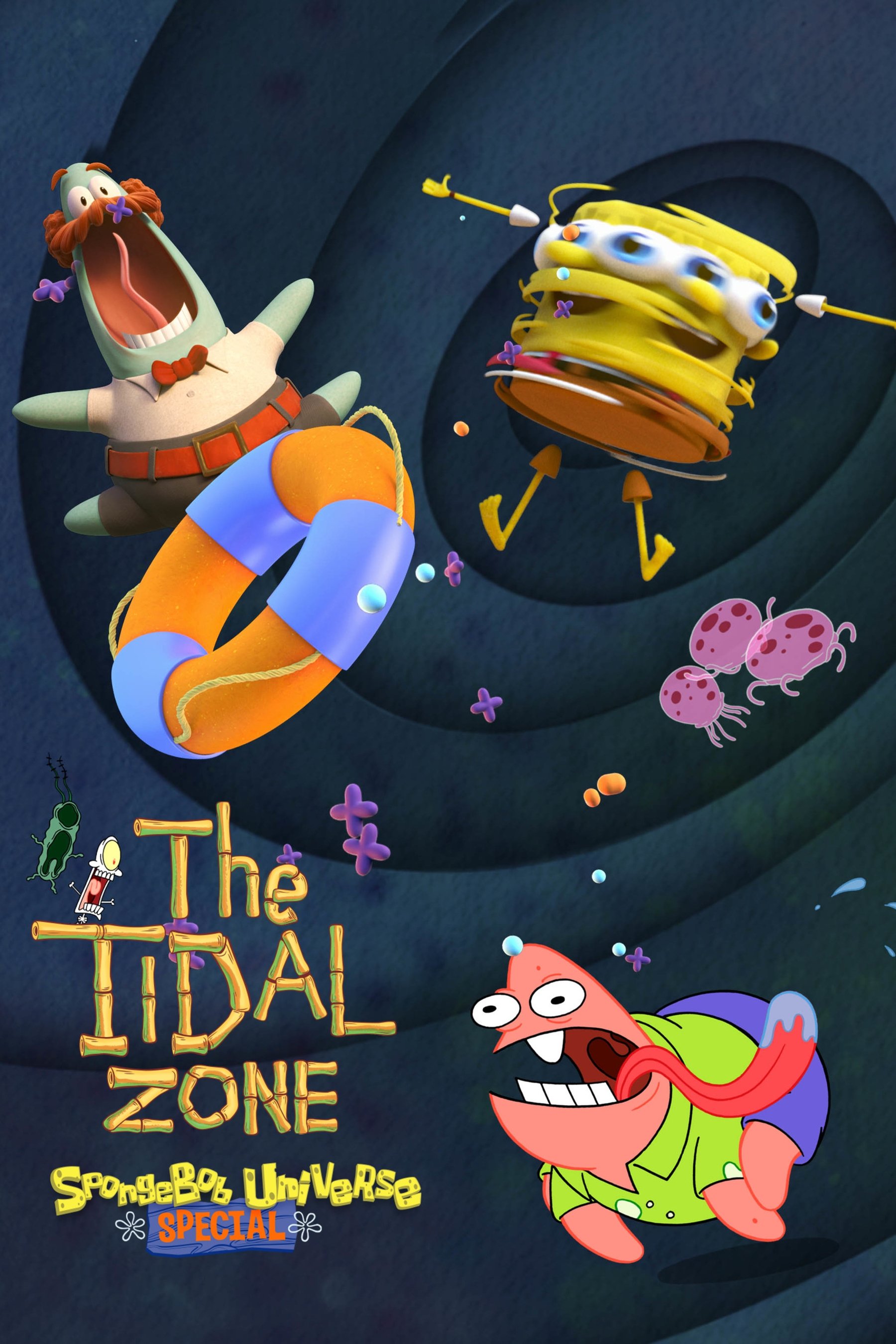
GrandPat travels through alternate dimensions and timelines to get home.
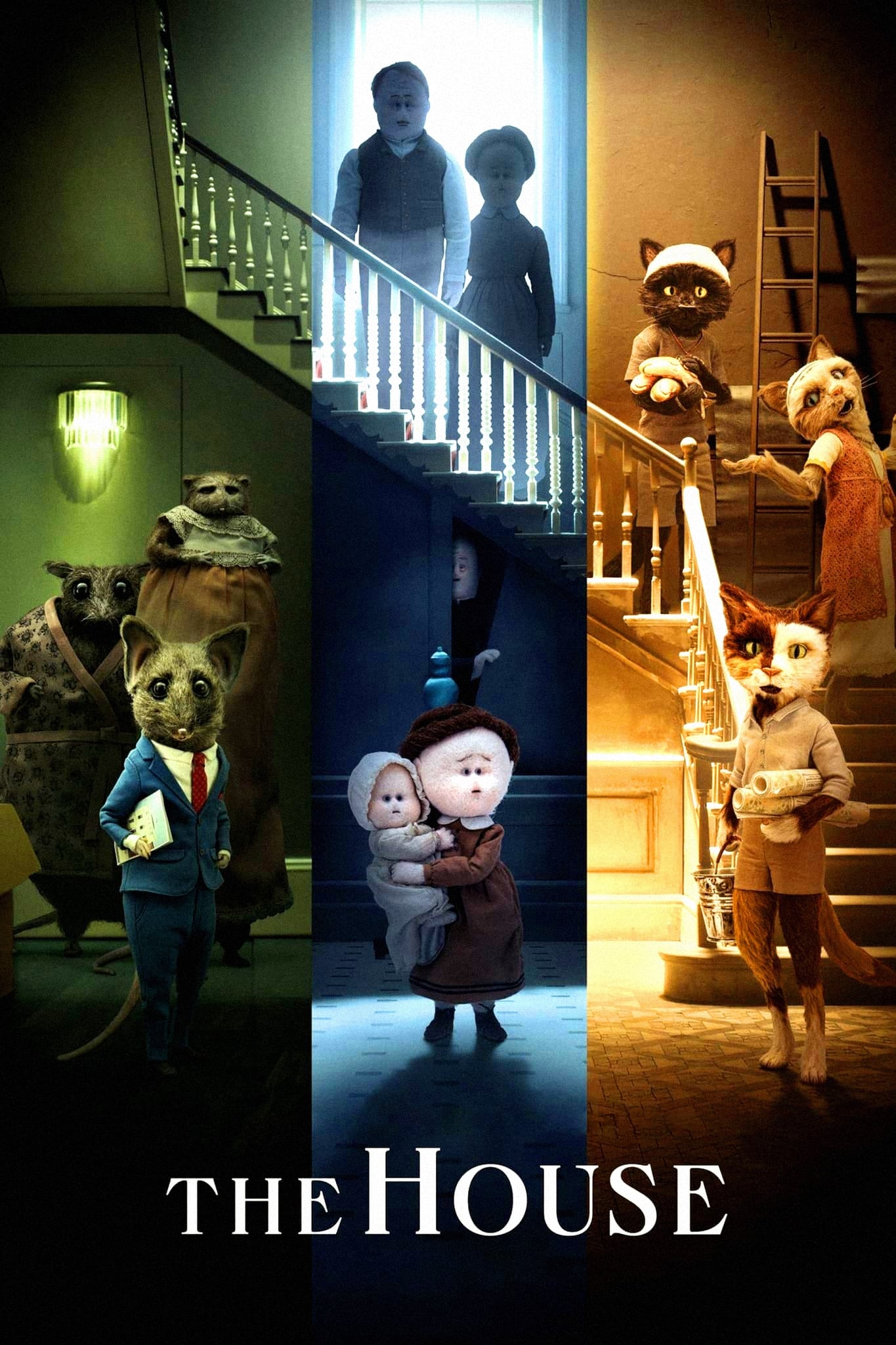
Across different eras, a poor family, an anxious developer and a fed-up landlady become tied to the same mysterious house in this animated dark comedy.
Mater the tow truck travels from country to country as he retells his infamous but unbelievable stories.
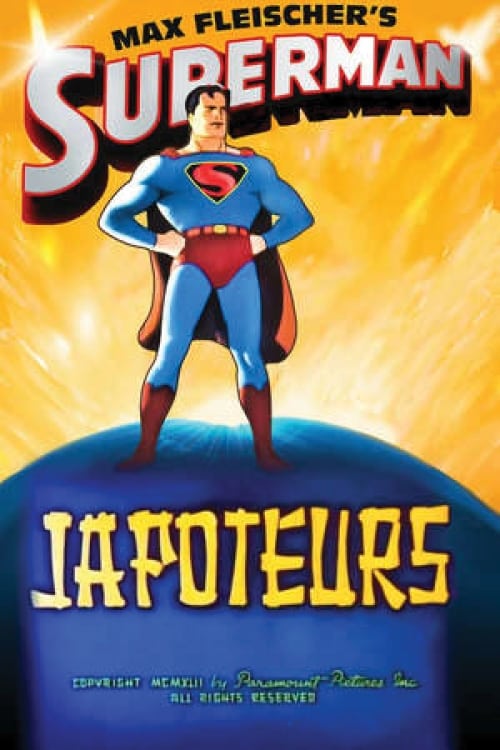
Superman vs. Japanese spies hijacking a new super-bomber.
A record-breaking competitive runner begins to stretch the limits of the Matrix. Part of the Animatrix collection of animated shorts set in the Matrix universe.
The story of Prince Hal who sets out to avenge his dead father against the city's rivals, the Zeriths, little knowing it was his wicked uncle Nezo who is the real killer, with his own designs on the throne.
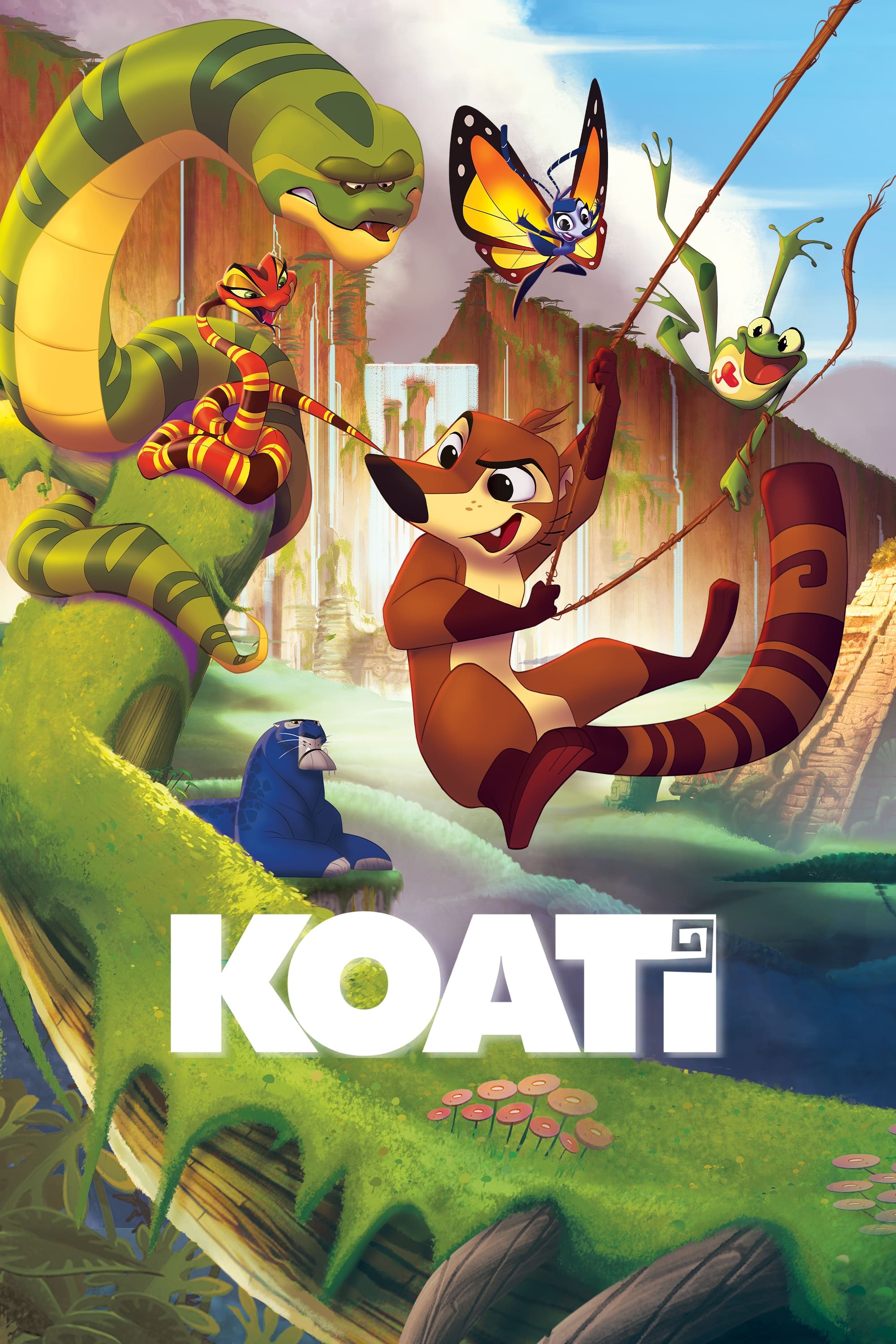
Three unlikely heroes - Nachi, a free-spirited coati; Xochi, a fearless monarch butterfly and Pako, a hyperactive glass frog - embark on an adventure to stop wicked coral snake Zaina from destroying their rain forest homeland.
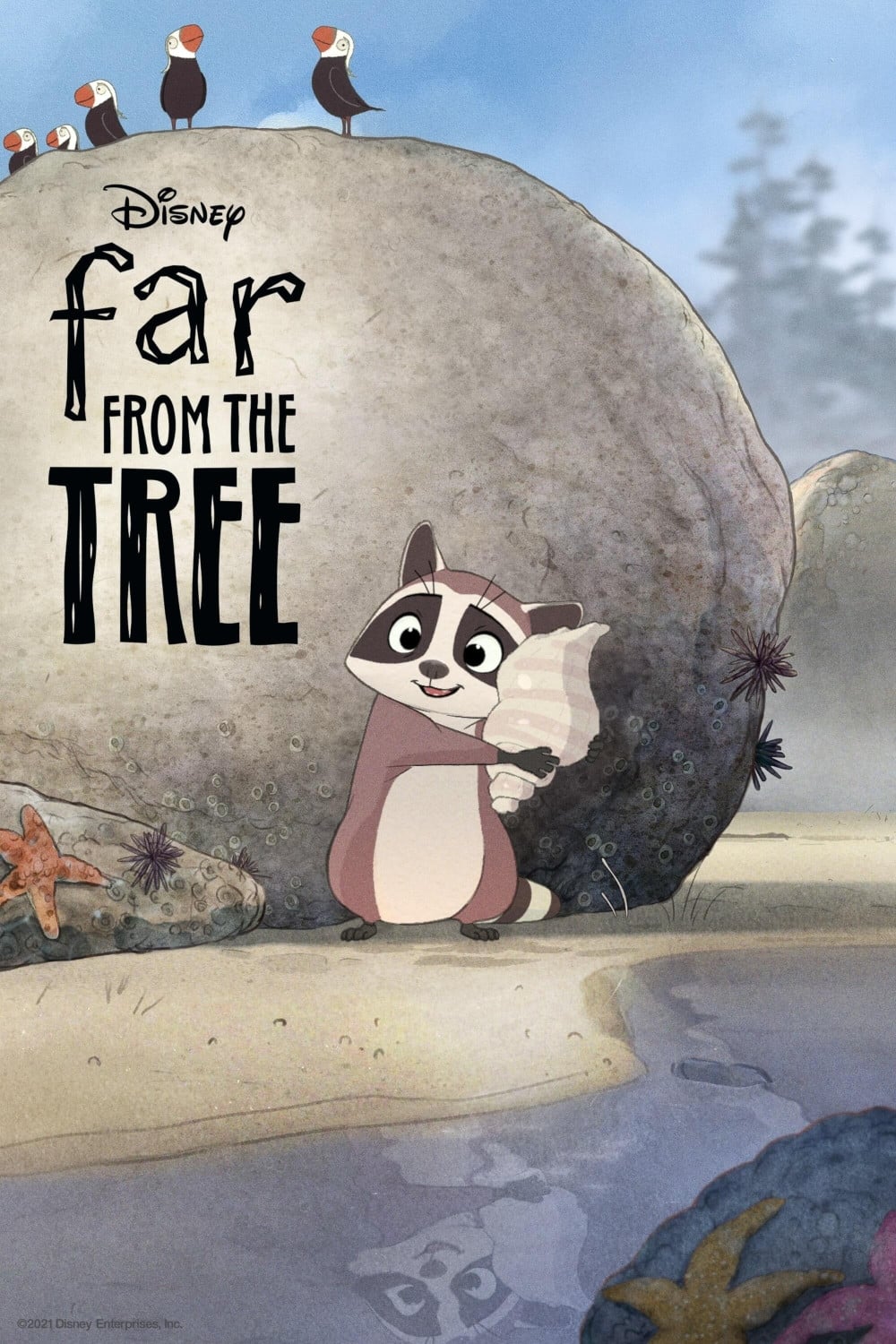
On an idyllic beach in the Pacific Northwest, curiosity gets the better of a young raccoon whose frustrated parent attempts to keep them both safe.
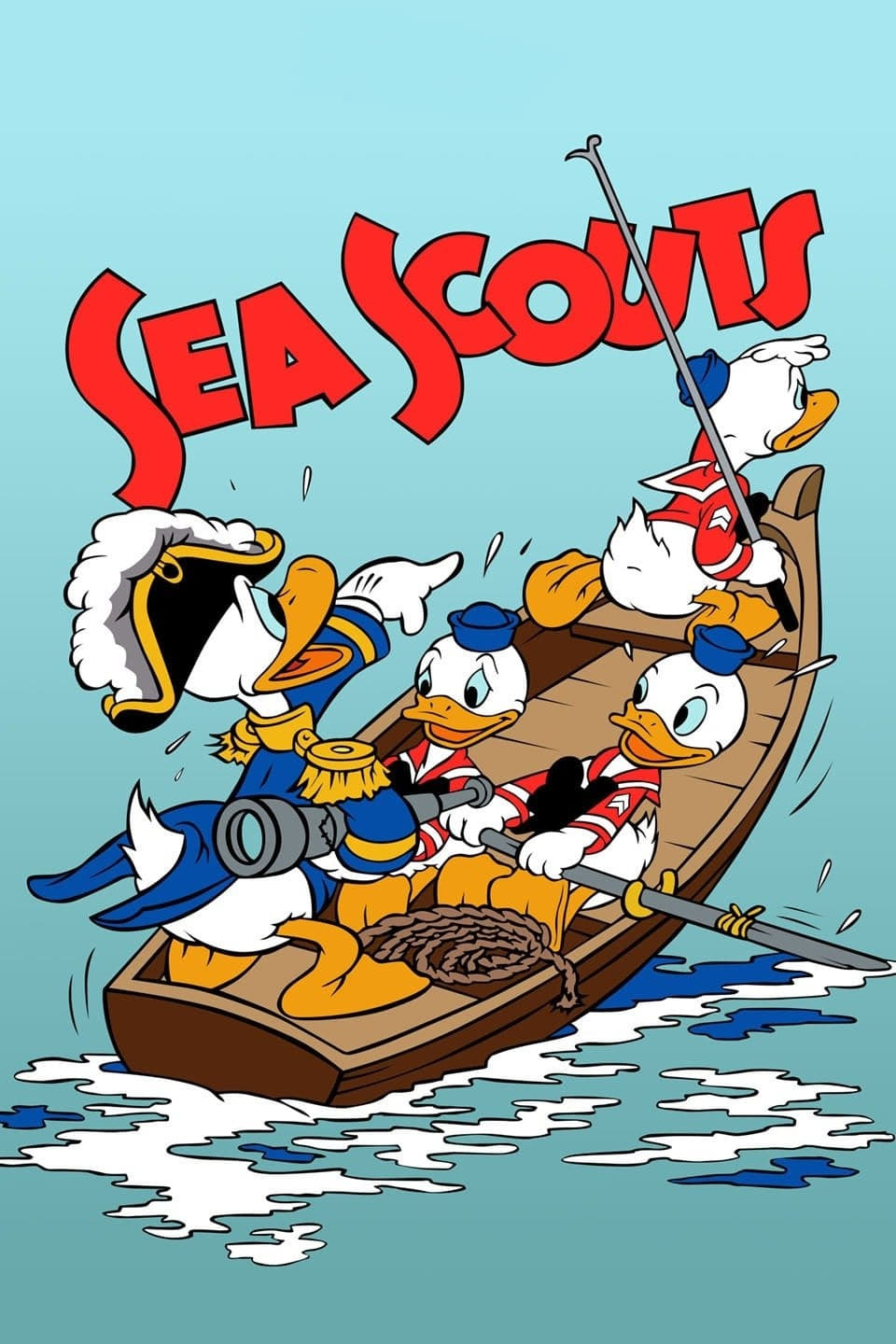
Donald is an admiral on a seagoing voyage with his nephews in which they encounter a ravenous shark.
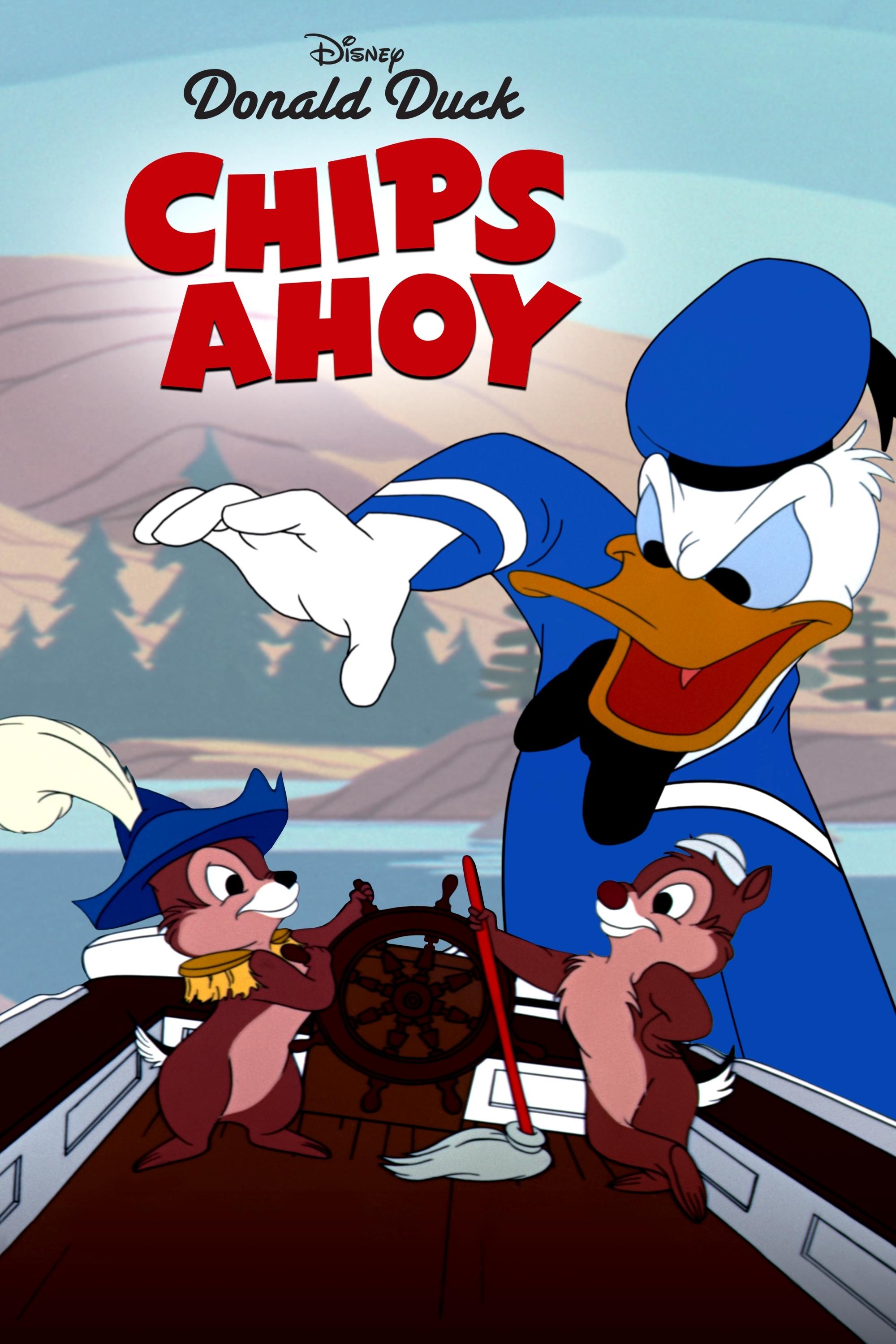
Chip and Dale are starving in their tree home when they notice a plentiful supply of acorns on an island in a lake. To get to the island, they borrow a miniature model ship of Donald's to sail on. The irate Donald, however, doesn't appreciate them stealing his ship and makes several attempts to get it back and thwart their scheme to get to their acorn paradise. Chip and Dale are, of course, always one step ahead of Donald.
The toys throw Ken and Barbie a Hawaiian vacation in Bonnie's room.
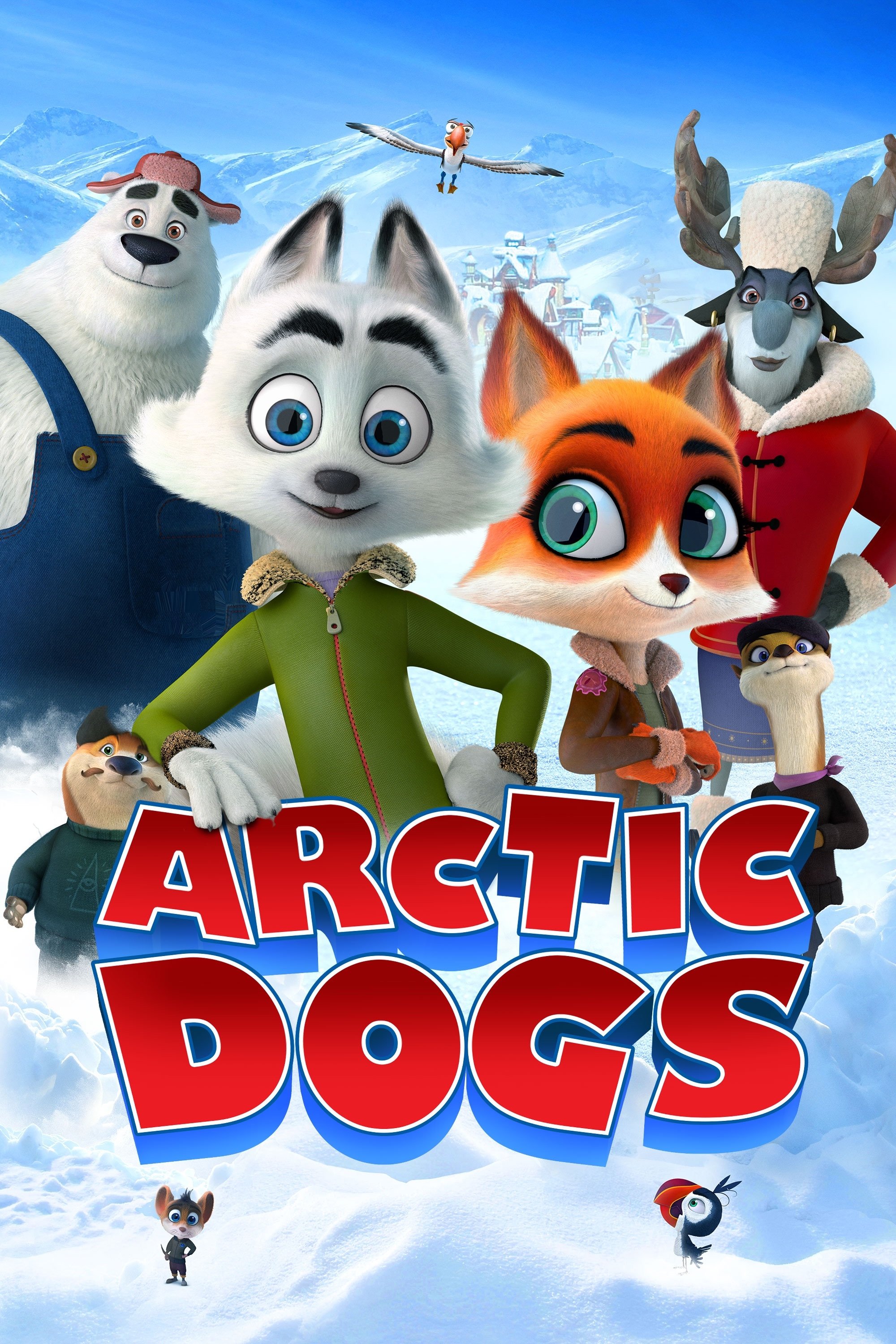
Animals band together to save the day when the evil Otto Von Walrus hatches a sinister scheme to accelerate global warming and melt the Arctic Circle.