The surviving 14 minutes of the original documentary about the Villas Boas expedition to the Amazonian tribes in Brazil.
Social & External
himself
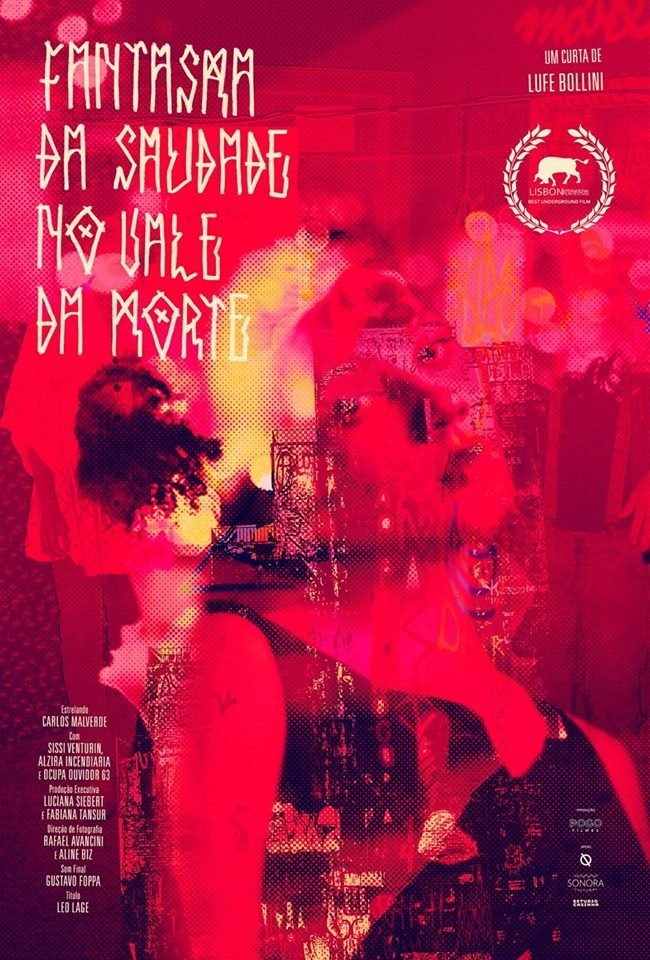
A city that has been living for two years with the law that prohibits "clandestine parties". A youth who, when reunited, risks receiving a police raid on their doorstep, in the street, in the park or in the square. Spatial segregation, denial of the right to the city and public space for the leisure of the poor, black and peripheral. Willingness to make art, create music, lyrics, poetry, beats, hits and spread culture in this repressive scenario.
The documentary goes through the 23 years of MTV Brazil, taking stock from the avant-garde to the ostracism of the broadcaster that was the main guide for the musical, cultural and social formation of young people in the 90's and 2000's with interviews and testimonials from former VJ's and artists that emerged and became popular in the country because of the channel.
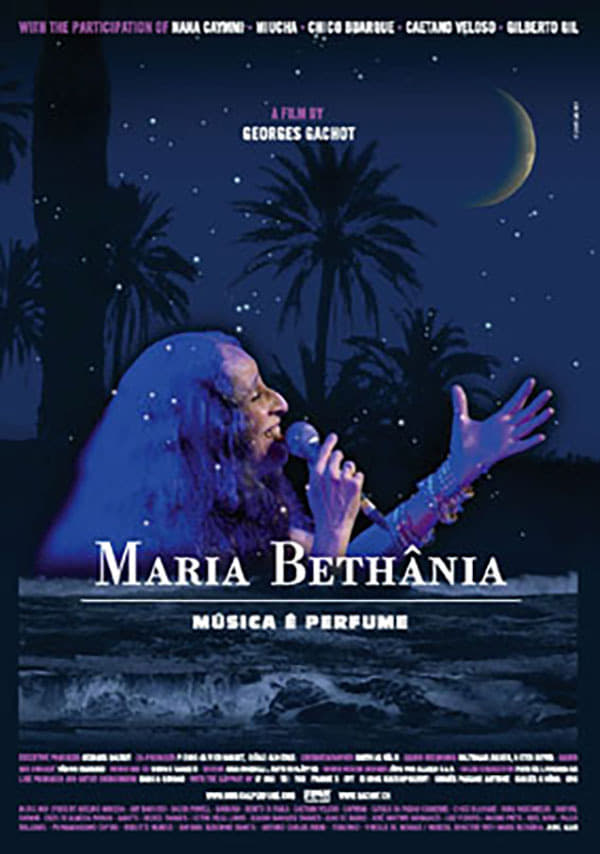
Brazilian singer Maria Bethania has a 40-year singing career. A documentary shows her concerts and famous family.
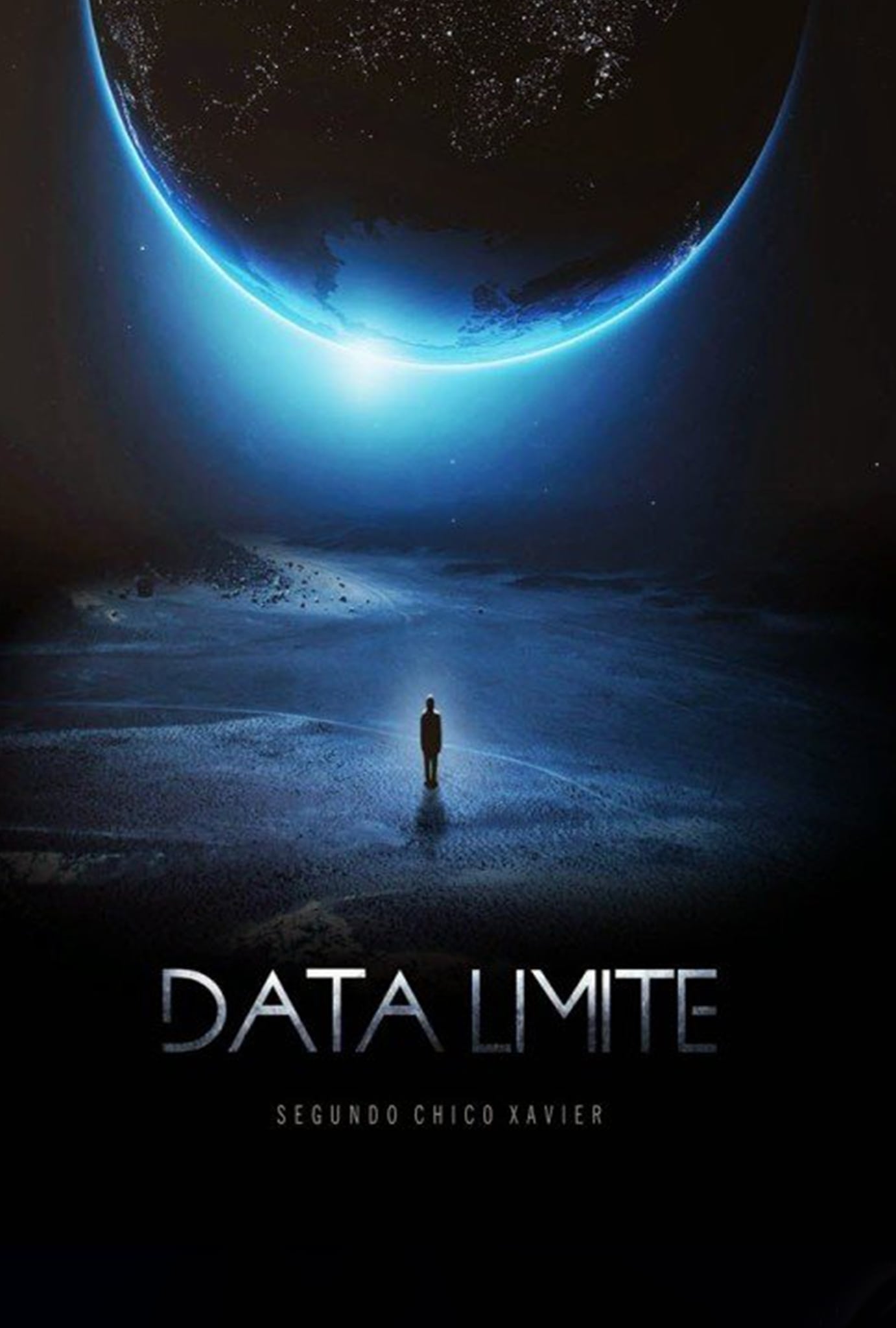
UFO experts claim that after the explosion of the bombs on Hiroshima and Nagasaki, there was an increase in the number of sightings of UFO'S (Unidentified Flying Objects) worldwide. Just over two decades later, the Brazilian medium Chico Xavier confided to close friends that when man reached the moon on July 20, 1969, happened a meeting with the celestial beings of our solar system to check the progress of humanity. They decided to grant a period of 50 years for humanity to evolve morally and live in peace, without provoking a third world war. If we live in peace until the Deadline, humanity would be ready to enter a new era of its existence, and magnificent feats would be checked everywhere, including our brothers from other planets would be expressly authorized to present themselves publicly and officially to Earth's residents.
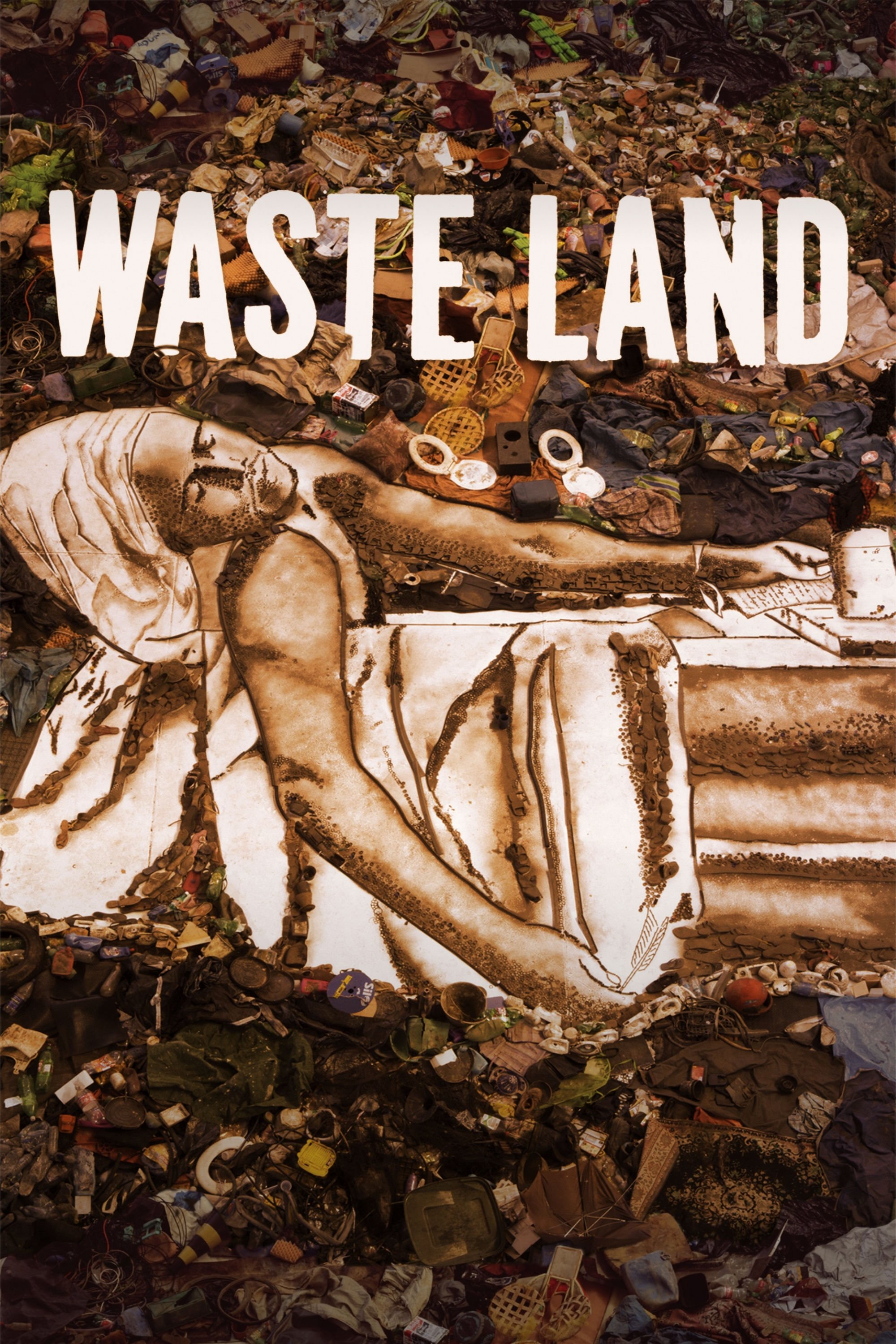
An uplifting feature documentary highlighting the transformative power of art and the beauty of the human spirit. Top-selling contemporary artist Vik Muniz takes us on an emotional journey from Jardim Gramacho, the world's largest landfill on the outskirts of Rio de Janeiro, to the heights of international art stardom. Vik collaborates with the brilliant catadores, pickers of recyclable materials, true Shakespearean characters who live and work in the garbage quoting Machiavelli and showing us how to recycle ourselves.

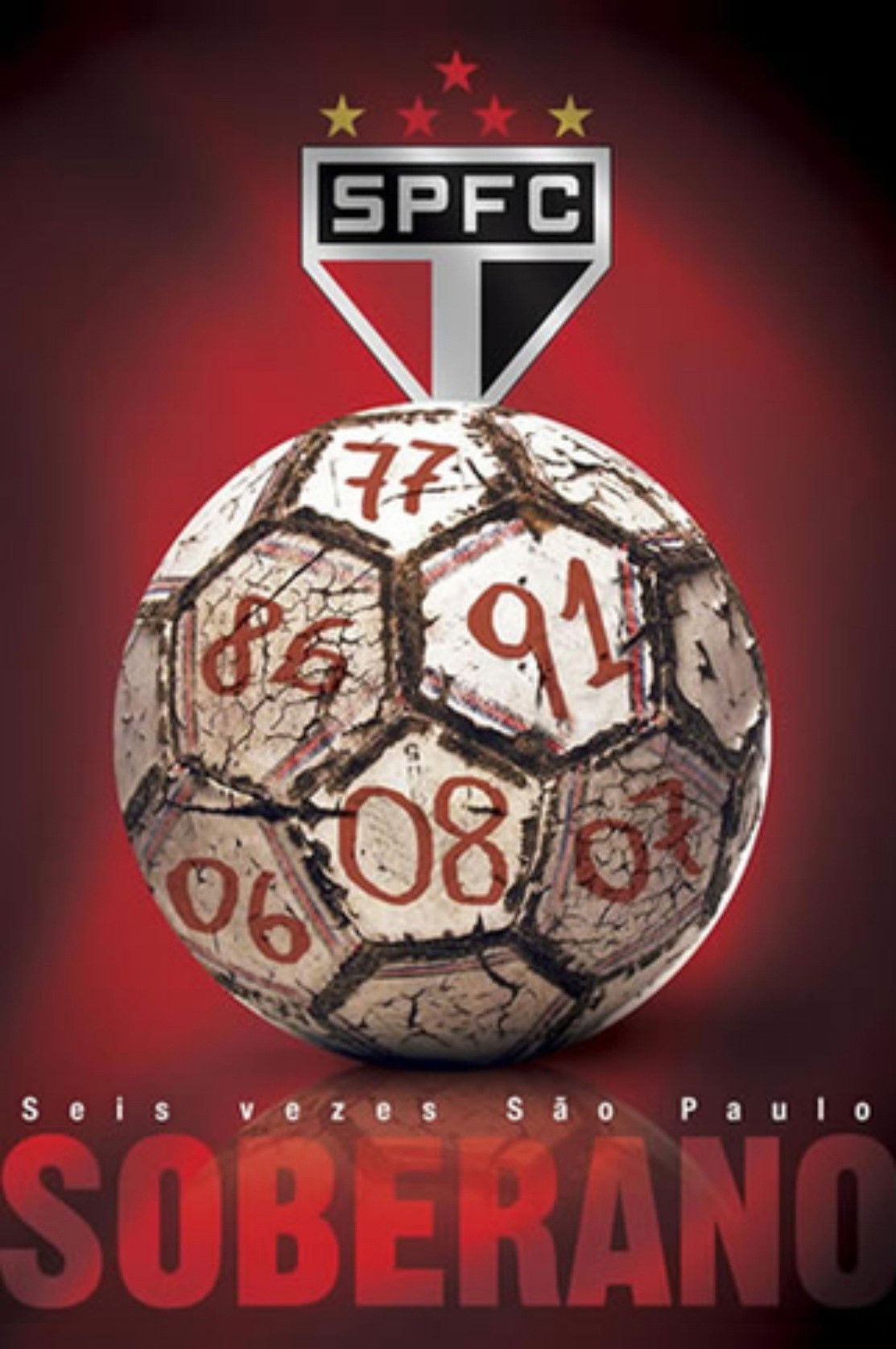
Tells the stories of six national soccer titles won by São Paulo Futebol Clube, from the point of view of the fans.
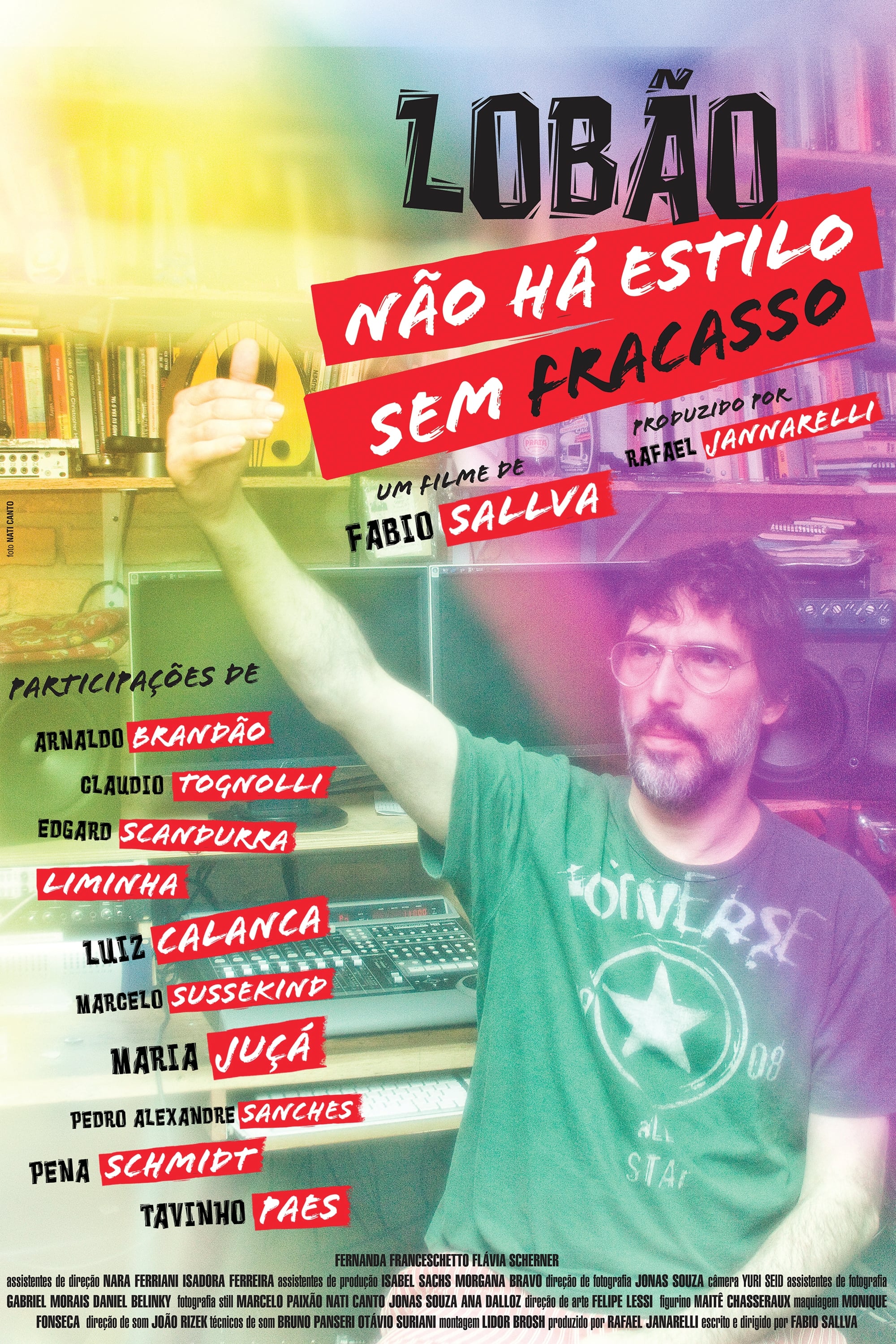
"Lobão - Não Há Estilo Sem Fracasso" investigates the artistic career of Lobão, one of the most famous musicians of brazilian rock in the 80s. From some interviews with people such as Edgard Scandurra, Liminha and Marcelo Sussekind, this short movie shows various points of view about music industry and it presents hits of Lobão such as "Das Tripas Coração" and "Mal de Amor".
City of God – 10 Years Later investigates what happened to the actors who took part in the award-winning film directed by Fernando Meirelles and Katia Lund. This documentary shows what City of God’s worldwide success meant to their lives. Were the actors prepared for the film’s success? Did the social background of some of them prove stronger than the opportunity that came their way?
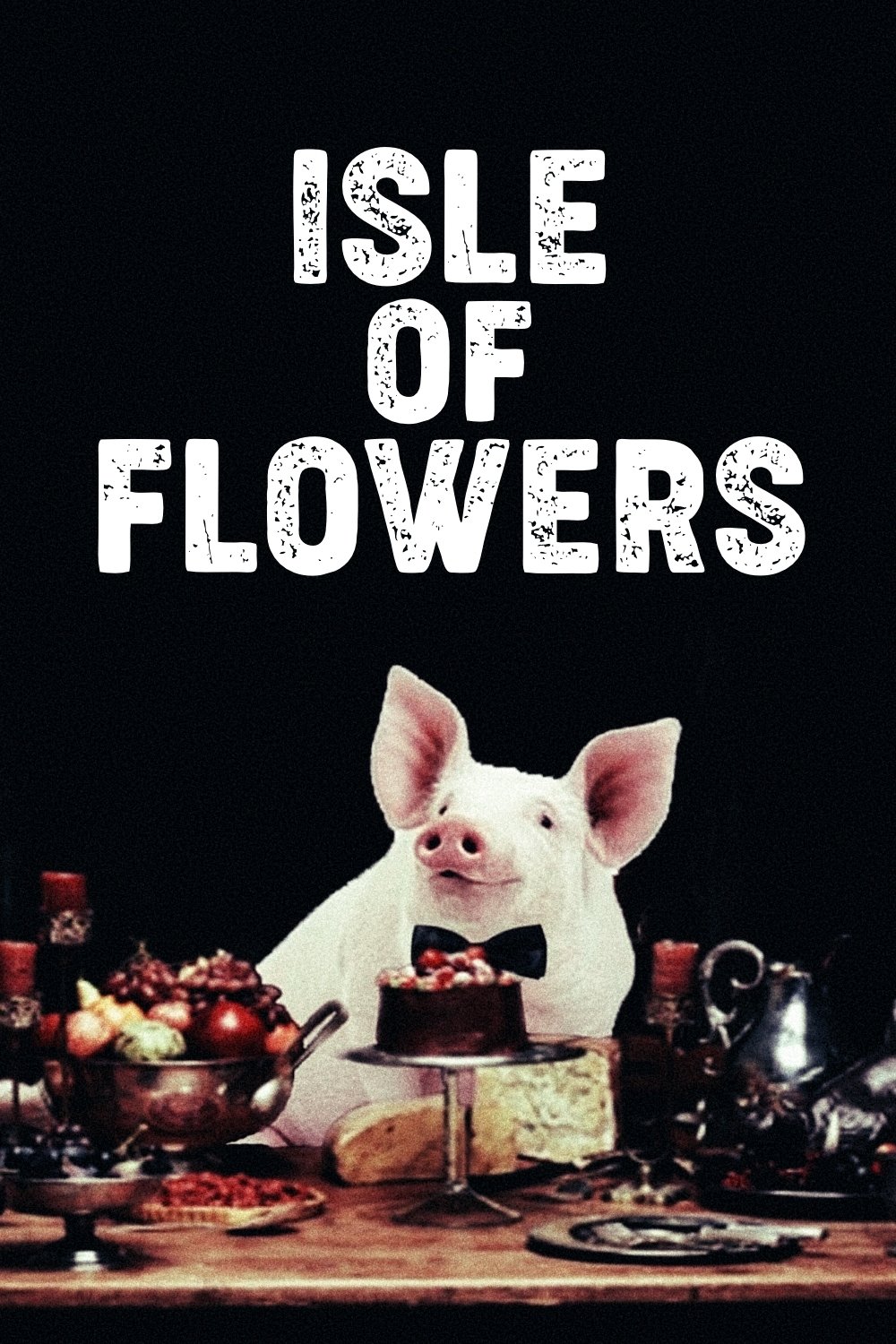
A tomato is planted, harvested and sold at a supermarket, but it rots and ends up in the trash. But it doesn’t end there: Isle of Flowers follows it up until its real end, among animals, trash, women and children. And then the difference between tomatoes, pigs and human beings becomes clear.
In 1977, BBC music presenter Bob Harris was given exclusive and extensive access to the Queen. Conducting insightful interviews with all four band members as well as filming them at work in the studio as they were planning and rehearsing their forthcoming North American Tour, and then following them as they performed across the US, Bob captured a band attempting to replicate their huge domestic success on the global stage. To mark the 40th anniversary of the release of the News of the World album, the footage has now been carefully restored and revisited to compile this hour-long portrait of a group setting out to take the next step on their remarkable journey to becoming one of the biggest bands on the planet.
The Morning Sun Shines is a fiction-documentary film by Kenji Mizoguchi and Seiichi Ina. The film is a combination of a drama about a reporter, and documentary footage about newspaper production. Only 25 minutes of footage has survived.
Cássia Eller Rejane. Cássia Eller. Cássia. A powerful restless force on stage, shined herself out of it. One of the greats of Brazilian music, Cássia Eller marked the 1990s and shocked the country with her early death in 2001. A film about the singer, the mother, the woman who exposed her personal life and broke barriers, leaving a beautiful social and artistic legacy.
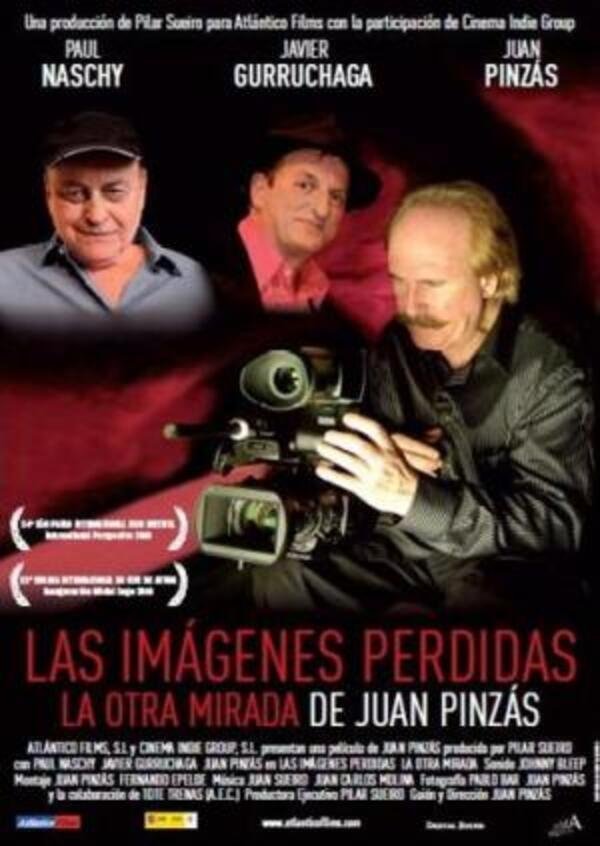
The filmmaker Juan Pinzás goes on a physical and also inner journey, in search of some lost images that he filmed in the 80s. The journey takes him from Madrid to Galicia and on the search for these images he meets with various characters who will help him in his undertaking, such as the actors Paul Naschy and Javier Gurruchaga whose personal worlds will be examined in the film. Finally in Vigo, his home city, of which he presents a remarkable portrait, he finds an old film in Super-8mm with the missing images. The catharsis is produced with the viewing of the old film which turns out to be a tribute to cinema and this means the end of the filmmaker's introspective journey.
Narrated by Morgan Freeman, this groundbreaking new documentary uncovers the UN sanctioned war on drugs, charting its origins and its devastating impact on countries like the USA, Colombia and Russia. Featuring prominent statesmen including Presidents Clinton and Carter, the film follows The Global Commission on Drug Policy on a mission to break the political taboo and expose the biggest failure of global policy in the last 50 years
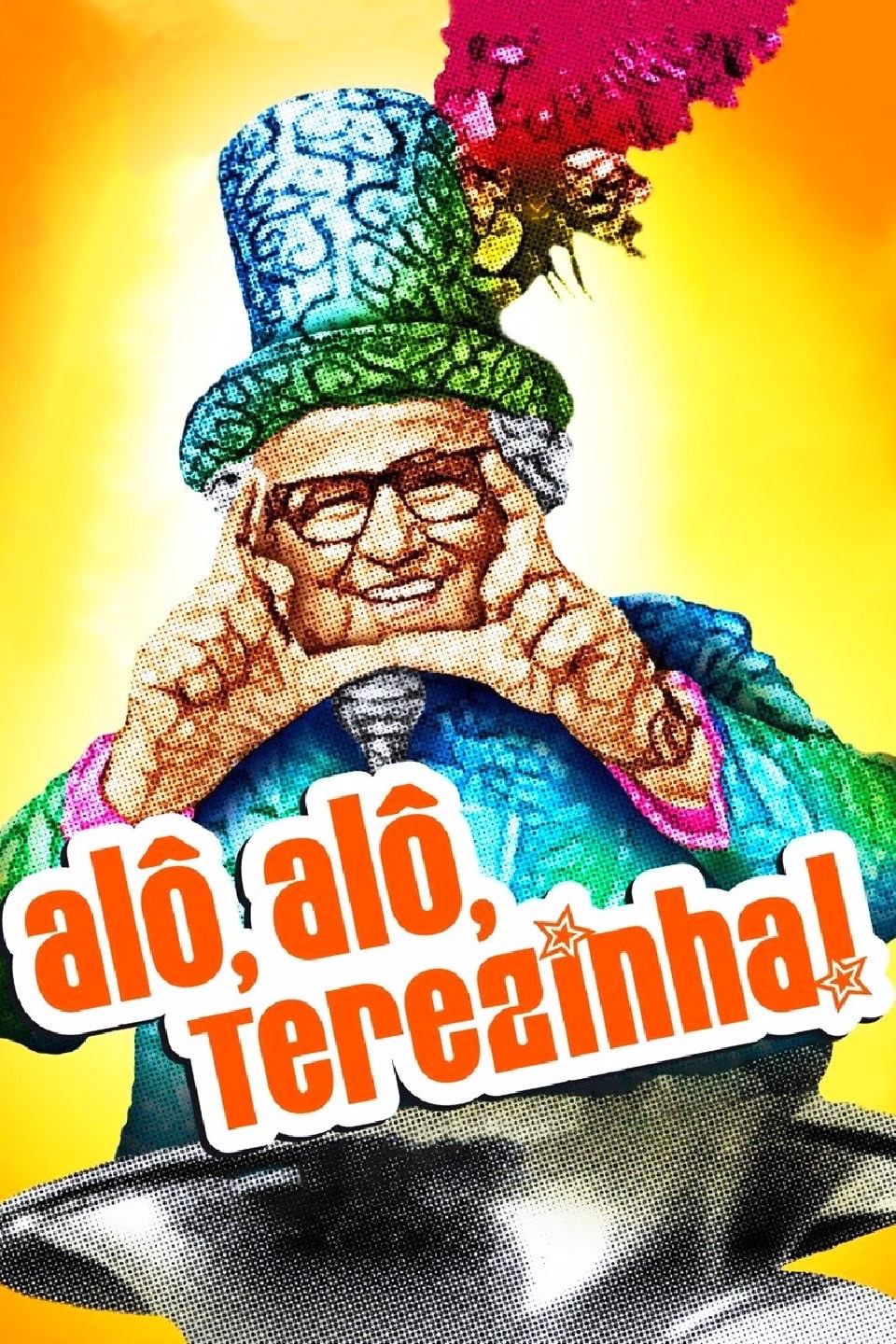
Hello, Hello, Terezinha! is a feature-length documentary about the country's biggest communication phenomenon. Politically incorrect, radical, renewing, Chacrinha changed Brazilian television forever and expressed a Brazil that was around it, but was not perceived. The film tells the great adventure of Abelardo Barbosa through the eyes of the presenter. It gathers the nuclei of its constellation - chacretes, fledglings and artists who passed through its programs - to identify their individualities and their emotions.
Stunning espionage documentary on the US conspiracy that led to the 1964 Brazilian coup d'état. John F. Kennedy and Lyndon Johnson original White House tapes, and CIA Top Secret documents reveal how the US government planned to overthrow Brazilian elected president João Goulart.
Ebony Goddess: Queen of Ilê Aiyê follows three women competing to be the carnival queen of Ilê Aiyê, a prominent and controversial Afro-Brazilian group with an all-black membership. The selection is based on Afro-centric notions of beauty, in counterpoint to prevailing standards of beauty in Brazil, a country famous for slim supermodels and plastic surgery. Contestants for the title of Ebony Goddess dress in flowing African-style garments, gracefully performing traditional Afro-Brazilian dances to songs praising the beauty of black women.
Festive Land examines one of the largest and most extraordinary popular celebrations in the world, the week-long Carnival that brings more than two million people to the streets of Salvador, the capital of Bahia, in northeastern Brazil. Carnival is the most expressive showcase of the unique cultural richness of Bahia, where African culture has survived, prospered, and evolved, mixing with other Brazilian influences to create forms found nowhere else in the world. The film captures this unique cultural energy through extraordinary footage of musical performances, dances, religious manifestations, and street celebrations. At the same time, Carnival reflects the racial and social tensions of Brazil's heterogeneous society. At first glance there appear to be two million people chaotically mixed on the streets, but a more detailed look reveals how patterns of segregation driven by racial, social and economic differences continue in Carnival.