Short documentary.
Social & External
The people behind it
Reginald Hoyaux
Self
Pros Verbruggen
Narrator
The Italian architect Giancarlo De Carlo (Genoa 1919 - Milan 2005), inspires generations of architects all over the world. His philosophy still remain a school subject. The film, inspired by Franco Buncuga's book “Conversations with Giancarlo de Carlo”, recalls an imaginary trip from Genoa to Urbino, guiding the audience through the historical town center, the Palazzo Ducale and the masterpieces of the Italian Renaissance architect Francesco di Giorgio Martini, which made the Urbino so great.
Dance Theater of Harlem's Lindsey Donnell reflects on the obstacles she and other ballet dancers face in ballet and society.
Christmas is celebrated in the middle of the Australian summer under a blazing sun. But even in the heat it is a season for traditional things; for family affairs and meeting with friends.
Shot live in the studio during the evening broadcast on Swedish public television, the film shows the news like you've never seen them before.
An exploration —manipulated and staged— of life in Las Hurdes, in the province of Cáceres, in Extremadura, Spain, as it was in 1932. Insalubrity, misery and lack of opportunities provoke the emigration of young people and the solitude of those who remain in the desolation of one of the poorest and least developed Spanish regions at that time.
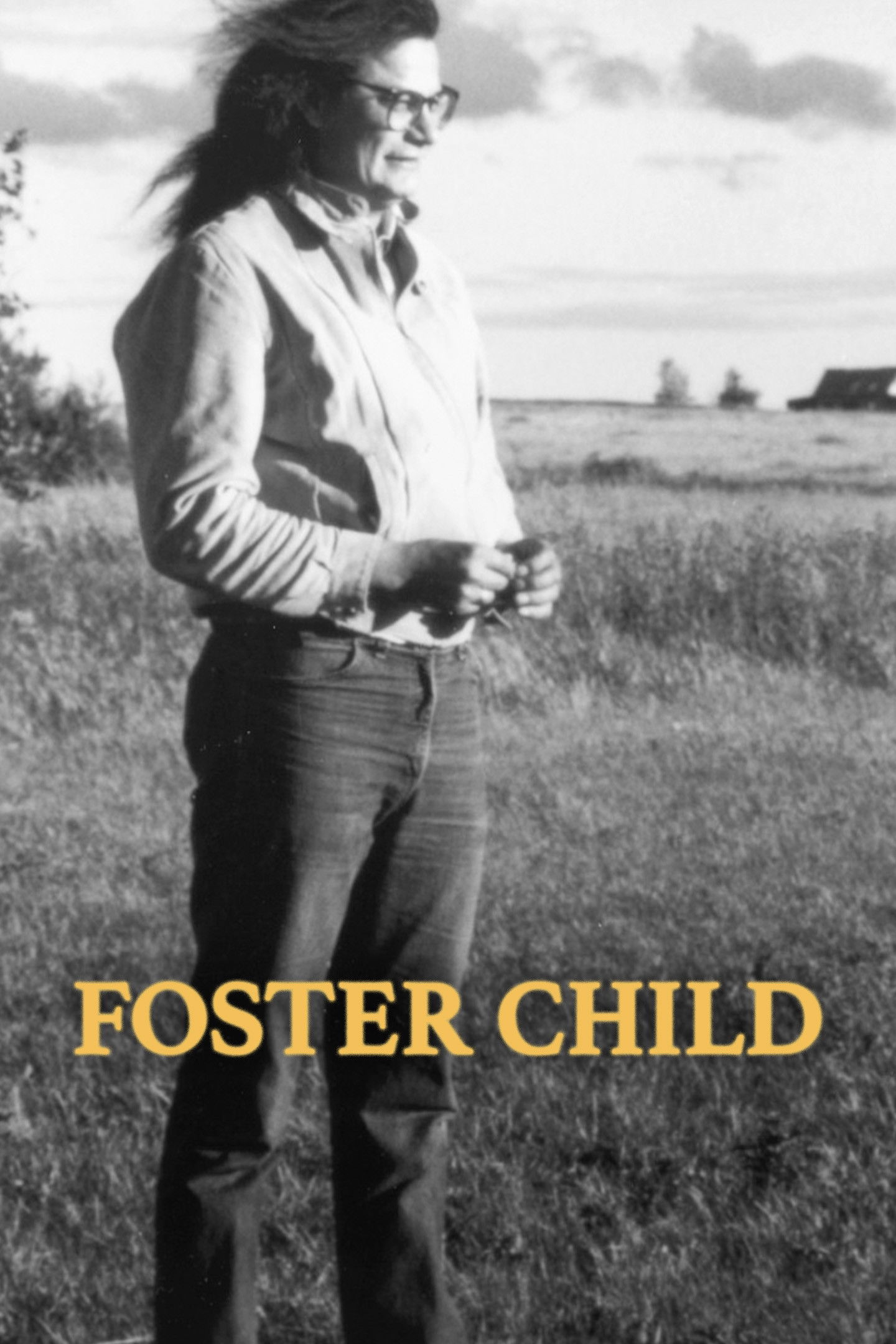
Gil Cardinal searches for his natural family and an understanding of the circumstances that led to his becoming a foster child. An important figure in the history of Canadian Indigenous filmmaking, Gil Cardinal was born to a Métis mother but raised by a non-Indigenous foster family, and with this auto-biographical documentary he charts his efforts to find his biological mother and to understand why he was removed from her. Considered a milestone in documentary cinema, it addressed the country’s internal colonialism in a profoundly personal manner, winning a Special Jury Prize at Banff and multiple international awards.
The original documentary on the Wigstock festival, back in the day when it was a much smaller affair in Thompkins Square Park. A full day of peace, love, and wigs…
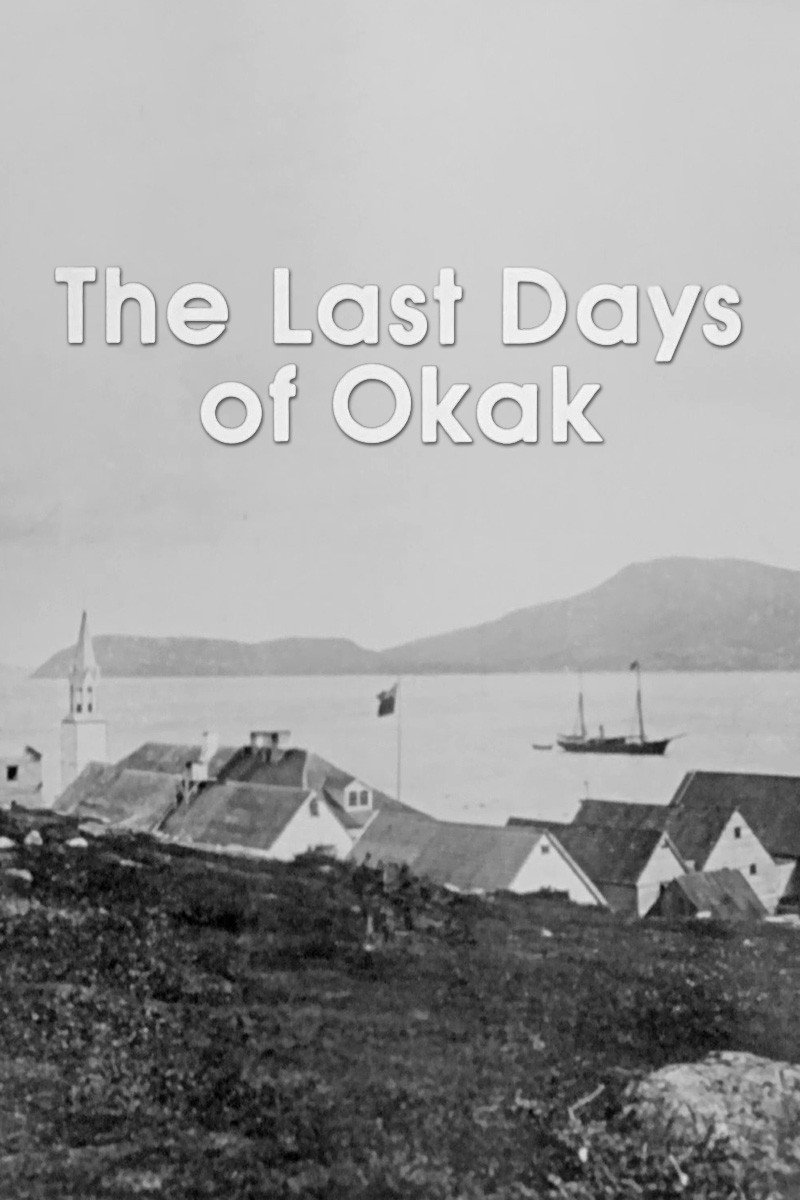
This short documentary tells the story the once-thriving town of Okak, an Inuit settlement on the northern Labrador coast. Moravian missionaries evangelized the coast and encouraged the growth of Inuit settlements, but it was also a Moravian ship that brought the deadly Spanish influenza during the world epidemic of 1919. The Inuit of the area were decimated, and Okak was abandoned. Through diaries, old photos and interviews with survivors, this film relates the story of the epidemic and examines the relations between natives and missionaries.
A small UFO flies through the streets of Amsterdam one evening. No one seems to notice. In the spaceship are two aliens enjoying the view. They disappear again just as suddenly as they came. Short experimental animation film is a homage to film-maker Ed Wood.
Robert Donnell is a man with an unusual occupation. He is the Carilloneur in the Dominion of Canada Peace Tower in Ottawa. Unseen to the visitors , he serenades them from his room high in the tower with 53 carillon bells ranging in weight from ten pounds to eleven tons.
Cast and crew discuss how a no-budget slasher movie became an international sensation. Produced for the "Friday the 13th" DVD.
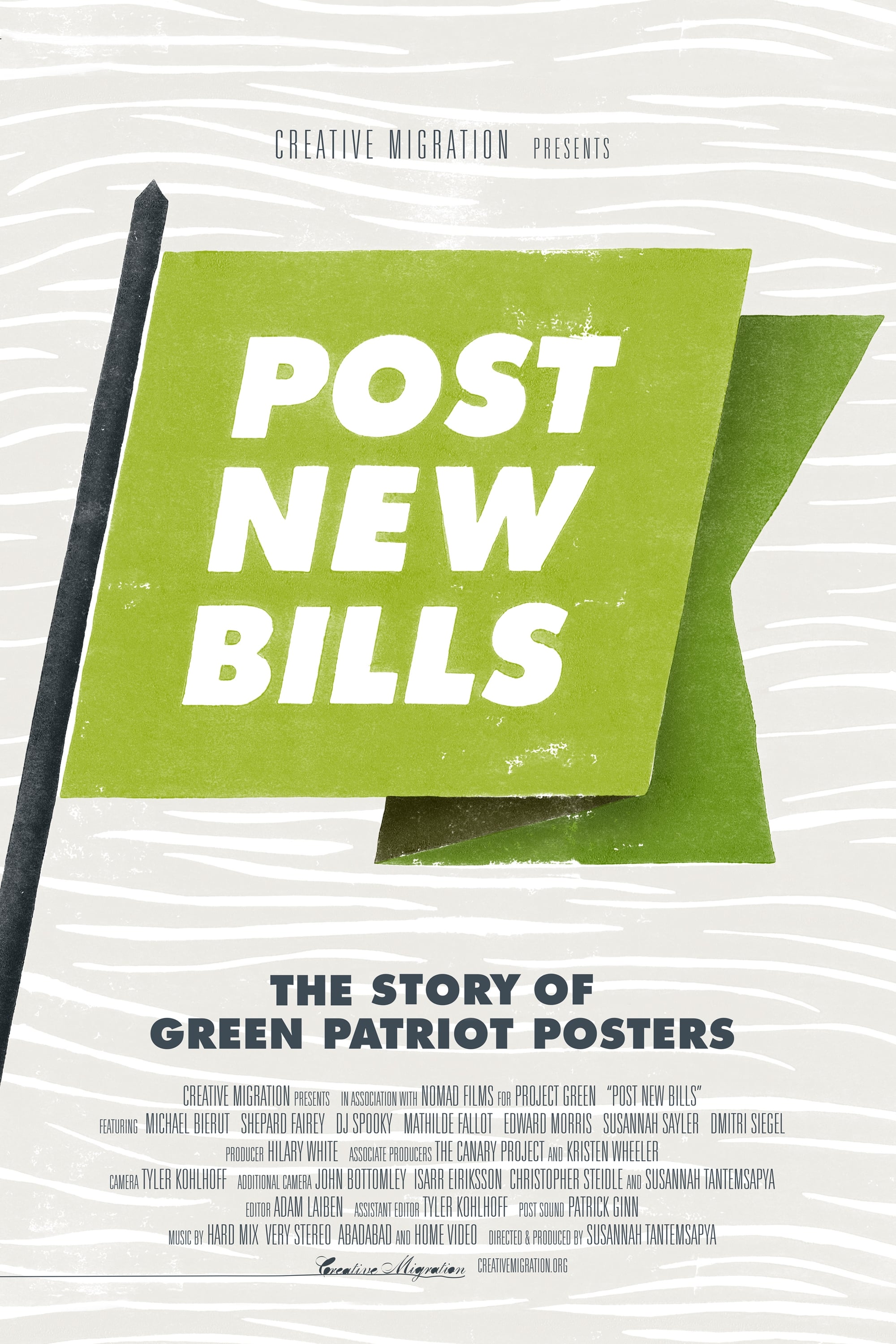
A short documentary illustrating how art can influence public perception towards environmental issues. Green Patriot Posters is a highly acclaimed multimedia design campaign that challenges artists to deepen public understanding and ignite collective action in the fight against climate change. So far, it has reached five million people through print media, public space and digital culture. The film features interviews with key Green Patriot Posters contributors (Shepard Fairey, Michael Bierut, DJ Spooky, Mathilde Fallot) and its founders (The Canary Project, Dmitri Siegel).
Ballet by the Lake: The Wilderness Ballet Camp in Ontario's Algonquin Park. Dancing on the Rockies: The Banff School of Fine Arts ballet class practises out of doors.
The story behind the translation and performance of Shakespeare's "Hamlet" in Klingon.
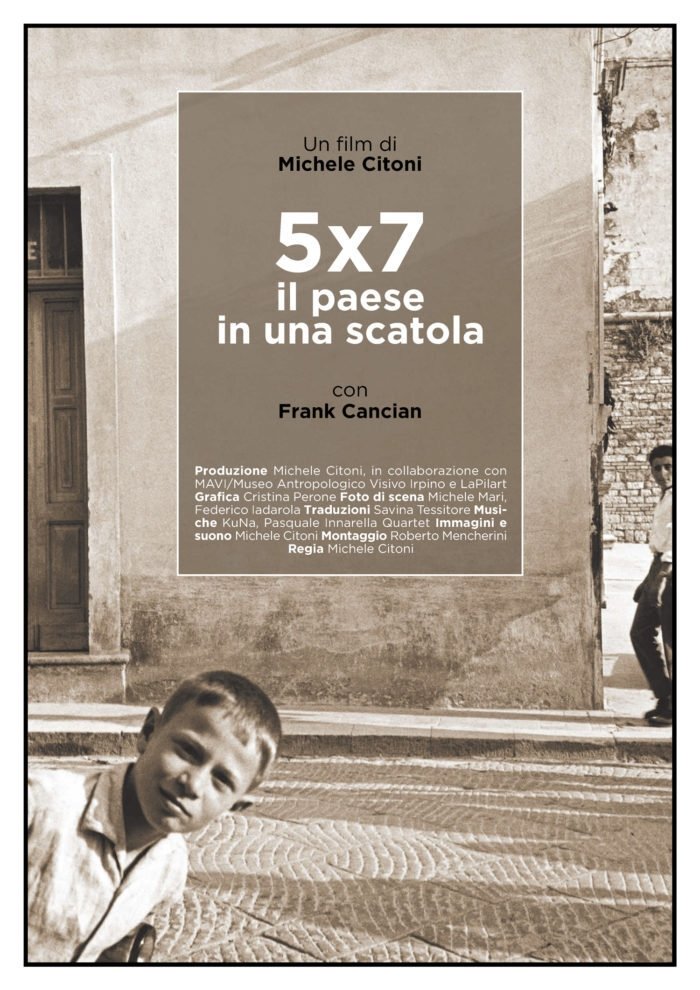
A beautiful collection of pictures ties Frank Cancian, an elderly photographer and retired professor of anthropology, American with origin from Veneto, to the people of Lacedonia, a small town in southern Italy. Thanks to the rediscovery of the photos taken in 1957 by the young Cancian in that rural village where he had arrived almost by chance, the story resumes there where it was interrupted 60 years earlier. And the thread of memories ties back to people and places, bringing with itself some essential reflections on how photography can become an ethnographic look at small communities.
Of The Mountains sees three snowboarders of unique and uncommon backgrounds come together for a lifetime trip to the iconic backcountry of Hokkaido, Japan. It is a story of mentorship, unlimited possibility, and the transformative power of perfect powder.
An insight into a girls' group in a mining community in the Ruhr region.
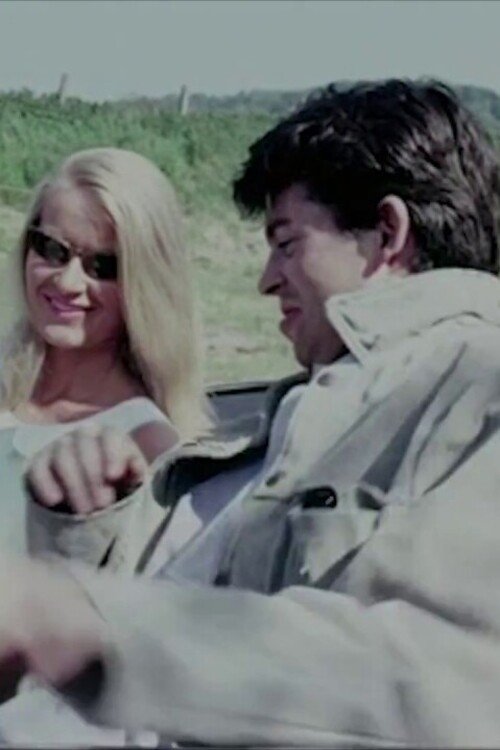
Hitch a ride with a glamorous blonde in a convertible sports car, and take a spin around the seaside town of Weston-Super-Mare and its surroundings.
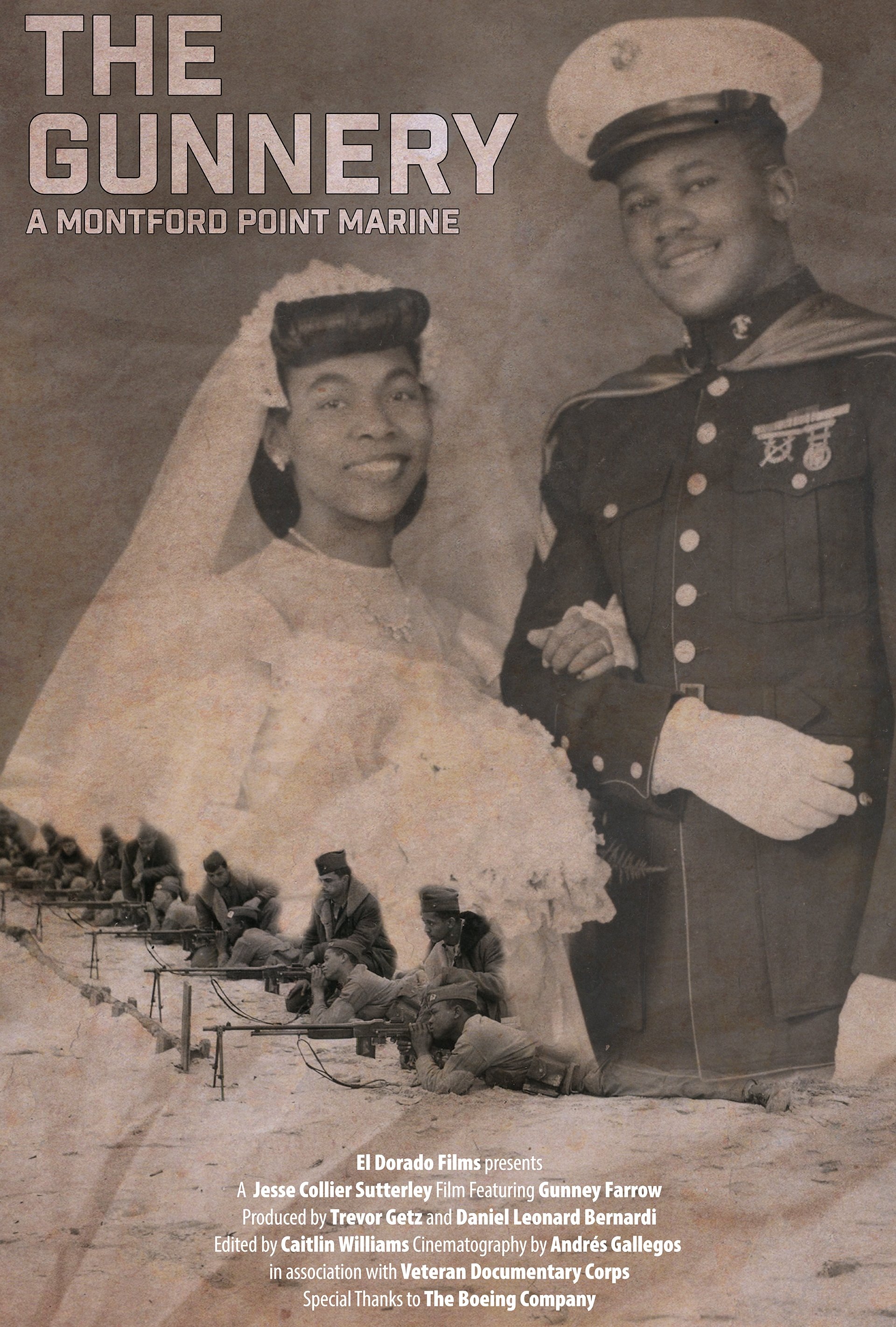
In this heartfelt short film by Jesse Collier Sutterley, Roosevelt Farrow, born in 1929 at the start of the Great Depression, shares his lifelong dream of becoming a U.S. Marine, despite the racial barriers of his time. Raised by his grandmother in humble conditions, he was inspired by the sight of Marines visiting his community. Farrow’s determination led him to join the Marine Corps, where he faced the challenges of Montford Point boot camp, eventually becoming an expert marksman and retiring as a Gunnery Sergeant. Although he never saw combat, a fact he attributed to his wife’s prayers, he realized the significance of his journey when he witnessed black officers rising in the ranks. Farrow's story is a testament to perseverance and the pursuit of one's dreams, encouraging others not to give up on their aspirations despite austere beginnings and social injustice.
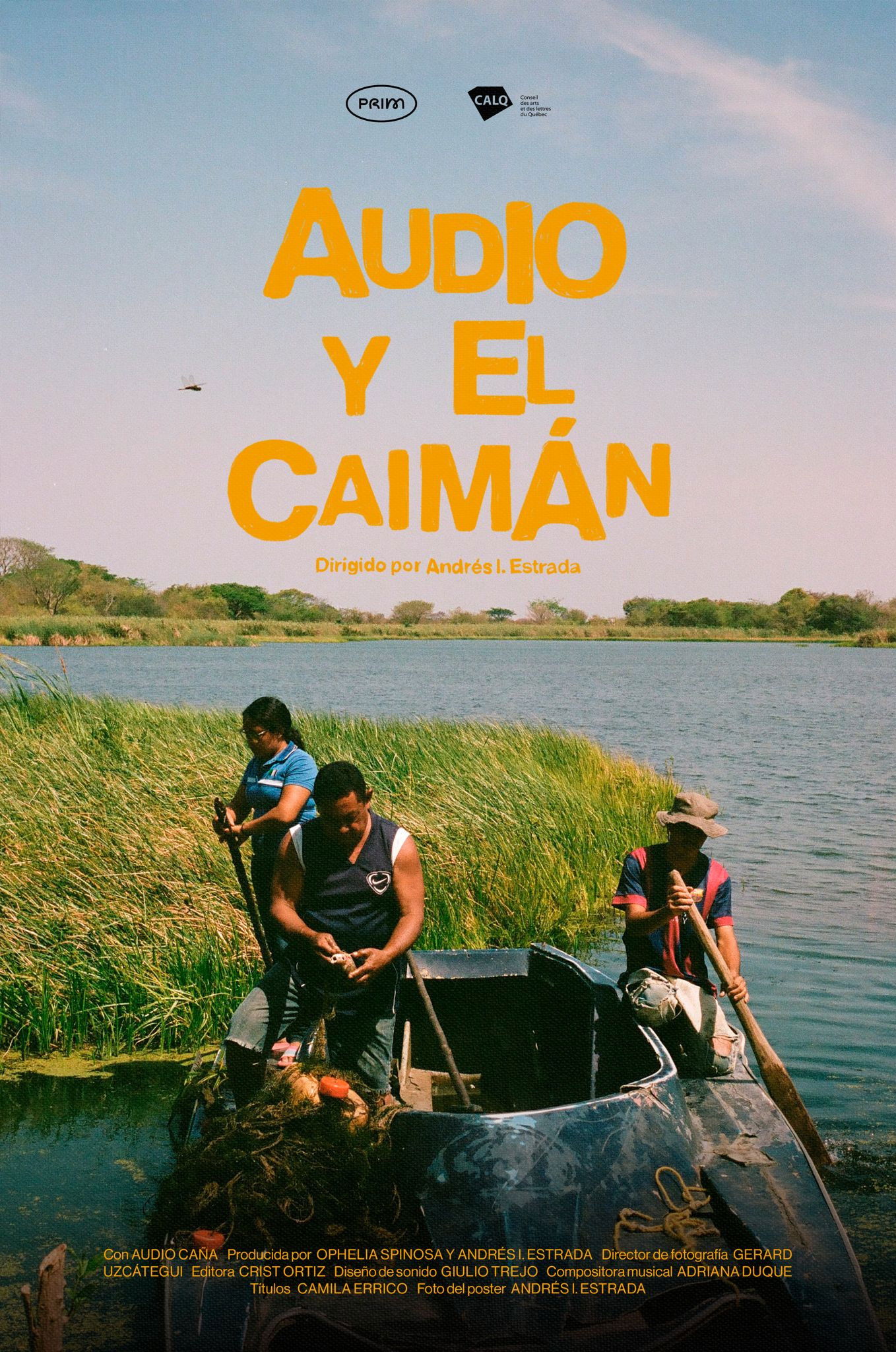
Audio Caña, an old farmer in rural Venezuela, believes there is a giant alligator living in his pond. With his family's help, he's determined to prove its existence to his friends who are often dissuaded by his exaggerated stories.
Daniel Craig candidly reflects on his 15 year adventure as James Bond. Including never-before-seen archival footage from Casino Royale to the upcoming 25th film No Time To Die, Craig shares his personal memories in conversation with 007 producers, Michael G Wilson and Barbara Broccoli.
A visual montage portrait of our contemporary world dominated by globalized technology and violence.
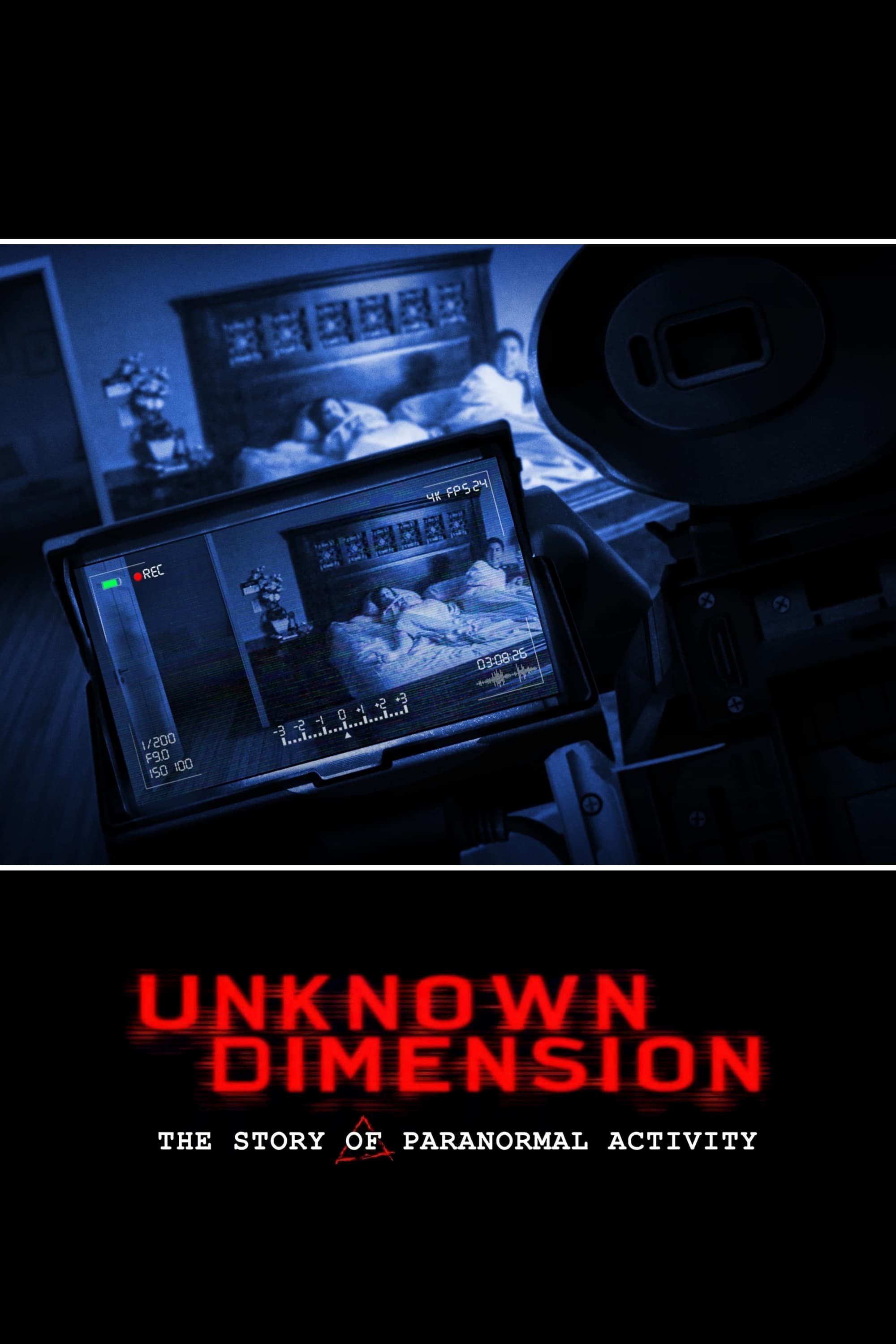
A deep dive into the making of the Paranormal Activity films with first time ever interviews with cast and crew, never-before-seen footage from the movies, and a preview of the seventh installment in the franchise.
In an intimate and joyful story of love in the face of loss, celebrated poets Andrea Gibson and Megan Falley find strength—and unexpected hilarity—in what might be their final year together.
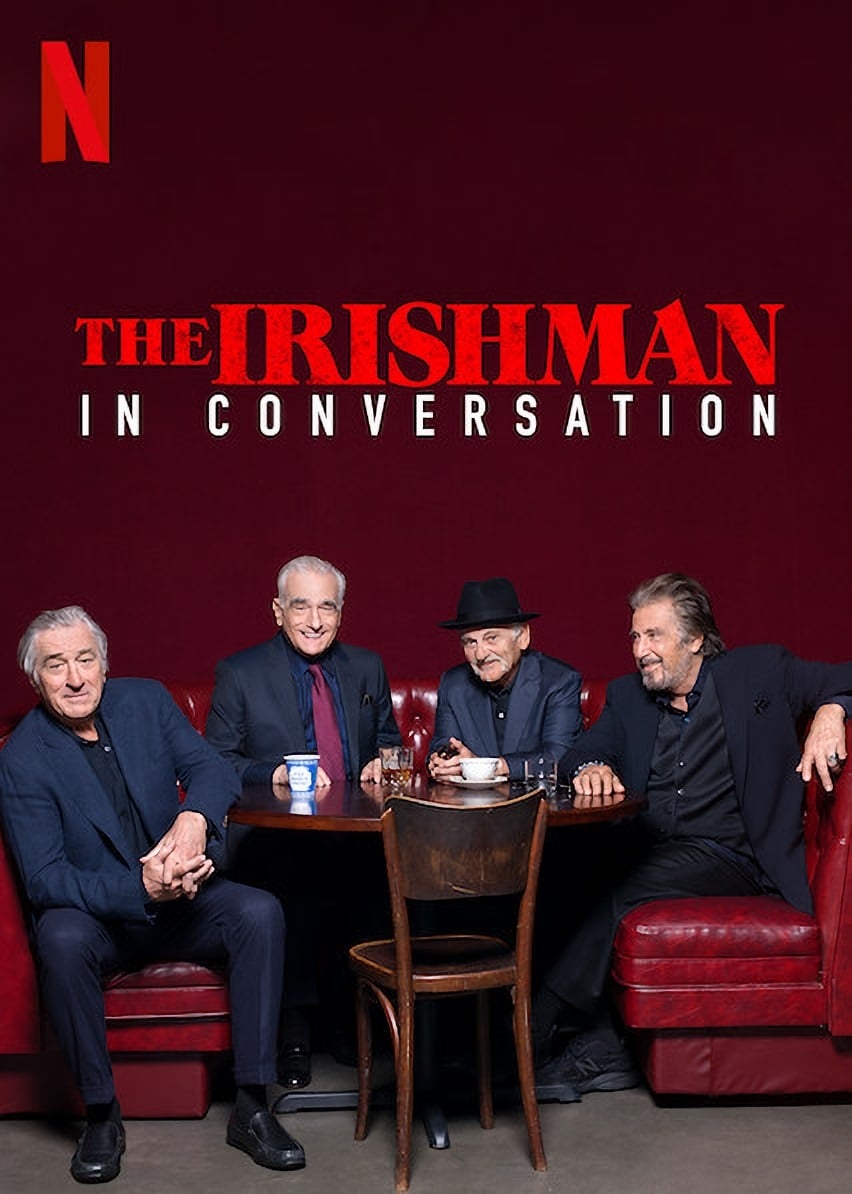
Martin Scorsese, Robert De Niro, Joe Pesci, and Al Pacino in conversation about The Irishman.
A documentary on the expletive's origin, why it offends some people so deeply, and what can be gained from its use.
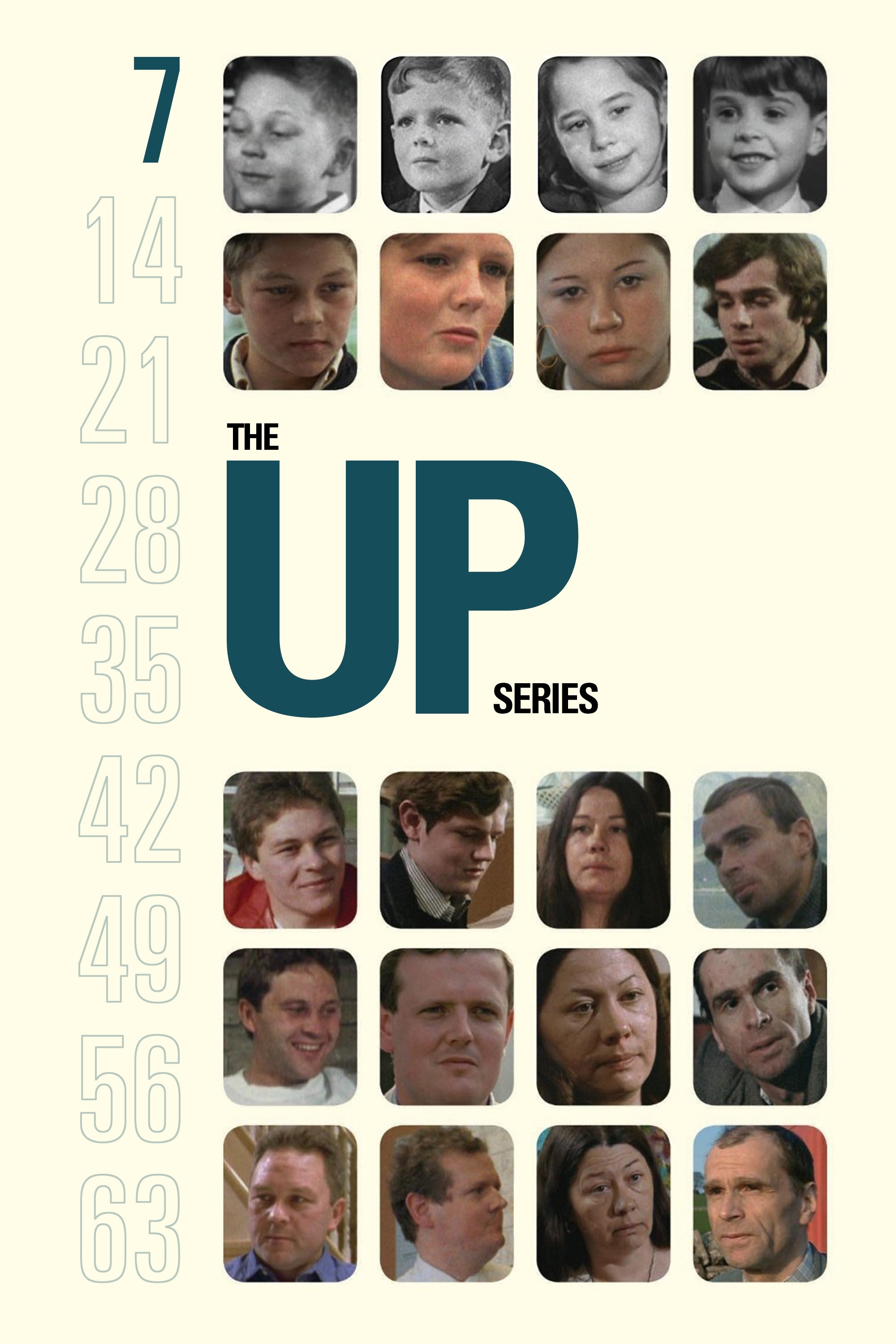
A group of British children aged 7 from widely ranging backgrounds are interviewed about a range of subjects. The filmmakers plan to re-interview them at 7 year intervals to track how their lives and attitudes change as they age.
A compilation of over 30 years of private home movie footage shot by Lithuanian-American avant-garde director Jonas Mekas, assembled by Mekas "purely by chance", without concern for chronological order.
A documentary about the making of David Fincher's 2008 film THE CURIOUS CASE OF BENJAMIN BUTTON. Virtually every element in the evolution of the Fincher's film is documented here, from the project's attachment to numerous other directors during the 1990s, to its shoot in 2006 and 2007 in New Orleans, to its complex, CGI-intensive postproduction process.
A feature length documentary about the all-women team at the helm of Pixar's original feature, Turning Red. With unprecedented behind-the-scenes access to Director Domee Shi and her core leadership crew, this story shines a light on the powerful professional and personal journeys that brought this incredibly comical, utterly relatable, and deeply heartfelt story to the screen.
A documentary about how a dominant cultural and demographic institution both sustains their traditional activities and adapts to the digital revolution.
A documentary about the life and films of director John Ford.
A purely observational non-fiction film that takes viewers into the ethically murky world of end-of-life decision making in a public hospital.
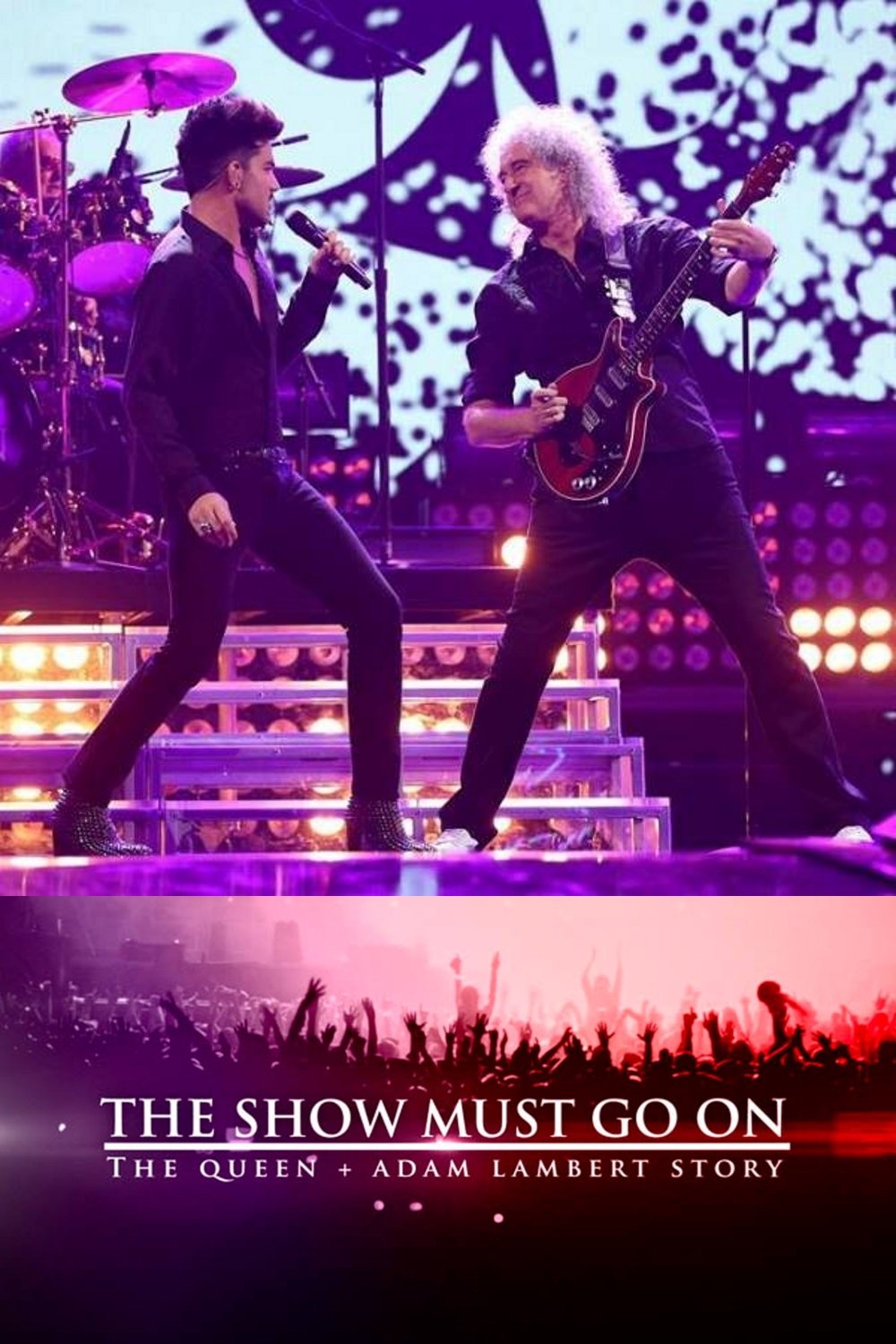
A documentary chronicling Queen and Lambert's incredible journey since they first shared the stage together on "American Idol" in 2009.
Ranjit, a farmer in India, takes on the fight of his life when he demands justice for his 13-year-old daughter, the victim of a brutal gang rape. His decision to support his daughter is virtually unheard of, and his journey unprecedented.
Alexander McQueen's rags-to-riches story is a modern-day fairy tale, laced with the gothic. Mirroring the savage beauty, boldness and vivacity of his design, this documentary is an intimate revelation of McQueen's own world, both tortured and inspired, which celebrates a radical and mesmerizing genius of profound influence.
Director Michael Apted revisits the same group of British-born adults after a 7 year wait. The subjects are interviewed as to the changes that have occurred in their lives during the last seven years.
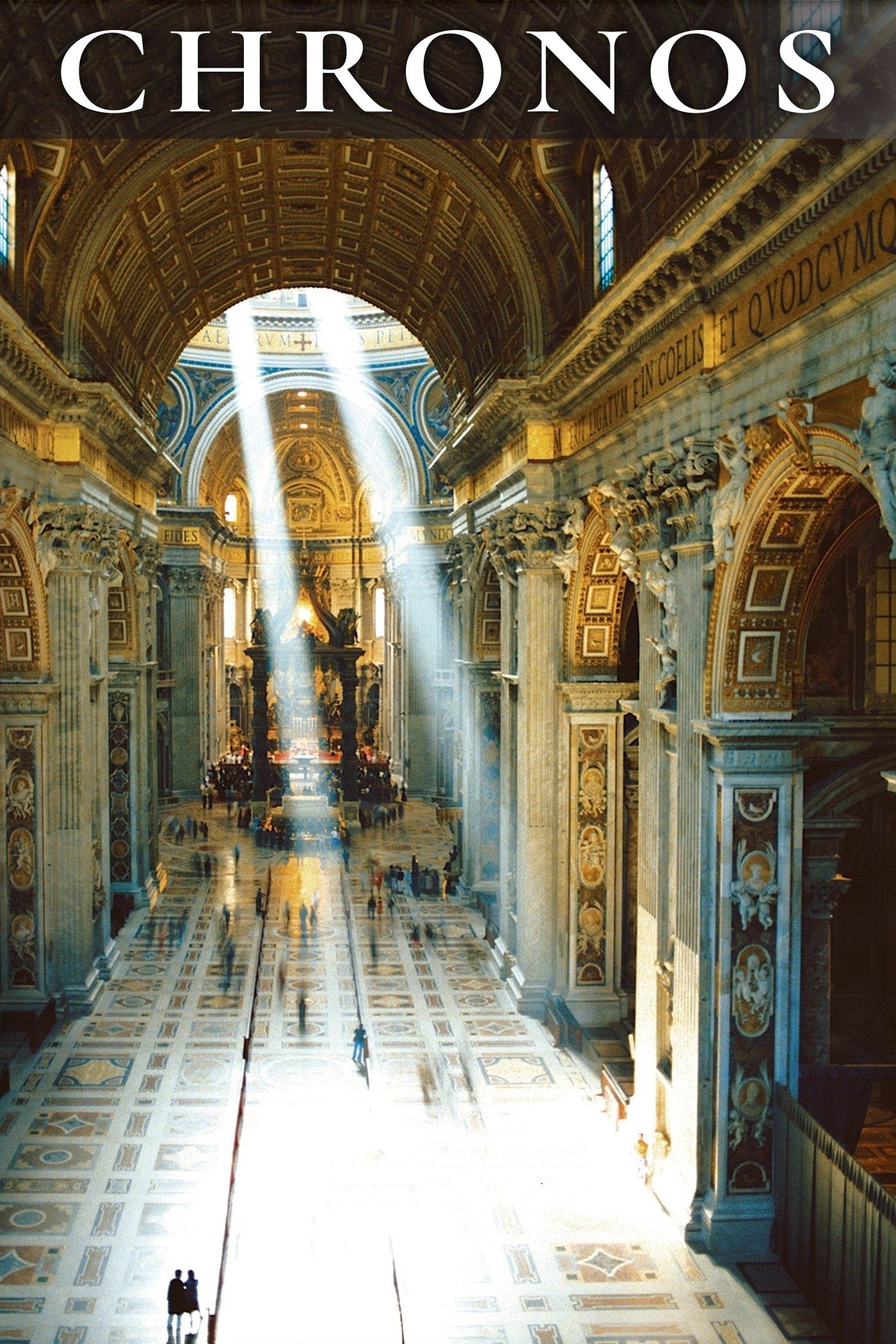
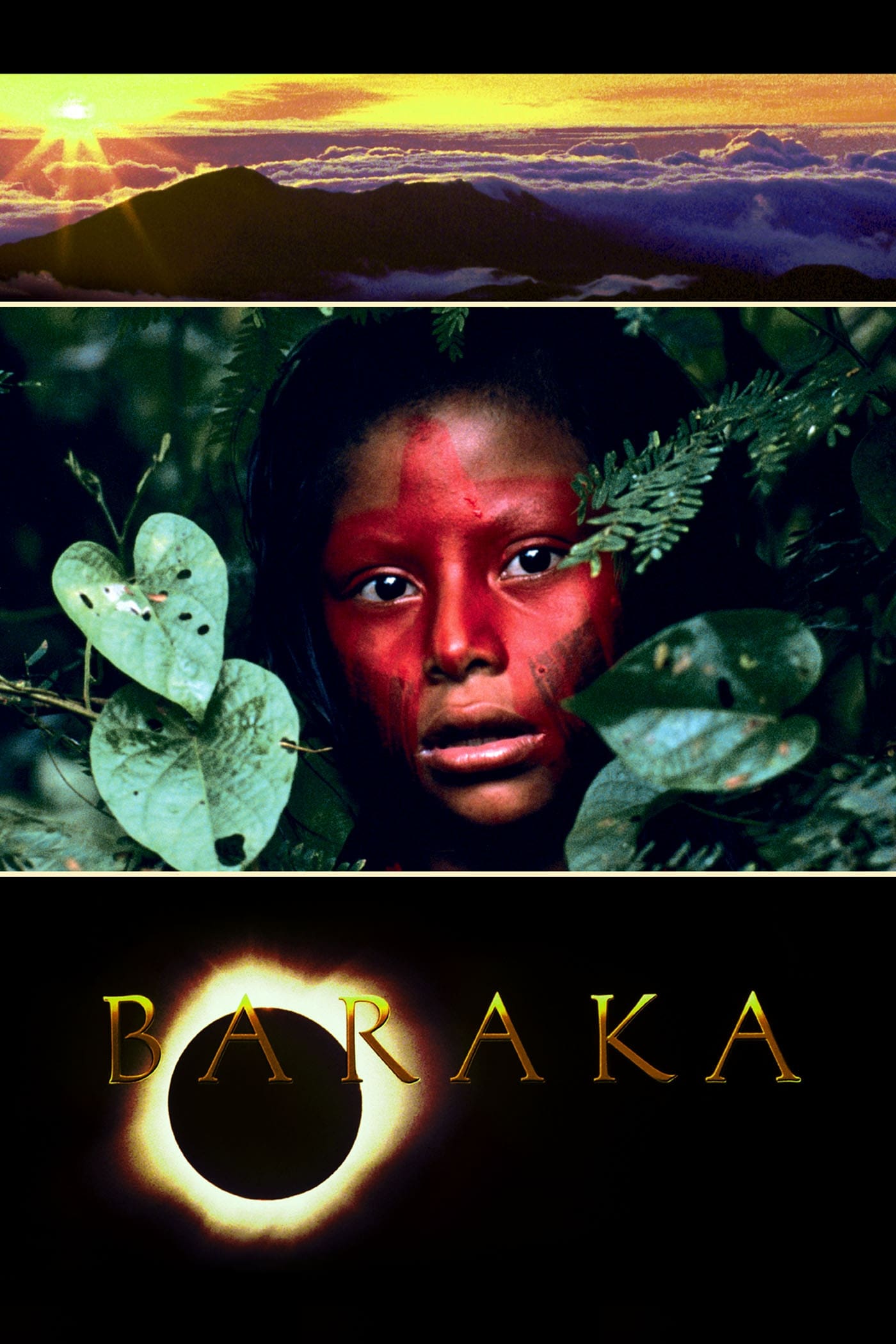
Carefully picked scenes of nature and civilization are viewed at high speed using time-lapse cinematography in an effort to demonstrate the history of various regions.
A paralysingly beautiful documentary with a global vision—an odyssey through landscape and time—that attempts to capture the essence of life.
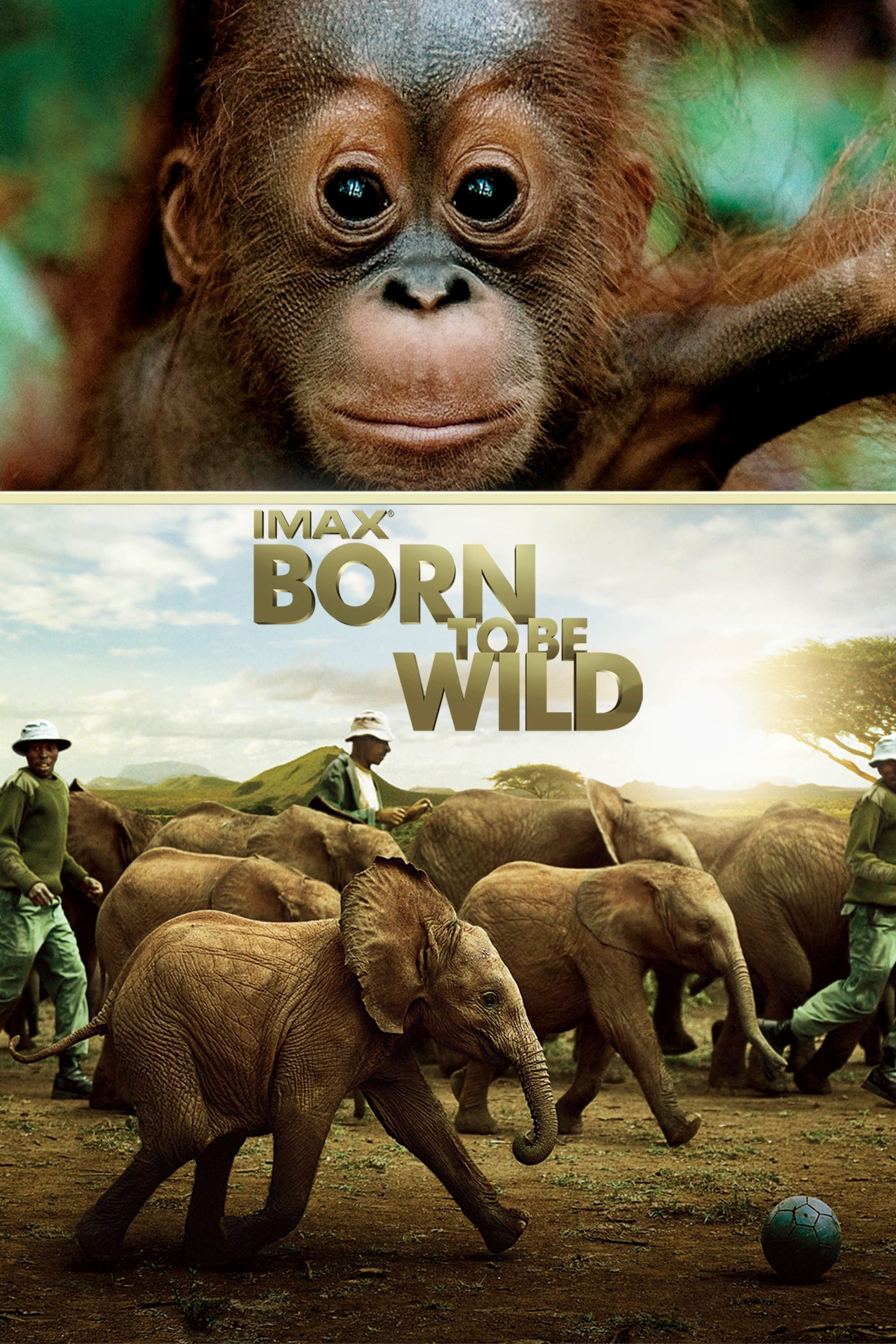
Born to Be Wild observes various orphaned jungle animals and their day-to-day behavioural interactions with the individuals who rescue them and raise them to adulthood. The film unfurls in two separate geographic spheres. Half of it takes place in the rain forests of Borneo, where celebrated primatologist Dr. Birute Galdikas assists baby orangutans; the other half takes place on the arid savannahs of Kenya, where zoologist Dame Daphne Sheldrick works with baby elephant calves.