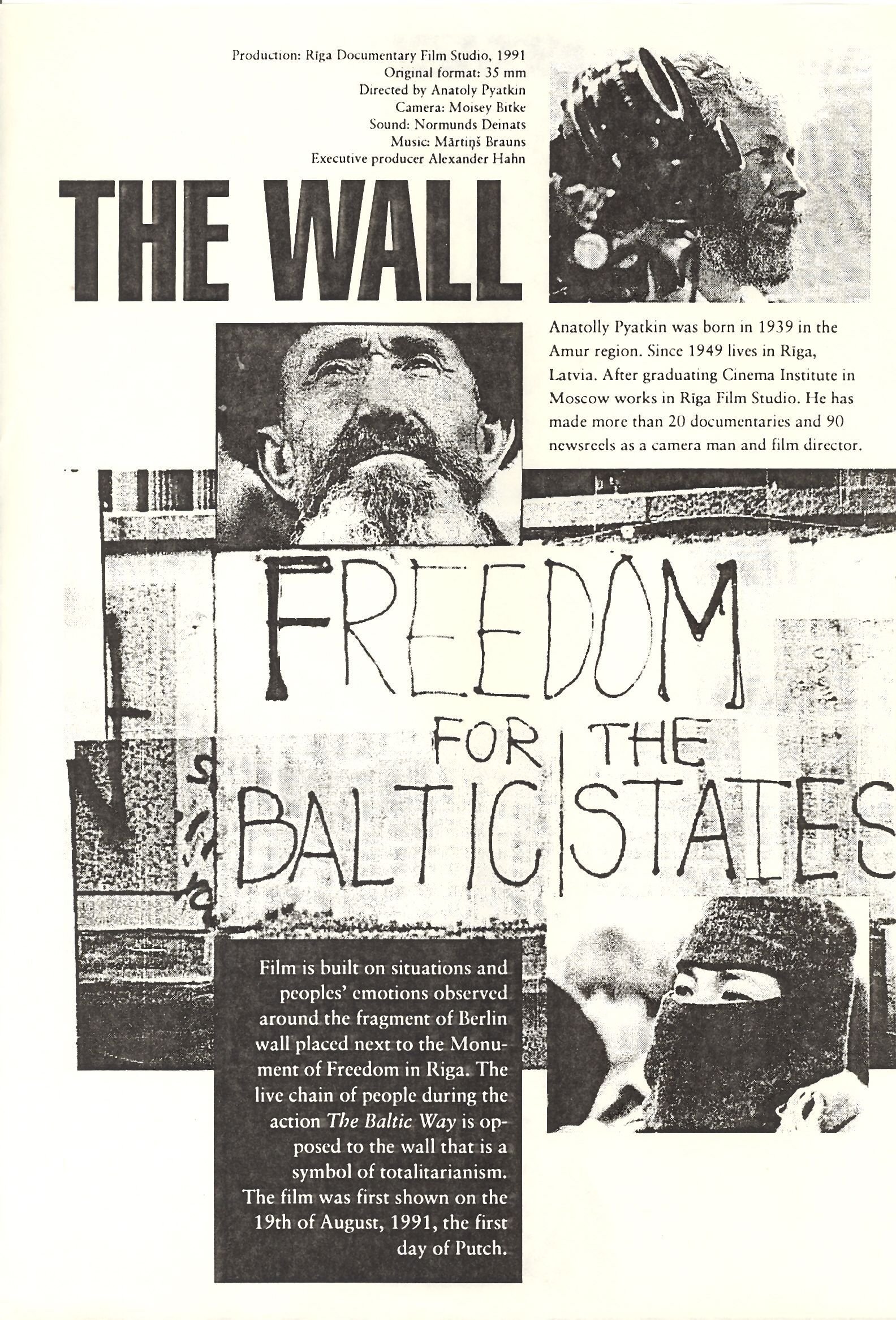
A fragment of the Berlin Wall in the centre of Riga.
Social & External
The people behind it
Unustatud rahvad (1970 - 1989) by Estonian composer Veljo Tormas is based upon six Balto-Finnic peoples traditions. Collegium Musicale choir brought the songs to different sides of Baltic coasts to liven current citizens connections for fleeting past and strengthen their identity.
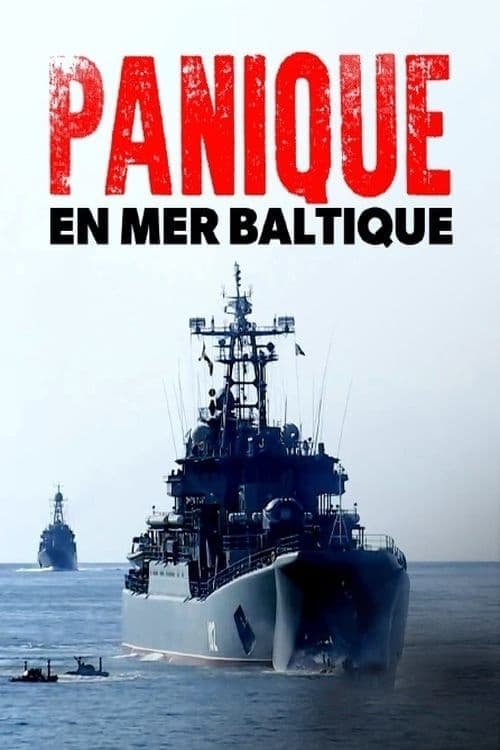
After the end of the Cold War, the Baltic was viewed almost as a quiet backwater. A nice place to visit to see charming Hanseatic cities and sandy beaches. But since the war in Ukraine the Baltic sea, bordered by eight European Union countries as well as Russia, has become a hot spot of world geopolitics. And tensions are high.
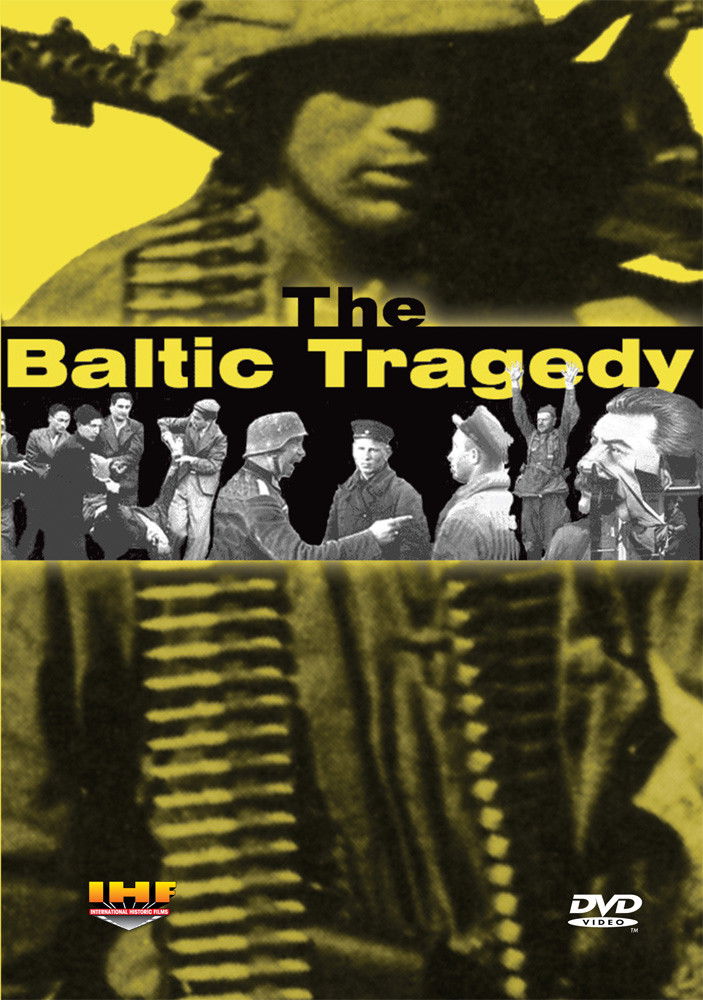
Special care has been taken by International Historic Films to assemble this monumental documentary, which tells the story of what is left for a people after its land has been ravaged by war. Situated between the powerful antagonists Germany and the Soviet Union, the Baltic nations of Latvia, Lithuania, and Estonia bore witness to some of the most ferocious land battles of the Second World War.
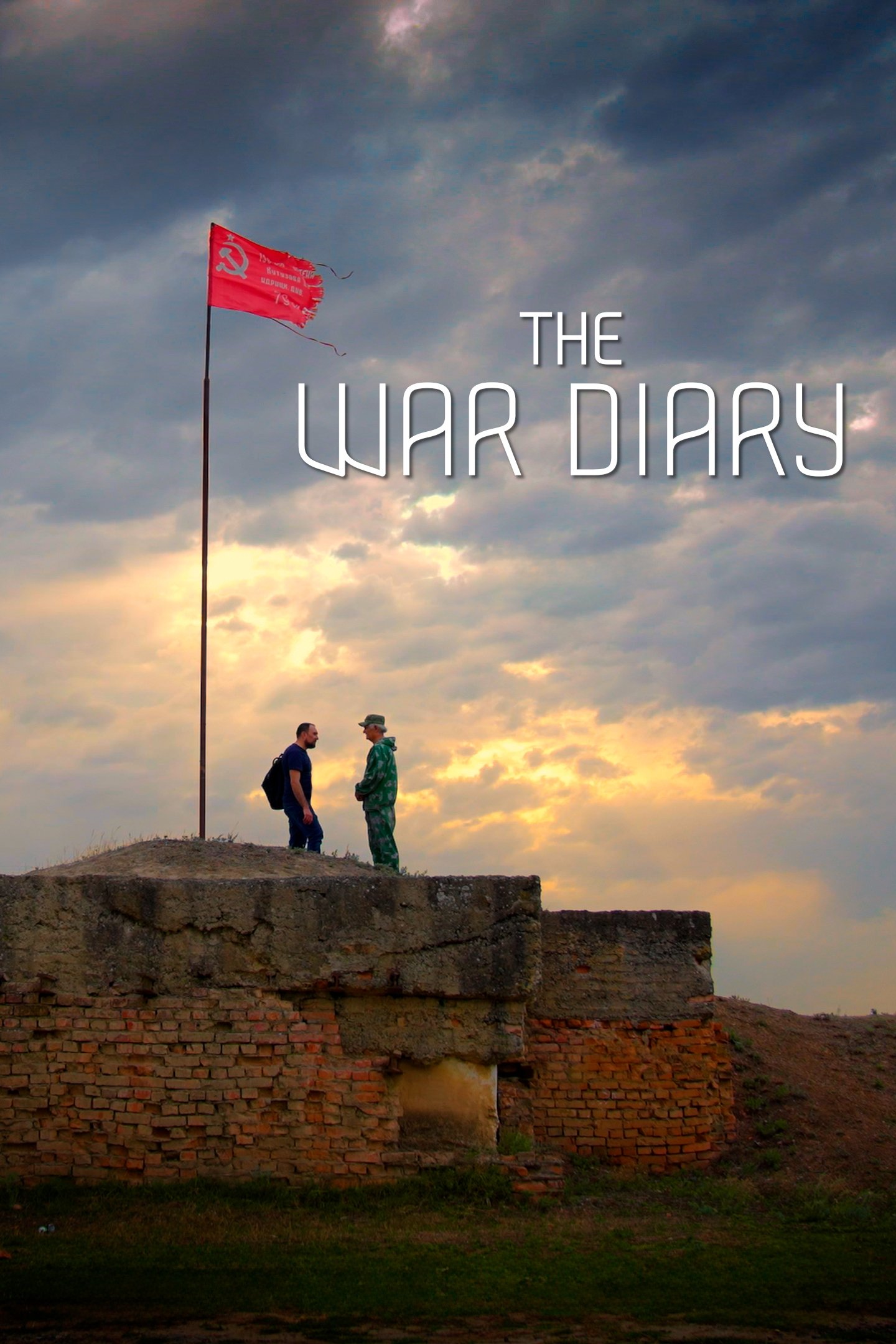
The War Diary is a contemporary road movie that confronts history with the current reality of Russia, Ukraine, Armenia and Georgia. An extraordinary document leads Hakob Melkonyan to undertake the journey of a lifetime:
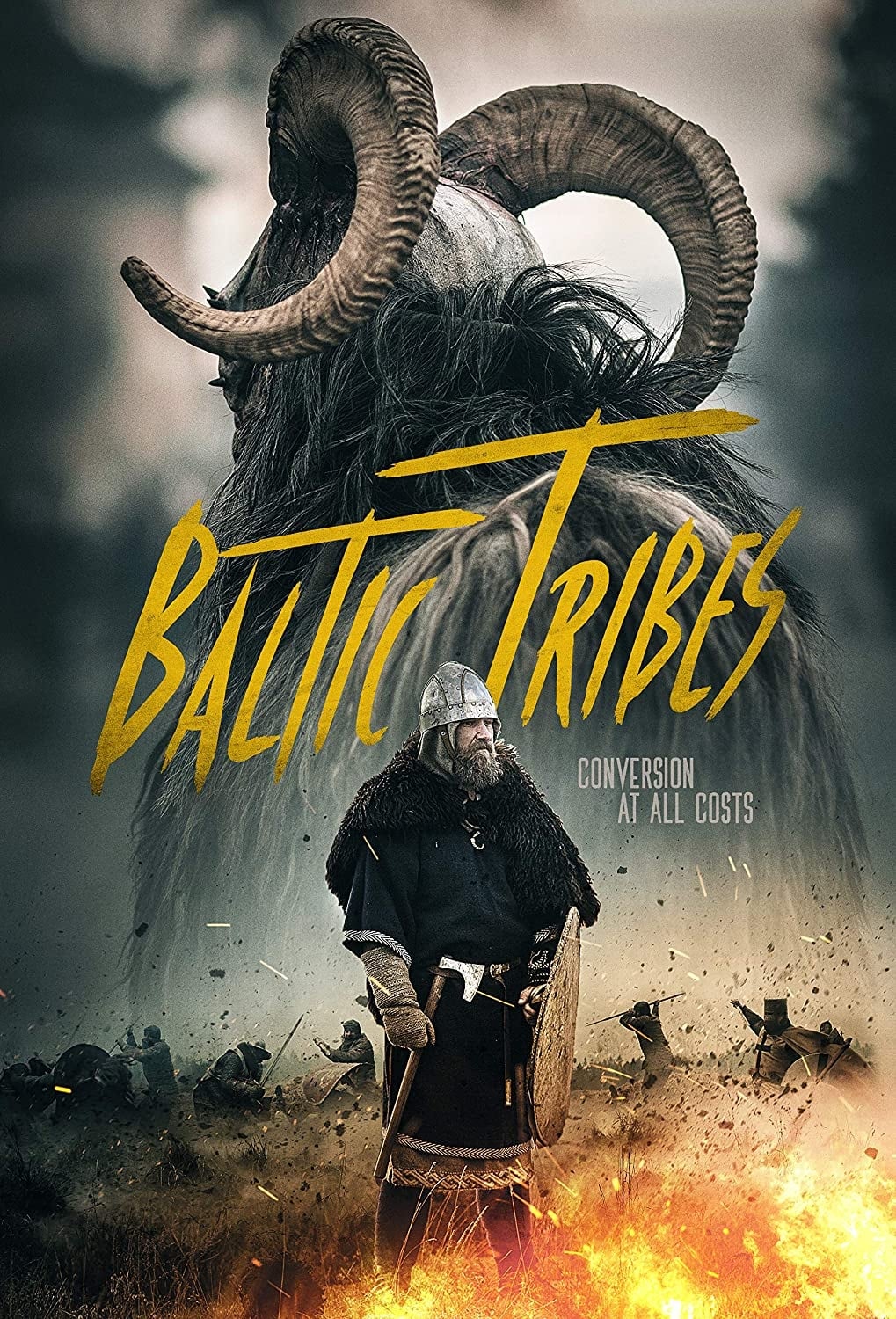
DocuDrama about 13th century pre-Christian culture. Danish spy Lars enters the tribal lands of the Baltic peoples, where he takes part in religious rites, cruel forays, gets high during the Summer Solstice, becomes slave to the Couronians and even fights the crusaders. Who were the last pagans of Europe and how did they live? It is a unique trip into the textures of the past and into the unknown lands of the Baltic Tribes.
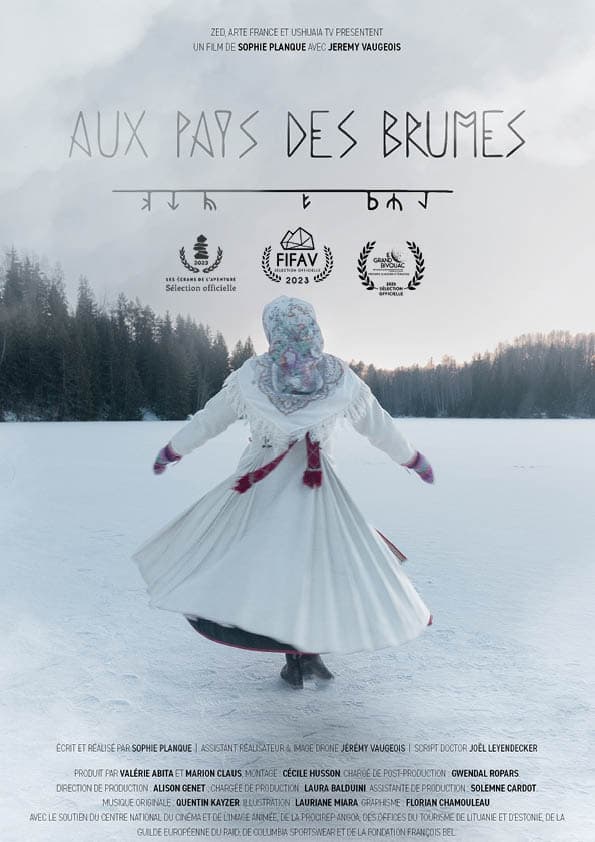
Does Europe also have its own animistic heritage, like Pachamama in South America and Shinto in Japan? If so, which one? In the Misty Lands, i.e. Estonia, Latvia and Lithuania, a sacred fire is lit on the winter solstice to celebrate the return of the sun and ancient beliefs that have been forgotten in the rest of Europe for thousands of years. Sophie Planque and Jérémy Vaugeois decided to take a journey on bicycles to experience the Baltic winter and meet the people who keep their ancestral culture alive. A unique heritage that reinforces a deep relationship with nature.
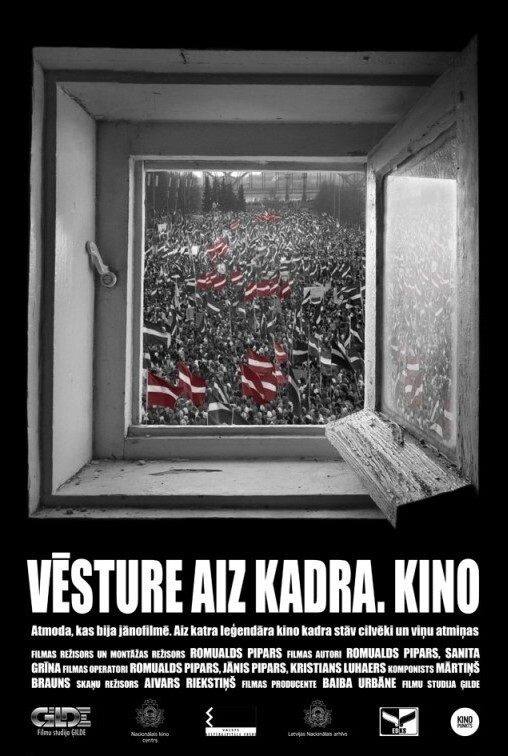
Some of the most iconic images in Latvian visual history were taken 30 years ago, when the so-called Singing Revolution took place. This documentary that includes well-known and previously unseen 35 mm footage, is about those who took these shots, told in their own voices, their own emotions and memories.
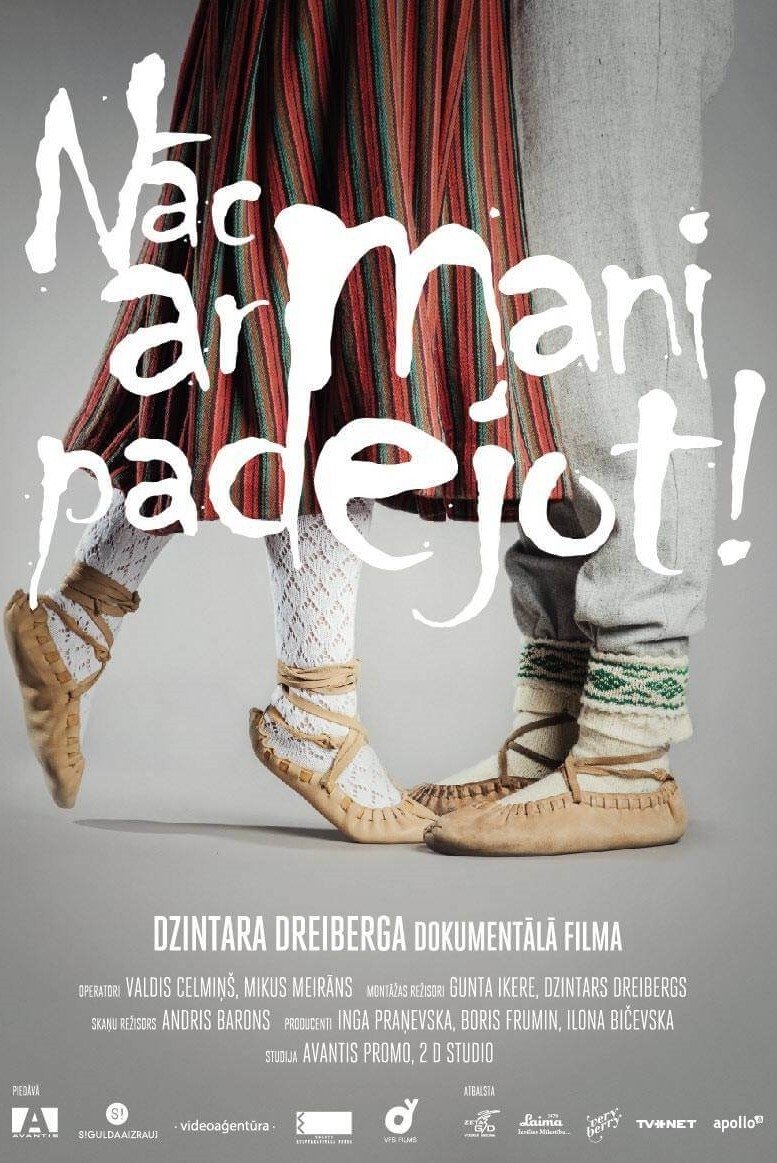
A high-school folk dancing group heads to Latvian School Youth Song and Dance Festival, an event that takes place every five years and is part of the Latvian national identity – this is the culmination point of five years of work. Away from their homes and parents, they spend seven days and nights together. They are 18 and have just graduated, and this seems to be the last idle summer of their lives. Dreams mix with boredom, silly jokes with serious conversations. Taking care of one another creates affection and grows into a collective power. There are thousands like them at the festival. Every individual sensation turns into a common celebration that becomes more than just a tradition.
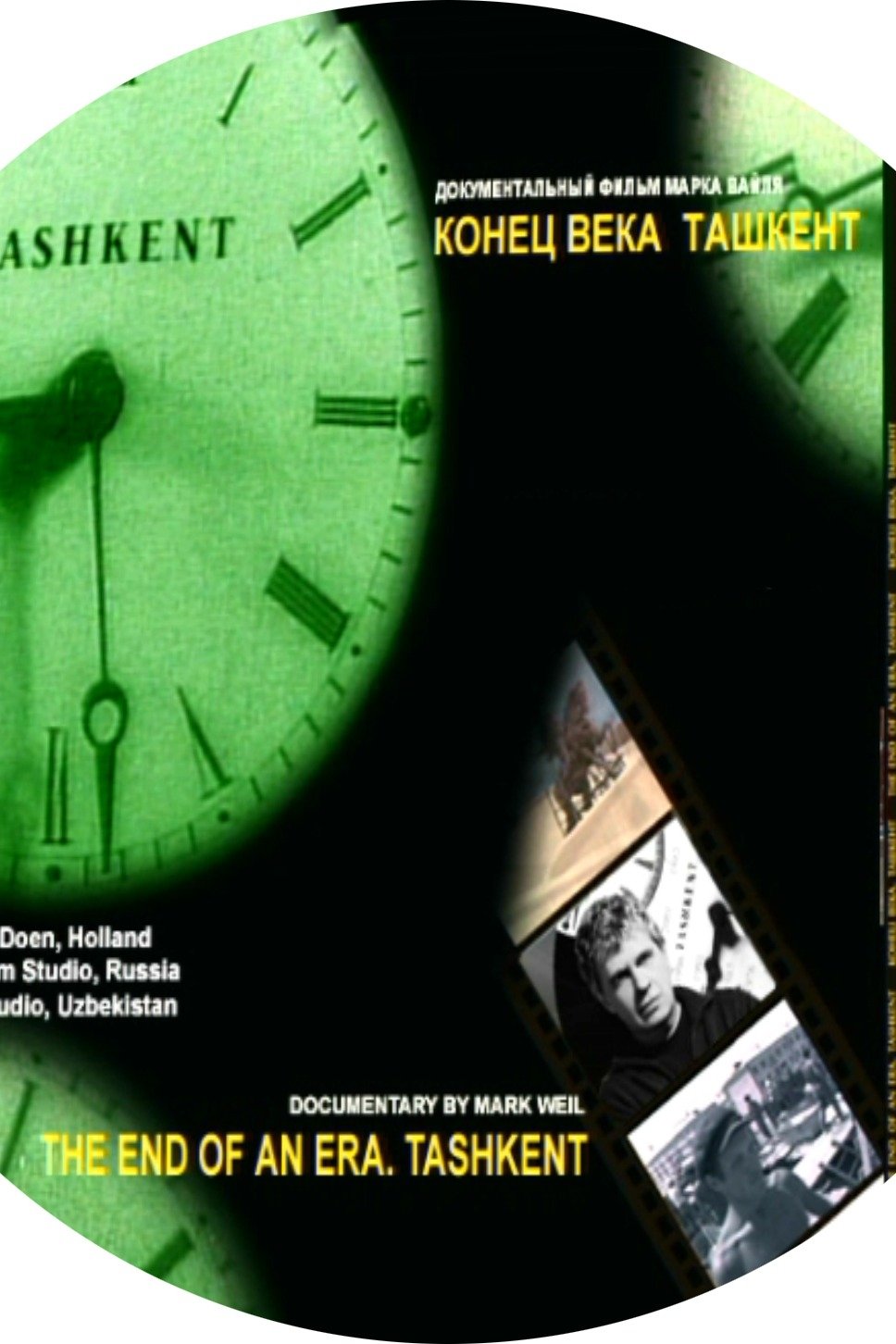
Tashkent: The End of an Era reconstructs the complex history of Tashkent by means of archive footage which has never been shown before and the testimonies of its inhabitants.
Located on the shores of the Baltic Sea, between Poland and Lithuania, Kaliningrad is a piece of Russia in the heart of Europe. A curious territory, isolated from Moscow after the fall of the USSR, today transformed into a military fortress facing NATO. In Kaliningrad, headquarters of the Russian Baltic fleet, there are 30,000 soldiers, hypersonic missiles and nuclear capability.
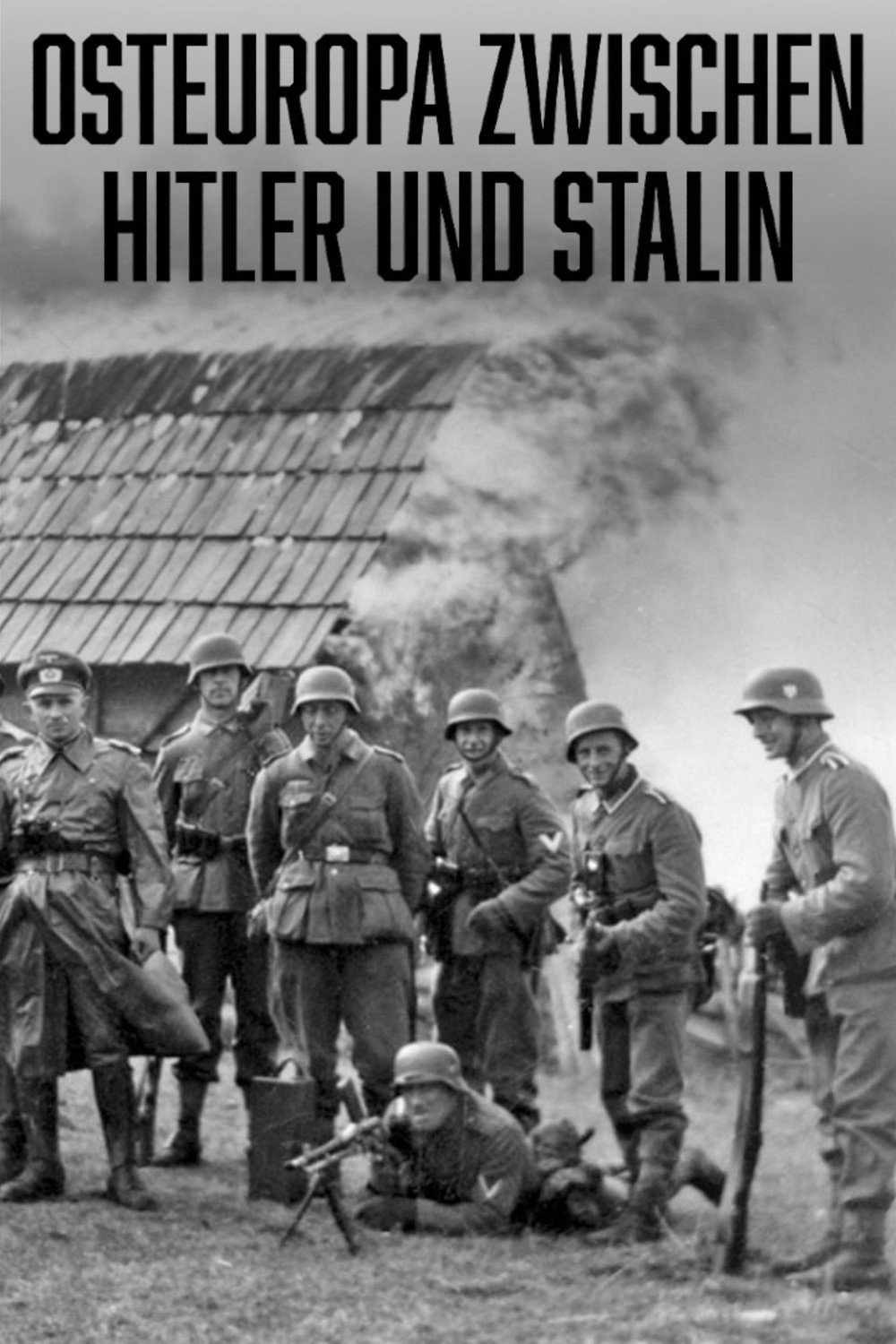
Between 1930 and 1945, Eastern Europe experienced mass violence on an unprecedented scale. Hitler and Stalin exploited the vast region for their respective expansionist plans. It is estimated that around 14 million civilians were murdered—primarily Jews, Poles, Balts, Belarusians, and Ukrainians.
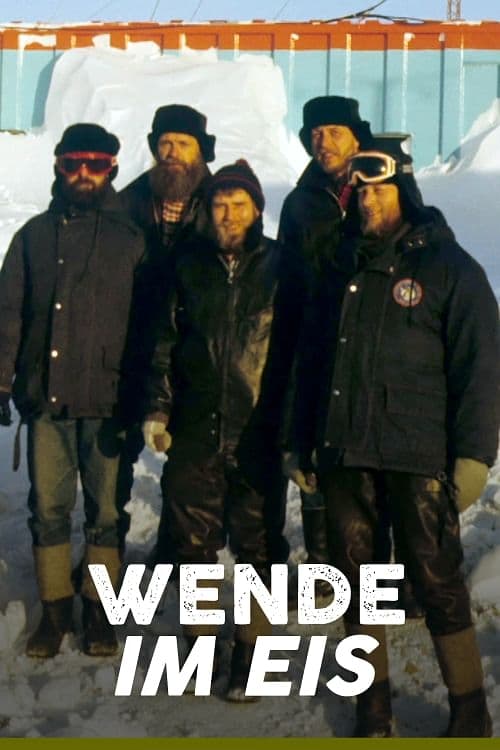
In 1989, thirteen GDR scientists and technicians set off from East Berlin to the Georg Forster research station in the Antarctic. During their expedition the Berlin Wall fell on November 9th. Cut off from the images that go around the world, the men can only experience the historical events passively. When they returned in the spring of 1991, their homeland was a foreign country. The documentary reconstructs the thoughts and feelings of the East German researchers on the basis of eyewitness accounts, diary excerpts, letters, film material, grandiose landscape shots from the location of the action and unique photos to make the consequences of the events tens of thousands of kilometers away on the small GDR expedition in the middle of the eternal ice tangible.
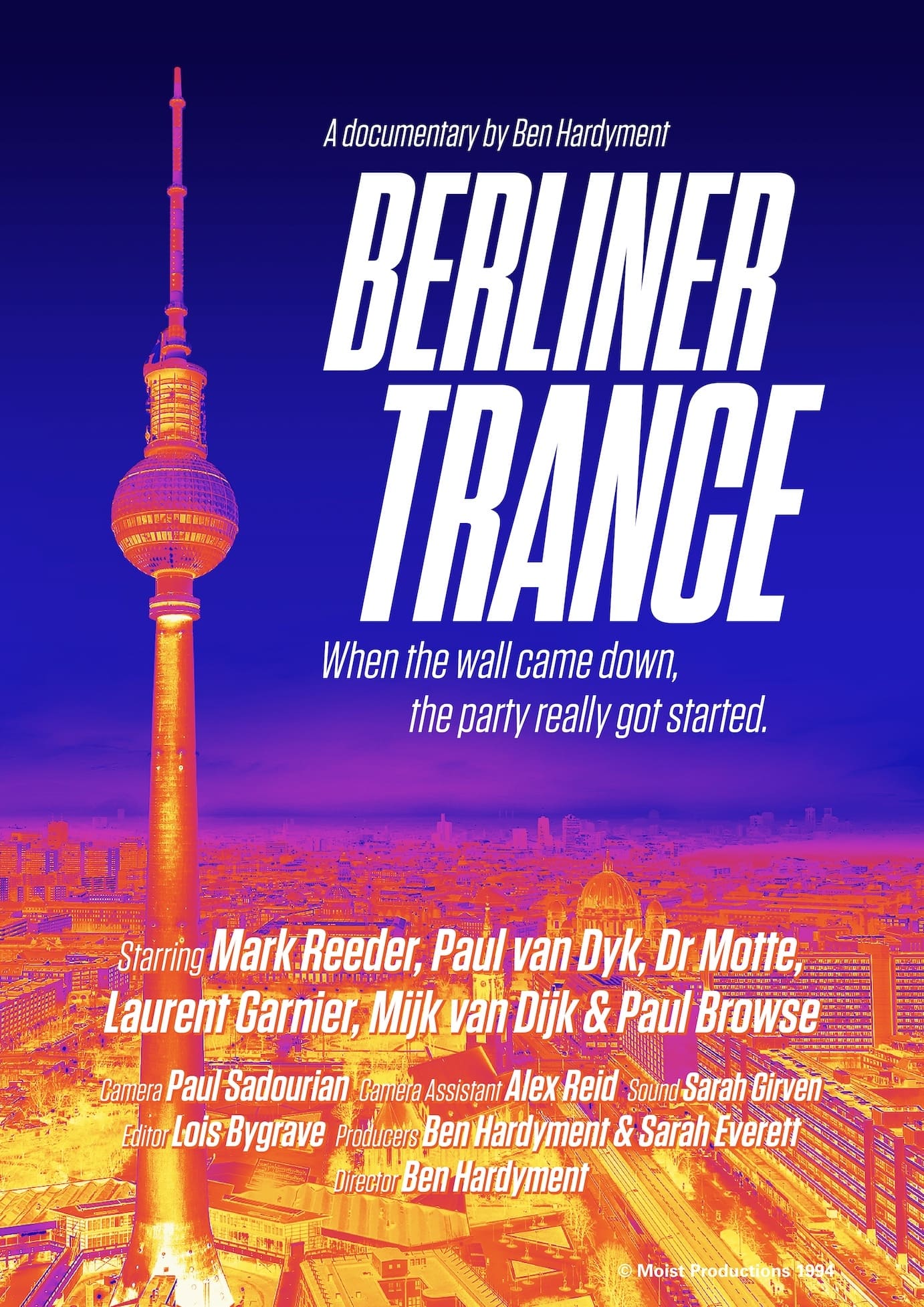
This lost classic, shot on 16mm in a wintry Berlin in 1993, explores the origins of the German trance scene. Featuring interviews with fresh-faced selectors including Laurent Garnier and MFS Records founder Mark Reeder, the documentary also feature footage from the city's iconic Love Parades in 1991 and 1993.
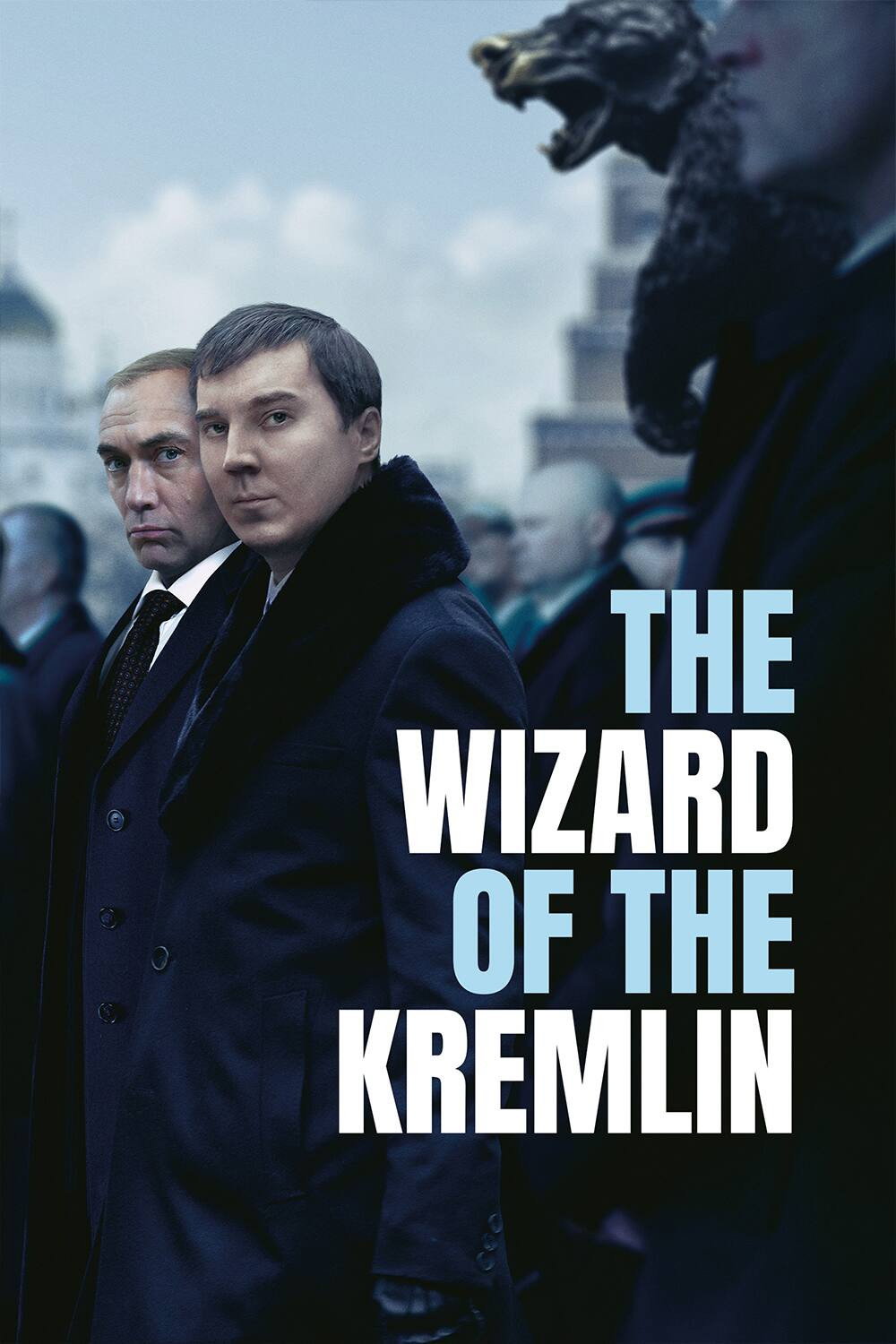
In the chaos of post-Soviet Russia, rising KGB officer Vladimir Putin joins forces with master manipulator Vadim Baranov to reshape life behind the Iron Curtain, using violence and deception to change the world forever.
In Soviet-occupied Estonia, a boy is caught between a broken family, the suffocating grip of state power, and forces far older than the empire itself. As propaganda and betrayal close in, he discovers that the greatest danger emerges where political oppression and ancient myth converge - and that his own bloodline may hold the key to both survival and ruin.
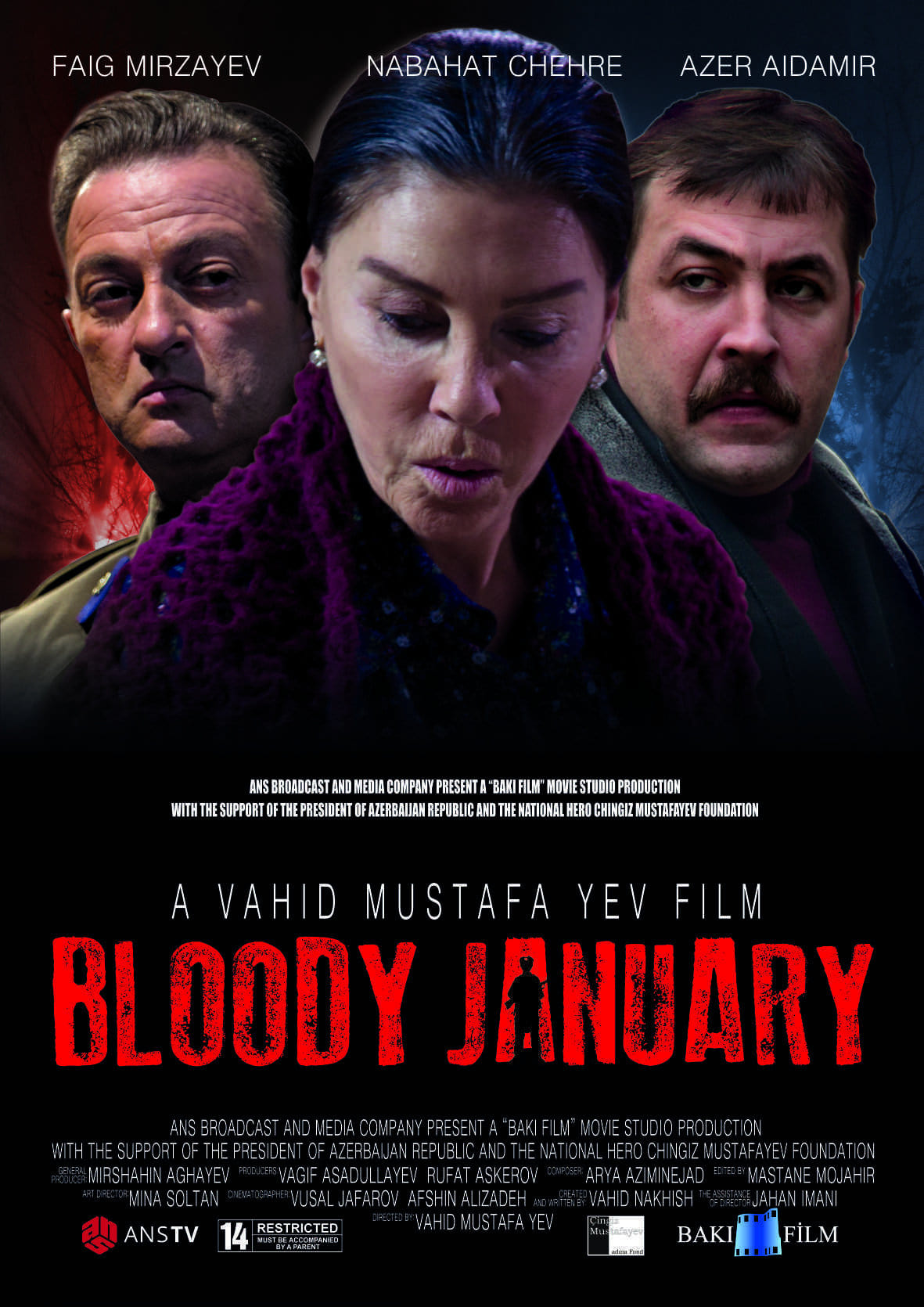
The film tells the story of the events during the night of January 19 to 20, 1990, when the Soviet Army invaded Baku and its surroundings and killed many civilians.
On the verge of retirement, Commissioner Gintas must undertake the investigation of a series of heinous murders, a dangerous task that could expose the many dirty secrets of several prominent members of the social elite of a small Lithuanian town.
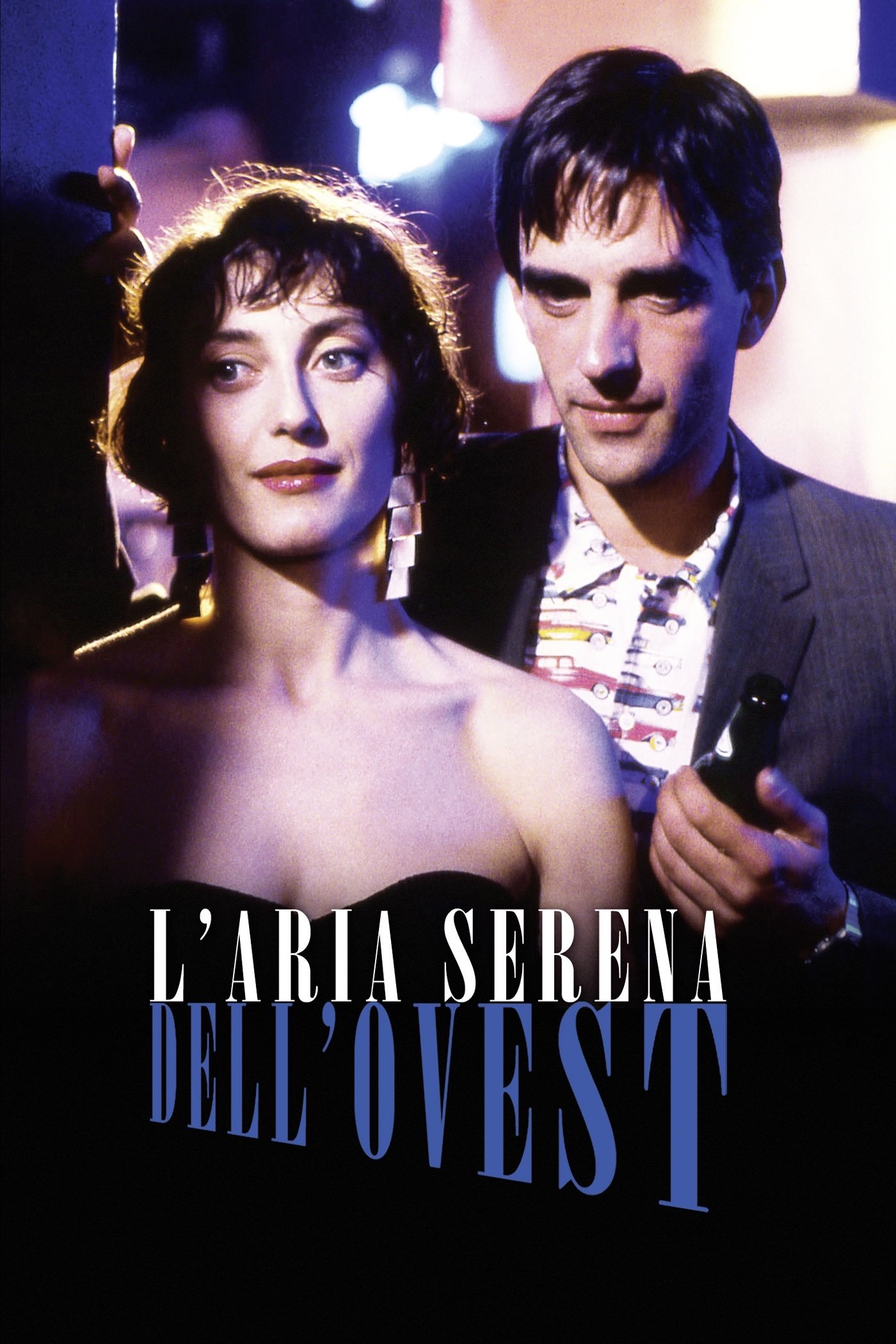
Set in Milan in the summer of 1989 against the backdrop of the fall of the Berlin Wall, the film follows four frustrated individuals whose lives intertwine because of the loss of a planner.
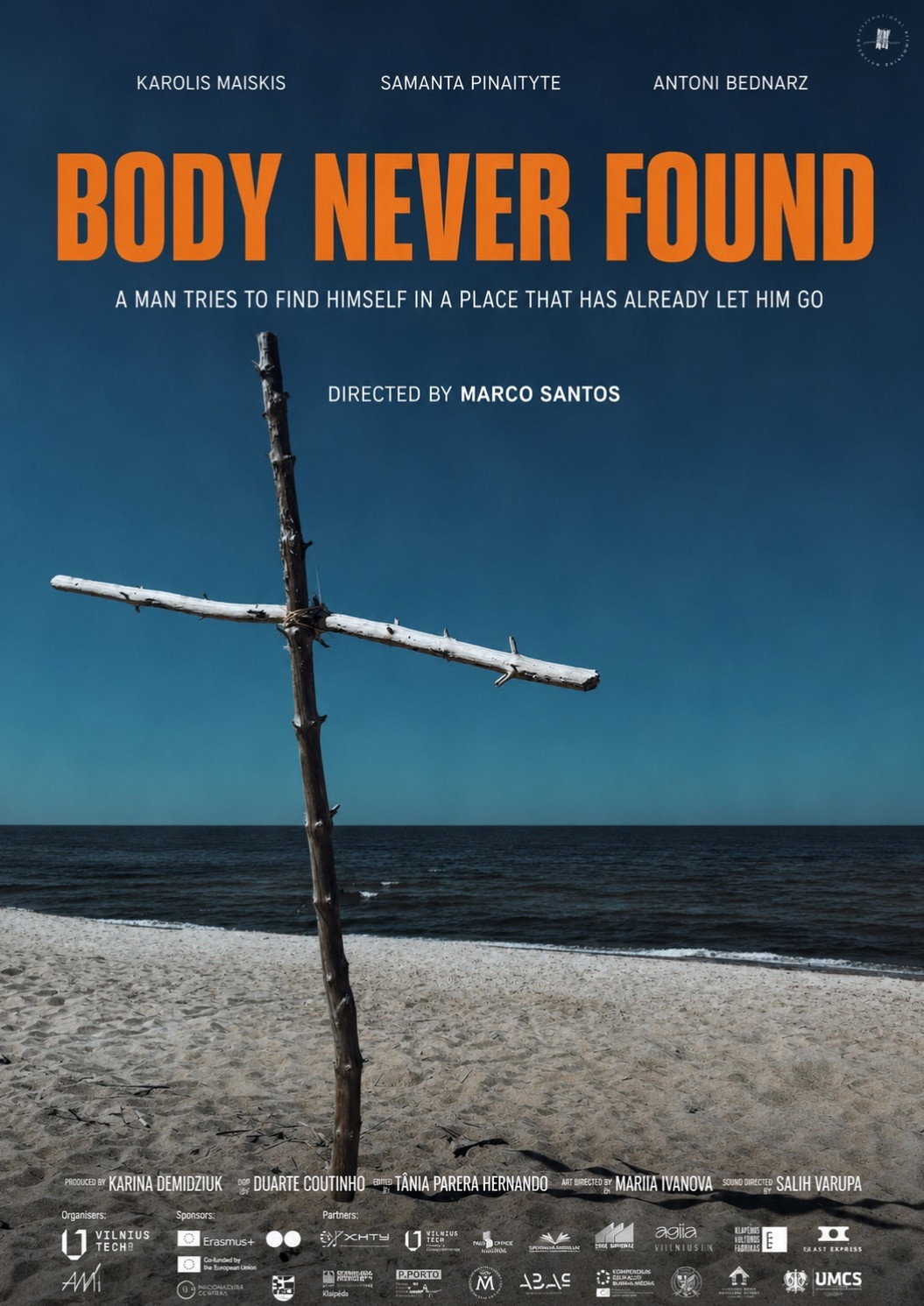
A man emerges from the sea with no memory and discovers his own missing-person posters. He tries to reconnect with the life he left behind.
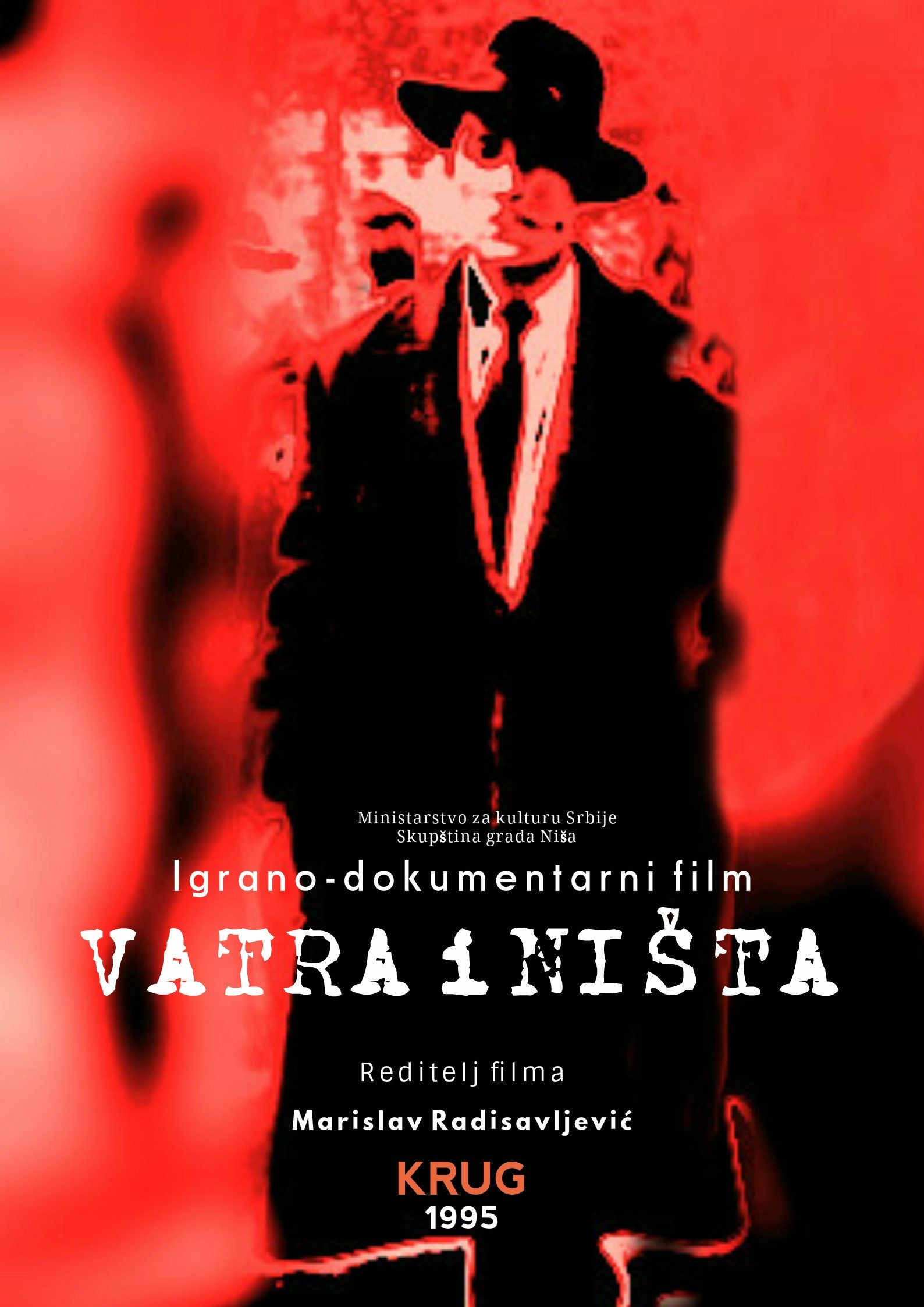
Vatra i Ništa is a Serbian feature-documentary biographical film shot in 1995 and directed by Marislav Radisavljević. It talks about the famous poet Branko Miljković, whose character is played by Goran Milev.
Through deeply personal interviews with her siblings and an examination of the photographs, letters, and belongings left behind, Mariska assembles a new portrait of her mother Jayne Mansfield, an extraordinary and complex woman.
A global television broadcast of the event in which former Pink Floyd leader singer and composer Roger Waters led an all-star cast in a mammoth benefit performance of his acclaimed concept album, The Wall. Set in Berlin, Germany less than a year after the destruction of the hated Berlin Wall, Waters was accompanied by disparate talents such as Cyndi Lauper, James Galway, Joni Mitchell and Albert Finney in the classic dark musical tale of a rock star's descent into madness and back.
Al Pacino's deeply-felt rumination on Shakespeare's significance and relevance to the modern world through interviews and an in-depth analysis of "Richard III."
In an intimate and joyful story of love in the face of loss, celebrated poets Andrea Gibson and Megan Falley find strength—and unexpected hilarity—in what might be their final year together.
An inside look at one of the most anticipated movie sequels ever with James Cameron and cast.
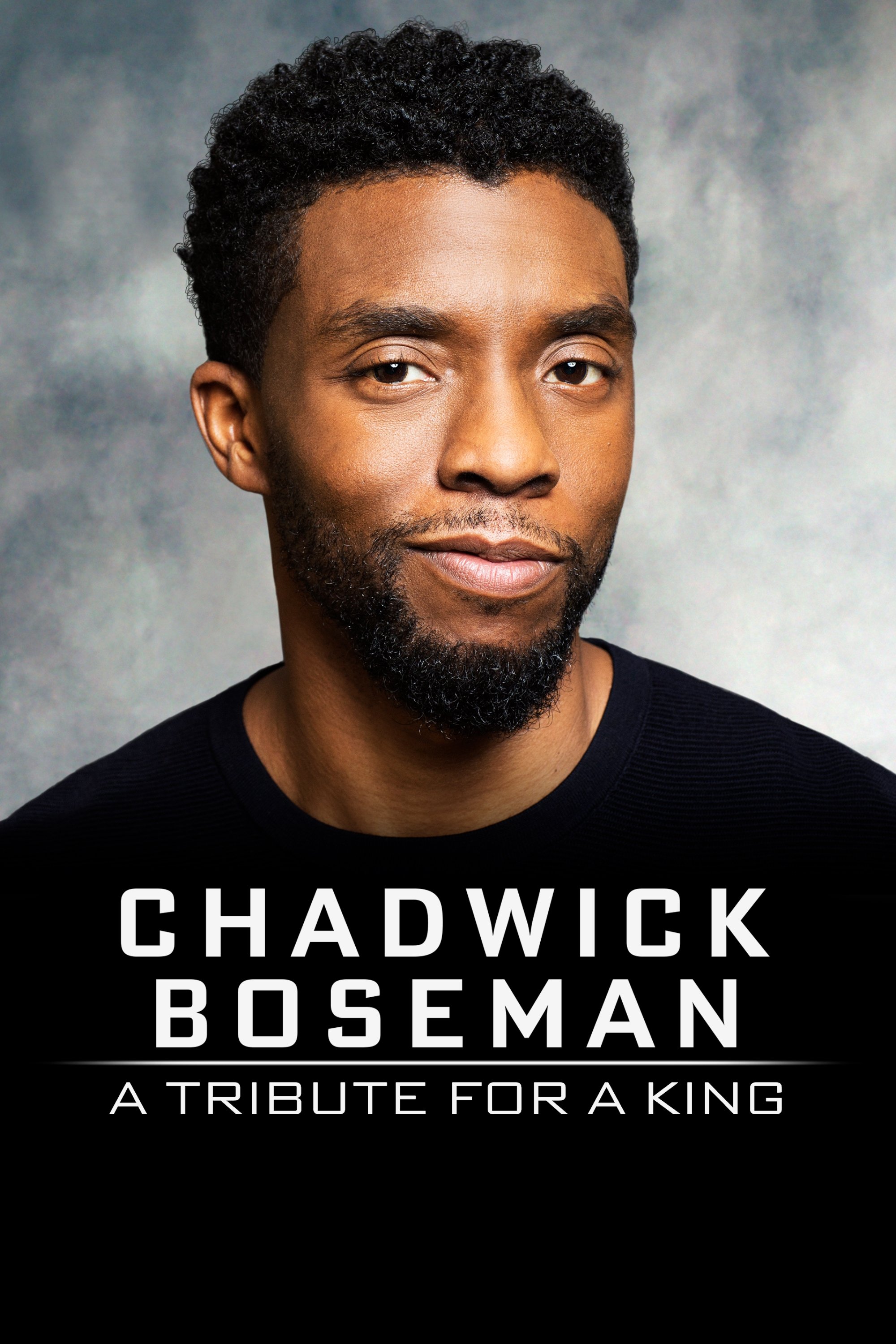
A tribute to Chadwick Boseman, celebrating his life and legacy.
A string of threatening emails escalates into a revenge plot involving a newly married US marshal and his ex-girlfriend.
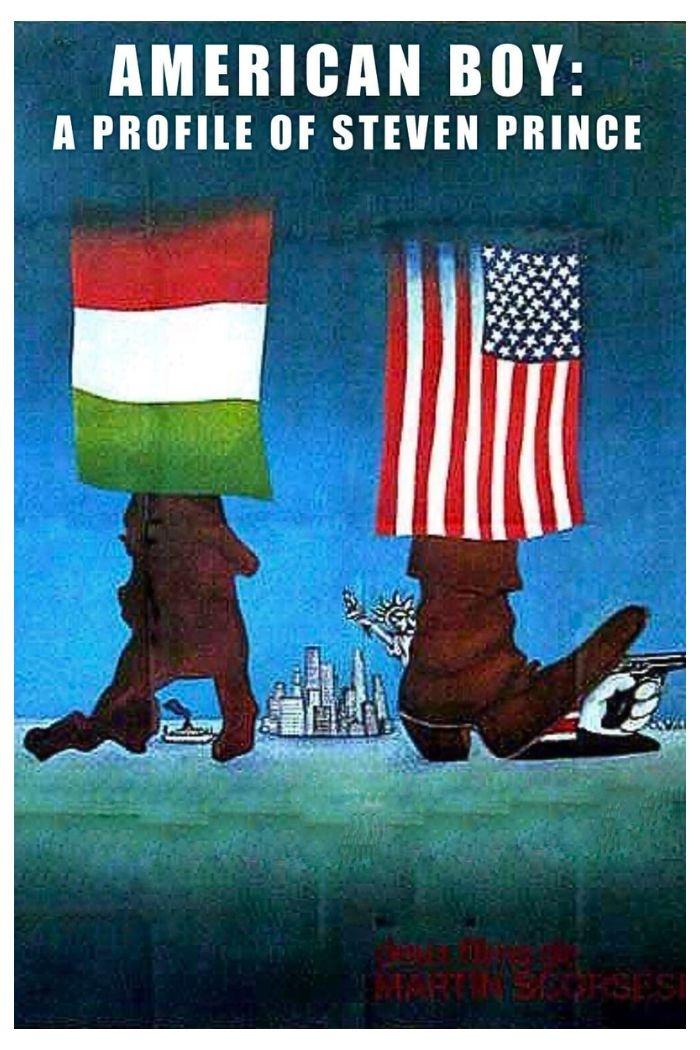
Martin Scorsese spends an evening with larger-than-life raconteur Steven Prince—a former drug addict, road manager for Neil Diamond, and actor—as he recounts stories from his colorful life.
A compilation of over 30 years of private home movie footage shot by Lithuanian-American avant-garde director Jonas Mekas, assembled by Mekas "purely by chance", without concern for chronological order.
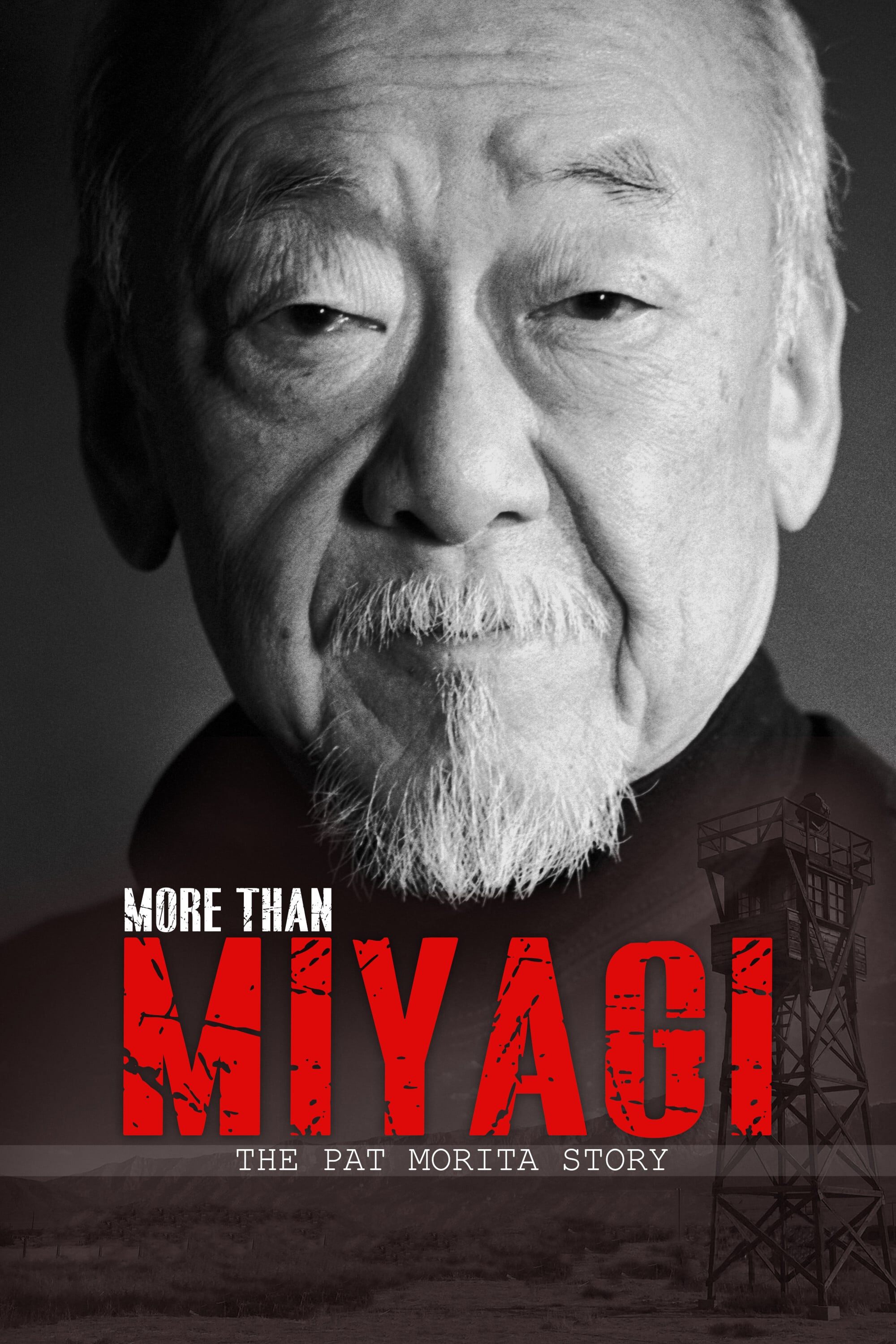
The Oscar nominated actor best known for his role of Mr. Miyagi, left behind a painfully revealing autobiographical record of his much-too-brief time here on earth. Tracing his journey from being bed bound as a boy to the bright lights and discrimination in Hollywood. Deep inside that sweet, generous, multi-talented performer seethed an army of demons, that even alcohol and drugs couldn't mask.
The life of Mr. Spock, as well as that of Leonard Nimoy, the actor who played him for almost fifty years, written and directed by his son: Adam.
Artists in LA discover the work of forgotten Polish sculptor Stanislav Szukalski, a mad genius whose true story unfolds chapter by astounding chapter.
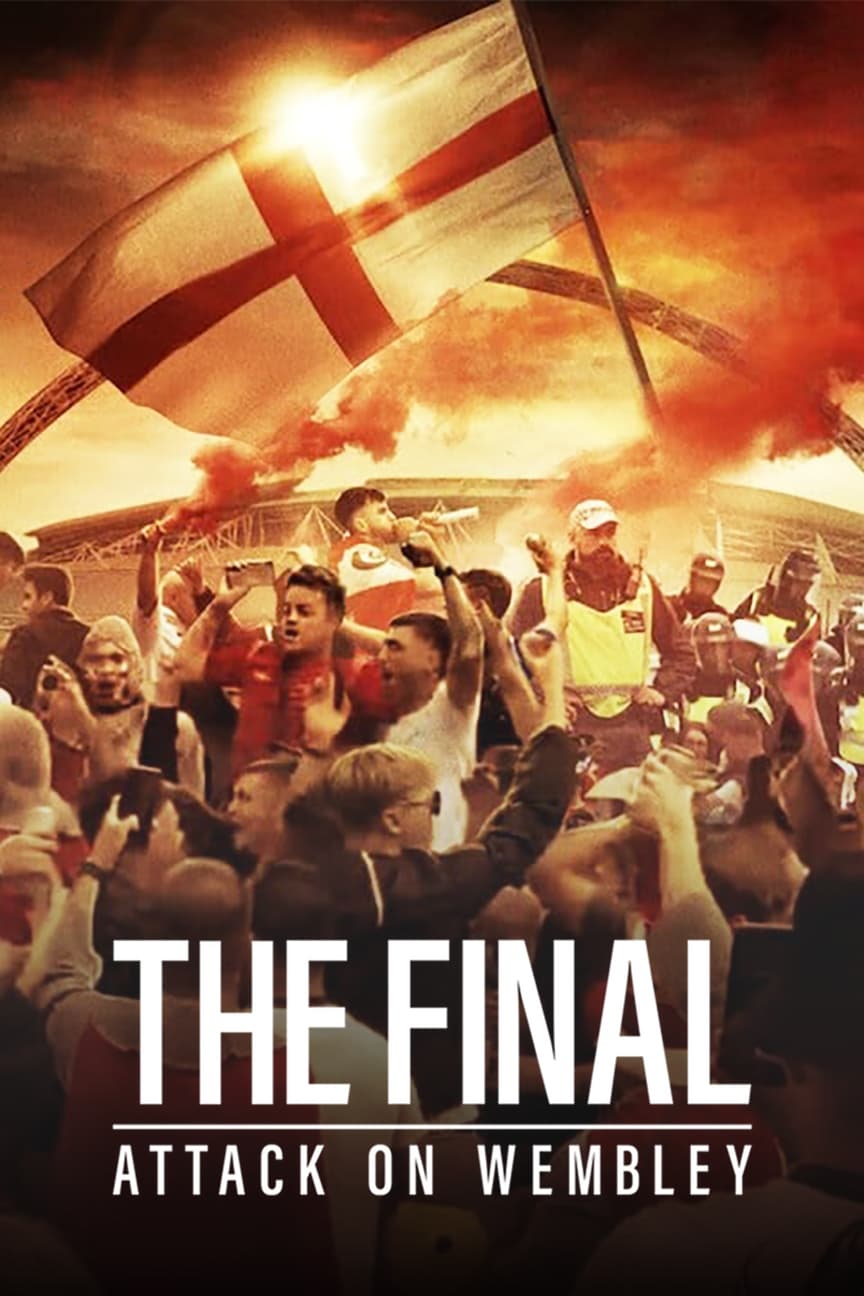
As England reach the final of the Euros at last, 6,000 ticketless football fans storm Wembley stadium, leaving destruction in their wake.
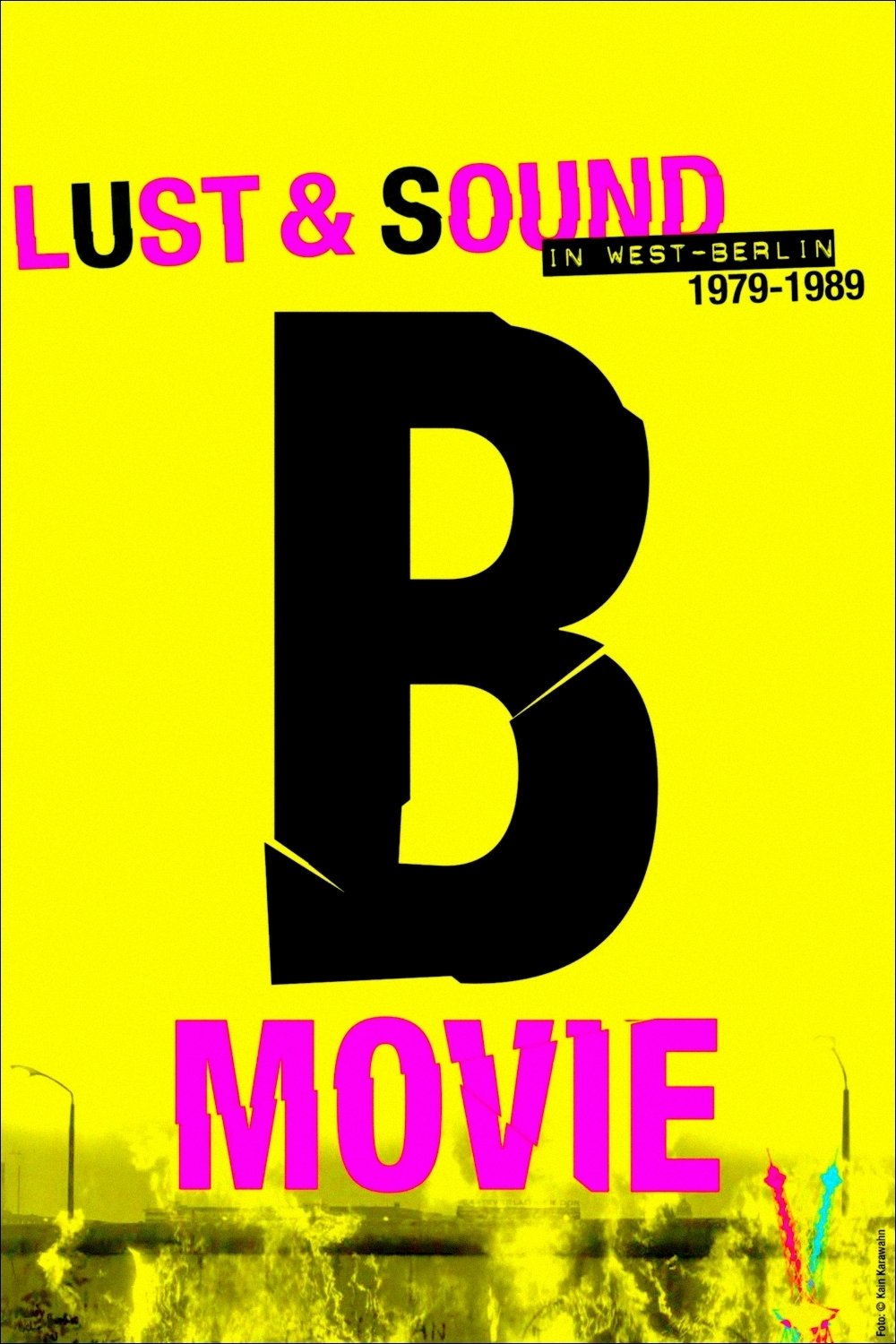
The wild West Berlin of the 1980s became the creative melting pot of pop subcultures: music, art and chaos. Before the Iron Curtain fell, anything and everything seemed possible.
“The Soviet Story” is a story of an Allied power, which helped the Nazis to fight Jews and which slaughtered its own people on an industrial scale. Assisted by the West, this power triumphed on May 9th, 1945. Its crimes were made taboo, and the complete story of Europe’s most murderous regime has never been told. Until now...
Daniel Craig candidly reflects on his 15 year adventure as James Bond. Including never-before-seen archival footage from Casino Royale to the upcoming 25th film No Time To Die, Craig shares his personal memories in conversation with 007 producers, Michael G Wilson and Barbara Broccoli.
Those who knew iconic funnyman John Candy best share his story, in their own words, through never-before-seen archival footage, imagery, and interviews.
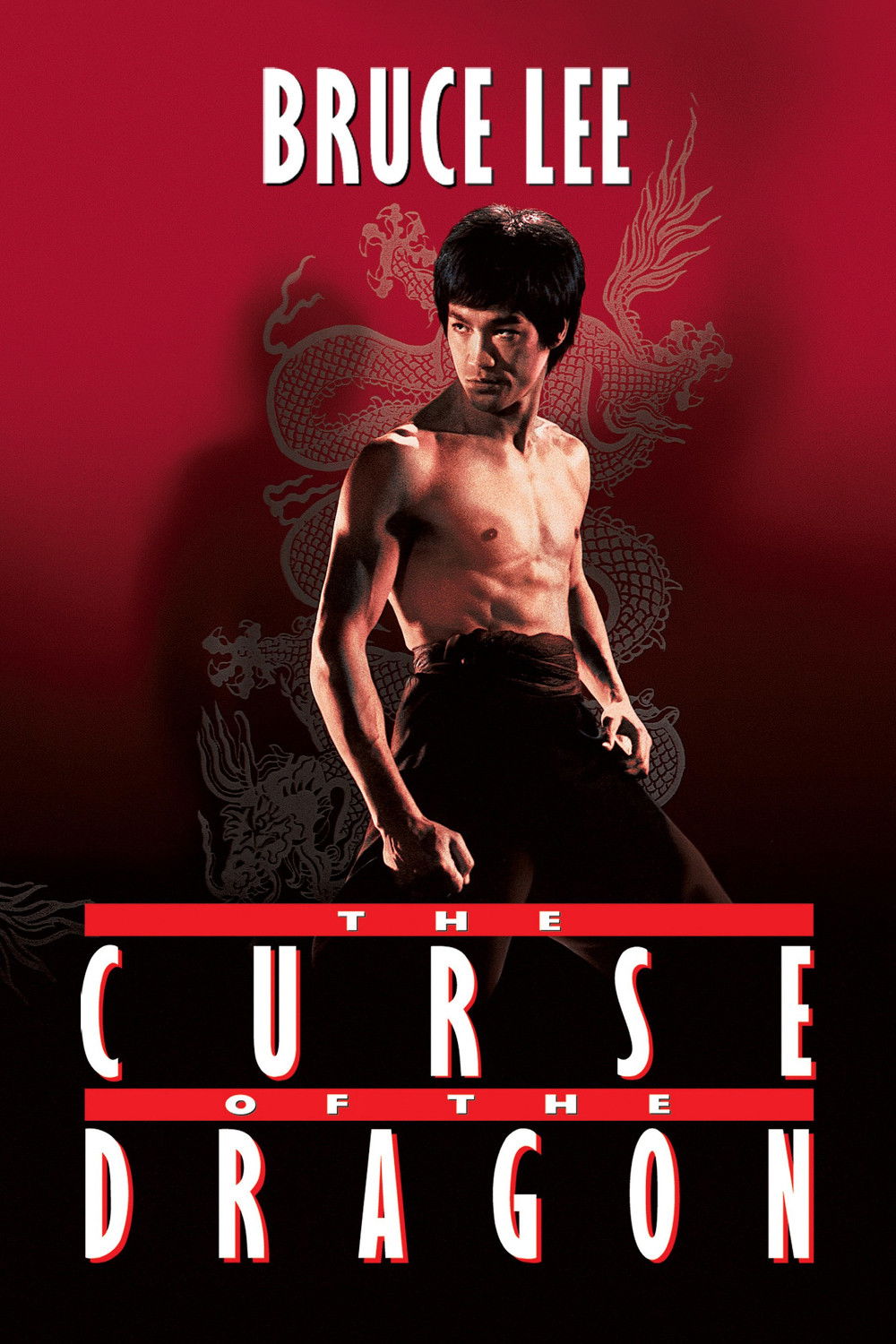
A 1993 documentary film about Bruce Lee. The film includes interviews from some of his fellow students and opponents who worked alongside him in his movies.
The life and career of an actor, artist, and icon. His own journey through his own camera.
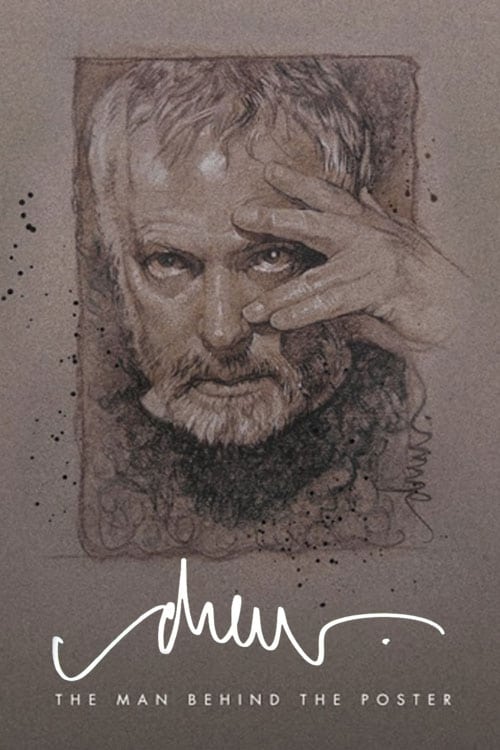
A documentary on legendary movie-poster artist Drew Struzan.