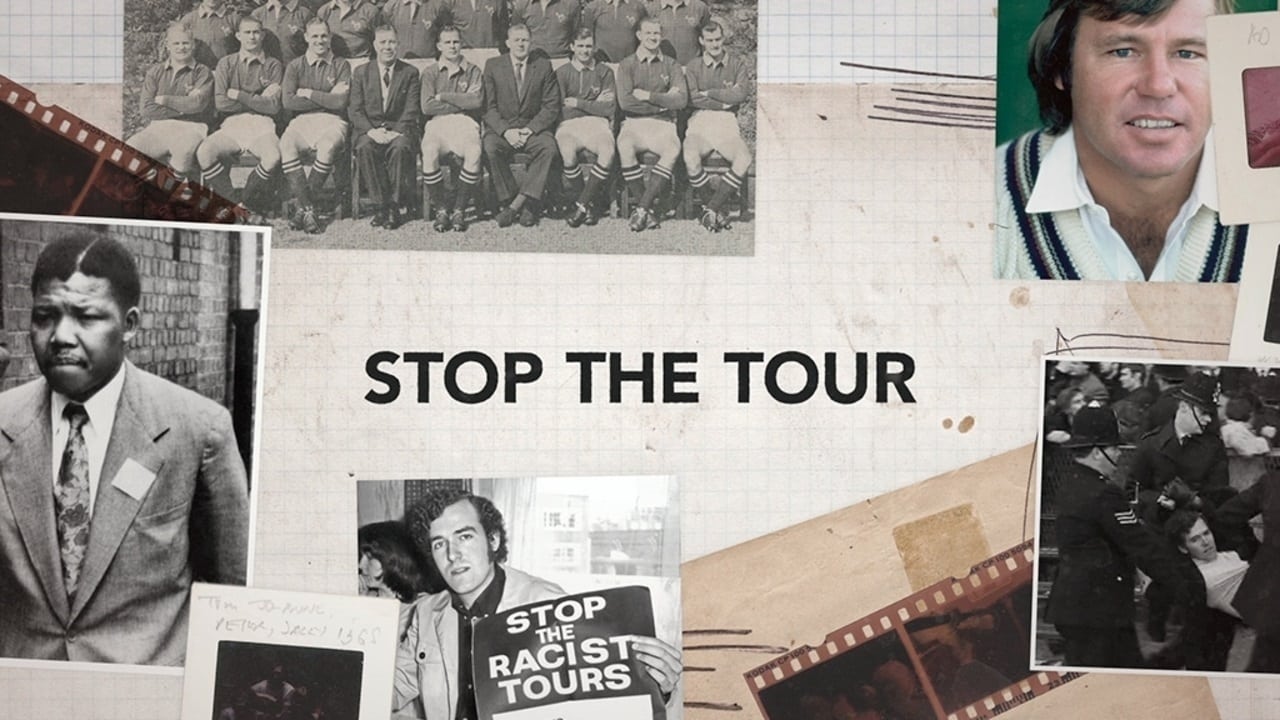
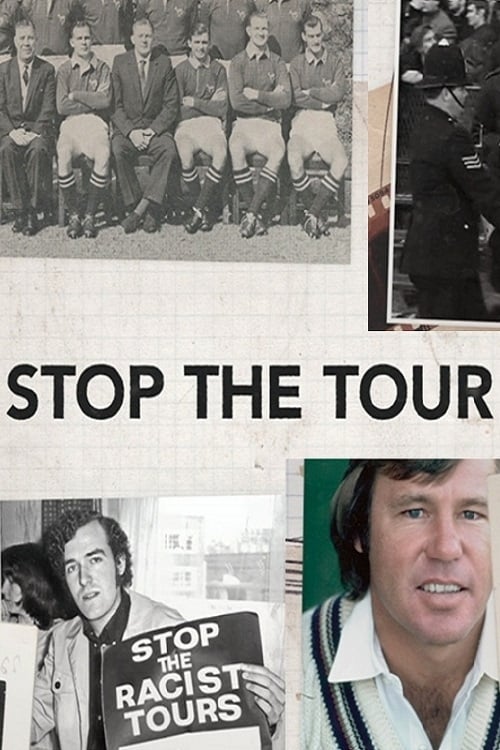
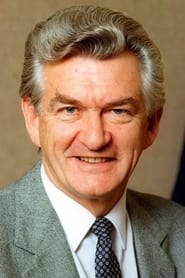
Stop The Tour discovers the extraordinary story of how sport helped bring an end to Apartheid which paved the way towards the multi racial 2019 Springbok champions.
Social & External
The people behind it
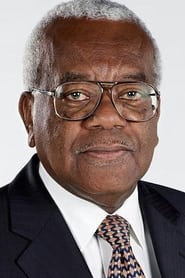
Trevor McDonald
Narrator
Tommy Bedford
Self
Gordon Brown
Meredith Burgmann
Helen Clark
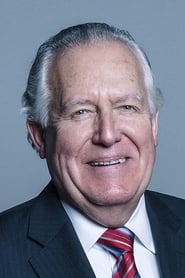
Peter Hain
Bob Hawke
John Inverdale
Abdul Minty
Mavuso Msimang
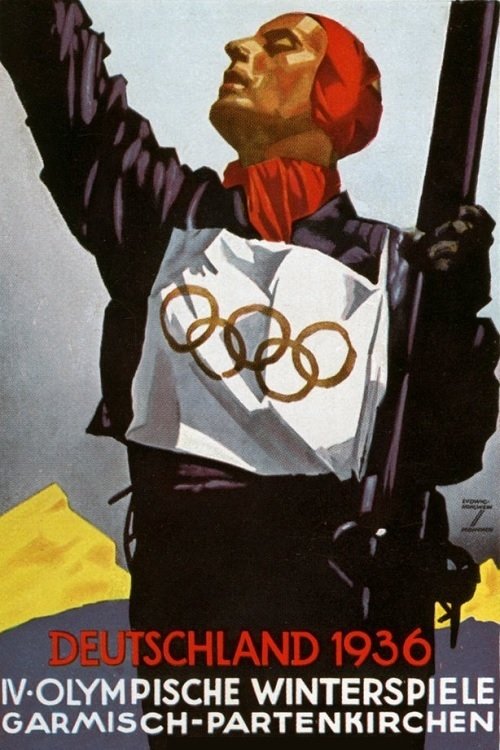
This Nazi propaganda film covers the 1936 Winter Olympics that were held in Germany.
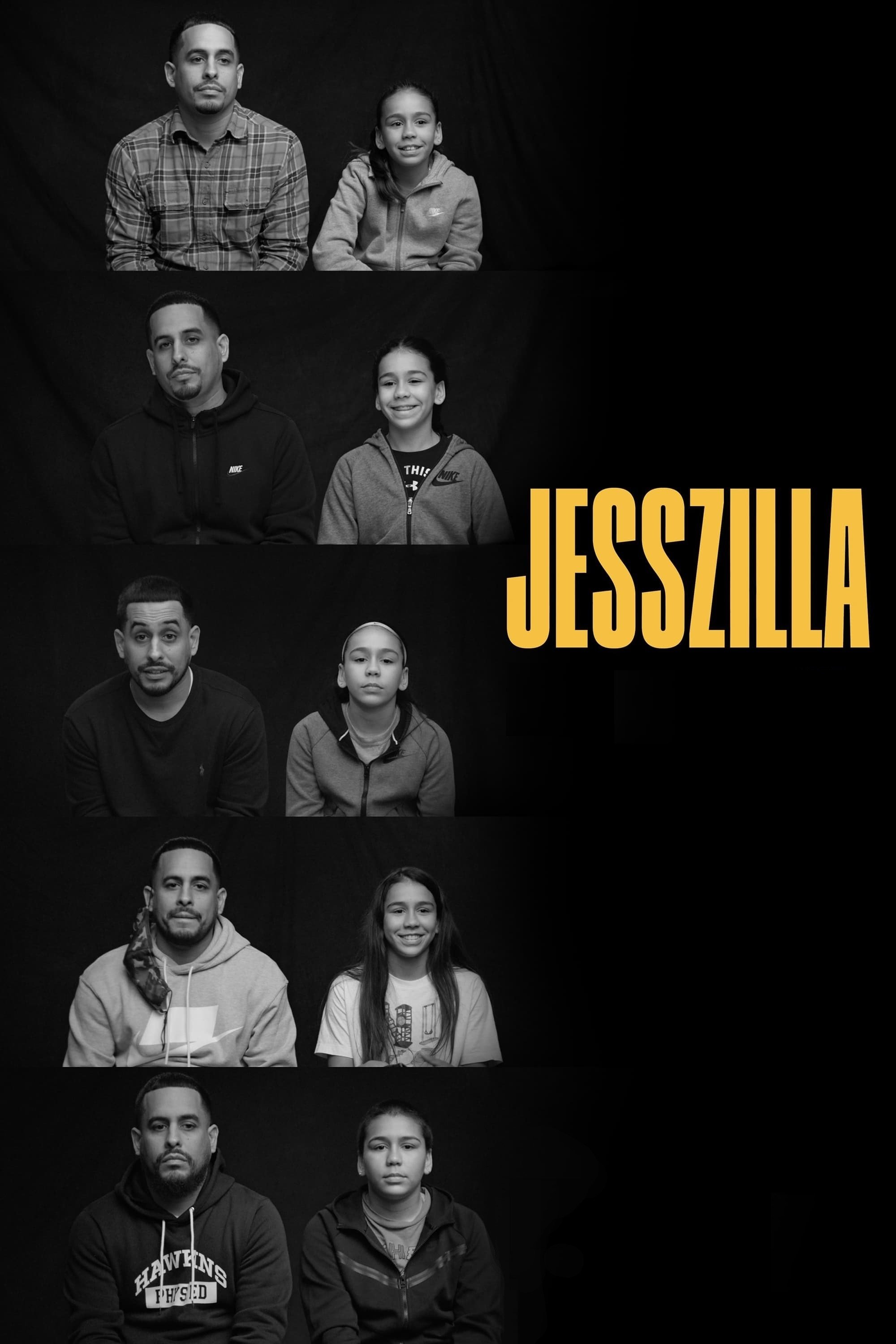
Jesselyn Silva is a 15-year-old 3x national boxing champion. However, when she is on the cusp of making the Olympic team, she is forced to face her toughest battle yet, a cancer diagnosis.
This exciting, award-winning documentary explores the history and many acheivements of women in auto racing- the fight for recognition in a male-dominated field, the safety risks, the enthusiastic fans, family support and encouragement, the marketing and sponsorship challenges, and the pressure of being a role model. Thrilling footage from both historic and current races, and interviews with racing's most prominent women and men reveal just how far women have come in the field. -Witness some of these women's horrific crashes and learn what lures them back into the driver's seat. -Discover how a very shy and timid women expertly handles a monster machine zooming at 220mph across a salt bed. -Hear the touching tale of driver Kimberly Myers, a women who races against her own clock and Cystic Fibrosis -Meet Shawna Robinson, Janet Guthrie, Lyn St. James, and Tammy Jo Kirk along with other pioneers of women's racing
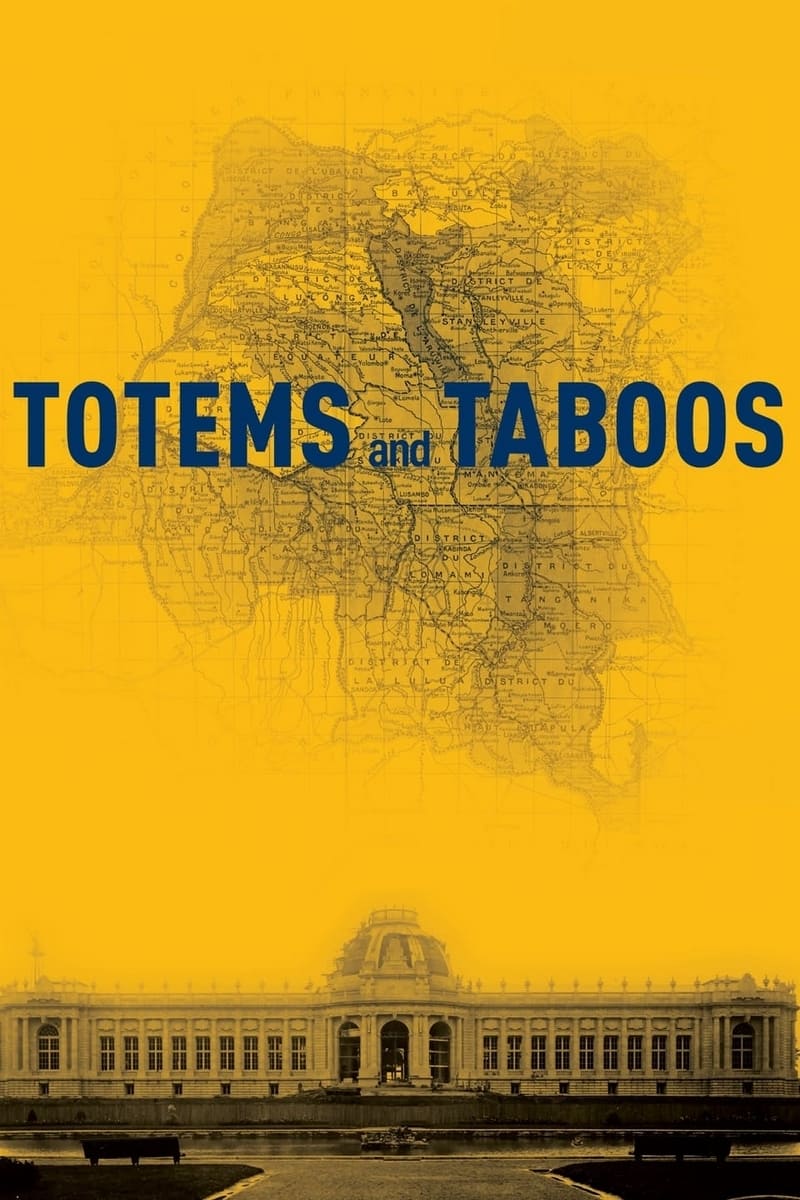
In Brussels, Belgium, the Royal Museum of Central Africa is undertaking a radical renovation, both physical and ethical, to show with sincerity, crudeness and open-mindedness the reality of the atrocities perpetrated against the inhabitants of the Belgian colonies in Africa, still haunted and traumatized by the ghost of King Leopold II of Belgium, a racist and genocidal tyrant.
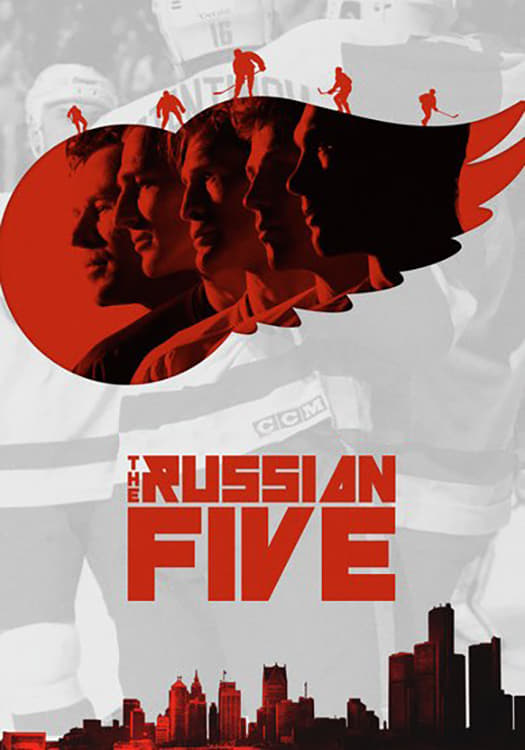
The story of the five Russian hockey stars who helped the Detroit Red Wings win back-to-back Stanley Cup championships and created one of the most memorable chapters in Motor City sports history.
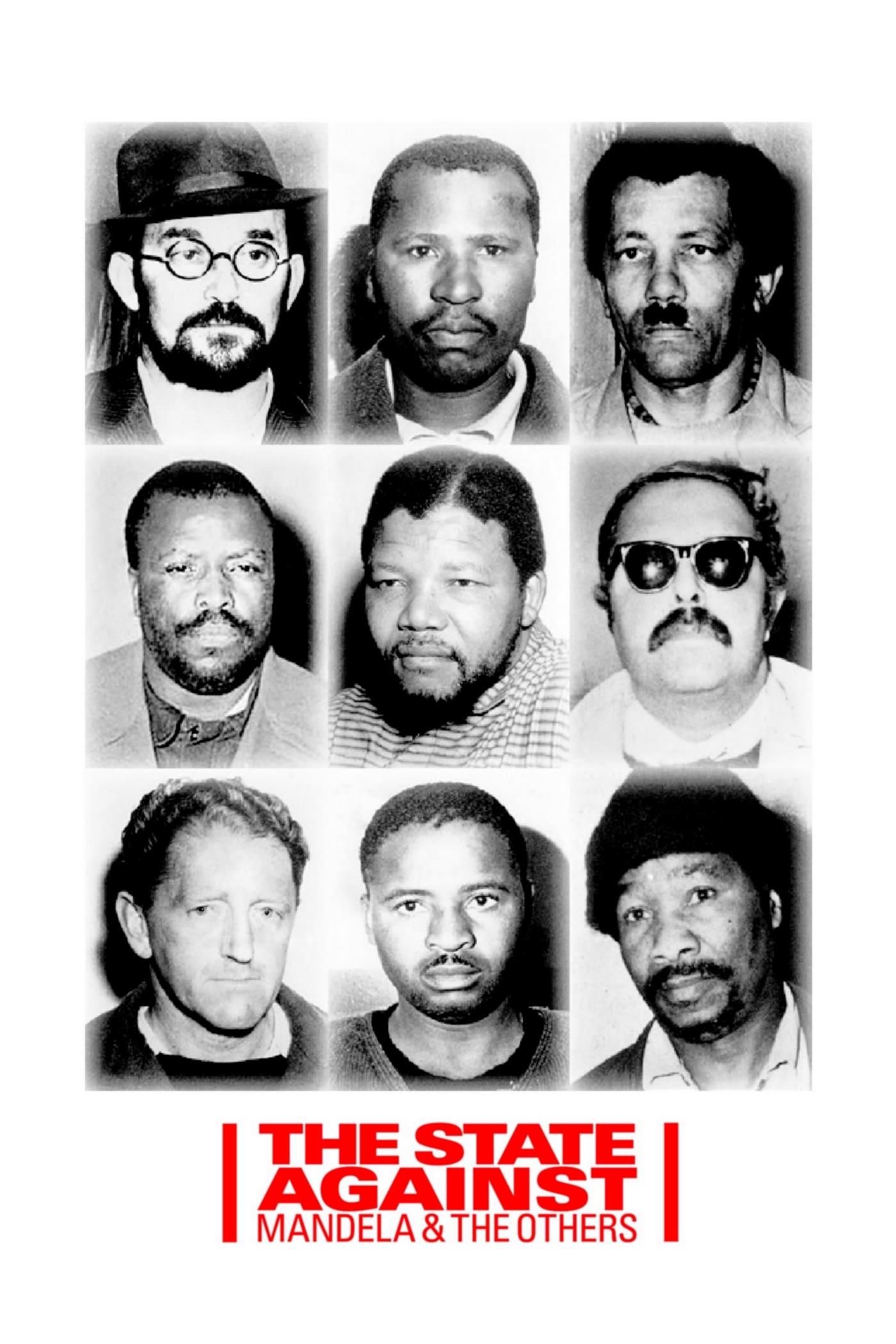
South Africa, July 11th, 1963. Several members of the African National Congress, an organization declared illegal, are arrested in Rivonia, a country house near Johannesburg. The detainees, along with Nelson Mandela, imprisoned since 1962, are charged with serious crimes for their radical activism against the apartheid regime.
Film shows soccer from an unusual angle - the human side - with the help of personal stories and fates. Actor Joachim Król, soccer greats such as Rudi Assauer, Fredi Bobic and Rudi Völler, celebrities and people from the neighborhood bring the fascination of soccer to life.
Highly acclaimed documentary special following a year in the fortunes of Leyton Orient Football Club.
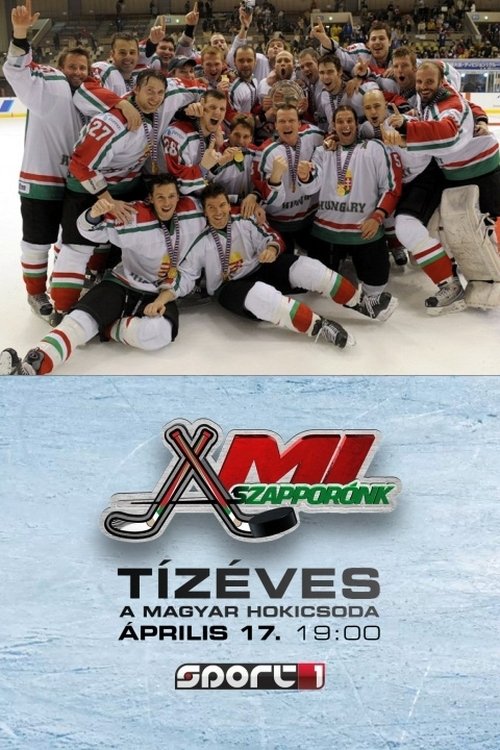
After 70 years Hungary is back to A pool hockey. The Hungarian 'miracle on ice'.
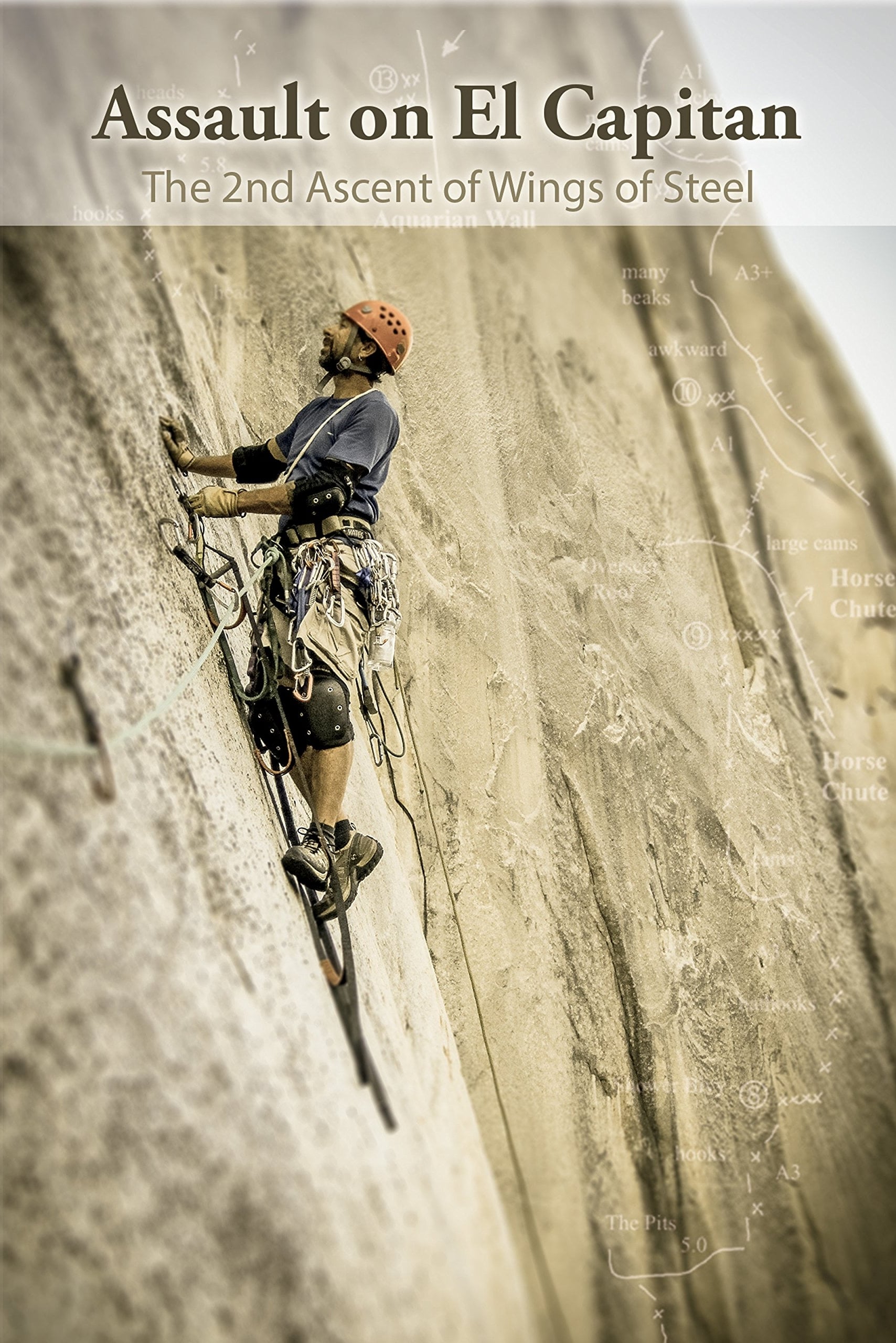
The story of Wings of Steel is part legend and part myth. The first ascent team spent 39 days climbing the controversial route. The result - death threats, physical assaults and a slander campaign that polarized the climbing community for over 30 years.
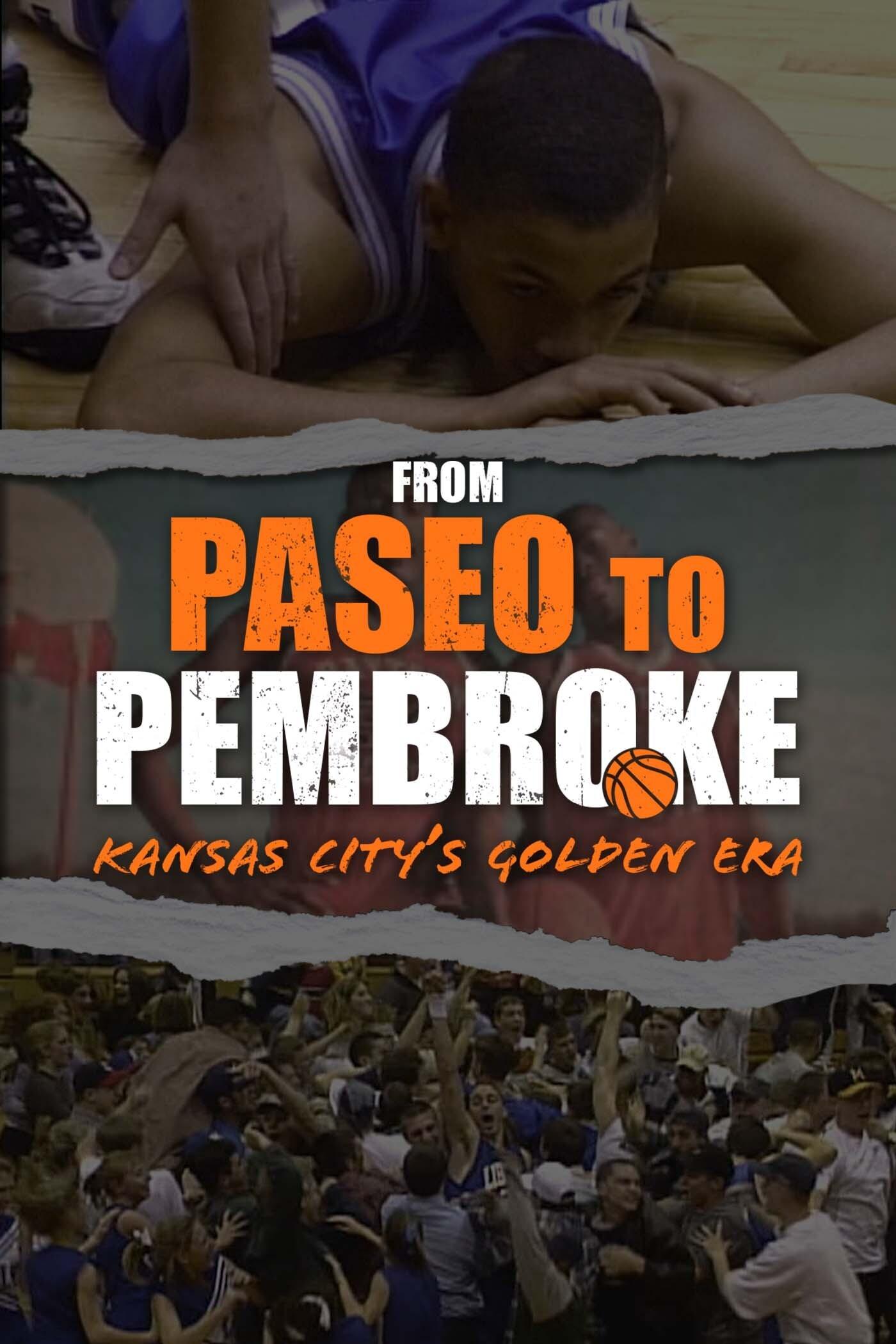
From Paseo to Pembroke is a Kansas City documentary retrospective on the golden age of high school basketball. From '88 to '98—from the Dotte all the way to Raytown. Told by the era's premier coaches, players and media personalities.
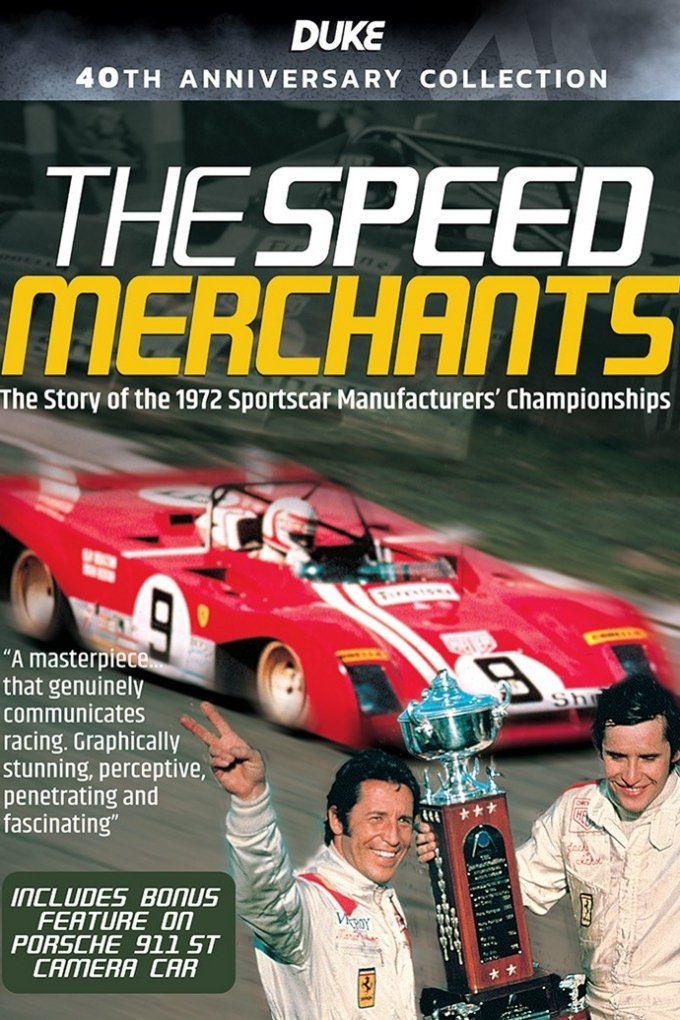
The Speed Merchants is the story of the 1972 manufacturer's Championship Series as told by drivers Mario Andretti (Ferrari 312P) and Vic Elford (Alfa Romeo T33TT/3). The film takes you behind the scenes at Daytona, Sebring, the Targa Florio, the Nurburgring, Le Mans and Watkins Glen, focusing on Mario and Vic, as well as Jacky Ickx, Helmut Marko, and Brian Redman. You visit with the drivers at their homes in France, Belgium, Austria and England where they relax with their families between races. Woven into the film is rare footage of both the Ferrari and Alfa Romeo factories where the cars are prepared before each race.
After the Chicago Cubs blow an opportunity to reach the World Series in 2003, Cubs fans blame the team's misfortune on fellow fan Steve Bartman, who interfered with a foul ball and prevented Moises Alou from making a catch.
After a decade of bitter rival status, Kelly Slater and Andy Irons come together to surf off their differences! To get two seemingly mortal enemies to agree to sequester themselves on a tiny island with a half dozen camera men, a Hollywood interviewer capable of conjuring up tears during any interview, and an in-the-know magazine staff waiting with bated breath seemed like a ridiculous notion. The end result was a ten day purge of feelings, emotional baggage, dispelling rumors, talking it out, and a burying of the hatchet once and for all. Oh, and we forgot to mention that the waves were insane! Check out the documentary of two of the best surfers and biggest rivals of our sport battle it out in an epic boat trip in Indonesia.
Mike Sheahan looks at the Tigers' premiership drought and why they went from a powerhouse in the 70s to playing just 6 finals matches in the last 32 years.
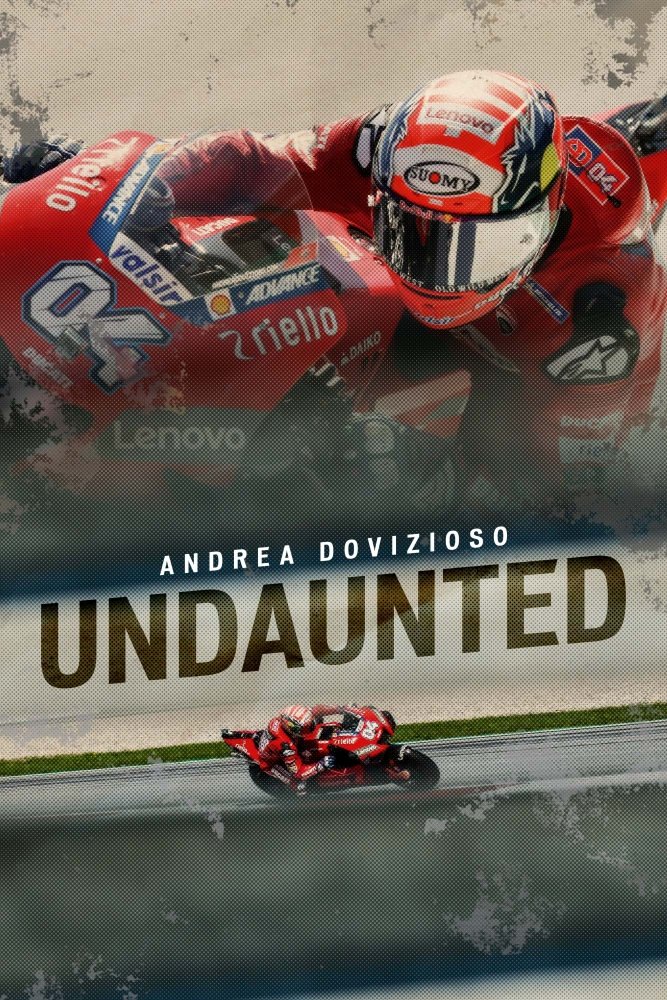
Follow Italy’s Andrea Dovizioso through a challenging season — one that saw him defy injury and his critics to win races and finish runner-up in the MotoGP™ world championship.
Al Pacino's deeply-felt rumination on Shakespeare's significance and relevance to the modern world through interviews and an in-depth analysis of "Richard III."
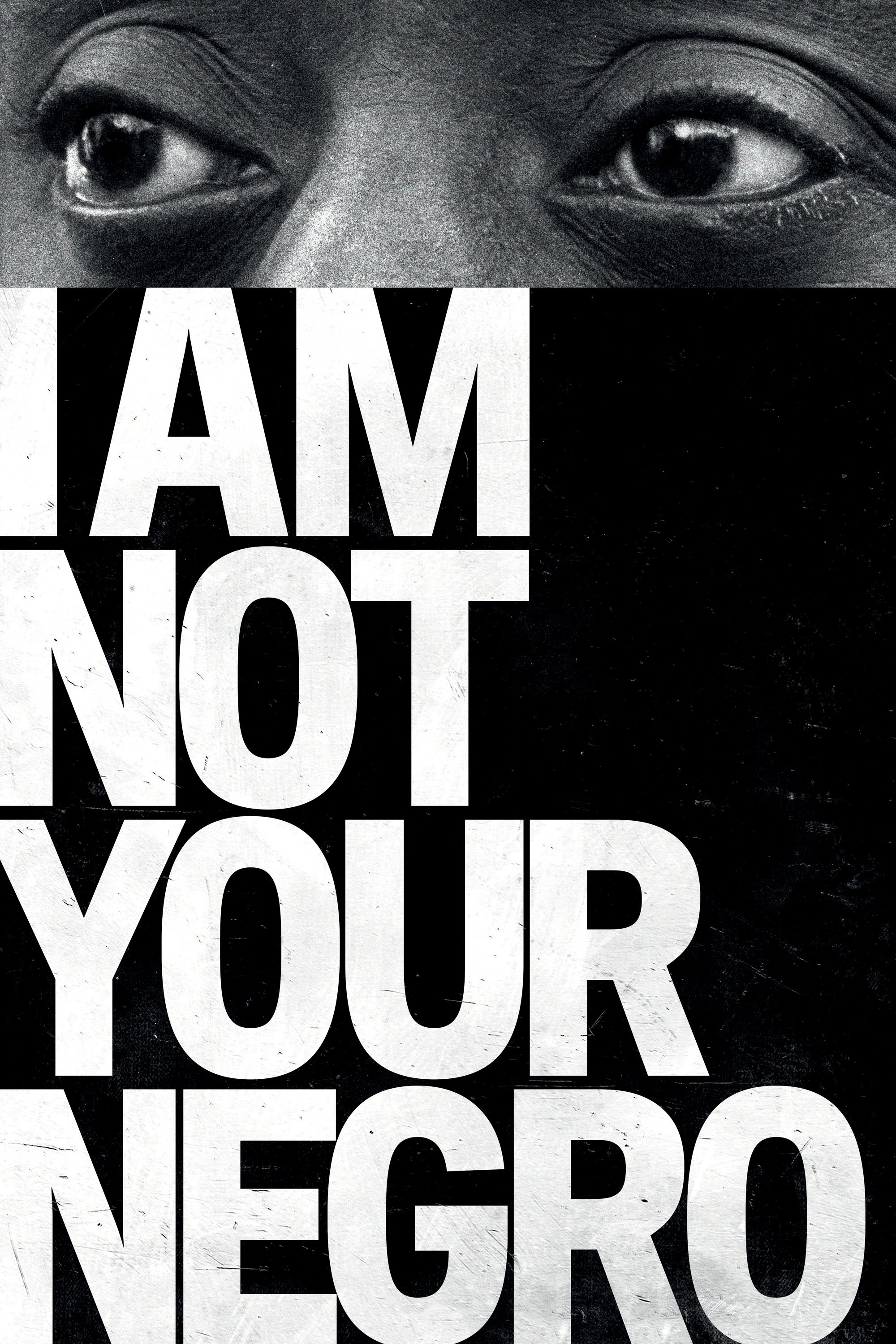
Working from the text of James Baldwin’s unfinished final novel, director Raoul Peck creates a meditation on what it means to be Black in the United States.
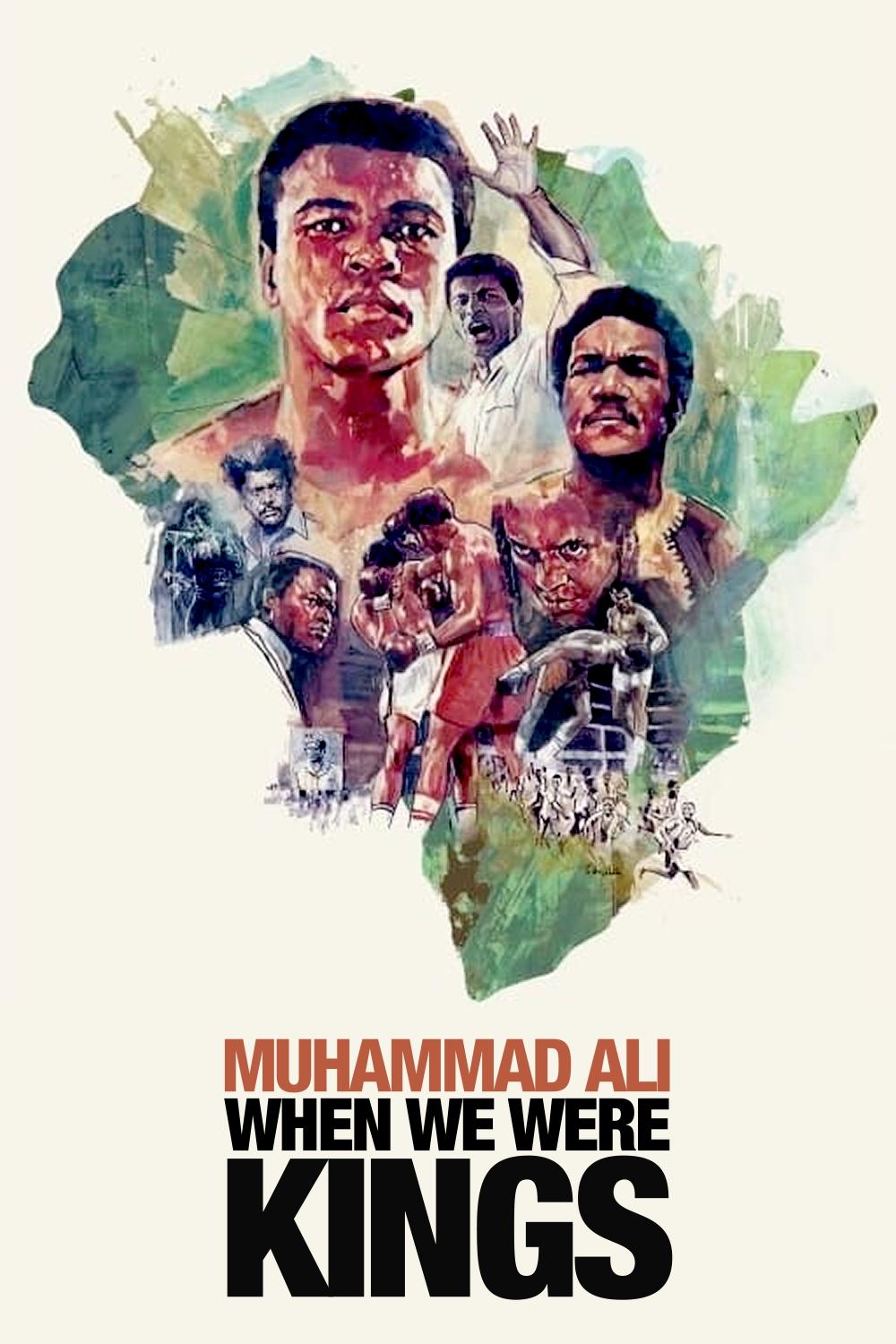
It's 1974. Muhammad Ali is 32 and thought by many to be past his prime. George Foreman is ten years younger and the heavyweight champion of the world. Promoter Don King wants to make a name for himself and offers both fighters five million dollars apiece to fight one another, and when they accept, King has only to come up with the money. He finds a willing backer in Mobutu Sese Suko, the dictator of Zaire, and the "Rumble in the Jungle" is set, including a musical festival featuring some of America's top black performers, like James Brown and B.B. King.
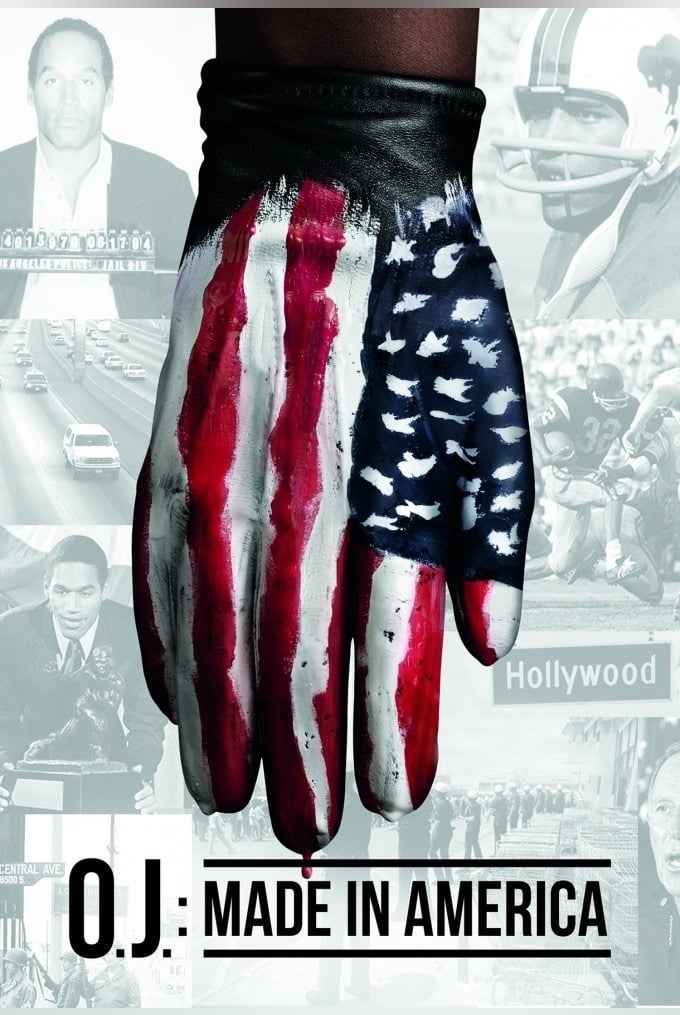
A chronicle of the rise and fall of O.J. Simpson, whose high-profile murder trial exposed the extent of American racial tensions, revealing a fractured and divided nation.
This revealing documentary honors the legendary Sidney Poitier—iconic actor, filmmaker, and civil rights activist. Featuring interviews with Denzel Washington, Spike Lee, Halle Berry, and more.
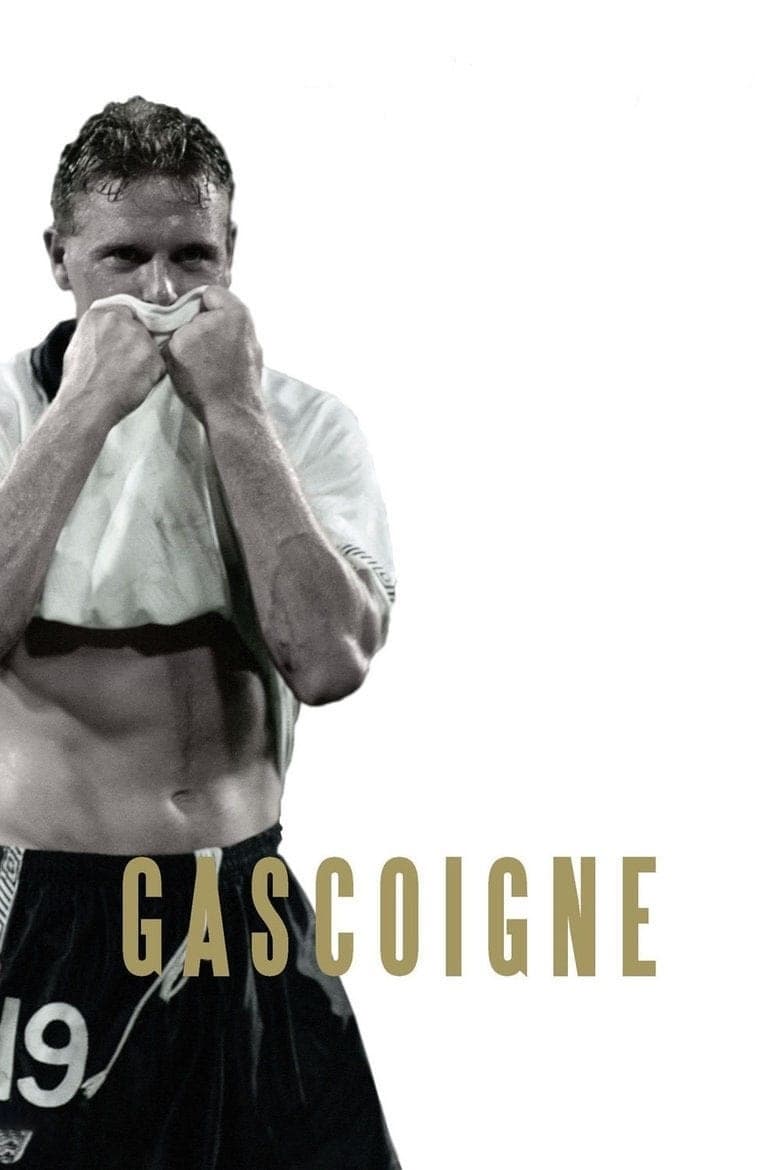
A feature length, theatrical documentary on the life of Paul Gascoigne, one of the greatest footballers that ever lived: delving deep into his psyche, vulnerabilities, fears and triumphs.
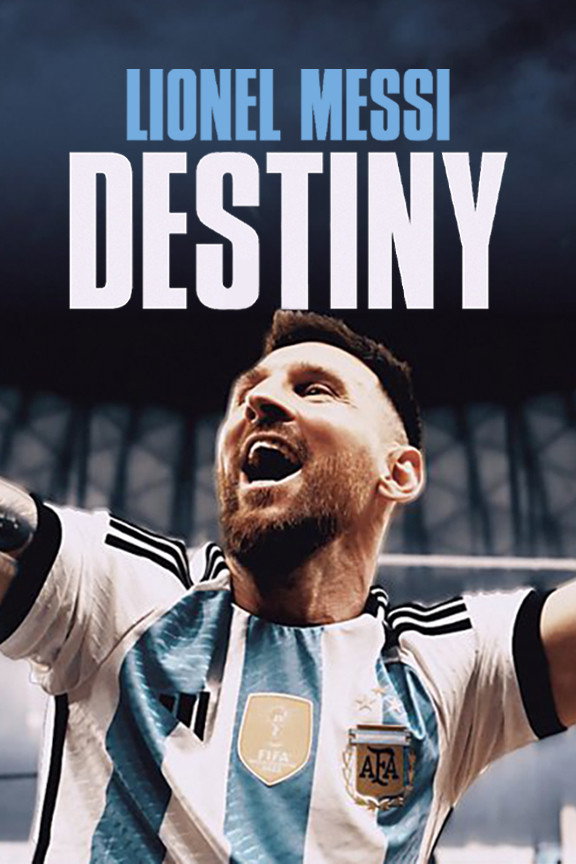
Behind-the-scenes documentary about how Lionel Messi succeeded in lifting the World Cup – the only trophy to have eluded him in an incredible career.
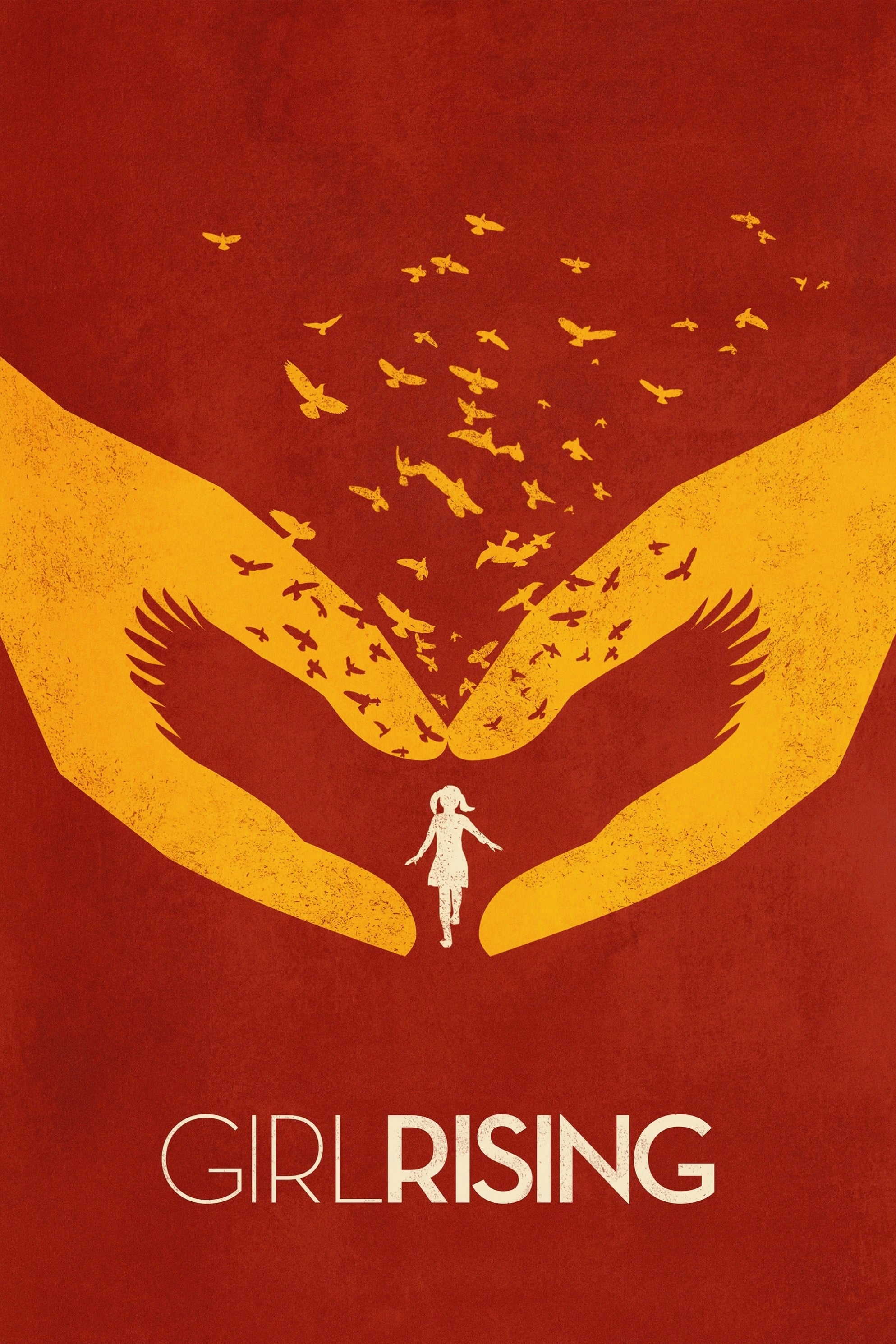
Nine filmmakers each profile a young girl from a different part of the world to weave a global tapestry of youth in the 21st century.
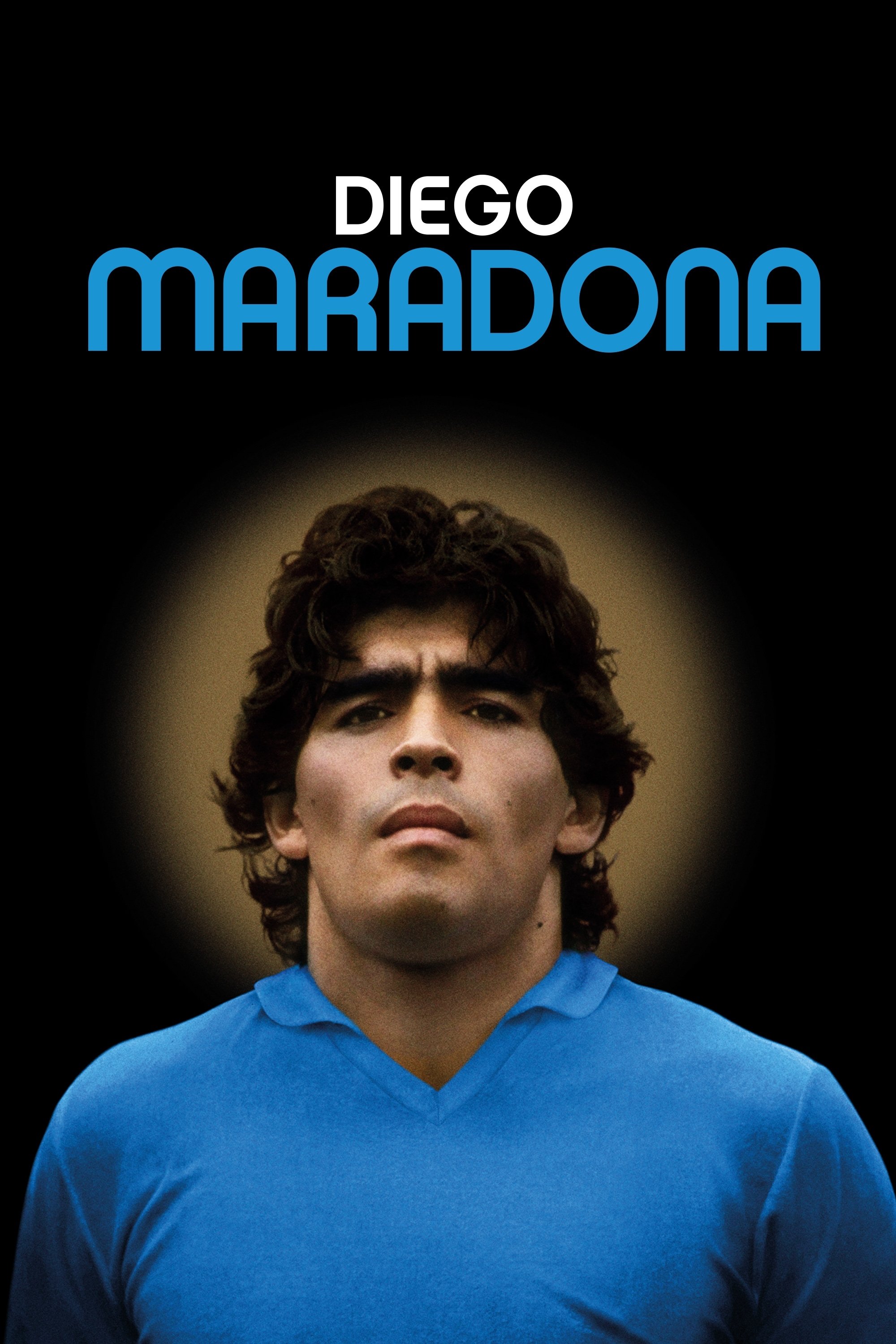
Constructed from over 500 hours of never-before-seen footage, this documentary centers on the personal life and career of the controversial football player Diego Maradona who played for SSC Napoli and Argentina in the 1980s.
After years of swimming every day in the freezing ocean at the tip of Africa, Craig Foster meets an unlikely teacher: a young octopus who displays remarkable curiosity. Visiting her den and tracking her movements for months on end he eventually wins the animal’s trust and they develop a never-before-seen bond between human and wild animal.
In an intimate and joyful story of love in the face of loss, celebrated poets Andrea Gibson and Megan Falley find strength—and unexpected hilarity—in what might be their final year together.
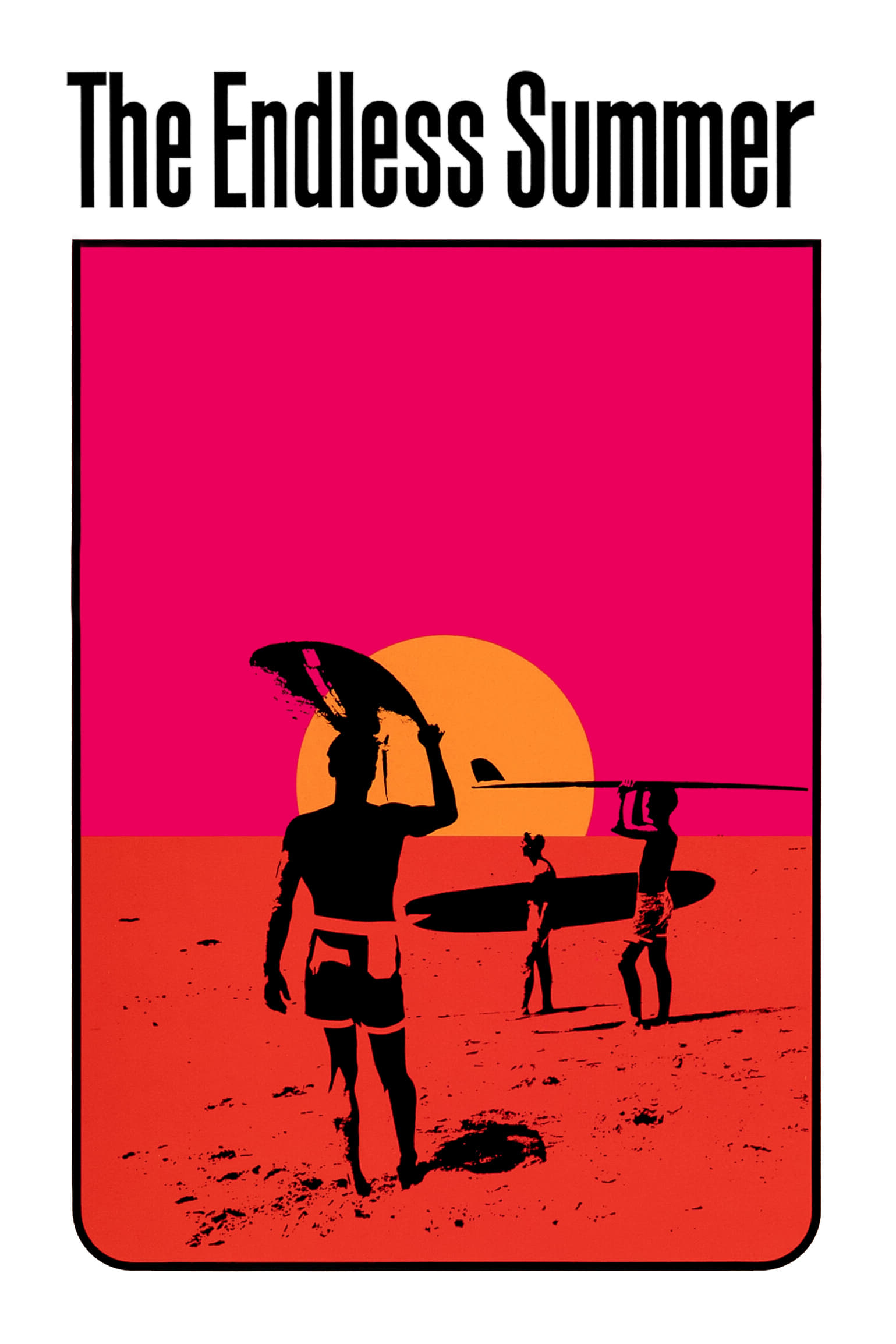
Bruce Brown's The Endless Summer is one of the first and most influential surf movies of all time. The film documents American surfers Mike Hynson and Robert August as they travel the world during California’s winter (which, back in 1965 was off-season for surfing) in search of the perfect wave and ultimately, an endless summer.
A detailing of the rise to prominence and global sporting superstardom of six supremely talented young Manchester United football players (David Beckham, Nicky Butt, Ryan Giggs, Paul Scholes, Phil and Gary Neville). The film covers the period 1992-1999, culminating in Manchester United's European Cup triumph.
Those who knew iconic funnyman John Candy best share his story, in their own words, through never-before-seen archival footage, imagery, and interviews.
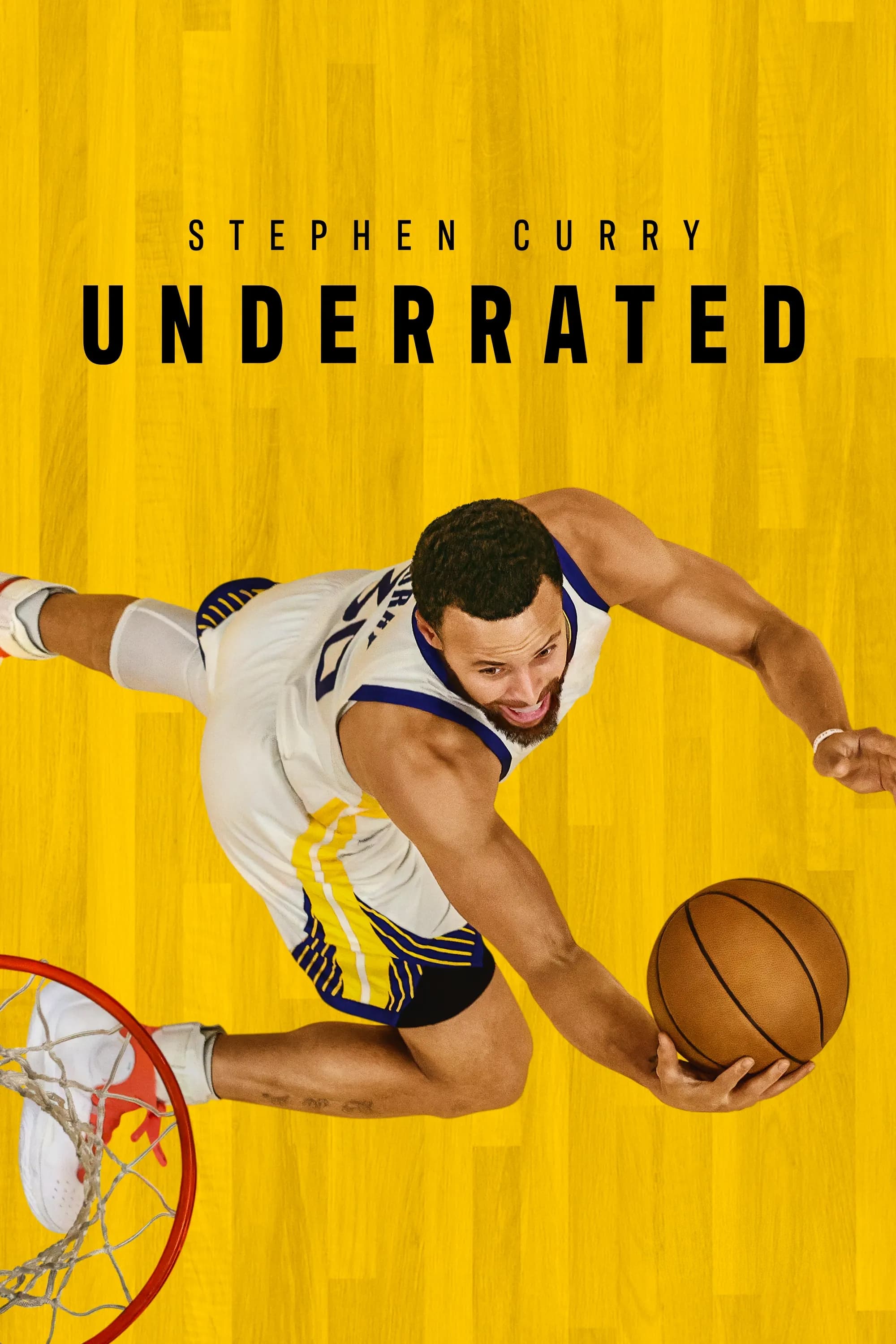
The remarkable coming-of-age story of Stephen Curry—one of the most influential, dynamic, and unexpected players in basketball history—and his rise from an undersized college player to a four-time NBA champion.
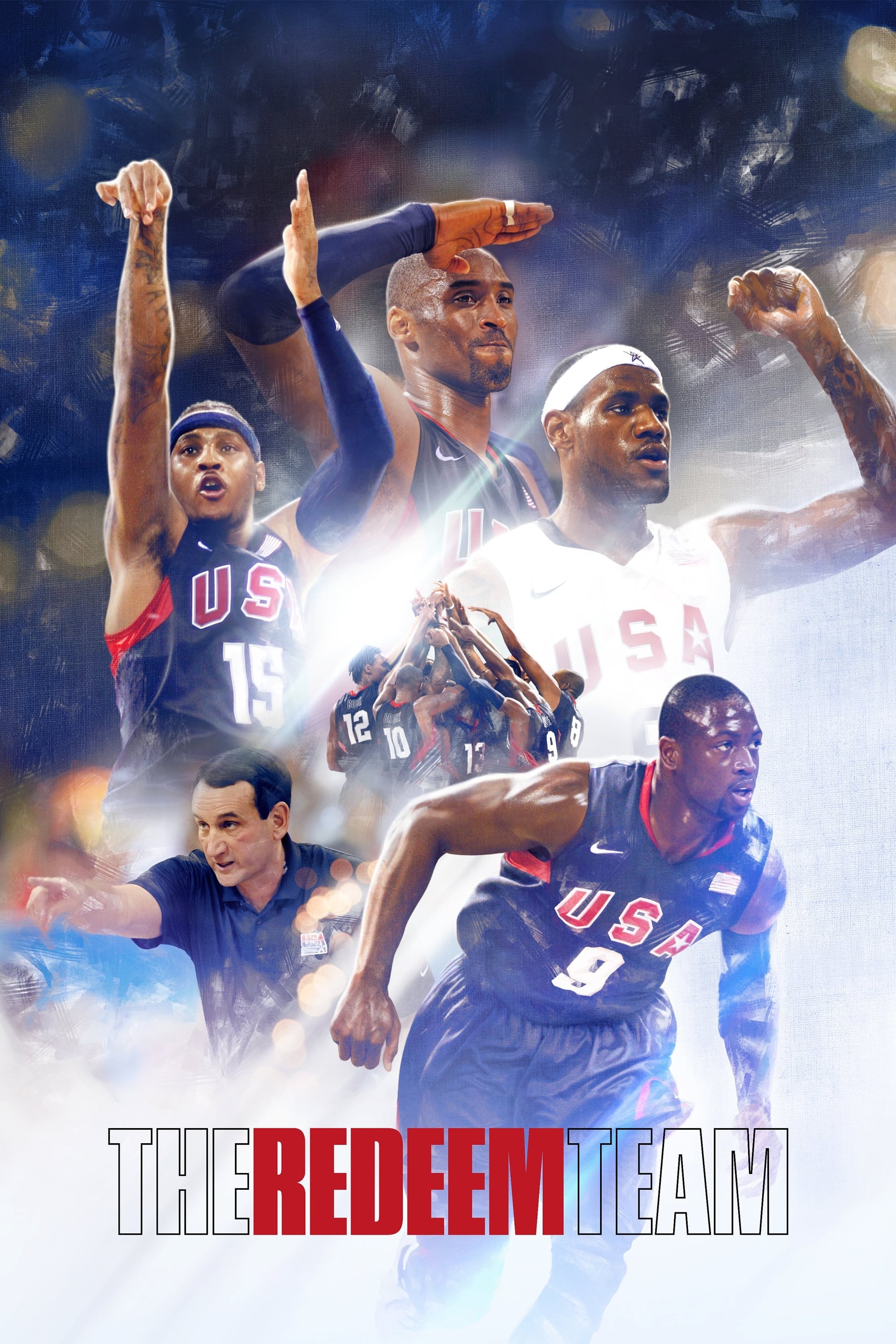
Using unprecedented Olympic footage and behind-the-scenes material, The Redeem Team tells the story of the US Olympic Men's Basketball Team’s quest for gold at the 2008 Olympic Games in Beijing following the previous team’s shocking performance four years earlier in Athens.
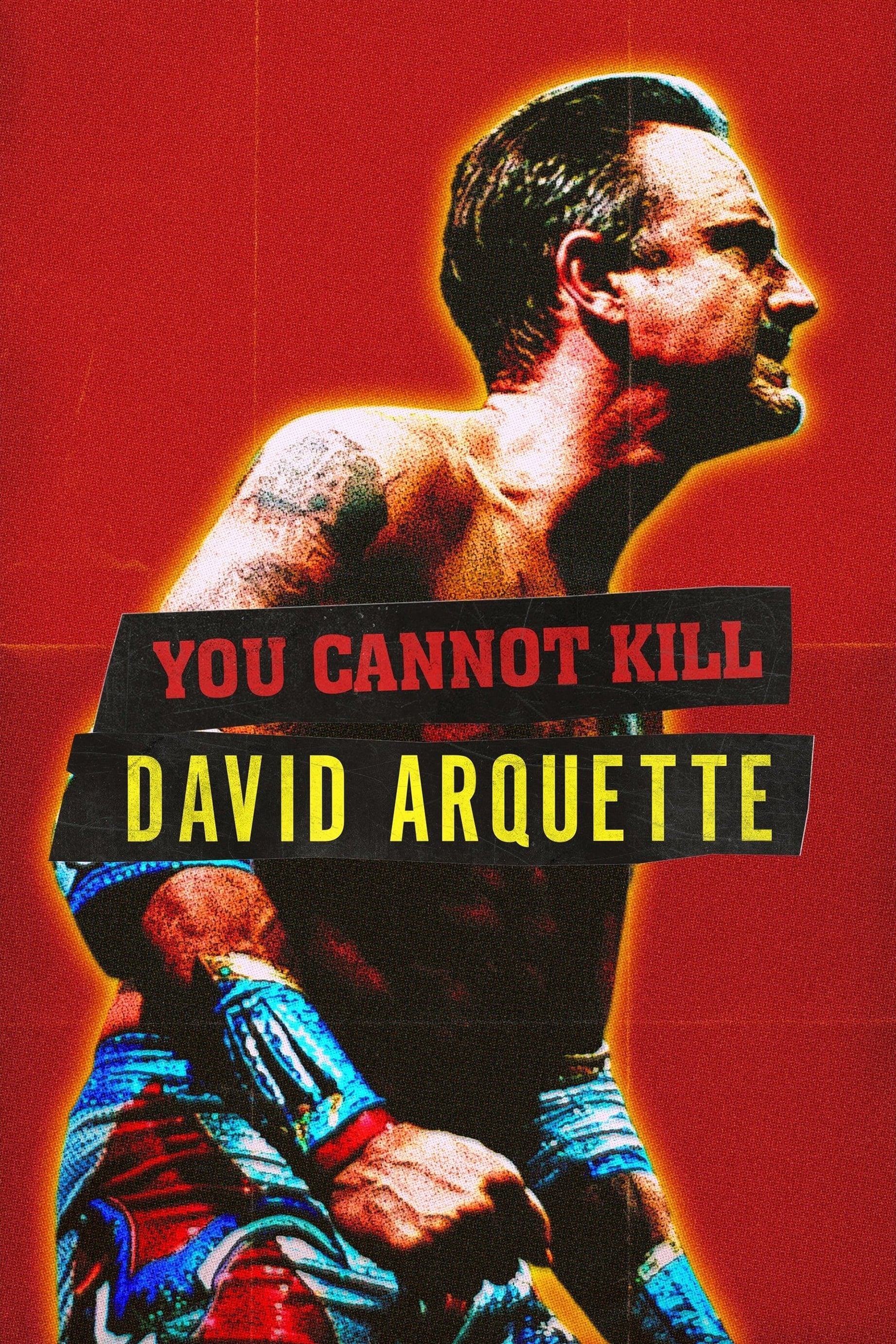
Following his infamous championship as part of a marketing stunt for the film Ready to Rumble, David Arquette is widely known as the most hated man in pro-wrestling worldwide. Nearly 20 years after he "won" the initial title, through ups and downs in his career, with his family, and with his struggles with addiction, David Arquette seeks redemption by returning to the ring...for real this time.
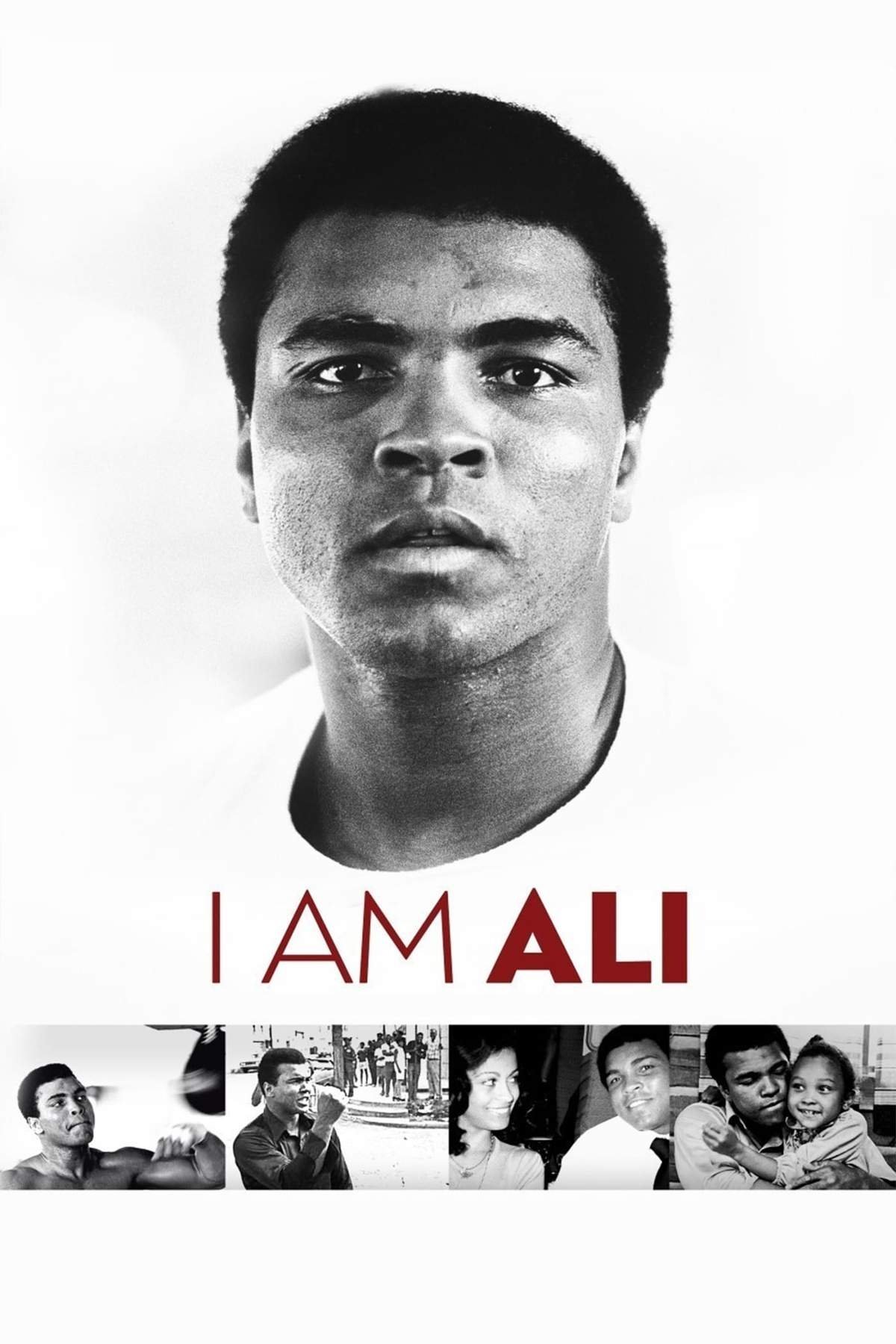
Unprecedented access to Muhammad Ali's personal archive of "audio journals" as well as interviews and testimonials from his inner circle of family and friends are used to tell the legend's life story.
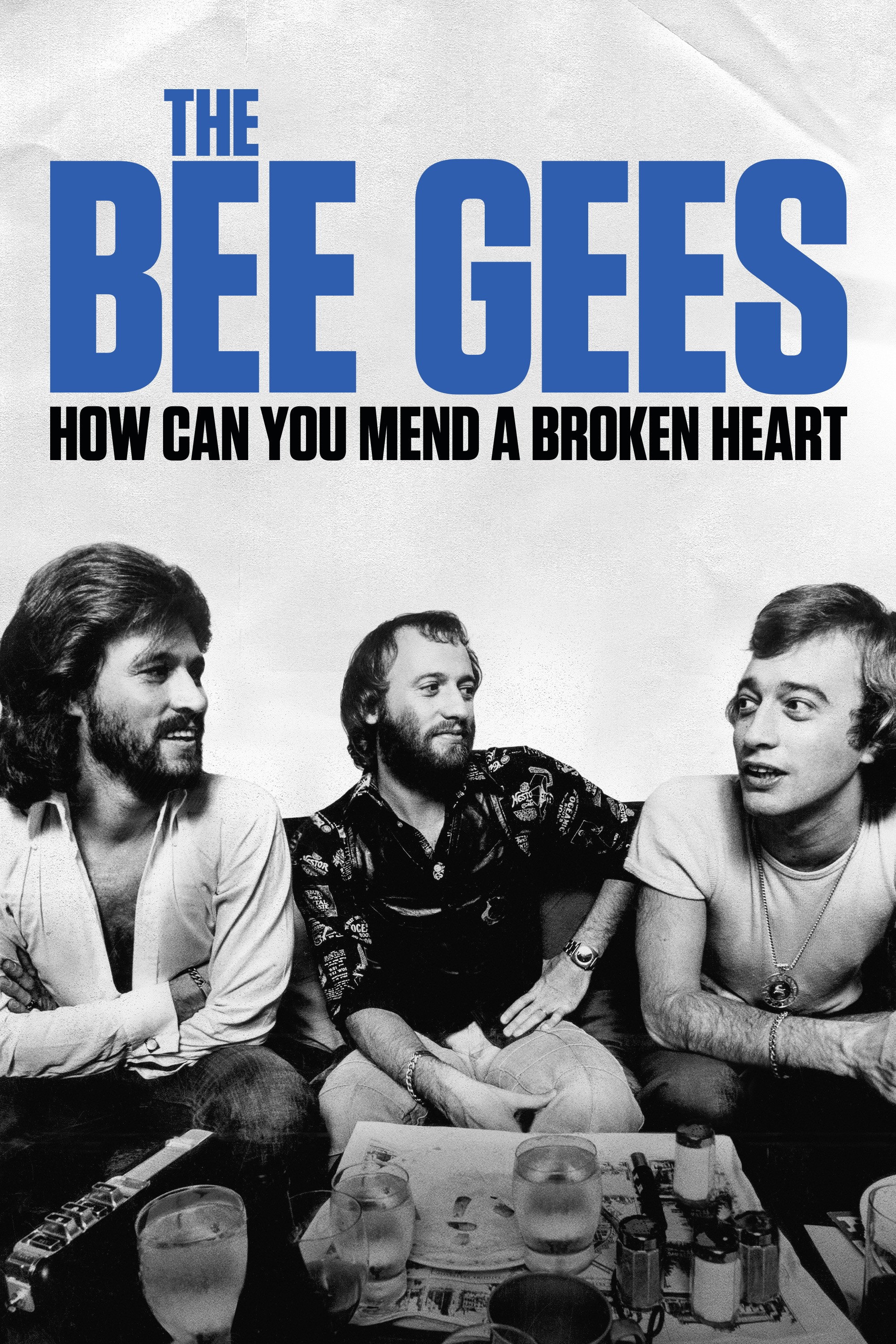
The story of the triumphs and hurdles of brothers Barry, Maurice, and Robin Gibb, otherwise known as the Bee Gees. The iconic trio, who found early fame in the 1960s, went on to write over 1,000 songs and have 20 No. 1 hits throughout their career, transcending more than five decades of changing tastes and styles.
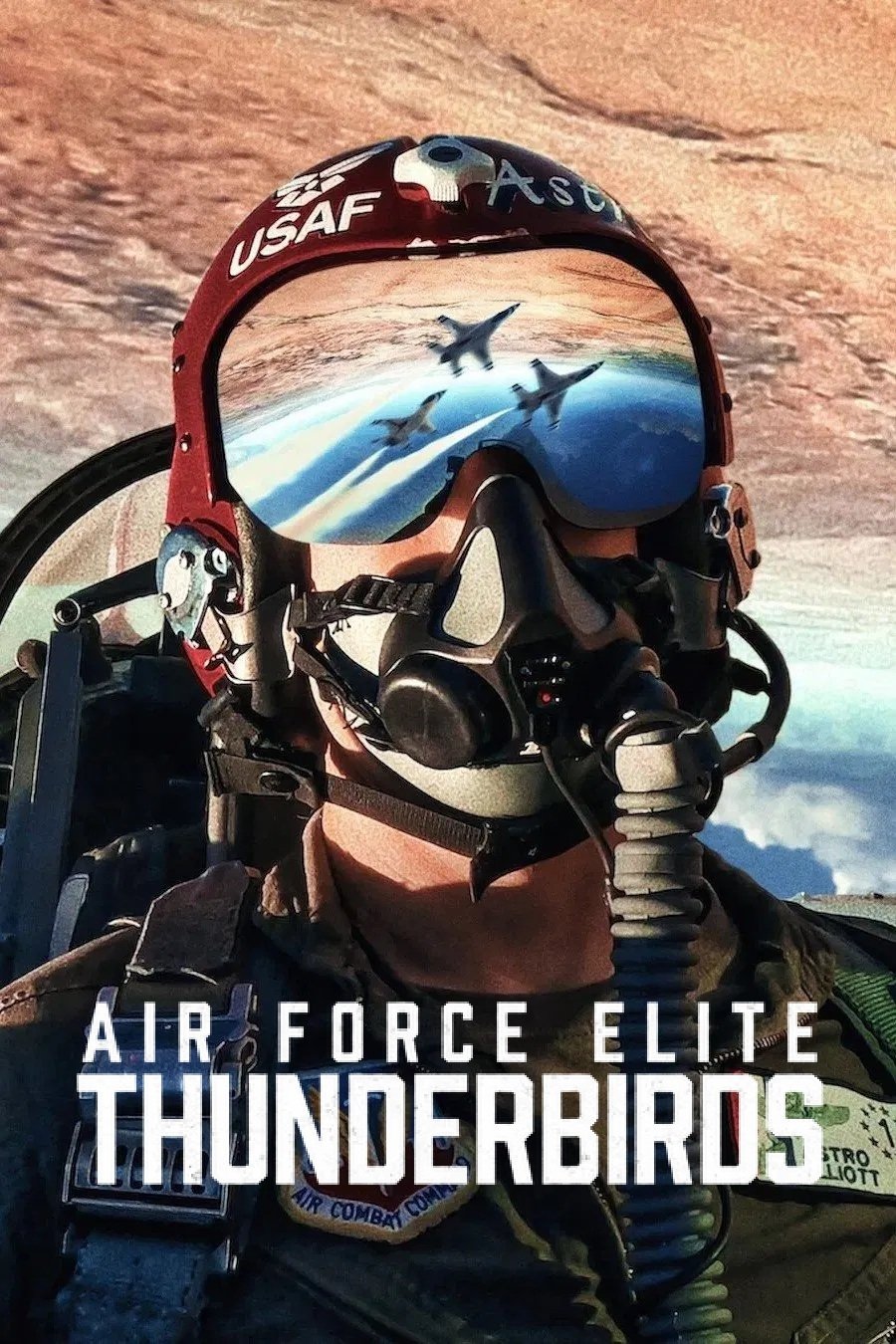
The elite pilots of the Air Force Thunderbirds display exceptional skill, trust and courage during a high-stakes training season.