Social & External
The people behind it
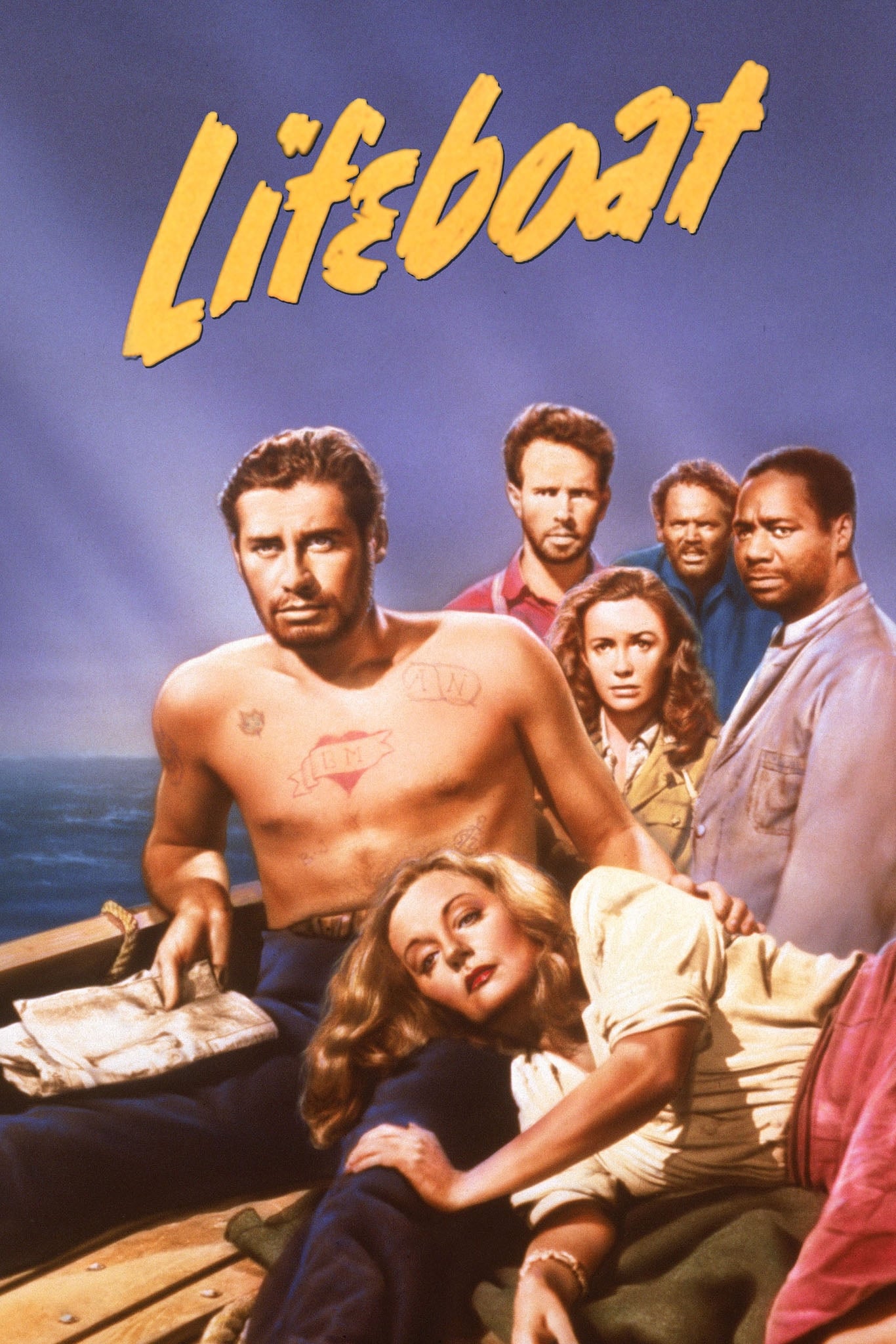
During World War II, a small group of survivors is stranded in a lifeboat together after the ship they were traveling on is destroyed by a German U-boat.
Evocation of the Oradour-sur-Glane Massacre on 10 June 1944, when 642 of its inhabitants were slaughtered by a Nazi Waffen SS company, based on a visit to Diors' Museum of the Three Wars" and archive photographs.
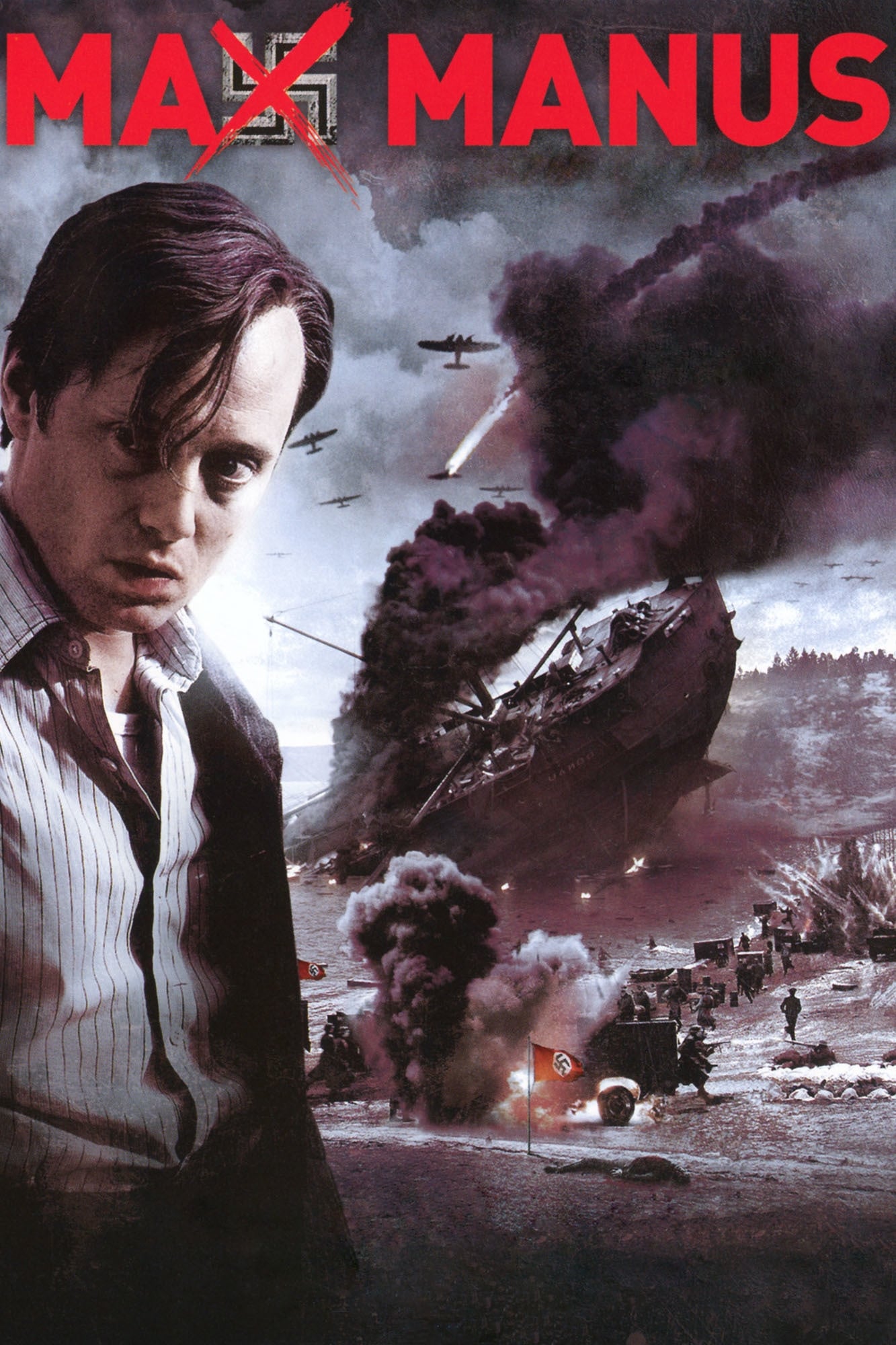
Max Manus is a Norwegian 2008 biographic war film based on the real events of the life of resistance fighter Max Manus (1914–96), after his contribution in the Winter War against the Soviet Union. The story follows Manus through the outbreak of World War II in Norway until peacetime in 1945.
Based on a true story, during World War II, four Jewish brothers escape their Nazi-occupied homeland of West Belarus in Poland and join the Soviet partisans to combat the Nazis. The brothers begin the rescue of roughly 1,200 Jews still trapped in the ghettos of Poland.
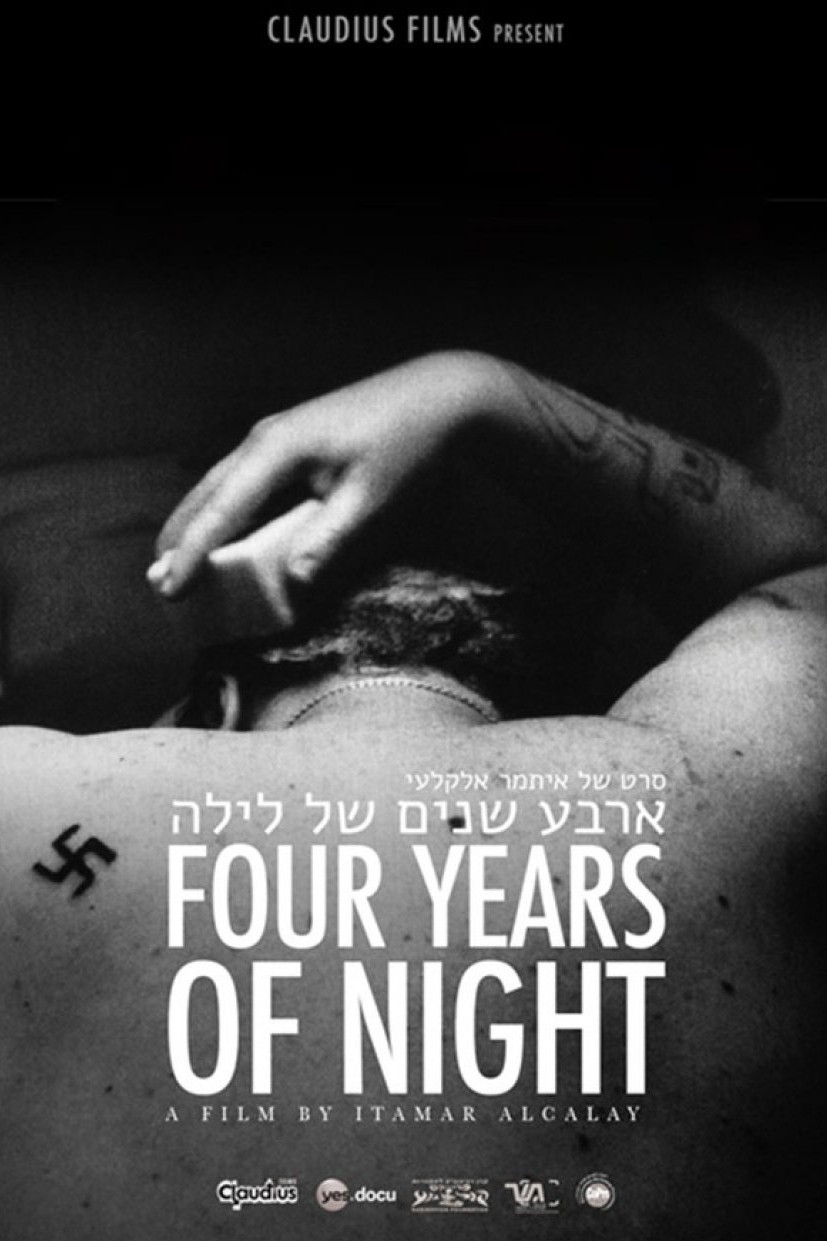
For four years (1977-1981) Esaias Baitel documented a violent Parisian neo-Nazi gang. Having gained their trust, he was able to get close to them. Living among the gang members, he witnessed horrific events, and while hiding his real identity, he photographed a one-of-a-kind collection of gripping stills. Over thirty years have passed. Esaias Baitel has laid his camera down. He returns to the dark nights he spent in the City of Lights, the city where he lived a double life, going back and forth from the gang to the young family he had just started.
On September 1st, 1939, Nazi Germany invades Poland, unleashing World War II. On September 17th, the Soviet Red Army crosses the border. The Polish army, unable to fight on two fronts, is defeated. Thousands of Polish men, both military and government officials, are captured by the invaders. Their fate will only be known several years later.
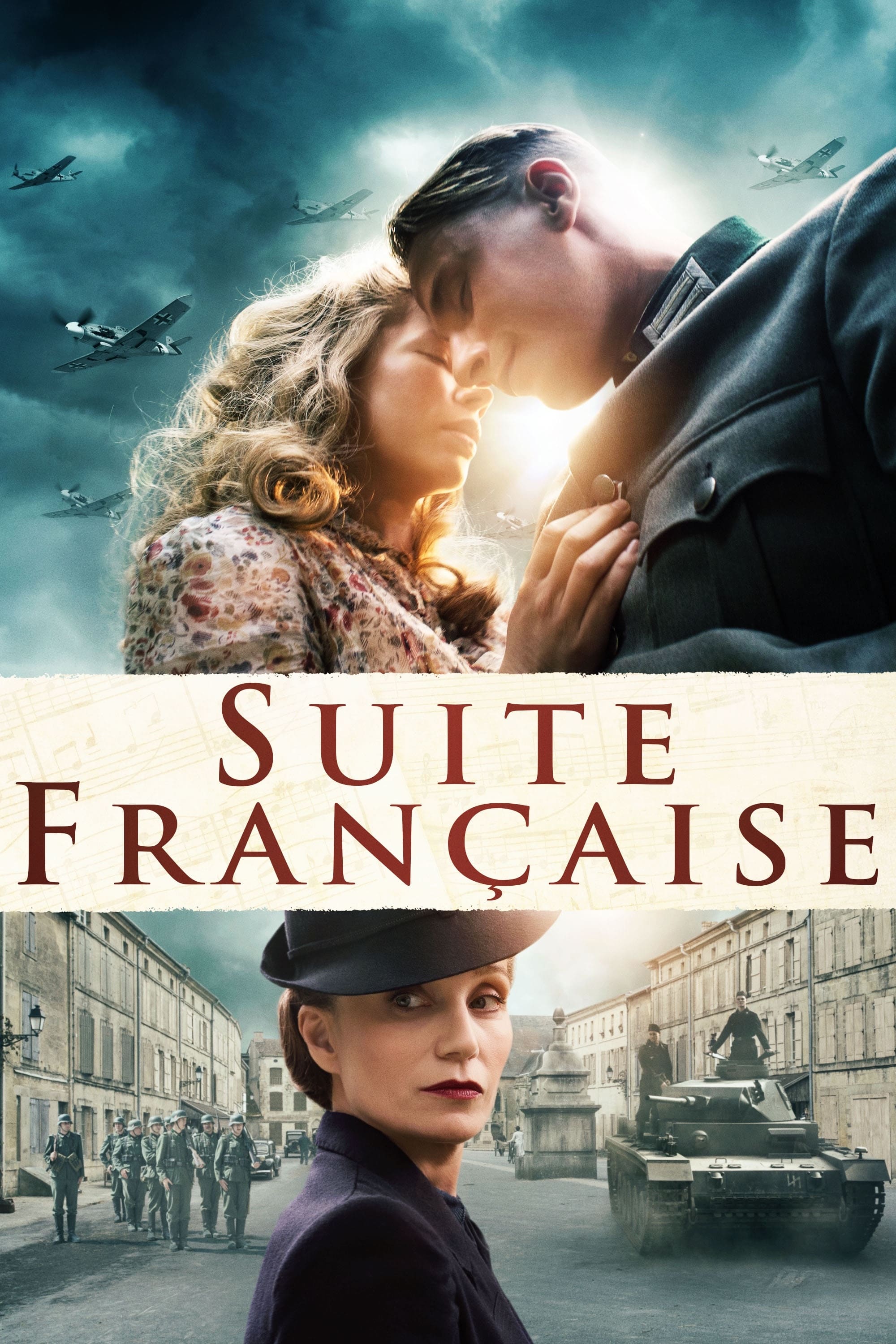
France, 1940. In the first days of occupation, beautiful Lucile Angellier is trapped in a stifled existence with her controlling mother-in-law as they both await news of her husband: a prisoner of war. Parisian refugees start to pour into their small town, soon followed by a regiment of German soldiers who take up residence in the villagers' own homes. Lucile initially tries to ignore Bruno von Falk, the handsome and refined German officer staying with them. But soon, a powerful love draws them together and leads them into the tragedy of war.
She's been around for so many decades but hasn't aged a day. She's had more than 180 different jobs; she's been president, she's been to the moon, and she's done all the things that women aspire to do. She has a massive closet, and thousands of different outfits. Barbie is way more than just a 12-inches long piece of plastic, she is way more than a toy. The legendary blond bombshell has grown into a phenomenon and a children's sensation. Wildly revolutionary, Barbie broke barriers, shattered glass ceilings, and has inspired countless dreams, wonder and imagination, with her signature color: Pink. The history of the doll is a testament to its enduring appeal and impact. Things have changed for her the same way things changed for women. Whatever we may think about Barbie - love or loathe her - it is impossible to ignore her worldwide impact. Let's step into the beautiful world of Barbie and take a look at her cultural revolution through the decades.
In the winter of 1944, the Allied Armies stand ready to invade Germany at the coming of a New Year. To prevent it, Hitler orders an all-out offensive to re-take French territory and capture the major port city of Antwerp.
Six survivors of sexual abuse speak of the consequences of growing up with the secret of their abuse.
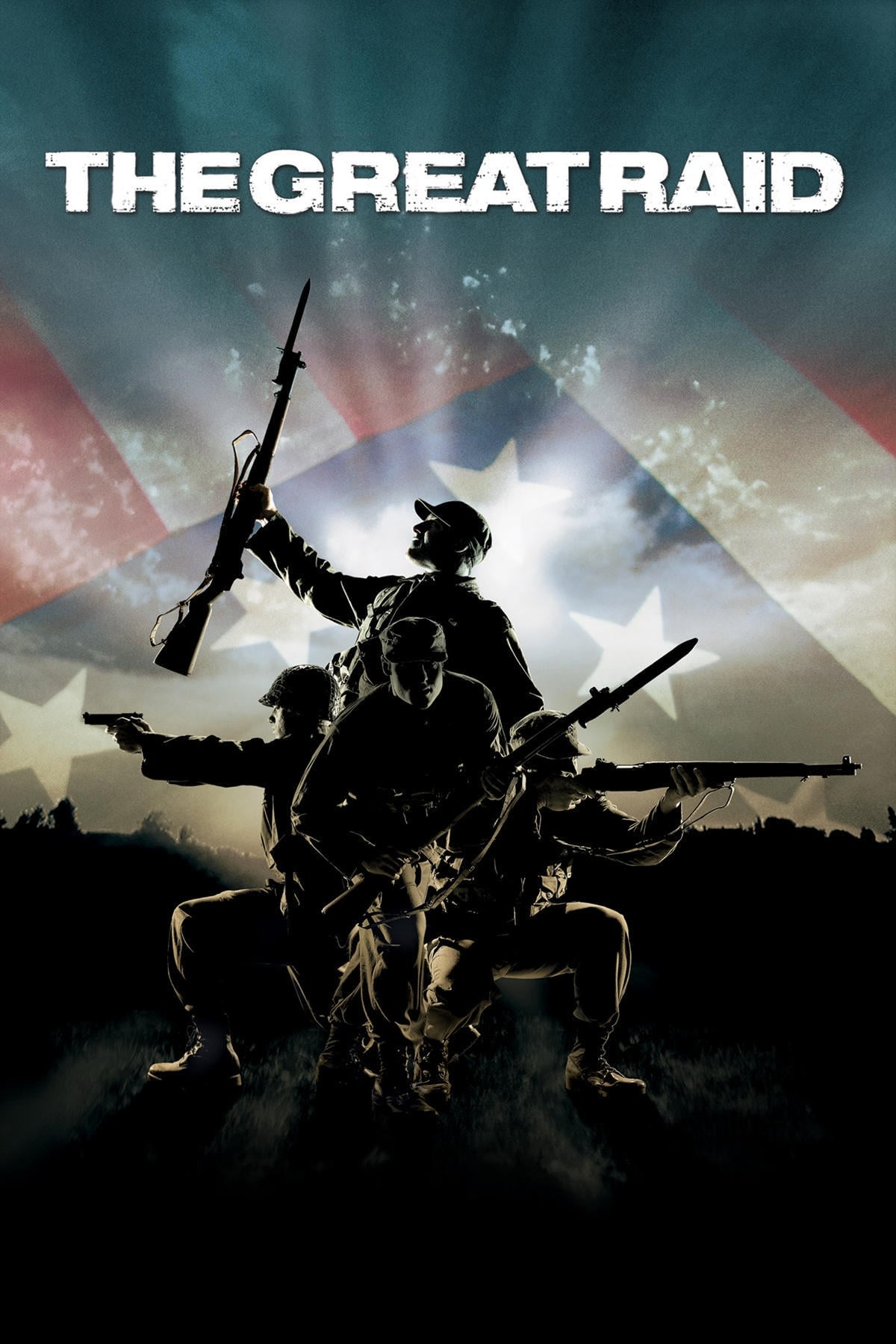
As World War II rages, the elite Sixth Ranger Battalion is given a mission of heroic proportions: push 30 miles behind enemy lines and liberate over 500 American prisoners of war.
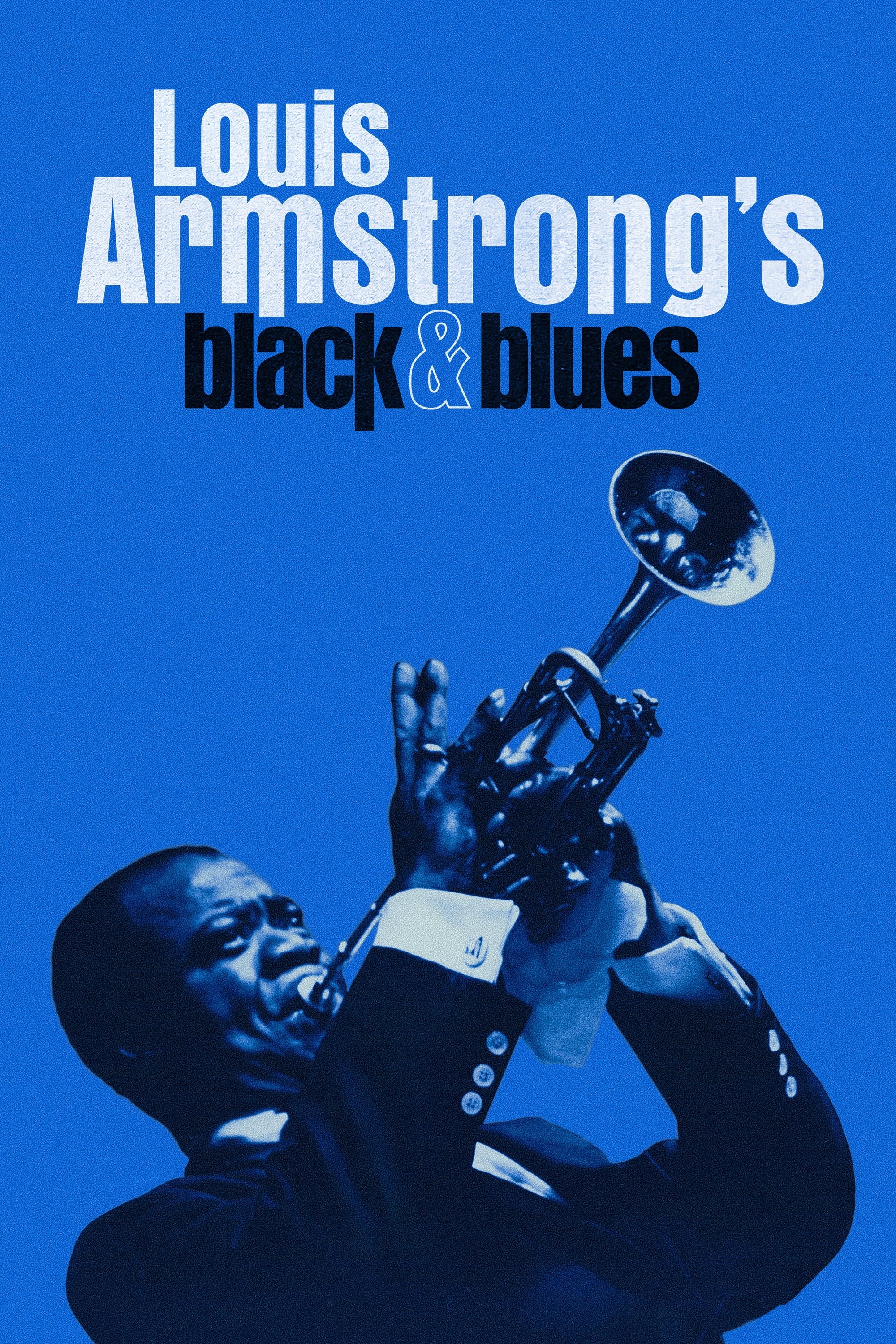
Never-before-heard personal recordings and archival footage tell the story of Louis Armstrong's life from his perspective. From musical phenom to civil rights activist to world-renowned artist, this illuminating film shows sides of Armstrong few have seen.
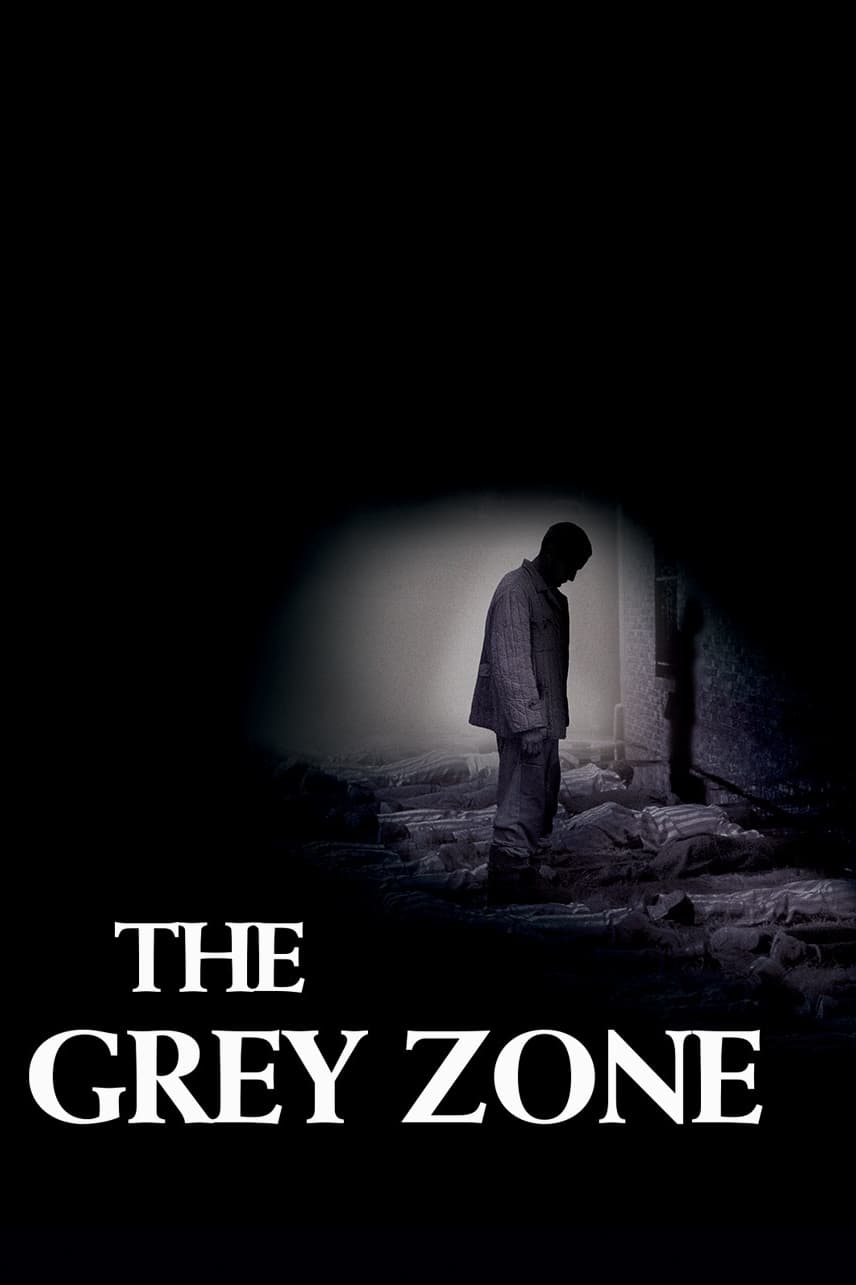
The story of Auschwitz's twelfth Sonderkommando — one of the thirteen consecutive "Special Squads" of Jewish prisoners placed by the Nazis in the excruciating moral dilemma of assisting in the extermination of fellow Jews in exchange for a few more months of life.
Two World War II Veterans reunite for the first time in 70 years after their inaugural voyage on Navy ship LST-218
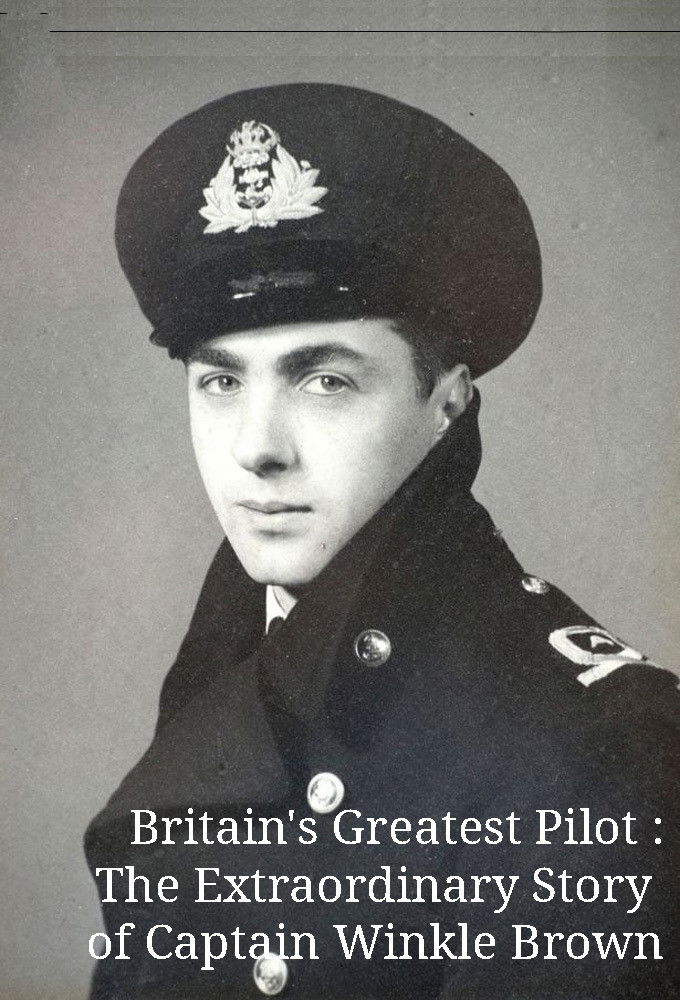
Captain Eric 'Winkle' Brown recounts his flying experiences, encounters with the Nazis and other adventures leading up to and during the Second World War. Illustrated with archive footage and Captain Brown's own photos.
World War II propaganda short which focuses on the dangers of inadvertent dispersal of military information.
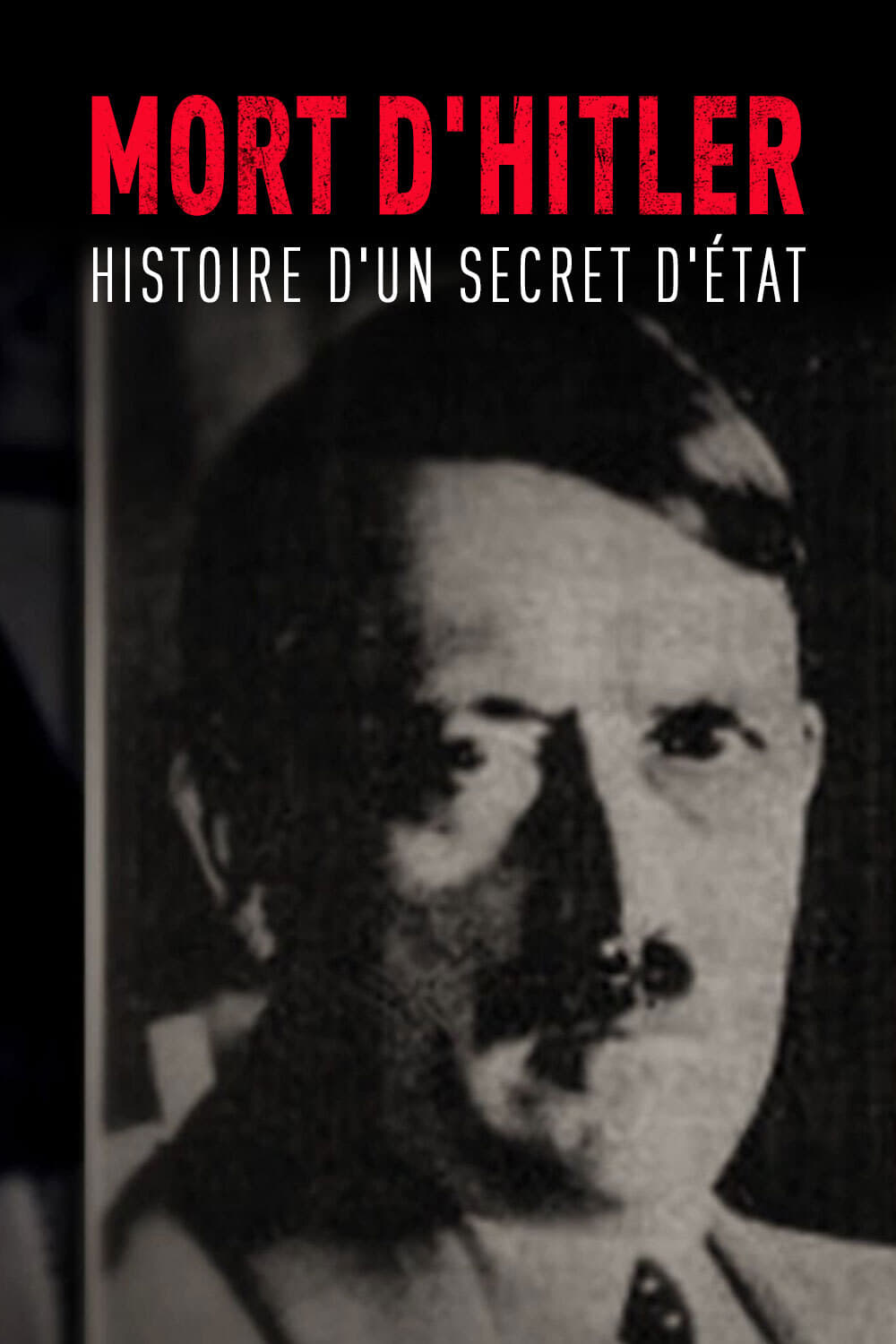
On April 30, 1945, while the Russian Army surrounded Berlin, Hitler committed suicide in his bunker. His body was discovered a few days later by the Soviets. He would be positively identified after a top secret inquest in which Hitler's personal dentist would play a central role. And yet, at the same time, Stalin publicly declared that his army was unable to find the Führer's body, choosing to let the wildest rumors develop and going so far as to accuse some of his Allies of having aided the monster's probable escape. What secrets were hidden behind this dissimulation? What happened then to the two ladies involved in the identification of Hitler’s body?
The Spanish journalist Manuel Chaves Nogales (1897-1944) was always there where the news broke out: in the fratricidal Spain of 1936, in Bolshevik Russia, in Fascist Italy, in Nazi Germany, in occupied Paris or in the bombed London of World War II; because his job was to walk, see and tell stories, and thus fight against tyrants, at a time when it was necessary to take sides in order not to be left alone; but he, a man of integrity to the bitter end, never did so.
Director Claude Lanzmann spent 11 years on this sprawling documentary about the Holocaust, conducting his own interviews and refusing to use a single frame of archival footage. Dividing Holocaust witnesses into three categories – survivors, bystanders, and perpetrators – Lanzmann presents testimonies from survivors of the Chelmno concentration camp, an Auschwitz escapee, and witnesses of the Warsaw Ghetto Uprising, as well as a chilling report of gas chambers from an SS officer at Treblinka.
Filmmaker Alain Resnais documents the atrocities behind the walls of Hitler's concentration camps.
A love letter from a young mother to her daughter, the film tells the story of Waad al-Kateab’s life through five years of the uprising in Aleppo, Syria as she falls in love, gets married and gives birth to Sama, all while cataclysmic conflict rises around her. Her camera captures incredible stories of loss, laughter and survival as Waad wrestles with an impossible choice– whether or not to flee the city to protect her daughter’s life, when leaving means abandoning the struggle for freedom for which she has already sacrificed so much.
Prelude to War was the first film of Frank Capra's Why We Fight propaganda film series, commissioned by the Pentagon and George C. Marshall. It was made to convince American troops of the necessity of combating the Axis Powers during World War II. This film examines the differences between democratic and fascist states.
“The Soviet Story” is a story of an Allied power, which helped the Nazis to fight Jews and which slaughtered its own people on an industrial scale. Assisted by the West, this power triumphed on May 9th, 1945. Its crimes were made taboo, and the complete story of Europe’s most murderous regime has never been told. Until now...
Meet the real-life airmen who inspired Masters of the Air as they share the harrowing and transformative events of the 100th Bomb Group.
A woman’s Holocaust memoir takes the world by storm, but a fallout with her publisher-turned-detective reveals her story as an audacious deception created to hide a darker truth.
Told through performances, TV interviews, home movies, family photographs, private letters and unpublished memoirs, the film reveals the essence of an extraordinary woman who rose from humble beginnings in New York City to become a glamorous international superstar and one of the greatest artists of all time.
As the Russian invasion begins, a team of Ukrainian journalists trapped in the besieged city of Mariupol struggle to continue their work documenting the war's atrocities.
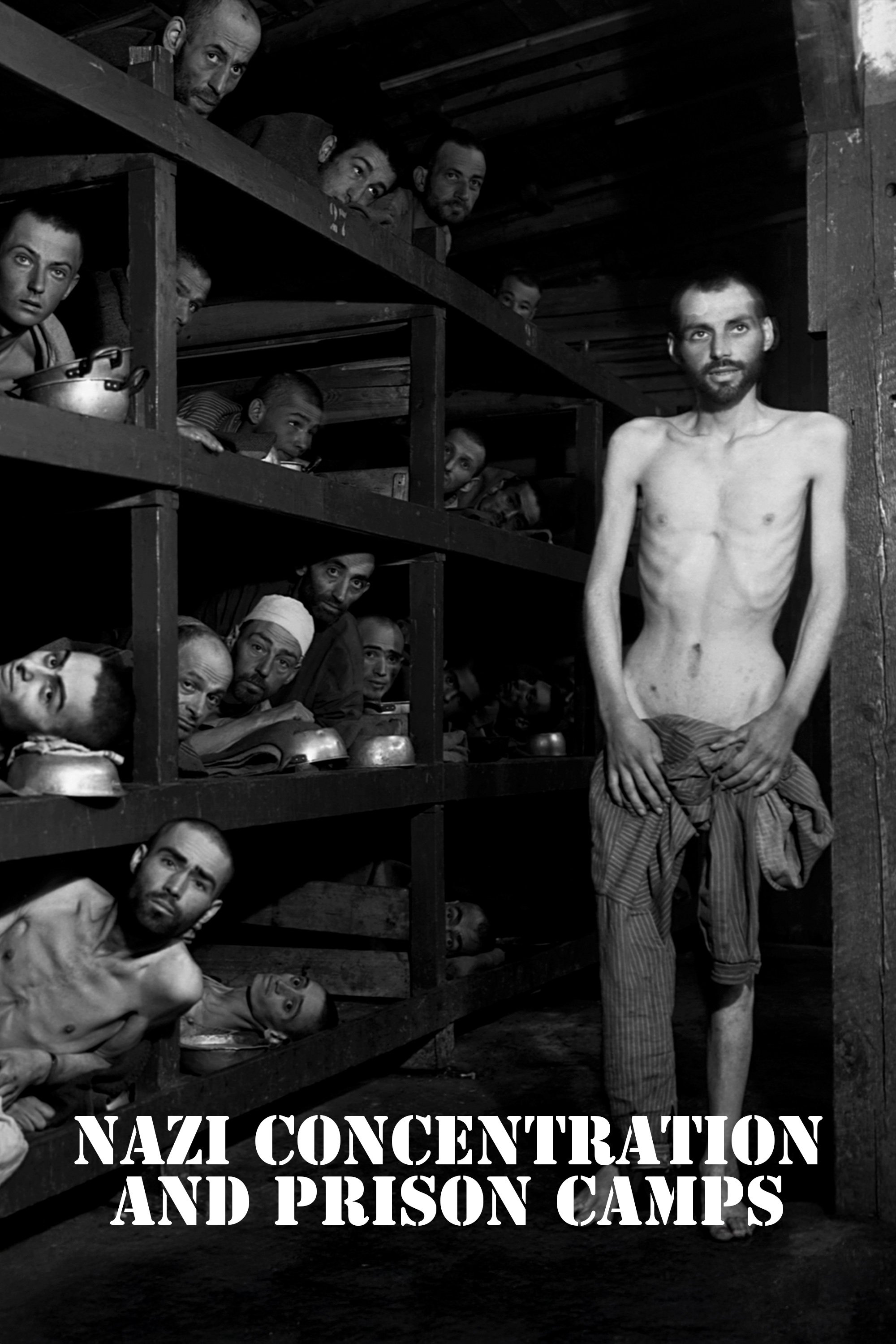
Produced and presented as evidence at the Nuremberg war crimes trial of Hermann Göring and twenty other Nazi leaders, this film consists primarily of dead and surviving prisoners and of facilities used to kill and torture during the World War II.
When Allied forces liberated the Nazi concentration camps in 1944-45, their terrible discoveries were recorded by army and newsreel cameramen, revealing for the first time the full horror of what had happened. Making use of British, Soviet and American footage, the Ministry of Information’s Sidney Bernstein (later founder of Granada Television) aimed to create a documentary that would provide lasting, undeniable evidence of the Nazis’ unspeakable crimes. He commissioned a wealth of British talent, including editor Stewart McAllister, writer and future cabinet minister Richard Crossman – and, as treatment advisor, his friend Alfred Hitchcock. Yet, despite initial support from the British and US Governments, the film was shelved, and only now, 70 years on, has it been restored and completed by Imperial War Museums under its original title "German Concentration Camps Factual Survey".
For over 40 years Val Kilmer, one of Hollywood’s most mercurial and/or misunderstood actors has been documenting his own life and craft through film and video. He has amassed thousands of hours of footage, from 16mm home movies made with his brothers, to time spent in iconic roles for blockbuster movies like Top Gun, The Doors, Tombstone, and Batman Forever. This raw, wildly original and unflinching documentary reveals a life lived to extremes and a heart-filled, sometimes hilarious look at what it means to be an artist and a complex man.
Amid the failing counteroffensive, a journalist follows a Ukrainian platoon on their mission to traverse one mile of heavily fortified forest and liberate a strategic village from Russian occupation. But the farther they advance through their destroyed homeland, the more they realize that this war may never end.
Errol Morris examines the incidents of abuse and torture of suspected terrorists at the hands of U.S. forces at the Abu Ghraib prison.
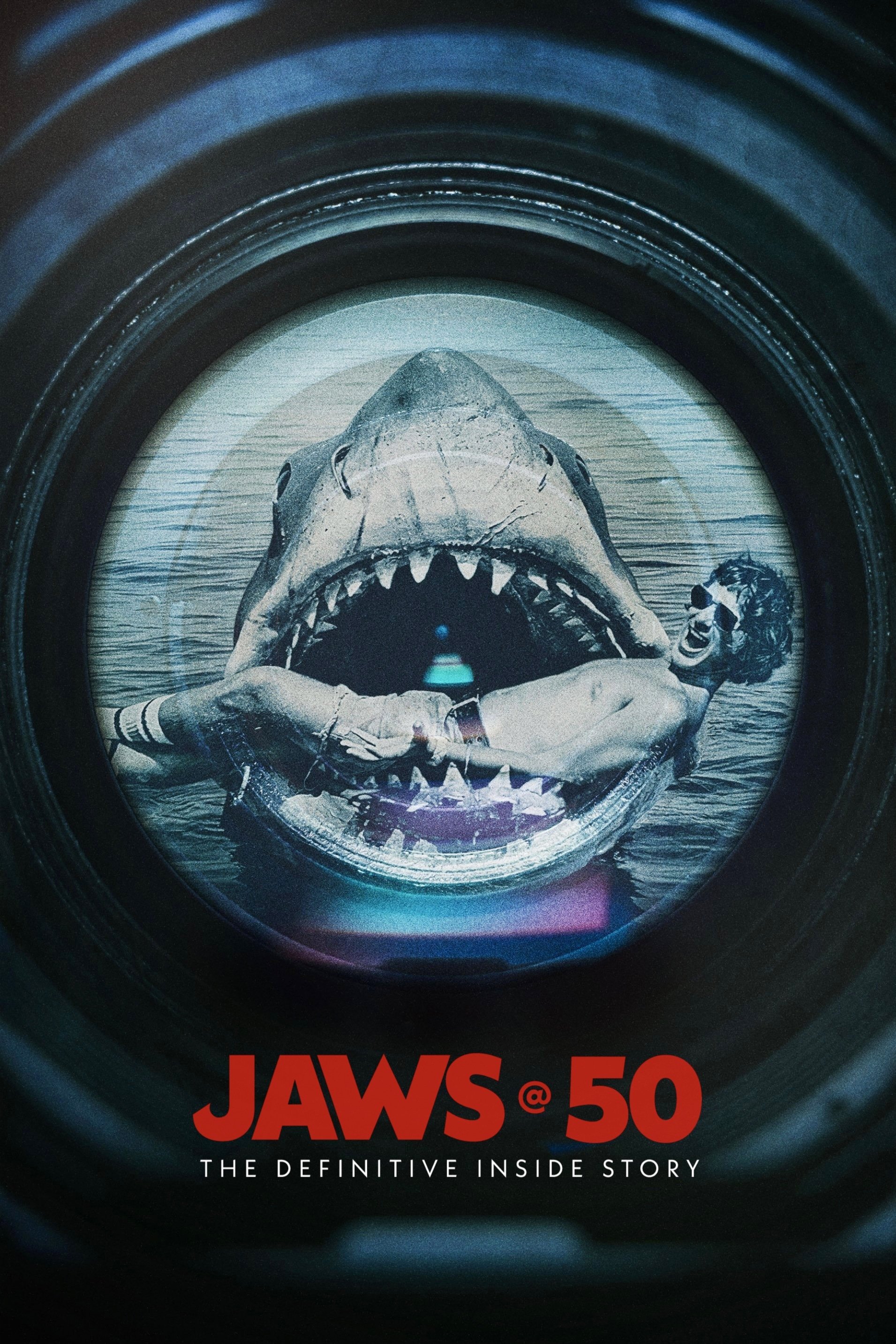
The authorized documentary celebrating the film that redefined Hollywood, 50 years after its premiere. Featuring rare archival footage and interviews with acclaimed Hollywood directors alongside Steven Spielberg, top shark scientists, and conservationists, the film uncovers the behind-the-scenes chaos and how the film launched the summer blockbuster, inspired a new wave of filmmakers, and paved the way for shark conservation that continues today.
Korengal picks up where Restrepo left off; the same men, the same valley, the same commanders, but a very different look at the experience of war.
Director Michael Apted revisits the same group of British-born adults after a 7 year wait. The subjects are interviewed as to the changes that have occurred in their lives during the last seven years.
Stars of "The Walking Dead," Andrew Lincoln and Danai Gurira, walk down memory lane and visit iconic locations where pivotal moments between their characters, Rick and Michonne, were filmed.
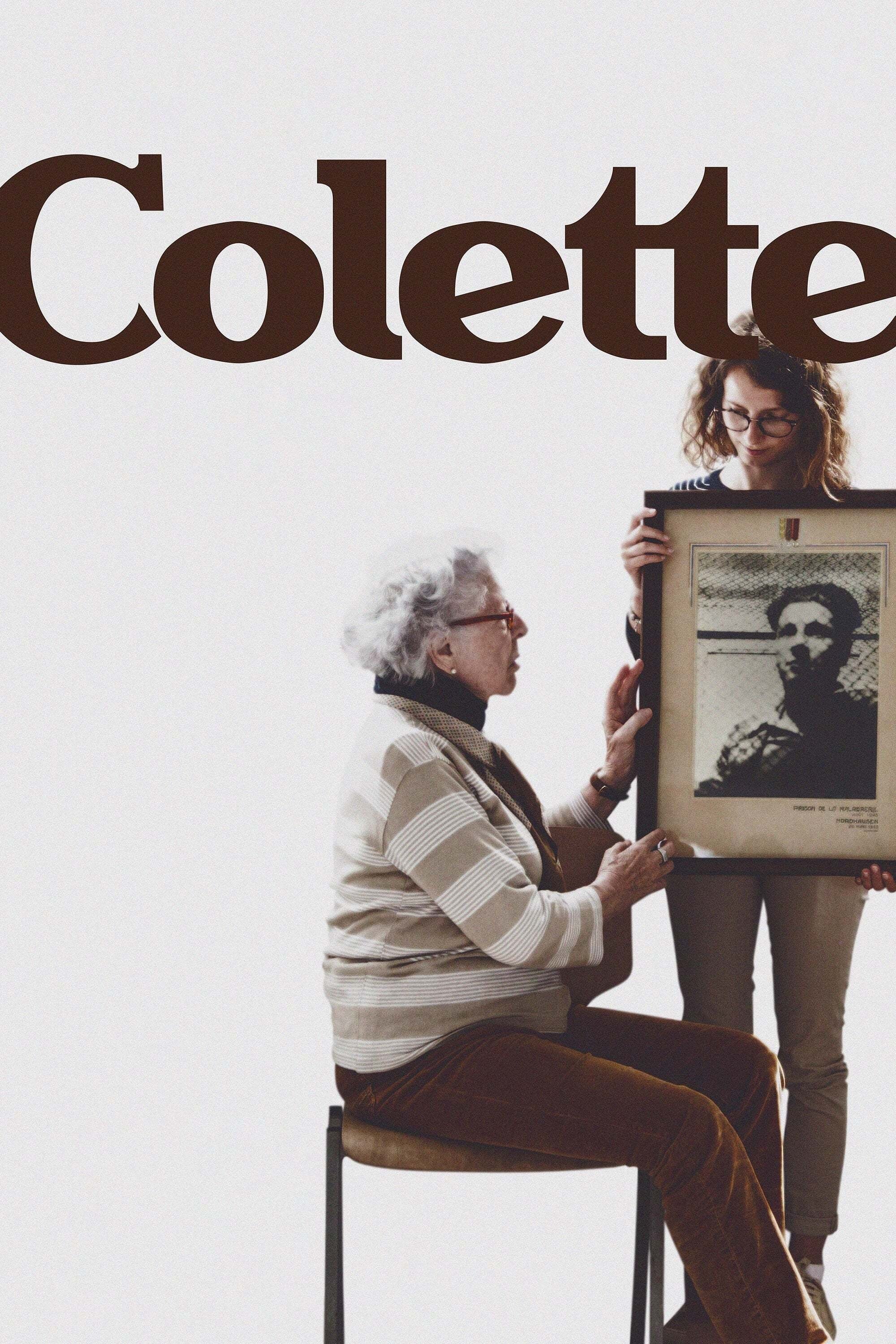
World War II. Not all warriors wore uniforms. Not all warriors were men. Meet ninety-year-old Colette Catherine who, as a young girl, fought the Nazis as a member of the French Resistance. Now she’s about to re-open old wounds, re-visting the terrors of that time. Some nightmares are too terrible to remember. But also, too dangerous to forget.
A documentary about World War I with never-before-seen footage to commemorate the centennial of Armistice Day, and the end of the war.