Sorokdo is an island of Korea where the scars of the wars are visible. Wars that sowed confusion, suffering and injustice in a society concentrated on its economic development.

Social & External
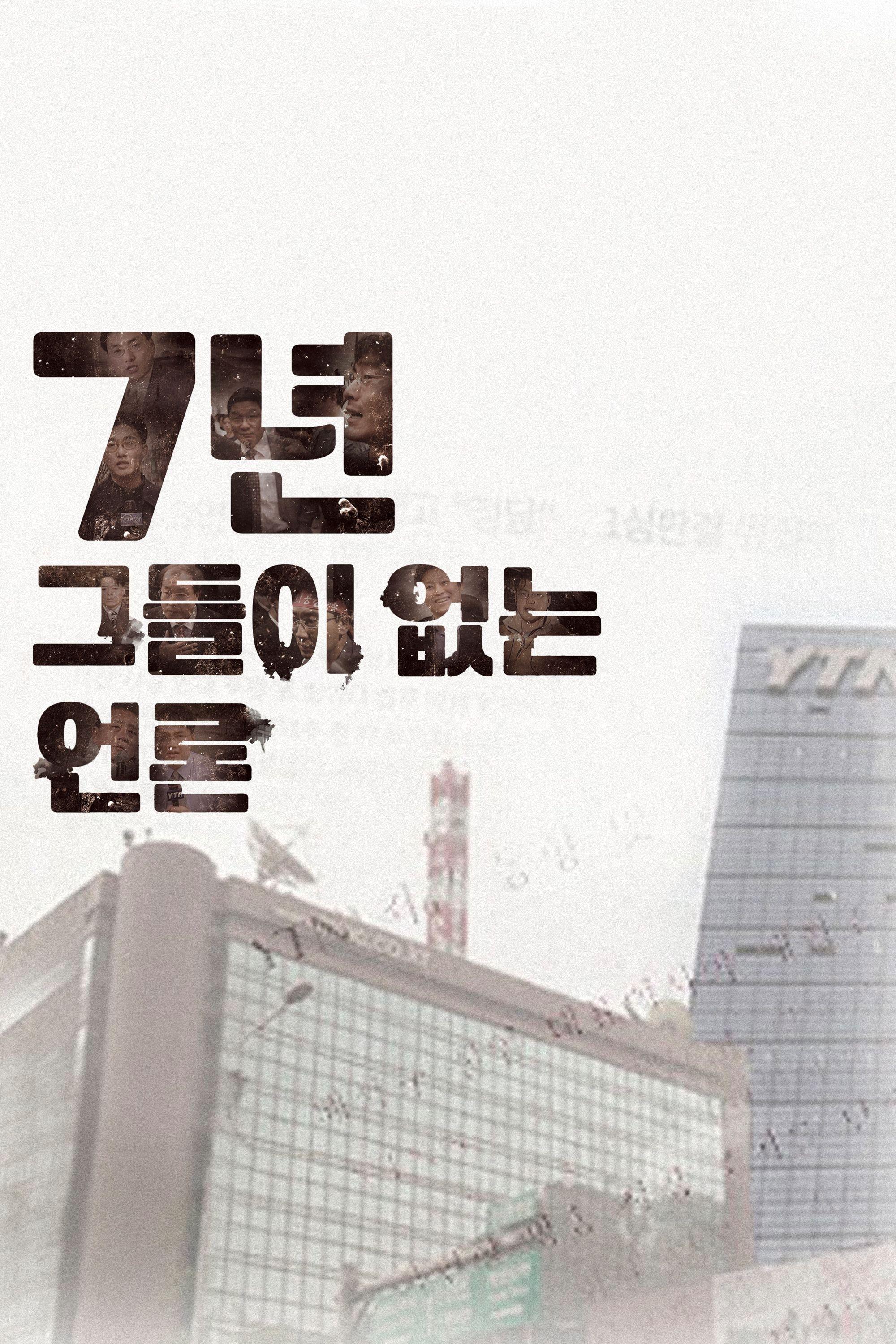
A total of 17 journalists have been fired since 2008, the beginning of LEE Myung-bak’s presidential term. They fought against the companies that they worked for succumbing to power and are now frustrated at reality where censorship of the press by authority has now become a norm. Can they continue their activities as journalists?
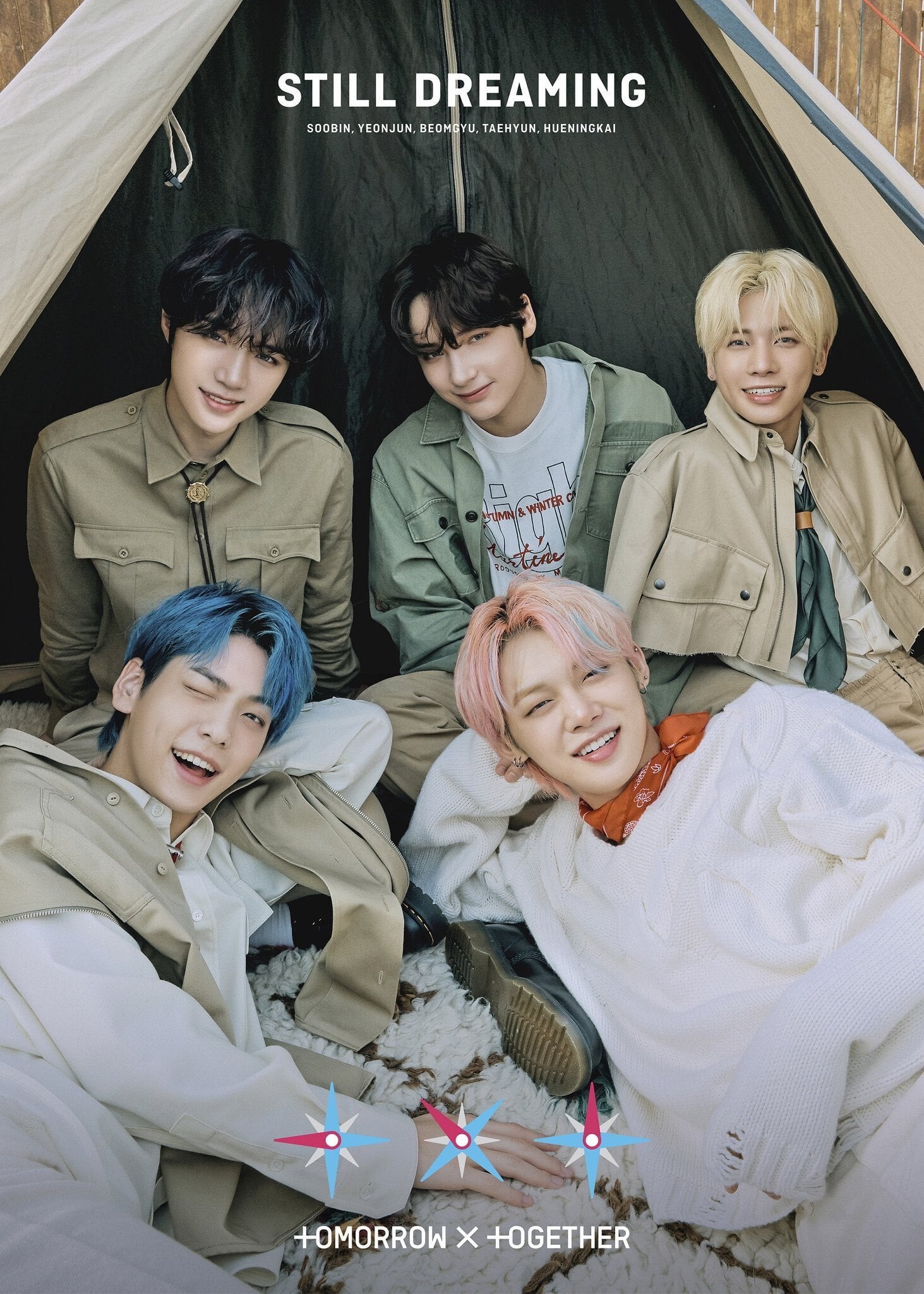
Still Dreaming is TXT's first Japanese studio album. It was released on January 20, 2021. It was released with an accompanying DVD with the music video for the Japanese version of 'Blue Hour' and the making of the music video with interviews.
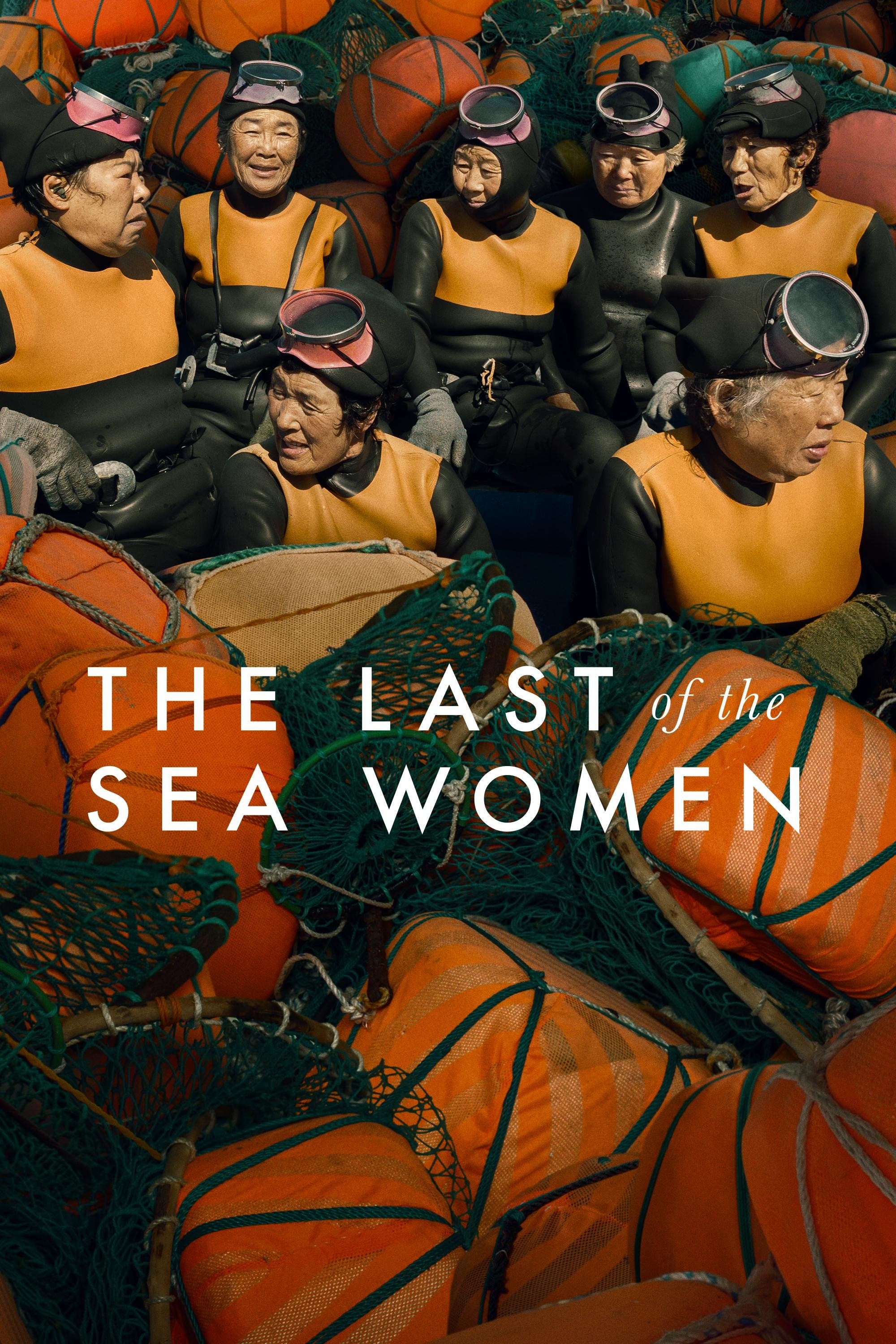
On the shores of Jeju Island, a fierce group of South Korean divers fight to save their vanishing culture from looming threats.
Set in a leper colony in the north of Iran, The House is Black juxtaposes "ugliness," of which there is much in the world as stated in the opening scenes, with religion and gratitude.
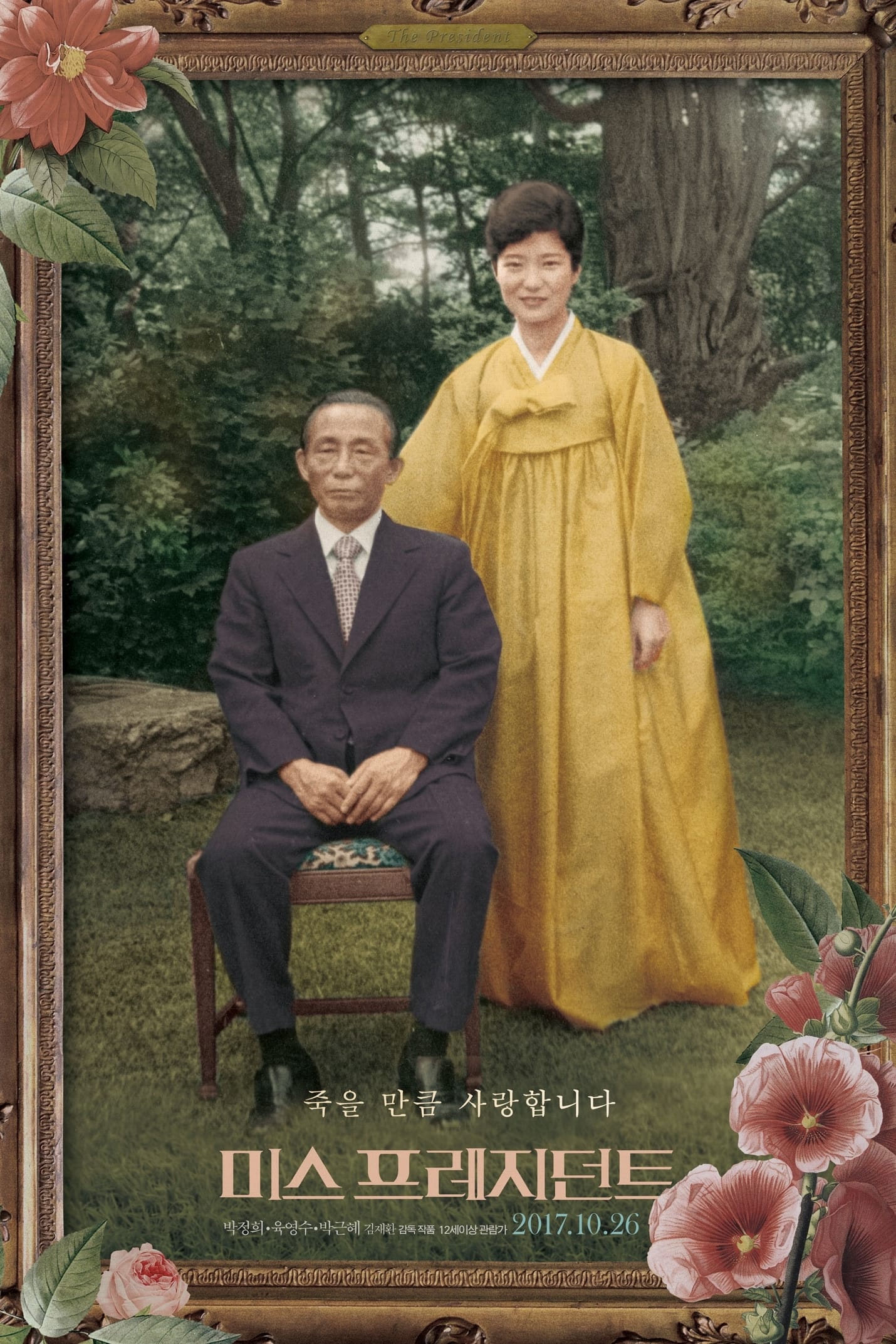
My father led a coup in 1961. Two years later, I became the president's daughter.
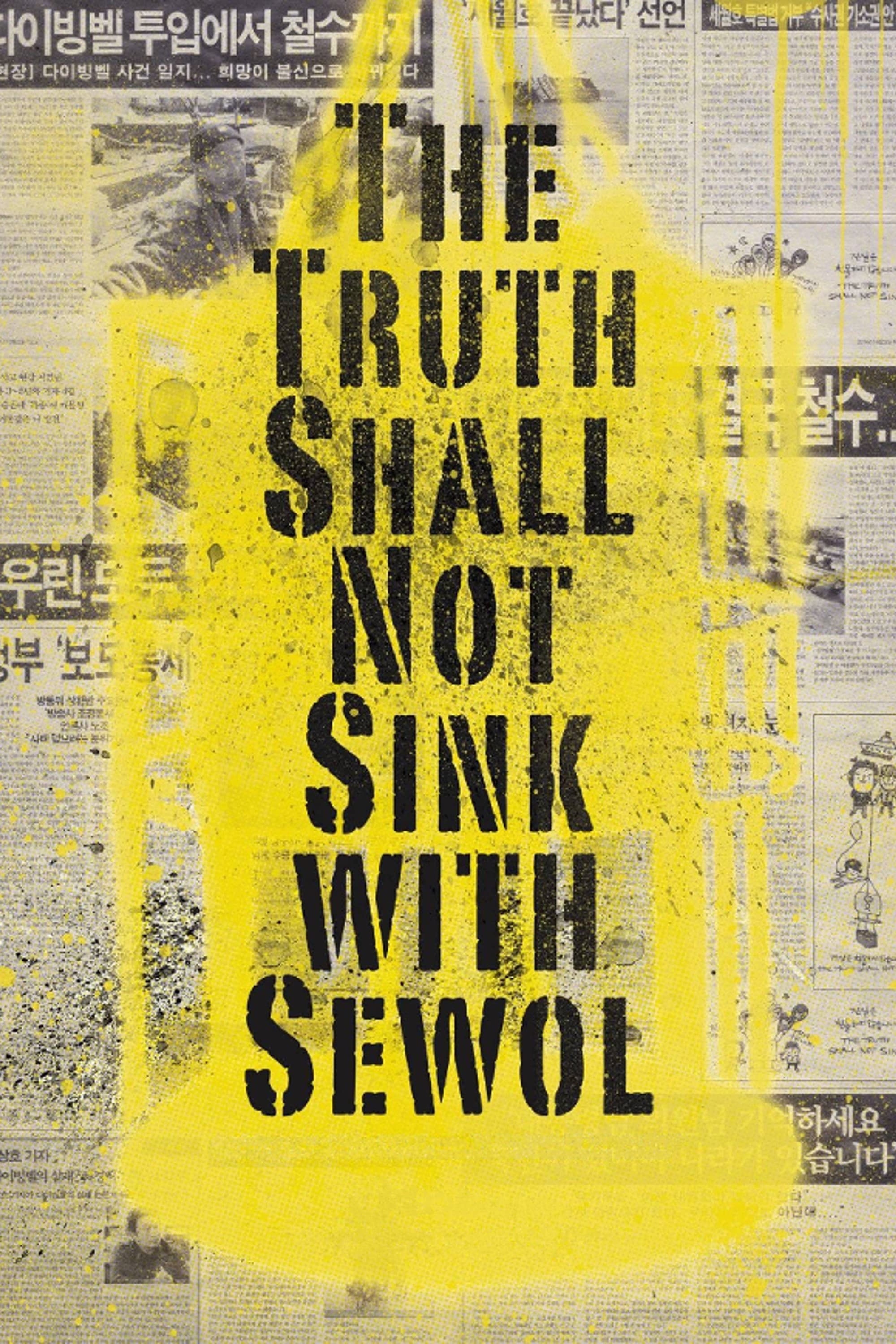
A documentary on the South Korean ferry disaster that claimed the lives of more than 300 passengers in April, 2014.
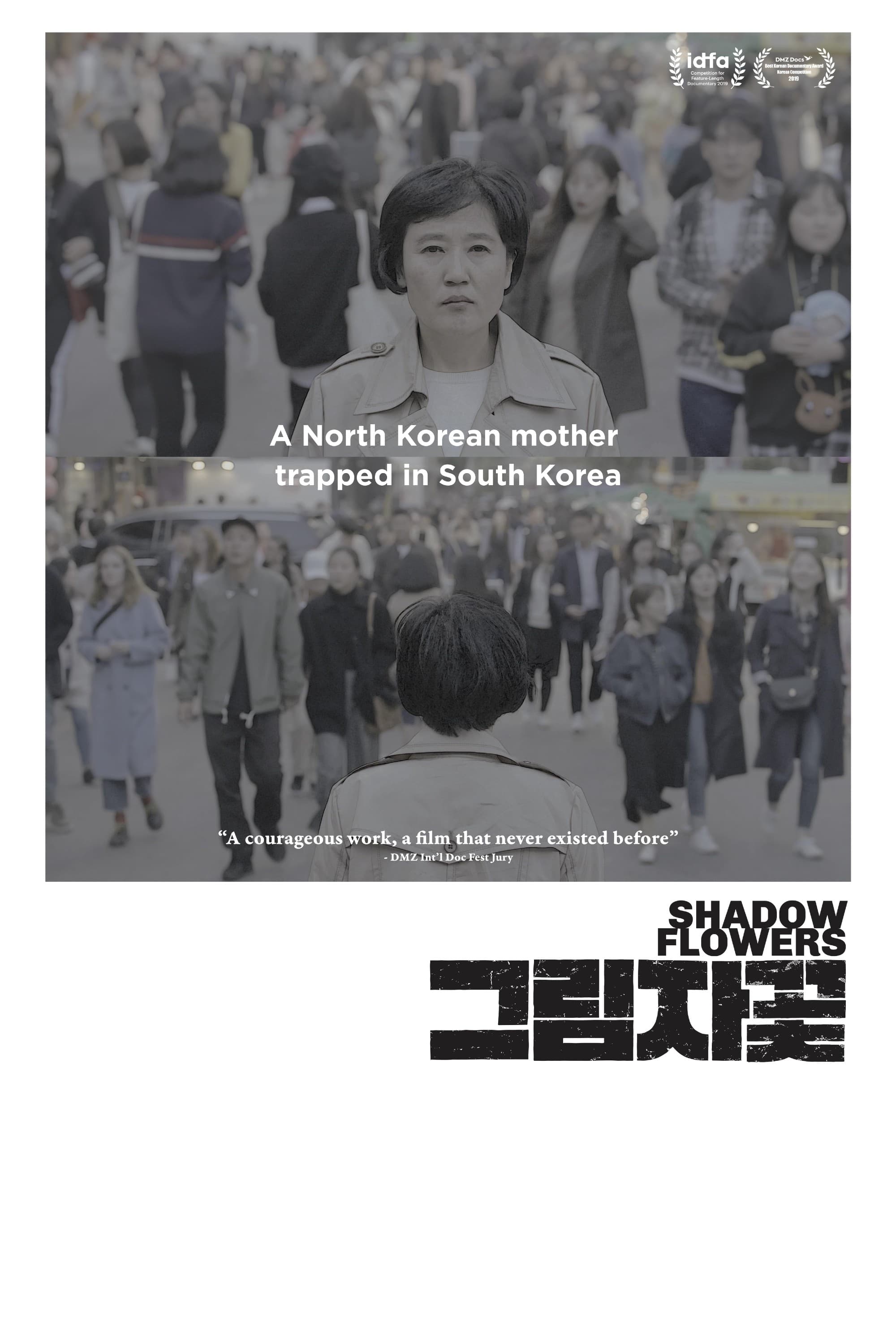
Ryun-hee Kim, a North Korean housewife, was forced to come to South Korea and became its citizen against her will. As her seven years of struggle to go back to her family in North Korea continues, the political absurdity hinders her journey back to her loved ones. The life of her family in the North goes on in emptiness, and she fears that she might become someone, like a shadow, who exists only in the fading memory of her family.
South Korea's is facing a population crisis, with Seoul at the centre of it. The country’s capital remains the beneficiary of both internal and external migration. Instead, it is in the rural and peripheral areas where low birth rates and the aging population have become crises. The countryside is at risk of becoming extinct. As more opportunities and people get concentrated in Seoul, urban pressures have led to rising unemployment and cost of living. And when things get expensive, people do not have babies. Seoul now has the lowest birthrate in South Korea, in a country with the world’s most dire fertility. On the other hand, farms and factories in the rural areas desperately need workers. How can South Korea solve this population puzzle?
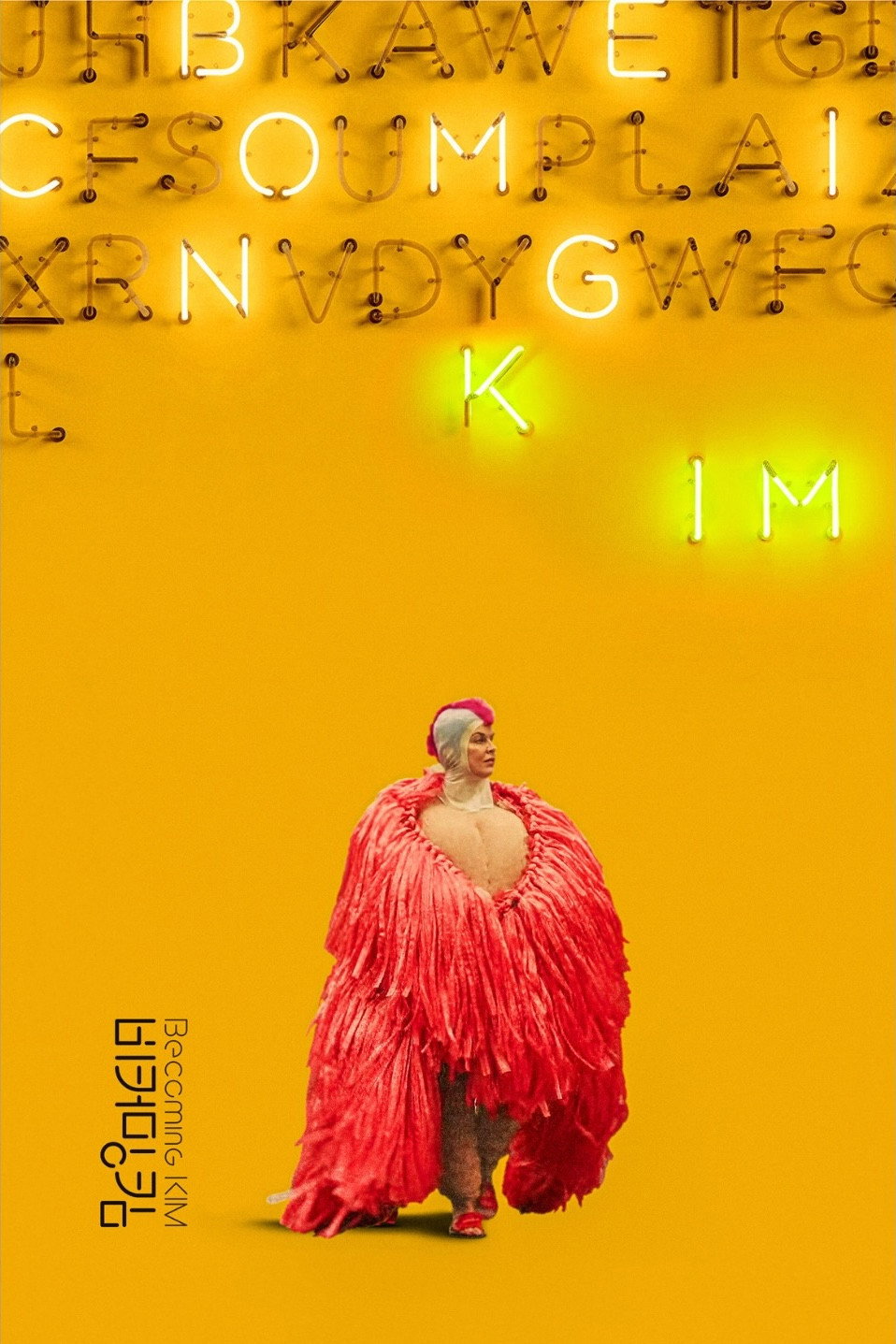
German filmmaker Susanne, married to a Korean man named Kim Jeong Rae, turns the camera toward her own intercultural marriage and family with both humor and tenderness. Blending vérité and performance, the film dives into the beautiful mess of love, identity, and cultural collision. Becoming Kim asks: How do we stay true to ourselves—while learning to love another?
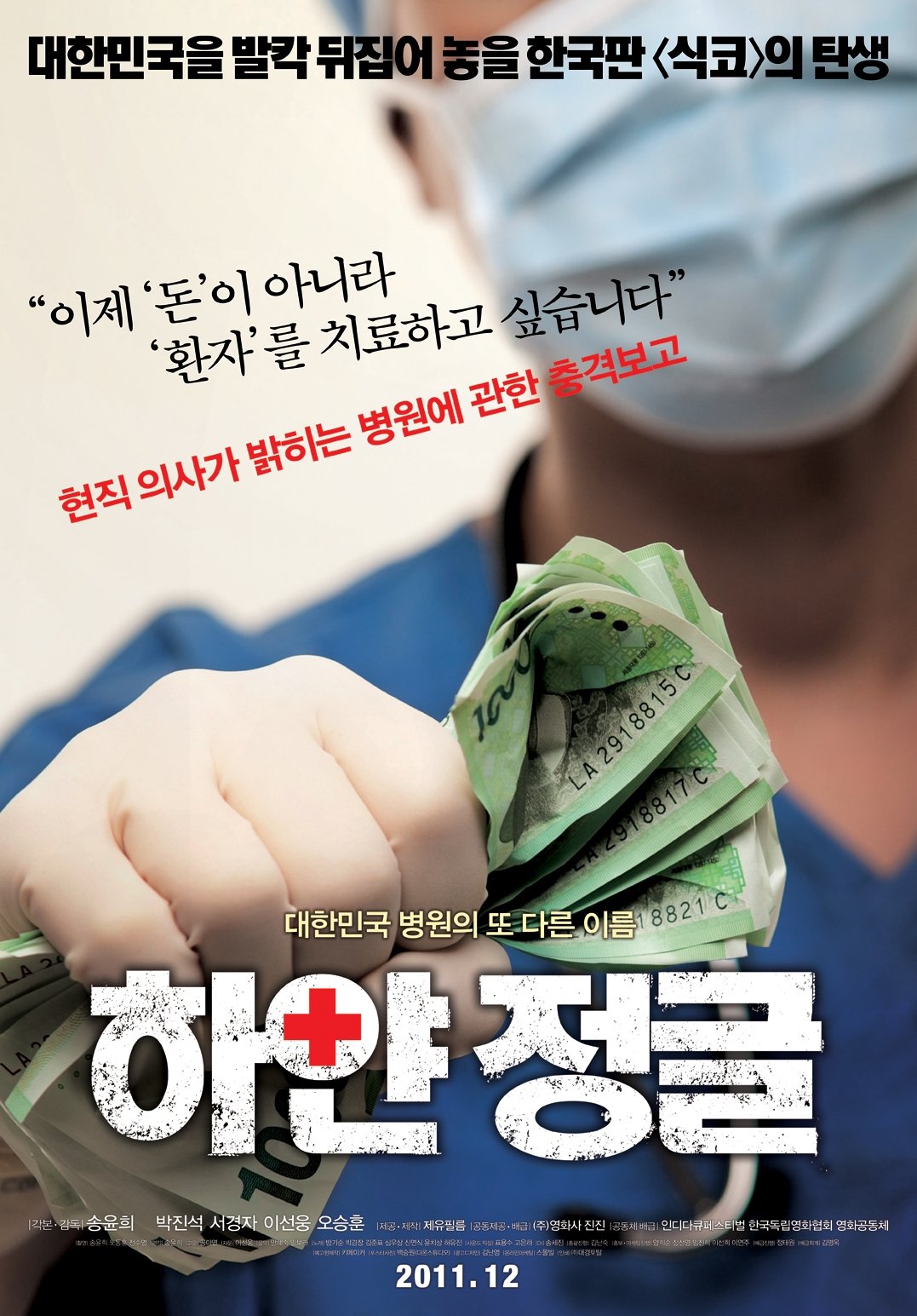
It is year 2011 and the government still talks of economic growth through medical care under the table. In reality, common people cannot afford to go to a hospital. They are nothing but extra casts in a promotional film for showing. The reality is a white jungle where medical care has become the market of extreme commercialization and doctors and patients are just too familiar with the physiology of jungle life. New rules and regulations must be practiced in this jungle. The film finds a solution by looking at medical care not as a personal means of production but community welfare.
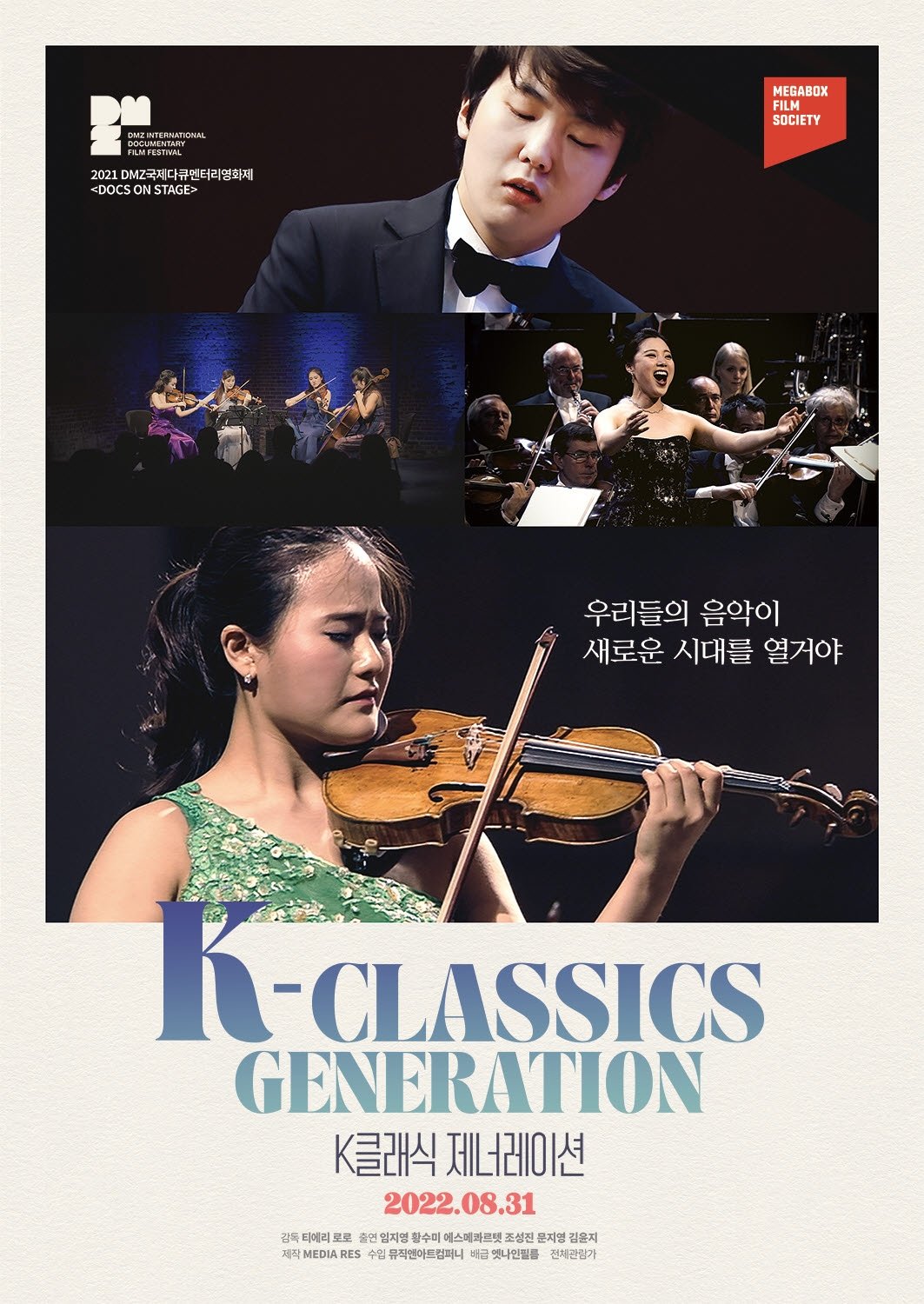
The film traces the career of some of the winners of this new generation nicknamed the "K-Classics Generation", including the 2 recent winners of the Queen Elisabeth Competition, the soprano Hwang Sumi and the violinist Lim Jiyoung. In Korea, where it all began, and in Germany where most of them have settled.
Nearly 250,000 South Korean children were adopted to the West as “orphans” in the 60 years following the Korean War. Some to loving homes. Others to tragic ends. Raised in places where they looked like nobody else, many were told to forget their past and be grateful. But the innate desire to understand where you came from has led many Korean adoptees to search for their roots. In the process, they discover lies in their past and families they never knew existed. In this documentary series, correspondent Wei Du travels around the world to meet Korean adoptees and accompany a few on their journey to reclaim who they are. Together, they reveal how an “orphan rescue” mission separated families and erased the roots of hundreds of thousands.
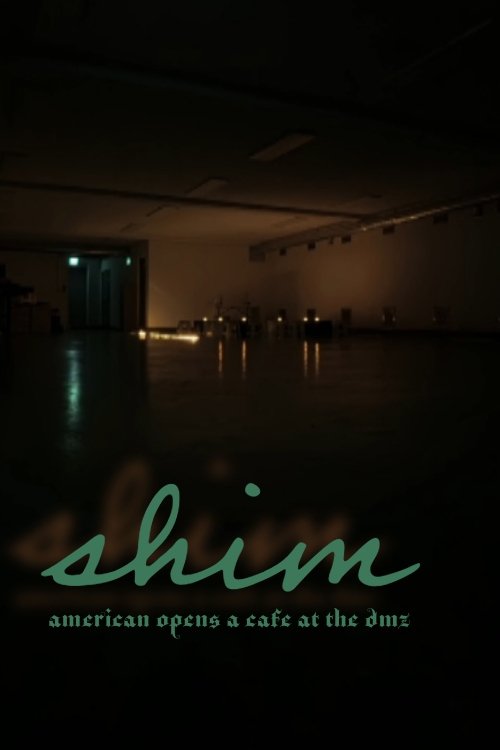
A cafe is growing, tucked in to the mountainside air raid shelter of the DMZ borderlands. A light light flickers, illuminating the past, present, and future. I'll see you at the DMZ! Shim was a free, one-day pop-up cafe staged in Yangji-ri village’s air raid shelter at the Korean DMZ. Referencing Korean cafe culture’s fixation on third place, the DMZ’s evolution from security tourism, to ecological peace tourism, and its repurposing as art production site, Shim attempts to intervene and align the past and present. Yangji-ri was one of many minbuk propaganda villages established by the Park Chung Hee regime in the 1960s to showcase the farming bounty and prosperity of the south for a North Korean gaze. The village was formerly part of the Civilian Control Line (CCL) until 2013 when it was reterritorialized as a normal part of South Korea.

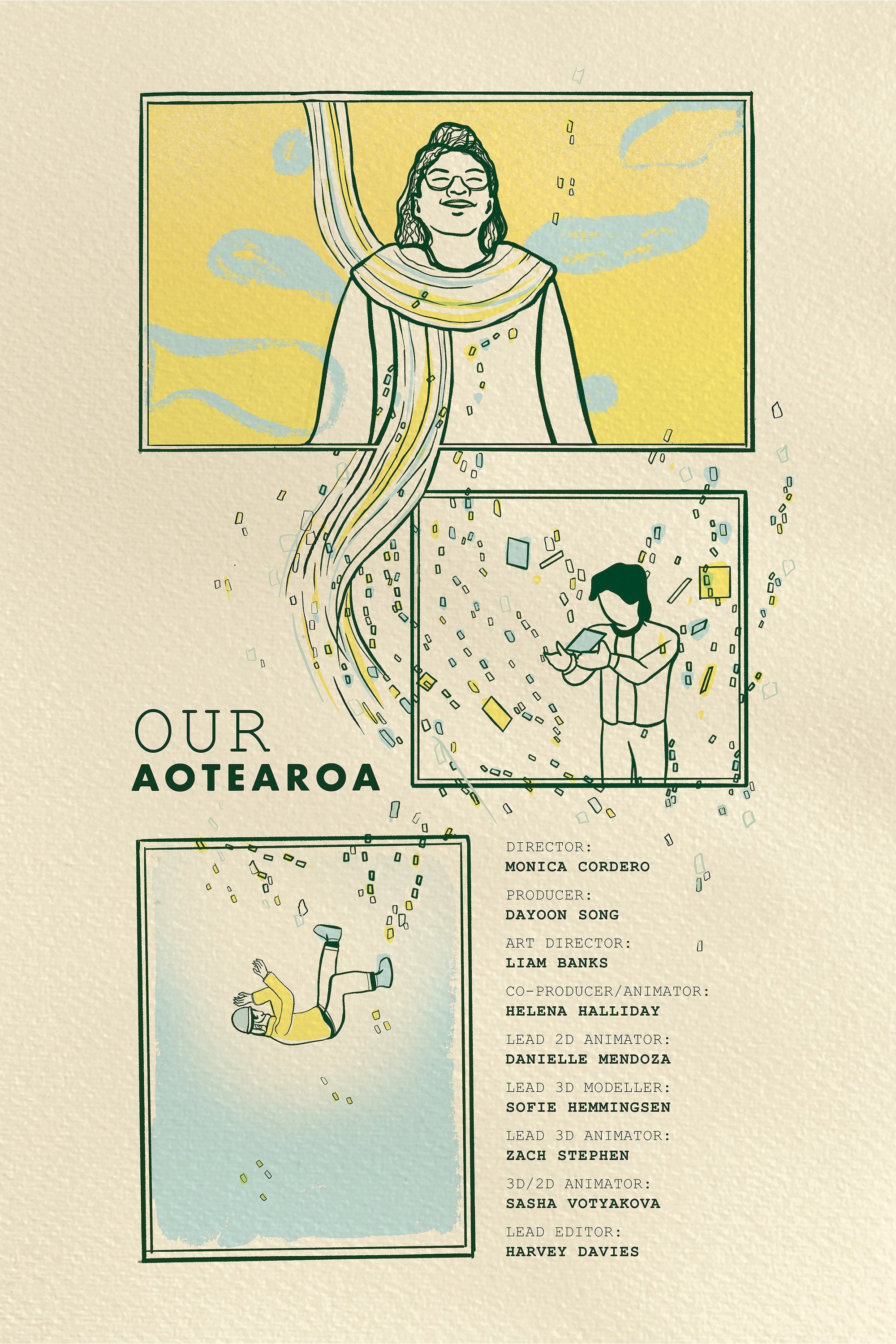
An animated documentary that speaks to immigrants' personal experiences living in Aotearoa, exploring themes of racism, discrimination, loss, loneliness, and maintaining cultural ties while living in another country.
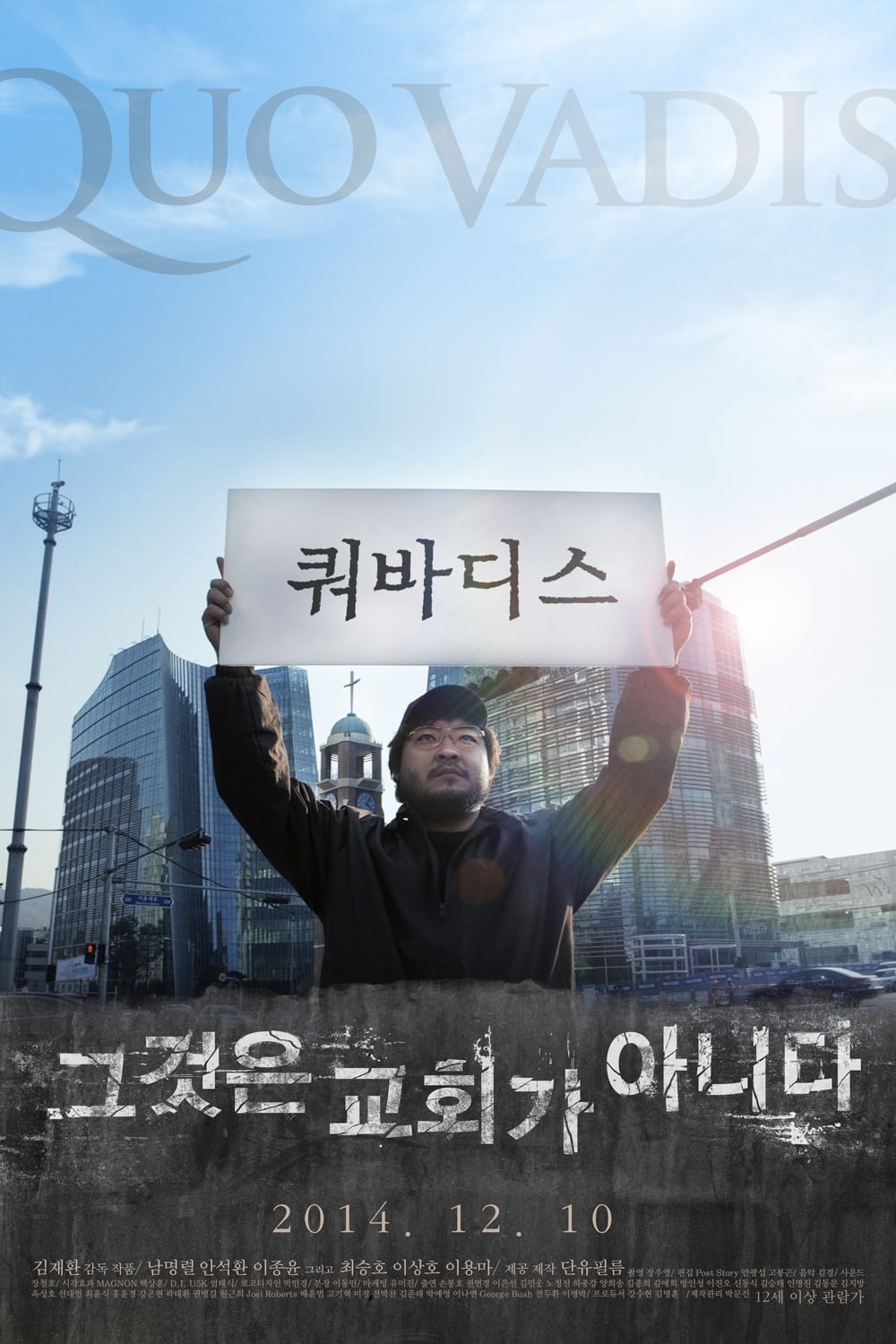
The church is the body of Christ. In Greece, the church embodied a philosophy. Then in Rome, it became an institution. Spreading throughout Europe, it became one with the culture there. Traveling to the US, the church became a business. And when it arrived in Korea, it became a conglomerate. The top five largest churches in the world are located in Korea. However, Christ has long been absent in the nation. So then, what is the church? Who is Jesus Christ? What kind of world do Christians want? If the church is indeed the body of Christ, then we must ask the questions point-blank. Where do we stand in all this? And where exactly are we headed? Korean churches—“Quo Vadis?” Korean society—“Quo Vadis?”

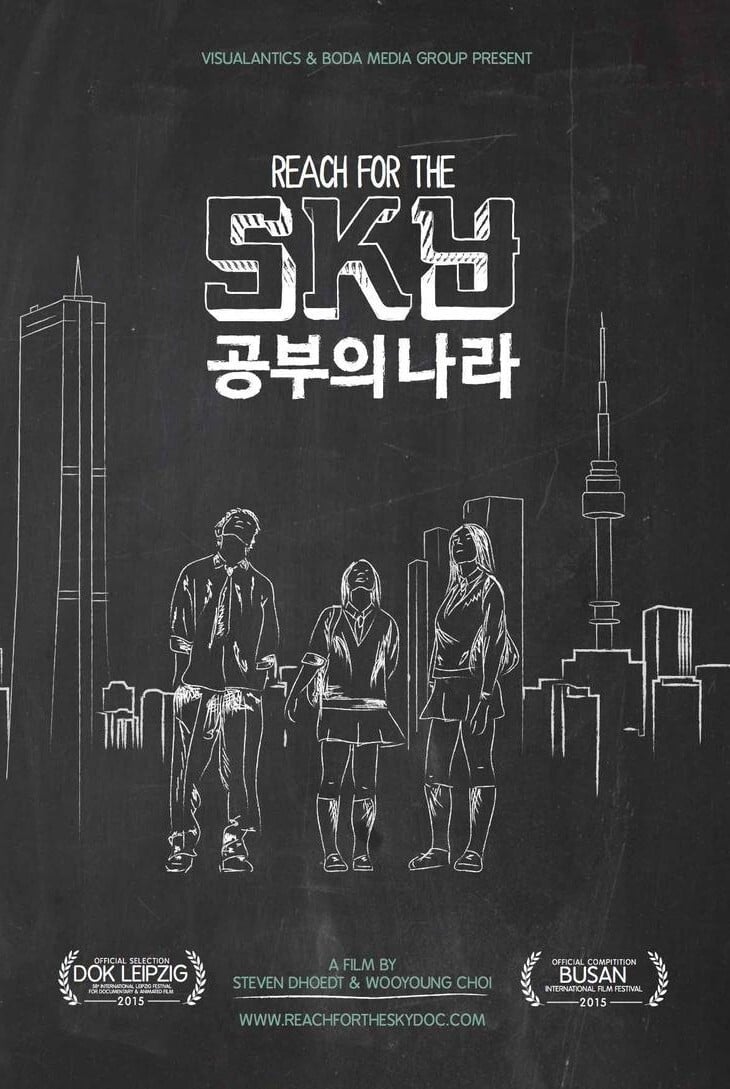
Can one day shape the rest of your life? A feature documentary on the South-Korean education system.
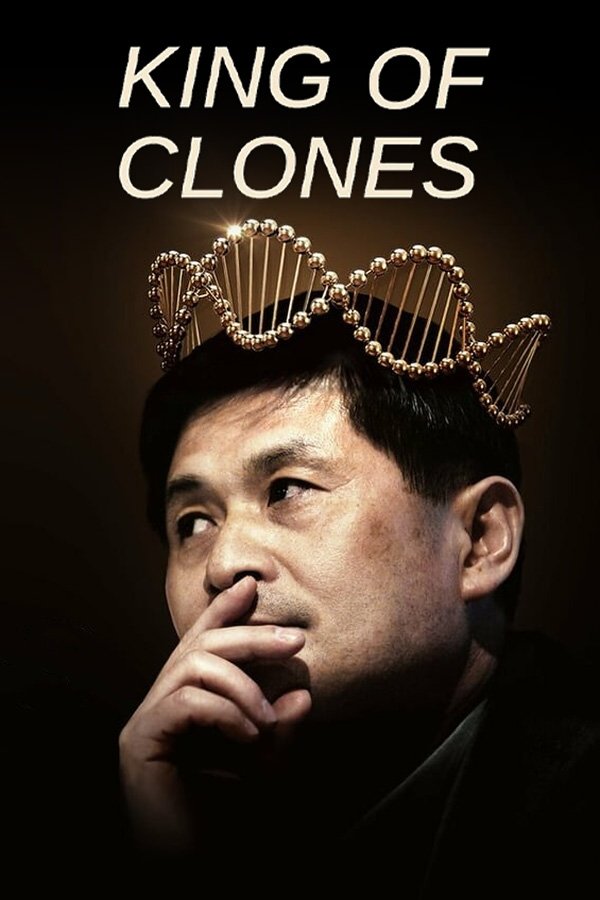
From groundbreaking human cloning research to a scandalous downfall, this documentary tells the captivating story of Korea's most notorious scientist.
The documentary Two Doors traces the Yongsan Tragedy of 2009, which took the lives of five evictees and one police SWAT unit member. Left with no choice but to climb up a steel watchtower in an appeal to the right to live, the evictees were able to come down to the ground a mere 25 hours after they had started to build the watchtower, as cold corpses. And the surviving evictees became lawbreakers. The announcement of the Public Prosecutors’ Office that the cause of the tragedy lay in the illegal and violent demonstration by the evictees, who had climbed up the watchtower with fire bombs, clashed with voices of criticism that an excessive crackdown by government power had turned a crackdown operation into a tragedy.
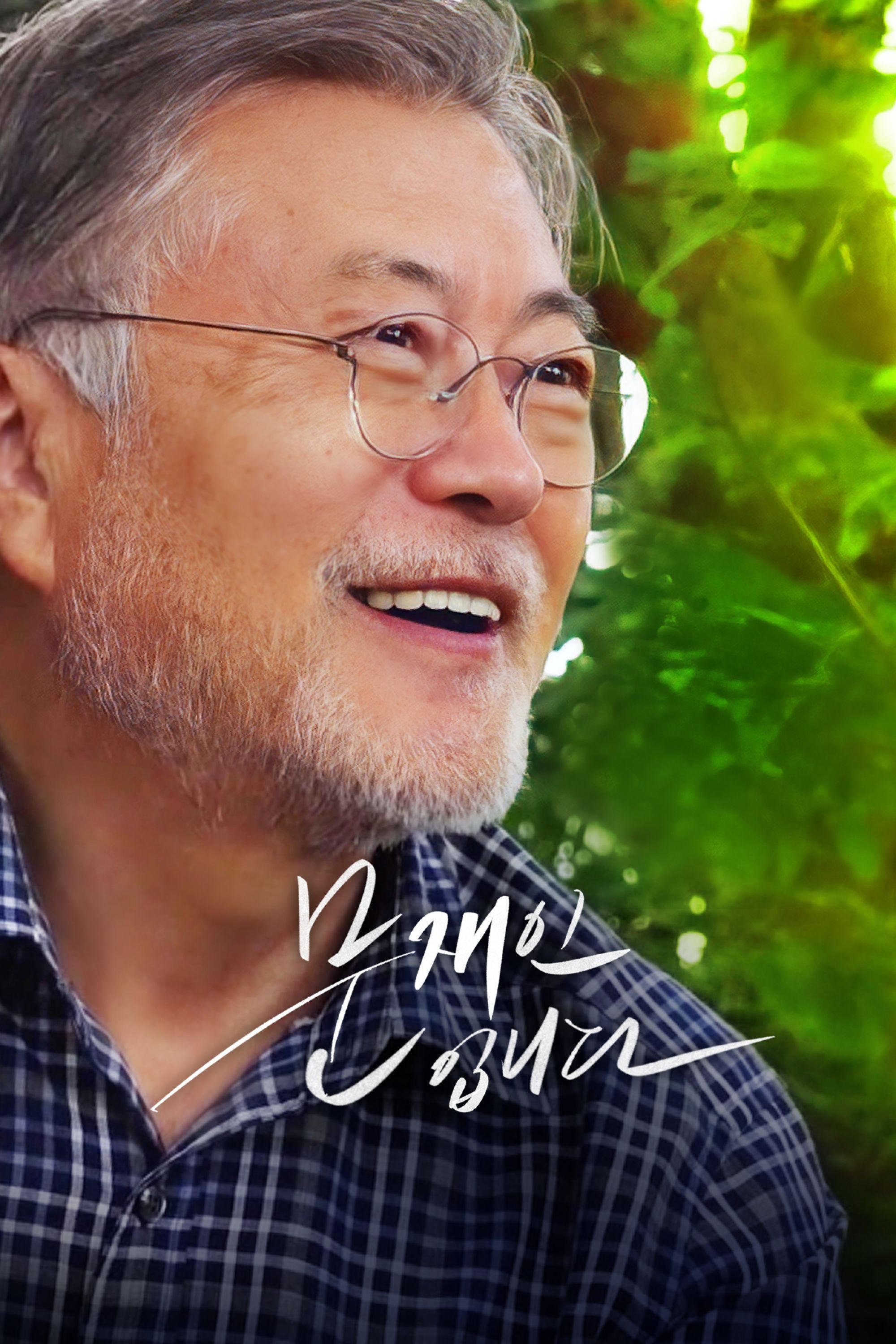
Why did Moon Jae-in, a human rights lawyer who hated politics, become president? During five years at the Blue House, why didn’t he use his power? Why did he just silently plant flowers while being sworn at by protesters? One by one, those who watched him reveal their hidden stories.
Lyrical and powerfully personal essay film that reflects on the deaths of her husband Lou Reed, her mother, her beloved dog, and such diverse subjects as family memories, surveillance, and Buddhist teachings.
A detailing of the rise to prominence and global sporting superstardom of six supremely talented young Manchester United football players (David Beckham, Nicky Butt, Ryan Giggs, Paul Scholes, Phil and Gary Neville). The film covers the period 1992-1999, culminating in Manchester United's European Cup triumph.
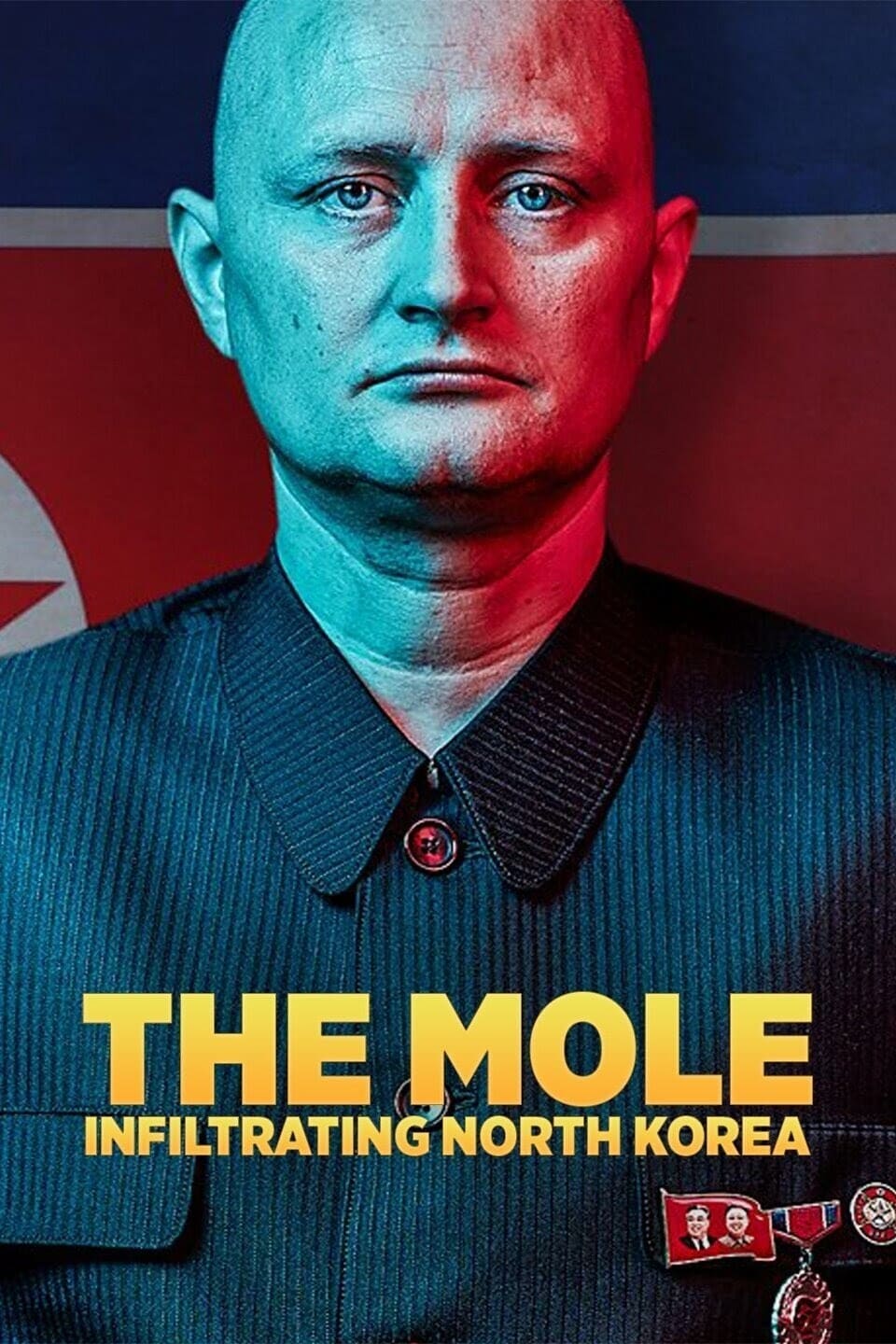
A real-life undercover thriller about two ordinary men who embark on an outrageously dangerous ten-year mission to penetrate the world's most secretive and brutal dictatorship: North Korea.
JB Smoove and Martin Starr host a celebration of 20 years of "Spider-Man" movies, from the Sam Raimi trilogy to Marc Webb's movies and the trio from Jon Watts.
Director Michael Apted revisits the same group of British-born adults after a 7 year wait. The subjects are interviewed as to the changes that have occurred in their lives during the last seven years.
A documentary about how a dominant cultural and demographic institution both sustains their traditional activities and adapts to the digital revolution.
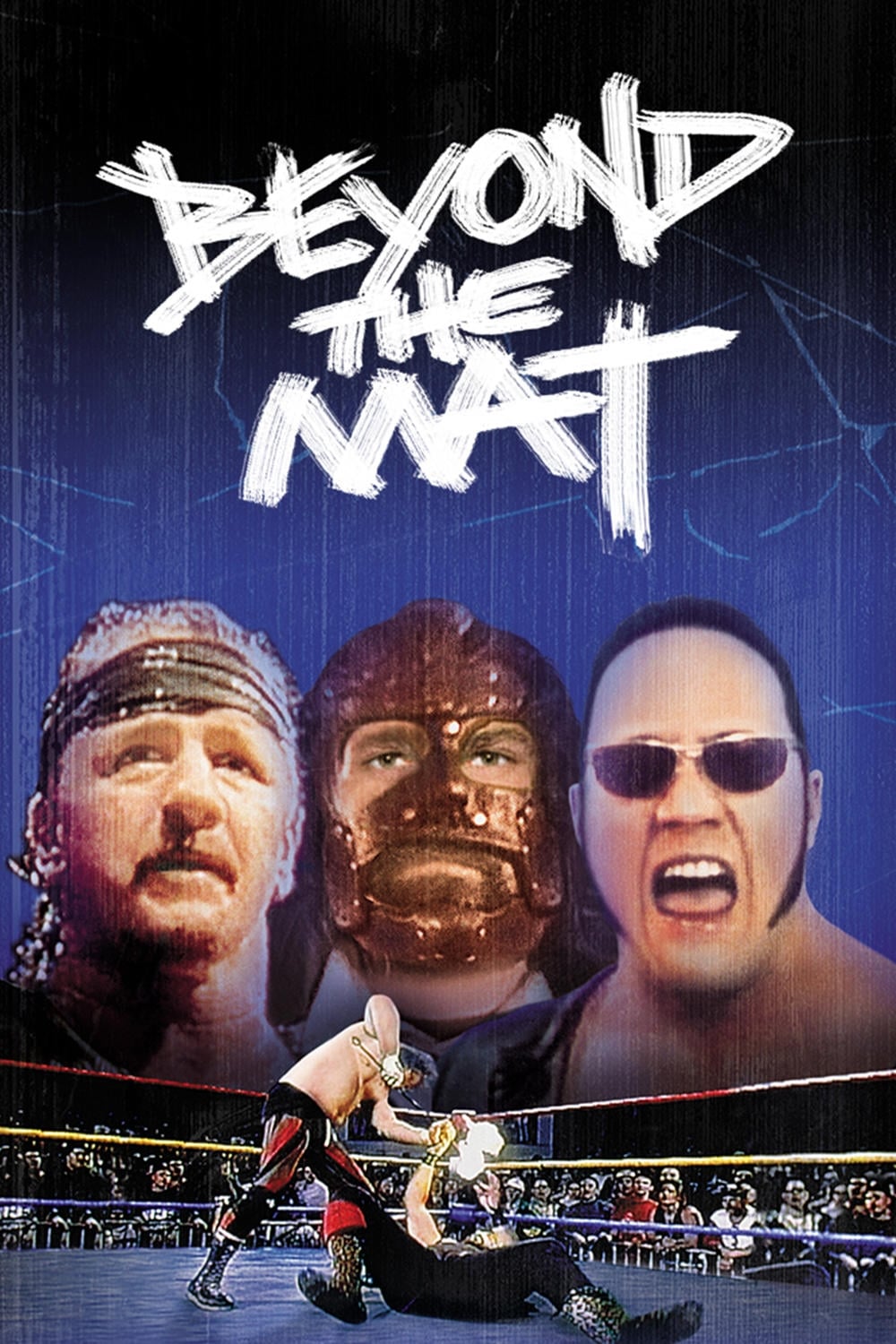
A heartfelt documentary focusing on the day-to-day lives of professional wrestlers, some on the rise, some on the wane, and others fighting for their lives.
Examines the life and career of singer Whitney Houston. Features never-before-seen archival footage, exclusive recordings, rare performances and interviews with the people who knew her best.
A documentary that explores the downloading revolution; the kids that created it, the bands and the businesses that were affected by it, and its impact on the world at large.
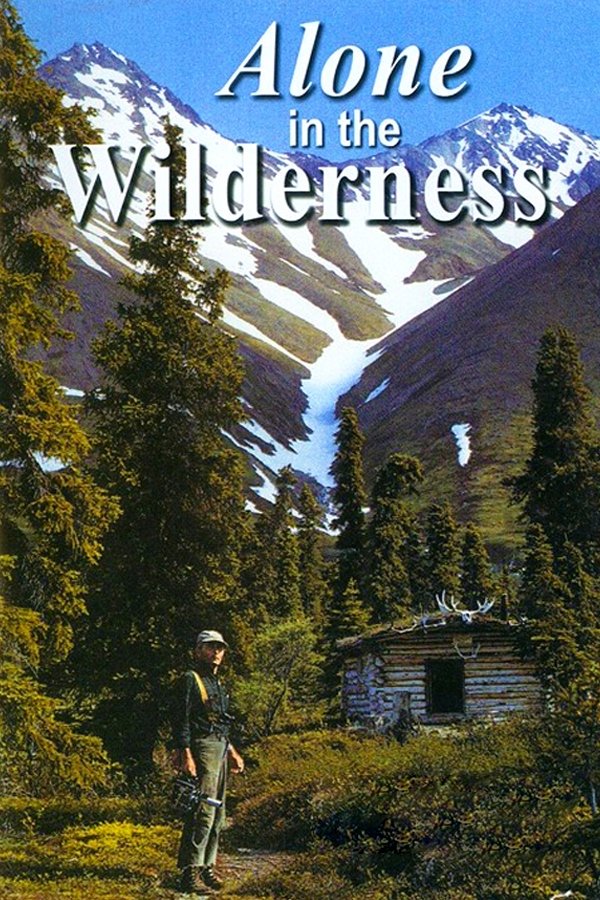
Dick Proenneke retired at age 50 in 1967 and decided to build his own cabin in the wilderness at the base of the Aleutian Peninsula, in what is now Lake Clark National Park. Using color footage he shot himself, Proenneke traces how he came to this remote area, selected a homestead site and built his log cabin completely by himself. The documentary covers his first year in-country, showing his day-to-day activities and the passing of the seasons as he sought to scratch out a living alone in the wilderness.
Ross McElwee sets out to make a documentary about the lingering effects of General Sherman's march of destruction through the South during the Civil War, but is continually sidetracked by women who come and go in his life, his recurring dreams of nuclear holocaust, and Burt Reynolds.
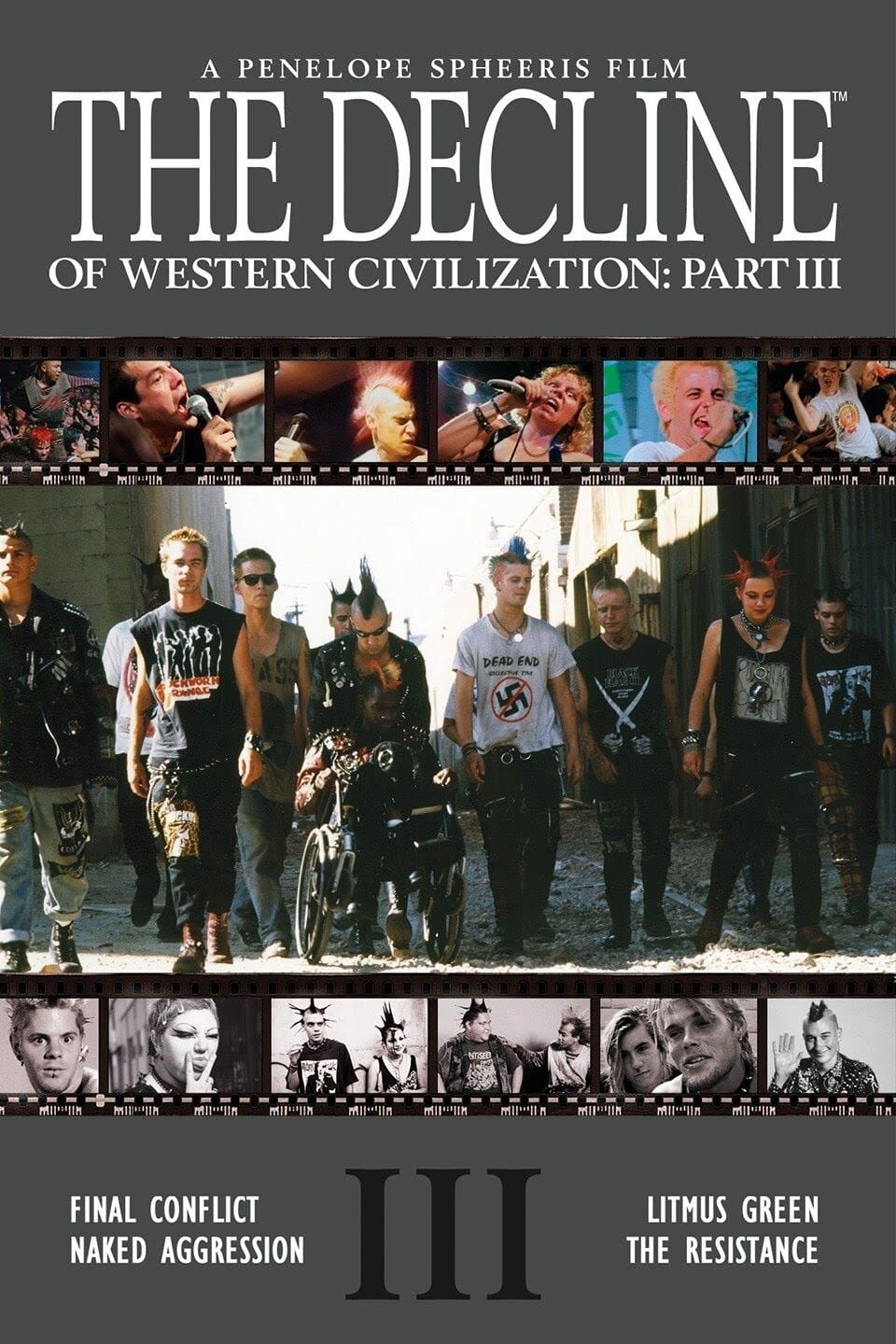
A musical study of Los Angeles in the late 90s, where homeless teens roam the streets and profess to live a punk lifestyle of music, drugs, and flouting authority.
This documentary focuses on the actors and their journey over two summers to create the remake to the original IT, by Stephen King. The documentary originally released as bonus material, bundled with IT: Chapter Two.
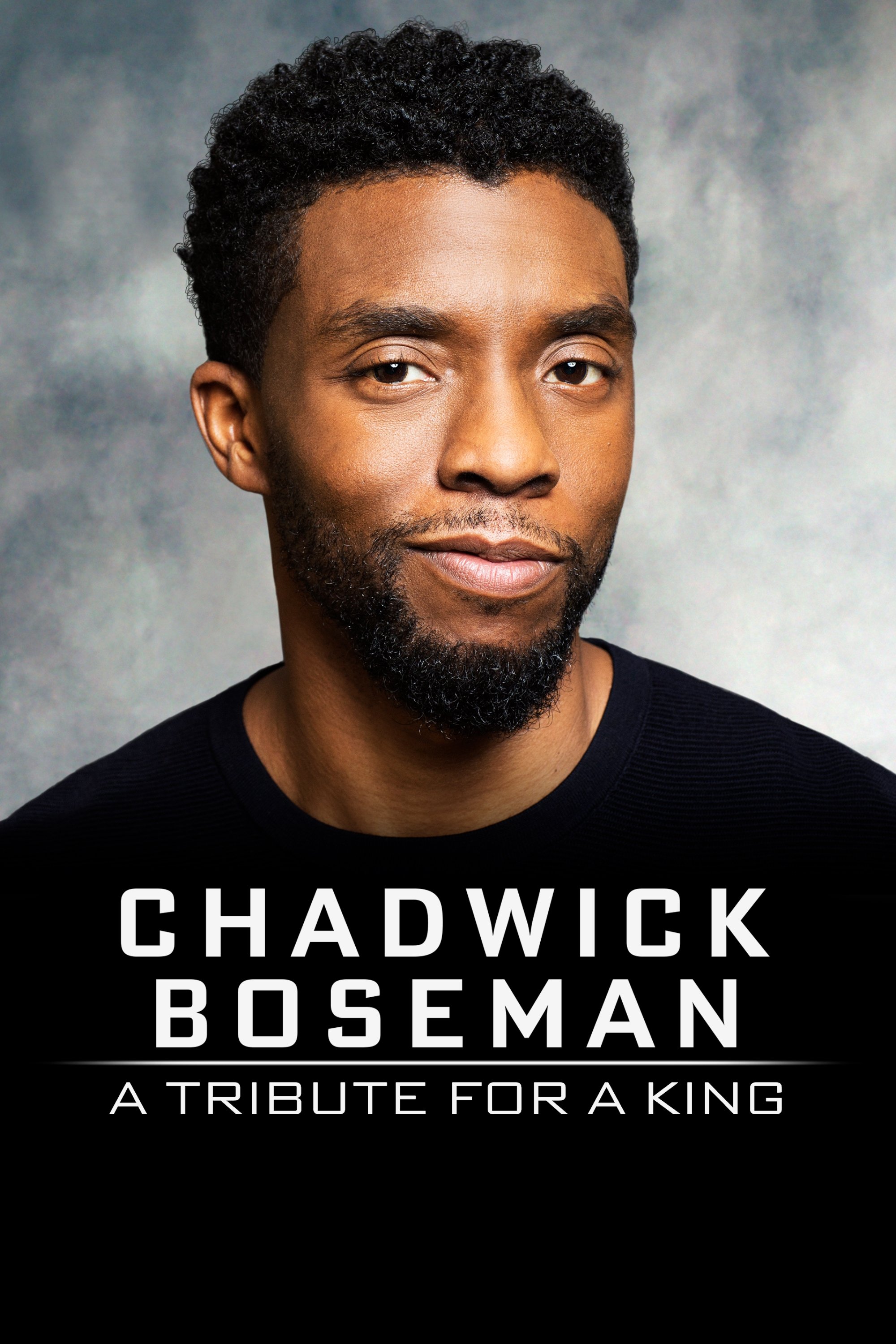
A tribute to Chadwick Boseman, celebrating his life and legacy.
A sexual wellness company gains fame and followers, then members come forward with shocking allegations.
Using the book 'Fragments', which collects Marilyn Monroe's poems, notes and letters, and with participation from the Arthur Miller and Truman Capote estates who have contributed more material, each of the actresses will embody the legend at various stages in her life.
The life and career of one of comedy's most inimitable modern voices, Mr. Gilbert Gottfried.
Brilliant, long in-the-works story of the life and art of the world's greatest comedian and the cinema's first genius, Charlie Chaplin. Produced, written and directed by renowned film critic Richard Schickel.
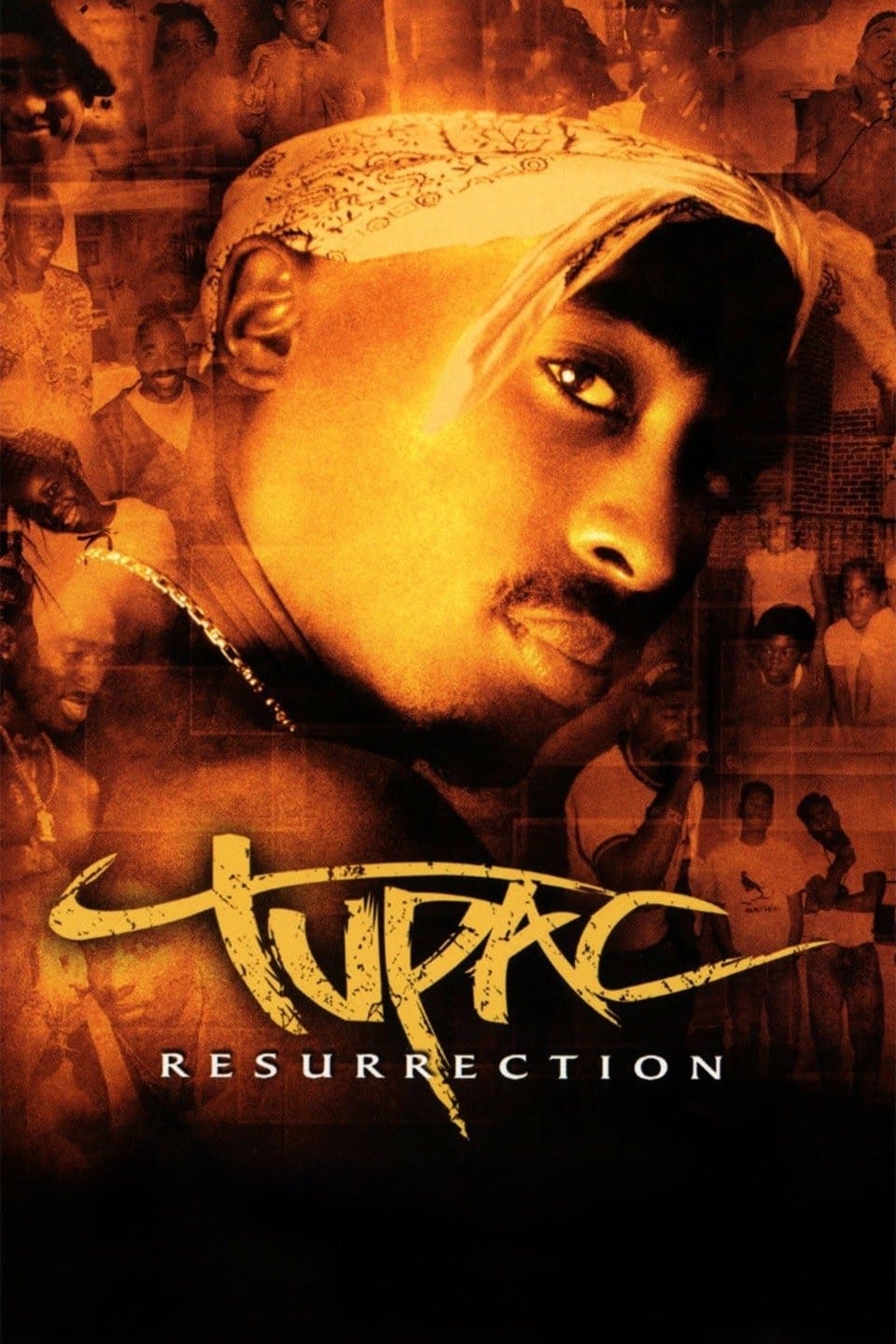
Home movies, photographs, and recited poetry illustrate the life of Tupac Shakur, one of the most beloved, revolutionary, and volatile hip-hop MCs of all time.
When Allied forces liberated the Nazi concentration camps in 1944-45, their terrible discoveries were recorded by army and newsreel cameramen, revealing for the first time the full horror of what had happened. Making use of British, Soviet and American footage, the Ministry of Information’s Sidney Bernstein (later founder of Granada Television) aimed to create a documentary that would provide lasting, undeniable evidence of the Nazis’ unspeakable crimes. He commissioned a wealth of British talent, including editor Stewart McAllister, writer and future cabinet minister Richard Crossman – and, as treatment advisor, his friend Alfred Hitchcock. Yet, despite initial support from the British and US Governments, the film was shelved, and only now, 70 years on, has it been restored and completed by Imperial War Museums under its original title "German Concentration Camps Factual Survey".