Social & External
Commentary (voice)
Streamed exclusively on her Instagram stories, film maker Janne Elens takes us on a short and intimate journey to her family's abandoned house to reflect on her past and communicate with her deceased grandmother's spirit.
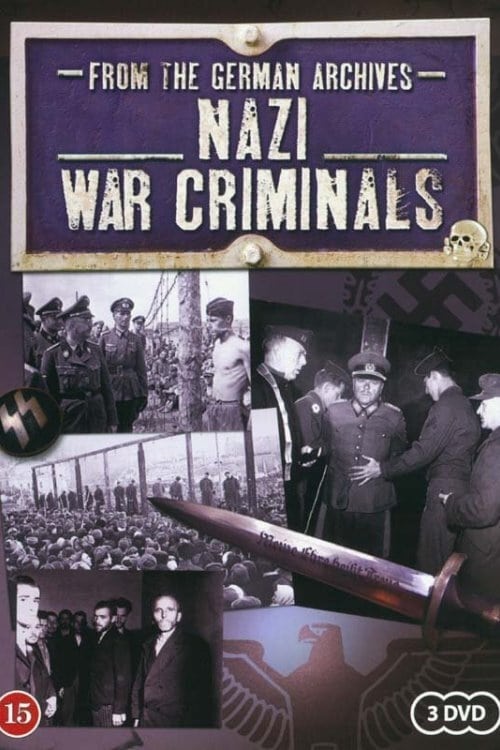
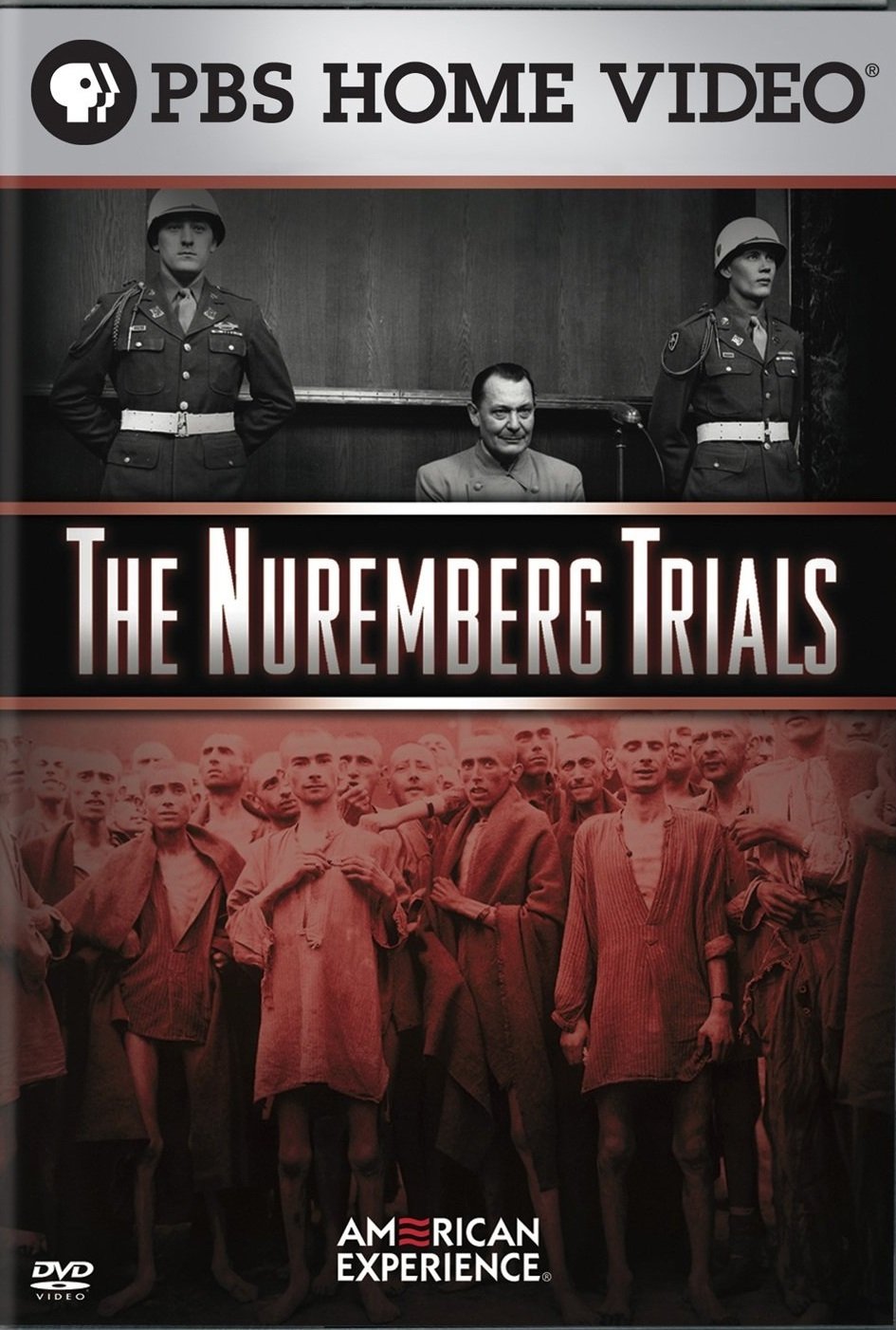
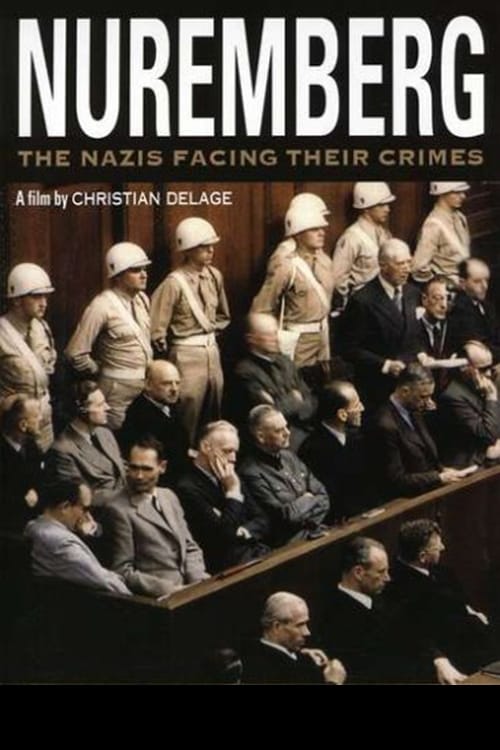
One journalist described it as a chance "to see justice catch up with evil." On November 20, 1945, the twenty-two surviving representatives of the Nazi elite stood before an international military tribunal at the Palace of Justice in Nuremberg, Germany; they were charged with the systematic murder of millions of people. The ensuing trial pitted U.S. chief prosecutor and Supreme Court judge Robert Jackson against Hermann Göring, the former head of the Nazi air force, whom Adolf Hitler had once named to be his successor. Jackson hoped that the trial would make a statement that crimes against humanity would never again go unpunished. Proving the guilt of the defendants, however, was more difficult than Jackson anticipated. This American Experience production draws upon rare archival material and eyewitness accounts to recreate the dramatic tribunal that defines trial procedure for state criminals to this day.
The documentary of the Nuremberg War Trials of 21 Nazi dignitaries held after World War II.
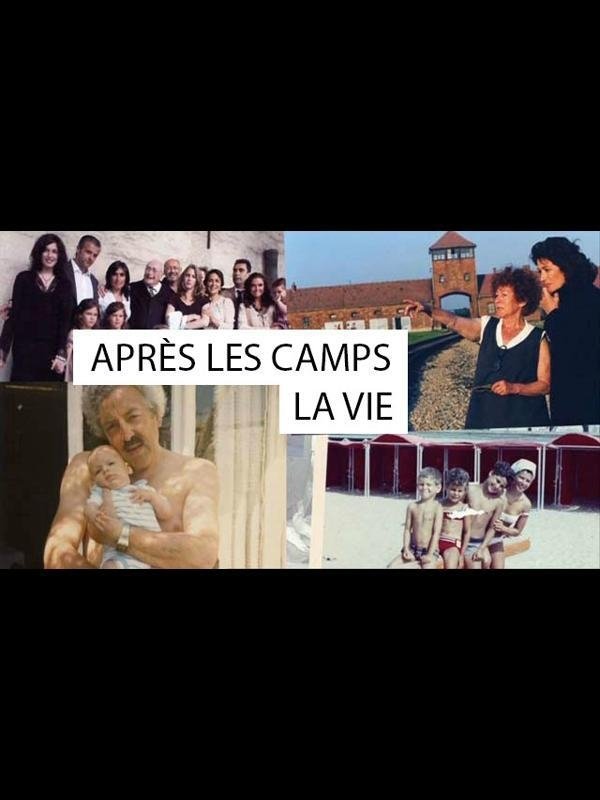
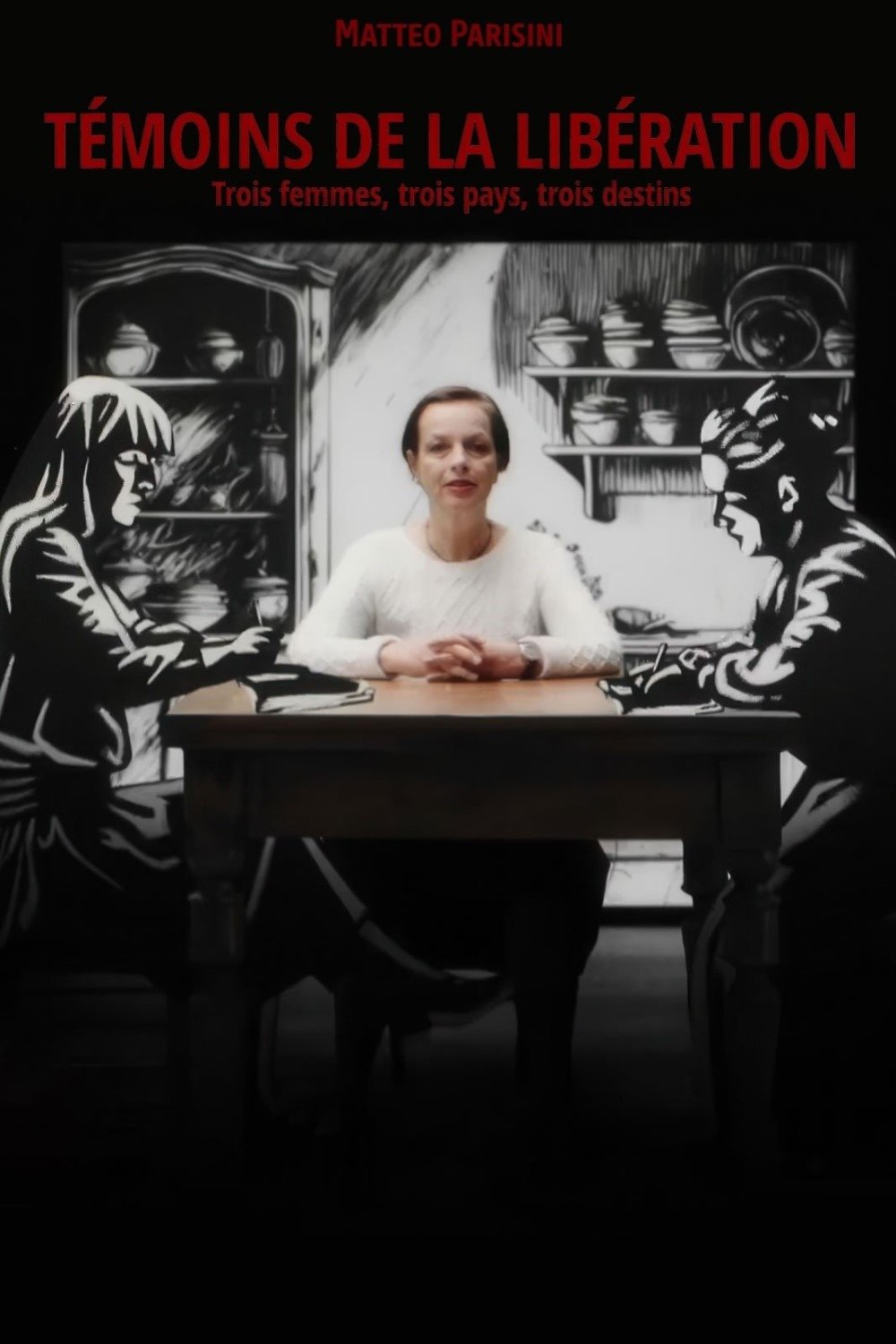
After World War II, many young French women became housewives, convinced that devoting themselves entirely to caring for their families was a noble mission and a means of personal fulfillment.
In 1945, two young American soldiers, brothers Budd and Stuart Schulberg, are commissioned to collect filmed and recorded evidence of the horrors committed by the infamous Third Reich in order to prove Nazi war crimes during the Nuremberg trials (1945-46). The story of the making of Nuremberg: Its Lesson for Today, a paramount historic documentary, released in 1948.
Yugoslav Partisan propaganda film about the post-World War II events in Pula.
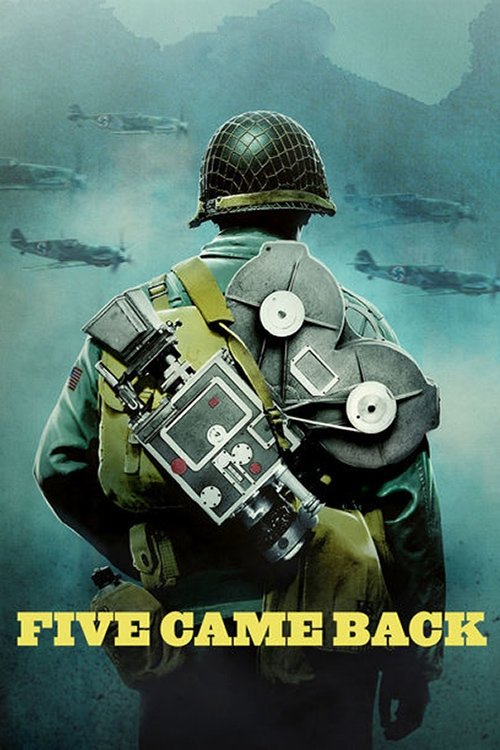
The extraordinary story of how Hollywood changed World War II – and how World War II changed Hollywood, through the interwoven experiences of five legendary filmmakers who went to war to serve their country and bring the truth to the American people: John Ford, William Wyler, John Huston, Frank Capra, and George Stevens. Based on Mark Harris’ best-selling book, “Five Came Back: A Story of Hollywood and the Second World War.”
Lithuania, 1941, during World War II. Hundreds of thousands of texts on Jewish culture, stolen by the Germans, are gathered in Vilnius to be classified, either to be stored or to be destroyed. A group of Jewish scholars and writers, commissioned by the invaders to carry out the sorting operations, but reluctant to collaborate and determined to save their legacy, hide many books in the ghetto where they are confined. This is the epic story of the Paper Brigade.
A 4-year-old girl cries, lost in the city. A Soviet soldier on a ferry takes her in and takes her to her home village.
An account of the last two centuries of the Anthropocene, the Age of Man. How human beings have progressed so much in such a short time through war and the selfish interests of a few, belligerent politicians and captains of industry, damaging the welfare of the majority of mankind, impoverishing the weakest, greedily devouring the limited resources of the Earth.
In 1935, German scientists dug for bones; in 1943, they murdered to get them. How the German scientific community supported Nazism, distorted history to legitimize a hideous system and was an accomplice to its unspeakable crimes. The story of the Ahnenerbe, a sinister organization created to rewrite the obscure origins of a nation.
How the 1948 Olympic Games came into being, as the world struggled to cope in the aftermath of the Second World War, and the Games were held for the first time in 12 years. With Britain in the midst of widespread poverty and rationing, hosting the event seemed unlikely, but existing venues were renovated despite a low budget and little time to play with, and the British people pulled together to make the Games a success.
To help prevent the unthinkable from ever coming true, it is important to know what could really happen....the most awesome and deadly display of warfare that the world has ever seen.
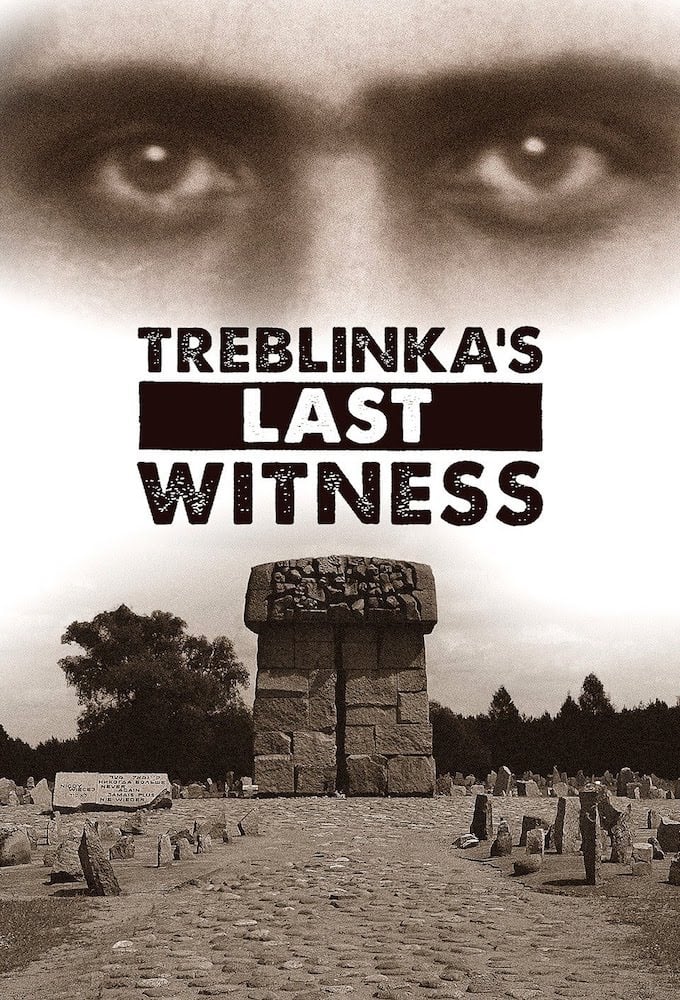
Samuel Willenberg and Kalman Taigman, the last two survivors of the Nazi extermination camp Treblinka, recount the horrors they experienced during the war and talk about their lives after their escape in a prisoner uprising in 1943. Willenberg would go on to become a hero of the 1944 Warsaw uprising while Taigman would be called as a witness during the infamous trial of Adolf Eichmann.
This interactive infographic short documentary examines the human losses of the Second World War between 1939 and 1945 and the decline in battle deaths in the years since that most terrible war of human history. The 19-minute data visualization uses cinematic storytelling techniques to provide viewers with a fresh and dramatic perspective of a pivotal moment in history. The film follows a linear narration, but it allows viewers to pause during key moments to interact with the charts and dig deeper into the numbers.
How, in 1945, after the end of World War II and the fall of the Nazi regime, the defeated were atrociously mistreated, especially those ethnic Germans who had lived peacefully for centuries in Germany's neighboring countries, such as Czechoslovakia and Poland. A heartbreaking story of revenge against innocent civilians, the story of acts as cruel as the Nazi occupation during the war years.
A look at the confluence of the Red Scare, McCarthyism, and blacklists with the post-war activism by African Americans seeking more and better roles on radio, television, and stage. It begins in Harlem, measures the impact of Paul Robeson and the campaign to bring him down, looks at the role of HUAC, J. Edgar Hoover and of journalists such as Ed Sullivan, and ends with a tribute to Canada Lee. Throughout are interviews with men and women who were there, including Dick Campbell of the Rose McLendon Players and Fredrick O'Neal of the American Negro Theatre. In the 1940s and 1950s, anti-Communism was one more tool to maintain Jim Crow and to keep down African-Americans.
Alex Gibney explores the charged issue of pedophilia in the Catholic Church, following a trail from the first known protest against clerical sexual abuse in the United States and all way to the Vatican.
When Allied forces liberated the Nazi concentration camps in 1944-45, their terrible discoveries were recorded by army and newsreel cameramen, revealing for the first time the full horror of what had happened. Making use of British, Soviet and American footage, the Ministry of Information’s Sidney Bernstein (later founder of Granada Television) aimed to create a documentary that would provide lasting, undeniable evidence of the Nazis’ unspeakable crimes. He commissioned a wealth of British talent, including editor Stewart McAllister, writer and future cabinet minister Richard Crossman – and, as treatment advisor, his friend Alfred Hitchcock. Yet, despite initial support from the British and US Governments, the film was shelved, and only now, 70 years on, has it been restored and completed by Imperial War Museums under its original title "German Concentration Camps Factual Survey".

Through deeply personal interviews with her siblings and an examination of the photographs, letters, and belongings left behind, Mariska assembles a new portrait of her mother Jayne Mansfield, an extraordinary and complex woman.
Alexander McQueen's rags-to-riches story is a modern-day fairy tale, laced with the gothic. Mirroring the savage beauty, boldness and vivacity of his design, this documentary is an intimate revelation of McQueen's own world, both tortured and inspired, which celebrates a radical and mesmerizing genius of profound influence.
Those who knew iconic funnyman John Candy best share his story, in their own words, through never-before-seen archival footage, imagery, and interviews.
Behind-the-scenes documentary about how Lionel Messi succeeded in lifting the World Cup – the only trophy to have eluded him in an incredible career.
Artists in LA discover the work of forgotten Polish sculptor Stanislav Szukalski, a mad genius whose true story unfolds chapter by astounding chapter.
A purely observational non-fiction film that takes viewers into the ethically murky world of end-of-life decision making in a public hospital.
A documentary on the expletive's origin, why it offends some people so deeply, and what can be gained from its use.
JB Smoove and Martin Starr host a celebration of 20 years of "Spider-Man" movies, from the Sam Raimi trilogy to Marc Webb's movies and the trio from Jon Watts.
A documentary on a former Miss Wyoming who is charged with abducting and imprisoning a young Mormon Missionary.
In this genre-bending tale, Errol Morris explores the mysterious death of a U.S. scientist entangled in a secret Cold War program known as MK-Ultra.
A behind the scenes look into George Romero's groundbreaking horror classic Night of the Living Dead.
This revealing documentary honors the legendary Sidney Poitier—iconic actor, filmmaker, and civil rights activist. Featuring interviews with Denzel Washington, Spike Lee, Halle Berry, and more.
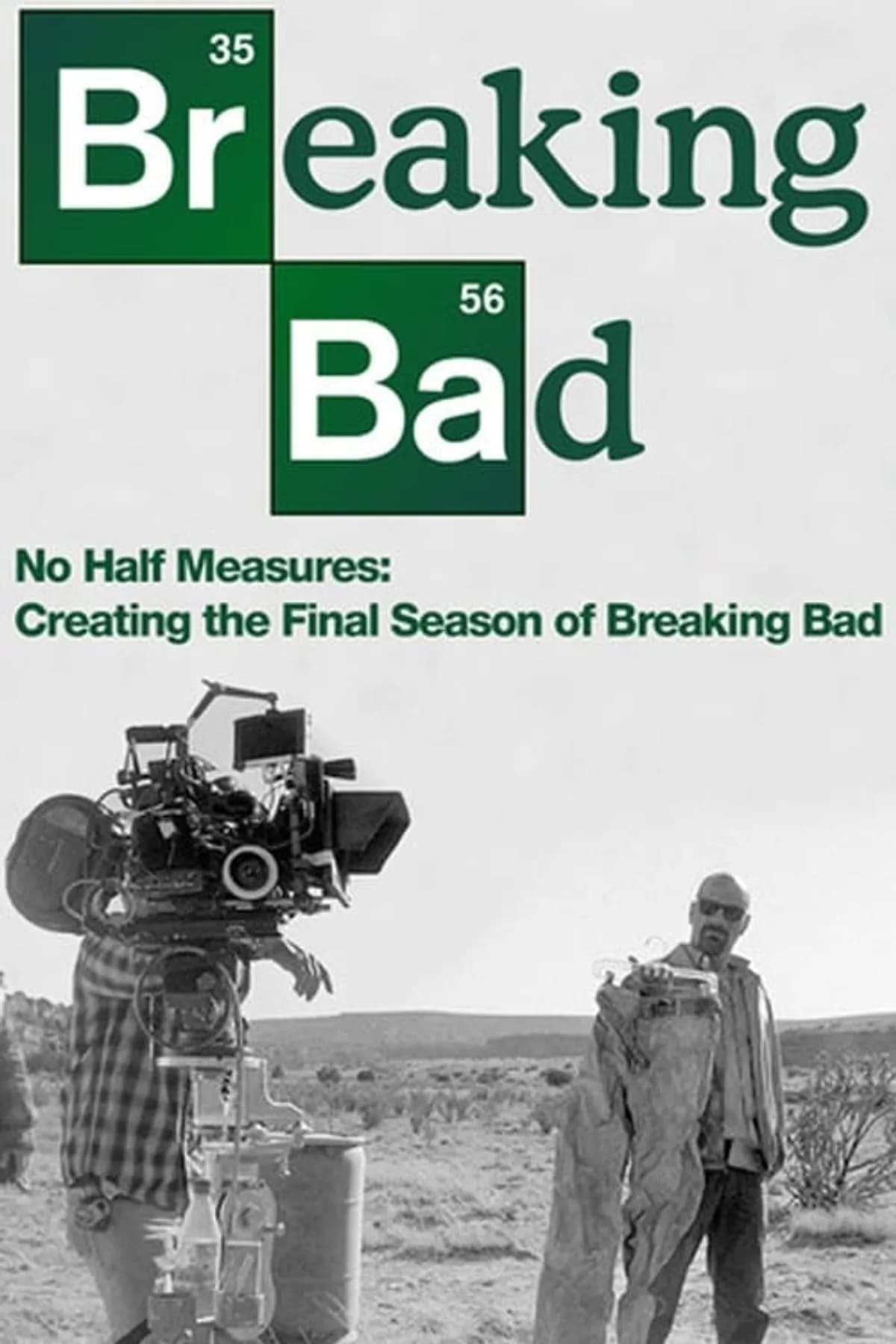
A documentary about the making of season five of the acclaimed AMC series Breaking Bad.
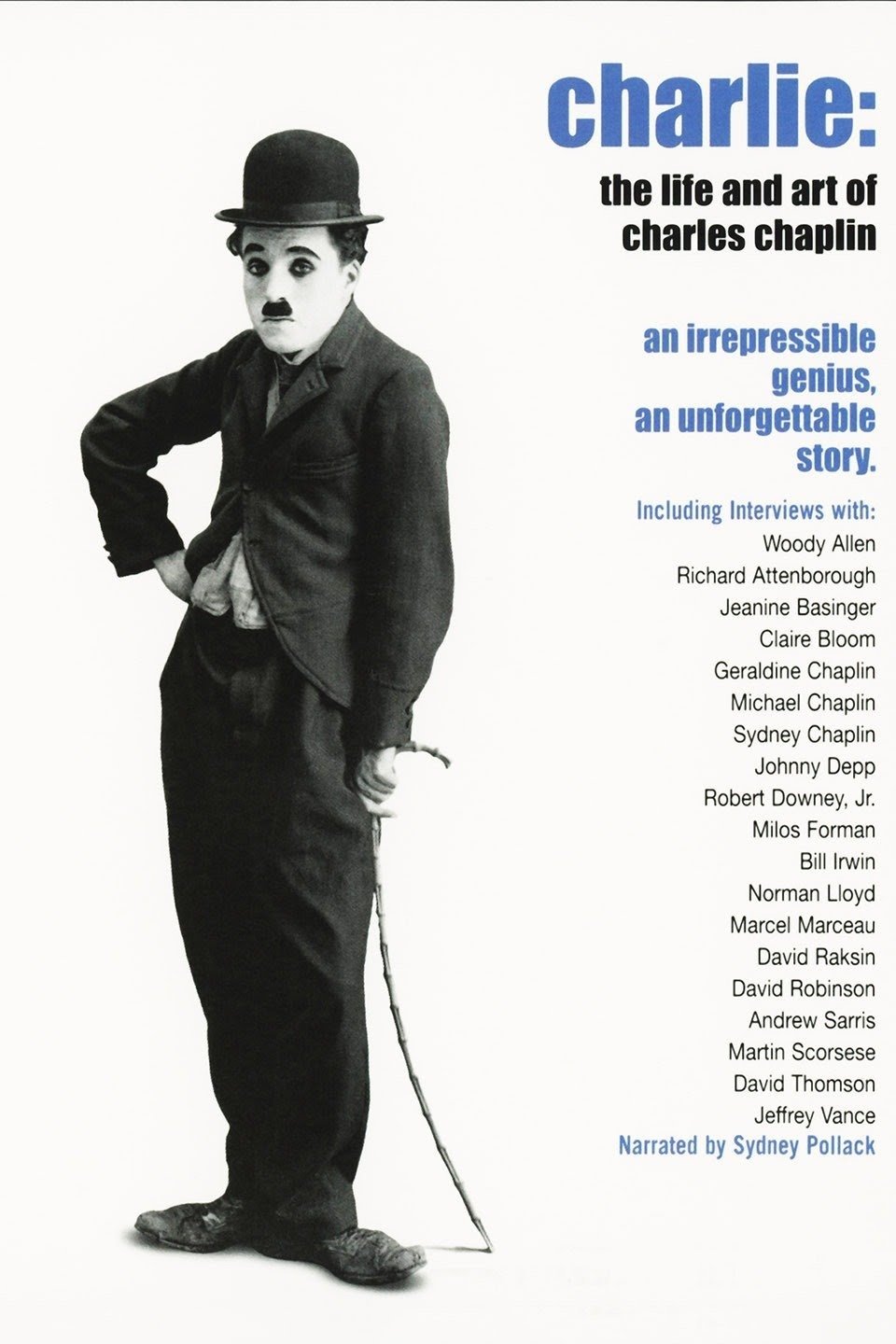
Brilliant, long in-the-works story of the life and art of the world's greatest comedian and the cinema's first genius, Charlie Chaplin. Produced, written and directed by renowned film critic Richard Schickel.
The life and career of one of comedy's most inimitable modern voices, Mr. Gilbert Gottfried.
A detailing of the rise to prominence and global sporting superstardom of six supremely talented young Manchester United football players (David Beckham, Nicky Butt, Ryan Giggs, Paul Scholes, Phil and Gary Neville). The film covers the period 1992-1999, culminating in Manchester United's European Cup triumph.
The life and career of an actor, artist, and icon. His own journey through his own camera.
Al Pacino's deeply-felt rumination on Shakespeare's significance and relevance to the modern world through interviews and an in-depth analysis of "Richard III."