Social & External
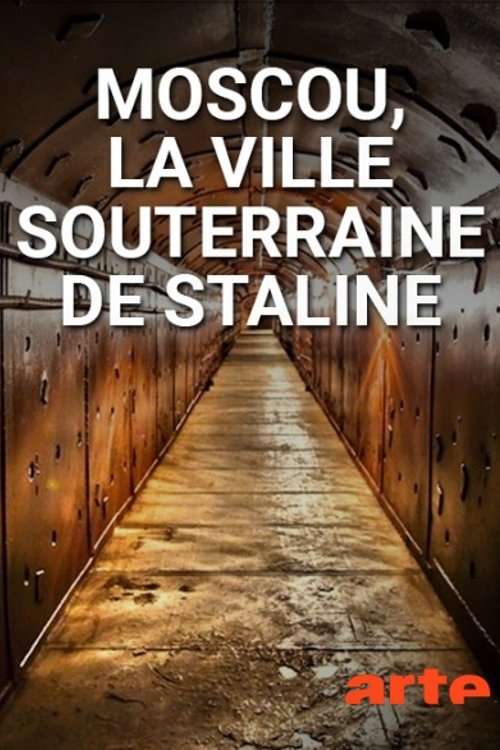
What lies hidden beneath Moscow? Subway palaces full of Soviet propaganda, Stalin's magnificent bunkers, centuries-old river systems. For decades, there have been repeated clues, cryptic statements and hints about Moscow's underground. The cinematic search for clues shows Stalin's command bunker and the government object GO-42, a headquarters of the Soviet military during the Cuban Missile Crisis in 1962. A residential house with potted plants and curtains was built over GO-42 as camouflage. Until the end of the Cold War, specially trained soldiers took care of the bourgeois residential charm and turned on the lights in the evening while 2,000 people threatened the world around the clock with intercontinental missiles. The documentary also shows encounters with the illegal explorers of these complex transportation and housing systems, the Diggers.
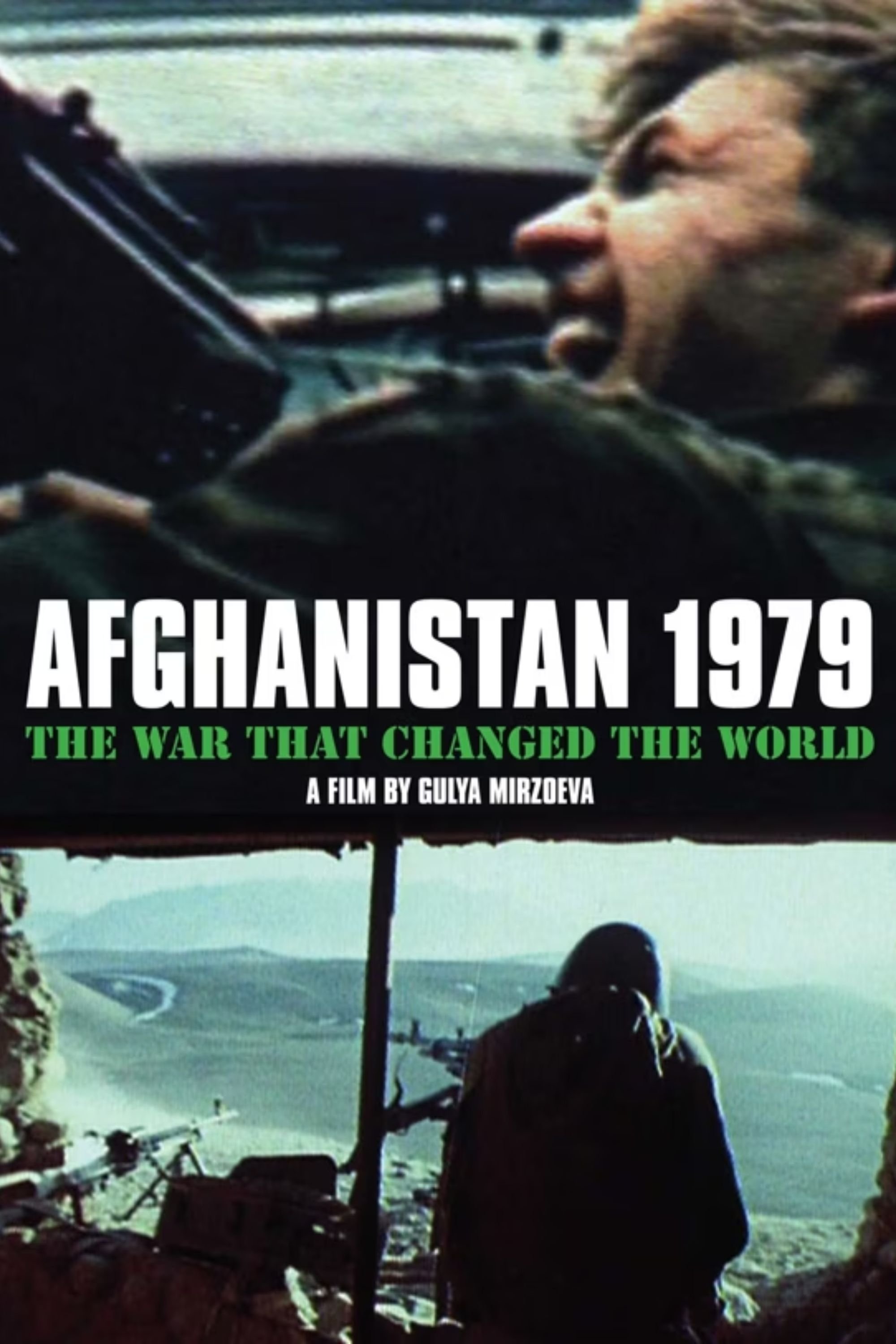
'Afghanistan 1979: the war that changed the world', is a French documentary about the Sovjet invasion in Afghanistan in 1979. It was one of the most crucial events of the 20th century, and changed the world forever. This documentary gives a good insight in the Afghan-Russian war ; the alliance between the Russian and Afghan communist governments ; Islamic resistance ; the support of America for the resistance and its consequences on the war.
A documentary spy thriller that takes place during the Cold War but which gets its resolution today in the small village of Burträsk outside Umeå, northern Sweden. A deeply-believing priest, well-liked and respected by everyone or a ruthless spy who has no hesitation in referring his friends and colleagues to the dreaded security service STASI in the former GDR. Who is Aleksander Radler, the man with two different personalities?
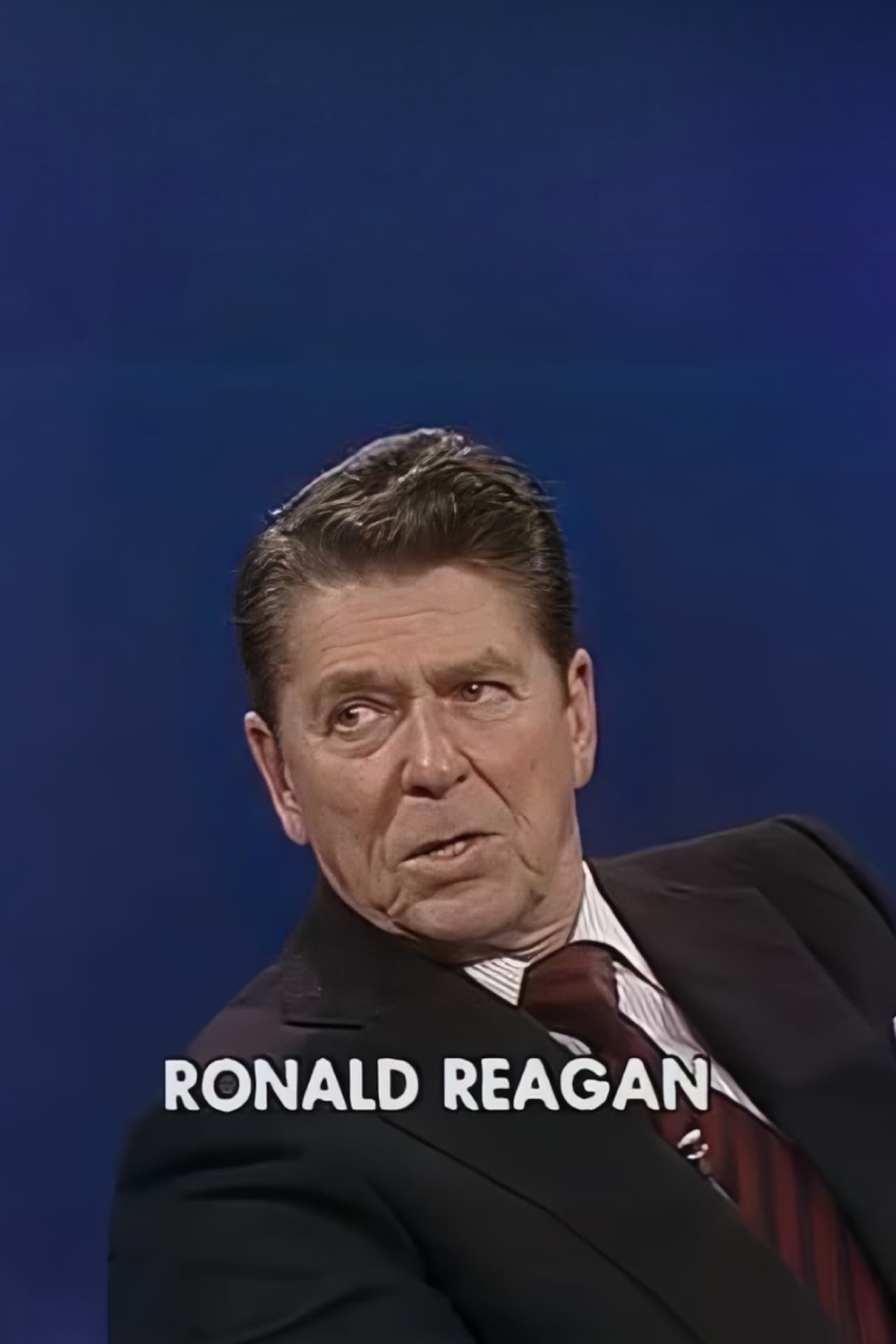
The wish was father to the thought: instead of asking Mr. Reagan conventionally worded questions about his candidacy, as he had done Messrs. A discussion full of substance-on topics ranging from Yugoslavia and Czechoslovakia, to the way government bonds should be issued, to the still-ongoing energy crisis, to the still-high unemployment-but also a delicious dress rehearsal.
The Antonov AN-225 Mriya, the world's largest cargo plane and the pride of Ukraine, was destroyed in a Russian attack on Hostomel airport near Kyiv at the beginning of the invasion in 2022. With exclusive images and never-before-seen film footage, test pilots and engineers of the aviation giant tell its legendary story.
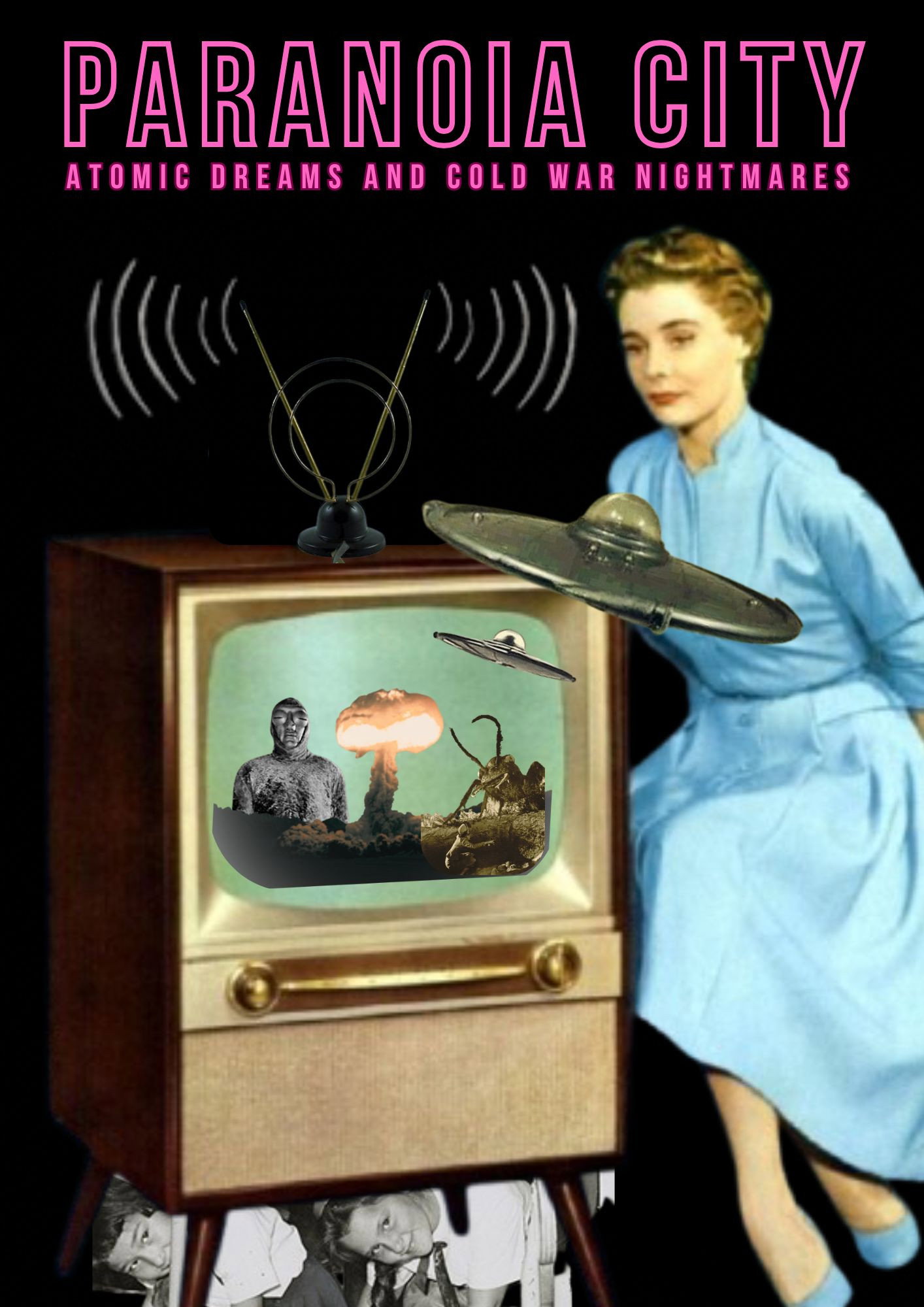
The creation of the atomic bomb did not only unleash a destructive force—it transformed the imagination of the nation that made it, haunting its collective mind and giving rise to dreams and nightmares. PARANOIA CITY is a feature-length (54min) archival essay film exploring the Atomic Age through nuclear test footage, government civil defence films, Cold War propaganda, and 1950s science fiction cinema.
In 1967, Cuban documentary filmmaker Octavio Cortazar followed a travelling projectionist troupe whose mission was to show moving pictures to rural communities for the first time. Cortazar’s short film documents one audience’s response to its first film: Charlie Chaplin’s Modern Times.
Documentary collecting some experiences of the first two years of the "Gira interminable" tour were Silvio Rodriguez performs for the marginal neighborhoods of Havana and other provinces.
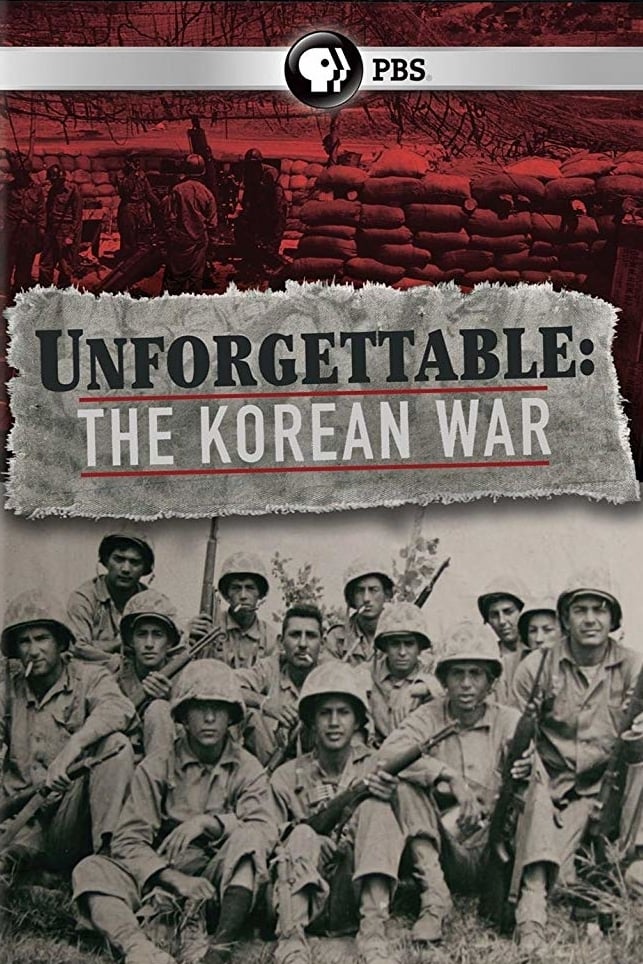
Documentary directed by Tom Kleespie inspired from Korean War veterans who recall memories both painful and patriotic, putting a human face on an often forgotten conflict. Stories include wartime recollections, such as one soldier's first moments seeing a MiG fighter up close, and veterans' often-tragic experiences returning home, where Americans largely neglected to welcome them back.
The author reports on the secret submarine operations of the USA and the Soviet Union, including "risky espionage missions by US combat swimmers in Soviet waters", which resulted in numerous fatal accidents. Both "superpowers" are also said to have lost submarines in various missions due to accidents or collisions. In the film, Pohlmann gives a voice to Ola Tunander, a professor at the Institute for Peace Research in Oslo at the time, who is "certain" that "the alleged Soviet submarines that were unsuccessfully hunted by the Scandinavians in the early 1980s were actually part of the Americans' psychological warfare". The "common goal of some very senior Swedish officers, the British Thatcher administration and Ronald Reagan's policy" was "to discredit the Olof Palme government and its initiative for a nuclear weapons-free Northern Europe".
This film is a general travelogue about Cuba from 1950.
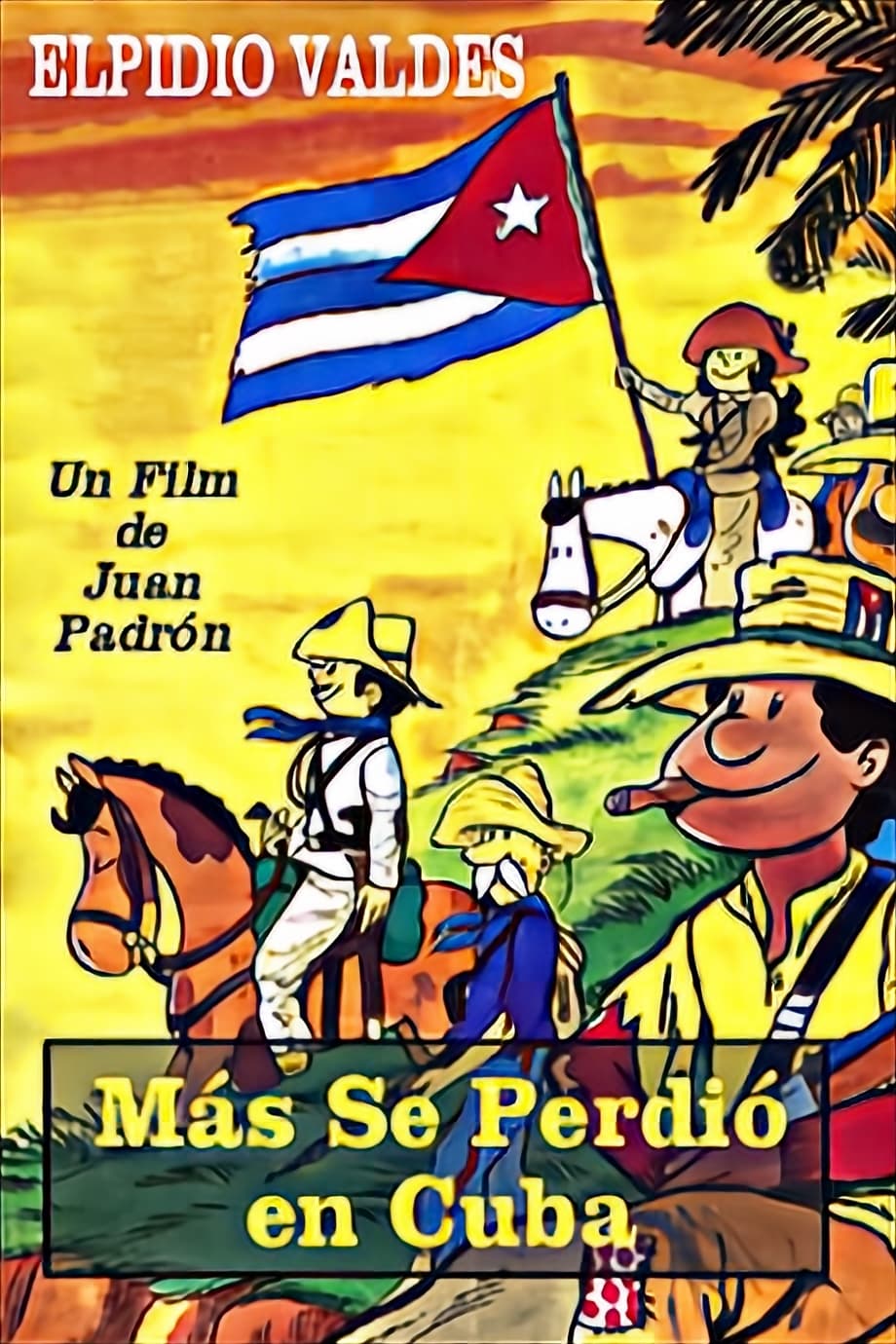
Elpidio Valdés returns to the Cuban countryside to fight against the Spaniards. But they have a much more dangerous enemy: the Americans, who want to take over the island at any cost. Elpidio Valdés and his comrades-in-arms will try to prevent them from achieving their goal, with machetes in hand and bullets flying. It was conceived as a series for Spanish television and later shown as a feature film under the name Más se perdió en Cuba (More Was Lost in Cuba) in Spain and Elpidio Valdés contra el águila y el león (Elpidio Valdés Against the Eagle and the Lion) in Cuba.
A soldier is informed that enemies are headed towards his post, only moments before they arrive.
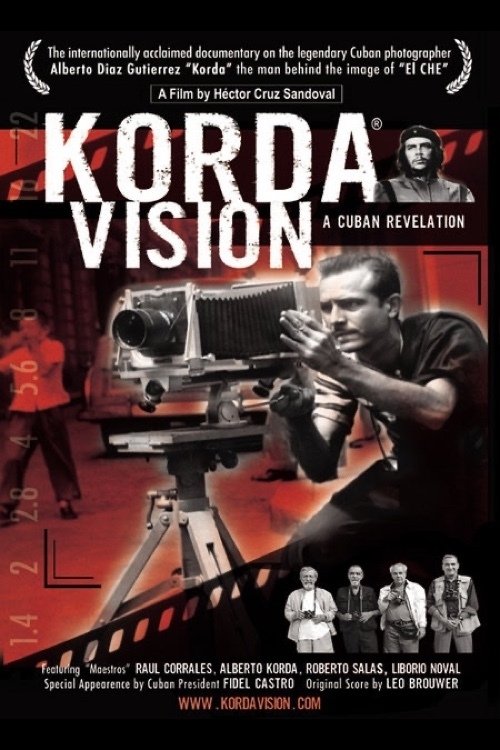
Alberto Díaz Korda delivered intense photography experiences throughout his 40-year career. KordaVision traces this brilliant career from his beginning in Havana, Cuba, until he became Fidel Castro's personal photographer from 1959 through 1968.
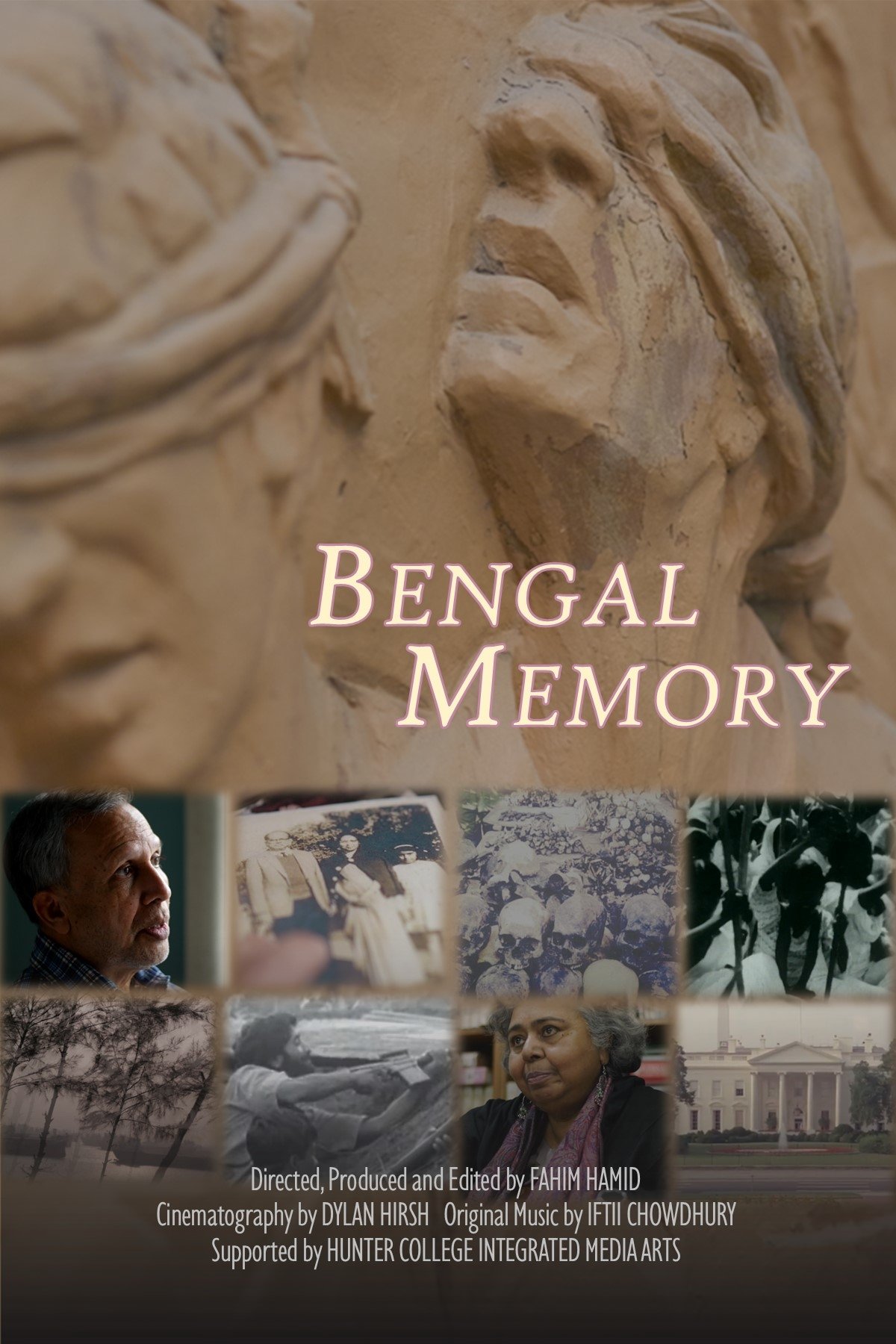
A Bangladeshi American undertakes a journey to learn about the liberation war in his native country, traveling there for the first time in nearly two decades, and uncovering the controversial role the U.S. played in a forgotten genocide that occurred there over 50 years ago. From 1971 to the present day, this is a story of Bangladesh’s independence, a family’s journey immigrating to America, and the cognitive dissonance of a person belonging to both homelands. Driven by interviews with his father and other family members, along with experts and witnesses, archival videos, declassified recordings, and animations, BENGAL MEMORY is a unique and untold oral history through a personal lens.
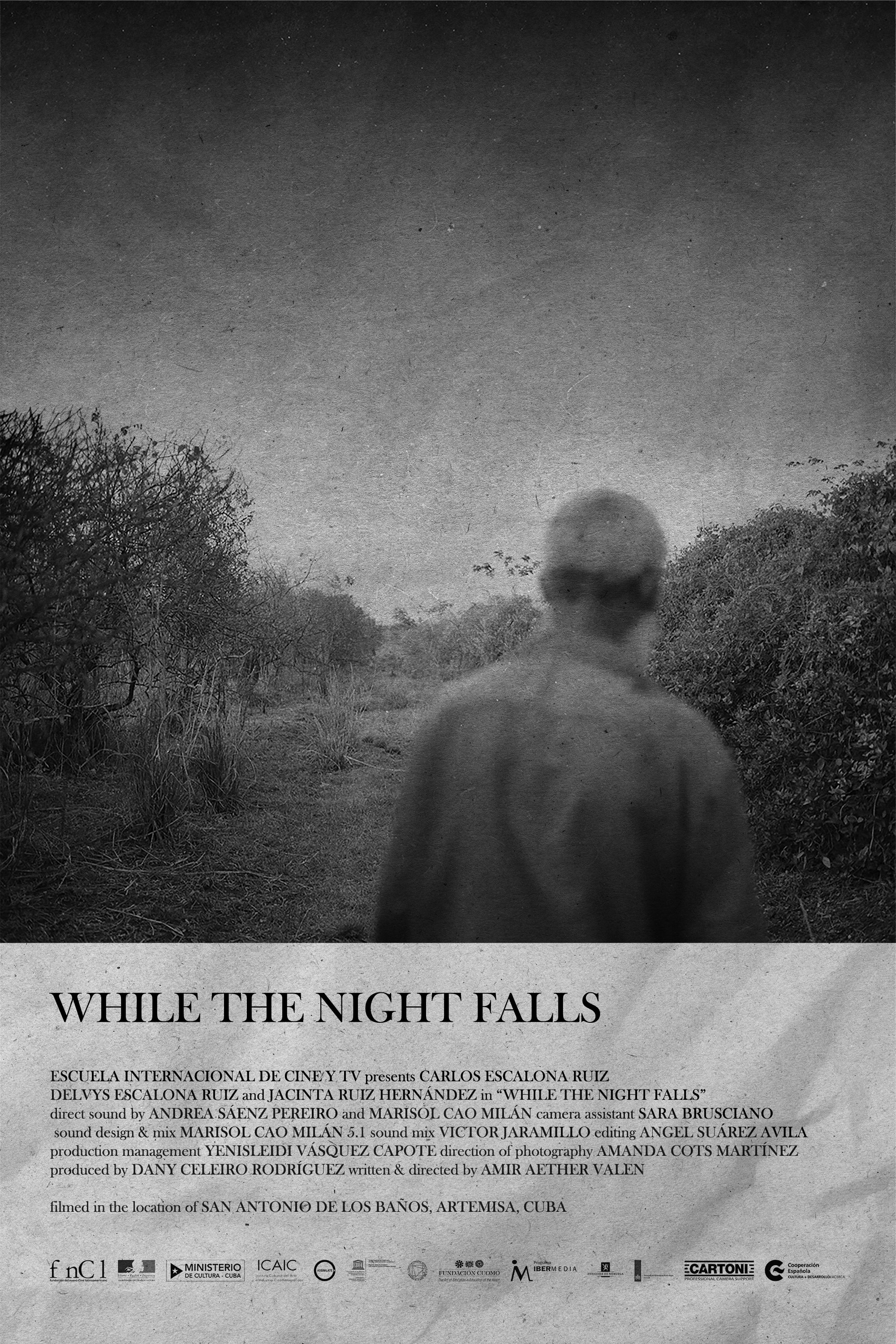
An intimate portrait of the lives of Delvys and Carlos, siblings who live alone with their elderly mother in a rural part of a small Cuban town. The film portrays a family engulfed in their inner worlds. Between the sacrifices they make out of love for those who are present, and their longing for things that are absent, they struggle to find meaning as they reflect, contemplate, and carry the weight of existence, trying together, to move forward.
On 12 March 1999 Polish Minister of Foreign Affairs, Prof. Bronisław Geremek, handed to the United States Secretary of State, Madeleine Albright, the act of Poland’s accession to NATO. In such a way, Poland became a member of NATO. The efforts made by Polish politicians and diplomats of various political stands date back to the beginning of the 90s – the collapse of the Warsaw Pact structure and the time of Lech Wałęsa’s presidency. Accession to NATO was the main objective of Polish diplomacy.
“The Soviet Story” is a story of an Allied power, which helped the Nazis to fight Jews and which slaughtered its own people on an industrial scale. Assisted by the West, this power triumphed on May 9th, 1945. Its crimes were made taboo, and the complete story of Europe’s most murderous regime has never been told. Until now...
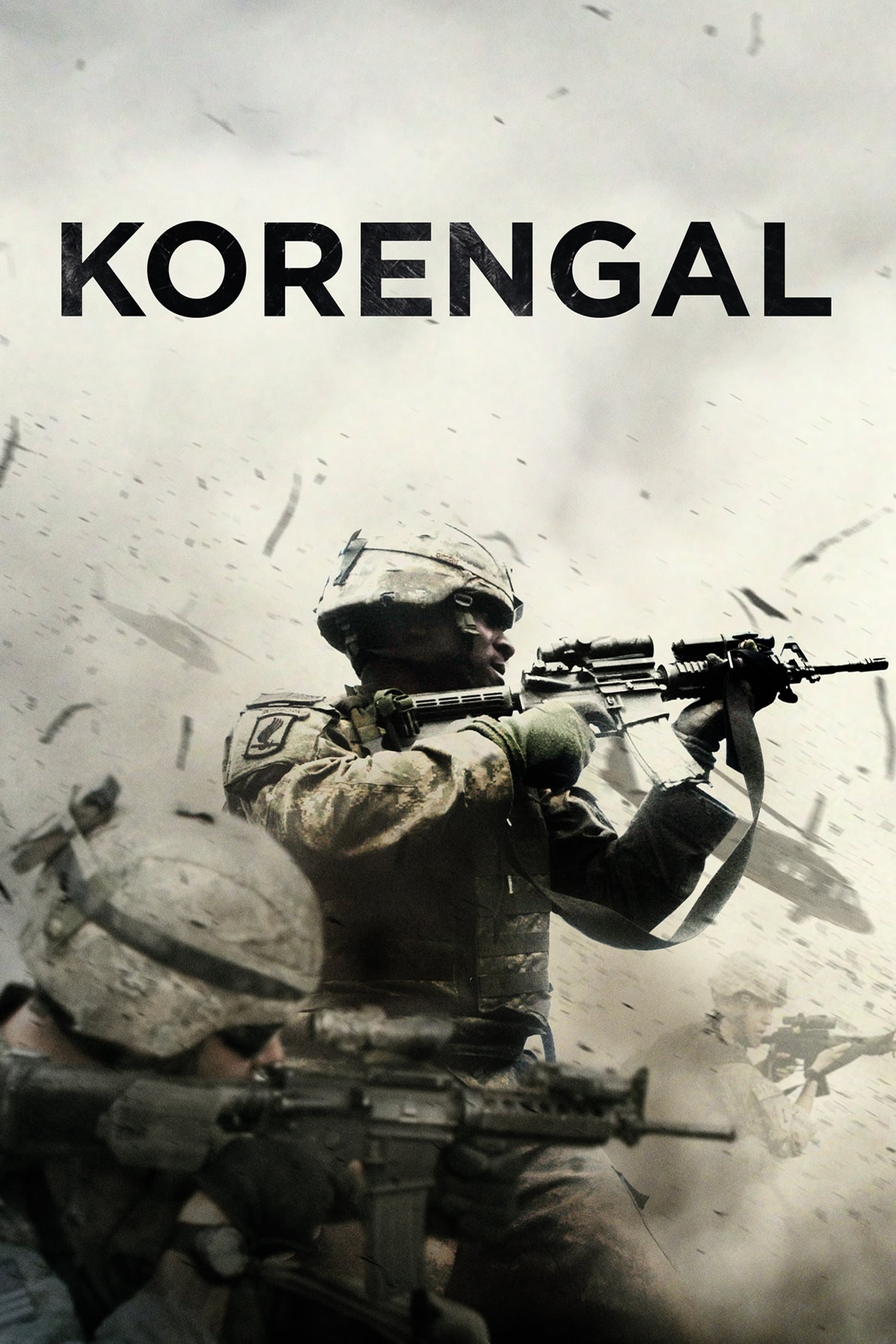
Korengal picks up where Restrepo left off; the same men, the same valley, the same commanders, but a very different look at the experience of war.
Prelude to War was the first film of Frank Capra's Why We Fight propaganda film series, commissioned by the Pentagon and George C. Marshall. It was made to convince American troops of the necessity of combating the Axis Powers during World War II. This film examines the differences between democratic and fascist states.
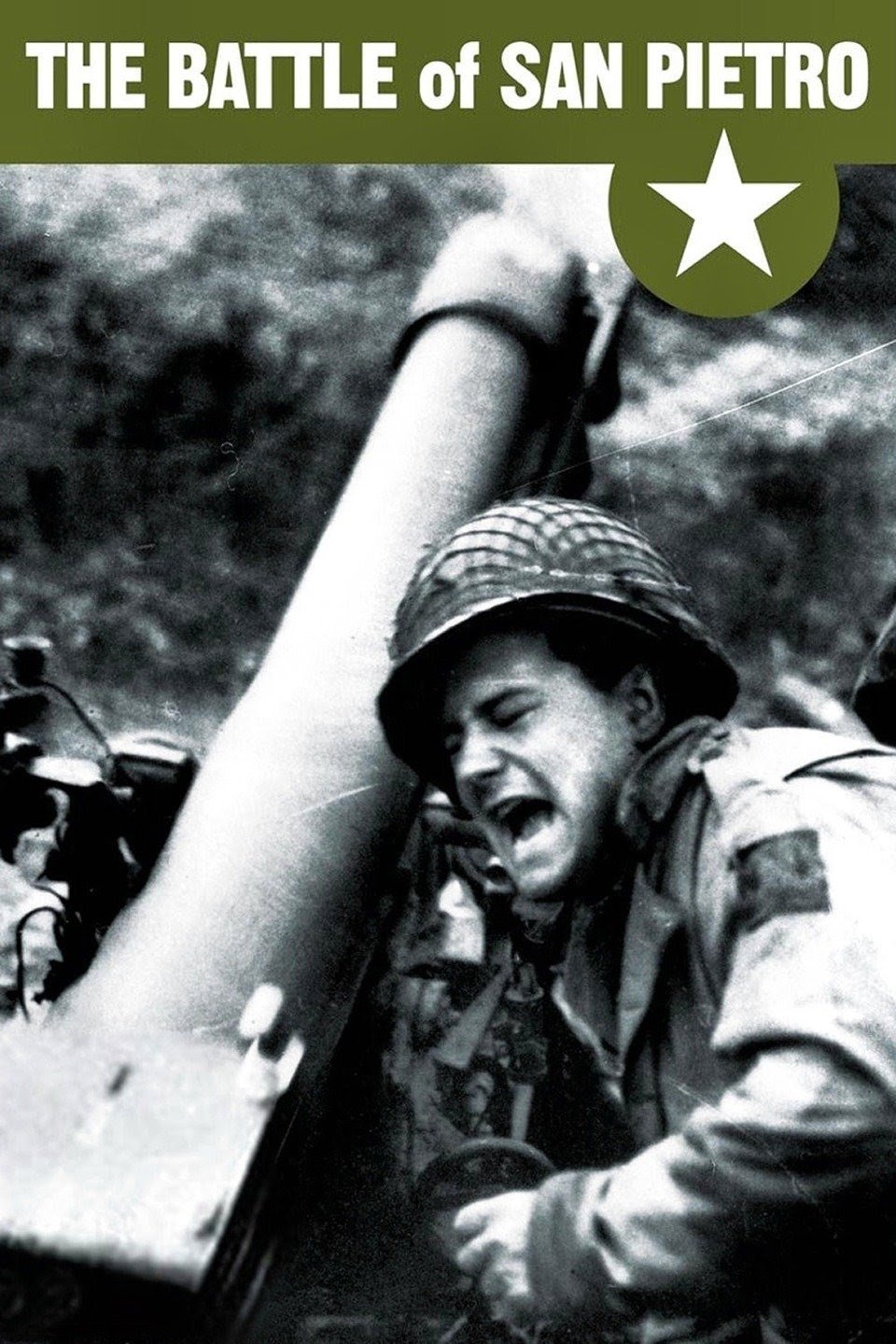
This documentary movie is about the battle of San Pietro, a small village in Italy. Over 1,100 US soldiers were killed while trying to take this location, that blocked the way for the Allied forces from the Germans. Preserved by the Academy Film Archive in 2005.
A love letter from a young mother to her daughter, the film tells the story of Waad al-Kateab’s life through five years of the uprising in Aleppo, Syria as she falls in love, gets married and gives birth to Sama, all while cataclysmic conflict rises around her. Her camera captures incredible stories of loss, laughter and survival as Waad wrestles with an impossible choice– whether or not to flee the city to protect her daughter’s life, when leaving means abandoning the struggle for freedom for which she has already sacrificed so much.
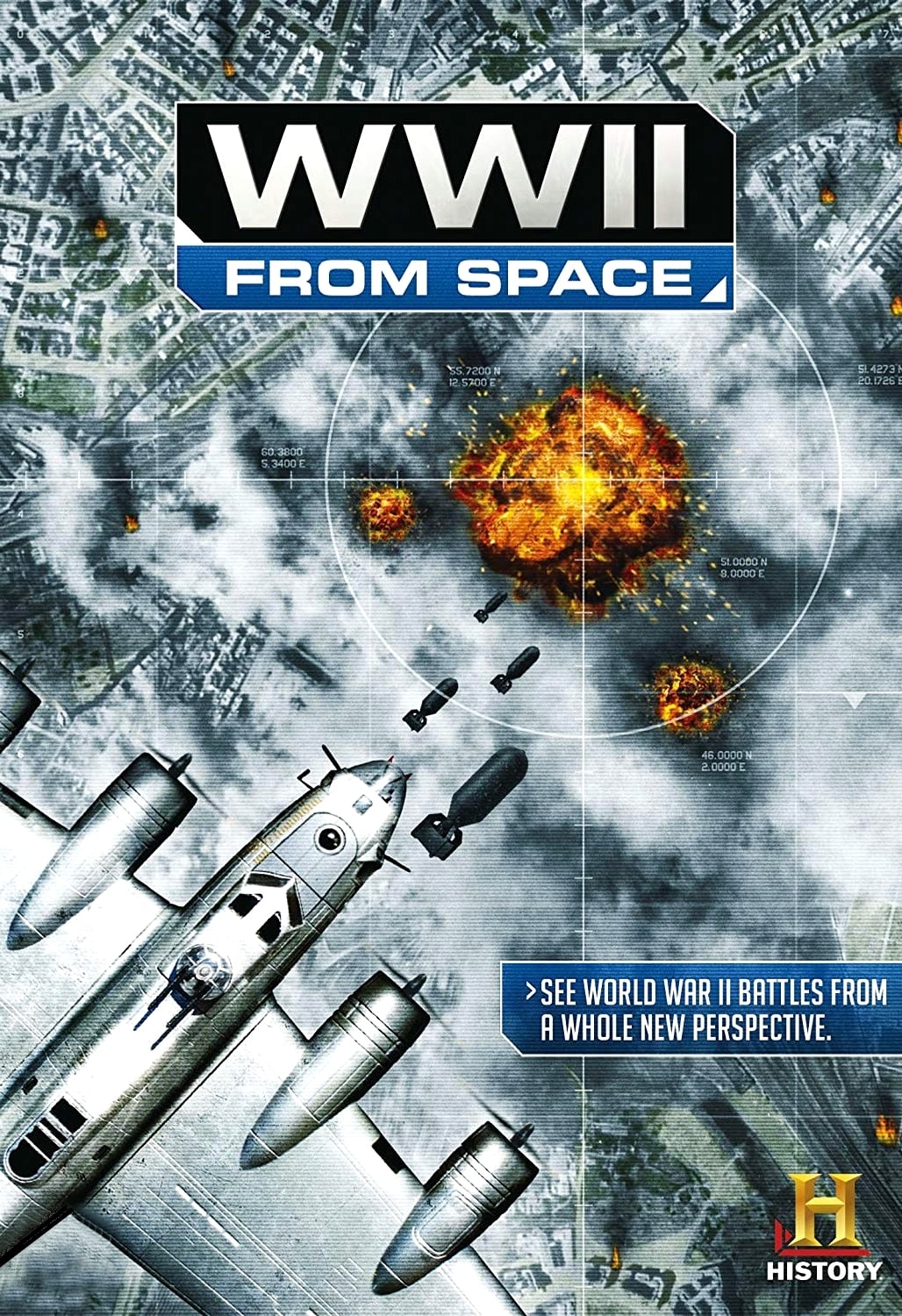
WWII from Space delivers World War II in a way you've never experienced it before. This HISTORY special uses an all-seeing CGI eye that offers a satellite view of the conflict, allowing you to experience it in a way that puts key events and tipping points in a global perspective. By re-creating groundbreaking moments that could never have been captured on camera, and by illustrating the importance of simultaneity and the hidden effects of crucial incidents, HISTORY presents the war's monumental moments in a never-before-seen context. And with new information brought to the forefront, you'll better understand how a nation ranked 19th in the world's militaries in 1939 emerged six years later as the planet's only atomic superpower.
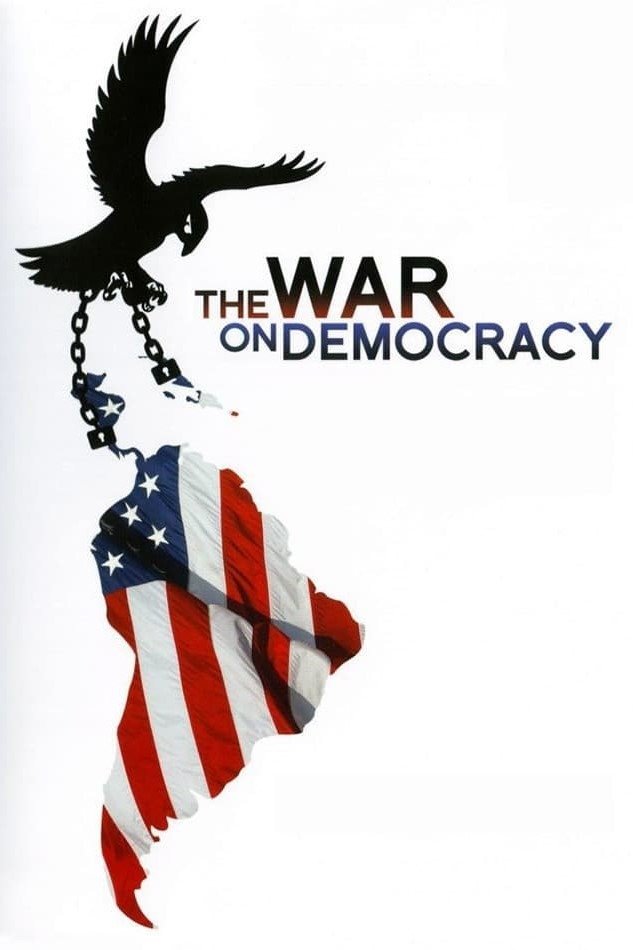
Set both in Latin America and the United States, the film explores the historic and current relationship of Washington with countries such as Venezuela, Bolivia and Chile. Pilger says that the film "...tells a universal story... analysing and revealing, through vivid testimony, the story of great power behind its venerable myths. It allows us to understand the true nature of the so-called "war on terror". According to Pilger, the film’s message is that the greed and power of empire is not invincible and that people power is always the "seed beneath the snow".
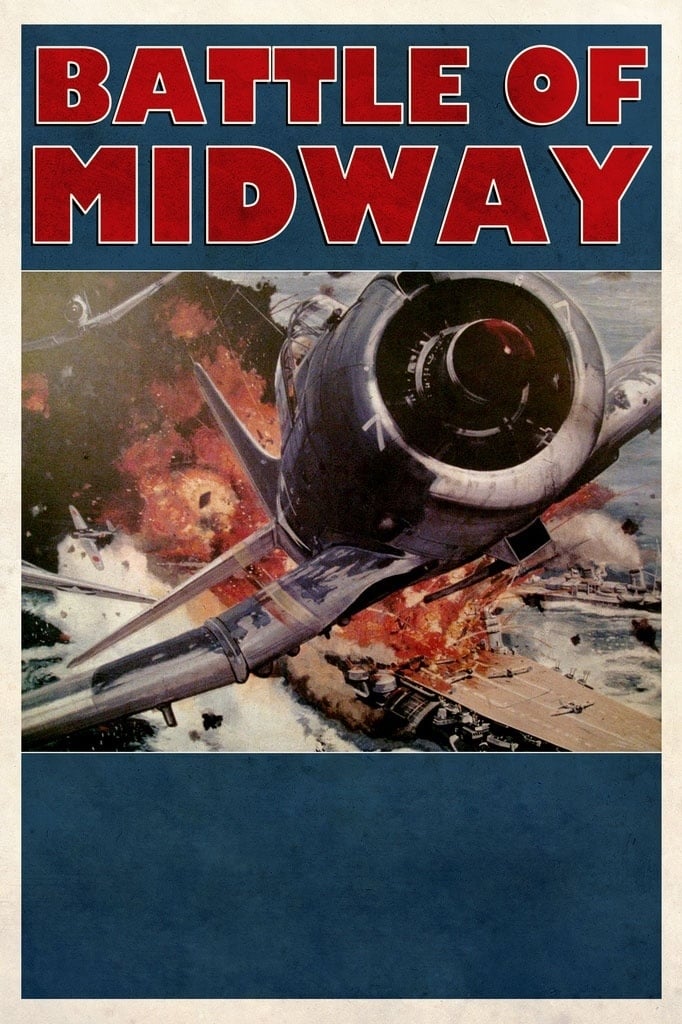
The Japanese attack on Midway in June 1942, filmed as it happened. Preserved by the Academy Film Archive, in partnership with Twentieth Century Fox Film Corporation, in 2006.
A documentary about World War I with never-before-seen footage to commemorate the centennial of Armistice Day, and the end of the war.
Pete Postlethwaite stars as a man living alone in the devastated future world of 2055, looking at old footage from 2008 and asking: why didn’t we stop climate change when we had the chance?
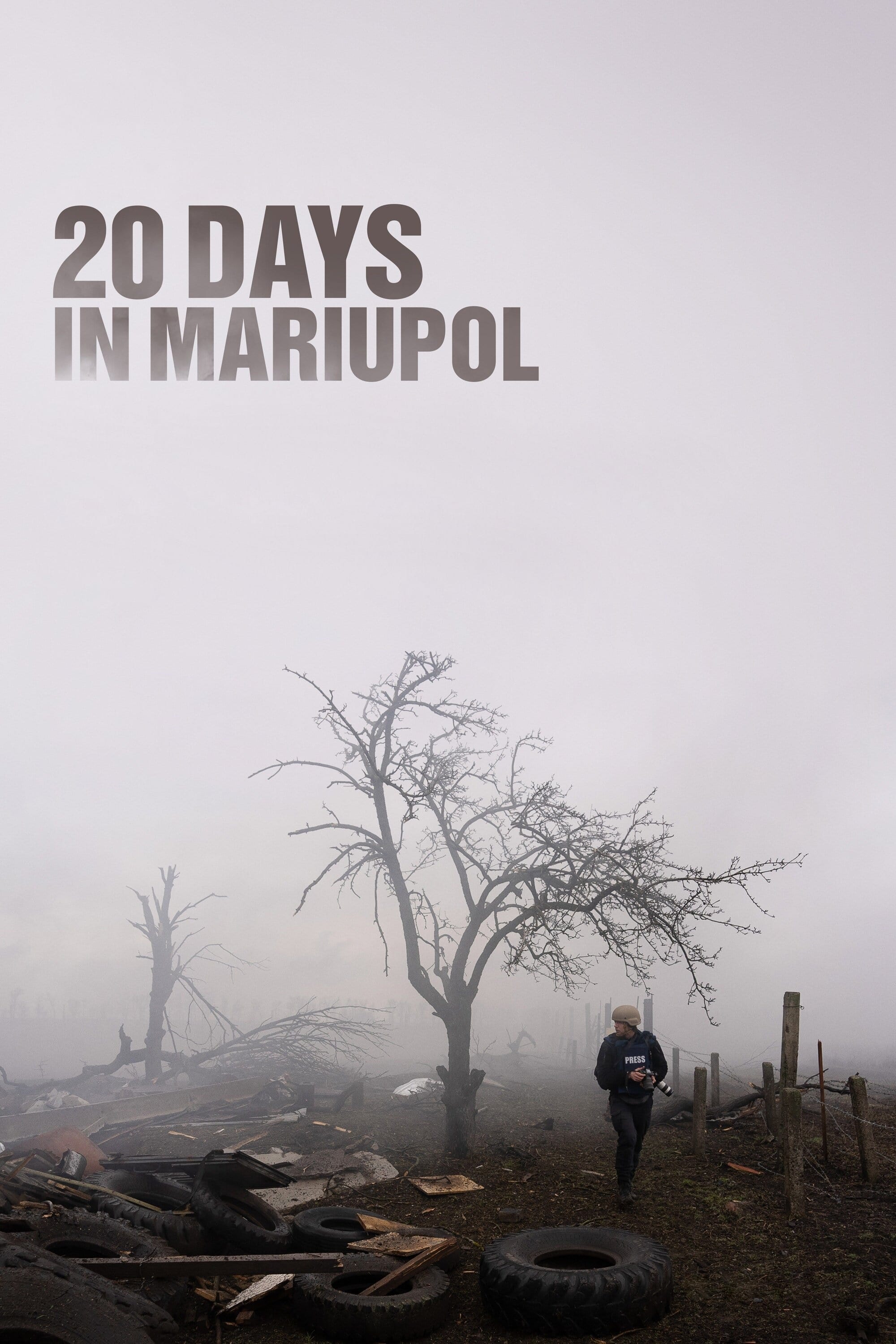
As the Russian invasion begins, a team of Ukrainian journalists trapped in the besieged city of Mariupol struggle to continue their work documenting the war's atrocities.
The final entry in a trilogy of films produced for the U.S. government by John Huston. Some returning combat veterans suffer scars that are more psychological than physical. This film follows patients and staff during their treatment. It deals with what would now be called PTSD, but at the time was categorised as psychoneurosis or shell-shock. Government officials deemed this 1946 film counterproductive to postwar efforts; it was not shown publicly until 1981.
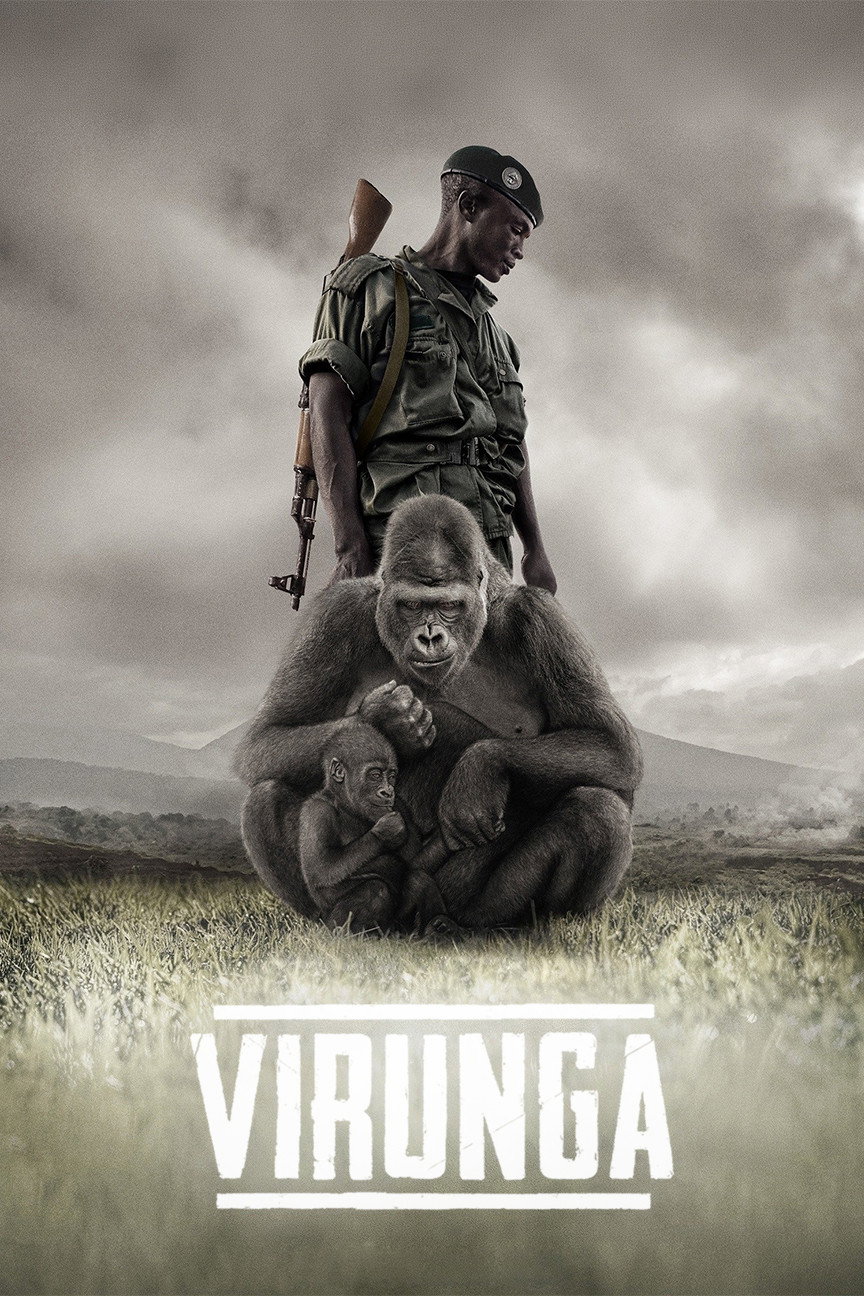
Virunga in the Democratic Republic of the Congo is Africa’s oldest national park, a UNESCO world heritage site, and a contested ground among insurgencies seeking to topple the government that see untold profits in the land. Among this ongoing power struggle, Virunga also happens to be the last natural habitat for the critically endangered mountain gorilla. The only thing standing in the way of the forces closing in around the gorillas: a handful of passionate park rangers and journalists fighting to secure the park’s borders and expose the corruption of its enemies. Filled with shocking footage, and anchored by the surprisingly deep and gentle characters of the gorillas themselves, Virunga is a galvanizing call to action around an ongoing political and environmental crisis in the Congo.
This documentary examines the 1999 London bombings that targeted Black, Bangladeshi and gay communities, and the race to find the far-right perpetrator. He terrorized a city, seeking to ignite a race war but justice was served by those who wouldn't let his hate win.
When Allied forces liberated the Nazi concentration camps in 1944-45, their terrible discoveries were recorded by army and newsreel cameramen, revealing for the first time the full horror of what had happened. Making use of British, Soviet and American footage, the Ministry of Information’s Sidney Bernstein (later founder of Granada Television) aimed to create a documentary that would provide lasting, undeniable evidence of the Nazis’ unspeakable crimes. He commissioned a wealth of British talent, including editor Stewart McAllister, writer and future cabinet minister Richard Crossman – and, as treatment advisor, his friend Alfred Hitchcock. Yet, despite initial support from the British and US Governments, the film was shelved, and only now, 70 years on, has it been restored and completed by Imperial War Museums under its original title "German Concentration Camps Factual Survey".
Five broken cameras – and each one has a powerful tale to tell. Embedded in the bullet-ridden remains of digital technology is the story of Emad Burnat, a farmer from the Palestinian village of Bil’in, which famously chose nonviolent resistance when the Israeli army encroached upon its land to make room for Jewish colonists. Emad buys his first camera in 2005 to document the birth of his fourth son, Gibreel. Over the course of the film, he becomes the peaceful archivist of an escalating struggle as olive trees are bulldozed, lives are lost, and a wall is built to segregate burgeoning Israeli settlements.
Meet the real-life airmen who inspired Masters of the Air as they share the harrowing and transformative events of the 100th Bomb Group.
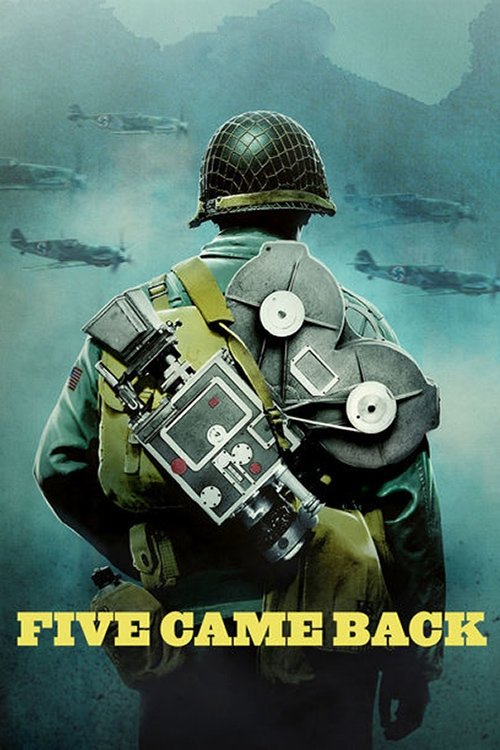
The extraordinary story of how Hollywood changed World War II – and how World War II changed Hollywood, through the interwoven experiences of five legendary filmmakers who went to war to serve their country and bring the truth to the American people: John Ford, William Wyler, John Huston, Frank Capra, and George Stevens. Based on Mark Harris’ best-selling book, “Five Came Back: A Story of Hollywood and the Second World War.”
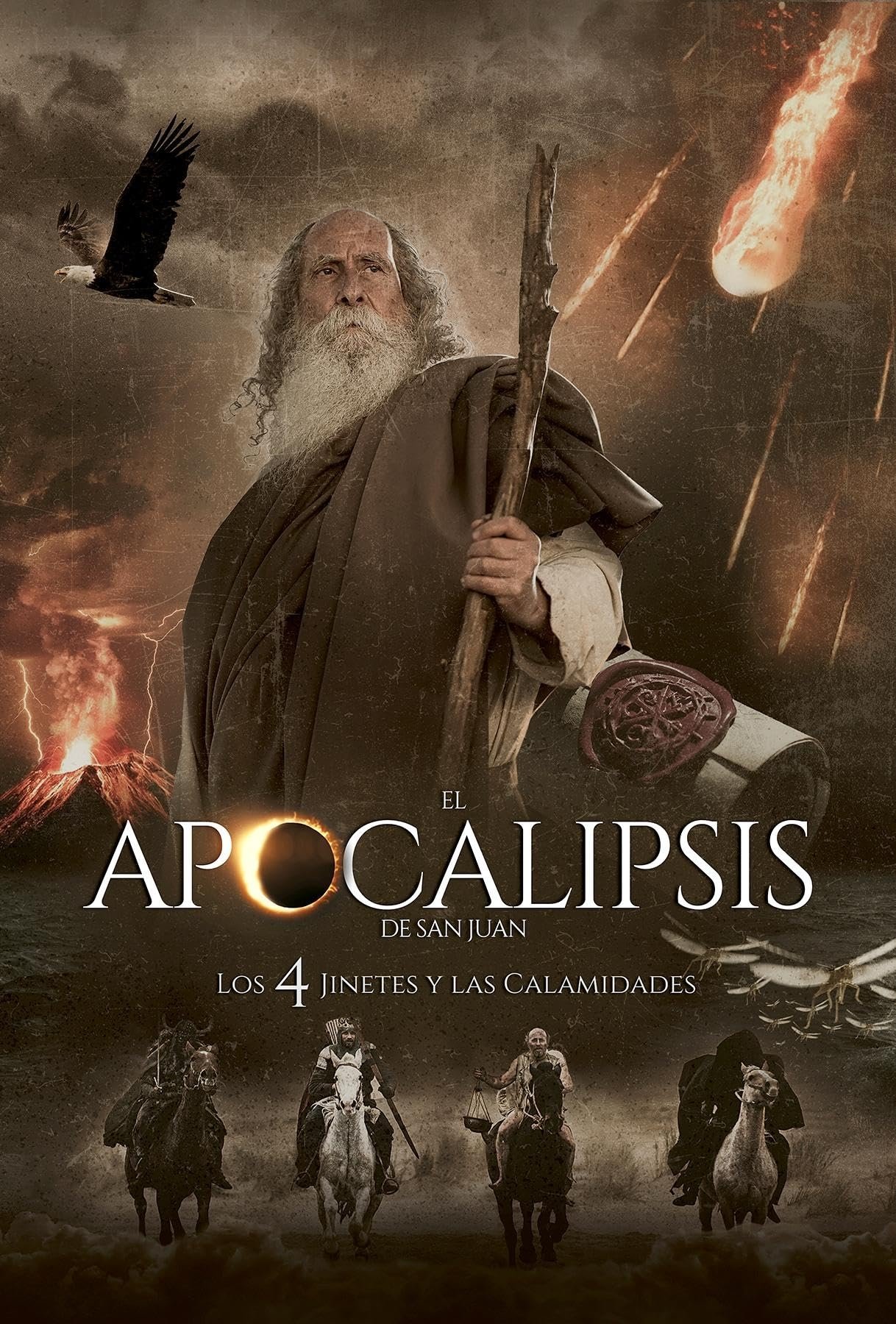
Embark on an epic journey through time and faith with 'The Apocalypse of Saint John.' Join the Apostle John in a stunning visual narrative that unravels the visions of the End Times. Experience each vision like never before, with striking visual effects and epic scenes that immerse you in the apocalyptic narrative.
Amid the failing counteroffensive, a journalist follows a Ukrainian platoon on their mission to traverse one mile of heavily fortified forest and liberate a strategic village from Russian occupation. But the farther they advance through their destroyed homeland, the more they realize that this war may never end.