Social & External
The people behind it
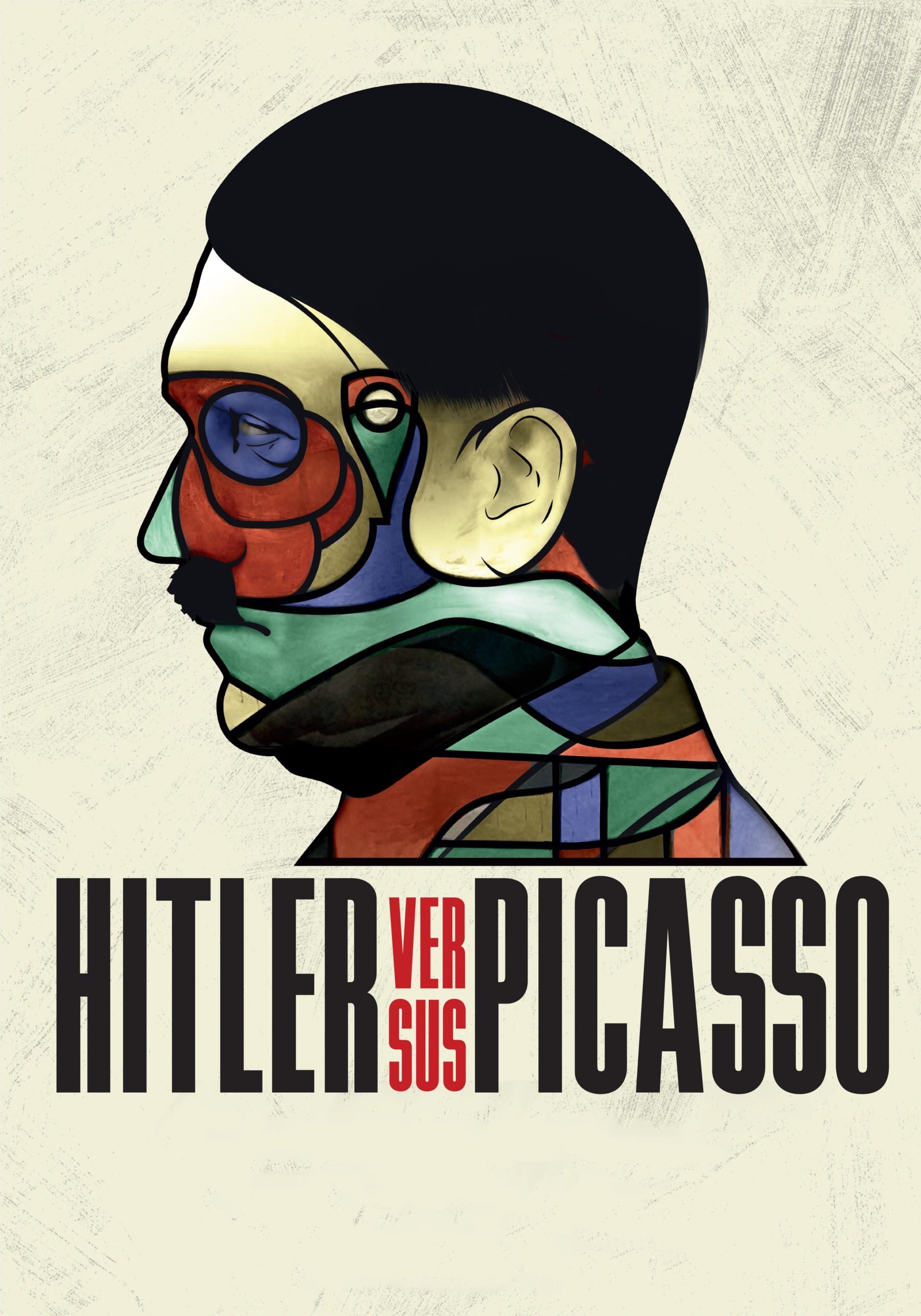
In 1937 the Nazi regime held two exhibitions in Munich: one to stigmatize “Degenerate Art” (which they systematically looted and destroyed) and one, personally curated by Hitler, to glorify “Classic Art”. This immersive new documentary reveals the Nazi’s complicated relationship with classical and modern art, displaying an incredible number of masterpieces by Botticelli, Klee, Matisse, Monet, Chagall, Renoir and Gauguin amongst others, intertwined with human stories from the most infamous period of the twentieth century. A state-of-the-art detective story exploring the Nazis’ obsession with creative expression, Hitler versus Picasso combines history, art and human drama for an unforgettable cinema experience.
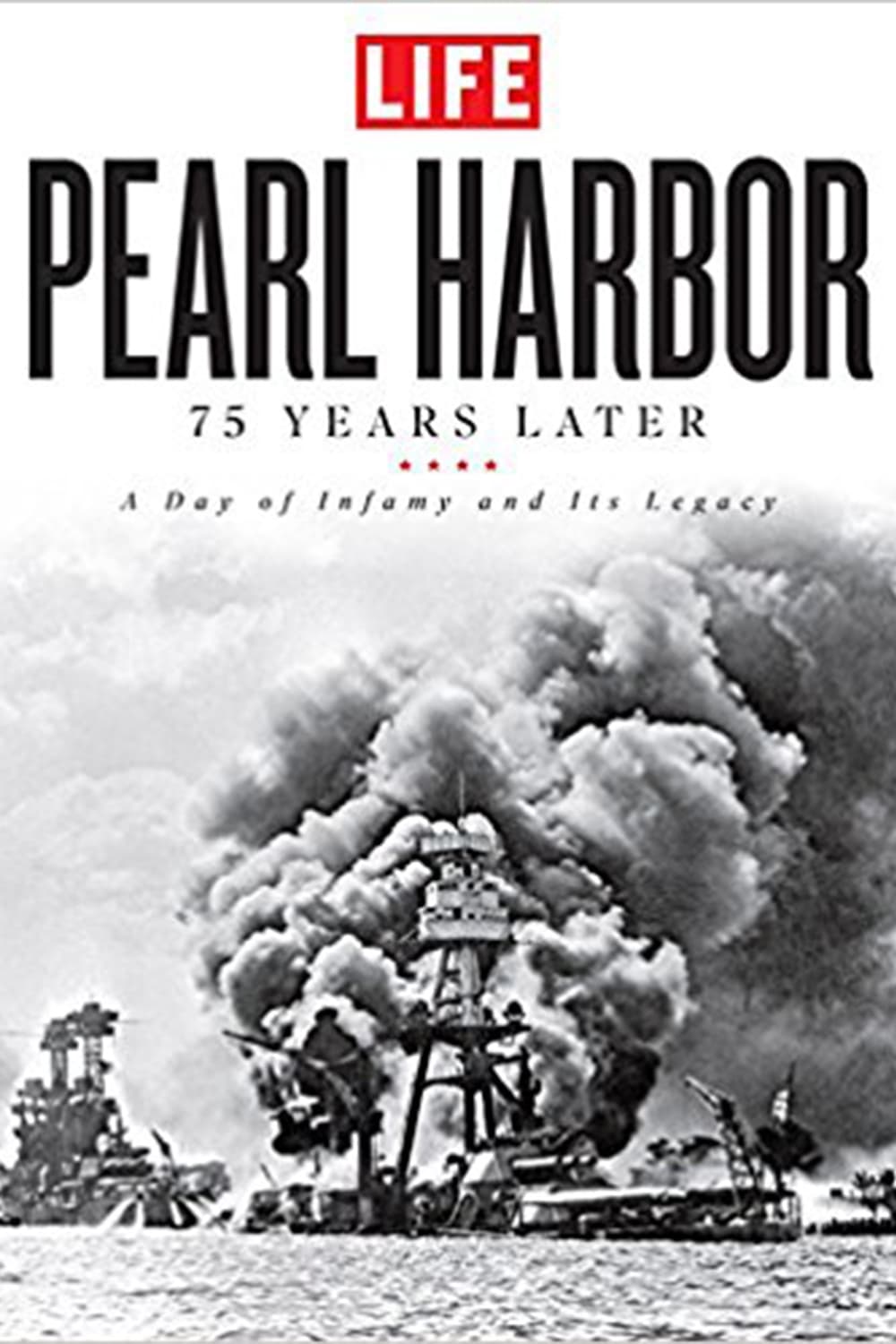
This two-hour special looks back at Dec. 7, 1941 - the date that has indeed lived in infamy, as President Franklin Roosevelt promised - when imperial Japan attacked the U.S. naval forces in Hawaii, ushering America into World War II. The attack killed more than 2,400 people, wounded 1,000 and damaged or destroyed nearly 20 American ships and over 300 airplanes.
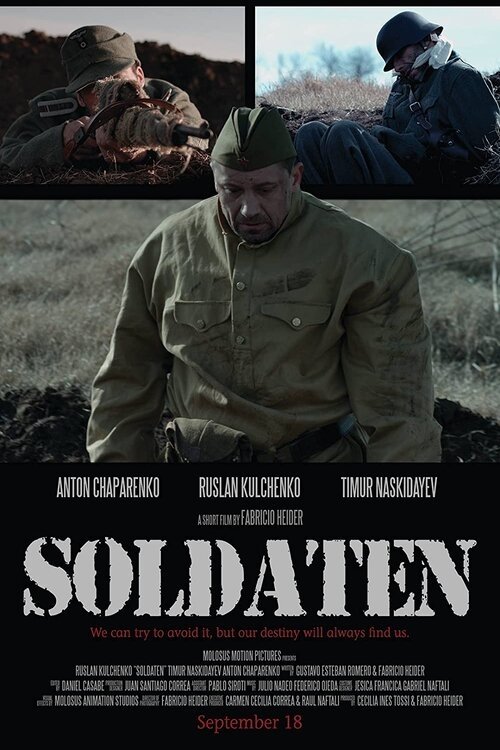
Soldaten is a short about crossed destinies and misunderstandings at the very end of World War II. Three men will meet and miss each other in a fateful final day.
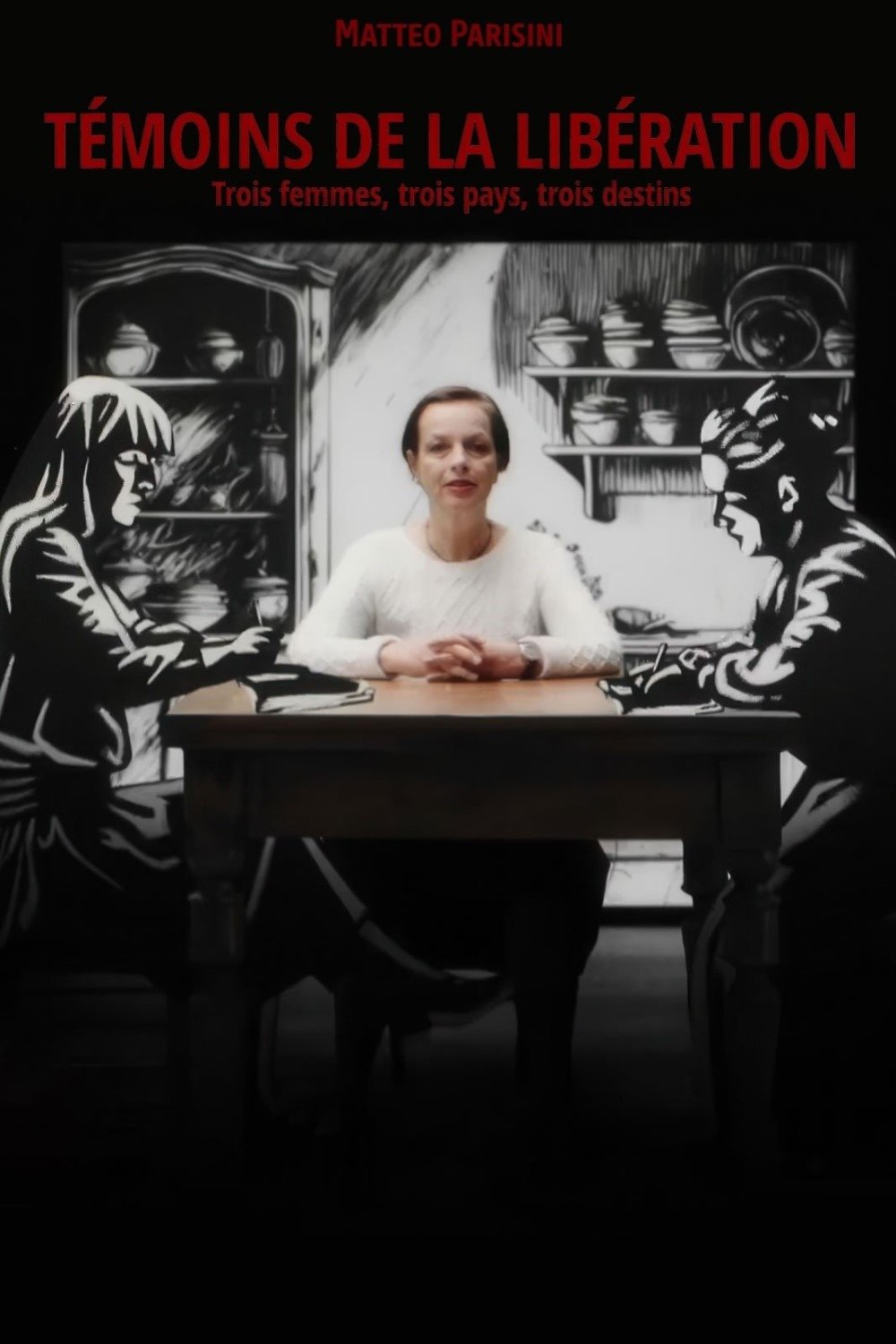
The end of World War II brings Europe a new political system, reshapes national and personal identities. Three women from Milan, Paris and Berlin report on the days of liberation in their diaries. Their personal stories expand the historical picture and make LIBERATION DIARIES a chronicle of female self-empowerment, resistance and resilience.
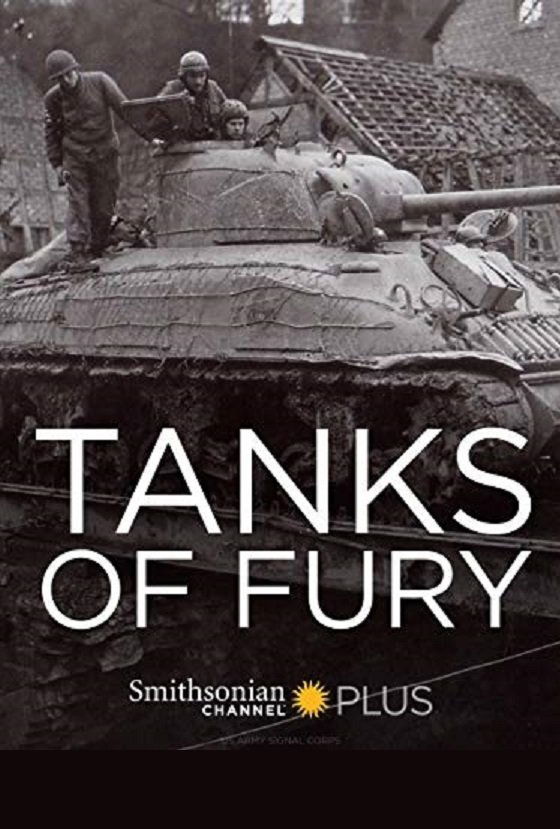
Crew and actors from the movie 'Fury' give behind-the-scenes details of the movie's technical production and special effects. Actual WWII tank footage and interviews with veterans are also included.
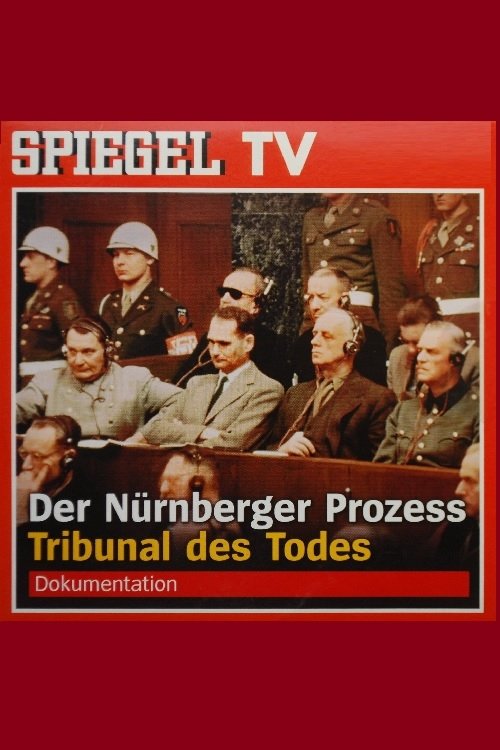
When the Allies realized the full extent of the crimes of the Third Reich at the end of the Second World War, it was clear that they would not be satisfied with a simple capitulation. Those responsible should not get away with it. The result of these deliberations was the International Military Tribunal, whose proceedings have gone down in history as the "Nuremberg Trial" after the venue.
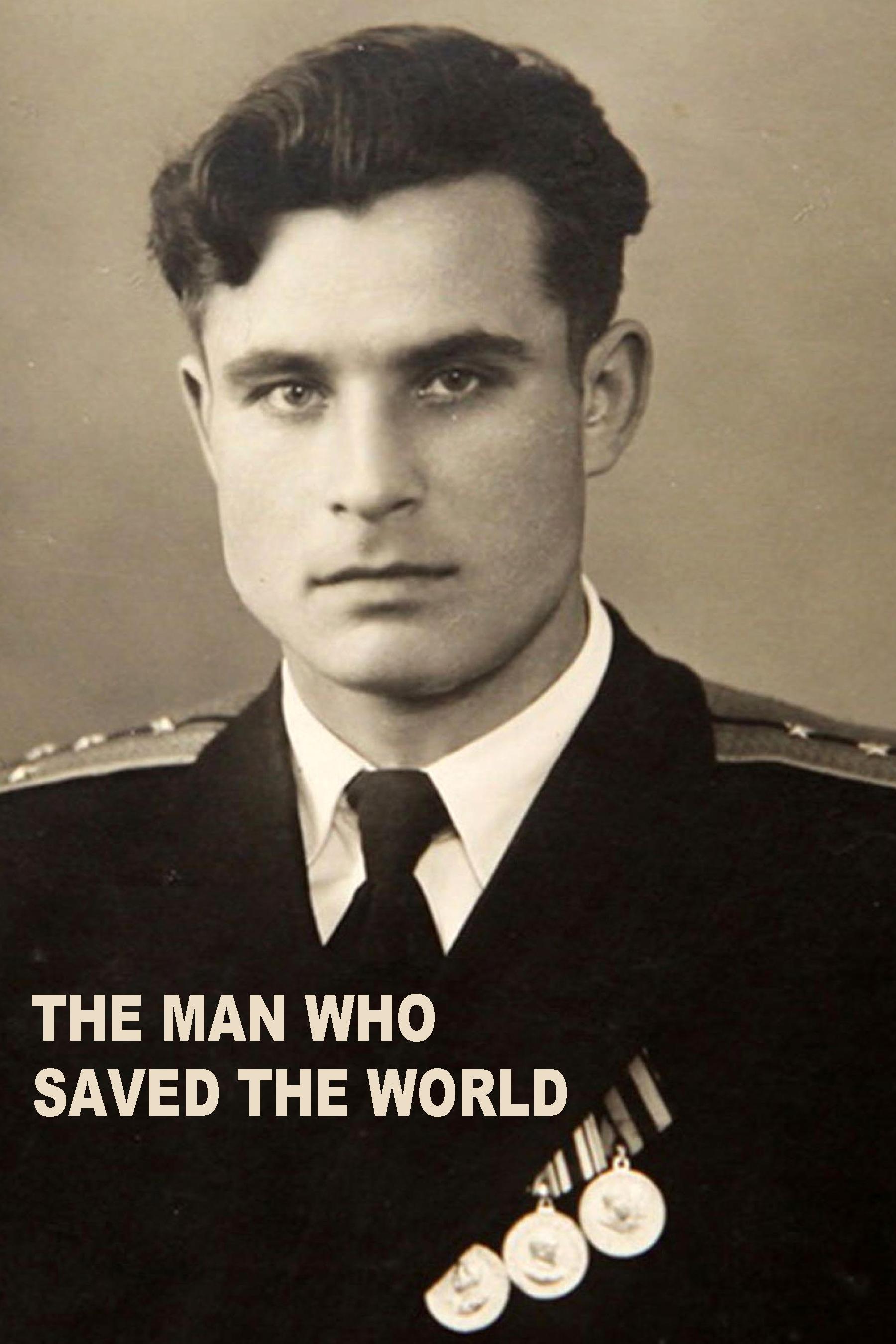
During the Cuban Missile Crisis of 1962, Soviet Navy officer Vasily Arkhipov refused to launch a nuclear strike and saved the world from nuclear war and total destruction.
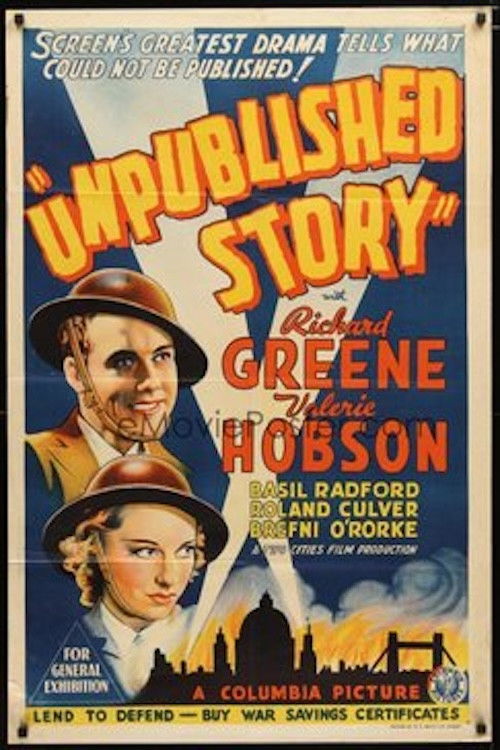
Morale-boosting story released in the middle of World War II. A journalist uncovers a peace organisation at the centre of disreputable dealings.
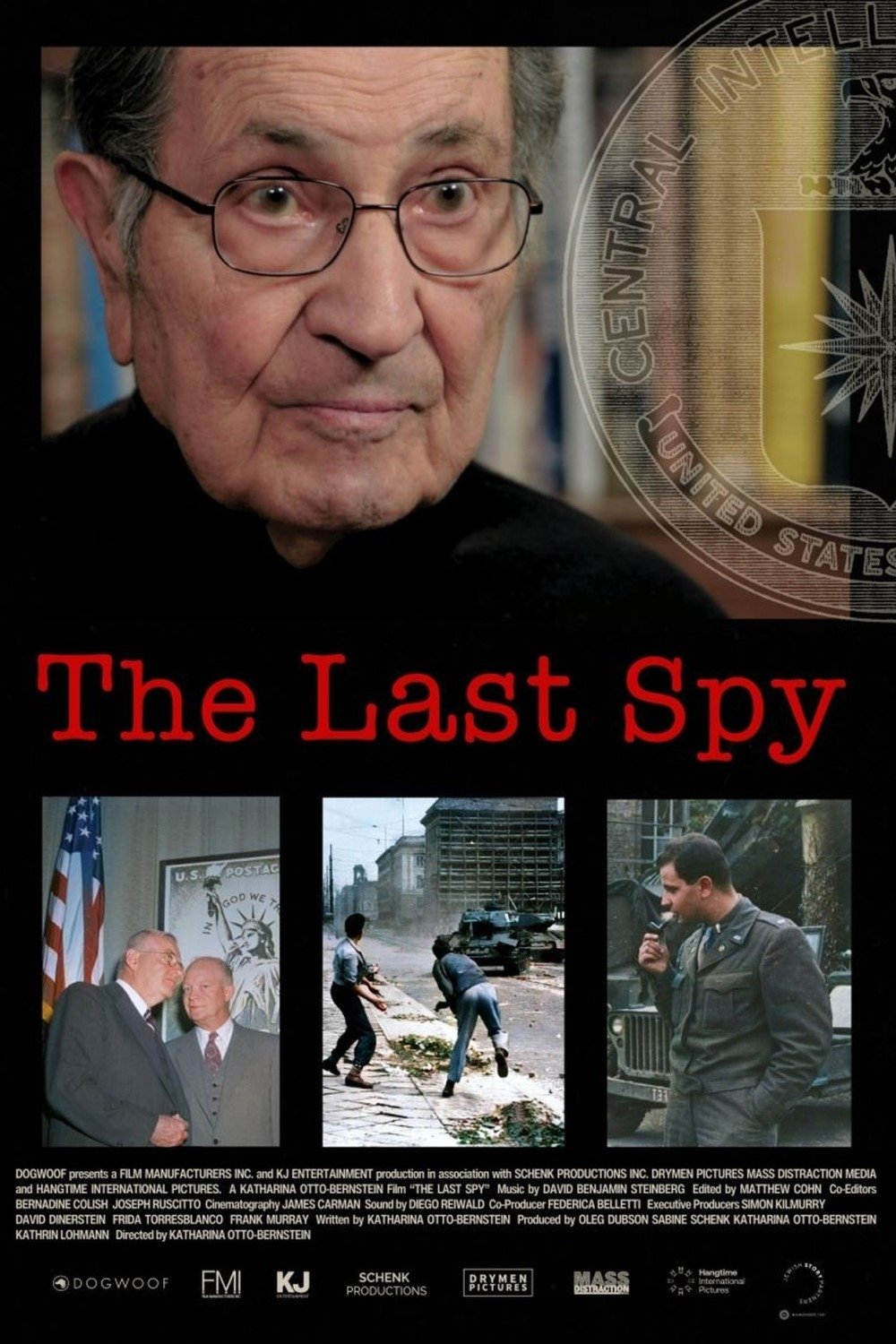
The riveting biography of 102-year-old CIA spymaster Peter Sichel, who unpacks the obscured roots of conflicts that plague today’s world and the toll espionage took on his personal life.
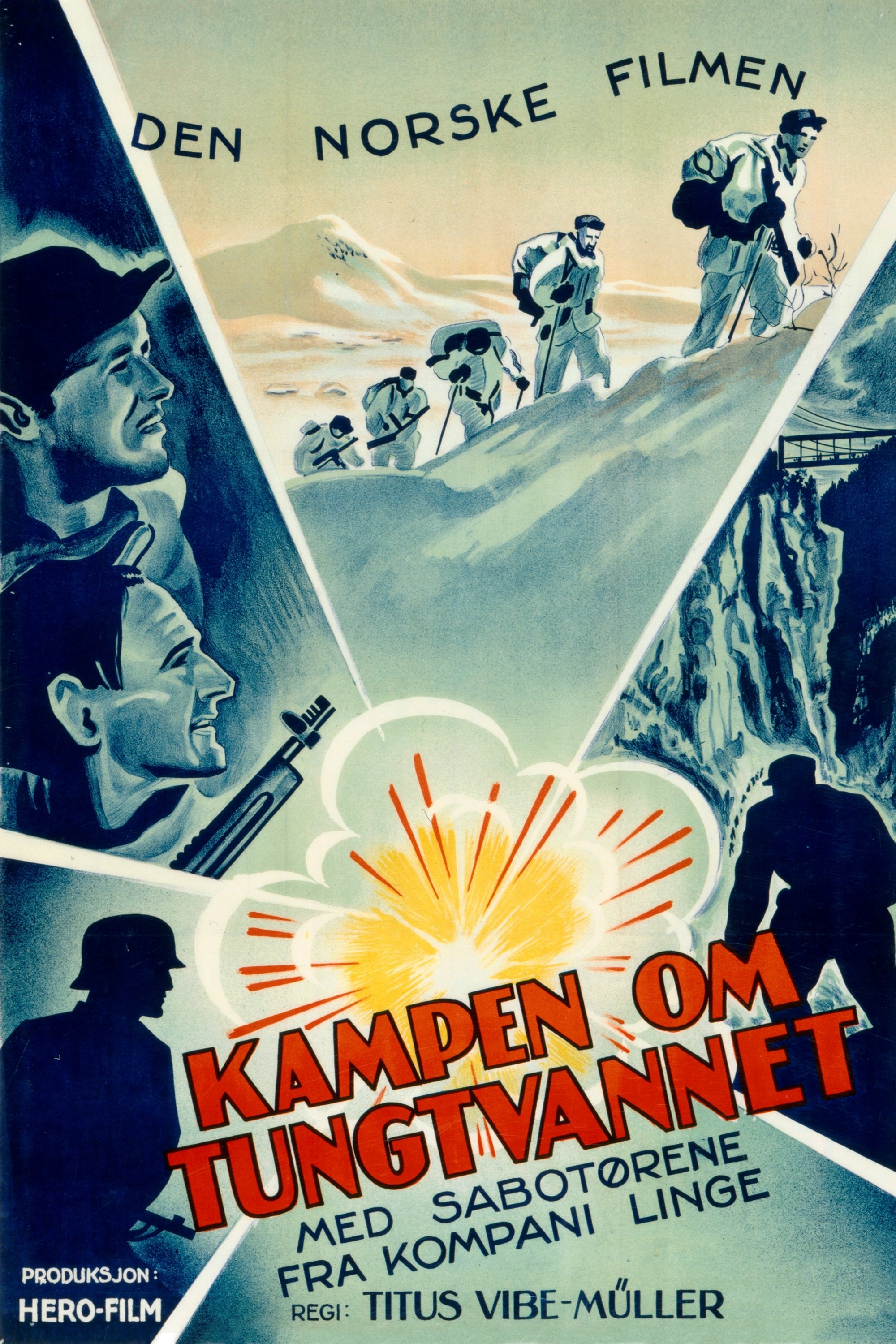
A factual reconstruction of the sabotage events which took place to prevent Hitler's Germany from getting the heavy water needed to make an atomic bomb during the Second World War.
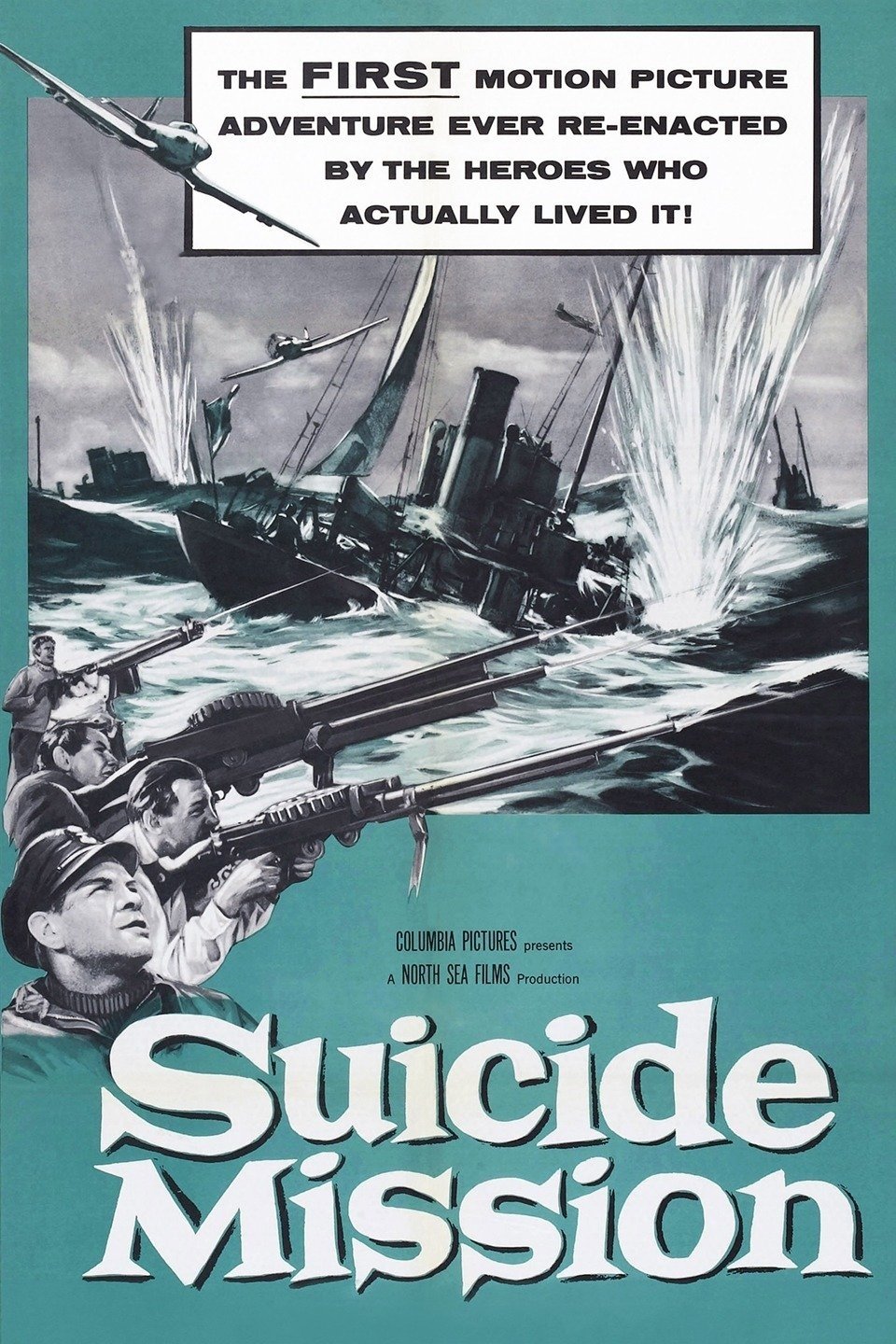
A group of Norwegians cross the North Sea in winter to deliver Allied soldiers and ammunition to their Nazi-occupied country.
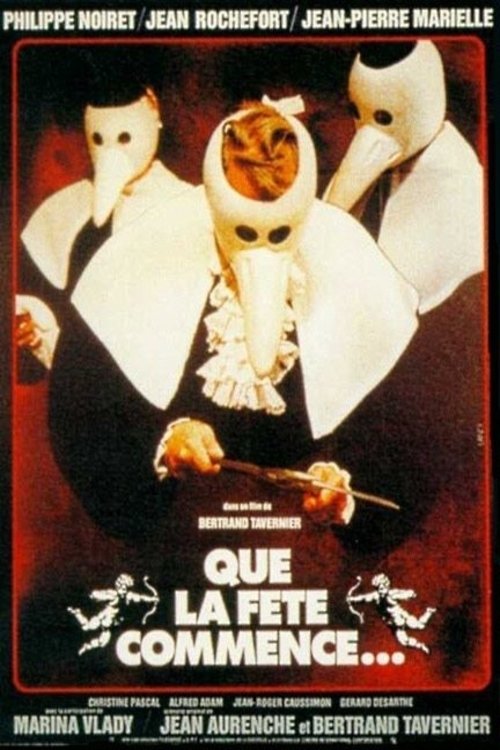
A look at 18th-century France, when the depravity of the authorities contributed to social oppression, and the uprisings flared up one after another.
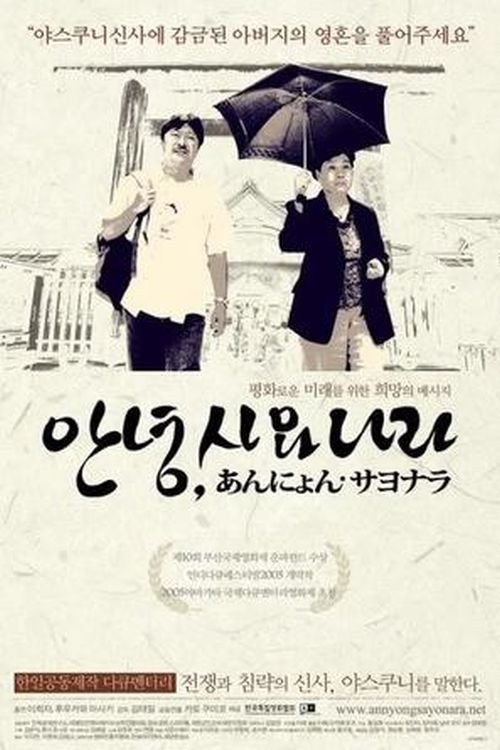
This joint Korean-Japanese production follows a Korean woman, Lee Ha-jong, as she searches for her father's remains. He - like tens of thousands of other Koreans - was forced into the Japanese military, and subsequently killed during WW2. She is joined by a Japanese man, seeking reconciliation between his country's military past, and the countries victimized by that history. The filmmakers portray both sides of a still highly emotional debate that centers around the enshrinement of soldiers at the Yasukuni Shrine, and Lee's lawsuit to prevent her father from being enshrined there. As Lee visits Japan and the controversial Yasukuni Shrine, she confronts - and is confronted by a wall of nationalistic pride that might be compared to neo-Nazis defending the righteousness of The Reich. This is contrasted with her meeting and working with Japanese peace activists, who deplore their countries' militaristic past, and seek to heal the wounds with her neighbors.
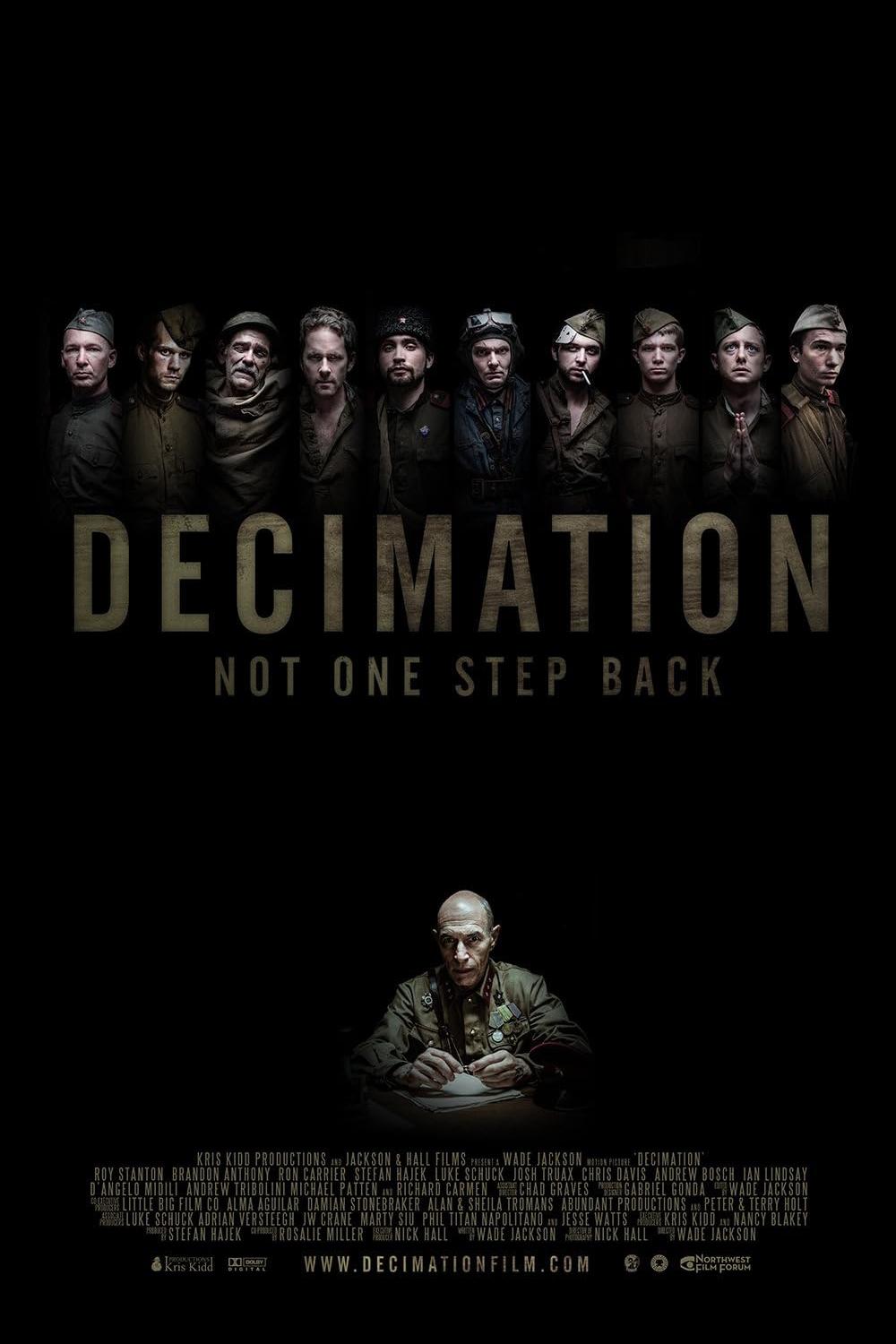
Set in 1942, DECIMATION tells the story of ten Russian soldiers accused of cowardice and their subsequent punishment.
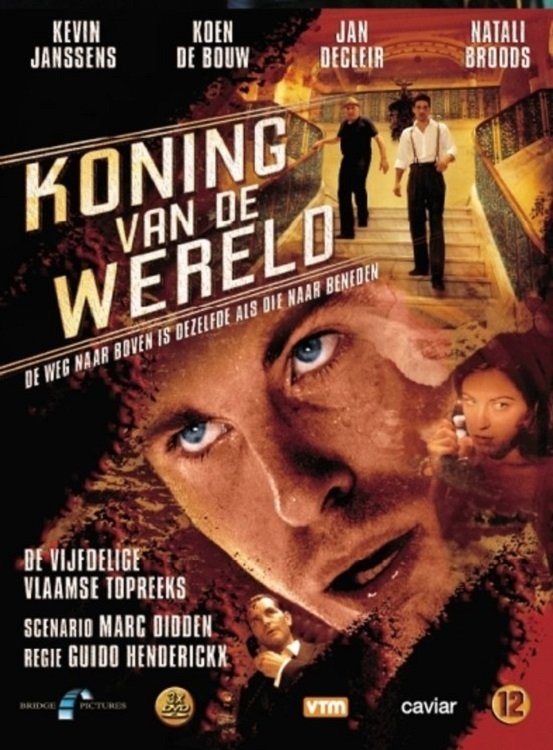
Cinema version of the 5 part TV series. During World War II, Stan Vandewalle saves boxing trainer Max from the bombed German war prisoners camp, and shoots two German soldiers while escaping. After the war, Stan resolves to put all his frustration over the death of his slow-witted brother Aloïs, who dreamed of becoming an opera singer, with his side-car against a farmer's truck in making come true Aloïs other dream, to see Stan becoming 'king of the world' as boxer.
Matera, 1943. Partisan Nichi has been wounded and is returning to her brigade's hideout, but her true concerns are focused on the fate of her husband, a prisoner of the German army. When she arrives at the hideout, however, she finds no one there except a young courier accompanied by a civilian woman who urgently needs to be escorted out of the city by nightfall.
Displaced by the Second World War, a troop of Polish soldiers form an inseparable bond through an orphaned bear they name Wojtek.
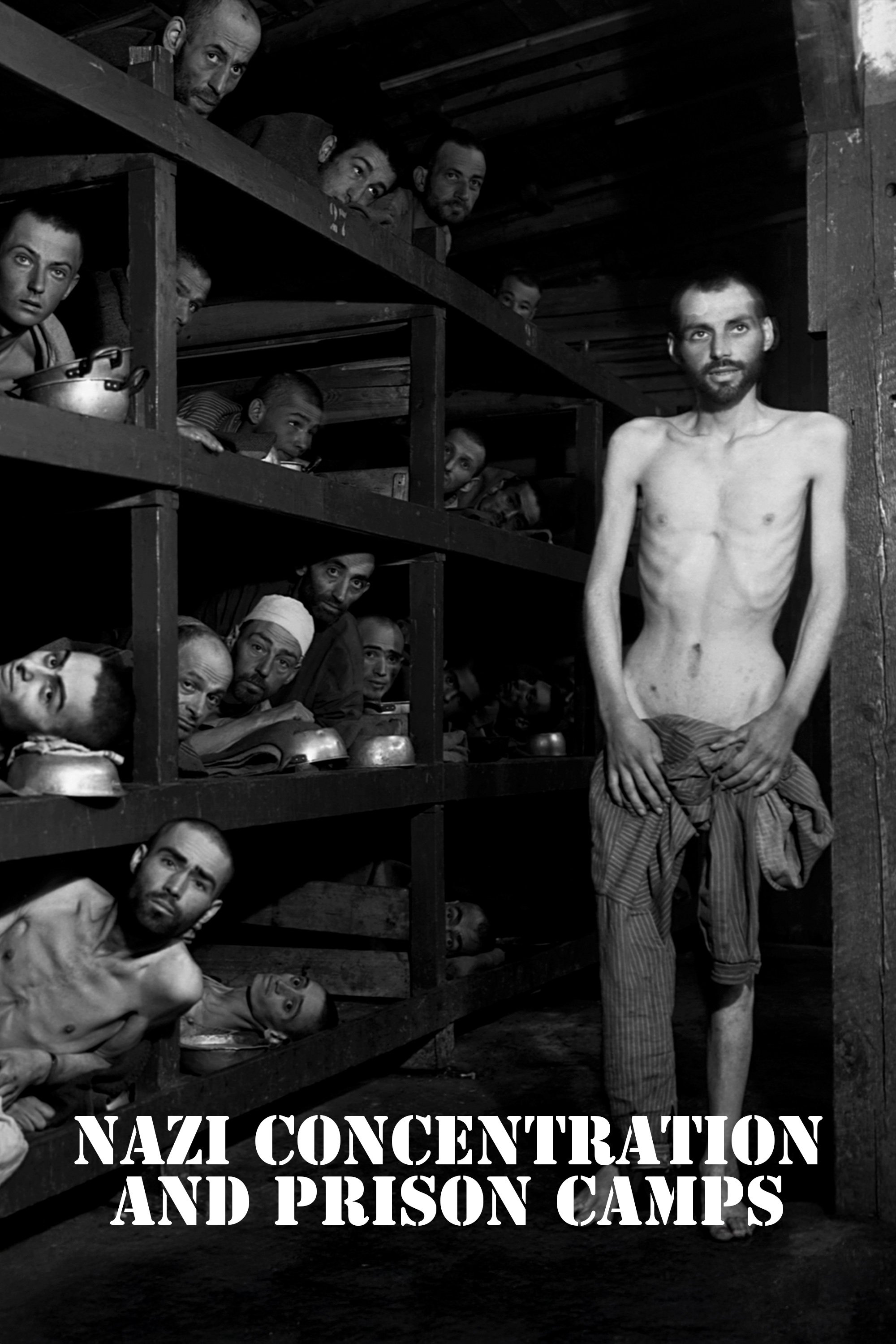
Filmmaker Alain Resnais documents the atrocities behind the walls of Hitler's concentration camps.
Director Claude Lanzmann spent 11 years on this sprawling documentary about the Holocaust, conducting his own interviews and refusing to use a single frame of archival footage. Dividing Holocaust witnesses into three categories – survivors, bystanders, and perpetrators – Lanzmann presents testimonies from survivors of the Chelmno concentration camp, an Auschwitz escapee, and witnesses of the Warsaw Ghetto Uprising, as well as a chilling report of gas chambers from an SS officer at Treblinka.
“The Soviet Story” is a story of an Allied power, which helped the Nazis to fight Jews and which slaughtered its own people on an industrial scale. Assisted by the West, this power triumphed on May 9th, 1945. Its crimes were made taboo, and the complete story of Europe’s most murderous regime has never been told. Until now...
Meet the real-life airmen who inspired Masters of the Air as they share the harrowing and transformative events of the 100th Bomb Group.
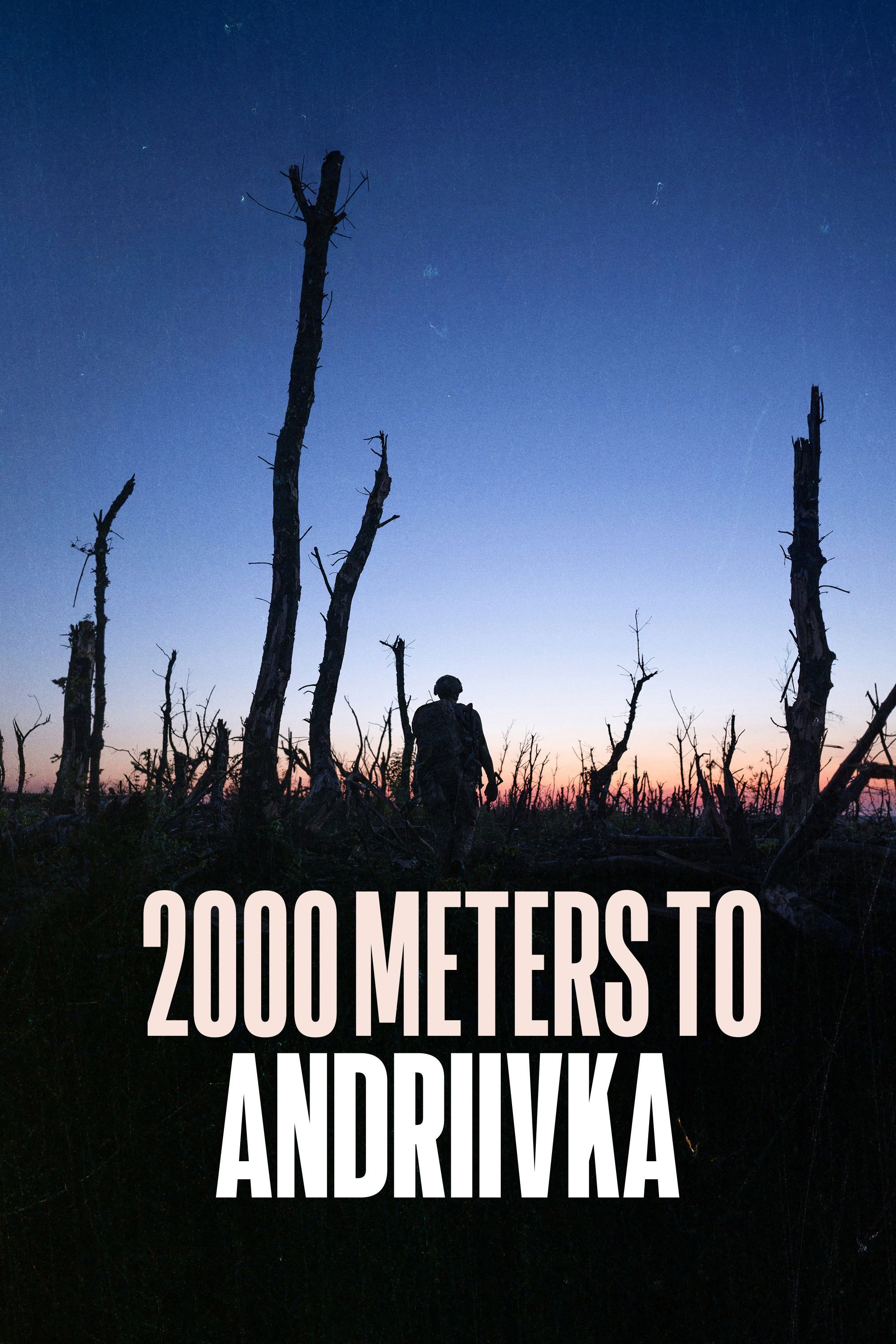
Amid the failing counteroffensive, a journalist follows a Ukrainian platoon on their mission to traverse one mile of heavily fortified forest and liberate a strategic village from Russian occupation. But the farther they advance through their destroyed homeland, the more they realize that this war may never end.
A documentary about World War I with never-before-seen footage to commemorate the centennial of Armistice Day, and the end of the war.
Produced and presented as evidence at the Nuremberg war crimes trial of Hermann Göring and twenty other Nazi leaders, this film consists primarily of dead and surviving prisoners and of facilities used to kill and torture during the World War II.
The history of cinematic sound, told by legendary sound designers and visionary filmmakers.
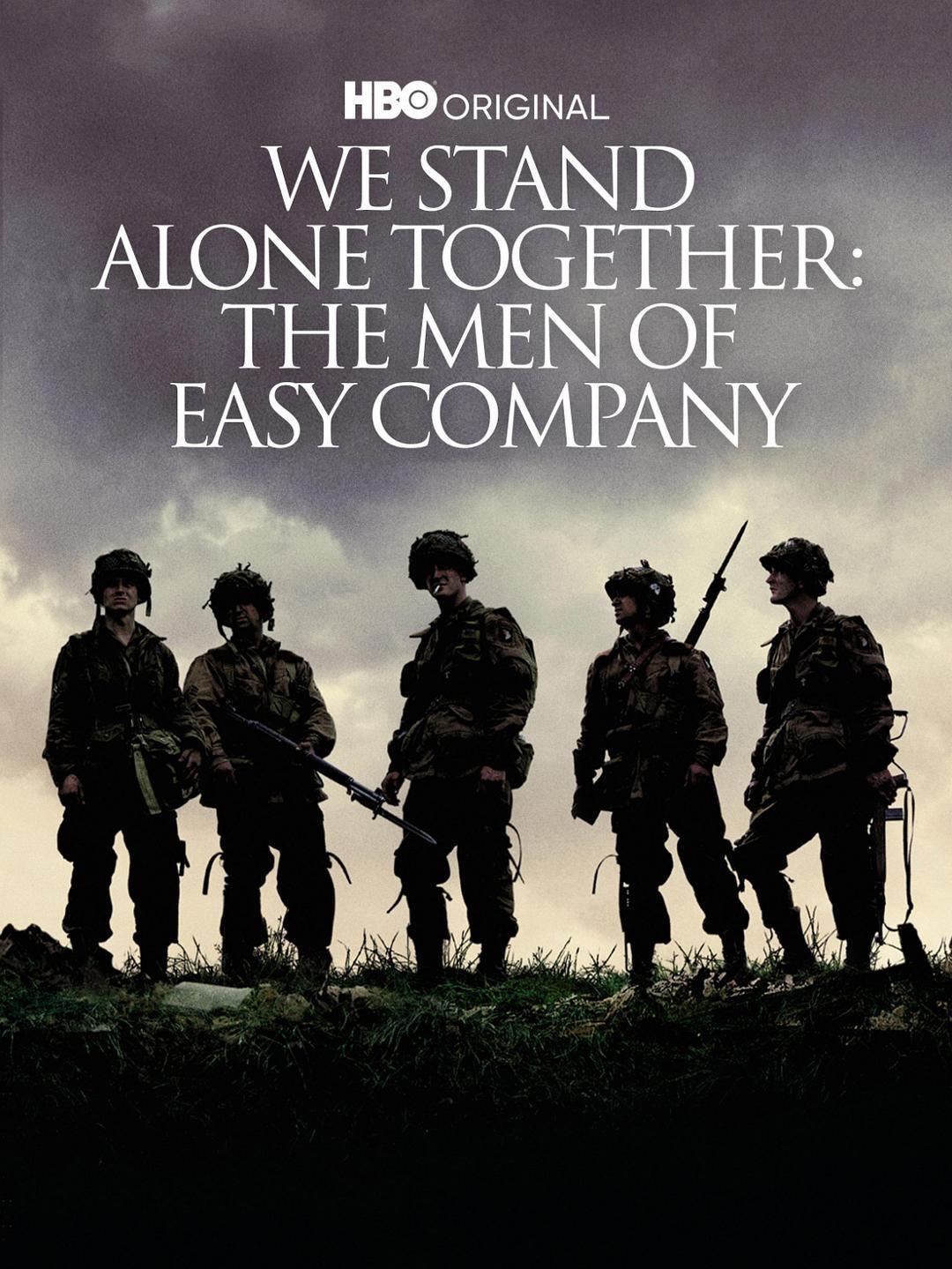
Over a period of two years, Mark Cowen and his crew travelled to thirty U.S. states and ten European cities, to interview the veterans of Easy Company. The stories told by the veterans themselves, create a history of the Second World War from the point of view of this heroic company of men, made famous in the mini-series Band of Brothers.
This Oscar-winning documentary recounts the harrowing stories of five Hungarian Jews who endured the horrors of the Holocaust and Hitler's reign.
Prelude to War was the first film of Frank Capra's Why We Fight propaganda film series, commissioned by the Pentagon and George C. Marshall. It was made to convince American troops of the necessity of combating the Axis Powers during World War II. This film examines the differences between democratic and fascist states.
An unprecedented and intimate look at the life, work and enduring legacy of British actress Audrey Hepburn (1929-1993).
Pete Postlethwaite stars as a man living alone in the devastated future world of 2055, looking at old footage from 2008 and asking: why didn’t we stop climate change when we had the chance?
A love letter from a young mother to her daughter, the film tells the story of Waad al-Kateab’s life through five years of the uprising in Aleppo, Syria as she falls in love, gets married and gives birth to Sama, all while cataclysmic conflict rises around her. Her camera captures incredible stories of loss, laughter and survival as Waad wrestles with an impossible choice– whether or not to flee the city to protect her daughter’s life, when leaving means abandoning the struggle for freedom for which she has already sacrificed so much.
Documentary about the art of film editing. Clips are shown from many groundbreaking films with innovative editing styles.
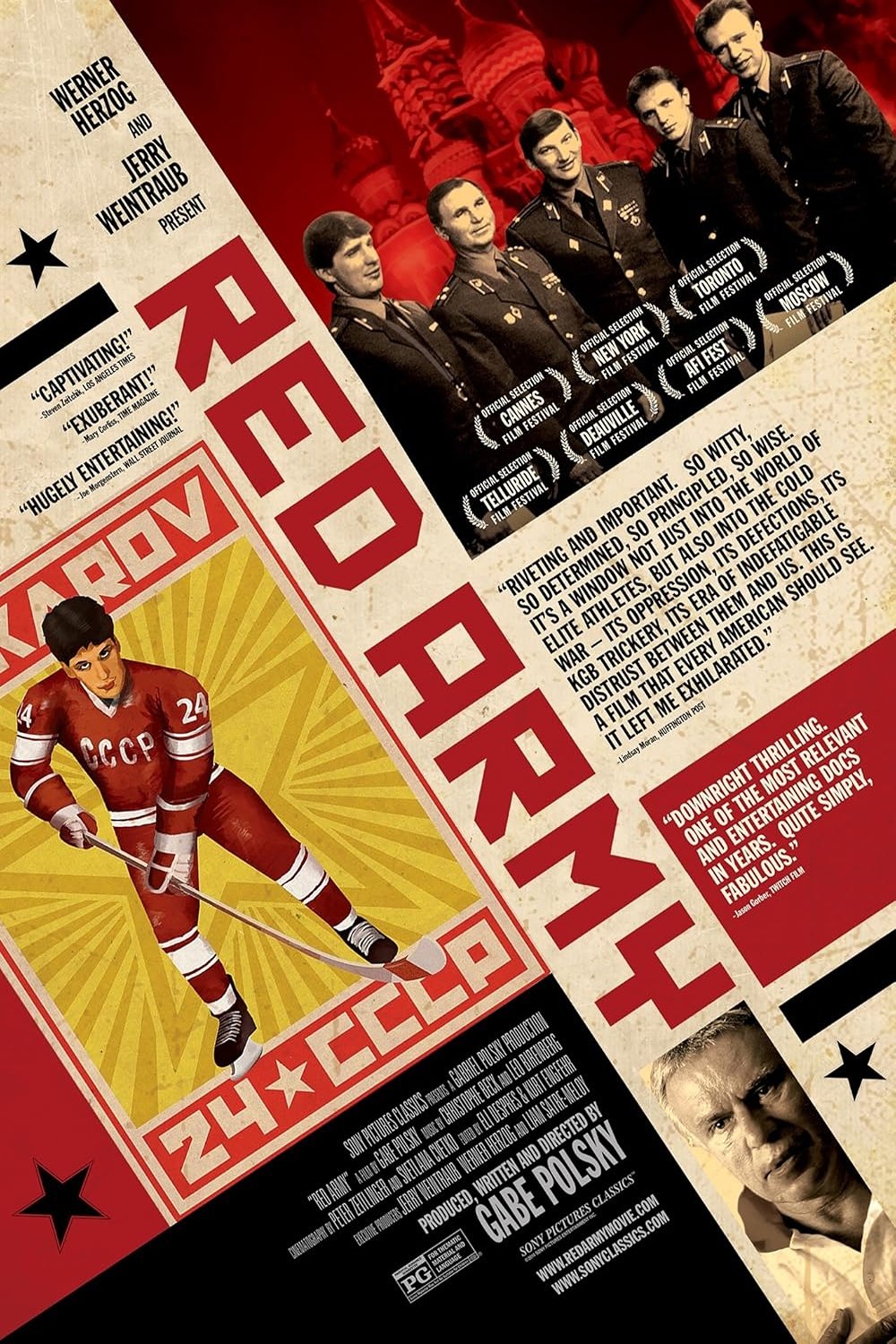
A documentary highlighting the Soviet Union's legendary and enigmatic hockey training culture and world-dominating team through the eyes of the team's Captain Slava Fetisov, following his shift from hockey star and celebrated national hero to political enemy.
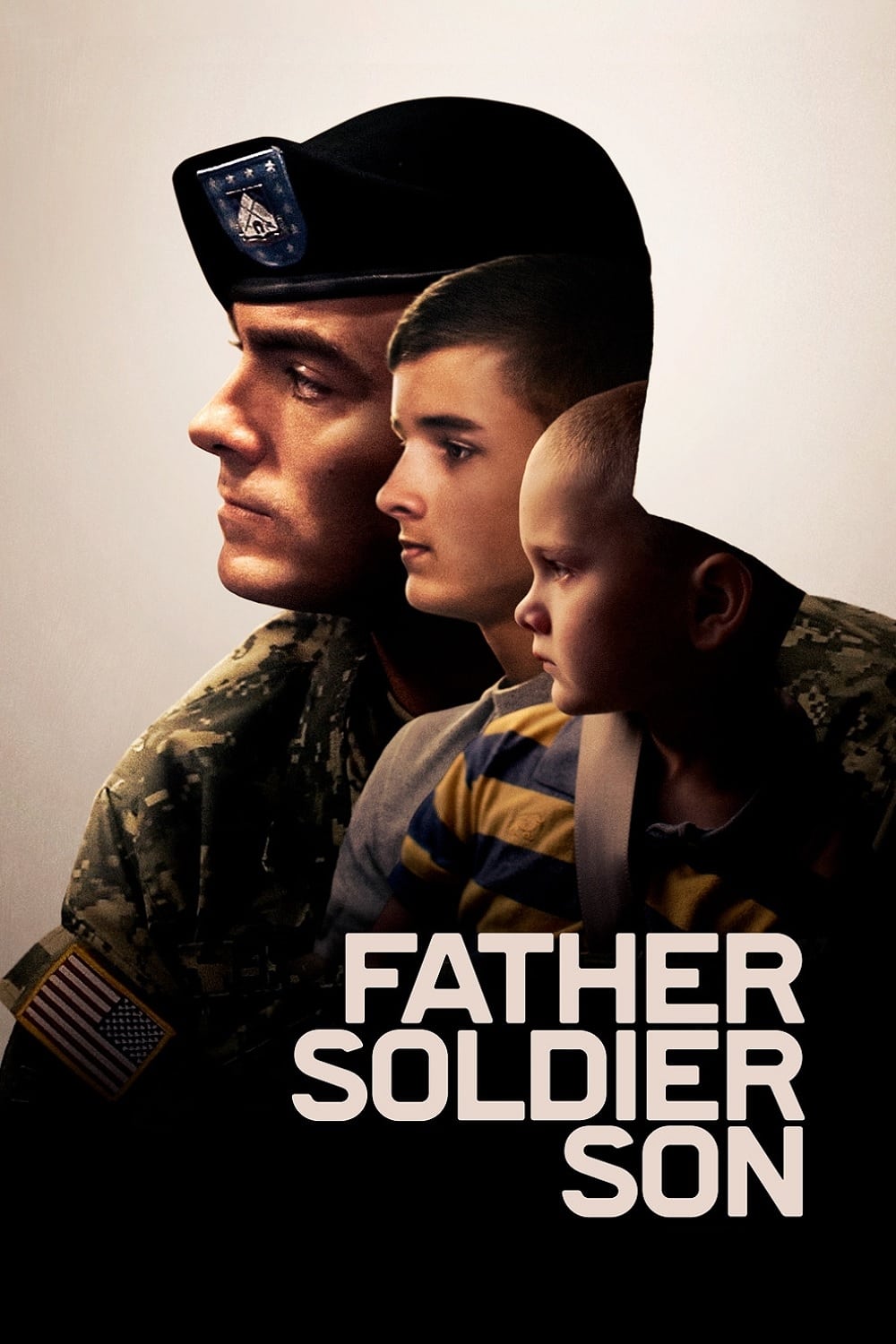
When Sgt. First Class Brian Eisch is critically wounded in Afghanistan, it sets him and his sons on a journey of love, loss, redemption and legacy.
A documentary examining possible historical and modern conspiracies surrounding Christianity, the 9/11 terrorist attacks, and the Federal Reserve bank.
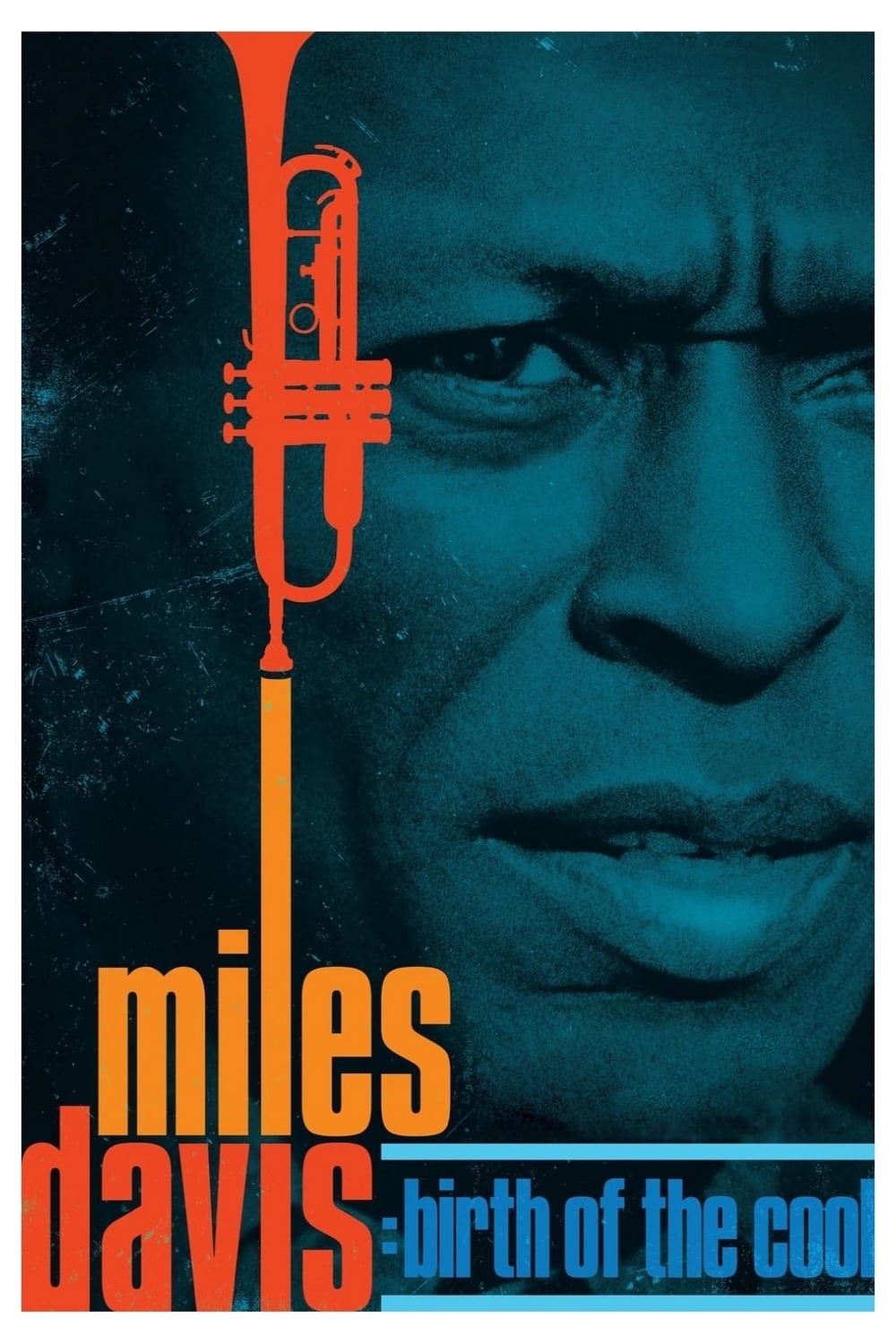
An immersive look at the eventful life and brilliant artistic career of visionary American jazz trumpeter Miles Davis (1926-1991).
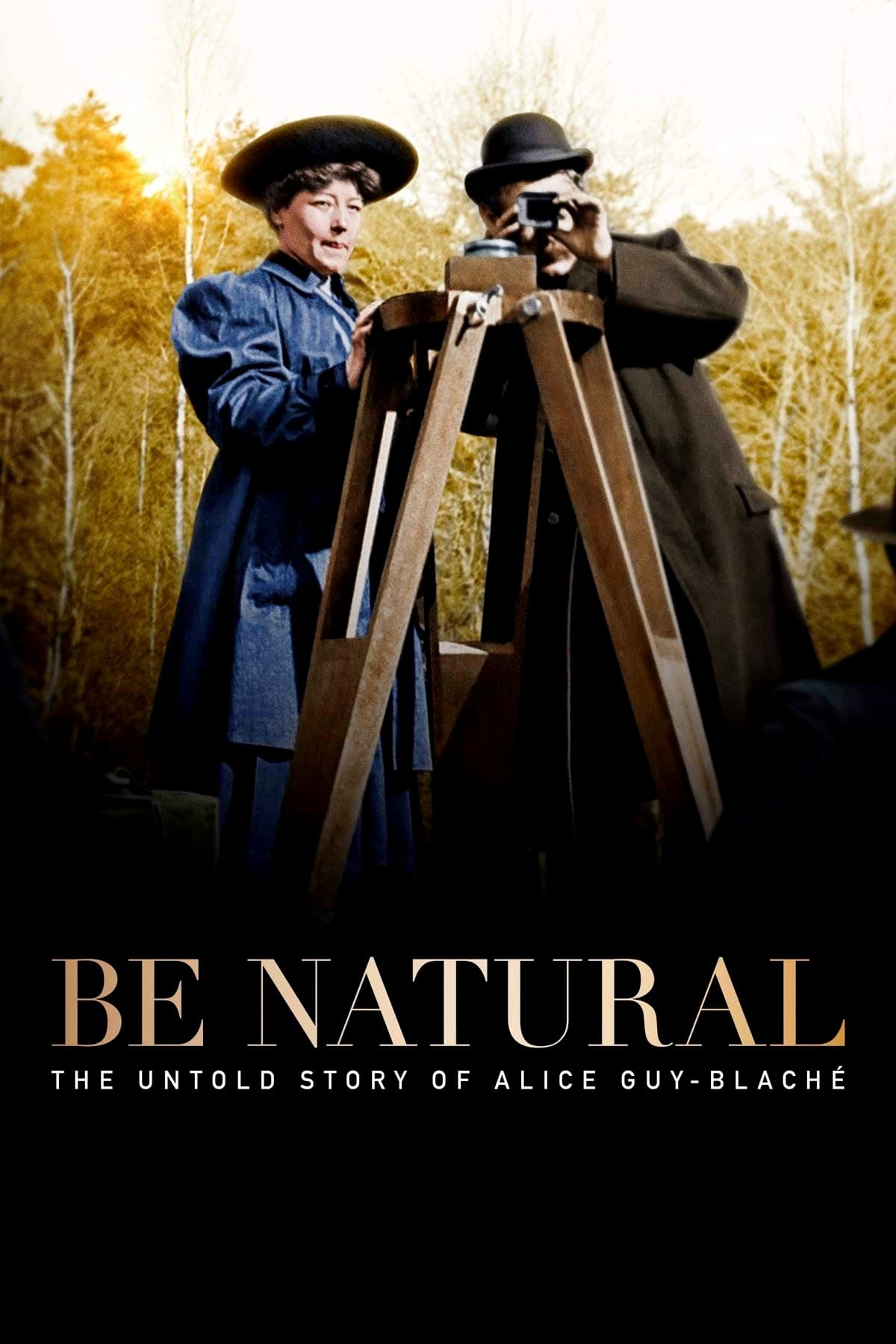
The epic life story of Alice Guy-Blaché (1873–1968), a French screenwriter, director and producer, true pioneer of cinema, the first person who made a narrative fiction film; author of hundreds of movies, but banished from history books. Ignored and forgotten. At last remembered.