Social & External
The people behind it
A wildlife enthusiast, Jean-Pierre Bosquet brings us on a journey to Singapore's Sungei Buloh Wetland Reserve to uncover some of the unknown nature in the midst of our metropolis city. Subaraj Rajathurai, a veteran wildlife consultant speaks on behalf of these animals and the threats they face.
The film offers exclusive and intimate insights into how and why the classically trained artist risked rejection to revolutionize the traditional Chinese ink art form in Singapore.
At various points in its history, tiny St. John's Island was where Singapore's colonial founder Sir Stamford Raffles docked his ship upon arrival, a quarantine centre for immigrants and pilgrims returning from Mecca, a penal colony for political detainees and secret society leaders, and a sleepy holiday resort. Unlike its neighbouring islands, however, St. John's was never fully developed. It occupies an in-between space, the vestiges of its history scattered around the land. Its indeterminacy stands in sharp contrast to Singapore, where land use is meticulously planned to fulfil economic and social functions. In this film, St. John's Island - otherwise known as 'Bukit Orang Salah', a nickname coined by the people who were quarantined there - becomes a site of and for reflection, prompting questions about our history, heritage and identity.
This short documentary features poet N Rengarajan, a migrant worker from Pudukkottai, India who sustains a practice of poetry as a way of life while working in the construction sector in Singapore. The film, structured around three of his poems, seeks to visually mirror the rhythm and tone of his writing. Together, verse and visuals strive to draw attention to the poet's acute illuminations of the realities of migrant life.
Partitions draws on photographs, state documents, audio recordings and footage of domestic spaces and routines, to tell a story of Sindhi migration following the Partition of India in 1947. Inspired by the life of a woman who was born in Hyderabad, Sindh, grew up in Madras (Chennai) and lived the rest of her life as a Singaporean, the film juxtaposes fragmented recollections of the past with enduring practices of the present.
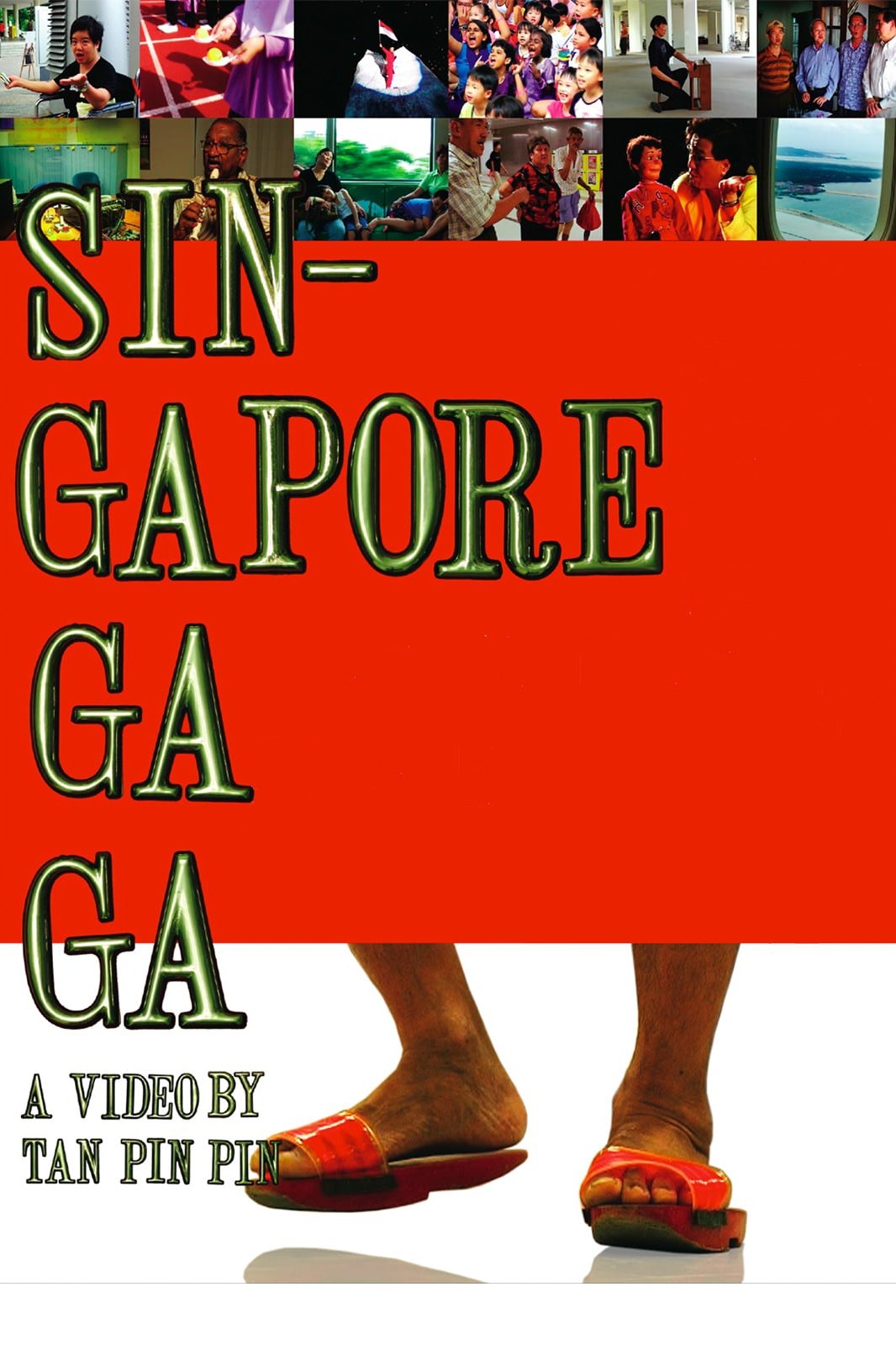
Singapore GaGa is a 55-minute paean to the quirkiness of the Singaporean aural landscape. It reveals Singapore's past and present with a delight and humour that makes it a necessary film for all Singaporeans. We hear buskers, street vendors, school cheerleaders sing hymns to themselves and to their communities. From these vocabularies (including Arabic, Latin, Hainanese), a sense of what it might mean to be a modern Singaporean emerges. This is Singapore's first documentary to have a cinema release. With English and Chinese subtitles.
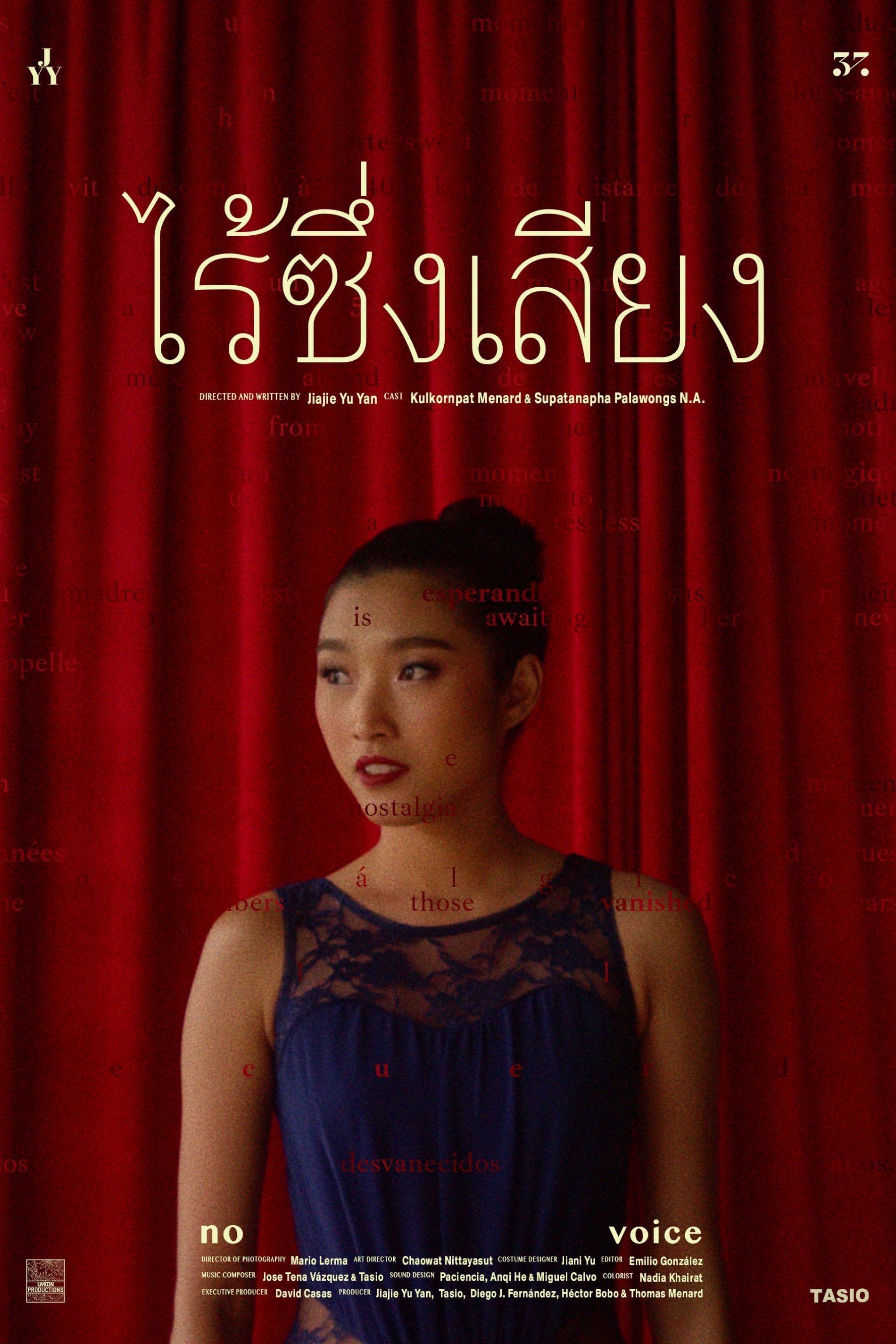
She now lives many miles away from her mother, who is waiting to hear from her. It is a bittersweet, restless, nostalgic moment, and she remembers those vanished years.
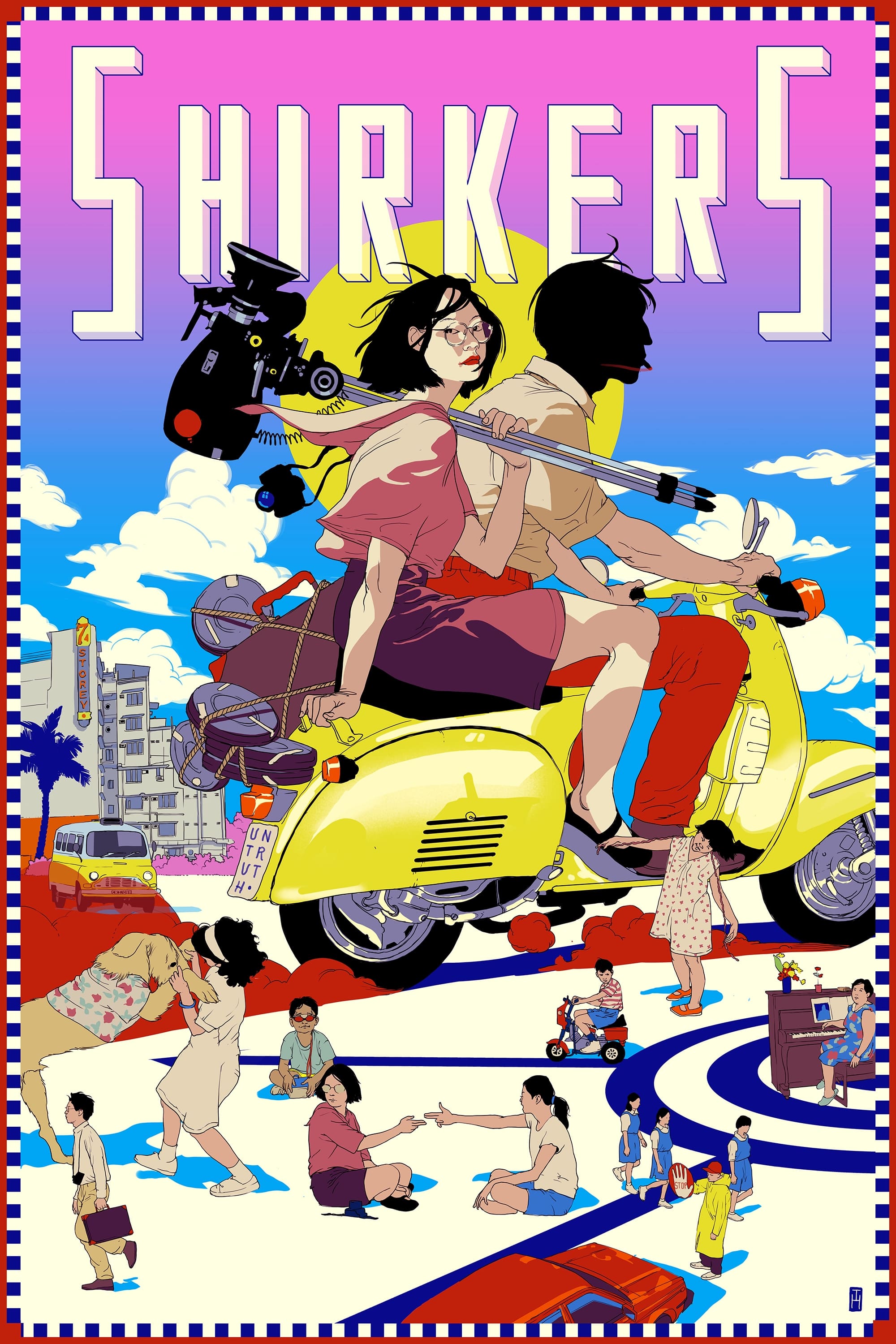
In 1992, teenager Sandi Tan shot Singapore's first indie road movie with her enigmatic American mentor Georges – who then vanished with all the footage. Twenty years later, the 16mm film is recovered, sending Tan, now a novelist in Los Angeles, on a personal odyssey in search of Georges' vanishing footprints.
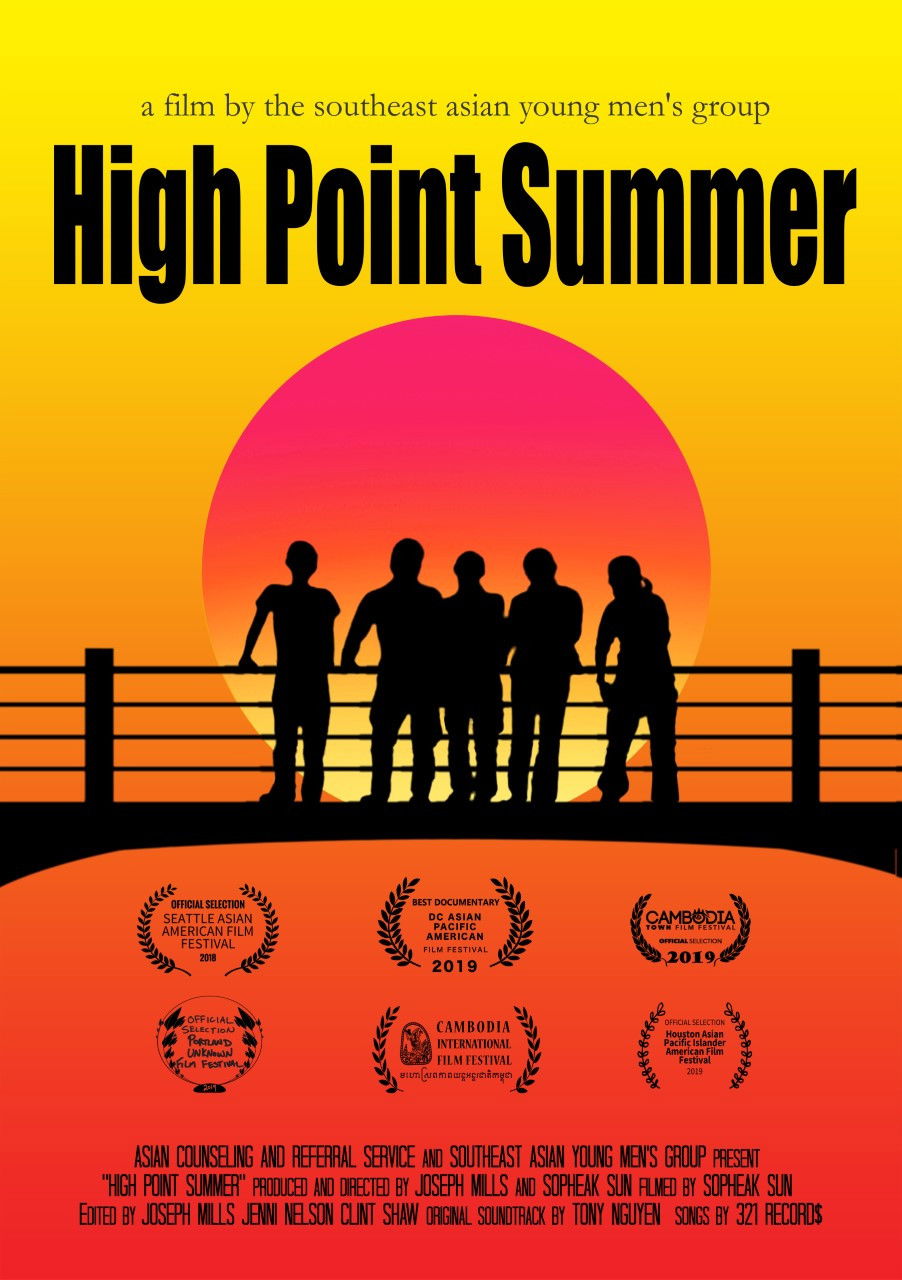
It's Seattle 2006: A refugee teenager from Cambodia begins recording a video diary early in the summer to explain the meaning of "thug life." But ultimately his summer is defined by tragedy. Awarded Best Documentary at the DC Asian Pacific American Film Festival 2019
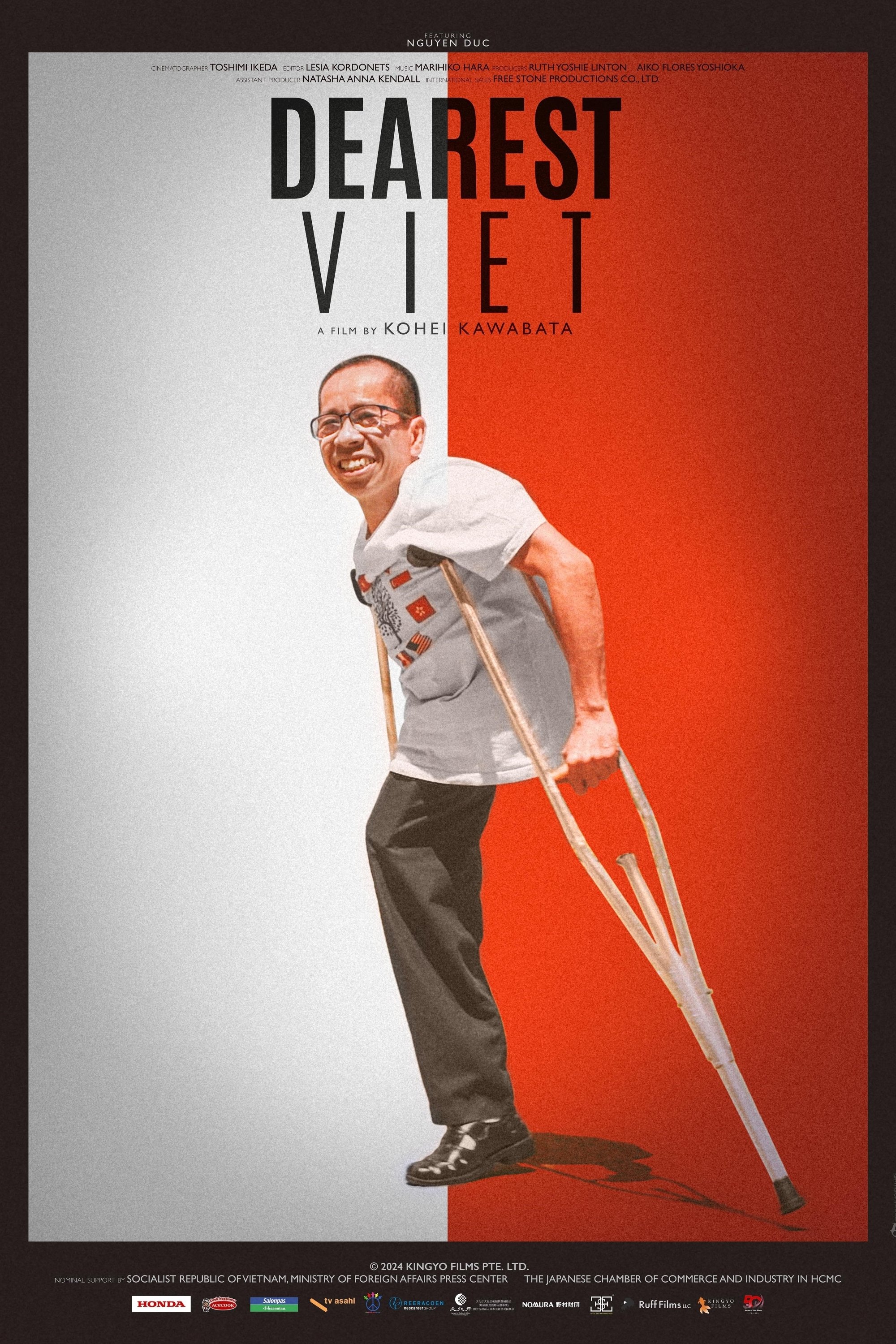
Born a conjoined twin due to the effects of Agent Orange used during the Vietnam War, Duc Nguyen, now a father and husband, seeks the truth about his past and contemplates the future.
An investigation into the nature of the sex trade in Thailand.
A documentary directed by Winding Refn's wife, Liv Corfixen, and it follows the Danish-born filmmaker during the making of his 2013 film Only God Forgives.
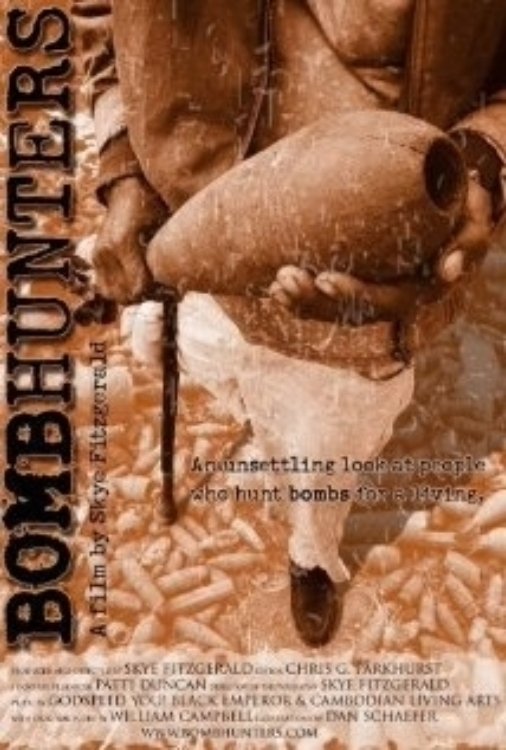
Bomb Hunters is an engrossing examination of the micro-economy that has emerged in Cambodia from untrained civilians harvesting unexploded bombs as scrap metal. The film explores the long-term consequences of war and genocide in an attempt to understand the social, cultural, and historical context and experiences of rural villagers who seek out and dismantle UXO (unexploded ordnance) for profit. Part of a global economy, these individuals clear UXO from their land in order to protect their families from harm and to earn enough money to survive. Bomb Hunters is an eye-opening account investigating the on-going residual, persistent effects of war experienced by post-conflict nations around the globe, and the complex realities of achieving "peace".
Rare archive footage reveals what Singapore was like dating back to 1900, showing coolies sharing lunch, rickshaw pullers, a grand Peranakan funeral, and more.
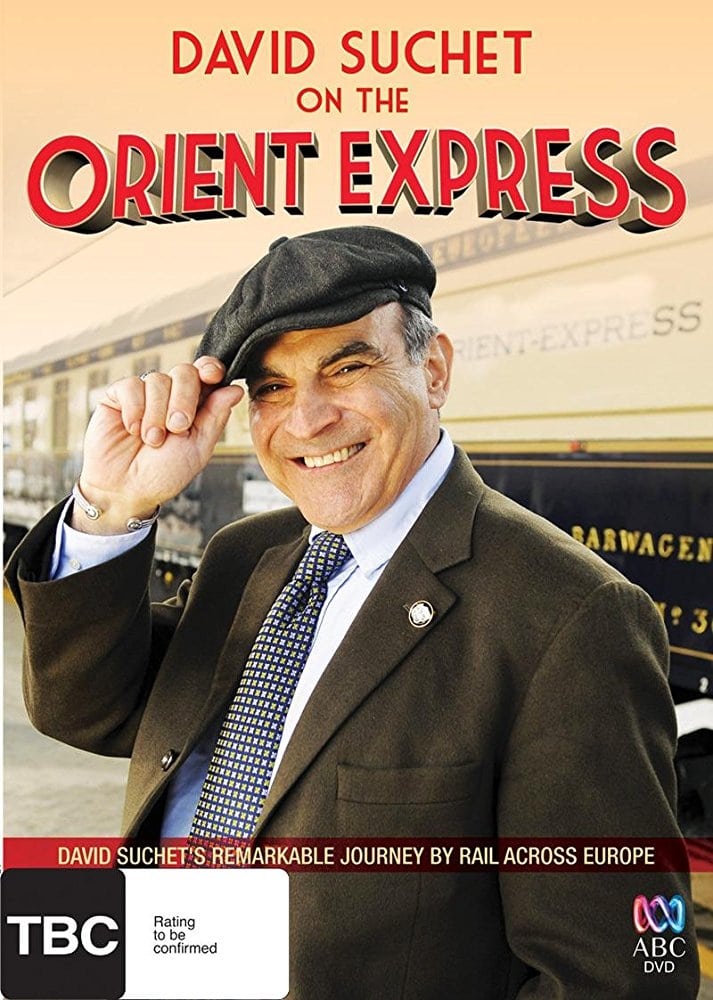
In this travelogue, actor David Suchet journeys across Europe aboard the world famous Orient Express train, as he prepares to play Poirot in an adaptation of Agatha Christie's "Murder on the Orient Express".
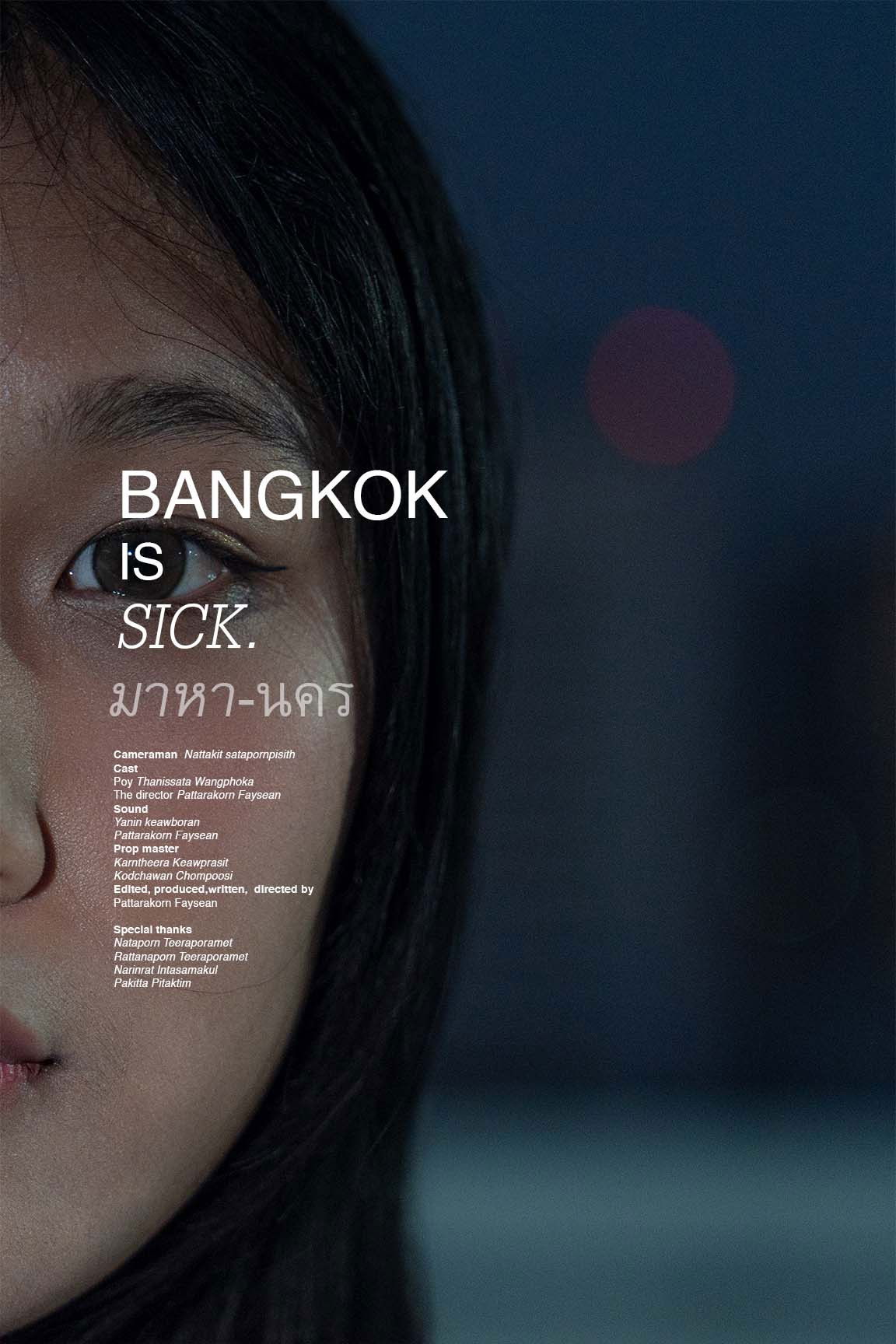
The uncomfortable feeling caused by the loss of identity experienced by provincial youngsters who move to Bangkok. Depression might result from growing up in the provinces in the middle of Bangkok, which is a different atmosphere. feeling unrecognizable and eventually losing your identity and thoughts without realizing it.
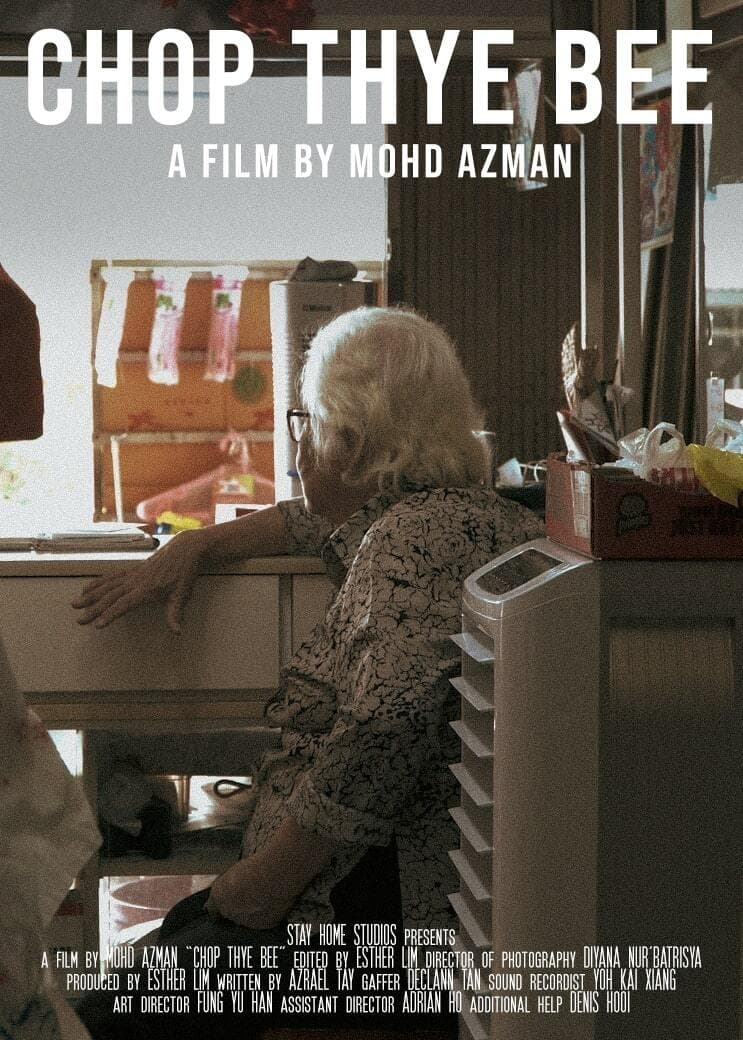
An intimate portrait of an inter-generational family as they bid farewell to the common ground that binds them together.
Class Acts is a feature-length documentary tracing the genesis of Singapore's creative scene in the '90s through intimate conversations with its pioneering personalities. These are the stories of individuals who started creating with nothing, who push Singapore’s creative standards even today. The ones who went on to inspire a new generation of musicians, designers, and street artists.
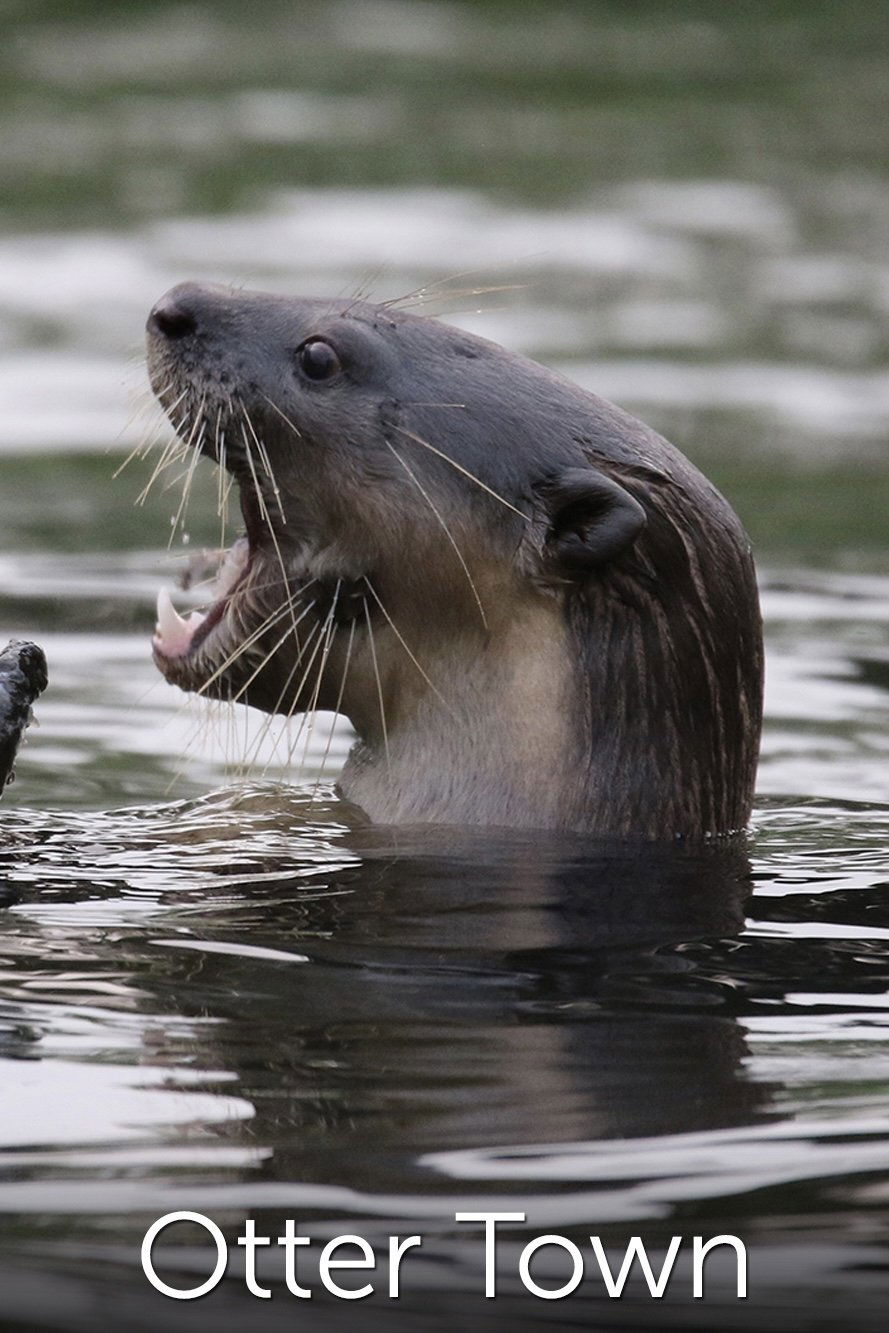
Meet the Riversiders and the Wildlings, two very different otter families growing up in one of the busiest islands in the world: Singapore. Join them and discover their endless adventures in the ultimate Otter city.
In an intimate and joyful story of love in the face of loss, celebrated poets Andrea Gibson and Megan Falley find strength—and unexpected hilarity—in what might be their final year together.
Daniel Craig candidly reflects on his 15 year adventure as James Bond. Including never-before-seen archival footage from Casino Royale to the upcoming 25th film No Time To Die, Craig shares his personal memories in conversation with 007 producers, Michael G Wilson and Barbara Broccoli.
This revealing documentary honors the legendary Sidney Poitier—iconic actor, filmmaker, and civil rights activist. Featuring interviews with Denzel Washington, Spike Lee, Halle Berry, and more.
A string of threatening emails escalates into a revenge plot involving a newly married US marshal and his ex-girlfriend.
The life of Mr. Spock, as well as that of Leonard Nimoy, the actor who played him for almost fifty years, written and directed by his son: Adam.
A compilation of over 30 years of private home movie footage shot by Lithuanian-American avant-garde director Jonas Mekas, assembled by Mekas "purely by chance", without concern for chronological order.
A documentary about the life and films of director John Ford.
An inside look at one of the most anticipated movie sequels ever with James Cameron and cast.
The life and career of an actor, artist, and icon. His own journey through his own camera.
Explore the unlikely partnership and enduring legacy of one of the most prolific power couples in entertainment history. Lucille Ball and Desi Arnaz risked everything to be together.
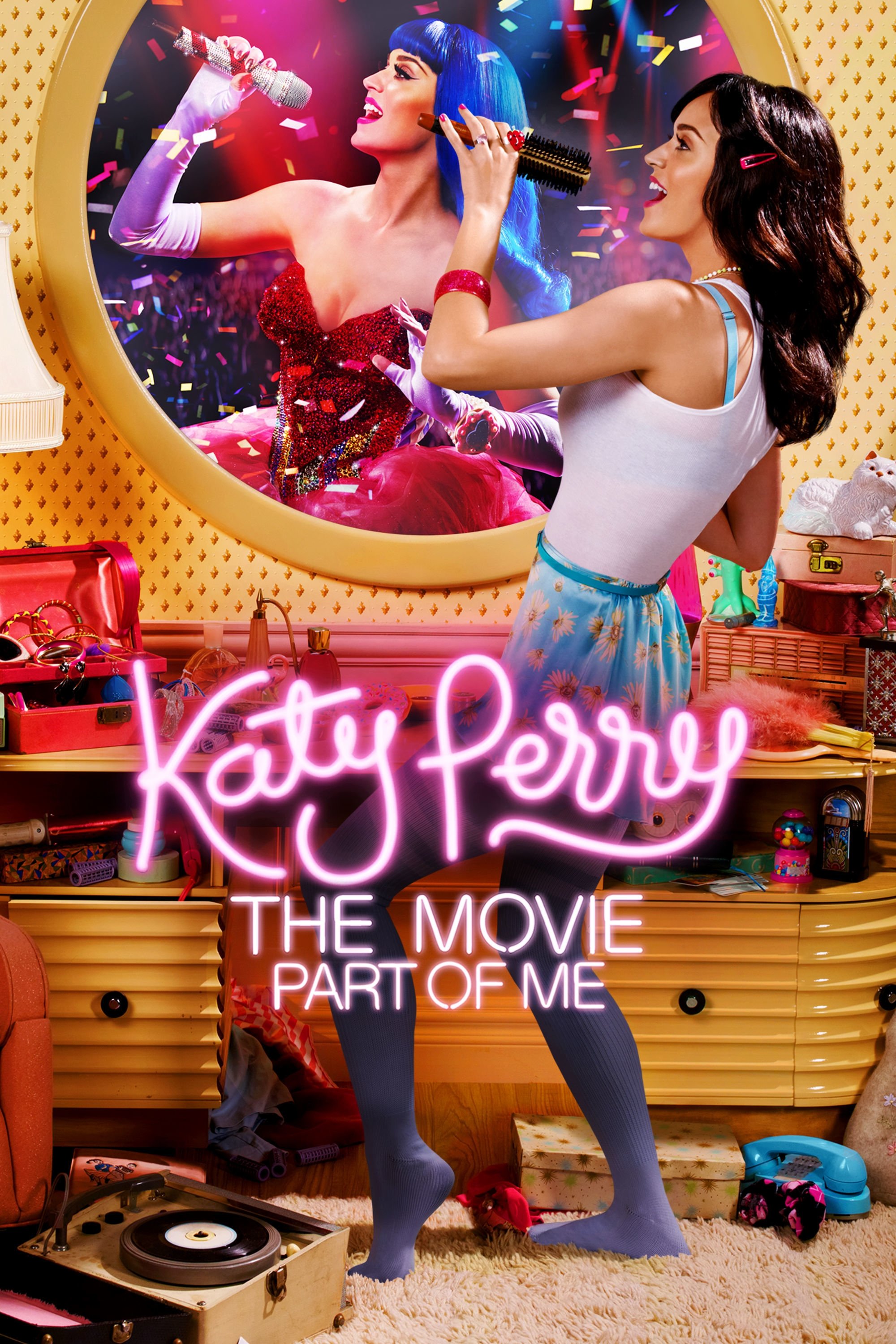
Giving fans unprecedented access to the real life of the music sensation, Katy Perry: Part of Me exposes the hard work, dedication and phenomenal talent of a girl who remained true to herself and her vision in order to achieve her dreams. Featuring rare behind-the-scenes interviews, personal moments between Katy and her friends, and all-access footage of rehearsals, choreography, Katy’s signature style and more, Katy Perry: Part of Me reveals the singer’s unwavering belief that if you can be yourself, then you can be anything.
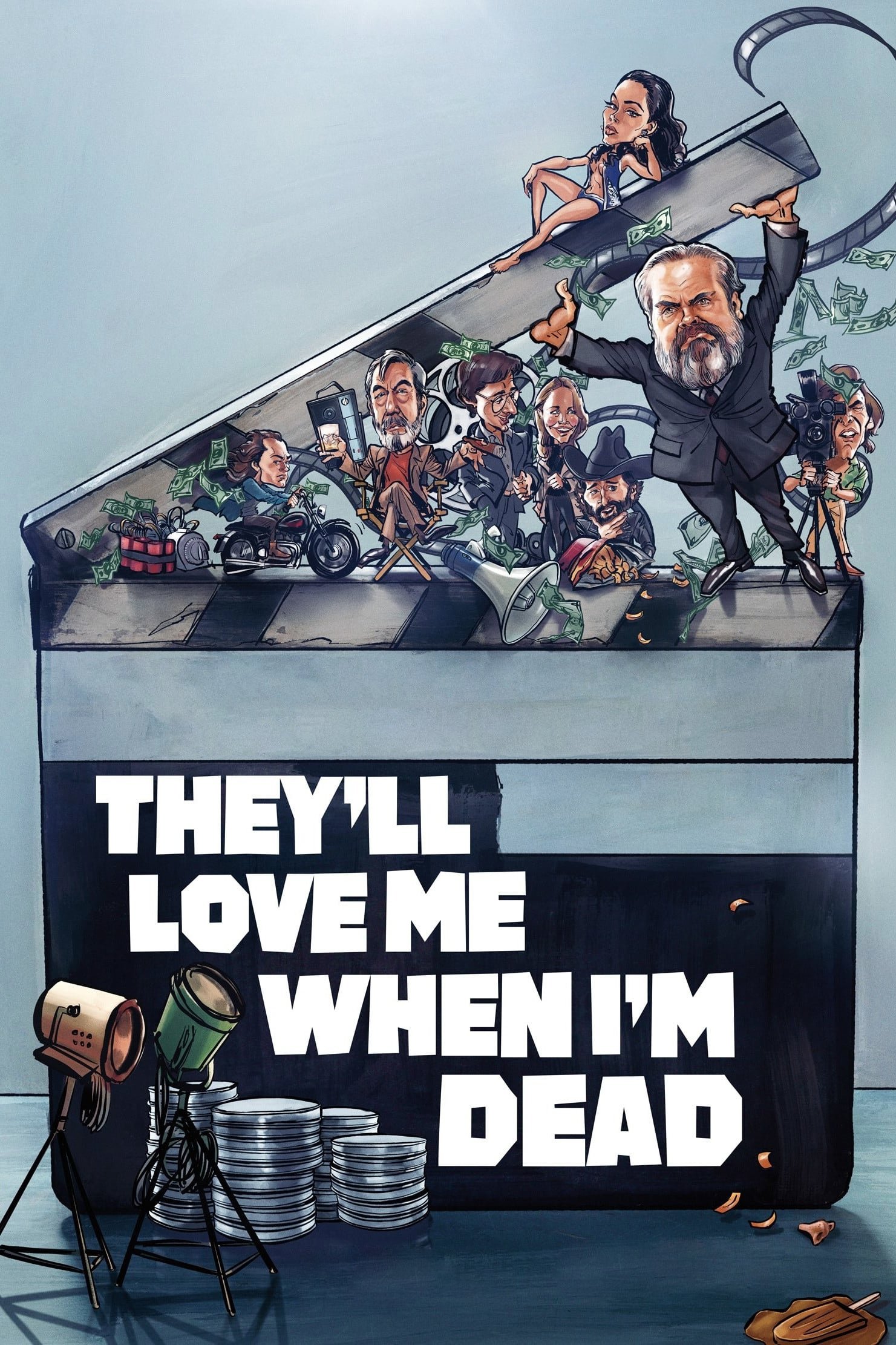
As his life comes to its end, famous Hollywood director Orson Welles puts it all on the line at the chance for renewed success with the film The Other Side of the Wind.
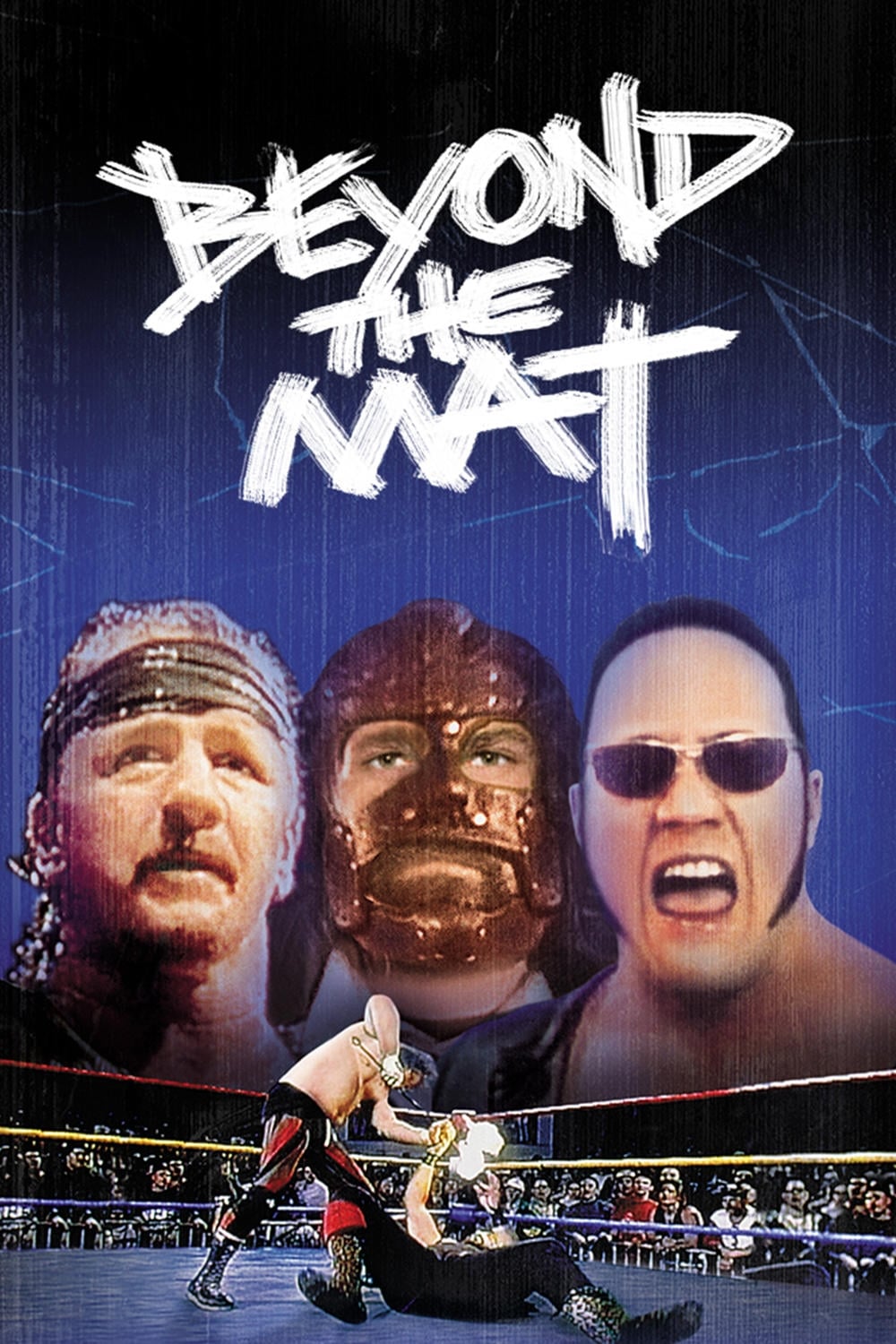
A heartfelt documentary focusing on the day-to-day lives of professional wrestlers, some on the rise, some on the wane, and others fighting for their lives.
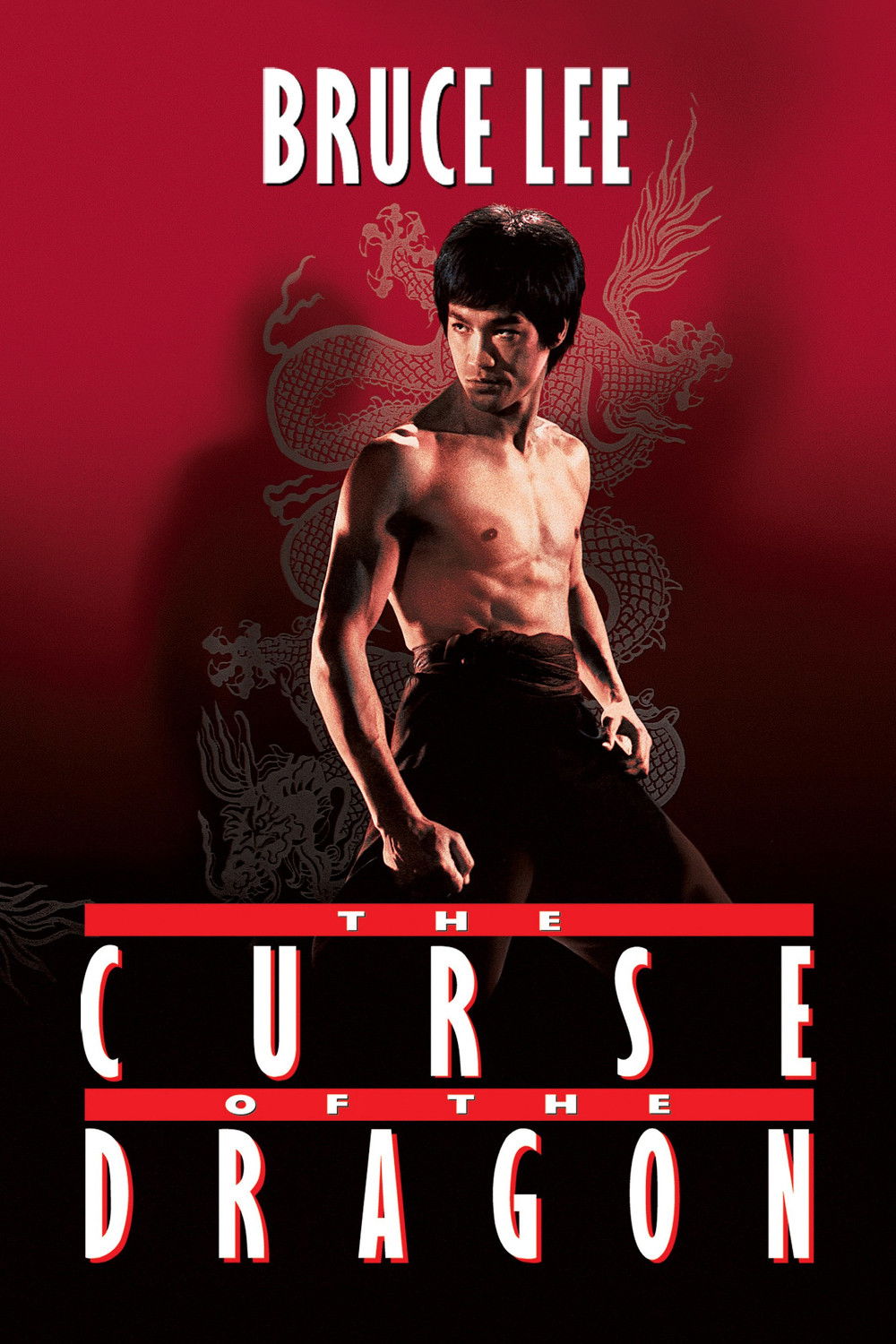
A 1993 documentary film about Bruce Lee. The film includes interviews from some of his fellow students and opponents who worked alongside him in his movies.
Musician and performance artist Laurie Anderson reflects on the deaths of her husband Lou Reed, her mother and her beloved dog.
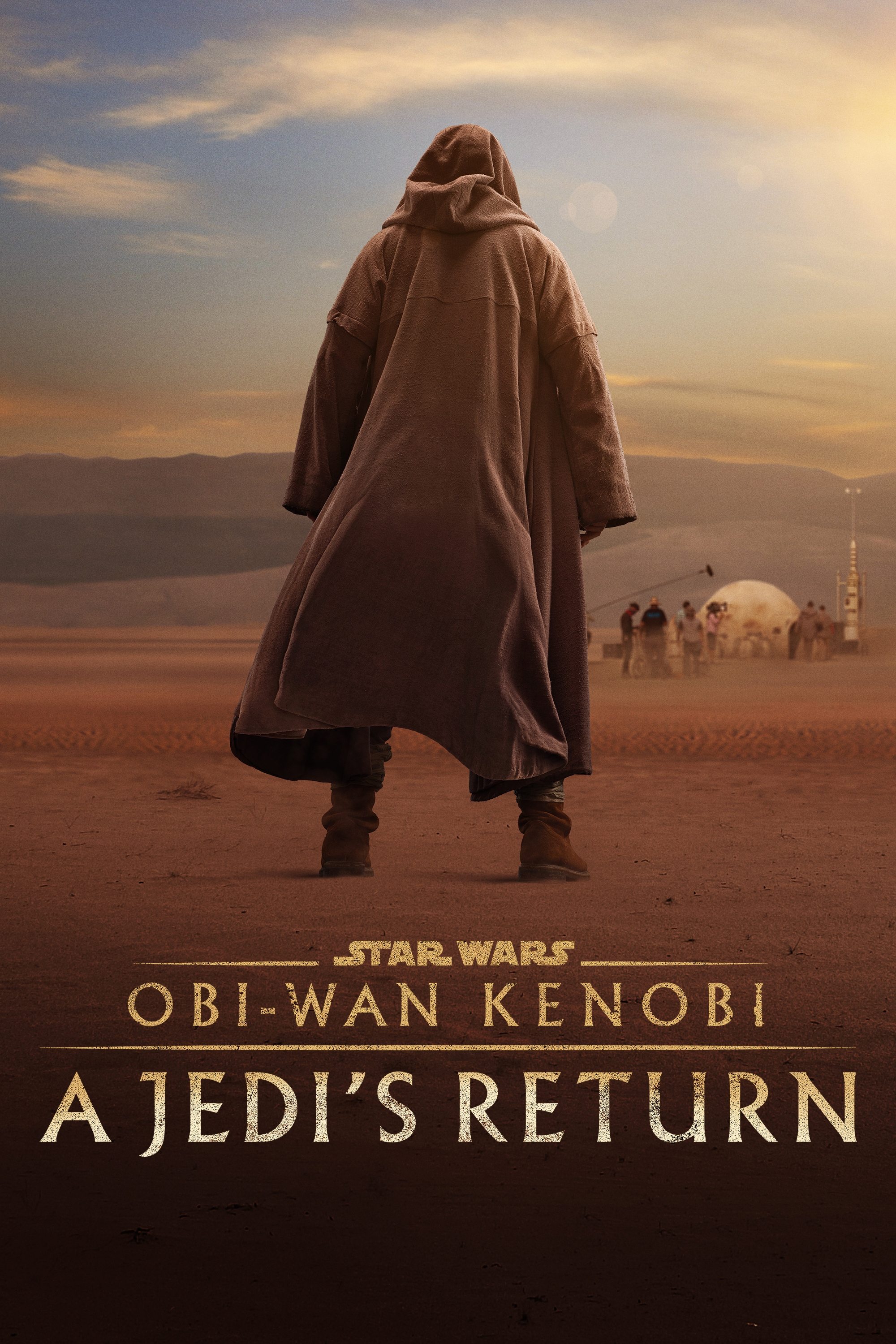
This special explores the return of Obi-Wan Kenobi and Anakin Skywalker to the screen, as well as Ewan McGregor and Hayden Christensen to their classic roles. Director Deborah Chow leads the cast and crew as they create new heroes and villains that live alongside new incarnations of beloved Star Wars characters, and an epic story that dramatically bridges the saga films.
A visual montage portrait of our contemporary world dominated by globalized technology and violence.
An intimate conversation between filmmakers, chronicling De Palma’s 55-year career, his life, and his filmmaking process, with revealing anecdotes and, of course, a wealth of film clips.
Those who knew iconic funnyman John Candy best share his story, in their own words, through never-before-seen archival footage, imagery, and interviews.
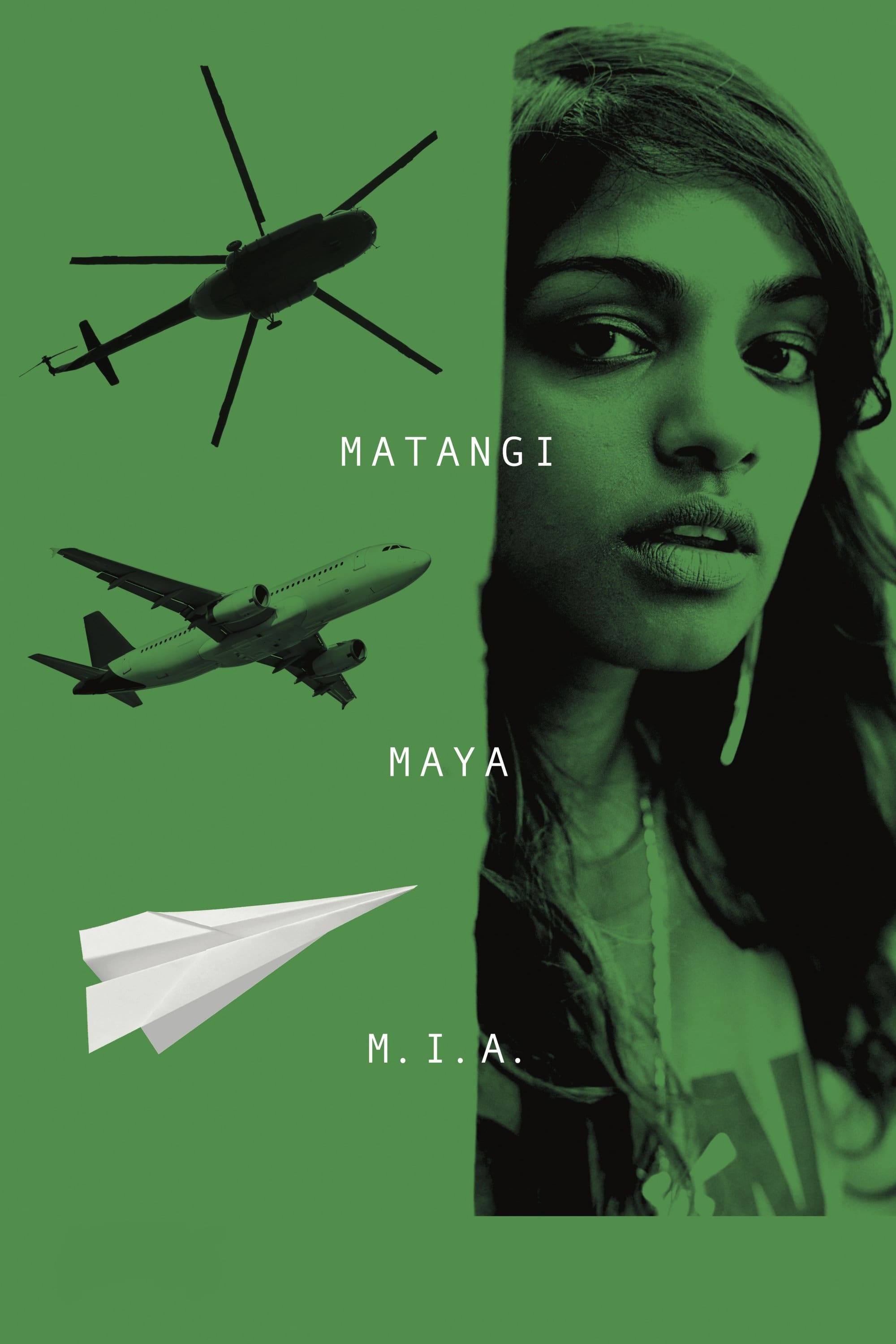
Drawn from a never before seen cache of personal footage spanning decades, this is an intimate portrait of the Sri Lankan artist and musician who continues to shatter conventions.