Social & External
The people behind it
E. F. Burian
Self
Otakar Brousek
Commentary (voice)
František Holar
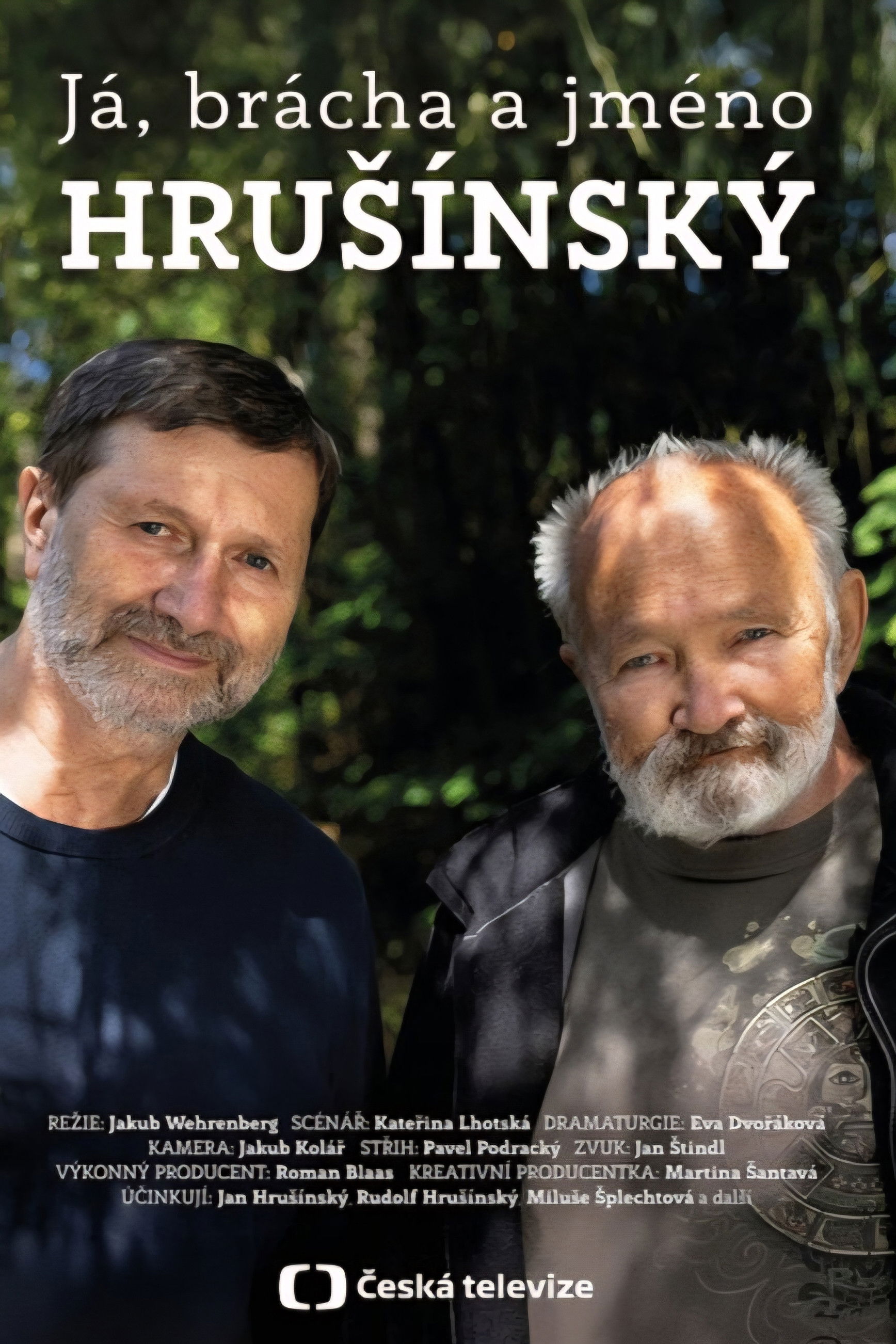
According to family legend, the name Hrušínský was born after Rudolf and Jan Hrušínský's grandfather Rudolf Böhm was caught stealing pears on a theater stage. The German name Böhm suddenly became Hruškovský and shortly after that Hrušínský. Grandfather Rudolf, later known as Rudolf Hrušínský the eldest, adopted the surname as his own and began using it in 1935. However, the history of the Hrušínský acting family goes back much further. It is therefore not surprising that the brothers Rudolf and Jan also took the same path. The documentary charts their acting beginnings alongside their father Rudolf Hrušínský Sr., from their first roles, through theater engagements at the Drama Studio in Ústí nad Labem and the Drama Club in Prague, to unforgettable film and television roles, when three generations of Hrušínskýs often met in front of the camera.
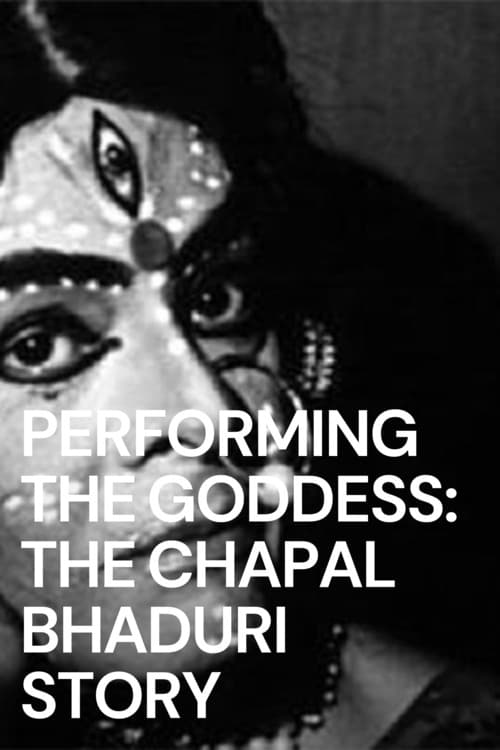
"Chapal Bhaduri, a leading lady of Bengal’s traditional folk traveling theatre-in-the-round, the Jatra, spent his life playing women. This film is an intimate biography that brings you face to face with this unique individual, sharing what it means to him to become a woman night after night, talking of the woman inside his body, of troubled sexuality, of a long partnership with his older lover, of the loneliness of living on the edges of conventional society–and showing how he metamorphoses into the goddess to perform her story." - The Bangalore International Centre
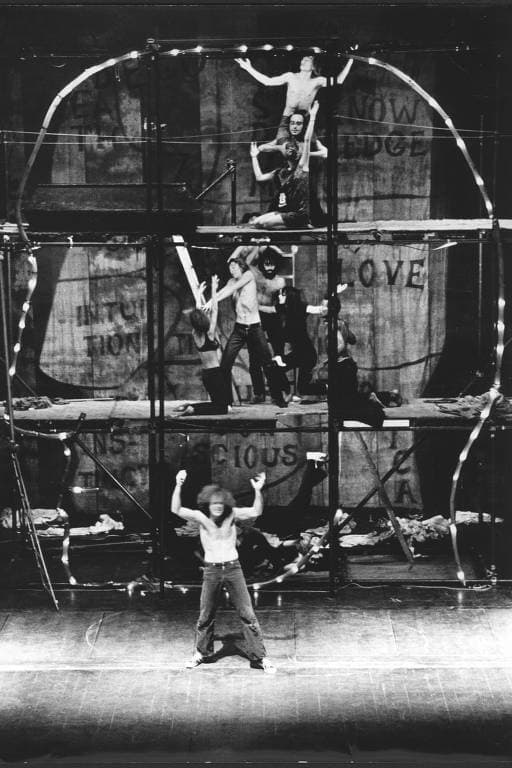
The Living Theatre is an experimental company founded in New York in 1947 by Julian Beck (New York 1925-1985), painter and poet, and the actress and stage director Judith Malina (Kiel 1926), a student of Erwin Piscator. From the very beginning the group’s activities bore the stamp of social and political commitment, imbued with a strong libertarian matrix. A video montage of films and videos from The Living Theatre Archives.
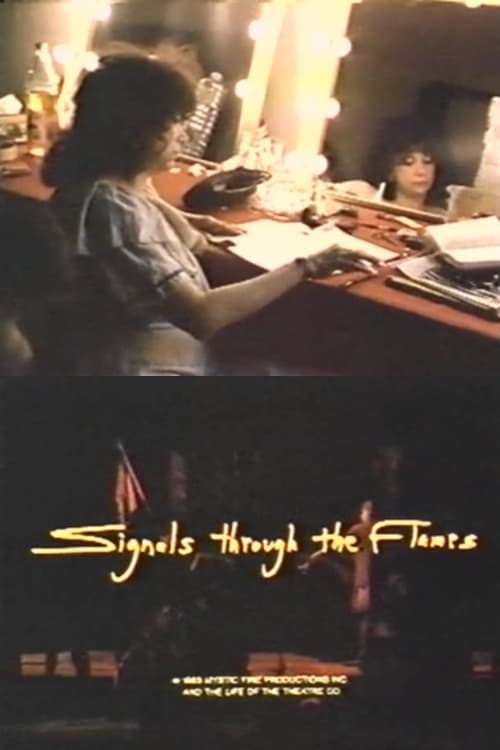
Signals Through the Flames is at once a history and a celebration of the Living Theatre. Founded in the late 1940s by husband-and-wife performers Julian Beck and Judith Malina, the Living Theatre was for many years the predominent American outlet for the avant-garde movement. There were occasional self-imposed exiles to Europe in the 1950s and 1960s, but the group returned full-force during the Aquarius Age to entertain a new generation of theatregoers.
Truth becomes the source of creativity; actions are a result of being, not thinking. This film, INSIDE/OUTSIDE is based upon Monika’s processes over many years. Robert Golden has had the privilege of meeting and photographing some of Monika’s late work. Although her teaching is for performers, Robert has said that her gift of understanding humanity has been gifted in some small ways to him. Monika’s inspirational way of working, helps actors to find a unity between their inner psyche and its outer expression. The 46-minute film shows a precise description of her work. Monika explains it in detail along with thoughts about movement, performance and theatre. The insightful and entertaining book and film are relevant to actors, dancers, Laban yoga, Feldenkrais, Pilates and other sports and movement systems and to people working with children.
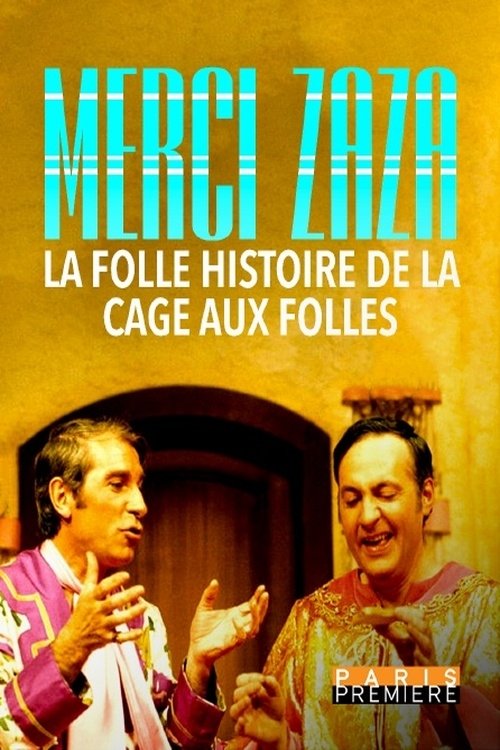
A look back at "La Cage aux Folles", which ran non-stop for five years, from February 1973, on the stage of the Théâtre du Palais Royal in Paris. At a time when homosexuality was considered a crime by the law, Poiret and Serrault achieved great success in boulevard theater. Their success continued on the silver screen, with three Oscar nominations and a Broadway musical. Combining never-before-seen archives from the play, extracts from the film, confessions by Poiret and Serrault, and interviews with witnesses, this is the story of a wild epic.
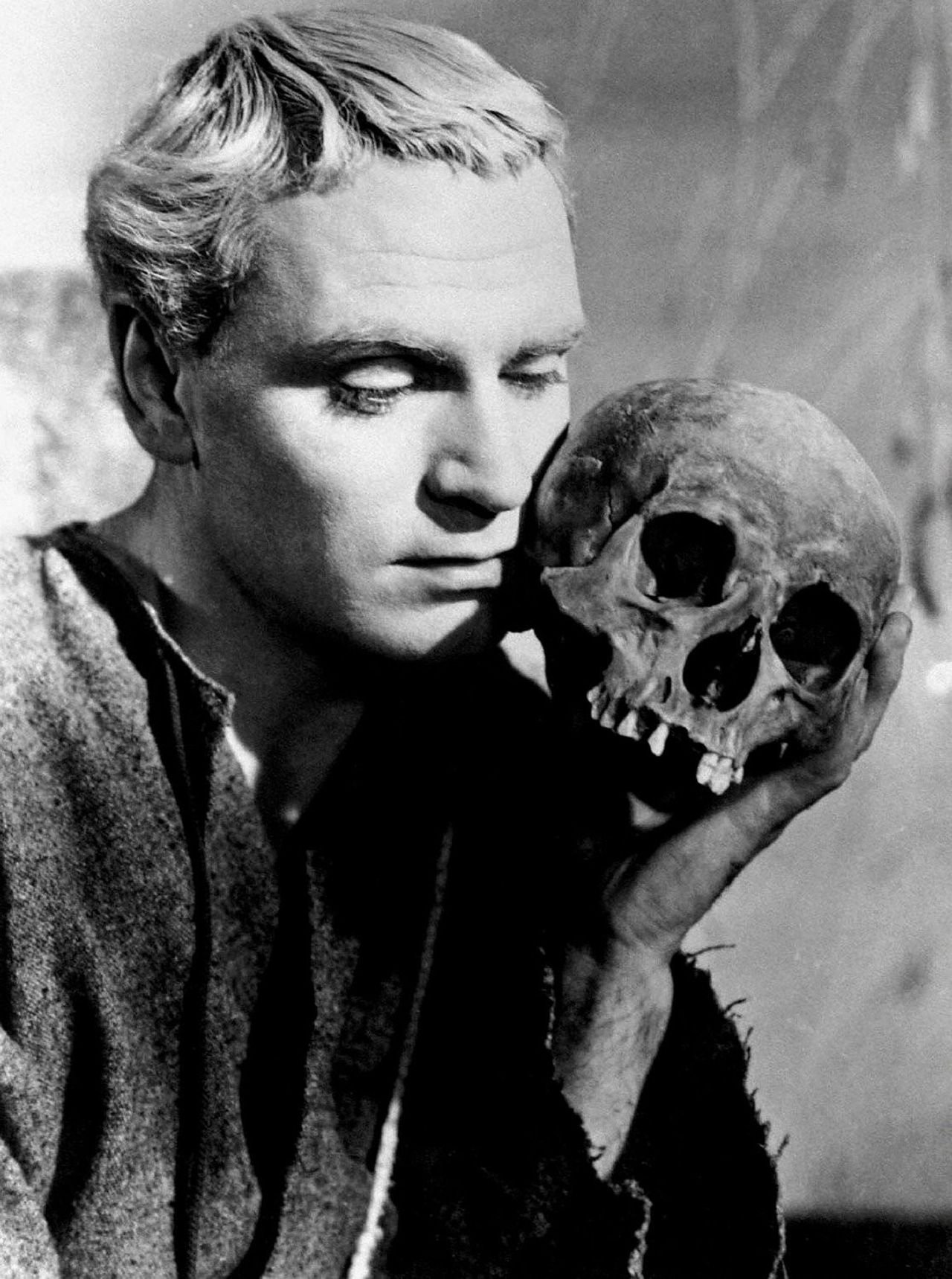
Journey into "Hamlet"-the play and the man-through the experiences of some of the major actors and directors who have brought Shakespeare's great tragedy to life. Christopher Plummer, David Tennant, John Nettles, John Simm, Sir Trevor Nunn, Franco Zeffirelli, Philip Saville, and others explore the enduring appeal of the Prince of Denmark more than 400 years after his stage debut.
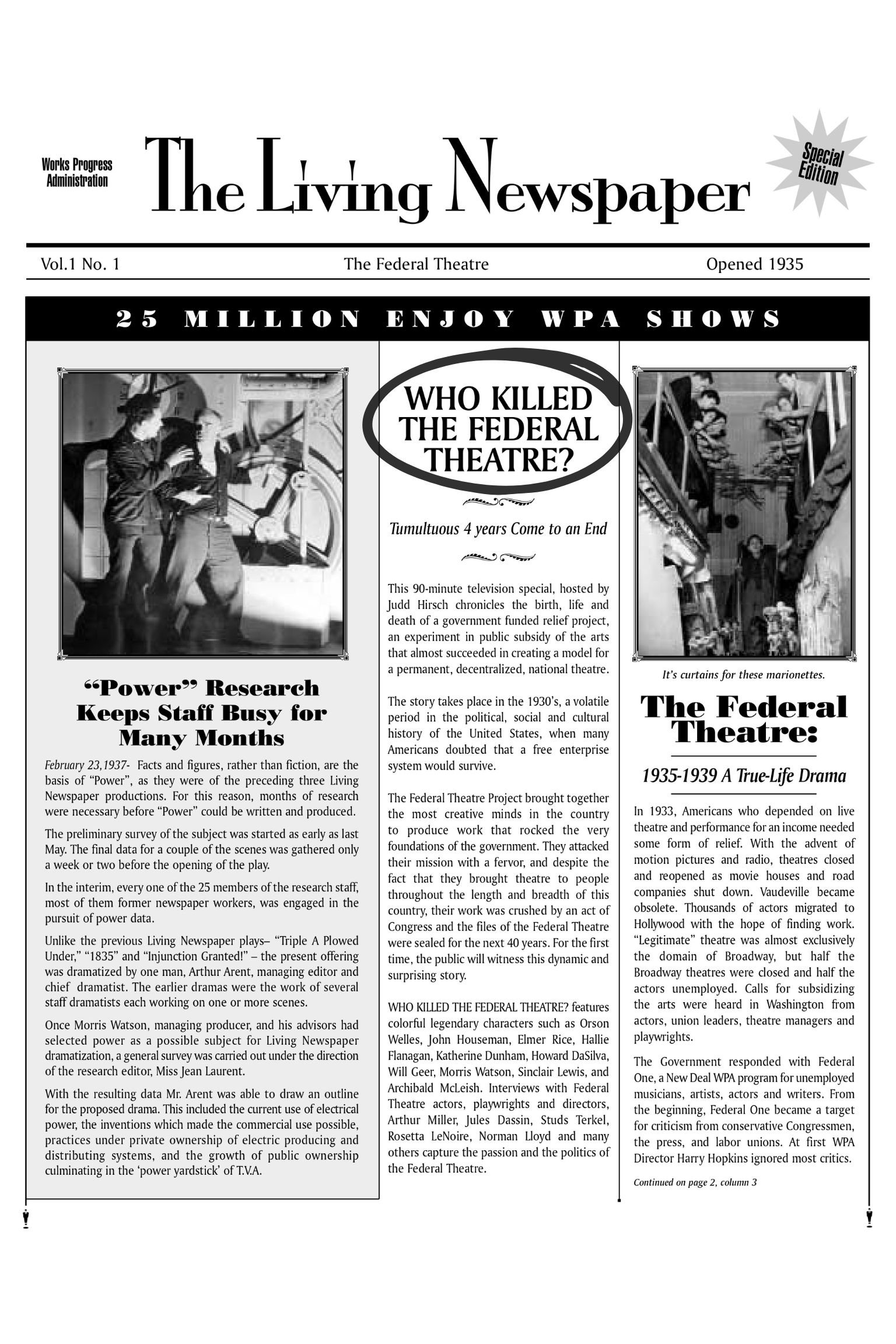
Part journalistic investigation and part performance documentary, "Who Killed The Federal Theater?" tells the story of the Federal Theatre Project within the context of a volatile period in the political, social and cultural history of the United States. The film features interview segments with playwrights, including Arthur Miller, and with actors, directors, designers, and historians. It also incorporates rare archival materials and dramatic sequences, including professionally re-created scenes from Federal Theatre productions that transport viewers back in time to a bygone era in American history and entertainment.
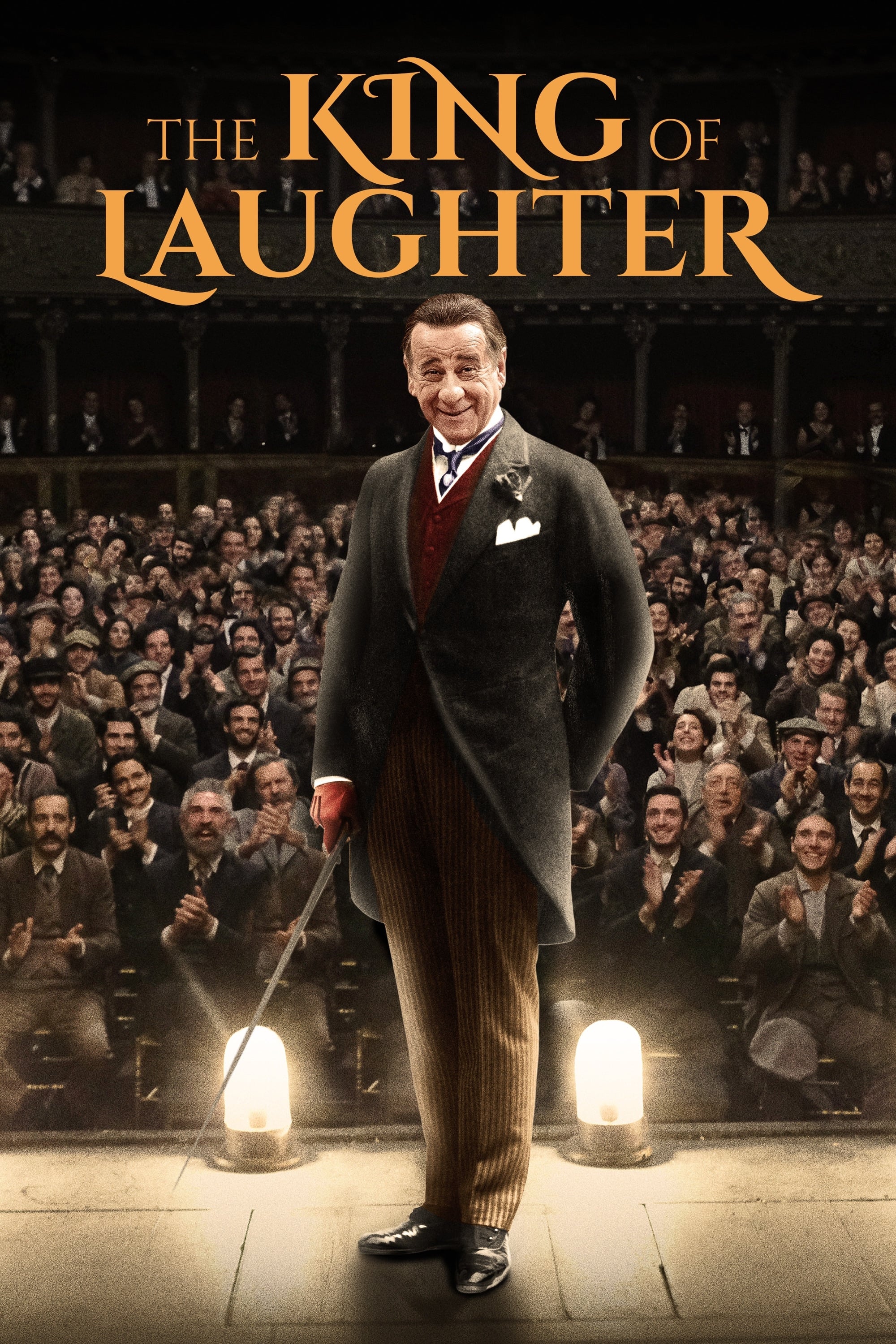
In early 20th-century Naples, a theatrical parody lands beloved thespian and playwright Eduardo Scarpetta in court, facing a malicious lawsuit that could compromise his freedom of expression and the economic security of his extended family—including his son's, young Eduardo De Filippo.
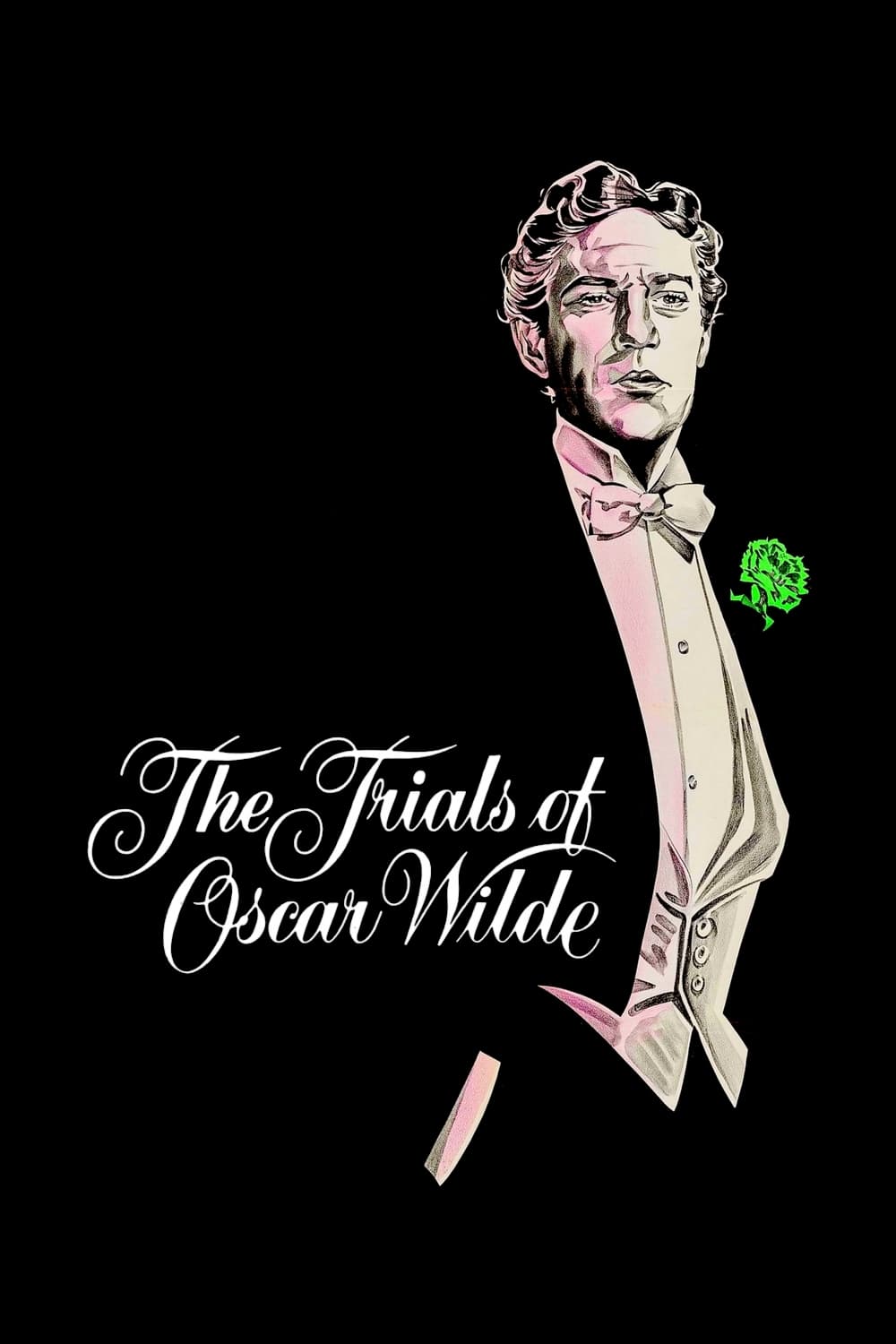
England, 1890s. The brutal and embittered Marquis of Queensberry, who believes that his youngest son, Bosie, has an inappropriate relationship with the famous Irish writer Oscar Wilde, maintains an ongoing feud with the latter in order to ruin his reputation and cause his fall from grace.
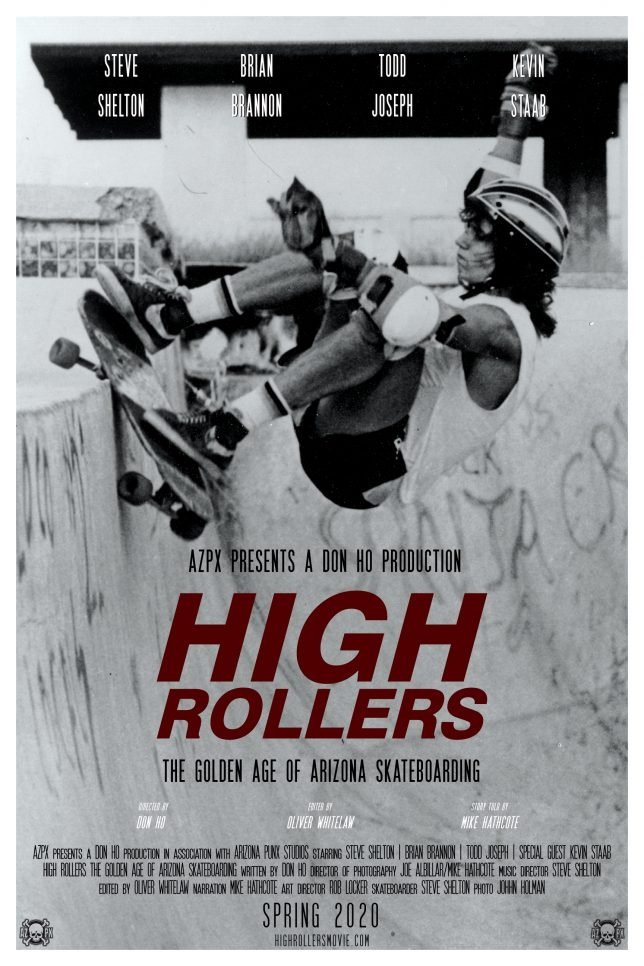
Watching High Rollers – The Golden Age of Arizona Skateboarding is like finding a lost artifact that helps complete a larger mystery from the past. In this case High Rollers adds a much needed layer of knowledge to the origins of radical vertical, and over-vertical, skateboarding. The skateboard boom of the 1970’s went from “sidewalk surfing” and driveway antics to aerials out of backyard swimming pools in an astonishingly short span of time. This evolutionary leap was for the most part well documented in the pages of Skateboarder Magazine and the 2001 documentary Dogtown and Z-Boyz. However, the field of vision both of these forms of media is narrow (although both are excellent), they both deal almost exclusively with what was happening in California (with occasional nods to Florida). It is understandable as skateboarding was born and given life in California, but what happened next? What was going on elsewhere?
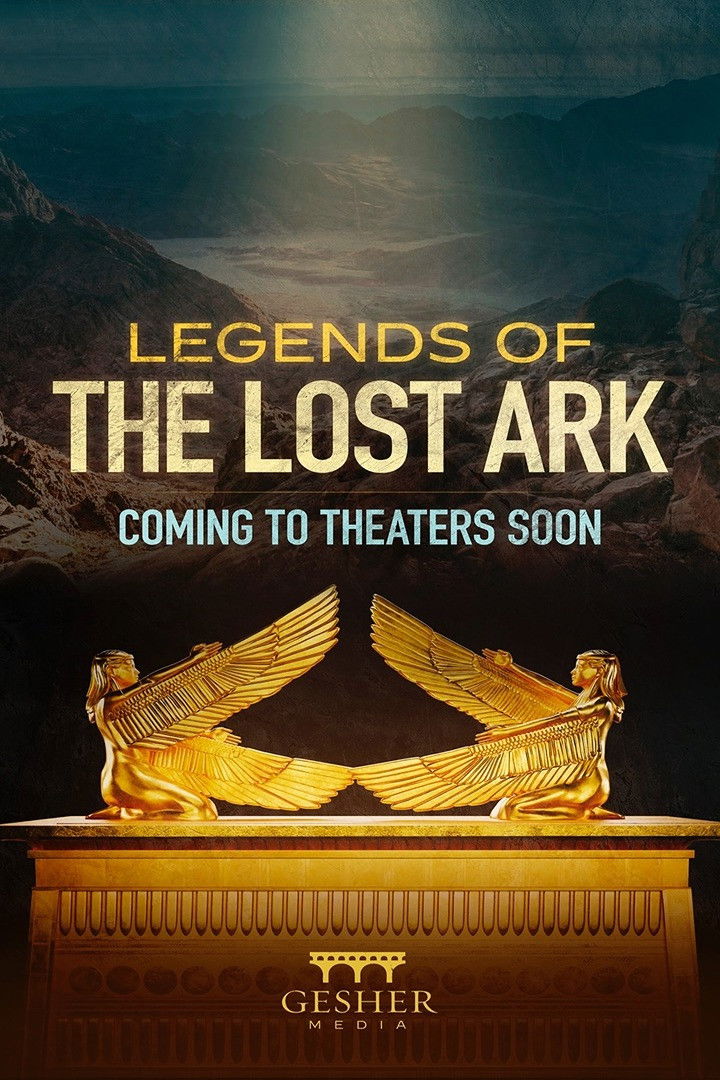
Chronicles archaeologist Dr. Chris McKinny’s search for the Ark of the Covenant. Supported by insights from scientists, historians, and biblical scholars, he explores three ancient legends pointing to final resting place of the iconic relic.
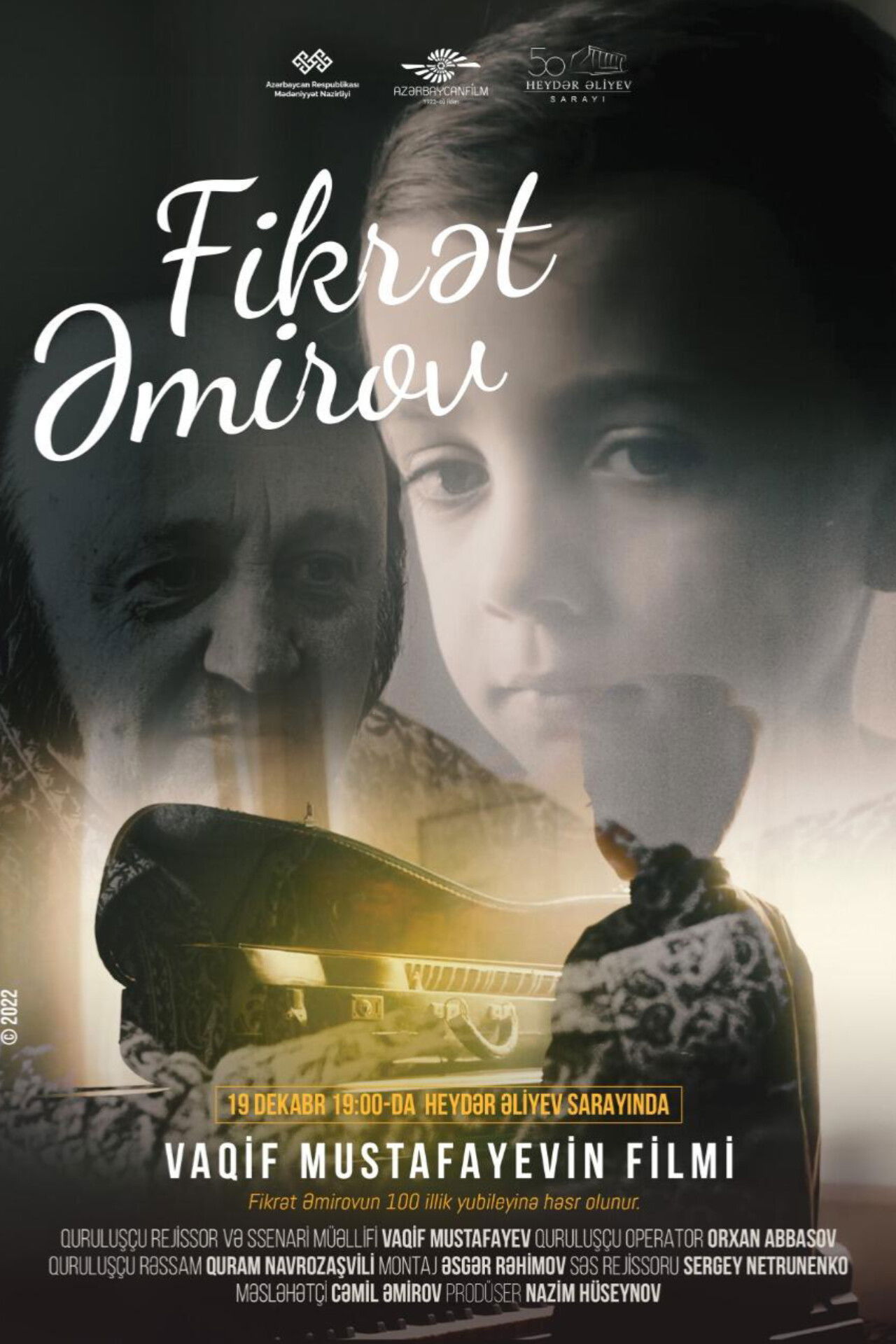
A film about Fikrət Əmirov.
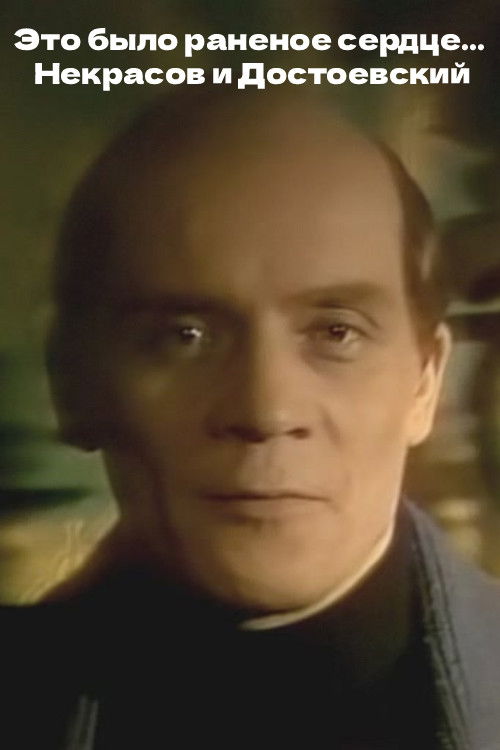
Memoirs of F.M. Dostoevsky about N.A. Nekrasov, performed by the actor Alexander Filippenko.
The film is based on the memoirs of Klavdiya Shulzhenko and her songs: "The Blue Scarf", "Three Waltzes", "Silence", "Hands", "The Note". The film features archival footage, as well as scenes shot in Kharkiv and Paris.
Two years ago, Mohammed VI succeeded his father, Hassan II, without any apparent difficulties. Is this succession really as smooth as it seems?
Hat, Lucie, Benny, Paul and Karen leave their old life behind and disappear for a while to reset. Some of them use a new identity. As they try to get closer to their true self, they find themselves re-evaluating the norms they grew up in.
This revealing documentary honors the legendary Sidney Poitier—iconic actor, filmmaker, and civil rights activist. Featuring interviews with Denzel Washington, Spike Lee, Halle Berry, and more.
In an intimate and joyful story of love in the face of loss, celebrated poets Andrea Gibson and Megan Falley find strength—and unexpected hilarity—in what might be their final year together.
An inside look at one of the most anticipated movie sequels ever with James Cameron and cast.
A 1993 documentary film about Bruce Lee. The film includes interviews from some of his fellow students and opponents who worked alongside him in his movies.
Brilliant, long in-the-works story of the life and art of the world's greatest comedian and the cinema's first genius, Charlie Chaplin. Produced, written and directed by renowned film critic Richard Schickel.
SEDUCED AND ABANDONED combines acting legend Alec Baldwin with director James Toback as they lead us on a troublesome and often hilarious journey of raising financing for their next feature film. Moving from director to financier to star actor, the two players provide us with a unique look behind the curtain at the world's biggest and most glamourous film festival, shining a light on the bitter-sweet relationship filmmakers have with Cannes and the film business. Featuring insights from directors Martin Scorsese, 'Bernando Bertolucci' and Roman Polanski; actors Ryan Gosling and Jessica Chastain and a host of film distribution luminaries.
Al Pacino's deeply-felt rumination on Shakespeare's significance and relevance to the modern world through interviews and an in-depth analysis of "Richard III."
Through deeply personal interviews with her siblings and an examination of the photographs, letters, and belongings left behind, Mariska assembles a new portrait of her mother Jayne Mansfield, an extraordinary and complex woman.
Follow the evolution of the 'Halloween' movies over the past twenty-five years. It examines why the films are so popular and revisits many of the original locations used in the films - seeing the effects on the local community. For the first time, cast, crew, critics and fans join together in the ultimate 'Halloween' retrospective.
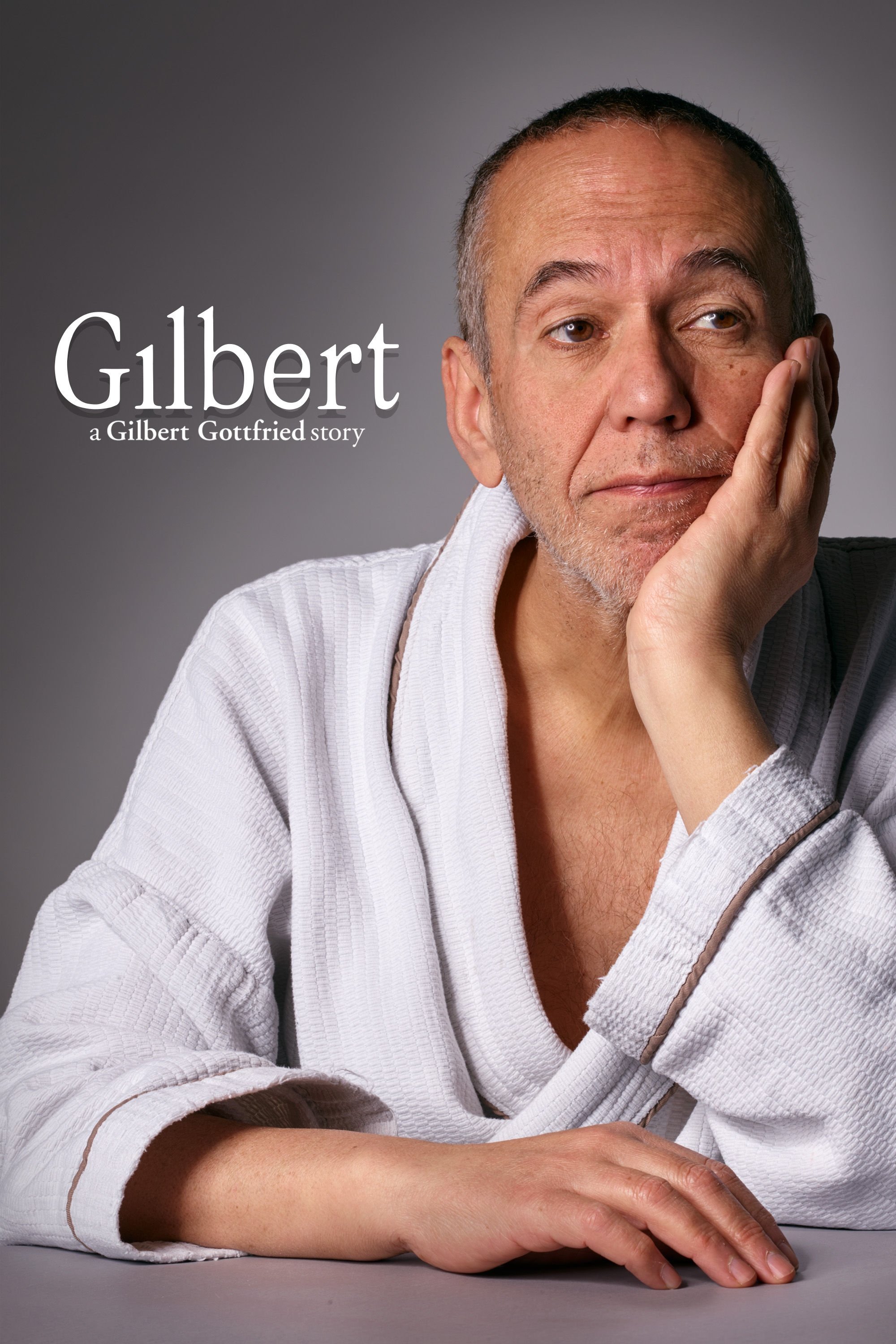
The life and career of one of comedy's most inimitable modern voices, Mr. Gilbert Gottfried.
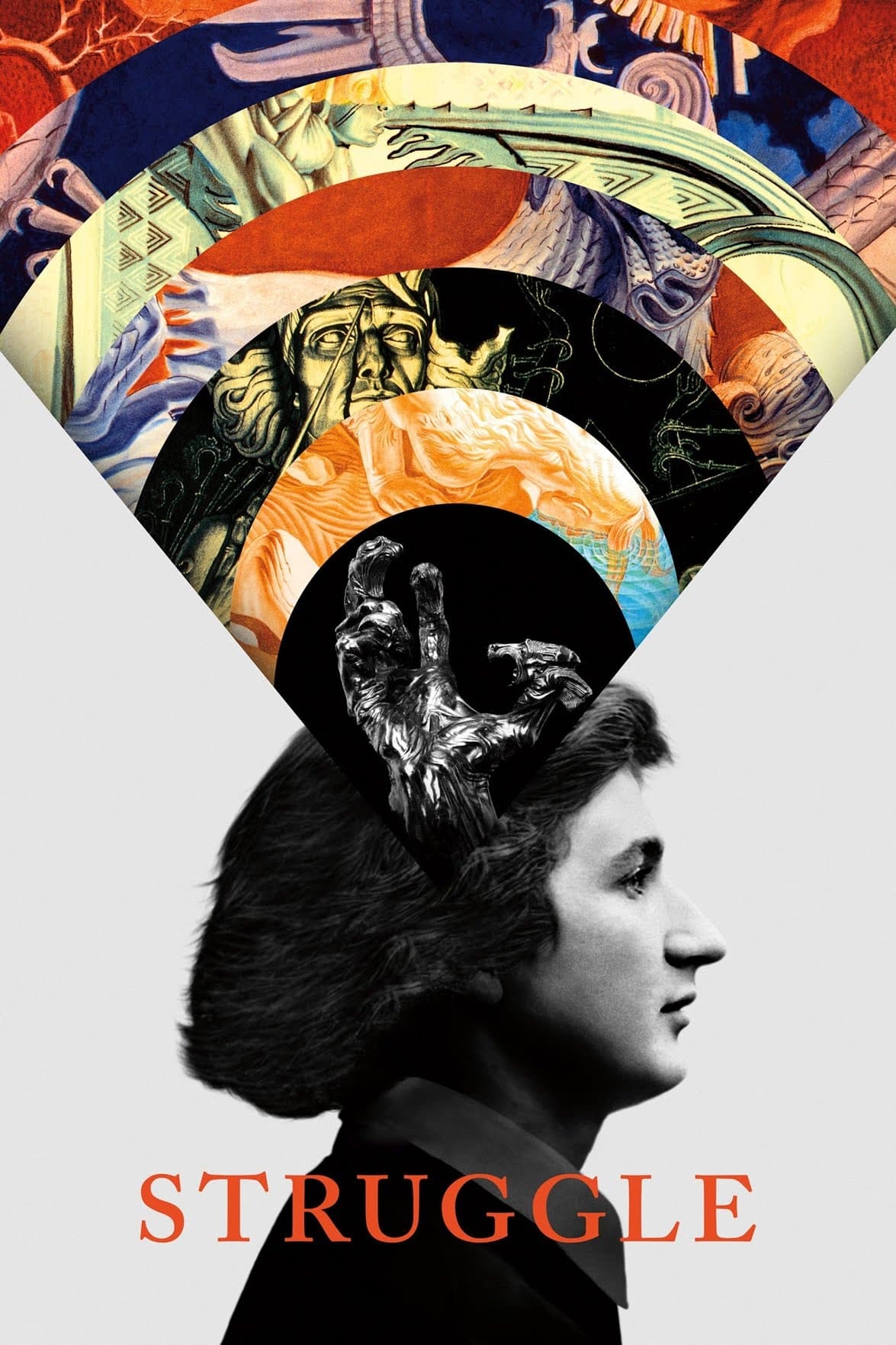
Artists in LA discover the work of forgotten Polish sculptor Stanislav Szukalski, a mad genius whose true story unfolds chapter by astounding chapter.
Amber Heard and Nicole Kidman discuss their characters Mera and Atlanna.
Join the likes of Jeremy Renner, Hailee Steinfeld, Florence Pugh, and Vincent D’Onofrio as they reveal how Marvel Studios’ “Hawkeye” was conceived and created. Witness firsthand what it took to pull off the show’s pulse-pounding action set pieces, and discover how iconic characters from the pages of Marvel Comics such as Kate Bishop were adapted and brought to life for the six-episode series.
A string of threatening emails escalates into a revenge plot involving a newly married US marshal and his ex-girlfriend.
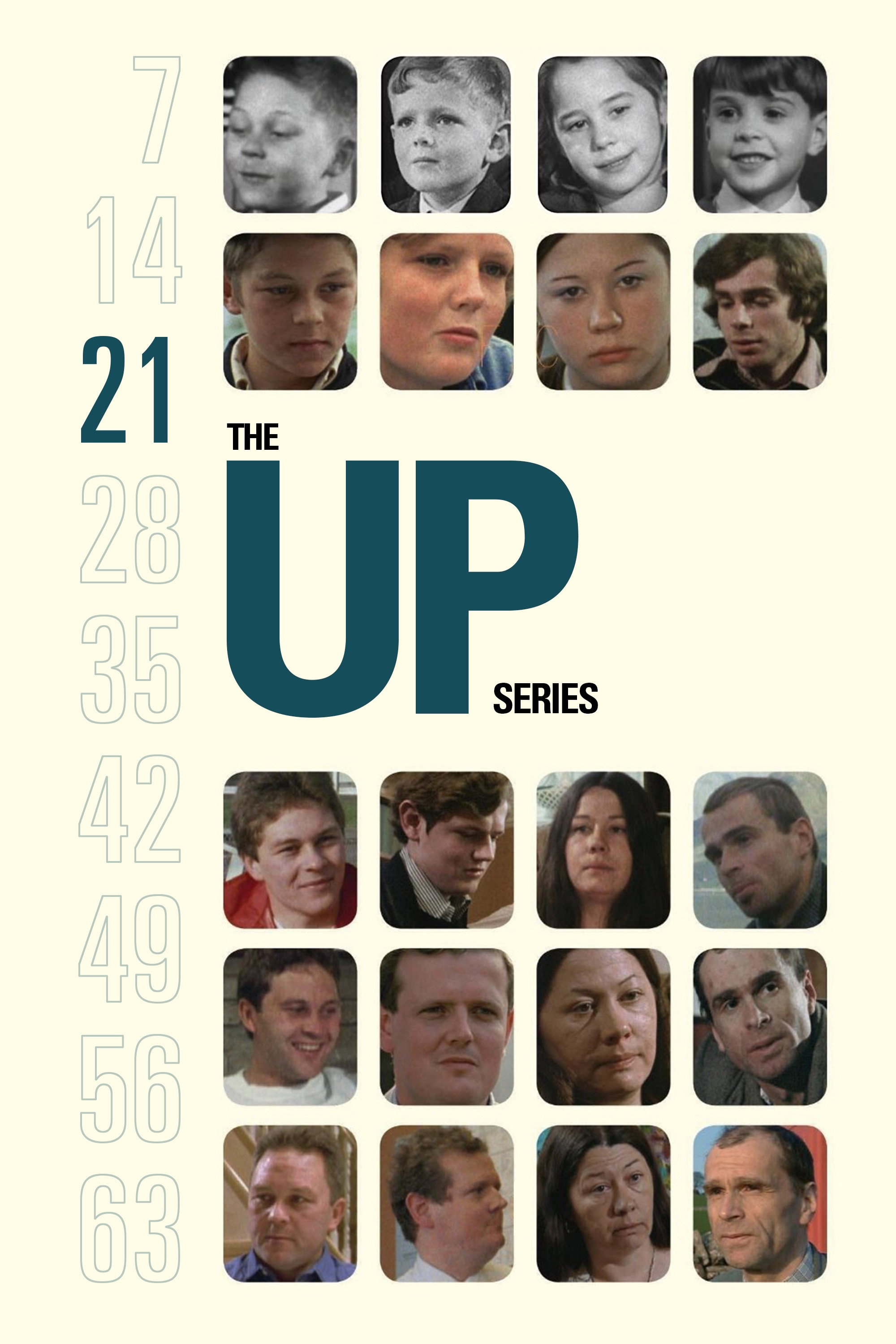
Director Michael Apted revisits the same group of British-born adults after a 7 year wait. The subjects are interviewed as to the changes that have occurred in their lives during the last seven years.
After another 7 year wait, director Michael Apted revisits the same group of British-born children from Seven Up! and 7 Plus Seven. The subjects are interviewed as to the changes that have occurred in their lives during the last seven years.
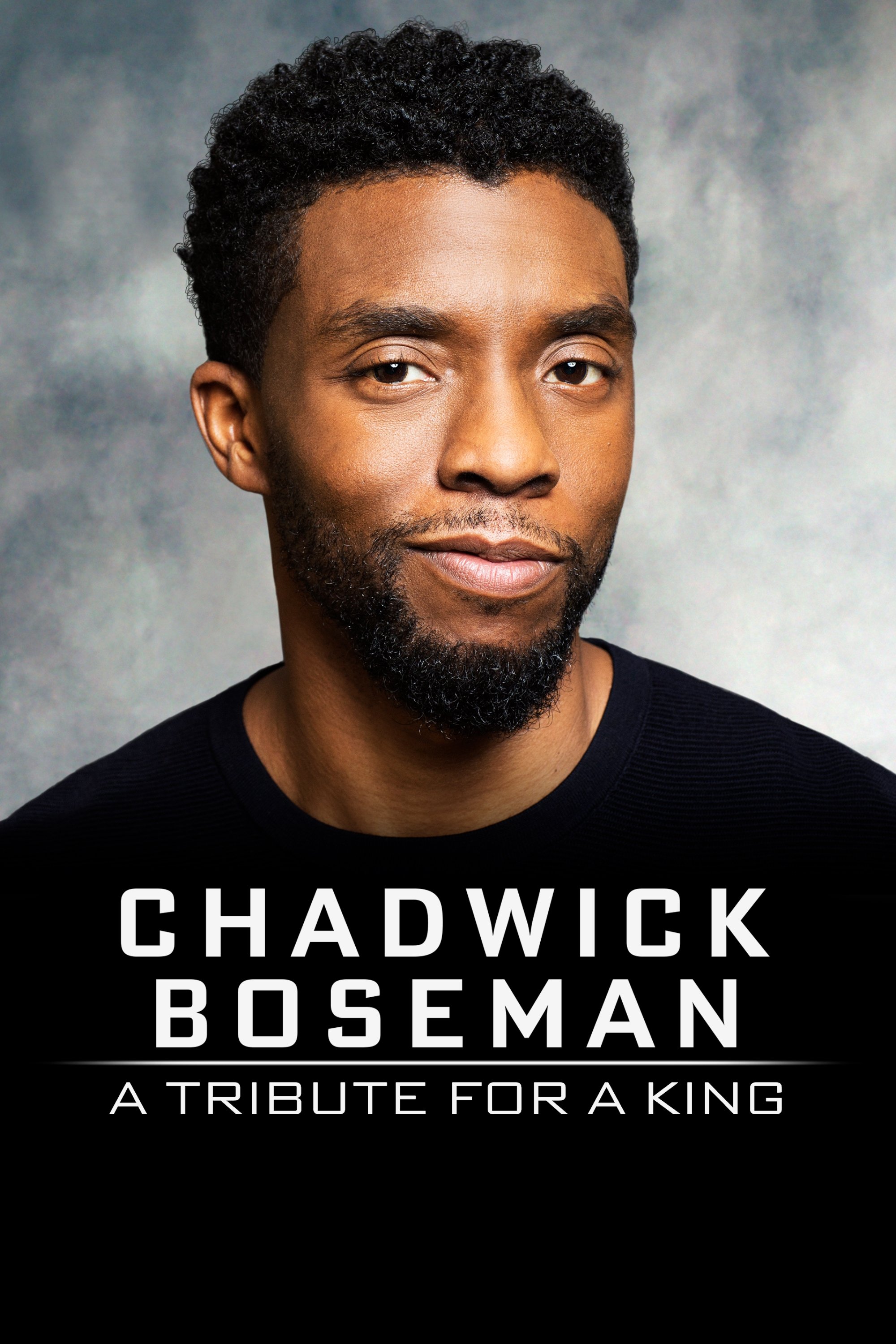
A tribute to Chadwick Boseman, celebrating his life and legacy.
The life and career of an actor, artist, and icon. His own journey through his own camera.
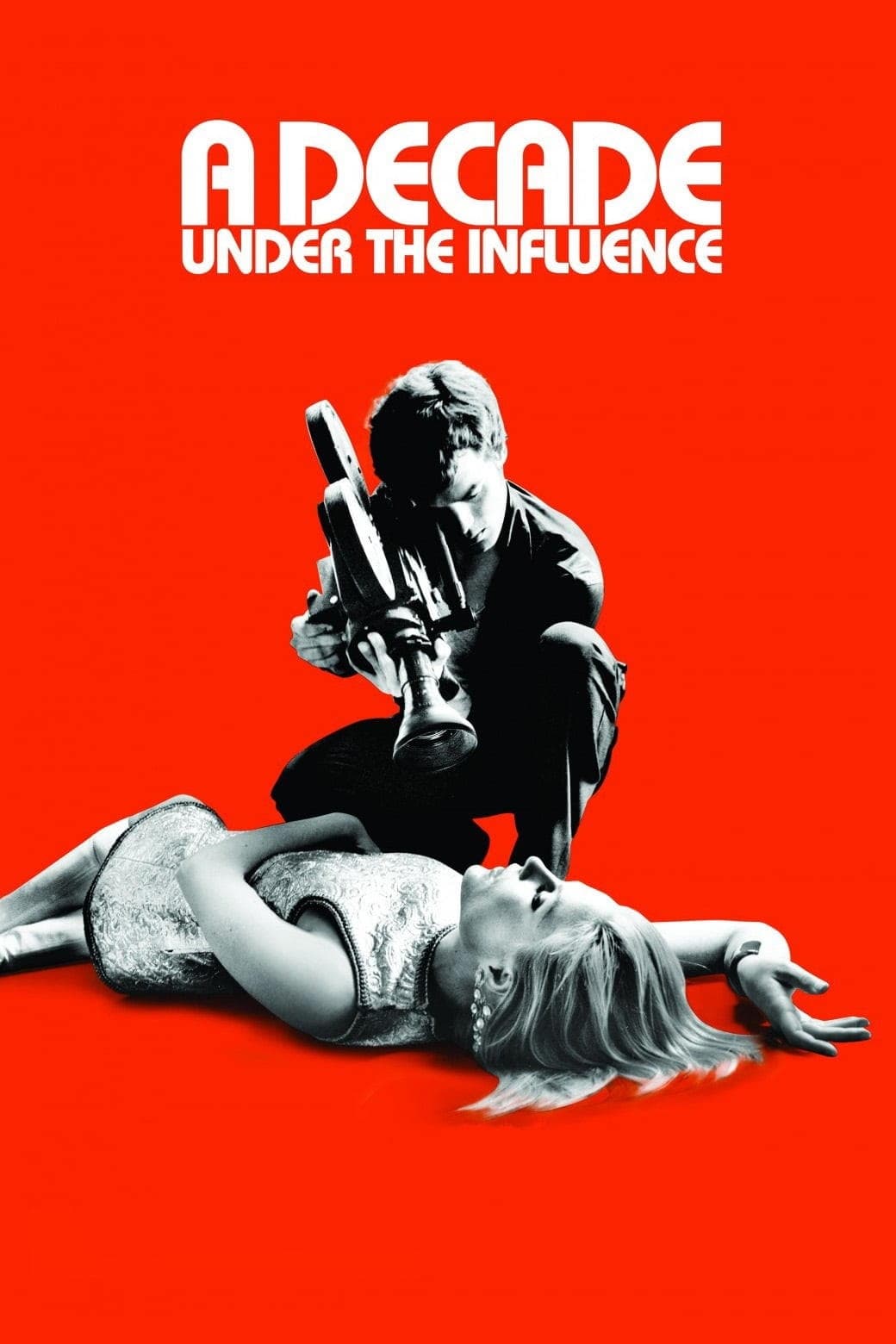
A documentary examining the decade of the 1970s as a turning point in American cinema. Some of today's best filmmakers interview the influential directors of that time.
A documentary about the life and films of director John Ford.