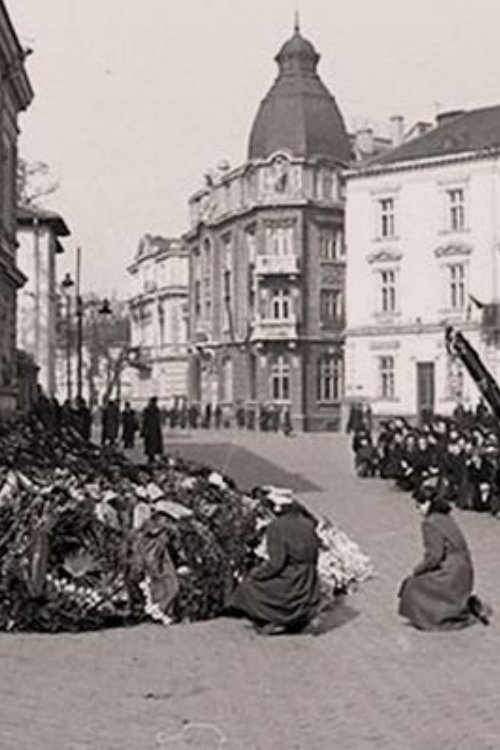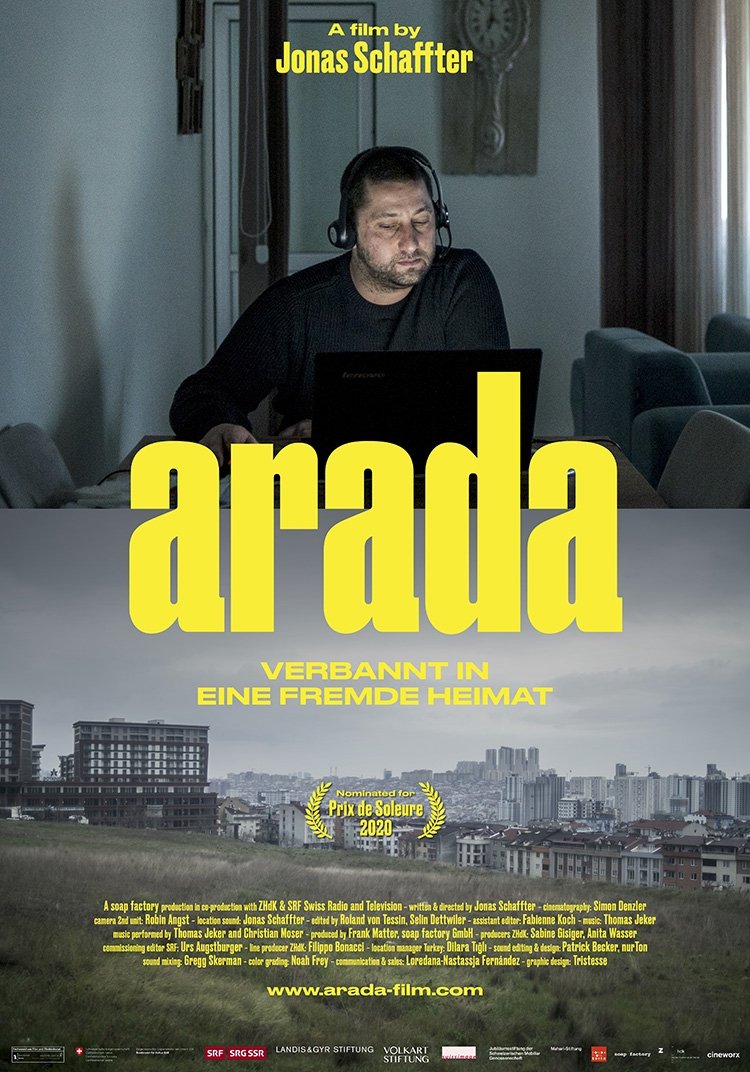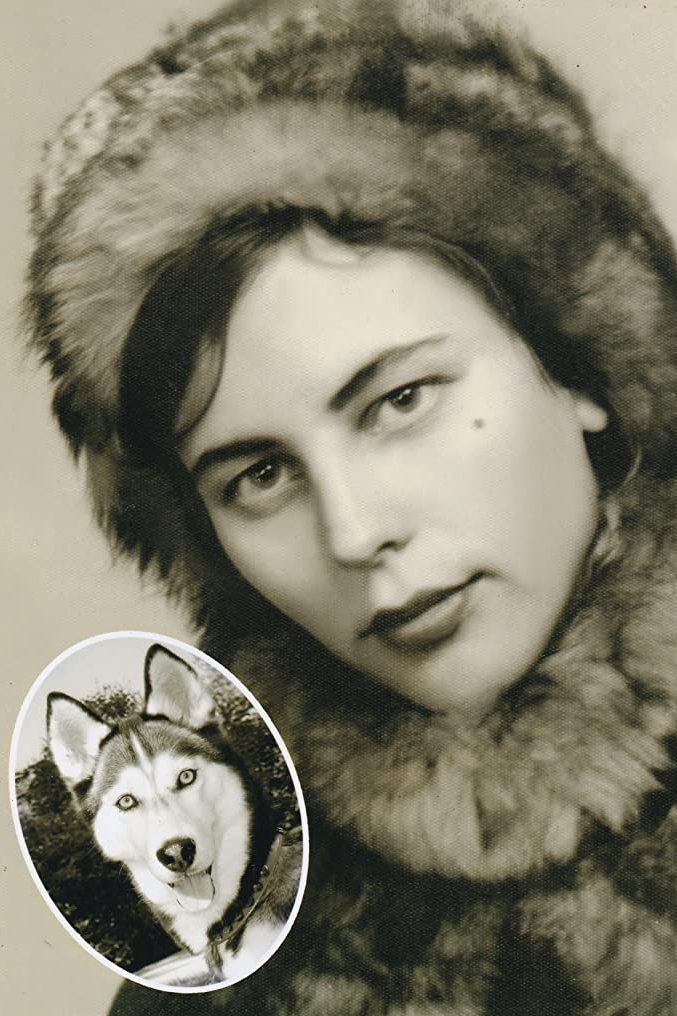
While the film focuses on a mother and son’s relationship, it investigates the long-term effects of the immigration of the filmmaker’s family from Bulgaria to Turkey and the life of a widow in a patriarchal culture.
Social & External
Revza's son
Mother
Protesters diary from Gezi Park - Taksim Square, Istanbul. Occupy Gezi movement started when the government decided to build shopping mall in place of the last green area that remained in the middle of Taksim Square.
It is a famous saying: "One can come to power with a bayonet, but not sit on it." The organization, which carried out 27 May, came to power with a bayonet. Moreover, these young officers seized power that night by breaking the traditional chain of command. In the morning, a 10-year DP period was over, the support of the public was gained at first hand, and a brand new phase was reached. Now, the days that would mark the future of Turkey were beginning. Now, as those days put it, the "second republic period" was beginning.
Working, working, working... Here are the words that make up a contemporary Turkish fairy tale. In fact, this fairy tale is not just the story of one person or a family. It is also the story of a country...
In the 1990s many people in Kurdistan were taken into custody and interrogated under torture; their killers disposed of the bodies by throwing them out of helicopters, or burying them in acid-filled wells. Thousands were murdered/disappeared by paramilitary forces—such as Jitem and Hizbul-Kontra—that were financed and supported by the state, though they have always stuck to the line: “We didn’t do it.” The documentary looks at the case of seven people, including four children, who were disappeared from the town of Kerboran [Dargeçit] in 1995, and tells the story of their families’ tireless search for their bones
At a time when French flags are being burned and French embassies targeted, this documentary delves into the growing disaffection between French-speaking Africa and the former colonial power. Through the voices of African leaders, pan-African activists, and committed young people, the film questions the persistence of a relationship marked by the aftermath of colonization, the opaque agreements of "Françafrique," and a military presence deemed paternalistic.
Societies, like people, have turning points in their histories. These milestones sometimes silently and spontaneously knock on the door, and sometimes they explode like a terrifying thunderclap. The year 1950 was such a turning point for Turkey. A simmering social reaction against 27 years of power erupted in the spring of 1950. Society has cracked its quarter-century shell. Not by shedding blood in the streets, but by voting at the ballot boxes. "Demirkırat" was reared by the general vote. That's why the 14 May 1950 elections were always called the "White Revolution"...
In the documentary, the life of Mustafa Kemal Atatürk, the last period of the Ottoman Empire, the War of Independence and the developments in the first years of the Republic of Turkey are told in parallel. The documentary prepared by Michael Adams consists of recordings made by the BBC in 1970 in Çanakkale, Samsun, Amasya, Sivas and Ankara, as well as historical footage.
Turkish democracy got over May 27 and March 12 and set off again, but the storm did not subside, and the mutual reckoning was not over. On the contrary, new fronts were opened in the country and blood began to flow like a gutter. Finally, on September 12, there was a knock on the door again. Those who came that day changed everything, everything. Nothing will ever be the same again
Staff Colonel Talat Aydemir... Aydemir's February 22 rebellion was the first revolutionary attempt in Turkey that faced resistance. But it was also the most dangerous... The thing the army feared most happened to him. The most undesirable possibility of the commanders in charge came true and friction broke out between the armies. At that time, the commander of 27 May, Cemal Aga, was appointed to the presidency, but the discomfort did not end. A group led by Colonel Talat Aydemir sought to intervene again. However, a part of the army, especially the Air Force, left Aydemir alone at the last moment. Talat was still strong in Ankara. In order to break this power, Prime Minister İnönü found the formula to dismiss the leaders of the rebel officers and appoint them to the East. Here is February 22, the day when these appointments will be announced to the rebels. The apocalypse was expected that day. And it broke that day...
In the words of those days, "The first parliament of the Second Republic opened in its new building at 15:00 on a Wednesday. At that moment, the National Unity Committee, which had been ruling the country since 27 May, vanished into history. Now there was an Assembly and a Senate. The old Members of the Committee of National Unity had been "senators of course" for life. The country was finally getting its parliament again after a year and a half hiatus. After many painful days and nights, the biggest share in this success belonged to İsmet İnönü...
Revolutionaries passed before the streets of the 1960s on the road to democracy. Then the youth with the victory songs, the workers with the rebel flags, the rightists, the leftists and the putschists again. The country spent 12 years in the grip of the revolution and in the end all roads came to the same crossroads. Ankara was restless in the minutes when the ousted prime minister of the Democratic Party, Adnan Menderes, was hanged. The news of Menderes' execution had not yet come. There was an anxious wait in the houses. Ears were on the radio. Everyone was wondering what happened in Imrali. In the Assembly, the National Unity Committee was in a meeting. They were also trying to learn the fate of Menderes. Suddenly, news came that EP Chairperson Ragıp Gümüşpala and Secretary General Şinasi Osman wanted to meet with the committee urgently. The committee members did not break the request of their former commander Gümüşpala and made an appointment for 14:30...
Gallipoli from Above: The Untold Story is the true story of how a team of Australian officers used aerial intelligence, emerging technology and innovative tactics to plan the landing at Anzac Cove. It is now nearly 100 years since the landing and hundreds of books, movies and documentaries have failed to grasp the significance of the ANZAC achievement. Instead, the mythology has clouded the real story of how these two influential Australian officers took control of the landing using every innovation they could muster to safely land their men on Z beach.
The slogan "Great Türkiye" began to be heard for the first time in the mid-60s. The Turkish economy had become unstable and stagnant at the hands of military interventions and the provisional government. After 1965, the system began to settle. The economy's also recovered. With the 2nd Development Plan, the wheels of a liberal economy were turned. On the 1 hand, private sector incentives, big projects such as Keban Dam and Bosphorus Bridge. Electricity was going to the villages, Turkey was getting its share from the growth in the world, the country was "doubling up" in the words of the prime minister. Inflation was five percent. Demirel, who rushed from one groundbreaking ceremony to the next, had nothing to say. Of course, this vitality was also reflected in social life. Unions, associations, universities were fidgety. The world and Türkiye were going to 1968 at full speed. The year that gave its name to a generation in the history of the world and Turkey; 1968 had come...
We are now saying goodbye to the 1960s. The 60's started eventfully on May 27. It ended as eventfully as it began. The '70s inherited escalating violence, student riots, and rumors of intervention. Prime Minister Demirel was trying to put out the fire in the street and to calm the increasingly restless army on the other. The October 1969 elections were held in this atmosphere and the Justice Party came out of the ballot box again. May 27 came by overthrowing the DP government, but the AP, which declared that three of the three elections held since the 1960s, were the continuation of the DP, emerged successfully. Demirel was about to roll up his sleeves for a new era. He felt that no one could stop him now. He was wrong. As he was dizzy from victory, he fell at Caesar's fault. Forgot about Brutus...
Demirkırat stumbled on March 12, 1971. Actually, you know, they shoot limping horses. But this time it didn't. Turkish democracy continued to run despite its wounds. Because March 12 was not a "seizure" but a "warning". The generals were saying, "If what we want is not done, we will seize it." The country was entering a new era under this Sword of Damocles. A president who was helpless in the face of events, a prime minister who had to leave his seat, a newly fallen parliament, four generals neither inside nor outside the power... Now, a solution would be tried to be found out of this complex equation. But how and with whom? No one knew the answer to these questions in Turkey on the morning of March 13.
In Turkey far too many women are still unable to read and write, and all they see in their life span is being forced into early marriage and relegation to the home, where they look after extended families and more children than they can feed. The girls are portrayed in their homes, together with the strongest supporters of their emancipation through education: their mothers. Girls of Hope portrays five girls who struggle for their education and, despite all the difficulties, try to hold on to their hope for a better future.

What happens when your child comes out to you? In this feature documentary, parents of lesbian, gay, bisexual and trans-gender individuals in Turkey intimately share their experiences with the viewer, as they redefine what it means to be parents in this conservative society.
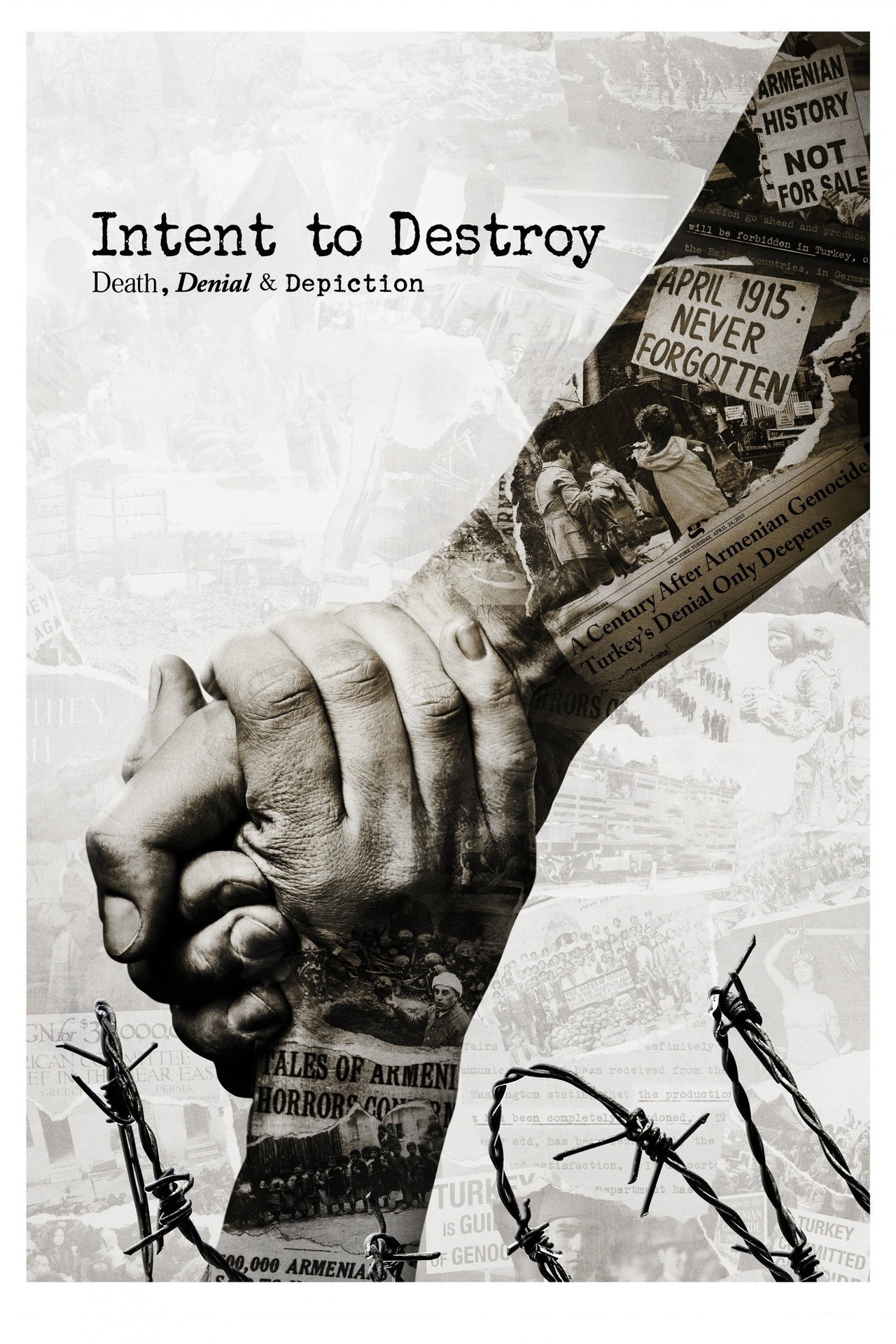
INTENT TO DESTROY embeds with a historic feature production as a springboard to explore the violent history of the Armenian Genocide and legacy of Turkish suppression and denial over the past century.
A thorough look at the 90's Turkish rock scene, one legendary stage band and its two members: Kerim Capli and Yavuz Cetin... An inquiry of their existential battles with the society, the industry and their own minds.
A political amateur who was kneaded with art in the first half of the 1950s and was enthused with the idealism of politics in the second half, was now a person who was dealing with politics and state affairs 24 hours a day, gradually getting hotter and broadening his goals and horizons. In this section, you will follow the milestones of the poet's hopeful arrival in the 1970s, not a dream that the poet remembers with longing, but is no longer left behind. Contrary to the poem, you will recognize the struggle of a stubborn, belligerent missionary who is incompatible with the world. You will witness how it changed in that struggle and how this change affected a country...
Through deeply personal interviews with her siblings and an examination of the photographs, letters, and belongings left behind, Mariska assembles a new portrait of her mother Jayne Mansfield, an extraordinary and complex woman.
Lyrical and powerfully personal essay film that reflects on the deaths of her husband Lou Reed, her mother, her beloved dog, and such diverse subjects as family memories, surveillance, and Buddhist teachings.
A documentary examining the decade of the 1970s as a turning point in American cinema. Some of today's best filmmakers interview the influential directors of that time.
After the high-profile killing of Damilola Taylor, Cornelius' family move out of London. But when they discover their new town is run by racists, Cornelius takes a drastic step to survive.
JB Smoove and Martin Starr host a celebration of 20 years of "Spider-Man" movies, from the Sam Raimi trilogy to Marc Webb's movies and the trio from Jon Watts.
A detailing of the rise to prominence and global sporting superstardom of six supremely talented young Manchester United football players (David Beckham, Nicky Butt, Ryan Giggs, Paul Scholes, Phil and Gary Neville). The film covers the period 1992-1999, culminating in Manchester United's European Cup triumph.
Follow the evolution of the 'Halloween' movies over the past twenty-five years. It examines why the films are so popular and revisits many of the original locations used in the films - seeing the effects on the local community. For the first time, cast, crew, critics and fans join together in the ultimate 'Halloween' retrospective.
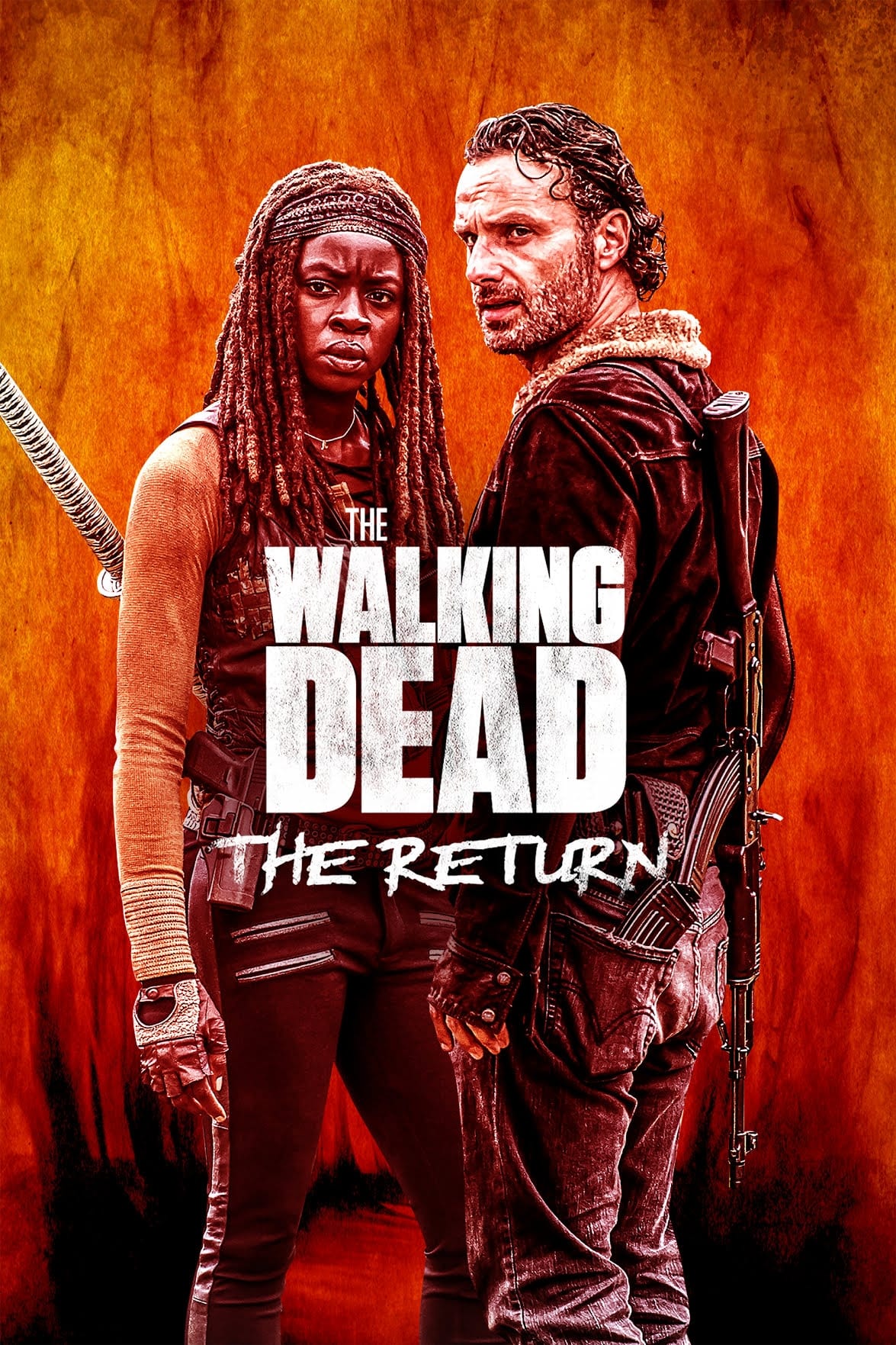
Stars of "The Walking Dead," Andrew Lincoln and Danai Gurira, walk down memory lane and visit iconic locations where pivotal moments between their characters, Rick and Michonne, were filmed.
A documentary about the sport of boxing, as seen through the eyes of champions Mike Tyson, Evander Holyfield and Bernard Hopkins.
A documentary about the life and films of director John Ford.
A documentary about the making of David Fincher's 2008 film THE CURIOUS CASE OF BENJAMIN BUTTON. Virtually every element in the evolution of the Fincher's film is documented here, from the project's attachment to numerous other directors during the 1990s, to its shoot in 2006 and 2007 in New Orleans, to its complex, CGI-intensive postproduction process.
Filmmaker Christopher Quinn observes the ordeal of three Sudanese refugees -- Jon Bul Dau, Daniel Abul Pach and Panther Bior -- as they try to come to terms with the horrors they experienced in their homeland, while adjusting to their new lives in the United States.
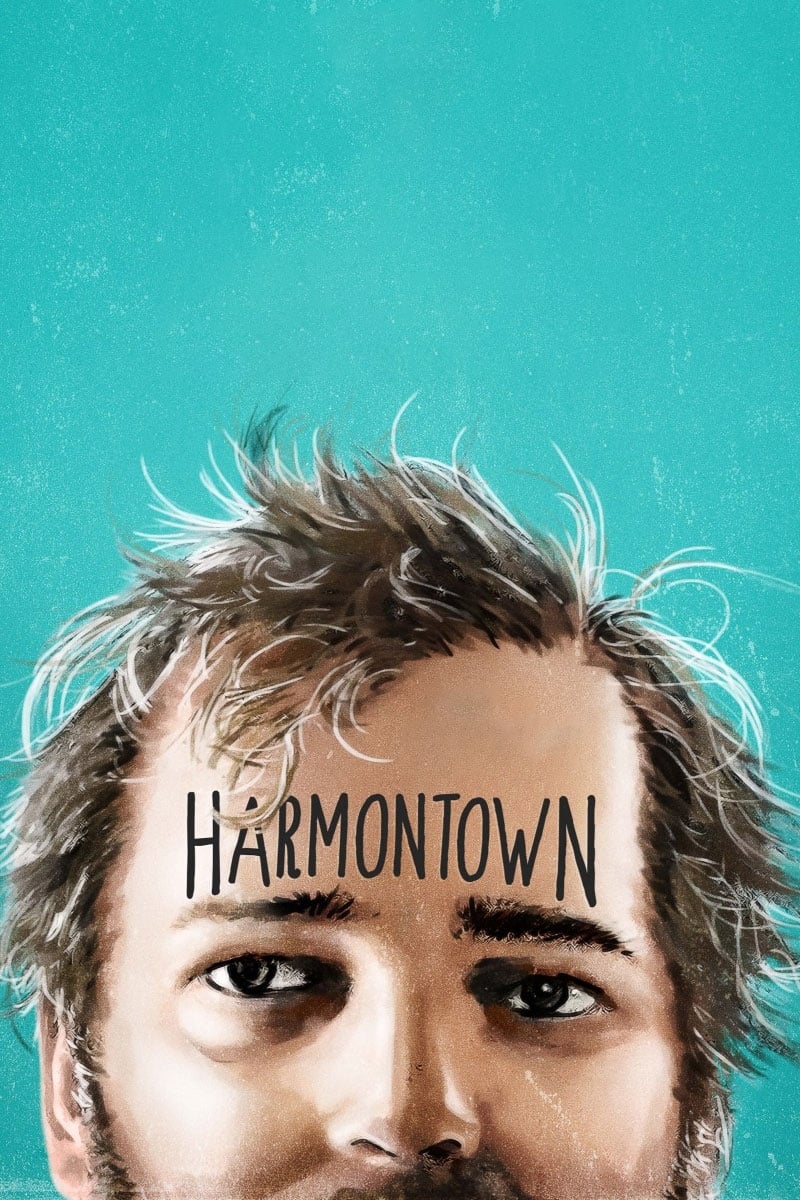
A comedic, brutally honest documentary following self-destructive TV writer Dan Harmon as he takes his live podcast on a national tour.
Filmmakers discuss the legacy of Alfred Hitchcock and the book “Hitchcock/Truffaut” (“Le cinéma selon Hitchcock”), written by François Truffaut and published in 1966.
Those who knew iconic funnyman John Candy best share his story, in their own words, through never-before-seen archival footage, imagery, and interviews.
From the heights of her modeling fame to her tragic death, this documentary reveals Anna Nicole Smith through the eyes of the people closest to her.
A purely observational non-fiction film that takes viewers into the ethically murky world of end-of-life decision making in a public hospital.
Retrospective documentary about the making of the horror cult classic "The Return of the Living Dead."
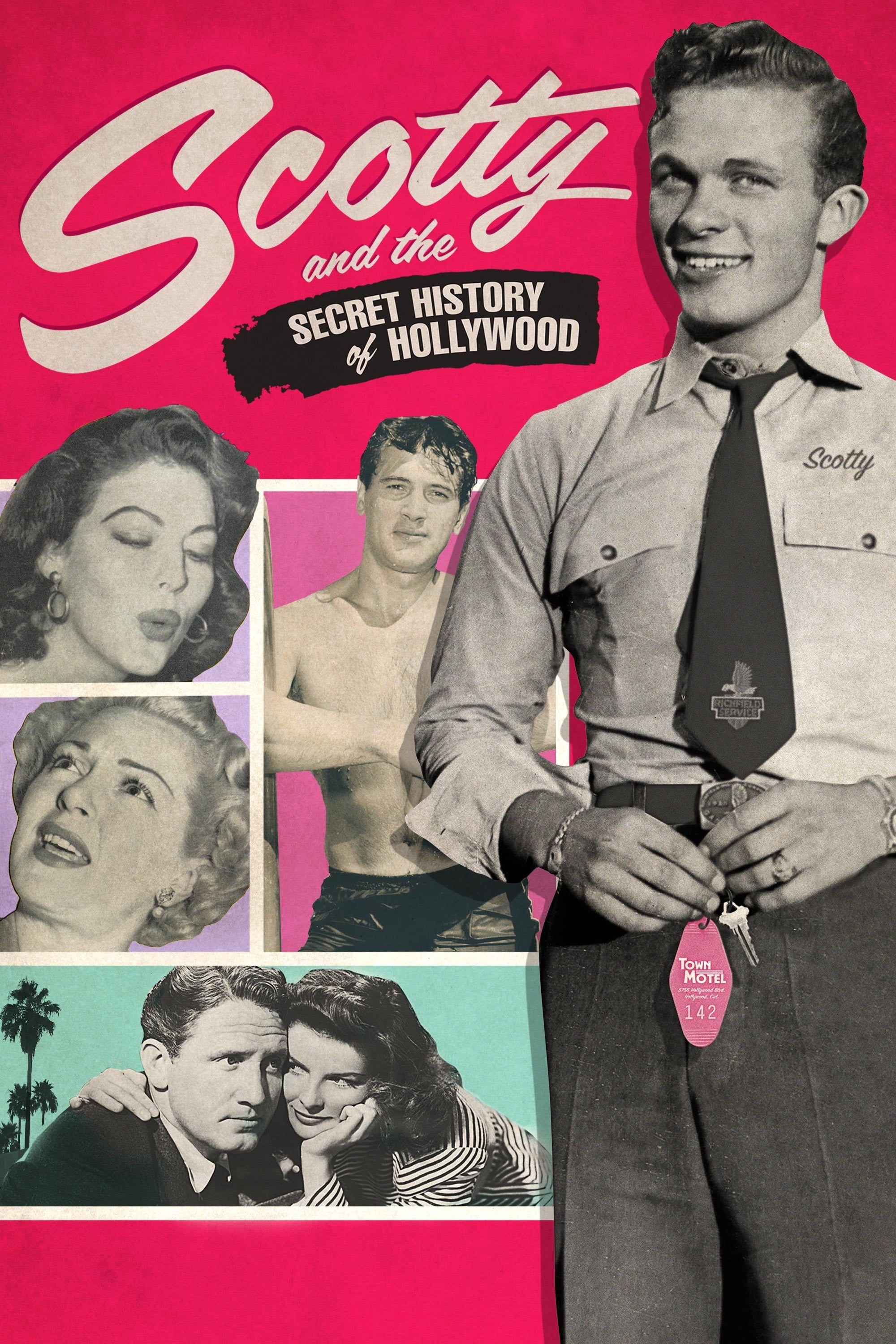
A deliciously scandalous portrait of unsung Hollywood legend Scotty Bowers, whose bestselling memoir chronicled his decades spent as sexual procurer to the stars.
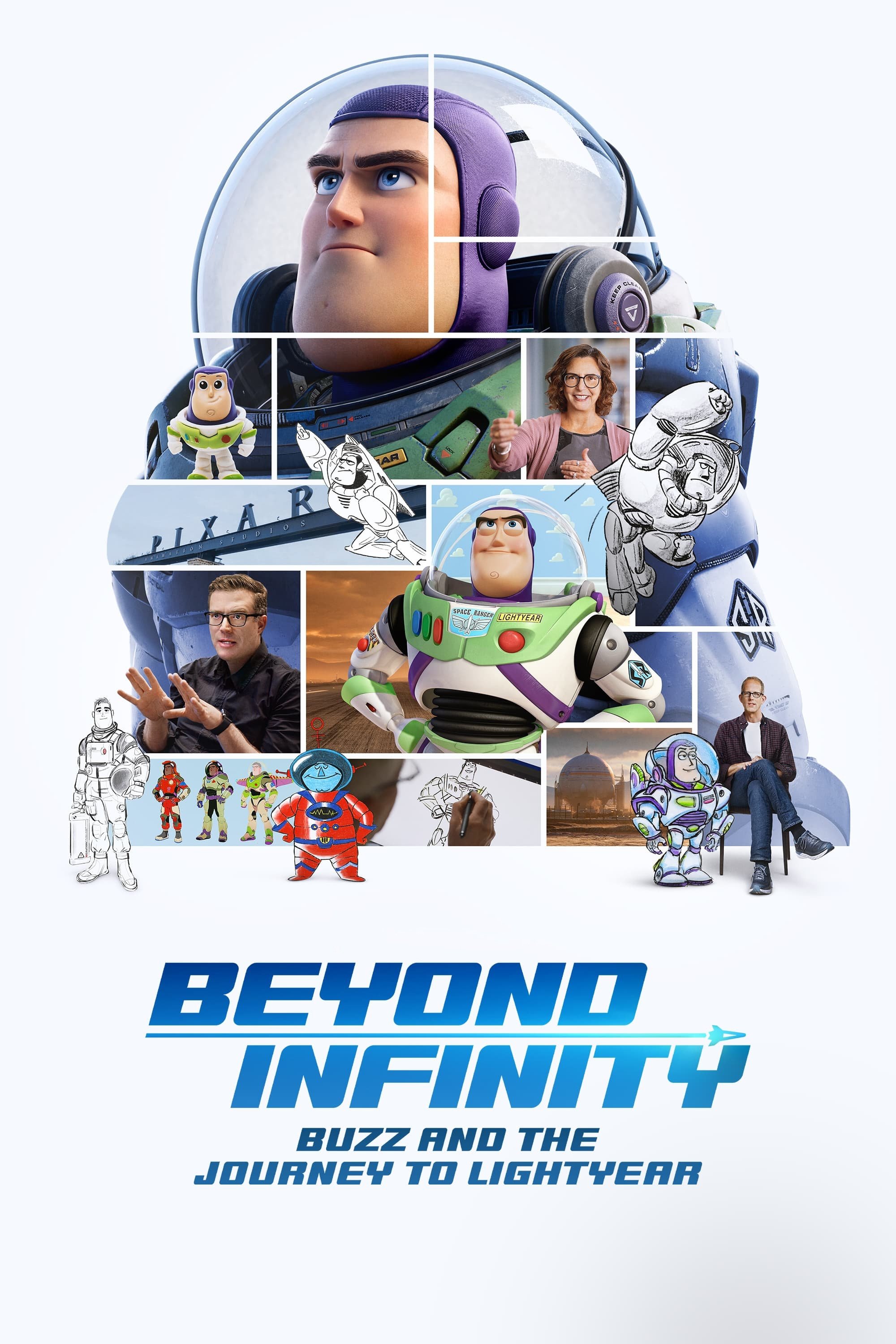
Explore the evolution of Buzz Lightyear from toy to human in the making of Pixar’s Lightyear. Dive into the origin and cultural impact of everyone’s favorite Space Ranger, the art of designing a new “human Buzz,” and the challenges faced by the Lightyear crew along the way.