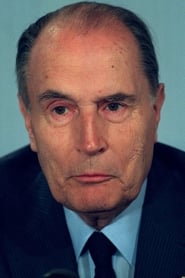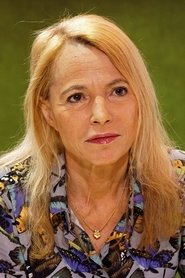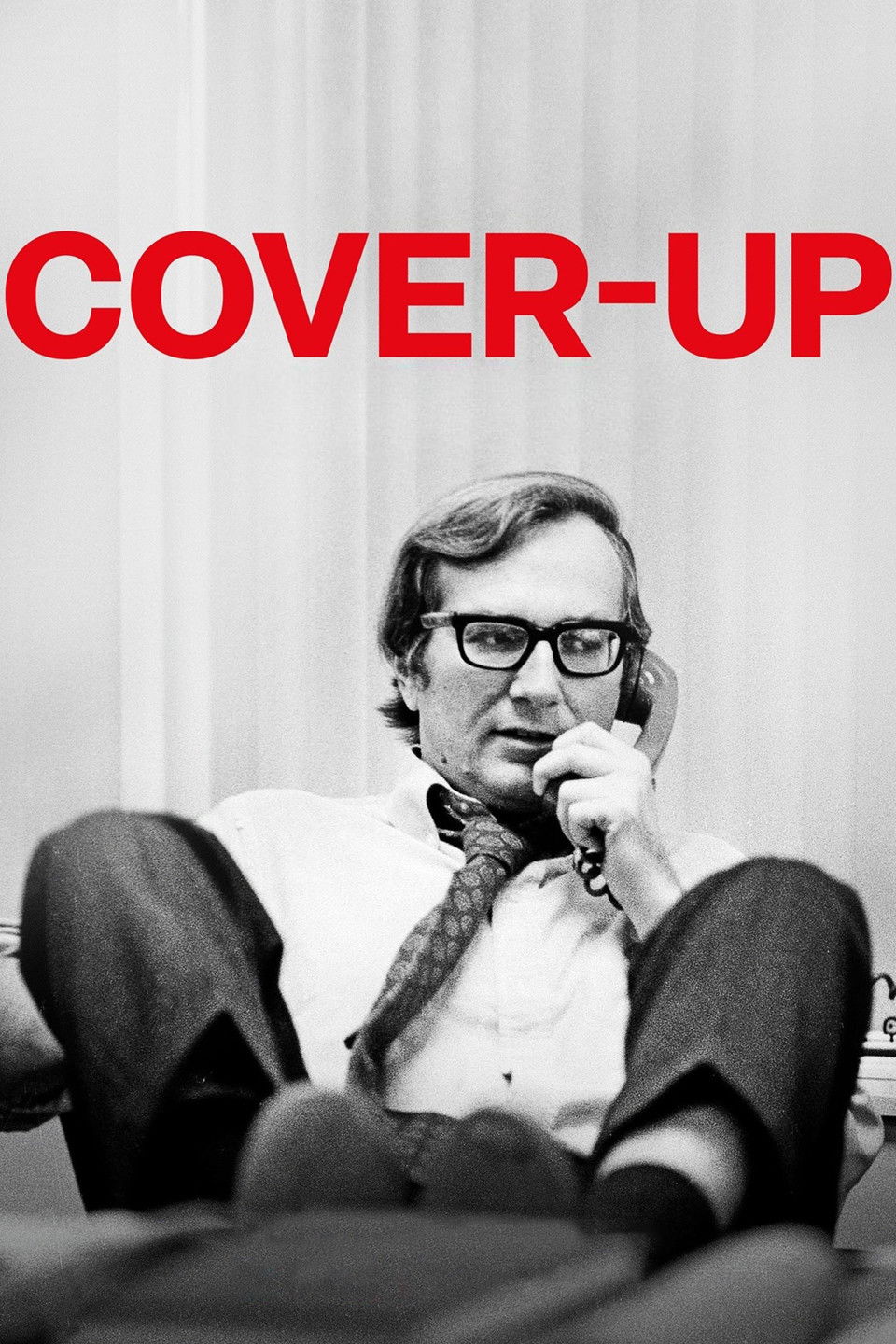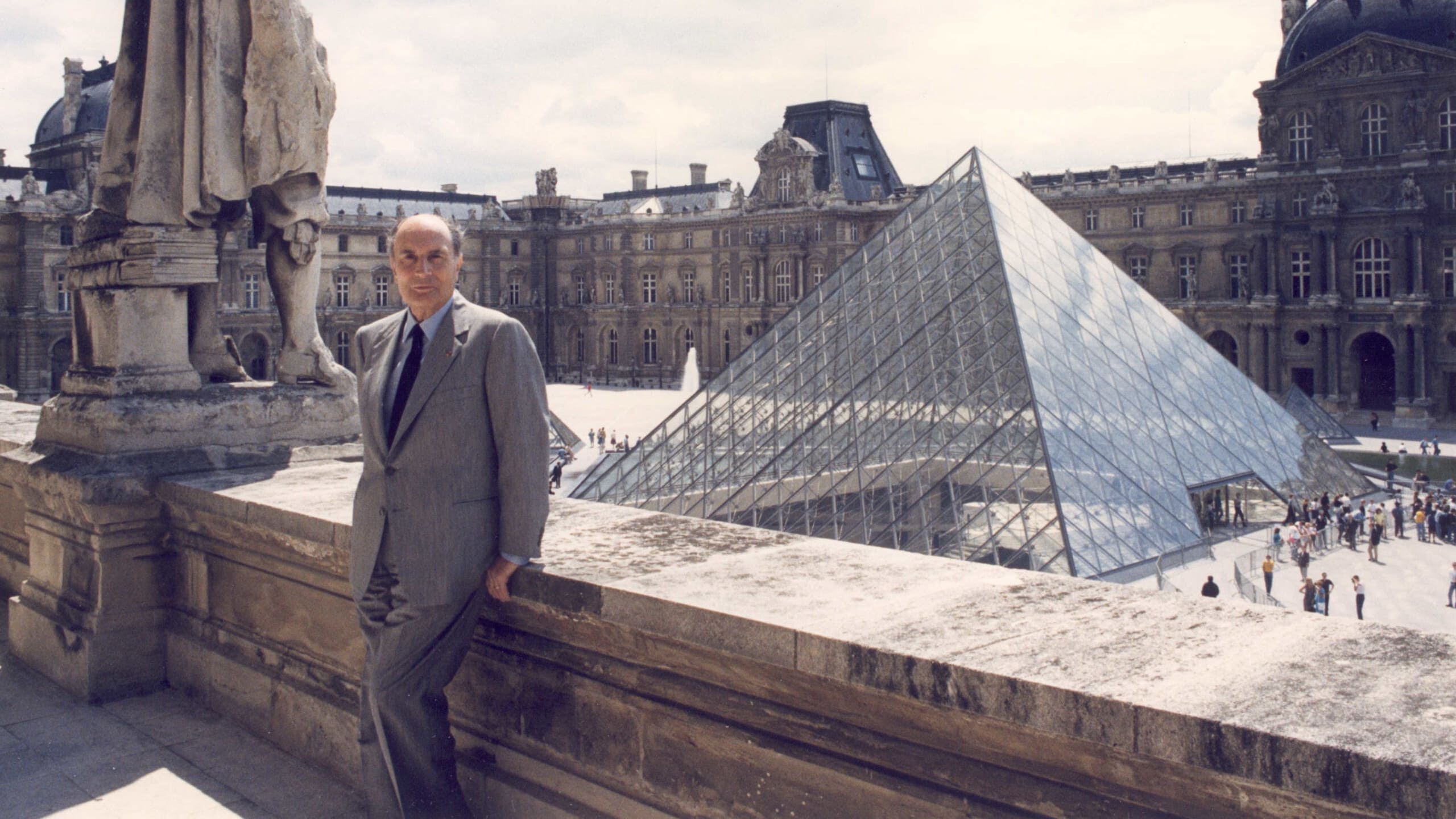
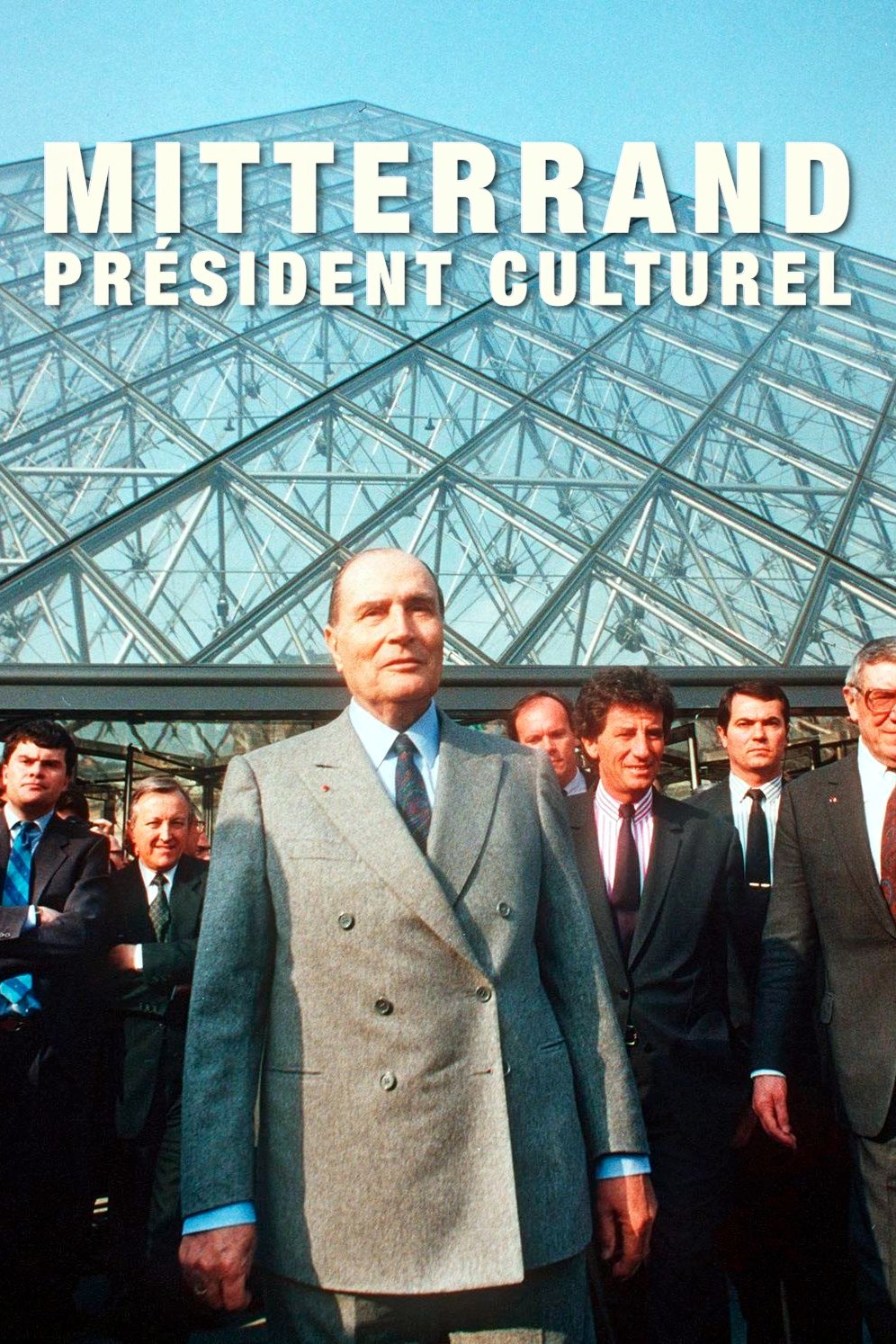
On the occasion of the fourty years anniversary of François Mitterand's election, a look back to the relationship between the President and artists, from admiration to manipulation.
Social & External
The people behind it
François Mitterrand
Self (archive footage)
Léa Salamé
Self
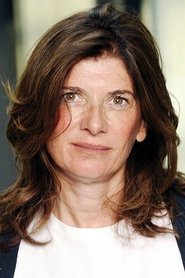
Laure Adler
Éric Roussel
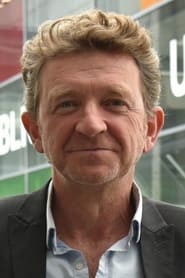
Jean Glavany
Franz-Olivier Giesbert
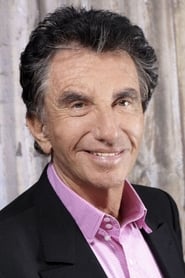
Jack Lang
François Hourmant
Georges-Marc Benamou
Ariane Chemin
Iranian Iradj Azimi directed this French historical drama re-creating events depicted in the famous 1819 painting The Raft of the Medusa by Jean Louis Andre Theodore Gericault (1791-1824). The ill-fated voyage of the frigate Medusa begins when it departs Rochefort for Senegal in 1816. After striking a sandbar off the African coast, 150 civilians row safely to shore, but Captain Chaumareys (Jean Yanne) orders 140 soldiers and sailors onto a raft (minus supplies) and has it cut loose. Only 14 survive from the 140, creating a scandal back in France. Gericault (Laurent Terzieff) later talks to three of the survivors while researching his painting. Work on this film began in 1987, but sets destroyed by Hurricane Hugo caused delays, so the film was not completed until 1990. However, it then remained undistributed until an incident in which writer-director Azimi slashed his wrists in front of French Ministry of Culture officials.
Edmond Dantès, who was active in the resistance against the Nazis, is accused for being a Nazi collaborator and is imprisoned in the fortress of Sisteron.
Making a documentary on Le Corbusier is not easy, because he is undoubtedly the architect most familiar to the general public but also the most unknown. If most people know his great achievements, such as the Cité radieuse of Marseille, the pavilions of the Cité universitaire de Paris or the Tourettes convent, many are unaware of his works in Moscow, Rio de Janeiro or Chandigarh. Roy Oppenheim pays a vibrant tribute to Corbusier, dismissing the criticisms and darker facets of the character. It presents the career of this pioneering architect, as well as his thinking, the essential principle of which was aimed at the development of human beings and the balance of society. Light, space and greenery are integrated into his large futuristic cities, because according to him the eyes of the inhabitants should be drawn into the distance and not into their neighbor's bathroom.
Bastien is twenty years old and has been an activist for five years in the main extreme right party. When the presidential campaign begins, he's invited by his superior to commit even further. Initiated into the art of decking himself out like a politician, he starts to dream of a career, but old demons surge forth...
Poème Électronique is an 8-minute piece of electronic music by composer Edgard Varèse, written for the Philips Pavilion at the 1958 Brussels World’s Fair. The Philips corporation commissioned Le Corbusier to design the pavilion, which was intended as a showcase of their engineering progress. The pavilion was shaped like a stomach, with a narrow entrance and exit on either side of a large central space. As the audience entered and exited the pavilion, the electronic composition Concret PH by Iannis Xenakis (who also acted as Le Corbusier's architectural assistant for the pavilion's design) was heard. Poème électronique was synchronized to a film of black and white photographs selected by Le Corbusier which touched on vague themes of human existence.
In 1429, a French teenager stood before her King with a message she claimed came from God; that she would defeat the world's greatest army and liberate her country from its political and religious turmoil. As she reclaims God's diminished kingdom, this courageous young woman has various amazing victories until her violent and untimely death.
In 1983, Franz Paludetto acquired Rivara Castle at the foot of the Italian Alps. A century earlier, artists from all over Europe had gathered here to establish the Rivara School of Painting. We witness the story of Italy during the latter half of the 20th century.
The story of the eventful life of George W. Bush—his struggles and triumphs, how he found both his wife and his faith—and the critical days leading up to his decision to invade Iraq.
In 1415, in the midst of the Hundred Years' War, the young King Henry V of England embarks on the conquest of France.
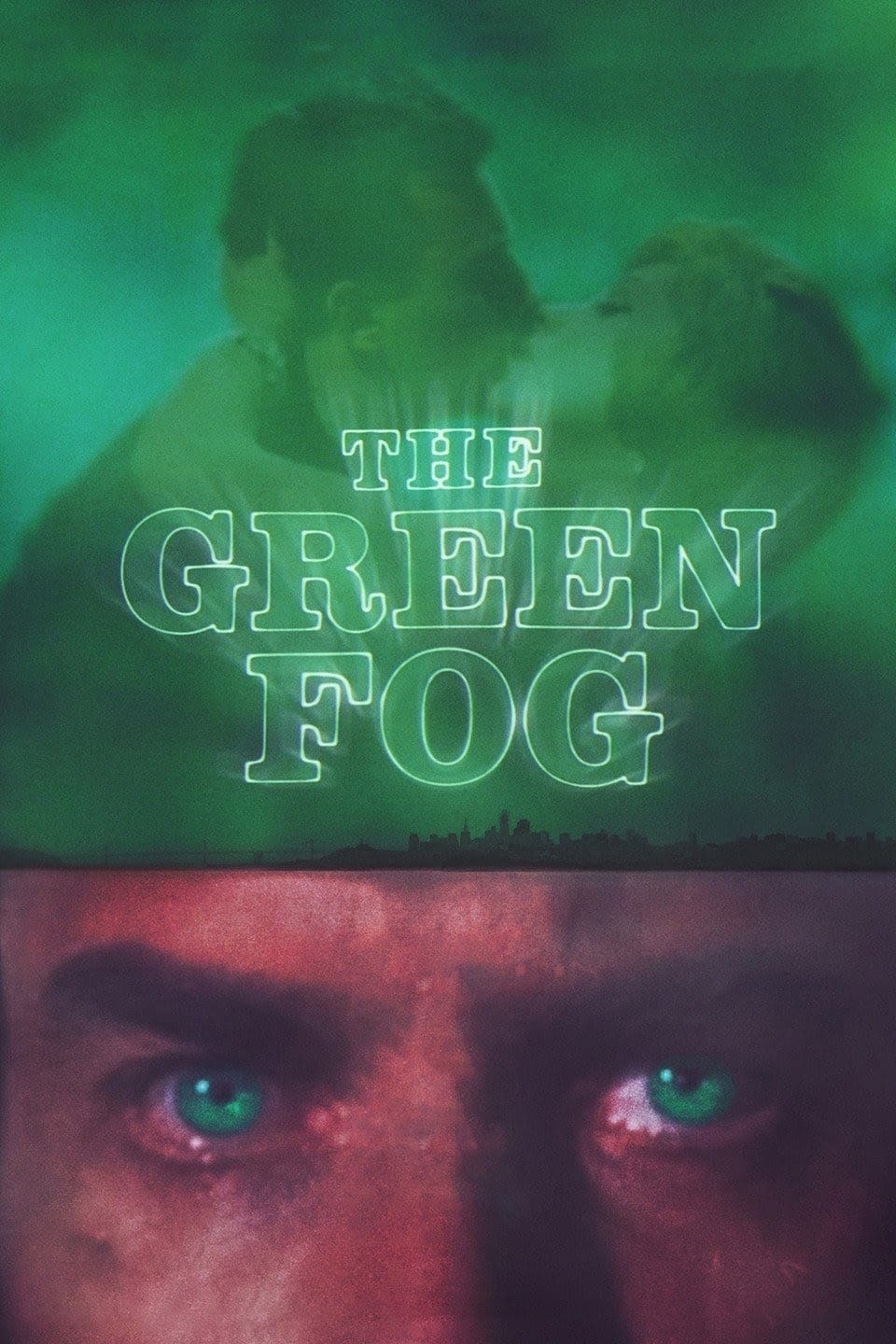
A tribute to a fascinating film shot by Alfred Hitchcock in 1958, starring James Stewart and Kim Novak, and to the city of San Francisco, California, where the magic was created; but also a challenge: how to pay homage to a masterpiece without using its footage; how to do it simply by gathering images from various sources, all of them haunted by the curse of a mysterious green fog that seems to cause irrepressible vertigo…
September 3rd, 1939. Britain and France declare war on Nazi Germany, only two days after the Wehrmacht invades Poland. This day, the sad date when the fate of the world changed forever, the Phoney War began: eight months of uncertainty, preparations, evacuations and skirmishes.
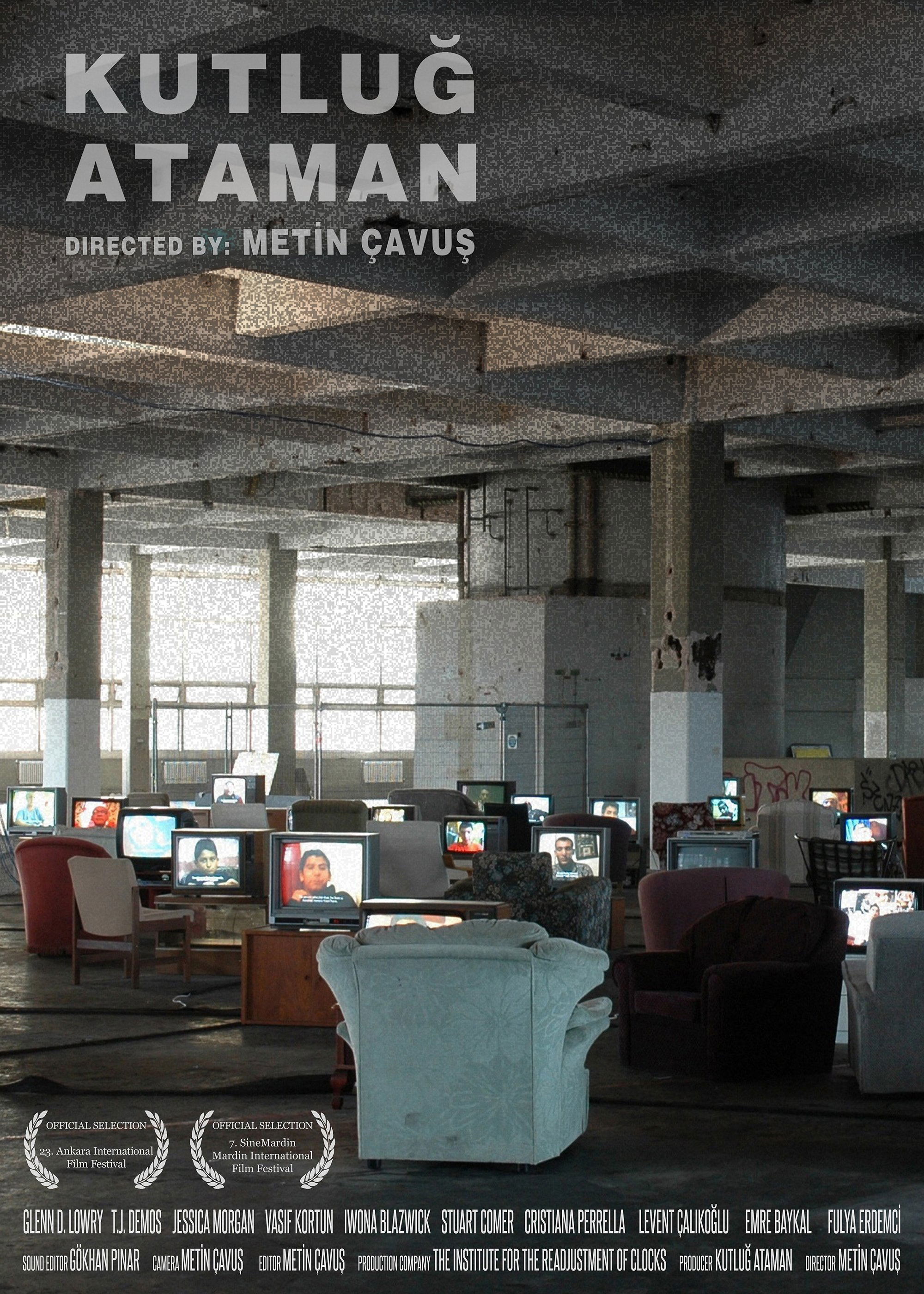
A Berlin street corner is slowly changing: an aging supermarket turns into a construction site and finally a new building. People restock shelves, demolish walls, take breaks and count money. Those who work here participate in the making and unmaking of the place. How does it shape the conditions of their labor? Between supermarket aisles, construction scaffolding and exposed concrete, different versions begin to overlap. Repetitions appear like echoes between worlds, both playful and eerie.
At the start of World War I, Paul Baumer is a young German patriot, eager to fight. Indoctrinated with propaganda at school, he and his friends eagerly sign up for the army soon after graduation. But when the horrors of war soon become too much to bear, and as his friends die or become gravely wounded, Paul questions the sanity of fighting over a few hundreds yards of war-torn countryside.
Ladies of good families and social standing come to have their afternoon tea with their daughters who will someday follow in the same tradition. A charming portrait of a time that is slowly disappearing.
A turn of the 20th Century office block at Portage and Main. What was once Winnipeg's most prestigious commercial address has become a catch-all for the marginalized and history's leftovers. A snapshot of a fading era, now gone for good.
Director Agnès Varda and photographer/muralist JR journey through rural France and form an unlikely friendship.
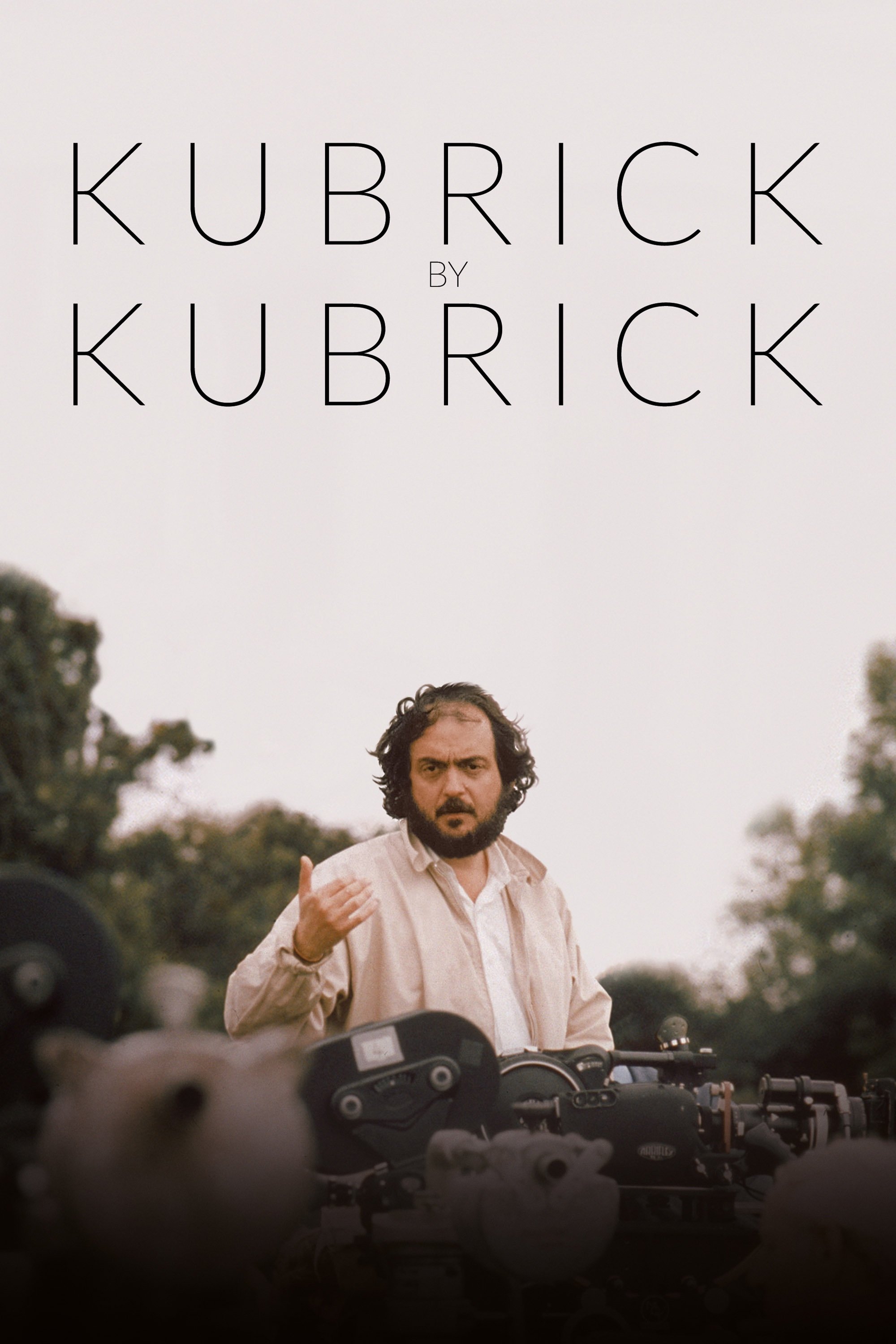
American filmmaker Stanley Kubrick (1928–1999), one of the greatest in history, but also one of the most reserved, gave few interviews throughout his long career, and none of them were filmed. A first-person journey through his life and work, based on a recorded conversation with French film critic Michel Climent.
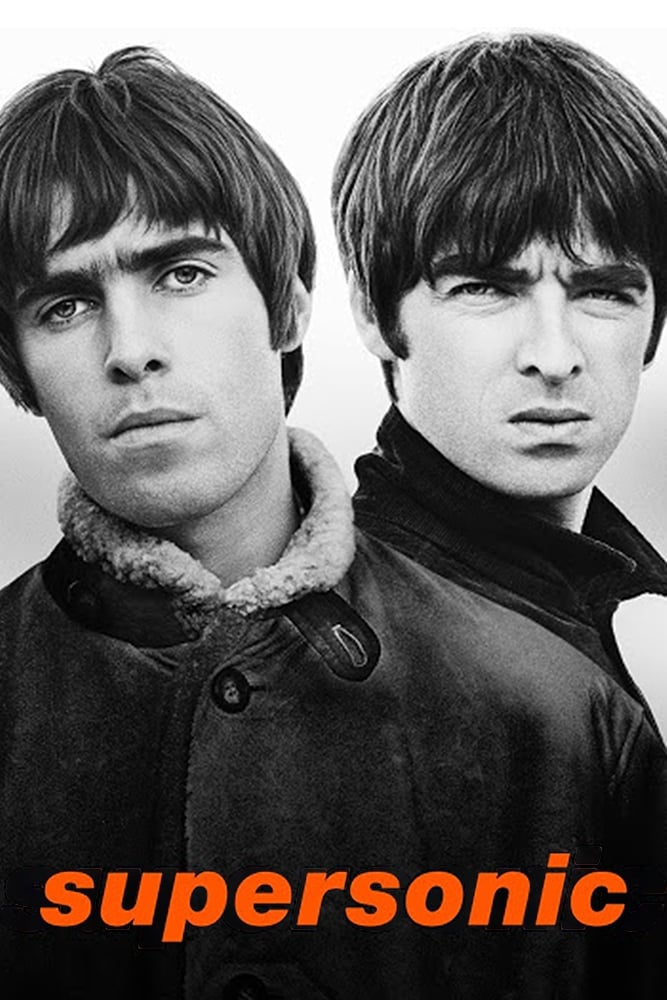
Supersonic charts the meteoric rise of Oasis from the council estates of Manchester to some of the biggest concerts of all time in just three short years. This palpable, raw and moving film shines a light on one of the most genre and generation-defining British bands that has ever existed and features candid new interviews with Noel and Liam Gallagher, their mother, and members of the band and road crew.
A primetime special with performances from the superstar including Adele’s first new material in six years plus her chart-topping hits. The special will also feature an exclusive interview with Adele by Oprah Winfrey from her rose garden, in Adele’s first televised wide-ranging conversation.
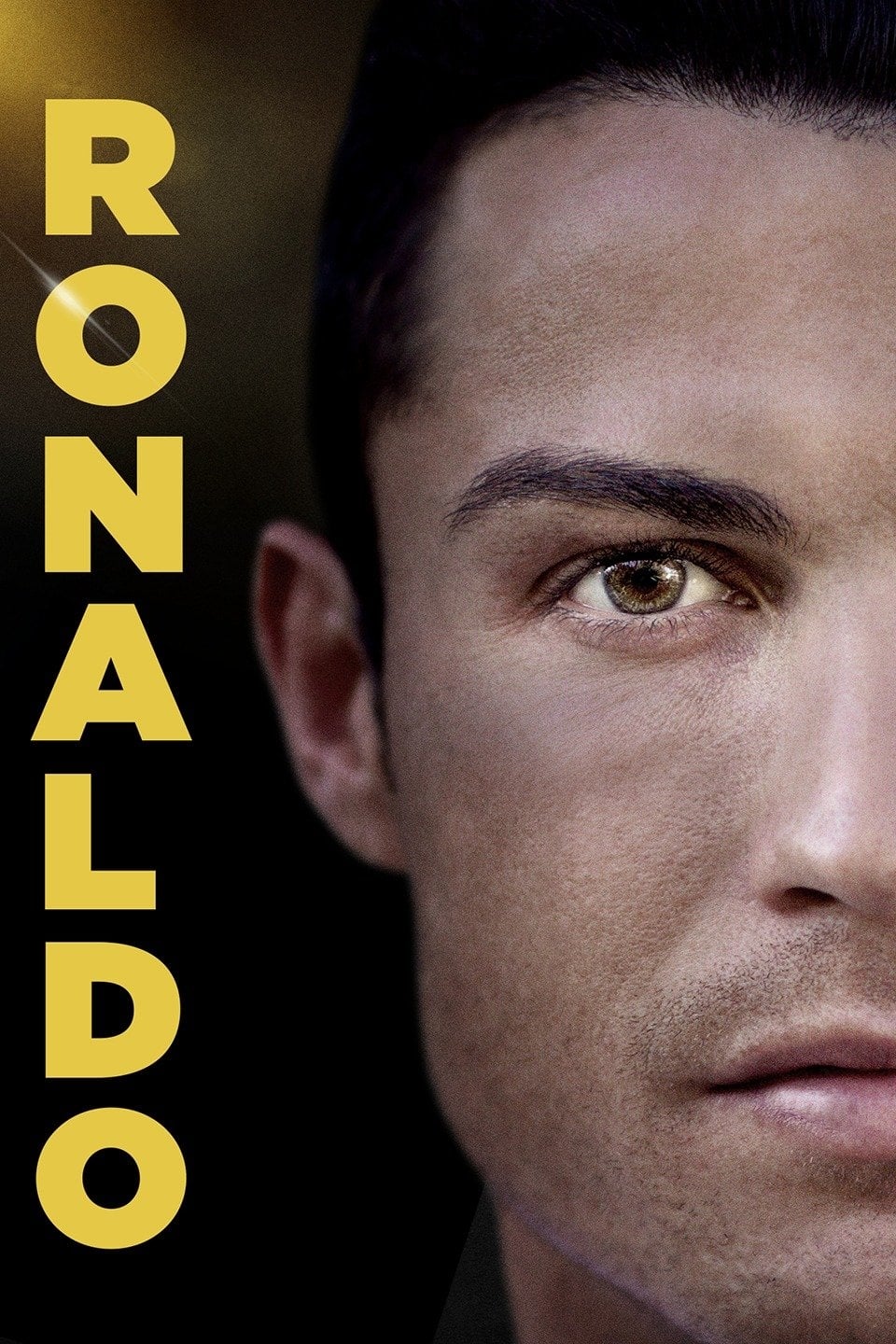
Filmed over 14 months with unprecedented access into the inner circle of the man and the sport, this is the first official and fully authorised film of one of the most celebrated figures in football. For the first time ever, the world gets vividly candid and un-paralleled, behind-closed-doors access to the footballer, father, family-man and friend in this moving & fascinating documentary. Through in-depth conversations, state of the art football footage and never before seen archival footage, the film gives an astonishing insight into the sporting and personal life of triple Ballon D'Or winner Cristiano Ronaldo at the peak of his career. From the makers of ‘Senna’ and ‘Amy’, Ronaldo takes audiences on an intimate and revealing journey of what it’s like to live as an iconic athlete in the eye of the storm.
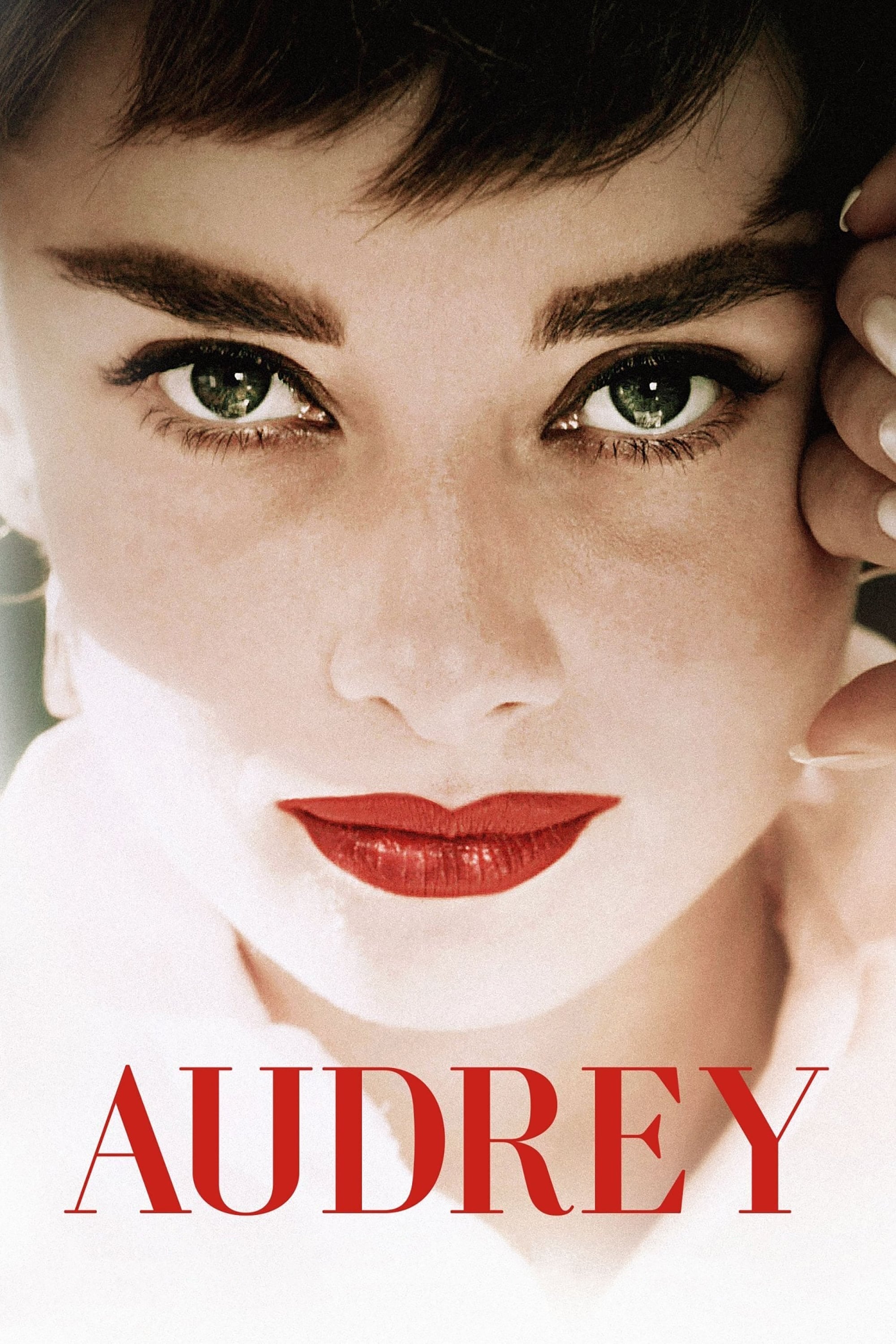
An unprecedented and intimate look at the life, work and enduring legacy of British actress Audrey Hepburn (1929-1993).
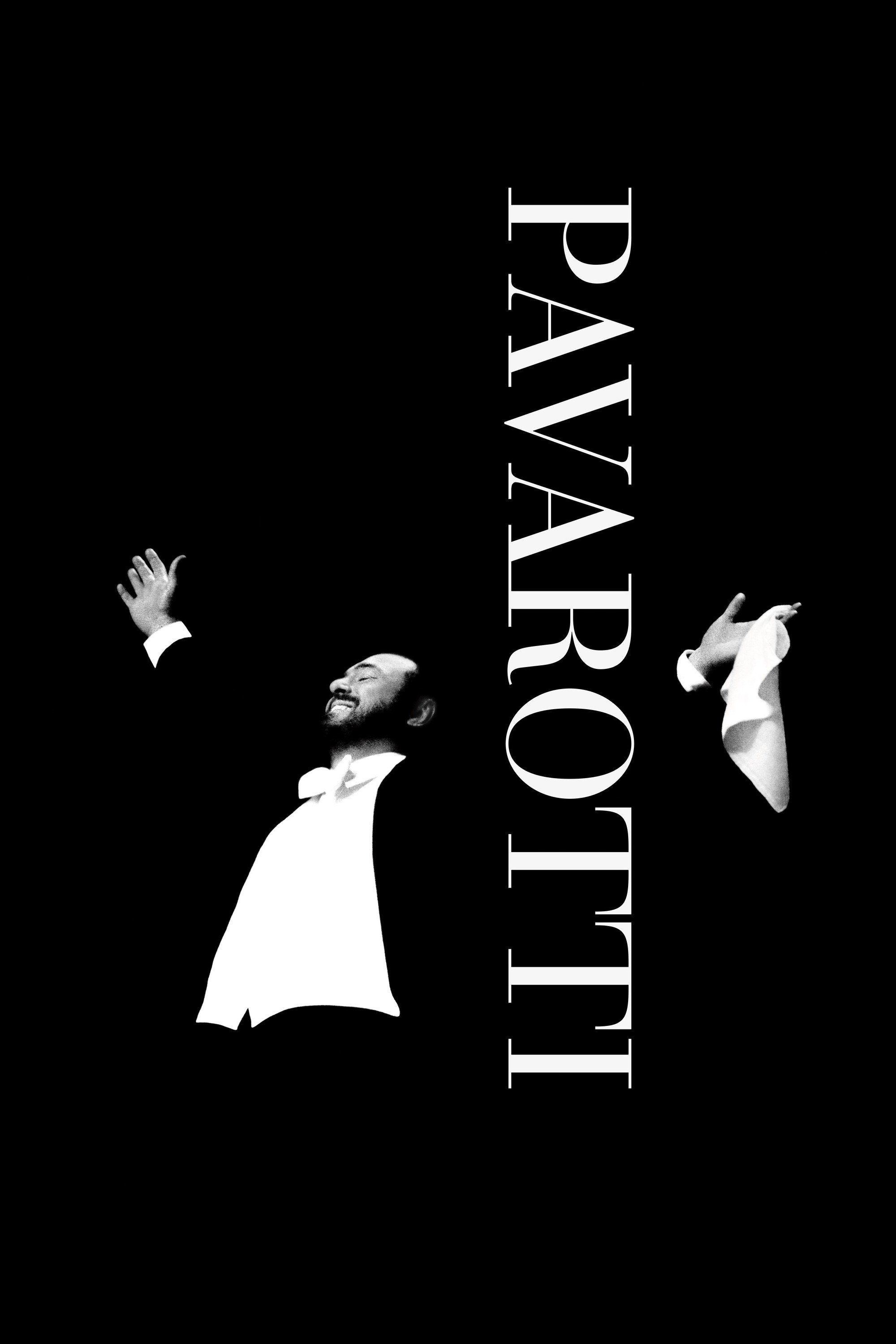
Featuring never-before-seen footage, concert performances and intimate interviews, filmmaker Ron Howard examines the life and career of famed opera tenor Luciano Pavarotti.
The history of cinematic sound, told by legendary sound designers and visionary filmmakers.
Commissioned by French television, this is a short documentary on the neo-classical statues found throughout Paris, predominantly on the walls of buildings, holding up windows, roofs etc.
A look at the story behind Marvel Studios and the Marvel Cinematic Universe, featuring interviews and behind-the-scenes footage from all of the Marvel films, the Marvel One-Shots and "Marvel's Agents of S.H.I.E.L.D."!
A documentary about World War I with never-before-seen footage to commemorate the centennial of Armistice Day, and the end of the war.
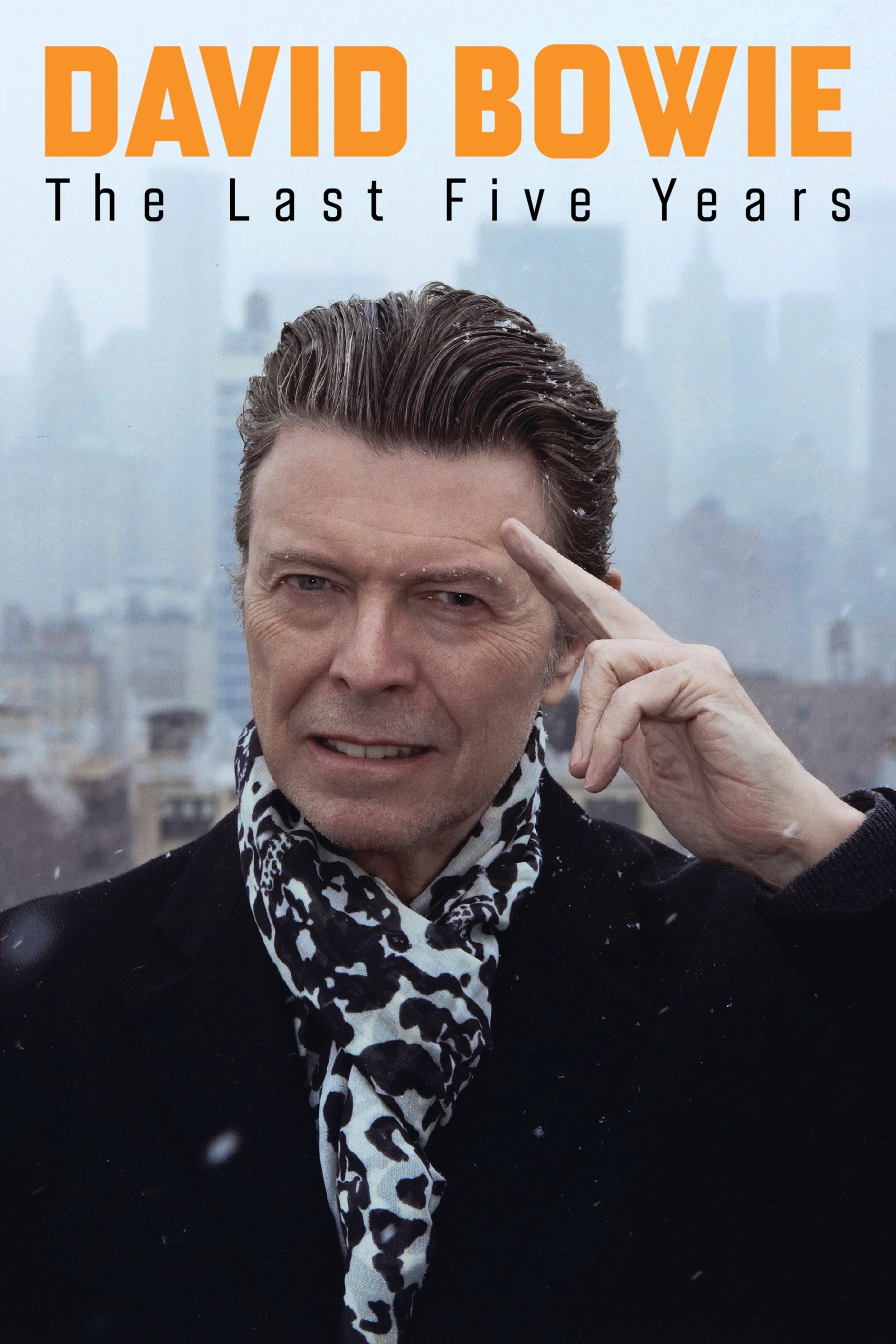
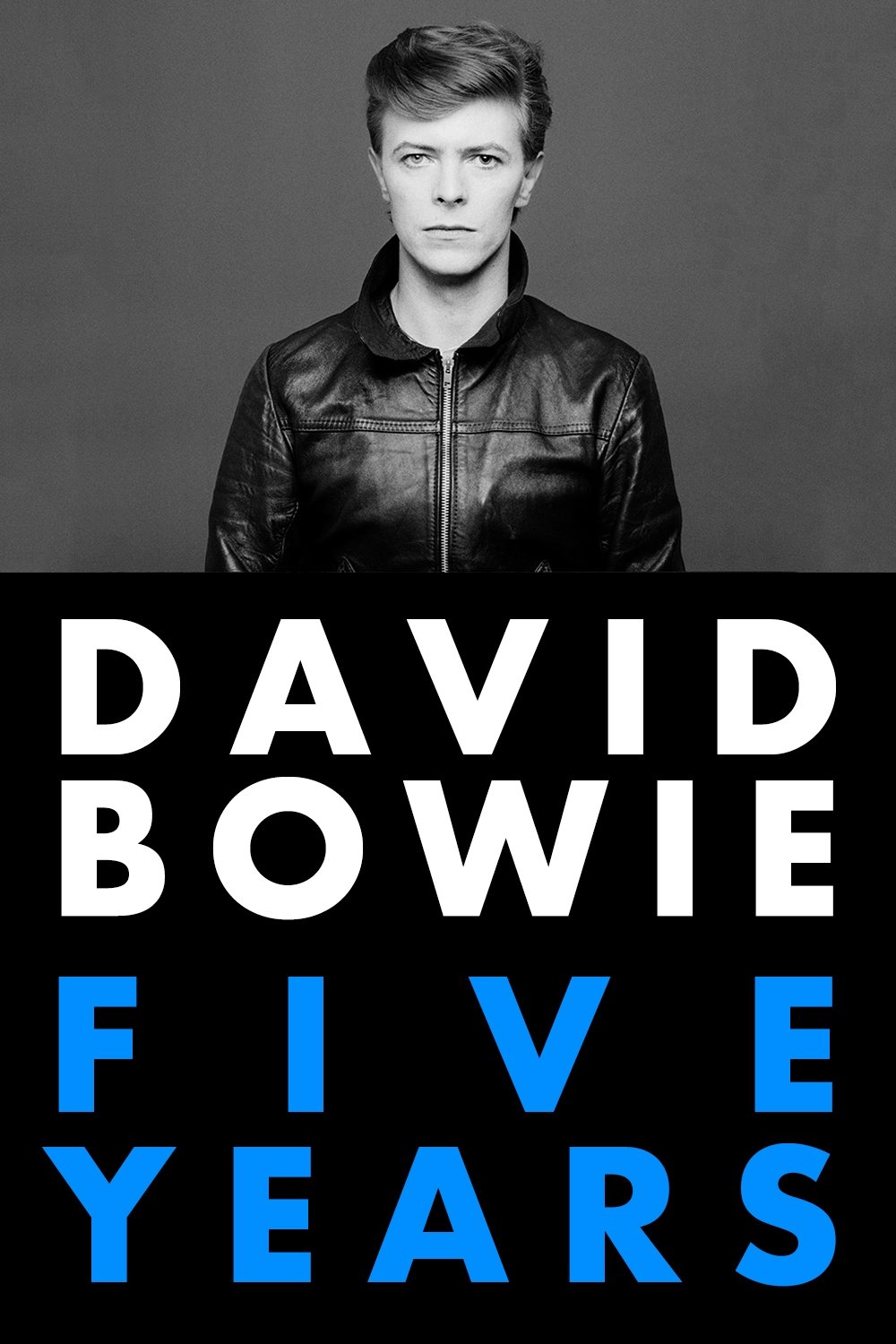
In the last five years of his life, David Bowie ended nearly a decade of silence to engage in an extraordinary burst of activity, producing two groundbreaking albums and a musical. David Bowie: The Last Five Years explores this unexpected end to a remarkable career. Made with remarkable access, Francis Whately’s documentary is a revelatory follow-up to his acclaimed 2013 documentary David Bowie: Five Years, which chronicled Bowie’s golden ‘70s and early-‘80s period.
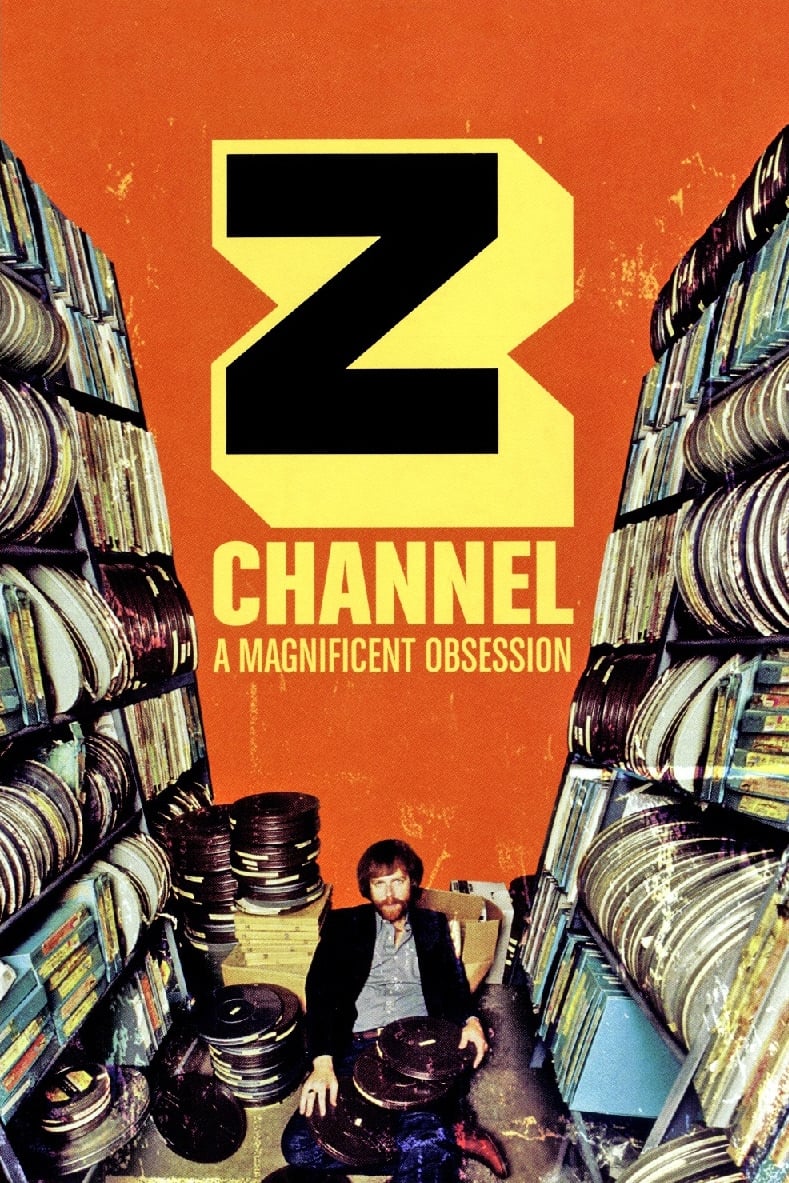
A documentary on the Z Channel, one of the first pay cable stations in the US, and its programming chief, Jerry Harvey. Debuting in 1974, the LA-based channel's eclectic slate of movies became a prime example of the untapped power of cable television.
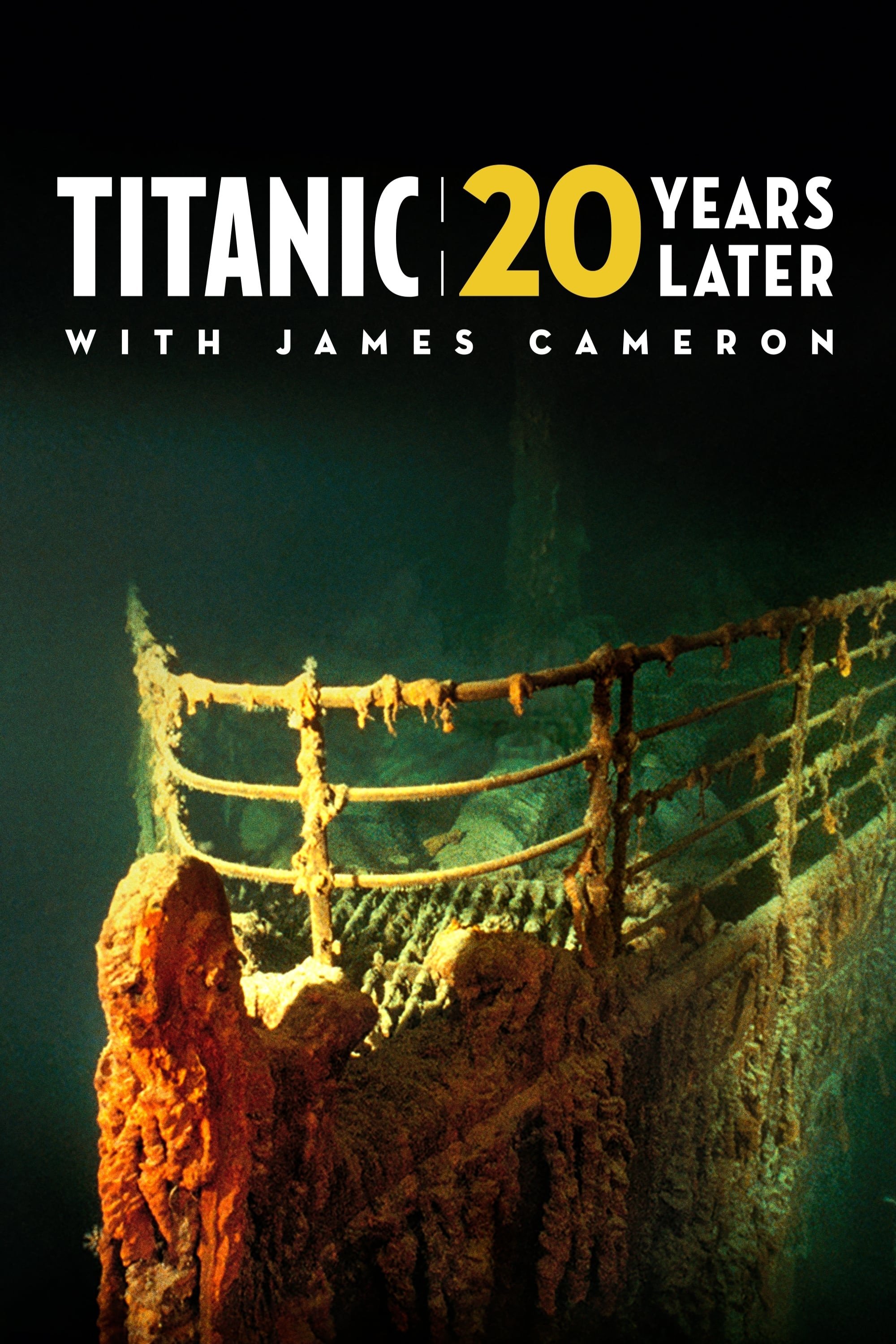
For the 20th anniversary of "Titanic," James Cameron reopens the file on the disaster.
Exuberant, eye-opening movie that serves up a dazzling hundred-year history of the role of gay men and lesbians have had on the silver screen. Film contains fabulous footage from 120 films showing the changing face of cinema sexuality, from cruel stereotypes to covert love to the activist triumphs of the 1990s.
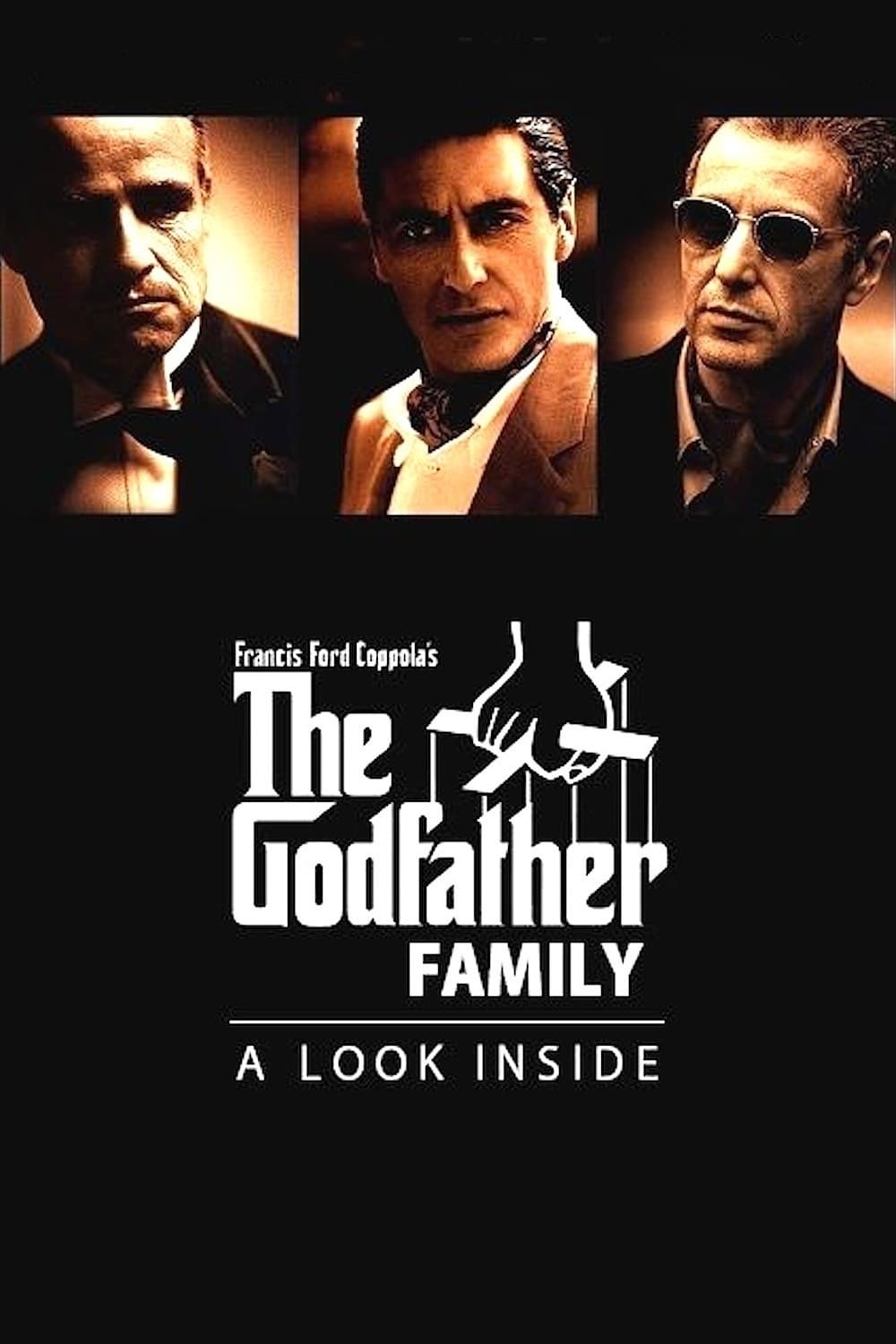
A documentary on the making of the three Godfather films, with interviews and recollections from the film makers and cast. This feature also includes the original screen tests of some of the actors for "The Godfather" film, and some candid moments on the set of "The Godfather: Part III."
A look behind the lens of Christopher Nolan's space epic.
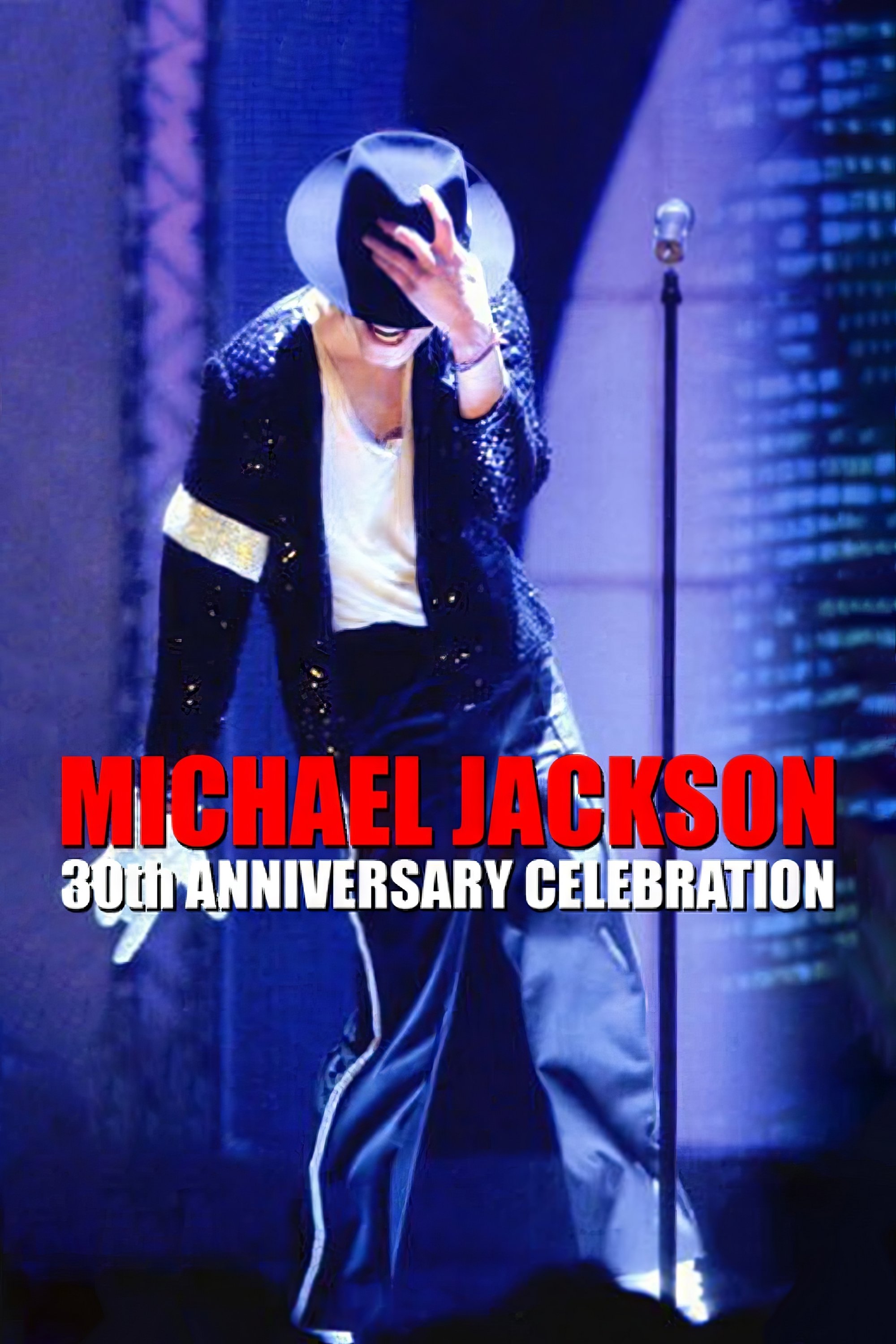
Celebrating the 30 year anniversary of Michael Jackson's solo career, this legendary performance took place on September 10, 2001.
A tribute to Italian filmmaker Sergio Corbucci (1926-90), presented by American filmmaker Quentin Tarantino.
Cameramen and women discuss the craft and art of cinematography and of the "DP" (the director of photography), illustrating their points with clips from 100 films, from Birth of a Nation to Do the Right Thing. Themes: the DP tells people where to look; changes in movies (the arrival of sound, color, and wide screens) required creative responses from DPs; and, these artisans constantly invent new equipment and try new things, with wonderful results. The narration takes us through the identifiable studio styles of the 30s, the emergence of noir, the New York look, and the impact of Europeans. Citizen Kane, The Conformist, and Gordon Willis get special attention.
This intimate, in-depth look at Beyoncé's celebrated 2018 Coachella performance reveals the emotional road from creative concept to cultural movement.