The Walking Man follows an 82-year-old man with a passion for the cosmos who has walked the equivalent of the Earth's circumference nearly four times.
Social & External

Self
For over 80 years, Merle Hayden has crusaded to recruit members to the utopian movement Lawsonomy. Founded by aircraft pioneer Alfred Lawson, Lawsonomy advocates for economic reform and clean, communal living that transforms followers into a "New Species" that will benefit the human race either in this life or the next. Merle joined Lawson as a teenager and never looked back. His high school sweetheart Betty Kasch, however, is tired of Lawson coming between them. Reunited after over 60 years apart, non-believer Betty wants Merle to join her in Florida. Merle's commitment to preserving Lawson's legacy, artifacts currently rotting in a barn alongside a Wisconsin highway, has Betty worried Merle may leave her for Lawson once again.

On August 7th 1974, French tightrope walker Philippe Petit stepped out on a high wire, illegally rigged between New York's World Trade Center twin towers, then the world's tallest buildings. After nearly an hour of performing on the wire, 1,350 feet above the sidewalks of Manhattan, he was arrested. This fun and spellbinding documentary chronicles Philippe Petit's "highest" achievement.
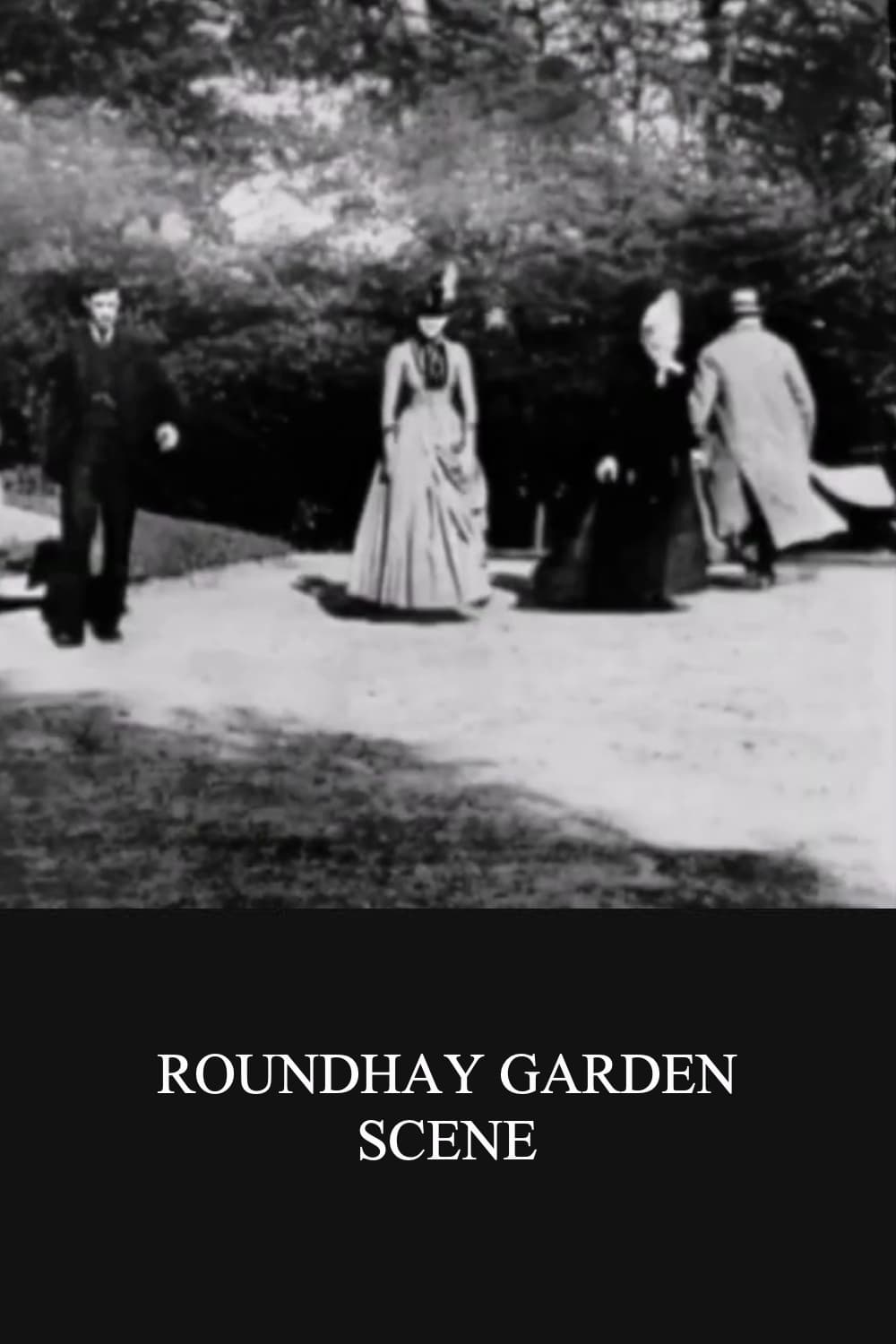
The earliest surviving motion-picture film, and believed to be one of the very first moving images ever created, was shot by Louis Aimé Augustin Le Prince using the LPCCP Type-1 MkII single-lens camera. It was taken on paper-based photographic film in the garden of Oakwood Grange, the Whitley family house in Roundhay, Leeds, West Riding of Yorkshire (UK), on 14 October 1888. The film shows Adolphe Le Prince (Le Prince’s son), Mrs. Sarah Whitley (Le Prince’s mother-in-law), Joseph Whitley, and Miss Harriet Hartley walking around in circles, laughing to themselves, and staying within the area framed by the camera. Roundhay Garden Scene is often associated with a recording speed of around 12 frames per second and runs for about 2 to 3 seconds.
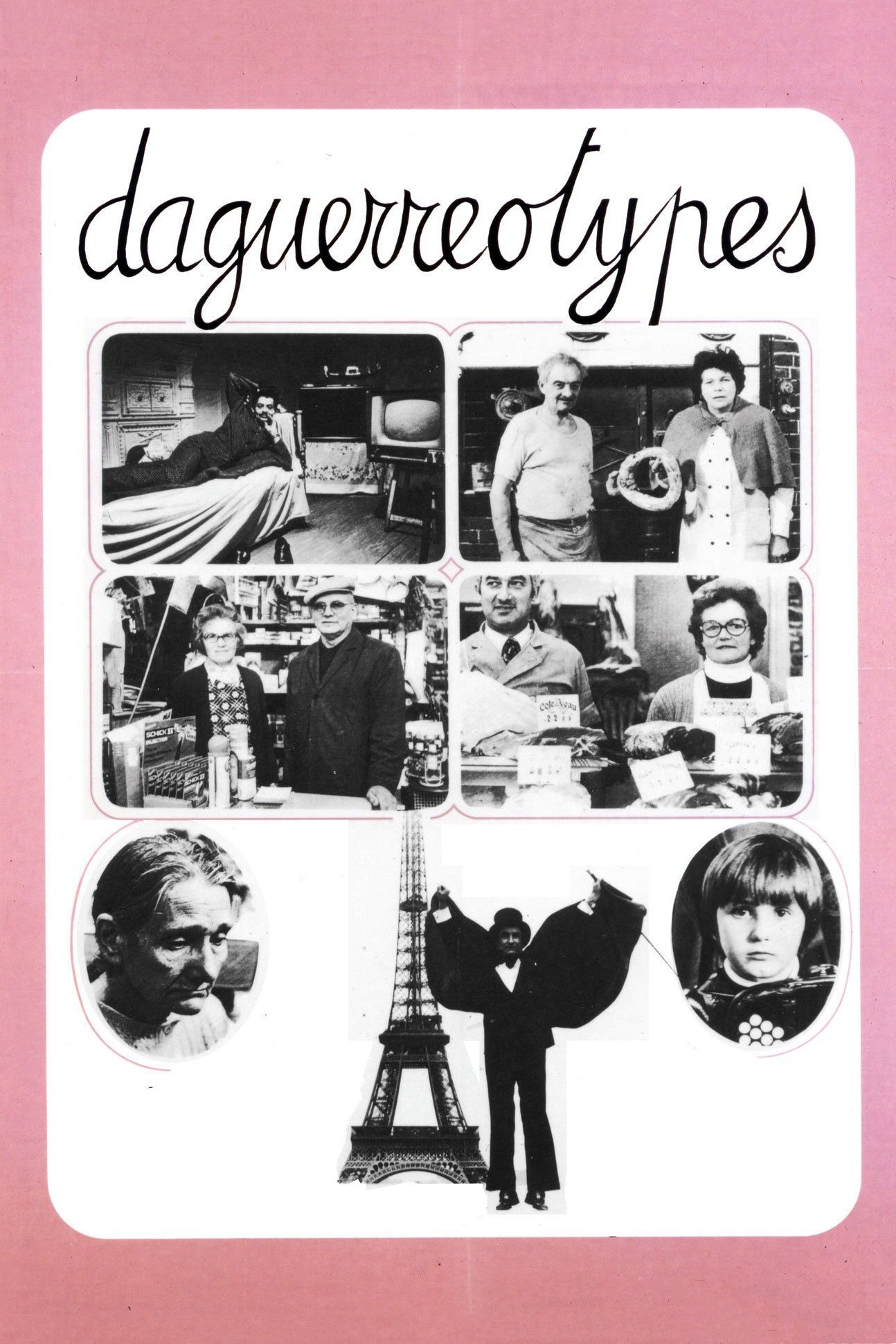
The ninth opus of his Walker Films series, which was shot at Centre Pompidou.
Is there any way to slow or even prevent the ravages of time? Veteran presenter Johnny Ball looks back over the 45 years that Horizon, and he, have been on air to find out what science has learned about how and why we grow old. Charting developments from macabre early claims of rejuvenation to the latest cutting-edge breakthroughs, Johnny discovers the sense of a personal mission that drives many scientists and asks whether we are really any closer to achieving the dream of immortality.
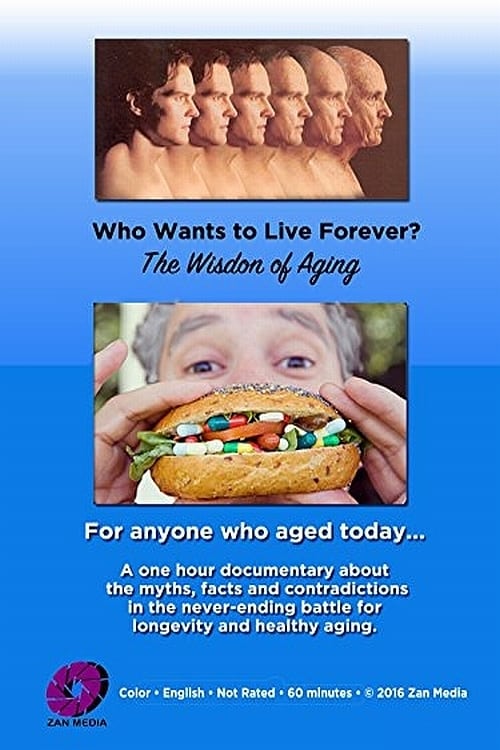
Who Wants to Live Forever, the Wisdom of Aging is a one hour documentary film about the myths, facts and contradictions in the never-ending battle for both longevity and healthy aging.
The story of Leon Vitali, who surrendered his promising acting career to become Stanley Kubrick's devoted right-hand man.
Walking 5,800 miles around the United States, Veteran Jonathan Hancock uses the solitude of the road and the company of his fellow Marine brothers and the families of their fallen to successfully manage his wounds from war.
At a mobile home park in small-town Northern California, five best friend retirees navigate their golden years with grace, humor, and wisdom, and reflect on the importance of genuine human connection.
For over 6 years, Matt Green, 37, has been walking every street in New York City – a total of more than 8000 miles. The World Before Your Feet tells the story of one man’s unusual quest and the journey of discovery, humanity, and wonder that ensues.

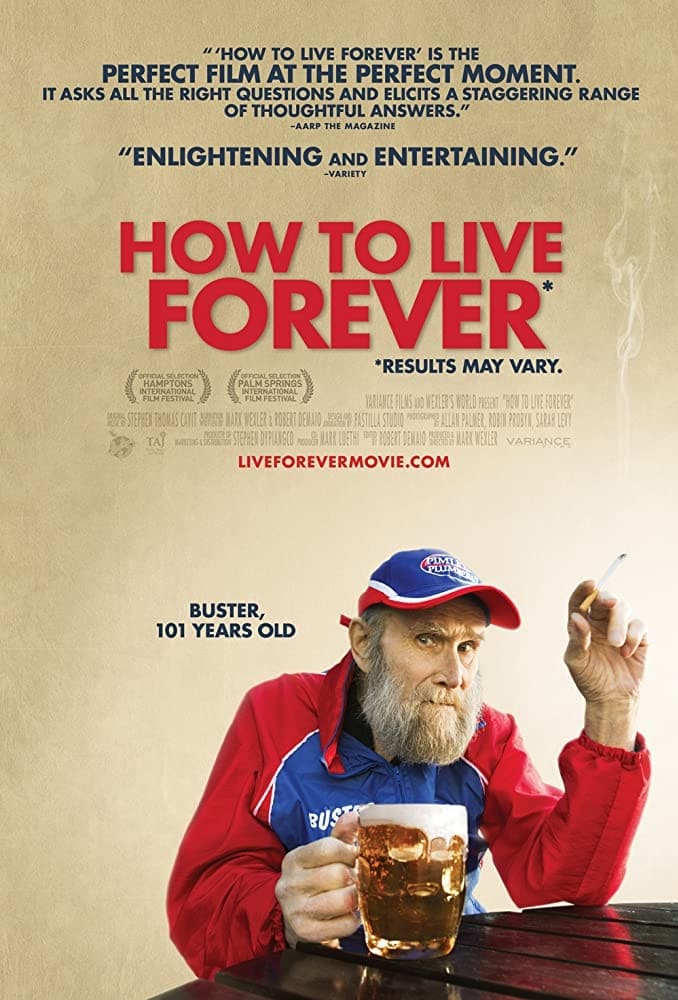
Director Mark Wexler embarks on a worldwide trek to investigate just what it means to grow old and what it could mean to really live forever. But whose advice should he take? Does 94-year-old exercise guru Jack LaLanne have all the answers, or does Buster, a 101-year-old chain-smoking, beer-drinking marathoner? What about futurist Ray Kurzweil, a laughter yoga expert, or an elder porn star? Wexler explores the viewpoints of delightfully unusual characters alongside those of health, fitness and life-extension experts in this engaging new documentary, which challenges our notions of youth and aging with comic poignancy. Begun as a study in life-extension, How To Live Forever evolves into a thought-provoking examination of what truly gives life meaning.
Hardly could anybody tell that 87 years old Lou has had Alzheimer’s disease. Over the years, Lou has forgotten almost everyone but firmly believes that 88 years old Feng is the one she is going to spend the rest of her life with.
In a decaying Soviet-era retirement home, a vibrant group of elders cling to life by staging Shakespeare. Yet loneliness lingers beyond the theater’s doors, until drama begins to blur with reality.
Shot over the course of 18 months in New York City's Lower East Side, METHADONIA sheds light on the inherent flaws of legal methadone treatments for heroin addiction by profiling eight addicts, in various stages of recovery and relapse, who attend the New York Center for Addiction Treatment Services (NYCATS).
James Castrission and Justin Jones, dare to not only tackle the perilous journey across Antarctica to the South Pole and return, but to do it completely unassisted – no sled dogs, no wind kites, just two men dragging their food, their shelter and themselves across 1140 kilometres of barren ice. And back again. As they battle frostbite, hypothermia, crevasses and starvation over three months of torture in the harshest place on Earth, Cas and Jonesy discover their limits, the nature of sportsmanship and the boundaries of the human spirit.
Nai Nai follows the story of a Chinese immigrant grandmother, Chu-Ming Wu. Known as “Nai Nai,” Chu-Ming has always been a woman of control. But her grasp of reality and the control of her own mind is slipping away. Told through the lens of her grandson, the film focuses on the joyful, heartbreaking and intimate moments in the last chapters of her life.
Every week, two friends born 67 years apart share their life stories in a senior home's living room. The younger friend convinces the 107-year-old lady to join her in an adventure: a road trip to the sea.
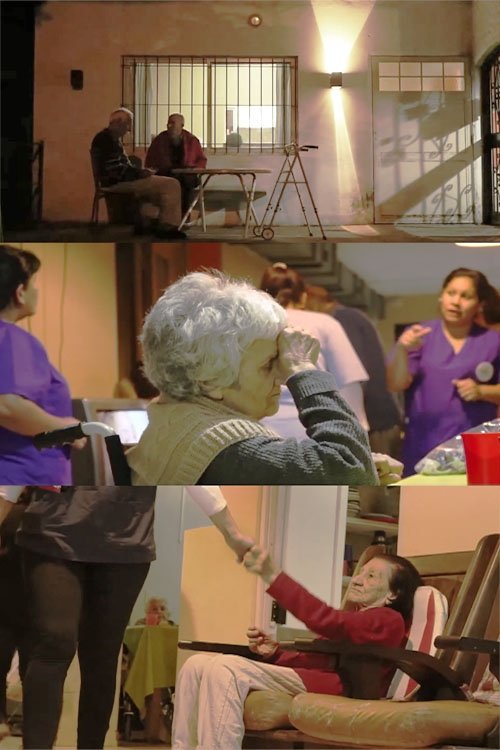
At Baycrest, an old-age home in Toronto, we follow a social worker as she talks to residents, particularly Max, Claire, Ida, and Rachel. The film opens on Claire's birthday, she's 89; Max, a tiny cheerful man, is her close friend. Rachel is lonesome, missing her son, complaining he rarely visits. Ida relies on memory for her solace. Helen has no memory and doesn't recognize her daughter; her moods swing. Murray keeps his cap on and likes women. Staff members bring medication, provide care, and offer small talk. Memory is fleeting: Claire re-experiences the death of a close companion several times, each time without remembering her previous grieving. Lives are circumscribed
What happens after death? Lila Ribi's 100-year-old grandmother Greti always has the same answer: There is nothing after death. The filmmaker sees things differently.
On the outside, it looks like any ordinary seniors' facility. But on the inside, a series of remarkable, late-in-life love stories of three different couples is unfolding.