Social & External
The people behind it
This haunting, personal film offers a firsthand perspective on the hereditary neurodegenerative Huntington’s Disease. The condition typically shows up in mid-adult life, and DNA testing has shown Wellington film editor and screenwriter Bridget Lyon is likely to fall prey. She and her husband, director Jeff McDonald, are forced to face the disease’s horrors head-on while watching her mother’s deterioration.
Selma, a Czech immigrant on the verge of blindness, struggles to make ends meet for herself and her young son, who has inherited the same genetic disorder and will suffer the same fate without an expensive operation. When life becomes increasingly difficult, Selma learns to cope through her love of musicals, dreaming up little numbers to the rhythmic beats of her surroundings.
After their mother dies during a violent break-in, two siblings move in with their estranged father discover their family's sinister heritage.
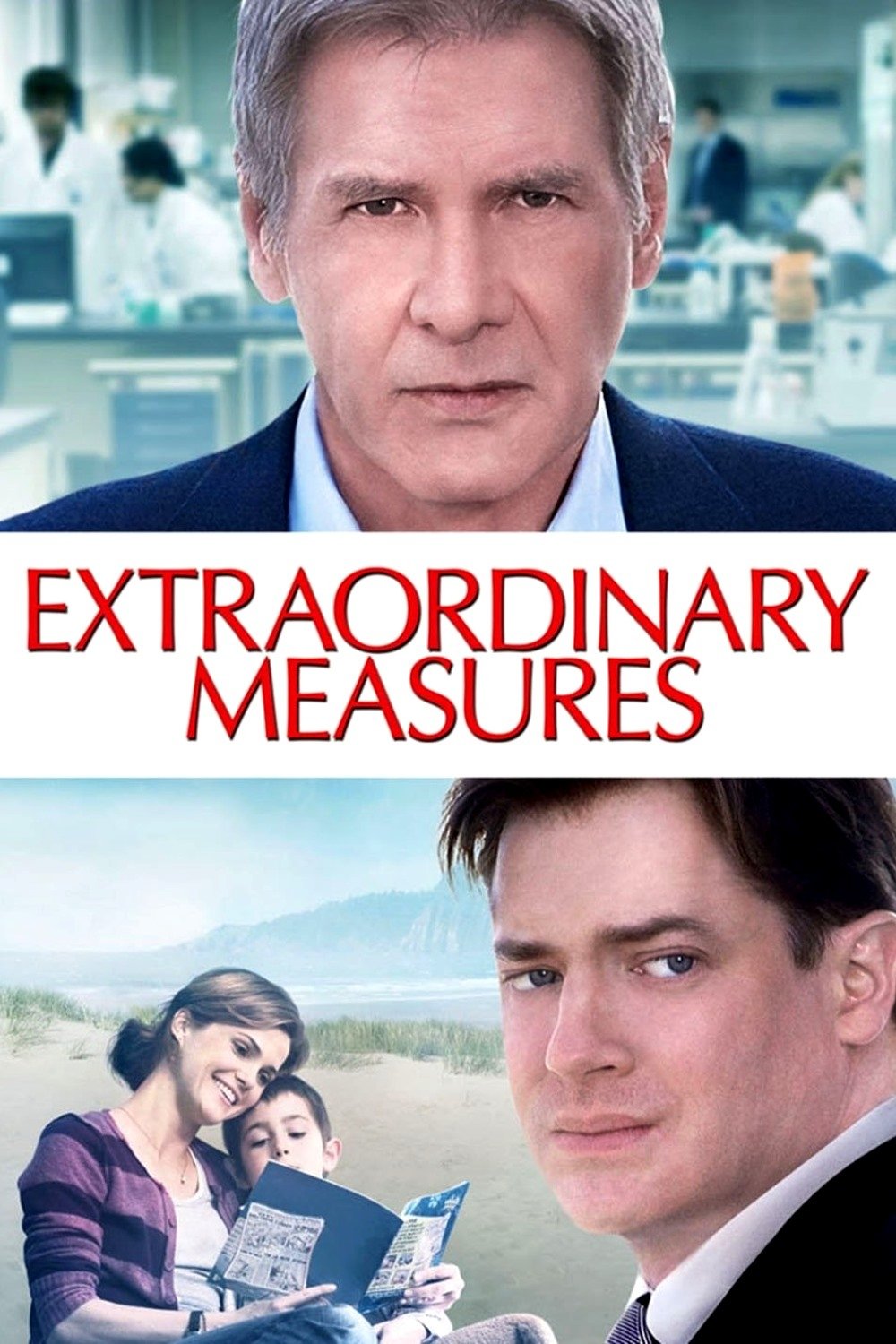
Working-class father John Crowley is finally on the fast track to corporate success when his two young children are diagnosed with Pompe disease—a condition that prevents the body from breaking down sugar. With the support of his wife, John ditches his career and teams with unconventional specialist, Dr. Robert Stonehill to found a bio-tech company and develop a cure in time to save the lives of his children. As Dr. Stonehill works tirelessly to prove the theories that made him the black sheep of the medical community, a powerful bond is forged between the two unlikely allies.
While walking along the beach, Christian and his girlfriend discover a mysterious woman washed ashore. The following day, Christian meets the woman again at a yacht party and soon finds himself entangled in a web of lust, intrigue and murder.
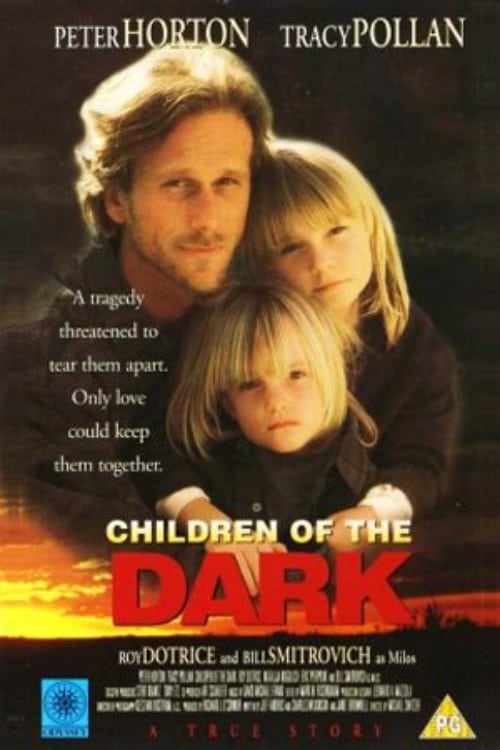
The true story of parents who discover that their two young daughters have a genetic disease that makes it fatal for them to be exposed to ordinary light.
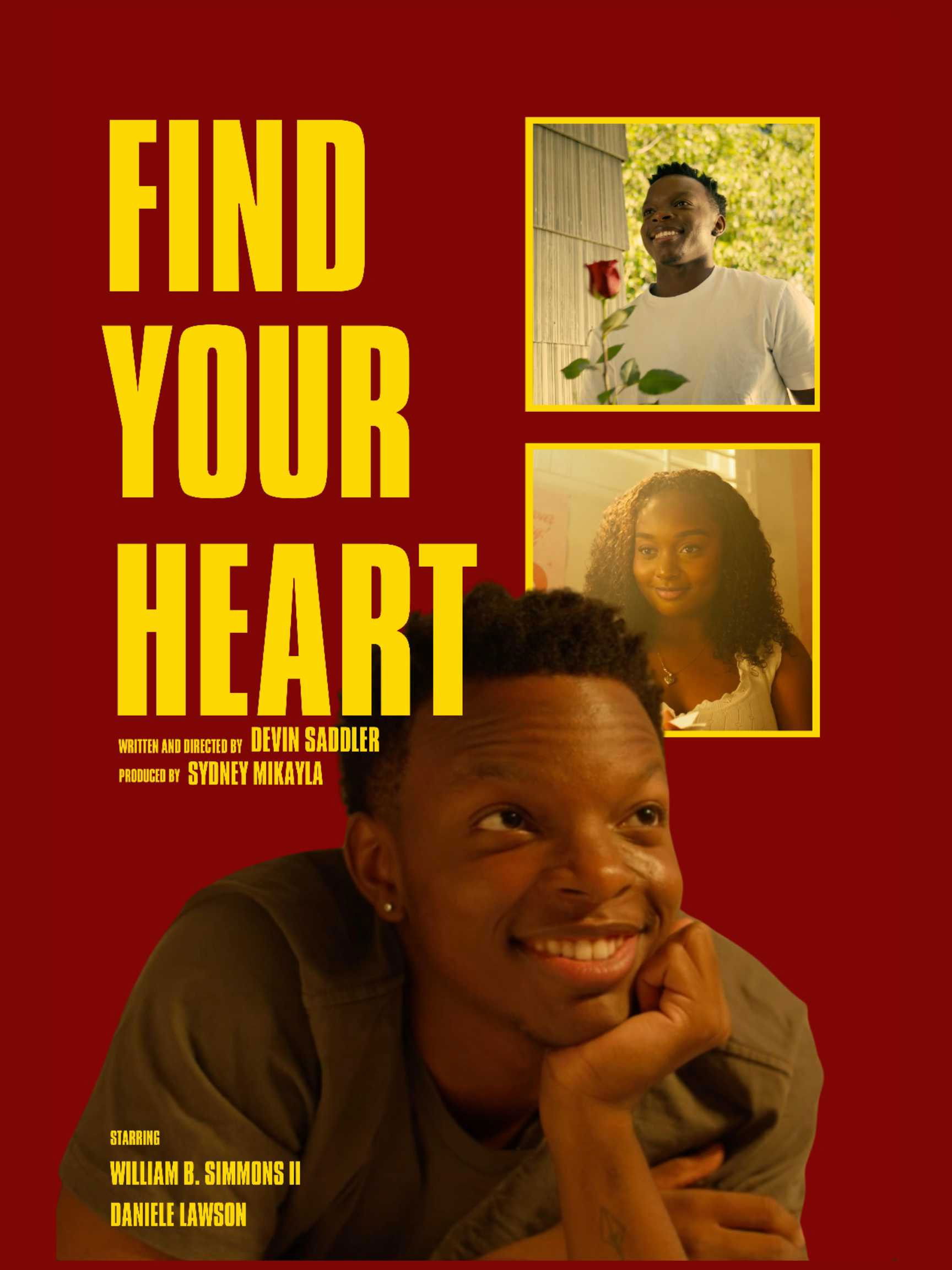
After discovering he shares his mother’s fatal heart condition, a desperate medical student follows her advice to confess his love to his lifelong crush and “find his heart” before time runs out.
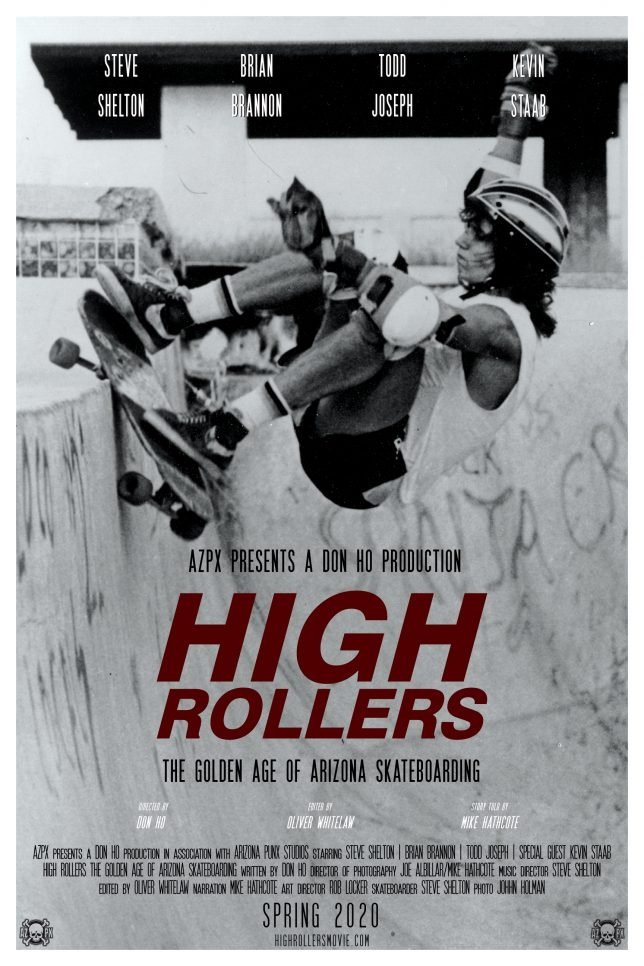
Watching High Rollers – The Golden Age of Arizona Skateboarding is like finding a lost artifact that helps complete a larger mystery from the past. In this case High Rollers adds a much needed layer of knowledge to the origins of radical vertical, and over-vertical, skateboarding. The skateboard boom of the 1970’s went from “sidewalk surfing” and driveway antics to aerials out of backyard swimming pools in an astonishingly short span of time. This evolutionary leap was for the most part well documented in the pages of Skateboarder Magazine and the 2001 documentary Dogtown and Z-Boyz. However, the field of vision both of these forms of media is narrow (although both are excellent), they both deal almost exclusively with what was happening in California (with occasional nods to Florida). It is understandable as skateboarding was born and given life in California, but what happened next? What was going on elsewhere?
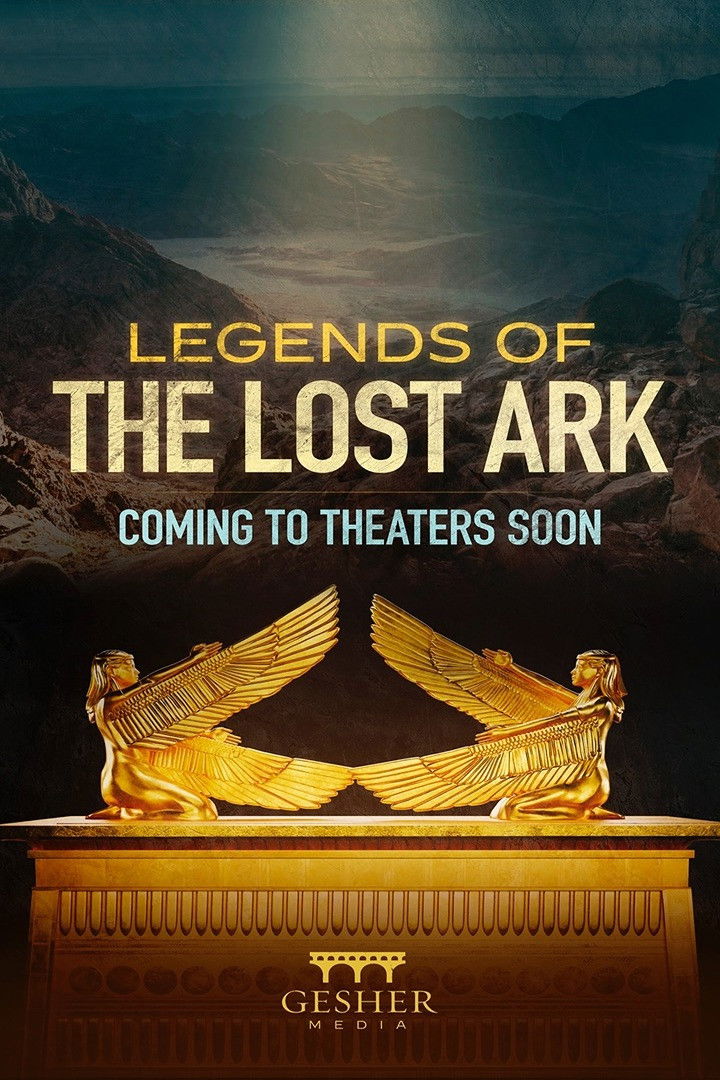
Chronicles archaeologist Dr. Chris McKinny’s search for the Ark of the Covenant. Supported by insights from scientists, historians, and biblical scholars, he explores three ancient legends pointing to final resting place of the iconic relic.
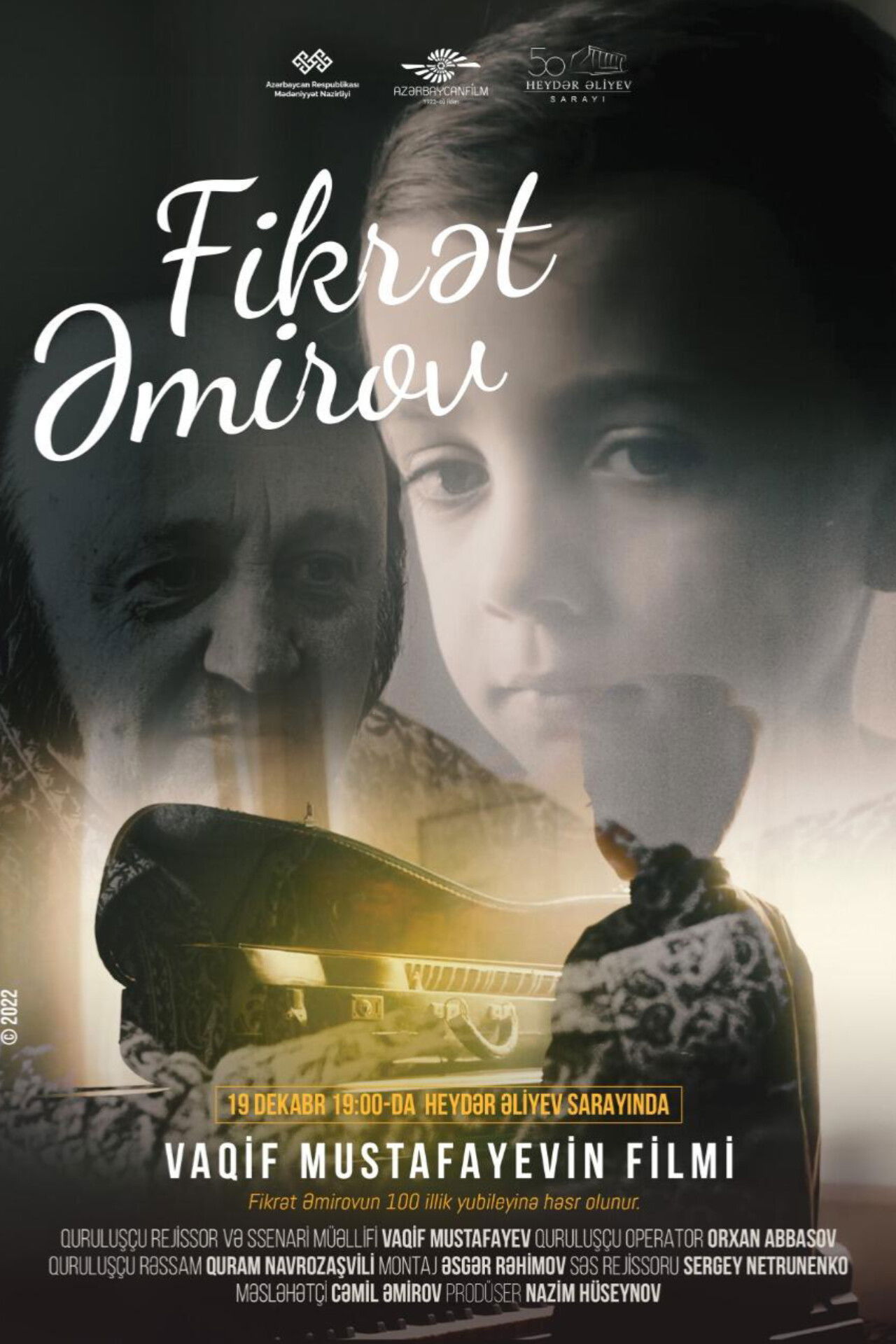
A film about Fikrət Əmirov.
Memoirs of F.M. Dostoevsky about N.A. Nekrasov, performed by the actor Alexander Filippenko.
The film is based on the memoirs of Klavdiya Shulzhenko and her songs: "The Blue Scarf", "Three Waltzes", "Silence", "Hands", "The Note". The film features archival footage, as well as scenes shot in Kharkiv and Paris.
Two years ago, Mohammed VI succeeded his father, Hassan II, without any apparent difficulties. Is this succession really as smooth as it seems?
Hat, Lucie, Benny, Paul and Karen leave their old life behind and disappear for a while to reset. Some of them use a new identity. As they try to get closer to their true self, they find themselves re-evaluating the norms they grew up in.
A documentary about the punk band Lagwagon. Includes interviews and live songs.
A documentary showing the proceedings around a French castle, turned luxury hotel, over a year.
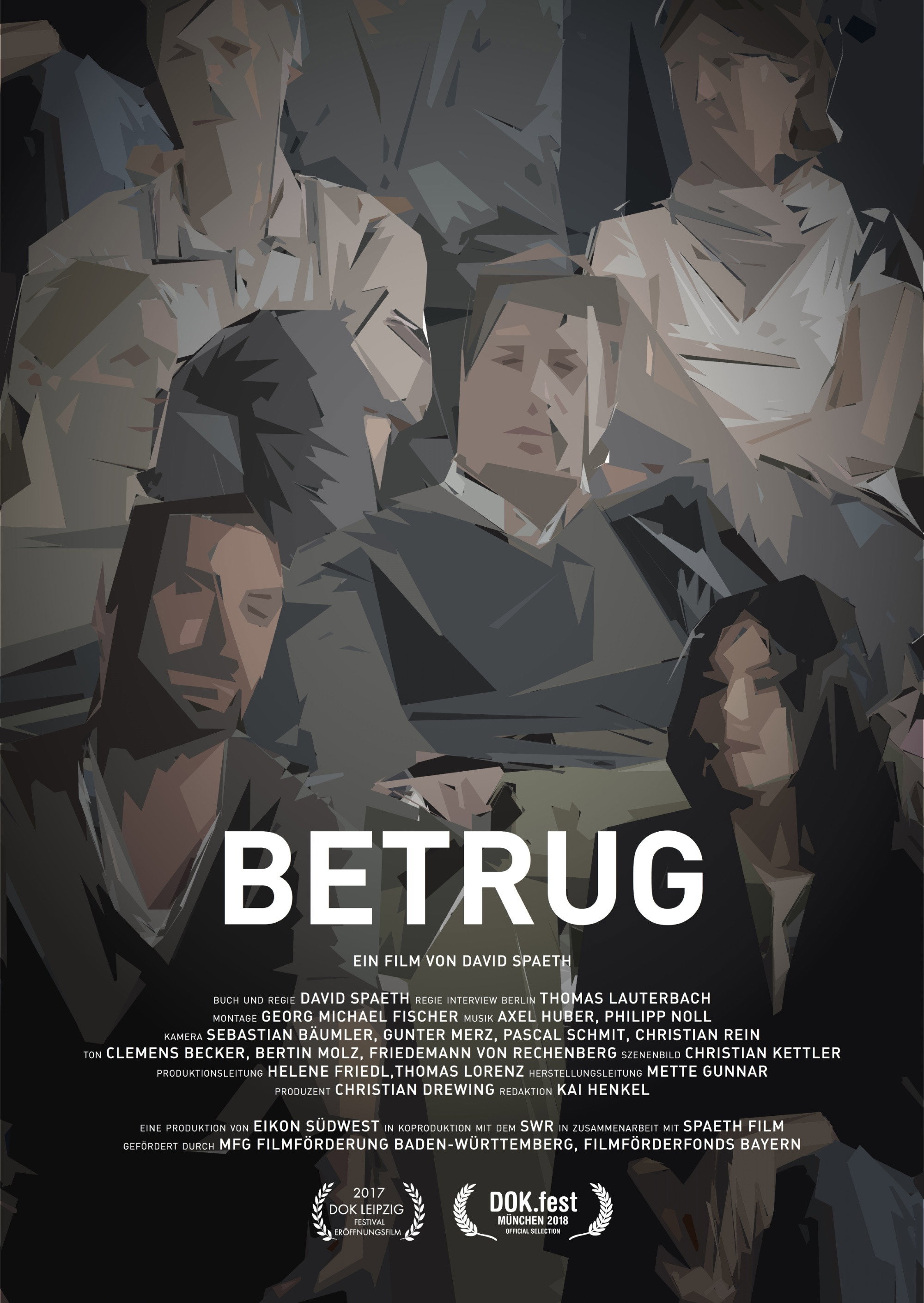
For a life of pomp and splendor, Bastian takes over the kindergarten of a private parents' initiative as treasurer. The documentary tells the true story of an impostor. It is about social coexistence, trust and setting an example of values for children. Bastian doesn't give a damn about these values. For him, they are just annoying conventions, obstacles on the way to a life with a Ferrari and high-class prostitutes. And for this life, Bastian steals from the kindergarten of a private parents' initiative. For the viewer, this is an astonishing balancing act between right and wrong, between pity and schadenfreude.
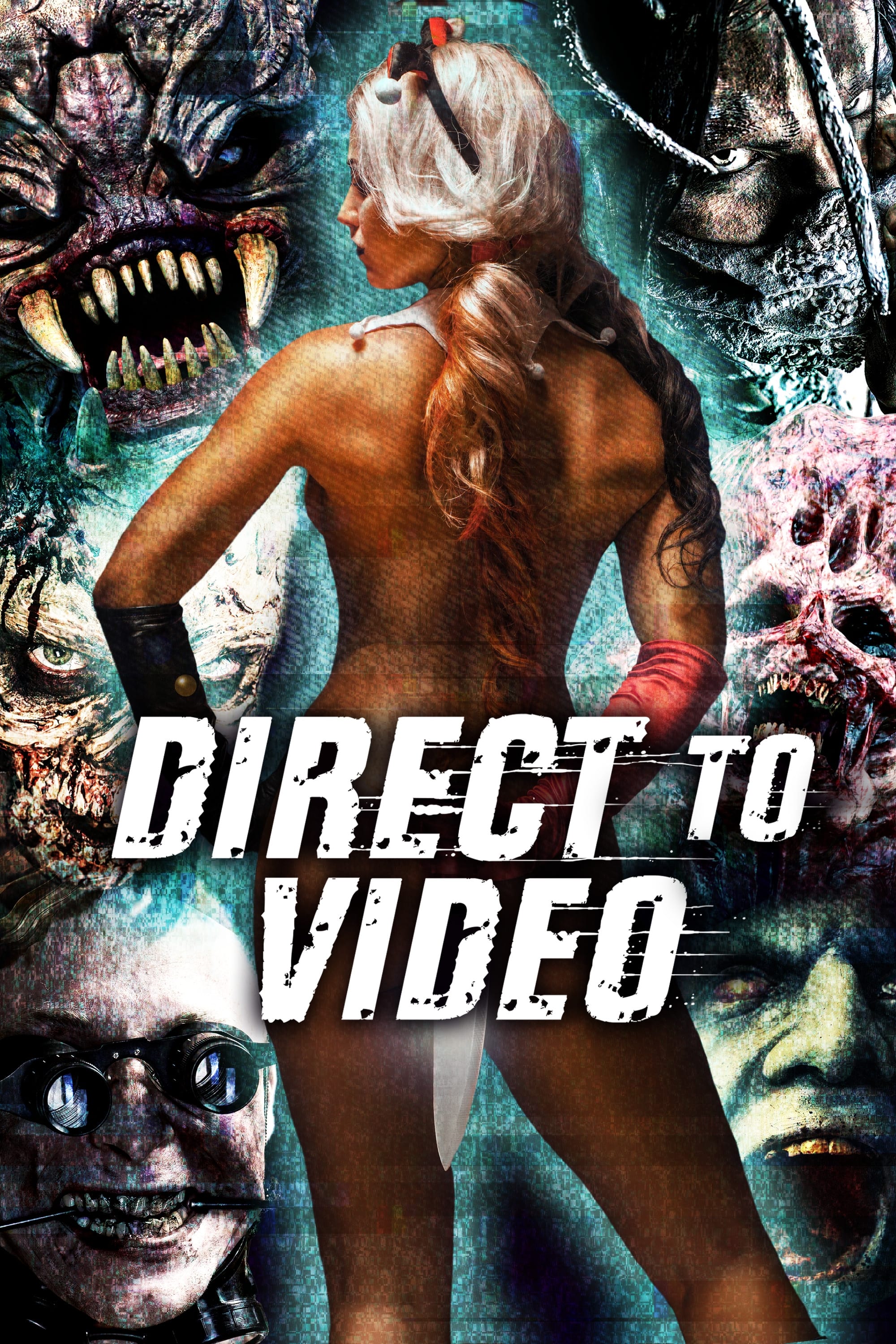
A documentary about the direct-to-video horror hits of the 90s.
Through interviews with both young people and notable Jewish artists and intellectuals such as Tony Kushner, Judith Butler, James Shamus, and Gary Shteyngart, Some of My Best Friends are Zionists explores the changing views of the American-Jewish community on the state of Israel. Despite statements from official Jewish organizations or the reports of the mainstream media, when it comes to American support of Zionism, change appears to be happening.
In an intimate and joyful story of love in the face of loss, celebrated poets Andrea Gibson and Megan Falley find strength—and unexpected hilarity—in what might be their final year together.
A string of threatening emails escalates into a revenge plot involving a newly married US marshal and his ex-girlfriend.
A documentary about the life and films of director John Ford.
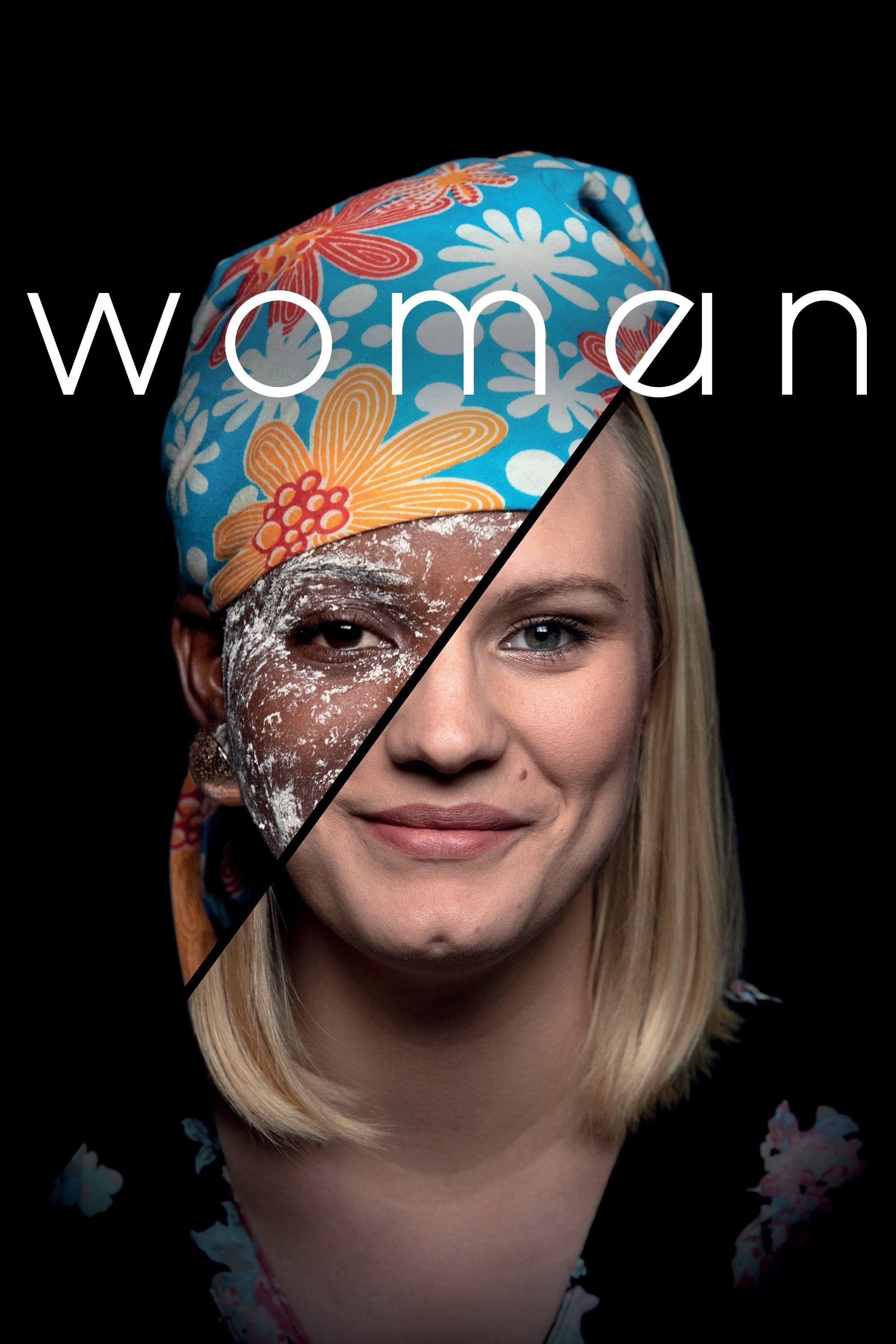
The film is based on interviews with 2,000 women from 50 countries, and covers the status of women all over the world. The topics covered include forced marriages, sexual assault, female genital mutilation, acid attacks, motherhood, sexuality, menstruation, education and the professional success of women.
Director Michael Apted revisits the same group of British-born adults after a 7 year wait. The subjects are interviewed as to the changes that have occurred in their lives during the last seven years.
An inside look at one of the most anticipated movie sequels ever with James Cameron and cast.
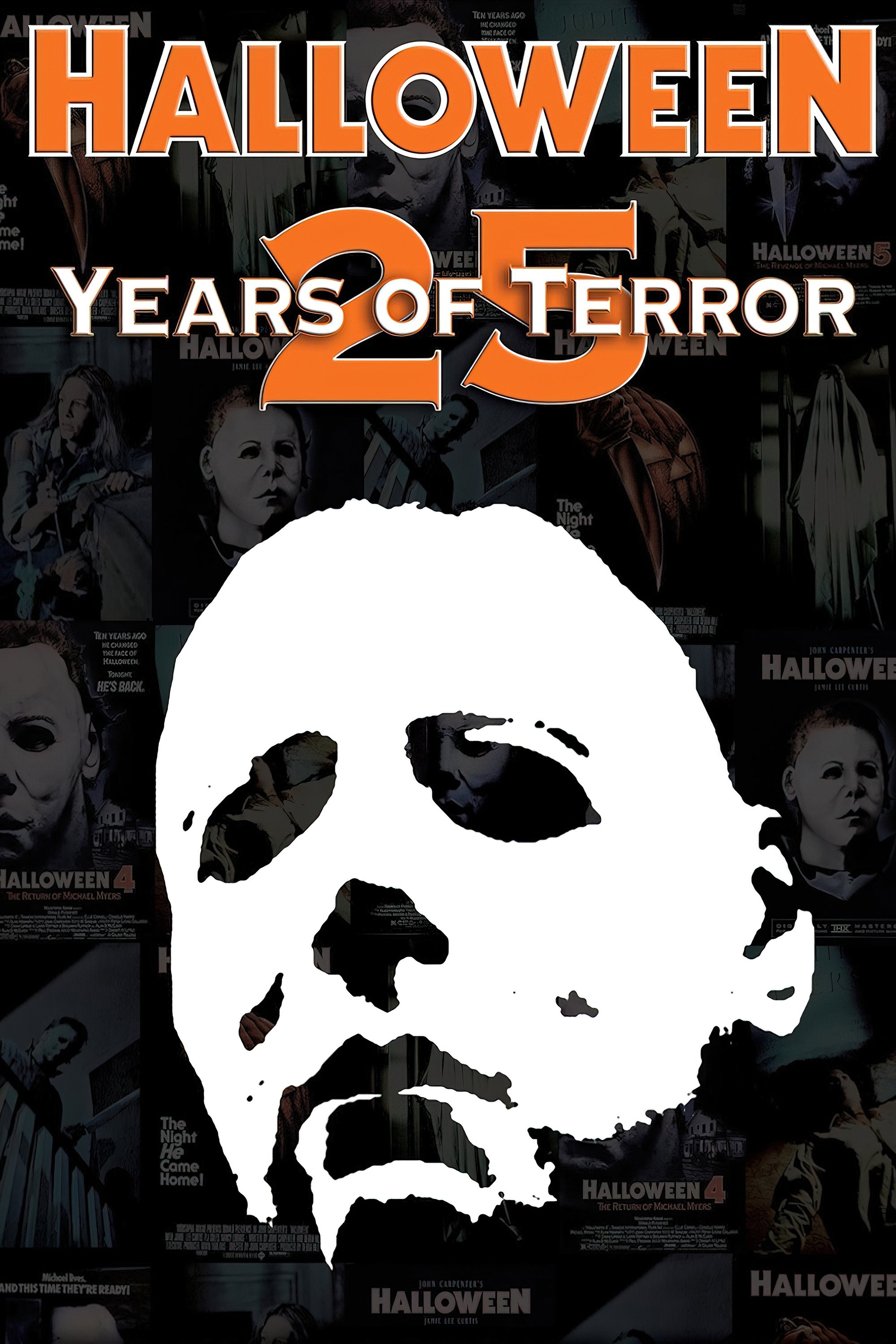
Follow the evolution of the 'Halloween' movies over the past twenty-five years. It examines why the films are so popular and revisits many of the original locations used in the films - seeing the effects on the local community. For the first time, cast, crew, critics and fans join together in the ultimate 'Halloween' retrospective.
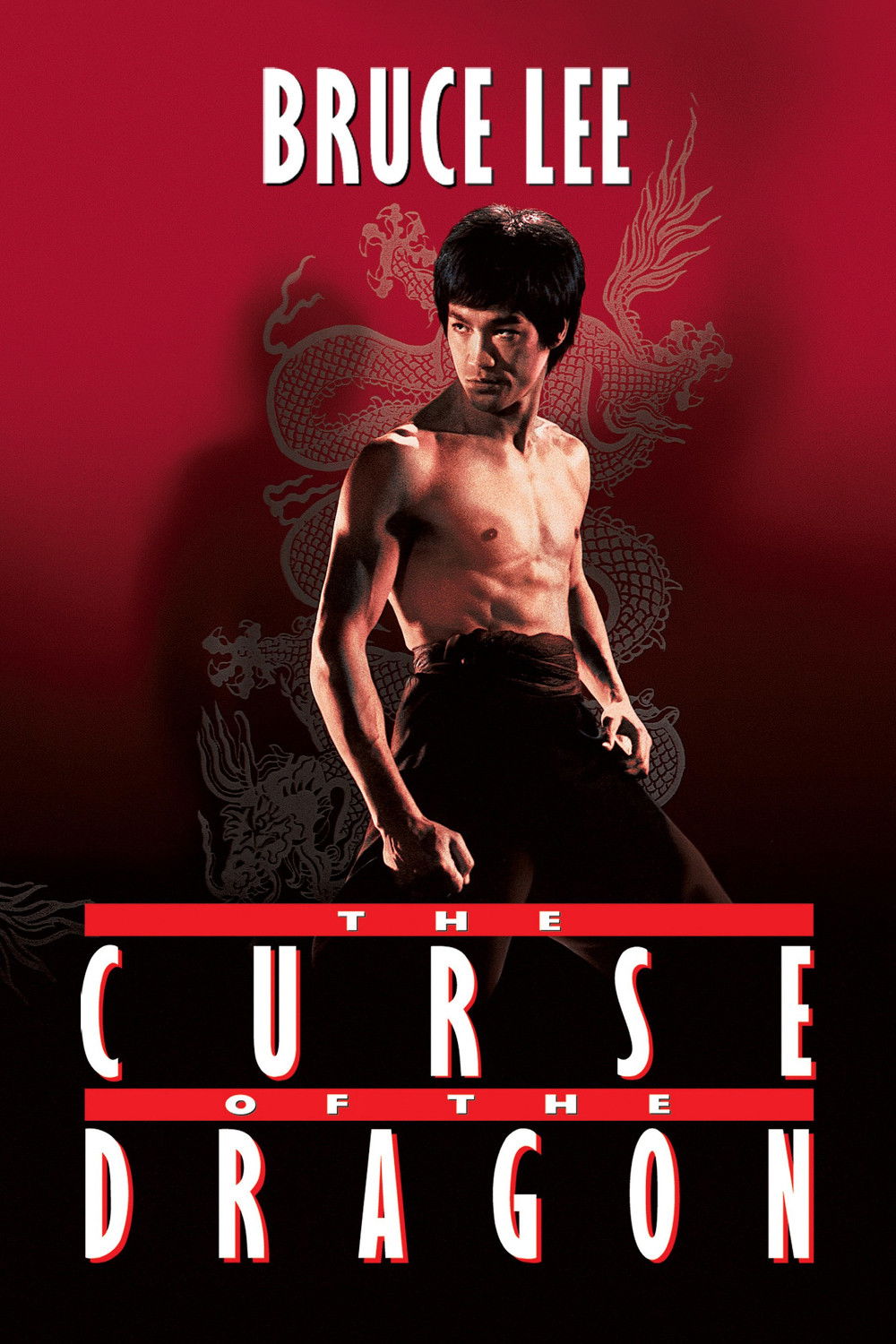
A 1993 documentary film about Bruce Lee. The film includes interviews from some of his fellow students and opponents who worked alongside him in his movies.
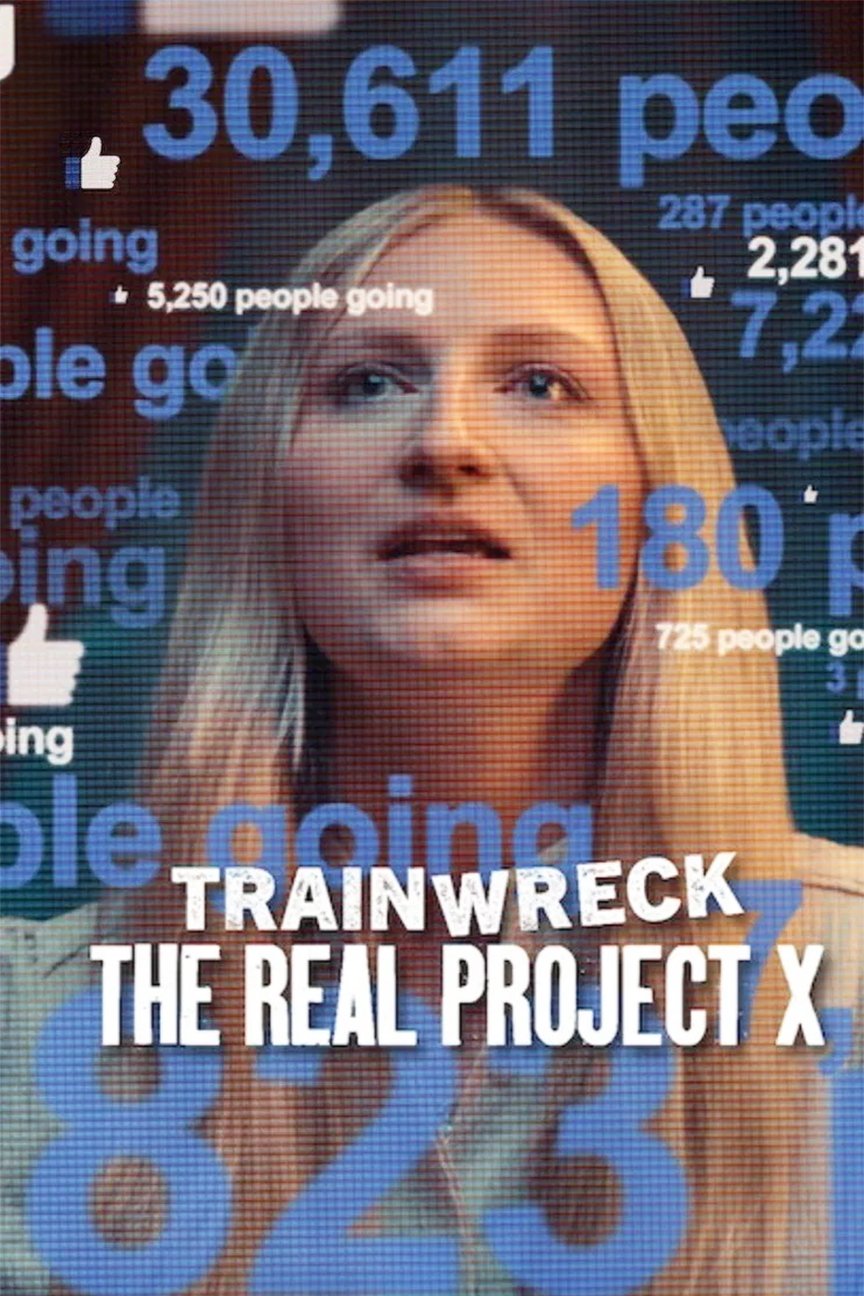
A night of drunken chaos rocks a quiet Dutch town in this shocking documentary about a teen's birthday invite that accidentally went viral on Facebook.
From the heights of her modeling fame to her tragic death, this documentary reveals Anna Nicole Smith through the eyes of the people closest to her.
A documentary about the making of season five of the acclaimed AMC series Breaking Bad.
A visual montage portrait of our contemporary world dominated by globalized technology and violence.
A documentary on the expletive's origin, why it offends some people so deeply, and what can be gained from its use.
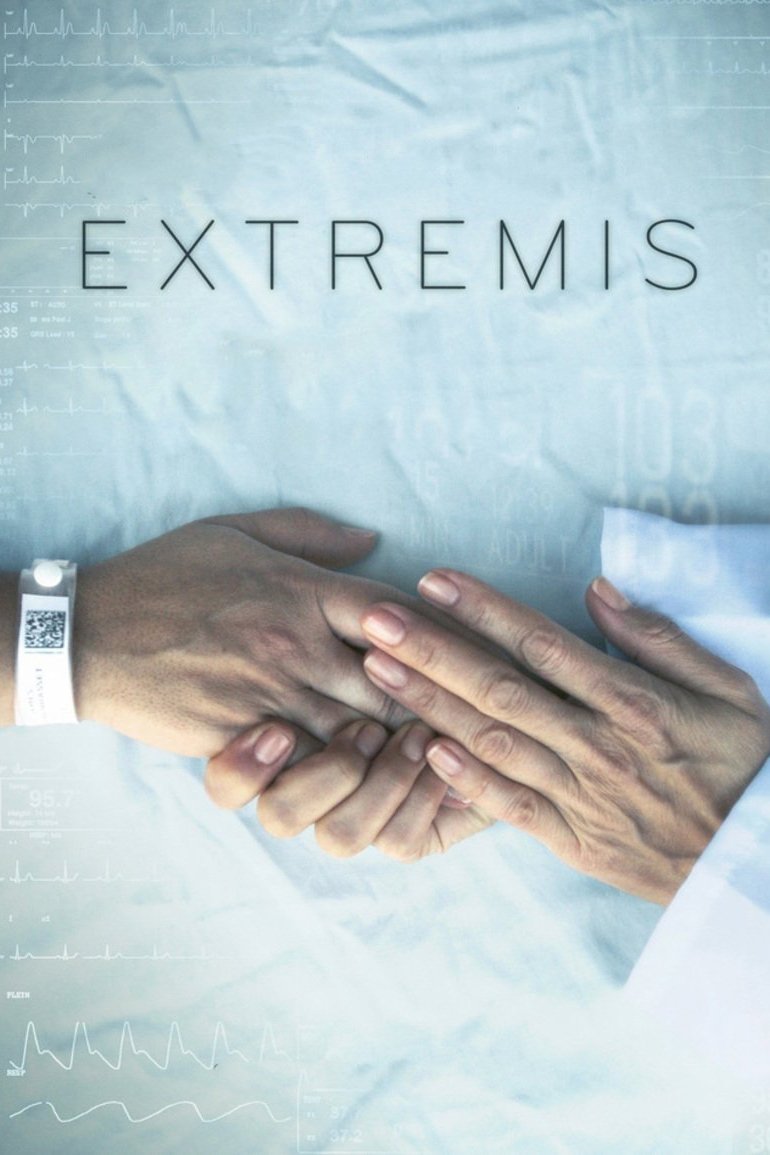
A purely observational non-fiction film that takes viewers into the ethically murky world of end-of-life decision making in a public hospital.
Ranjit, a farmer in India, takes on the fight of his life when he demands justice for his 13-year-old daughter, the victim of a brutal gang rape. His decision to support his daughter is virtually unheard of, and his journey unprecedented.
The life of Mr. Spock, as well as that of Leonard Nimoy, the actor who played him for almost fifty years, written and directed by his son: Adam.
This documentary focuses on the actors and their journey over two summers to create the remake to the original IT, by Stephen King. The documentary originally released as bonus material, bundled with IT: Chapter Two.
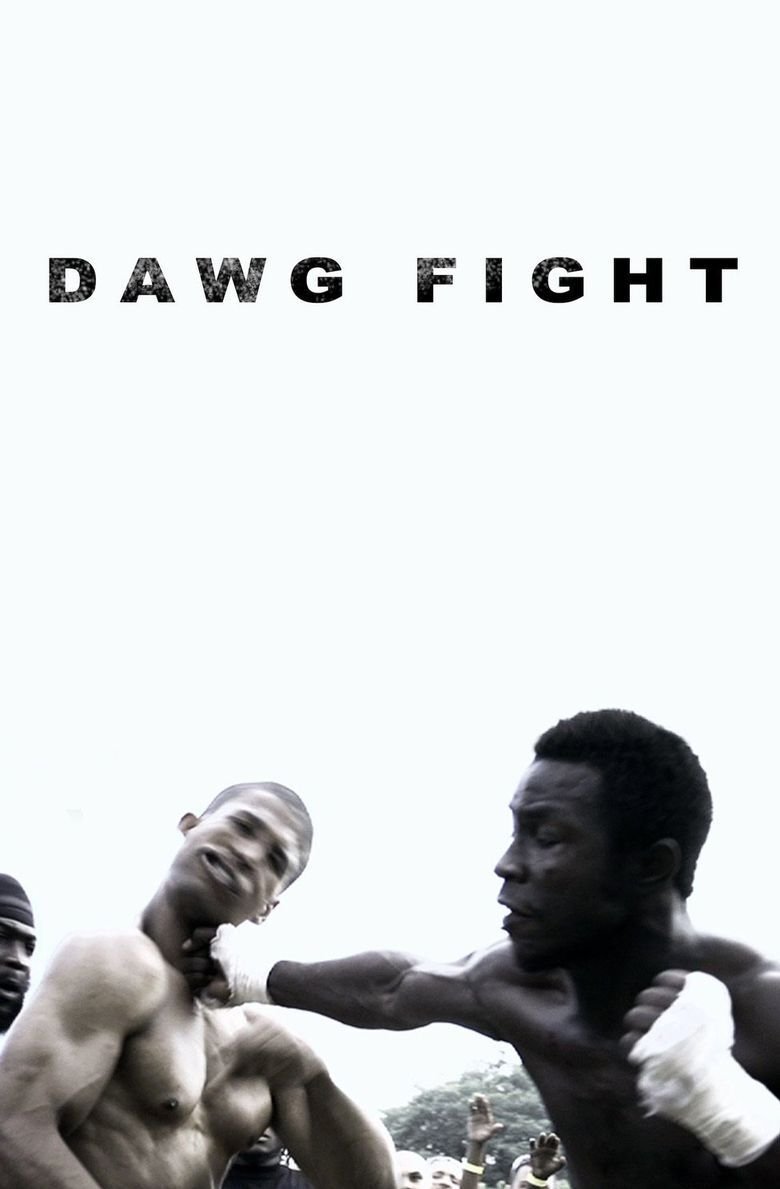
In a crime-plagued neighborhood near Miami, brutal, bare-knuckled backyard fights give young men a chance to earn money -- and self-respect.
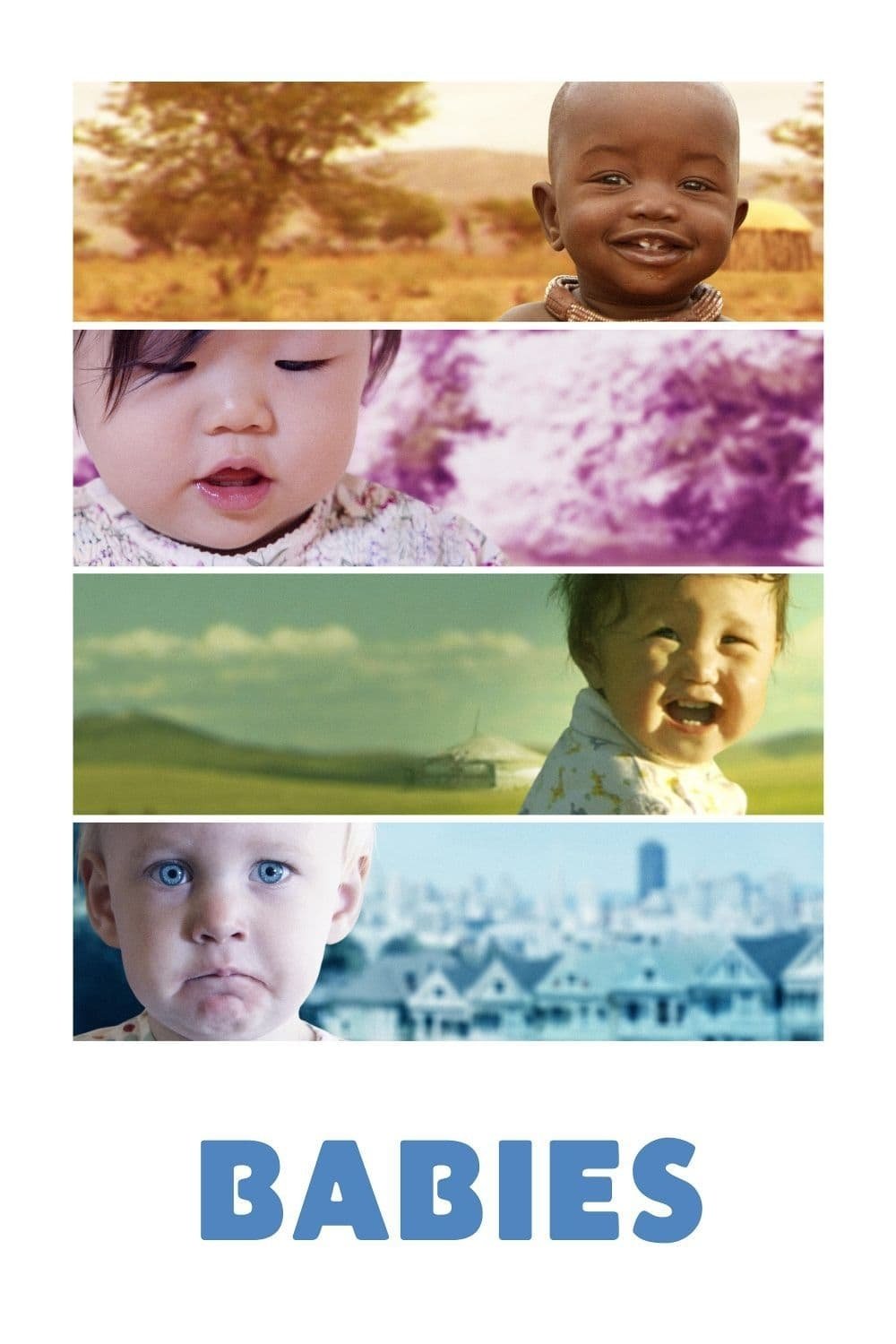
A non-narrated documentary following the lovesome lives of four infants from birth to their first birthday. The babies featured are two from rural areas: Ponijao from Opuwo, Namibia, and Bayar from Bayanchandmani, Mongolia, as well as two from urban areas: Mari from Tokyo, Japan, and Hattie from San Francisco, USA.
A look at the origins, history and conspiracies behind the "Majestic 12", a clandestine group of military and corporate figureheads charged with reverse-engineering extraterrestrial technology.