Social & External
The people behind it
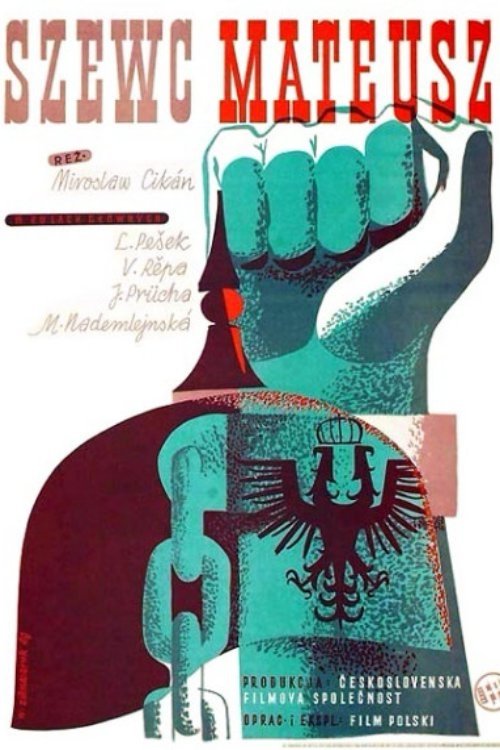
The Czech revival movement is divided at the end of the first half of the 19th century. While the older generation, such as František Palacký, urges restraint, students lean towards radical positions. A report on the revolutionary events in Paris prompts Czech Prague residents to write down the demands of the Czech nation for self-determination and the proclamation of a constitution. Tensions peak during the All-Slavic Congress in Prague's Žofín. Vienna rejects the Czech demands and the congress is brutally dispersed by the Austrian police. Prague begins to build barricades...
The revolutionary year of 1848 brought great hopes among the hitherto silent classes, awakening social and national hopes. The response also penetrated the remote countryside, even as far as the Podkrkonoše Mountains. The young shoemaker there began to take an interest in social and political events, and he also experienced disappointment in later developments.
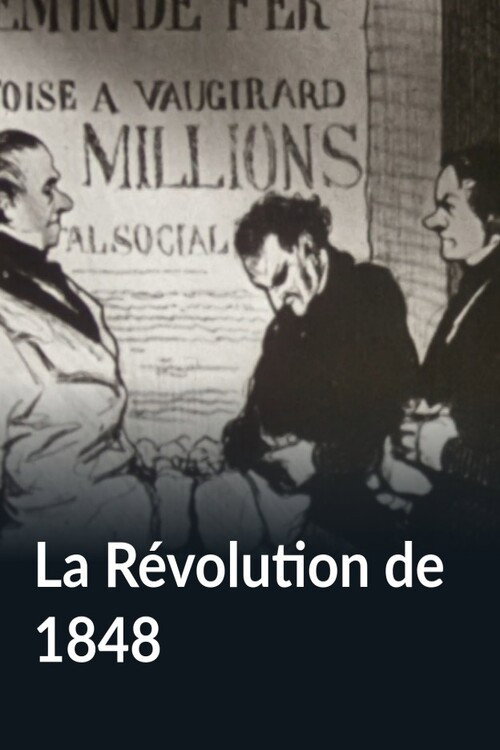
Using contemporary engravings and cartoons by artists such as Honoré Daumier, this short documentary recounts the events of the French Revolution of 1848, from the fall of the July Monarchy to the unrest that followed, narrated by Bernard Blier.
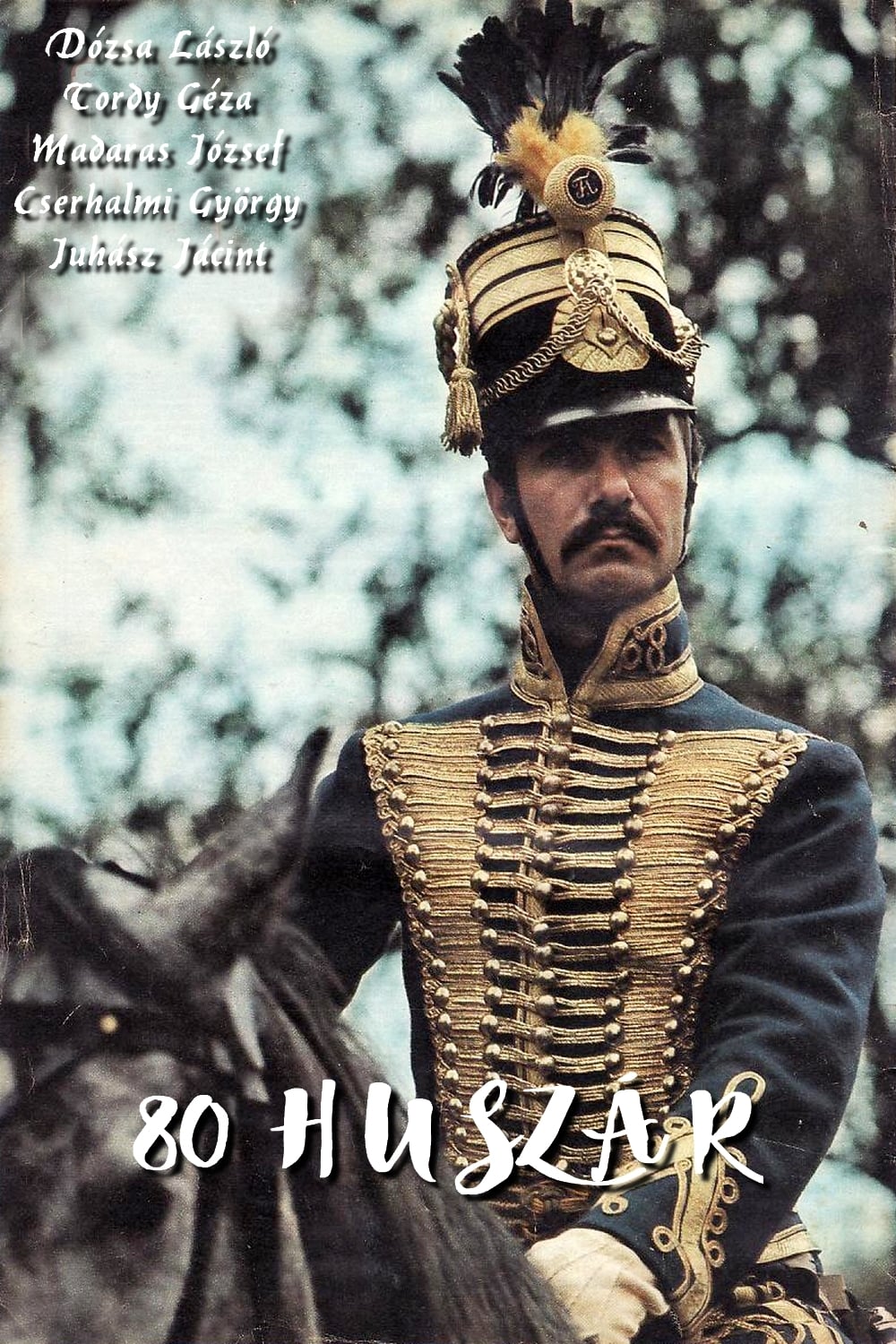
The film tells the story of a regiment of Hungarian hussars stationed in Poland. The hussars, mostly ordinary men, have heard news of the uprising and wish to return to the homeland to defend the newly independent country. The Empire, on the other hand, is firmly resolved that all Hungarian troops in the imperial army should be kept as far away from the trouble spot as possible, knowing that most soldiers would be loyal to Budapest rather than Vienna.
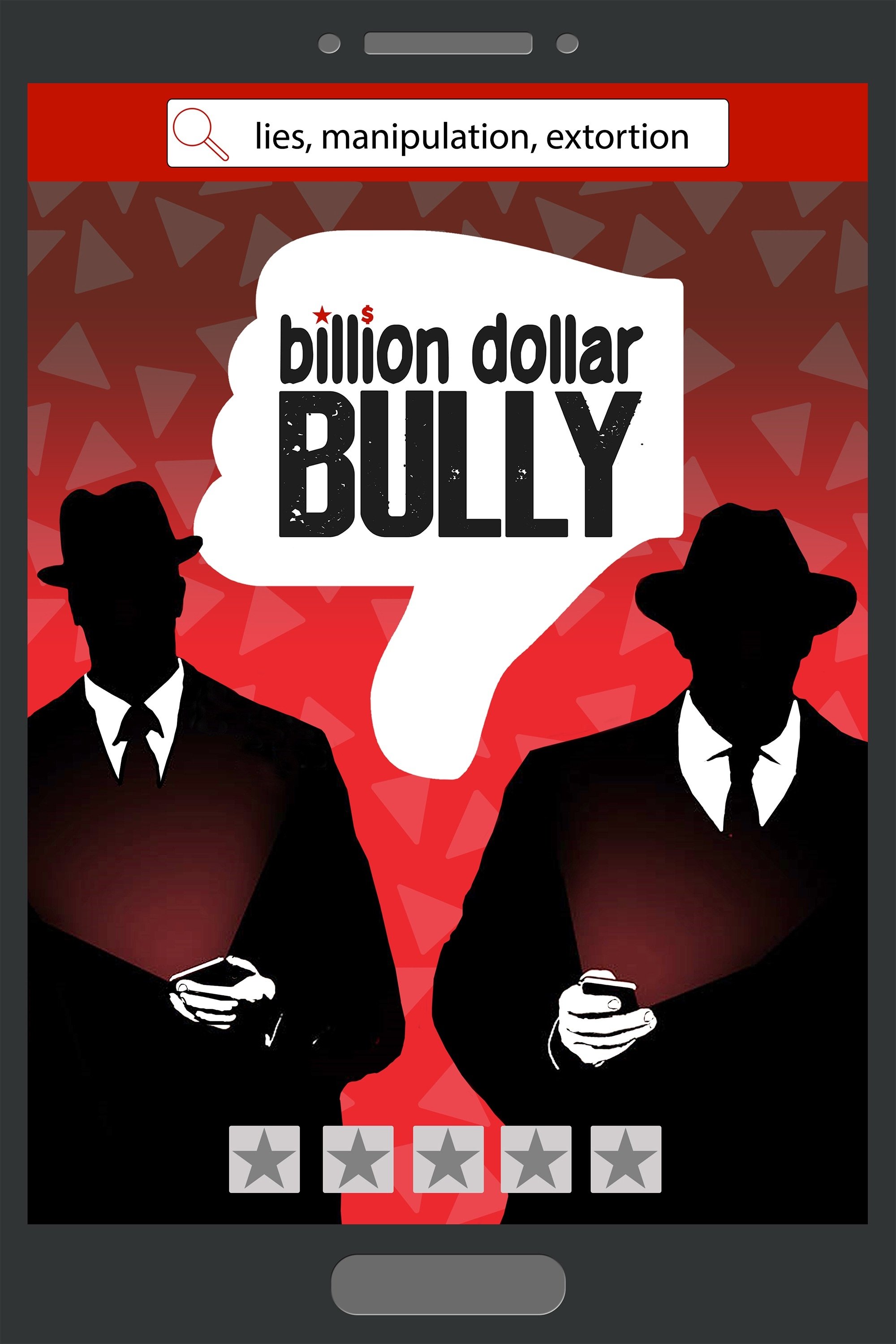
Today consumers Yelp everything from restaurants to dentists; plumbers to surgeons. The small business community sees Yelp's sales tactic as extortion. Does Yelp genuinely have an interest in helping people support the best local businesses, or are they a pay-to-play advertising platform?
Liz tries to keep her friend from making the worse mistake of her life.
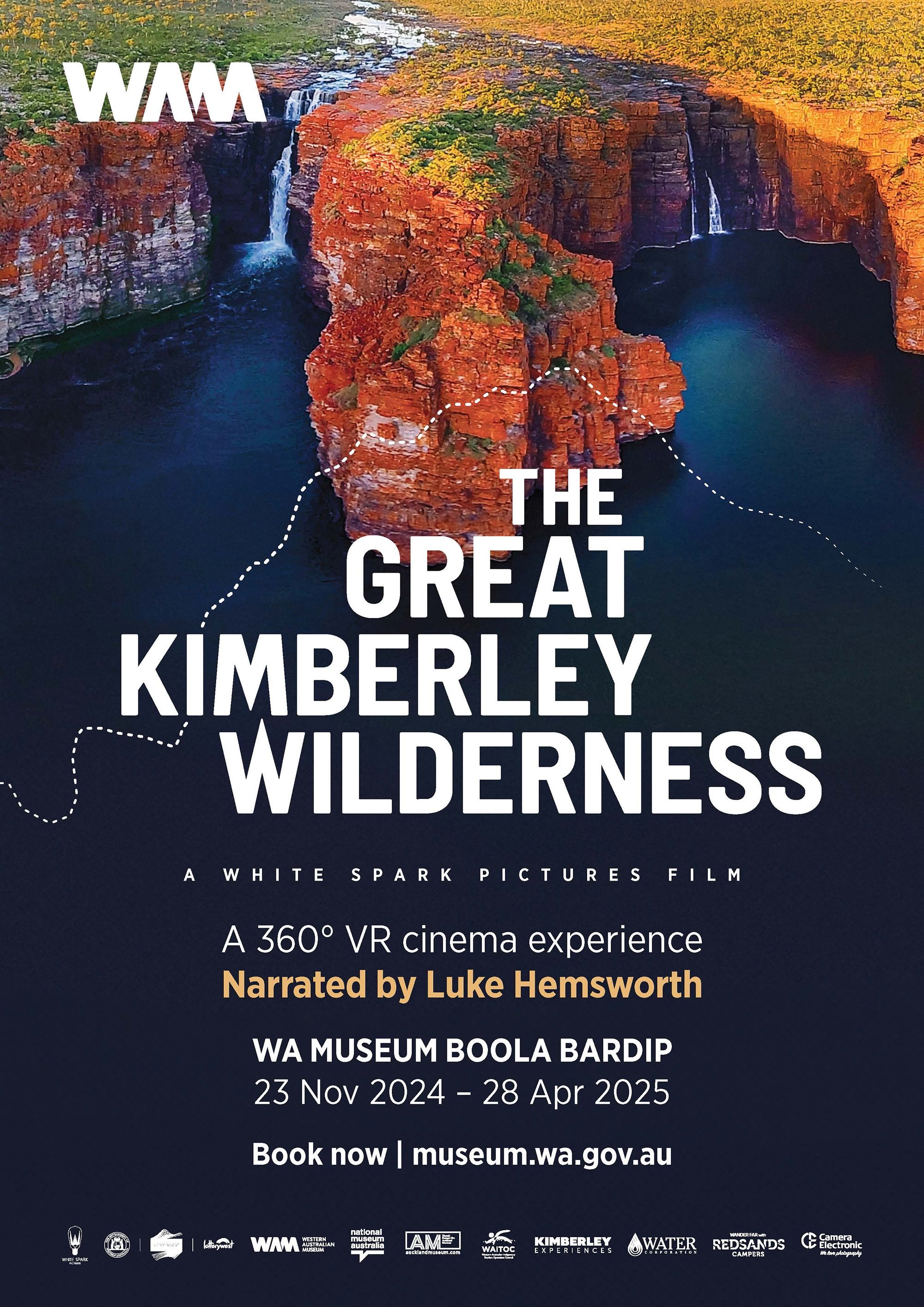
Narrated by Luke Hemsworth, The Great Kimberley Wilderness is a 35-minute virtual reality documentary that transports you to one of the most spectacular and pristine landscapes in the world. Guided by science and Traditional Owners, you will journey across magical coastlines, and venture into the heart of this ancient landscape unlike anywhere else on Earth. Fly over the edge of the thundering King George Falls, explore the vibrantly striped domes and majestic gorges of the UNESCO World Heritage-listed Purnululu National Park and travel back over 350 million years to the great Devonian Reef to explore ancient geology, that has been pivotal to life as we know it. Almost two billion years in the making, get ready to experience the wonders, culture, and magic of this unique and precious landscape, like never before! Showing from 23 November 2024 – 28 April 2025.
Featured are Black's Beach in San Diego, Paradise Lakes of Tempa, FL, Steph's Pond in Upstate New York, Cypress Cove, Rocquemont Beach on Guadeloupe Island, East Coast gathering of Naturists at a Poconos Mountain camp, Belezy in Southern France, Munich's Central Park in Germany, Mykonos Island in Greece, Sorobon Resort on Bonaire in the Caribbean and Cap D'Agde, the French Mediterranean city.
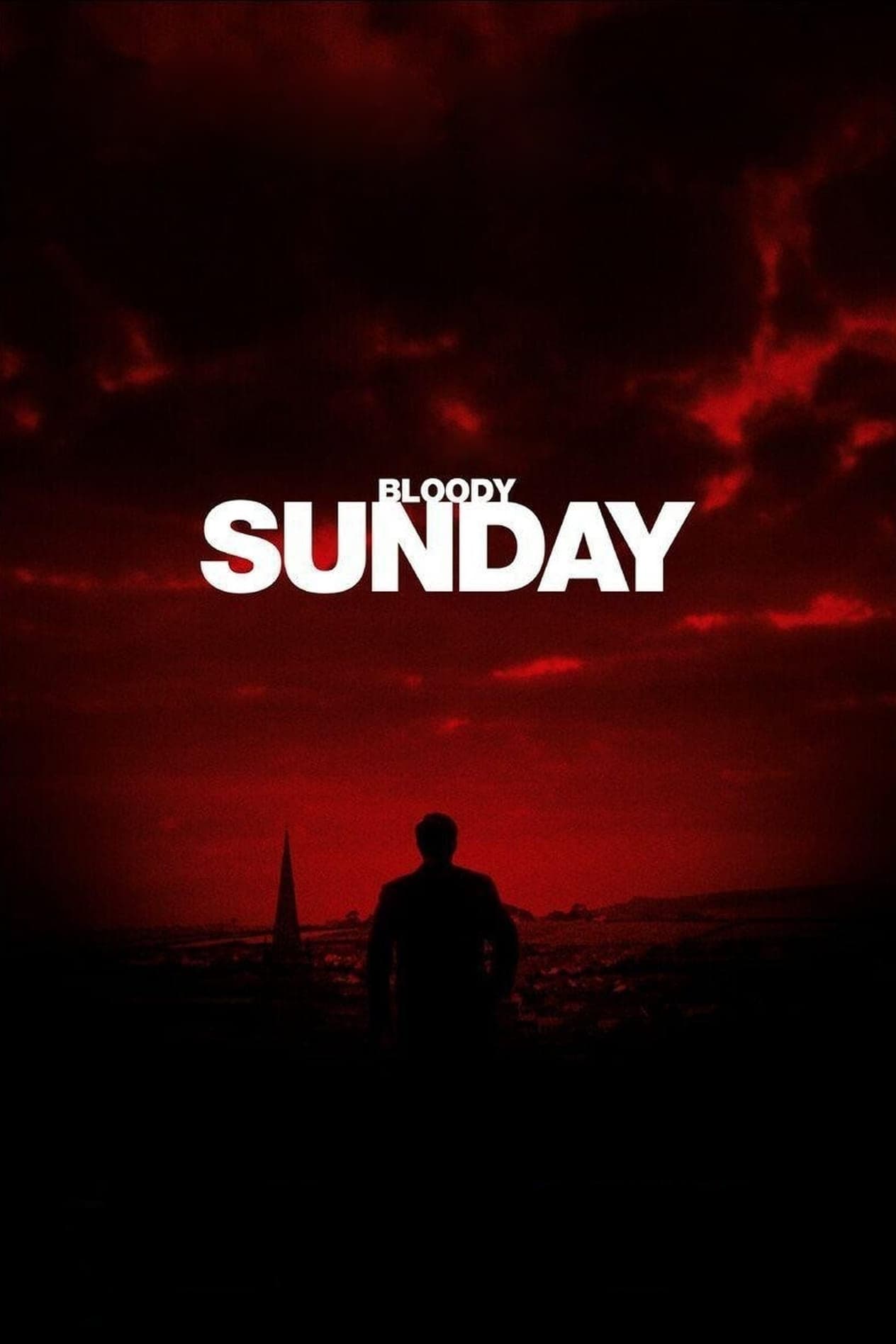
The dramatised story of the Irish civil rights protest march on January 30 1972 which ended in a massacre by British troops.
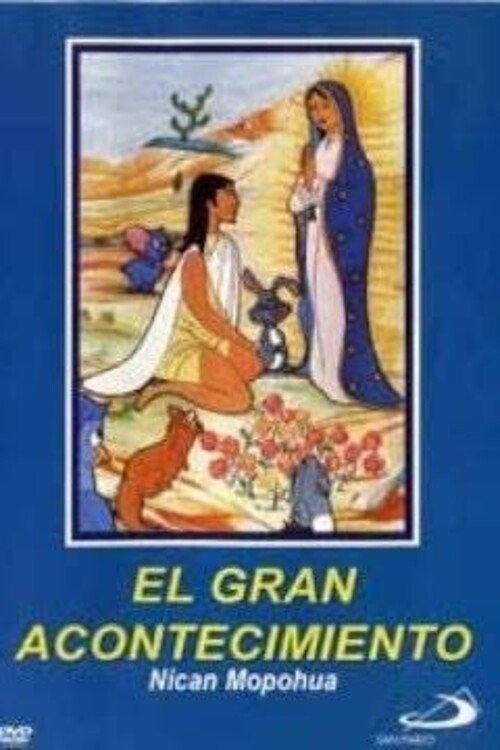
Catholic film that tells the story of how the Virgin of Guadalupe miraculously appeared to Juan Diego.
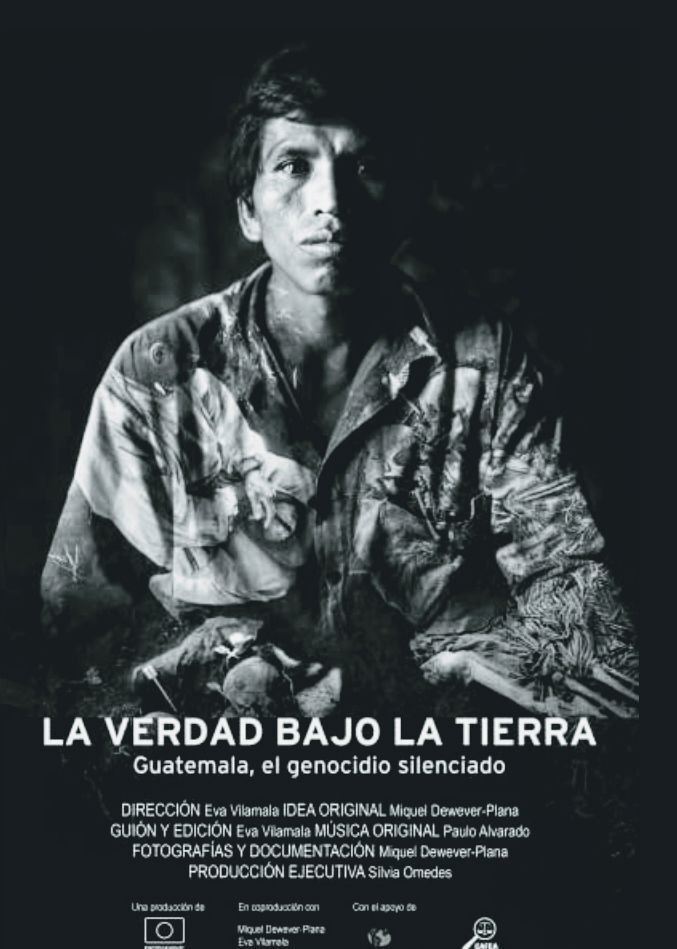
A botanical expedition in Ecuador's Amazon becomes a medium for an indigenous Huaorani community to remember the genocidal colonization it suffered in the 1960s. Meanwhile, a group of ecologists from the capital tries to stop oil exploitation in the last remaining forests where the isolated Huaoranis still live, who to this day refuse to come into contact with civilization.
In 1946, a P-239 plutonium core scheduled for detonation-by-nuclear-bomb was harmlessly melted down and reintegrated into the United States’ nuclear stockpile. That was the end of a 14-pound metallic sphere that had killed two scientists not 11 months before. This is the true story of the Demon Core.
This Royal Navy instructional film was released in February 1944 to emphasise the need among serving personnel to understand the potential consequences of even minor negligent acts. The narrative walks viewers through the considerations and efforts behind building a heavy cruiser. It then details examples - such as leaving paint, books, towels and posters unsecured - presented potential risks in an emergency scenario. It shows how the cumulative effect of these mistakes impaired the fighting efficiency of the fictional cruiser "HMS Andromeda", turning minor battle damage into a critical situation - and preventing the cruiser from moving to intercept an enemy vessel.
The history of cinematic sound, told by legendary sound designers and visionary filmmakers.
Experience the events of September 11, 2001 through the eyes of President Bush and his closest advisors as they personally detail the crucial hours and key decisions from that historic day.
“The Soviet Story” is a story of an Allied power, which helped the Nazis to fight Jews and which slaughtered its own people on an industrial scale. Assisted by the West, this power triumphed on May 9th, 1945. Its crimes were made taboo, and the complete story of Europe’s most murderous regime has never been told. Until now...
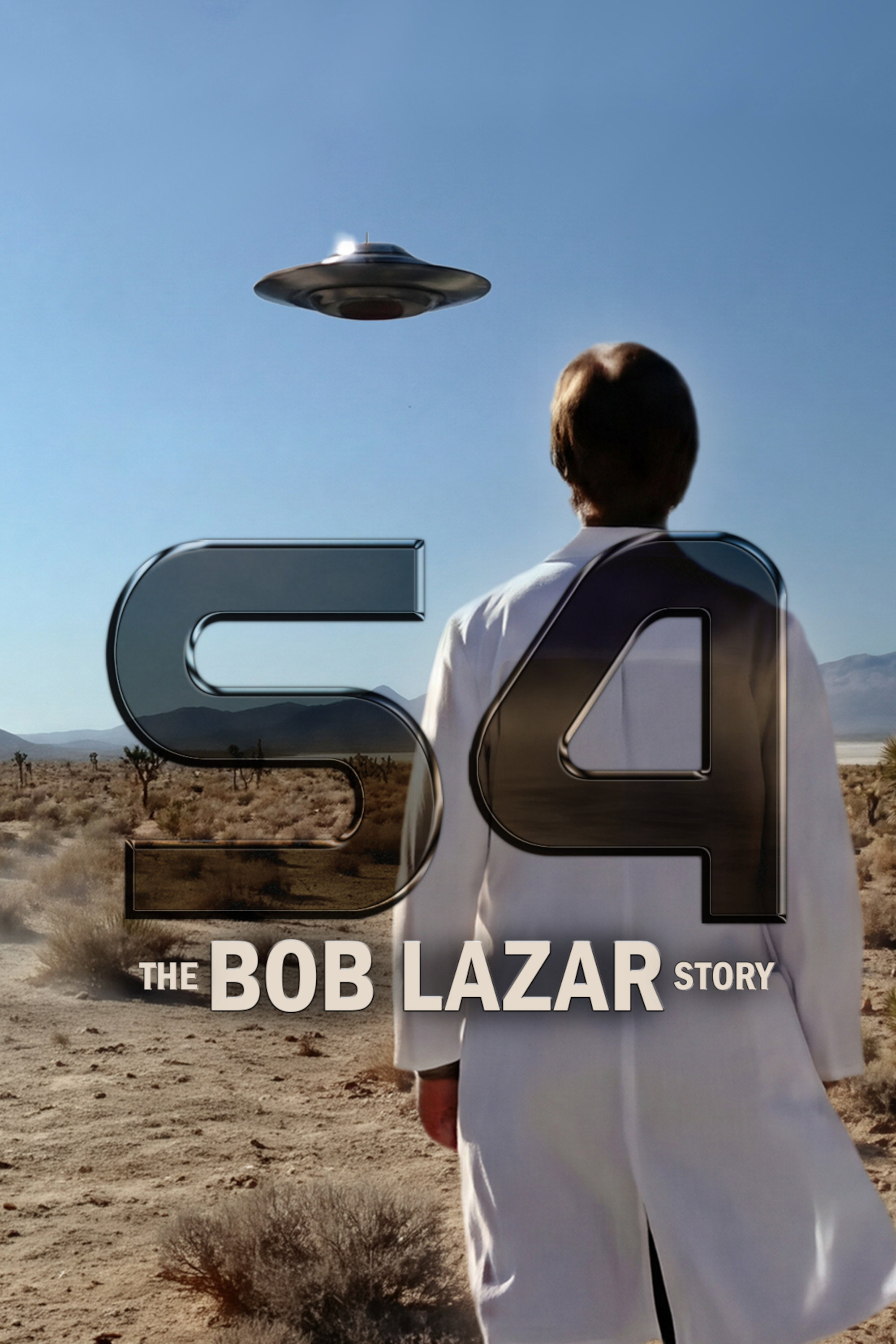
Over 35 years after Bob Lazar's revelations, this documentary exposes secrets of a facility the government still denies. Featuring Lazar's testimony, recreations, and new evidence, it reopens a case that continues to spark global curiosity
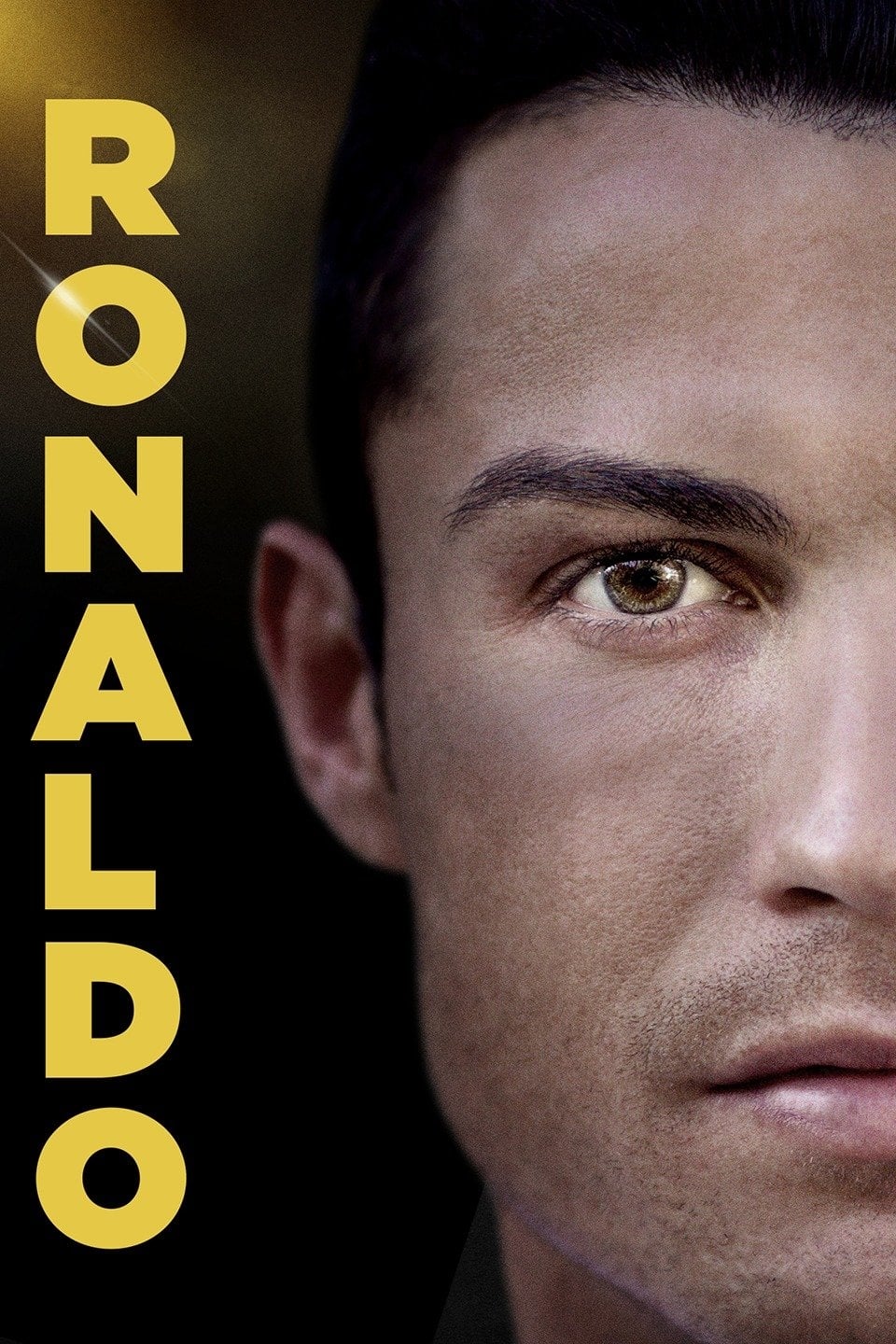
Filmed over 14 months with unprecedented access into the inner circle of the man and the sport, this is the first official and fully authorised film of one of the most celebrated figures in football. For the first time ever, the world gets vividly candid and un-paralleled, behind-closed-doors access to the footballer, father, family-man and friend in this moving & fascinating documentary. Through in-depth conversations, state of the art football footage and never before seen archival footage, the film gives an astonishing insight into the sporting and personal life of triple Ballon D'Or winner Cristiano Ronaldo at the peak of his career. From the makers of ‘Senna’ and ‘Amy’, Ronaldo takes audiences on an intimate and revealing journey of what it’s like to live as an iconic athlete in the eye of the storm.
SEDUCED AND ABANDONED combines acting legend Alec Baldwin with director James Toback as they lead us on a troublesome and often hilarious journey of raising financing for their next feature film. Moving from director to financier to star actor, the two players provide us with a unique look behind the curtain at the world's biggest and most glamourous film festival, shining a light on the bitter-sweet relationship filmmakers have with Cannes and the film business. Featuring insights from directors Martin Scorsese, 'Bernando Bertolucci' and Roman Polanski; actors Ryan Gosling and Jessica Chastain and a host of film distribution luminaries.
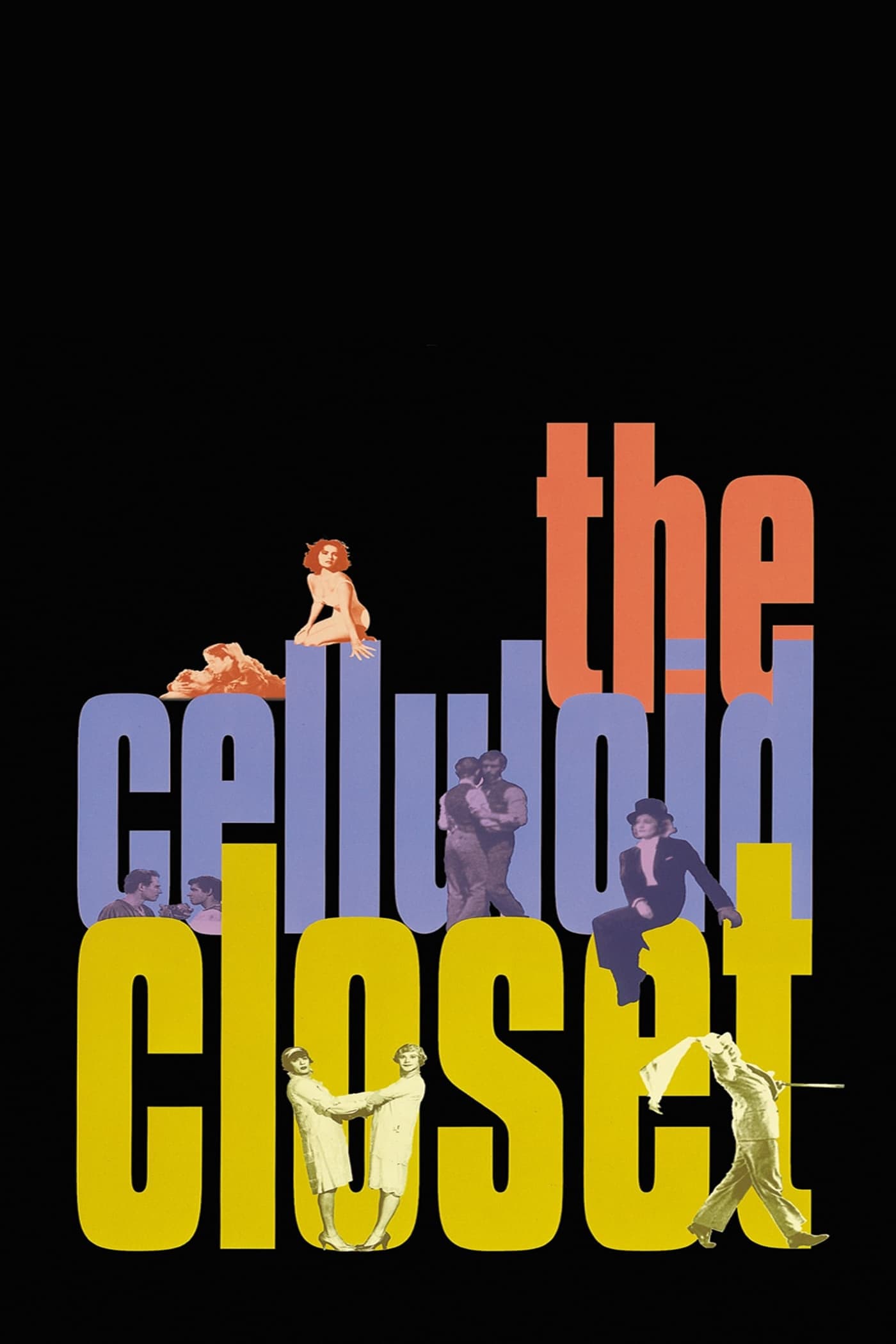
Exuberant, eye-opening movie that serves up a dazzling hundred-year history of the role of gay men and lesbians have had on the silver screen. Film contains fabulous footage from 120 films showing the changing face of cinema sexuality, from cruel stereotypes to covert love to the activist triumphs of the 1990s.
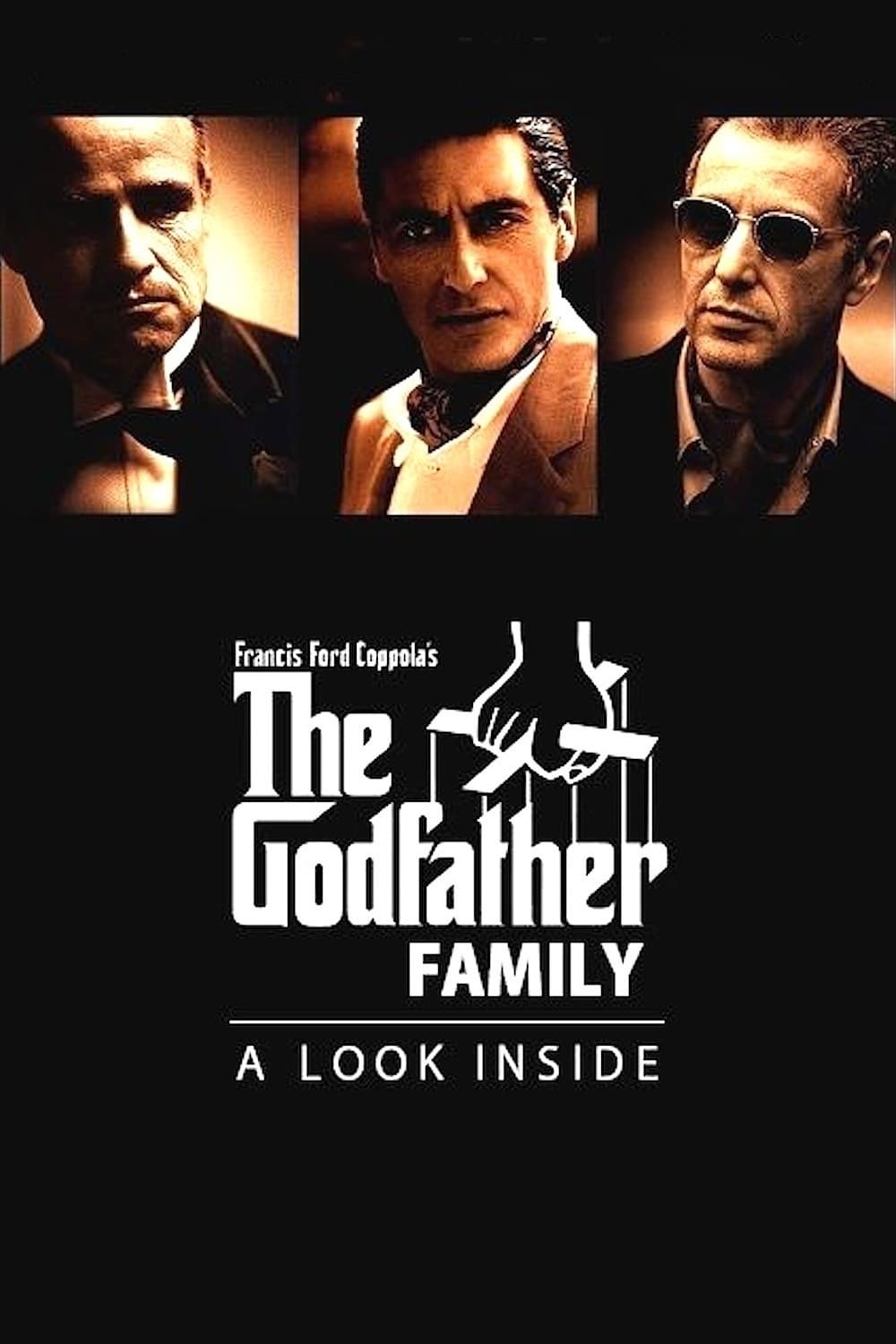
A documentary on the making of the three Godfather films, with interviews and recollections from the film makers and cast. This feature also includes the original screen tests of some of the actors for "The Godfather" film, and some candid moments on the set of "The Godfather: Part III."
Documentary about the art of film editing. Clips are shown from many groundbreaking films with innovative editing styles.
A string of threatening emails escalates into a revenge plot involving a newly married US marshal and his ex-girlfriend.
A documentary about the life and films of director John Ford.
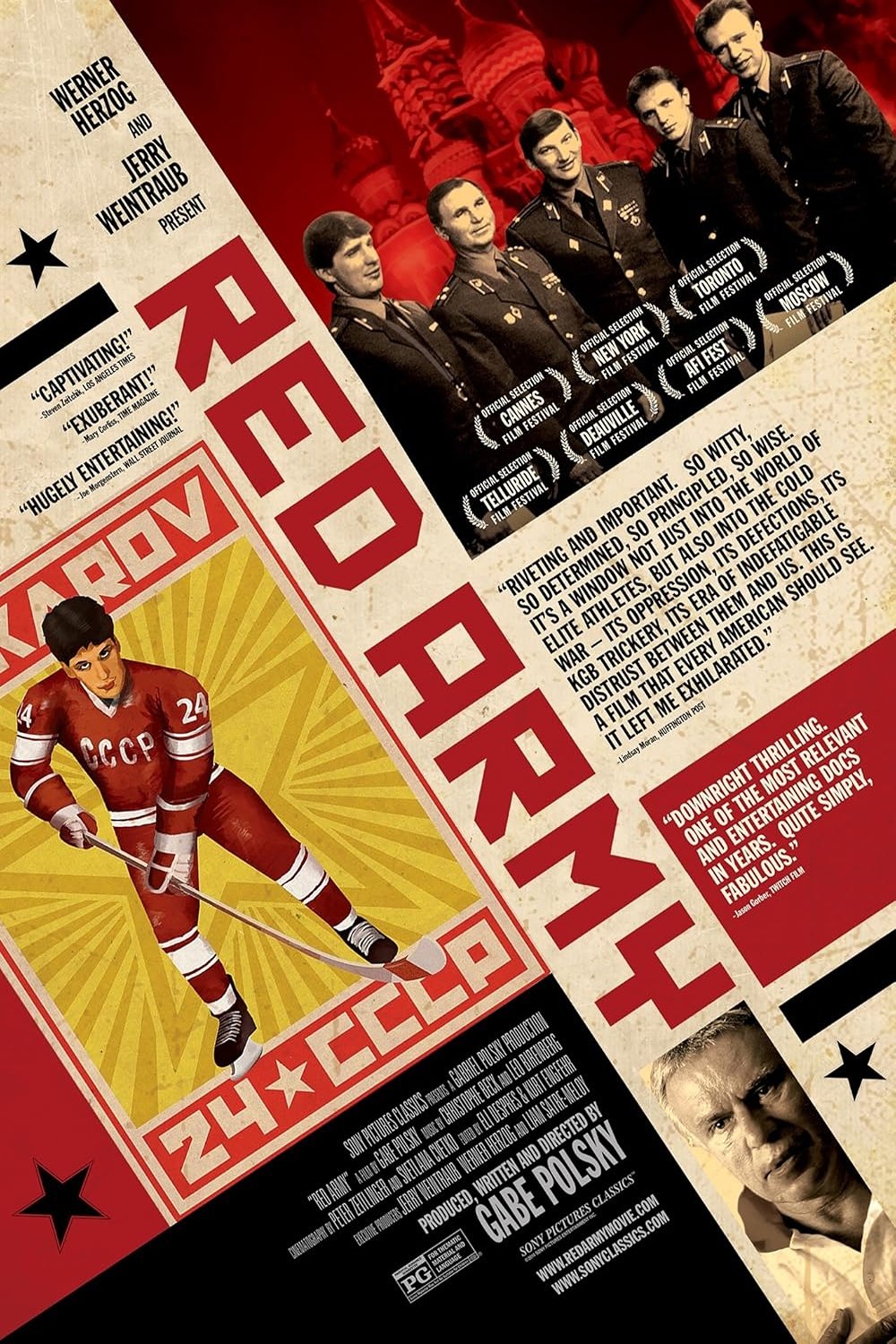
A documentary highlighting the Soviet Union's legendary and enigmatic hockey training culture and world-dominating team through the eyes of the team's Captain Slava Fetisov, following his shift from hockey star and celebrated national hero to political enemy.
Alexander McQueen's rags-to-riches story is a modern-day fairy tale, laced with the gothic. Mirroring the savage beauty, boldness and vivacity of his design, this documentary is an intimate revelation of McQueen's own world, both tortured and inspired, which celebrates a radical and mesmerizing genius of profound influence.
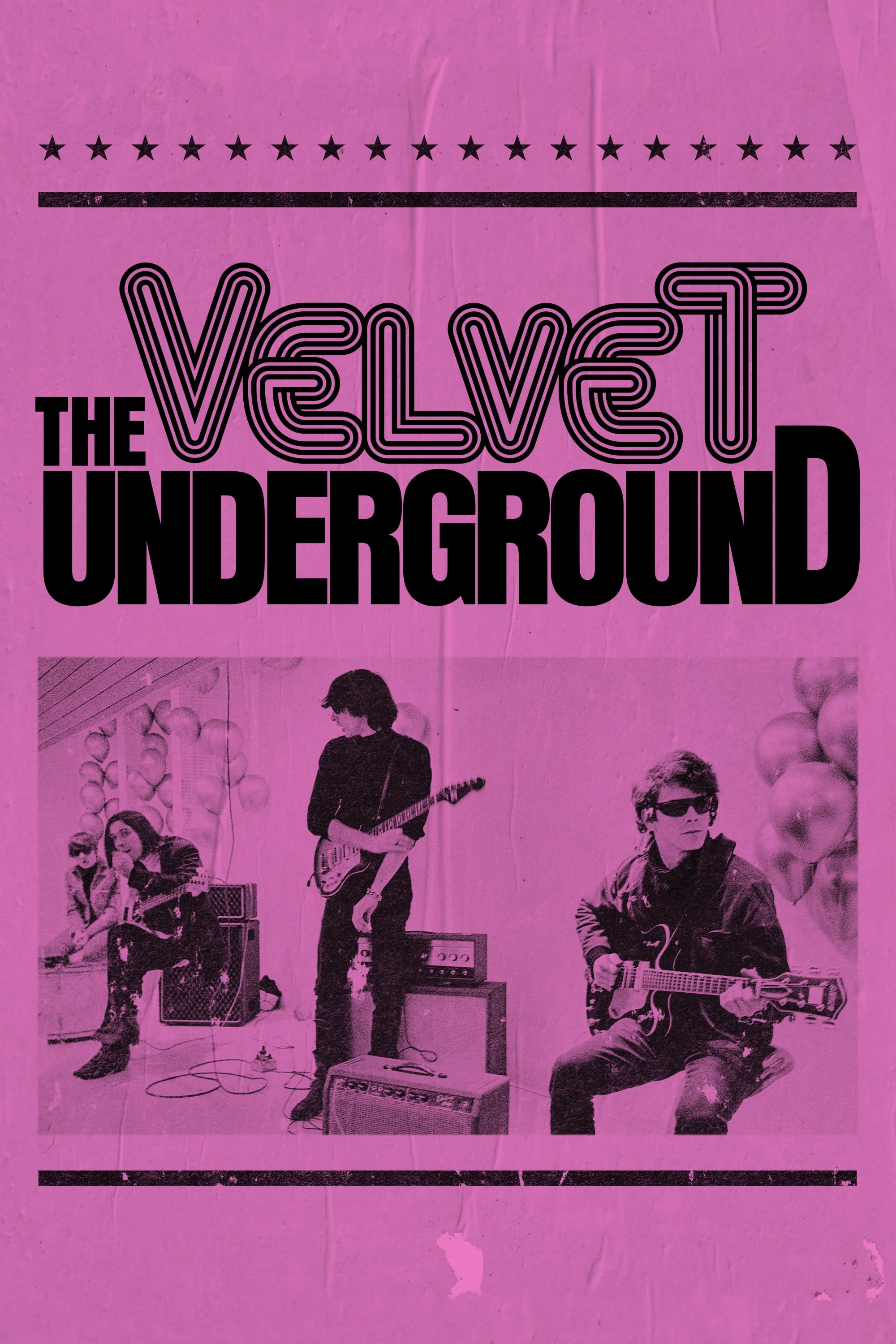
Experience the iconic rock band's legacy in the first major documentary to tell their story. Directed with the era’s avant-garde spirit by Todd Haynes, this kaleidoscopic oral history combines exclusive interviews with dazzling archival footage.
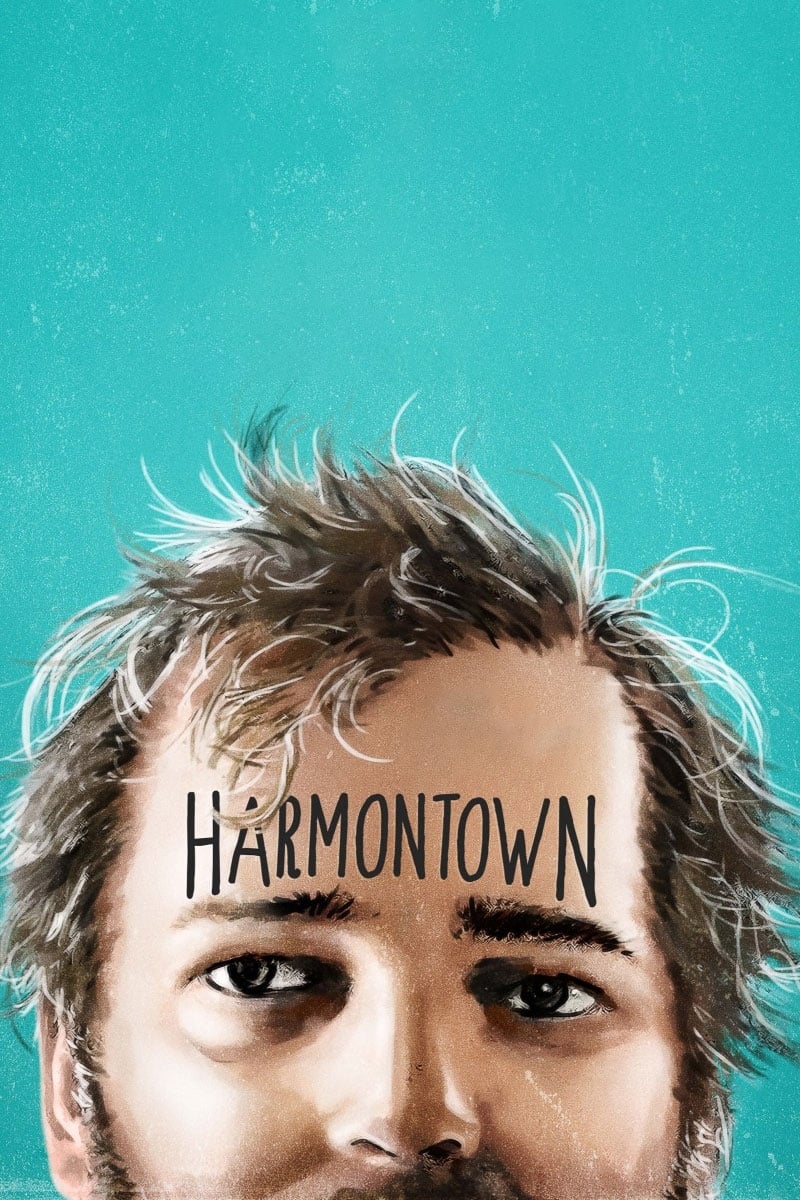
A comedic, brutally honest documentary following self-destructive TV writer Dan Harmon as he takes his live podcast on a national tour.
The film follows adventurer Jeff Johnson as he retraces the epic 1968 journey of his heroes Yvon Chouinard and Doug Tompkins to Patagonia.
An inside look at one of the most anticipated movie sequels ever with James Cameron and cast.
A night of drunken chaos rocks a quiet Dutch town in this shocking documentary about a teen's birthday invite that accidentally went viral on Facebook.
A visual montage portrait of our contemporary world dominated by globalized technology and violence.
This revealing documentary honors the legendary Sidney Poitier—iconic actor, filmmaker, and civil rights activist. Featuring interviews with Denzel Washington, Spike Lee, Halle Berry, and more.