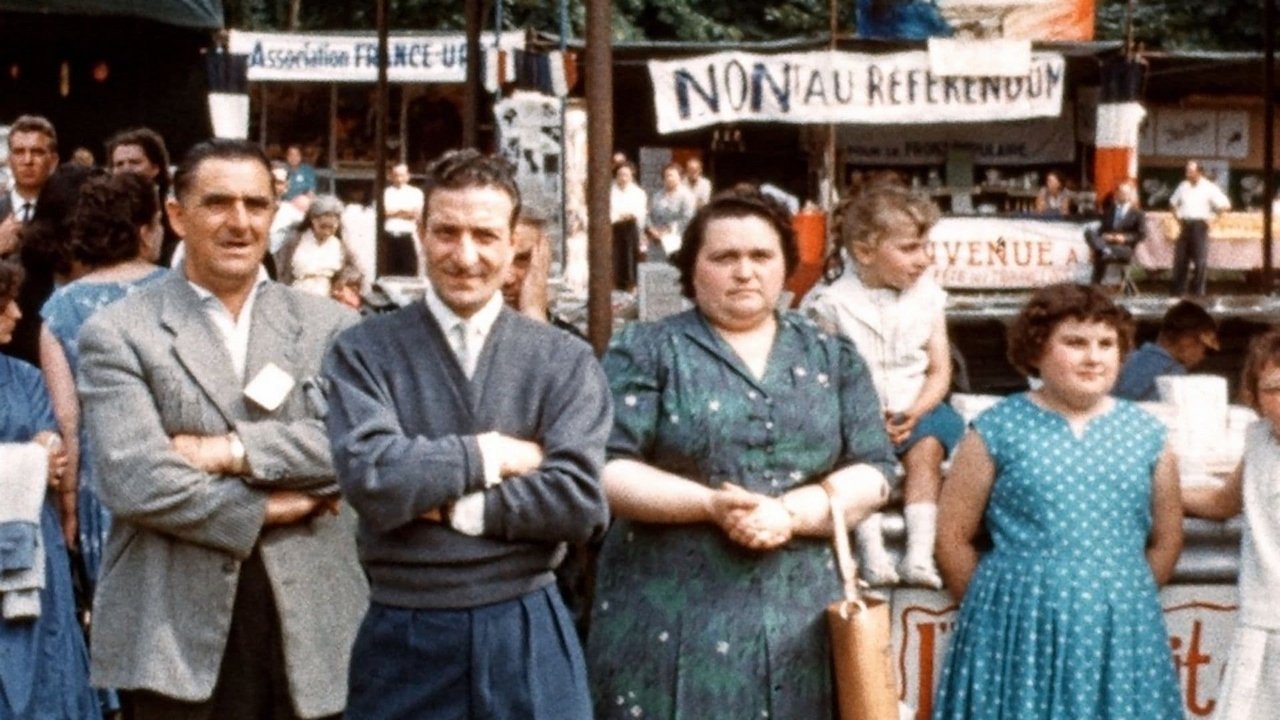
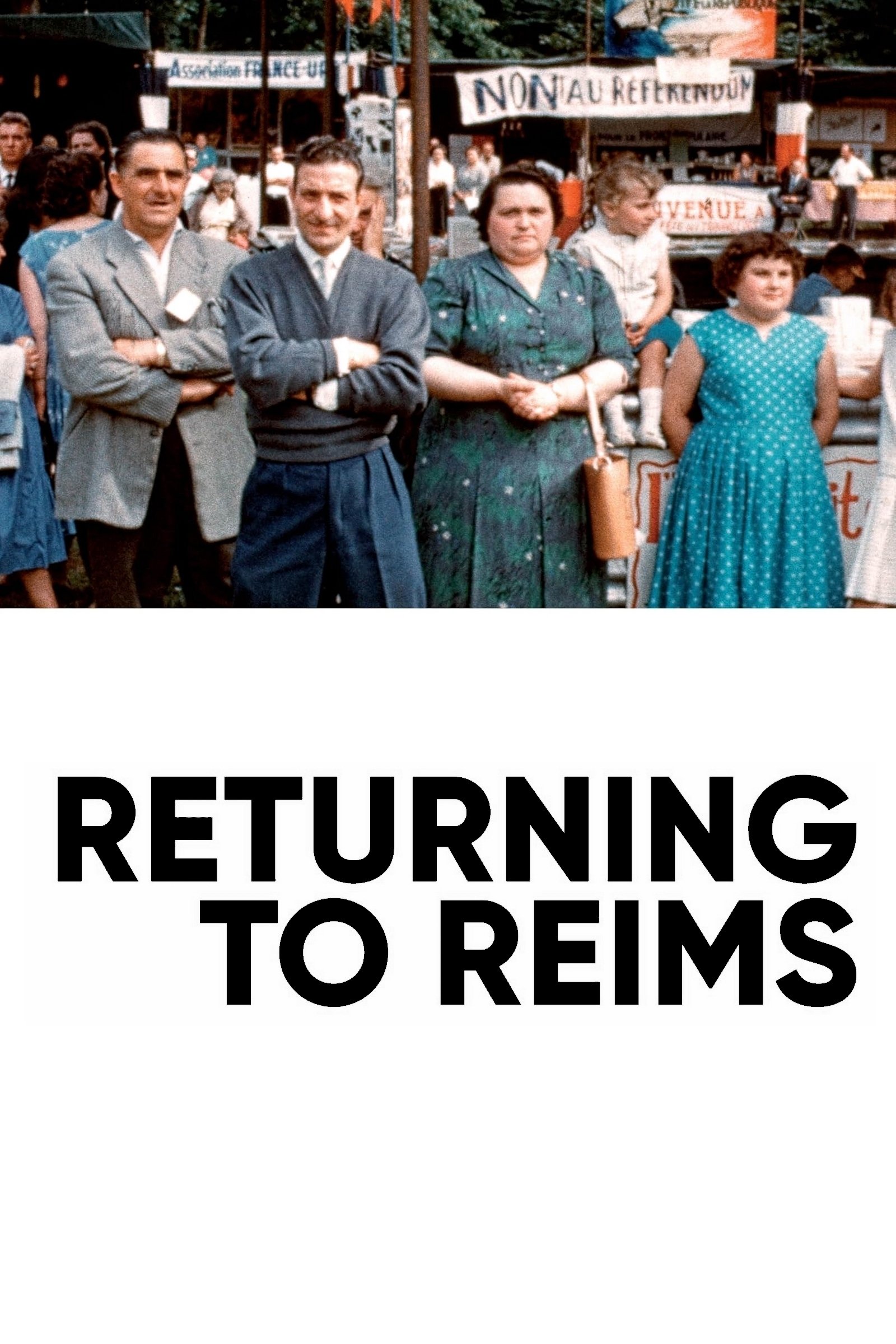
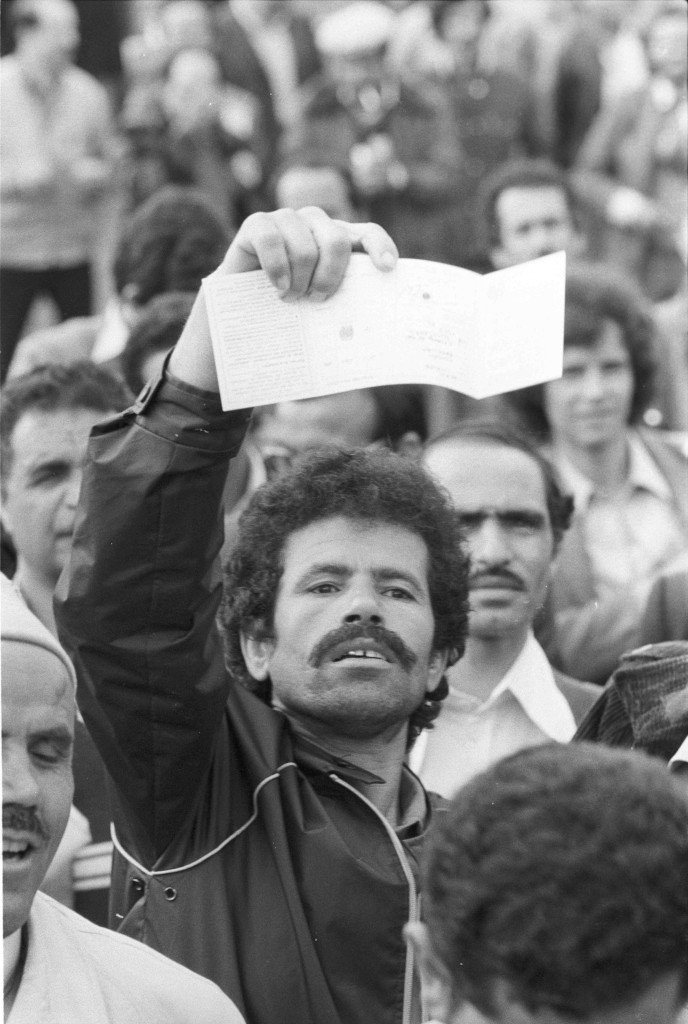
An intimate and political history of the French working class from the early 1950s to the present day.
Social & External
The people behind it
Adèle Haenel
Narrator
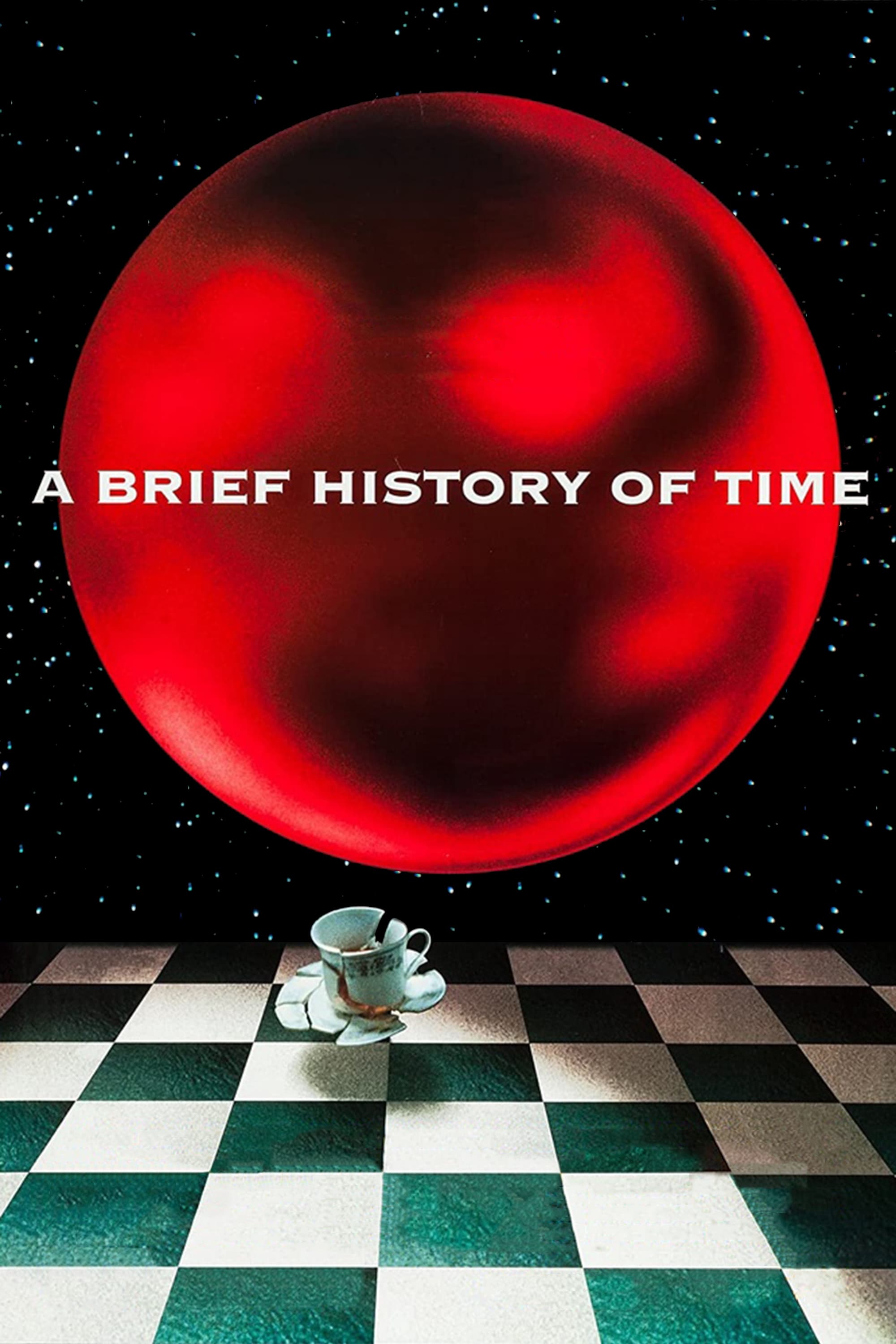
This shows physicist Stephen Hawking's life as he deals with the ALS that renders him immobile and unable to speak without the use of a computer. Hawking's friends, family, classmates, and peers are interviewed not only about his theories but the man himself.
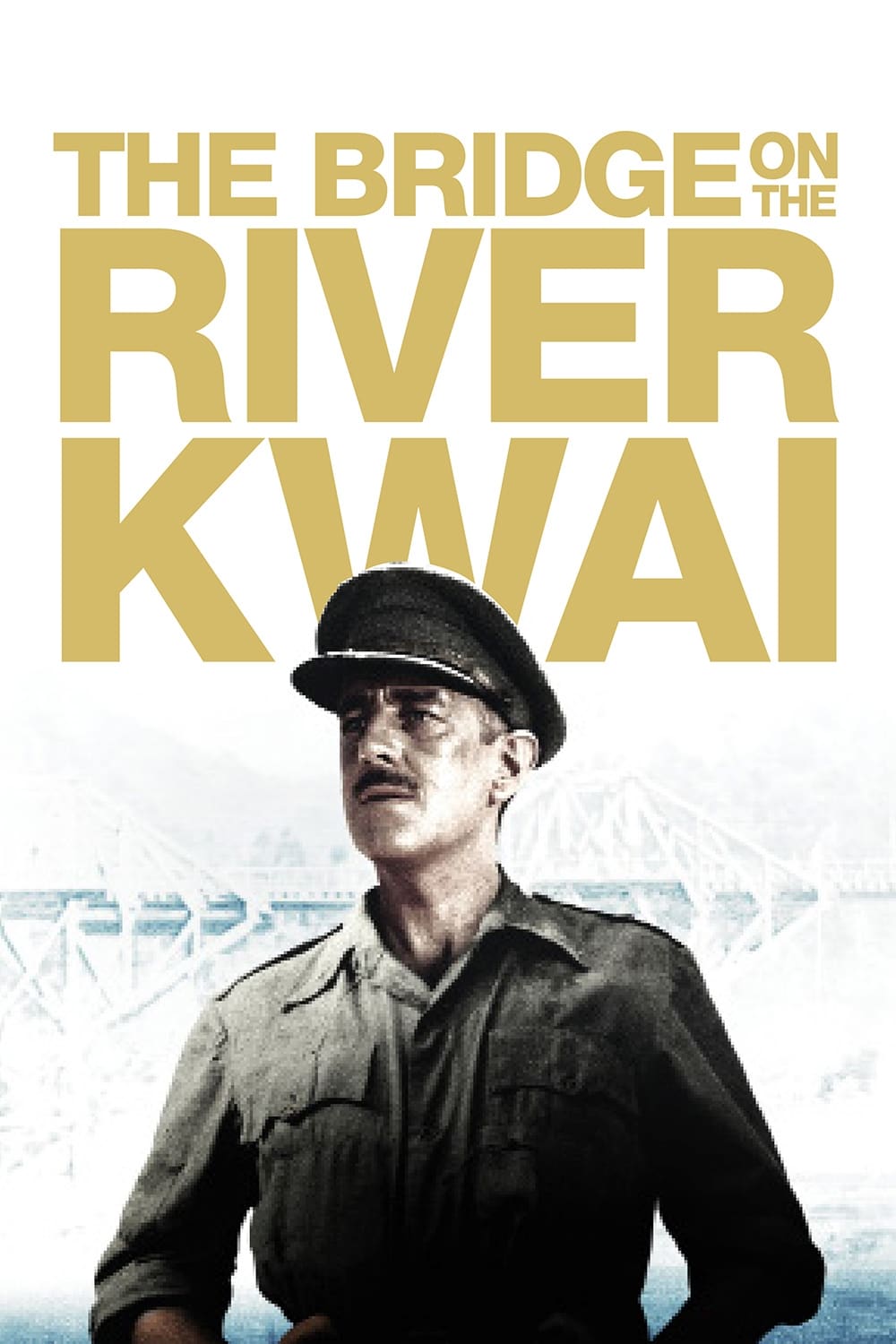
The classic story of English POWs in Burma forced to build a bridge to aid the war effort of their Japanese captors. British and American intelligence officers conspire to blow up the structure, but Col. Nicholson, the commander who supervised the bridge's construction, has acquired a sense of pride in his creation and tries to foil their plans.
When U.S. Rangers and an elite Delta Force team attempt to kidnap two underlings of a Somali warlord, their Black Hawk helicopters are shot down, and the Americans suffer heavy casualties, facing intense fighting from the militia on the ground.
"Every Valley" uncovers the story behind one of the world’s most beloved musical works, George Frideric Handel’s Messiah. More than a simple origin story, "Every Valley" reveals the turbulent, gripping world in which Handel’s Messiah was born, an era rife with war, political strife, and personal suffering.
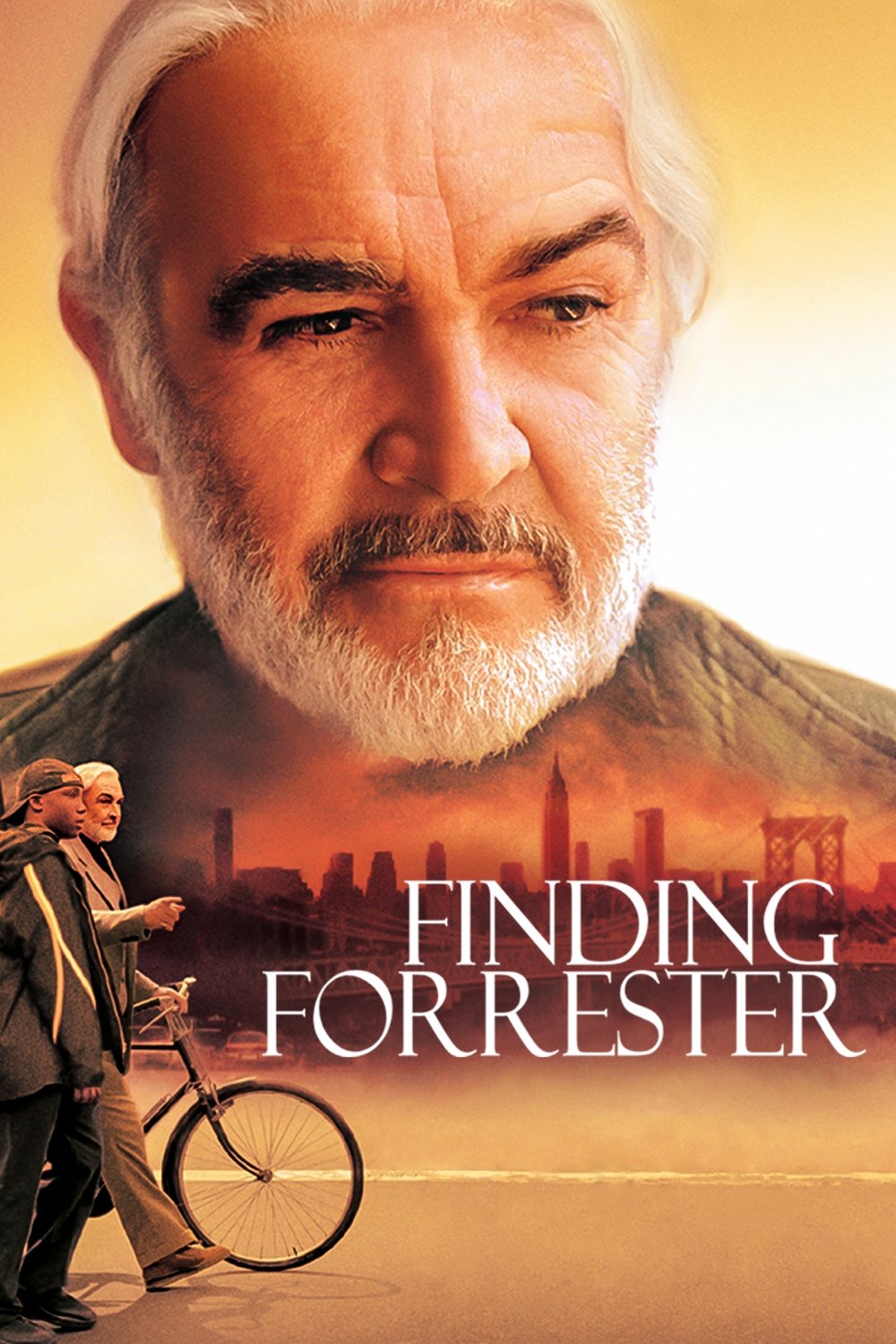
Gus Van Sant tells the story of a young African American man named Jamal who confronts his talents while living on the streets of the Bronx. He accidentally runs into an old writer named Forrester who discovers his passion for writing. With help from his new mentor Jamal receives a scholarship to a private school.
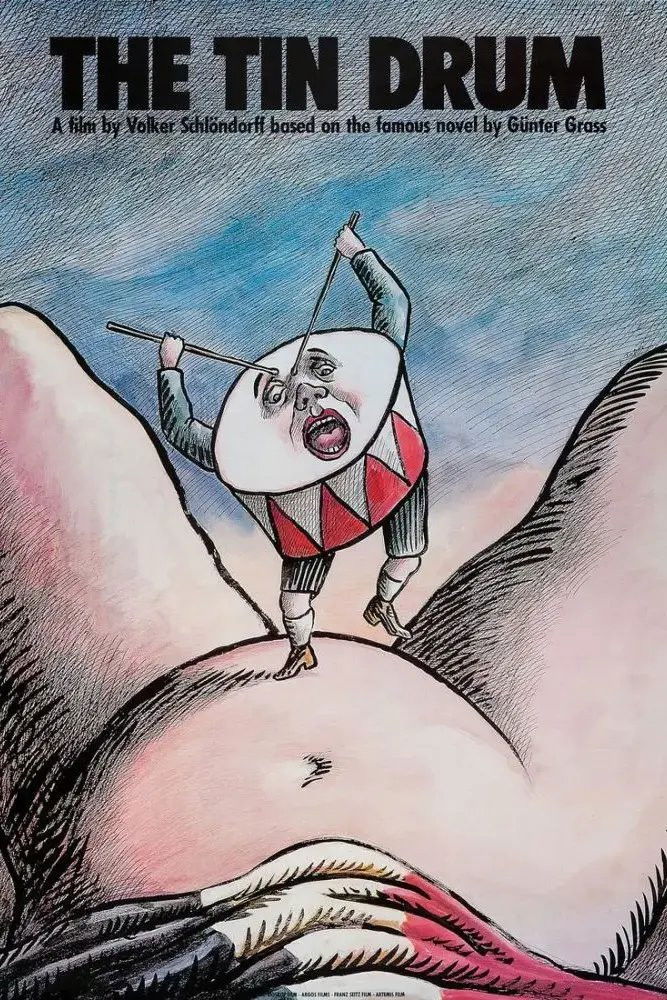
In 1924, Oskar Matzerath is born in the Free City of Danzig. At age three, he falls down a flight of stairs and stops growing. In 1939, World War II breaks out.
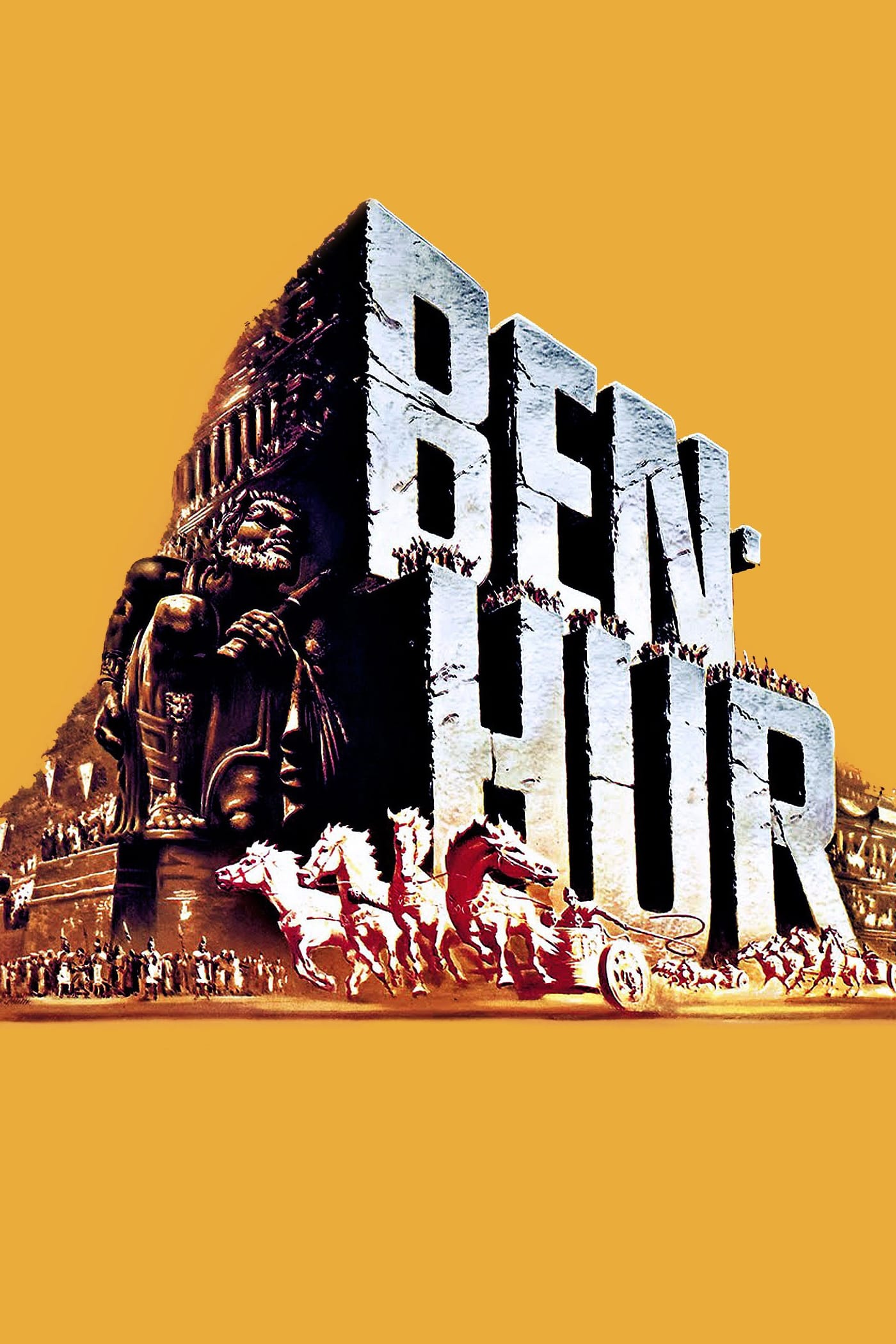
In ancient Judea, a Jewish aristocrat opposing Roman occupation of his homeland reunites with his childhood friend, now a Roman commander — setting in motion a saga of betrayal, adventure, tragedy, revenge, and faith.
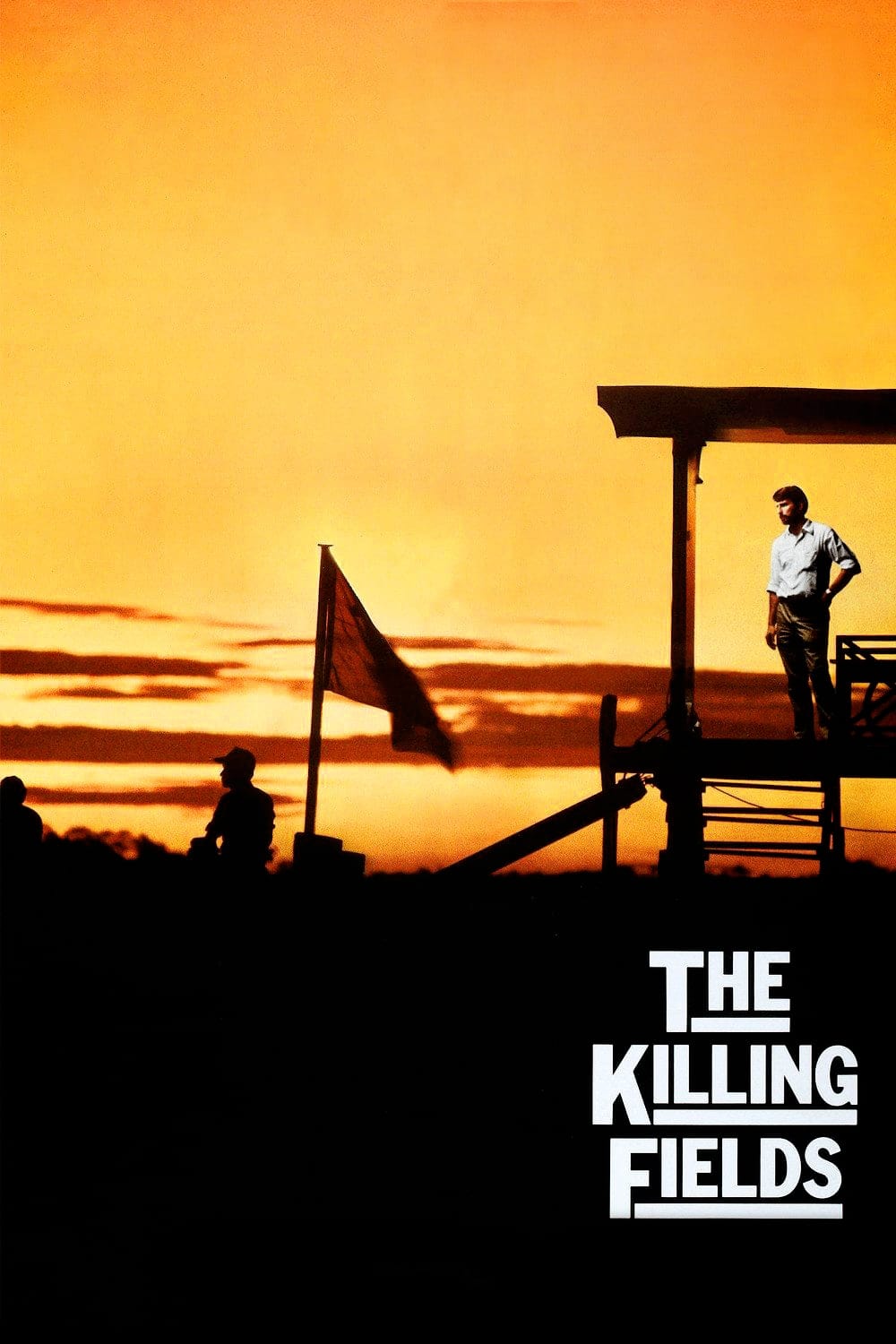
New York Times reporter Sydney Schanberg is on assignment covering the Cambodian Civil War, with the help of local interpreter Dith Pran and American photojournalist Al Rockoff. When the U.S. Army pulls out amid escalating violence, Schanberg makes exit arrangements for Pran and his family. Pran, however, tells Schanberg he intends to stay in Cambodia to help cover the unfolding story — a decision he may regret as the Khmer Rouge rebels move in.
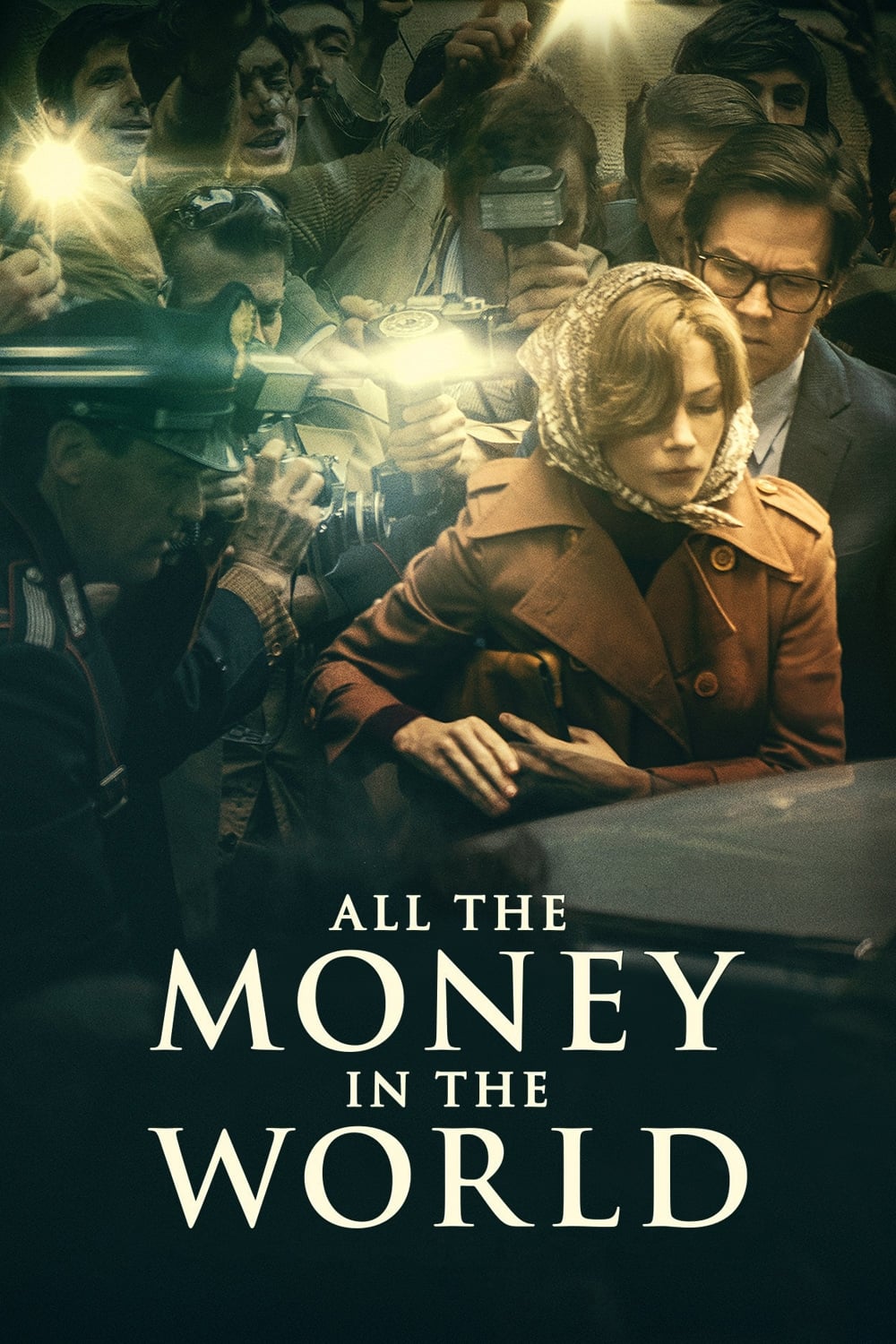
The story of the kidnapping of 16-year-old John Paul Getty III and the desperate attempt by his devoted mother to convince his billionaire grandfather Jean Paul Getty to pay the ransom.
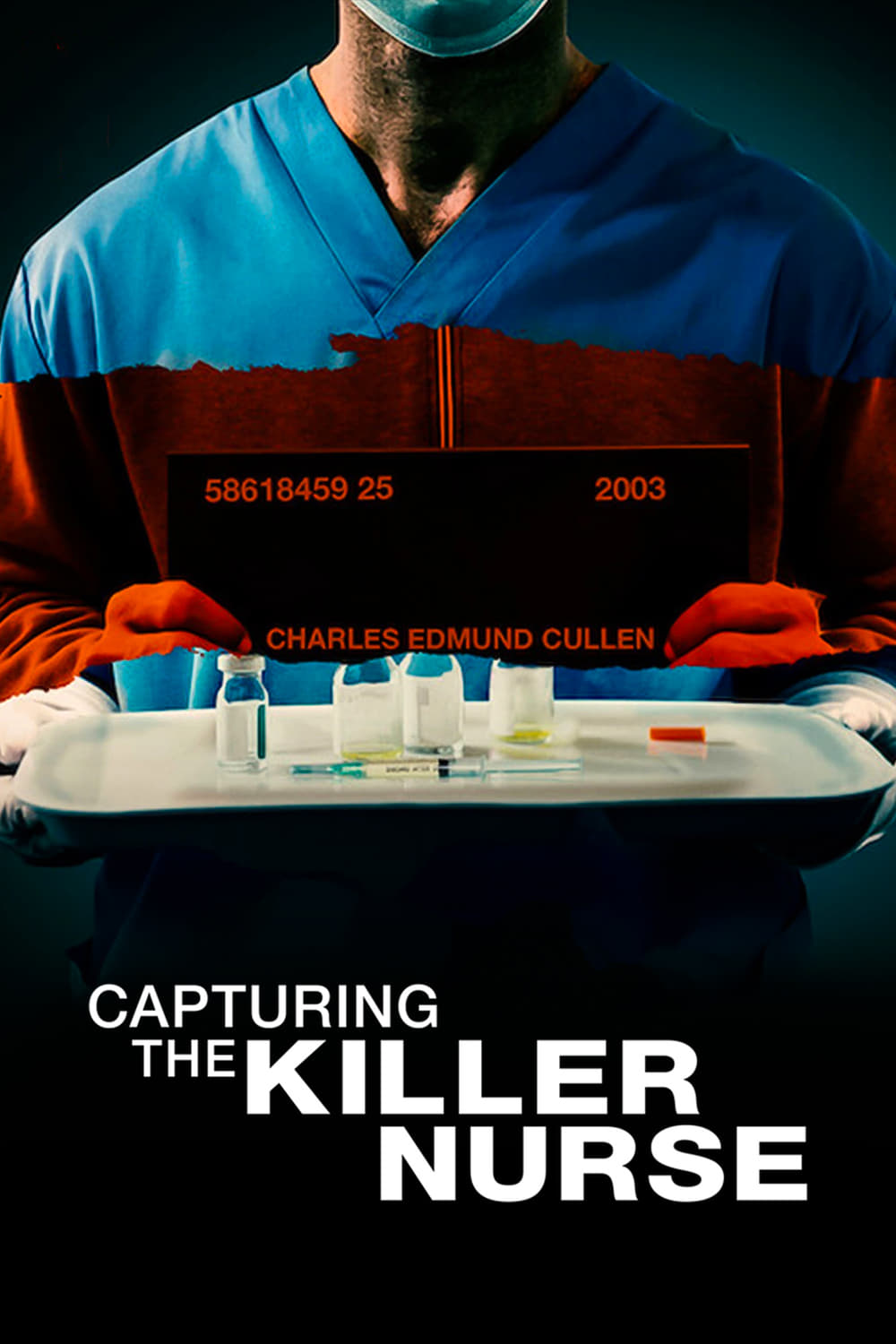
Charlie Cullen was an experienced registered nurse, trusted and beloved by his colleagues at Somerset Medical Center in New Jersey. He is also one of history’s most prolific serial killers, with a body count potentially numbering in the hundreds across multiple medical facilities in the Northeast.
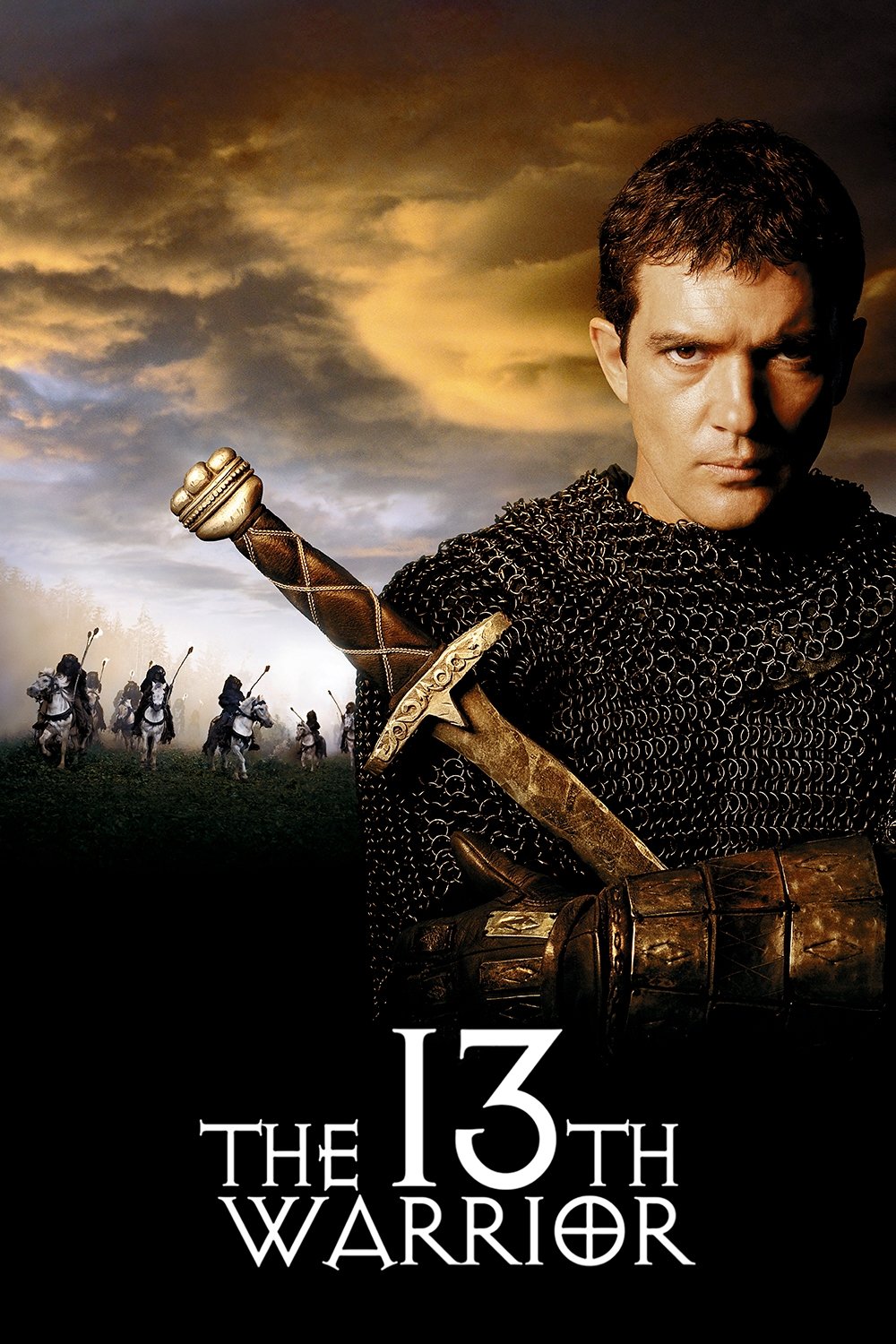
A Muslim ambassador exiled from his homeland joins a group of Vikings, initially offended by their behavior but growing to respect them. As they travel together, they learn of a legendary evil closing in and must unite to confront this formidable force.
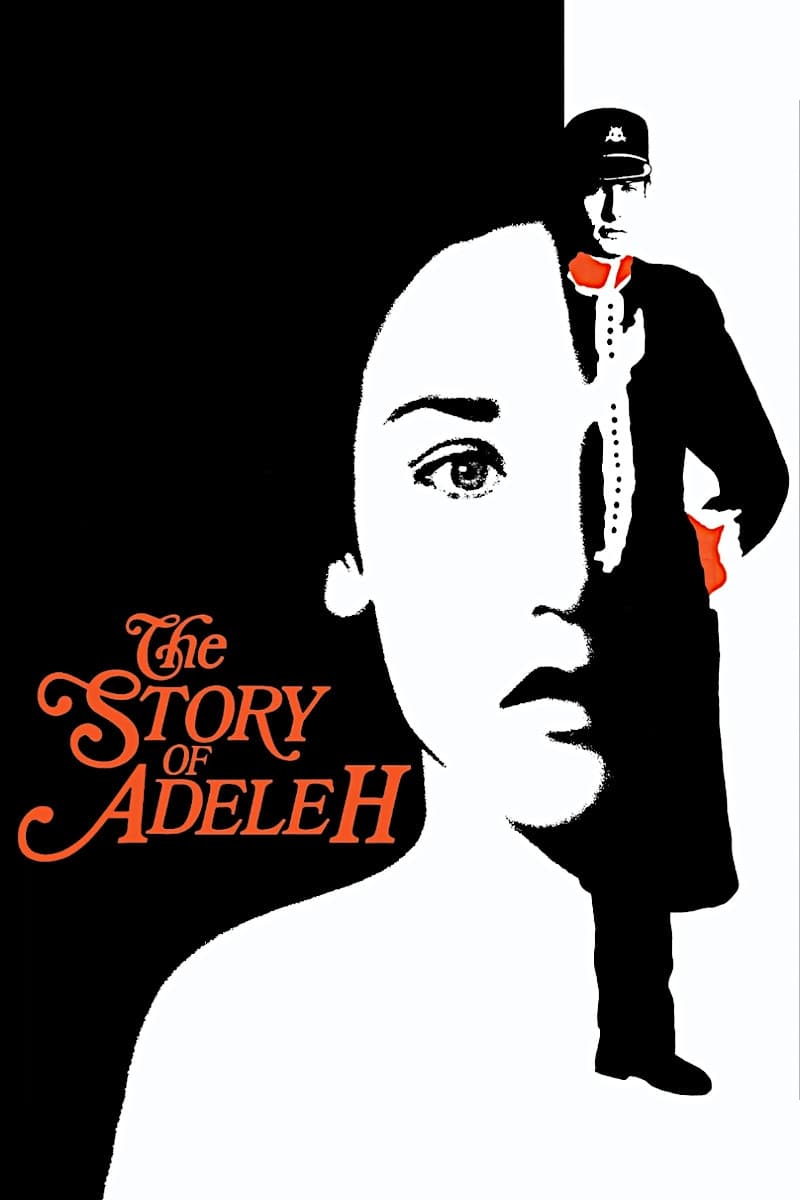
In the 19th century a mysterious woman named Adele H. crosses the ocean, from Europe to North America, to relentlessly pursue a handsome officer that denies her satisfaction.
The iconic book ”Europeana: A Brief History of the Twentieth Century” by Patrik Ouředník, first published in 2001, thanks to the imagination of the French filmmaker has transformed into an apocalyptic chronicle of the last century. A straightforward testimony of scientific rationality, which led the society to a spiritual crisis and resulted in six genocides, is accompanied with melancholic Mahlerian echoes of La Belle Époque when the world was just getting ready for the century that negated all humanity. The film raises the question whether Europe in post-history and post-humanity, sweetly anaesthetized to collective unconsciousness, will pretend as if nothing had happened.
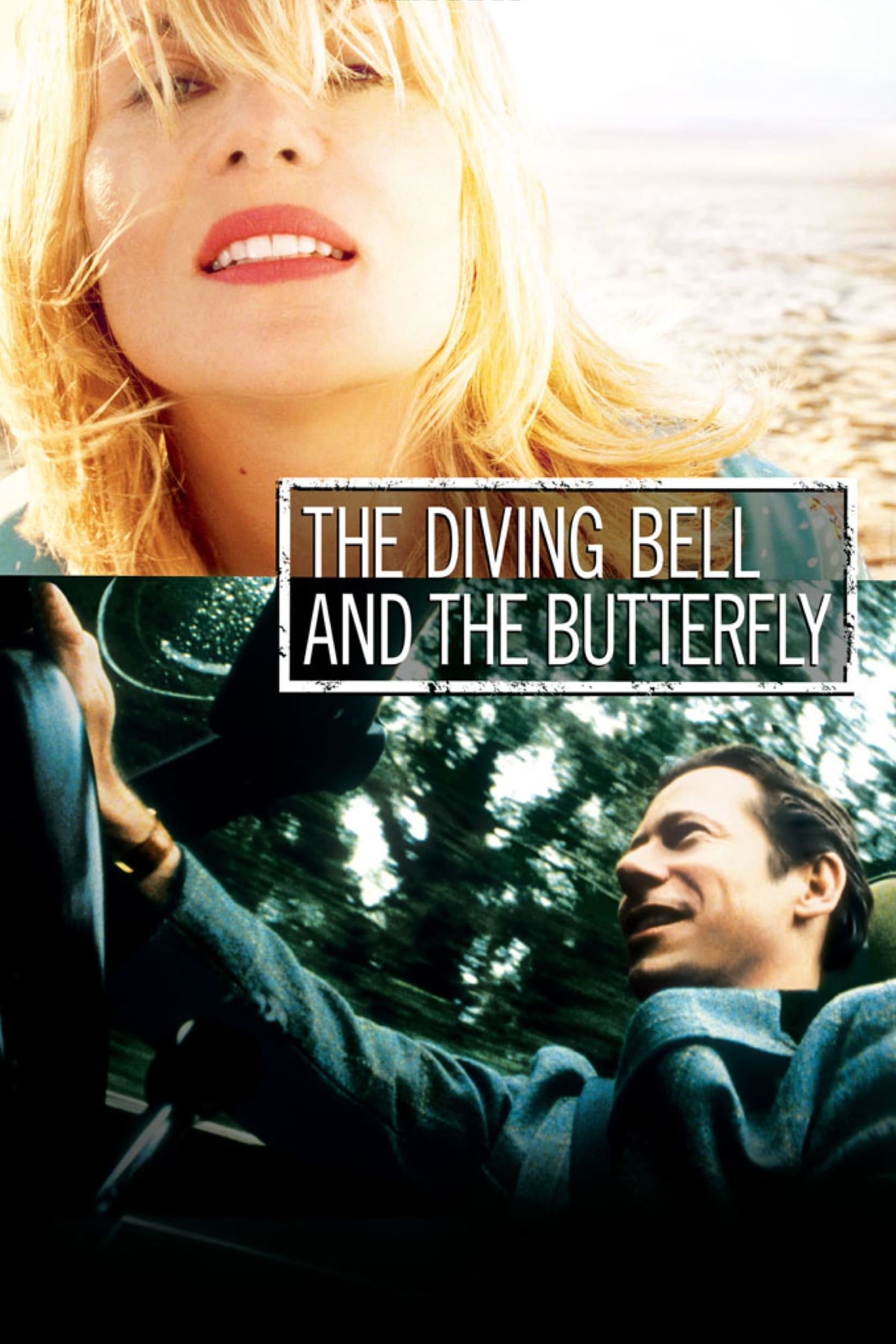
Jean-Dominique Bauby, editor-in-chief of French fashion bible Elle magazine, has a devastating stroke at age 43. The damage to his brain stem results in locked-in syndrome, with which he is almost completely paralyzed and only able to communicate by blinking an eye. Bauby painstakingly dictates his memoir via the only means of expression left to him.
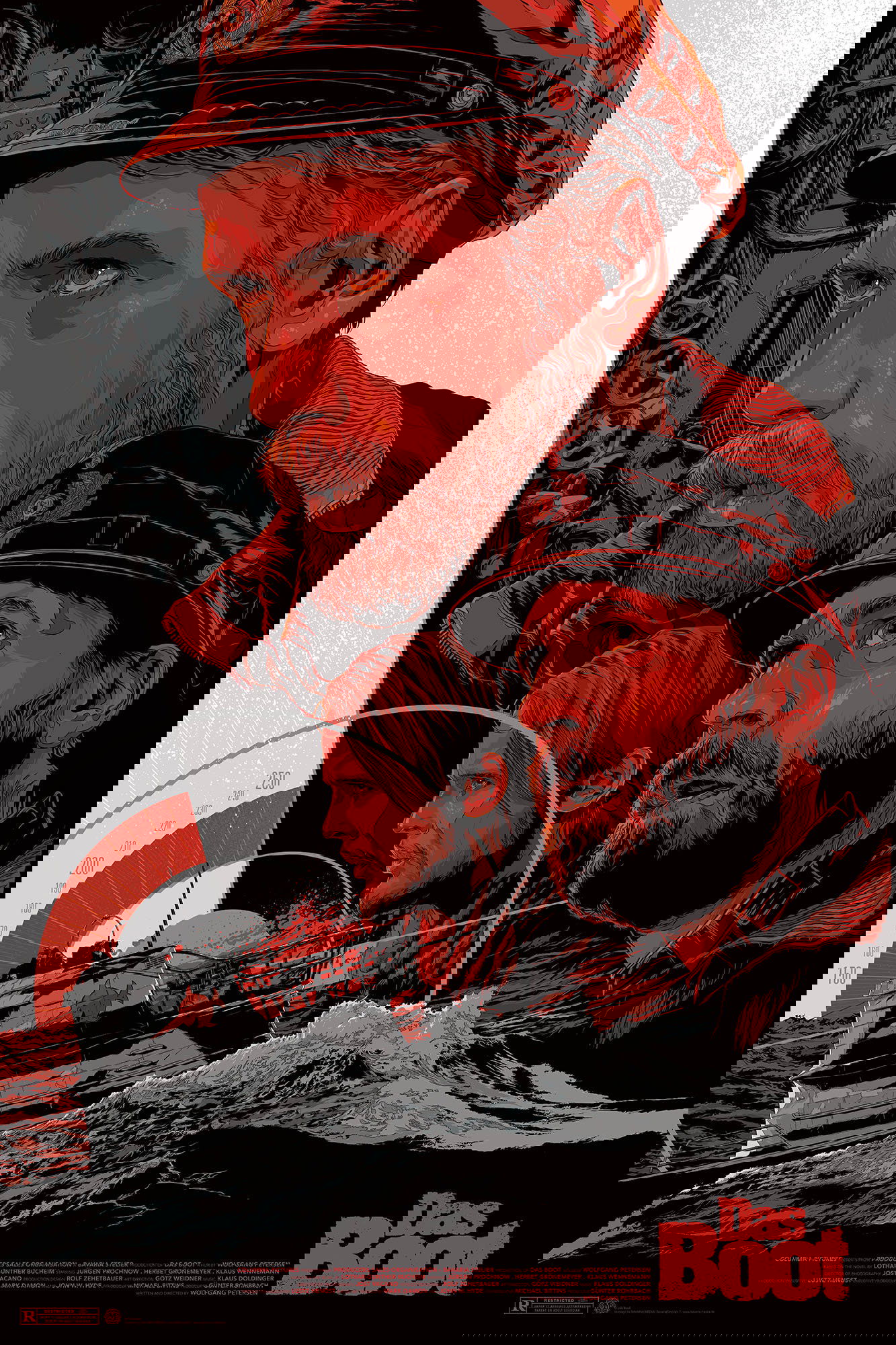
A German submarine hunts allied ships during the Second World War, but it soon becomes the hunted. The crew tries to survive below the surface, while stretching both the boat and themselves to their limits.
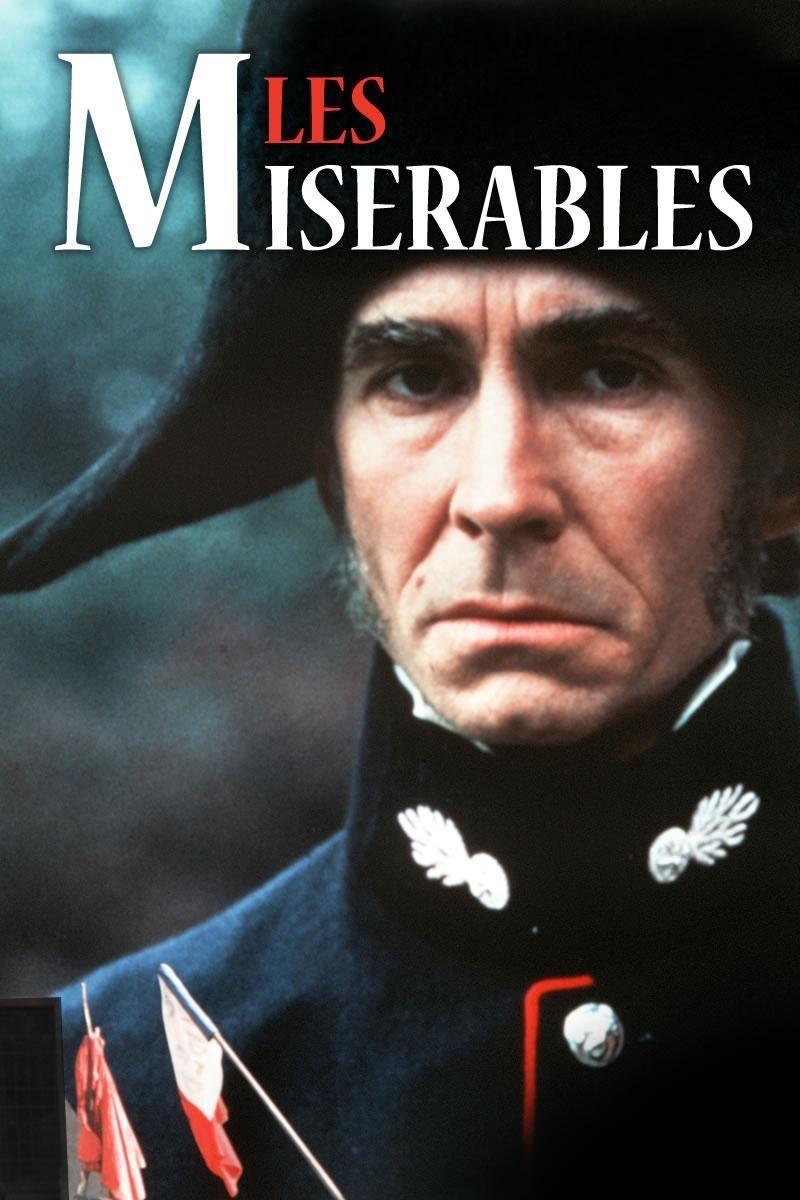
In 19th century France, Jean Valjean, a man imprisoned for stealing bread, must flee a relentless policeman named Javert. The pursuit consumes both men's lives, and soon Valjean finds himself in the midst of the student revolutions in France.
In 1930s Italy, a wealthy Jewish family tries to maintain their privileged lifestyle, hosting friends for tennis and parties at their villa. As anti-Semitism intensifies under Fascism, they must ultimately face the horrors of the Holocaust.
Adaptation of Eli Brown's novel of the same name.
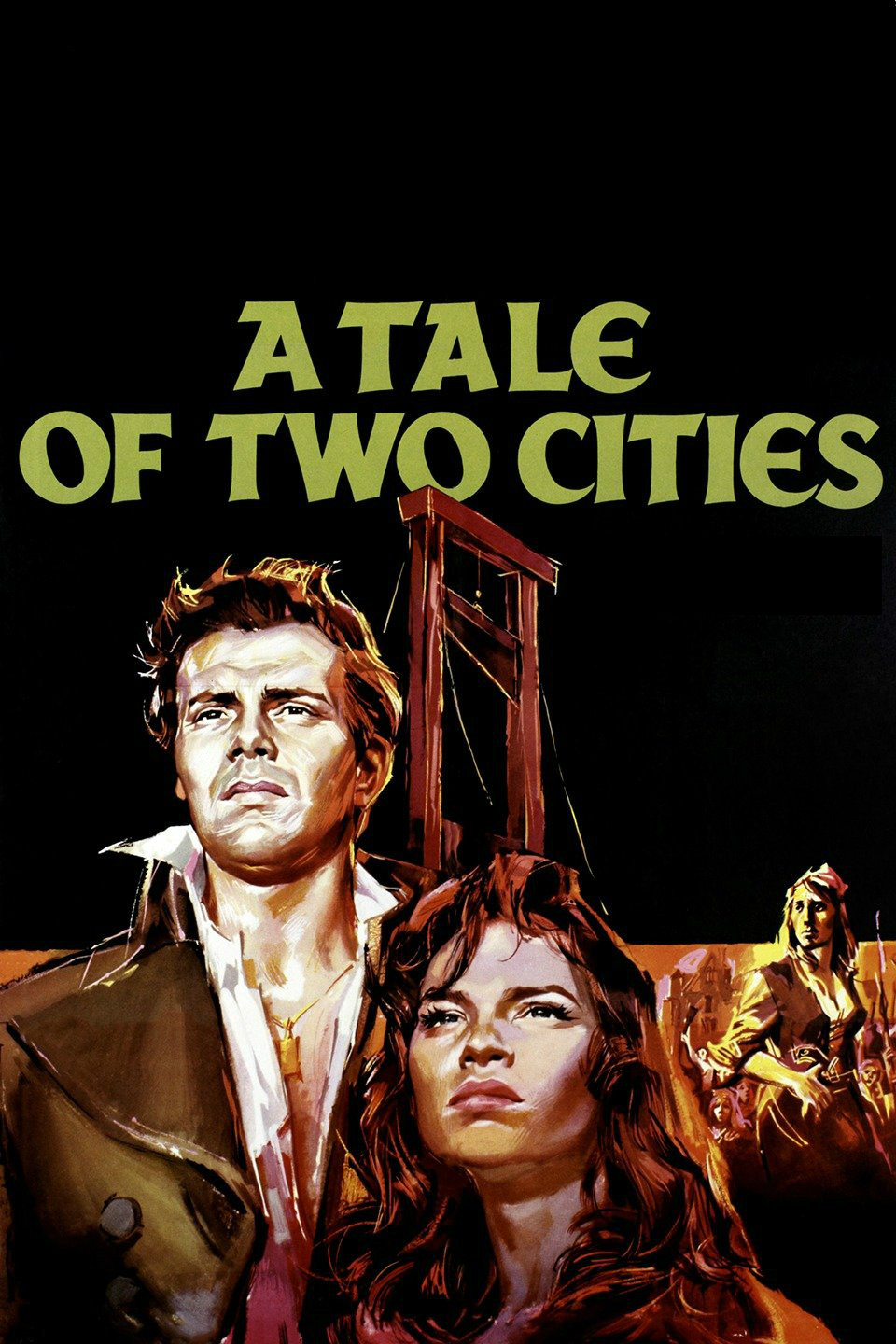
Set against the conditions leading up to the French Revolution and the Reign of Terror, French doctor Alexandre Manette serves an 18-year imprisonment in the Bastille in Paris, followed by his release to live in London with the daughter he has never met.
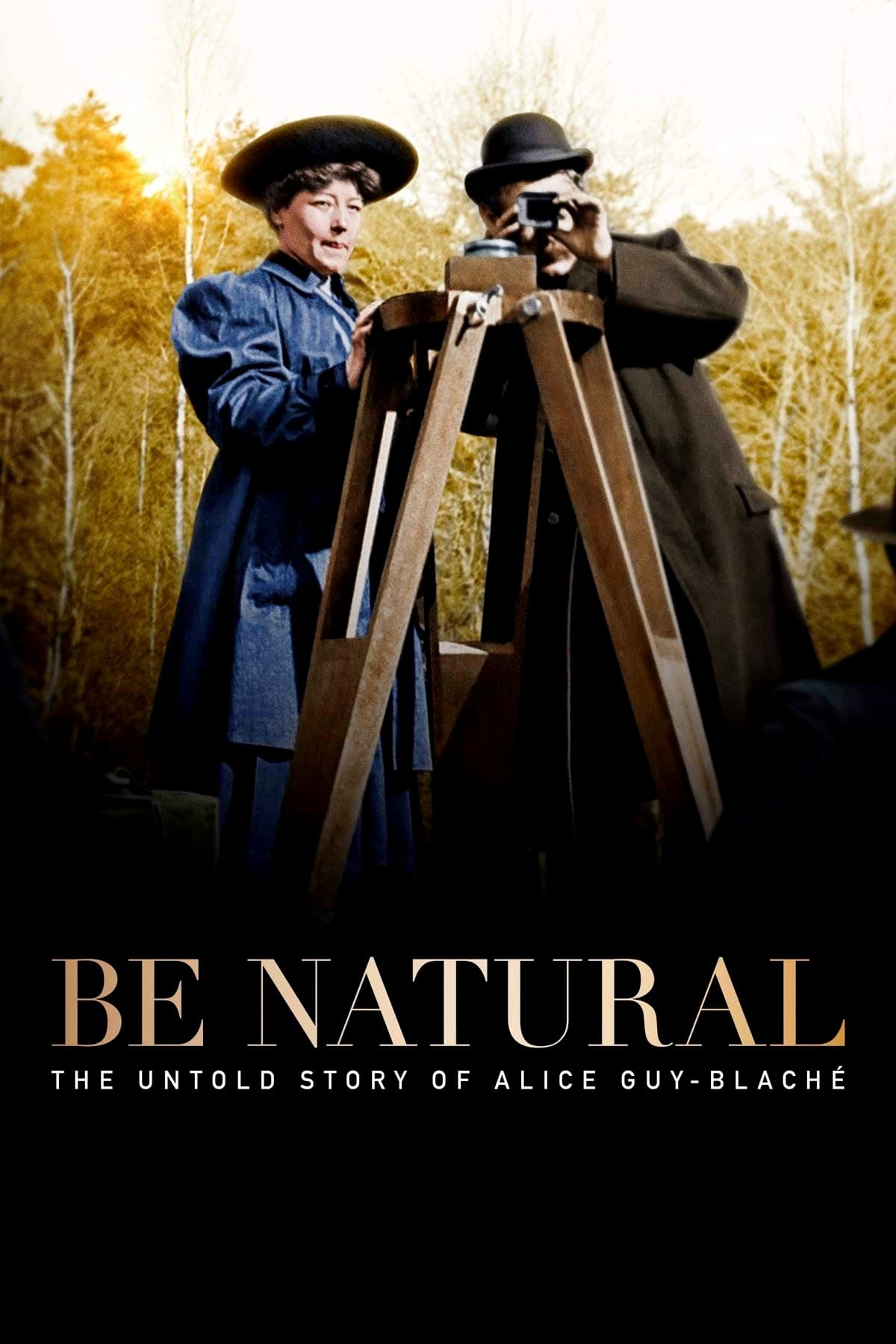
The epic life story of Alice Guy-Blaché (1873–1968), a French screenwriter, director and producer, true pioneer of cinema, the first person who made a narrative fiction film; author of hundreds of movies, but banished from history books. Ignored and forgotten. At last remembered.
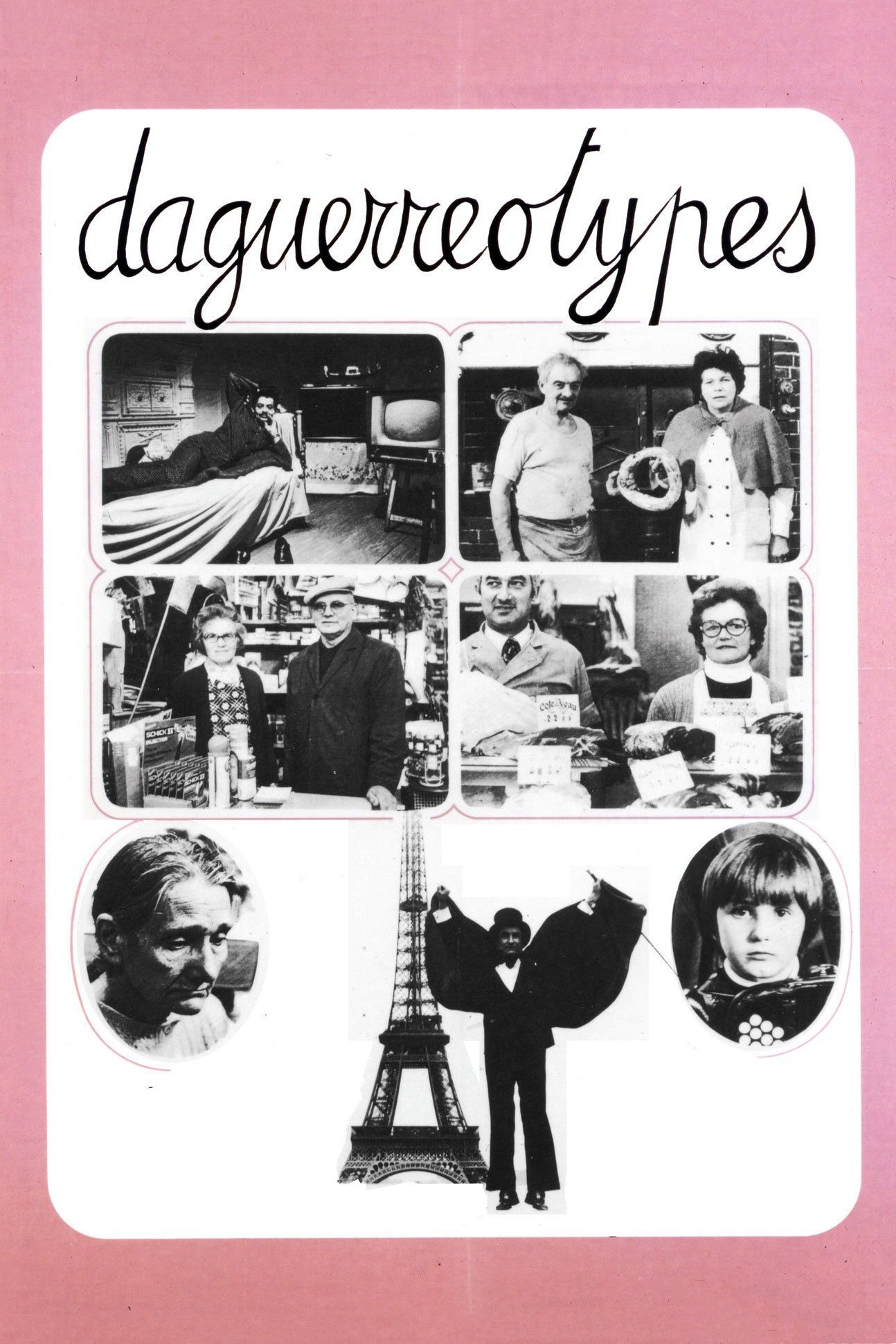
An intimate portrait of the small shops and shopkeepers of the Rue Daguerre in Paris, a picturesque street that has been the filmmaker’s home for more than 50 years.
Oliver Stone charts the history of the United States from the Second World War to the present.
At age 25, Olivier Rousteing was named the creative director of the French luxury fashion house, Balmain. At the time, Rousteing was a relatively unknown designer, but in the decade since, he’s proven his business prowess and artistic instinct by leading Balmain to new heights. Wonderboy gives the viewer the rare opportunity to experience the inner sanctum of the fashion world, as we stand shoulder-to-shoulder with this extraordinary individual while he works.
In an intimate and joyful story of love in the face of loss, celebrated poets Andrea Gibson and Megan Falley find strength—and unexpected hilarity—in what might be their final year together.
“The Soviet Story” is a story of an Allied power, which helped the Nazis to fight Jews and which slaughtered its own people on an industrial scale. Assisted by the West, this power triumphed on May 9th, 1945. Its crimes were made taboo, and the complete story of Europe’s most murderous regime has never been told. Until now...
Michael Moore comes home to the issue he's been examining throughout his career: the disastrous impact of corporate dominance on the everyday lives of Americans (and by default, the rest of the world).
A behind-the-scenes documentary about the Clinton for President campaign, focusing on the adventures of spin doctors James Carville and George Stephanopoulos.
Alexander McQueen's rags-to-riches story is a modern-day fairy tale, laced with the gothic. Mirroring the savage beauty, boldness and vivacity of his design, this documentary is an intimate revelation of McQueen's own world, both tortured and inspired, which celebrates a radical and mesmerizing genius of profound influence.
Paris, summer 1960. Anthropologist and filmmaker Jean Rouch and sociologist and film critic Edgar Morin wander through the crowded streets asking passersby how they cope with life's misfortunes.
The Adamant is a unique day-care centre. A floating structure located on the Seine in the heart of Paris, it welcomes adults suffering from mental disorders, offering the kind of care that grounds them in time and space and helps them to recover or keep up their spirits. The team running it tries to resist the deterioration and dehumanisation of psychiatry as best as they can.
He's devoted his career to uncovering stories the powerful want buried. From My Lai to Abu Ghraib, dig into the life's work of journalist Seymour Hersh.
A documentary on the expletive's origin, why it offends some people so deeply, and what can be gained from its use.
The film is based on interviews with 2,000 women from 50 countries, and covers the status of women all over the world. The topics covered include forced marriages, sexual assault, female genital mutilation, acid attacks, motherhood, sexuality, menstruation, education and the professional success of women.
Film adaptation of French economist Thomas Piketty's ground-breaking global bestseller of the same name: an eye-opening journey through wealth and power.
From its distinctive neighborhoods to its architectural homes, Los Angeles has been the backdrop to countless movies. In this dazzling work, Andersen takes viewers on a whirlwind tour through the metropolis' real and cinematic history, investigating the myriad stories and legends that have come to define it, and meticulously, judiciously revealing the real city that lives beneath.
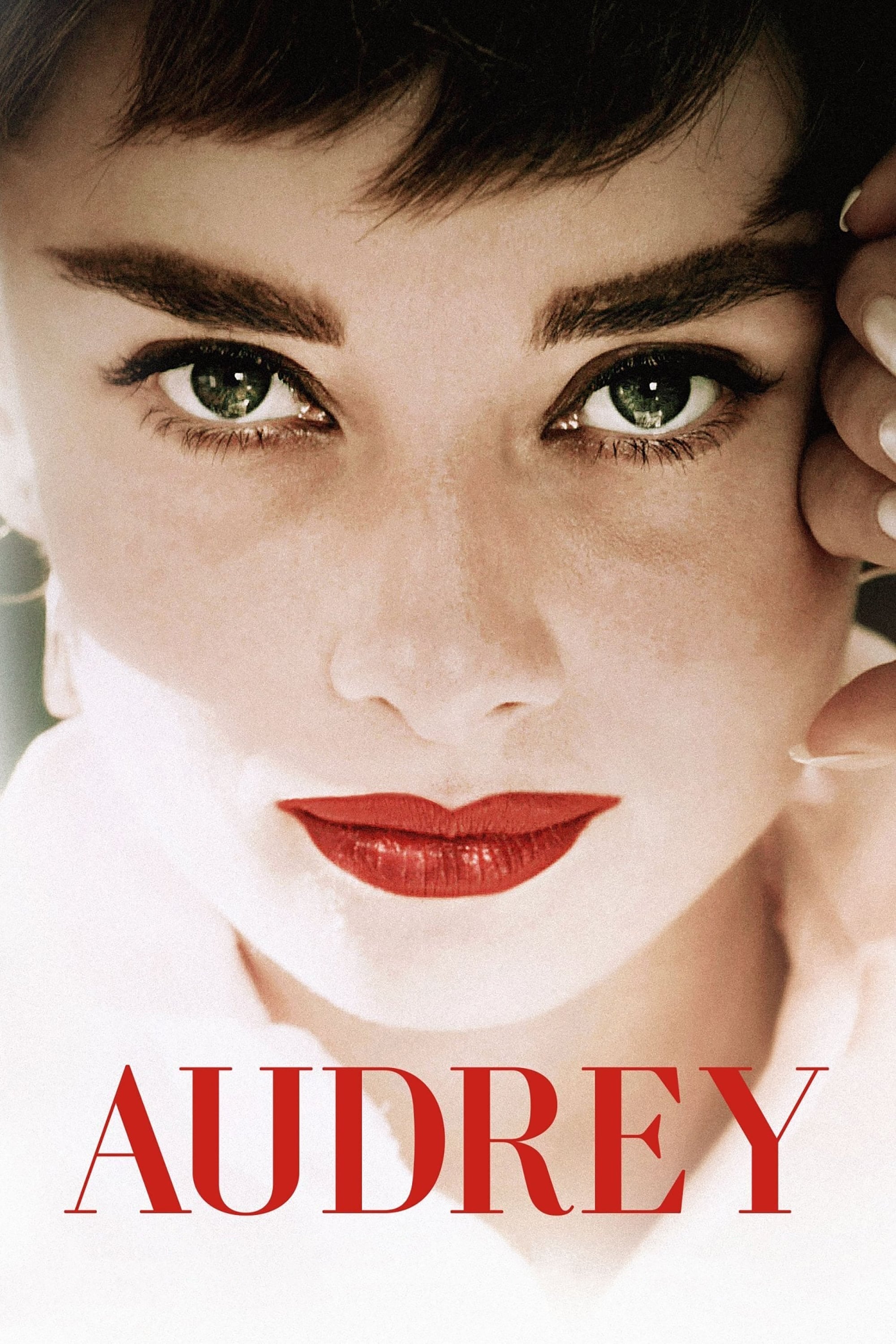
An unprecedented and intimate look at the life, work and enduring legacy of British actress Audrey Hepburn (1929-1993).
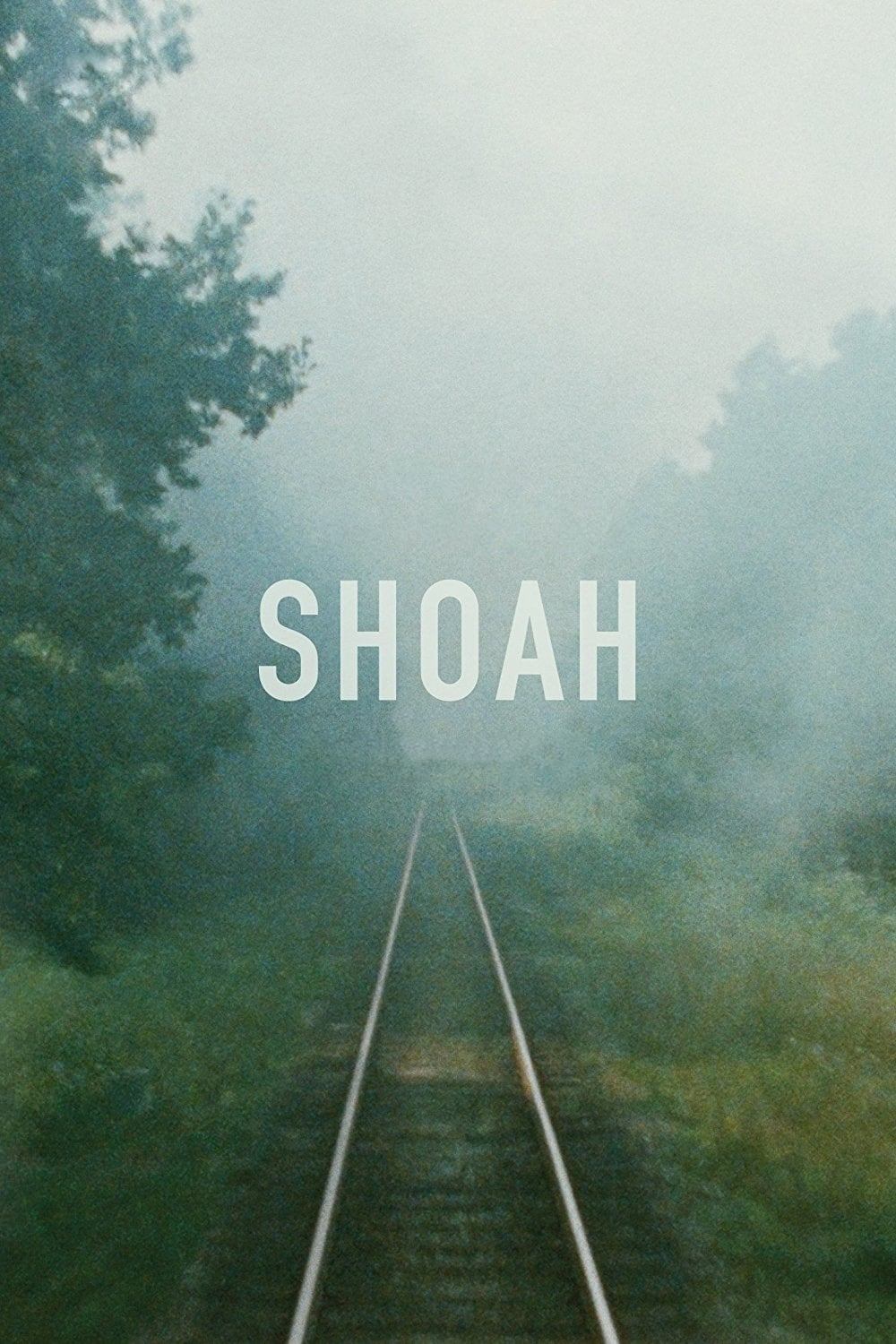
Director Claude Lanzmann spent 11 years on this sprawling documentary about the Holocaust, conducting his own interviews and refusing to use a single frame of archival footage. Dividing Holocaust witnesses into three categories – survivors, bystanders, and perpetrators – Lanzmann presents testimonies from survivors of the Chelmno concentration camp, an Auschwitz escapee, and witnesses of the Warsaw Ghetto Uprising, as well as a chilling report of gas chambers from an SS officer at Treblinka.
A look at the origins, history and conspiracies behind the "Majestic 12", a clandestine group of military and corporate figureheads charged with reverse-engineering extraterrestrial technology.
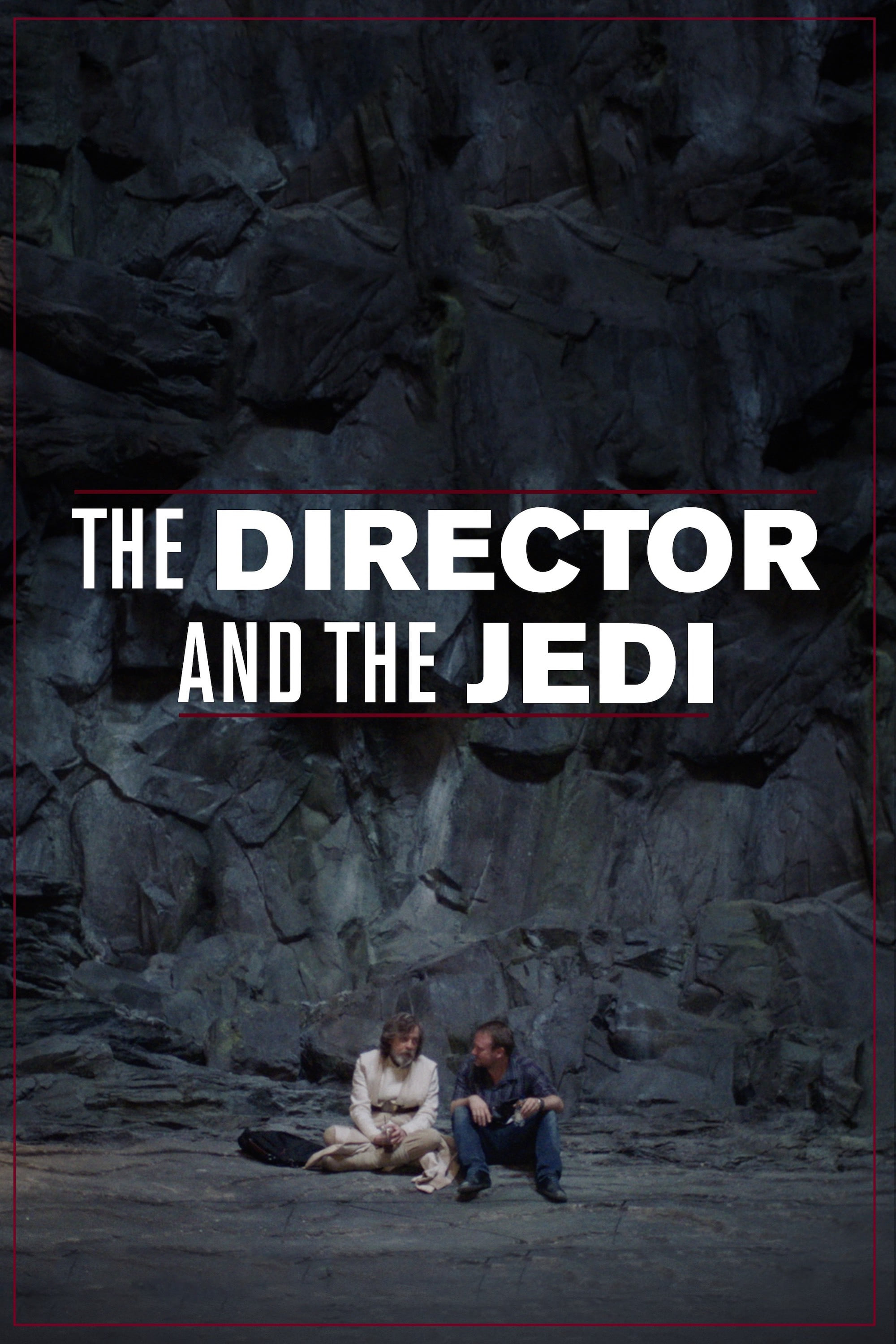
An intimate documentary delving into Rian Johnson's process as he comes in as a director new to the Star Wars universe.