Social & External
The people behind it
Oldřich Hoblík
Commentary (voice)
Otakar Brousek
Slide about the danger of fires. A member of the SNB meets a group of pioneers in the forest, who teach them about the damage caused by fire in a friendly way around the campfire.
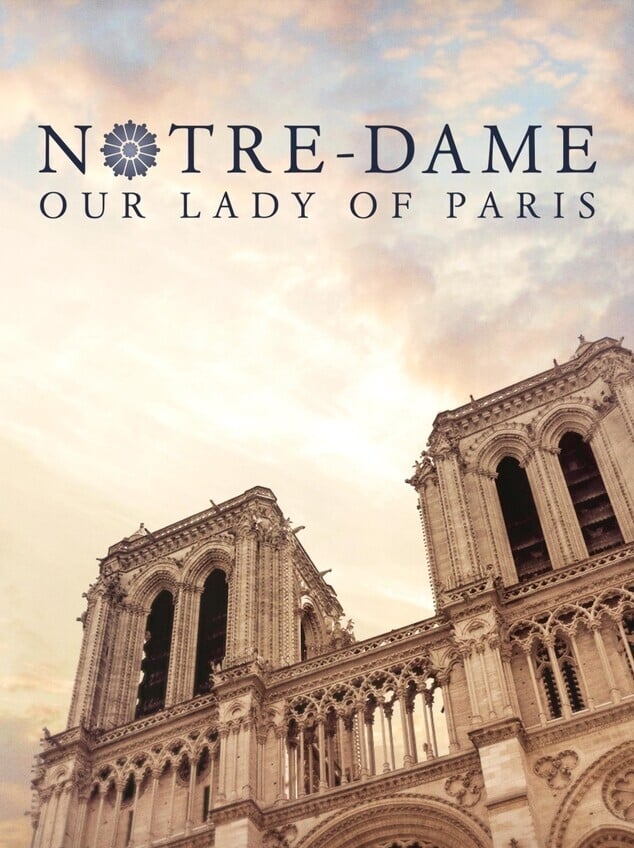
This ABC documentary special provides a detailed look into the disastrous fire that ravaged Paris' revered Notre-Dame Cathedral in 2019. Firsthand accounts of firefighters, clergy, local officials and those who were inside the cathedral on April 15, 2019, as well as harrowing footage from within the inferno, tell the story of the fire watched around the world.
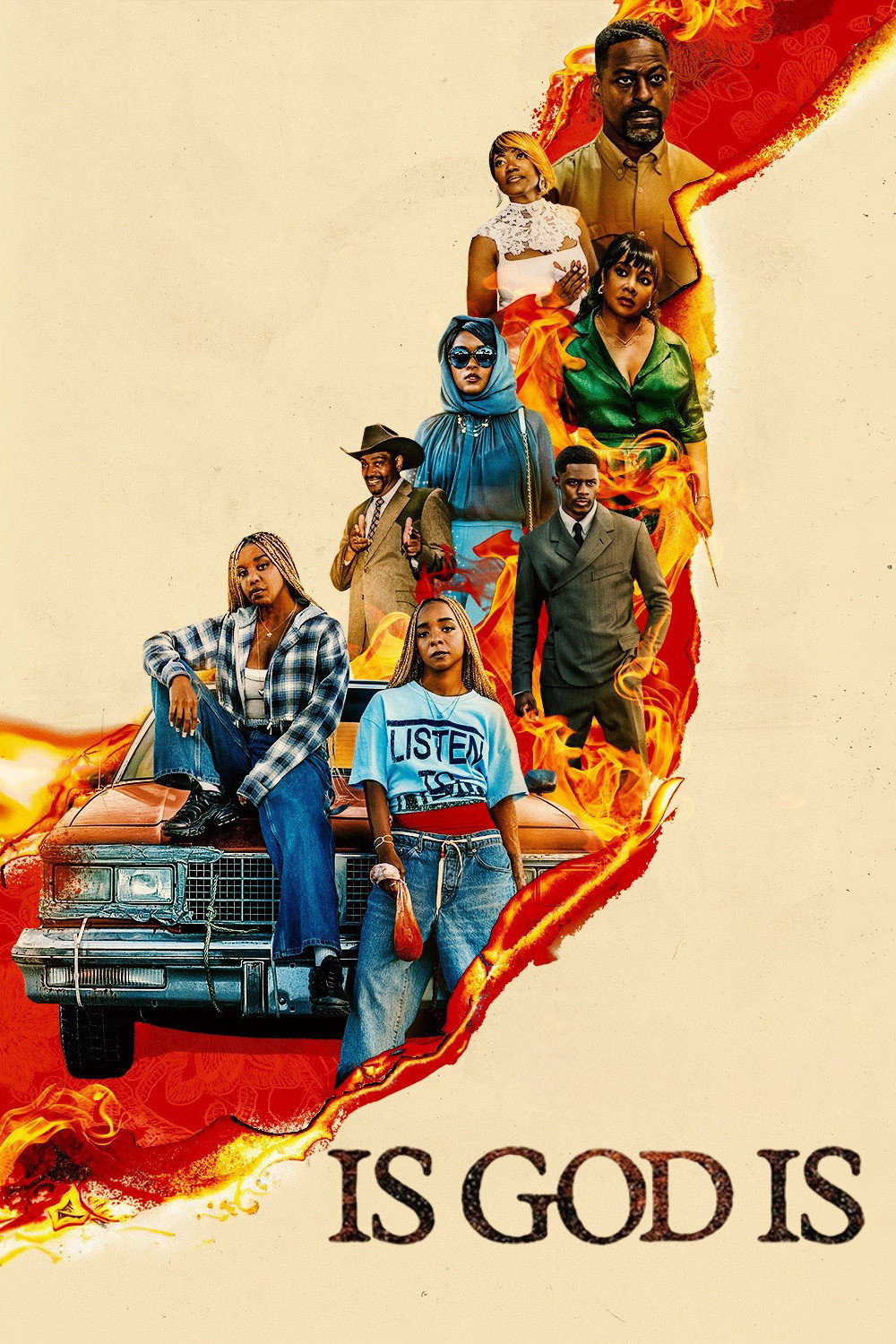
Two sisters embark on an epic quest for revenge, confronting a charged family history that pushes them to extraordinary lengths.
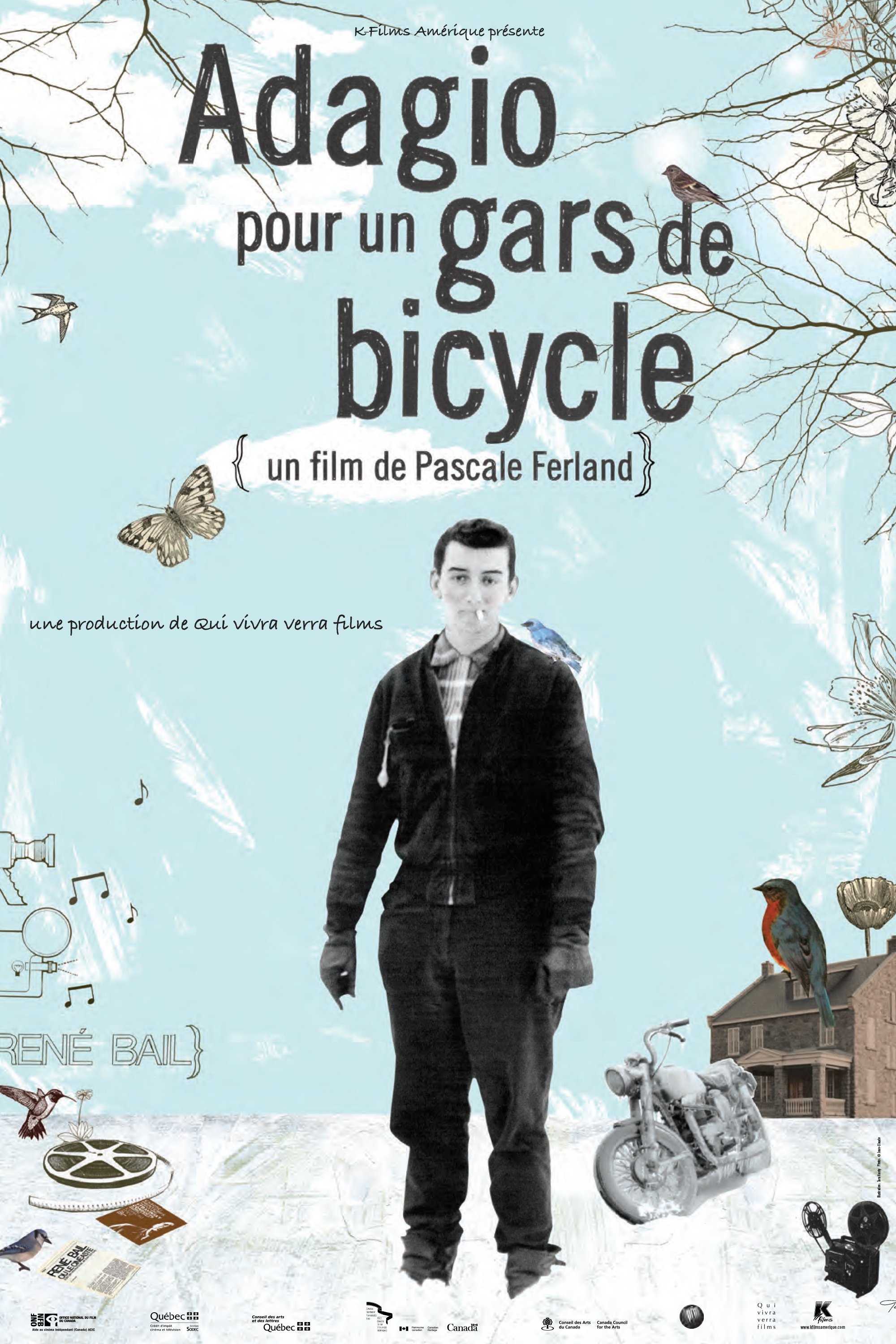
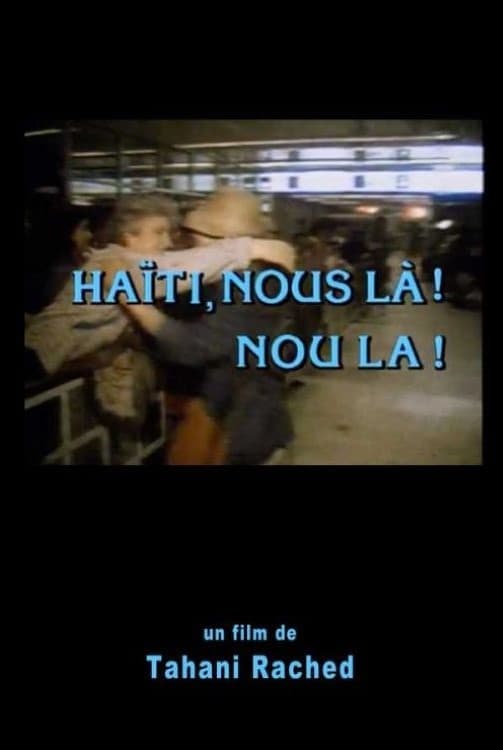
From Haiti, images and testimonies that describe the climate that reigned during the aborted elections of November 29, 1987. A powerful military police in the service of a despotic power terrorized an impoverished people that they wanted to keep submissive. The government had succeeded in ousting Duvalier. However, another dictatorship has taken over, and nothing has changed. However, both on the radio and in the streets, the voice of the Haitians was heard with strength and courage. But what if it was all a sham of democracy?
The trial of Alfred Plock differed from previous trials in that it did not have an explicitly political background. A group of engineers from the Ministry of Post, Industry, and Standard Electric were charged solely because they wanted to implement a revolutionary technological innovation and turn Prague into the headquarters of a new pan-European telecommunications system. Among other things, they wanted to enhance their country's prestige on the international stage. However, it was precisely this intention that aroused the suspicion of the security authorities and Soviet advisers. They therefore decided to take decisive action.
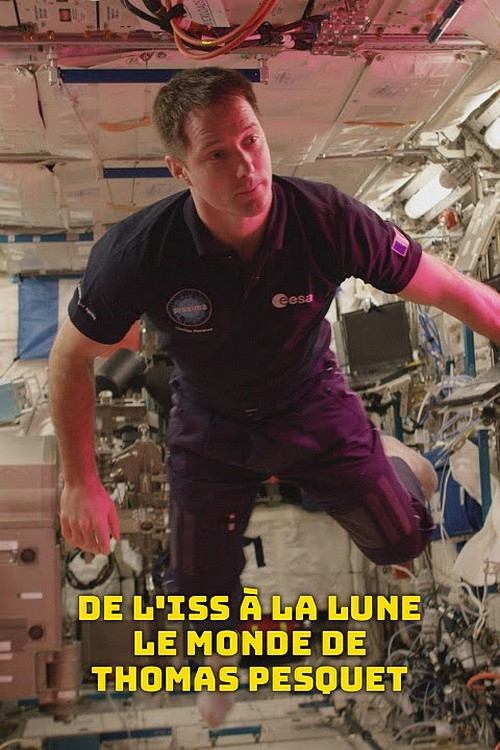
From space, 400 kilometers above our heads, one man has won the hearts of the French: Thomas Pesquet. Traveling to the stars is an almost impossible dream, but for Thomas Pesquet it is a reality that he recounts in detail in an exclusive interview. You will discover the magic of living in space, the wonder of our planet, but also the reality of everyday life in zero gravity: how they sleep, how they wash, what happens to their bodies. Why do they have to exercise for two hours a day? How do they communicate with their families? With Thomas Pesquet and the help of specialists, scientists, doctors, instructors, directors, and computer-generated images, you will discover what goes on behind the scenes of a mission and understand how the International Space Station works.
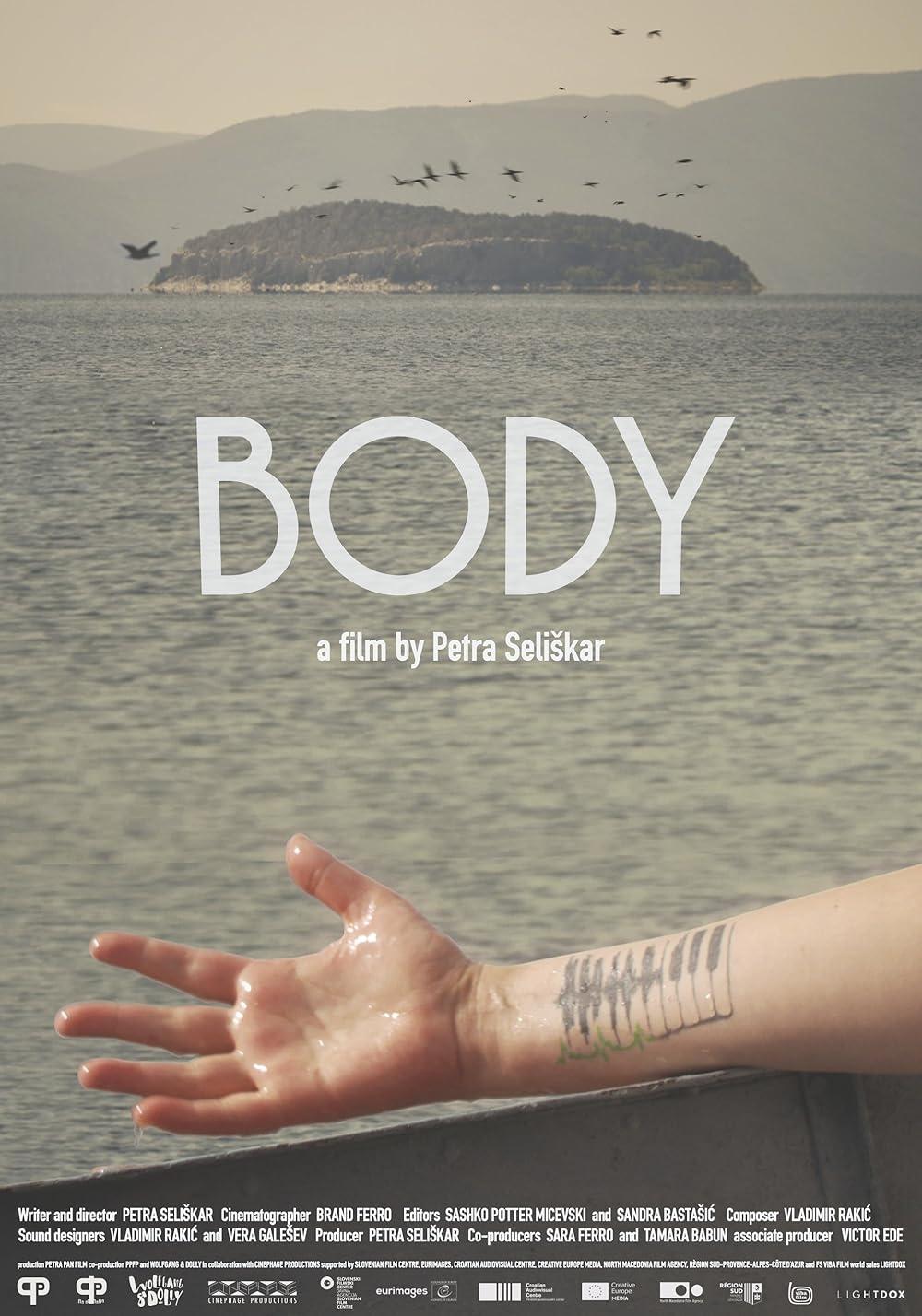
Filmed over a period of 20 years, Body is a sensitive and intimate exploration of the extraordinary life and intricate inner world of a woman who fights with her indomitable spirit to resist a series of rare auto-immune diseases.
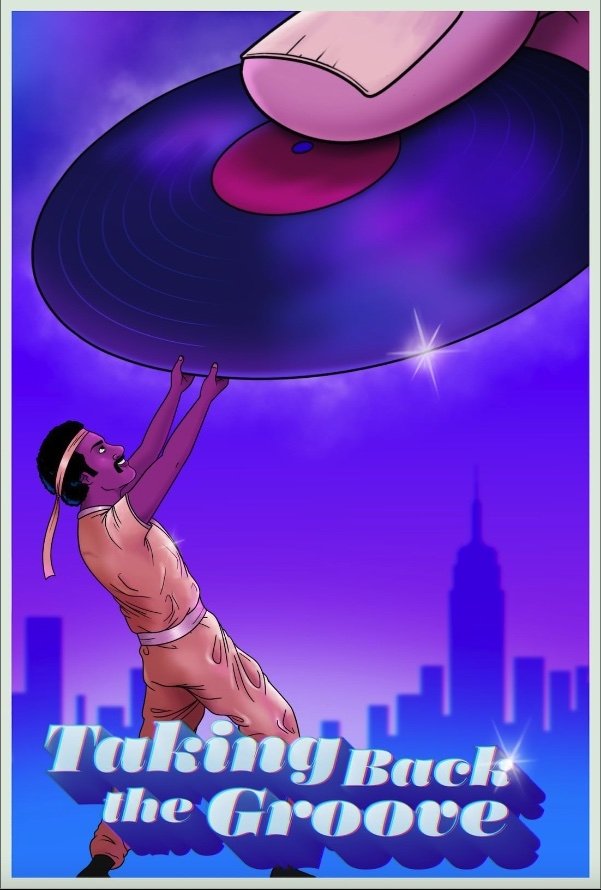
Taking Back The Grove tells the story of Bronx-born, disco superstar Richie Weeks, whose hit song Rock Your World made it to No. 1 on the dance charts in the 80s. Like many Black artists throughout American recording history, his talent was strip-mined to enrich white-owned record labels. Weeks and his manager Jerome Derradji narrate the story of how they clawed back the rights to Weeks' music and the ongoing fight to restore his legacy and share his music.
An explosion of gender identities and sexual orientations is currently underway: They are becoming more flexible, more diverse and, above all, more visible. One is non-binary, gender fluid, genderqueer, trans or cross gender, bisexual or pansexual. There is also strong opposition to this. The Catholic Church sees the "gender ideology" as a "postmodern aberration", and all over Europe thousands of people take to the streets to fight the supposed "gender madness" and to promote the heterosexual nuclear family as the basis of a healthy society. What is it up to the strict distinction between man and woman? Do we no longer need our classic gender roles? Is this so-called binary concept still tenable? This documentary examines these questions from a scientific perspective and shows that the world is definitely more colorful than we long believed.
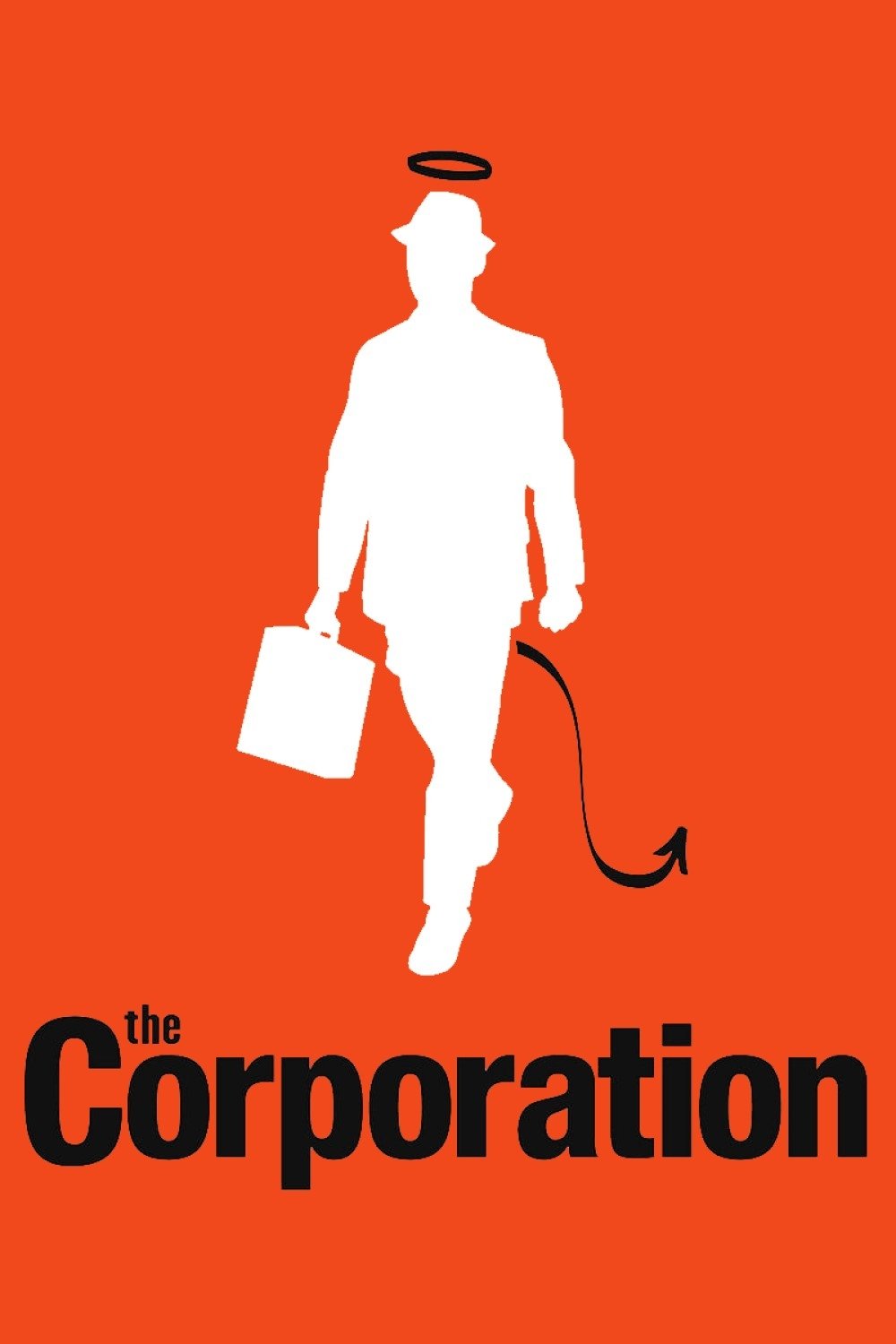
Since the late 18th century American legal decision that the business corporation organizational model is legally a person, it has become a dominant economic, political and social force around the globe. This film takes an in-depth psychological examination of the organization model through various case studies. What the study illustrates is that in the its behaviour, this type of "person" typically acts like a dangerously destructive psychopath without conscience. Furthermore, we see the profound threat this psychopath has for our world and our future, but also how the people with courage, intelligence and determination can do to stop it.
A string of threatening emails escalates into a revenge plot involving a newly married US marshal and his ex-girlfriend.
Ranjit, a farmer in India, takes on the fight of his life when he demands justice for his 13-year-old daughter, the victim of a brutal gang rape. His decision to support his daughter is virtually unheard of, and his journey unprecedented.
An inside look at one of the most anticipated movie sequels ever with James Cameron and cast.
A documentary about the life and films of director John Ford.
After another 7 year wait, director Michael Apted revisits the same group of British-born children from Seven Up! and 7 Plus Seven. The subjects are interviewed as to the changes that have occurred in their lives during the last seven years.
Investigators reveal how Boeing’s alleged priority of profit over safety could have contributed to two catastrophic crashes within months of each other.
A night of drunken chaos rocks a quiet Dutch town in this shocking documentary about a teen's birthday invite that accidentally went viral on Facebook.
A compilation of over 30 years of private home movie footage shot by Lithuanian-American avant-garde director Jonas Mekas, assembled by Mekas "purely by chance", without concern for chronological order.
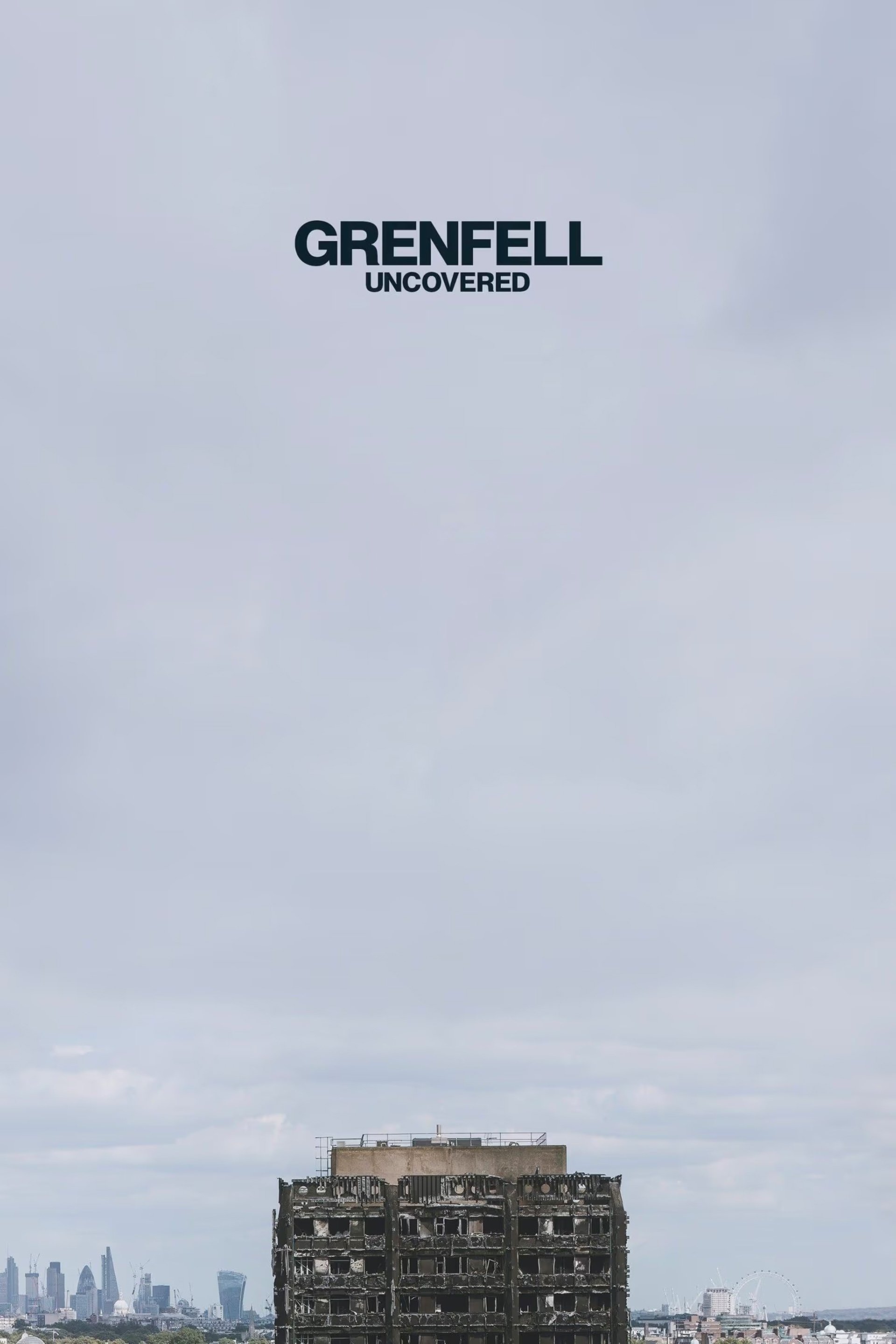
Survivors, witnesses, and experts tell the story of the tragic fire that engulfed a residential tower block in London — and the investigation that ensued.
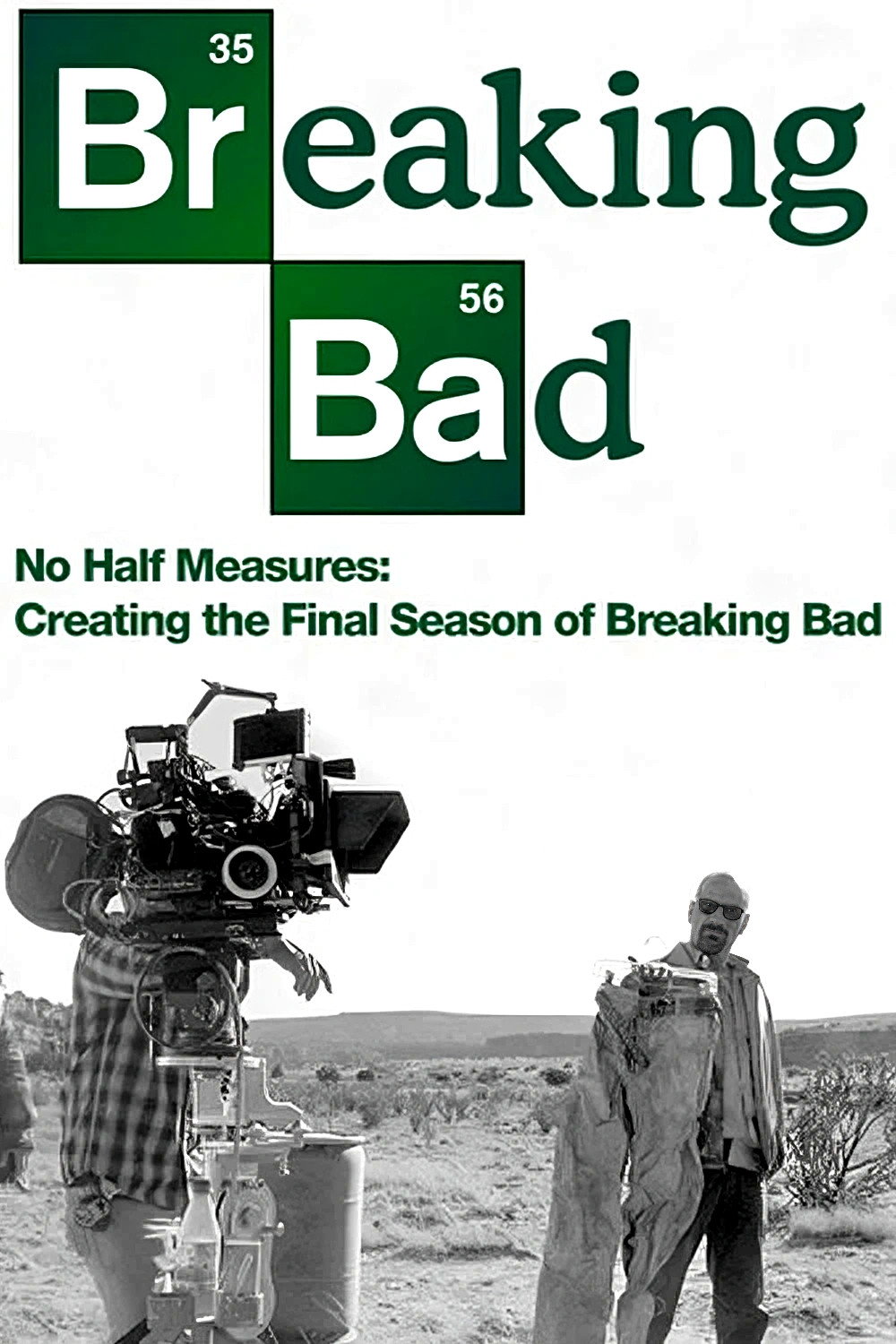
A documentary about the making of season five of the acclaimed AMC series Breaking Bad.
A visual montage portrait of our contemporary world dominated by globalized technology and violence.
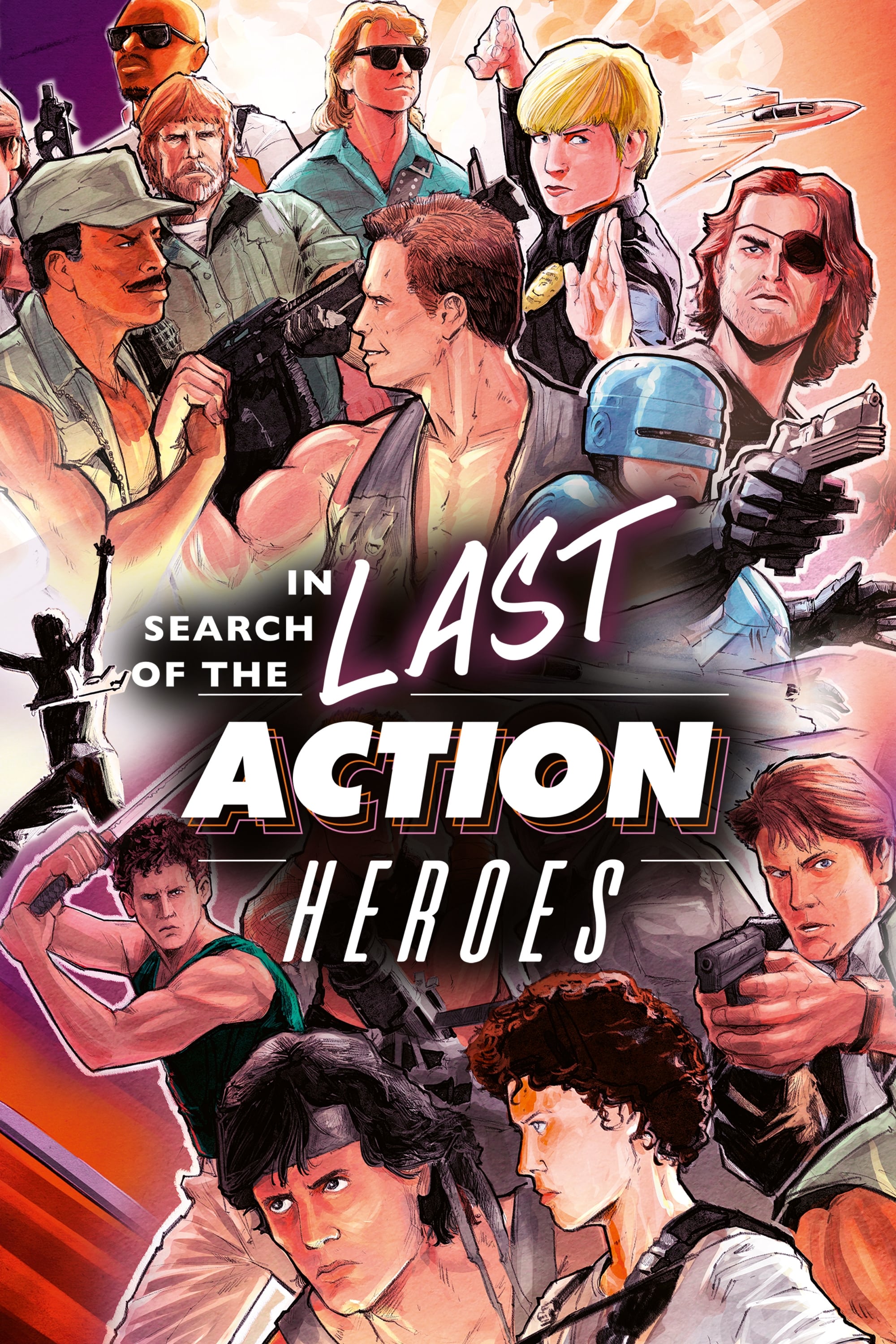
The most comprehensive retrospective of the '80s action film genre ever made.
Those who knew iconic funnyman John Candy best share his story, in their own words, through never-before-seen archival footage, imagery, and interviews.
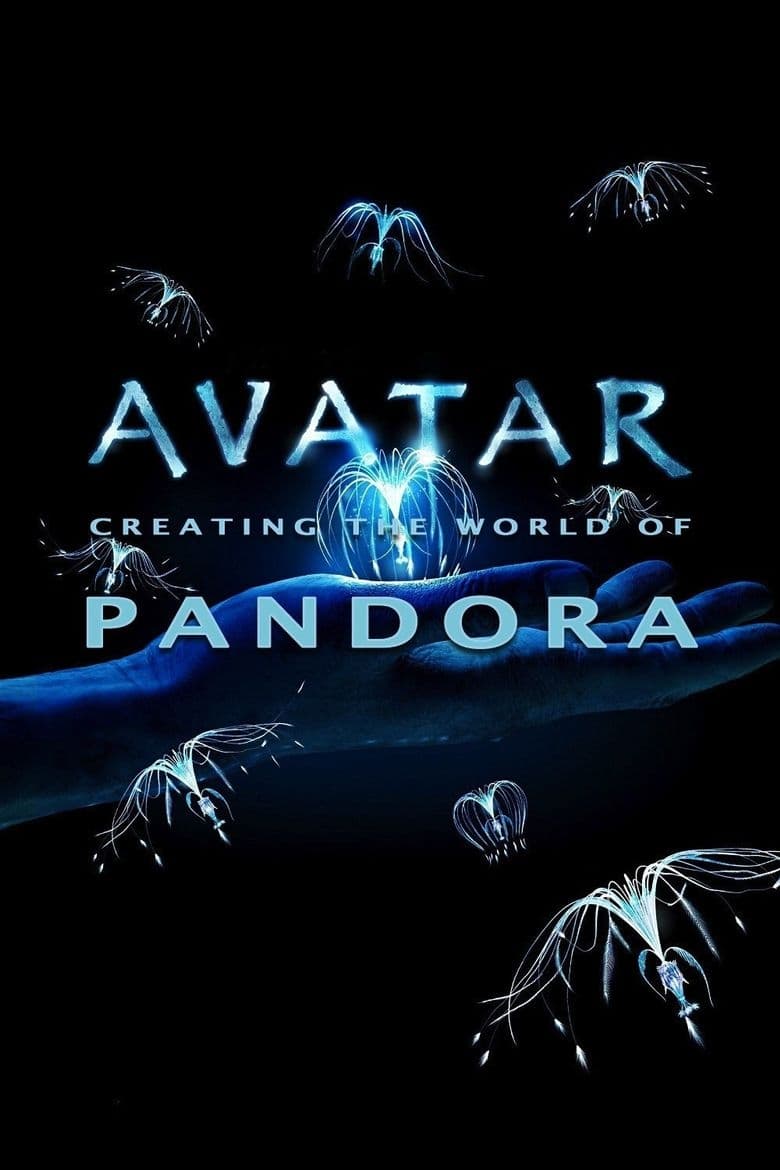
The Making-of James Cameron's Avatar. It shows interesting parts of the work on the set.
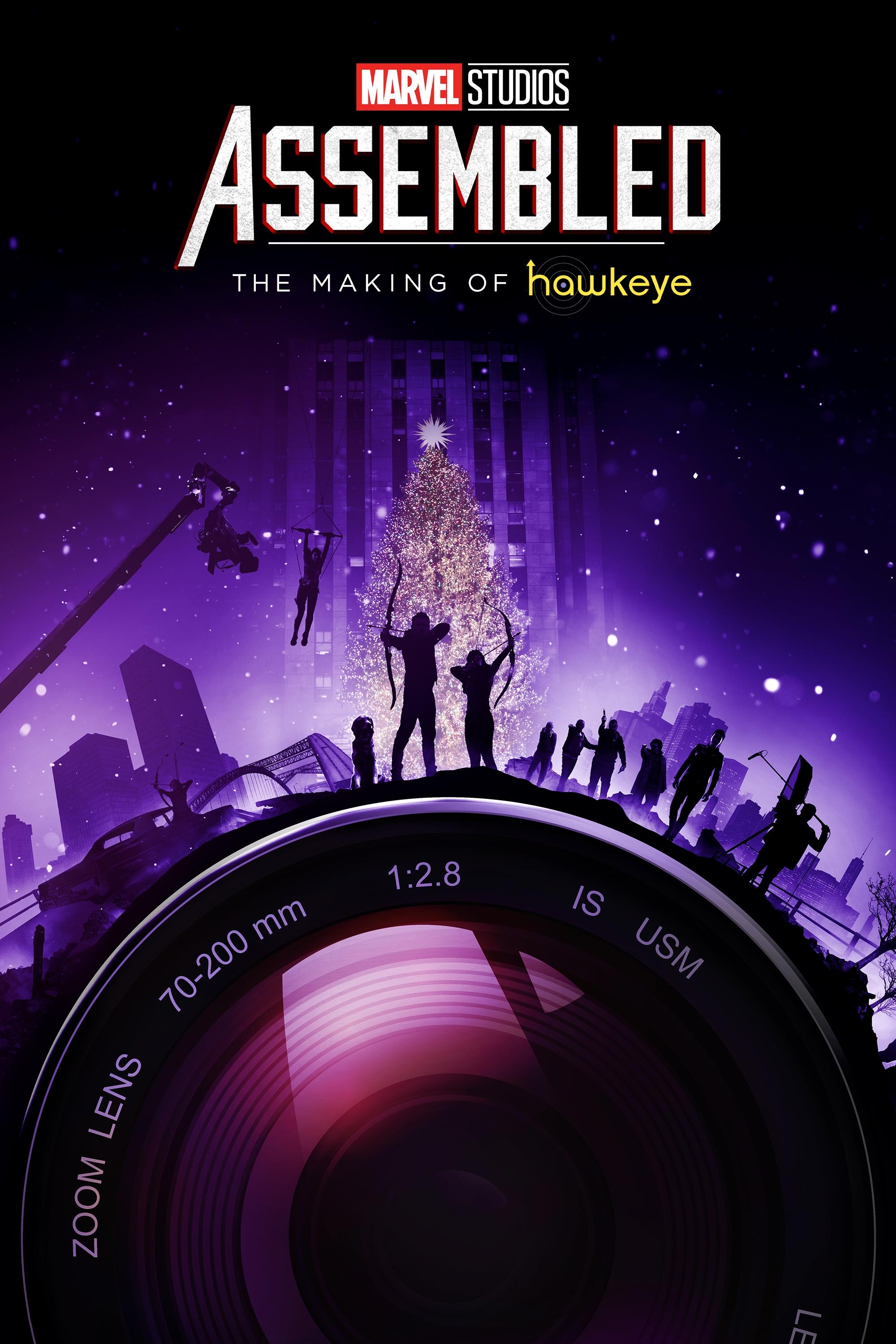
Join the likes of Jeremy Renner, Hailee Steinfeld, Florence Pugh, and Vincent D’Onofrio as they reveal how Marvel Studios’ “Hawkeye” was conceived and created. Witness firsthand what it took to pull off the show’s pulse-pounding action set pieces, and discover how iconic characters from the pages of Marvel Comics such as Kate Bishop were adapted and brought to life for the six-episode series.
The life and career of an actor, artist, and icon. His own journey through his own camera.
Alexander McQueen's rags-to-riches story is a modern-day fairy tale, laced with the gothic. Mirroring the savage beauty, boldness and vivacity of his design, this documentary is an intimate revelation of McQueen's own world, both tortured and inspired, which celebrates a radical and mesmerizing genius of profound influence.
SEDUCED AND ABANDONED combines acting legend Alec Baldwin with director James Toback as they lead us on a troublesome and often hilarious journey of raising financing for their next feature film. Moving from director to financier to star actor, the two players provide us with a unique look behind the curtain at the world's biggest and most glamourous film festival, shining a light on the bitter-sweet relationship filmmakers have with Cannes and the film business. Featuring insights from directors Martin Scorsese, 'Bernando Bertolucci' and Roman Polanski; actors Ryan Gosling and Jessica Chastain and a host of film distribution luminaries.
A documentary about how a dominant cultural and demographic institution both sustains their traditional activities and adapts to the digital revolution.
Brilliant, long in-the-works story of the life and art of the world's greatest comedian and the cinema's first genius, Charlie Chaplin. Produced, written and directed by renowned film critic Richard Schickel.