Social & External
The people behind it
Pierre Alam
Narrator (voice)
François Kersaudy
Self
Yves de Gaulle
Annie Lacroix-Riz
Frédéric Salat-Baroux
Jean-Noël Jeanneney
Jean-Pierre Chevènement
Frédéric Charpier
Éric Branca
Gilles Munier
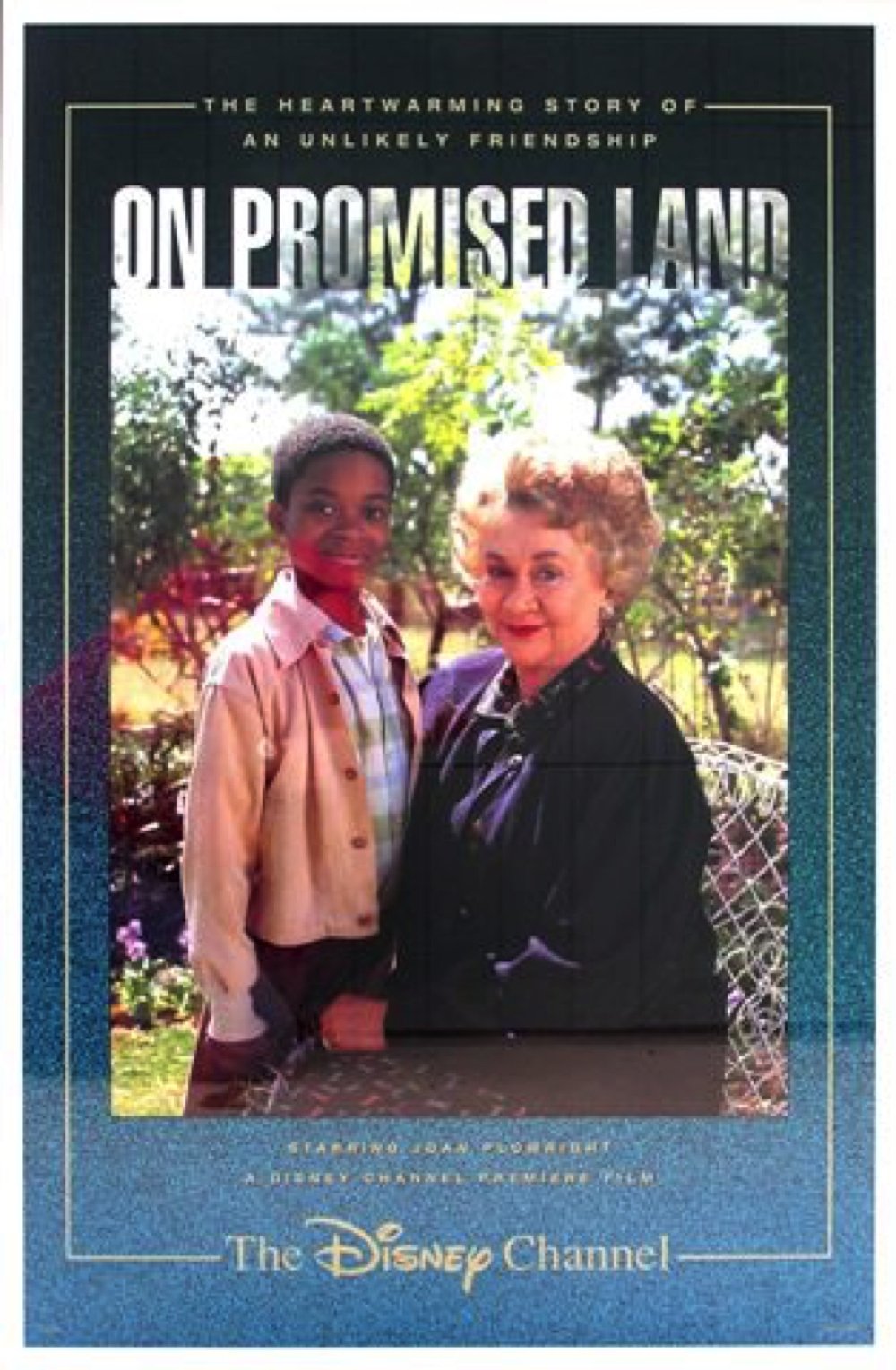
In the 1950s, the Ween family live and work on land that was promised to their family. The landowners, the Appletree family, use the promise of the land to keep the family working for them, putting the transfer of the land in doubt.
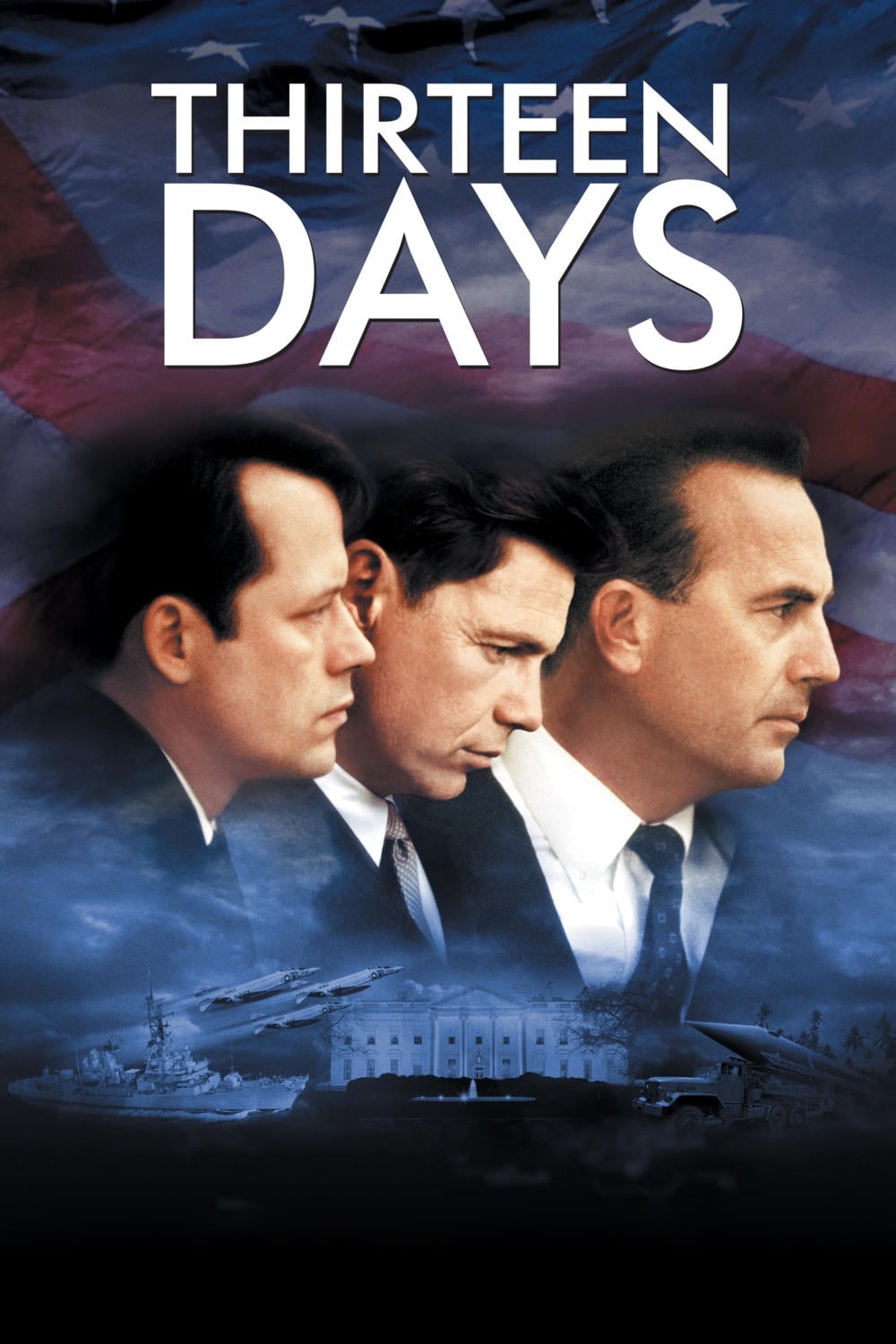
The story of the Cuban Missile Crisis in 1962—the nuclear standoff with the USSR sparked by the discovery by the Americans of missile bases established on the Soviet-allied island of Cuba.
Katherine Watson is a recent UCLA graduate hired to teach art history at the prestigious all-female Wellesley College, in 1953. Determined to confront the outdated mores of society and the institution that embraces them, Katherine inspires her traditional students, including Betty and Joan, to challenge the lives they are expected to lead.
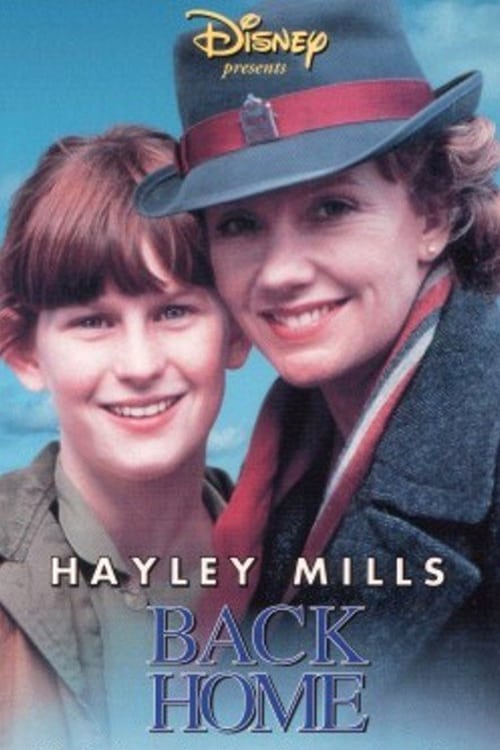
During World War II, young Rusty was sent to America for safety. It's now five years later and the spunky redhead returns to her native England. From the family she hardly remembers to snobby classmates and rule-filled boarding schools, Rusty must adapt to a whole new way of life.
A look back at the violent conflict between the two leading figures of musical modernity, Arnold Schönberg and Igor Stravinsky, in the first decades of the 20th century. Although Arnold Schönberg and Igor Stravinsky both had a decisive influence on the fourth art, their creations remained diametrically opposed. While the Austrian developed the dodecaphonic method, placing the twelve notes of the chromatic scale at the heart of the composition technique to the detriment of tonality, his Russian rival based his practice on stylistic eclecticism. Their supporters formed two opposing camps, and the two composers - one the father of the Second Viennese School, the other of Neoclassicism - became, in the wake of their successes, the figureheads of a conflict that marked the history of music by its duration and intensity.
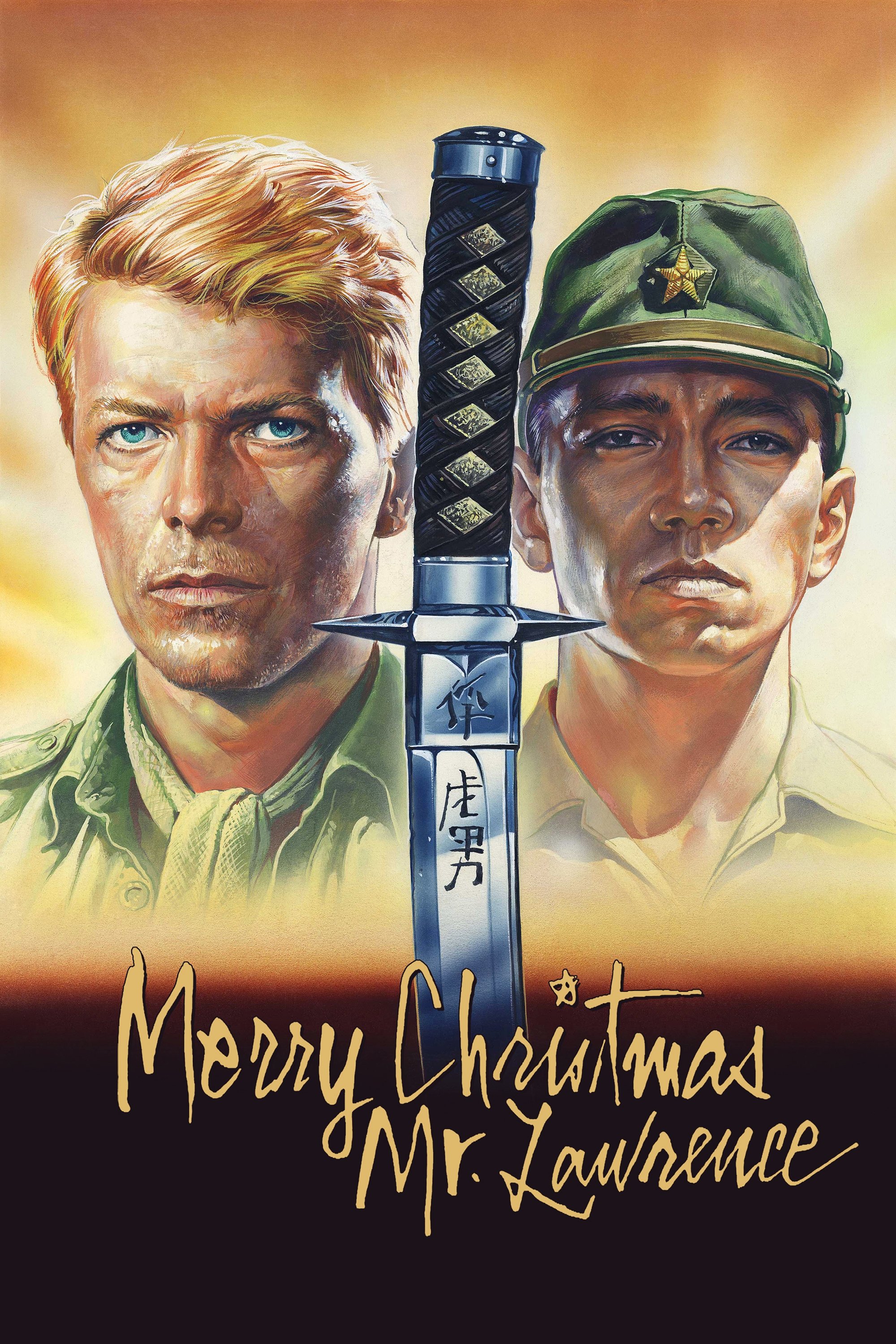
Island of Java, 1942, during World War II. British Major Jack Celliers arrives at a Japanese prison camp, run by the strict Captain Yonoi. Colonel John Lawrence, who has a profound knowledge of Japanese culture, and Sergeant Hara, brutal and simpleton, will witness the struggle of wills between two men from very different backgrounds who are tragically destined to clash.
19 year old Irena Gut is promoted to housekeeper in the home of a highly respected Nazi officer in Poland when she finds out that the Jewish ghetto is about to be liquidated. Determined to help twelve Jewish workers, she decides to shelter them in the safest place she can think of – the basement of the German Major's house. Over the next eight months, Irena uses her wit, humour and immense courage to hide her friends as long as possible.
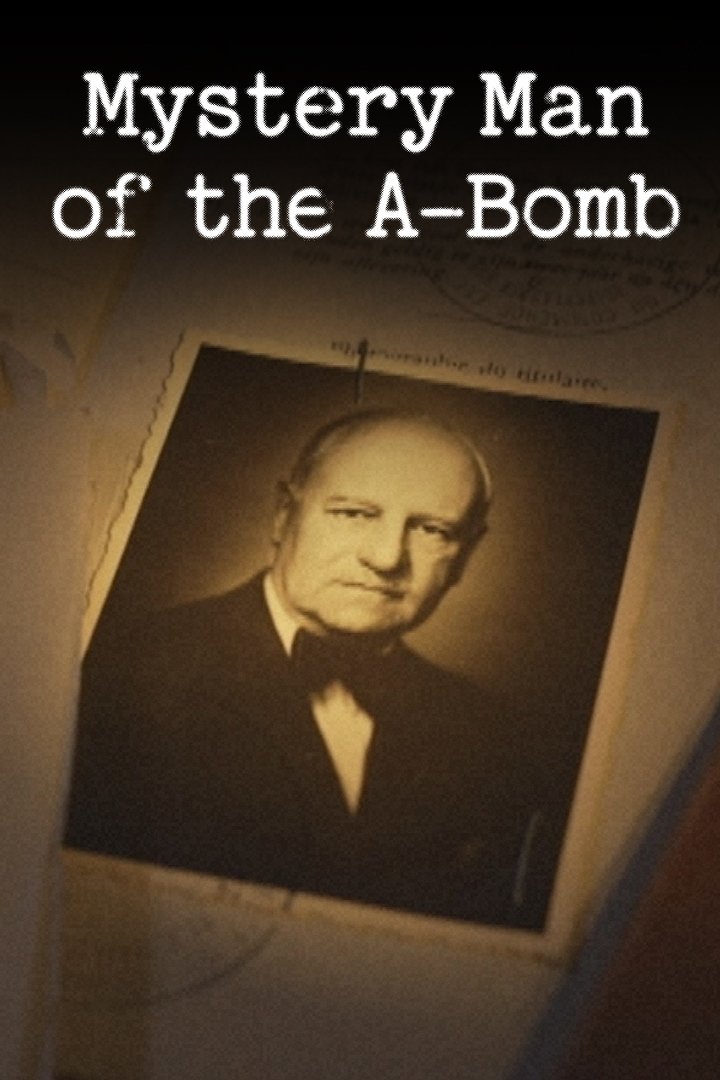
Stories of the people who built the first atomic weapons are well known. But what about those who provided the uranium? We look at a mysterious man who derived huge profits from the business of war.
The life and career of the hailed Hollywood movie star and underappreciated genius inventor, Hedy Lamarr.
Adolfo Kaminsky started saving lives when chance and necessity made him a master forger. As a teenager, he became a member of the French Resistance and used his talent to save the lives of thousands of Jews. The Forger is a well-crafted origin story of a real-life superhero.
Dance of Deception is a tense political thriller set during the German occupation of Denmark in World War II. Journalist Marylin Rutherford conducts an interview with Frits Clausen, the controversial leader of the Danish pro-Nazi political party. What begins as a formal conversation escalates into a dangerous psychological confrontation, as Marylin hides a motive, and a searing personal loss. The line between truth and performance blurs—until everything shatters in a haunting final twist.
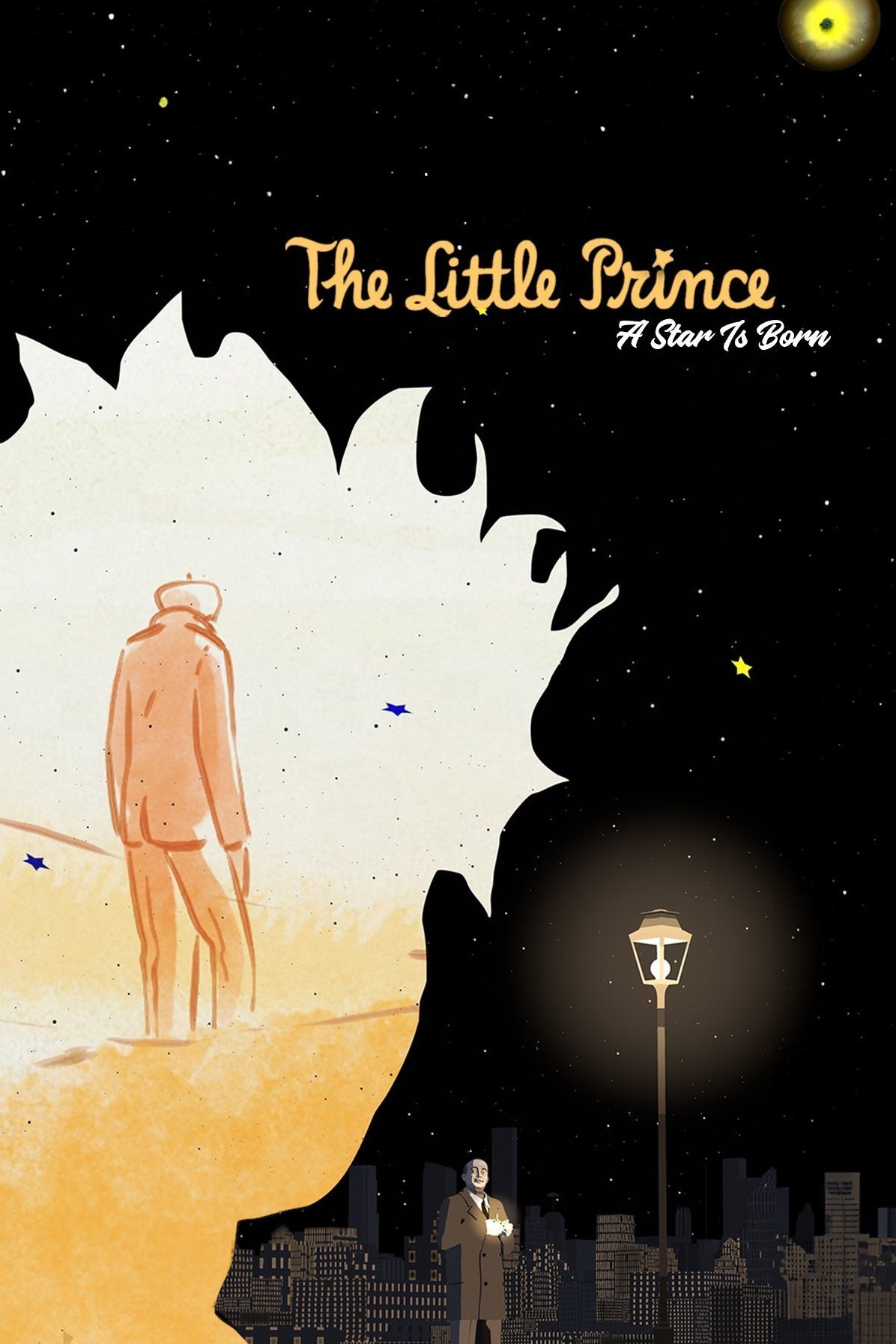
80 years are gone since The Little Prince was released. Author Antoine de Saint-Exupéry was also a pilot, and we follow his last four years from his US exile to when his plane in 1944 disappeared over The Mediterranean without any trace.
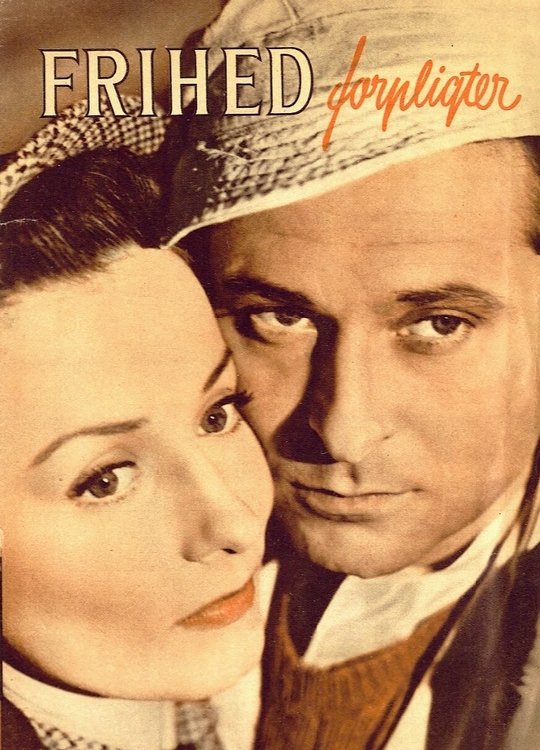
Danish social democratic propaganda film. During the Occupation, the young freedom fighter Søren had a good working relationship with a comrade in the resistance movement, despite the fact that Søren was a social democrat and his comrade a communist. After the liberation in May 1945, the differences that had been less important during the war begin to stand in Søren's way. Both his friendship with his comrade and his relationship with the wealthy Inger fall apart in the summer of liberation. But through his work in the Social Democratic Party, Søren experiences a renewed enthusiasm and resumes his relationship with Inger. Together, they actively engage in the party's work and both see it as an extension of the struggle for freedom during the occupation. Denmark's entry into NATO is particularly important.
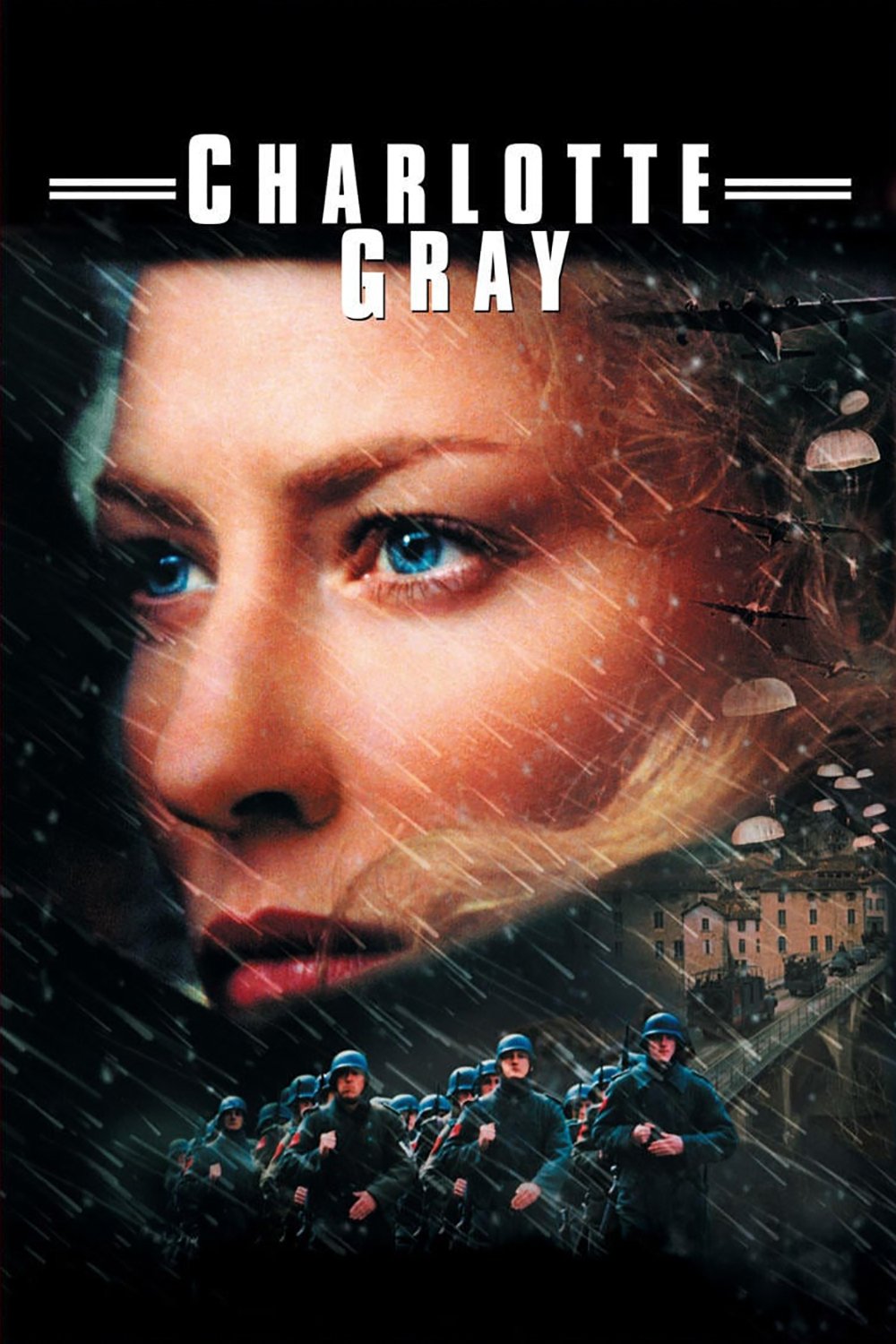
This is a drama set in Nazi-occupied France at the height of World War II. Charlotte Gray tells the compelling story of a young Scottish woman working with the French Resistance in the hope of rescuing her lover, a missing RAF pilot. Based on the best-selling novel by Sebastian Faulks.
Interviews with two veteran survivors of the pivotal battle of WWII
Vastly outnumbered and outgunned, America's triumph at Midway seems like a miracle until you look at the key event that paved the way to victory: Breaking the secret Japanese military code. Discover how an intrepid group of code breakers made this victory possible, and meet Joe Rochefort, their eccentric leader, an oddball genius who wore a smoking jacket and bathrobe to work, but whose brilliance helped put an end to Japanese dominance in the Pacific.
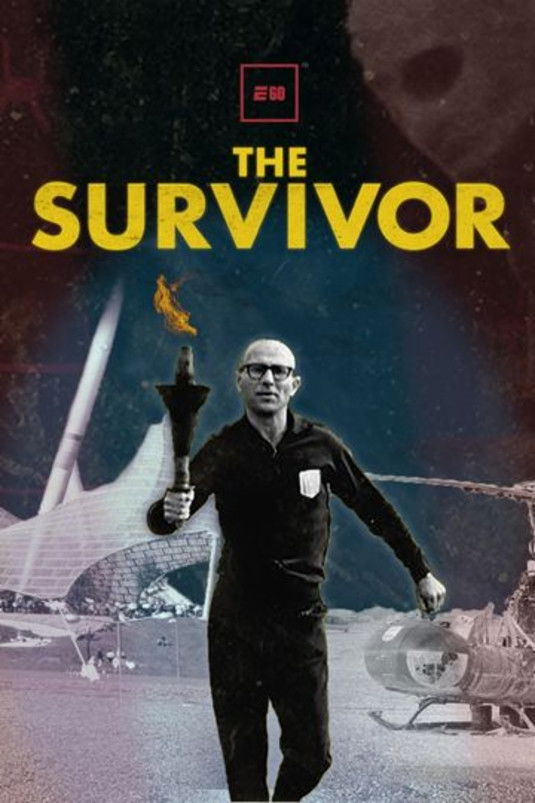
A powerful and emotional new episode of ESPN E60 will look back 50 years to one of the darkest moments in sports history – the Munich Massacre, when Palestinian terrorists murdered 11 Israeli sportsmen at the 1972 Summer Olympics. E60 will tell the story of one Israeli athlete, now 86, who survived, just as he had survived World War II and the Holocaust when he was a child.
Ren and Stimpy, on the streets starving, are captured by the dog catcher. They end up in the pound and become frightened when one of the dogs tells them of the "big sleep".
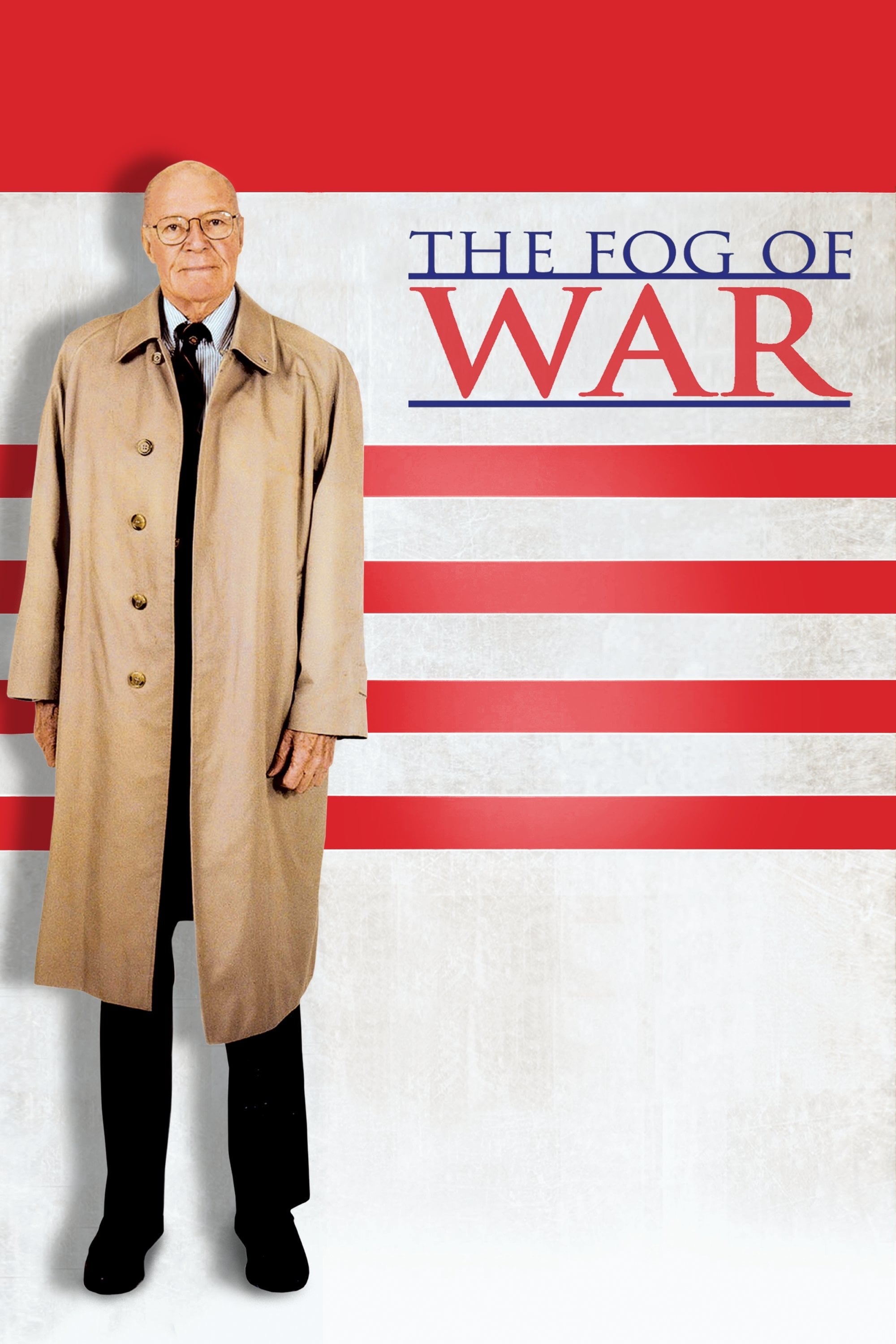
Using archival footage, cabinet conversation recordings, and an interview of the 85-year-old Robert McNamara, The Fog of War depicts his life, from working as a WWII whiz-kid military officer, to being the Ford Motor Company's president, to managing the Vietnam War as defense secretary for presidents Kennedy and Johnson.
Director Claude Lanzmann spent 11 years on this sprawling documentary about the Holocaust, conducting his own interviews and refusing to use a single frame of archival footage. Dividing Holocaust witnesses into three categories – survivors, bystanders, and perpetrators – Lanzmann presents testimonies from survivors of the Chelmno concentration camp, an Auschwitz escapee, and witnesses of the Warsaw Ghetto Uprising, as well as a chilling report of gas chambers from an SS officer at Treblinka.
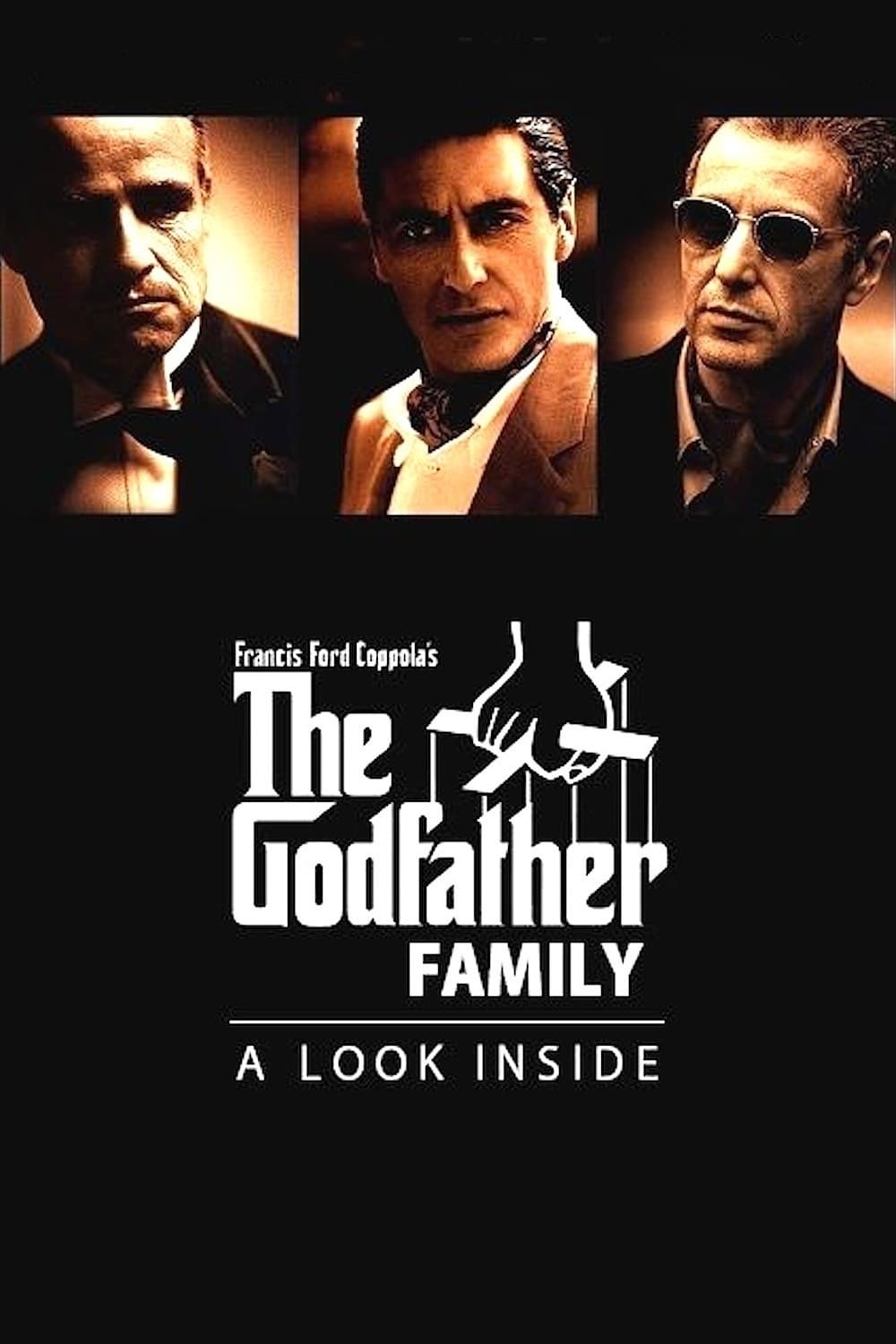
A documentary on the making of the three Godfather films, with interviews and recollections from the film makers and cast. This feature also includes the original screen tests of some of the actors for "The Godfather" film, and some candid moments on the set of "The Godfather: Part III."
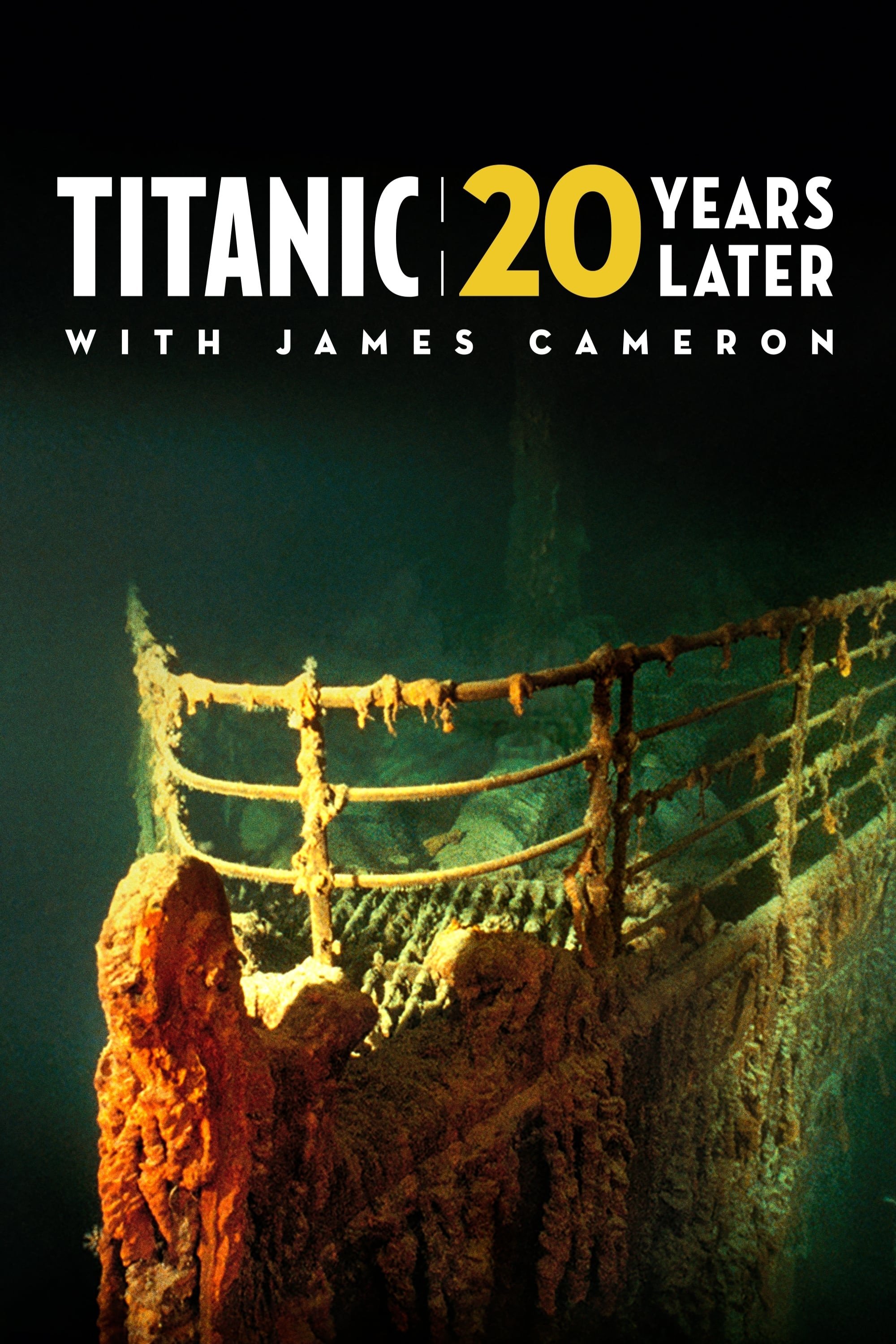
For the 20th anniversary of "Titanic," James Cameron reopens the file on the disaster.
“The Soviet Story” is a story of an Allied power, which helped the Nazis to fight Jews and which slaughtered its own people on an industrial scale. Assisted by the West, this power triumphed on May 9th, 1945. Its crimes were made taboo, and the complete story of Europe’s most murderous regime has never been told. Until now...
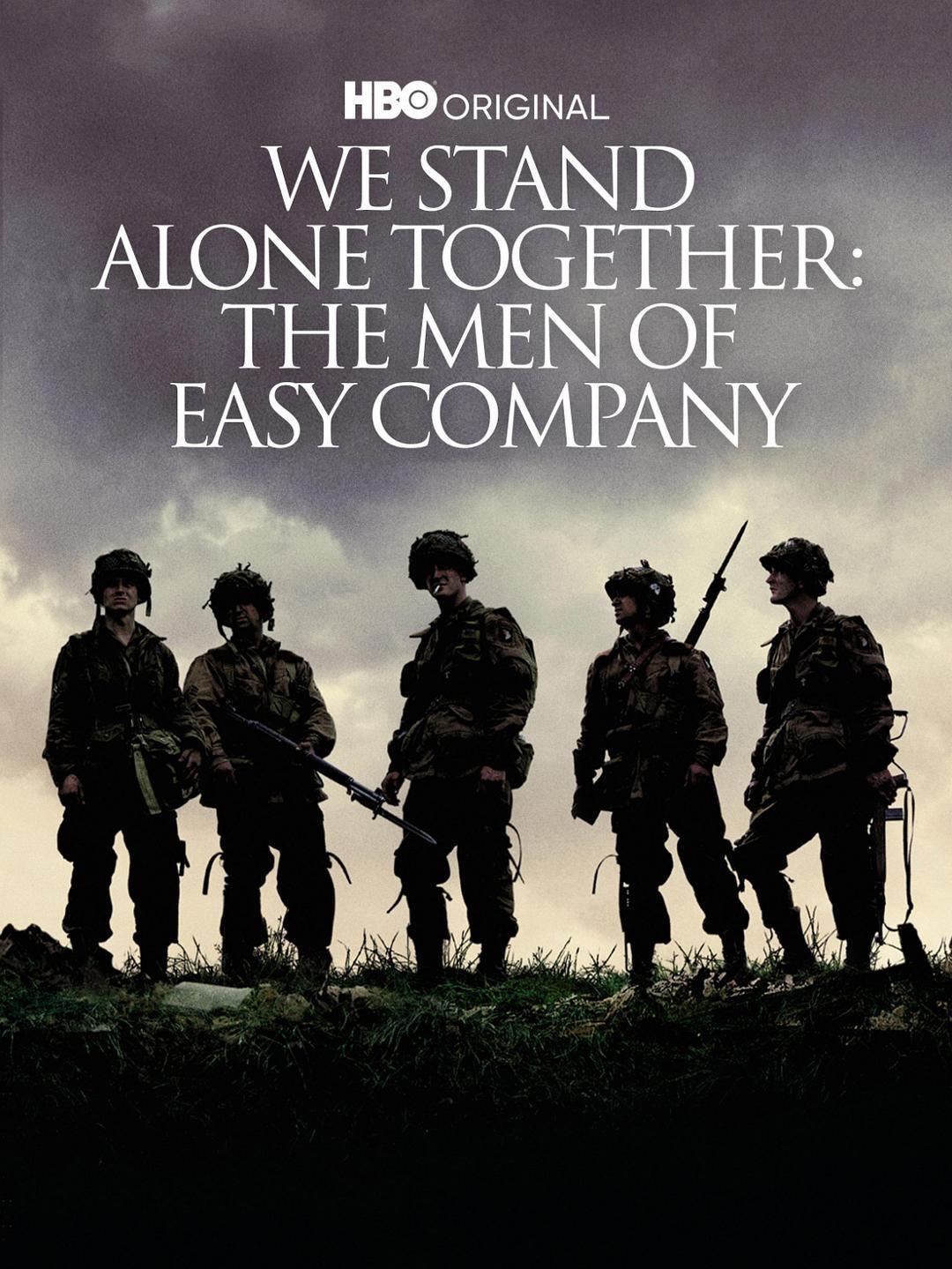
Over a period of two years, Mark Cowen and his crew travelled to thirty U.S. states and ten European cities, to interview the veterans of Easy Company. The stories told by the veterans themselves, create a history of the Second World War from the point of view of this heroic company of men, made famous in the mini-series Band of Brothers.
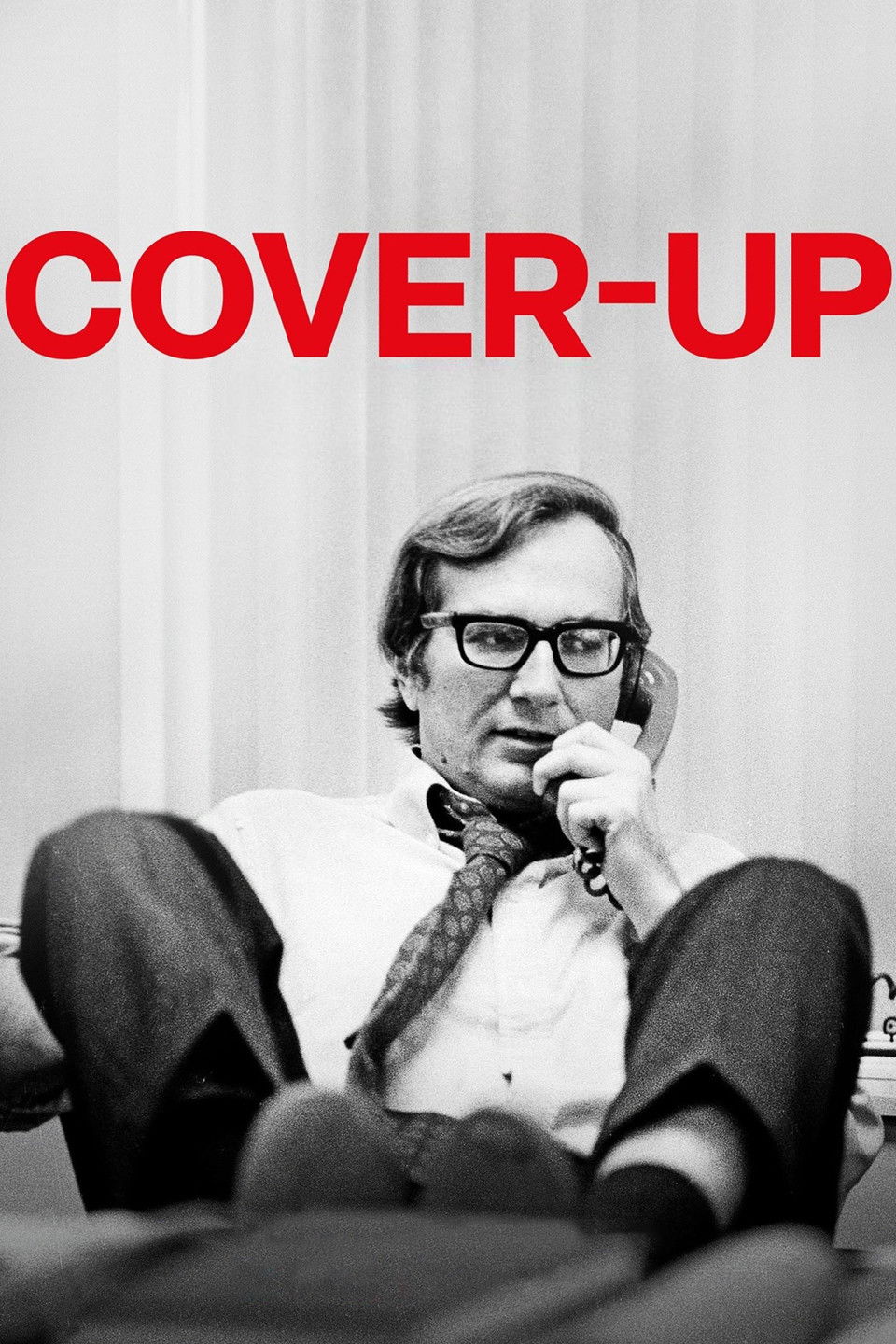
He's devoted his career to uncovering stories the powerful want buried. From My Lai to Abu Ghraib, dig into the life's work of journalist Seymour Hersh.
A behind-the-scenes documentary about the Clinton for President campaign, focusing on the adventures of spin doctors James Carville and George Stephanopoulos.
A documentary about the legendary series of nationally televised debates in 1968 between two great public intellectuals, the liberal Gore Vidal and the conservative William F. Buckley Jr. Intended as commentary on the issues of their day, these vitriolic and explosive encounters came to define the modern era of public discourse in the media, marking the big bang moment of our contemporary media landscape when spectacle trumped content and argument replaced substance. Best of Enemies delves into the entangled biographies of these two great thinkers, and luxuriates in the language and the theater of their debates, begging the question, "What has television done to the way we discuss politics in our democracy today?"
Featuring a wealth of previously unseen archive, this film looks at how Bowie continually evolved: from Ziggy Stardust to the Soul Star of Young Americans, to the ‘Thin White Duke’. It explores his regeneration in Berlin with the critically acclaimed album Heroes, his triumph with Scary Monsters and his global success with Let’s Dance. With interviews with all his closest collaborators, David Bowie - Five Years presents a unique account of why Bowie has become an ‘icon of our times’.
Journey into the extraordinary world of "The Witcher" — from casting the roles to Jaskier's catchy song — in this behind-the-scenes look at the series.
Oliver Stone charts the history of the United States from the Second World War to the present.
Thirty years after the release of his film JFK (1991), filmmaker Oliver Stone reviews recently declassified evidence related to the assassination of President John F. Kennedy, which took place in Dallas on November 22, 1963.
On September 15, 1963, a bomb destroyed a black church in Birmingham, Alabama, killing four young girls who were there for Sunday school. It was a crime that shocked the nation--and a defining moment in the history of the civil-rights movement. Spike Lee re-examines the full story of the bombing, including a revealing interview with former Alabama Governor George Wallace.
In the last five years of his life, David Bowie ended nearly a decade of silence to engage in an extraordinary burst of activity, producing two groundbreaking albums and a musical. David Bowie: The Last Five Years explores this unexpected end to a remarkable career. Made with remarkable access, Francis Whately’s documentary is a revelatory follow-up to his acclaimed 2013 documentary David Bowie: Five Years, which chronicled Bowie’s golden ‘70s and early-‘80s period.
The history of cinematic sound, told by legendary sound designers and visionary filmmakers.
A look at the story behind Marvel Studios and the Marvel Cinematic Universe, featuring interviews and behind-the-scenes footage from all of the Marvel films, the Marvel One-Shots and "Marvel's Agents of S.H.I.E.L.D."!
This documentary follows superstar Bret Hart during his last year in the WWF. The film documents the tensions that resulted in The Montreal Screwjob, one of the most controversial events in the history of professional wrestling, in which Vince McMahon, Shawn Micheals, and others, legitimately conspired behind the scenes to go against the script and remove Bret Hart as champion.
The inside story of SpaceX's plan to get humanity to Mars, providing an unprecedented glimpse into one of the world's most revolutionary companies. A behind-the-scenes journey with Elon Musk and his engineers as they persevere amidst both disheartening setbacks and huge triumphs to advance the space industry faster than we ever thought possible.
A look behind the lens of Christopher Nolan's space epic.