A documentary about a vision care school that enables visually impaired children to learn the skills necessary for a full life.
Social & External

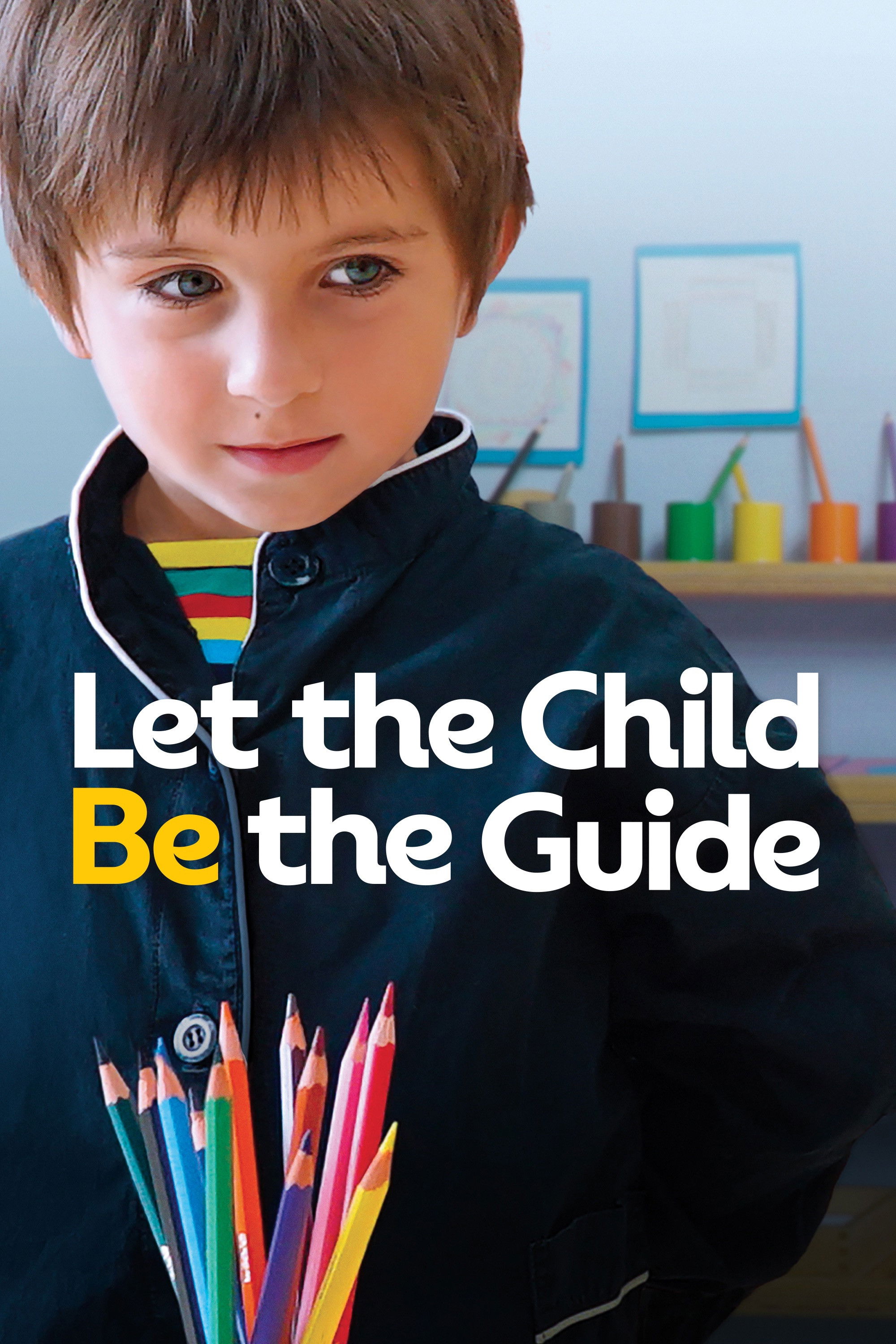
As a young father, watching his daughter go through her life experiences, film director Alexandre Mourot discovered the Montessori approach and decided to set his camera up in a children's house (3 to 6 years of age) in the oldest Montessori school in France. Alexandre was warmly welcomed in a surprisingly calm and peaceful environment, filled with flowers, fruits and Montessori materials. He met happy children, who were free to move about, working alone or in small groups. The teacher remained very discreet. Some children were reading, others were making bread, doing division, laughing or sleeping. The children guided the film director throughout the whole school year, helping him to understand the magic of their autonomy and self-esteem - the seeds of a new society of peace and freedom, which Maria Montessori dedicated her life work to.
The purpose of Rise Above the Mark, narrated by Peter Coyote, is to educate the general public about the “corporate takeover” of Indiana public schools and what parents, community members and educators can do to protect their local public schools. Legislators are calling the shots and putting public schools in an ever-shrinking box. WLCSC Board of School Trustees and Superintendent of Schools, Rocky Killion, want to secure resources and legislative relief necessary to achieve the school district’s mission of creating a world-class educational system for all children. The school district’s strategic plan will introduce a model of education that puts decision making back into the hands of local communities and public school teachers, rather than leaving it in the hands of legislators and ultimately lining the pockets of corporations.
The documentary's title translates as "to be and to have", the two auxiliary verbs in the French language. It is about a primary school in the commune of Saint-Étienne-sur-Usson, Puy-de-Dôme, France, the population of which is just over 200. The school has one small class of mixed ages (from four to twelve years), with a dedicated teacher, Georges Lopez, who shows patience and respect for the children as we follow their story through a single school year.
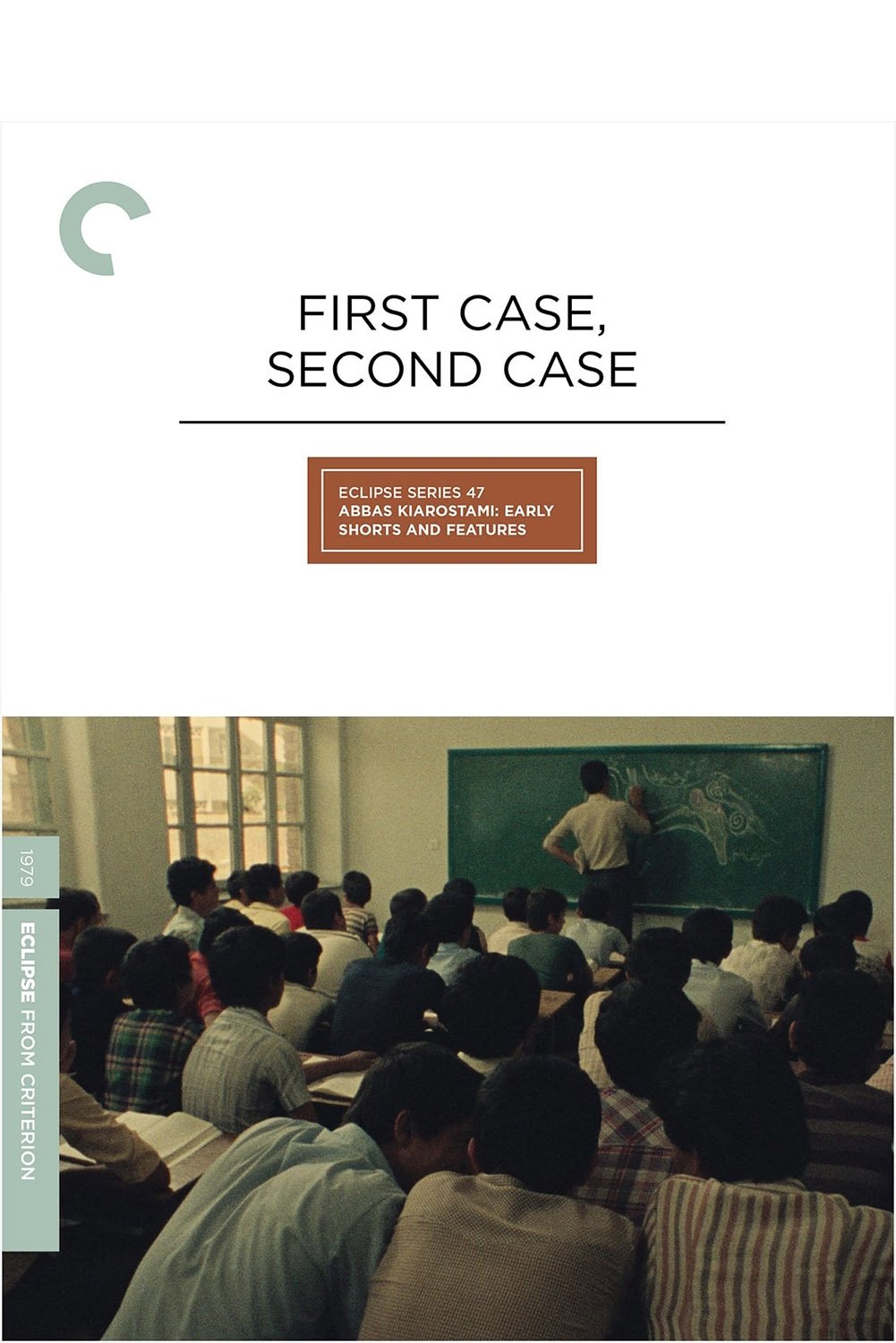
A documentary about an Iranian boy's first day of school. The beginning of hardships and understanding the realities of life, and perhaps unwanted pain and suffering.
Rahiem Shabazz continues the conscience-raising dialogue generated by his acclaimed documentary Elementary Genocide: The School To Prison Pipeline with his equally hard-hitting Elementary Genocide 2: The Board of Education vs The Board of Incarceration. The Board of Education vs The Board of Incarceration uncovers the true purpose of today’s educational system and how it’s failing the African child. Going beyond the school-to-prison pipeline headlines and conspiracy theories, The Board of Education Vs. The Board of Incarceration proves that something sinister is afloat by digging deep to explore its origin, its existence and how to plot its destruction to save every Black child.
World renowned journalist, and award-winning filmmaker Rahiem Shabazz presents the third installment of his docu-series Elementary Genocide: Academic Holocaust. The first two documentaries in the series; The School To Prison Pipeline and Elementary Genocide 2: The Board Of Education vs. The Board of Incarceration received critical acclaim and launched Shabazz as a political pundit and academic ambassador for the African American community. Elementary Genocide: Academic Holocaust adds more statistical proof of the scholastic inequalities faced by Original people around the country. The documentary revisits the importance of education and its impact on self-image, family structure, financial freedom, and the collective future of African/indigenous people in America and abroad.
Elementary Genocide is a documentary executive produced by award winning journalist/filmmaker Rahiem Shabazz. The documentary appeals to a wide general viewership by addressing the social, cultural, political and personal ramifications of how the federal government allots money to each state, to build prions based on the failure rate of 4th and 5th graders. In America, where half of the 4th grade is reading below grade level and more African-American males are in jail than are in college, Elementary Genocide serves as a striking reminder of a flawed system in need of repair.
The Pilchuck Glass School outside Seattle has been going for 43 years. Started by Dale Chihuly, when glass in America was at its infancy. This school is responsible for making the US Studio Glass movement what it is today. It's an international institution now, bringing students from all over the world. It started in 1971, during the peace movements, Flower Power and war in Vietnam This documentary tells the story of it's beginnings, and how it's now made the Pacific NW, the largest glass art center in the world.
Gripping, heartbreaking, and ultimately hopeful, Waiting for Superman is an impassioned indictment of the American school system from An Inconvenient Truth director Davis Guggenheim.
A semi-dramatized documentary about the first Slovak grammar school in Revúca.
This touching documentary follows a cast of blind and visually impaired actors as they prepare Dancing to Beethoven, a play about blindness. The film takes us deep into the lives of the actors. We hear stories of their shock and disbelief at first losing sight and of their struggles coping with a life without it. We hear them talk about grieving and pining for the visual world. They tell the moving story of how this play is itself a victory, a type of salvation, for each of them. By opening night, at the renowned Place des Arts in Montreal, they are a close-knit cast, well-honed and ready to step out of the wings and into the light.
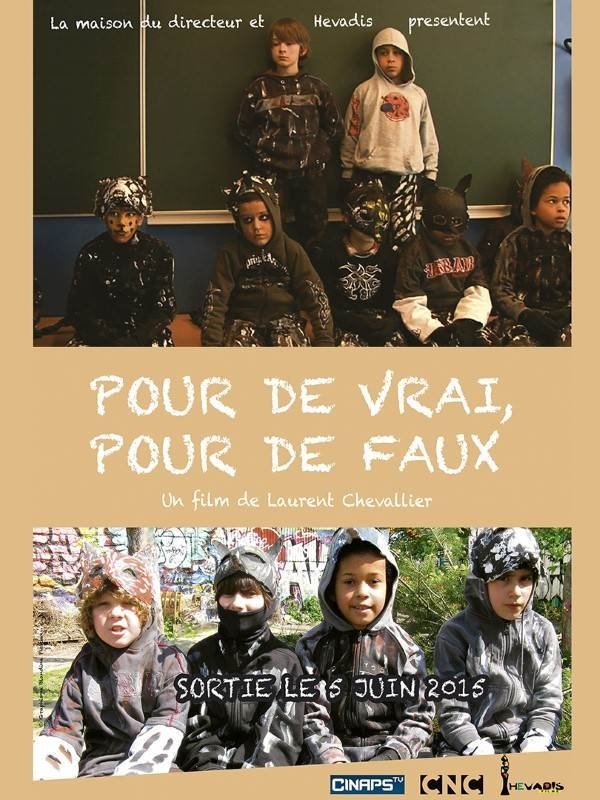
In the Makarenko public elementary school in the Paris outskirts, children want to learn and to be cheered while teachers know they do not only teach, they also educate. With care, tenacity and efforts, children are trained to become not only responsible citizens but also human beings.
13-year-old Anderson Cefola documents his month-long grounding in 2018 with an old handheld camera he kept.
The Columbine shootings were a tragic event in American history and have proved a lasting influence in continued acts of violence ever since. In this harrowing account, student and faculty survivors of Columbine, Amy, Gus, Jaimi, Zach, Mr. Leyba and Principal DeAngelis, reflect on the event that has both shaped them and created an unbreakable spirit shared between them. This is not the story of death, but of the process of healing in the face of the unspeakable.
A major figure in contemporary feminism and the first Frenchwoman to win the Nobel Prize for Literature, Annie Ernaux is seen by many as a source of individual and collective emancipation, blending the intimate with the universal. Filmmaker Claire Simon has devoted an original portrait to her, giving students and teachers a voice.
Wired for What? visits four very different elementary schools grappling with computerization to find out if technology is helping to change our schools for the better or if it is dulling students’ creativity and draining precious resources from other crucial educational needs.
Two high school students from very different backgrounds participate in a musical with mentally disabled children, which eventually leads to the realisation of their dreams and aspirations.
A look at how the community of Newtown, Connecticut came together in the aftermath of the largest mass shooting of schoolchildren in American history.