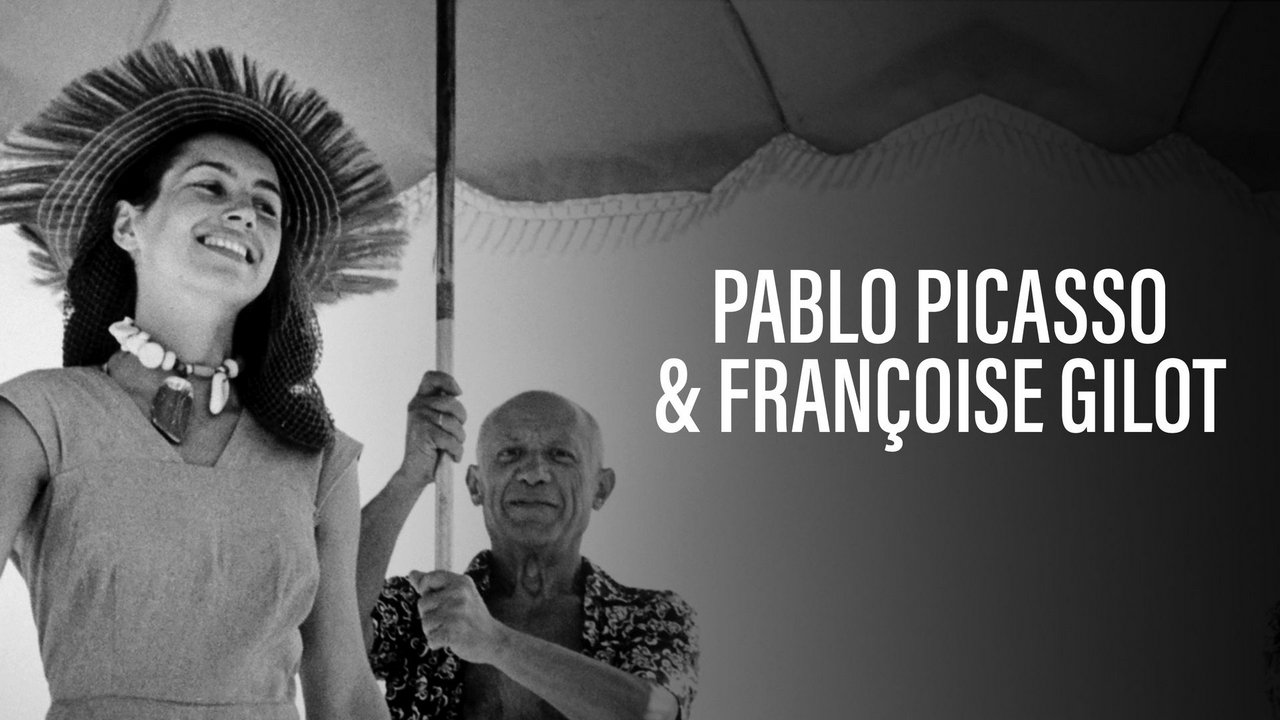
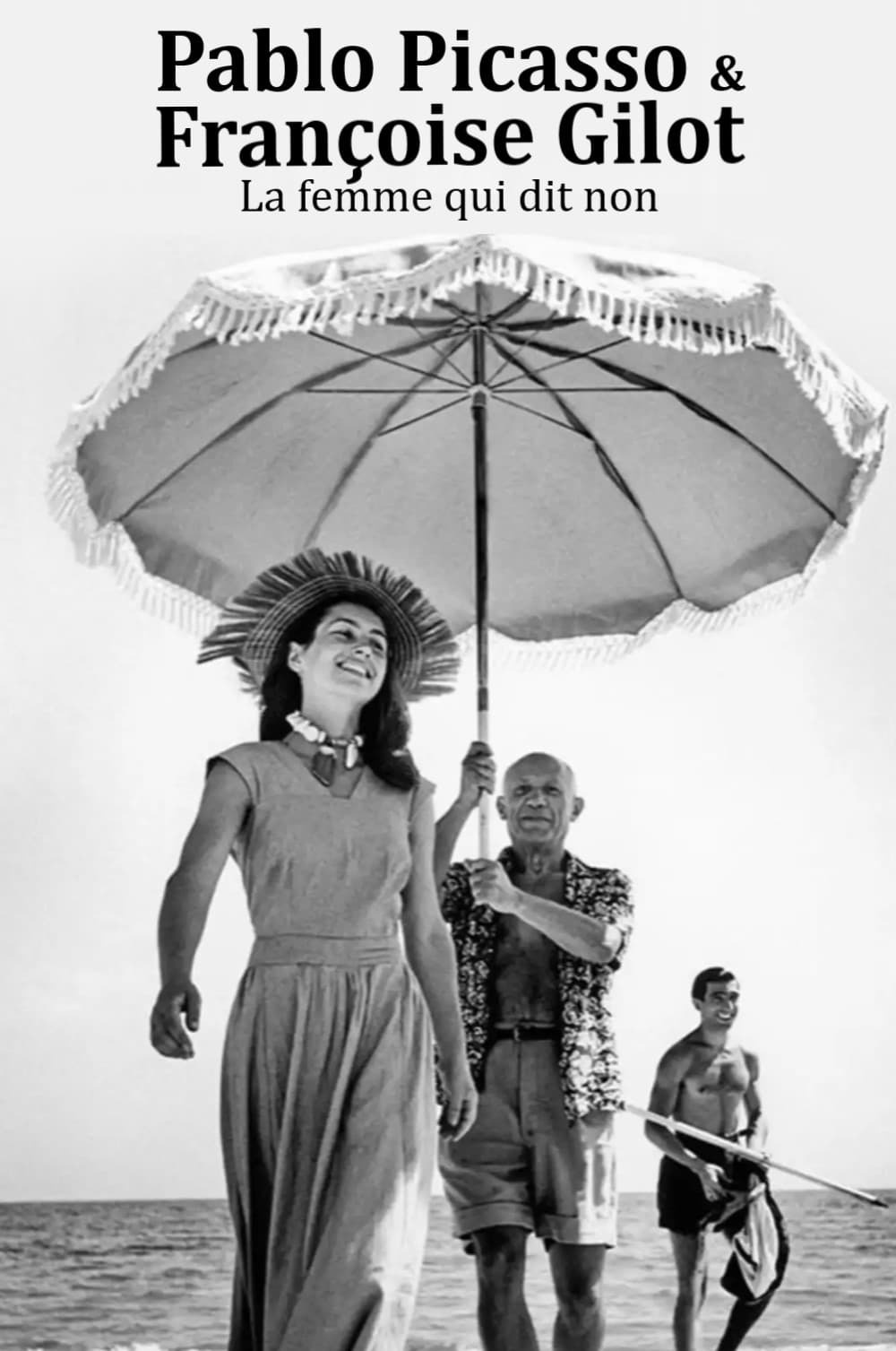
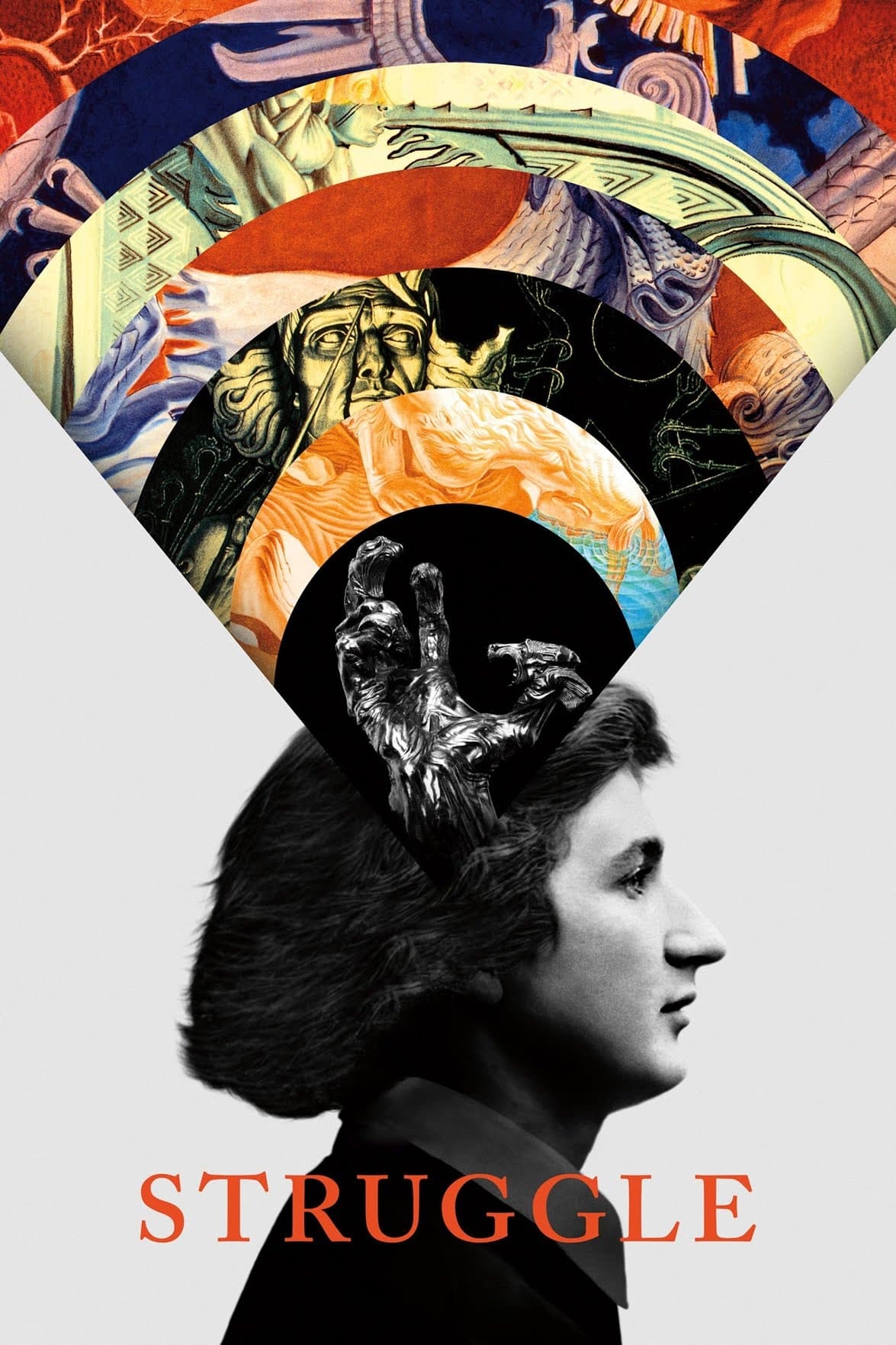
Painter Françoise Gilot shared Pablo Picasso's life from 1943 to 1953. This union nourished their respective artistic creations.
Social & External
The people behind it
Françoise Gilot
Self (archive footage)
Pablo Picasso
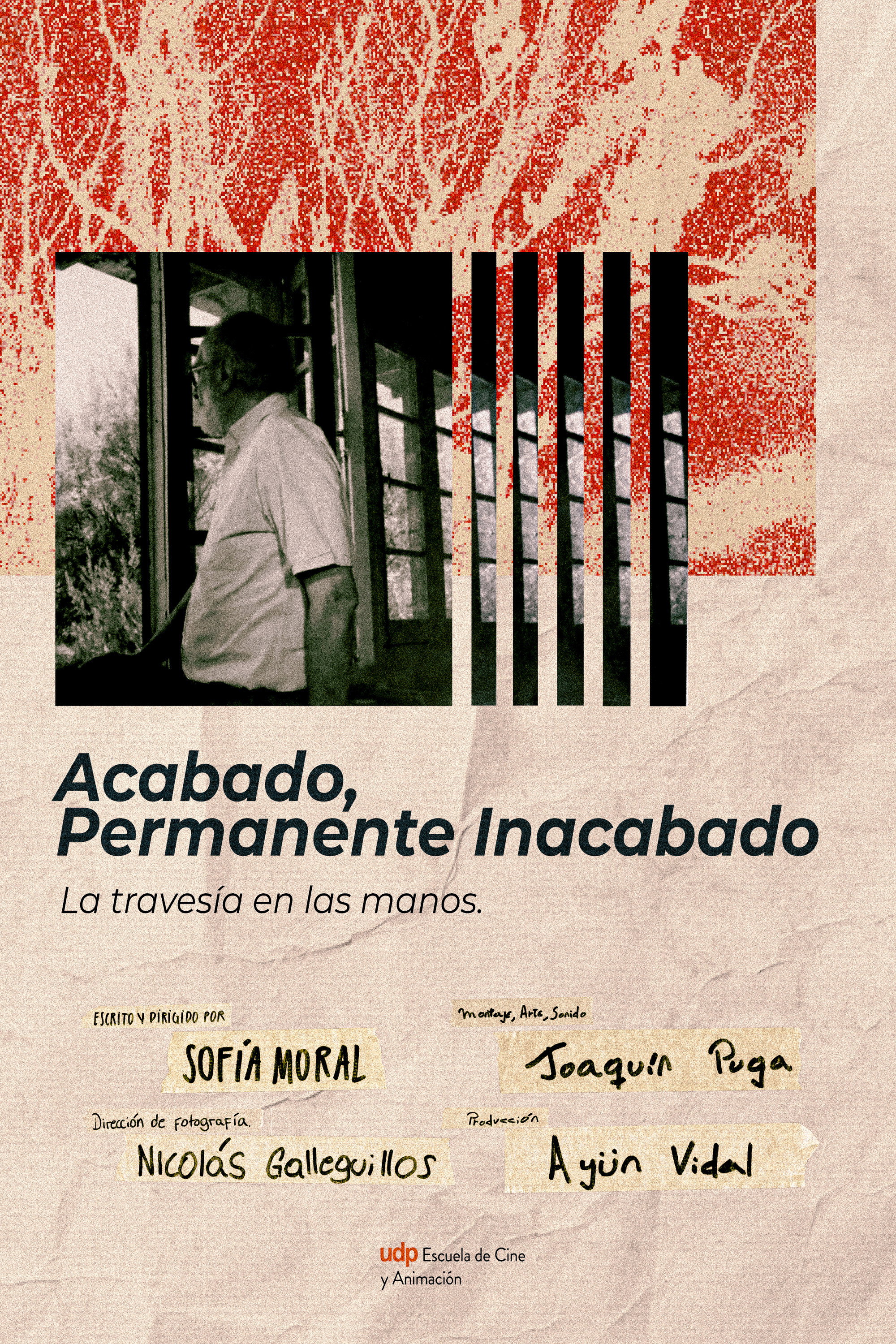
Between documentary images of a craftsman in his workshop and spaces threaded with loose strands, Acabado, Permanente Inacabado constructs a living journey that questions the illusion of a finished work, insisting on the possibility of returning, unraveling and allowing the act of creation to bloom.
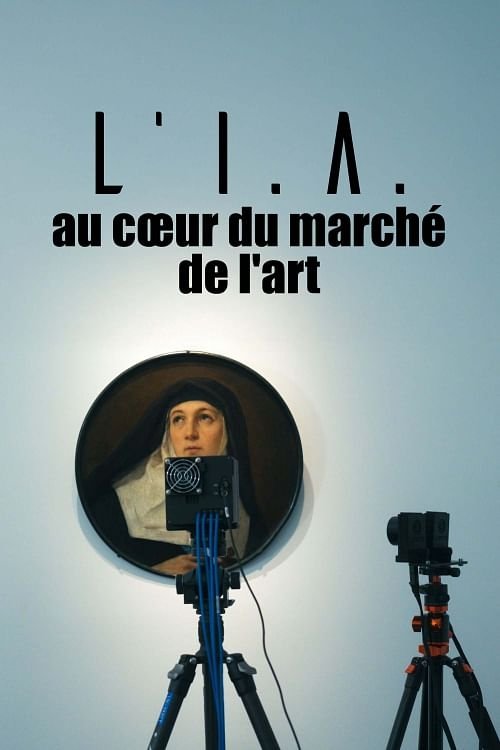
Could an algorithm be able to authenticate masterpieces more reliably than human experts? And is it possible to create new painting from a long-dead master? This documentary explores the upheavals caused by the arrival of artificial intelligence in the art world.
This film explores the fundamental role of rhythm and movement in art, drawing parallels between natural phenomena and artistic creation. It demonstrates how artists utilize various elements like line, color, light, and form to evoke a sense of rhythm and motion. Through examples from different art forms, including painting, sculpture, architecture, and film, the transcript highlights techniques such as repetition, alternation, and accent to create dynamic visual experiences that engage the viewer's eye and imbue static works with life.
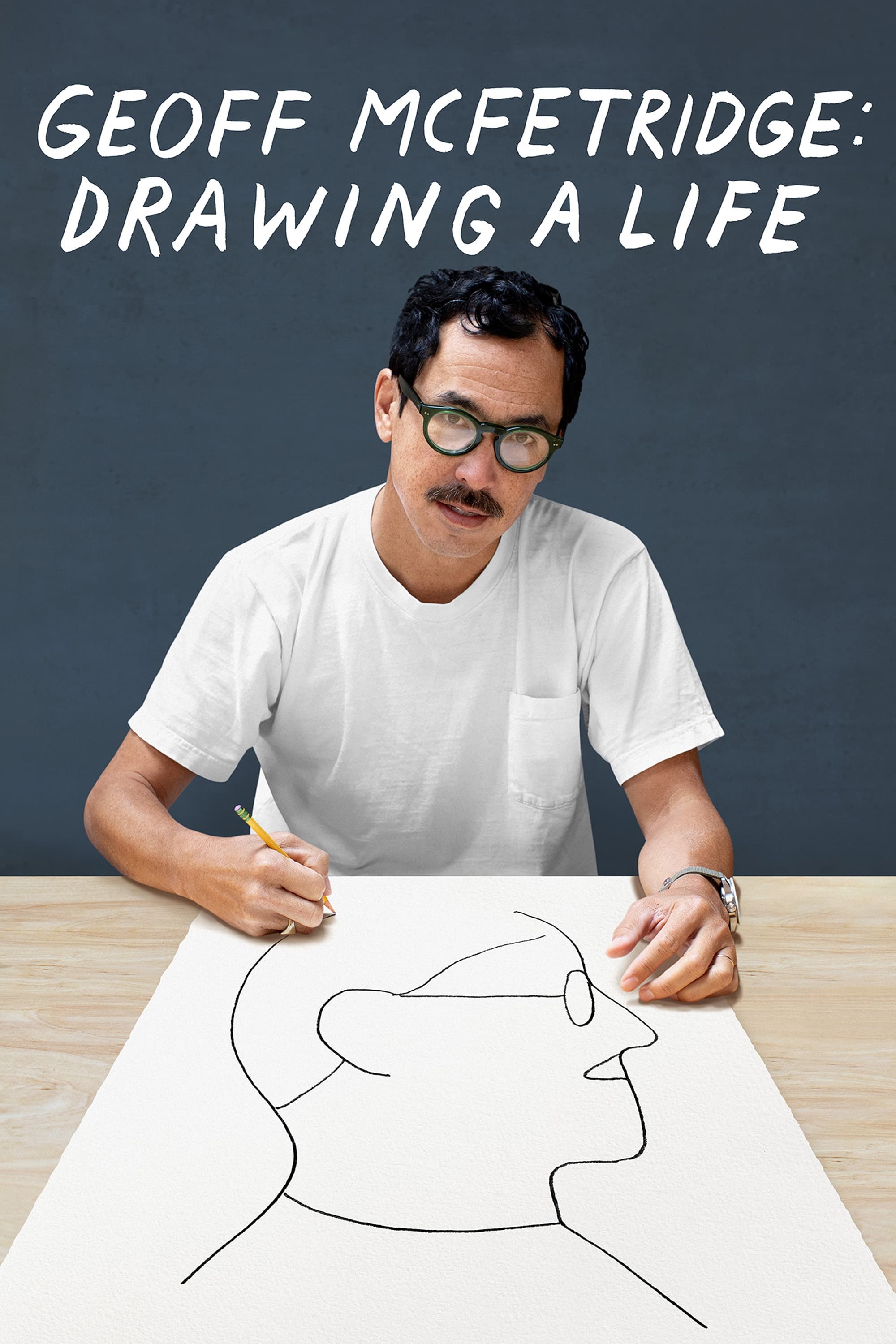
Deeply thoughtful and illuminating, DRAWING A LIFE reveals the details of artist Geoff McFetridge’s life and work while delving further into the universal questions of what makes a fulfilling life and how to live with intention in the limited time we all have.
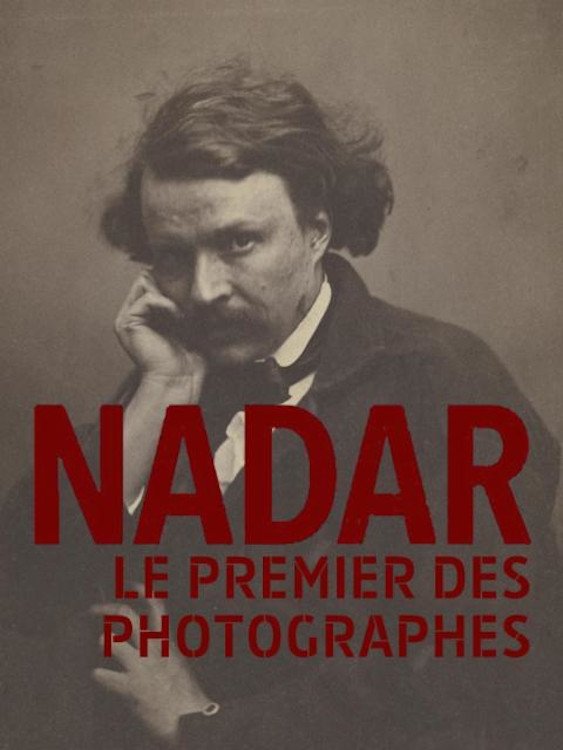
A documentary about the French photographer Nadar aka Gaspard-Félix Tournachon
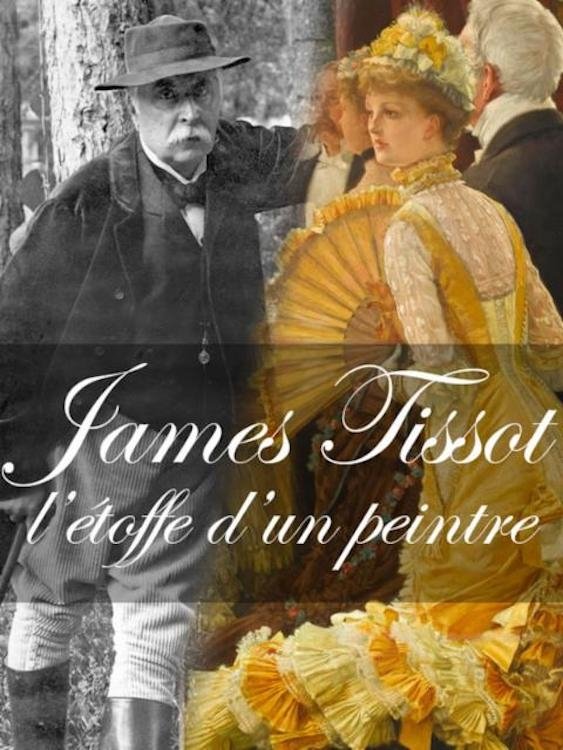
A movie about James Tissot (1836-1902), a French painter and portraitist
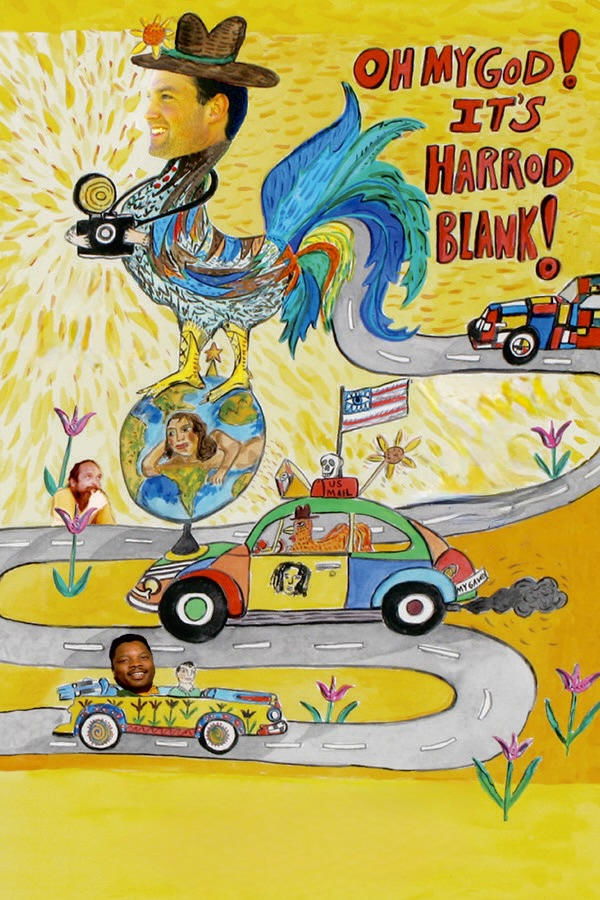
An obsessively-made documentary, filmed over 16 years, exploring the creative life and adventures of the eccentric artist and entrepreneur Harrod Blank. From his youth growing up in the woods with chickens and working as a camera assistant for his father- the venerable film-maker Les Blank- to the creation of his first attention-getting artcar, to his current multi-faceted career as creator and head of a nationwide art car movement, all the while pursuing his visions of non-conformity. Featuring interviews with his girl-friends, his mom, his brother, his raconteur lifelong pal, Kevin, as well as Blank’s own painful yet hilarious self-examinations. With special appearances by Les Blank and many fine art car artists. “The pressure to conform is incredible, ” says Blank, “but I don’t care what other people think. The reason I’m alive is to create.”
The video revolution of the 1970s offered unprecedented access to the moving image for artists and performers. This Is Not a Dream explores the legacies of this revolution and its continued impact on contemporary art and performance. Charting a path across four decades of avant-garde experiment and radical escapism, This Is Not a Dream traces the influences of Andy Warhol, John Waters and Jack Smith to the perverted frontiers of YouTube and Chatroulette, taking in subverted talk shows and soap operas, streetwalker fashions and glittery magic penises along the way.
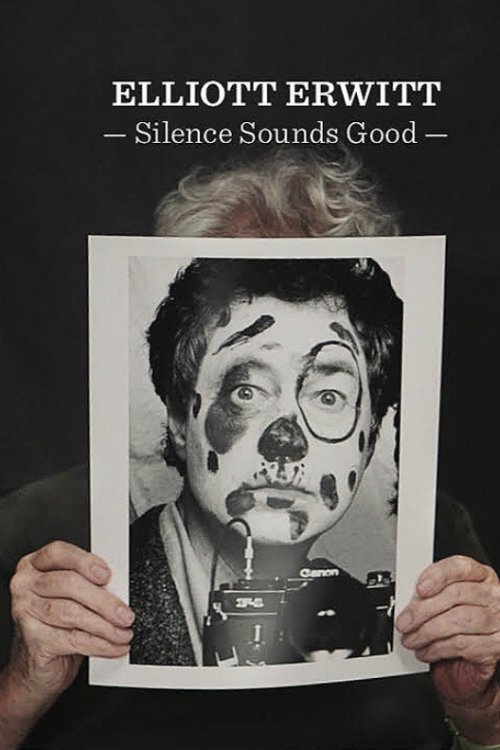
Elliott Erwitt has spent his entire adult life taking photographs, of presidents, popes and movie stars, as well as regular people and their pets. His work is iconic in world culture while his life is largely unknown.
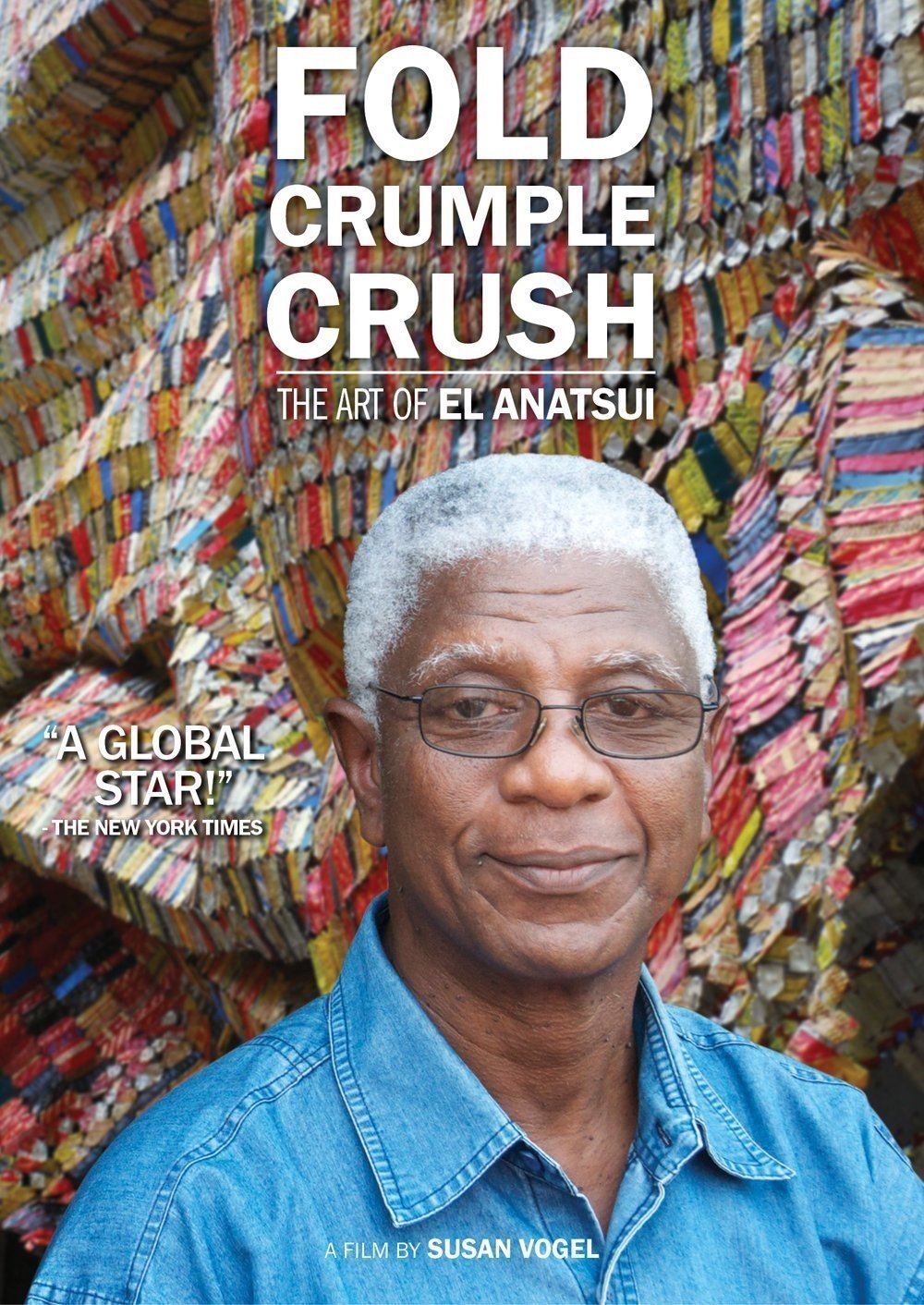
A powerful portrait of Africa's most widely acclaimed contemporary artist El Anatsui. It gives an insider's view of the artist's practice, the ingenious steps and thousands of hours of labor that convert used bottle tops into huge, opulent wall hangings.
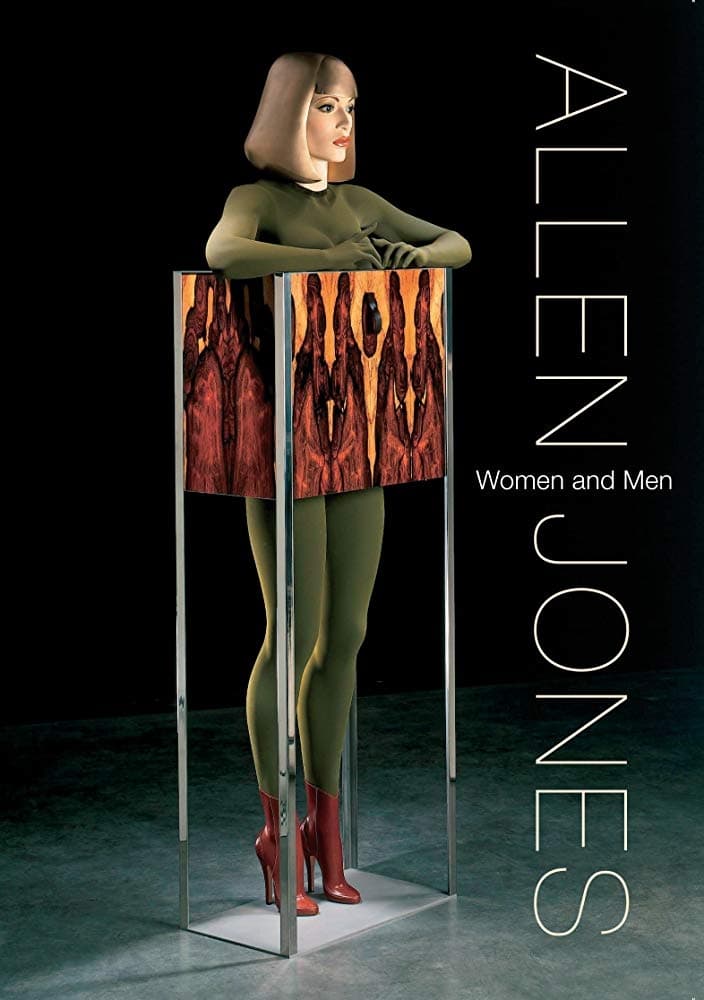
An exploration of the work of controversial pop artist Allen Jones, whose erotic sculptures have angered feminists, challenged his contemporaries, and delighted collectors and gallery goers worldwide. WOMEN AND MEN attempts to demystify the artist through discussion with prima ballerina Darcey Bussell, wife Deirdre Morrow, fellow artist Gary Hume, and Jones himself.
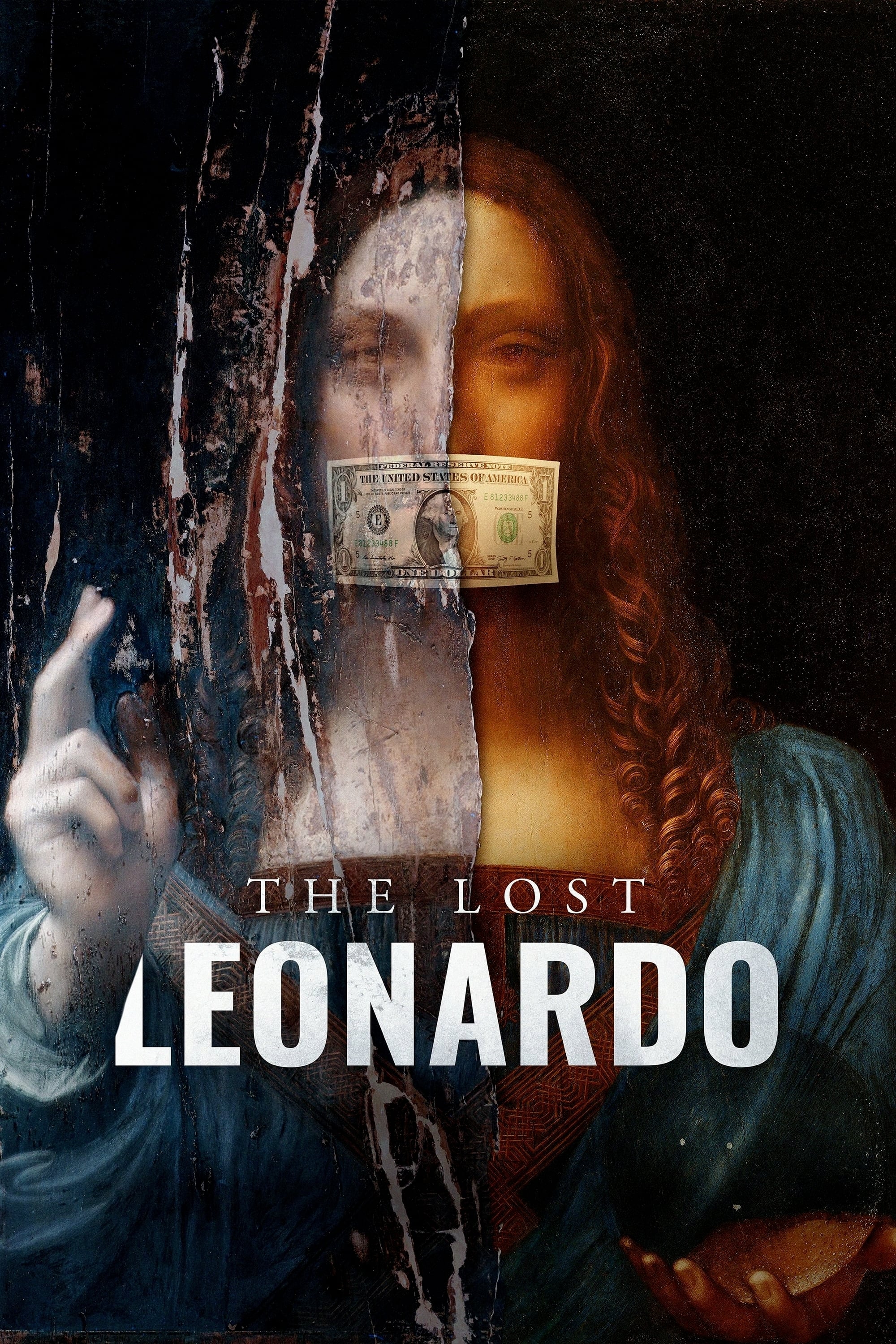
London, England, 2008. Some of the most distinguished experts on the work of Italian artist Leonardo da Vinci (1452-1519) gather at the National Gallery to examine a painting known as Salvator Mundi; an event that turns out to be the first act of one of the most fascinating stories in the history of art.
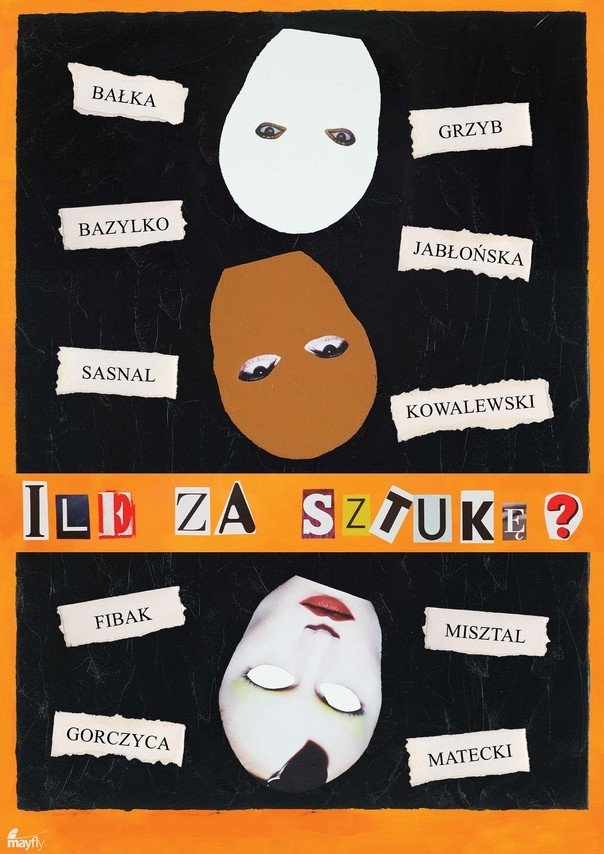
Art, auctions, huge valuations of individual works, a market full of enigmas. The inaccessibility of the art world and its business mechanisms, incomprehensible to many, have always worked on the imagination. However, the incredible growth of interest in buying art in Poland over the past few means that the curtain of mysticism must be slowly falling. A look at the Polish art market, which with the political transformation has changed from a marginal and obscure curio to a modern, professional machine, opening for some artists of the youngest generation the gates of success inaccessible to their predecessors.
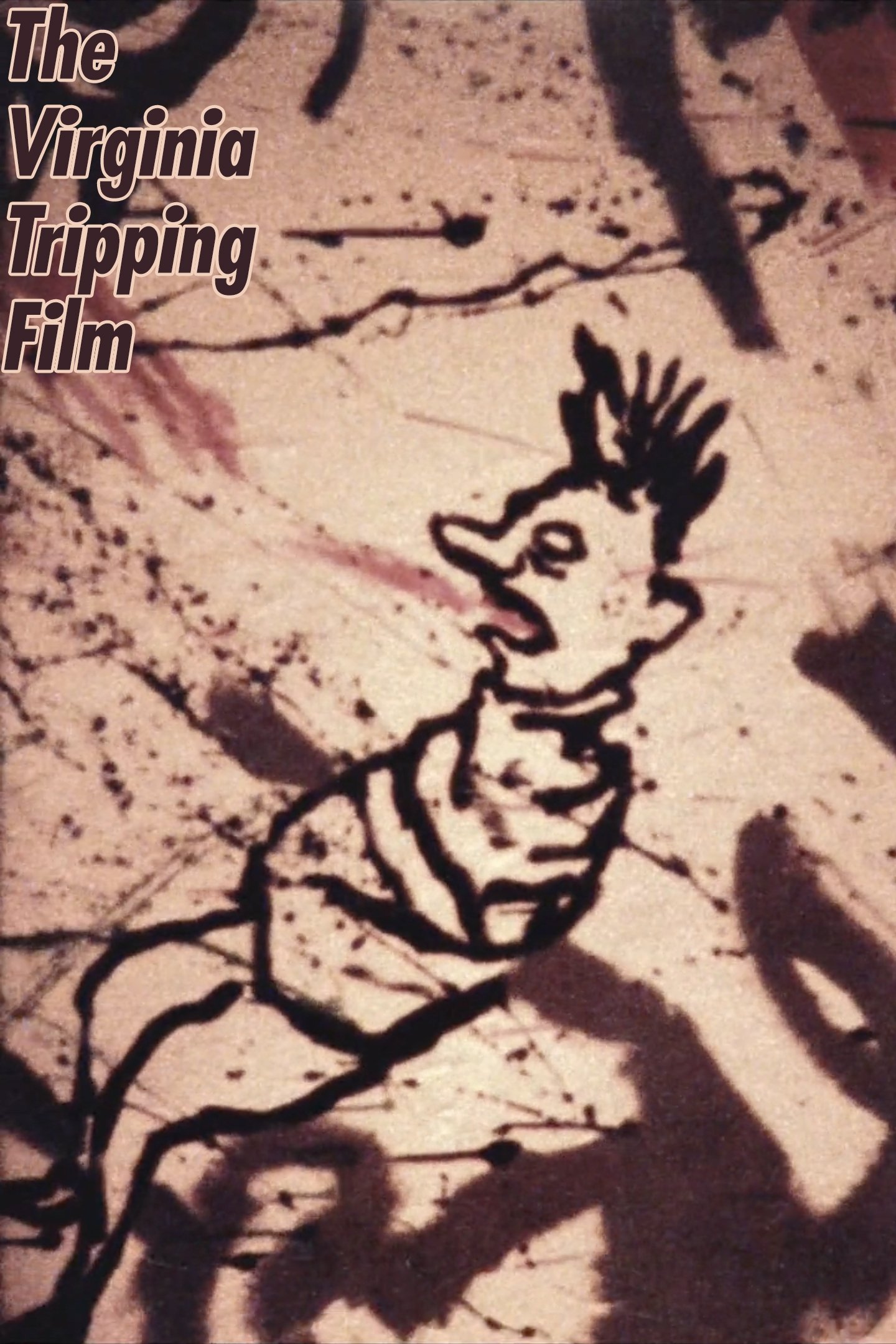
Carlo McCormick was invited to curate an East Village Art show at a gallery in Richmond, Virginia. Filmmaker Tessa Hughes-Freeland took filmic evidence of the infamous exhibition that featured downtown artists such as David Wojnarowicz, Marilyn Minter, Luis Frangella and more painting naughty murals while on acid.
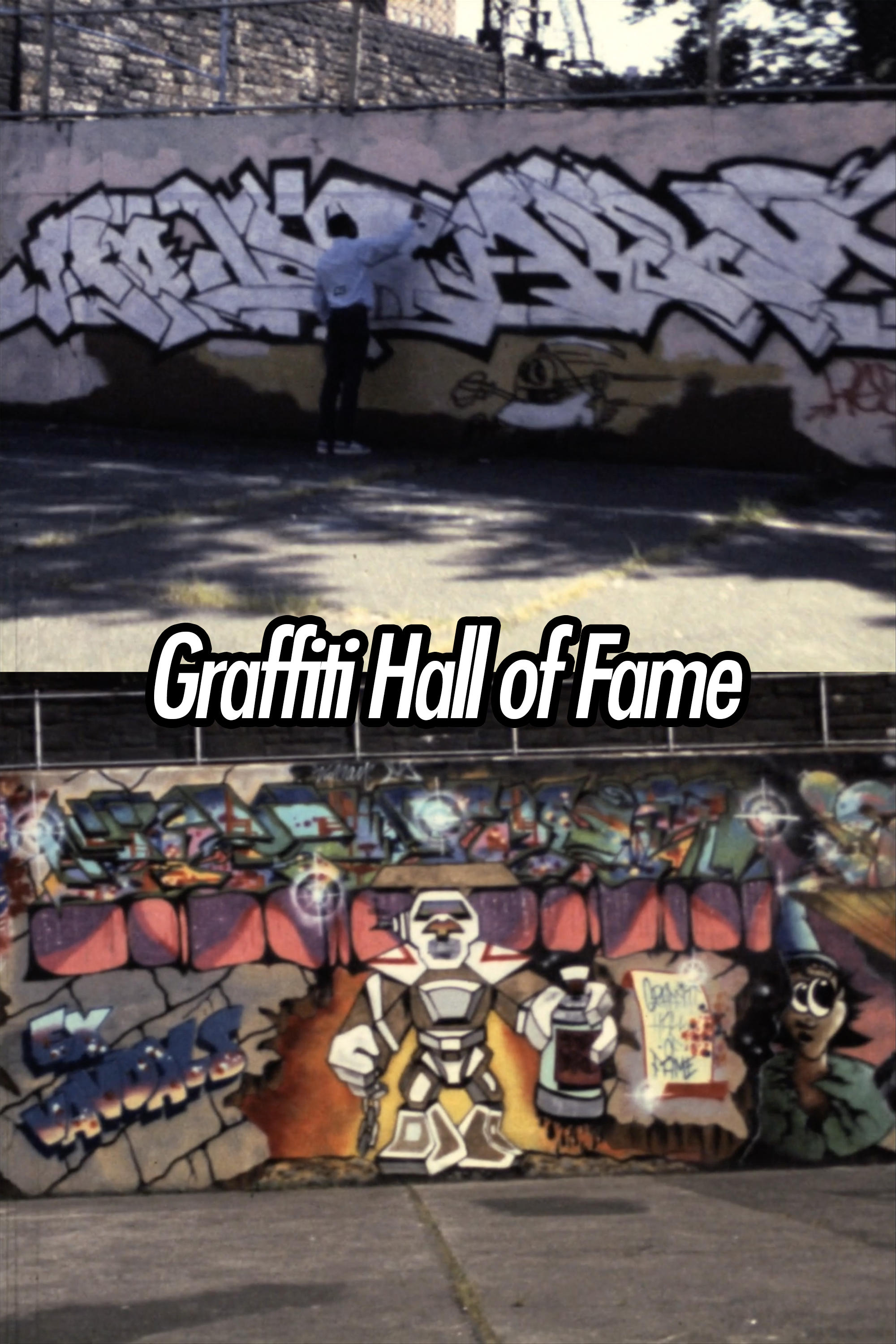
Documenting Graffiti culture in a basketball court in the Bronx. The filmmaker was accompanied by Martin Wong who said, "bring your camera". The Graffiti Hall of Fame is the result.
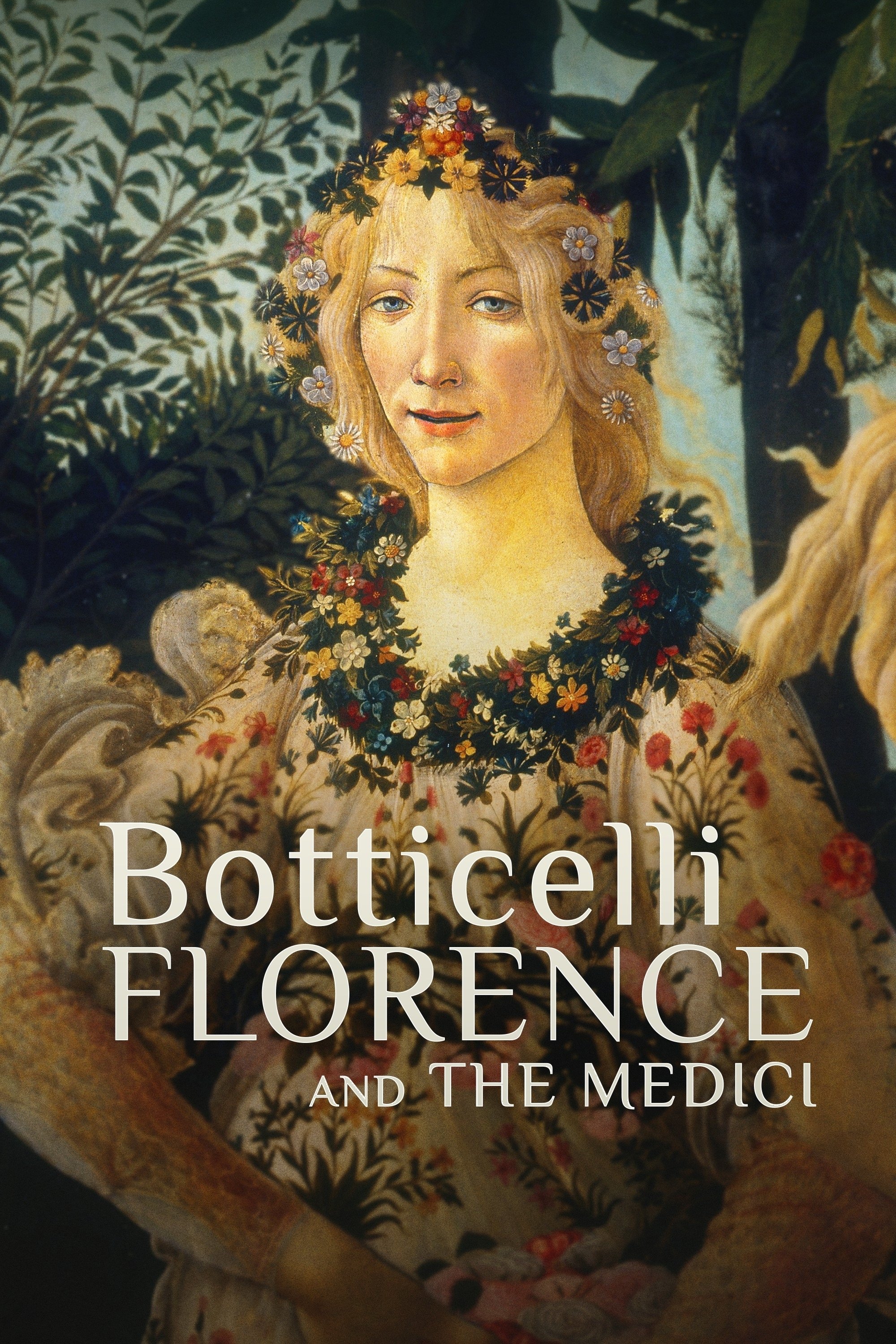
Documentary on the art and culture of Florence in 15th century Tuscany and, in particular, the work of Eary Ranaissance painter Sandro Botticelli (1445-1501).
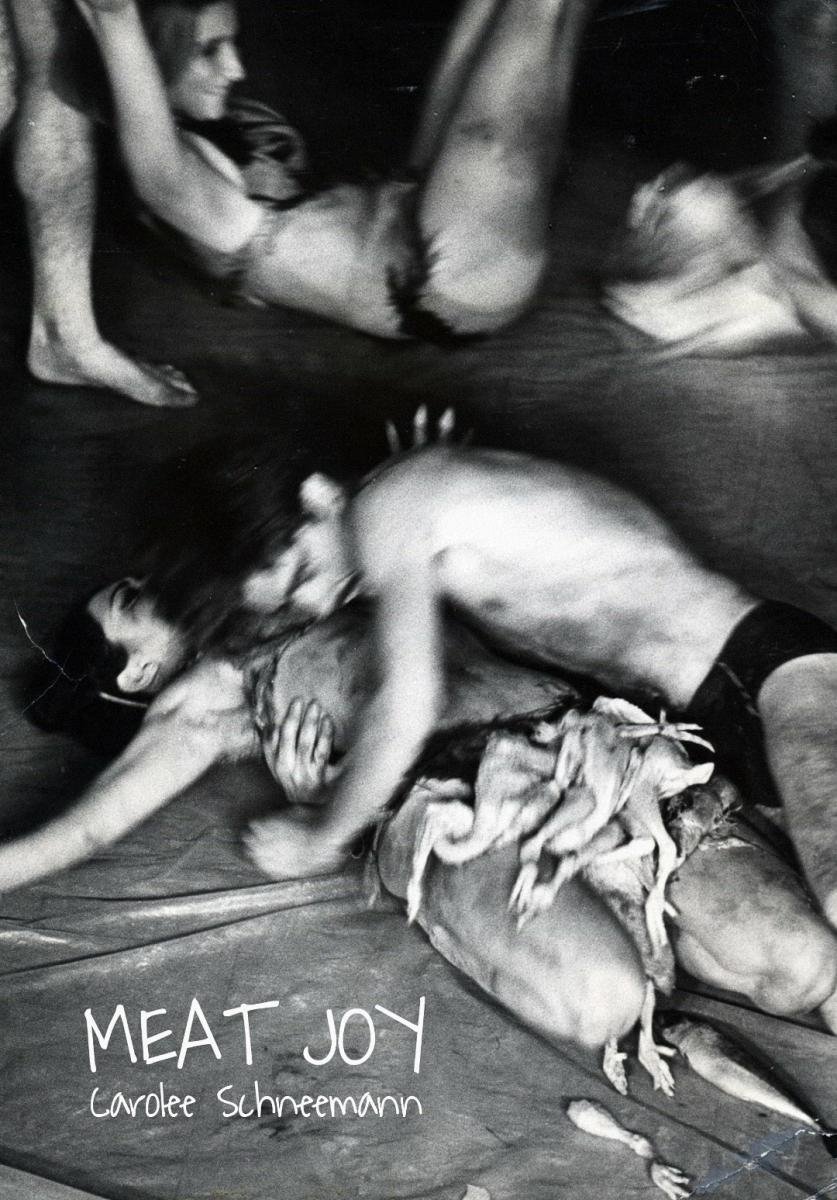
"Meat Joy is an erotic rite — excessive, indulgent, a celebration of flesh as material: raw fish, chicken, sausages, wet paint, transparent plastic, ropes, brushes, paper scrap. Its propulsion is towards the ecstatic — shifting and turning among tenderness, wildness, precision, abandon; qualities that could at any moment be sensual, comic, joyous, repellent. Physical equivalences are enacted as a psychic imagistic stream, in which the layered elements mesh and gain intensity by the energy complement of the audience. The original performances became notorious and introduced a vision of the 'sacred erotic.' This video was converted from original film footage of three 1964 performances of Meat Joy at its first staged performance at the Festival de la Libre Expression, Paris, Dennison Hall, London, and Judson Church, New York City."
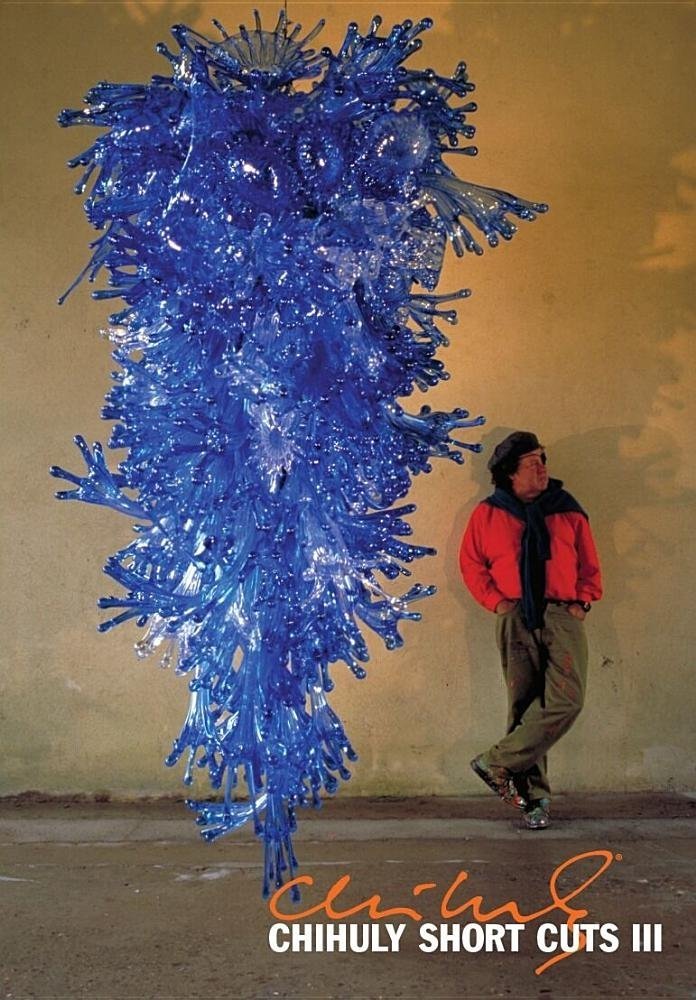
For nearly half a century, Dale Chihuly has traveled the world, creating and installing his artwork. From sculptures to large-scale installations, his blown-glass works revolutionized the American studio glass movement. In Short Cuts III, Chihuly's role as both artist and teacher is revealed, uncovering the stories and the process behind some of his most celebrated projects, from working with students in his hometown of Tacoma, Washington, to exhibitions in prominent botanic gardens worldwide.
Artists in LA discover the work of forgotten Polish sculptor Stanislav Szukalski, a mad genius whose true story unfolds chapter by astounding chapter.
Through deeply personal interviews with her siblings and an examination of the photographs, letters, and belongings left behind, Mariska assembles a new portrait of her mother Jayne Mansfield, an extraordinary and complex woman.
In an intimate and joyful story of love in the face of loss, celebrated poets Andrea Gibson and Megan Falley find strength—and unexpected hilarity—in what might be their final year together.
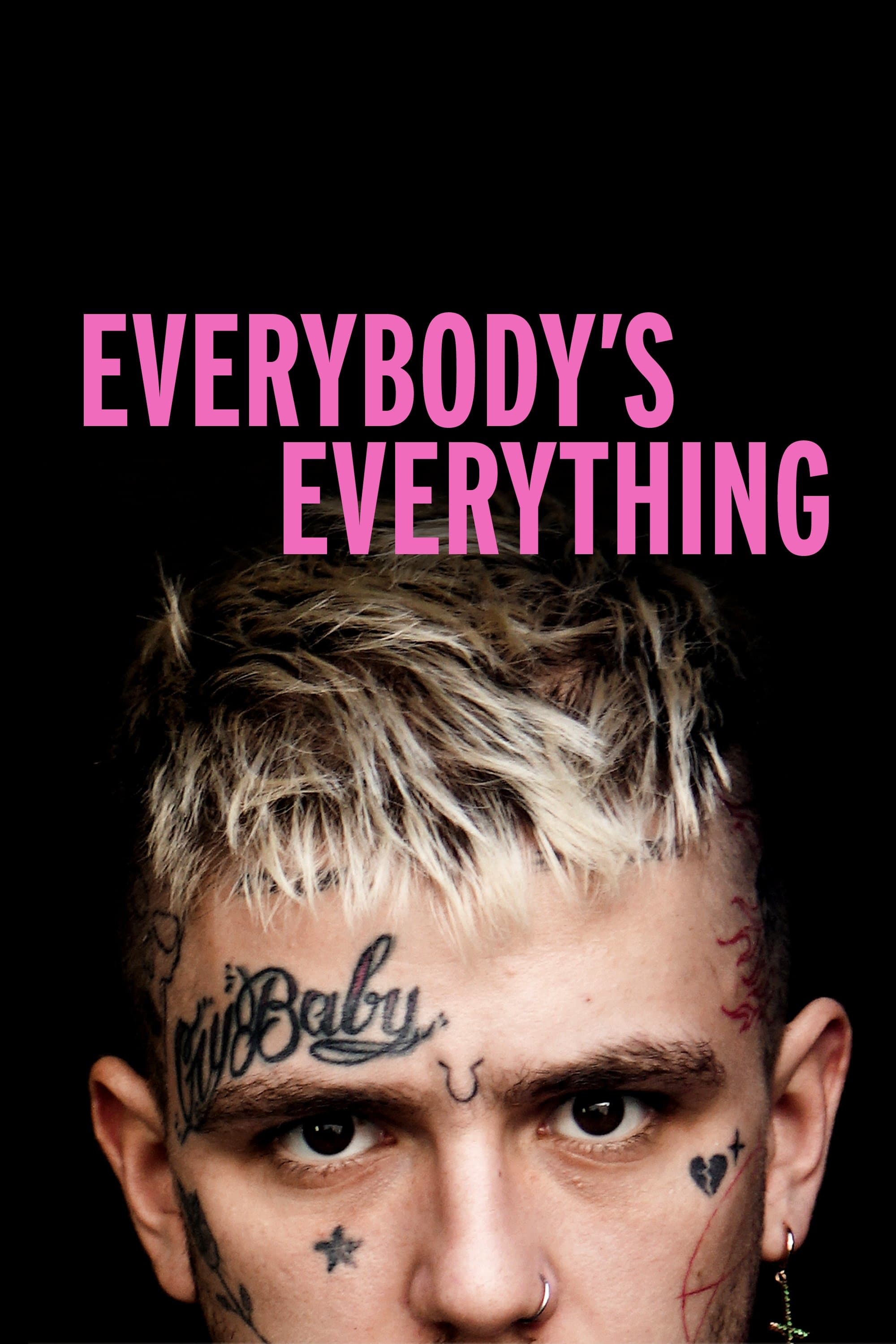
The story of artist Lil Peep from his birth in Long Island and meteoric rise as a genre blending pop star & style icon, to his death due to an accidental opioid overdose in Arizona at just 21 years of age.
Al Pacino's deeply-felt rumination on Shakespeare's significance and relevance to the modern world through interviews and an in-depth analysis of "Richard III."
The life and career of an actor, artist, and icon. His own journey through his own camera.
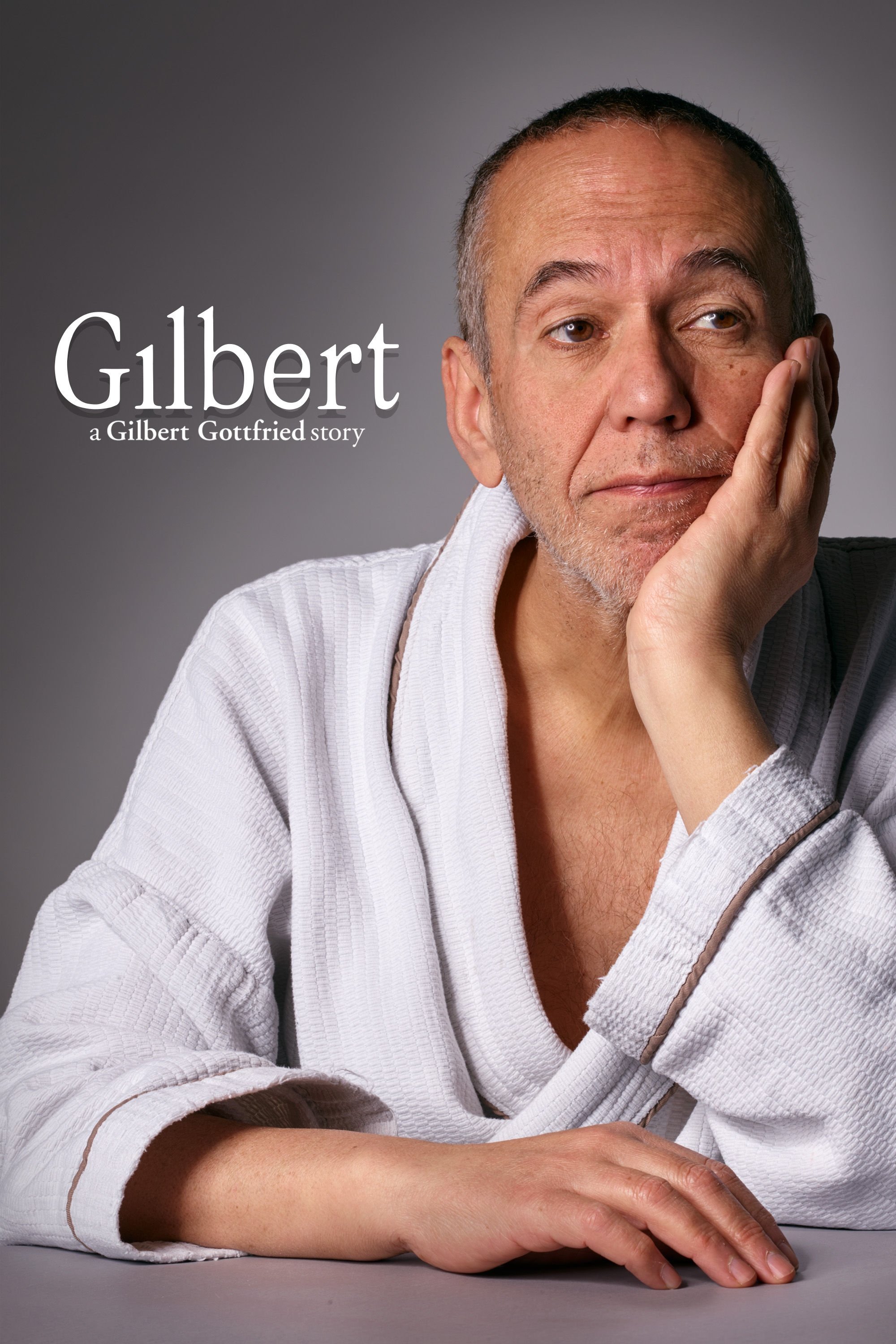
The life and career of one of comedy's most inimitable modern voices, Mr. Gilbert Gottfried.
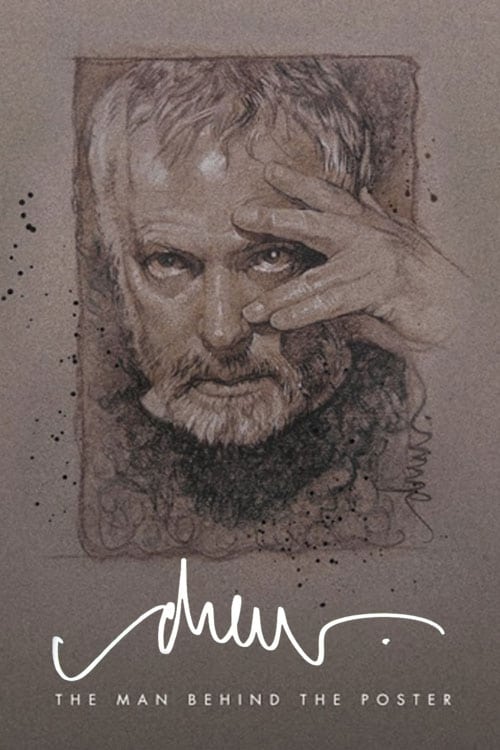
A documentary on legendary movie-poster artist Drew Struzan.
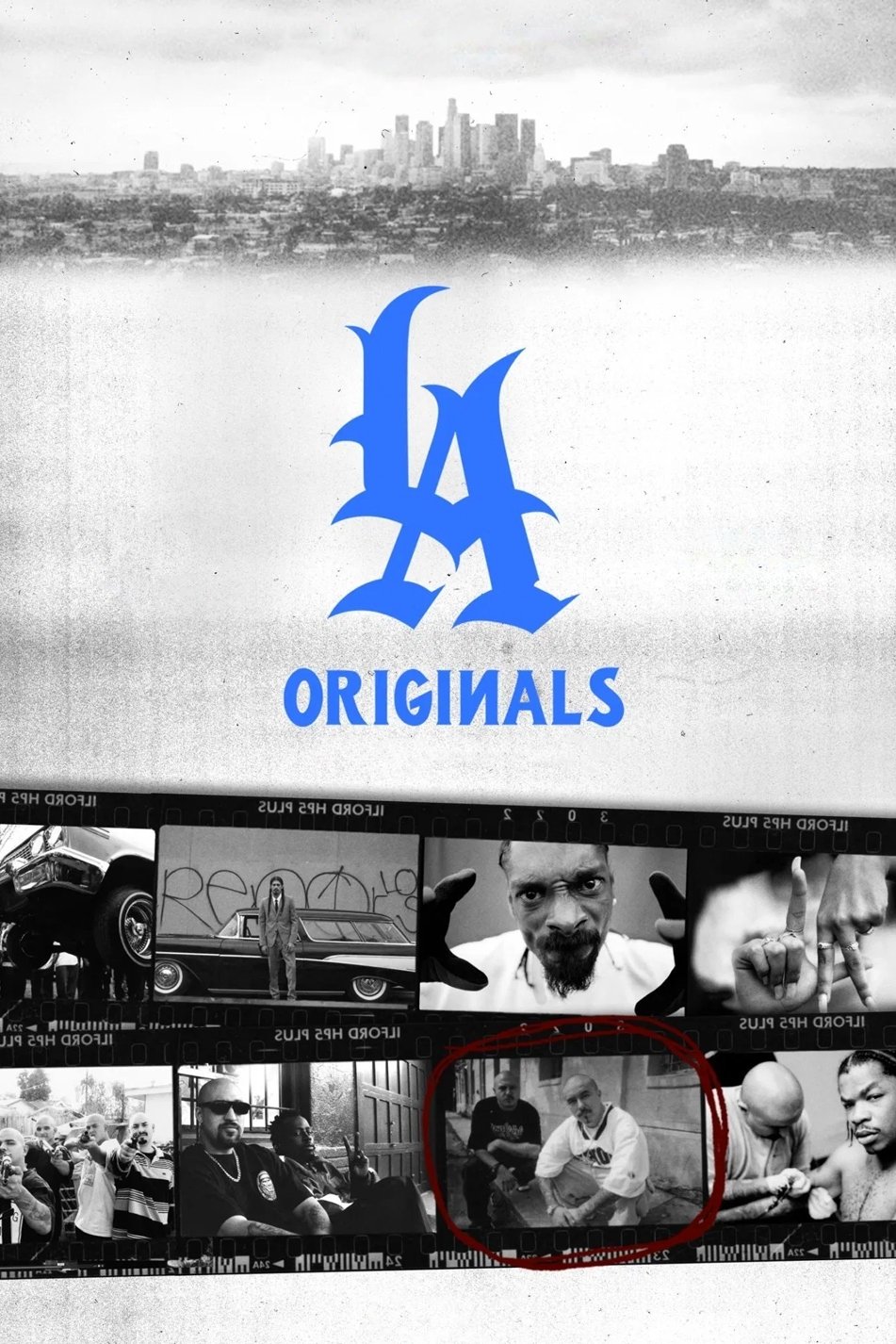
Photographer Estevan Oriol and artist Mister Cartoon turned their Chicano roots into gritty art, impacting street culture, hip hop and beyond.
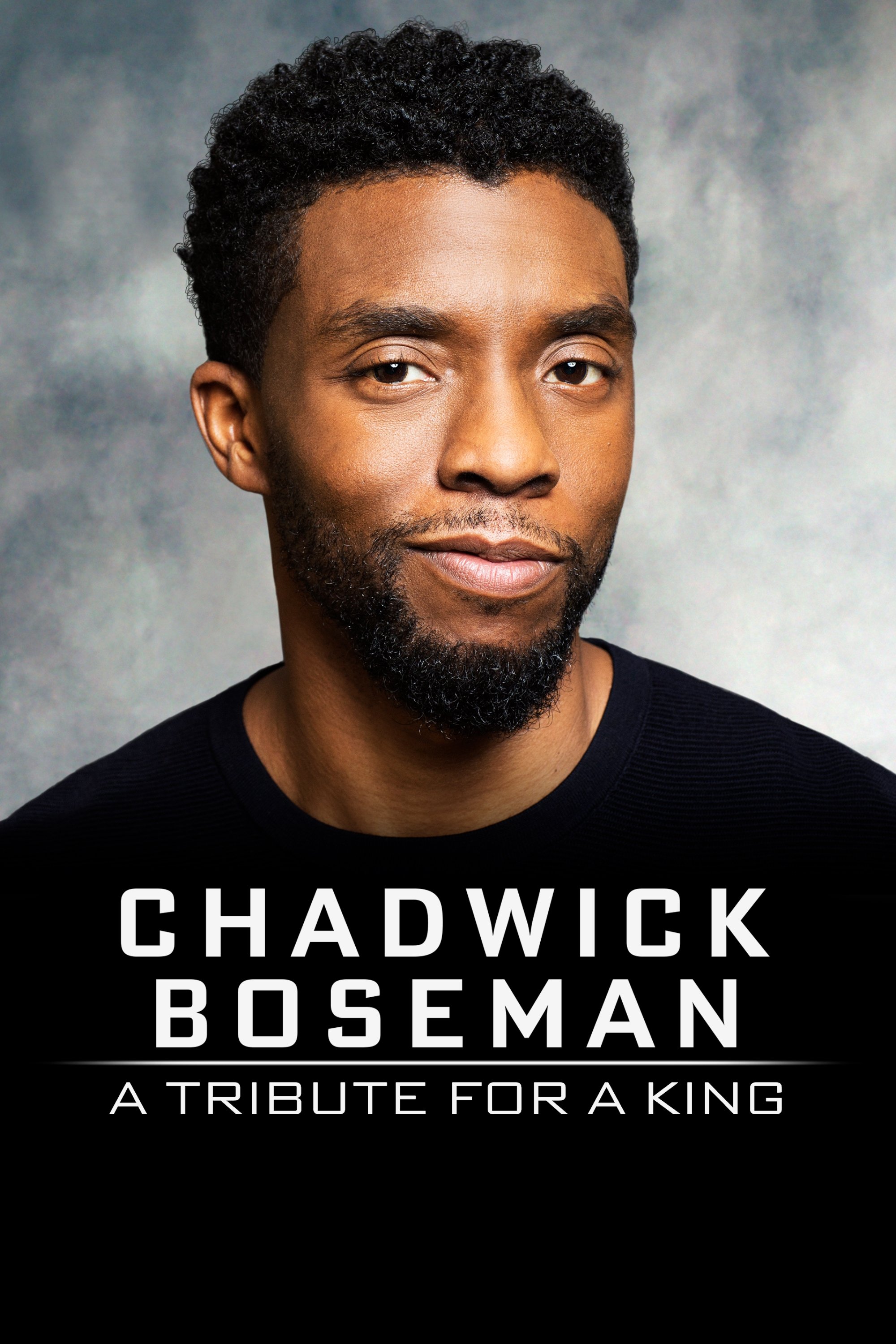
A tribute to Chadwick Boseman, celebrating his life and legacy.
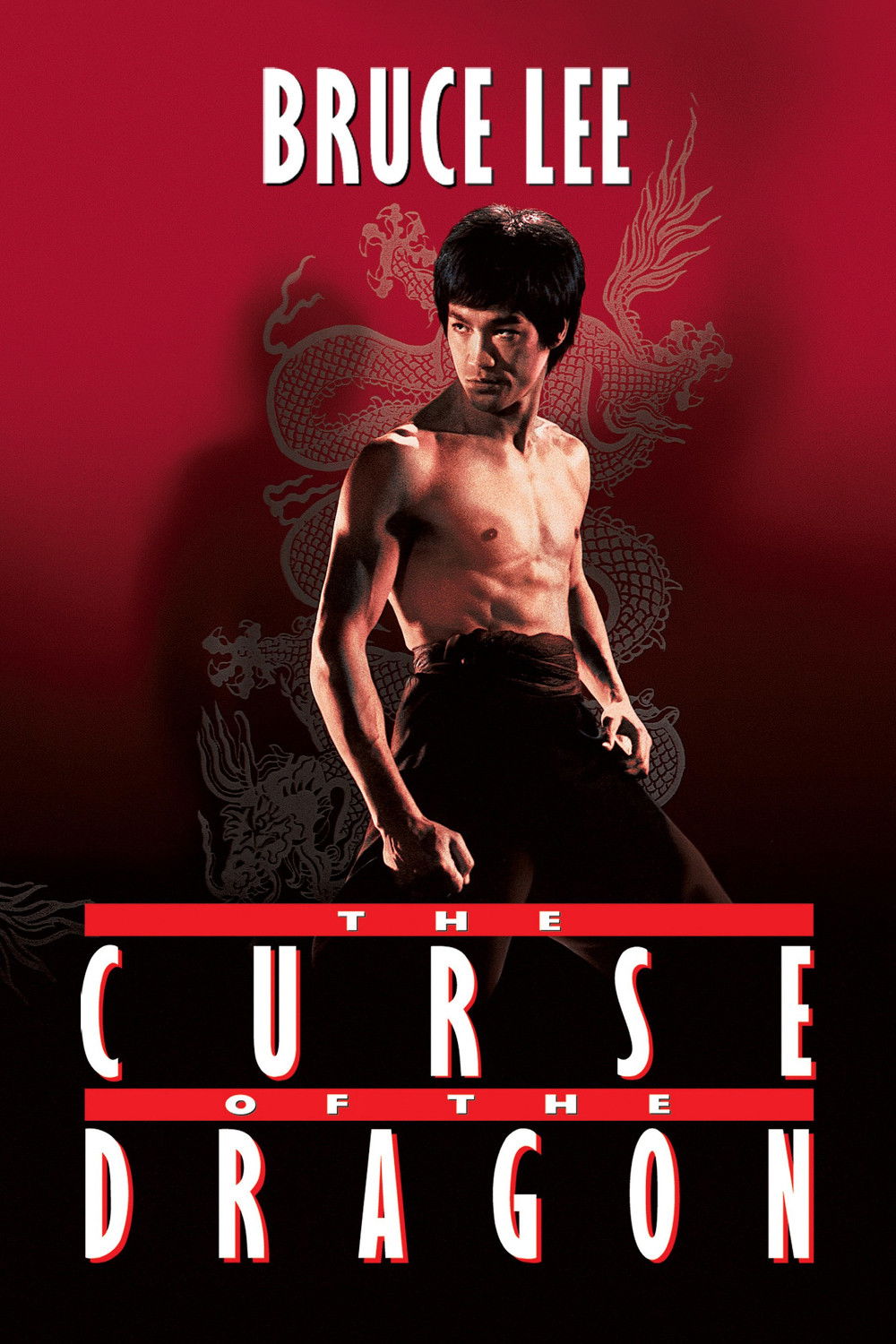
A 1993 documentary film about Bruce Lee. The film includes interviews from some of his fellow students and opponents who worked alongside him in his movies.
Brilliant, long in-the-works story of the life and art of the world's greatest comedian and the cinema's first genius, Charlie Chaplin. Produced, written and directed by renowned film critic Richard Schickel.
Musician and performance artist Laurie Anderson reflects on the deaths of her husband Lou Reed, her mother and her beloved dog.
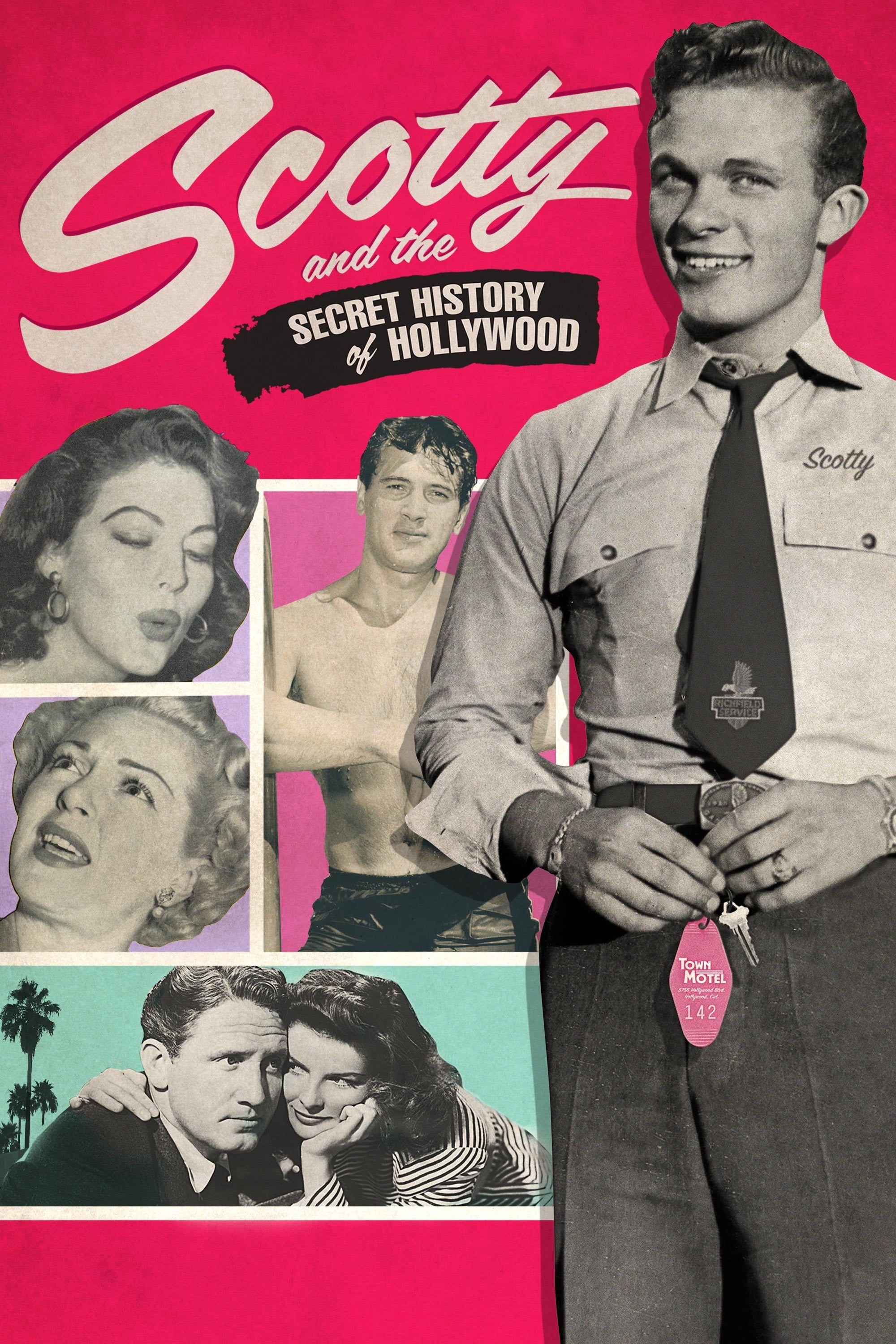
A deliciously scandalous portrait of unsung Hollywood legend Scotty Bowers, whose bestselling memoir chronicled his decades spent as sexual procurer to the stars.
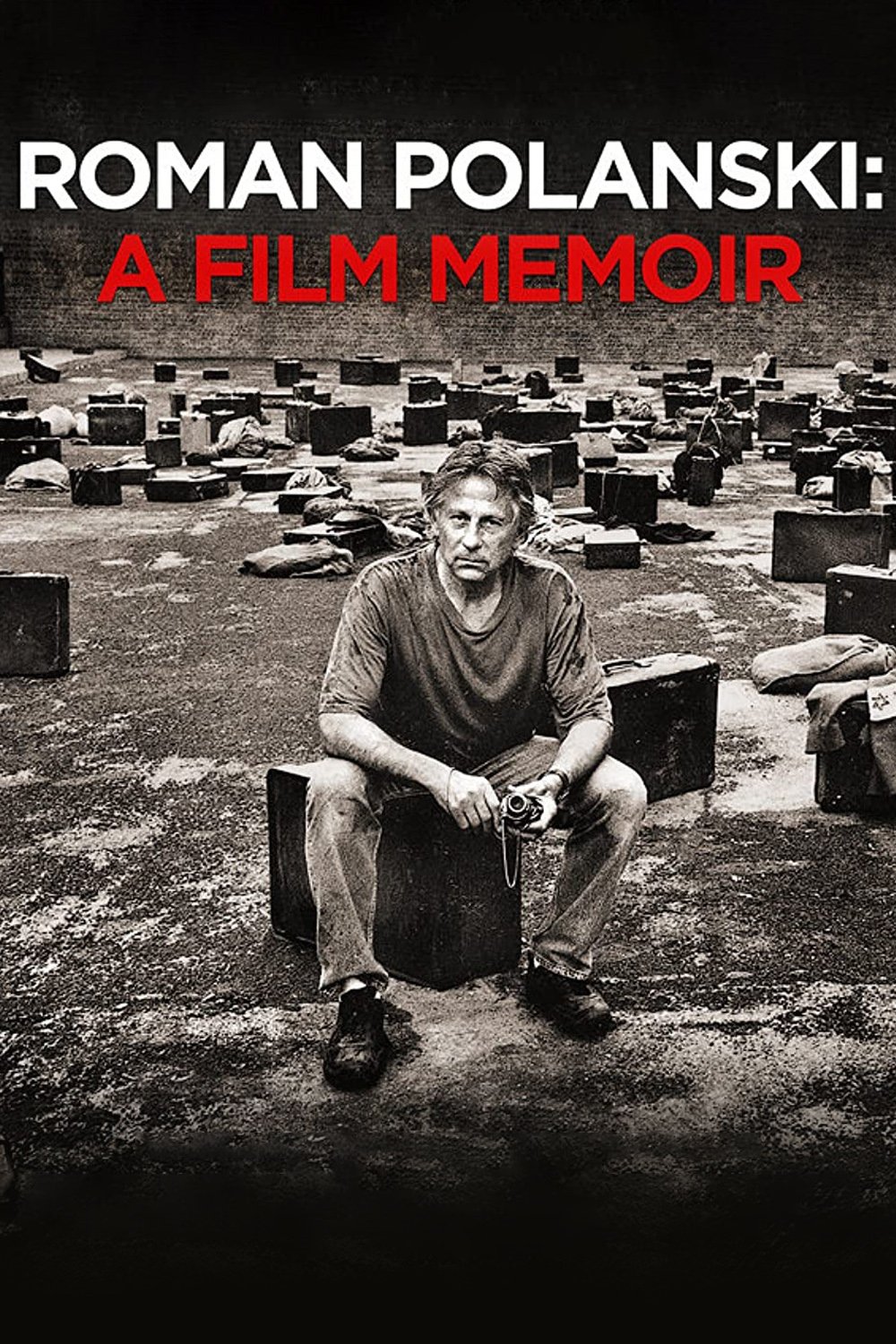
An interview with film director Roman Polanski conducted during his period of house arrest, discussing his life and work.
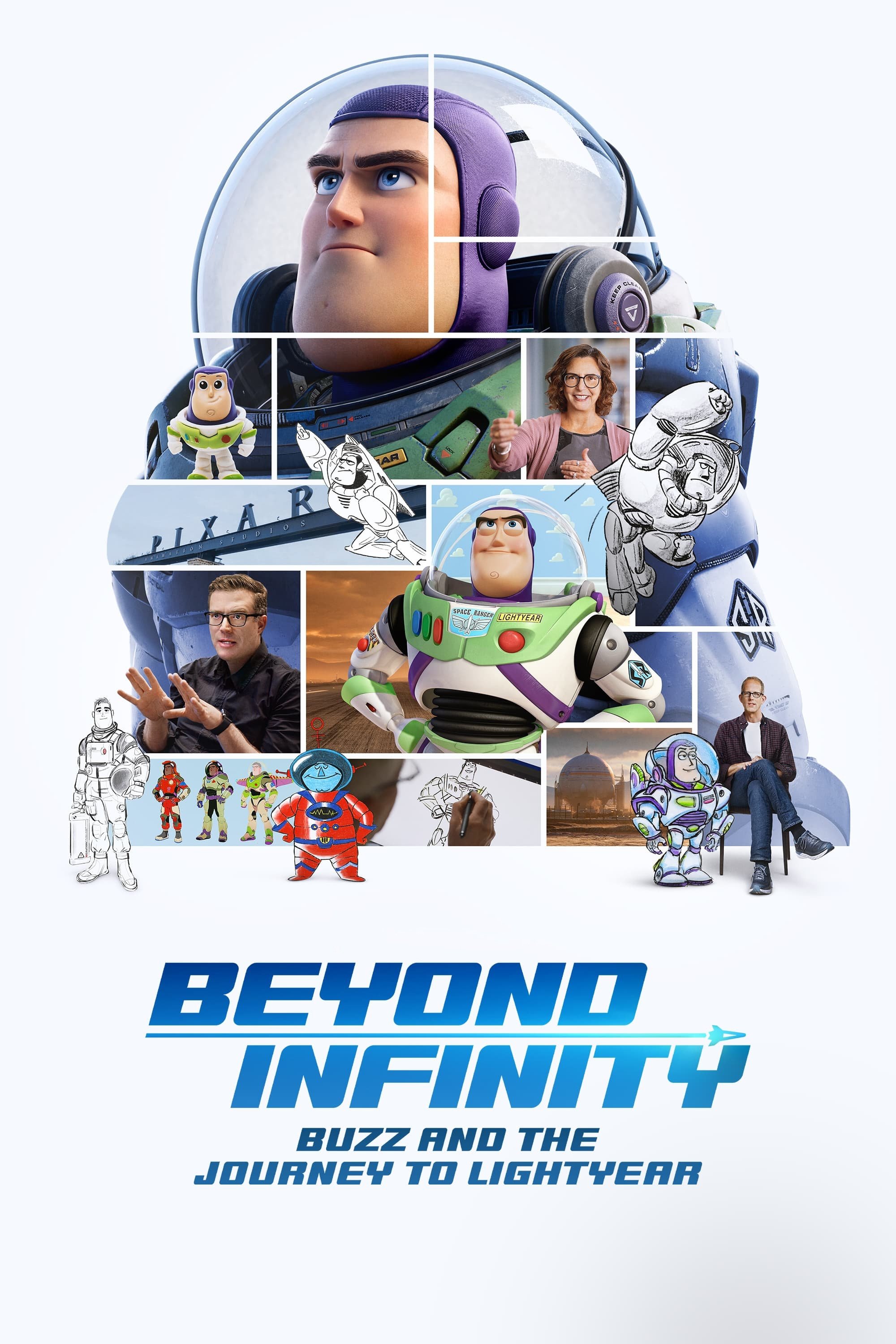
Explore the evolution of Buzz Lightyear from toy to human in the making of Pixar’s Lightyear. Dive into the origin and cultural impact of everyone’s favorite Space Ranger, the art of designing a new “human Buzz,” and the challenges faced by the Lightyear crew along the way.
A visual montage portrait of our contemporary world dominated by globalized technology and violence.
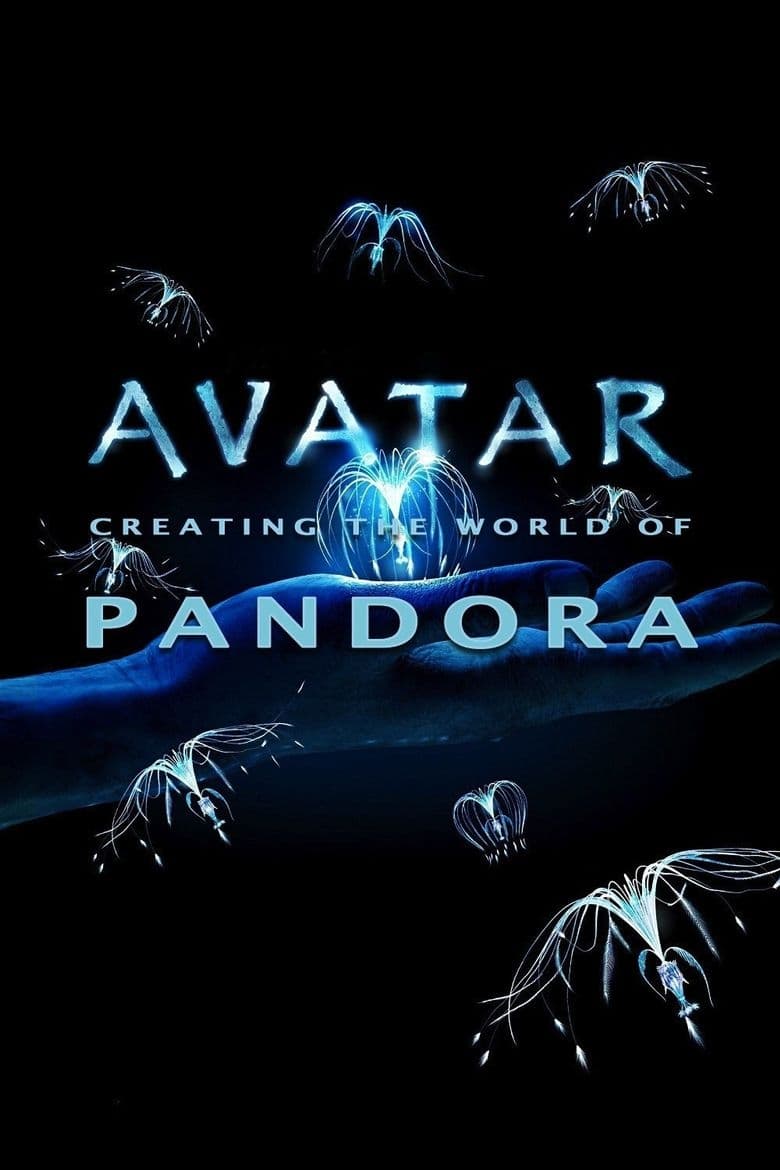
The Making-of James Cameron's Avatar. It shows interesting parts of the work on the set.
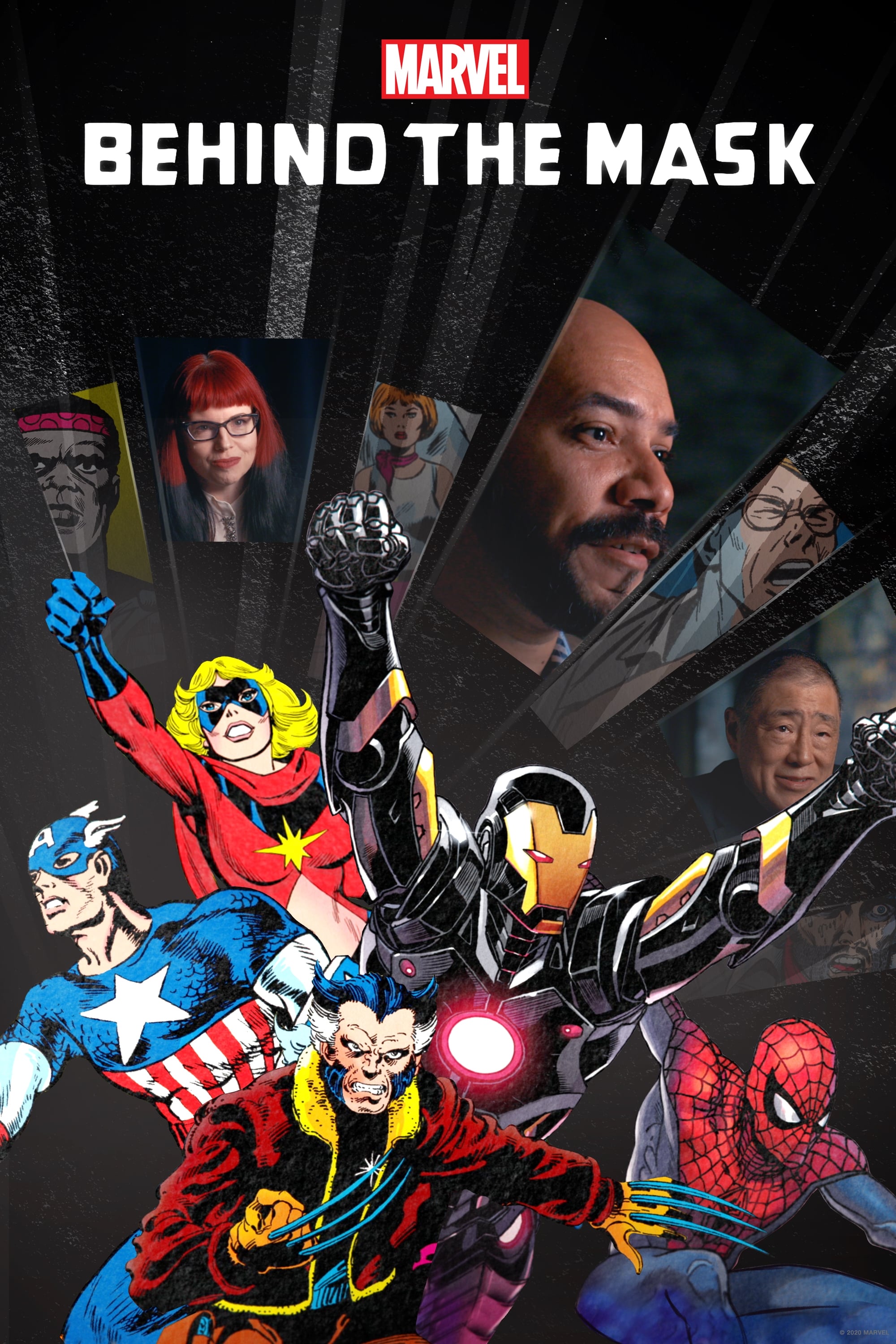
A documentary special that explores the power of identity behind the iconic superheroes we know and love today. These legendary Marvel creations and stories have not only reflected the world outside our window – they have become a reflection of our own identities and who we truly are.
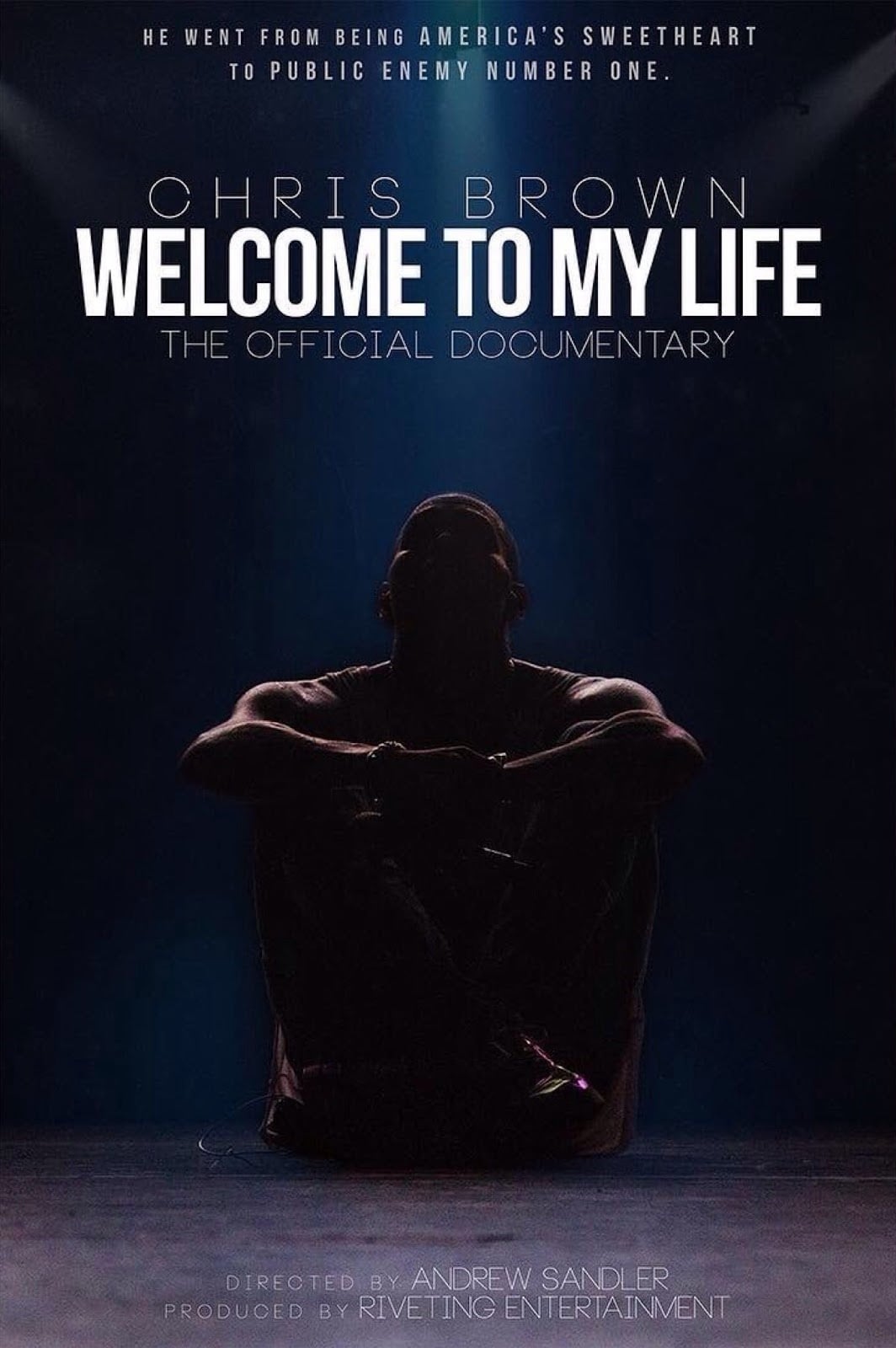
This compelling Documentary moves beyond the spotlight and past the attention-grabbing headlines to give pop superstar Chris Brown a chance to tell his own story. New interviews with the international phenomenon reveal long-awaited answers about his passion for making music, his tumultuous and much publicized relationships, and the pitfalls of coming of age in the public eye. Also included is new concert footage, behind-the-scenes access, and special interviews from Usher, Jennifer Lopez, DJ Khaled, Mike Tyson, Jamie Foxx and others.