Social & External
The people behind it
Miloslav Zachata
Commentary (voice)
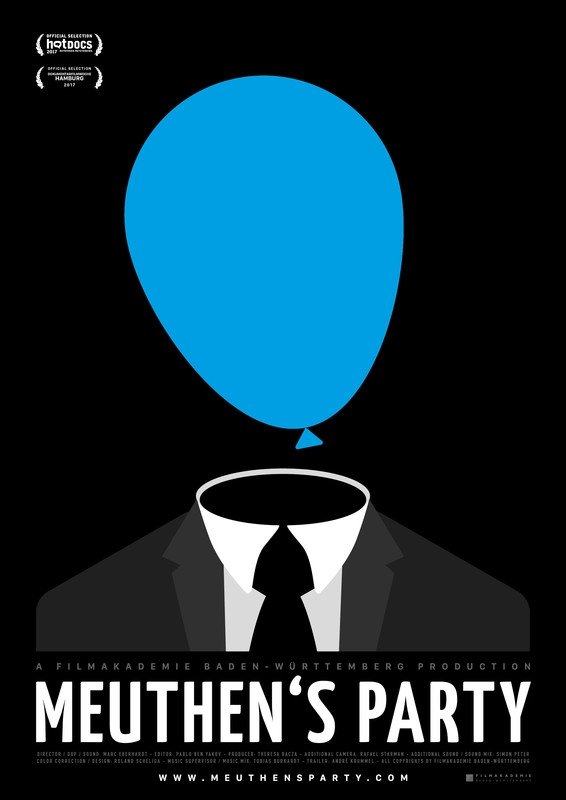
MEUTHEN'S PARTY unmasks the rise of the provincial politician Dr. Jörg Meuthen who doesn't shy away from spreading racist sentiments with a smile on his face.
Filmed during the production of the Columbia Pictures western "Mackenna’s Gold," this short work presents a non-narrative visual study of the Arizona desert. Rather than documenting the film set itself, "6-18-67" assembles landscape images, time-lapse photography, and ambient sound into an abstract record of place and duration.
A group of four women band together to make rock climbing more accessible in Banff. Every run is a puzzle waiting to be solved, and if the Crush Collective has anything to do with it, gender norms will not be part of the equation.
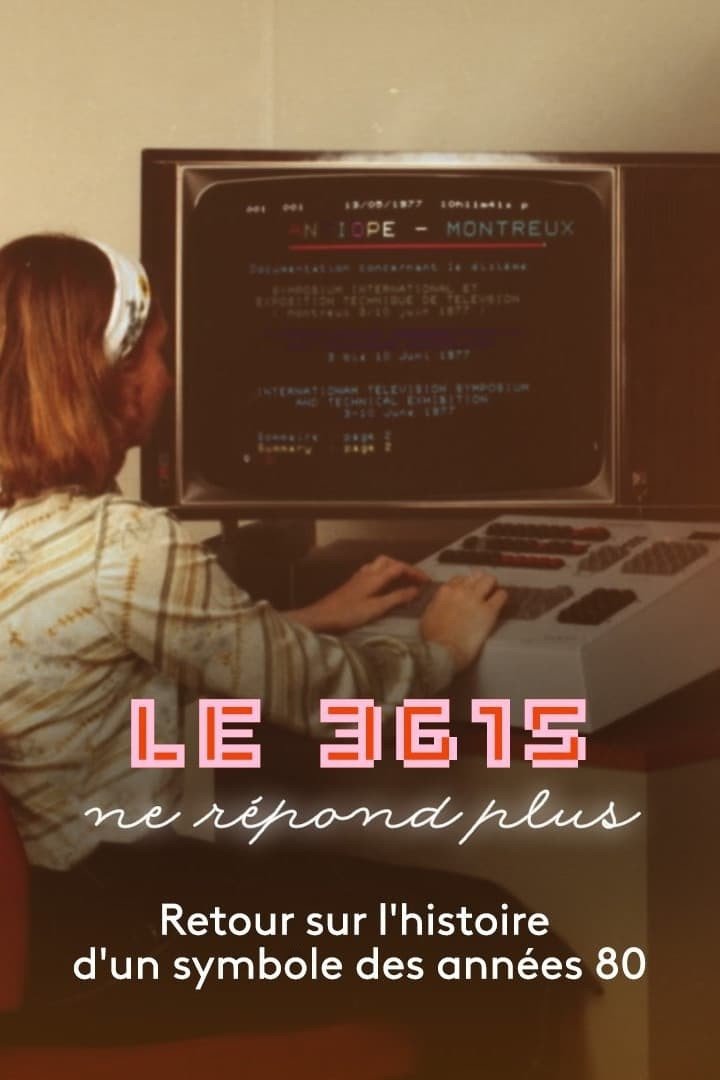
The adventure of the minitel, a small cubic terminal with a folding keyboard that began in the 1970s in the labs of France Telecom, is closely linked to Alsace. Alsatians had then in hand the future tools of interactive communication. What remains today of all those minitel years? Like a nocturnal and intimate road-movie, this documentary went to meet the last people who are still interested in the minitel, this strange beige box of access to telematic services, corny today, but pioneers at the end of the last century.
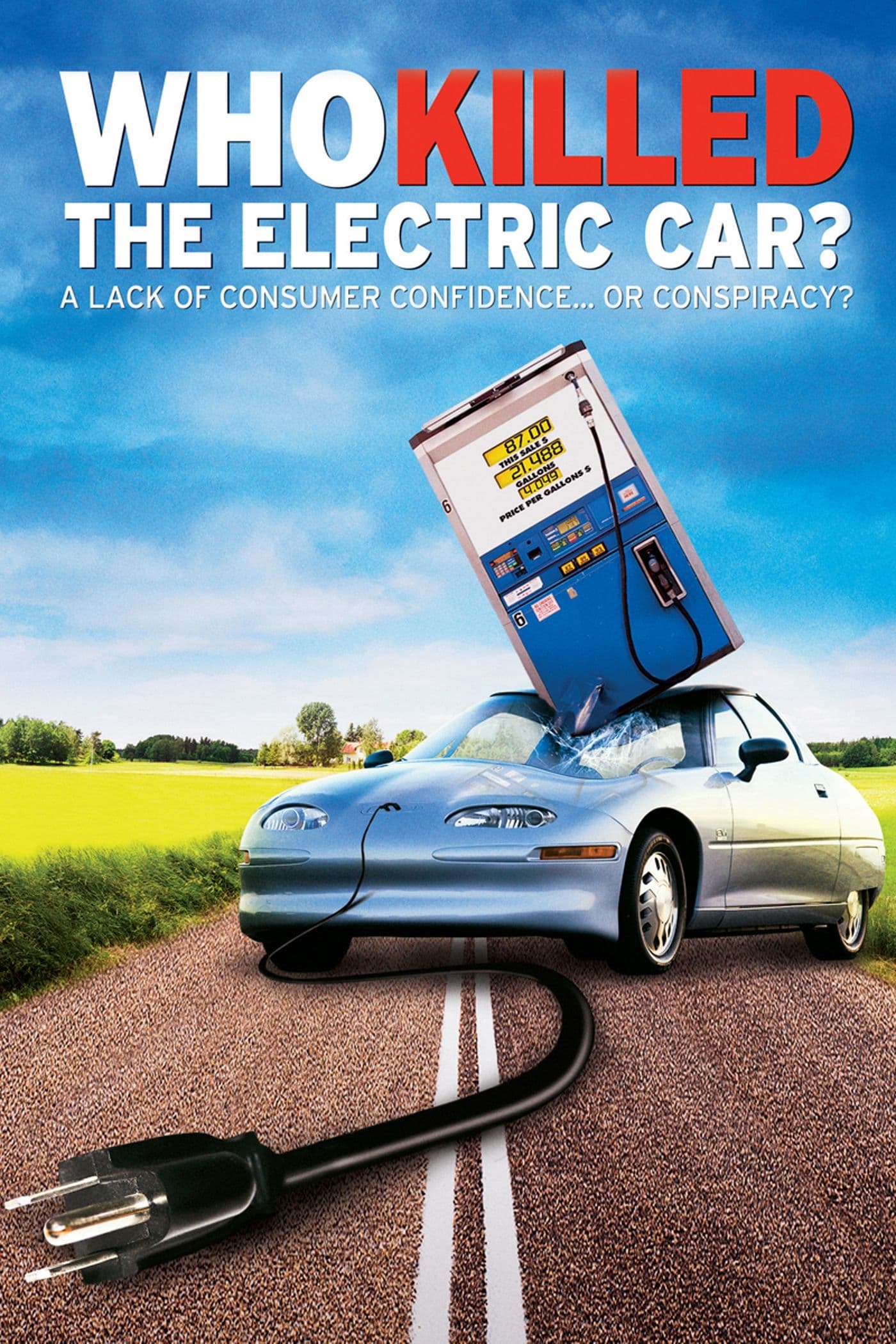
In 1996, electric cars began to appear on roads all over California. They were quiet and fast, produced no exhaust, and ran without gasoline... Ten years later, these cars were destroyed.
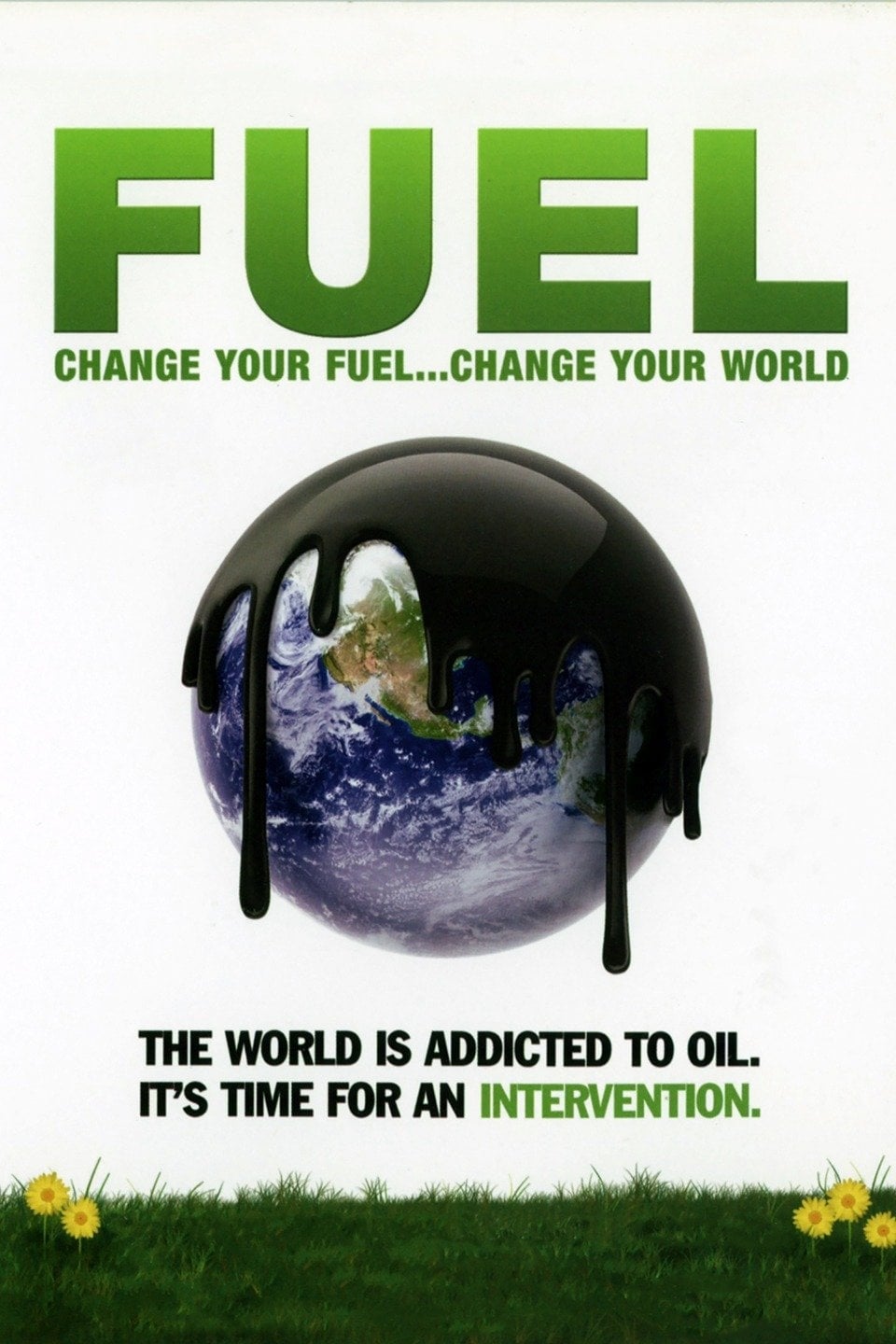
Record high oil prices, global warming, and an insatiable demand for energy: these issues define our generation. The film exposes shocking connections between the auto industry, the oil industry, and the government, while exploring alternative energies such as solar, wind, electricity, and non-food-based biofuels.
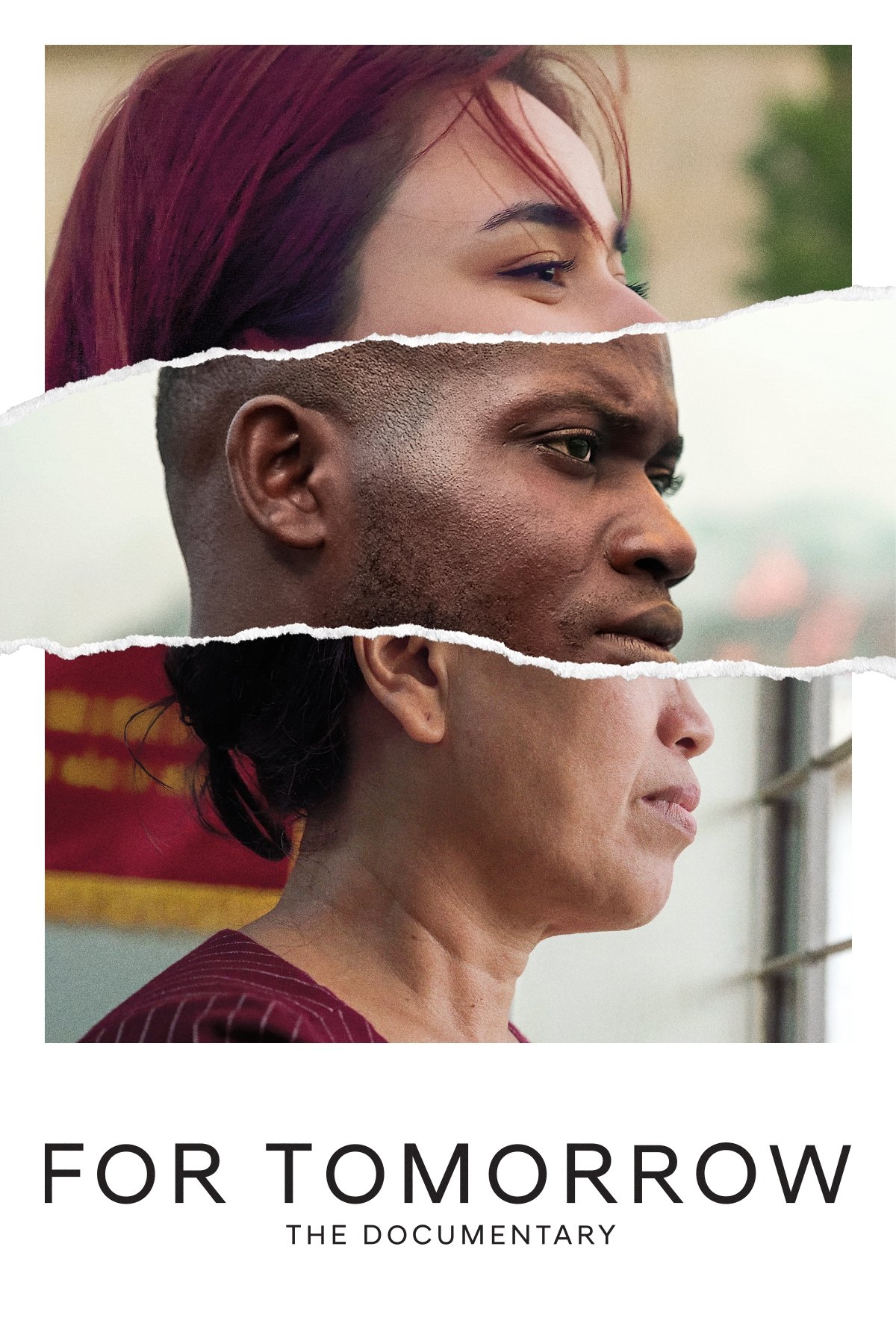
The story of grassroots innovators striving to create a more sustainable future. From a self-taught engineer who built a solar-powered car to a young woman with disabilities fighting for inclusivity, they are tackling sustainability issues on the ground and empowering their communities. Is the world ready to look elsewhere for solutions to our challenges?
Madrid, Spain, 1949. The Circo Americano arrives in the city. While the big top is pitched in a vacant lot, the troupe parades through the grand avenues: the band, a witty impersonator, the Balodys, acrobats, jugglers, acrobatic skaters, clowns and… Buffallo Bill.
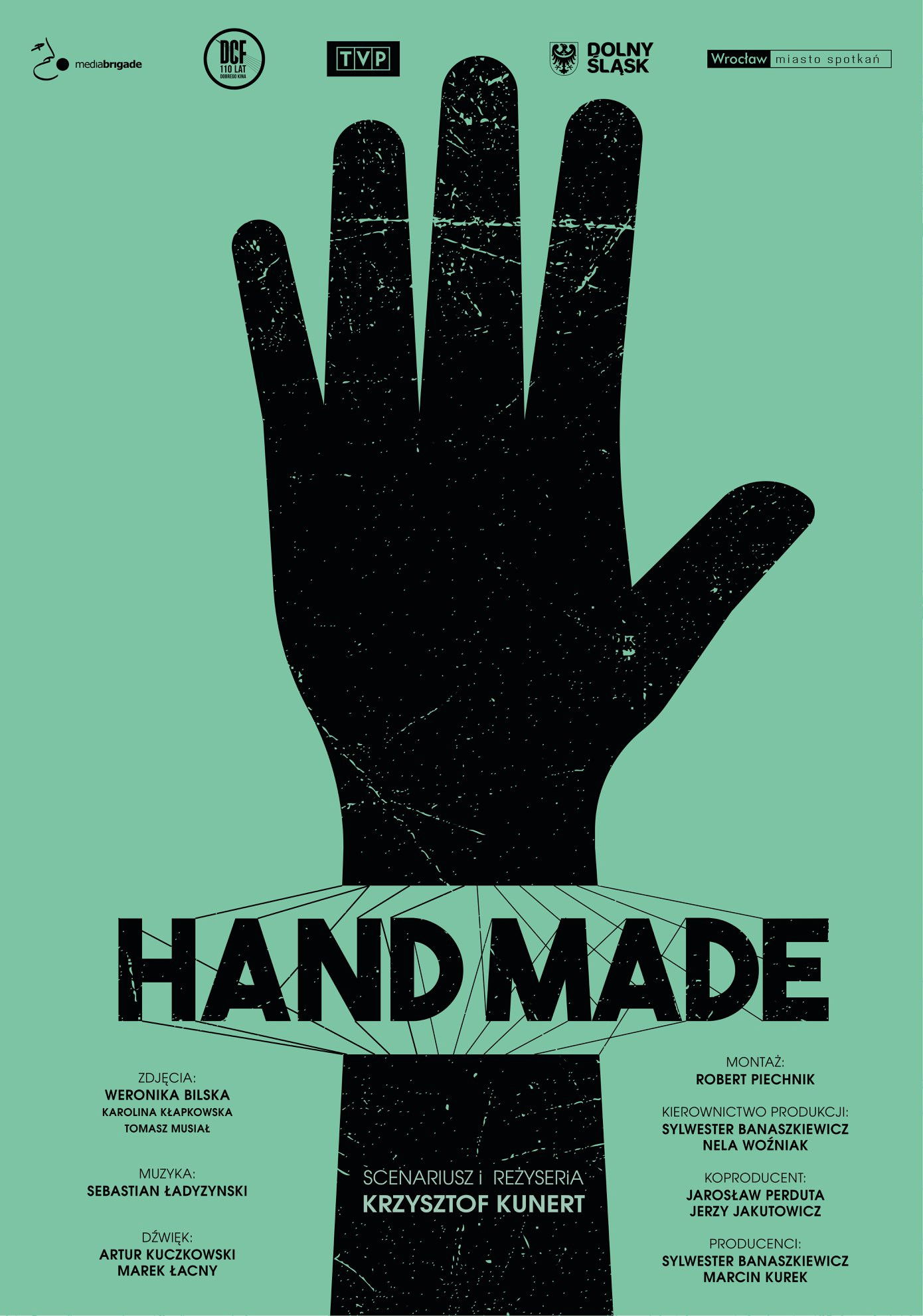
Here's a strange one. First, a song on a blackboard: a Polish translation of “I love my little rooster” by American folk writer Almeda Riddle. Then, two men roll around trash bins and lift them to the garbage truck. They do it several times. A woman shouts in the distance. At the end, the picture stops, and the woman sings the song. An early short by Piotr Szulkin.
A film about the Czechoslovak automobile industry and its gradual automation. First of all, the quality of Czechoslovak cars and motorcycles in comparison with foreign competitors is demonstrated using a de facto advertising approach. The movie also talks about the need to expand automation in manufacturing and it presents examples of new technologies that have been introduced.
A 4-year-old girl cries, lost in the city. A Soviet soldier on a ferry takes her in and takes her to her home village.
A movie about improvement proposals in factories. It shows viewers how patents are accepted, how tenders are called, and how improvement proposals are submitted. The film calls for other innovators to follow suit, thereby contributing to catching up with and outstripping the globál economy.
The onset of communism changed many people's lives. Children without homes were no longer raised in foster care, but in institutions. Through an interview with a man who grew up in such an institution and a woman who is trying to address the issue from the outside, this documentary shows how, even after thirty years of freedom, the Czech Republic still desperately needs a revolution in this area.
An inside look at one of the most anticipated movie sequels ever with James Cameron and cast.
Ranjit, a farmer in India, takes on the fight of his life when he demands justice for his 13-year-old daughter, the victim of a brutal gang rape. His decision to support his daughter is virtually unheard of, and his journey unprecedented.
A documentary special that explores the power of identity behind the iconic superheroes we know and love today. These legendary Marvel creations and stories have not only reflected the world outside our window – they have become a reflection of our own identities and who we truly are.
In an intimate and joyful story of love in the face of loss, celebrated poets Andrea Gibson and Megan Falley find strength—and unexpected hilarity—in what might be their final year together.
In celebration of the publisher's 75th anniversary, the hour-long special will take a detailed look at the company's journey from fledgling comics publisher to multi-media juggernaut. Hosted by Emily VanCamp (S.H.I.E.L.D. Agent Sharon Carter), the documentary-style feature will include interviews with comic book icons, pop culture authorities, and Hollywood stars. The special also promises an "extraordinary peek into Marvel's future!" Might Marvel release the first official footage from next year's Avengers: Age of Ultron or Ant-Man? If they do, you'll know about it here.
“Showrunners” is the first ever feature length documentary film to explore the fascinating world of US television showrunners and the creative forces aligned around them. These are the people responsible for creating, writing and overseeing every element of production on one of the United State’s biggest exports – television drama and comedy series. Often described as the most complex job in the entertainment business, a showrunner is the chief writer / producer on a TV series and, in most instances, the show’s creator. Battling daily between art and commerce, showrunners manage every aspect of a TV show’s development and production: creative, financial and logistical.
The life of Mr. Spock, as well as that of Leonard Nimoy, the actor who played him for almost fifty years, written and directed by his son: Adam.
A string of threatening emails escalates into a revenge plot involving a newly married US marshal and his ex-girlfriend.
A 1993 documentary film about Bruce Lee. The film includes interviews from some of his fellow students and opponents who worked alongside him in his movies.
Join the likes of Jeremy Renner, Hailee Steinfeld, Florence Pugh, and Vincent D’Onofrio as they reveal how Marvel Studios’ “Hawkeye” was conceived and created. Witness firsthand what it took to pull off the show’s pulse-pounding action set pieces, and discover how iconic characters from the pages of Marvel Comics such as Kate Bishop were adapted and brought to life for the six-episode series.
This revealing documentary honors the legendary Sidney Poitier—iconic actor, filmmaker, and civil rights activist. Featuring interviews with Denzel Washington, Spike Lee, Halle Berry, and more.
The life and career of an actor, artist, and icon. His own journey through his own camera.
The life and career of one of comedy's most inimitable modern voices, Mr. Gilbert Gottfried.
After the high-profile killing of Damilola Taylor, Cornelius' family move out of London. But when they discover their new town is run by racists, Cornelius takes a drastic step to survive.
Featuring interviews with filmmakers and industry legends, discover the origins and evolution of The Joker, and learn why The Clown Prince of Crime is universally hailed as the greatest comic-book supervillain of all time.
The Making-of James Cameron's Avatar. It shows interesting parts of the work on the set.
A documentary about the making of season five of the acclaimed AMC series Breaking Bad.
A comedic, brutally honest documentary following self-destructive TV writer Dan Harmon as he takes his live podcast on a national tour.
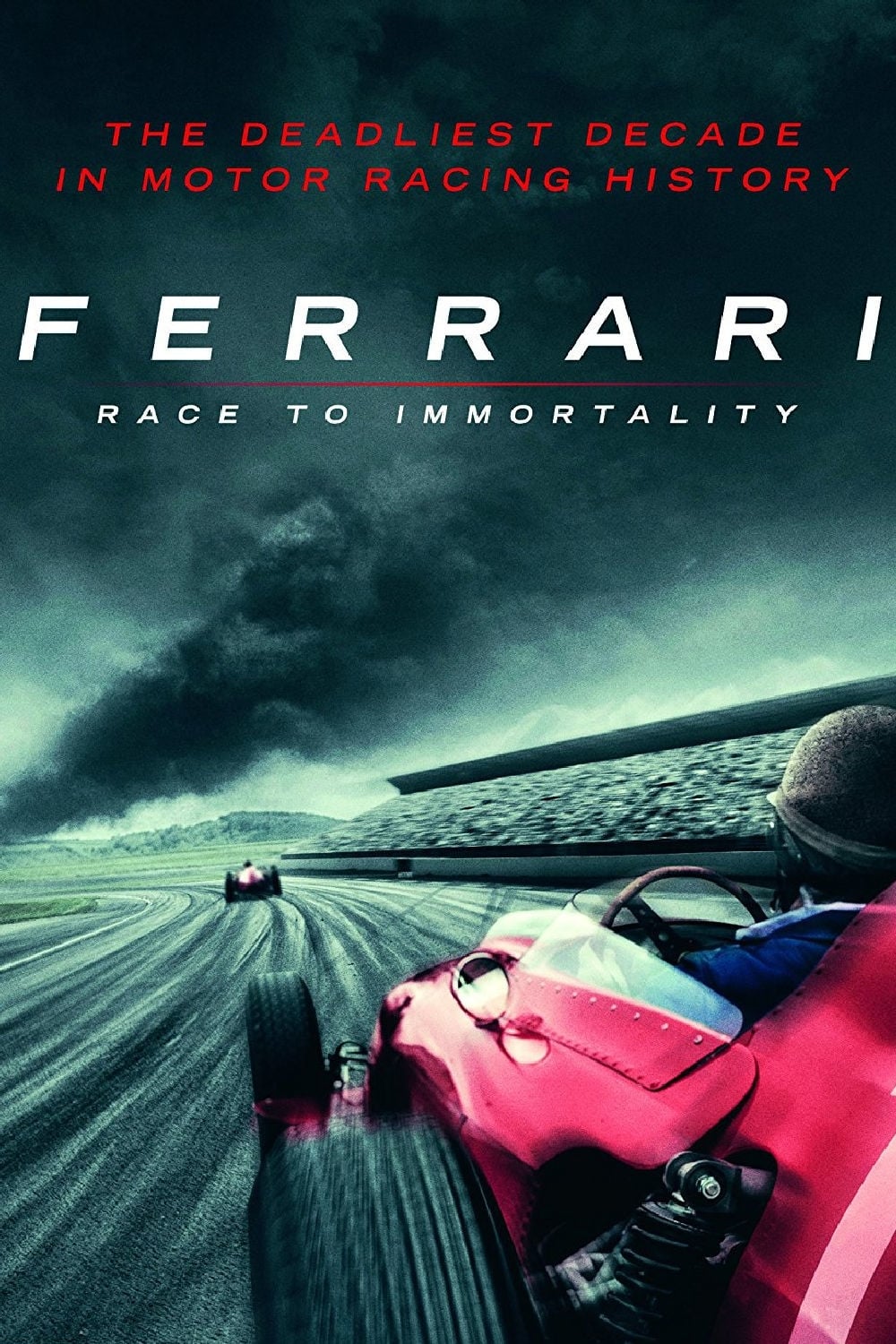
The late 1950s were known as golden years in the world of motor racing, champions were made and lost on a Sunday, and no losses were greater than those of Enzo Ferrari’s Scuderia. Based on Chris Nixon’s bestselling biography Mon Ami Mate, Ferrari: Race to Immortality tells the story of the loves and losses, triumphs and tragedy of a turbulent era that shook the motor racing world.