A documentary about Prague's Old Town Astronomical Clock. In addition to the technical and artistic description, it also focuses on its history and legendary origin.
Social & External
Commentary (voice)
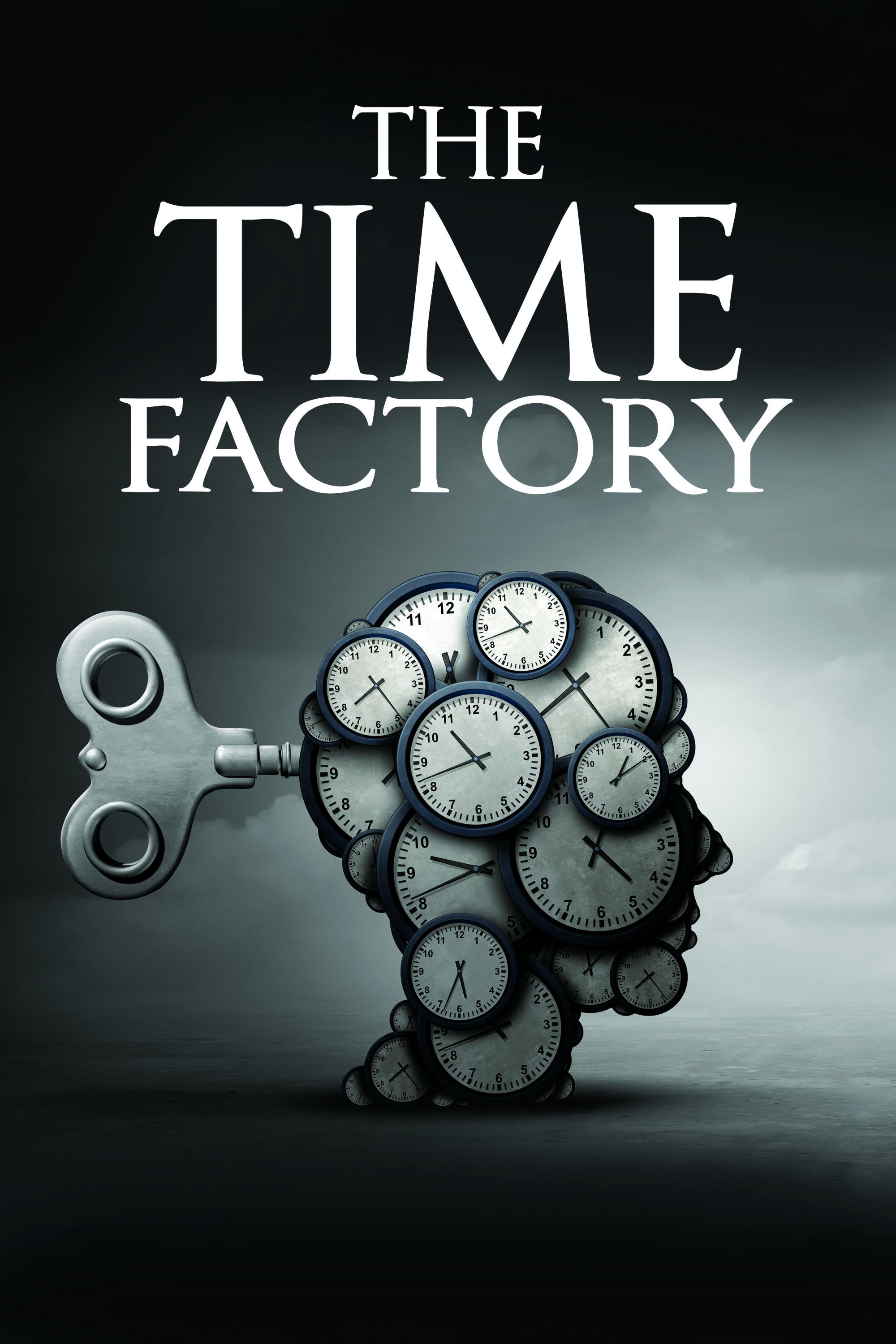
Who invented time, who invented the clock? Why 1 hour, why 60 minutes, why 60 seconds? Since prehistoric times, man has sought to measure time, to organize social and religious life, to plan food supply... Today we can surf the Internet, geolocate, pay by credit card… All our daily lives depend on time and the synchronization of clocks. The history of the invention of time and of the ways and instruments to measure it is a long story…
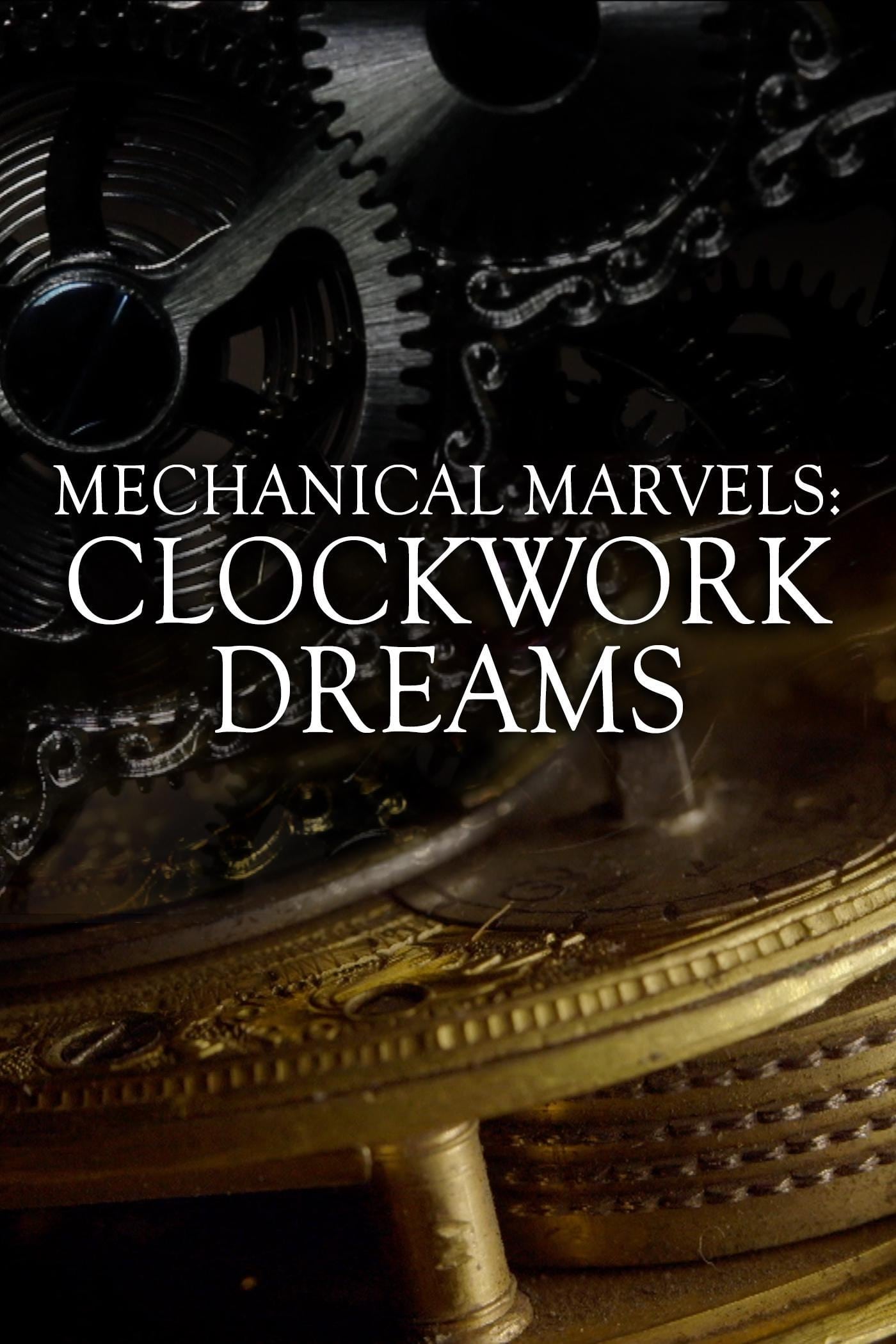
Documentary presented by Professor Simon Schaffer which charts the amazing and untold story of automata - extraordinary clockwork machines designed hundreds of years ago to mimic and recreate life. The film brings the past to life in vivid detail as we see how and why these masterpieces were built. Travelling around Europe, Simon uncovers the history of these machines and shows us some of the most spectacular examples, from an entire working automaton city to a small boy who can be programmed to write and even a device that can play chess. All the machines Simon visits show a level of technical sophistication and ambition that still amazes today.
Orphaned and alone except for an uncle, Hugo Cabret lives in the walls of a train station in 1930s Paris. Hugo's job is to oil and maintain the station's clocks, but to him, his more important task is to protect a broken automaton and notebook left to him by his late father. Accompanied by the goddaughter of an embittered toy merchant, Hugo embarks on a quest to solve the mystery of the automaton and find a place he can call home.
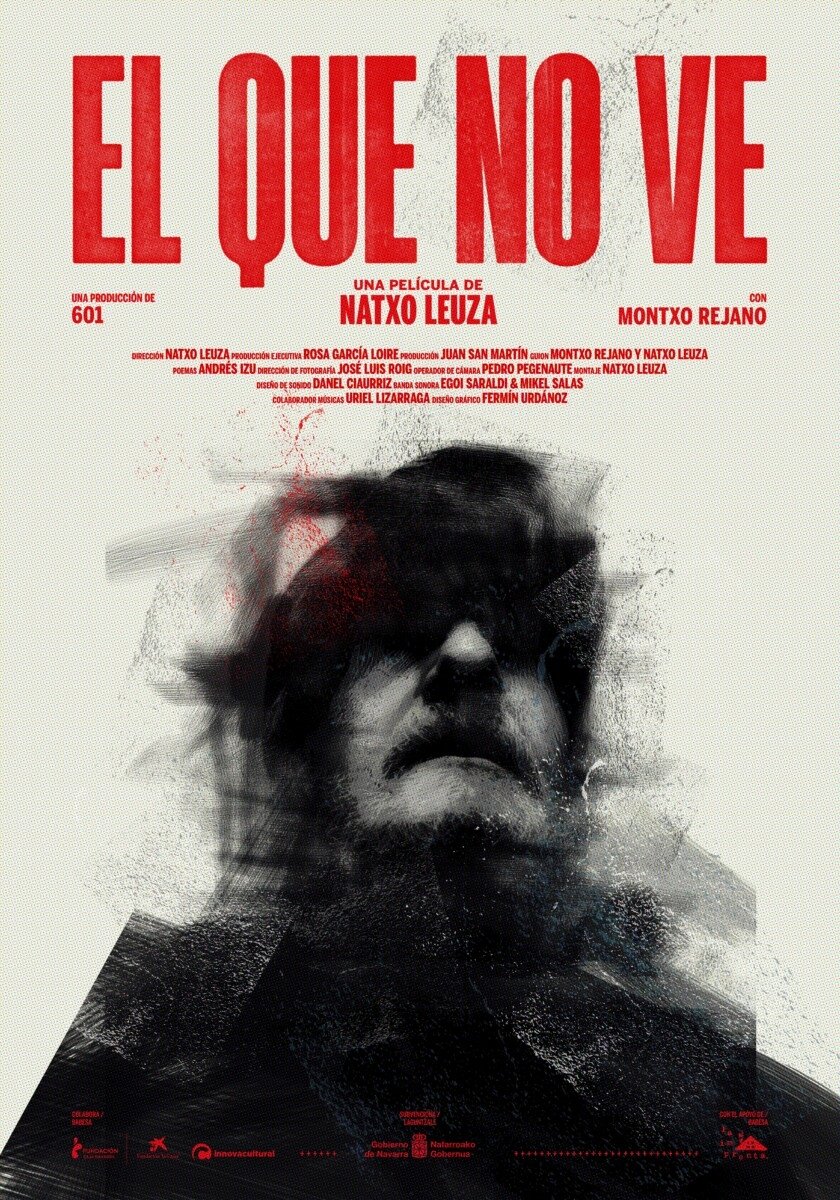
A short documentary film that starts from the story of Montxo Rejano and approaches people excluded from society who live like shadows, in a kind of limbo, in a kind of eternal night and condemned to perpetual waiting and to subsist in a world without light. They once had lives like everyone else, but in the cold and the dark it's very easy to forget that.
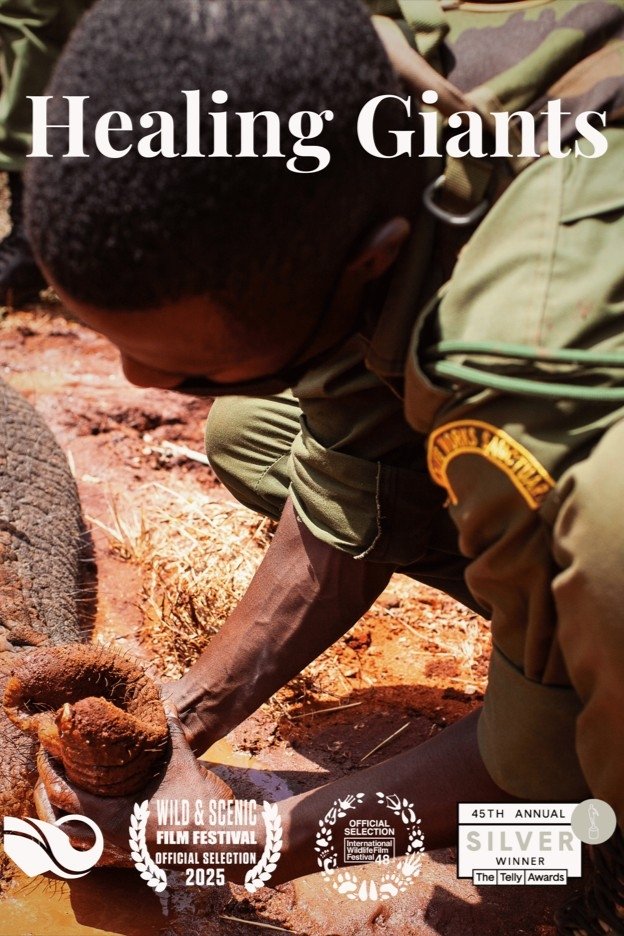
When a limping elephant is reported in the Kasigau Corridor REDD+ Project, conservation pilot Keith Hellyer springs into action. Alongside rangers and vets, he undertakes the dangerous task of locating, darting, and treating the injured animal - offering a lifeline in the face of human-wildlife conflict.
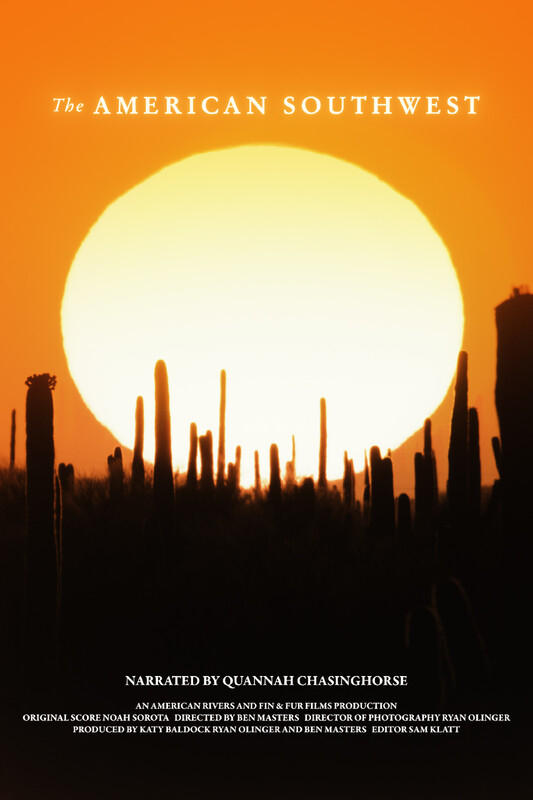
The American Southwest is a feature length blue chip natural history film narrated by indigenous environmentalist Quannah Chasinghorse. The movie journeys down the mighty Colorado River, examining the astonishing beauty and biodiversity of the region, while confronting the environmental destruction from dams and the perilous fate of the river. The story is told through never-before-seen wildlife sequences such as beavers building wetlands, condors recovering from the brink, and the potential return of Jaguars to American soil. The film beautifully advocates for better management of the river and increased wildlife conservation efforts in the iconic landscapes of The American Southwest.
Making of the film "Maputo Nakuzandza", by Ariadine Zampaulo.
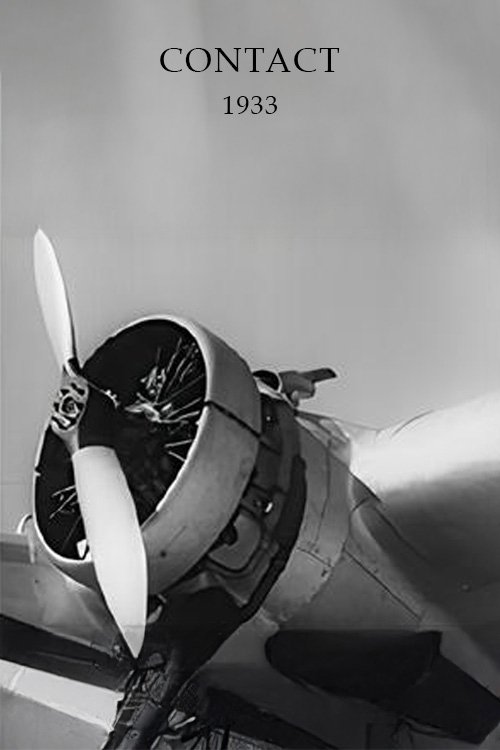
Documentary film promoting Imperial Airways, focusing on the many stages involved in air travel, with the majority of scenes featuring aerial shots from an aeroplane.
A kaleidoscopic snapshot of urban gay life during the gay liberation era — or at least how it looked in the movies.
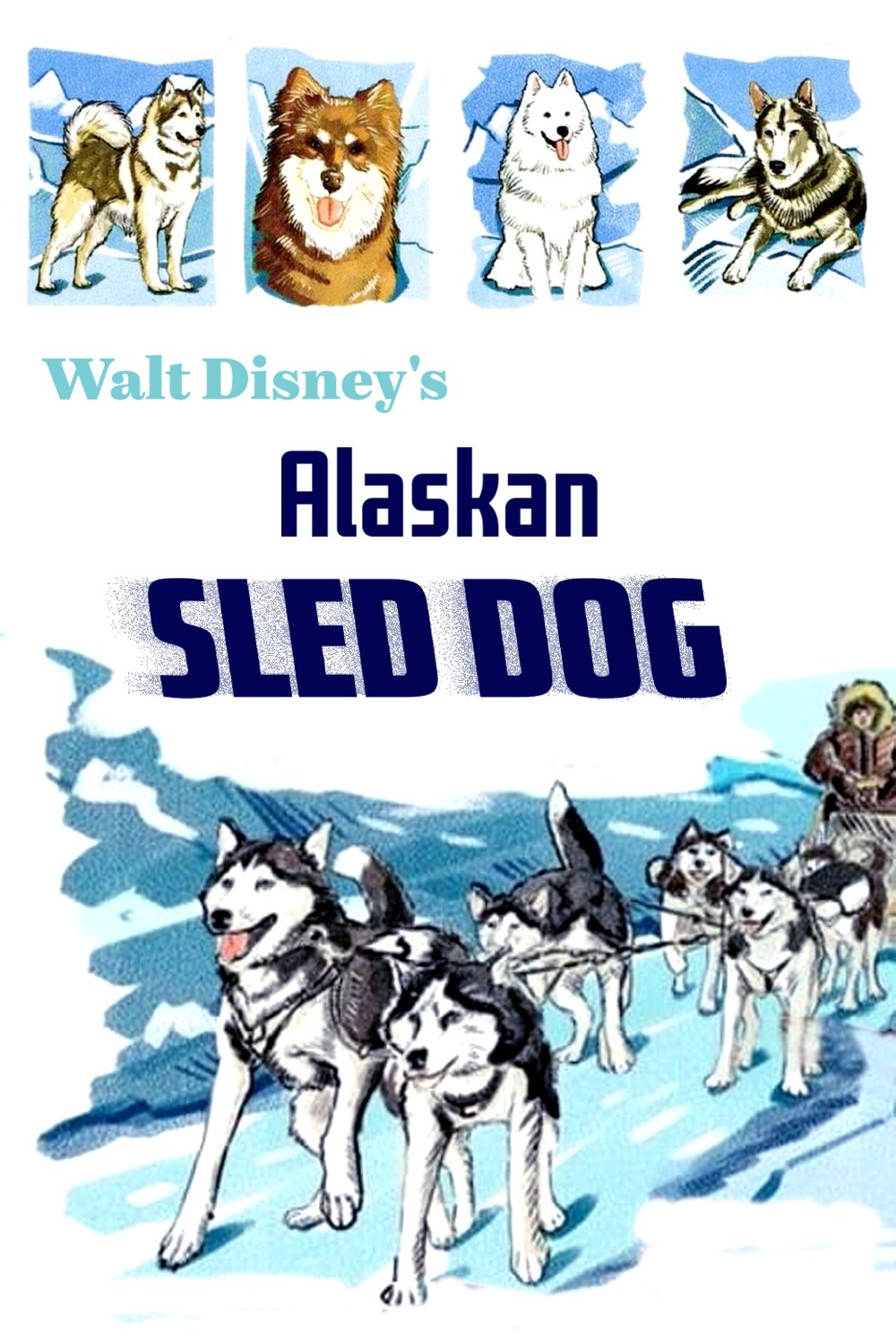
The story of an Eskimo father and son who train and groom a sled dog team. When the father is lost on an ice floe, the son takes the unproven team on the search, and succeeds in finding his father.
Behind-the-scenes retrospective on the cult classic horror film.
This short film presents a lively discussion between black and white youths at the interracial club in Halifax, touching on racial discrimination in employment, housing, education and interpersonal relations.
Delves into the history of the most extreme and shocking films that have ever been made. chronicles the timeline of Red Films: those films that are too extreme for the mainstream and historically have been circulated via the bootleg circuit.
Contrasting artistic visions, misplaced confidence and blatant ignorance collide on the backdrop of an increasingly fragile and divided world. Two stubborn Scottish filmmakers struggle to make a short film together in the Austrian Alps.
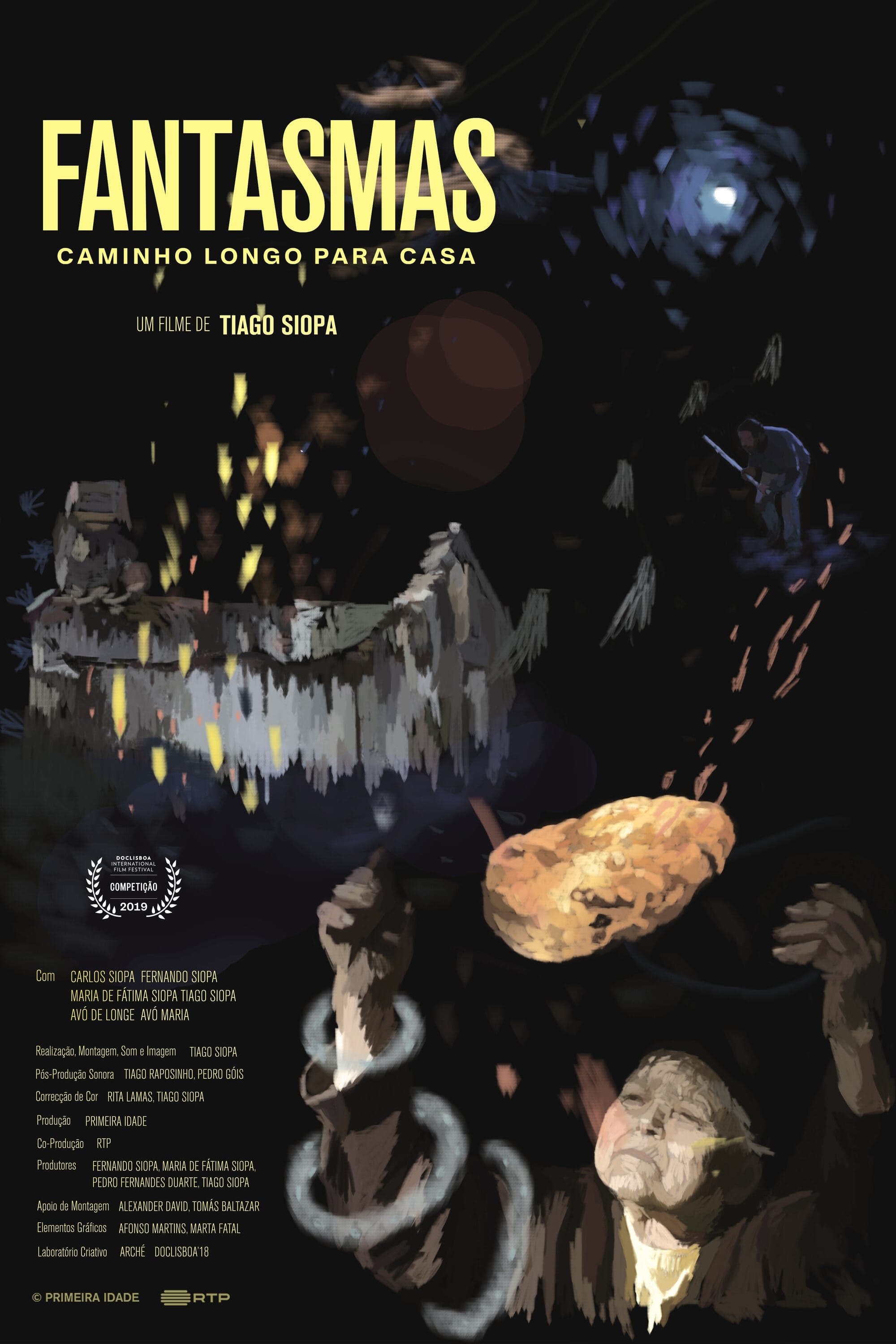
After a spell cast by Grandma Faraway, the oldest son of a small family encounters the ghost of his late Grandma Maria still living in her old house, and they chat as they used to.
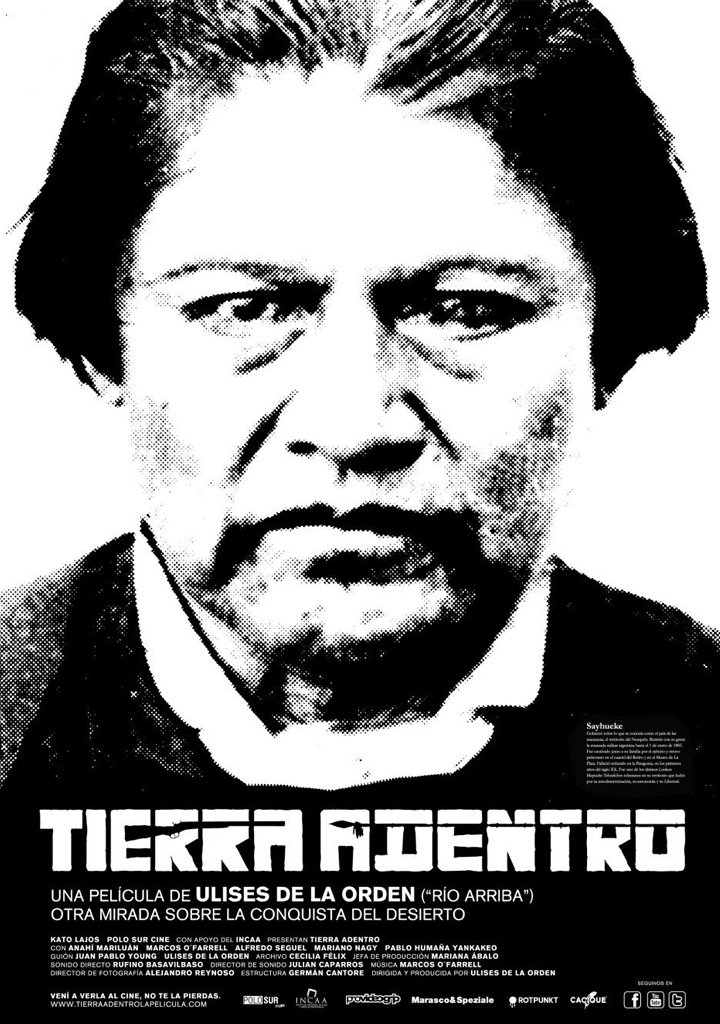
A young Mapuche from Bariloche claims his identity and his culture. A Guluche journalist travels through these territories trying to recover the memories of the elders about the war and the massacre of his people. A historian from Buenos Aires finds in the archives the documents that allow him to prove who financed the army and what they obtained in return.
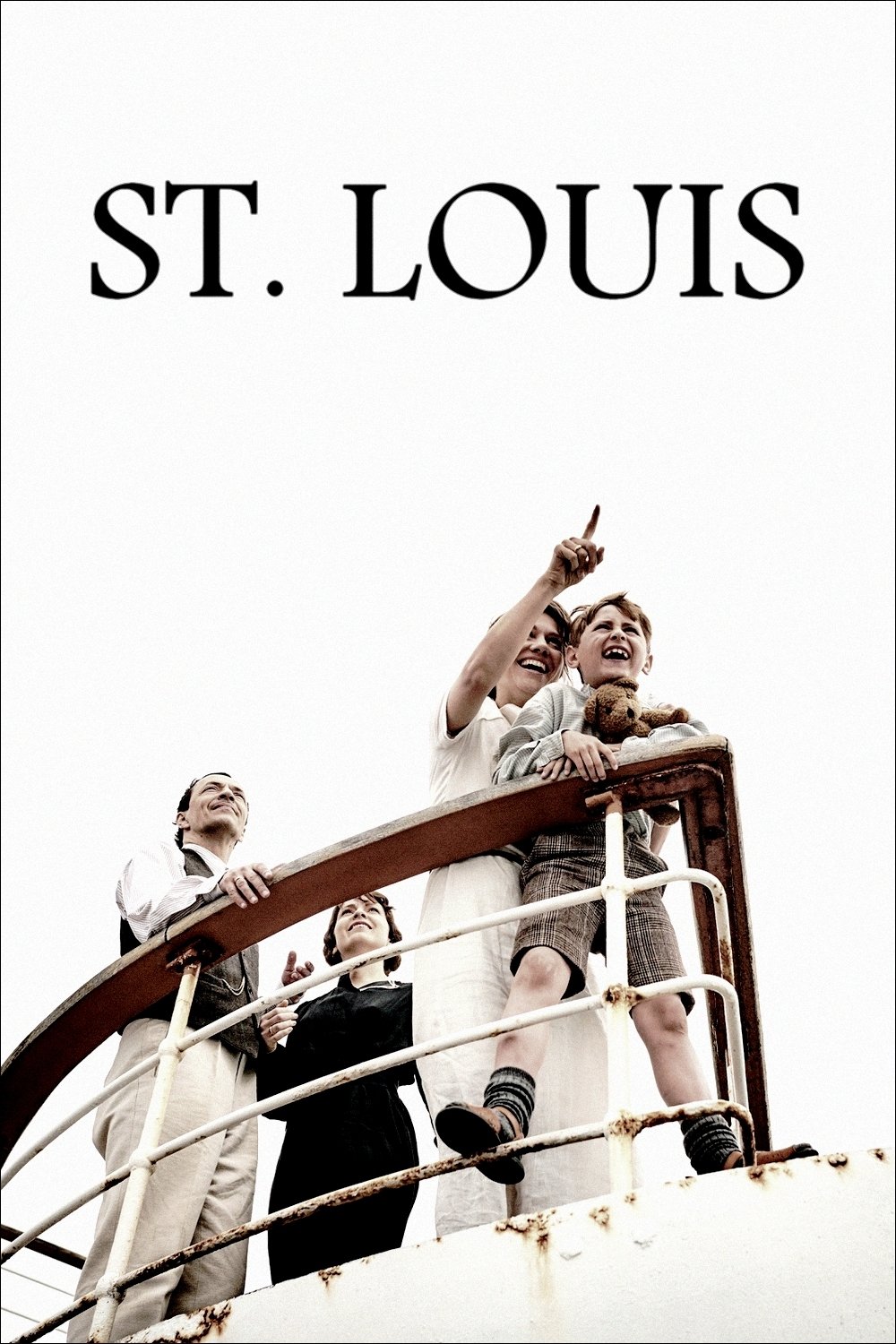
Hamburg, Germany, 1939. Getting a passage aboard the passenger liner St. Louis seems to be the last hope of salvation for more than nine hundred German Jews who, desperate to escape the atrocious persecution to which they are subjected by the Nazi regime, intend to emigrate to Cuba.
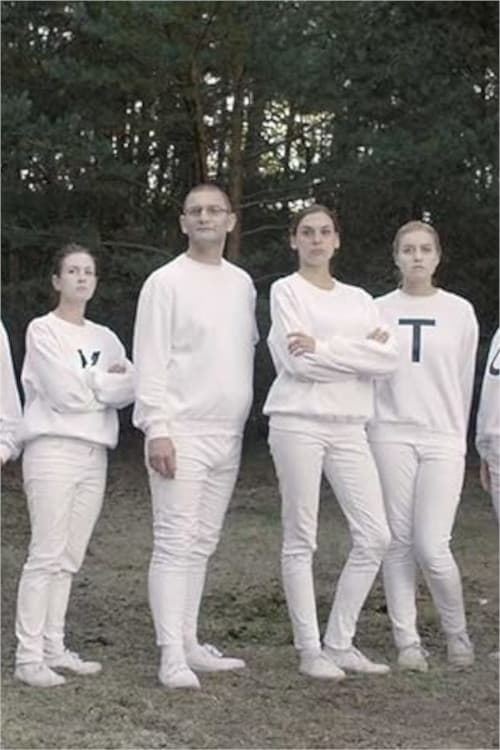
Last Year in Utopia documents an experimental set-up: a staged group media experiment, isolated from the outside world, is reconstructed on the site where the original events unfolded. The boundaries between autonomy and heteronomy dissolve in new role assignments as the film makes the power structure behind the artificially created utopia visible.