Social & External
The people behind it
Jerry Zwane
Himself
Seipati Qhooba
Herself
Venter Teele Rashaba
Tshidiso Mokoena
Tells the stories of four students who are turning their lives around at the Ithuteng Trust School.
Ballet by the Lake: The Wilderness Ballet Camp in Ontario's Algonquin Park. Dancing on the Rockies: The Banff School of Fine Arts ballet class practises out of doors.
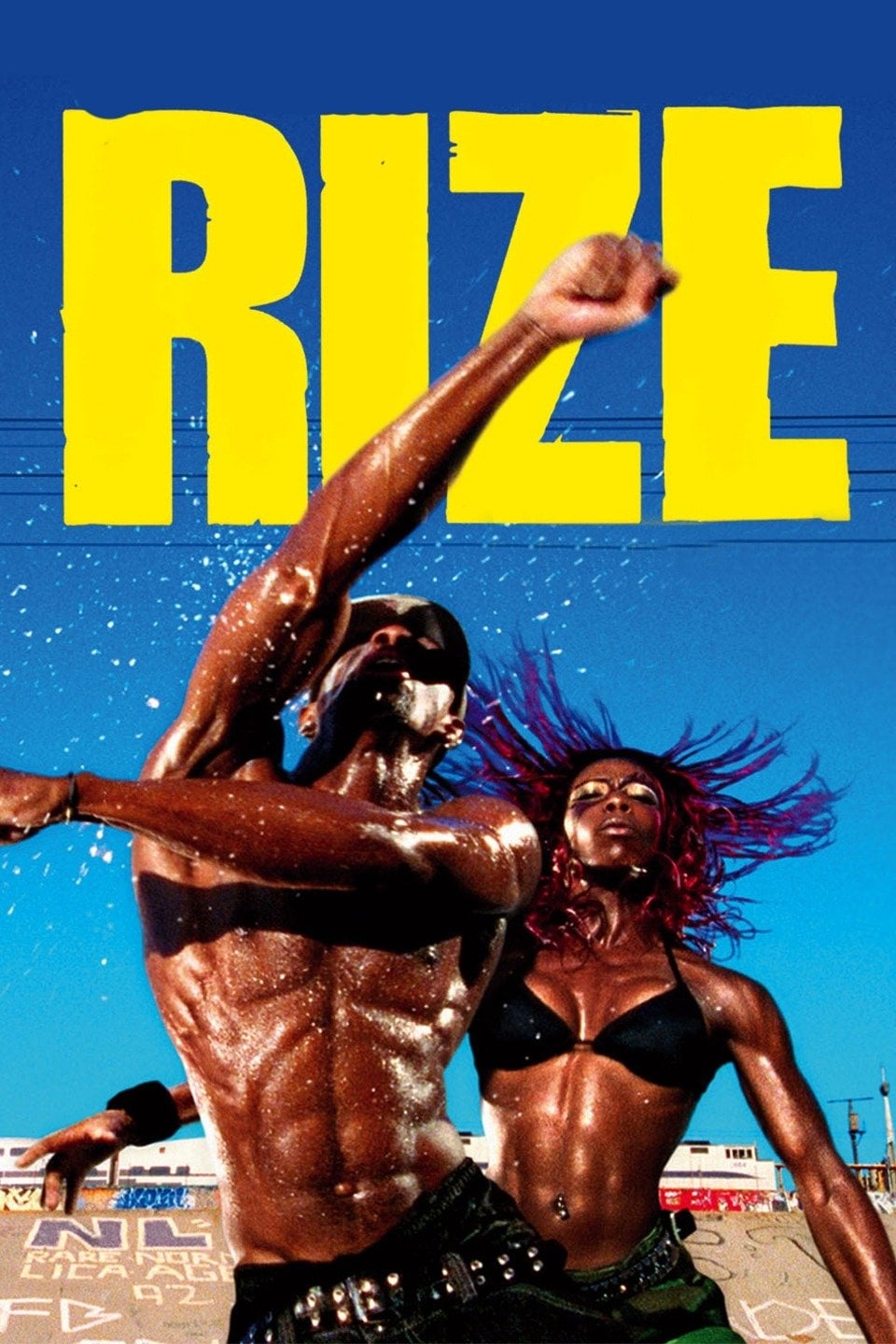
A documentary film that highlights two street derived dance styles, Clowning and Krumping, that came out of the low income neighborhoods of L.A.. Director David LaChapelle interviews each dance crew about how their unique dances evolved. A new and positive activity away from the drugs, guns, and gangs that ruled their neighborhood. A raw film about a growing sub-culture movements in America.
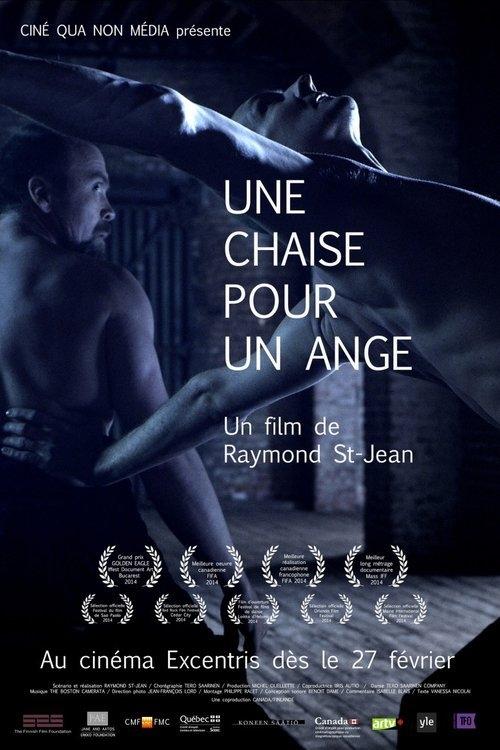
For two hundred years, the Shakers have been America's most successful utopian society. While seeking harmony, order and perfection in every aspect of their lives, they built minimalistic furniture and buildings that influenced modern design. The Shakers wrote songs of exquisite beauty and danced to the point of ecstasy during their religious meetings. Inspired by this music and dance, choreographer Tero Saarinen created Borrowed Light, a dance piece about communal life and individual sacrifice. Shot in Finland and the United States, featuring interviews and excerpts from Borrowed Light, this documentary explore the cultural legacy of this religious group devoted to creating heaven on earth.
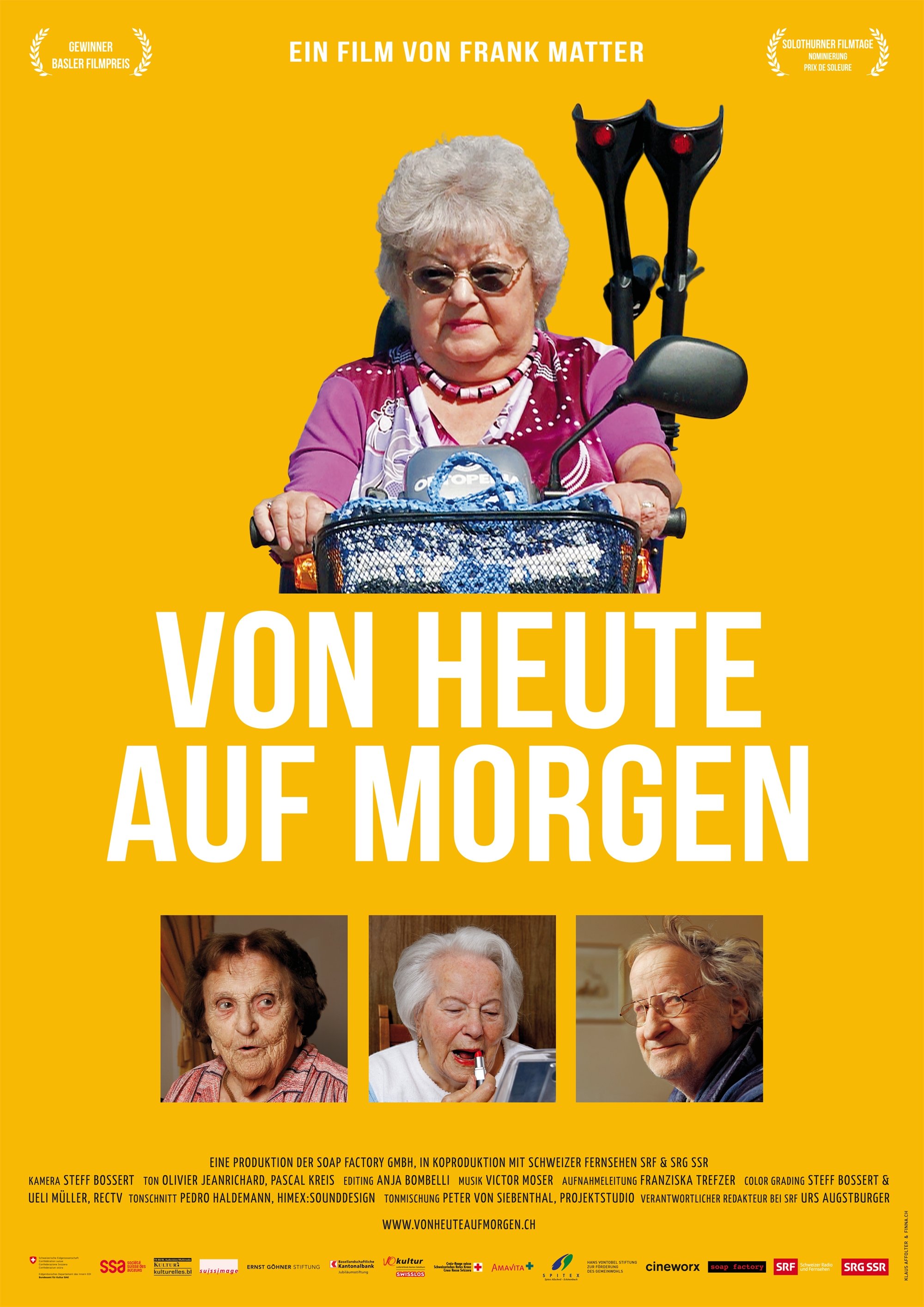
'From One Day To The Next' follows four elderly people through their everyday lives, observing how they cope with a gradual loss of autonomy.
Out of State is the unlikely story of native Hawaiians men discovering their native culture as prisoners in the desert of Arizona, 3,000 miles, and across the ocean, from their island home.
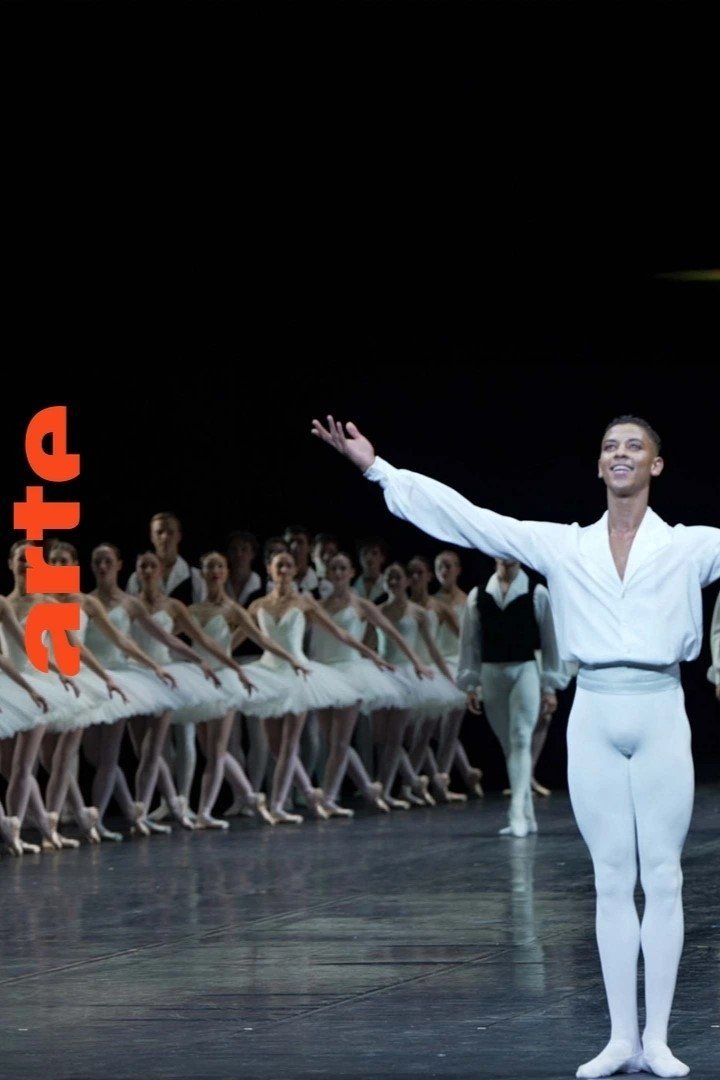
At age 20, Guillaume Diop risked his career to sign a manifesto against racism at the Paris Opera. But just three years later, he was named a Danseur Étoile — a star dancer — in the Paris Opera Ballet, one of the world’s most prestigious companies. As the first Black Danseur Étoile, Guillaume is thrust into becoming a role model and a national symbol for diversity. But, as YOUNG, BLACK AND GIFTED shows us, in intimate conversations with family and friends, he sometimes questions whether he is ready for this responsibility.
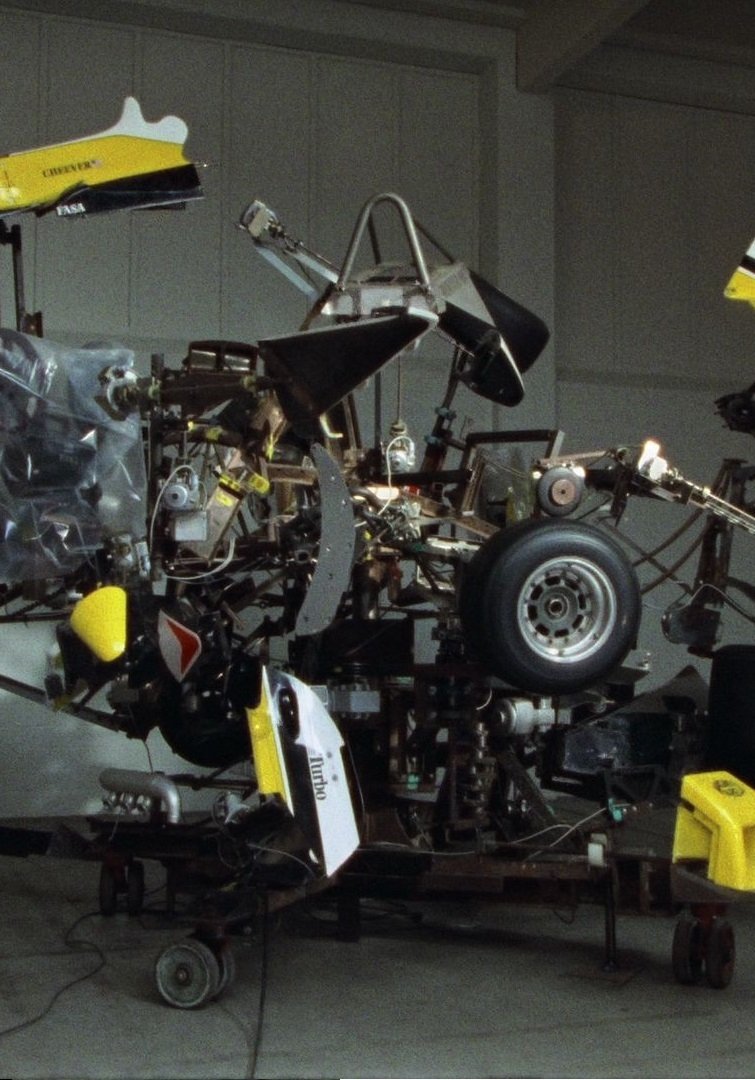
The Jean Tinguely Museum in Basel, Switzerland, designed by Mario Botta, opened in 1996, five years after the Swiss sculptor's death. META MECANO is a poetic depiction of the genesis of this mono-graphic museum, from the builders' first plans and Mario Botta's designs to its construction and the assembly of Tinguely's fragile mobile sculptures. In interviews with Mario Botta, Tinguely's wife Niki de Saint Phalle, museum director Pontus Hultén and Tinguely himself, the film goes on to explore the mission of museums and of art in general today. META MECANO is a unique document on the significance of the artist Jean Tinguely and on the role that museums play in our day and age.
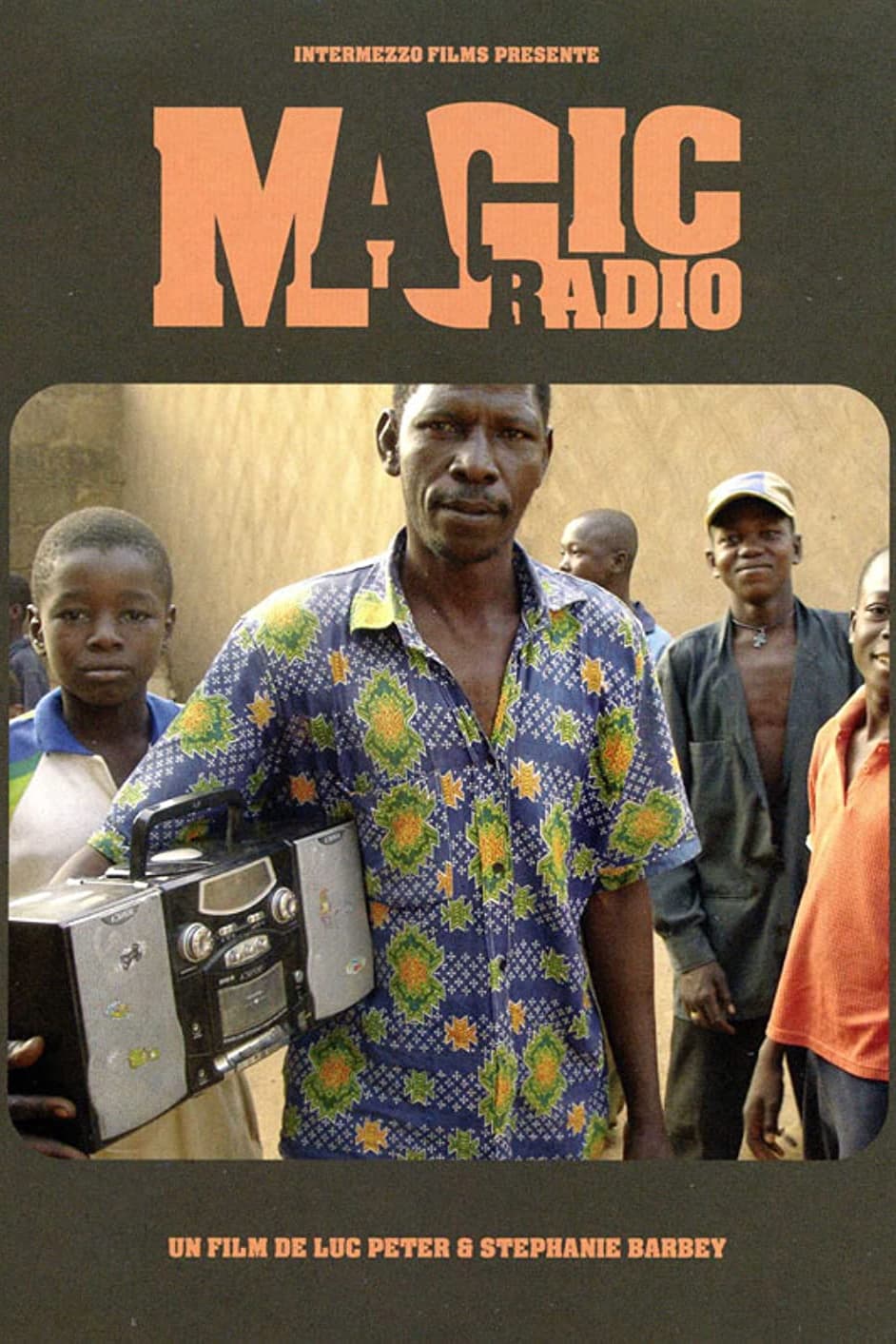
Radios echo across Niger, connecting lives through news, music, and debate. This gripping doc explores how this everyday device becomes a lifeline in a changing nation.
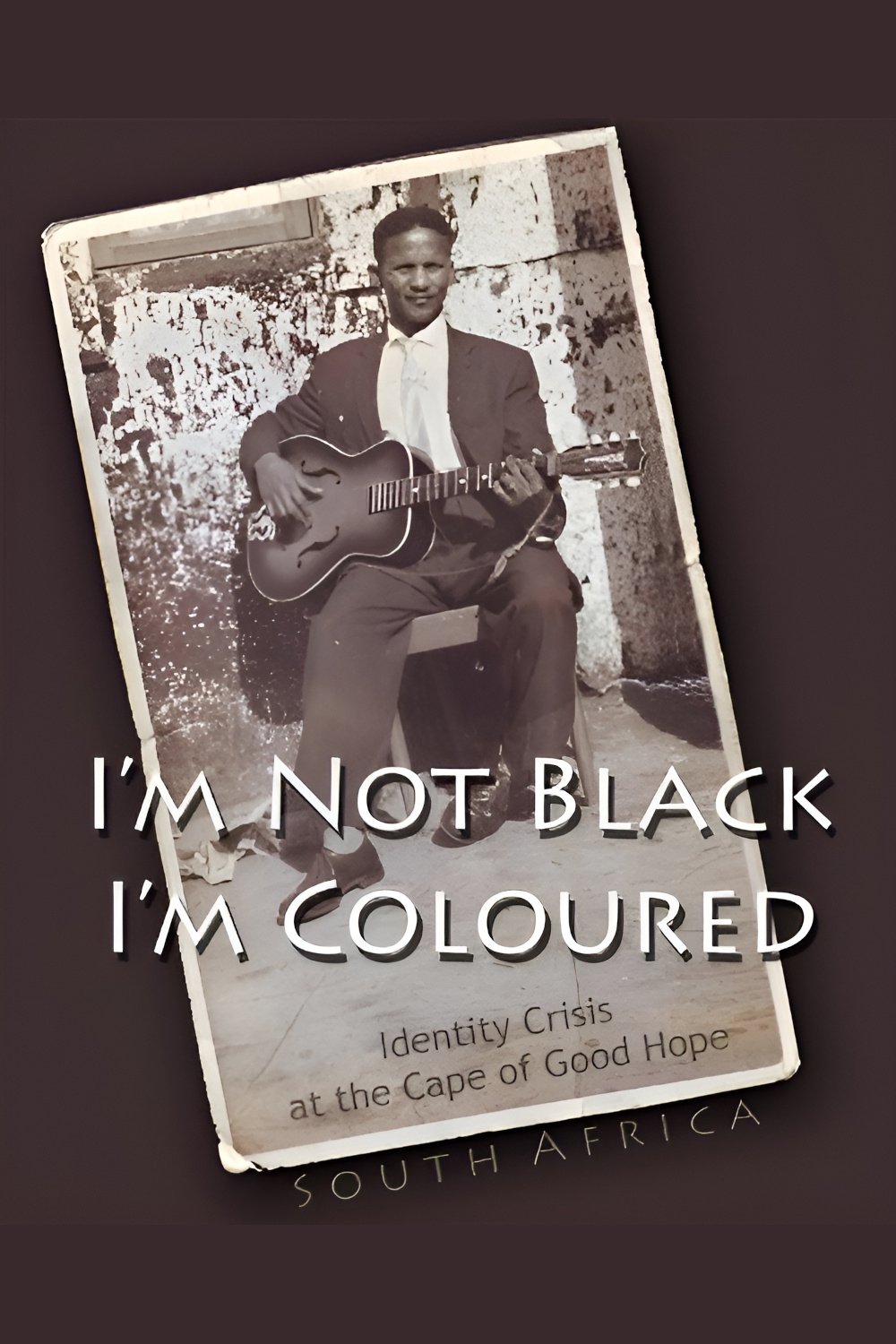
In the wake of one of the worst social experiments in the history of mankind, 'I'm not Black, I'm Coloured' is one of the first documentary films to look at the legacy of Apartheid from the viewpoint of the Cape Coloured. A people who in 1994, embraced the concept of Desmond Tutu's all encompassing 'rainbow nation', but soon thereafter realized that freedom, privilege, economic growth and equality would not include them. A people who for more than 350 years has been disregarded, ignored, belittled, and stripped of anything they can call their own enduring a complex psychological oppression and identity crisis unparalleled in South African history.
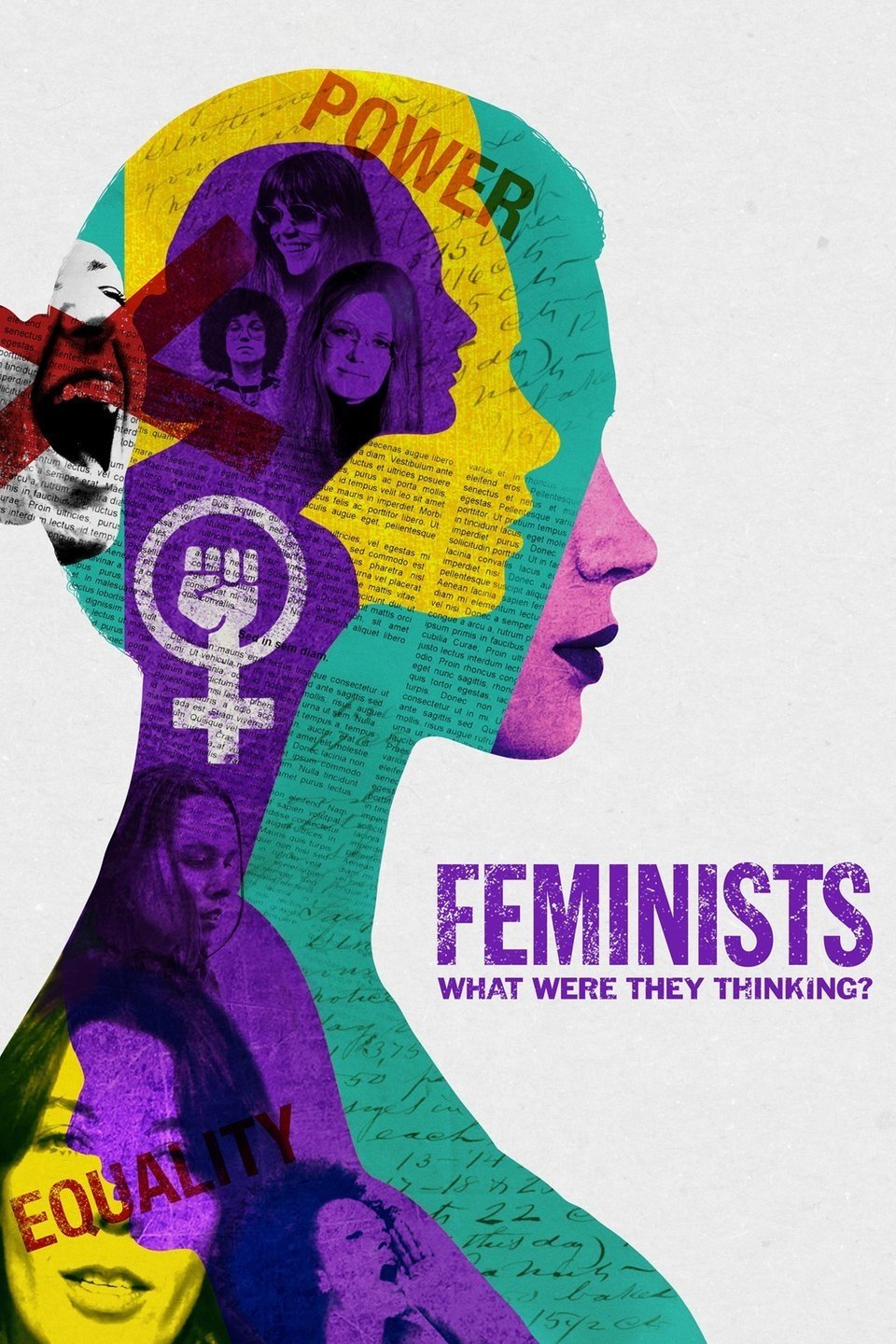
In 1977, a book of photographs captured an awakening - women shedding the cultural restrictions of their childhoods and embracing their full humanity. This documentary revisits those photos, those women and those times and takes aim at our culture today that alarmingly shows the need for continued change.
A documentary on the expletive's origin, why it offends some people so deeply, and what can be gained from its use.
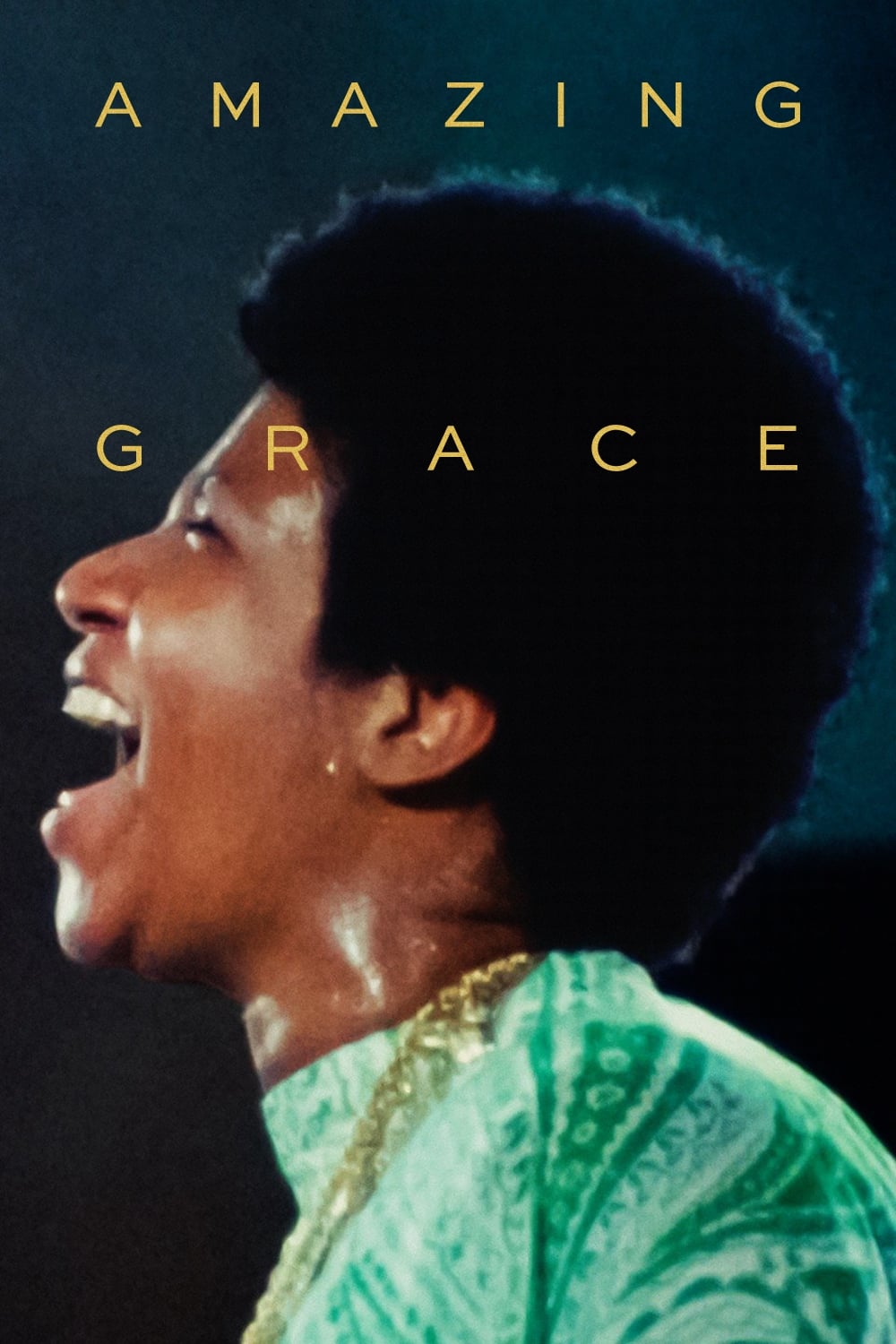
A behind-the-scenes documentary about the recording of Aretha Franklin's best-selling album finally sees the light of day more than four decades after the original footage was shot.
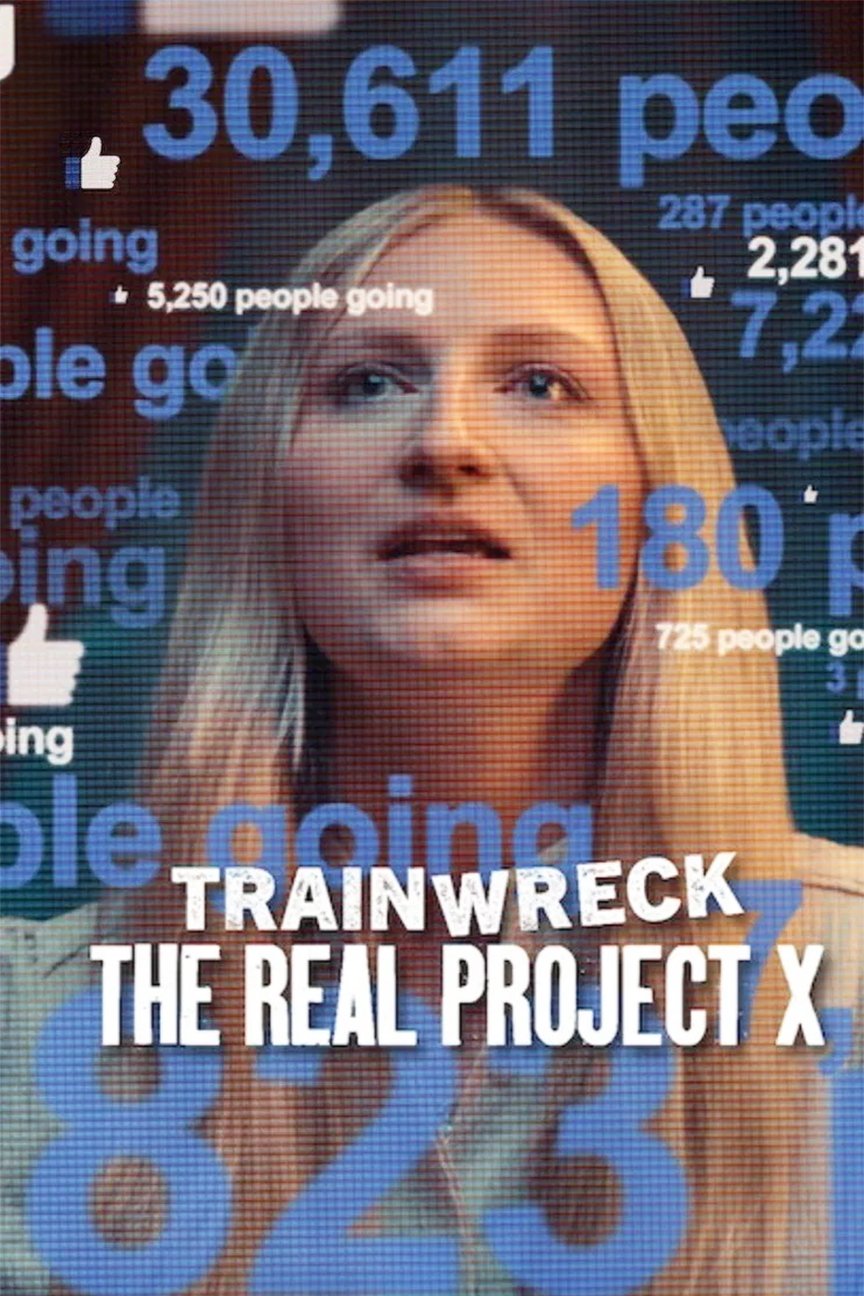
A night of drunken chaos rocks a quiet Dutch town in this shocking documentary about a teen's birthday invite that accidentally went viral on Facebook.
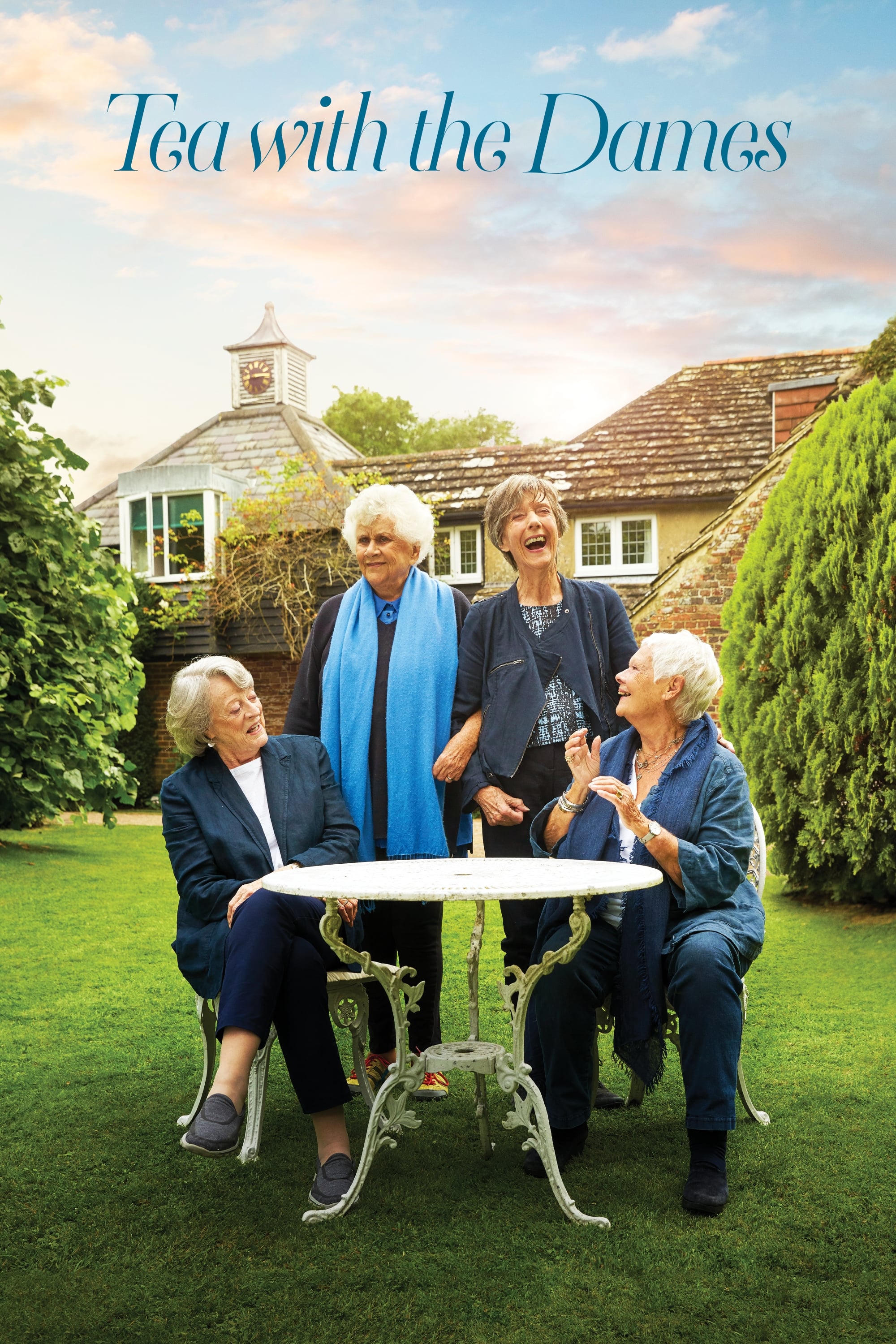
BBC Arena's documentary on the Dames of British Theatre and film featuring Maggie Smith, Eileen Atkins, Judi Dench and Joan Plowright on screen together for the first time as they reminisce over a long summer weekend in a house Joan once shared with Sir Laurence Olivier.
In an intimate and joyful story of love in the face of loss, celebrated poets Andrea Gibson and Megan Falley find strength—and unexpected hilarity—in what might be their final year together.
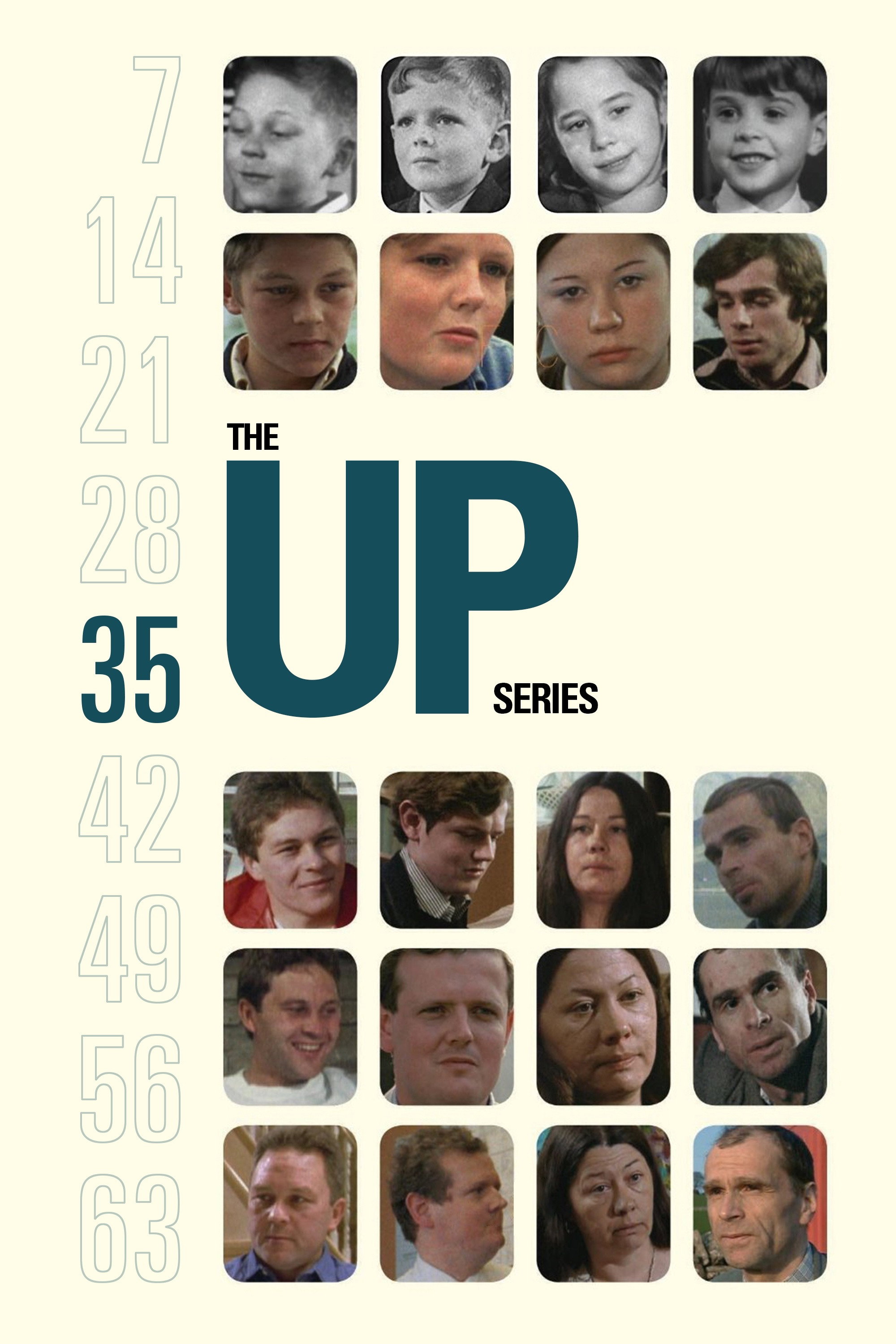
Director Michael Apted revisits the same group of British-born adults after a 7 year wait. The subjects are interviewed as to the changes that have occurred in their lives during the last seven years.
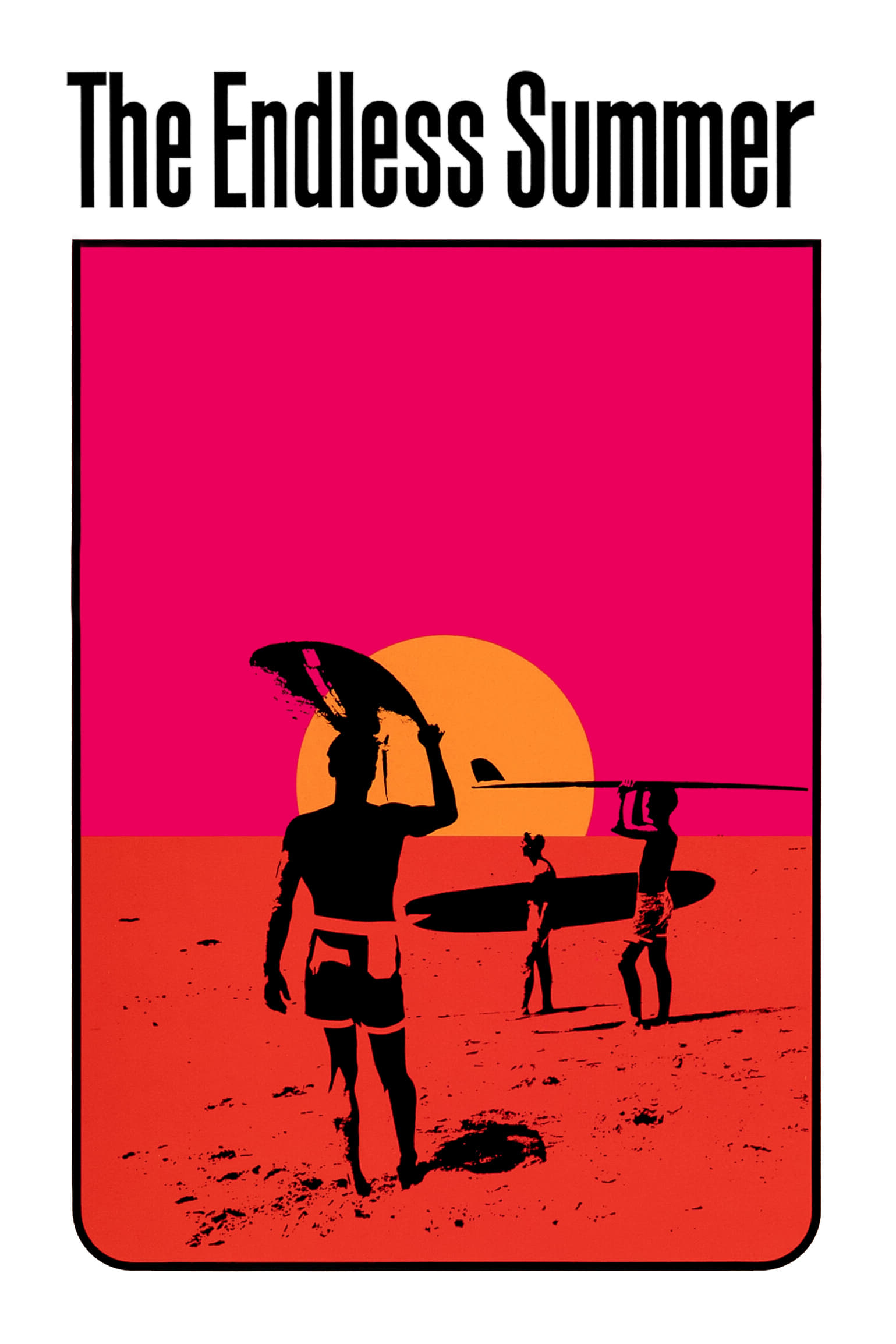
Bruce Brown's The Endless Summer is one of the first and most influential surf movies of all time. The film documents American surfers Mike Hynson and Robert August as they travel the world during California’s winter (which, back in 1965 was off-season for surfing) in search of the perfect wave and ultimately, an endless summer.
A visual montage portrait of our contemporary world dominated by globalized technology and violence.
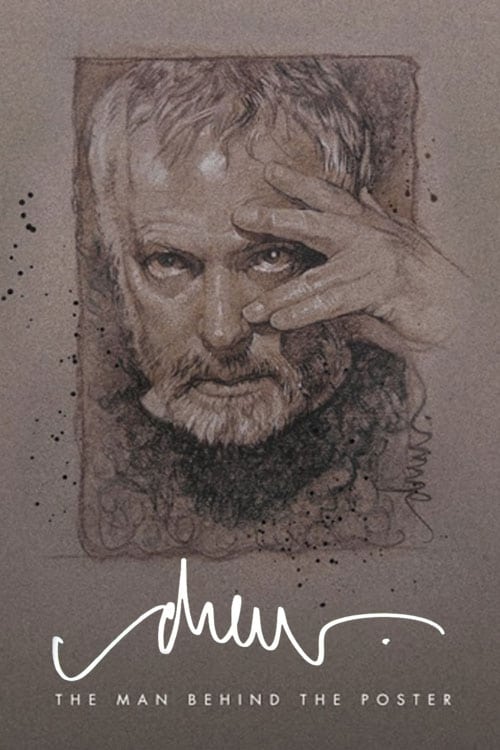
A documentary on legendary movie-poster artist Drew Struzan.
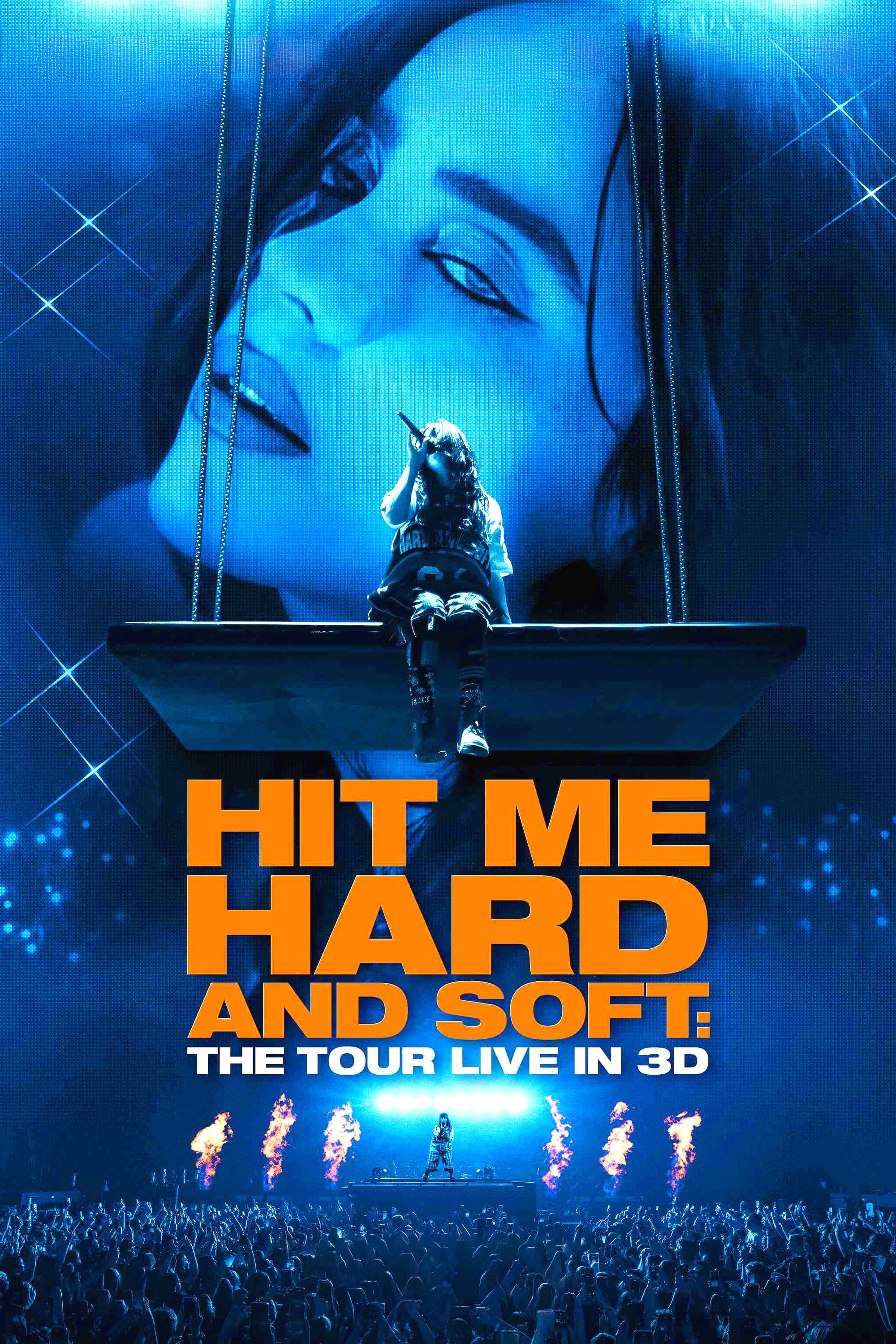
Captured during Billie Eilish's sold-out world tour, a concert experience from one of the most celebrated and successful artists of her generation, presented in immersive 3D.
A documentary about how a dominant cultural and demographic institution both sustains their traditional activities and adapts to the digital revolution.
Musician and performance artist Laurie Anderson reflects on the deaths of her husband Lou Reed, her mother and her beloved dog.
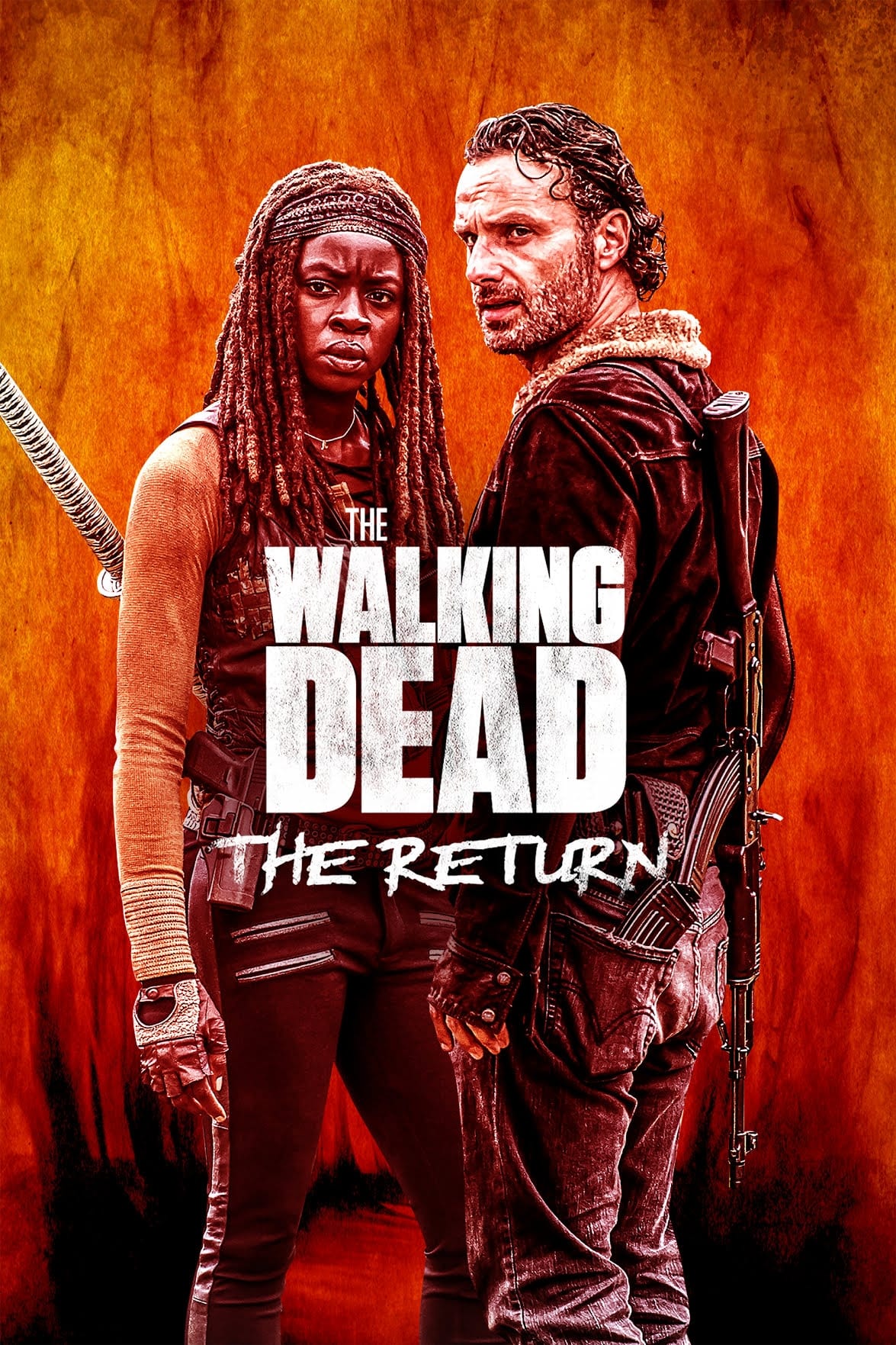
Stars of "The Walking Dead," Andrew Lincoln and Danai Gurira, walk down memory lane and visit iconic locations where pivotal moments between their characters, Rick and Michonne, were filmed.
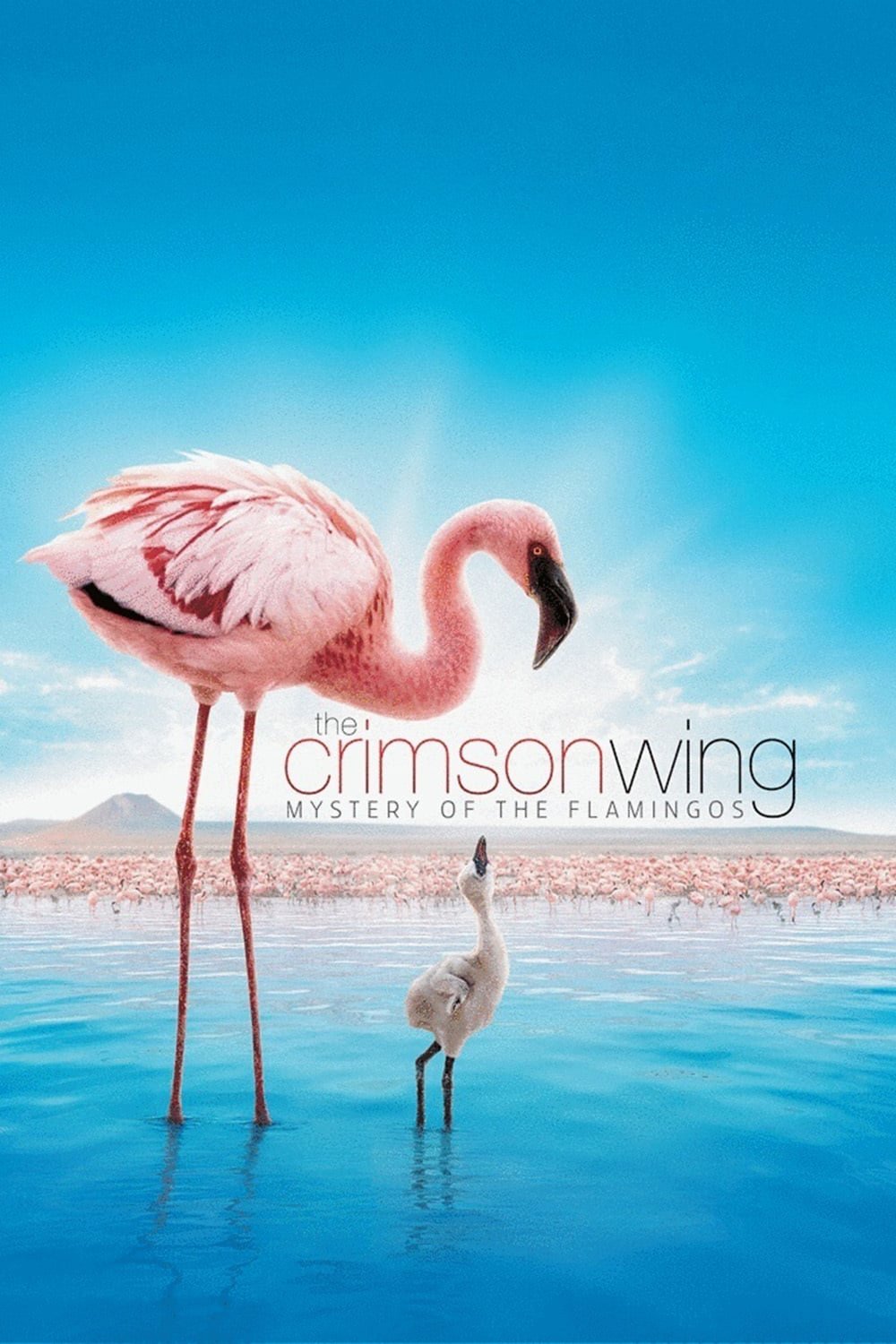
In the remote and forgotten wilderness of Lake Natron, in northern Tanzania, one of nature's last great mysteries unfolds: the birth, life and death of a million crimson-winged flamingos.
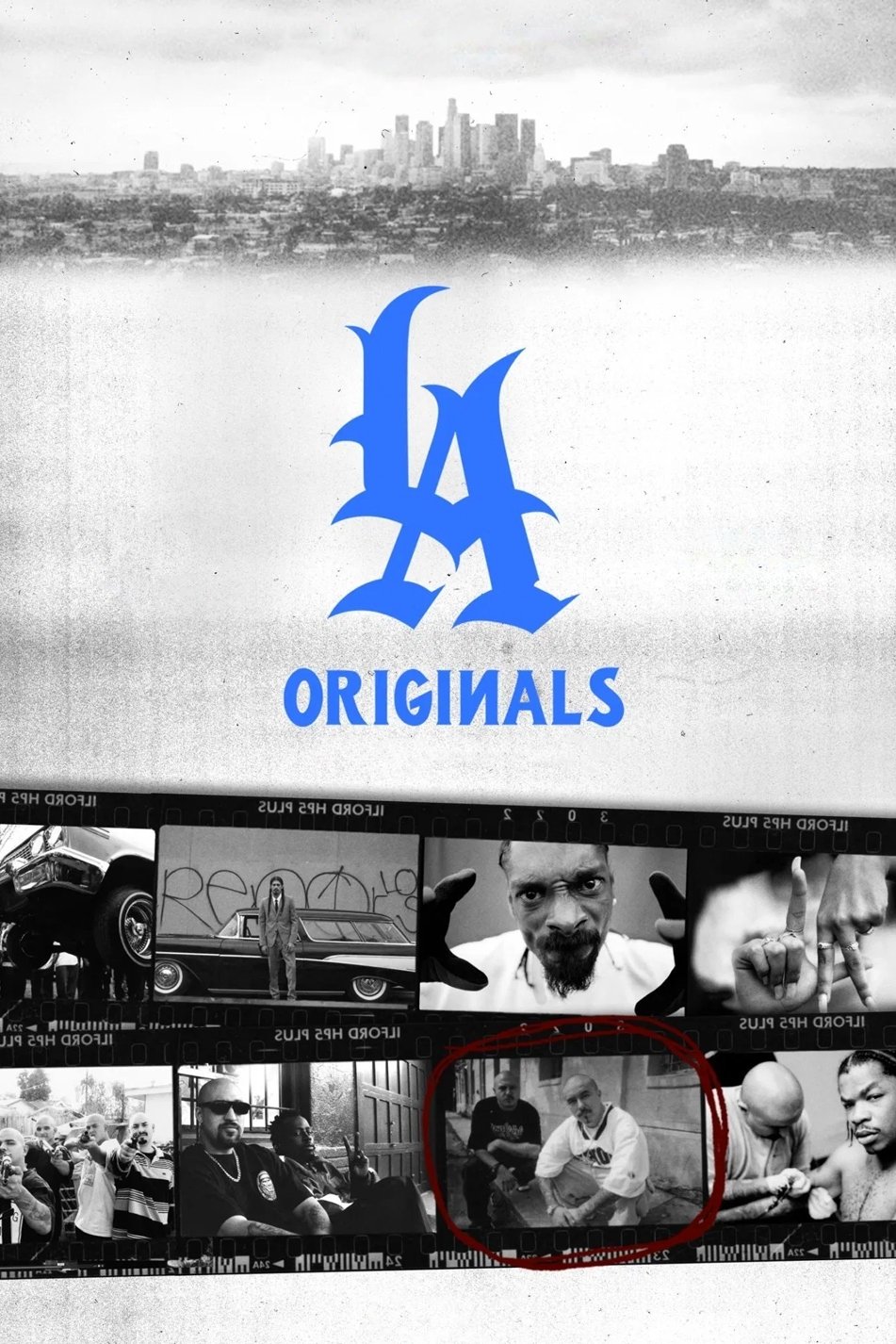
Photographer Estevan Oriol and artist Mister Cartoon turned their Chicano roots into gritty art, impacting street culture, hip hop and beyond.
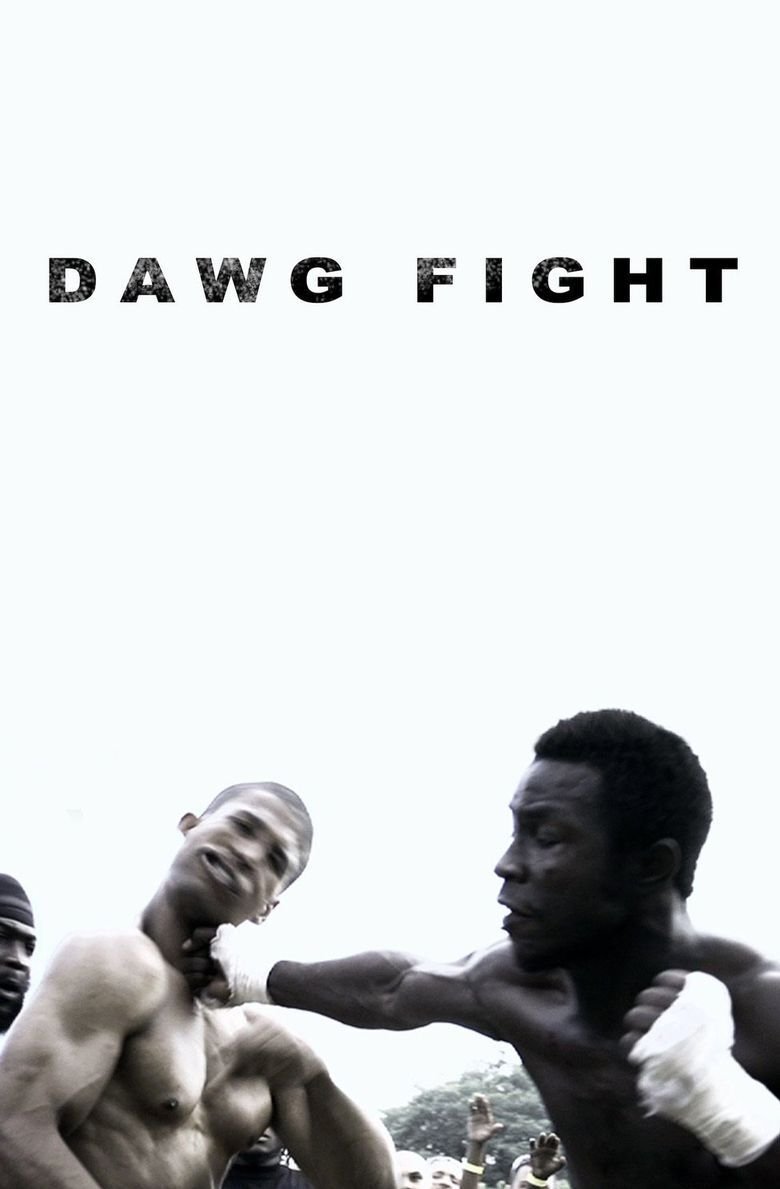
In a crime-plagued neighborhood near Miami, brutal, bare-knuckled backyard fights give young men a chance to earn money -- and self-respect.
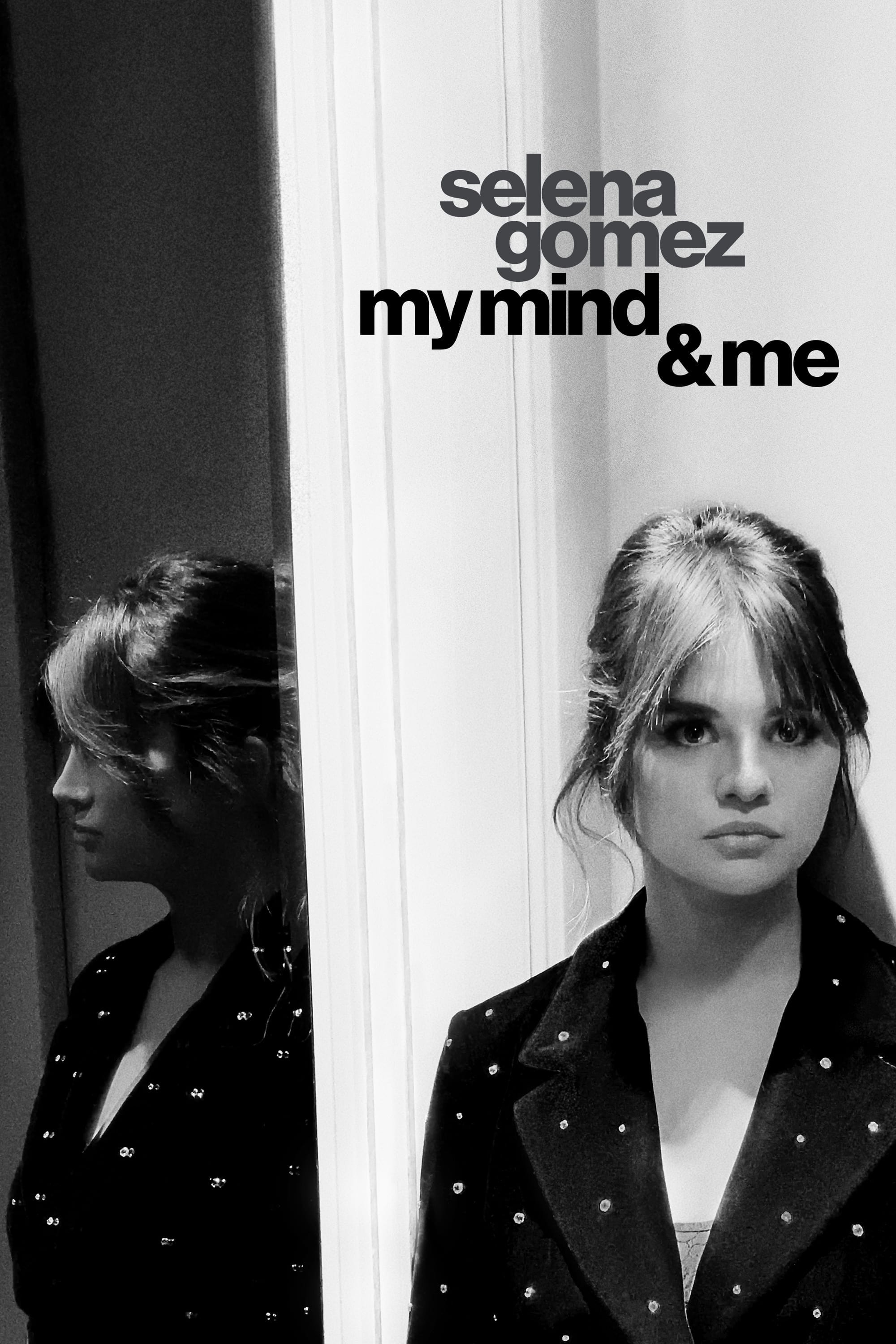
After years in the limelight, Selena Gomez achieves unimaginable stardom. But just as she reaches a new peak, an unexpected turn pulls her into darkness. This uniquely raw and intimate documentary spans her six-year journey into a new light.
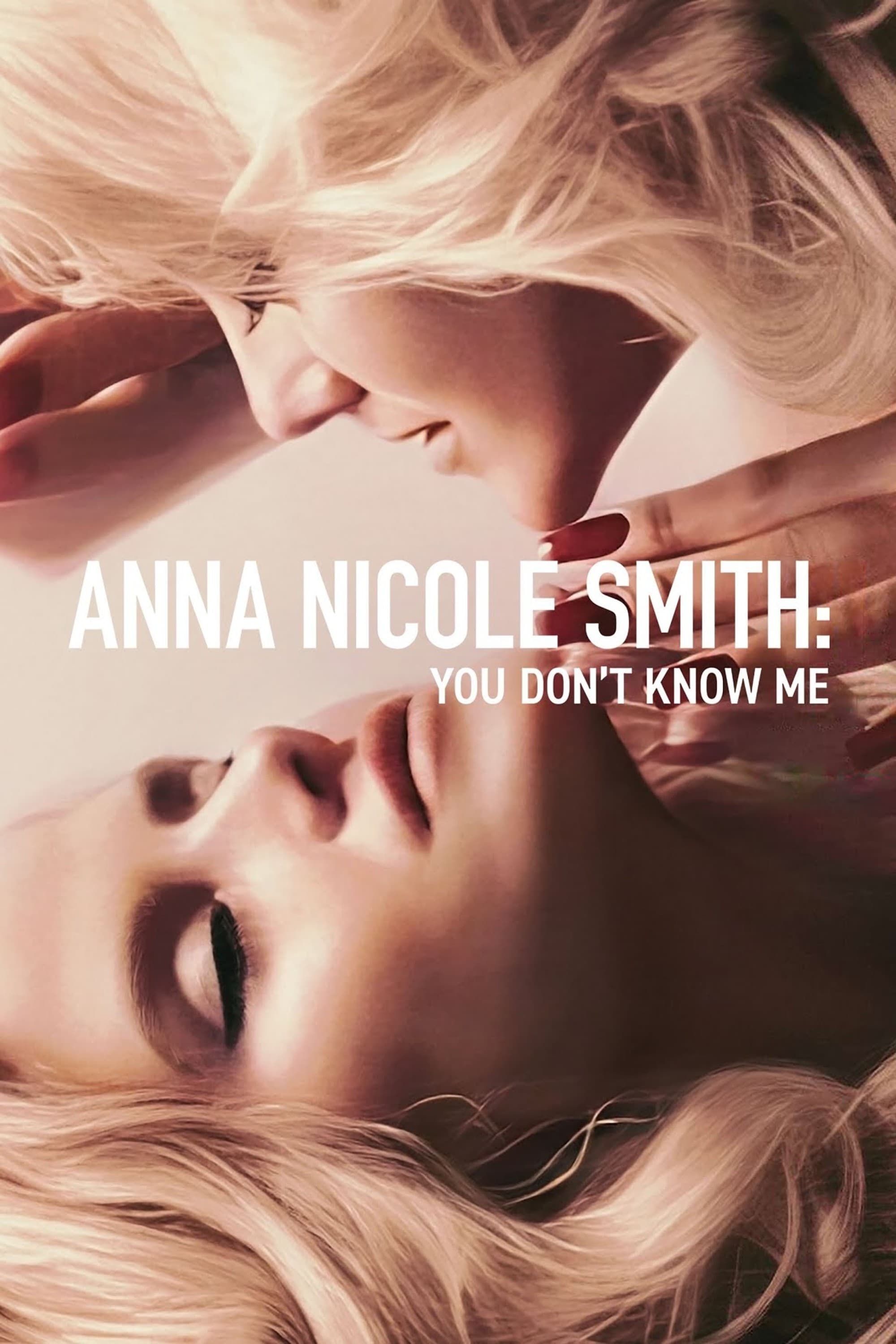
From the heights of her modeling fame to her tragic death, this documentary reveals Anna Nicole Smith through the eyes of the people closest to her.