Social & External
The people behind it
Sara Carracelas
Ella misma
Eva Ngui
Raquel Acinas
Teresa Perales
Cristina Campos
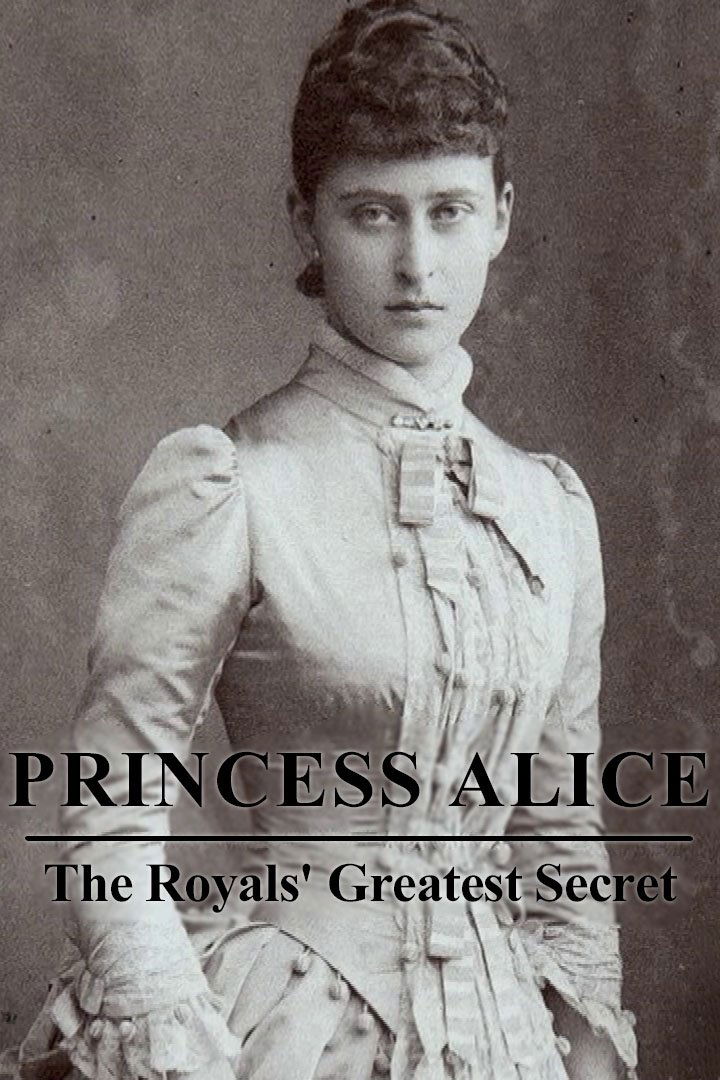
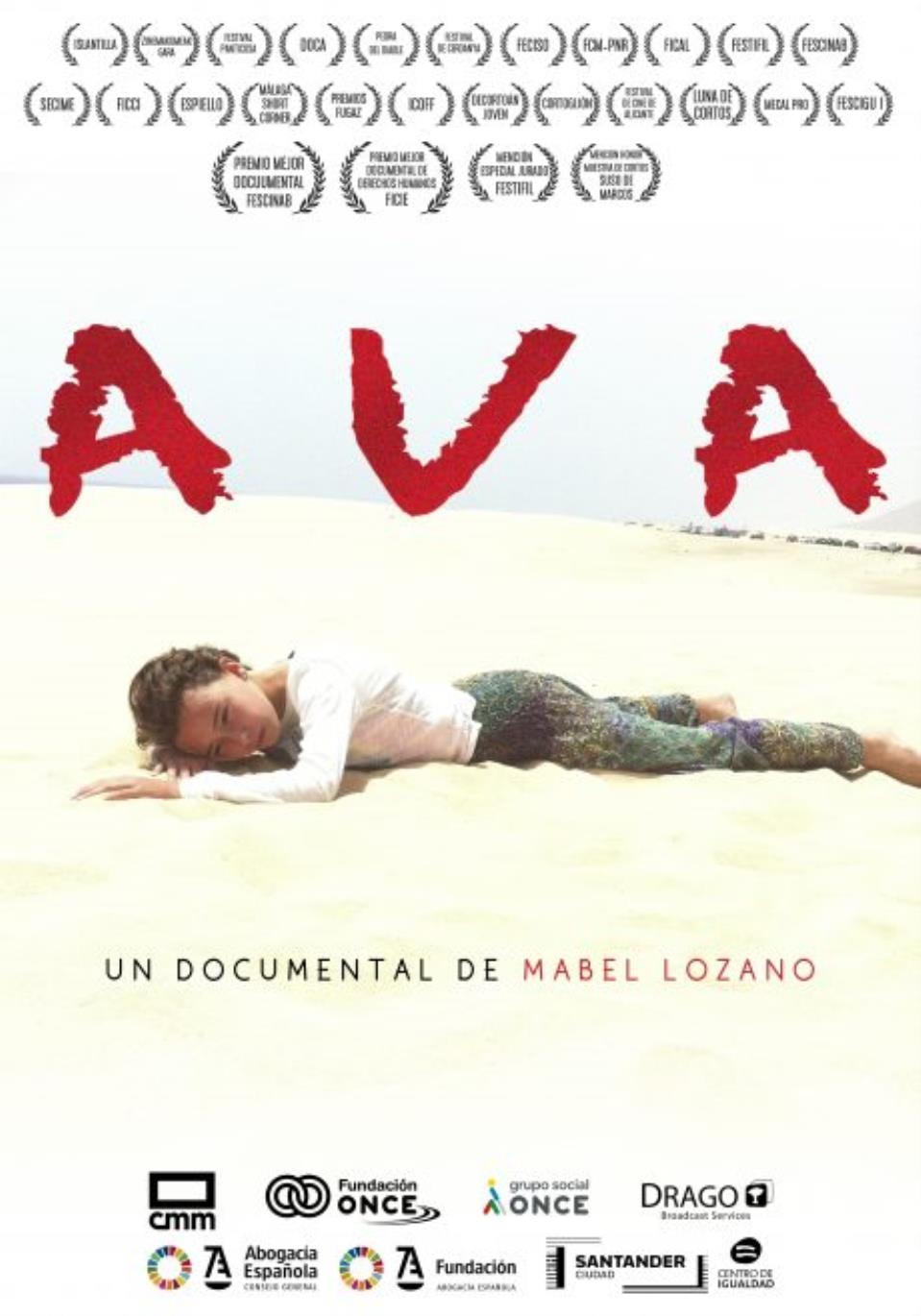
The life of Princess Alice of Battenberg, Queen Victoria's great-granddaughter, Prince Andrew of Greece's wife and Queen Elizabeth II's mother-in-law. Born deaf, she faced tremendous hardships but found solace in faith and charity work.
An award-winning, ground-breaking TV documentary dealing sensitively with the topic of sex and intimacy within the disabled community.
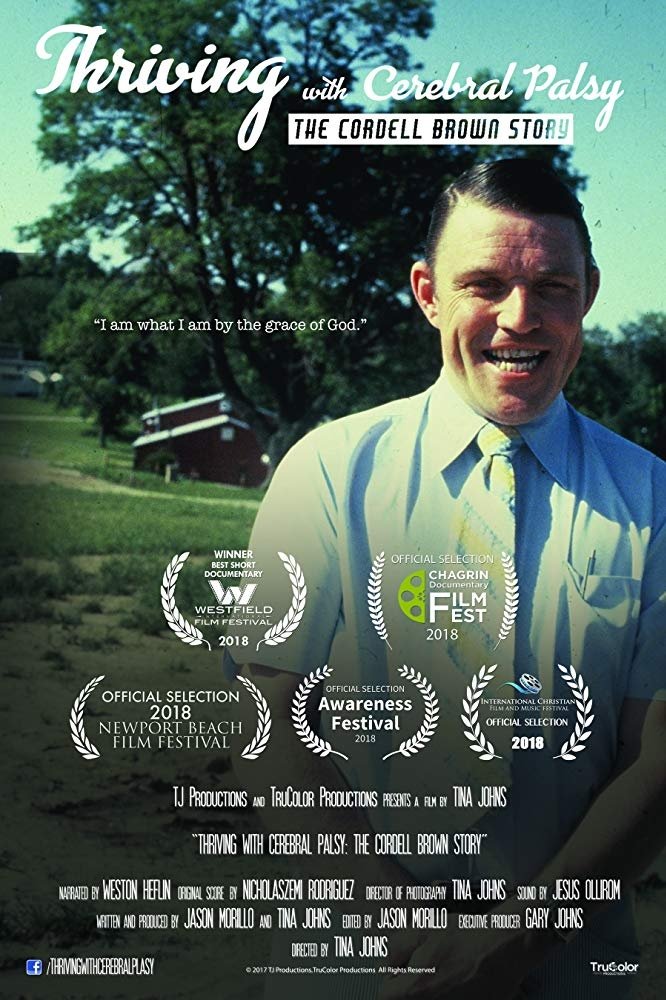
This documentary chronicles the inspirational story of a man who would not accept "no" for an answer. Born with cerebral palsy, Cordell Brown faced many challenges and most believed he would amount to nothing. Despite the odds stacked against him, Cordell proves that with heartfelt determination he can make a difference in the world.
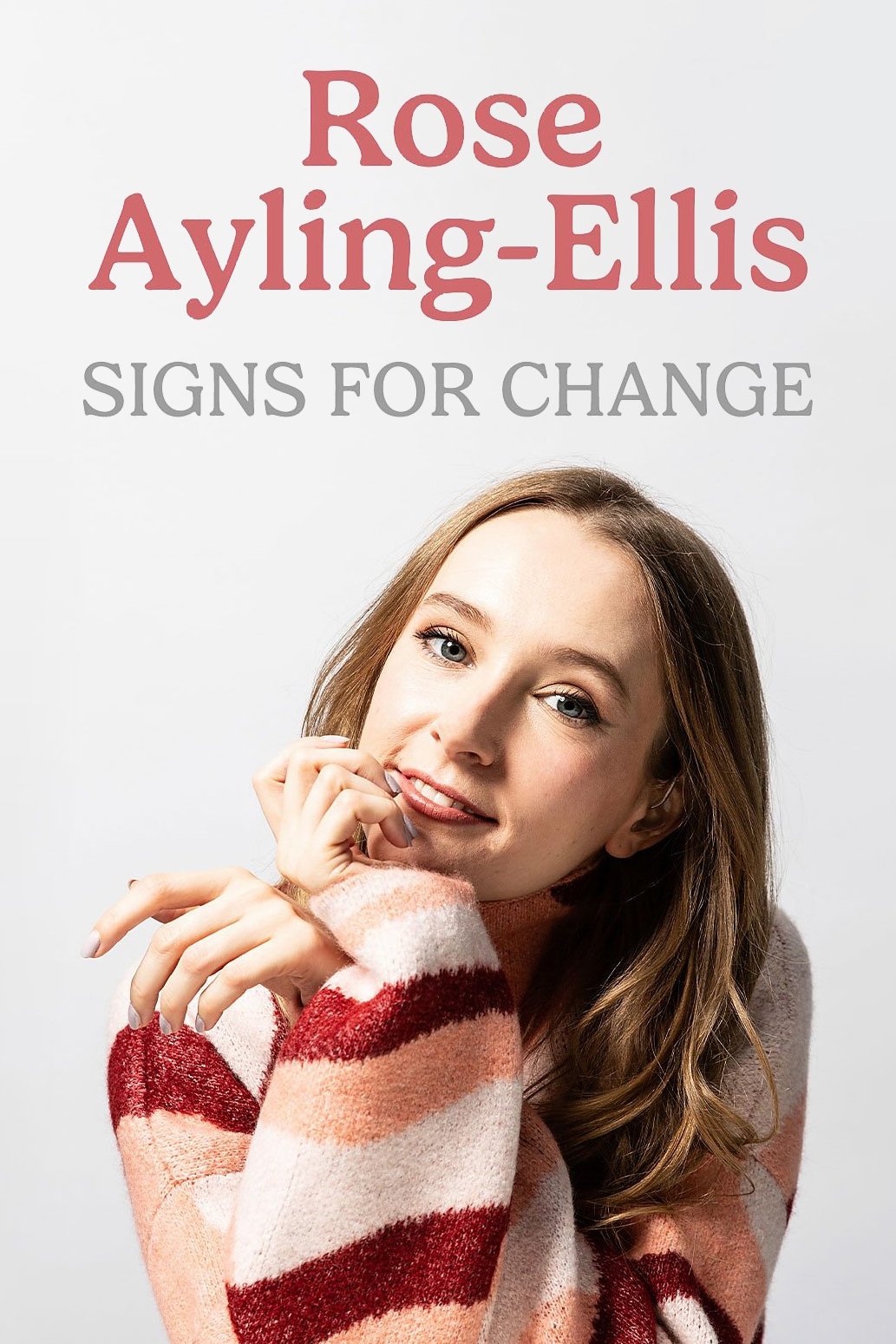
Actress and Strictly Come Dancing 2021 winner Rose Ayling-Ellis reveals the daily challenges, discrimination, and barriers which are faced by deaf individuals.
Nao, who was born with a disability, was once told, "She won't live long." However, Nao has now turned 50 years old. Raised by her family and her community, and in turn, raising her family and community over the years... This is a human documentary spanning 50 years, dedicated to observing and cherishing the essence of "life."
Edgar, a thirty-something documentary filmmaker diagnosed with OCD, films his routine as he recounts his past and present dealing with this disorder. He has always been supported by the people in his close circle. However, he has never met someone with the same condition, someone who also goes through this mental seesaw. We will meet a young magician and the mother of a boy with OCD, all touched by the same condition and its various faces. Edgar will seek answers to questions that constantly haunt his mind, such as: How on earth have they been able to understand their minds? How have they overcome the various obstacles? And if they have overcome them at all.
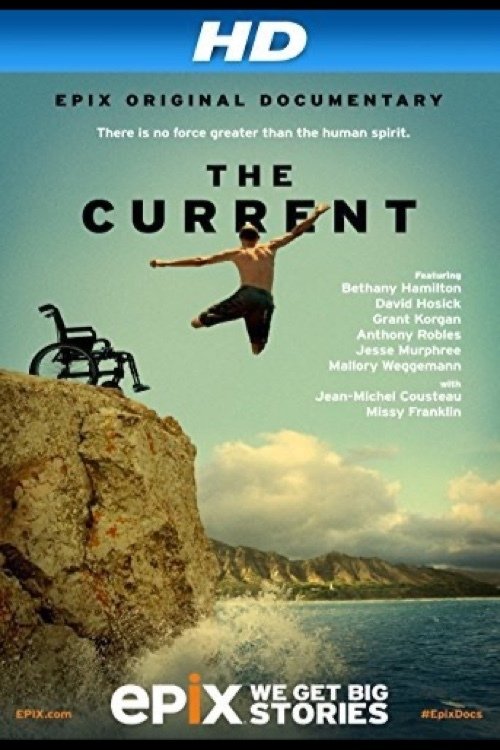
The story of individuals from all walks of life that have faced incredible obstacles, found the drive to overcome their disabilities, and have through water sports become real everyday heroes.
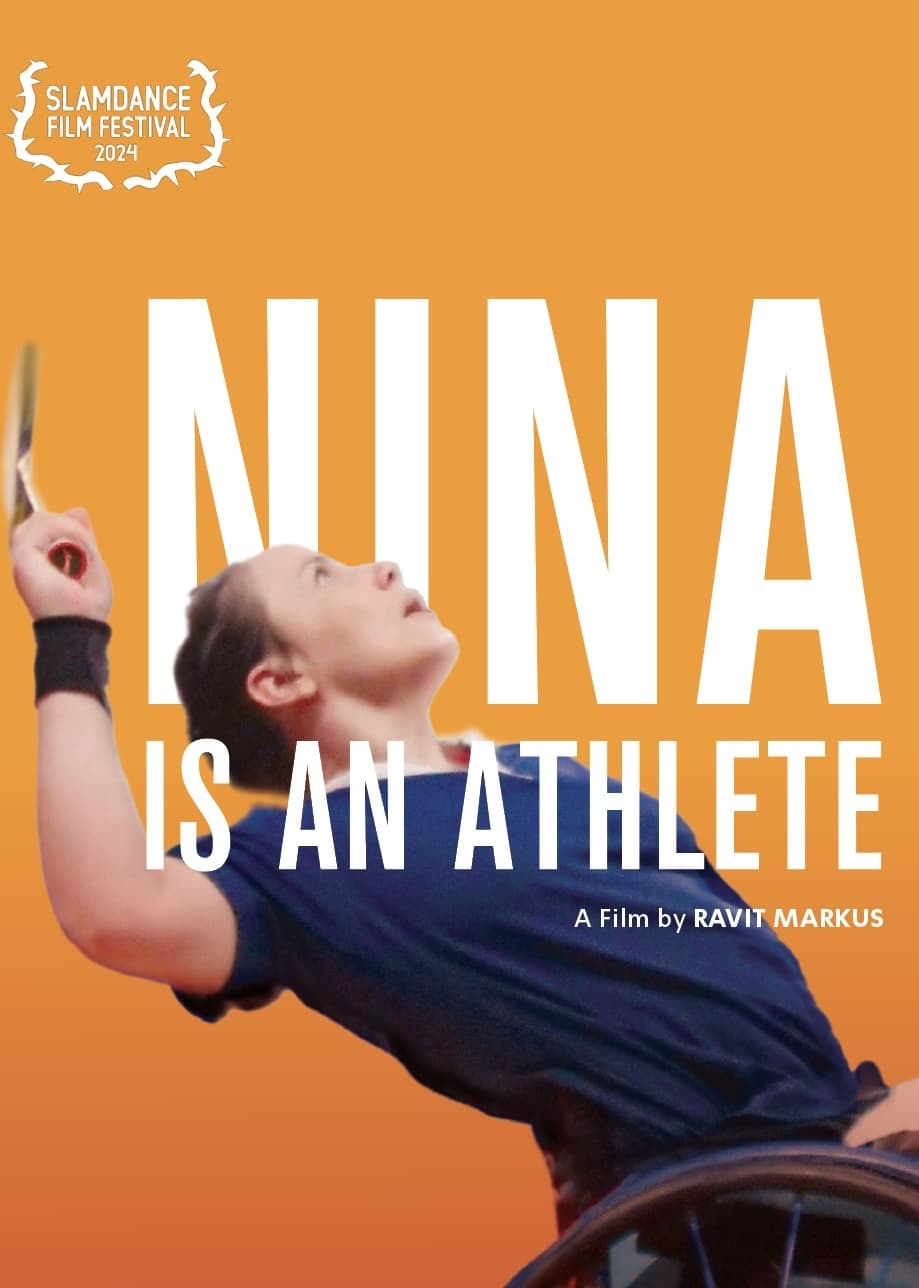
On the cusp of turning 40, wheelchair badminton champion Nina Gorodetsky, has her first and maybe last, chance to participate in the Paralympics. However, she is negotiating a ticking biological clock both as a mother and as an athlete. What would she be willing to sacrifice to realize her Olympic dream?
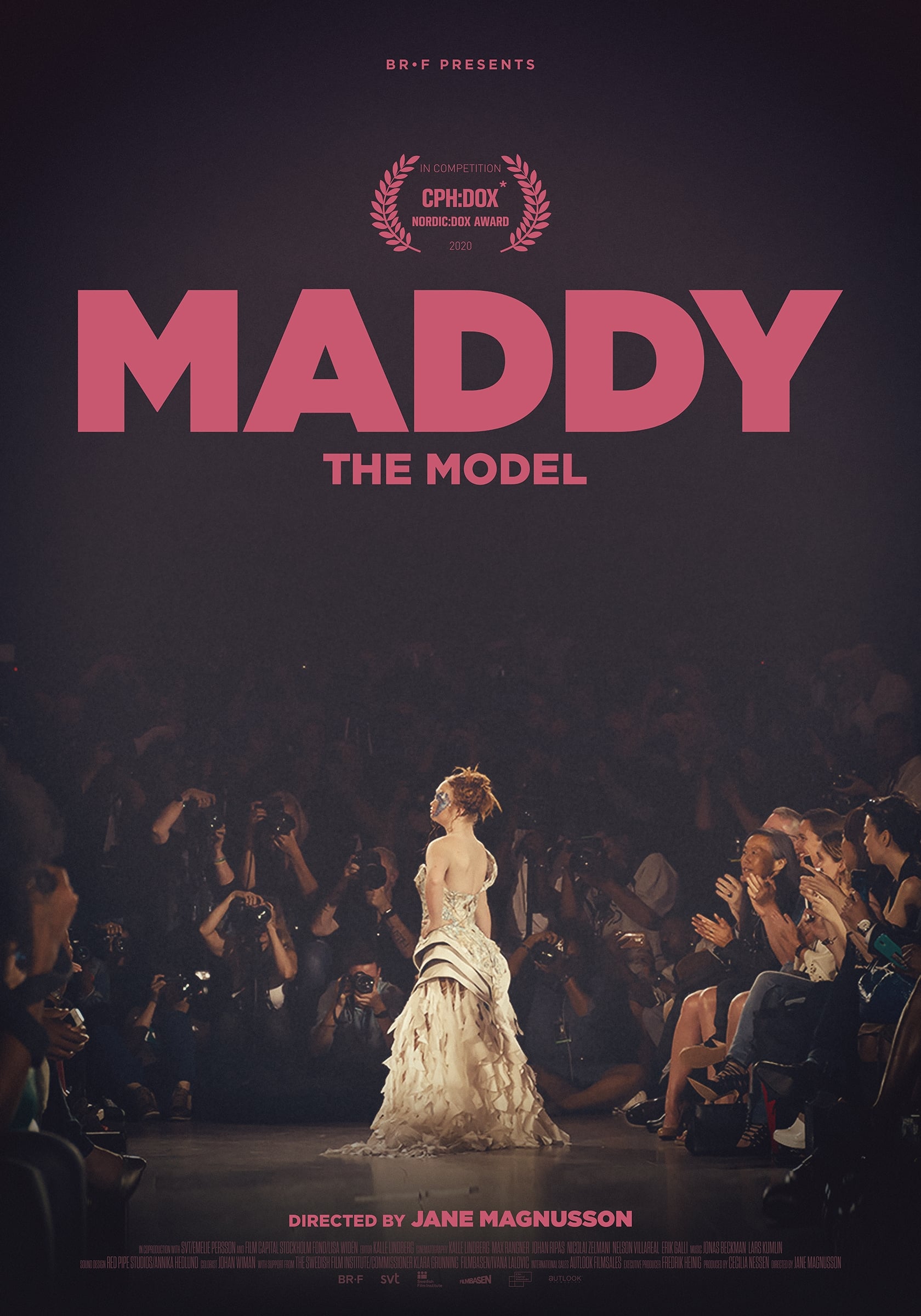
Madeline Stuart is a fashion celebrity who has walked the runway at the New York Fashion Week, has 700 000+ followers on Facebook and is covered by international media world wide. This documentary follows Madeline on her journey to becoming the world's first professional supermodel with Down syndrome, challenging our perception of identity, beauty and disability.
The story of a young African American man with cerebral palsy and his journey to become a pastor. As Reverend Darrien Fann enters adulthood, he questions what independence means to him and how our society views people with disabilities. He reflects on the obstacles he has had to overcome to fulfill his calling as a preacher.
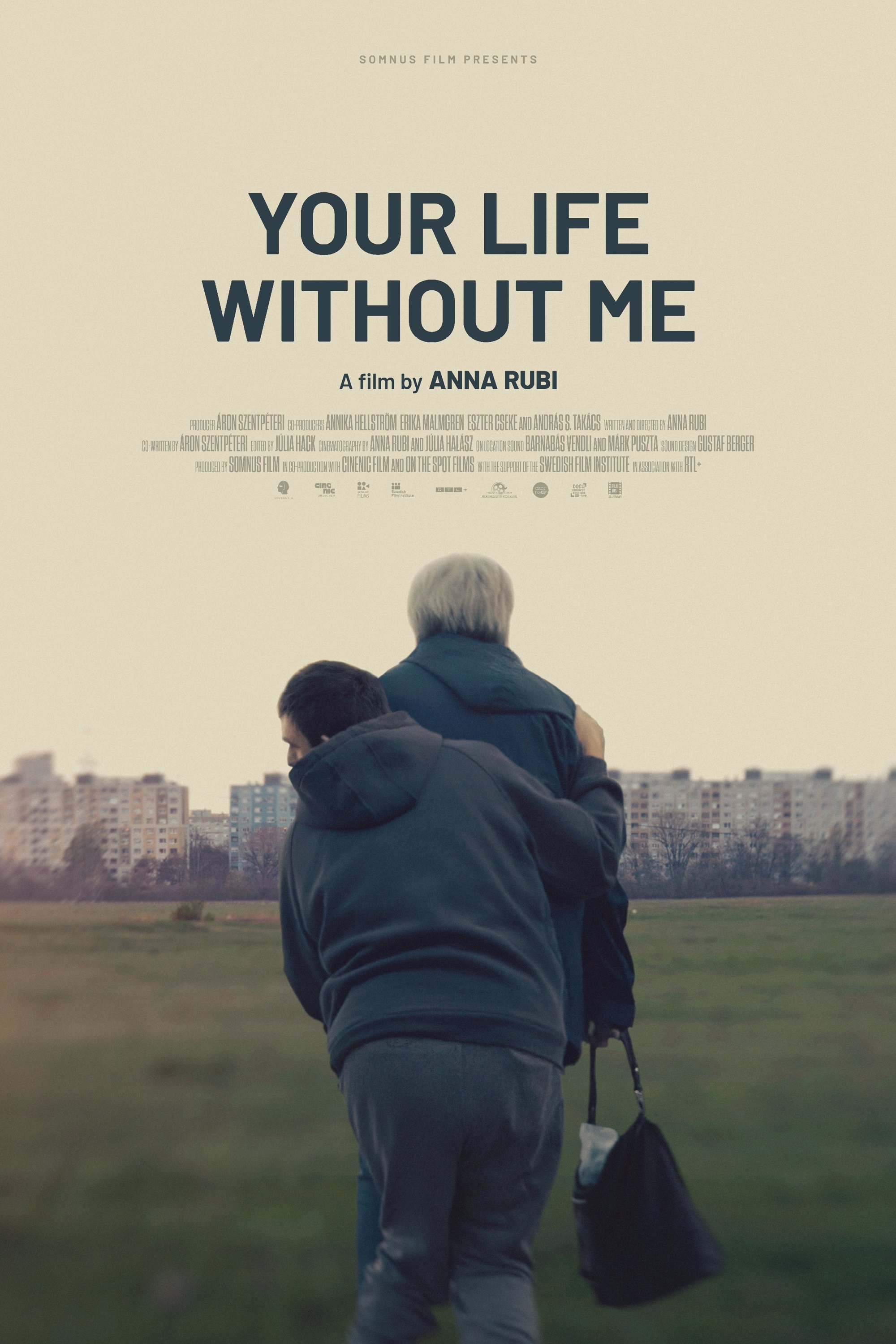
Magdi, a strong-willed, but lonely caregiver faces a daunting reality as she grows older: If she were to pass away, her disabled adult son, Feri would be left to the inhumane conditions of the Hungarian state care system, and would quickly follow her. Determined to secure a future for Feri, Magdi unites with a group of mothers who are in the same situation and they take legal action against the state. “Your Life Without Me” is a story of the strength and sacrifices of these women who find their own voice through the common fight and their community.
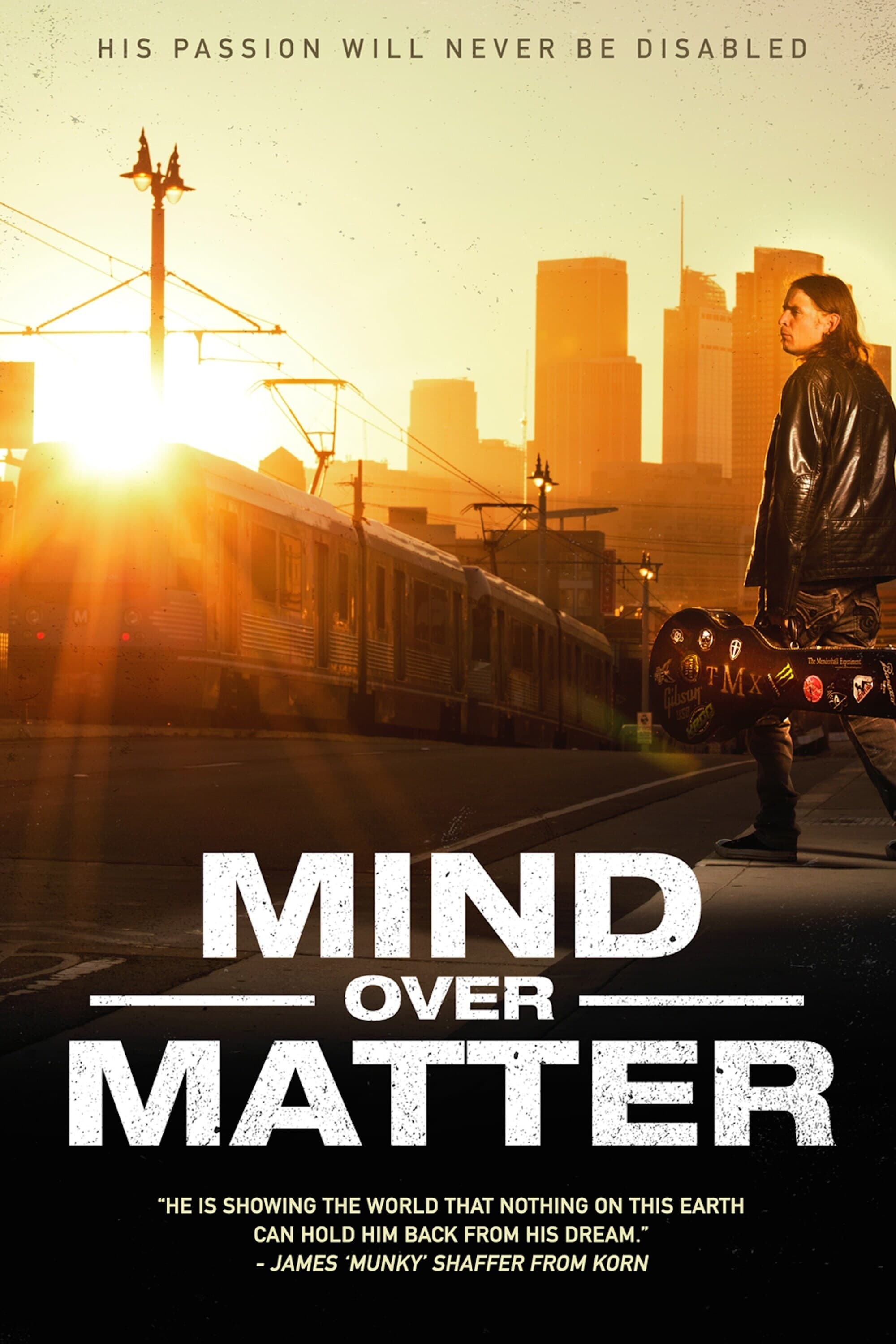
A young man born with Cerebral Palsy battles a paralyzed left hand, bullies and stereotypes about the disabled to defy the odds and make it as a rock and roll guitarist. Ultimately, sharing the stage with the very band that inspired him to start (or to achieve the impossible).
Researcher Hannelore Witkovsky searches for the notorious Nazi war criminal Dr. Joseph Mengele's lost film about his experiments on a family of little people in Auschwitz including Holocaust survivor Perla Ubitsch, whom she befriends.
Disgusted by the eugenicist and ableist Sagamihara massacre of 2016, emerging documentarian Taku Aoyagi offers a radiant film about Mirai Farm, a social welfare center he frequented as a child in Yamanashi, a city in the shadow of Mount Fuji. Through gestures, Aoyagi introduces us to the different individuals who work at Mirai, as well as their distinct talents and personalities. In the process, he constructs an exemplary documentary about life with a disability, one that does not treat those filmed as “subjects,” but rather as friends with whom to occupy their own space, alongside those who care and encourage us to see the world with kindness.
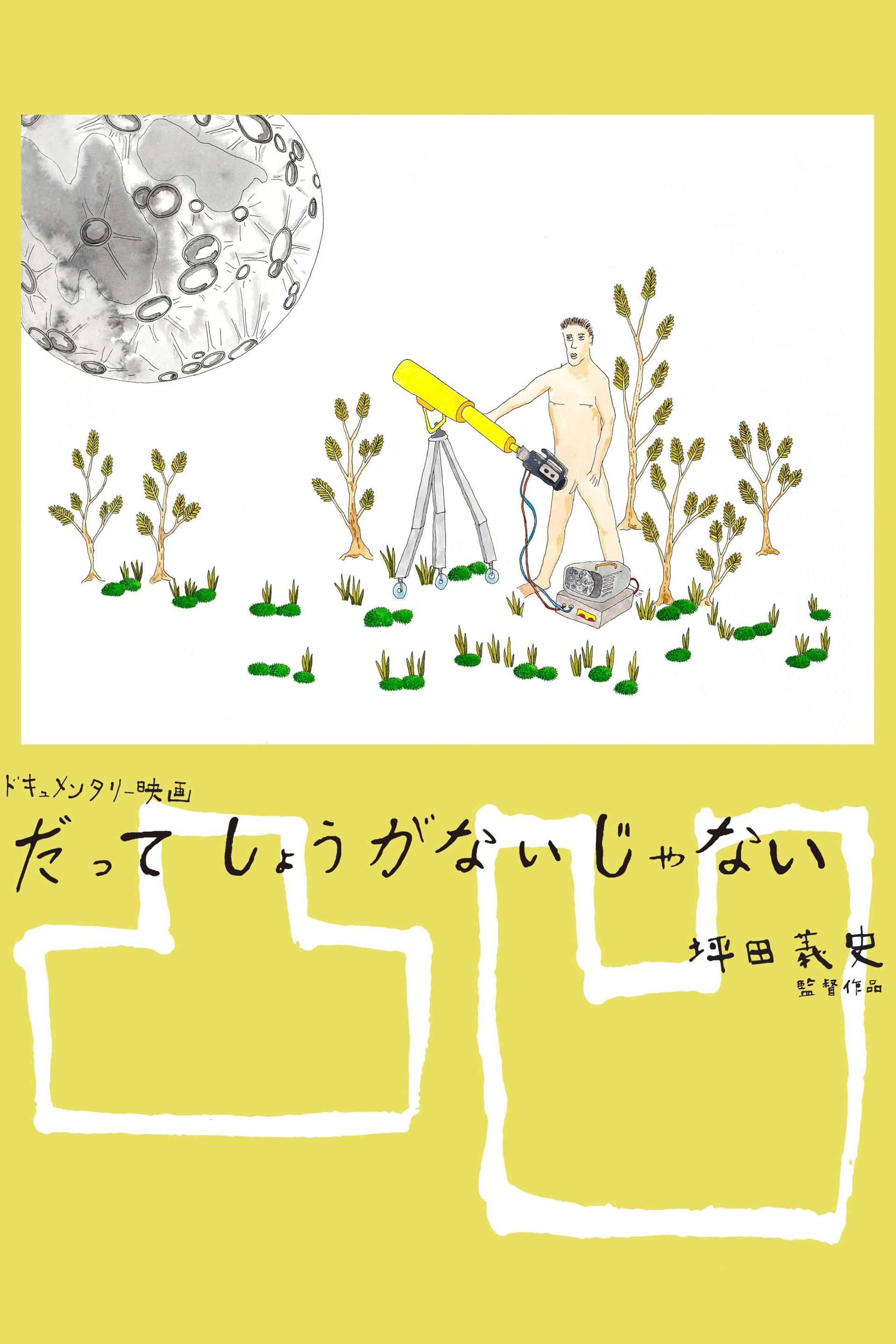
When filmmaker Yoshifumi Tsubota learns about his slightly autistic uncle who lives alone, he decides to visit him. Drawn to his uncle’s unique personality, he begins to roll his camera as he visits him over the years. Tsubota himself had been diagnosed with a developmental disability and so understanding his uncle is also an act of understanding himself. Through intimate and personal footage, this charming film is gem of a documentary that also highlights contemporary social issues surrounding aging and social care for the disabled.
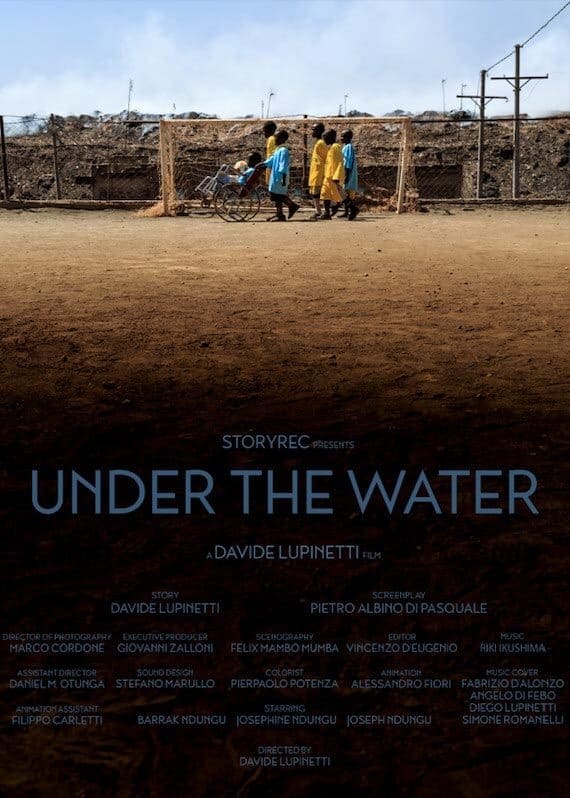
A daily life in Korogocho, Kenya, one of the world’s poorest slums.
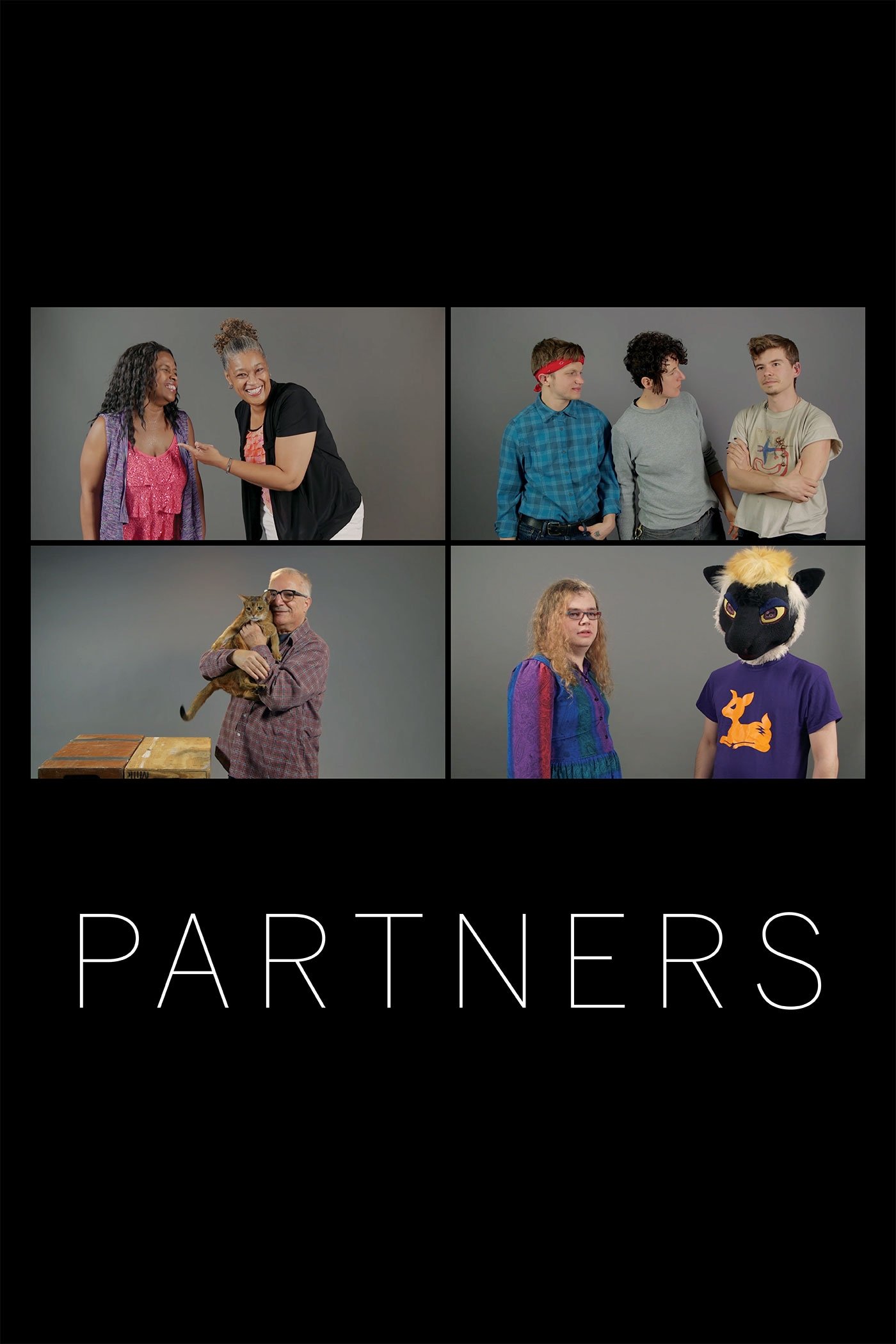
18 partners discuss the choices they’ve made in deciding on their mates. At its heart, this unscripted documentary film is about acceptance; a gentle message that we shouldn’t judge the choices of others, even if they seem a little different.
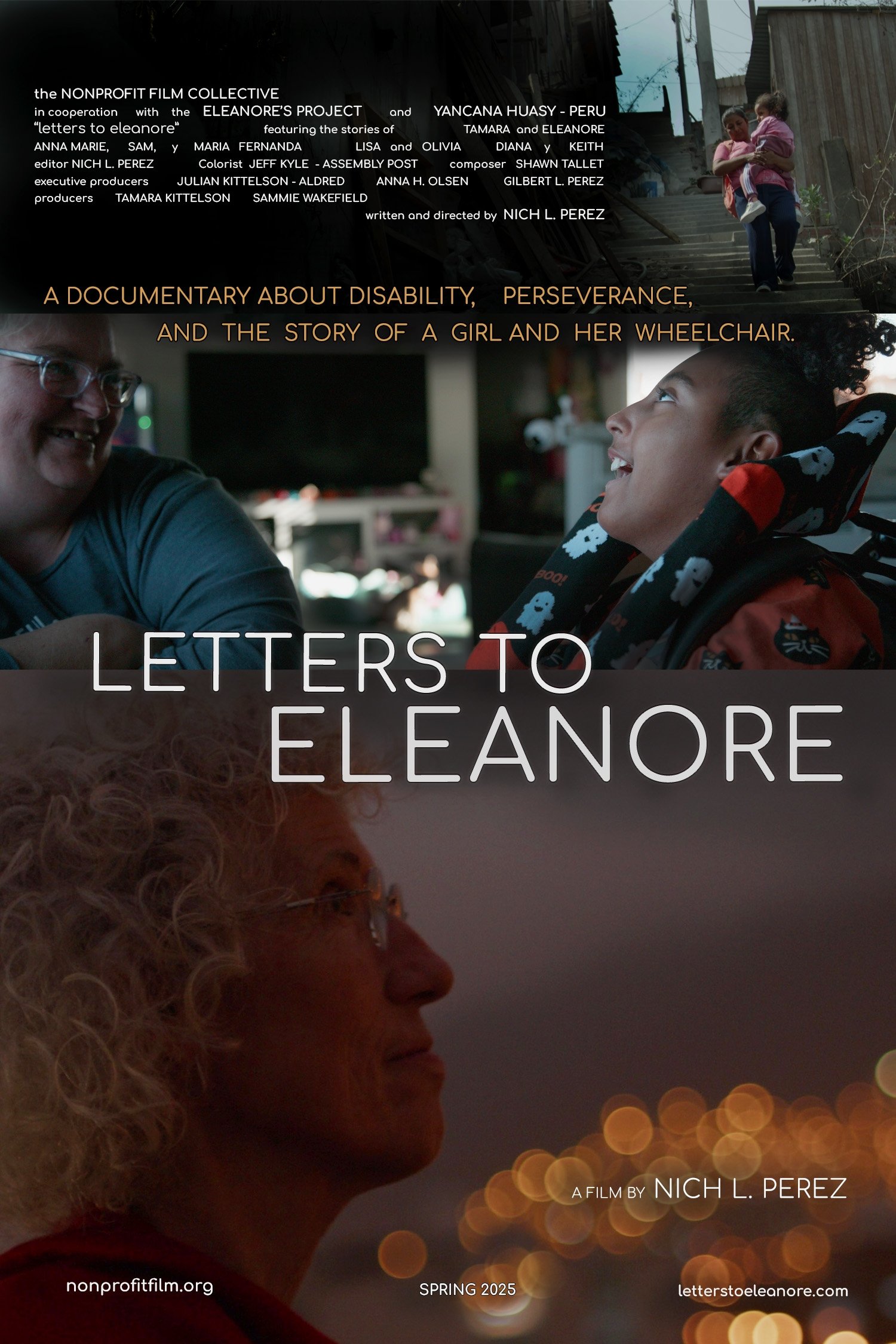
"letters to eleanore" is a poignant feature-length documentary that explores the intertwined journeys of two remarkable girls, Keith from Canto Grande in Lima, Peru, who bravely navigates life with cerebral palsy alongside her devoted mother, and Olivia from Litchfield, Minnesota, whose experiences highlight the stark contrasts in societal attitudes towards disability in their respective countries. As their narratives unfold, they are beautifully interwoven with the legacy of Eleanore and her family, whose life, untimely death, and the impact of her wheelchair ignited a powerful movement of hope for countless children and their families facing similar challenges. This film is not just a story of perseverance and love; it is a testament to the strength of community, brought to life through the collaborative efforts of volunteers, students, and communities across Peru and the United States, embodying a true grassroots style of storytelling that resonates with authenticity and compassion.
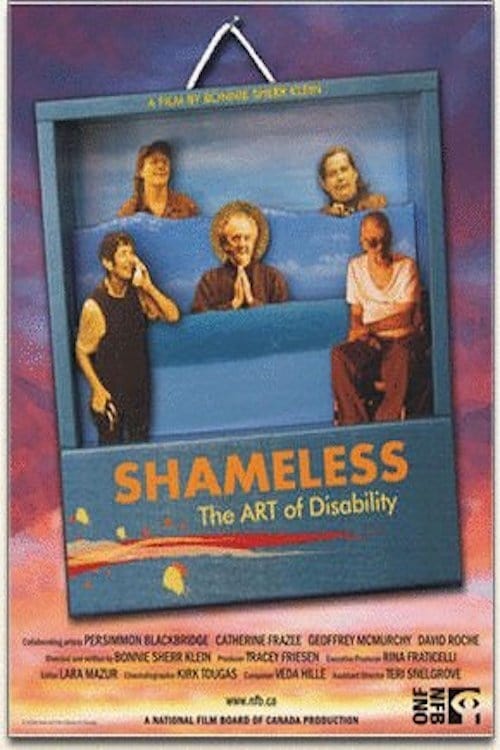
Art, activism and disability are the starting point for what unfolds as a funny and intimate portrait of five surprising individuals. Director Bonnie Sherr Klein (Not a Love Story, and Speaking Our Peace) has been a pioneer of women's cinema and an inspiration to a generation of filmmakers around the world. SHAMELESS: the ART of Disability marks Klein's return to a career interrupted by a catastrophic stroke in 1987. Always the activist, she now turns the lens on the world of disability culture, and ultimately, the transformative power of art.
Elite athletes and insiders reflect on the Paralympic Games and examine how they impact a global understanding of disability, diversity and excellence.
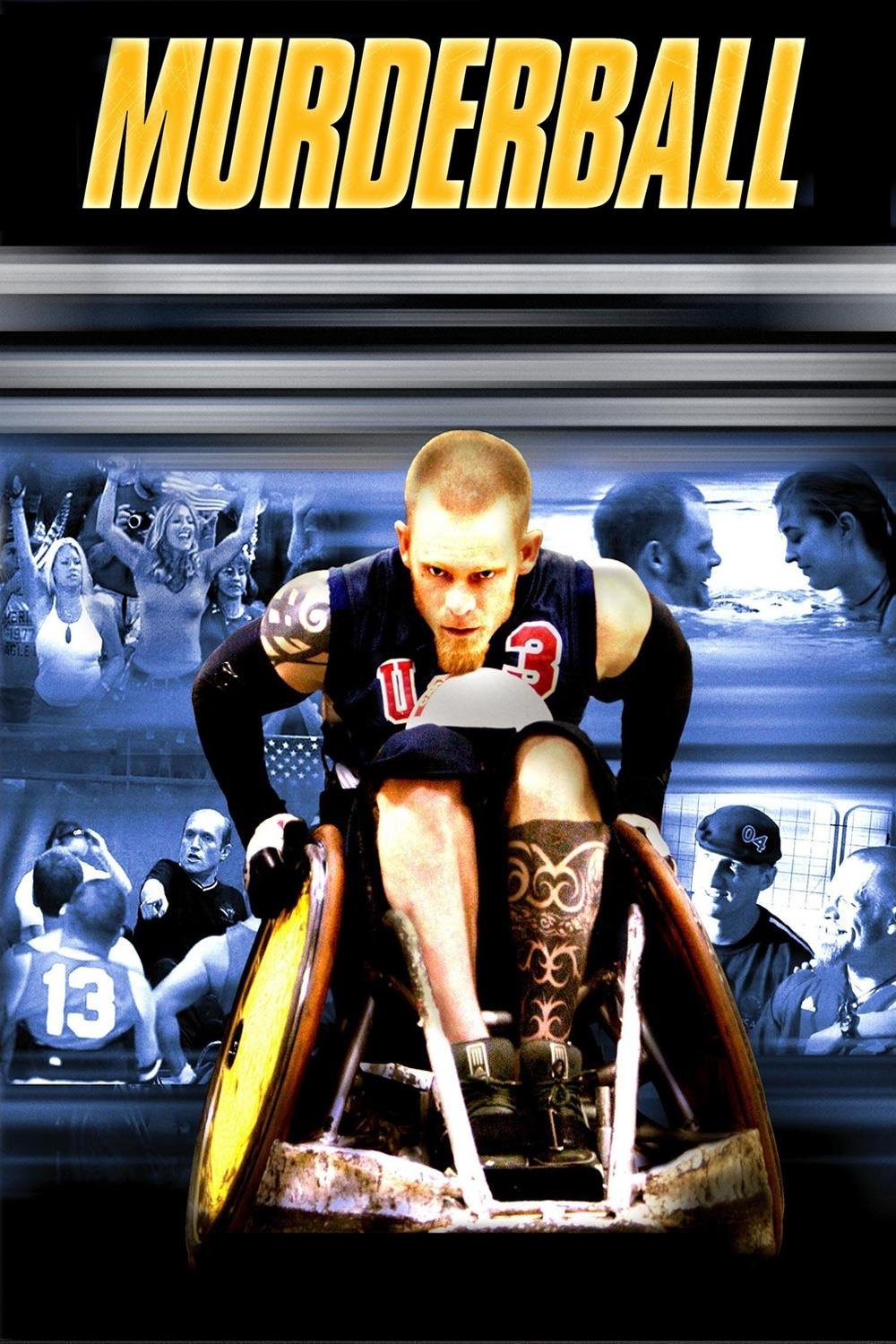
Quadriplegics, who play full-contact rugby in wheelchairs, overcome unimaginable obstacles to compete in the Paralympic Games in Athens, Greece.
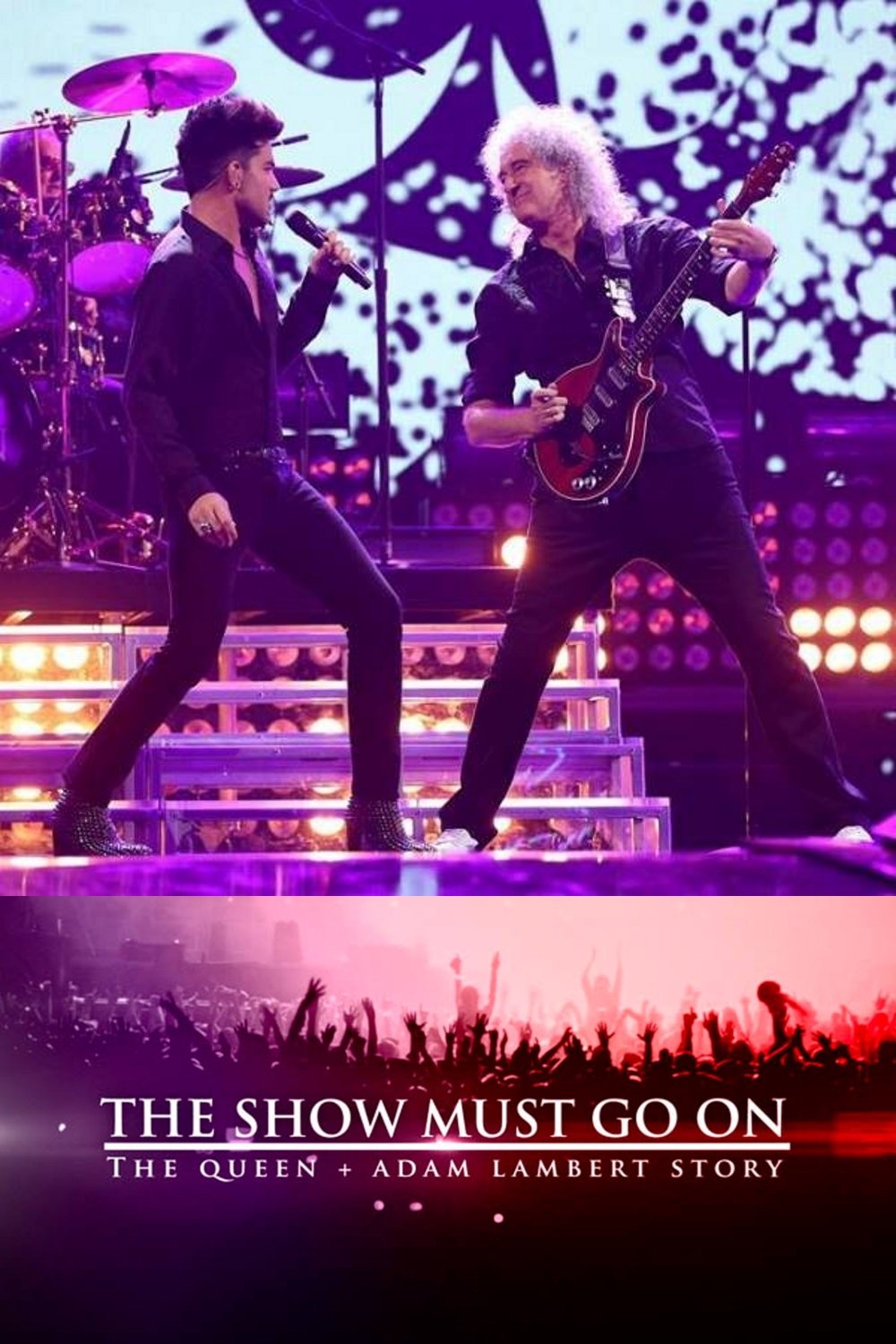
A documentary chronicling Queen and Lambert's incredible journey since they first shared the stage together on "American Idol" in 2009.
A string of threatening emails escalates into a revenge plot involving a newly married US marshal and his ex-girlfriend.
As England reach the final of the Euros at last, 6,000 ticketless football fans storm Wembley stadium, leaving destruction in their wake.
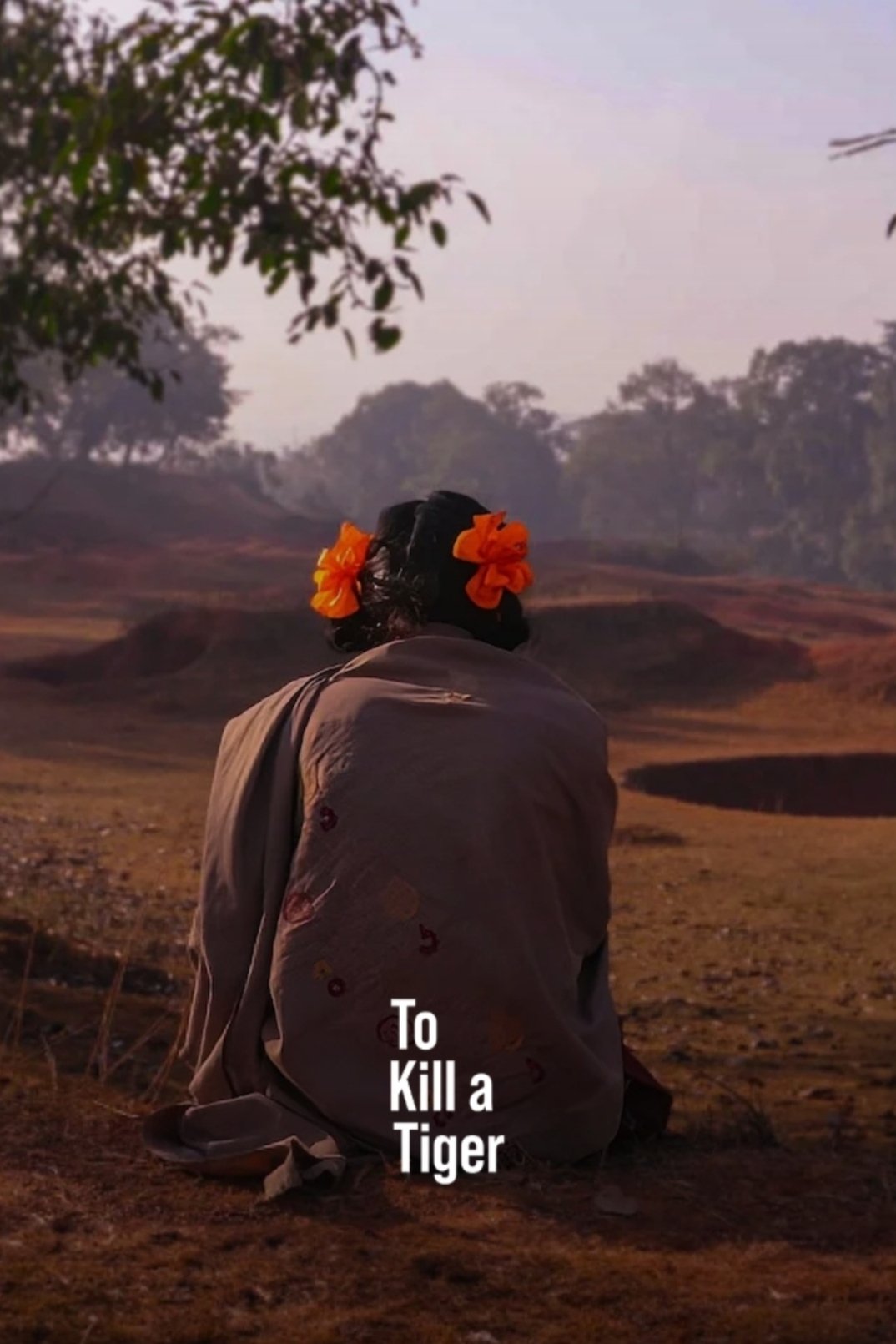
Ranjit, a farmer in India, takes on the fight of his life when he demands justice for his 13-year-old daughter, the victim of a brutal gang rape. His decision to support his daughter is virtually unheard of, and his journey unprecedented.
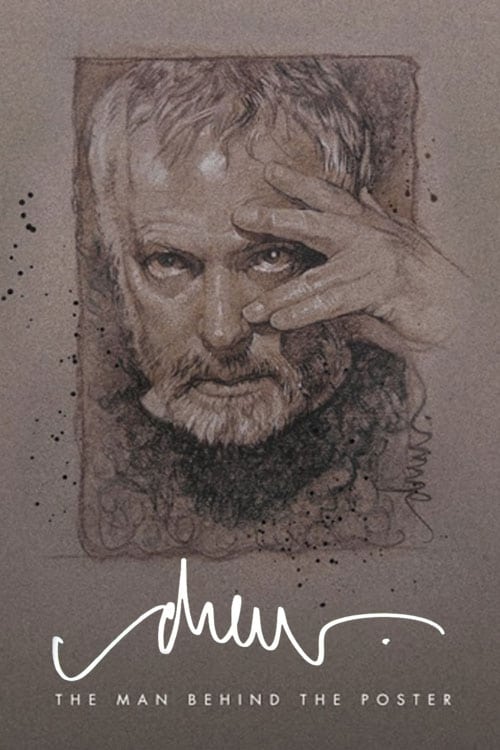
A documentary on legendary movie-poster artist Drew Struzan.
In an intimate and joyful story of love in the face of loss, celebrated poets Andrea Gibson and Megan Falley find strength—and unexpected hilarity—in what might be their final year together.
An inside look at one of the most anticipated movie sequels ever with James Cameron and cast.
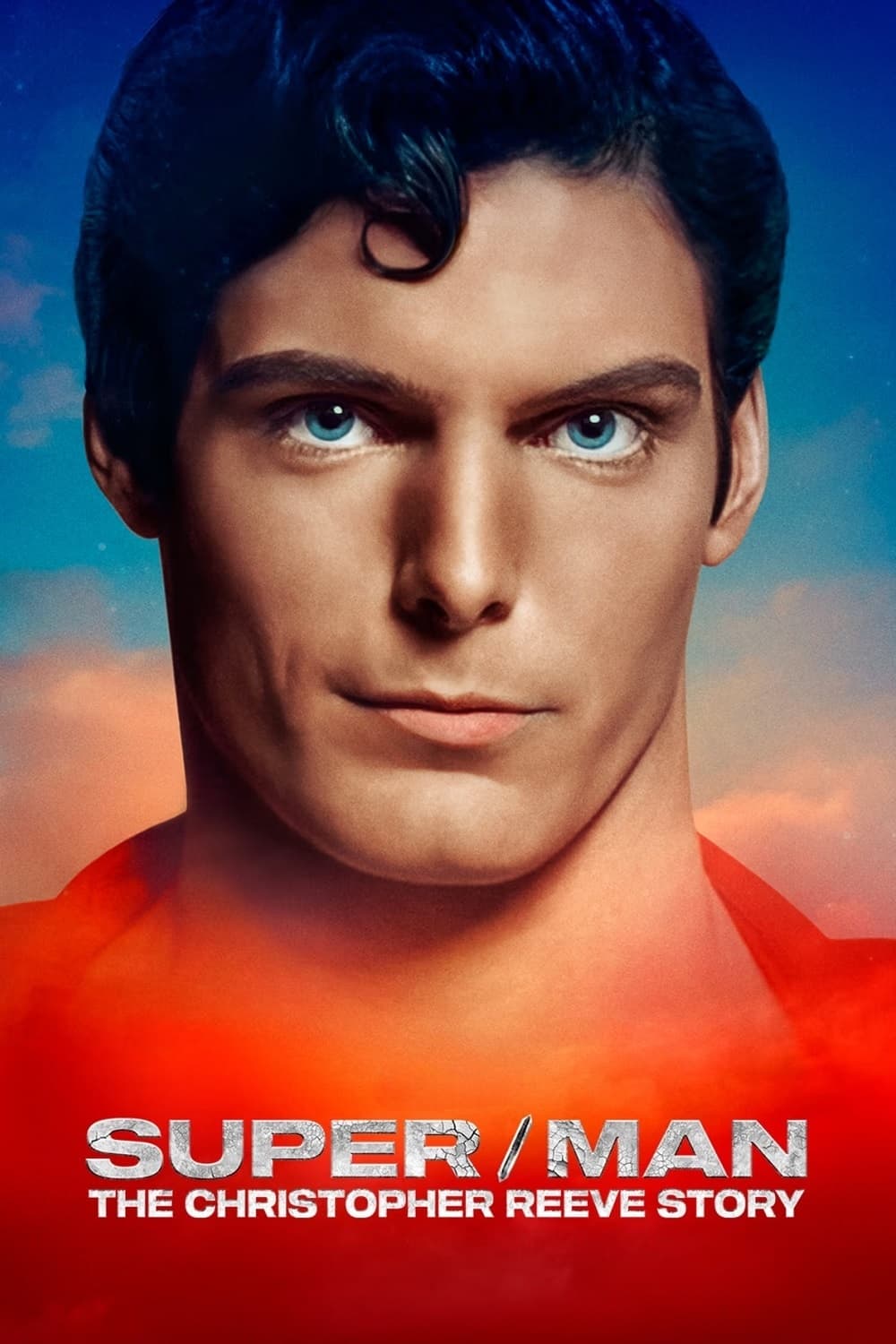
Christopher Reeve portrayed the Man of Steel in four Superman films and played dozens of other roles that displayed his talent and range as an actor, before being injured in a near-fatal horse-riding accident in 1995 that left him paralyzed from the neck down. After becoming a quadriplegic, he became a charismatic leader and activist in the quest to find a cure for spinal cord injuries, as well as a passionate advocate for disability rights and care.
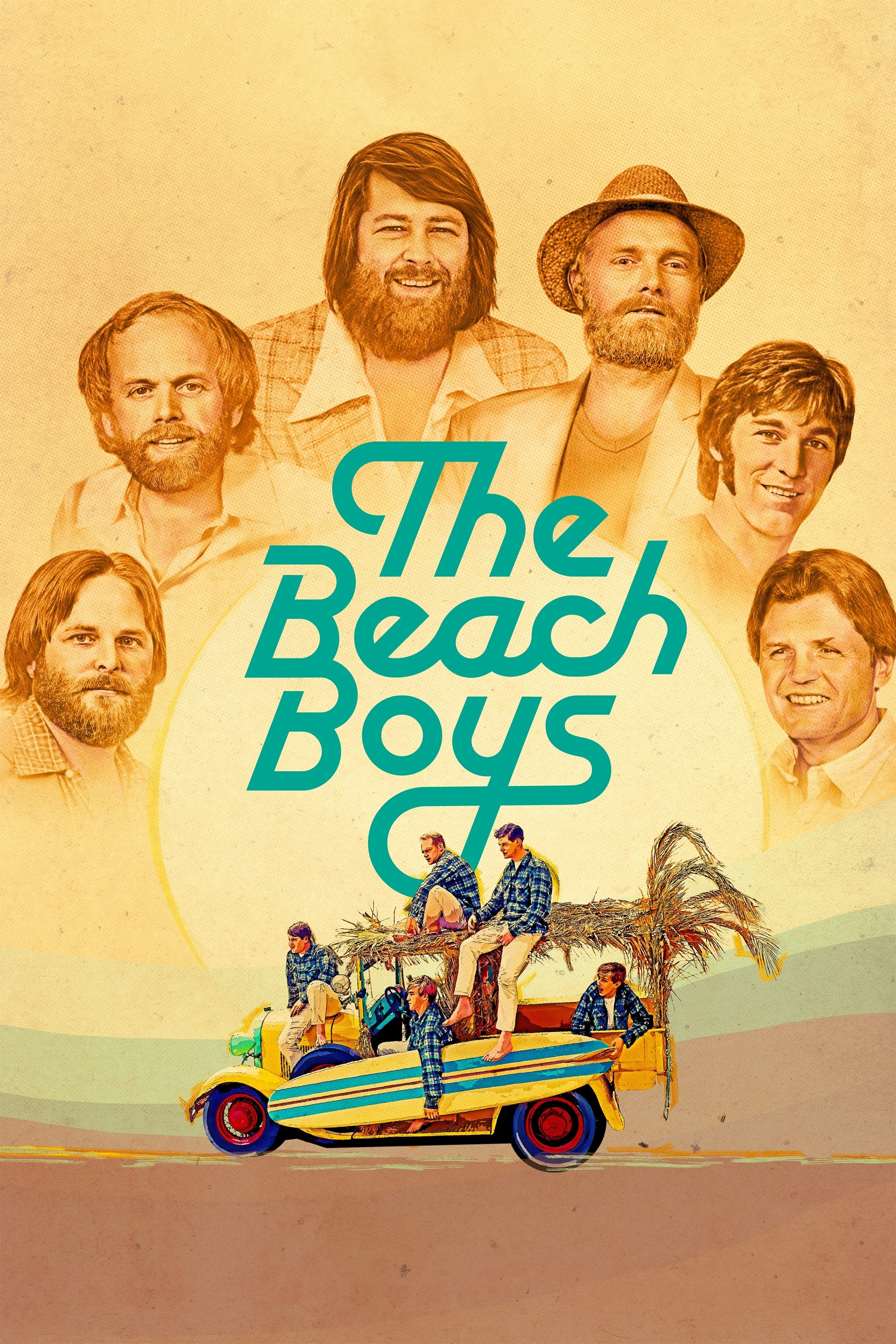
A celebration of the legendary band that revolutionized pop music, and the iconic, harmonious sound they created that personified the California dream, captivating fans for generations and generations to come.
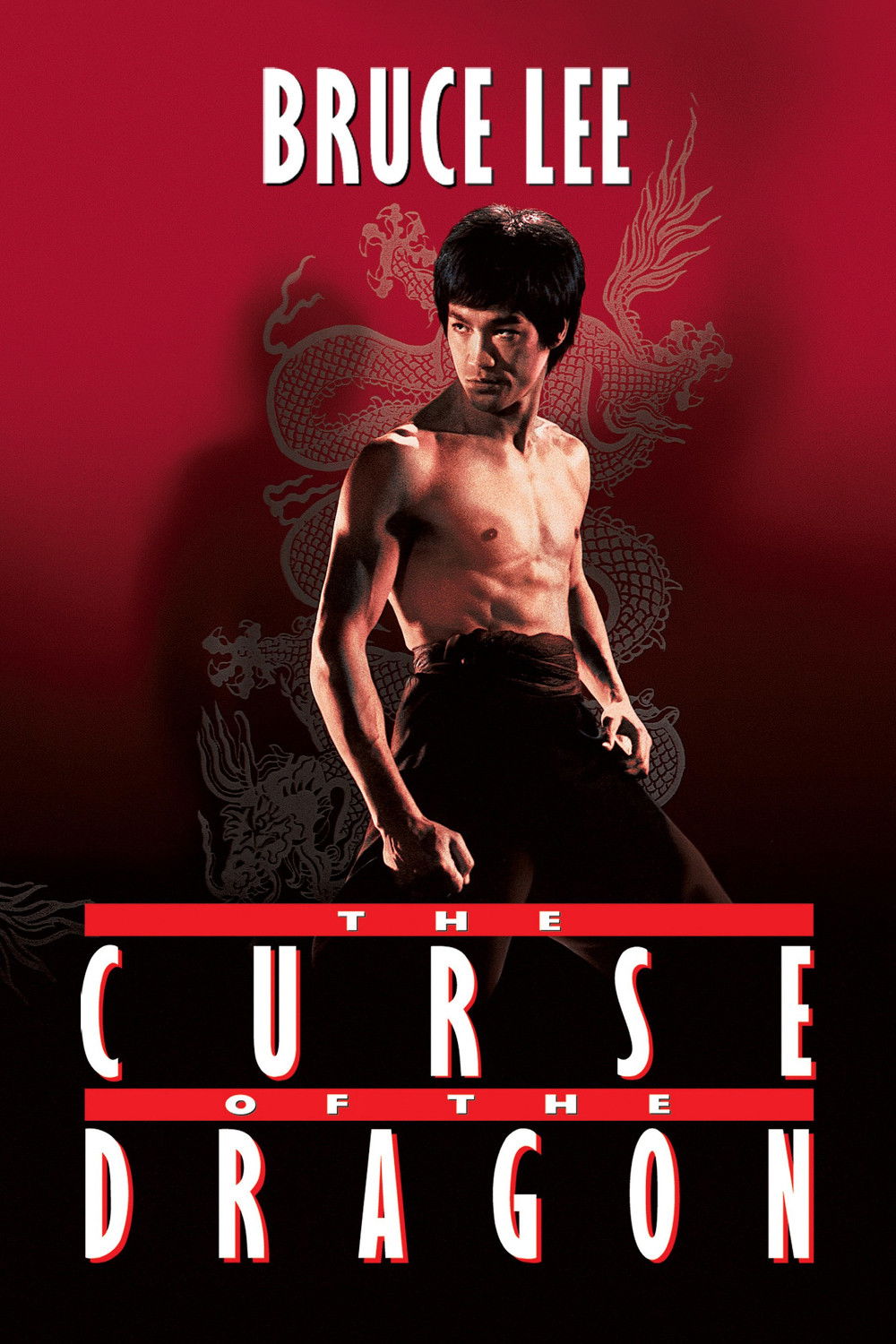
A 1993 documentary film about Bruce Lee. The film includes interviews from some of his fellow students and opponents who worked alongside him in his movies.
A look at the origins, history and conspiracies behind the "Majestic 12", a clandestine group of military and corporate figureheads charged with reverse-engineering extraterrestrial technology.
Through deeply personal interviews with her siblings and an examination of the photographs, letters, and belongings left behind, Mariska assembles a new portrait of her mother Jayne Mansfield, an extraordinary and complex woman.
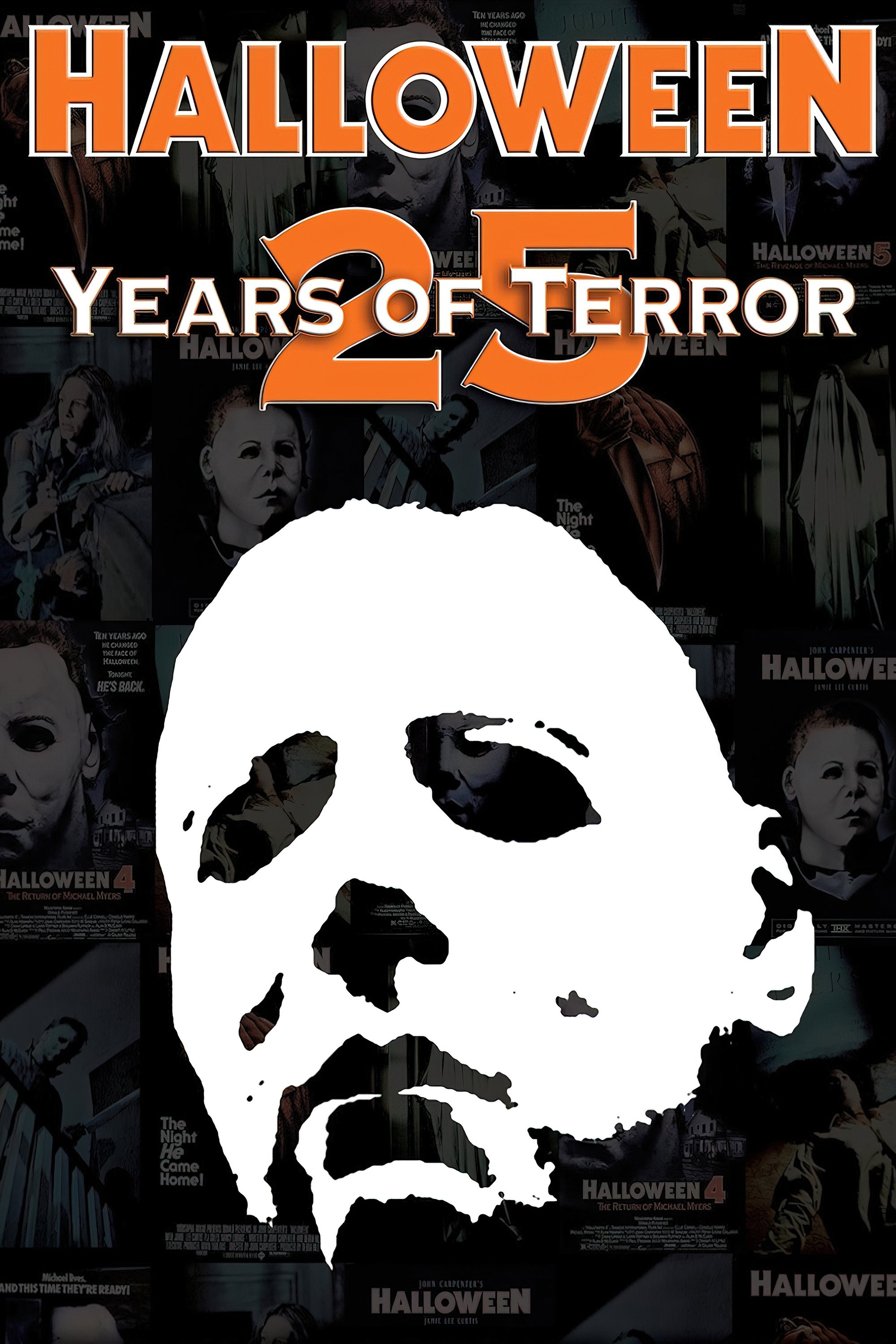
Follow the evolution of the 'Halloween' movies over the past twenty-five years. It examines why the films are so popular and revisits many of the original locations used in the films - seeing the effects on the local community. For the first time, cast, crew, critics and fans join together in the ultimate 'Halloween' retrospective.
“Showrunners” is the first ever feature length documentary film to explore the fascinating world of US television showrunners and the creative forces aligned around them. These are the people responsible for creating, writing and overseeing every element of production on one of the United State’s biggest exports – television drama and comedy series. Often described as the most complex job in the entertainment business, a showrunner is the chief writer / producer on a TV series and, in most instances, the show’s creator. Battling daily between art and commerce, showrunners manage every aspect of a TV show’s development and production: creative, financial and logistical.
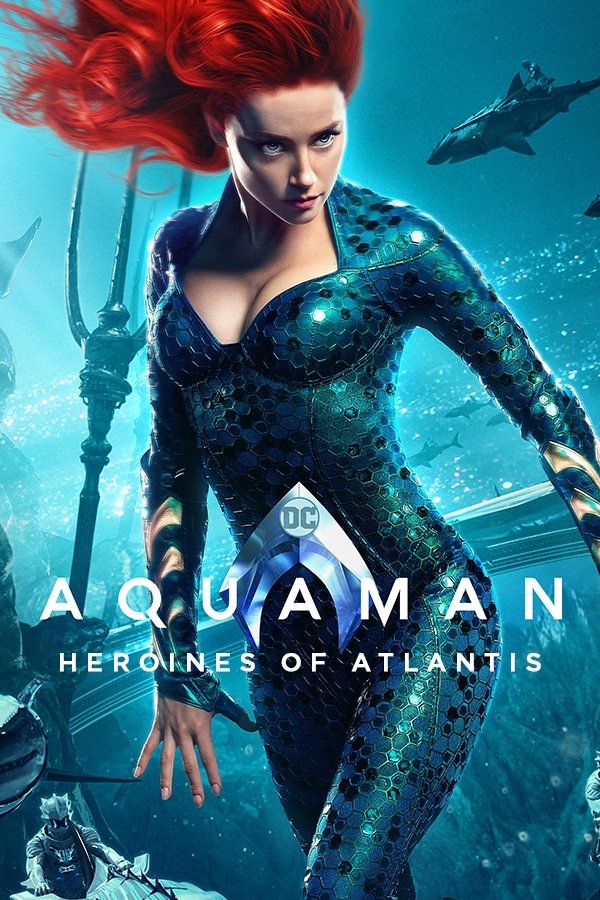
Amber Heard and Nicole Kidman discuss their characters Mera and Atlanna.
A documentary detailing the epic Rogues' Gallery of DC Comics from The Joker and Lex Luthor, Sinestro, Darkseid and more, this documentary will explore the Super Villains of DC Comics.
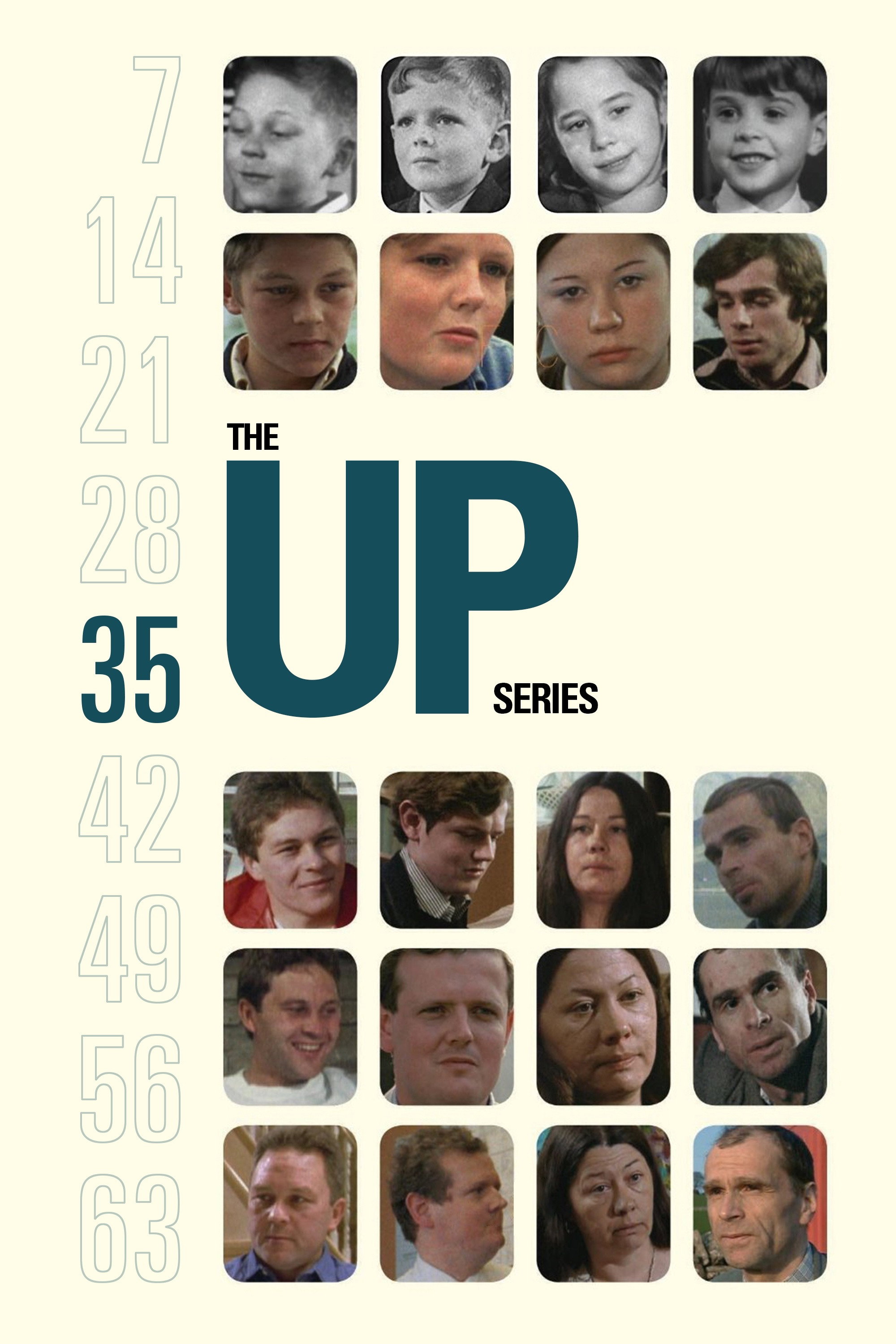
Director Michael Apted revisits the same group of British-born adults after a 7 year wait. The subjects are interviewed as to the changes that have occurred in their lives during the last seven years.
Alexander McQueen's rags-to-riches story is a modern-day fairy tale, laced with the gothic. Mirroring the savage beauty, boldness and vivacity of his design, this documentary is an intimate revelation of McQueen's own world, both tortured and inspired, which celebrates a radical and mesmerizing genius of profound influence.