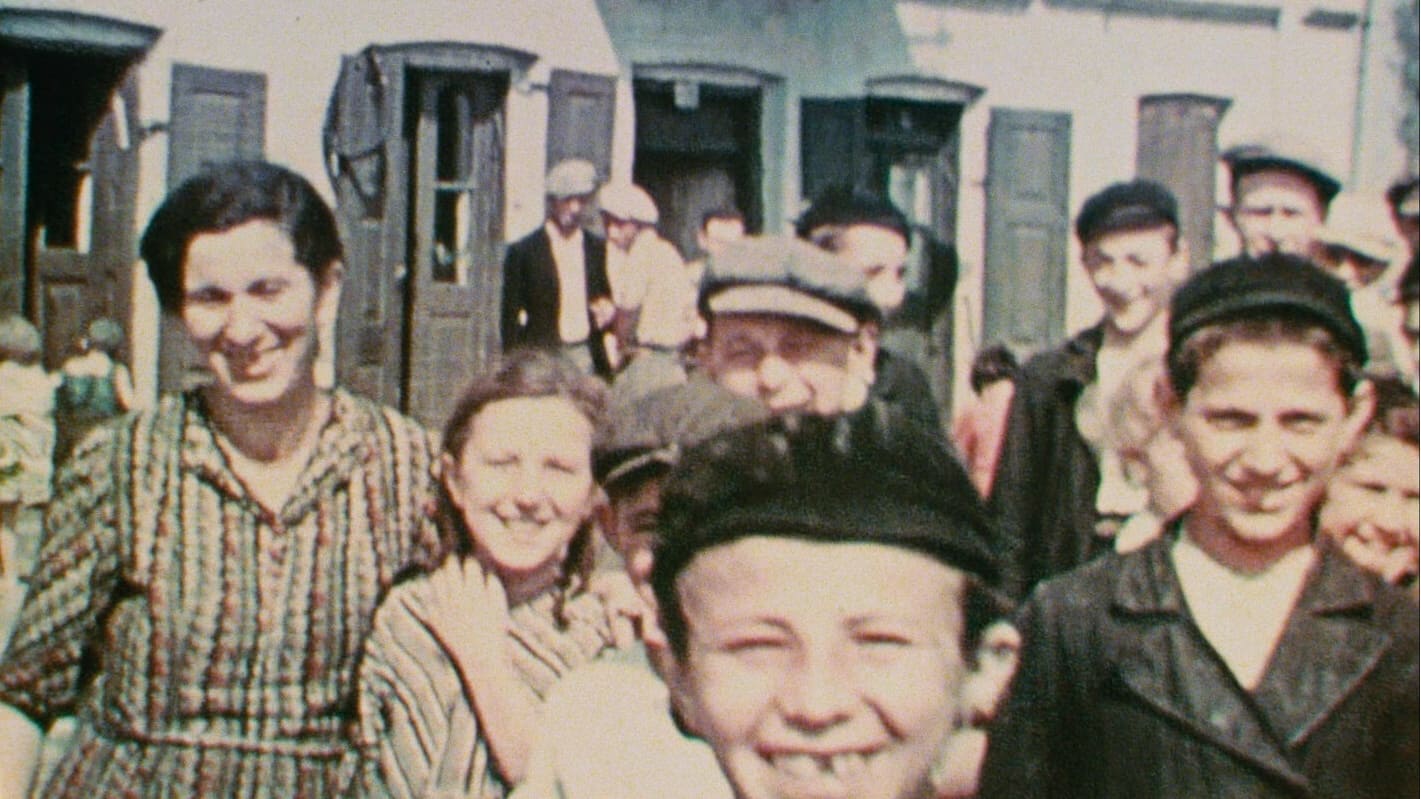
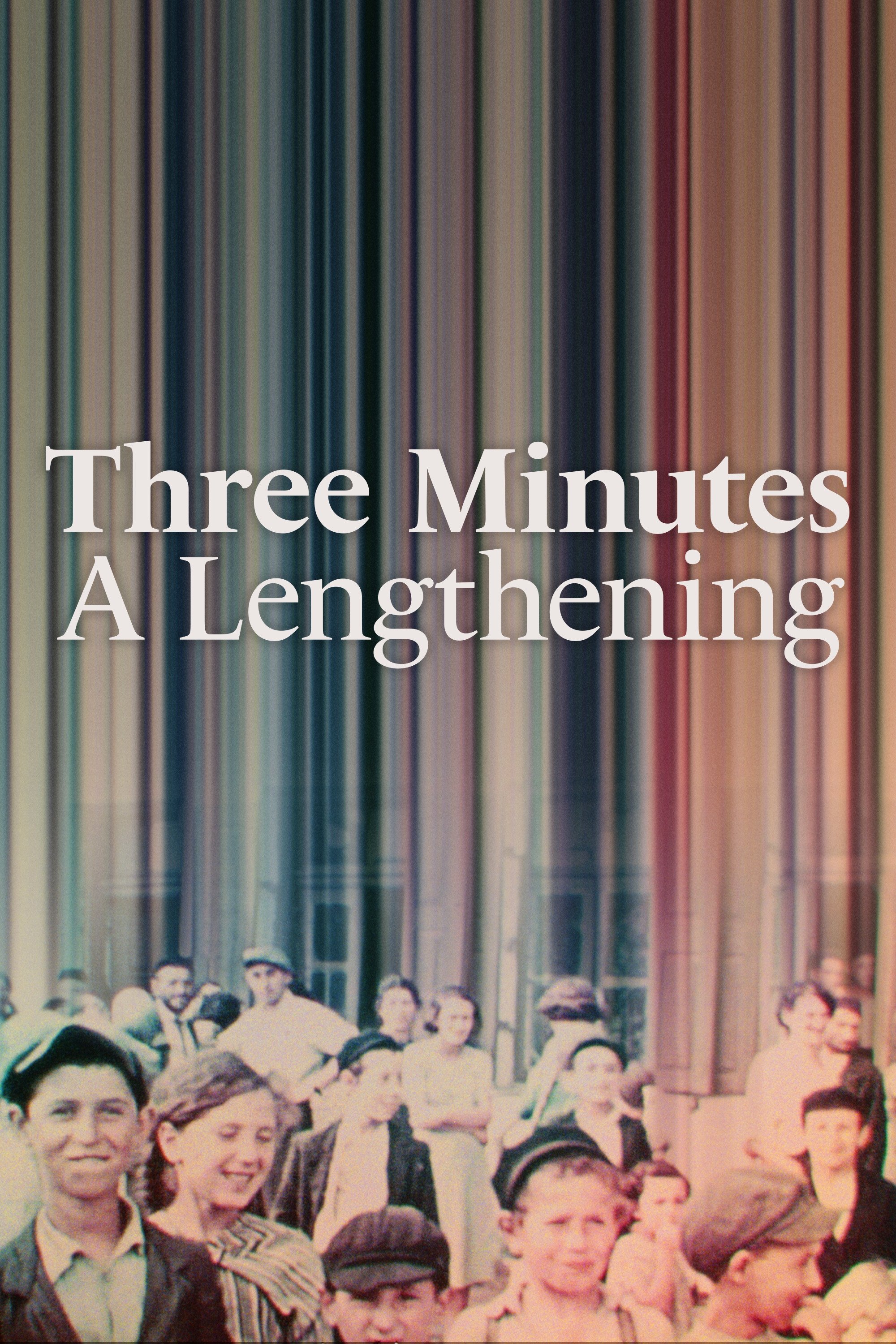
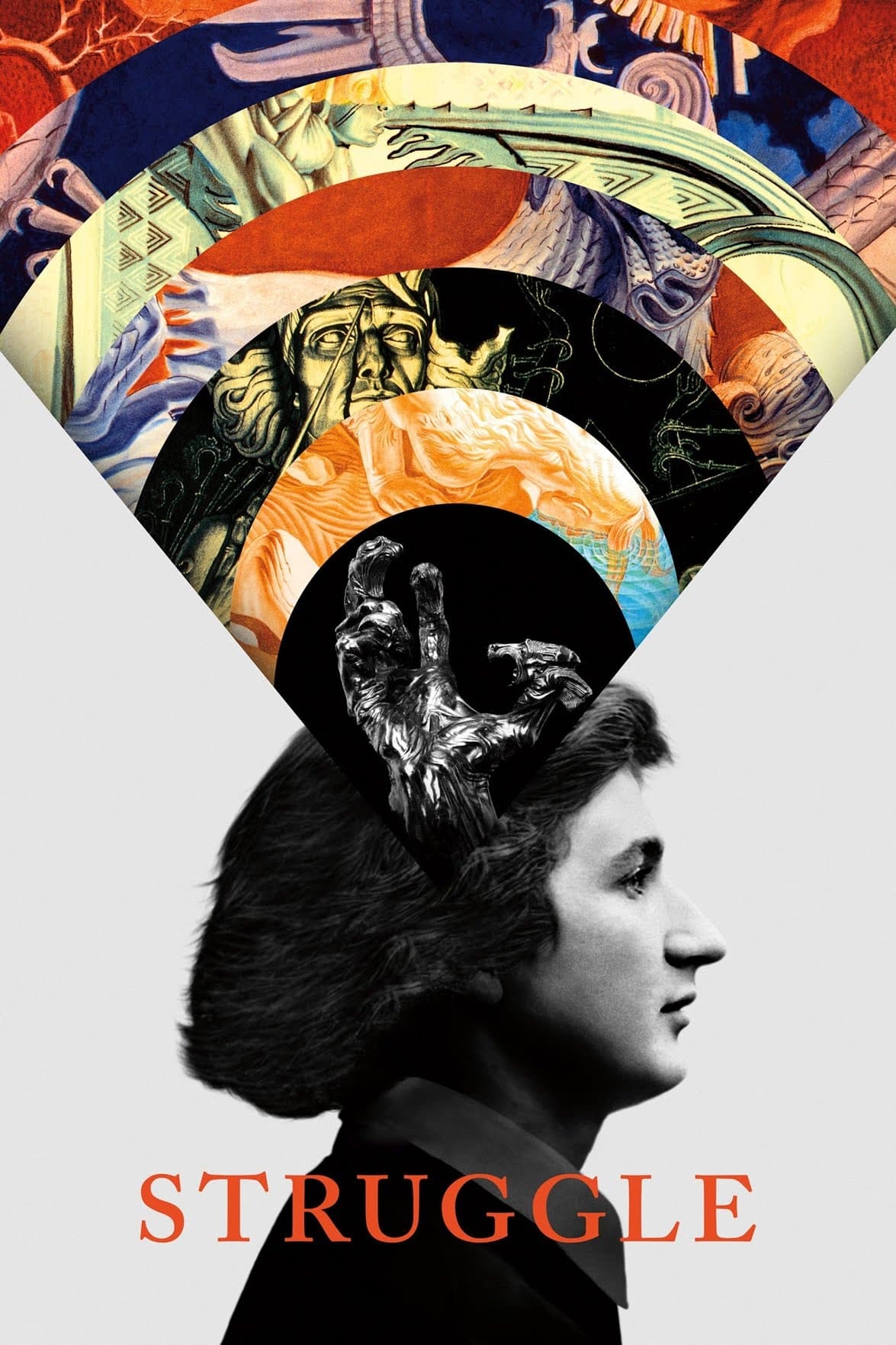
The story of the only three minutes of footage —a home movie shot by David Kurtz in 1938— showing images of the Jewish inhabitants of Nasielsk (Poland) before the beginning of the Shoah.
Social & External
The people behind it
Helena Bonham Carter
Self - Narrator (voice)
Glenn Kurtz
self
Moszek Tuchendler
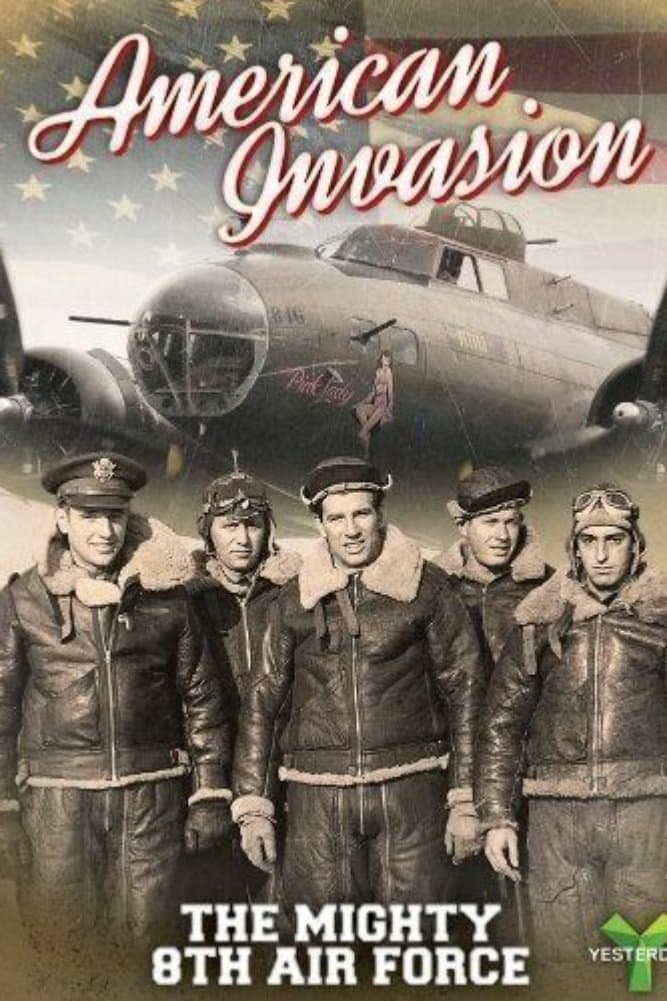
In January 1942, the order activating the 'US Air Forces in the British Isles' was announced. On 12th May, the first contingent of USAAF personnel arrived in England, the beginnings of what was to become the largest air force in the world. The British people had never seen anything like them. Michael Brandon (Dempsey and Makepeace) presents the story of the courageous young Americans who fought the war from the foreign fields of eastern England. And of the local populations who welcomed them, resented them, admired and loved them. "The American Invasion" provides a powerful record of a momentous period in American and British history.
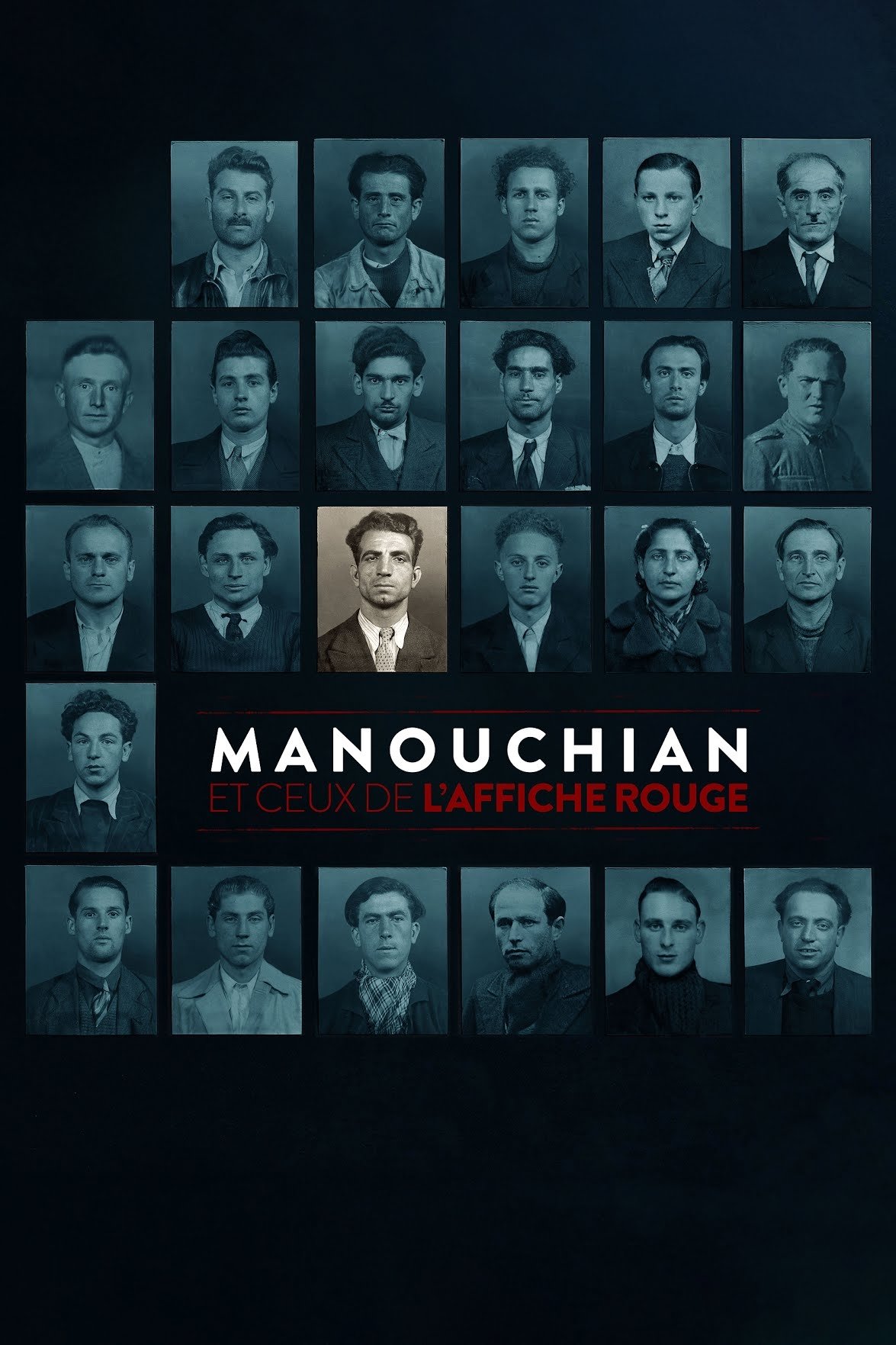
In February 1944, in a courtyard at Fresnes Prison, the Germans staged a spectacle to stigmatize a group of communist resistance fighters—all foreigners and mostly Jewish—who had been arrested a few weeks earlier. The propaganda aimed to discredit these fighters, portraying them as terrorists and criminals, even though they had managed to carry out numerous attacks against the occupiers in Paris. The red poster, plastered in thousands of copies across the country, would immortalize them in legend. They were subsequently executed at Mont-Valérien, near Paris. Missak Manouchian, the Armenian who led these fighters, now embodies this group in the collective memory as he is enshrined in the Panthéon, on behalf of all his comrades, 80 years after their execution.
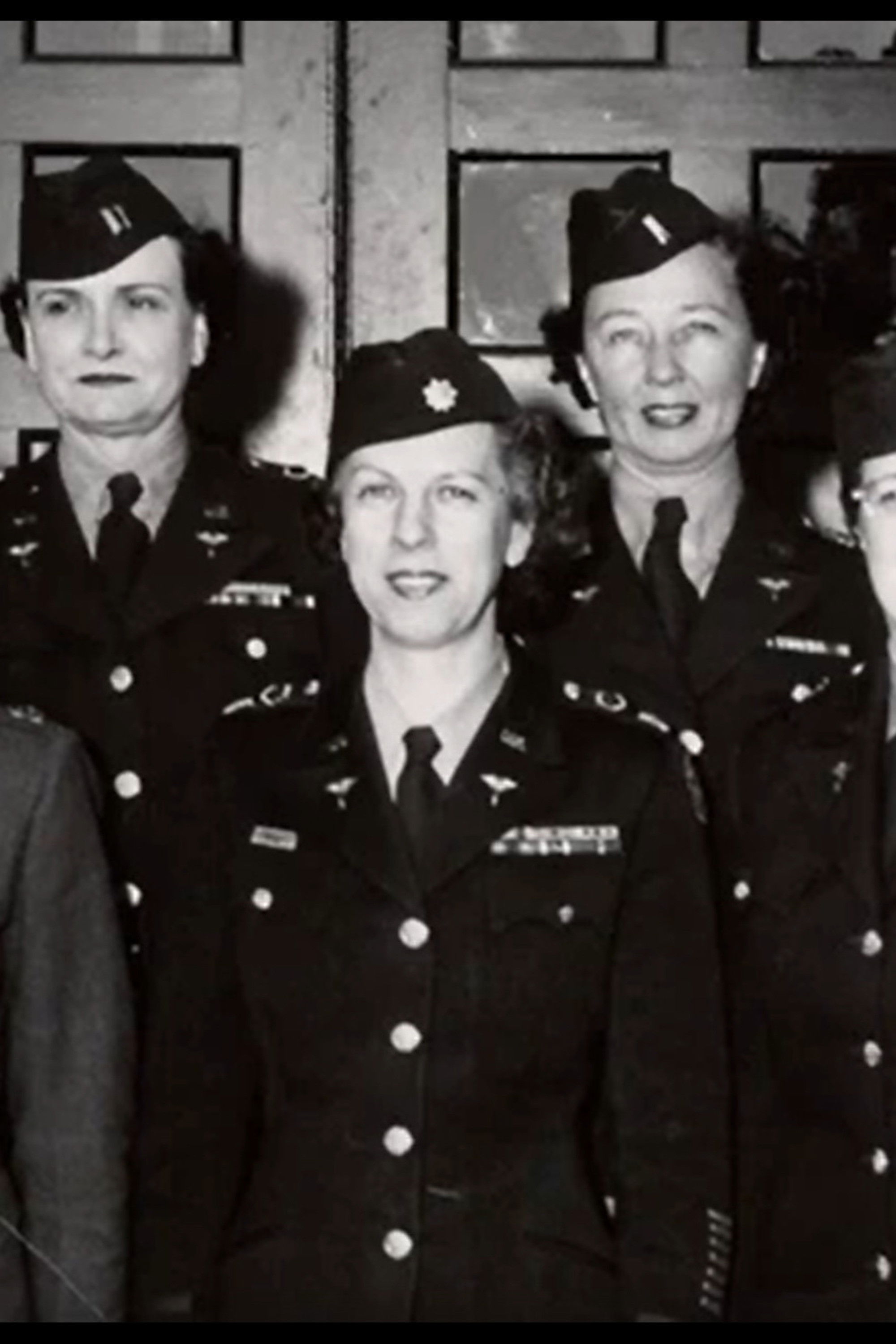
Hortense McKay teaches the lesson of caring even in the worst of times.
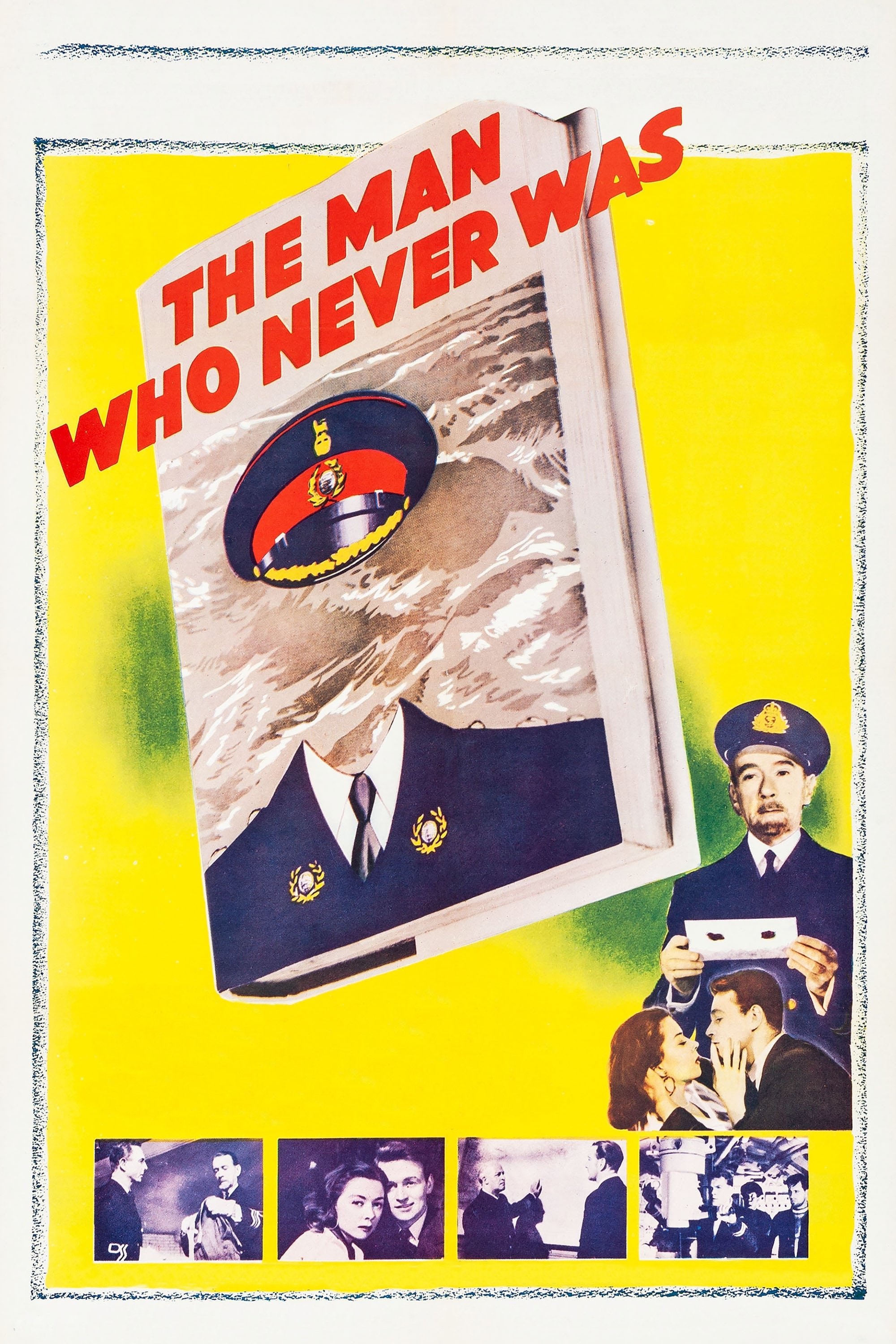
The true story of a British effort to trick the Germans into weakening Sicily's defenses before the 1943 attack. A dead soldier is dressed as a British officer and outfitted with faked papers showing that the Allies were intending to invade occupied Greece. His body is put into the sea where it will ultimately drift ashore and the papers be passed along to German Intelligence.
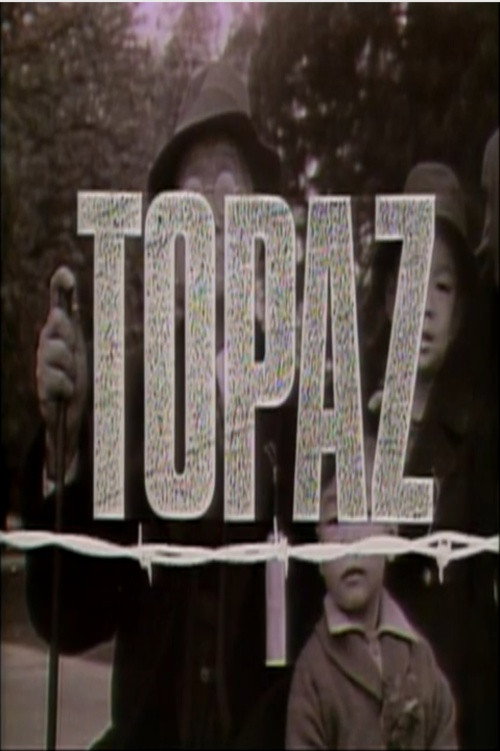
Documents the denial of rights to American citizens of Japanese descent who were forced from their homes to Utah's desert rangeland during World War II. This documentary discusses internment, contains interviews with former internees, and has footage of Topaz from Dave Tatsuno's movie filmed during camp.
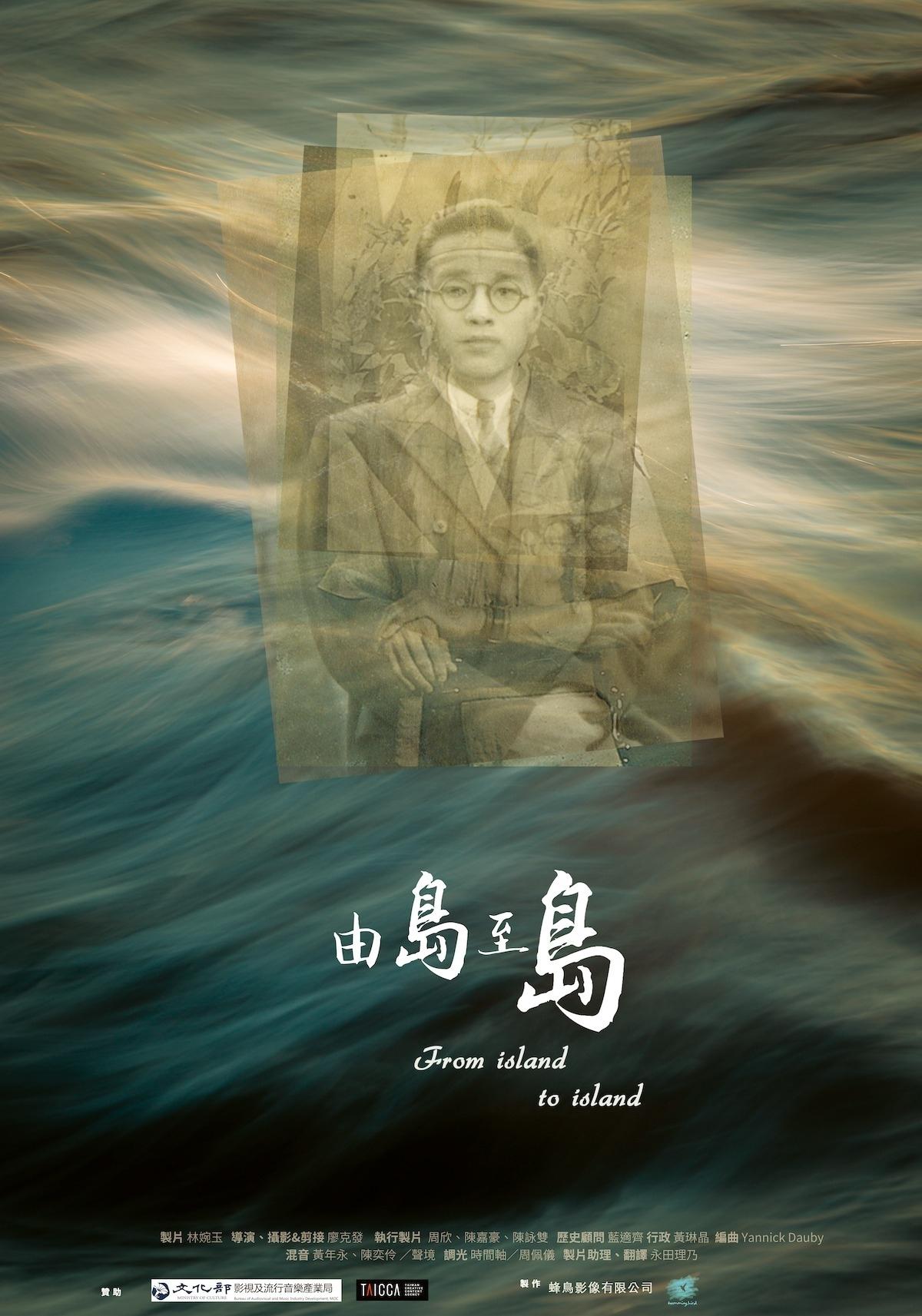
During World War II, Taiwan was part of the Japanese Empire. This documentary explores the experiences of Taiwanese soldiers, doctors, and overseas residents in Southeast Asia during that time. Using cross-generational memory dialogues, family letters, diaries, and videos, the film addresses the complexities of Taiwan's historical memory and diverse identities during that period.
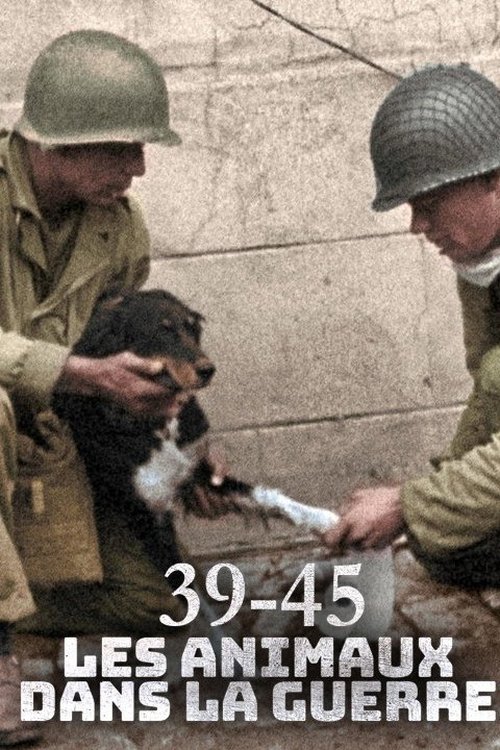
Fifty million people died in the Second World War, the biggest massacre in the history of humanity. But the animal kingdom also paid a heavy toll, despite no official numbers being compiled for the victims. This included combat animals, animals that backed up humans, those that entertained or consoled them, some that fed people, and other animals that were symbols. On all fronts and on all continents, at all points of the compass, beasts accompanied mankind in this global conflict. This full archive documentary - partly colorized - shows how dogs, horses, elephants and pigeons became WW2 soldiers’ best friends in battle.
Slovakia, on the eve of the outbreak of World War II. The family of the young Jewish Martin Friedmann gathers to celebrate his bar mitzvah and make a solemn promise that they will all meet again a year later around the same table; but the storms of war and anti-Semitic fanaticism will lead each of them down very different paths.
Set in the dense forests of 1940s Eastern Europe, this story reveals the supernatural encounters that challenge three soldiers' understanding of life and death.
Set in the backdrop of the picturesque Munnar, it tells the story of Iyob, a slave-turned-master.
The life of Maximo Guillermo "Max" Manus, a Norwegian resistance fighter, before and after World War II.
Lithuania, 1941, during World War II. Hundreds of thousands of texts on Jewish culture, stolen by the Germans, are gathered in Vilnius to be classified, either to be stored or to be destroyed. A group of Jewish scholars and writers, commissioned by the invaders to carry out the sorting operations, but reluctant to collaborate and determined to save their legacy, hide many books in the ghetto where they are confined. This is the epic story of the Paper Brigade.
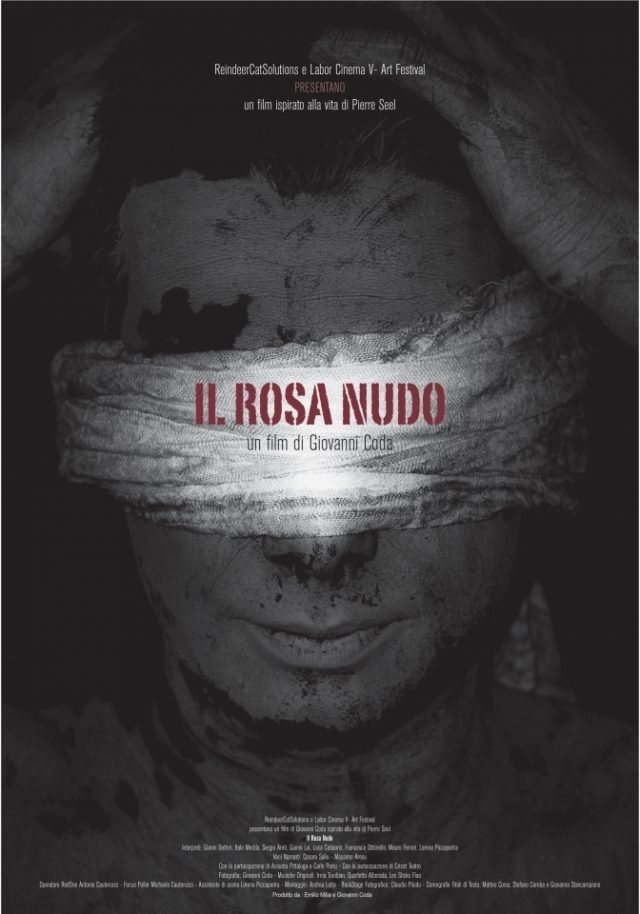
Among the millions of victims of the Nazi madness during the Second World War, Pierre Seel was charged with homosexuality and imprisoned in the Schirmeck concentration camp. He survived this terrifying experience of torture and humiliation, and after the war he married, had three children, and tried to live a normal life. In 1982, however, he came to terms with his past and his true nature and decided to publicly reveal what he and thousands of other homosexuals branded with the Pink Triangle had undergone during the Nazi regime. Il Rosa Nudo (Naked Rose), inspired by the true story of Pierre Seel, depicts in a theatrical and evocative way the Homocaust, focusing on the scientific theories of SS Physician Carl Peter Værnet for the treatment of homosexuality, which paved the way for the Nazi persecution of gay men.
Documentary video journey in search of the missing Tatar poet Rahim Sattar. The path from the present to the past runs through a polylogue of experts, folk music, works by contemporary artists, musical and creative interpretation of poems by Rahim Sattar and unique archival newsreels shot at the dawn of cinema.
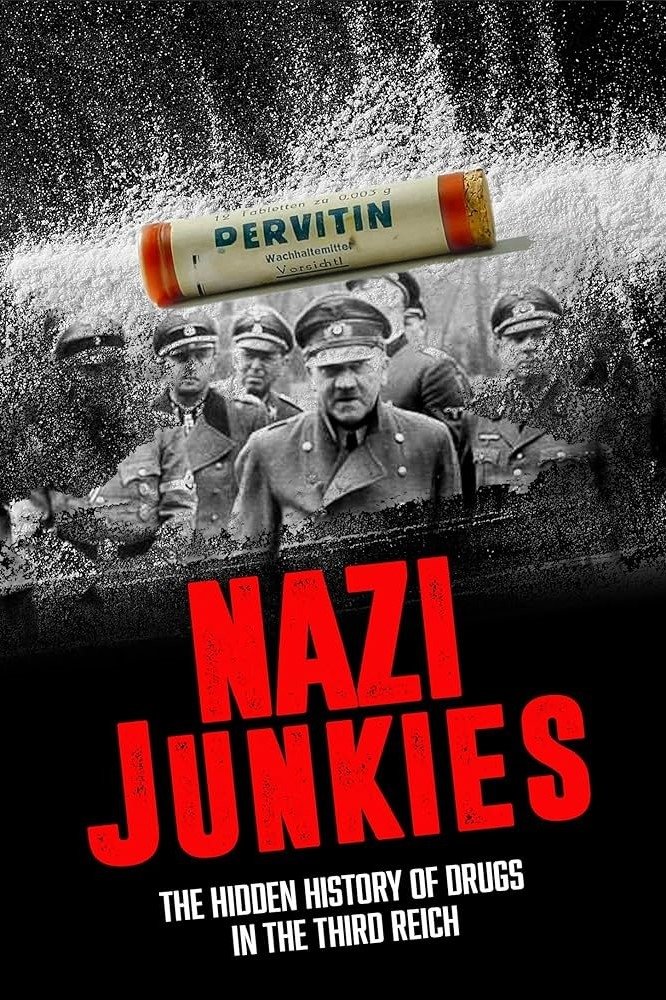
In Third Reich, the abuse of drugs made commanders and soldiers feel invincible. The Führer himself took them on daily basis. This is the unbelievable story of the D-IX project and of methamphetamines, which, abundantly furnished to soldiers, changed the course of history.
This powerful and thought provoking film chronicles the compelling events in the Pacific Theater of WWII, from the bombing of Pearl Harbor in 1941 to the American occupation of Japan in 1945. It depicts the strength and courage of America's youth, while examining how these men and women dealt with being thrust into this brutal war. The film includes interviews with war veterans, both American and Japanese, from all branches of the military. It features testimony from medics, nurses, dog handlers, as well as Japanese-Americans who were imprisoned at internment camps in the United States. The film also includes a first hand account of the tragic impact of the atomic bomb on Japanese citizens. Among the veterans who appear is Zenji Abe, a Japanese veteran who flew the mission to bomb Pearl Harbor, and retired General Paul Tibbets who flew the mission to bomb Hiroshima.
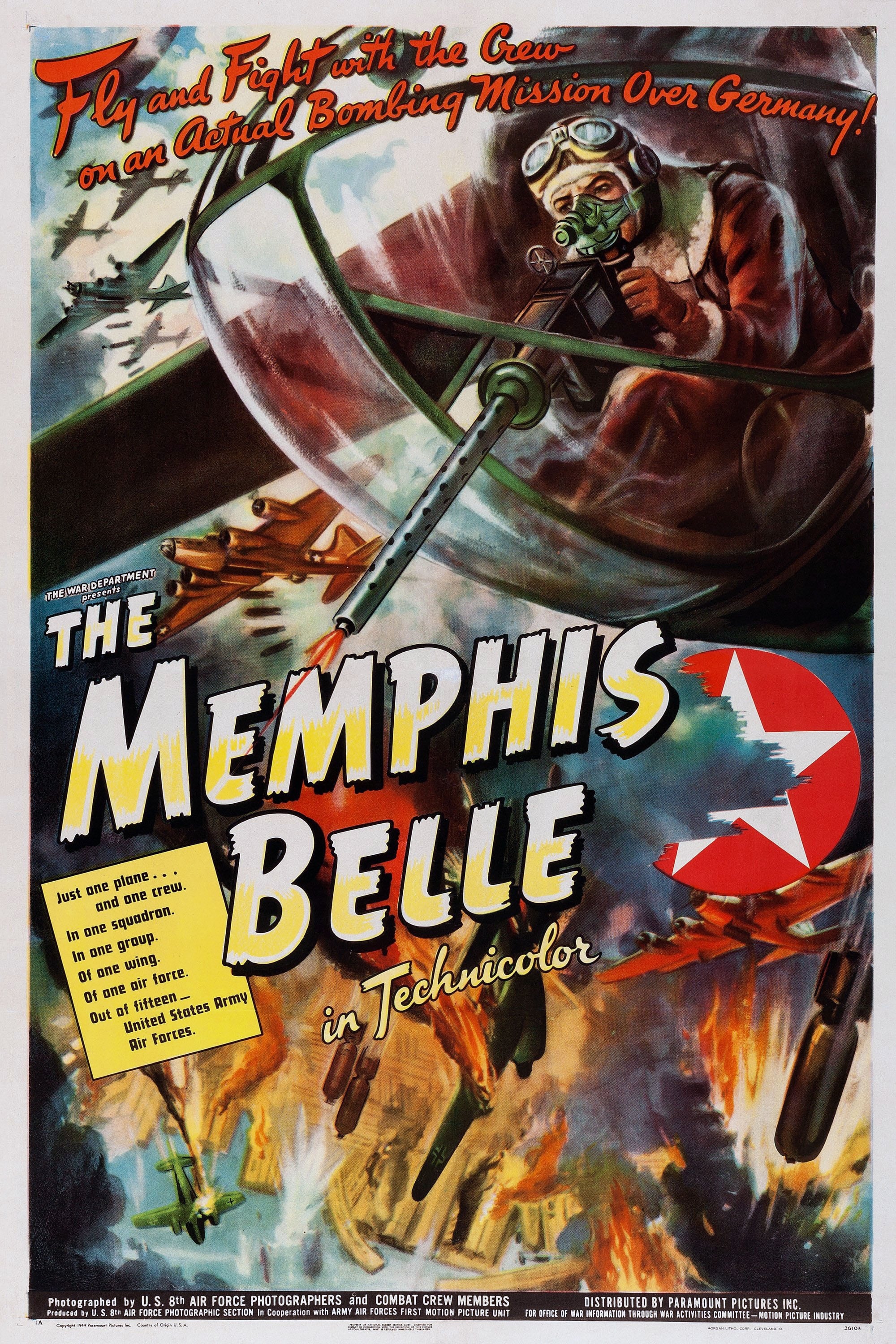
This WW2 documentary centers on the crew of the American B-17 Flying Fortress Memphis Belle as it prepares to execute a strategic bombing raid on Nazi submarine pens in Wilhelmshaven, Germany.
A faithful retelling of the 1942 "Vel' d'Hiv Roundup" and the events surrounding it.
In an intimate and joyful story of love in the face of loss, celebrated poets Andrea Gibson and Megan Falley find strength—and unexpected hilarity—in what might be their final year together.
A documentary on the expletive's origin, why it offends some people so deeply, and what can be gained from its use.
When Allied forces liberated the Nazi concentration camps in 1944-45, their terrible discoveries were recorded by army and newsreel cameramen, revealing for the first time the full horror of what had happened. Making use of British, Soviet and American footage, the Ministry of Information’s Sidney Bernstein (later founder of Granada Television) aimed to create a documentary that would provide lasting, undeniable evidence of the Nazis’ unspeakable crimes. He commissioned a wealth of British talent, including editor Stewart McAllister, writer and future cabinet minister Richard Crossman – and, as treatment advisor, his friend Alfred Hitchcock. Yet, despite initial support from the British and US Governments, the film was shelved, and only now, 70 years on, has it been restored and completed by Imperial War Museums under its original title "German Concentration Camps Factual Survey".
This Oscar-winning documentary recounts the harrowing stories of five Hungarian Jews who endured the horrors of the Holocaust and Hitler's reign.
He's devoted his career to uncovering stories the powerful want buried. From My Lai to Abu Ghraib, dig into the life's work of journalist Seymour Hersh.
From its distinctive neighborhoods to its architectural homes, Los Angeles has been the backdrop to countless movies. In this dazzling work, Andersen takes viewers on a whirlwind tour through the metropolis' real and cinematic history, investigating the myriad stories and legends that have come to define it, and meticulously, judiciously revealing the real city that lives beneath.
Artists in LA discover the work of forgotten Polish sculptor Stanislav Szukalski, a mad genius whose true story unfolds chapter by astounding chapter.
A subjective documentary that explores various theories about hidden meanings in Stanley Kubrick's classic film The Shining. Five very different points of view are illuminated through voice over, film clips, animation and dramatic reenactments.
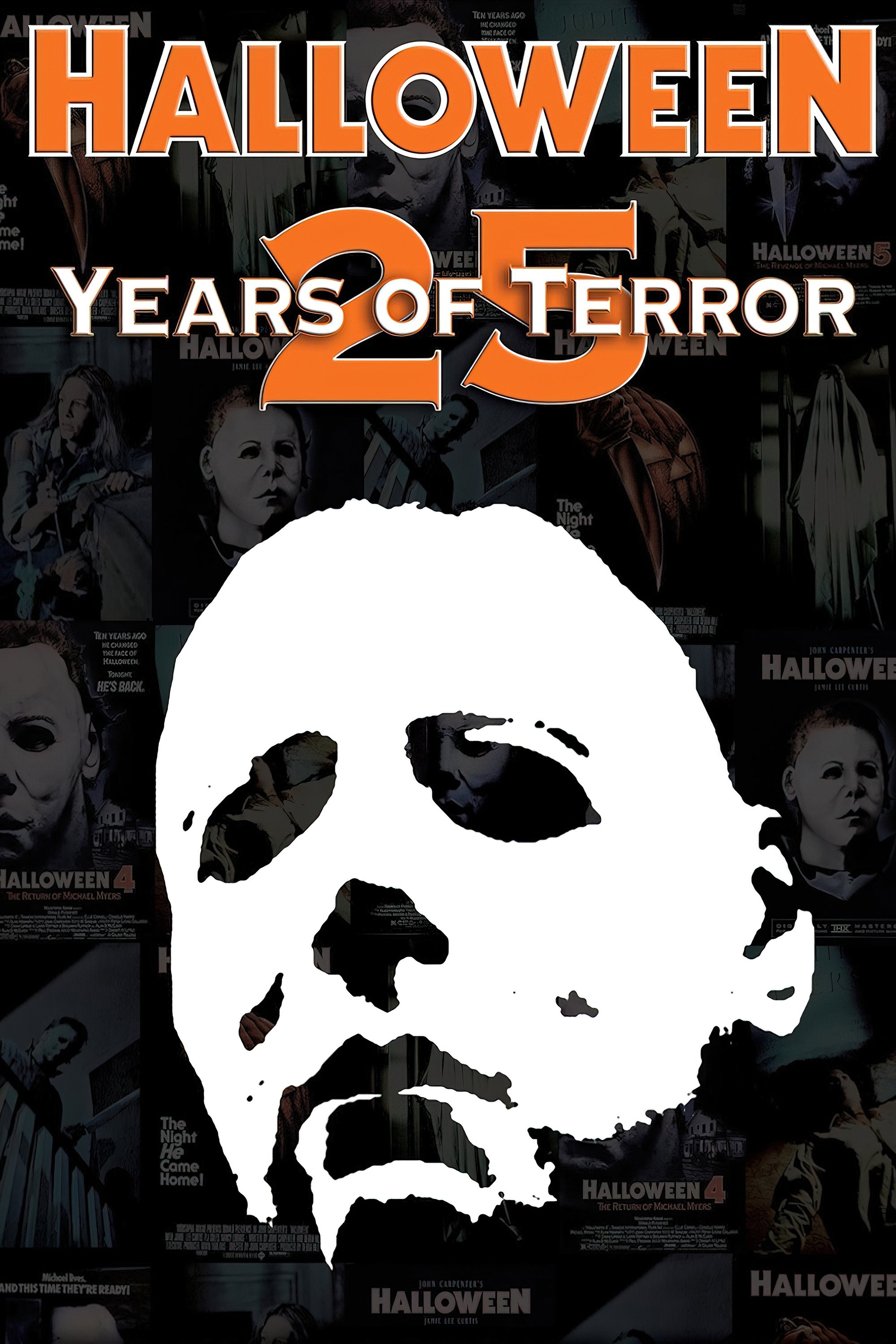
Follow the evolution of the 'Halloween' movies over the past twenty-five years. It examines why the films are so popular and revisits many of the original locations used in the films - seeing the effects on the local community. For the first time, cast, crew, critics and fans join together in the ultimate 'Halloween' retrospective.
From the heights of her modeling fame to her tragic death, this documentary reveals Anna Nicole Smith through the eyes of the people closest to her.
The life and career of one of comedy's most inimitable modern voices, Mr. Gilbert Gottfried.
A string of threatening emails escalates into a revenge plot involving a newly married US marshal and his ex-girlfriend.
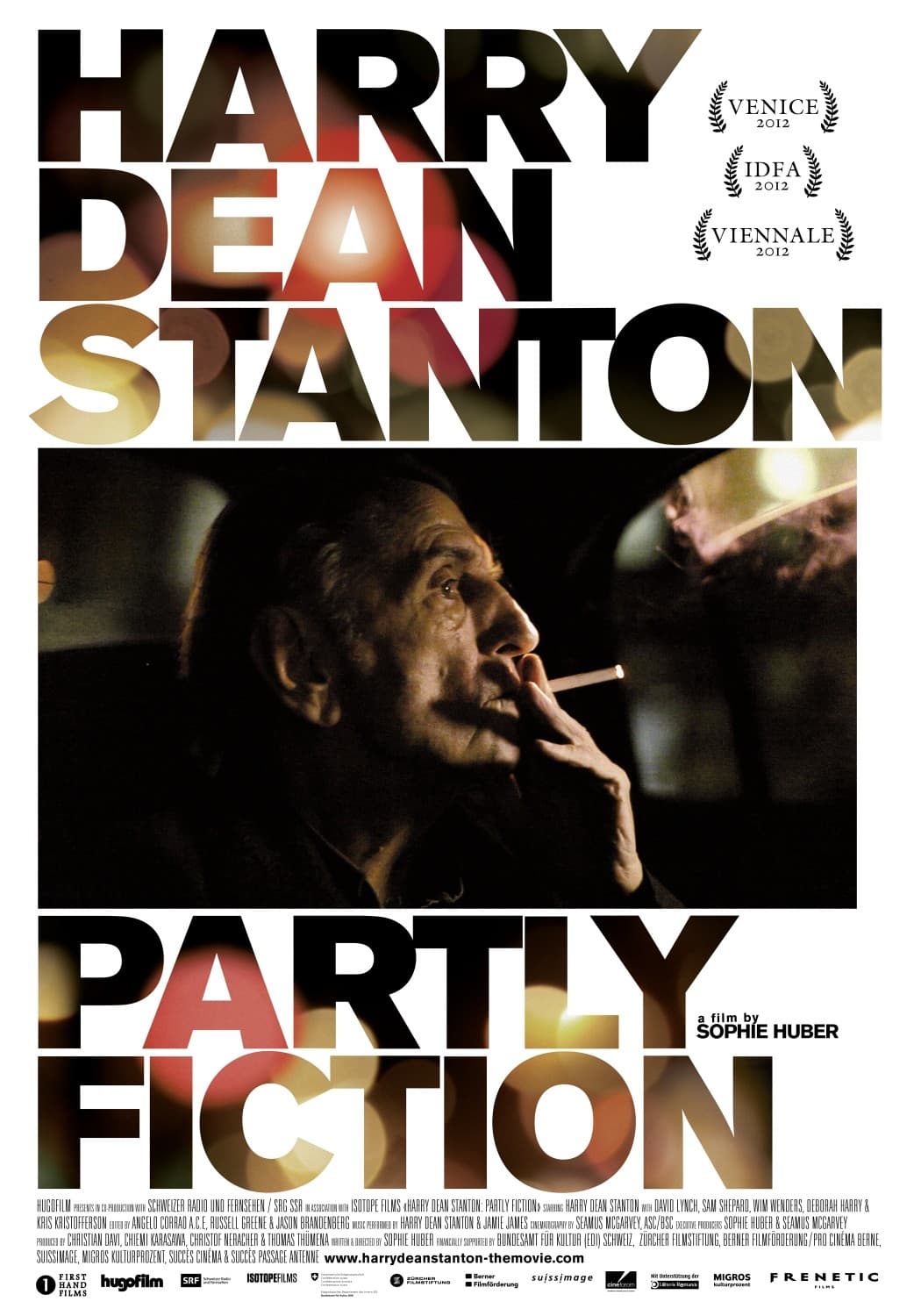
An impressionistic portrait of the iconic actor Harry Dean Stanton comprised of intimate moments, film clips from some of his 250 films and his renditions of American folk songs.
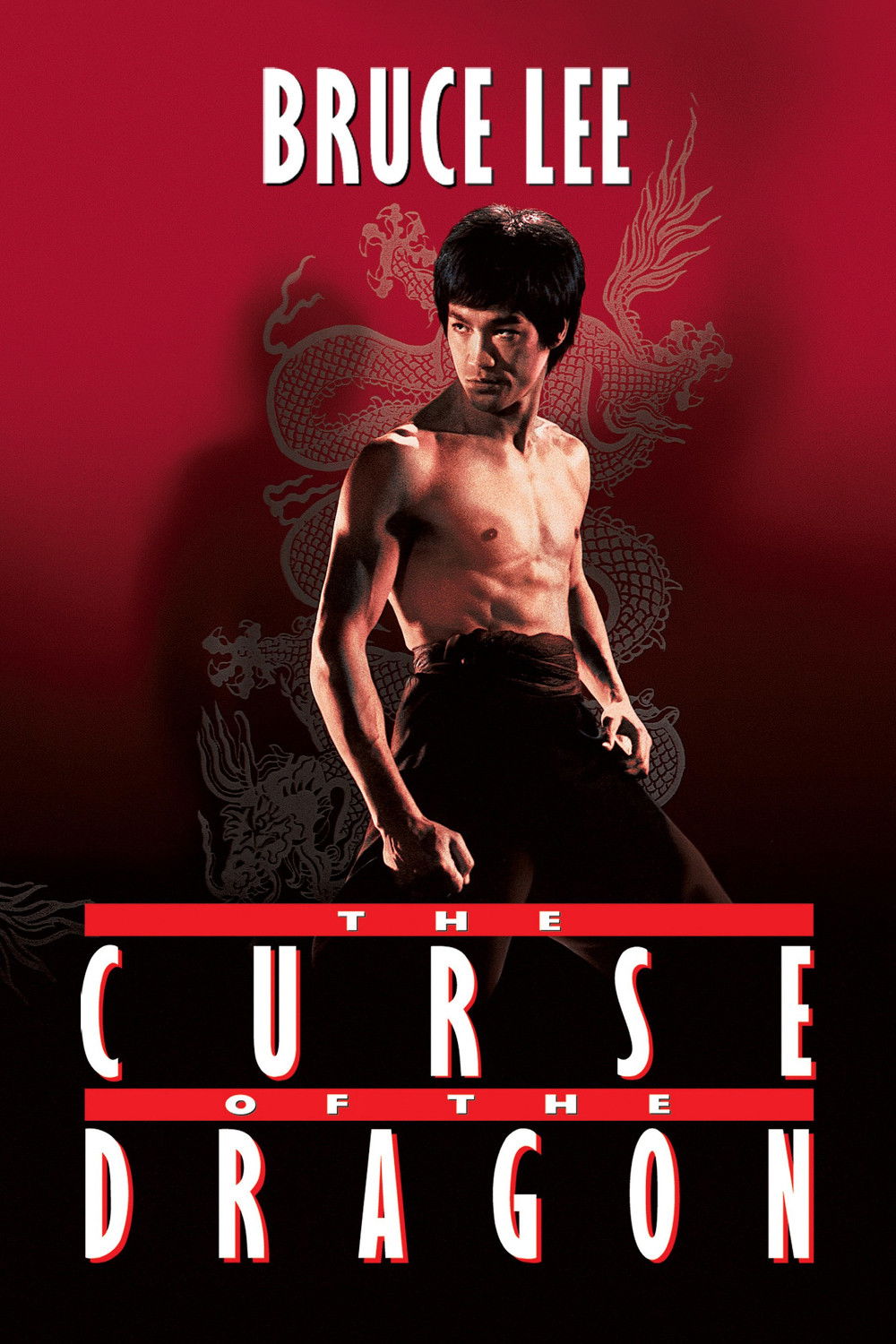
A 1993 documentary film about Bruce Lee. The film includes interviews from some of his fellow students and opponents who worked alongside him in his movies.
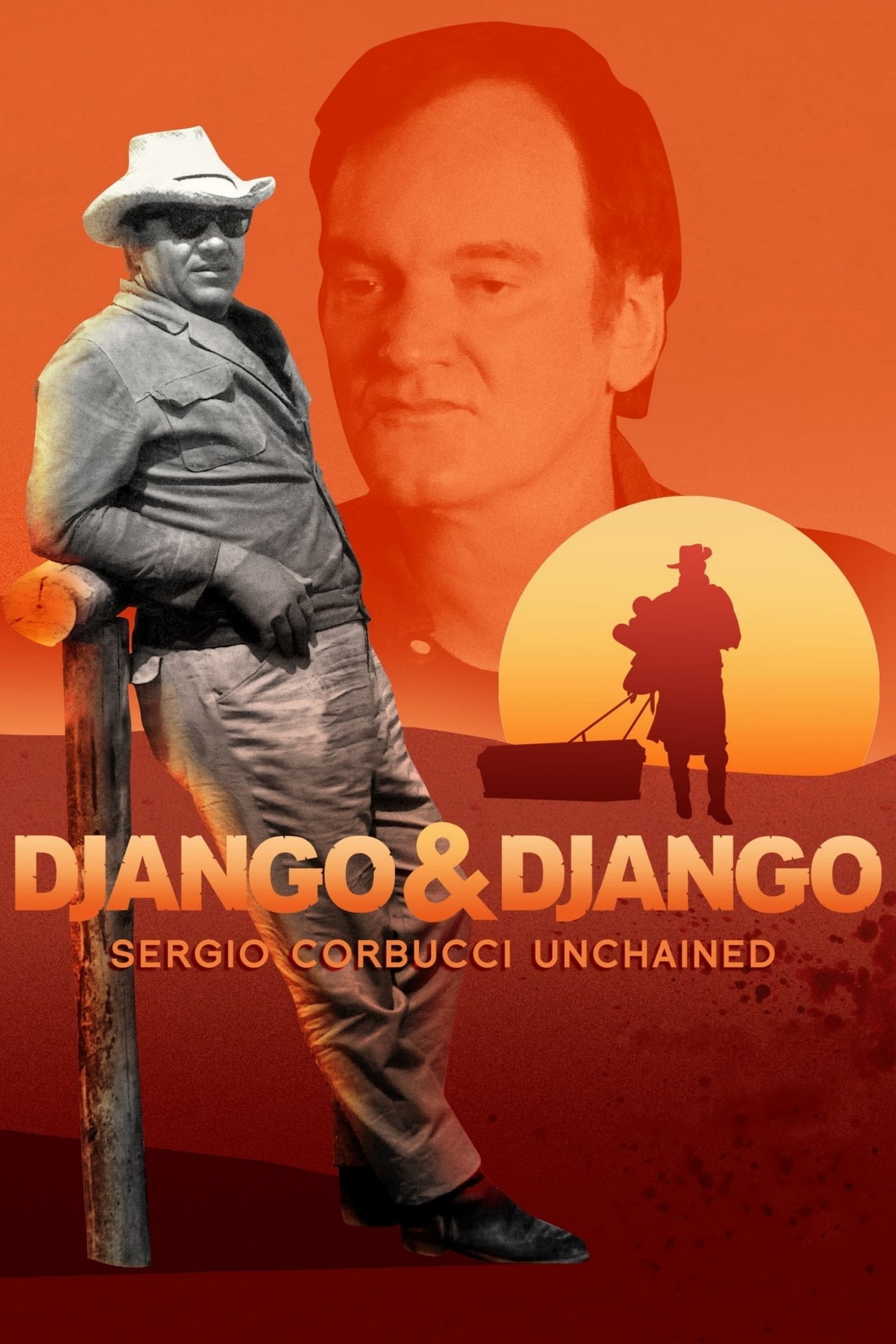
A tribute to Italian filmmaker Sergio Corbucci (1926-90), presented by American filmmaker Quentin Tarantino.
Journey into the extraordinary world of "The Witcher" — from casting the roles to Jaskier's catchy song — in this behind-the-scenes look at the series.
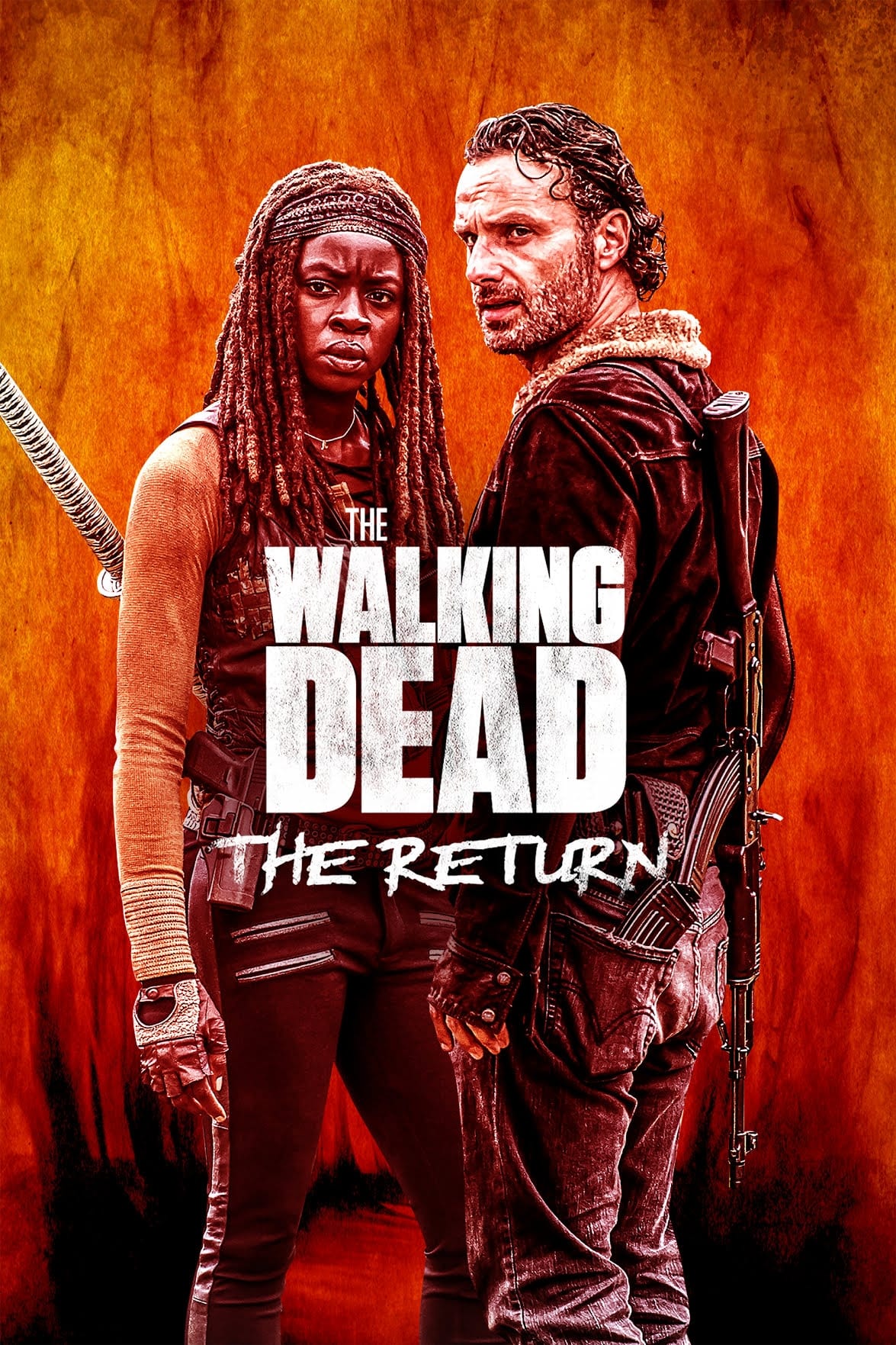
Stars of "The Walking Dead," Andrew Lincoln and Danai Gurira, walk down memory lane and visit iconic locations where pivotal moments between their characters, Rick and Michonne, were filmed.
Unravel the case of Utah therapist Jodi Hildebrandt, whose child abuse arrest with parenting YouTuber Ruby Franke exposed a twisted tale of manipulation.
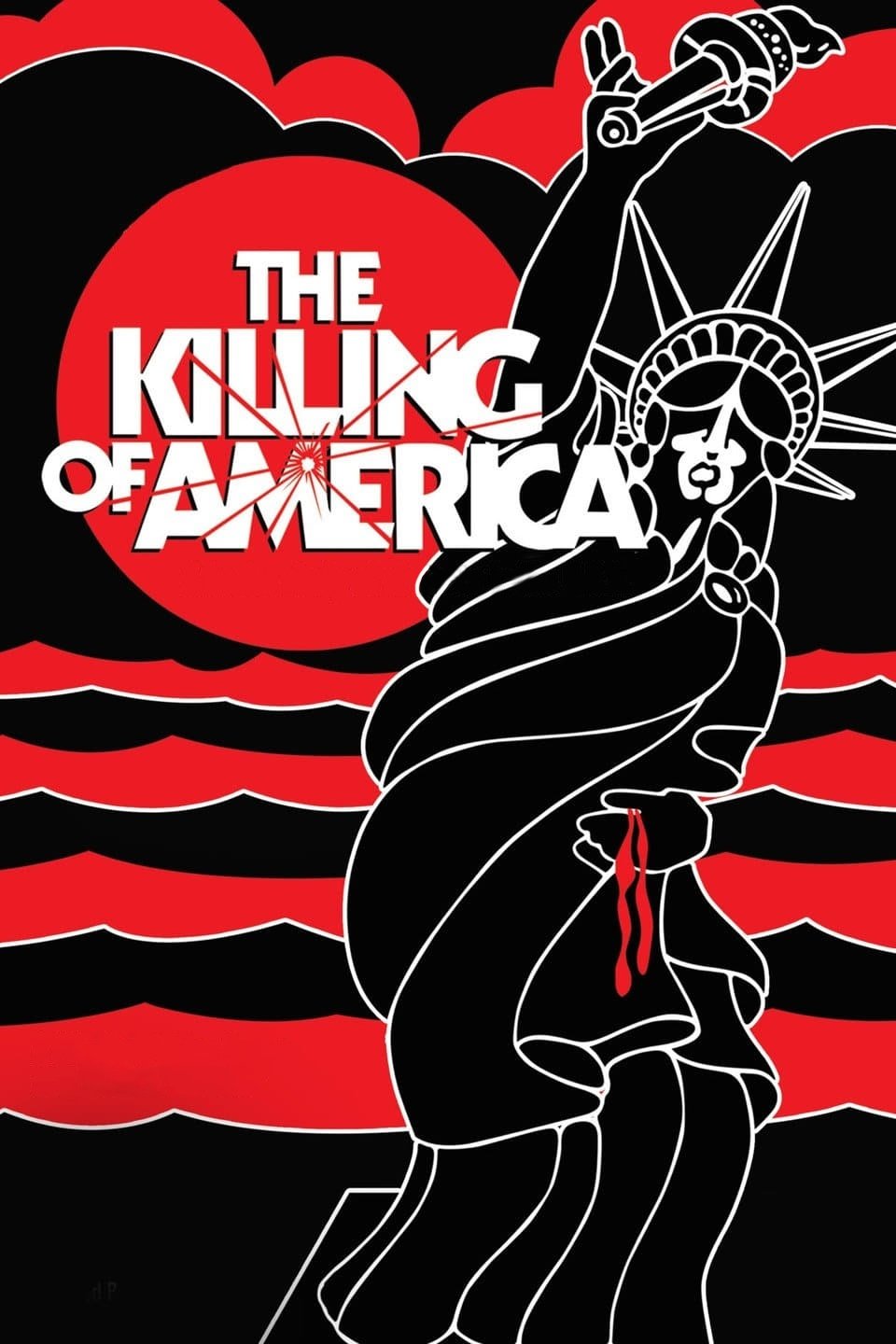
A documentary of the decline of America, composed of archival material and exclusive footage, carnage, madness, and mayhem with an unapologetic sincerity on the factual depiction of violence in the industrialized nation of the United States. Featuring a juxtaposition of detailed accounts of terrible acts, brutal behavior, and interviews from experts and convicted killers alike.
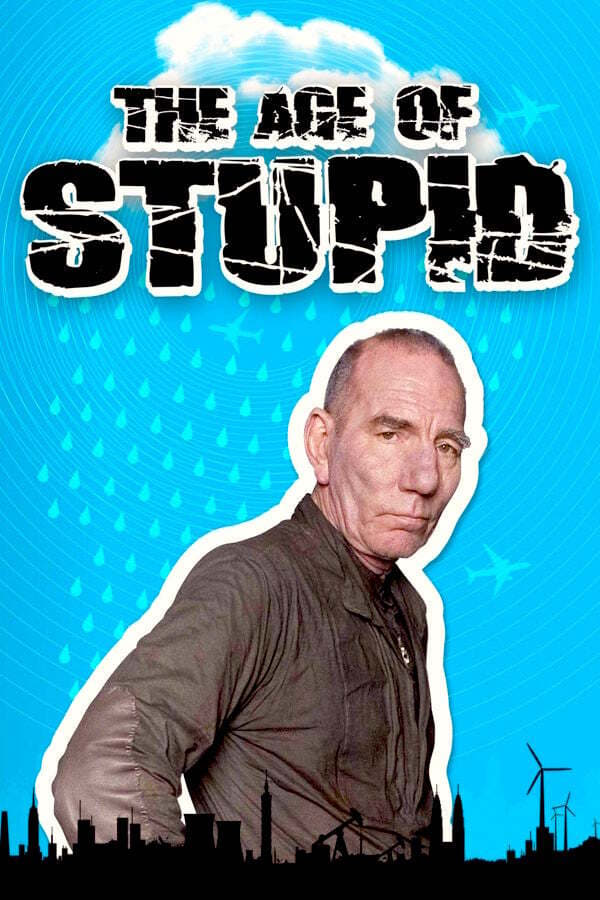
Pete Postlethwaite stars as a man living alone in the devastated future world of 2055, looking at old footage from 2008 and asking: why didn’t we stop climate change when we had the chance?