Social & External
The people behind it
Otto Lackovič
Luka Rubanovičová
Petr Rachner
Antonín Hrabánek
Magda Kopřivová
Mirko Musil
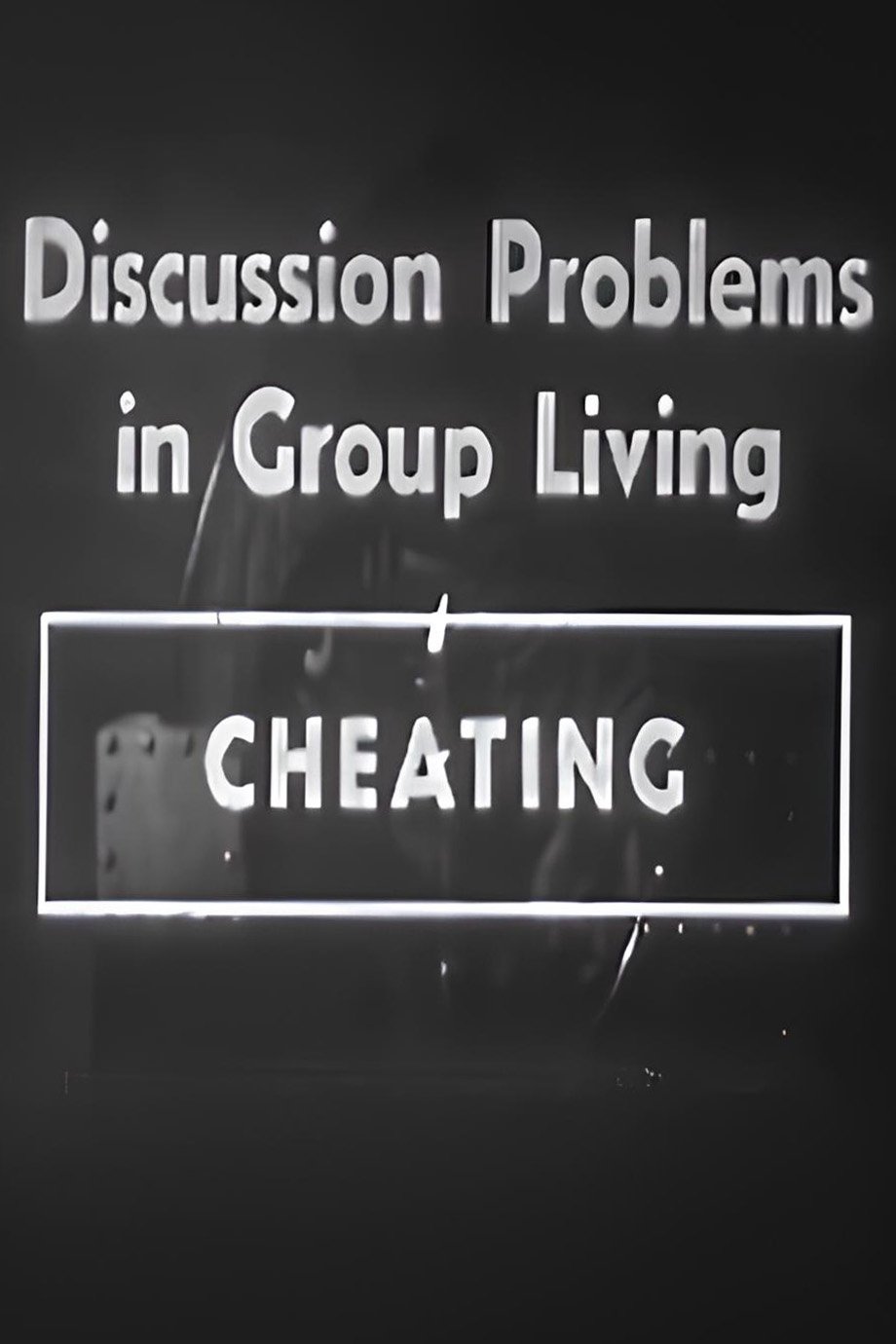
This public-school educational film warns of the dangers of cheating. John Taylor is struggling with his algebra course, and convinces his friend Mary to show him her answers during the tests. But when he is caught, his reputation among his fellow students, along with his student-council seat, is put in jeopardy.
"Whenever You Eat" (1949) is an educational film produced by the National Dairy Council and Atlas Film Corp, emphasizing the importance of physical well-being and its connection to good living habits and a proper diet. Through a 12-minute narrative, the film likely promotes balanced nutrition, healthy eating routines, and the role of dairy in maintaining overall health. Targeting families, students, and general audiences, it serves as a mid-century public health message encouraging better dietary choices for improved daily life and long-term wellness.
A scientific film essay, narrated by Phil Morrison. A set of pictures of two picnickers in a park, with the area of each frame one-tenth the size of the one before. Starting from a view of the entire known universe, the camera gradually zooms in until we are viewing the subatomic particles on a man's hand.
Presents an inductive experience in reading readiness. Shows a young boy as he interprets the meanings of various road signs during a long automobile trip.
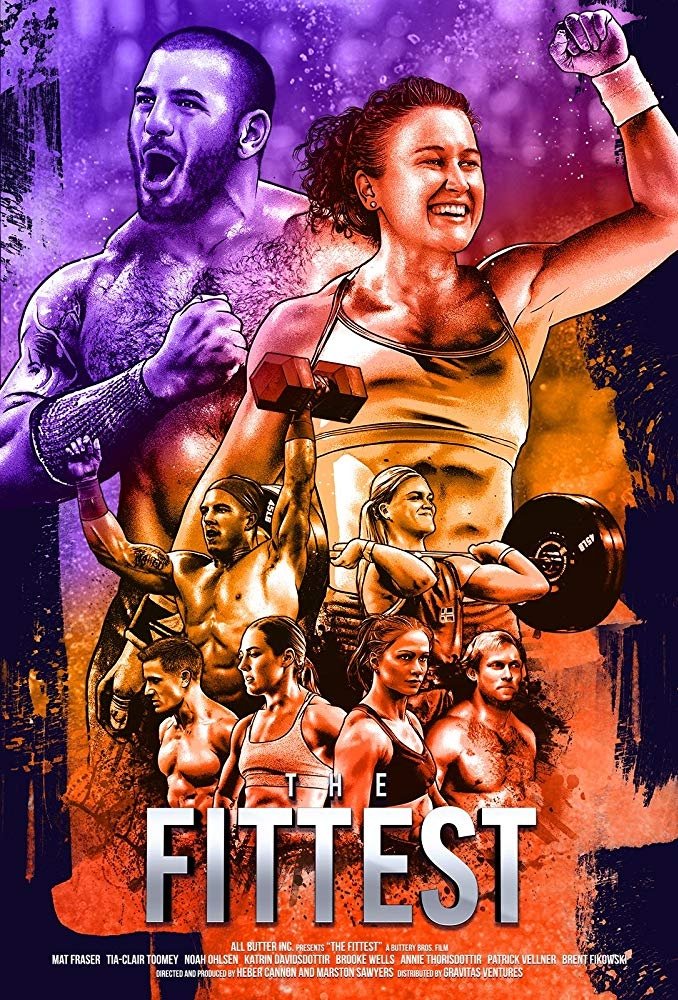
In 2019 the fittest athletes on earth took on the unknown and unknowable during four intense days of competition at the CrossFit Games. "The Fittest " captures all the drama as chiseled athletes descend on Madison, Wisconsin, to face a series of trials. On top of the physical challenges, this year the sport grew from 40 men and women, to over 100 of each. But with this new format came cuts of the field, so for the final half of the weekend, only 10 men and 10 women move on to determine who is the fittest. The best among them enter the pantheon of CrossFit giants and earn the right to call themselves the "Fittest on Earth."
Dr. Yang Jwing-Ming explains, demonstrates, and discusses the Eight Pieces of Brocade (jian shen ba duan jin), a qigong practice for health and wellbeing. The Eight Pieces of Brocade is a sequence of eight movements intended to build qi, promote blood circulation, assist the immune system, strengthen the internal organs, and energize the body. Dr. Yang teaches both sitting and standing variations of the practice.
Gil Hedley, Ph.D., former massage therapist and Rolfer, dissects a cadaver in order to teach bodyworkers and other interested students about the fascia of the viscera and cranium.
Gil Hedley, Ph.D., former massage therapist and Rolfer, dissects a cadaver in order to teach bodyworkers and other interested students about the integument and superficial fascia.
Gil Hedley, Ph.D., former massage therapist and Rolfer, dissects a cadaver in order to teach bodyworkers and other interested students about the interconnectedness of muscle and deep fascia.
Gil Hedley, Ph.D., former massage therapist and Rolfer, dissects a cadaver in order to teach bodyworkers and other interested students about the fascia of the viscera.
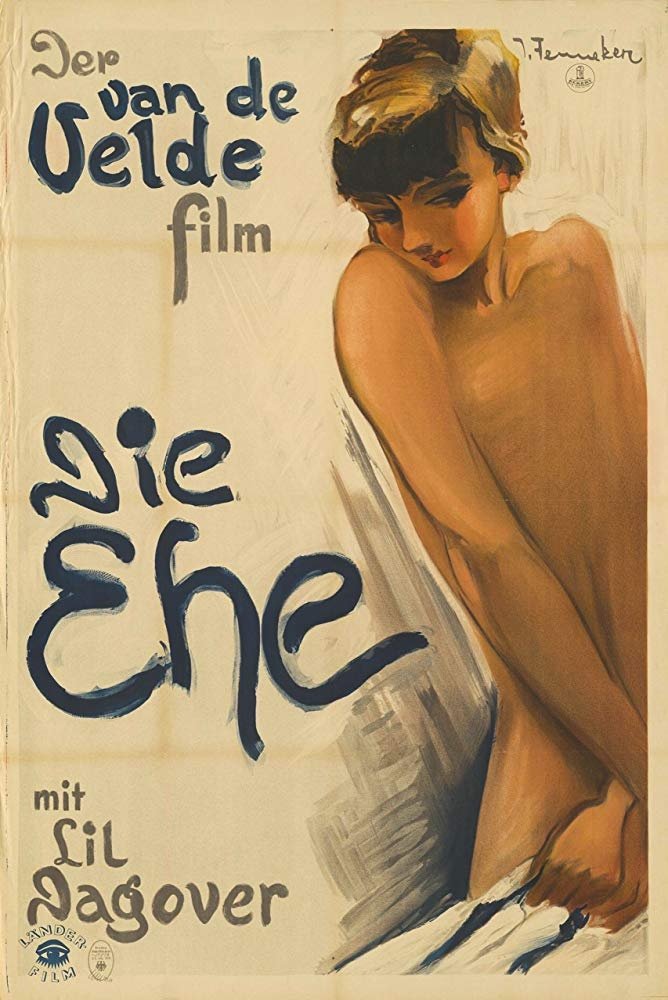
Marriage and sexuality is examined through the lens of screenwriter Dr. van de Velde, a Dutch gynocologist.
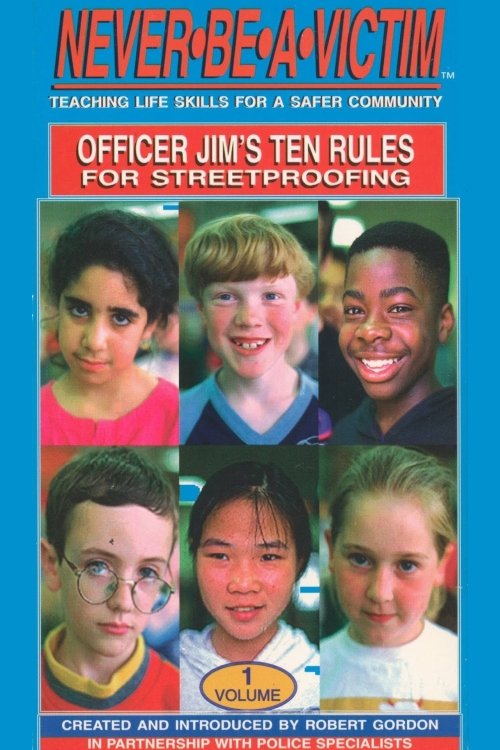
POLICE OFFICER JIM BYRNE, Canada's most honoured Safety Education Specialist brings you his famous TEN RULES, with which he has personally tested more than 25,000 students. Learn key strategies now taught in many schools and used by police working with the full NEVER BE A VICTIM Institutional Study Program. Develop your own personal streetproofing skills so you can train and test your family. Robert Gordon, who created this remarkable program in partnership with Metropolitan Police introduces this family video library against a backdrop of today's troubled society. TEACHING LIFE SKILLS FOR A SAFER COMMUNITY OFFICER JIM'S TEN RULES FOR STREETPROOFING • STRANGER MYTHS • ABDUCTION • BEING FOLLOWED • DANGEROUS PLACES • AVOIDING CARS AND VANS • GOOD TOUCHING-BAD TOUCHING
Shows five situations, each one a part of a story for students to complete. For primary grades.
Concentrates upon basic first aid steps. Simulated situations provide an opportunity to discuss and demonstrate mouth-to-mouth resuscitation, shock, bleeding, burns, fractures, poisoning and sudden illness. A recap is made of all first aid directions. Shots of real accidents provide realism which reinforce the film’s theme. Narrated by Burt Reynolds. ACMI Identifier 003727
A basic explanation of the purpose and process of menstruation, told largely with diagrams.
For the past 20 years, the world has seen an alarming decrease in IQ and a rise of autism and behavioral disorders. This international scientific investigation reveals how chemicals in objects surrounding us affect our brain, and especially those of fetuses.
A string of threatening emails escalates into a revenge plot involving a newly married US marshal and his ex-girlfriend.
In an intimate and joyful story of love in the face of loss, celebrated poets Andrea Gibson and Megan Falley find strength—and unexpected hilarity—in what might be their final year together.
An inside look at one of the most anticipated movie sequels ever with James Cameron and cast.
In a crime-plagued neighborhood near Miami, brutal, bare-knuckled backyard fights give young men a chance to earn money -- and self-respect.
SEDUCED AND ABANDONED combines acting legend Alec Baldwin with director James Toback as they lead us on a troublesome and often hilarious journey of raising financing for their next feature film. Moving from director to financier to star actor, the two players provide us with a unique look behind the curtain at the world's biggest and most glamourous film festival, shining a light on the bitter-sweet relationship filmmakers have with Cannes and the film business. Featuring insights from directors Martin Scorsese, 'Bernando Bertolucci' and Roman Polanski; actors Ryan Gosling and Jessica Chastain and a host of film distribution luminaries.
Join the likes of Jeremy Renner, Hailee Steinfeld, Florence Pugh, and Vincent D’Onofrio as they reveal how Marvel Studios’ “Hawkeye” was conceived and created. Witness firsthand what it took to pull off the show’s pulse-pounding action set pieces, and discover how iconic characters from the pages of Marvel Comics such as Kate Bishop were adapted and brought to life for the six-episode series.
A documentary special that explores the power of identity behind the iconic superheroes we know and love today. These legendary Marvel creations and stories have not only reflected the world outside our window – they have become a reflection of our own identities and who we truly are.
Explore the evolution of Buzz Lightyear from toy to human in the making of Pixar’s Lightyear. Dive into the origin and cultural impact of everyone’s favorite Space Ranger, the art of designing a new “human Buzz,” and the challenges faced by the Lightyear crew along the way.
Director Michael Apted revisits the same group of British-born adults after a 7 year wait. The subjects are interviewed as to the changes that have occurred in their lives during the last seven years.
Investigators reveal how Boeing’s alleged priority of profit over safety could have contributed to two catastrophic crashes within months of each other.
Those who knew iconic funnyman John Candy best share his story, in their own words, through never-before-seen archival footage, imagery, and interviews.
The Making-of James Cameron's Avatar. It shows interesting parts of the work on the set.
A sexual wellness company gains fame and followers, then members come forward with shocking allegations.
The life and career of an actor, artist, and icon. His own journey through his own camera.
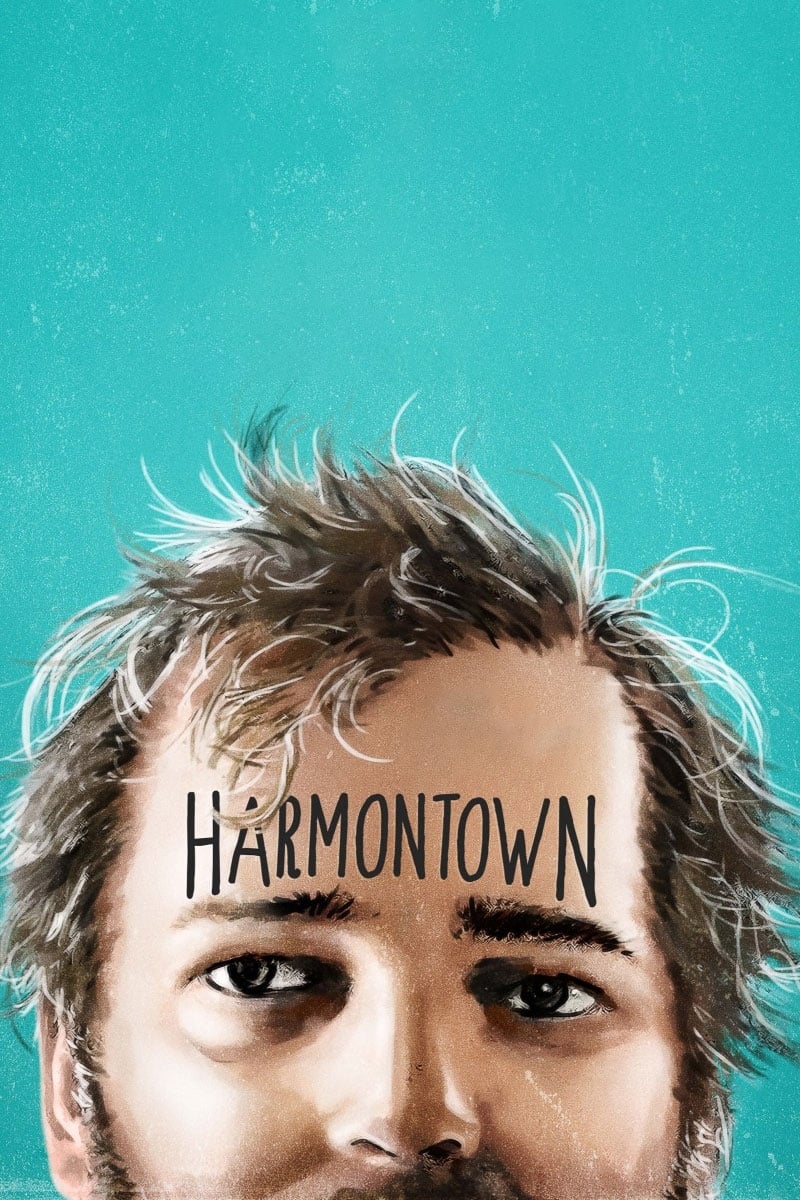
A comedic, brutally honest documentary following self-destructive TV writer Dan Harmon as he takes his live podcast on a national tour.
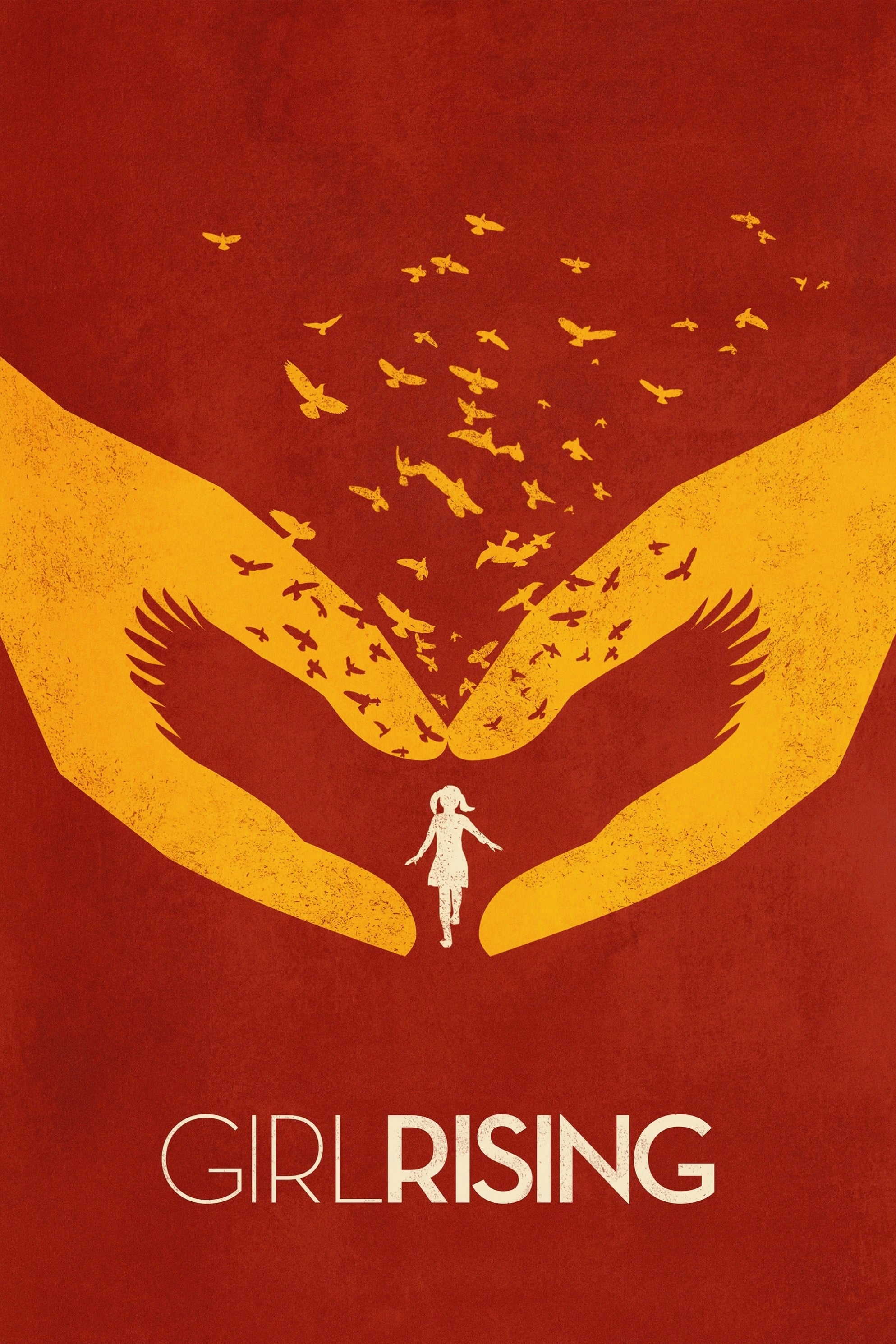
Nine filmmakers each profile a young girl from a different part of the world to weave a global tapestry of youth in the 21st century.
A detailing of the rise to prominence and global sporting superstardom of six supremely talented young Manchester United football players (David Beckham, Nicky Butt, Ryan Giggs, Paul Scholes, Phil and Gary Neville). The film covers the period 1992-1999, culminating in Manchester United's European Cup triumph.
The life of Mr. Spock, as well as that of Leonard Nimoy, the actor who played him for almost fifty years, written and directed by his son: Adam.
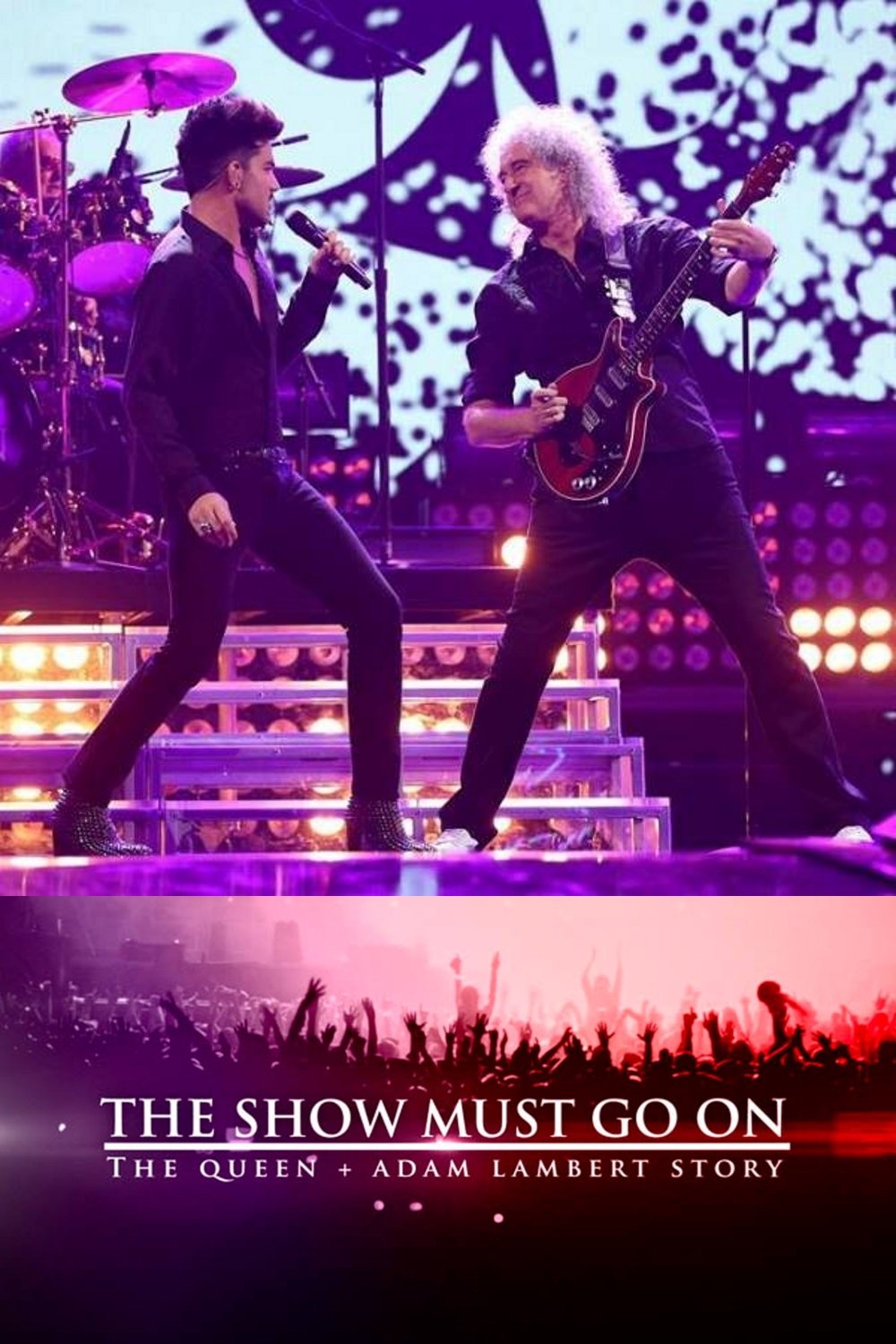
A documentary chronicling Queen and Lambert's incredible journey since they first shared the stage together on "American Idol" in 2009.
A documentary about how a dominant cultural and demographic institution both sustains their traditional activities and adapts to the digital revolution.