The Closing Ceremony of the Games of the XXXII Olympiad in the New National Stadium in Tokyo
Social & External
Self
A profile of the 1928 Olympic Games in St. Moritz, Switzerland.
Produced by the Army Pictorial Service, Signal Corps, with the cooperation of the Army Air Forces and the United States Navy, and released by Warner Bros. for the War Activities Committee shortly after the surrender of Japan. Follow General Douglas MacArthur and his men from their exile from the Philippines in early 1942, through the signing of the instrument of surrender on the USS Missouri on September 1, 1945. Preserved by the Academy Film Archive in 2013.
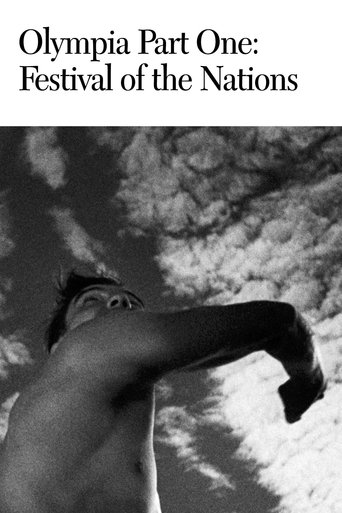
Starting with a long and lyrical overture, evoking the origins of the Olympic Games in ancient Greece, Riefenstahl covers twenty-one athletic events in the first half of this two-part love letter to the human body and spirit, culminating with the marathon, where Jesse Owens became the first track and field athlete to win four gold medals in a single Olympics.
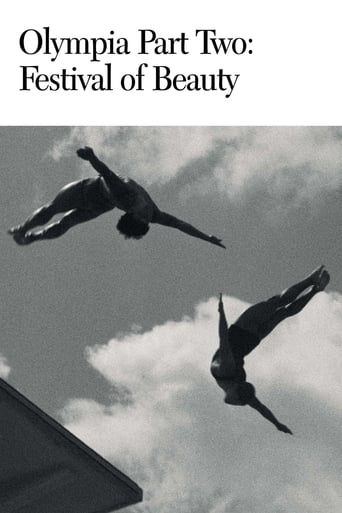
Part two of Leni Riefenstahl's monumental examination of the 1938 Olympic Games, the cameras leave the main stadium and venture into the many halls and fields deployed for such sports as fencing, polo, cycling, and the modern pentathlon, which was won by American Glenn Morris.
Based on a major exhibition at the Ashmolean in Oxford, Tokyo Stories spans 400 years of incredibly dynamic art – ranging from the delicate woodblock prints of Hokusai and Hiroshige, to Pop Art posters, contemporary photography, Manga, film, and brand-new artworks that were created on the streets. The exhibition was a smash-hit five-star success and brought a younger and more diverse audience to the museum. The film uses the exhibition as a launchpad to travel to Tokyo itself, and explore the art and artists of the city more fully. A beautifully illustrated and richly detailed film, looking at a city which has undergone constant destruction and renewal over its 400-year history, resulting in one of the most vibrant and interesting cities on the planet…
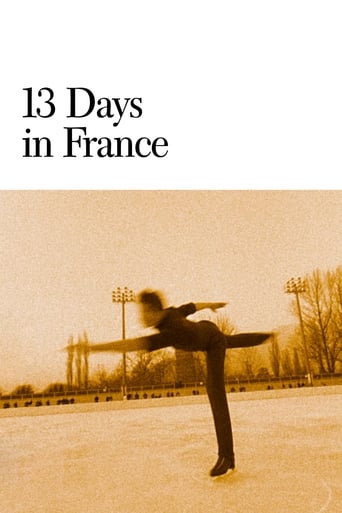
This colorful documentary chronicles the events of the 1968 Winter Olympics in France. The events made international celebrities of skater Peggy Fleming and skier Jean-Claude Killy for their gold-medal performances. The camera accurately catches the speed of bobsleds and downhill racers and ski jumpers as they race for the gold. President Charles DeGaulle is shown observing the action over 13 days, which saw France earn the best performance to date in the winter games.
20 minute music documentary shot in two days of November 1984 in, and around the outskirts of, Tokyo, Japan. A large part of the music was completed during that same month and recorded over a period of three days.
Documentary examines the history and evolution of the Olympic Games, taking a close look at the Olympic charter, oath and ideals. Also featured are rare home movies and interviews with Olympic athletes and the oldest known color footage of the Olympic Games from Berlin in 1936.
Discover the little-known story of a group of college basketball players who were tasked with preparing Larry Bird, Magic Johnson, and Michael Jordan and the rest of the legendary "Dream Team" for their Olympic debut in 1992.
A documentary film looking back at the 2016 Olympics in Rio de Janeiro, including rowing brothers Gary and Paul O'Donovan, who won silver medals at the games. In August 2016 Gary and Paul O’Donovan, two young rowers from West Cork in Ireland, came from nowhere to become household names after bolting their way to silver medal success at the Rio Olympics. Not only did they become the first ever Irish rowers to bring home Olympic medals but within a week Paul also went on to become the fastest singles lightweight rower on the planet by winning gold at the World Championships. With catch phrases like ‘Pull Like A Dog’ and ‘Stheak and Spuds’ these two young men have succeeded in warming the hearts of a nation.
Just after midnight on 10 March 1945, the US launched an air-based attack on eastern Tokyo; continuing until morning, the raid left more than 100,000 people dead and a quarter of the city eradicated. Unlike their loved ones, Hiroshi Hoshino, Michiko Kiyooka and Minoru Tsukiyama managed to emerge from the bombings. Now in their twilight years, they wish for nothing more than recognition and reparations for those who, like them, had been indelibly harmed by the war – but the Japanese government and even their fellow citizens seem disinclined to acknowledge the past.
A documentary covering the 1992 Olympic Games in Barcelona.
When Tomoko finds some messages for a 'Mr Smith' on a lost mobile phone, she finds herself on an 'Alice in Wonderland' journey through Tokyo's boulevards and back alleys. From the tyranny of symmetry in soaring office blocks - to buildings that look like space-ships, this creative documentary shows us the city's soul.
Universally recognized as the greatest female skier ever, Lindsey Vonn went on a remarkable journey that was defined by unexpected twists and turns and dramatic peaks and valleys in its final chapter. LINDSEY VONN: THE FINAL SEASON intimately recounts the iconic skier’s last competitive campaign while looking back on her transcendent career, from child prodigy to decorated Olympian to global superstar.
What were once lifestyle fads have evolved into some of the world's fastest-growing sports and are now set to debut on the world’s biggest stage – the Olympic Games. Step inside the journey of three new sports born on the fringes of society – skateboarding, surfing, and sport climbing – alongside names like Tony Hawk, Emily Harrington, and Sofia Mulanovich.
A short documentary exploring the gender inequality that male artistic swimmers are facing in the Olympics, including intimate interviews with Spanish mixed duet Pau Ribes and Emma Garcia, and legendary American male artistic swimmer Bill May.
Coverage of the glorious Olympic Opening Ceremony of the Games in Tokyo. The 2020 Summer Olympics opening ceremony took place on 23 July 2021 at Olympic Stadium, Tokyo. As mandated by the Olympic Charter, the proceedings combined the formal and ceremonial opening of this international sporting event, including welcoming speeches, hoisting of the flags and the parade of athletes, with an artistic spectacle to showcase the host nation's culture and history.
19 years after the dropping of atomic bombs in Japan, the Olympic Games of 1964 took place in Tokyo. In the midst of the cold war, the games are supposed to become a symbol for a peaceful world. Especially the divided Germany is expected to prove this: By order of the IOC, both German states must participate in Tokyo with a joint team despite deep ideological rifts. The fact that athletes from both German states still had to compete against each other in order to form a joint team for the 1964 Olympic Games in Innsbruck and in Tokyo is all but forgotten. The film tells the story of the East-West German team of 1964 for the first time and is simultaneously a current document about the relation of sports and politics in international relations.