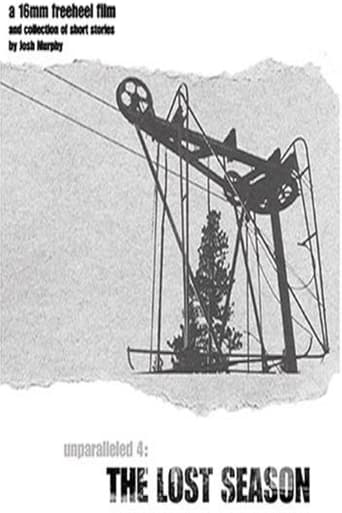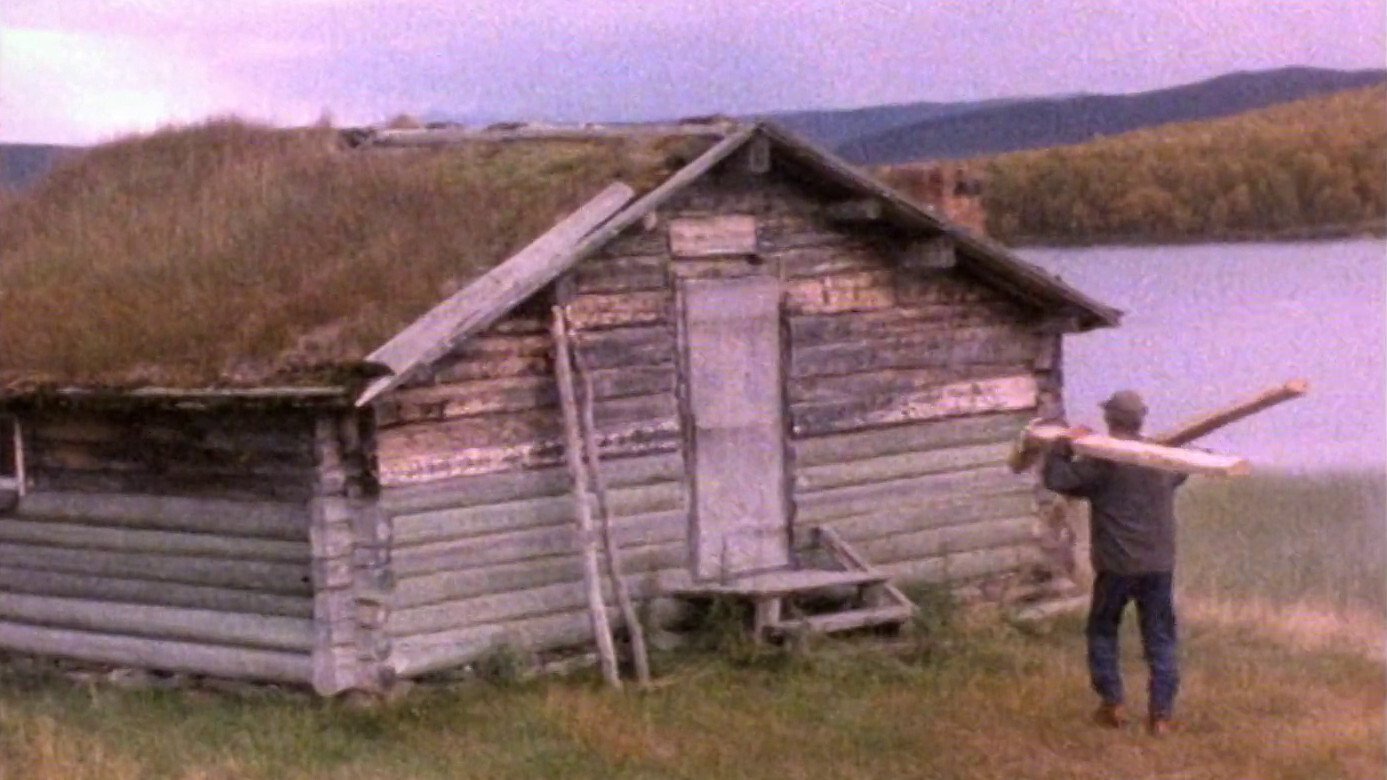
Documentary about the making of a pair of skis using old methods, from the scouting for the perfect tree to finished product.
Social & External
Himself
Teton Gravity Research and Indy Pass bring you a short film celebrating the independent spirit of the Midwest ski and snowboard community. Those who ride the Midwest will tell you - they don’t need endless storm cycles, 4,000 feet of vert or fancy base areas to have fun. A few rope tows and rails, a set of slalom gates to bash, reliable snowmaking and a sense of adventure is all it takes. The ski industry could learn a few tricks from these tried and true Midwest ski areas: Family-first means affordable passes, after school programs, volunteer-led race clubs and most importantly, a sense of camaraderie. In Pursuit of Soul 2: Midwest Independence was filmed on location at Buck Hill, Caberfae Peaks, Granite Peak, Little Switzerland, Lutsen Mountains, Nordic Mountain, The Rock Snowpark, and Tyrol Basin.
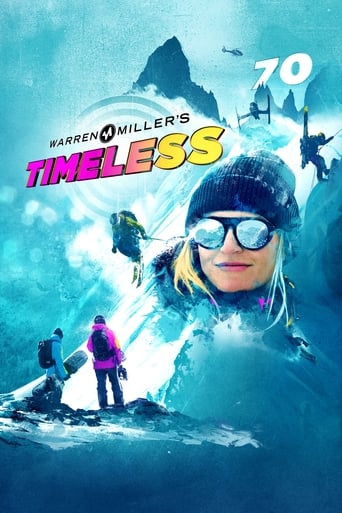
Kick off the season with Warren Miller’s Timeless, presented by Volkswagen, as we celebrate 70 years of ski cinematography and travel with top athletes across the globe to renowned mountain locations. Featuring ski legends like Glen Plake, alongside newcomers Caite Zeliff, Jaelin Kauf, and Baker Boyd. Road-trip with rippers from Arlberg to the Matterhorn, be immersed in the hometown hill of Eldora and discover a different side of Jackson Hole, plus much more.
Film about skiing and other winter sports.
For 27 years, Teton Gravity Research has been searching for the right place with the right crew at the perfect time to experience life at its fullest. Between the thrill of the hunt and the peace of floating down a mountain, the sum of our experiences becoming greater than its parts is what we seek. If you ask us, our annual snow film Magic Hour is just that.
Witness never-before-seen footage of the Warren Miller film crew and athletes as they take on the world's most exotic mountains, treacherous terrain and red-hot ski resorts. Listen as they share their untold stories acres-ski. The only way to get closer to the action is to be on skis.
Universally recognized as the greatest female skier ever, Lindsey Vonn went on a remarkable journey that was defined by unexpected twists and turns and dramatic peaks and valleys in its final chapter. LINDSEY VONN: THE FINAL SEASON intimately recounts the iconic skier’s last competitive campaign while looking back on her transcendent career, from child prodigy to decorated Olympian to global superstar.
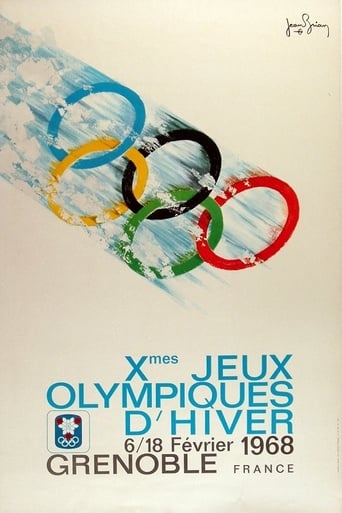
Film about the 10th Olympic Games in Grenoble in 1968. Using a subjective camera, Ertaud and Languepin take the pulse of the Games, cutting out the eyes and slowing down the movement when necessary. The dominant figure at the Grenoble Winter Games is Frenchman Jean-Claude Killy, whose three gold medals matched Toni Sailer's 1956 feat. The filmmakers bet on his winning streak, and include commentary from him as he prepares for each race. Another athlete, Marielle Goitschel, is treated insightfully on screen and wins the women's slalom. Ice dancing fans will appreciate the coverage of winner Oleg Protopopov and his partner Ludmila Belousova. President Charles De Gaulle was present for the spectacular Opening Ceremony.
From the mind of Chris Benchetler comes TGR's latest short film collaboration. Improvisation is the silver thread that weaves this crew together. Just as the Grateful Dead did not fit their music into an established category, this short film finds a cast of some of the world’s best athletes on a spontaneous journey of skiing, snowboarding, surfing, and music, complete with a soundtrack comprised of only Grateful Dead music.
The ascend and mental battle of Marc Rochat into the elite world of Slalom skiing.
From humble beginnings, complex family dynamics and tragic, life-changing events, to her unlikely rise to success in two very different worlds: fashion modeling and professional skiing. “How Did I Get Here” is a coming-of-age story, full of adventure, exploration, heartbreak, growth and inspiration.
A ticket can get you anywhere in the world, from the chairlift at your local ski area to the top of Talgar Peak in Kazakhstan. It can put your heart in your throat as you fly over a knoll faster than you have all year, and it can put your mind at ease when you find yourself alone in a snow-covered Aspen grove with clear blue sky above and crisp cold air all around. A ticket is the end of reality and the beginning of a journey. And we've got one for you.
Esperanto is TGR’s latest action-packed mountain bike film with an added twist. Mixing the rock stars of the sport with a cast of unknown and up-and-coming heroes, the film explores how we share our dreams through a universal two-wheeled language no matter what our native tongue may be. The sacred ritual of the ride might sound different all across the world – whether it’s a full-face getting pulled down to drop into a big jump line or wheeling a beat-up bike out of a mud hut to pedal to school – but it’s a universal process no matter what language we speak. There are more than 7000 languages spoken on Earth. In 1887 a Polish-Jewish doctor named L.L. Zamenhof created a new one, a universal second language based on a combination of existing widely-spoken European languages. Its goal, to help bring people together from different ideologies, beliefs, and nations and ultimately to help end war. The language was called Esperanto. Translated into English it means ‘one who hopes.’
Snow dancing and spectacular skiing stunts are showcased in this lively video program hosted by star skiers Suzy Chaffee and John Eaves. The antics are backed by the music of Alan Parsons, Harold Faltermaier, Gary Wright and John Denver. Much of the footage comes from the ski film Fire and Ice.
This Pete Smith Sports Champion short visits Southern California where it quickly moves from orange orchards to the mountain snow playground at Big Pines L.A. County Camp for some winter sports including sledding, skating, and ski jumping.
Terry Wilson is a 70-year-old lifelong resident of Meadowvale Village, Ontario's first heritage district. As development looms and begins to destroy Terry's favourite place in the world, he recreates pieces of history in his backyard, crafting an oasis where it feels like nothing has changed. A beautiful tribute to his childhood, his mother, and his town, Terry passionately fights to preserve history in a world that's too anxious for change.
Hans Thirring, a theoretical physicist at the University of Vienna, is skiing down a mountain slope wearing cape-like attire. The cape, designed by Thirring and called the Thirring mantel, is made of parachute silk and acts somewhat like a parachute to provide its wearer reduced speed while shushing down the slopes. But it also provides lift so that the skier is lighter on his skis, almost weightless. This "flight" somewhat mimics the experience felt by those participating in the relatively new sport of ski-flying (also known as ski jumping), which must have exacting conditions (i.e. little wind, hard packed snow) to ensure safety. Even in ideal conditions, ski-flying is a dangerous sport, especially if the landing is not executed properly.
A story about the lives of Leila Avakh and Sedigheh Momennia who have chosen, with much love and passion, carpentry as a profession, a profession that is considered extremely masculine in the traditional society of Iran. As such, these two face many difficulties and obstacles. However, they are determined to prove to themselves and their society that it is not impossible to achieve your dreams. Leila and Sedigheh are amongst the first female carpenters in Iran.
Filmmaker Giles Walker takes an informal look at how our best skiers work and live. Filmed in 1976, this short movie follows the Canadian ski team on a tight schedule in Chile and Argentina. With 2 ½ tons of equipment, speeds of up to 140 km/h, gruelling workouts and a dramatic theft, it's safe to say that downhill racing is not for the faint of heart.
Chronicles the life of Picabo Street, the alpine skiing icon of the 1990s, from her unorthodox childhood in Idaho to her Olympic successes, dramatic recoveries from ill-timed injuries and her arrest in 2015 due to false abuse allegations.
Magic in the Mountains tells the remarkable underdog story of how Squaw Valley, a little-known ski area in California, won the bid for the 1960 Winter Olympics and, with the help of Walt Disney, changed forever the ways in which the Games were presented. The documentary features never-before-seen archival footage from the 1960 Olympic Games and revealing interviews with participating athletes and attendees. The 1960 edition of the Olympics introduced a substantial array of “firsts,” including such innovations as live broadcast, instant replay, sponsorships, and an official Olympic Village for the athletes. Perhaps most importantly, thanks to Disney’s involvement in producing the Games, Squaw Valley featured an unprecedented — but soon to be standard — level of pageantry for the opening and closing ceremonies.