Social & External
The people behind it
Ricardo Marquina Montañana
Narrador
The story of the Cuban Missile Crisis in 1962—the nuclear standoff with the USSR sparked by the discovery by the Americans of missile bases established on the Soviet-allied island of Cuba.
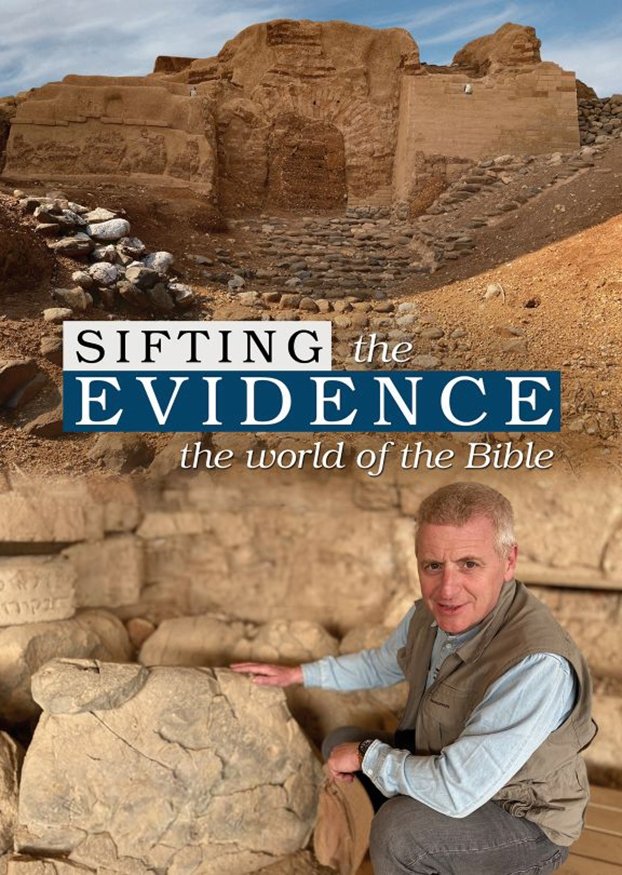
Dr. Chris Sinkinson presents in a thoughtful, accessible and engaging manner, demonstrating through on site location and interviews with experts, that archaeology affirms that the Bible is reliable and fits with important events that occurred in the ancient world. He cites Jerome who considered Israel the “fifth gospel” and his avid interest and expertise in the land and history is clearly evident. Indeed if we visit and study Israel, that will illumine and enrich our understanding of the Bible. Interestingly and additionally, when Blaise Pascal was asked by Louis XIV for evidence for the existence of God, he simply similarly responded, “The Jews, your majesty, the Jews.”
The 1905 law proclaiming the separation of church and state is 120 years old. This law affirms freedom of conscience and religious freedom. It is considered the founding text of secularism. Secularism is the subject of endless controversy and debate.
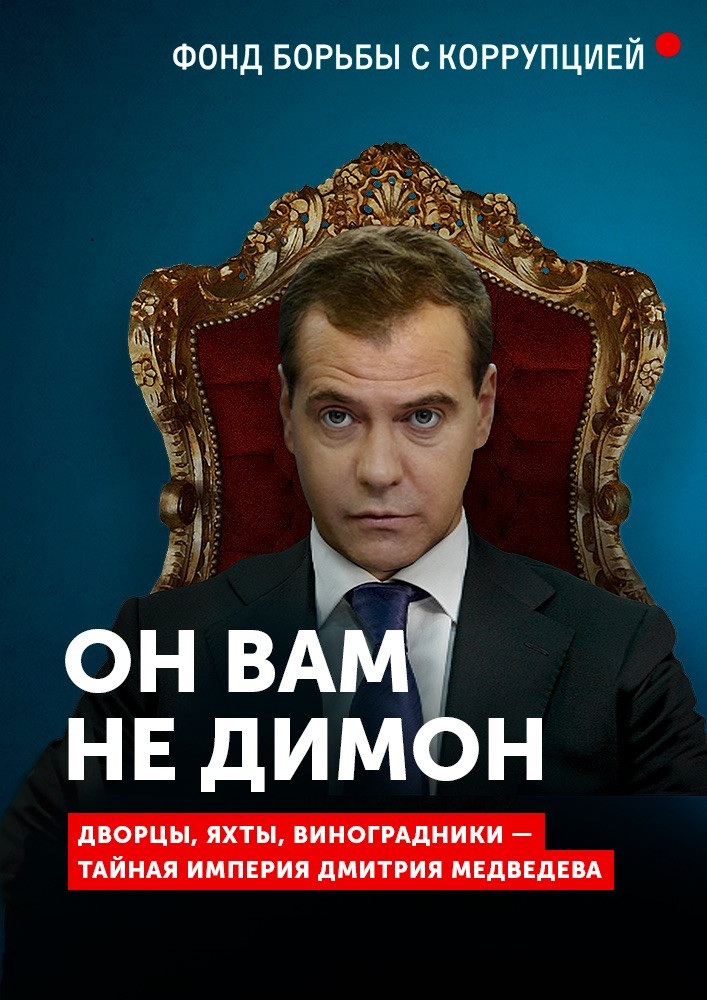
Don't Call Him Dimon is a 2017 Russian documentary film about the corrupt affairs of Prime Minister of Russia Dmitry Medvedev. According to the film, Dmitry Medvedev has stolen property estimated to be worth about $1.2 billion.
The love story of young Countess Natasha Rostova and Count Pierre Bezukhov is interwoven with the Great Patriotic War of 1812 against Napoleon's invading army.
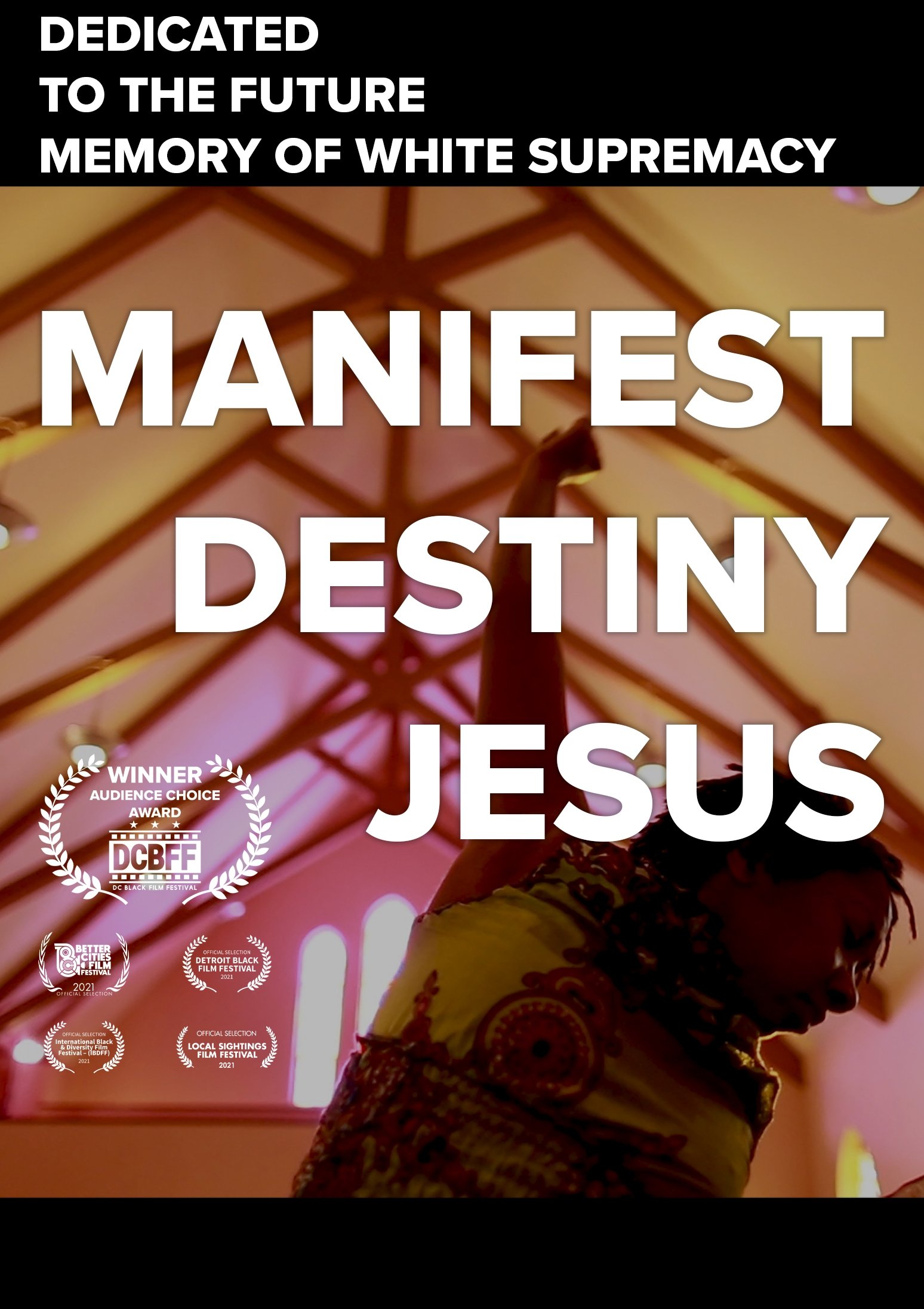
Documentary on gentrification, colonialism, and the way that minorities have been repressed through a lack of representation.
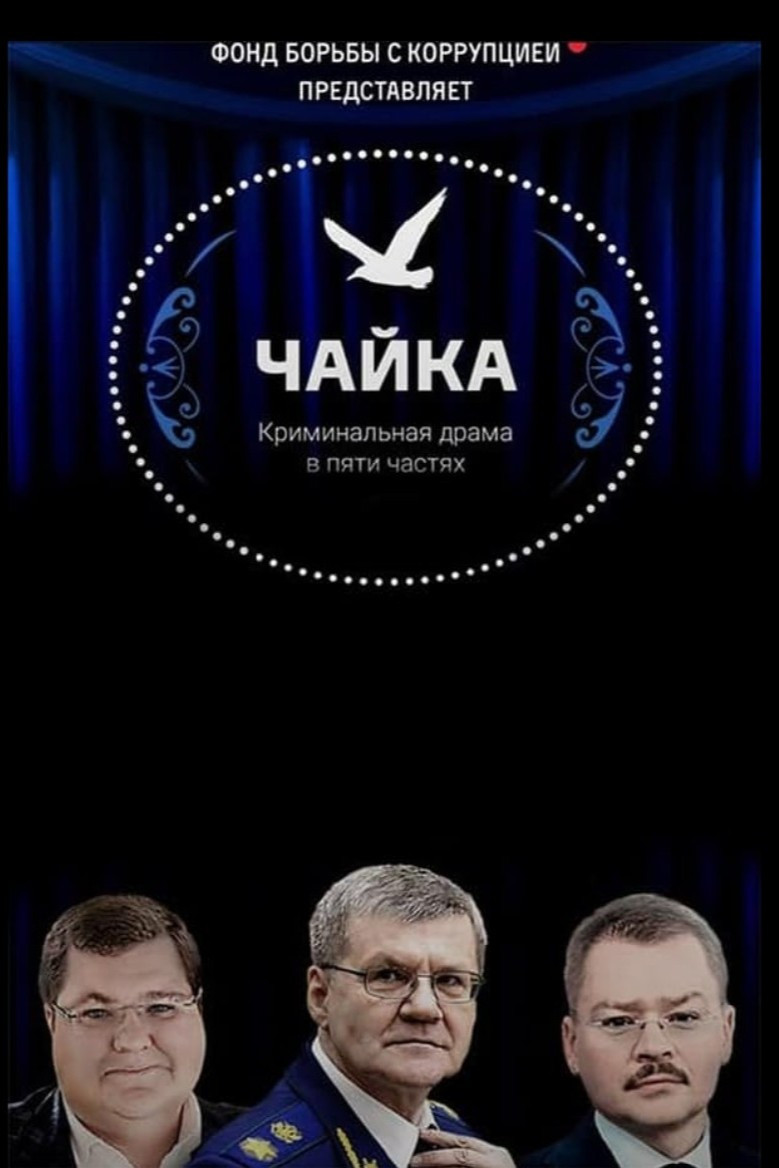
This documentary investigates the financial fraud of persons close to the Prosecutor General of the Russian Federation Yuri Chaika.
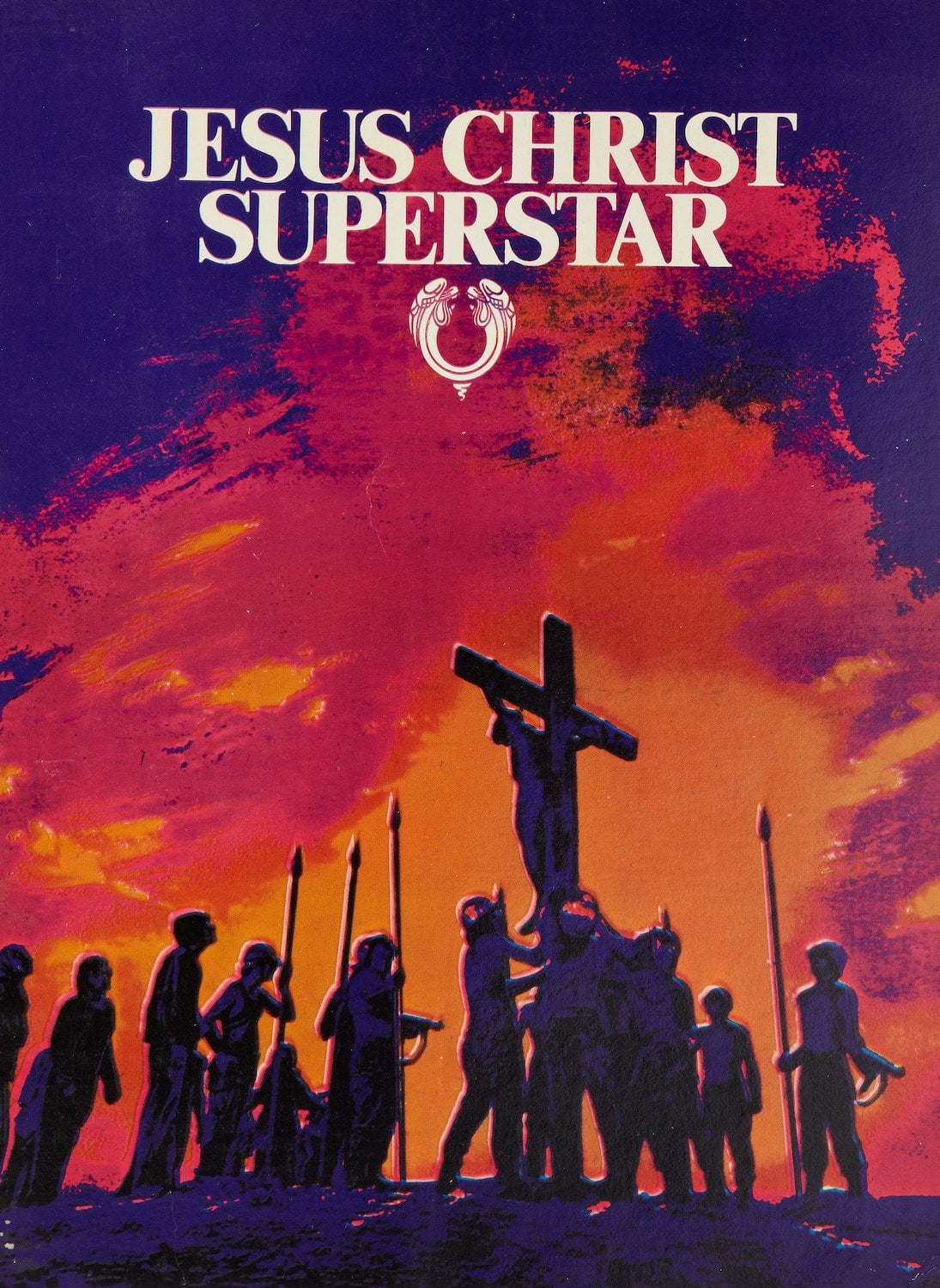
As played out by a theatre troupe, the last days of Jesus Christ are depicted from the perspective of Judas Iscariot, his betrayer. As Jesus' following increases, Judas begins to worry that Jesus is falling for his own hype, forgetting the principles of his teachings and growing too close to the prostitute Mary Magdalene.
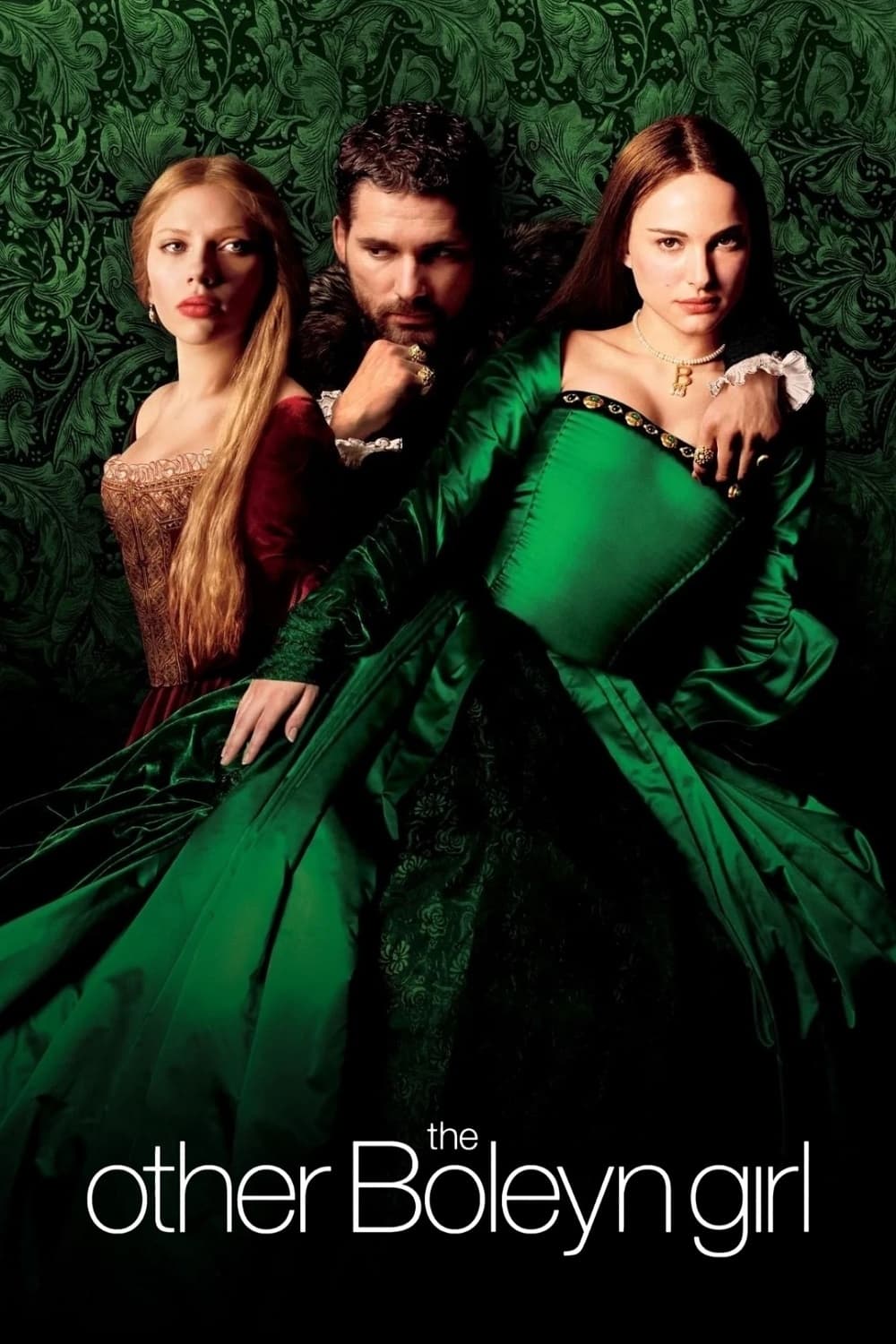
A sumptuous and sensual tale of intrigue, romance and betrayal set against the backdrop of a defining moment in European history: two beautiful sisters, Anne and Mary Boleyn, driven by their family's blind ambition, compete for the love of the handsome and passionate King Henry VIII.
AMERICAN JESUS is an exploration of Christianity in every faction of American Life, from the breadline to the yoga studio, from the humble churches of snake handlers to the mega churches in the ex-urbs. Christian cowboys, bikers and musicians, comedians, surfers and cage-fighters, they are all doing it for Christ. Aram Garriga travels from his native Barcelona to the politically divided United States to chronicle the sometimes bizarre relationship between faith, materialism, politics and personal passions in this uniquely American tableaux. Populated by an array of religious and secular characters offering candid, often illuminating testimonials, AMERICAN JESUS is a vivid mosaic of personalities and conflicting points of view that emerges as a portrait of an America yearning for solace and meaning in the modern world.
The Real Story of Fake Democracy. Filmed over three years in five countries, FREEDOM FOR THE WOLF is an epic investigation into the new regime of illiberal democracy. From the young students of Hong Kong, to a rapper in post-Arab Spring Tunisia and the viral comedians of Bollywood, we discover how people from every corner of the globe are fighting the same struggle. They are fighting against elected leaders who trample on human rights, minorities, and their political opponents.
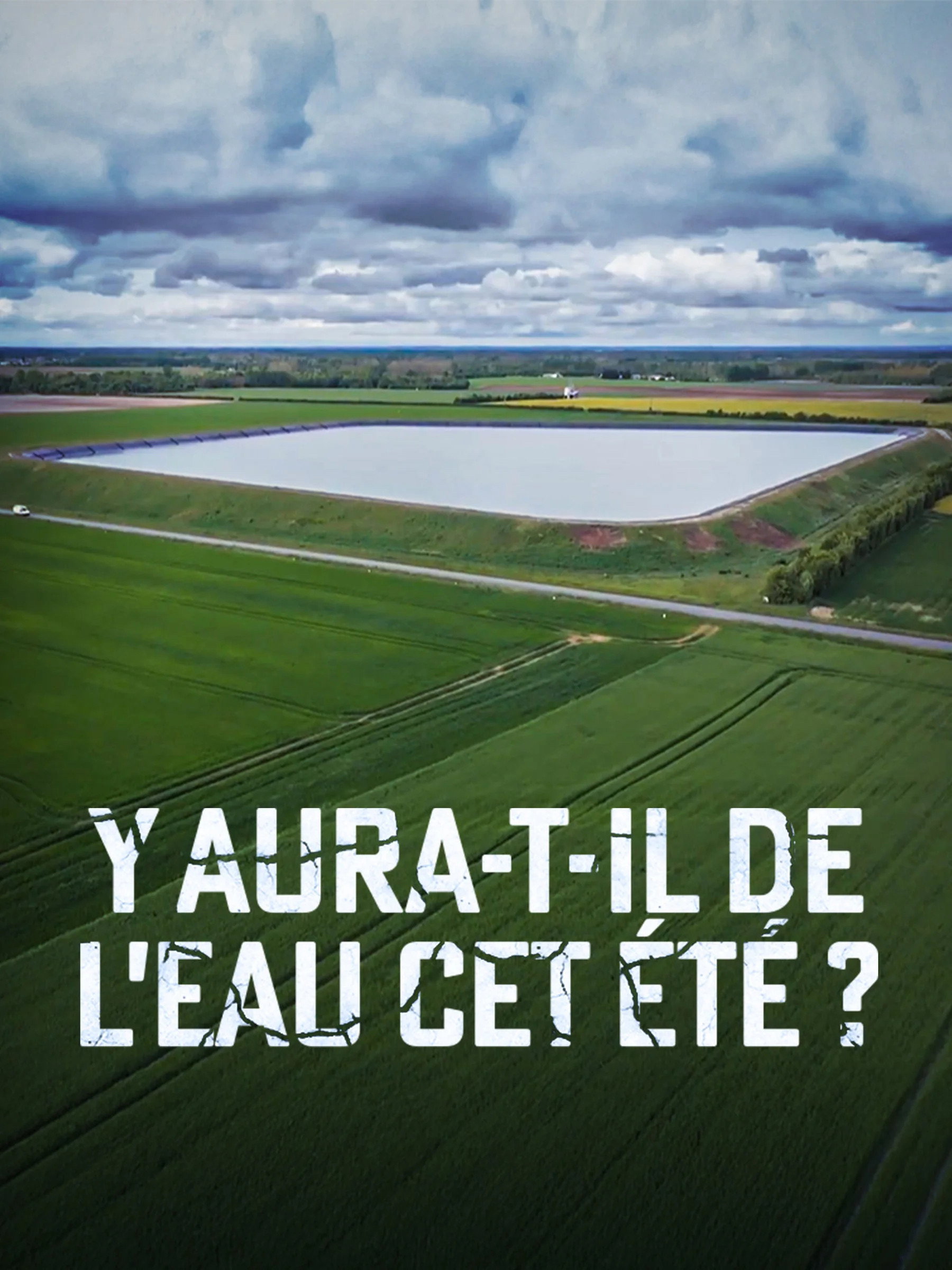
Through encounters with a hydrologist, a farmer, and citizens mobilized around the Marais Poitevin, the director helps us understand the effects—on biodiversity and the state of rivers—of substitution reservoirs, also known as megabassins. For several years, Anne-Morwenn, David, Patrick, Yann, and others have been fighting for fair water sharing and devising ways to convince as many people as possible that it is time to change the agricultural model.
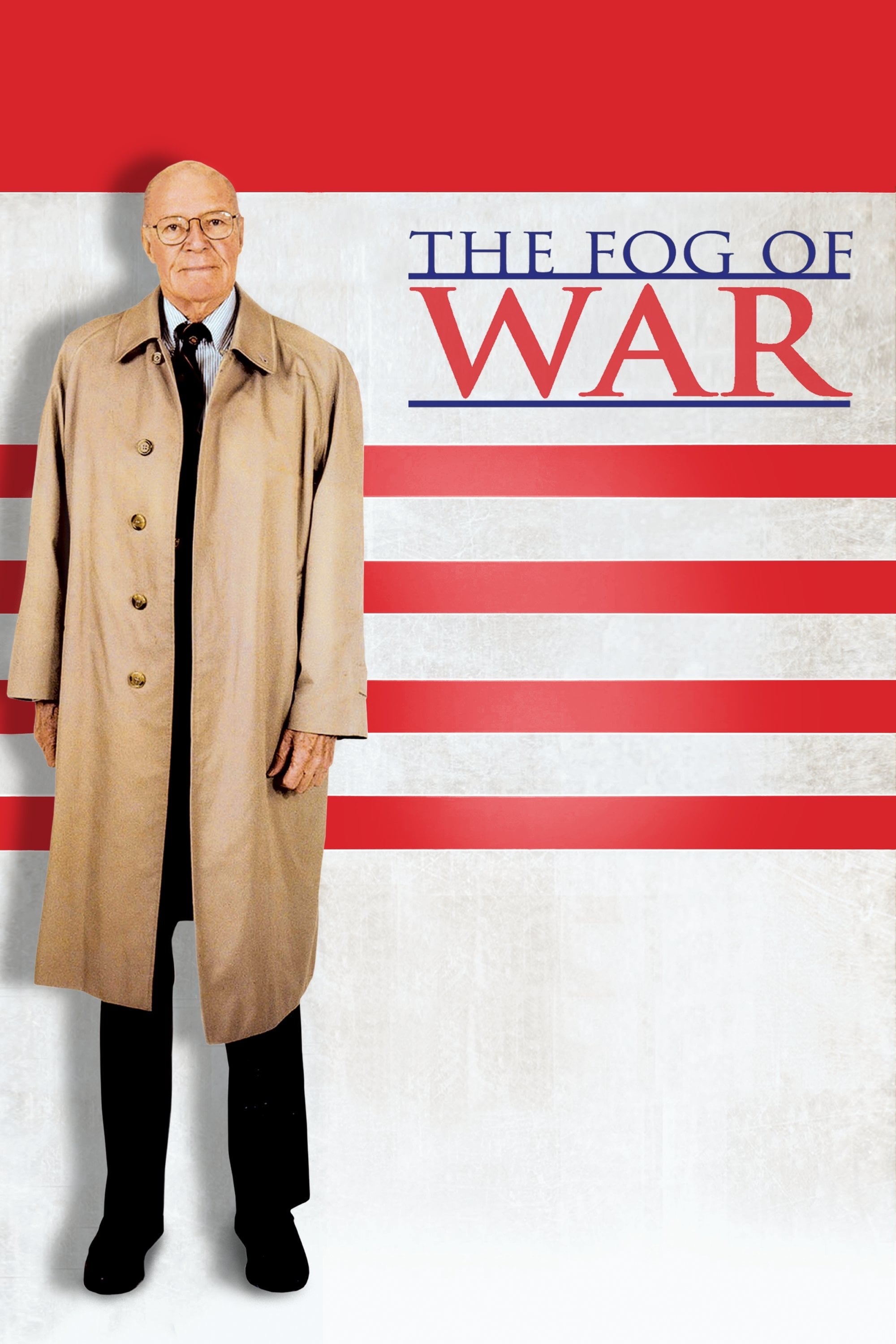
Using archival footage, cabinet conversation recordings, and an interview of the 85-year-old Robert McNamara, The Fog of War depicts his life, from working as a WWII whiz-kid military officer, to being the Ford Motor Company's president, to managing the Vietnam War as defense secretary for presidents Kennedy and Johnson.
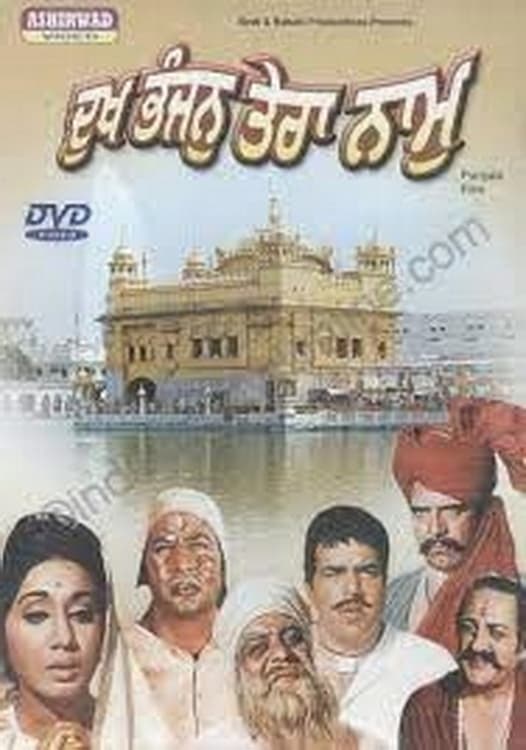
This Punjabi Movie, Dukh Bhanjan Tera Naam is a Punjabi movie about Sikhism. It was a great success. It portrays the people's belief in the almighty god who is one and how life teaches a lesson to those who does not believe so.
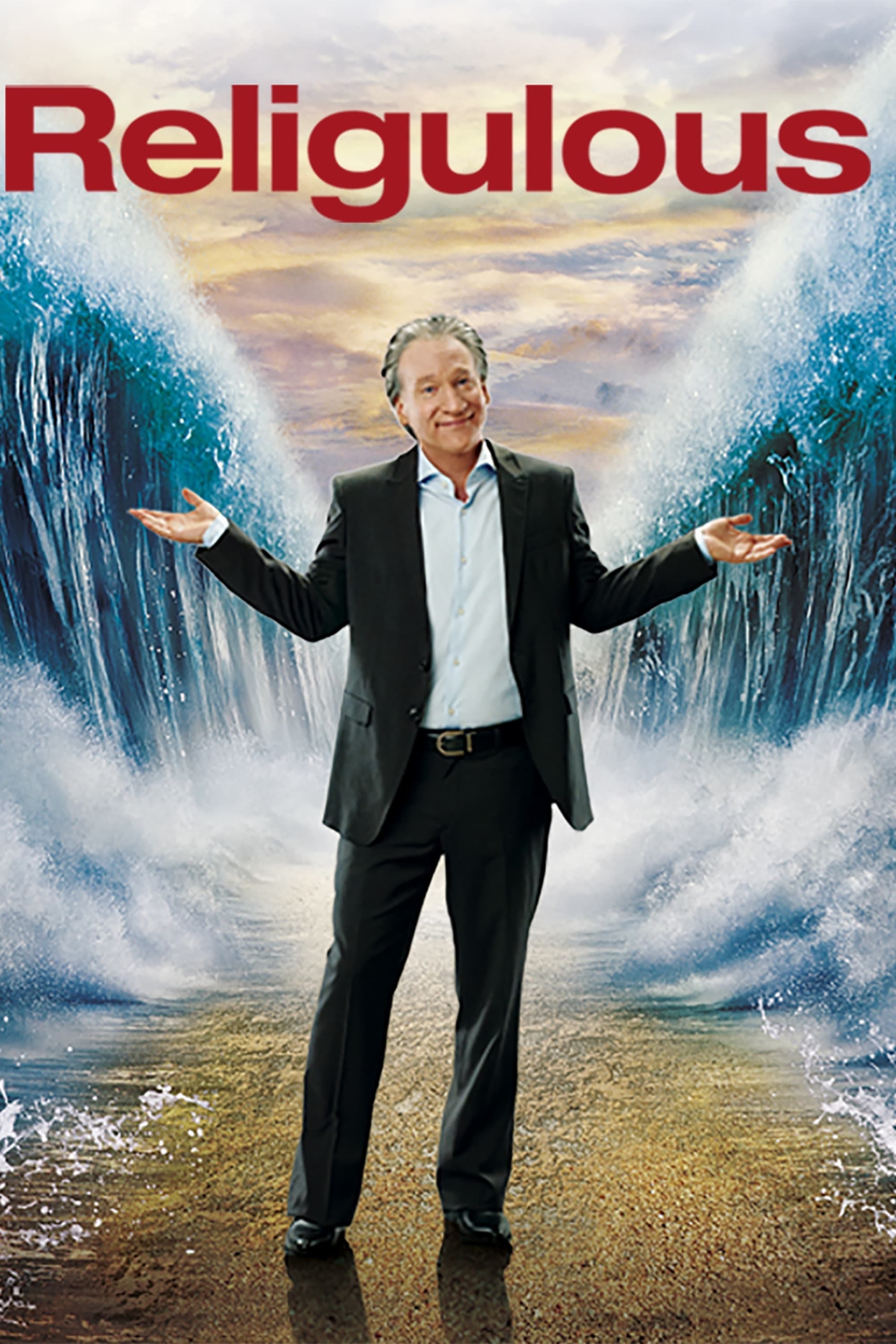
Commentator-comic Bill Maher plays devil's advocate with religion as he talks to believers about their faith. Traveling around the world, Maher examines the tenets of Christianity, Judaism and Islam and raises questions about homosexuality, proof of Christ's existence, Jewish Sabbath laws, violent Muslim extremists.
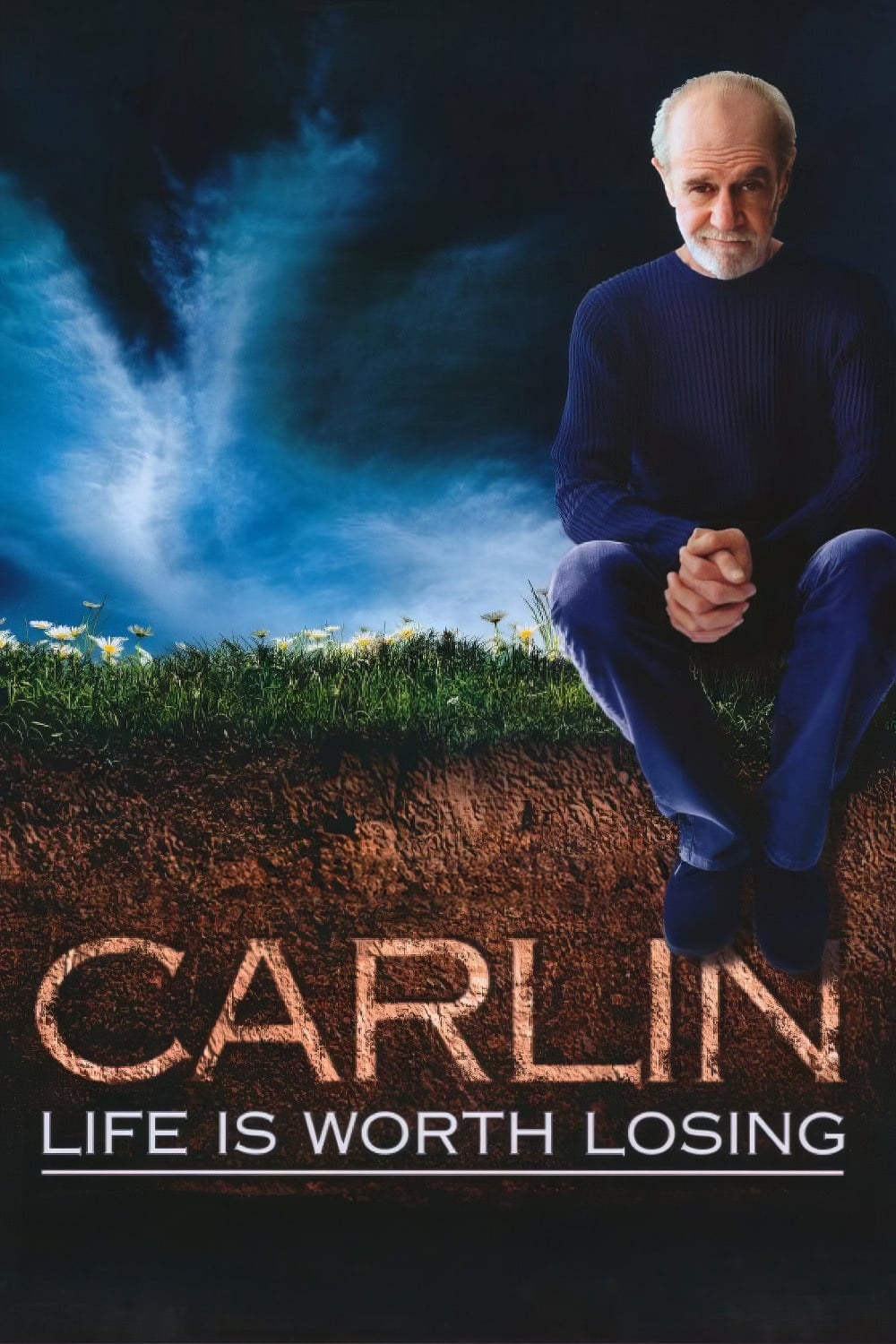
Carlin returns to the stage in his 13th live comedy stand-up special, performed at the Beacon Theatre in New York City for HBO®. His spot-on observations on the deterioration of human behavior include Americans’ obsession with their two favorite addictions - shopping and eating; his creative idea for The All-Suicide Channel, a new reality TV network; and the glorious rebirth of the planet to its original pristine condition - once the fires and floods destroy life as we know it.
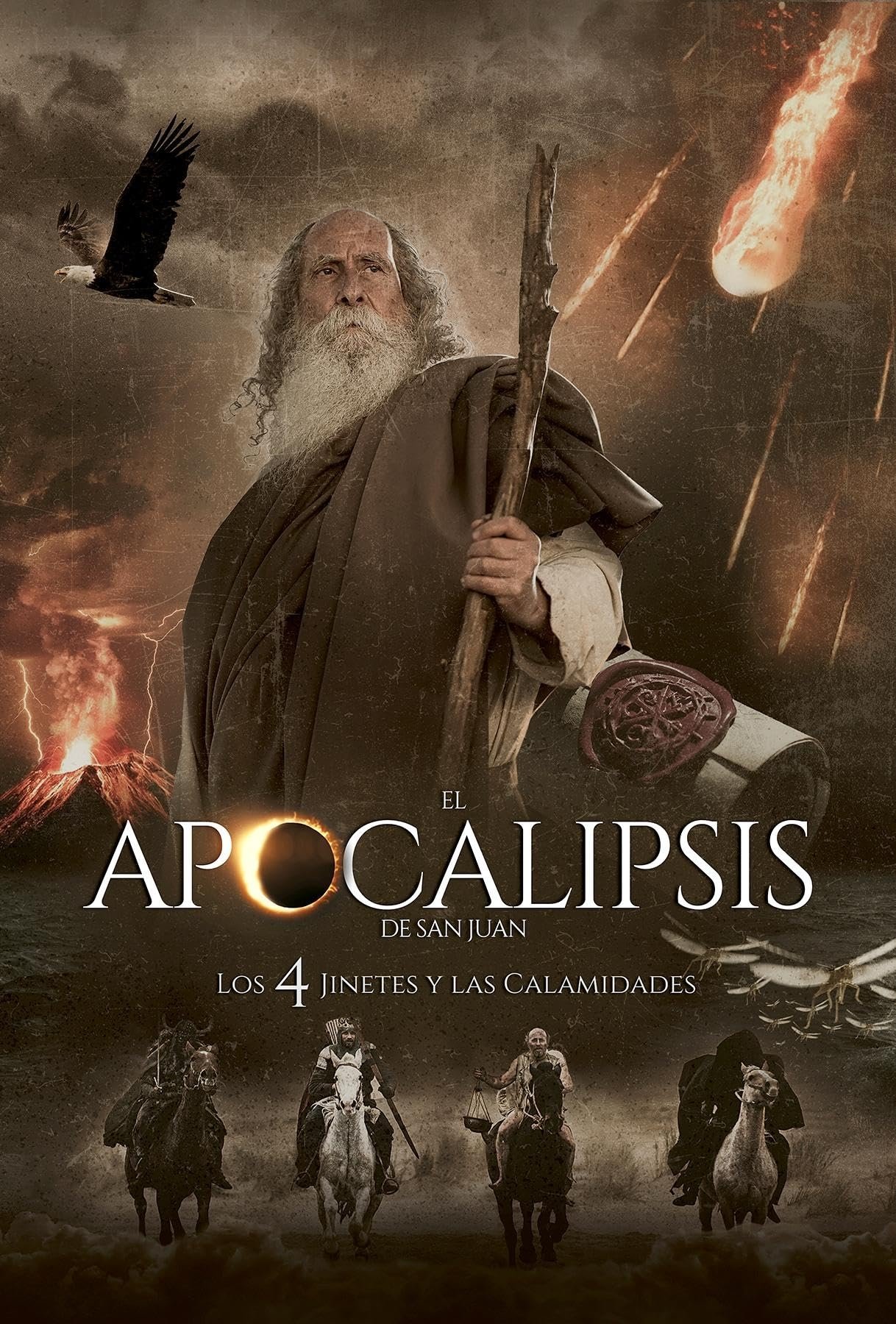
Embark on an epic journey through time and faith with 'The Apocalypse of Saint John.' Join the Apostle John in a stunning visual narrative that unravels the visions of the End Times. Experience each vision like never before, with striking visual effects and epic scenes that immerse you in the apocalyptic narrative.
The history of cinematic sound, told by legendary sound designers and visionary filmmakers.
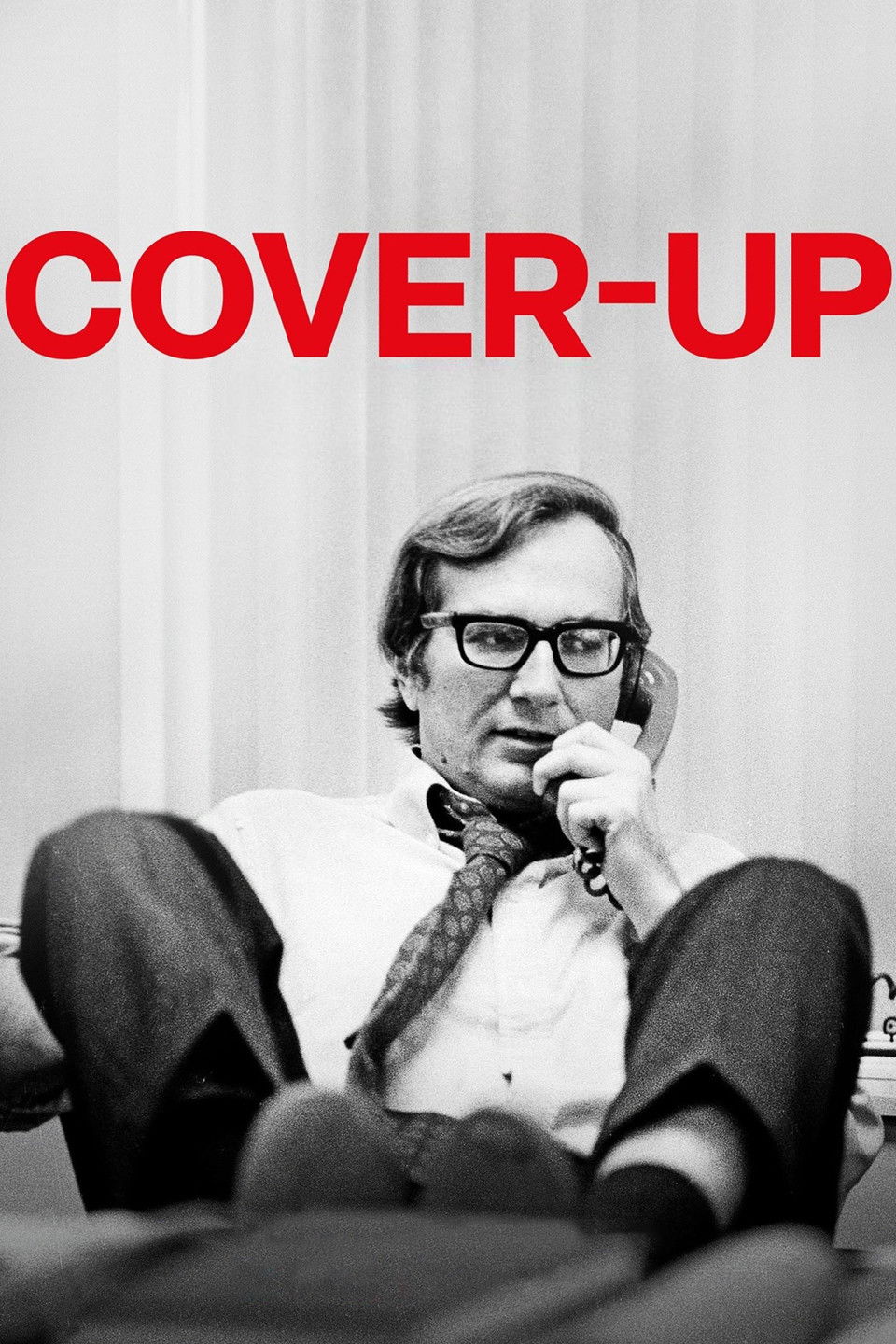
He's devoted his career to uncovering stories the powerful want buried. From My Lai to Abu Ghraib, dig into the life's work of journalist Seymour Hersh.
A string of threatening emails escalates into a revenge plot involving a newly married US marshal and his ex-girlfriend.
In an intimate and joyful story of love in the face of loss, celebrated poets Andrea Gibson and Megan Falley find strength—and unexpected hilarity—in what might be their final year together.
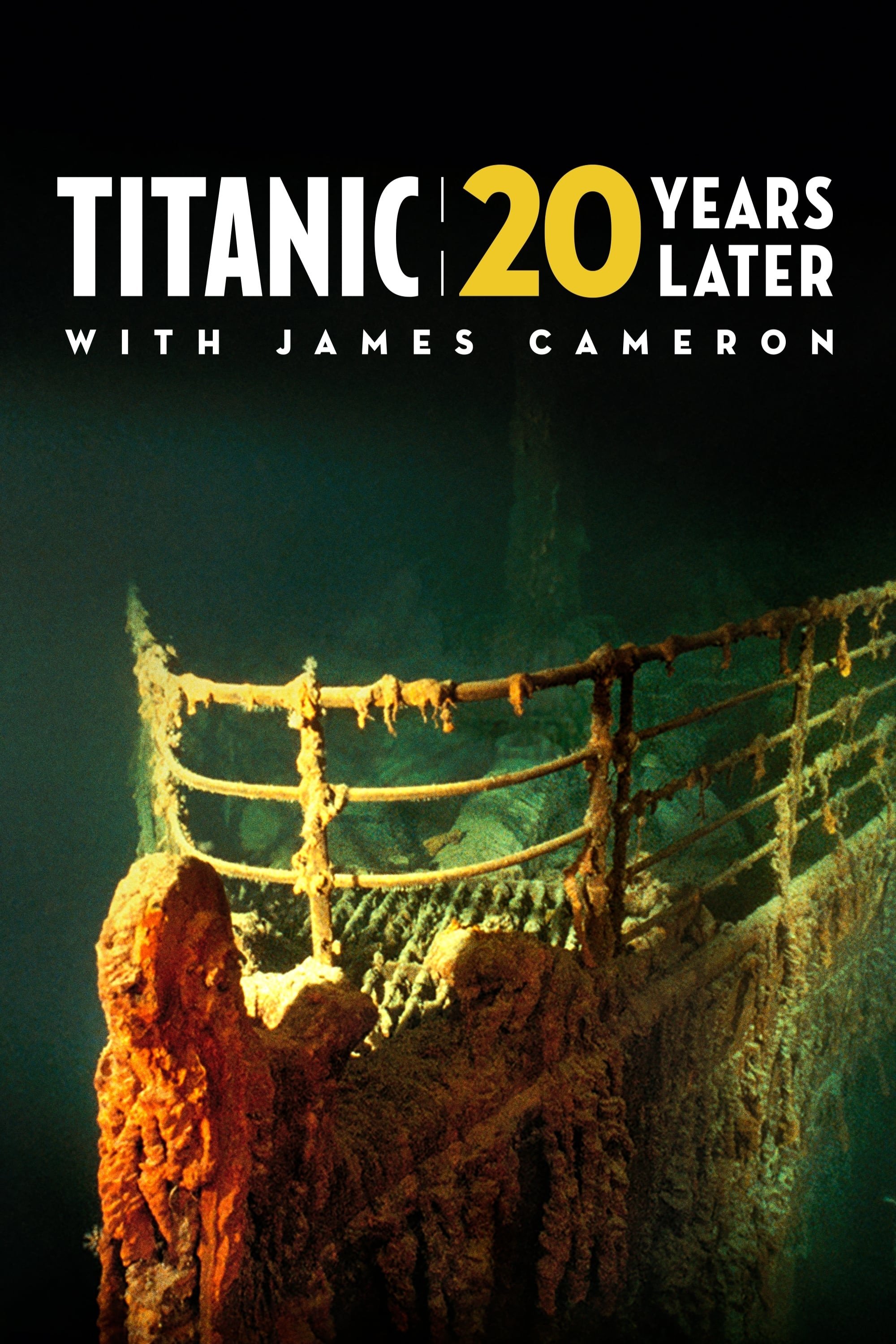
For the 20th anniversary of "Titanic," James Cameron reopens the file on the disaster.
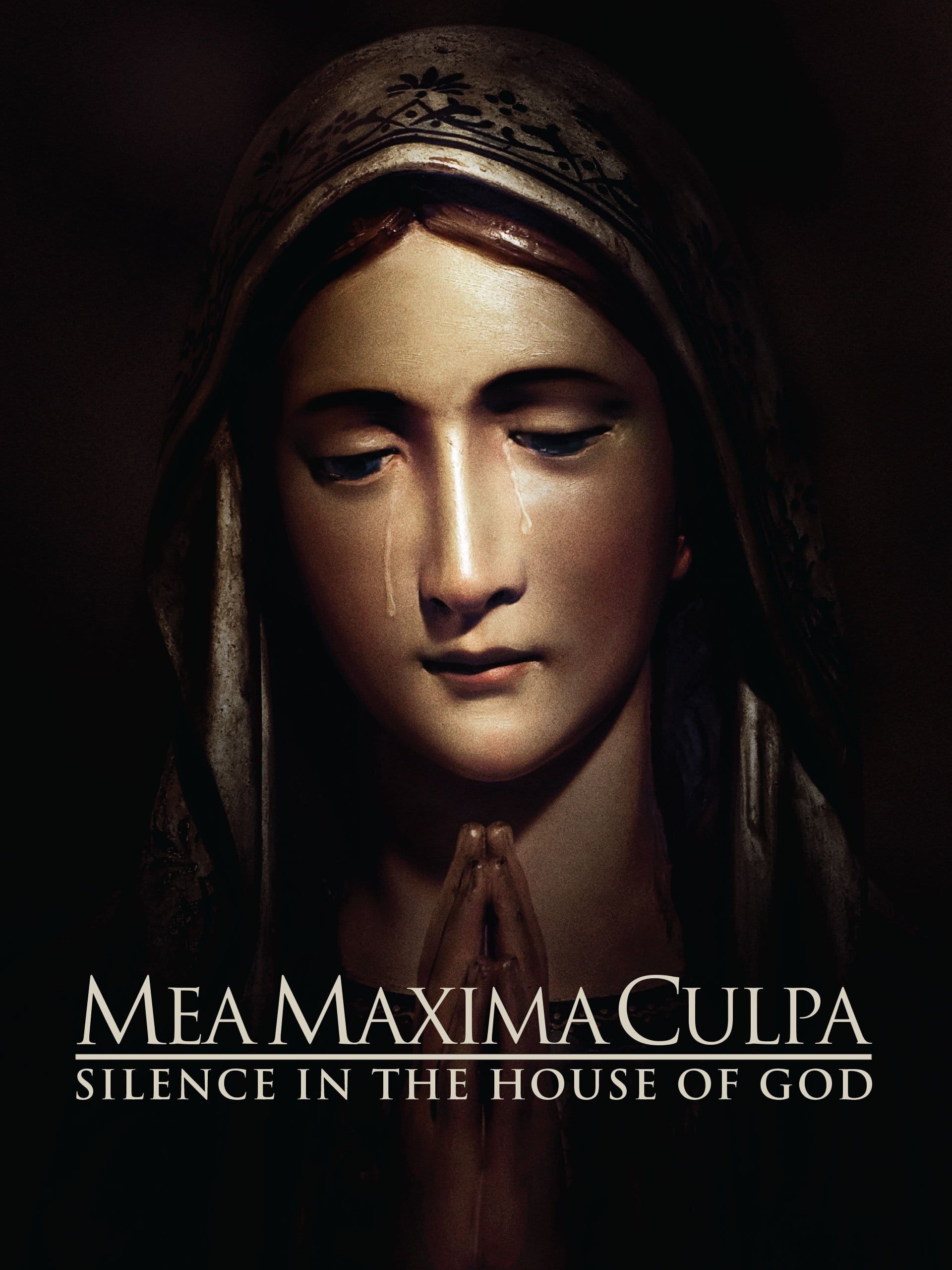
Alex Gibney explores the charged issue of pedophilia in the Catholic Church, following a trail from the first known protest against clerical sexual abuse in the United States and all way to the Vatican.
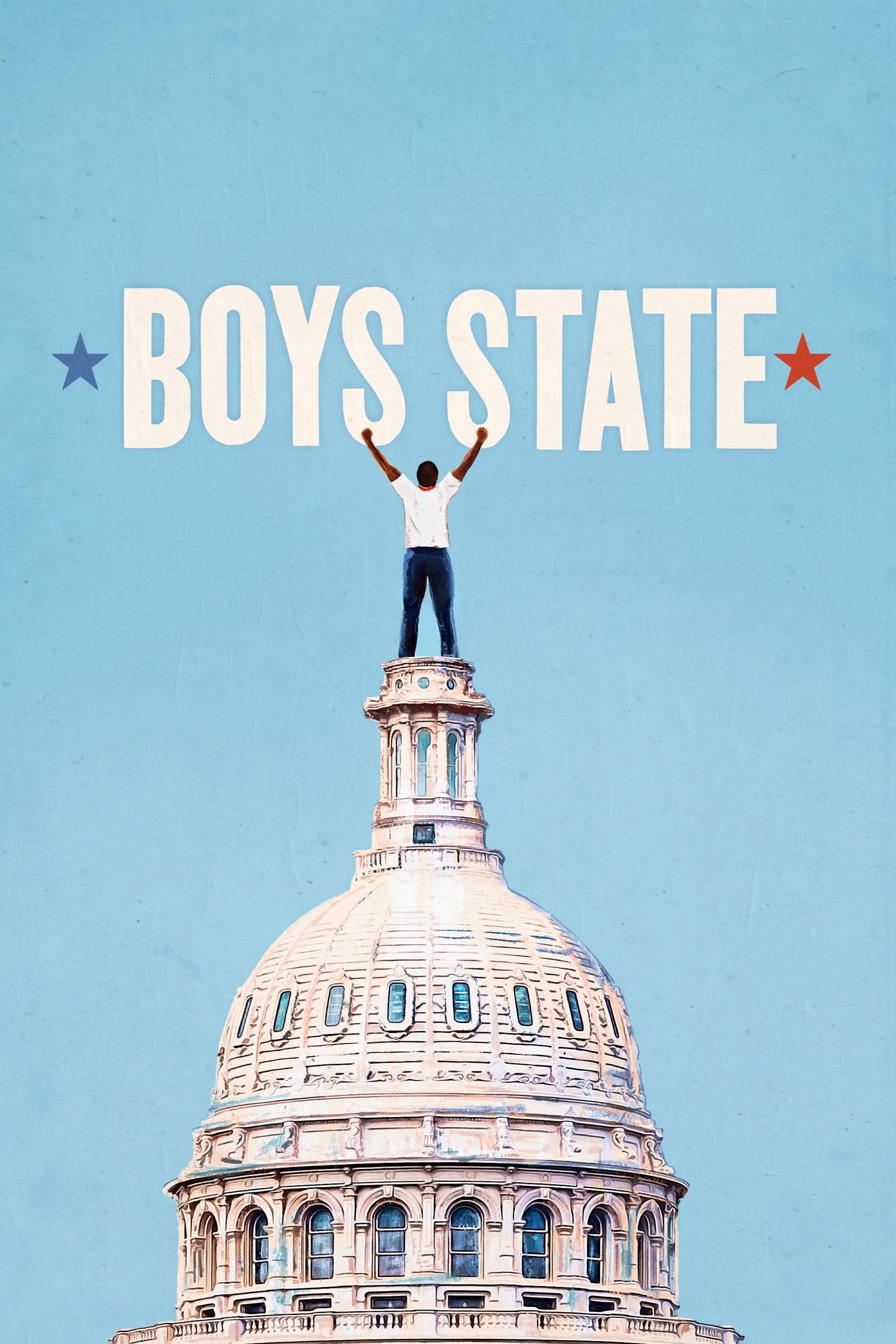
This raucous journey into the heart of democracy captures an unusual rite of passage: 1,100 teenage boys from across Texas coming together to build a representative government from the ground up.
Through deeply personal interviews with her siblings and an examination of the photographs, letters, and belongings left behind, Mariska assembles a new portrait of her mother Jayne Mansfield, an extraordinary and complex woman.
A documentary about the making of season five of the acclaimed AMC series Breaking Bad.
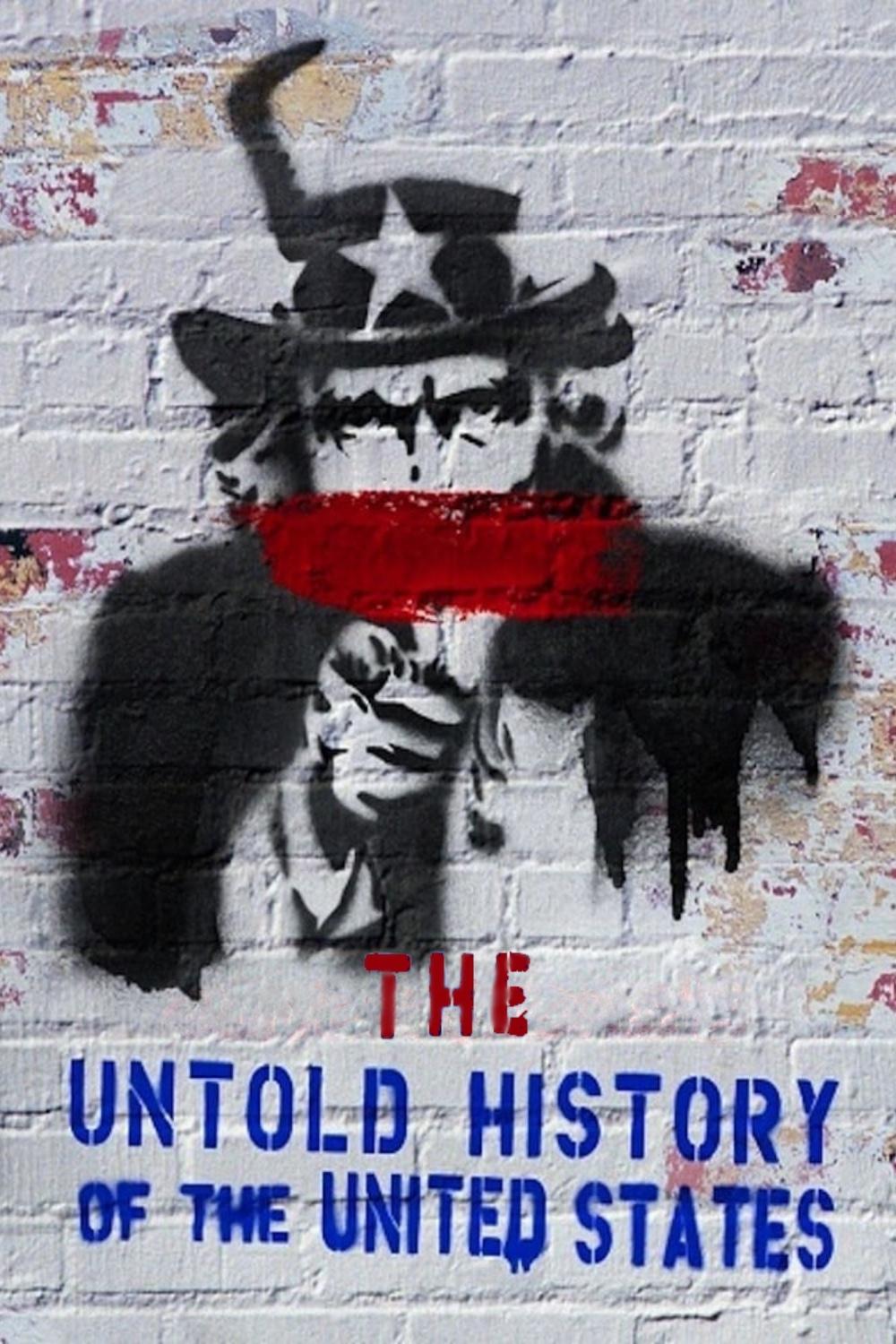
Oliver Stone charts the history of the United States from the Second World War to the present.
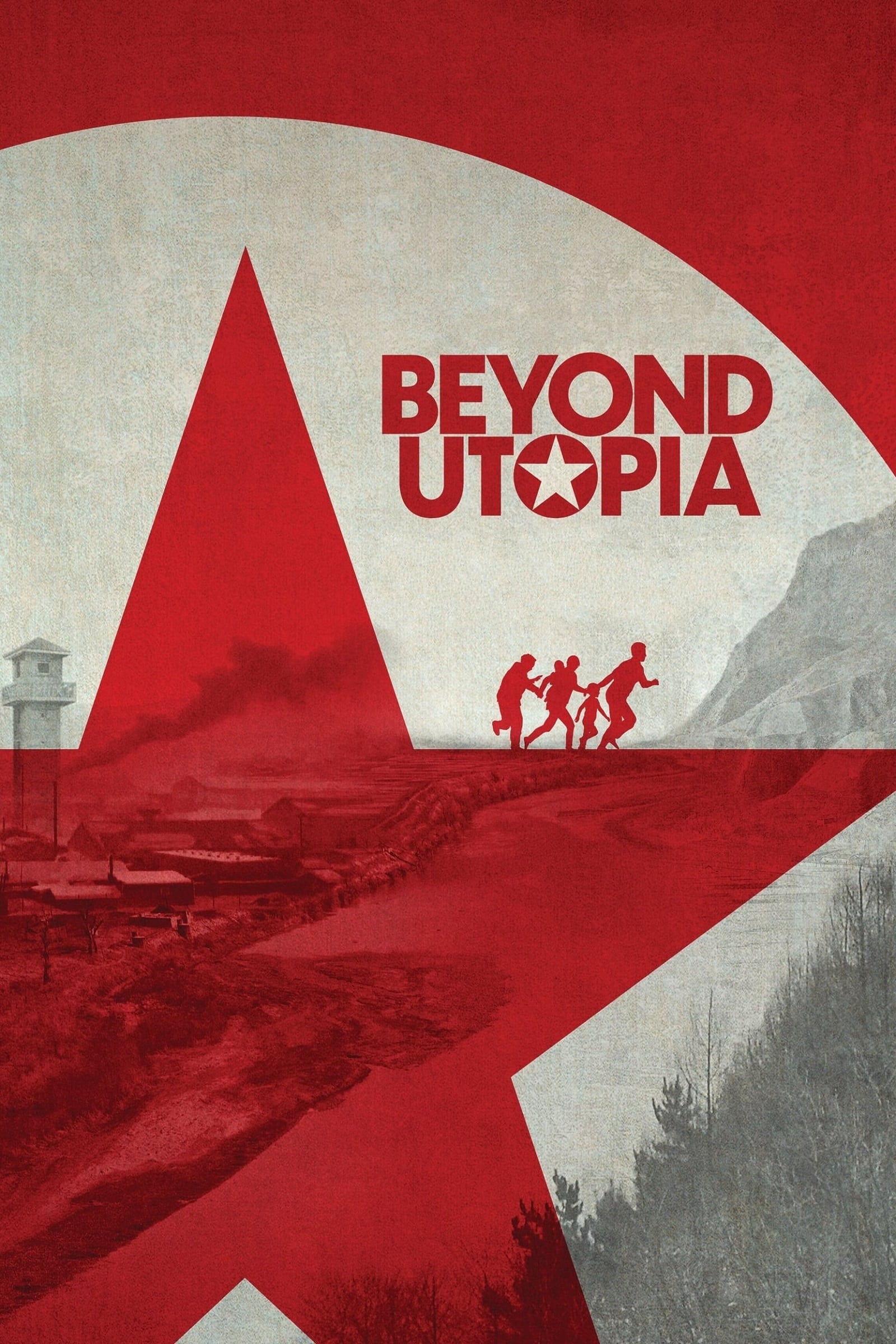
A courageous pastor uses his underground network to rescue and aid North Korean families as they risk their lives to embrace freedom.
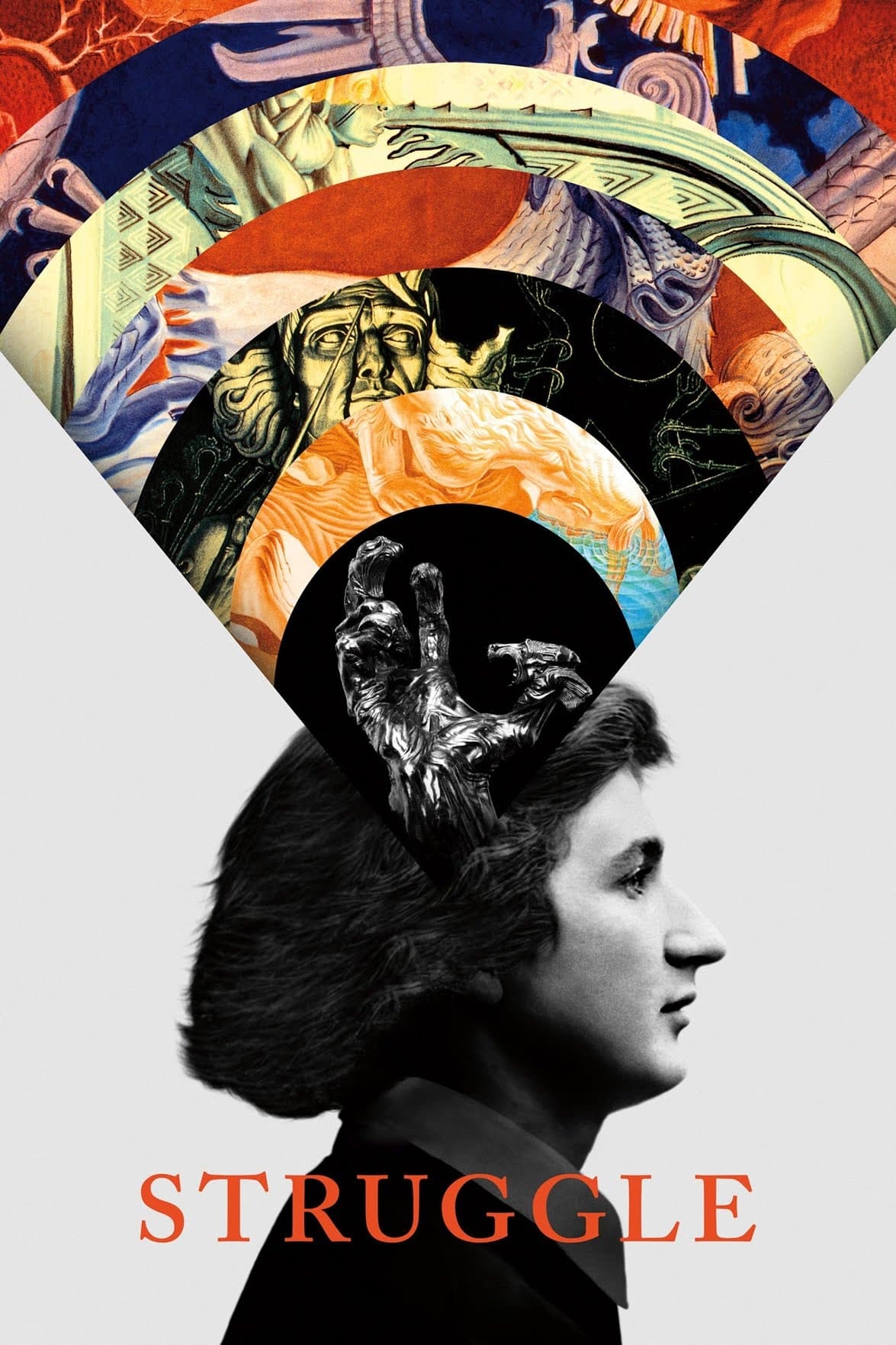
Artists in LA discover the work of forgotten Polish sculptor Stanislav Szukalski, a mad genius whose true story unfolds chapter by astounding chapter.
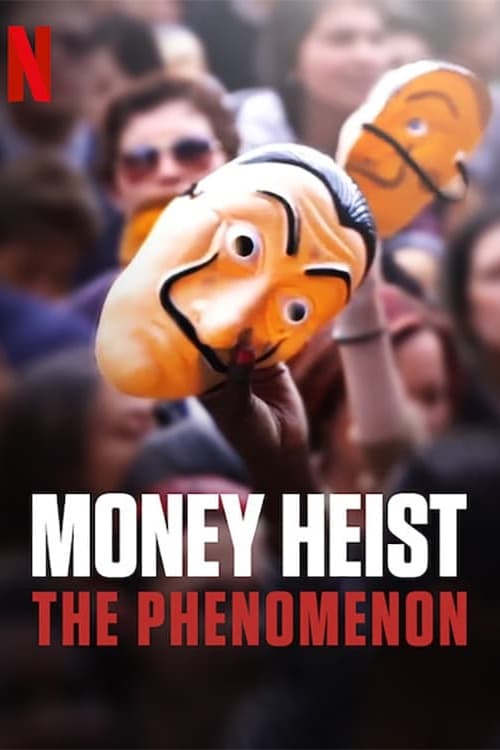
A documentary on why 'Money Heist' sparked a wave of enthusiasm around the world for a lovable group of thieves and their professor.
A night of drunken chaos rocks a quiet Dutch town in this shocking documentary about a teen's birthday invite that accidentally went viral on Facebook.
An inside look at one of the most anticipated movie sequels ever with James Cameron and cast.
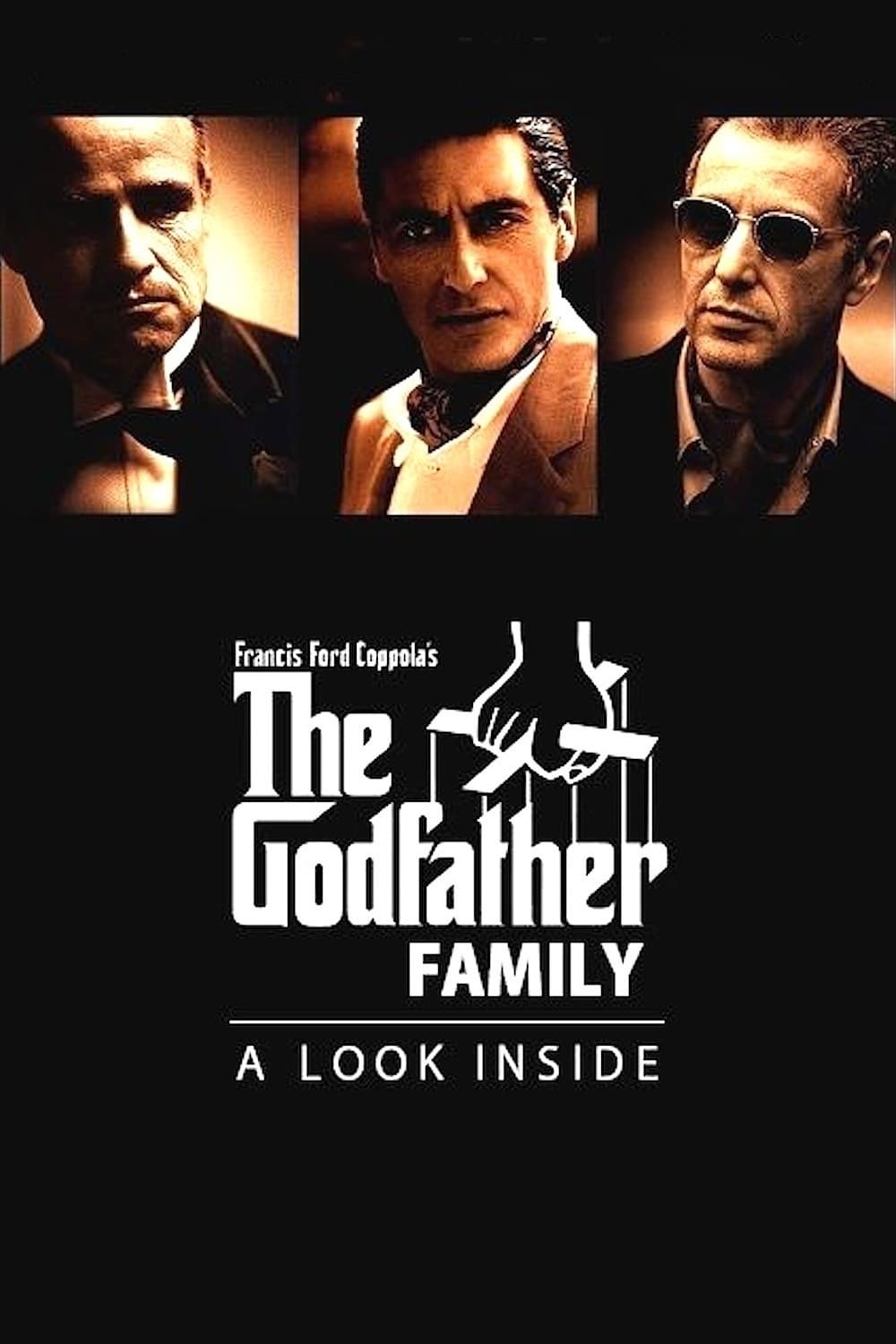
A documentary on the making of the three Godfather films, with interviews and recollections from the film makers and cast. This feature also includes the original screen tests of some of the actors for "The Godfather" film, and some candid moments on the set of "The Godfather: Part III."
“The Soviet Story” is a story of an Allied power, which helped the Nazis to fight Jews and which slaughtered its own people on an industrial scale. Assisted by the West, this power triumphed on May 9th, 1945. Its crimes were made taboo, and the complete story of Europe’s most murderous regime has never been told. Until now...
From its distinctive neighborhoods to its architectural homes, Los Angeles has been the backdrop to countless movies. In this dazzling work, Andersen takes viewers on a whirlwind tour through the metropolis' real and cinematic history, investigating the myriad stories and legends that have come to define it, and meticulously, judiciously revealing the real city that lives beneath.
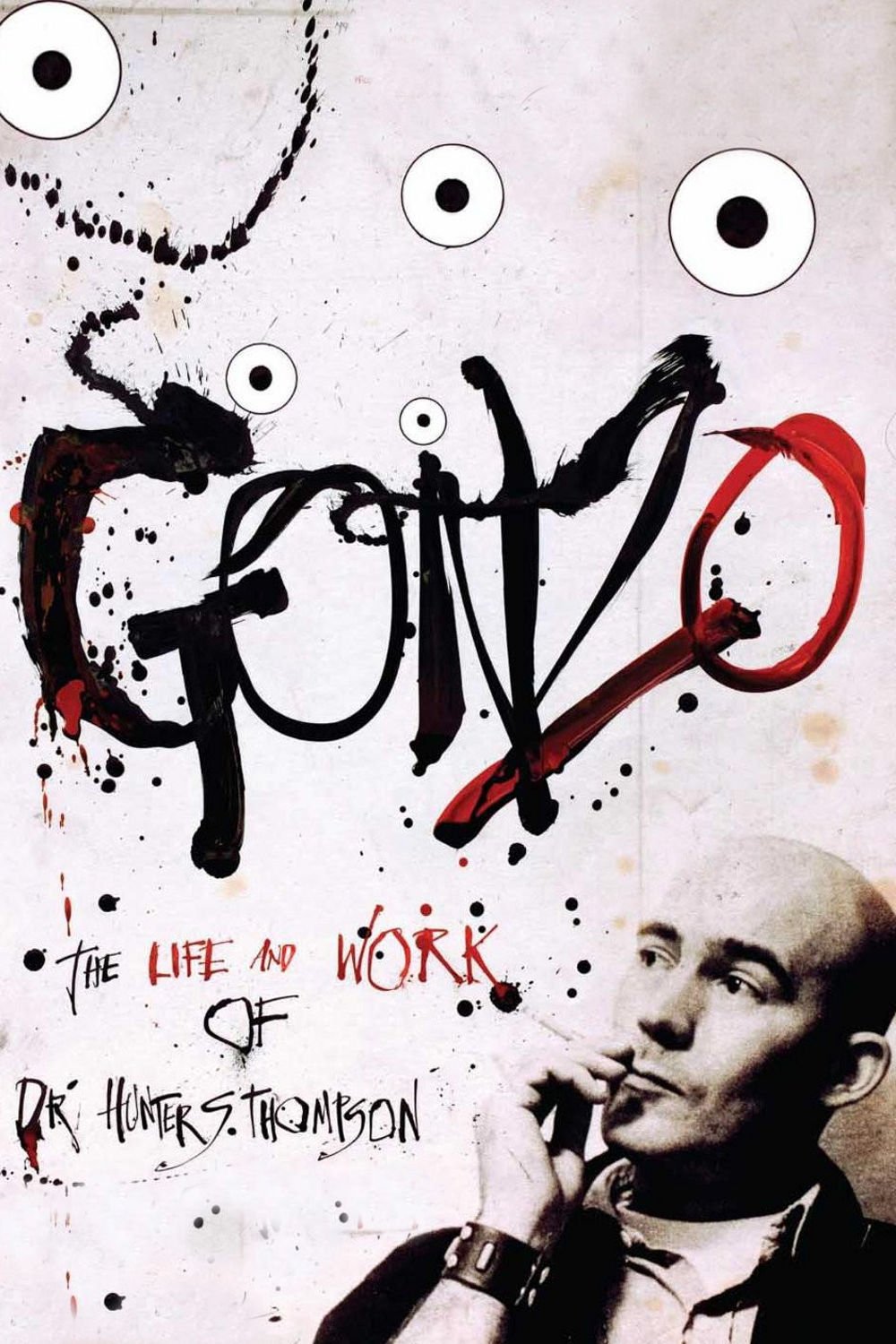
Fueled by a raging libido, Wild Turkey, and superhuman doses of drugs, Thompson was a true "free lance, " goring sacred cows with impunity, hilarity, and a steel-eyed conviction for writing wrongs. Focusing on the good doctor's heyday, 1965 to 1975, the film includes clips of never-before-seen (nor heard) home movies, audiotapes, and passages from unpublished manuscripts.