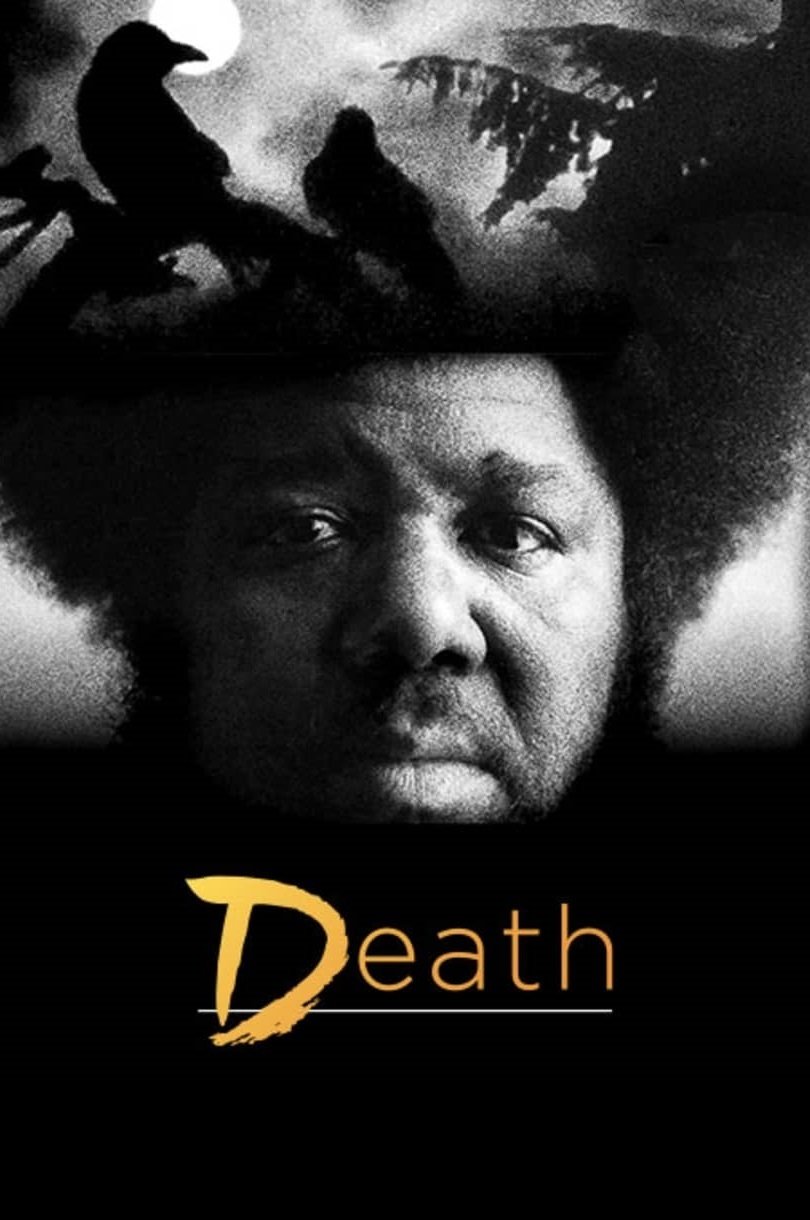
An operatic film adaptation of the poem by Paul Laurence Dunbar of the same name.
Social & External
The people behind it
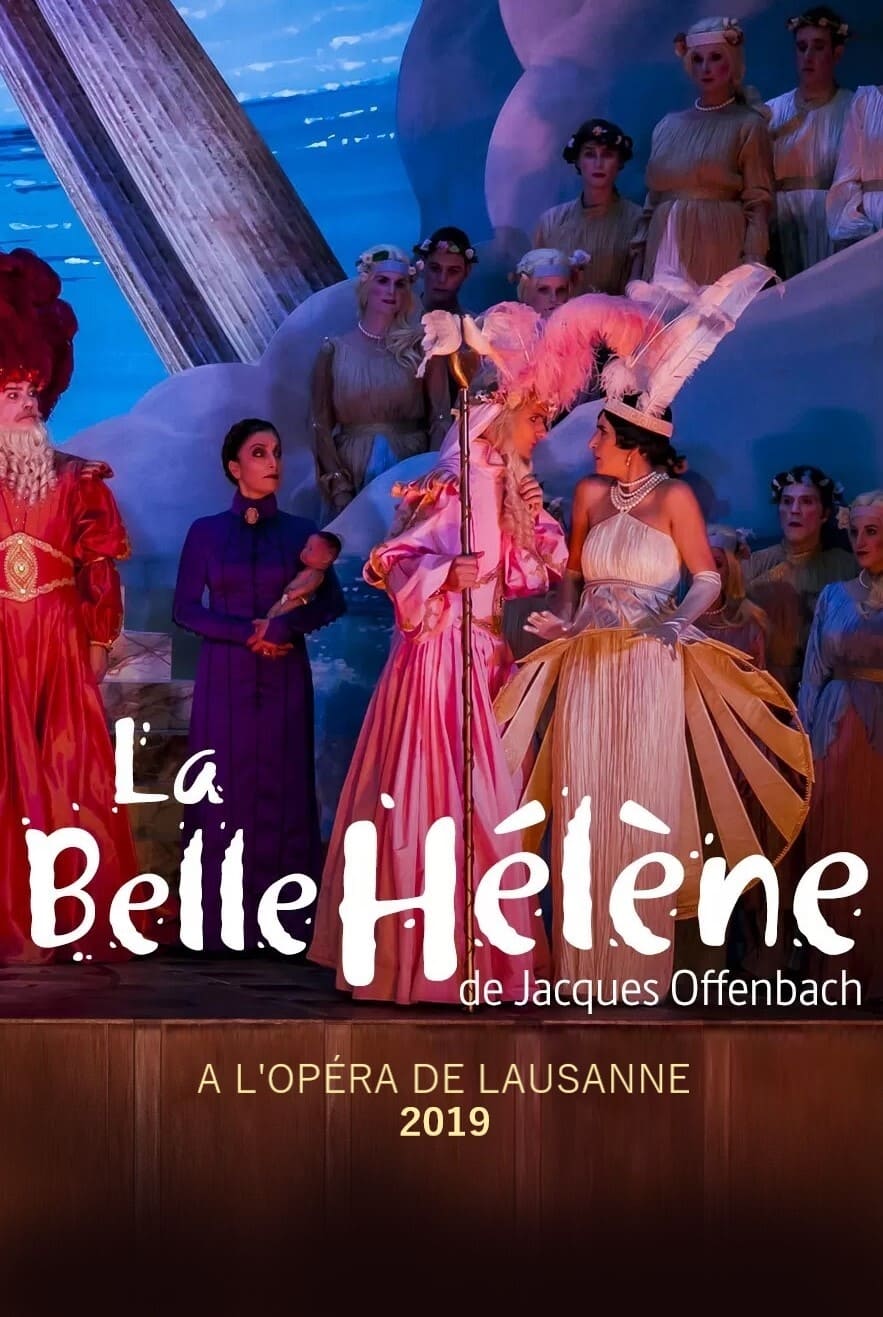
La belle Hélène is the work that confirmed Offenbach's international reputation. The libretto caricatures the conventions of Greek mythology to poke fun at contemporary society, and the melodies, once heard, never leave you. The erotic and political scandal surrounding the creation of this work ensured its immediate and enduring success. We are carried away by music that is always new and inventive, sprinkled with nods to other works: the dream duet between Helen and Paris, the patriotic trio mimicking Rossini's William Tell, the ensemble of "the man with the apple" and the waltz of the "vile seducer"... Not to mention the exquisite humor of the language, whose inventions, such as "plis de vaillance" (folds of valor) and "poux de la reine" (queen's lice), have entered the lexical fund. In this celebration of Offenbach, we constantly swing between laughter and beauty, indulging in the pleasure of all the senses...
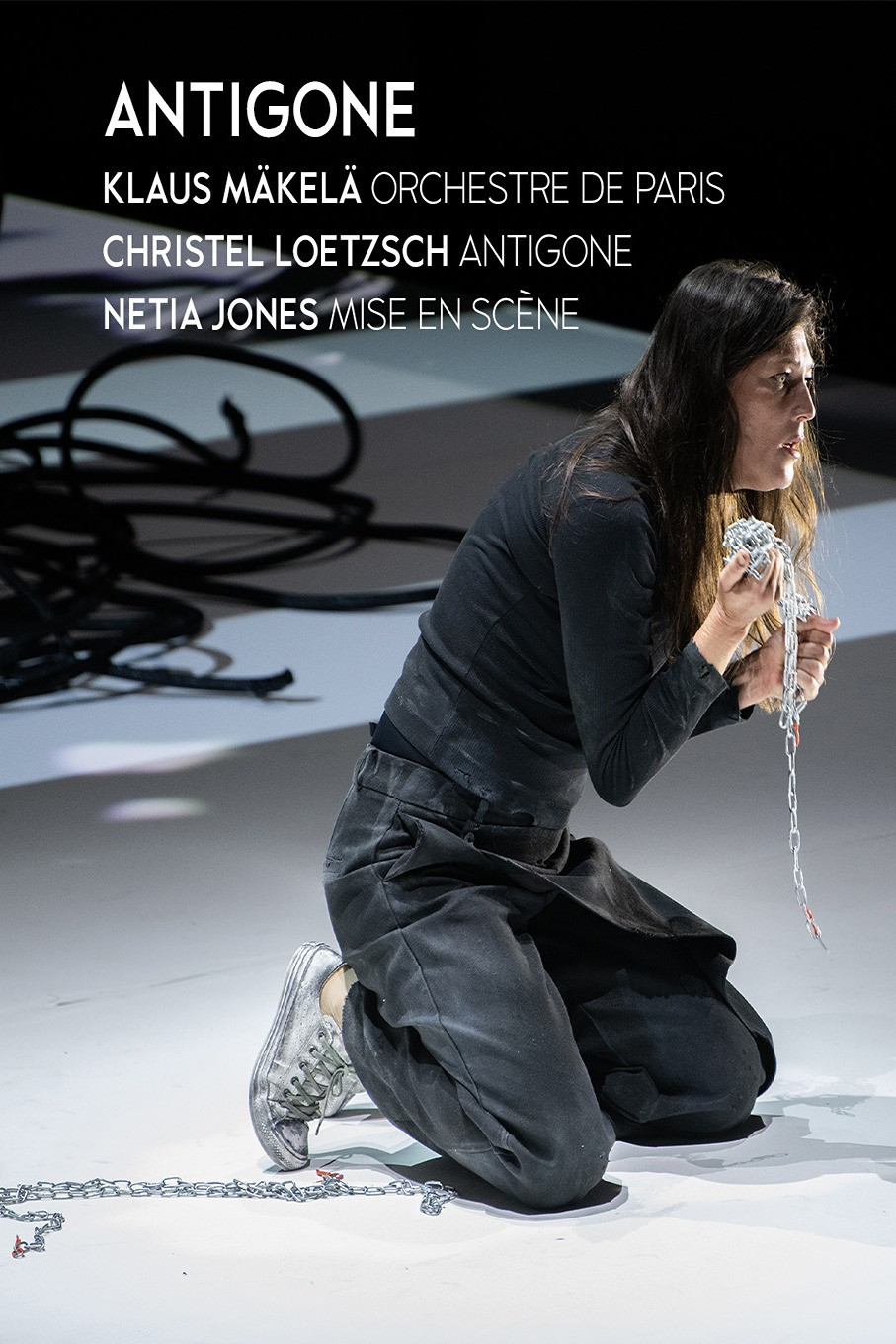
With “Antigone,” the Philharmonie de Paris serves as the setting for a world premiere: an “operatorio” by Pascal Dusapin, brought to life by Christel Loetzsch in the title role, conducted by Klaus Mäkelä and directed by Netia Jones.
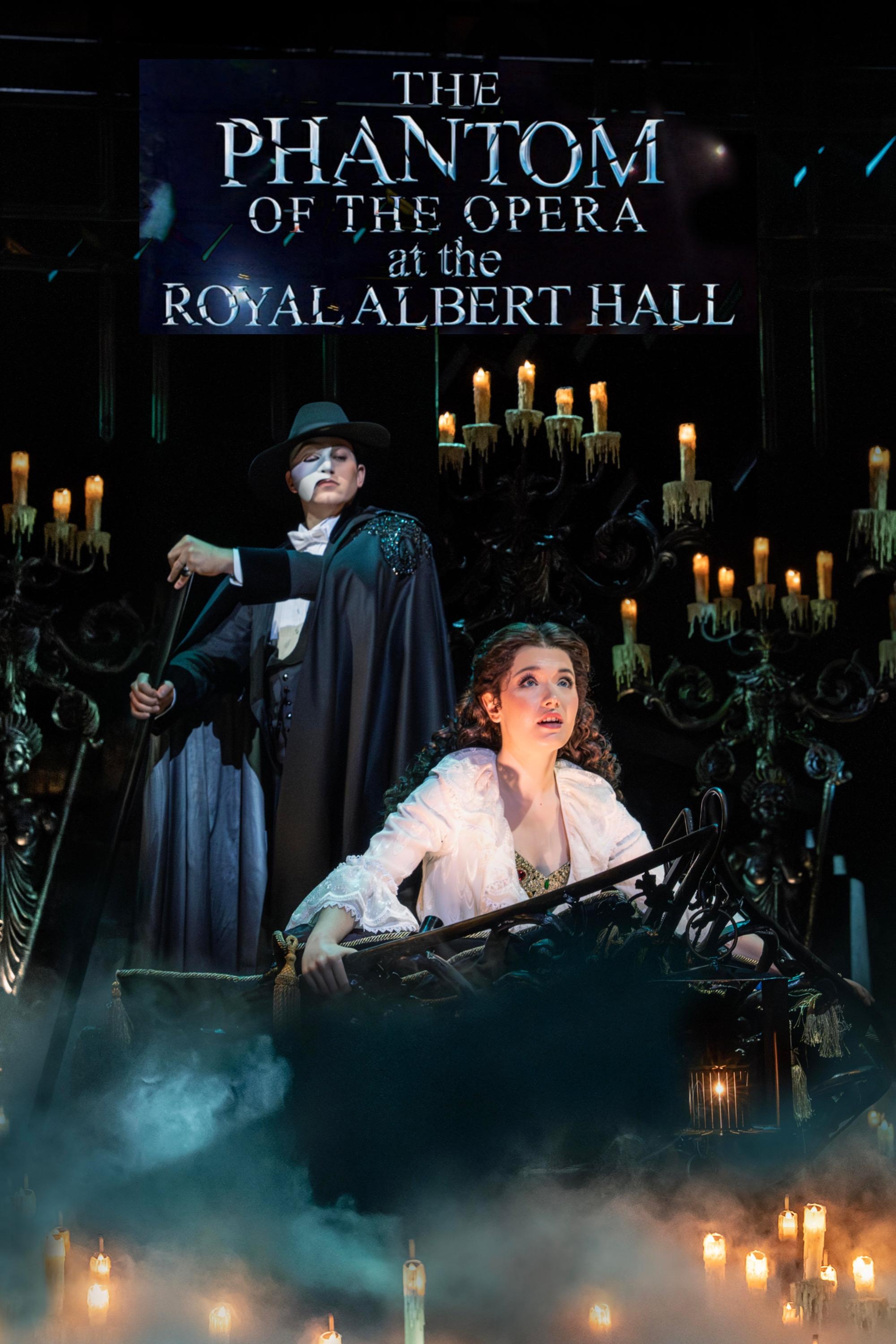
A disfigured musical genius, hidden away in the Paris Opera House, terrorises the opera company for the unwitting benefit of a young protégée whom he trains and loves. The 25th anniversary of the first public performance of Phantom of the Opera was celebrated with a grand performance at the Royal Albert Hall in London.
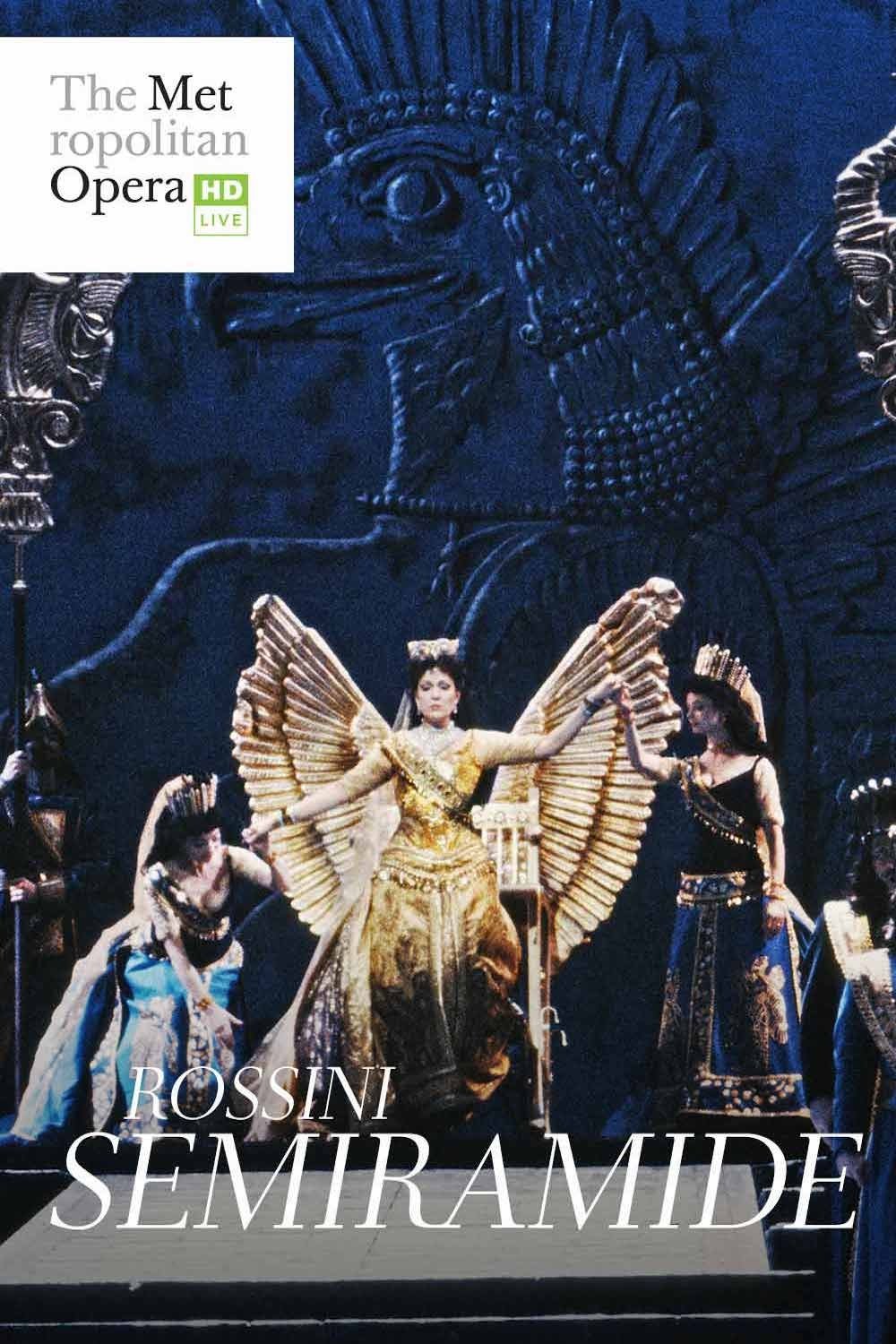
Against the backdrop of the Hanging Gardens, Semiramide, Queen of Babylon, defies bad omens and supernatural threats in her quest to find a worthy successor to her late husband. But she harbours more than one dark secret, and whoever gains the throne may find that he has lost more than he has won. Based on a story by Voltaire, this rarely performed tragic opera reveals 'The Barber of Seville' composer Giaochino Rossini in a whole new light. The title role—composed for Rossini’s wife, Isabella Colbran—features some of the most demanding vocal music he ever wrote. Angela Meade takes on the challenging vocal fireworks in this revival of a production last seen at the Met 25 years ago.
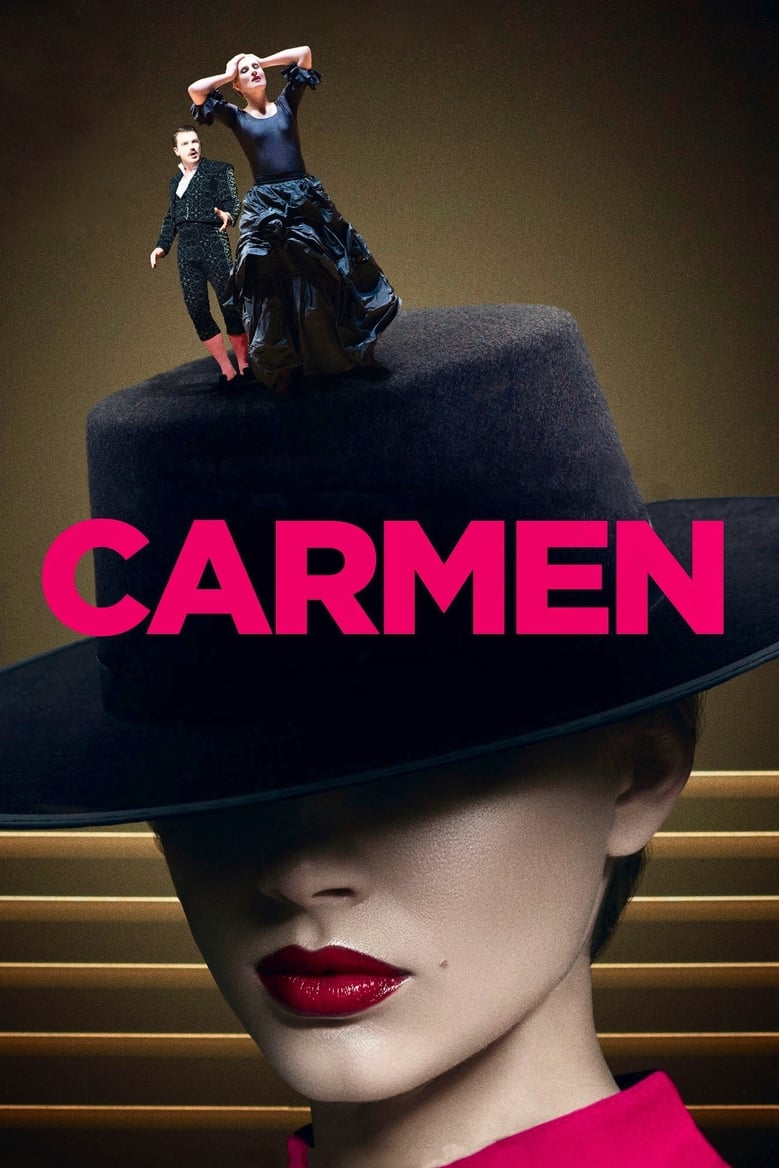
This ever-popular opera is given a fresh point of view in Barrie Kosky’s highly physical production, originally created for Frankfurt Opera. The Australian director is one of the world’s most sought-after opera directors, whose Royal Opera debut with Shostakovich’s The Nose in 2016 was greeted with delight. For Carmen he has devised a far-from-traditional version, incorporating music written by Bizet for the score but not usually heard, and giving a new voice to the opera’s endlessly fascinating central character.
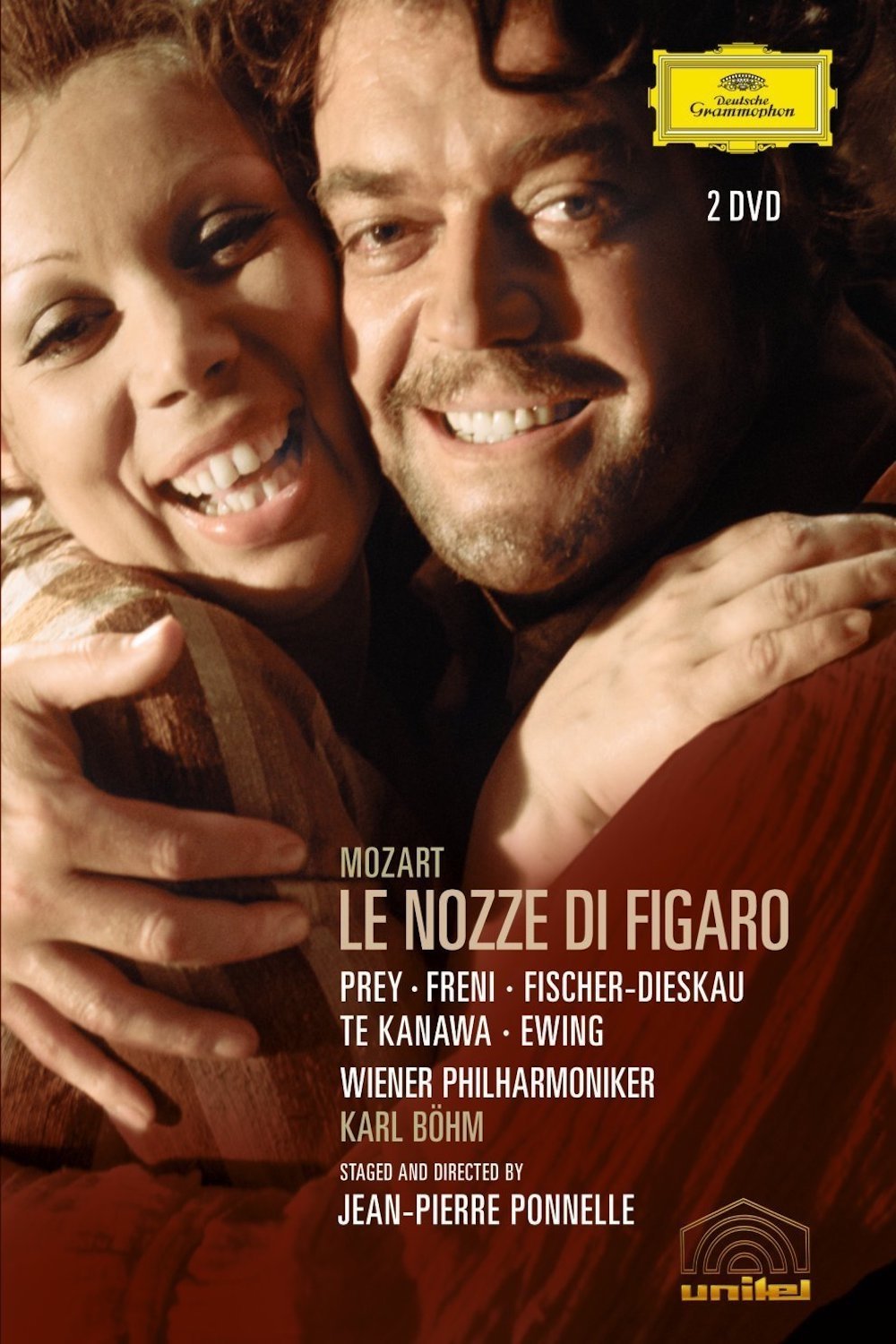
Mozart's Marriage of Figaro is a comedy whose dark undertones explore the blurred boundaries between dying feudalism and emerging Enlightenment. Herman Prey's Figaro is admirably sung in a firm baritone and aptly characterized. So too, is his antagonist, Dietrich Fischer-Dieskau as the Count perpetually frustrated by the scheming wiles of Figaro and Susanna, here the perky Mirella Freni, who sings and acts like a dream. The Countess is creamy-voiced Kiri Te Kanawa, and the Cherubino, Maria Ewing, looks just like the horny, teenaged page she's supposed to be. The all-star leads are complemented by worthy supporting singers, the Vienna Philharmonic at the top of its form, and the experienced Mozartian, Karl Böhm conducting a stylishly fleet performance.
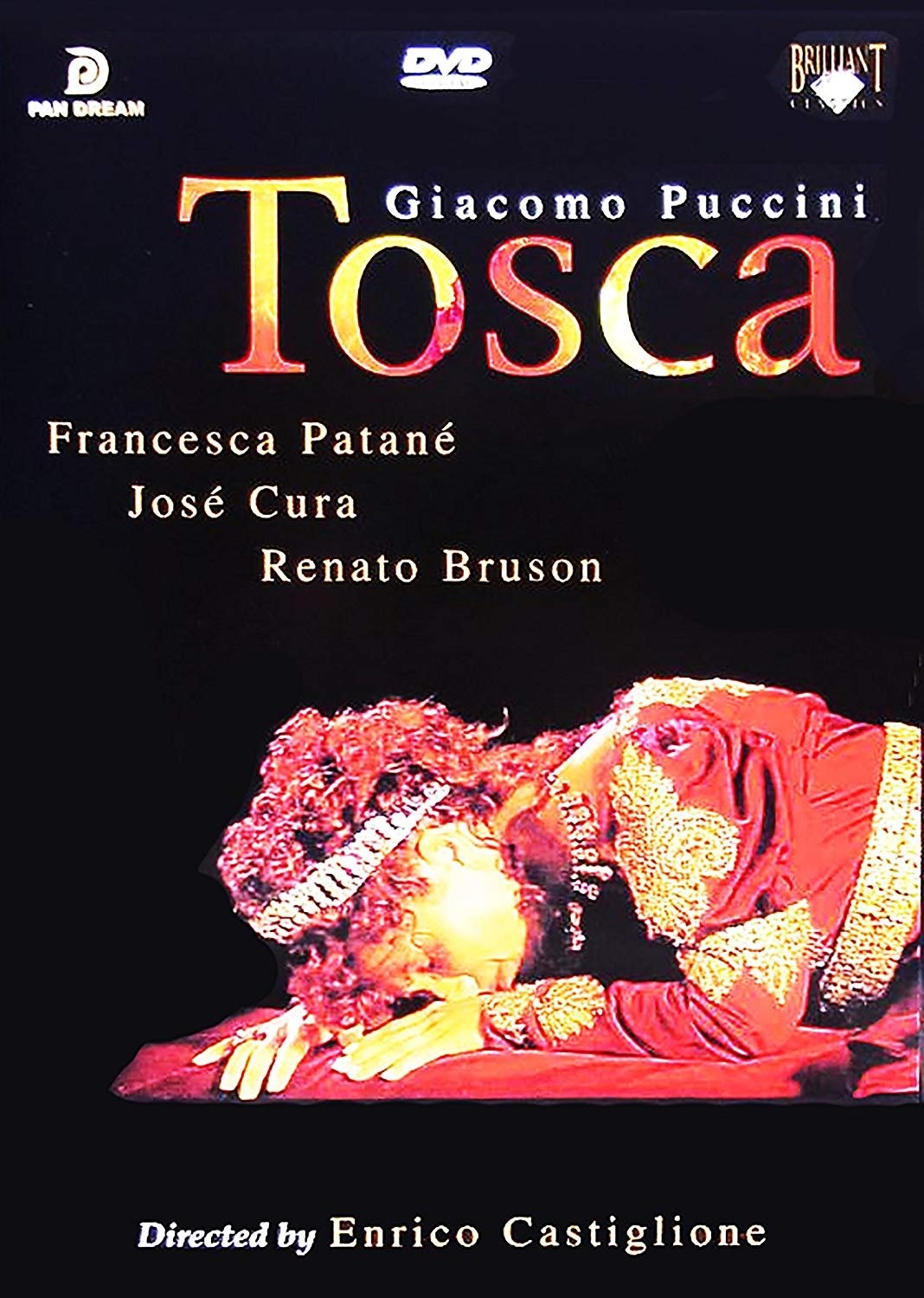
Tosca, suspecting his lover is seeing anothe woman, turn him, painter Mario Cavaradossi, to Baron Scarpia.
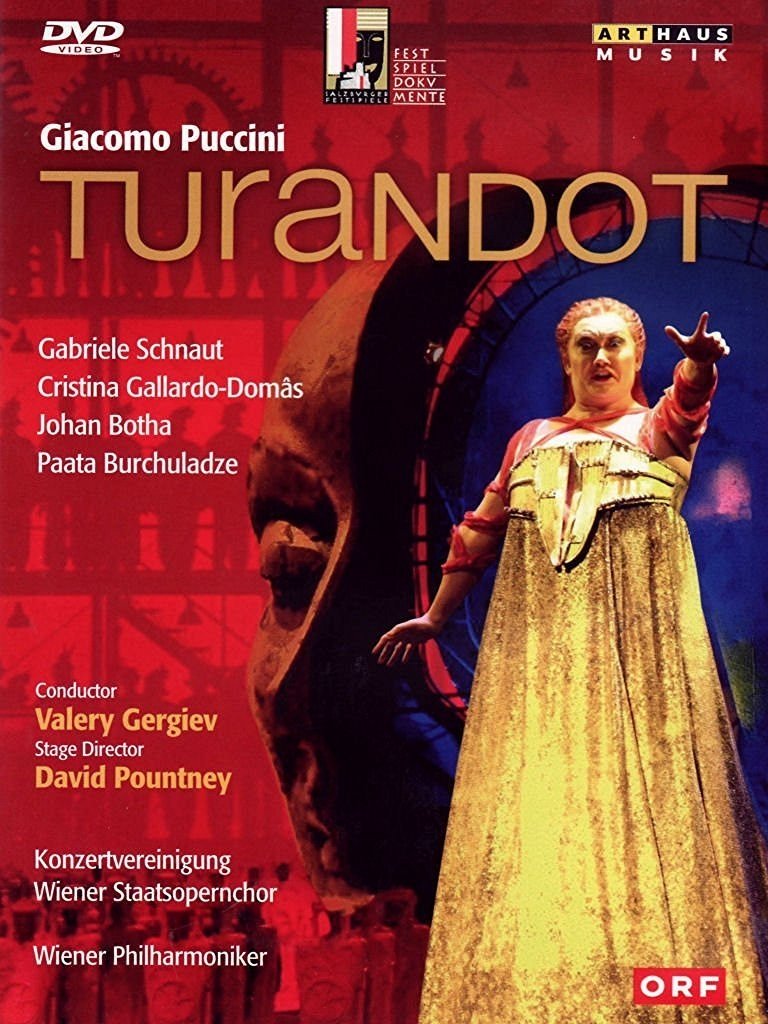
Valery Gergiev leads the Vienna Philharmonic Orchestra in this production of Puccini's opera, recorded live at the Salzburger Festspiele in 2002. David Pountney's production features performances by Gabriele Schnaut, Paata Burchuladze, Johan Botha and Cristina Gallardo-Domas. This production uses Luciano Berio's 2001 completion of this unfinished opera.
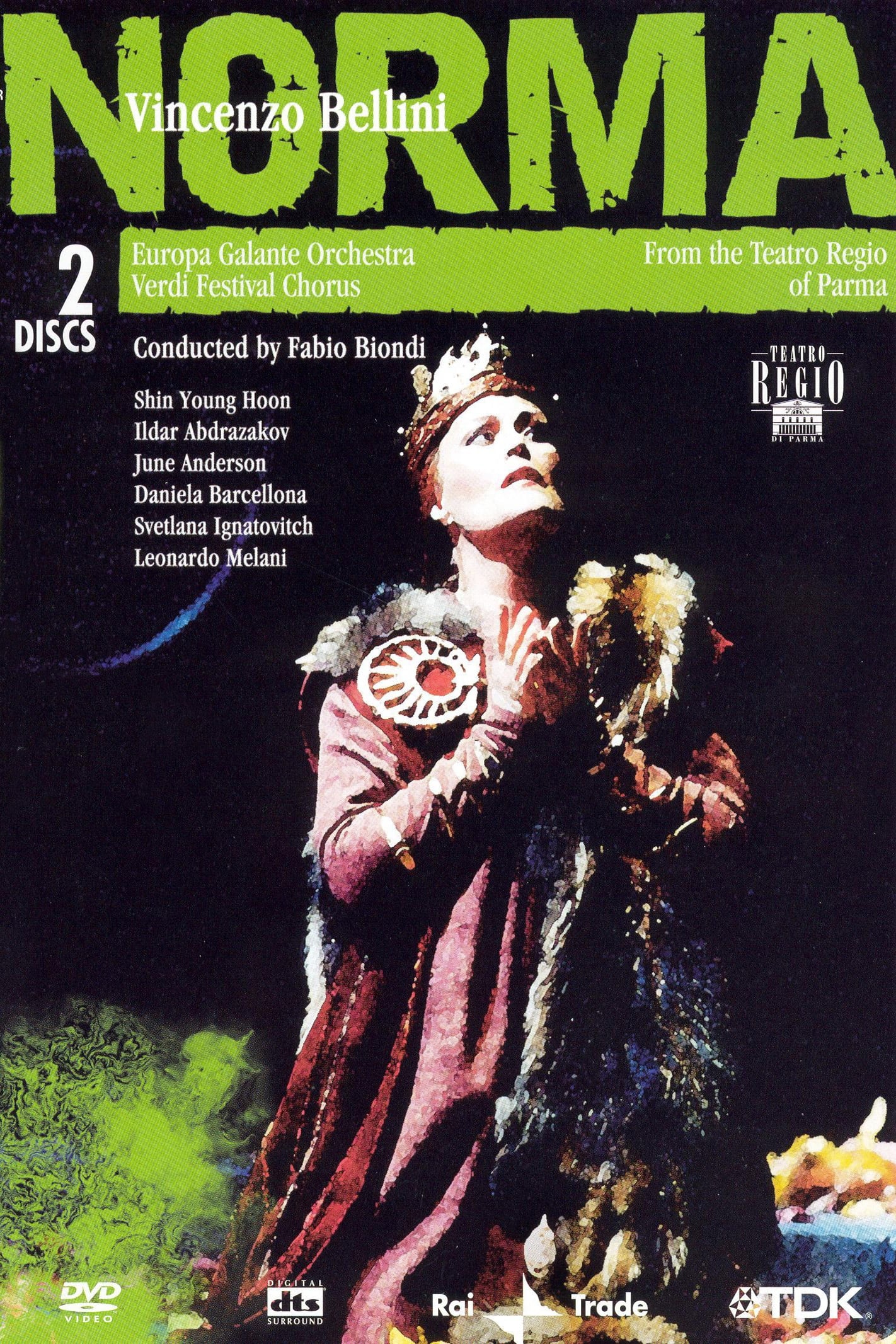
Gaul has been conquered by the Romans. Oroveso, the Arch-Druid longs to lead a Gallic rebellion against the colonial forces. He and all the others wait for the signal to be given by his daughter, the Druid High Priestess Norma. But Norma has fallen in love with the Roman Proconsul, Pollione, and given birth to two children. They have been brought up in secrecy by her confidante Clotilde. Norma still loves Pollione but he has fallen in love with a novice priestess, Adalgisa.
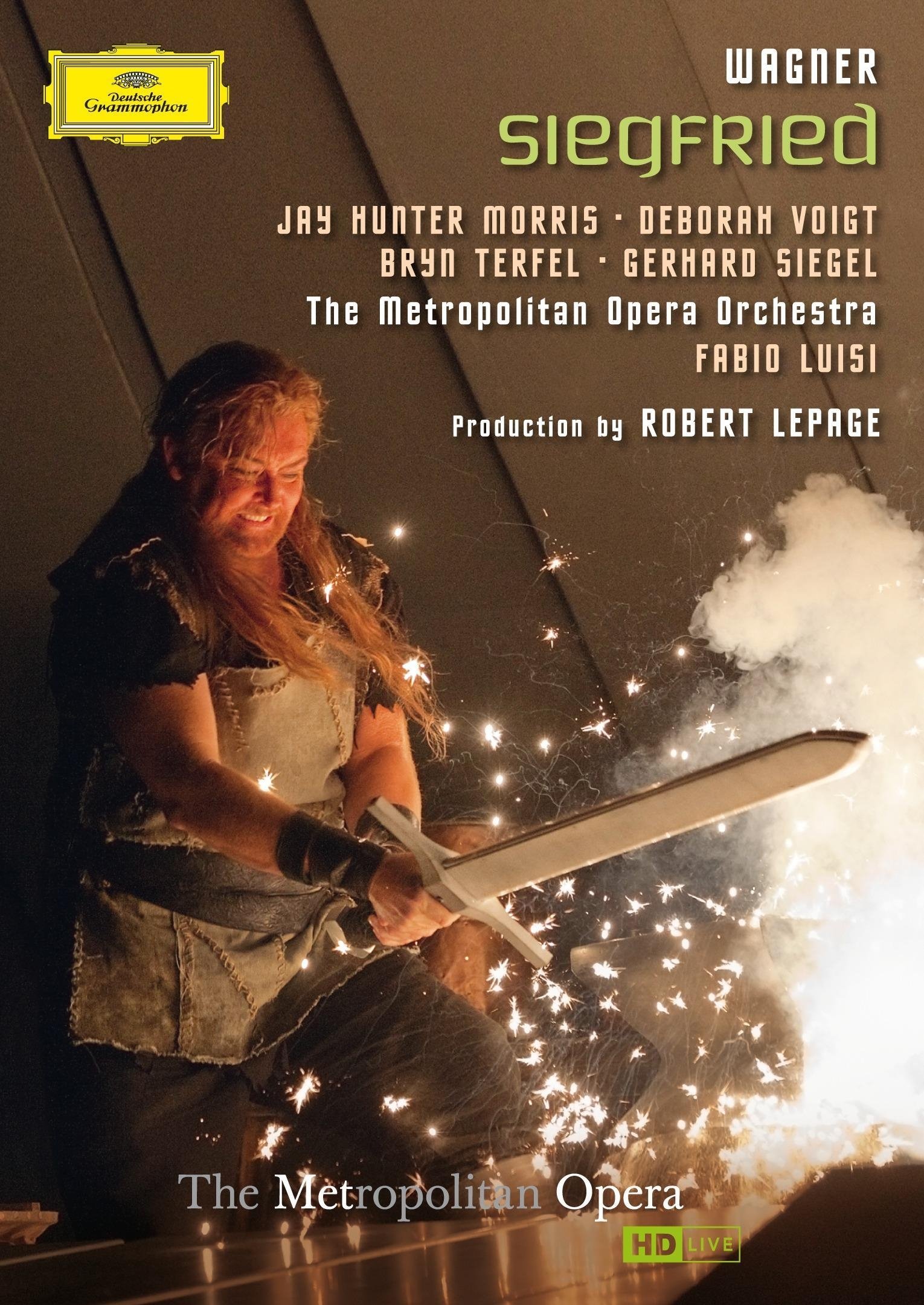
Robert Lepage’s remarkable Met Opera production of Wagner’s Der Ring des Nibelungen, the 2013 Grammy Award Winner for Best Opera Recording, is now available as individual DVDs. Siegfried features Bryn Terfel, Jay Hunter Morris, and Deborah Voigt, with Fabio Luisi conducting.
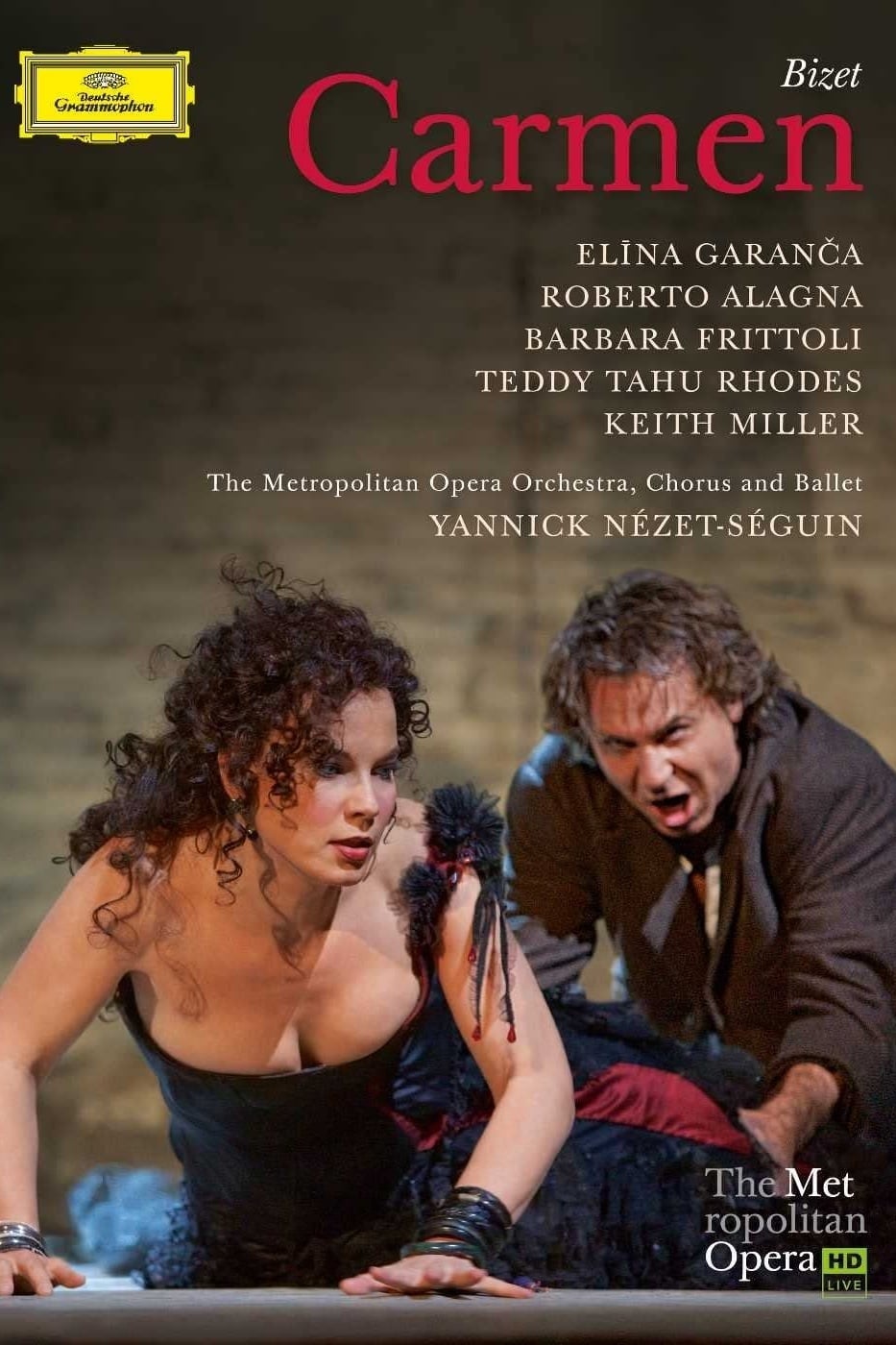
Richard Eyre’s stunning new production of Bizet’s opera was the talk of the town when it was unveiled on New Year’s Eve 2009. Elīna Garanča leads the cast as the iconic gypsy of the title—a woman desired by every man but determined to remain true to herself. Roberto Alagna is Don José, the soldier who falls under her spell and sacrifices everything for her love, only to be cast aside when the toreador Escamillo (Teddy Tahu Rhodes) piques Carmen’s interest. With dances created by star choreographer Christopher Wheeldon and conducted by rising maestro Yannick Nézet-Séguin, this Carmen brings every aspect of Bizet’s tale to thrilling life, from its lighthearted beginning to its inevitably tragic climax.
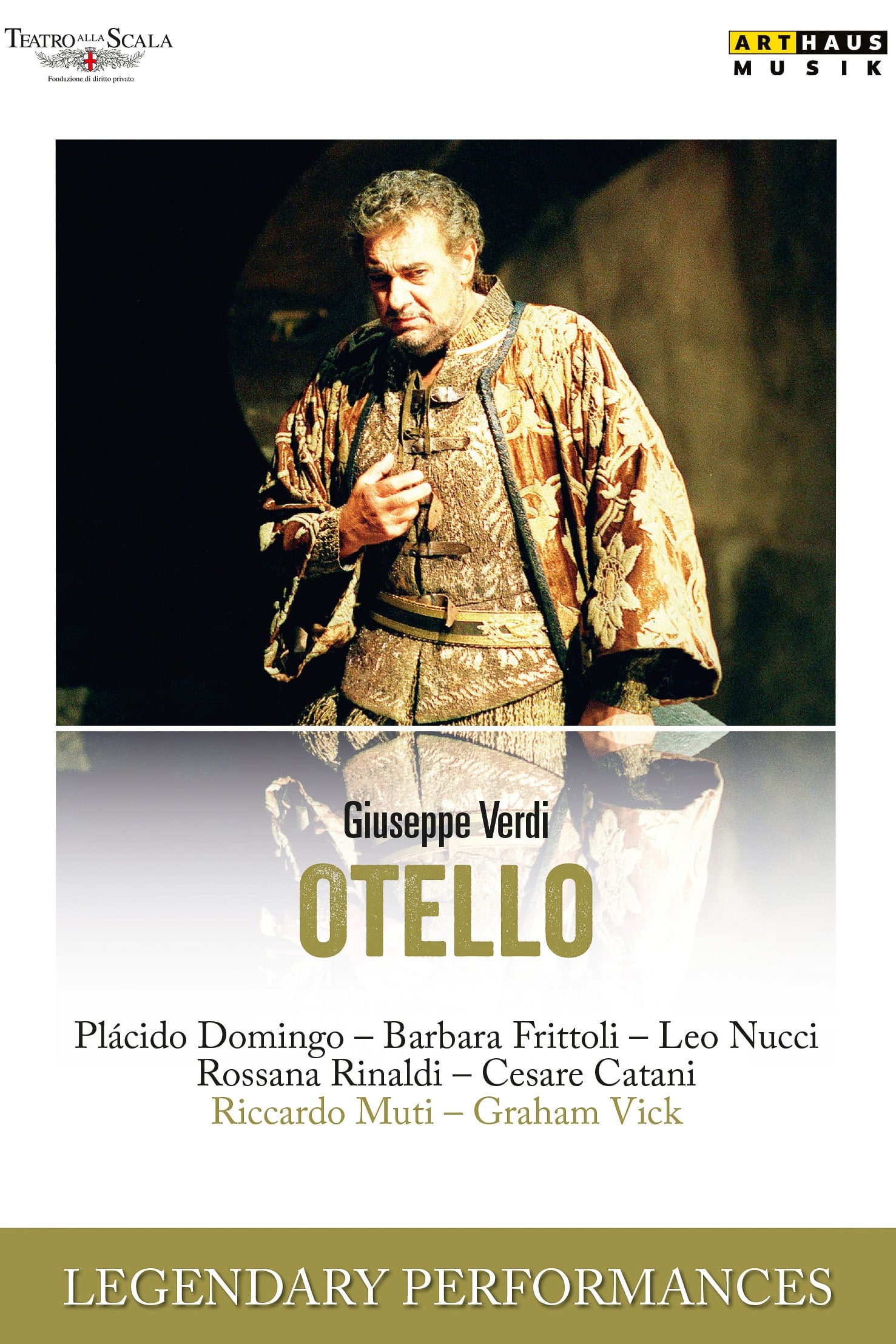
This was Domingo's last set of performances as Otello in La Scala. In spite of his relatively advanced age, he is still in excellent form, both vocally and in terms of stage presence. Nucci is also his usual self, delivering a performance of very high standard. Barbara Frittoli is an excellent Desdemona, in good voice and gives a very moving performance. Muti conducts with great emotion and tight accuracy, conveying the full orchestral drama of the score.
Ernst Krenek's theatrical piece Karl V. consisting completely of twelve-tone series should have premiered at the Vienna State Opera. The political situation in the Vienna of 1933 and the fact that Krenek was despised by the Nazis because of this Jazz opera Jonny spielt auf, prevented the première. It only took place five years later in Prague, however Krenek had already emigrated to the USA. Karl V was the last emperor to hold to the idea of a Christian empire in which the sun never set, although its downfall was always inevitable, for numerous reasons. For the second production of Karl V. in the Nationaltheater, Carlus Padrissa in particular seeks out political power systems that are highly topical, and so very precisely analyses the treatment in the theatrical piece. At the core of the intellectually and linguistically highly qualified libretto, written by the composer himself, Karl V. reflects on his life and makes his confession to a young monk below Titian's La Gloria.
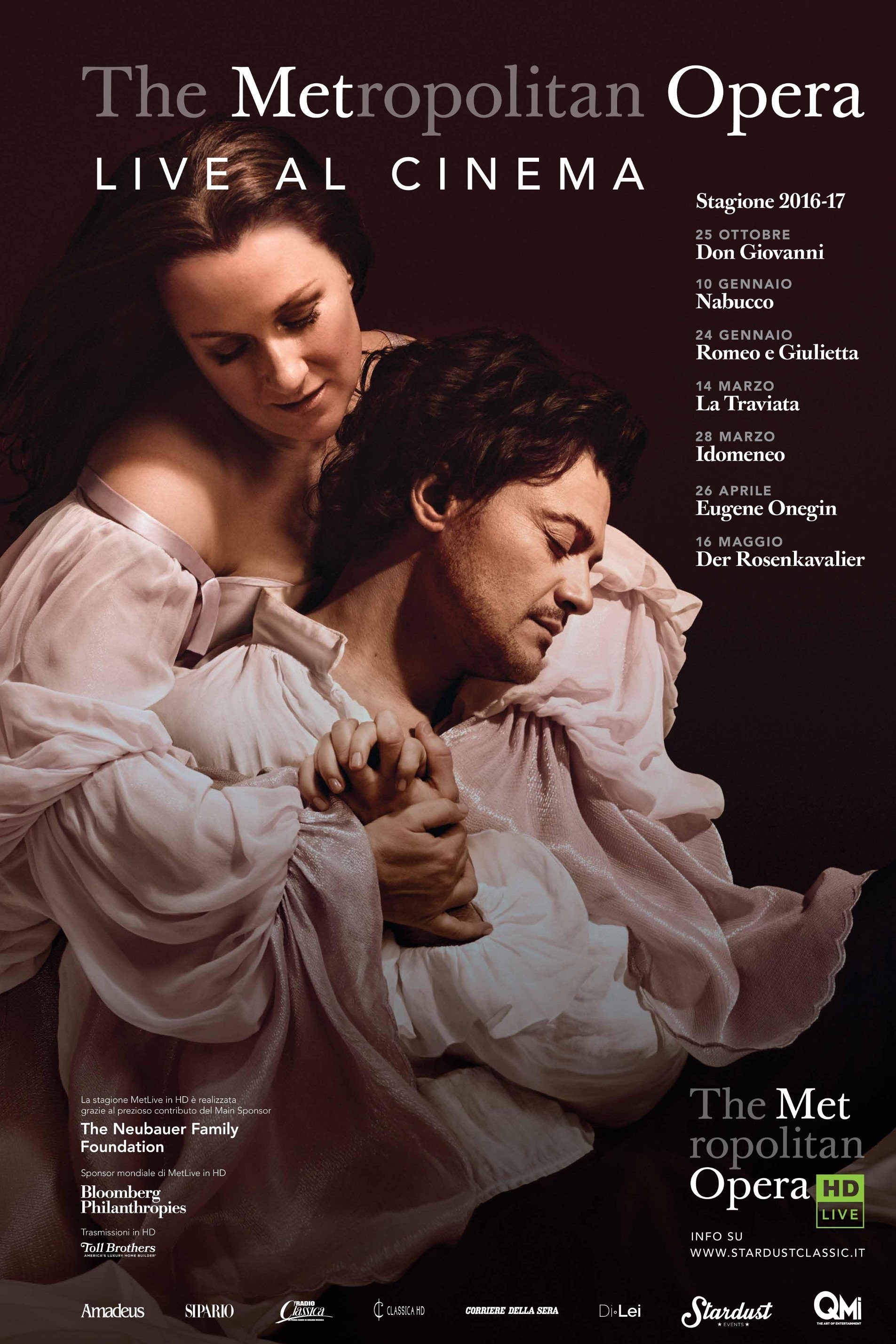
Diana Damrau and Vittorio Grigolo are opera’s classic lovers in Gounod’s lush Shakespeare adaptation. Director Bartlett Sher’s “brilliant and inspired new production … is a revelation” (Huffington Post), and has already won acclaim for its vivid 18th-century milieu and stunning costumes during runs at Salzburg and La Scala. Emmanuel Villaume conducts the sumptuous score.
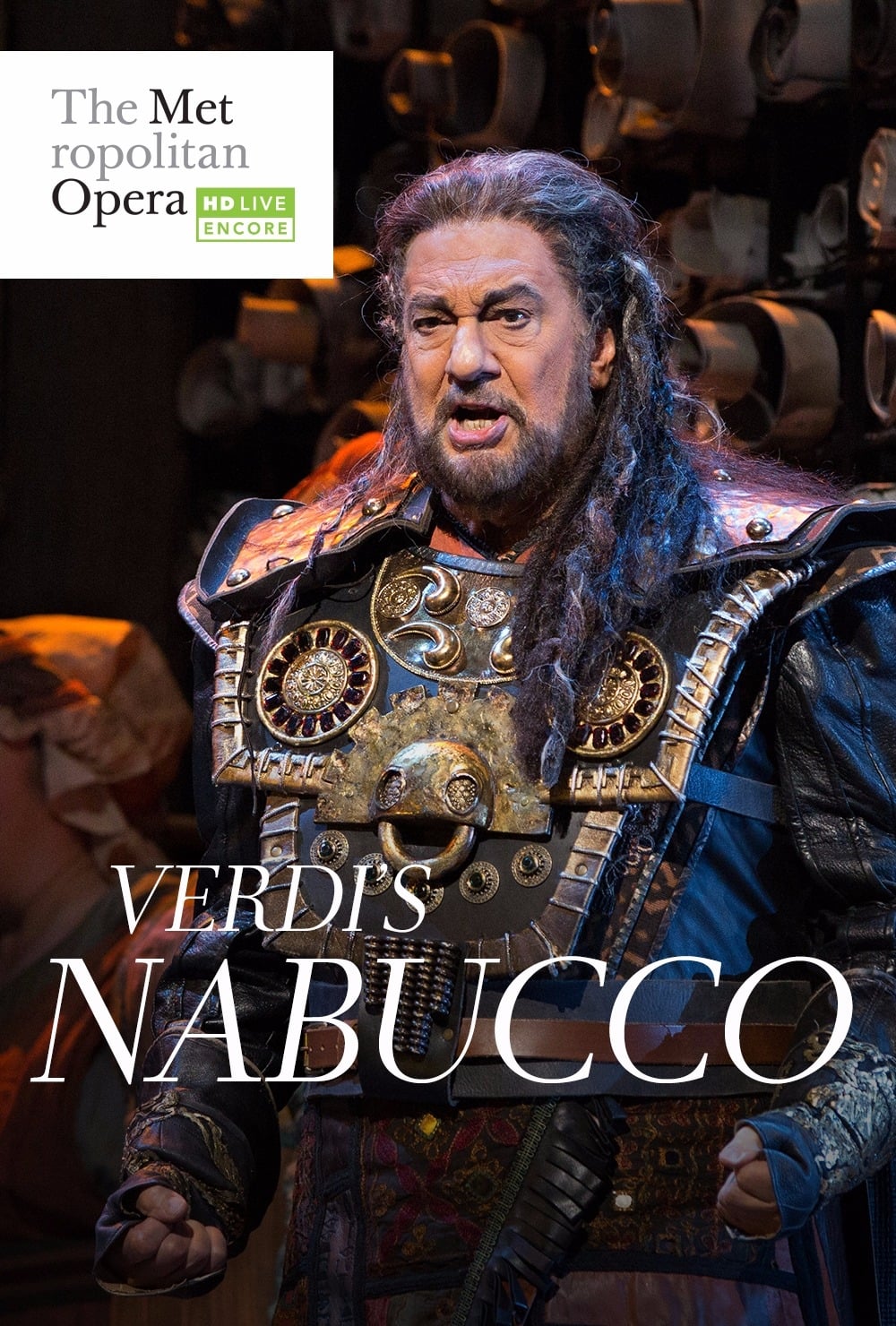
The legendary Plácido Domingo brings another new baritone role to the Met under the baton of his longtime collaborator James Levine. Liudmyla Monastyrska is Abigaille, the warrior woman determined to rule empires, and Jamie Barton is the heroic Fenena. Dmitri Belosselskiy is the stentorian voice of the oppressed Hebrew people.
Can the darkest moments of life also lift our souls? Drawing on his own experience in a Siberian prison in the company of misfits, murderers and theives, Dostoevsky was inspired to write his novel Notes from a Dead House, telling his brother at the time: ‘Believe me, there were among them deep, strong, beautiful natures, and it often gave me great joy to find gold under a rough exterior.’ In Janáček’s hands, Dostoevsky’s inspiration and the raw material drawn from an appalling world of incarceration find an even more powerful form of expression in his last opera, From the House of the Dead. Unfettered by conventional story-telling, Janáček wrote his own libretto, freely weaving together a series of stories of everyday prison life and of the fates of individual convicts.
The man looks back on a turbulent love life, which he does not dare to opt definitively for a permanent love. He loves Tosca, but leaves her for another new love, Alpha. He cherishes the infatuation at the start of a relationship, meaning he is not yet ready for real life. However, at the end, he is able to make his choice ...
The grand scale and magnificent acoustics of the Roman arena in Verona are ideally suited to the pageantry of Verdi's Egyptian opera, presented here in a staging that is true to the original 1913 production, framed by obelisks and sphinxes and filled with chorus and dancers. Chinese soprano Hui He has won international acclaim for her portrayal of the eponymous slave girl whose forbidden love for the war hero Radamés (Marco Berti, the experienced Verdi tenor) brings death to them both.
A down-on-his-luck coach is hired to prepare a team of the best American dancers for an international tournament that attracts all the best crews from around the world, but the Americans haven't won in fifteen years.
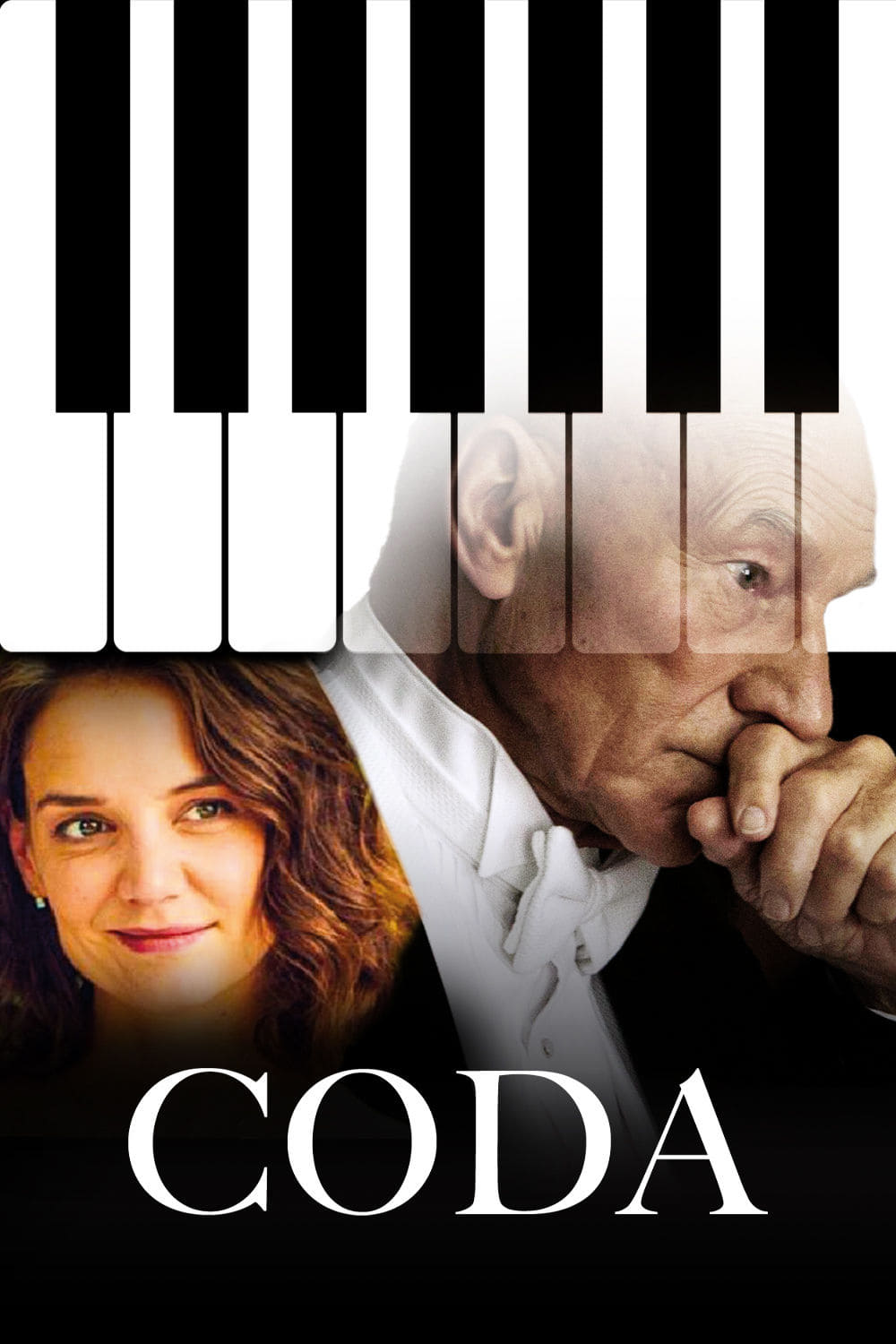
A famous pianist at the twilight of his career meets a free-spirited music critic who soon becomes his rock as his mental state deteriorates.
Aspiring small-town musician Chito is determined to make it big. When a clip of him performing one of his songs goes viral, he seizes the opportunity and pushes to carve out a place for himself in the new wave of Mexican-American music... and ultimately gets caught in a game more dangerous than anticipated.
Street dancer Skyler comes out of the shadow of her trained dancer sister, Tosha, & joins a dance competition with the Honey dance studio; the prize is a college scholarship.
A talented young singer and aspiring songwriter’s Christian faith and family ties are tested when she defies her worship-pastor father and pursues pop-music stardom in GRACE UNPLUGGED, a moving and inspiring new film that explores the true meaning of success.
Ghost is an ideological musician and leader of a jazz band who would rather play his blues in the park to the birds than compromise himself. His peripatetic performances lead him to cross paths with a singer, while his masculinity is thrown into question following a violent brawl.
A drama set in the American South, where a precocious, troubled girl finds a safe haven in the music and movement of Elvis Presley.
A shy teenager living on the Isle of Wight dreams of pop stardom. With the help of an unlikely mentor, she enters a singing competition that will test her integrity, talent, and ambition.
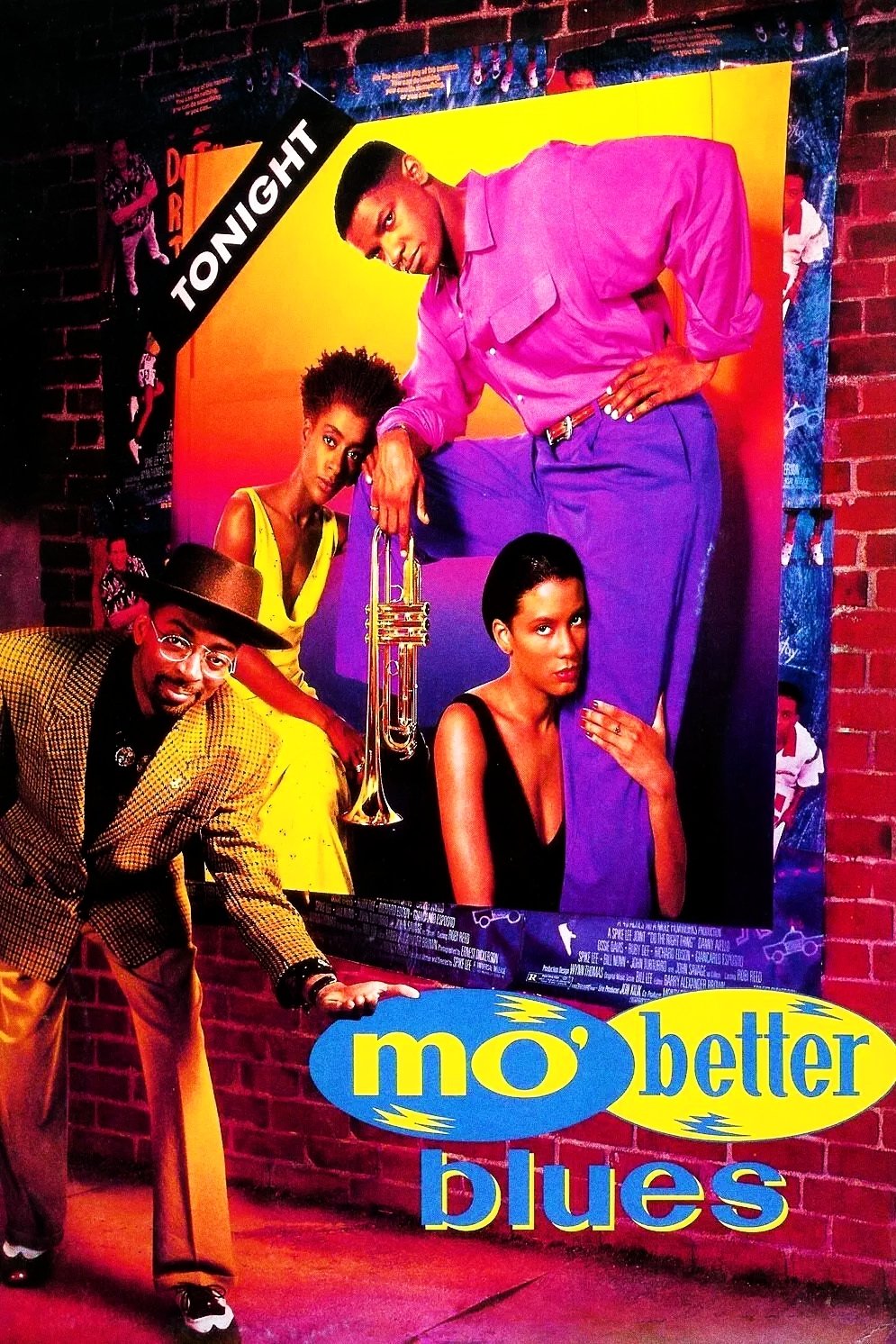
Talented but self-centered trumpeter Bleek Gilliam is obsessed with his music and indecisiveness about his girlfriends Indigo and Clarke. But when he is forced to come to the aid of his manager and childhood friend, Bleek finds his world more fragile than he ever imagined.
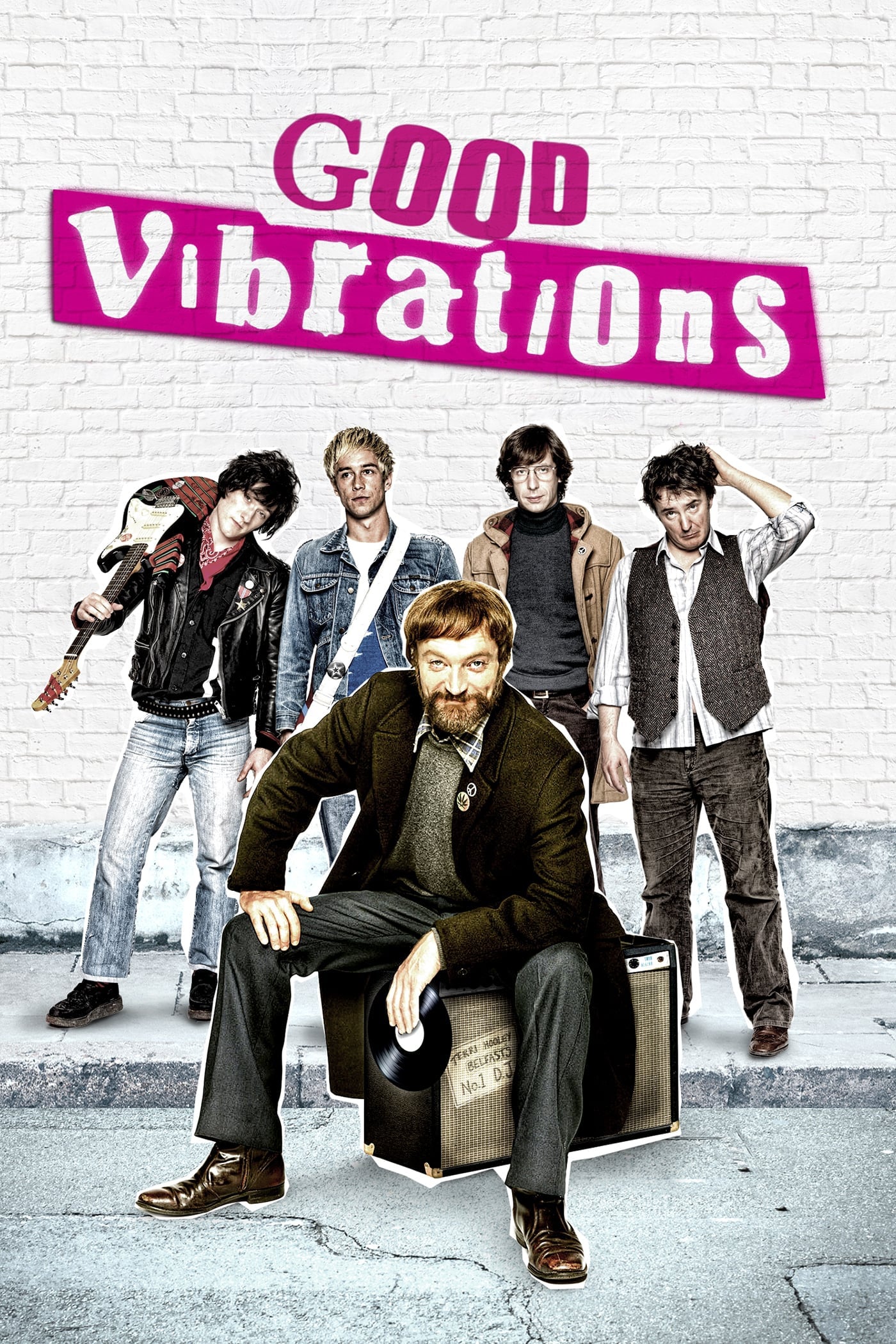
The story of music legend Terri Hooley, a key figure in Belfast's punk rock scene. Hooley founded the Good Vibrations store from which a record label sprung, representing bands such as The Undertones, Rudi and The Outcasts.
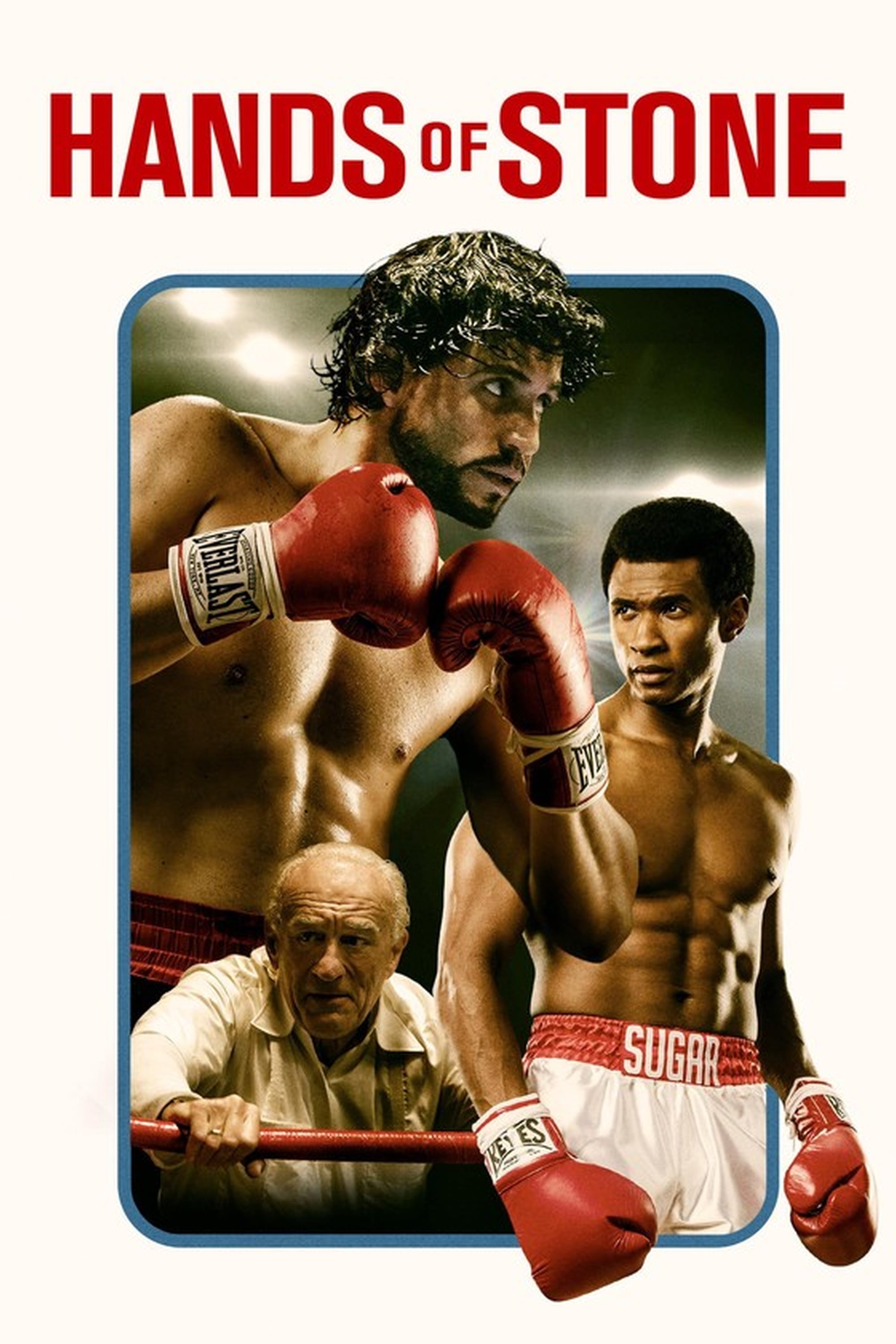
The legendary Roberto Duran and his equally legendary trainer Ray Arcel change each other's lives.
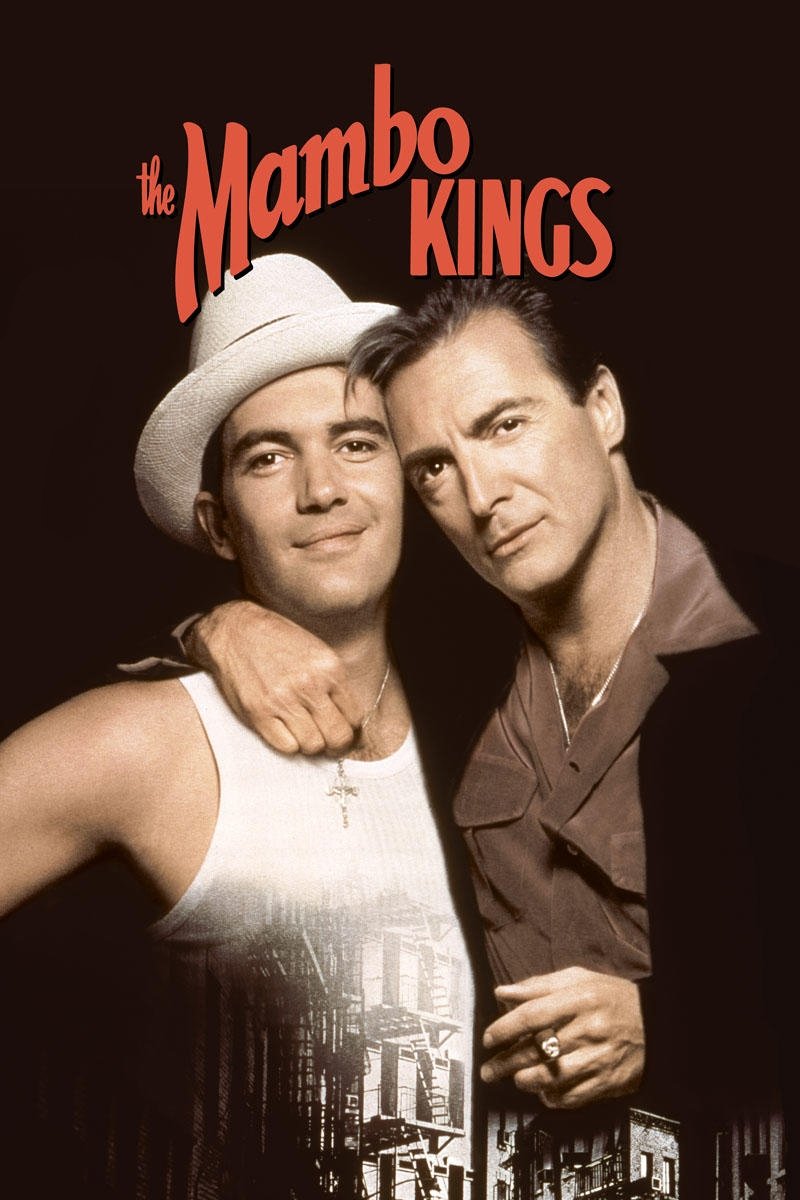
The Mambo Kings tells the story of César and Nestor Castillo, brothers and aspiring musicians who flee from Cuba to America in search of the American Dream.
A woman is released from prison after serving a sentence for a violent crime and re-enters a society that refuses to forgive her past.
XOXO follows six strangers whose lives collide in one frenetic, dream-chasing, hopelessly romantic night.
After completing military service, Walter Gulick takes a job as a sparring partner at a gym, the owner of which sees potential in Walter as a professional fighter—and takes him under his wing.
At Mr. Rad's Warehouse, the best hip-hop crews in Los Angeles compete for money and respect. But when a suburban crew crashes the party, stealing their dancers — and their moves — two warring friends have to pull together to represent the street.
Based on the life and career of legendary entertainer, Bobby Darin, the biopic moves back and forth between his childhood and adulthood, to tell the tale of his life.
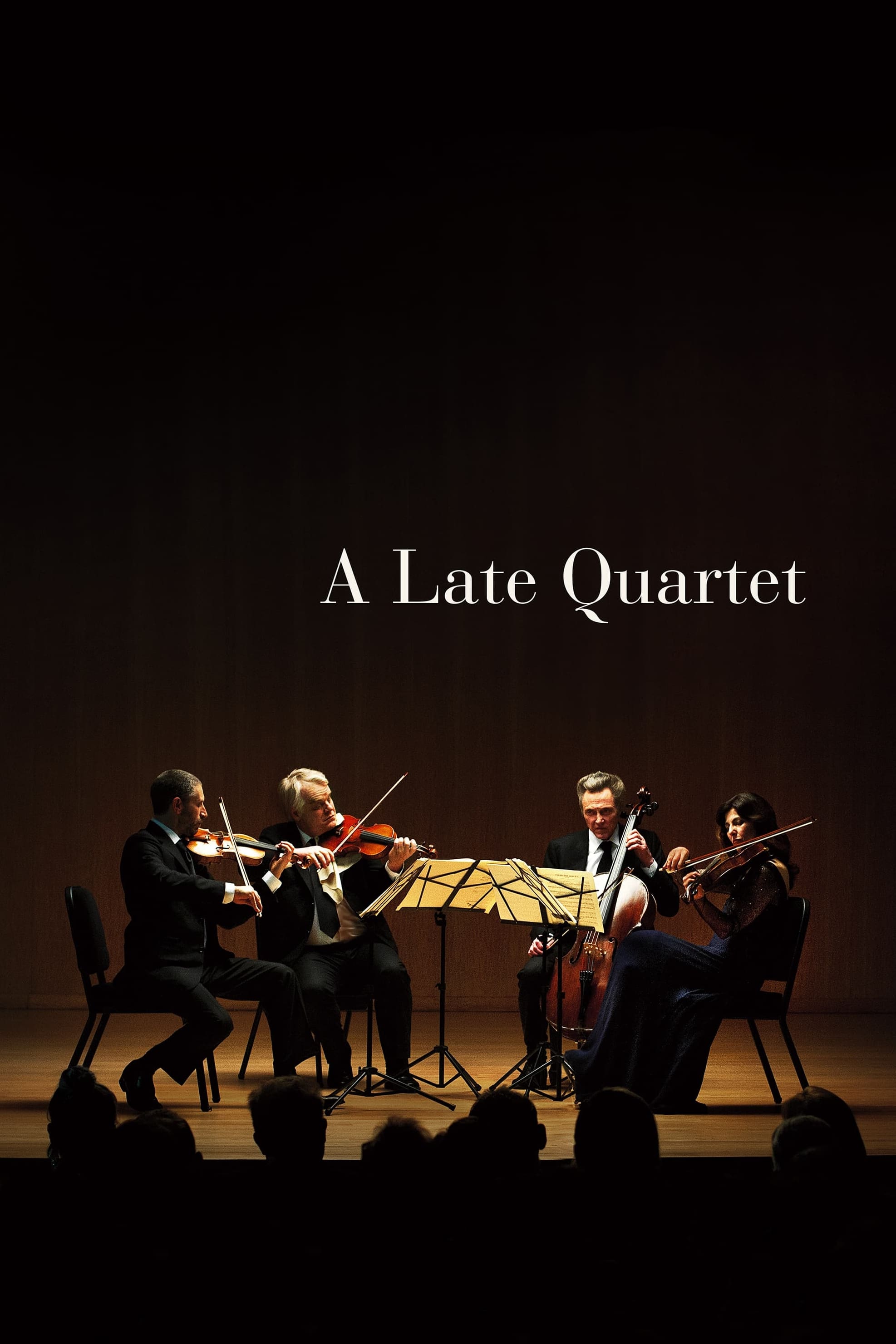
When the beloved cellist of a world-renowned string quartet is diagnosed with a life threatening illness, the group's future suddenly hangs in the balance as suppressed emotions, competing egos and uncontrollable passions threaten to derail years of friendship and collaboration. As they are about to play their 25th anniversary concert — quite possibly their last — only their intimate bond and the power of music can preserve their legacy.
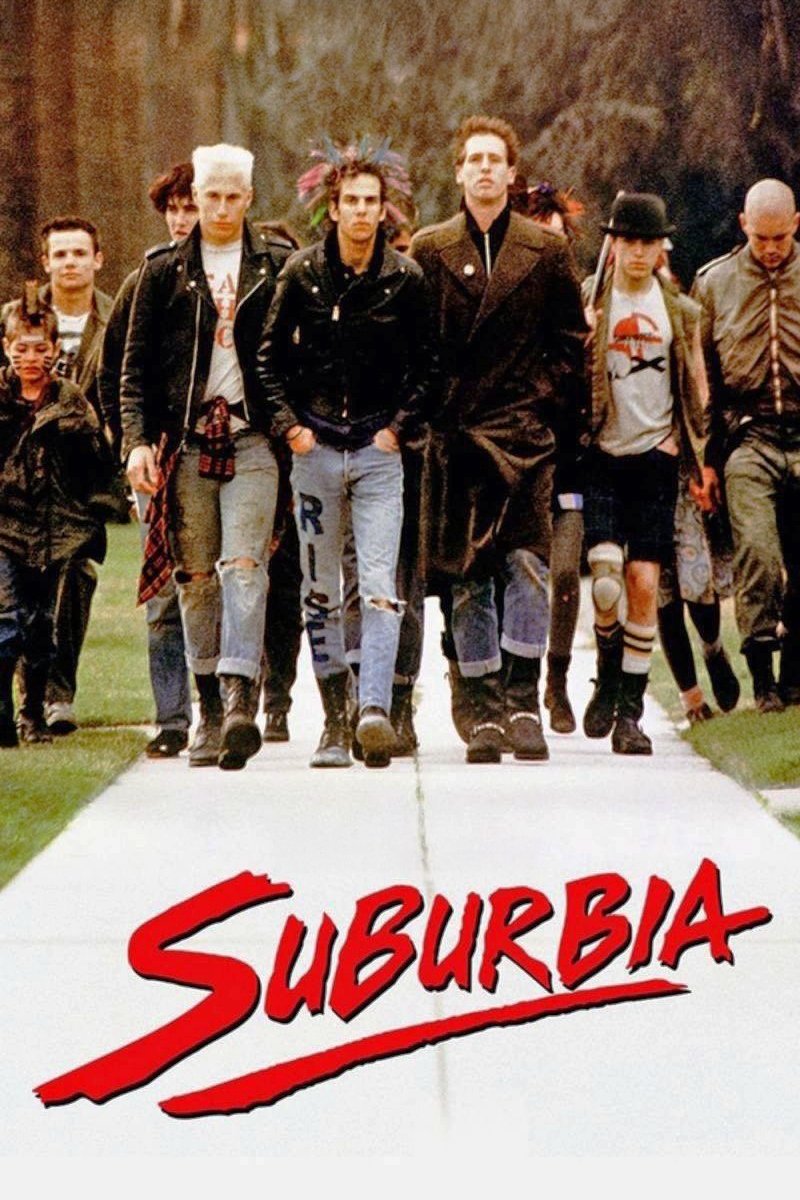
When household tensions and a sense of worthlessness overcome Evan, he finds escape when he clings with the orphans of a throw-away society. The runaways hold on to each other like a family until a tragedy tears them apart.
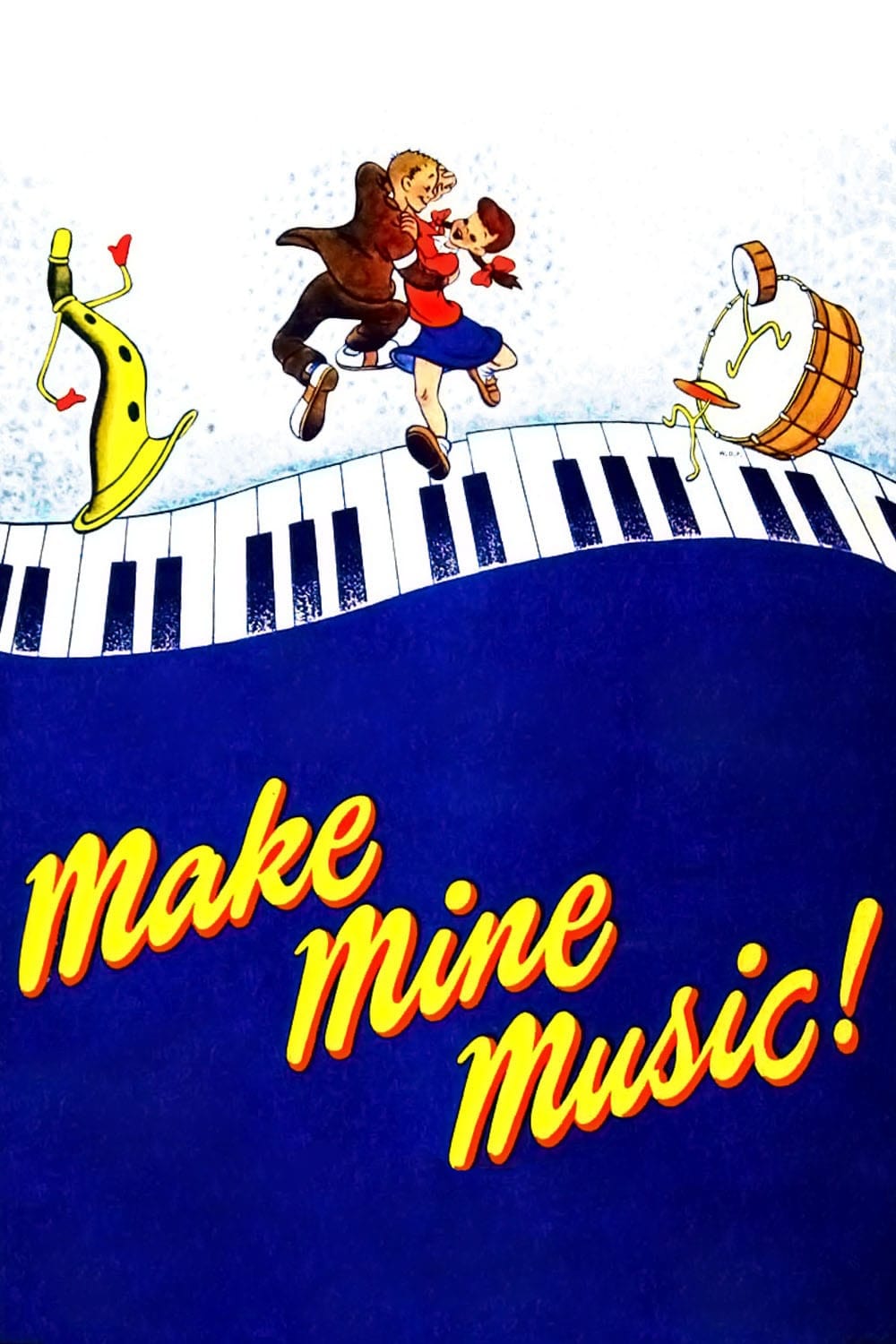
In the tradition of Fantasia, Make Mine Music is a glorious collection of musically charged animated shorts featuring such fun-filled favorites as "Peter and the Wolf", narrated by the beloved voice behind Winnie the Pooh. In addition you'll enjoy such classic cartoon hits as "Casey at the Bat," "The Whale Who Wanted to Sing at the Met" and "Johnnie Fedora and Alice Bluebonnet."