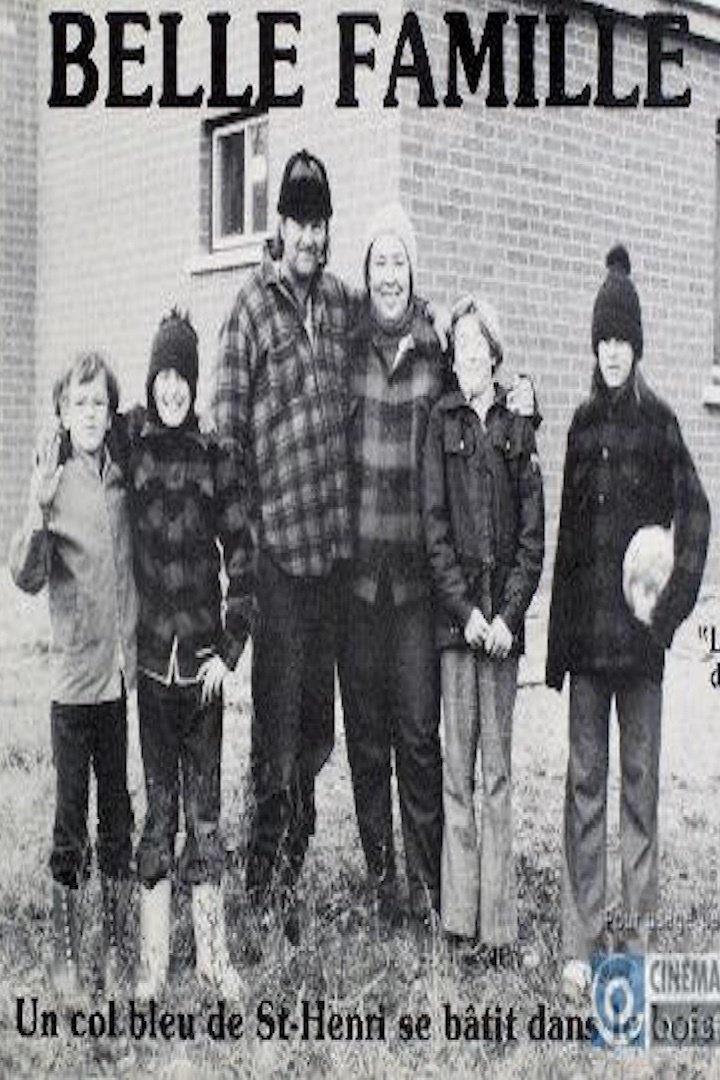
A working class family leaves St-Henri quarter in Montréal to build a new home in the countryside.
Social & External
The people behind it
Gérard Duffault
Himself
Feature-length documentary as part of Pierre Perrault's Abitibian Cycle. The filmmaker questions the past and present of Abitibi and draws up, face to face, the promises of colonization in the 1930s and the great disappointment caused by the closing of the land in the 1970s. There are witnesses to the heroic era, including the cultivator Hauris Lalancette, as well as extracts from films by Father Maurice Proulx (1934-1940).
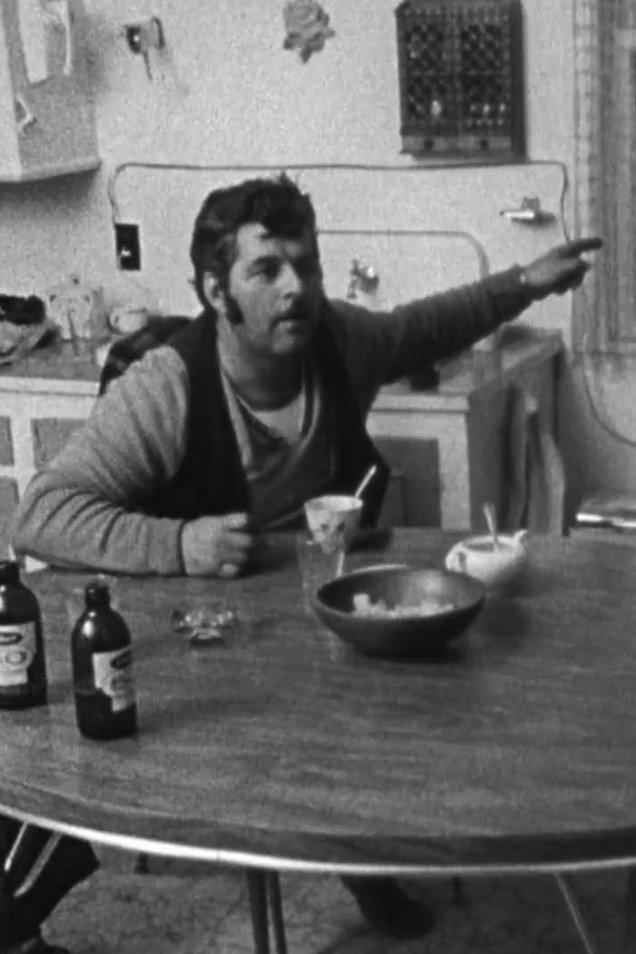
Images of love and freedom personified by a man who like to travel, a man who has made a profession of doing nothing and who constantly comes up against the structures of a society he rejects.
A documentary about direct-cinema from its very beginnings (Nanook of the North) to the fake-direct-cinema of the Blair Witch Project. All the important direct-cinema filmmakers are portrayed and/or interviewed: Leacock, Wiseman, Maysles, Pennebaker, Reisz and others.
A first look at Strobus / Banksiana: a musical and visual work supported by two important protagonists of the Quebec forest: the white pine and the jack pine. Duu's second album, first double album : each half is distinguished by its sonic palette, its writing style, and the type of conifer that surrounds it. This short documentary offers an intimate glimpse into the creator's journey through the paths that led him to conceive this personal diptych, where he embraces his duality in this visceral desire to celebrate nature every day.
"Montréal under the snow and the cold winter. It is the period of the year when the garage owners strike it rich. The automobile at the service of man? This small opus would rather show the contrary. This is one in a series of eight films titled “Chronicle of Everyday Life,” a project that filmmaker Jacques Leduc took four years to realize, and whose goal was to revisit Direct Cinema at a moment when it was already heavily “contaminated” by mainstream TV." - Anthology Film Archives
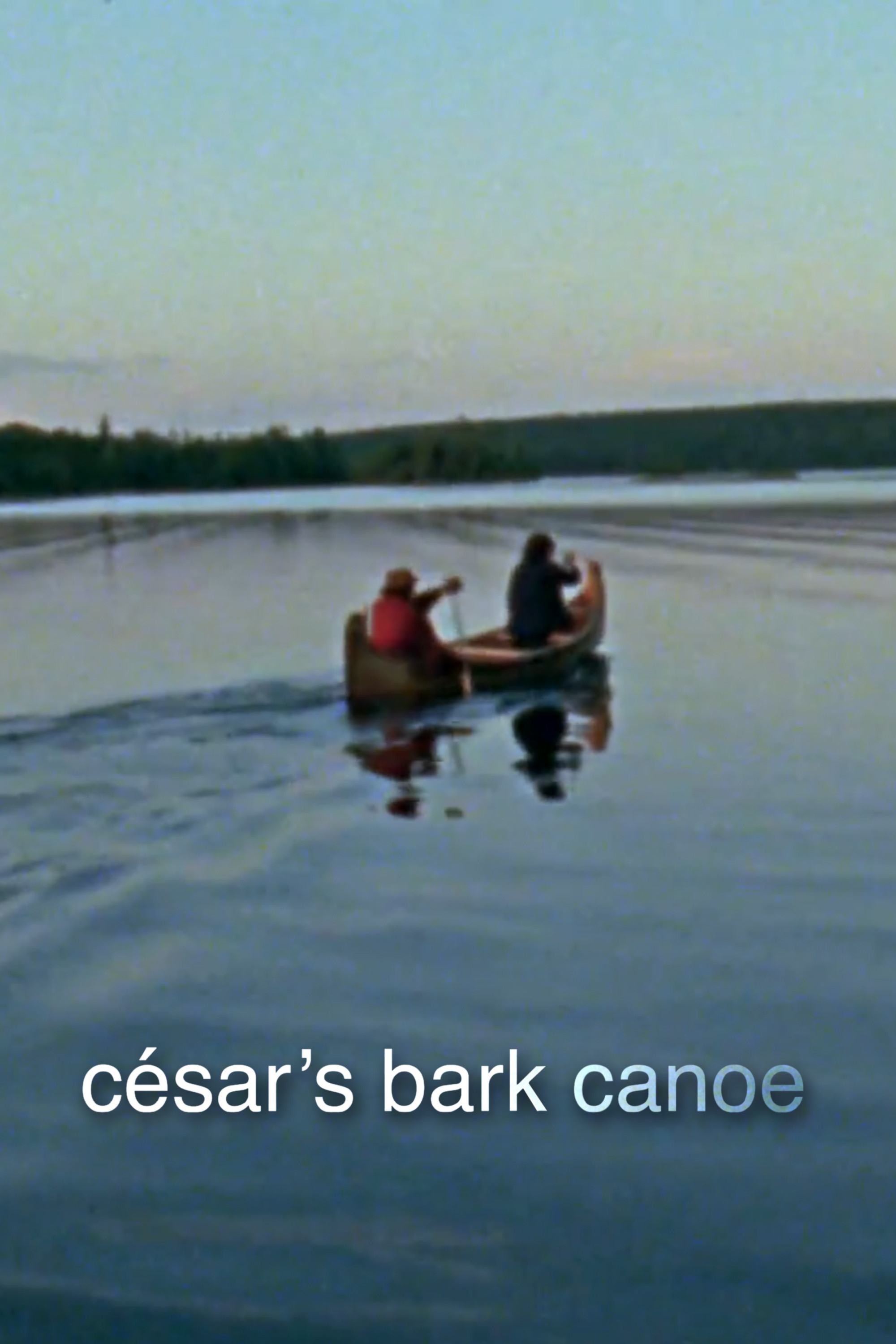
"This documentary depicts a canoe being built in the traditional manner. Cesar Newashish, a 67-year-old Attikamek of the Manawan Reserve North of Montréal, uses only birchbark, cedar splints, spruce roots, and gum. With a sure hand he works methodically to fashion a craft unsurpassed in function or beauty of design. Building a canoe solely from the materials that the forest provides may become a lost art, even among the Native Peoples whose traditional craft it is. The film is free of spoken commentary but text appears on the screen in Cree, French, and English." - Anthology Film Archives
"This feature documentary is considered to be the forerunner of the NFB's Challenge for Change Program. The film offers in inside look at 3 weeks in the life of the Bailey family. Trouble with the police, begging for stale bread, and the birth of another child are just some of the issues they face. Through it all, the father tries to explain his family's predicament. Although filmed in Montreal, the film offers an anatomy of poverty as it occurs throughout North America." - NFB
"This film is one of the first French Unit productions of the “Société Nouvelle/Challenge for Change” program. When an old area of Montréal is to be demolished to make way for a new low-income housing development, is there anything the residents can do to protect their own interests? The film documents such a situation in the Little Burgundy district of Montréal and shows how the residents organized themselves into a committee that successfully influenced the city’s housing policy." - Anthology Film Archives
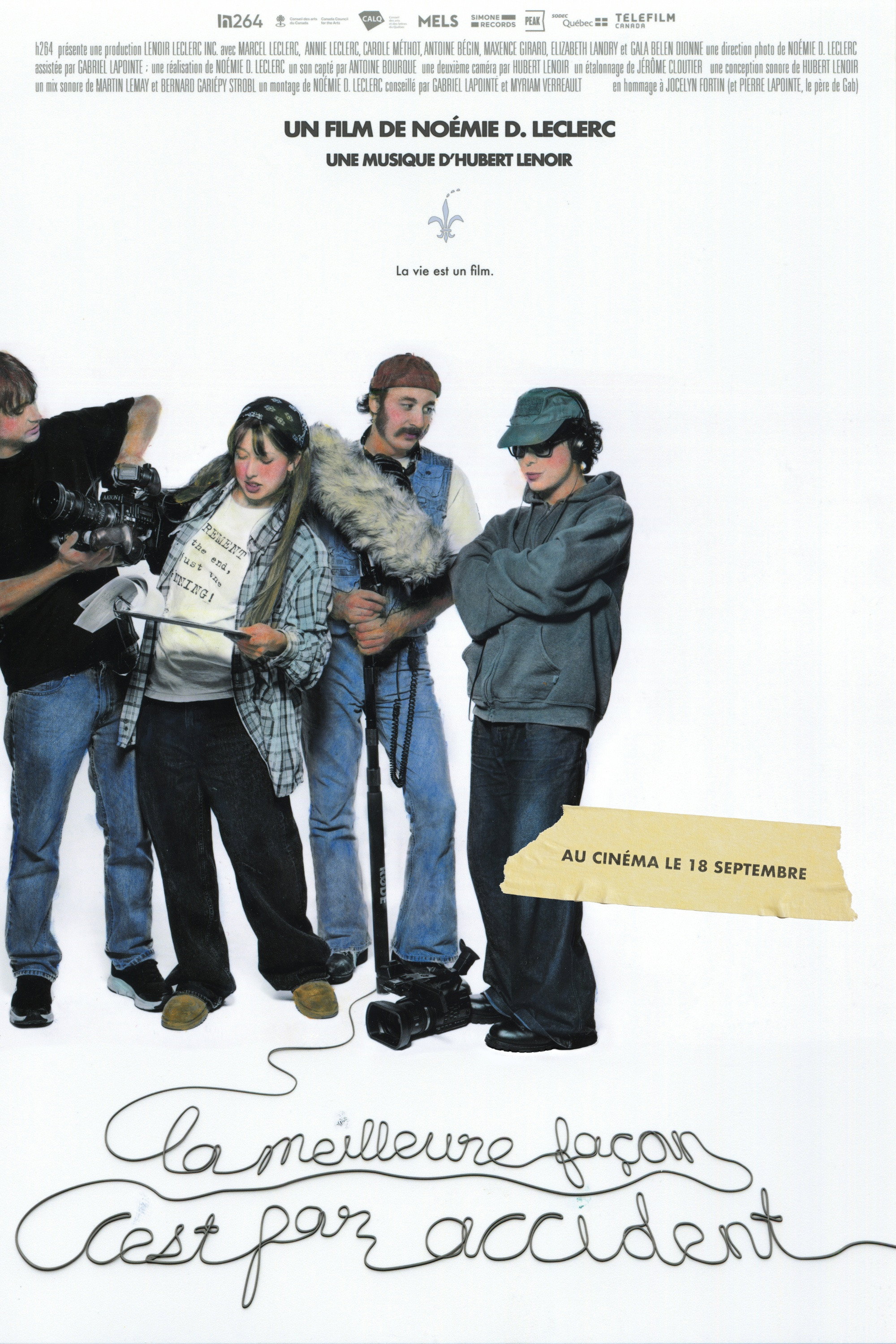
After the death of her adoptive father, a young filmmaker delves into his video archives only to realize that she never filmed him—except once, by accident. As the end of the world approaches, she now sets out to capture the extraordinary in the ordinary… which, too, is destined to disappear.
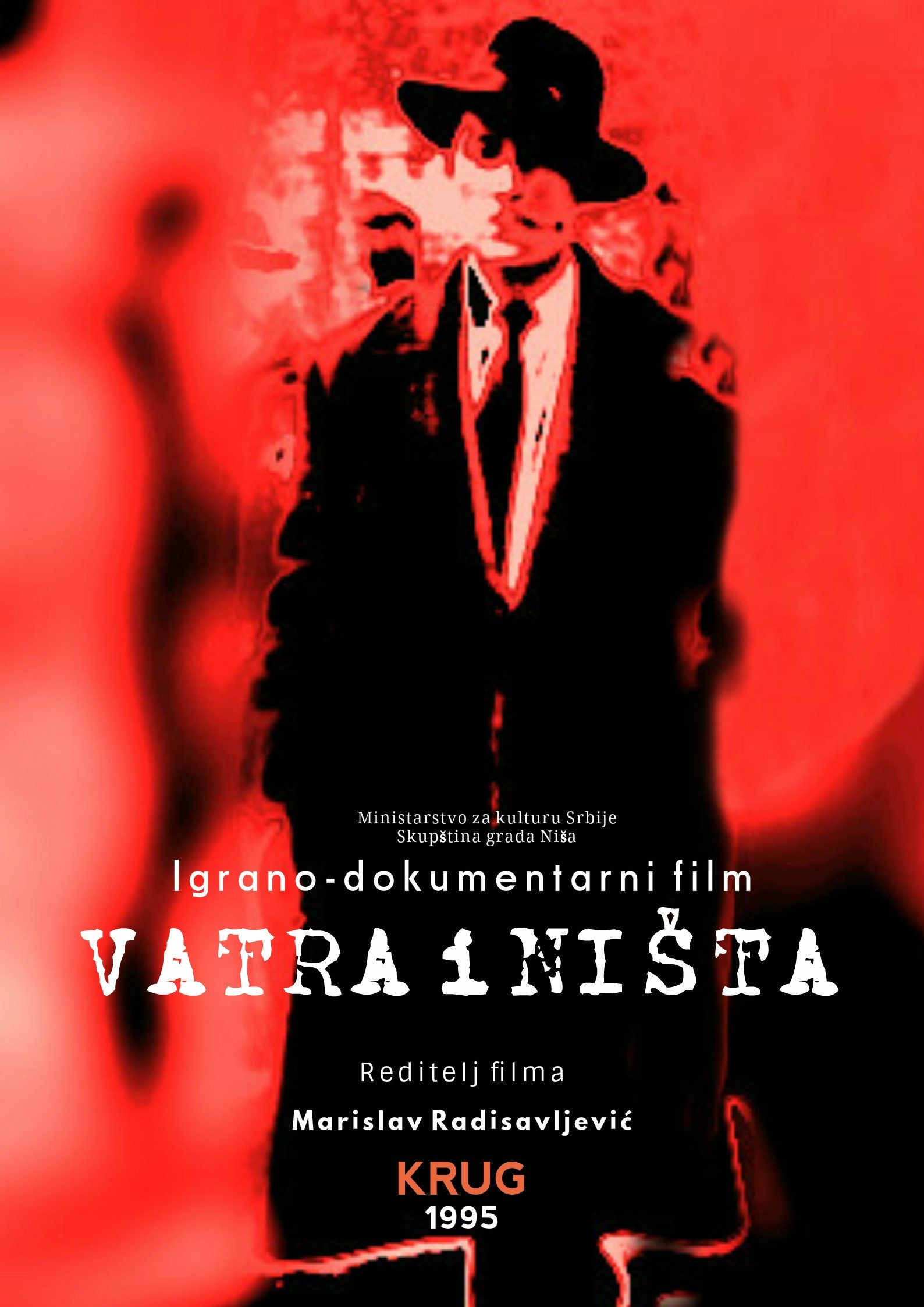
Vatra i Ništa is a Serbian feature-documentary biographical film shot in 1995 and directed by Marislav Radisavljević. It talks about the famous poet Branko Miljković, whose character is played by Goran Milev.
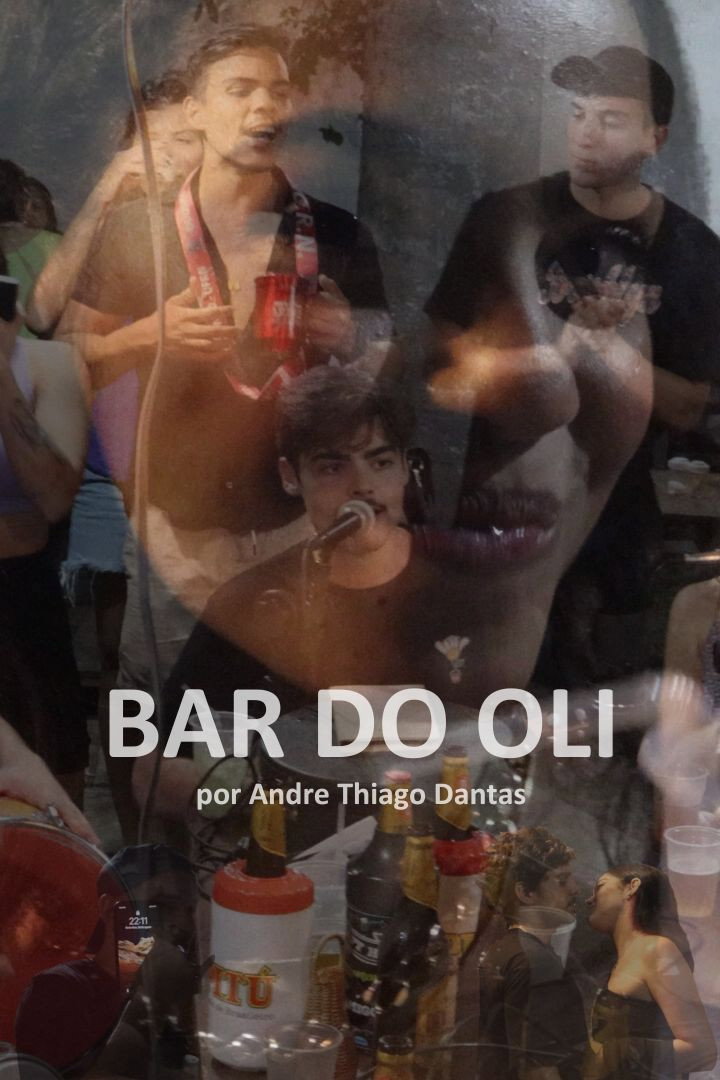
The film follows the experience of a group of young people going to Bar do Oli.
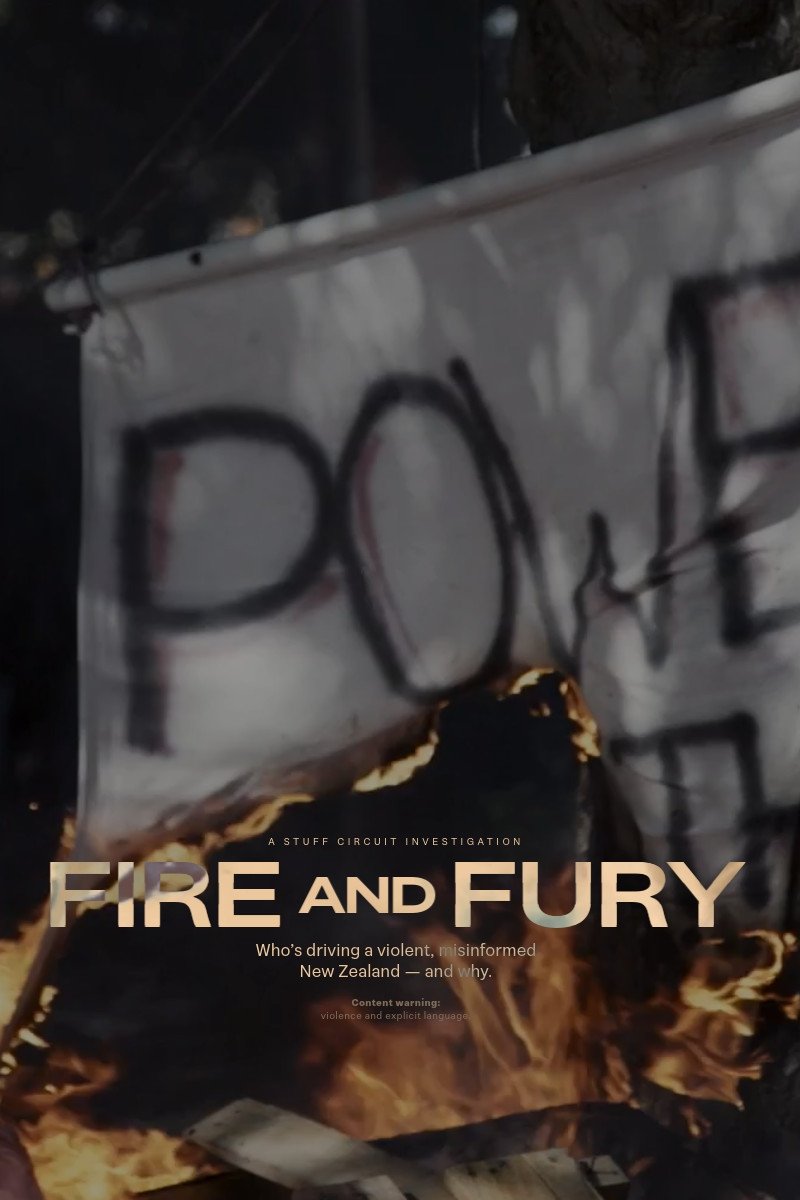
Who is driving a violent, misinformed New Zealand, and why? Fire and Fury is a Stuff Circuit investigation into disinformation in Aotearoa New Zealand.
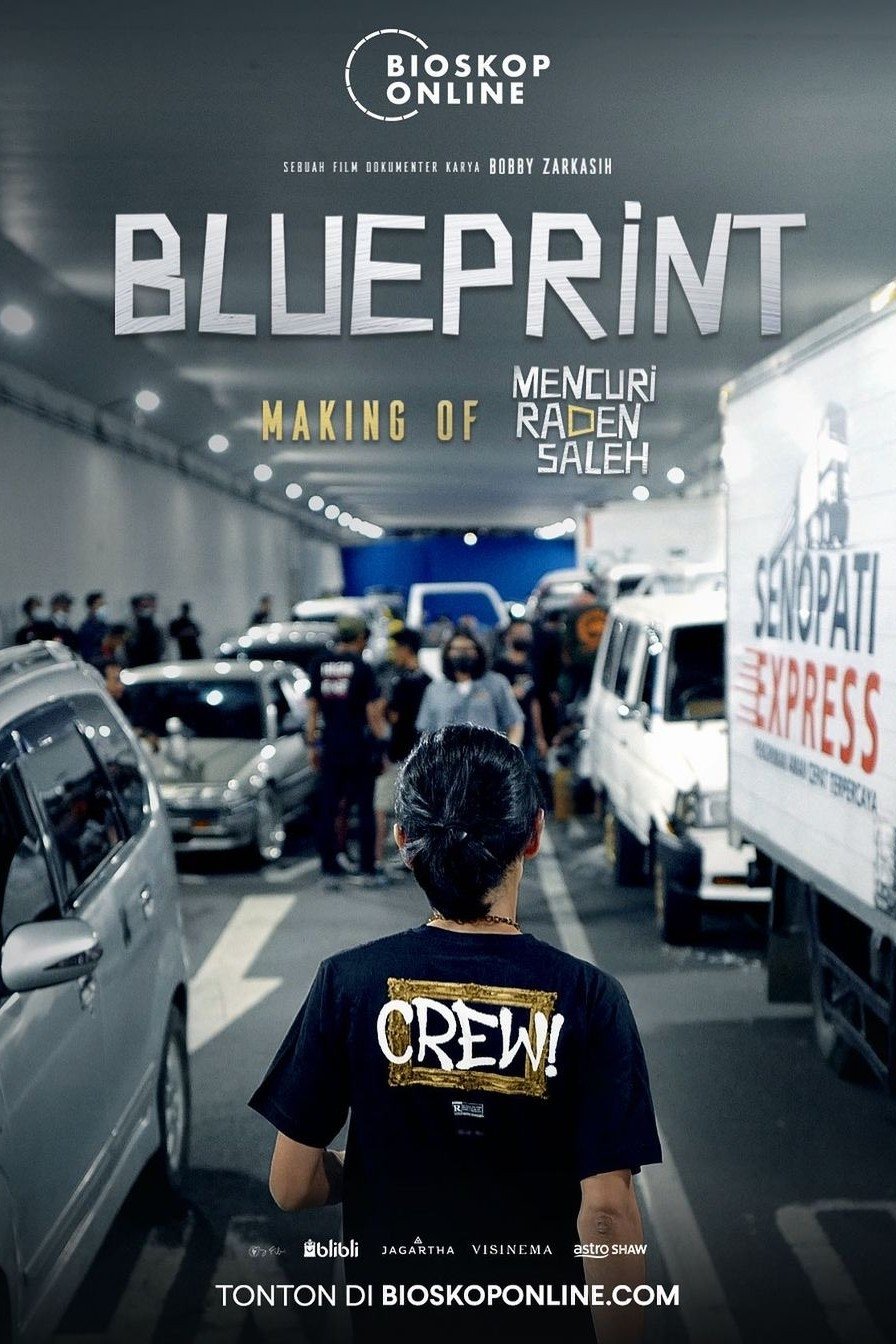
A documentary behind the filming of the biggest heist of the century, Stealing Raden Saleh
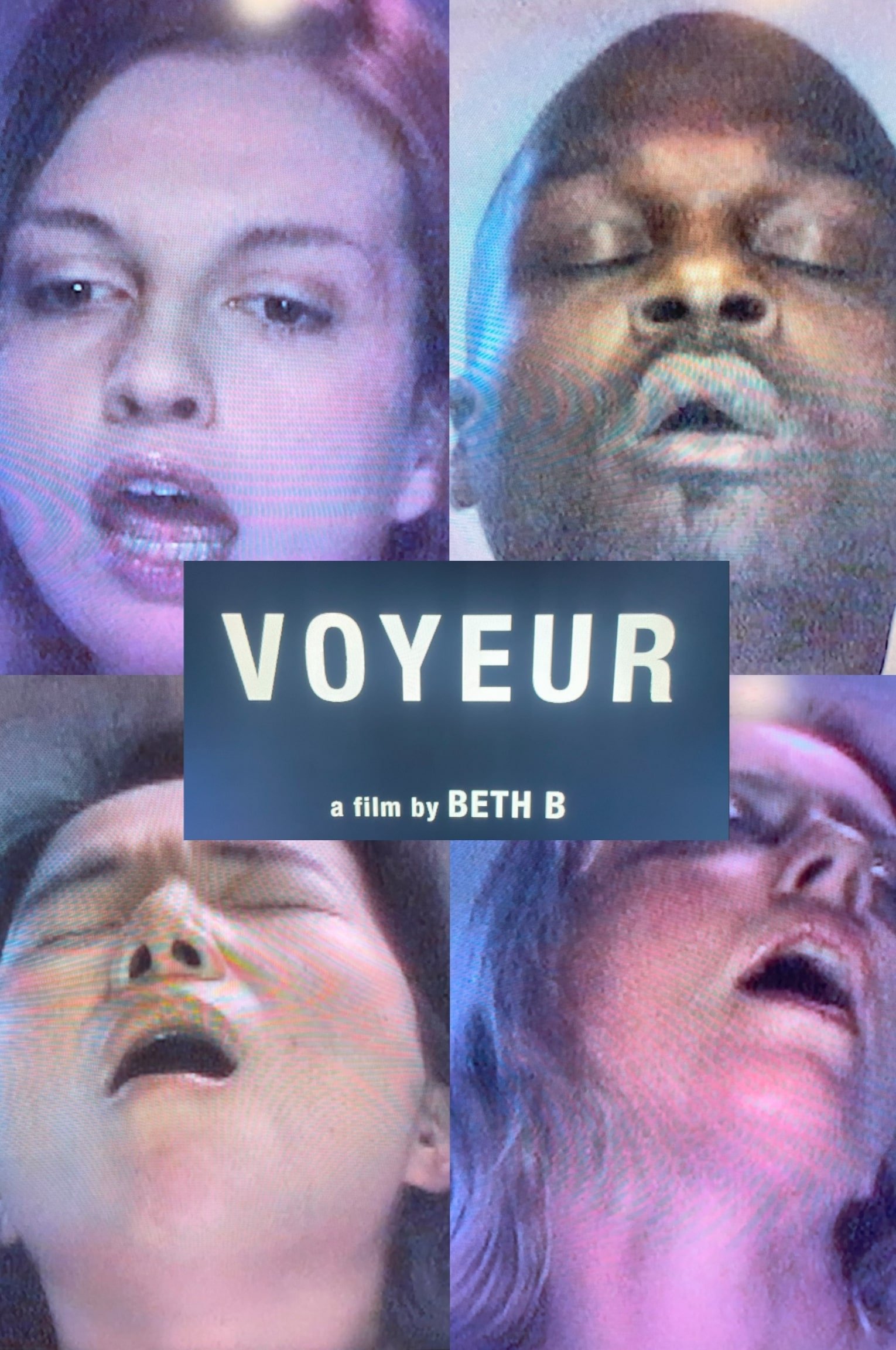
An evocative portrait of people having orgasms, lingering on the silent classical face of ecstasy.
A documentary expose on the first Gulf War.
A hand-filmed 32-minute documentary of the Skinny Puppy's 1988 'Head Trauma' tour of Europe by Dwayne Rudolph Goettel. Edited by Nivek Ogre in 2005.
After 102 years of history, Corinthians reaches the most anticipated final since its birth: the Copa Libertadores de América. 10 years later, the film portrays the feeling of the 'Fiel' fans, between sleepless nights of anxiety, adventures through South America, distrust, the lump in the throat, all the feelings that only those who lived with Corinthians in that 2012 went through until they were capable of letting out the champion cry.
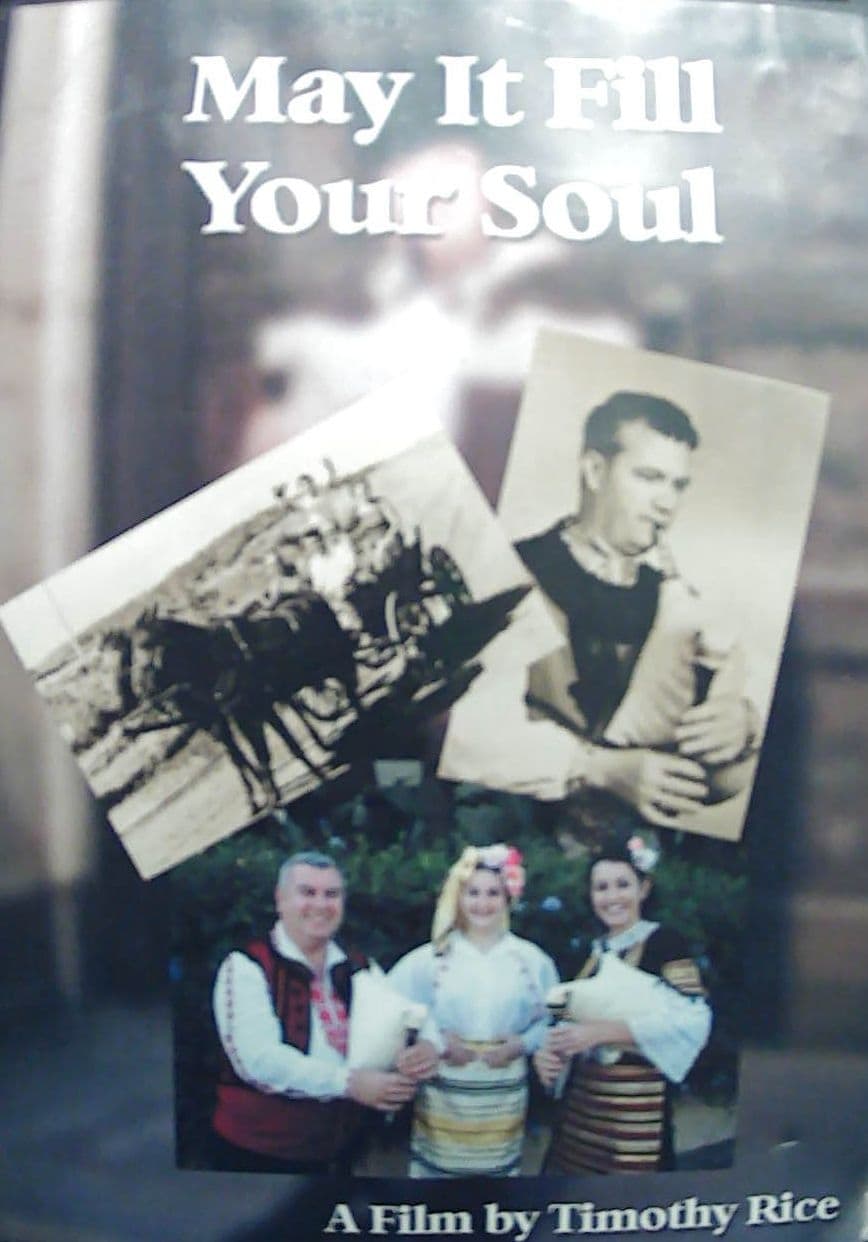
May It Fill Your Soul is a film about Bulgarian traditional music, about the pain of emigration and the promise of immigration, and about a family with a century-long musical history. Bulgaria's astonishingly rich village music traditions include strong women's singing, musical instruments with roots its millennia-old pastoral lifestyle and its 500-year history in the Ottoman Empire, and its lively dancing in additive meters of 5, 7, 9, and 11 beats to the measure. These practices are presented through the lens of a musical family trained during Bulgaria's communist regime (1944-1989) to represent the best that Bulgaria had to offer the world, but who made the wrenching decision in the post-communist period to immigrate to the United States for the sake of their daughters' futures. From that vantage point they have been able to teach their art to, and "fill the souls" of, singers, dancers, musicians, and audiences all over the world.
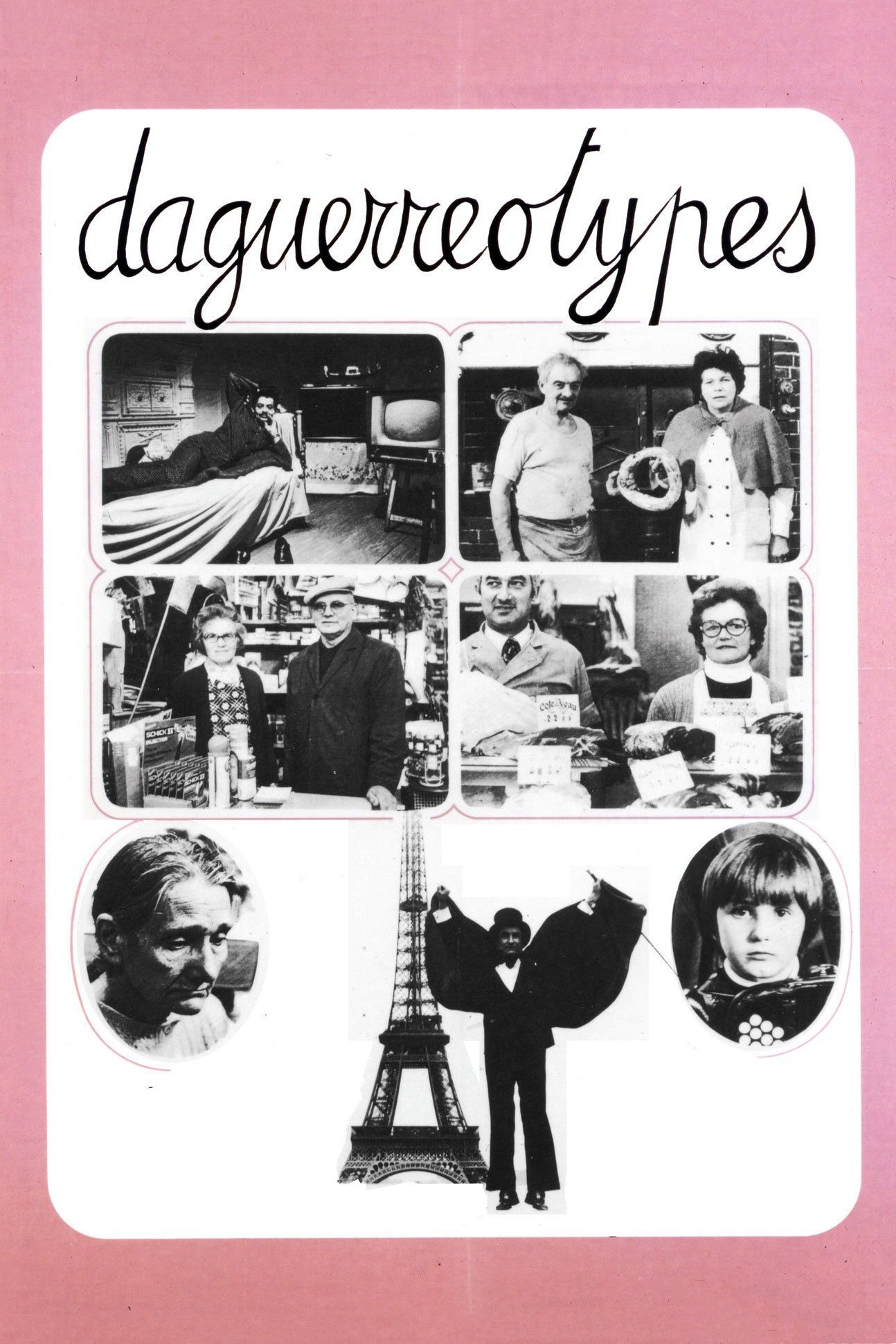
An intimate portrait of the small shops and shopkeepers of the Rue Daguerre in Paris, a picturesque street that has been the filmmaker’s home for more than 50 years.
An inside look at one of the most anticipated movie sequels ever with James Cameron and cast.
A deep dive into the making of the Paranormal Activity films with first time ever interviews with cast and crew, never-before-seen footage from the movies, and a preview of the seventh installment in the franchise.
SEDUCED AND ABANDONED combines acting legend Alec Baldwin with director James Toback as they lead us on a troublesome and often hilarious journey of raising financing for their next feature film. Moving from director to financier to star actor, the two players provide us with a unique look behind the curtain at the world's biggest and most glamourous film festival, shining a light on the bitter-sweet relationship filmmakers have with Cannes and the film business. Featuring insights from directors Martin Scorsese, 'Bernando Bertolucci' and Roman Polanski; actors Ryan Gosling and Jessica Chastain and a host of film distribution luminaries.
Film adaptation of French economist Thomas Piketty's ground-breaking global bestseller of the same name: an eye-opening journey through wealth and power.
A documentary about the making of David Fincher's 2008 film THE CURIOUS CASE OF BENJAMIN BUTTON. Virtually every element in the evolution of the Fincher's film is documented here, from the project's attachment to numerous other directors during the 1990s, to its shoot in 2006 and 2007 in New Orleans, to its complex, CGI-intensive postproduction process.
A documentary about the life and films of director John Ford.
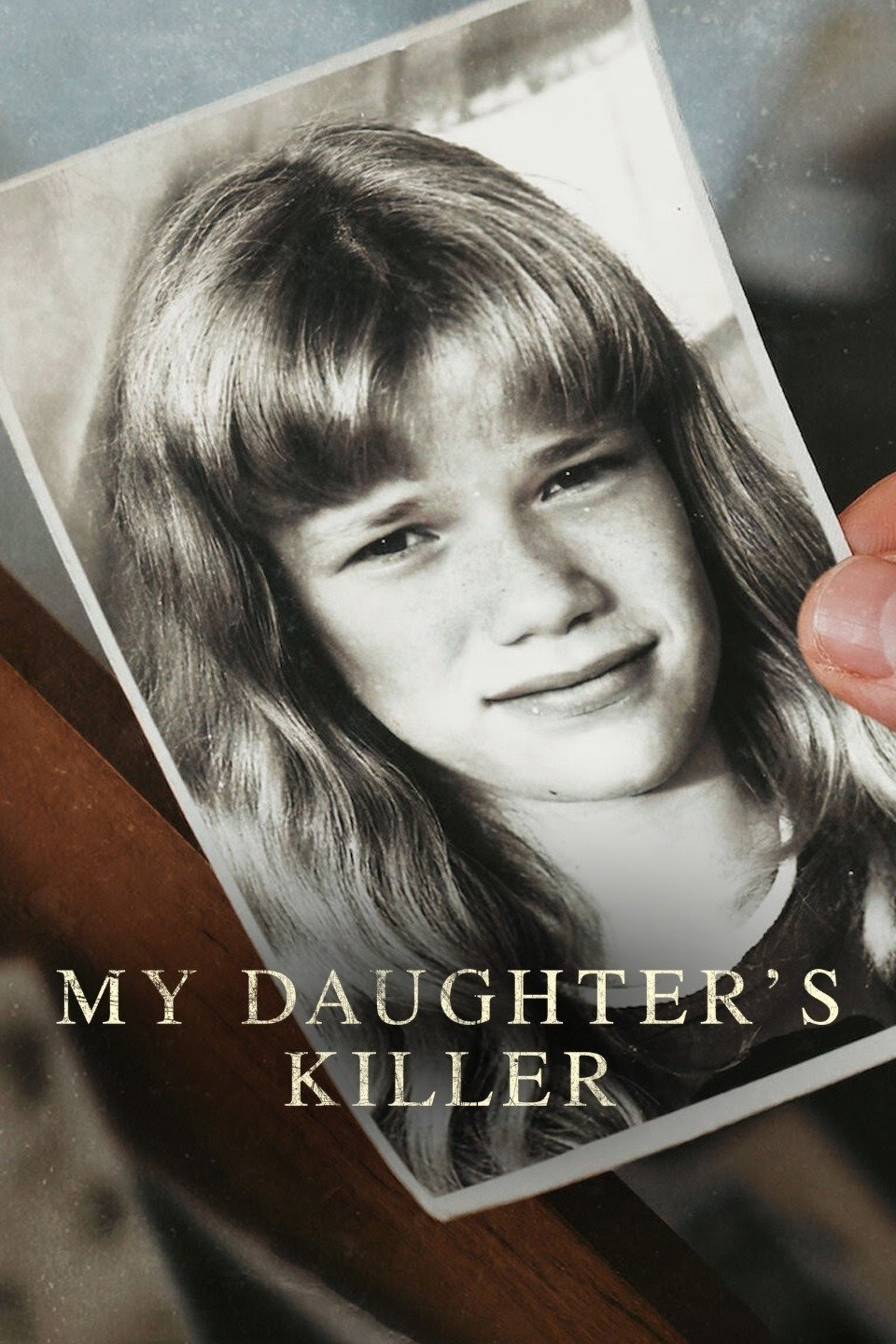
A father fights for decades to bring his daughter's killer to justice in France and Germany before taking extreme measures.
A string of threatening emails escalates into a revenge plot involving a newly married US marshal and his ex-girlfriend.
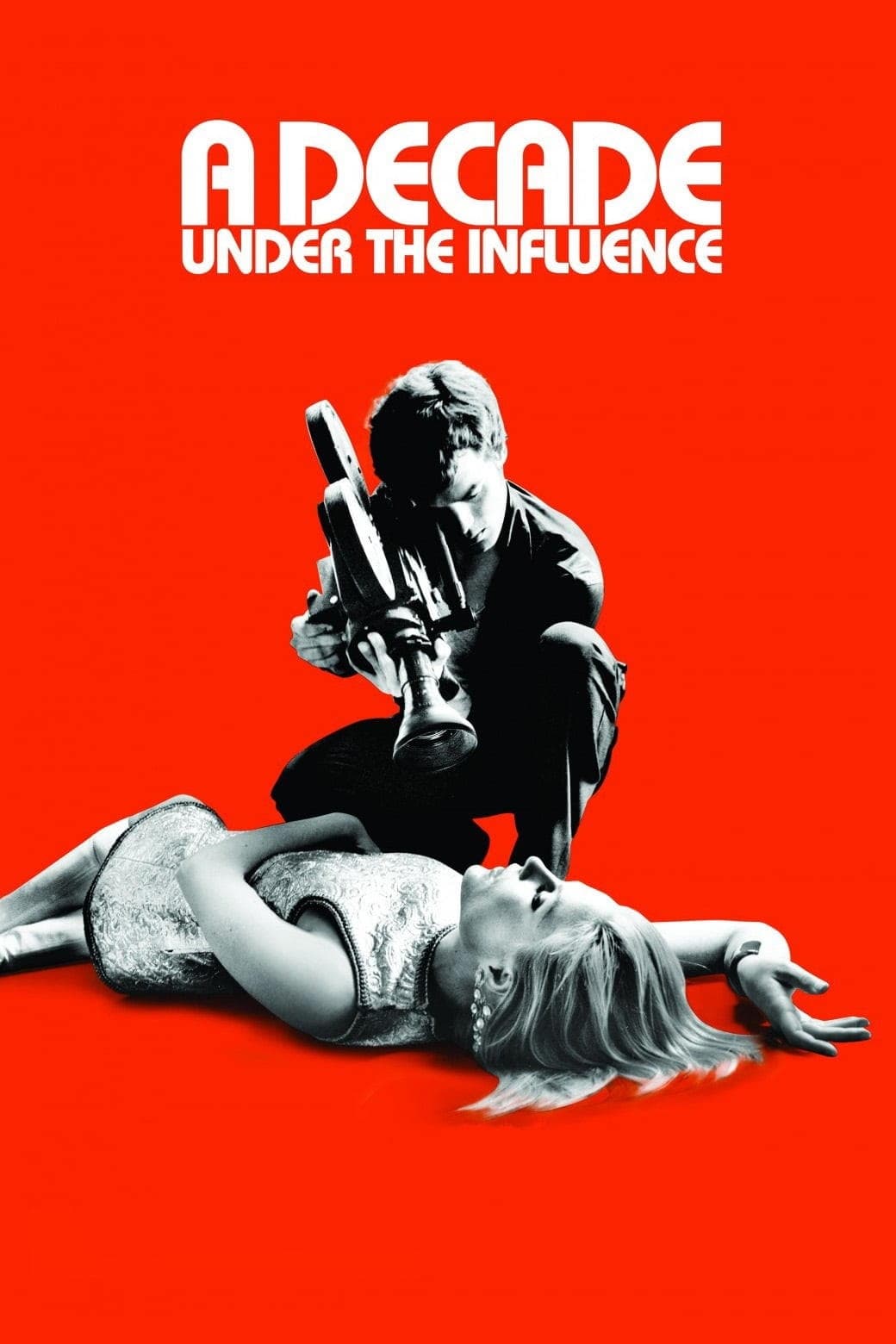
A documentary examining the decade of the 1970s as a turning point in American cinema. Some of today's best filmmakers interview the influential directors of that time.
Alexander McQueen's rags-to-riches story is a modern-day fairy tale, laced with the gothic. Mirroring the savage beauty, boldness and vivacity of his design, this documentary is an intimate revelation of McQueen's own world, both tortured and inspired, which celebrates a radical and mesmerizing genius of profound influence.
Through deeply personal interviews with her siblings and an examination of the photographs, letters, and belongings left behind, Mariska assembles a new portrait of her mother Jayne Mansfield, an extraordinary and complex woman.
Director Michael Apted revisits the same group of British-born adults after a 7 year wait. The subjects are interviewed as to the changes that have occurred in their lives during the last seven years.
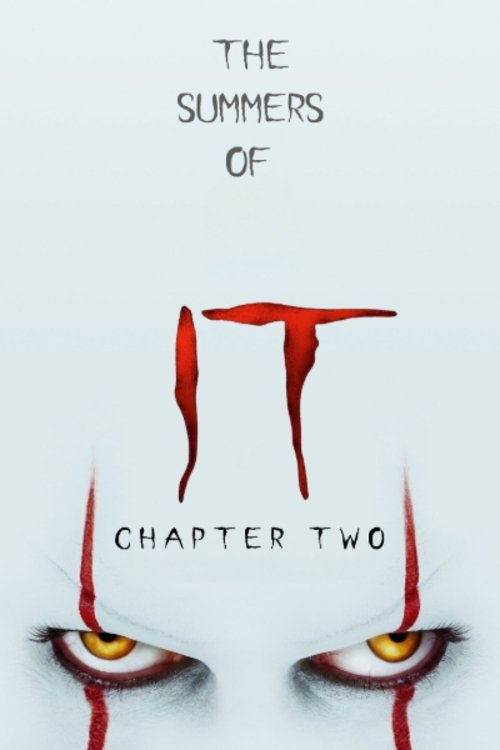
This documentary focuses on the actors and their journey over two summers to create the remake to the original IT, by Stephen King. The documentary originally released as bonus material, bundled with IT: Chapter Two.
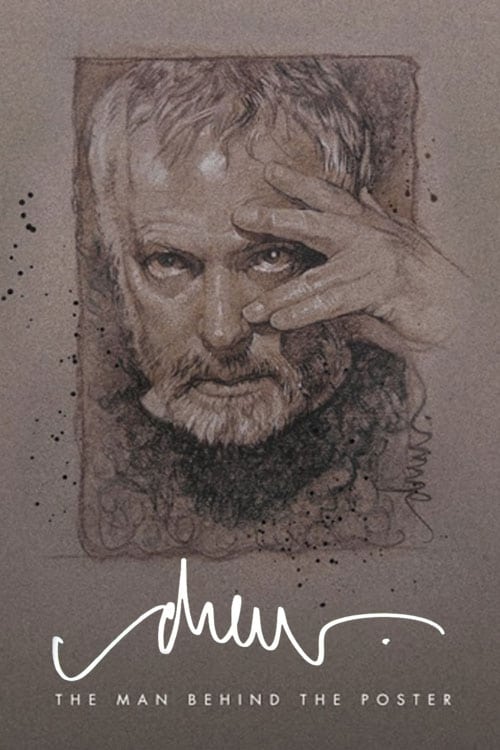
A documentary on legendary movie-poster artist Drew Struzan.
Ranjit, a farmer in India, takes on the fight of his life when he demands justice for his 13-year-old daughter, the victim of a brutal gang rape. His decision to support his daughter is virtually unheard of, and his journey unprecedented.
From the heights of her modeling fame to her tragic death, this documentary reveals Anna Nicole Smith through the eyes of the people closest to her.
In an intimate and joyful story of love in the face of loss, celebrated poets Andrea Gibson and Megan Falley find strength—and unexpected hilarity—in what might be their final year together.
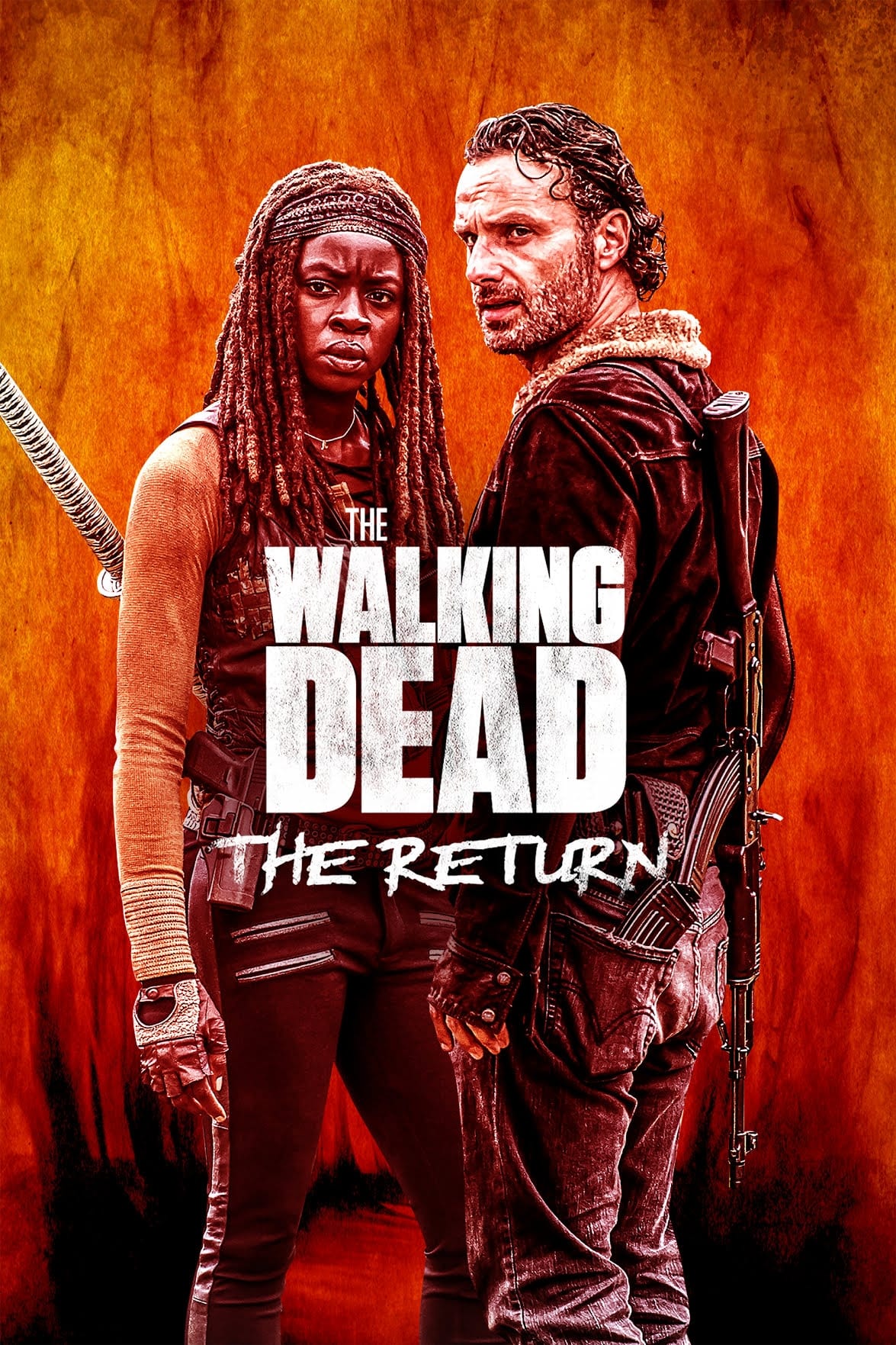
Stars of "The Walking Dead," Andrew Lincoln and Danai Gurira, walk down memory lane and visit iconic locations where pivotal moments between their characters, Rick and Michonne, were filmed.
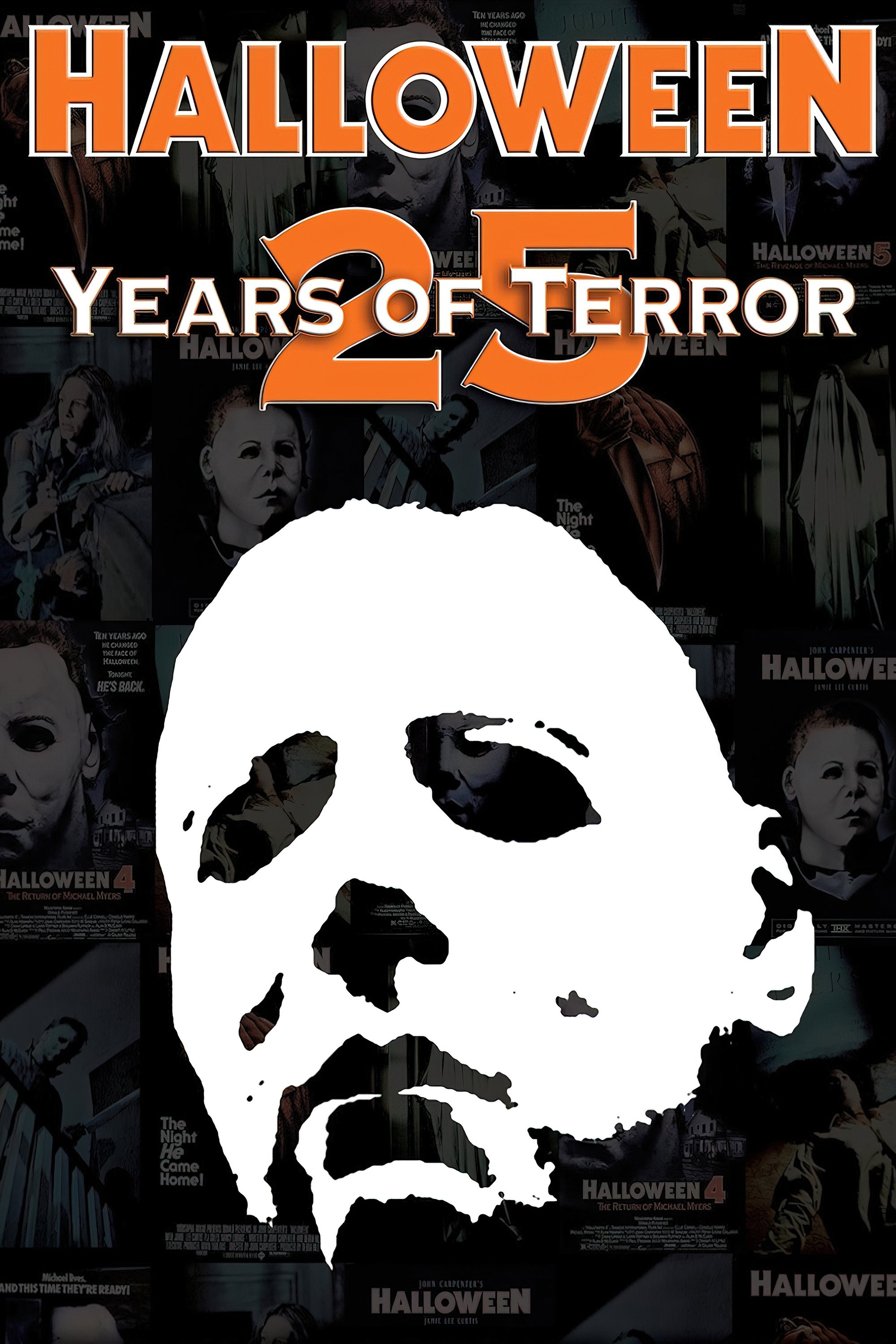
Follow the evolution of the 'Halloween' movies over the past twenty-five years. It examines why the films are so popular and revisits many of the original locations used in the films - seeing the effects on the local community. For the first time, cast, crew, critics and fans join together in the ultimate 'Halloween' retrospective.