Social & External
The people behind it
Ricardo Pereira
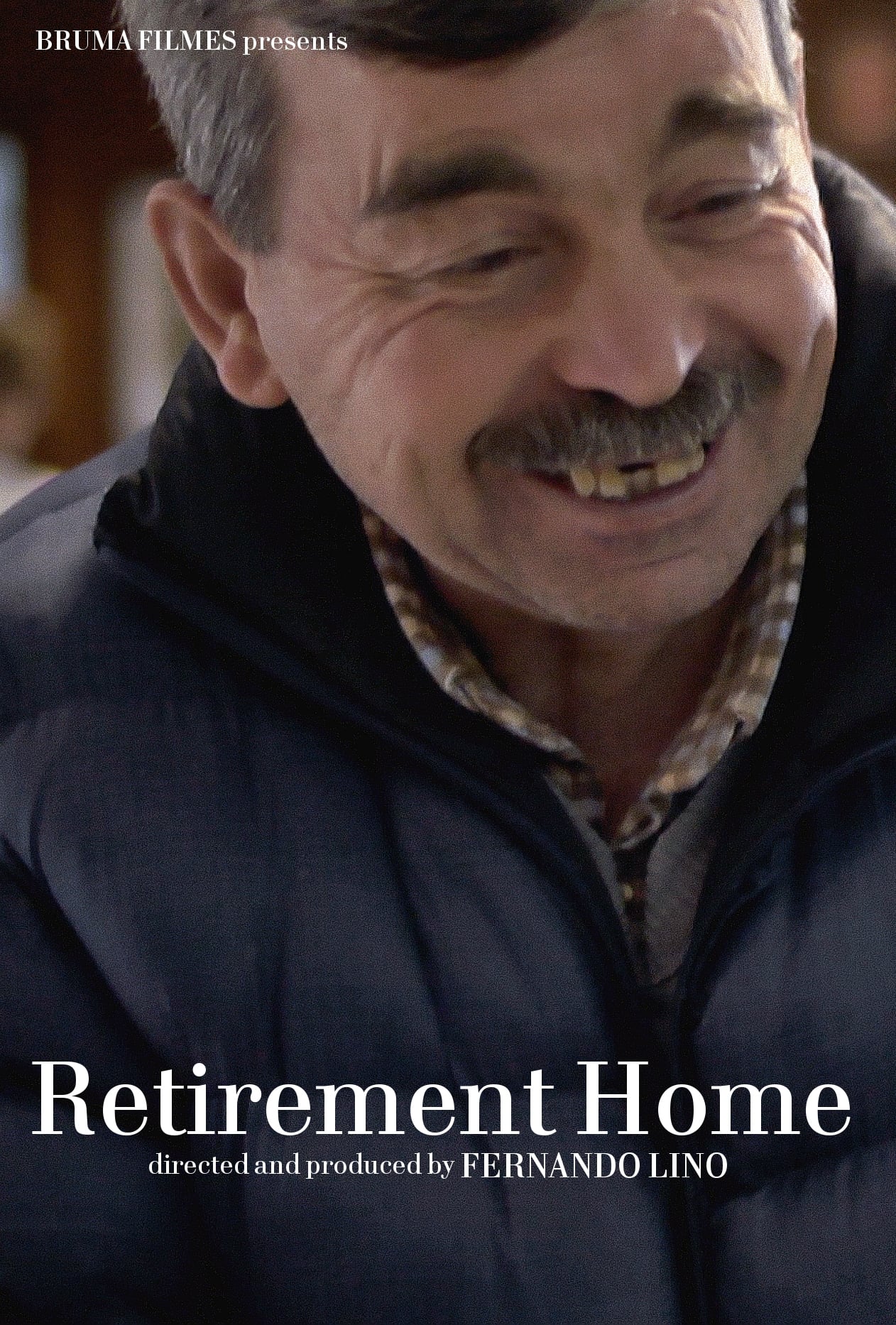
A group of elders spends their weekdays in a retirement home in Sandim, in the north of Portugal, where they talk, do arts and crafts, practice yoga and pray. We follow them between October 2012 and March 2013, when an economic crisis overshadowed Portuguese society and unemployment rates reached record levels. Meanwhile, arrangements are made for the Carnival ball. Will they bring the first place home this time?
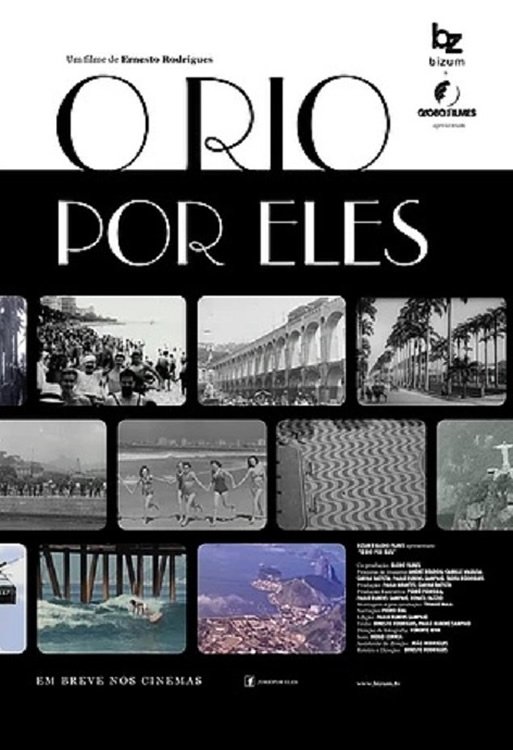
An unprecedented collection of pictures, characters and historical facts about the city of Rio de Janeiro, rescued by tv networks, documentary filmmakers and foreign journalists over the course of the 20th Century. The film reveals how Rio, its inhabitants and its cultural and natural attributes have been seen by foreigners. This is an opportunity to relive, through the eyes of a foreigner, social, political, technological and mundane events which Brazilians either did not manage to document audiovisually or whose works were lost.
The film documents the old Rio de Janeiro and its great focus of diseases. Stresses the decisive importance of Oswaldo Cruz who creates Experimental Medicine in Brazil, believing that without sanitation, no undertaking could succeed. Rodrigues Alves then started the urbanization of Rio, against great interests.
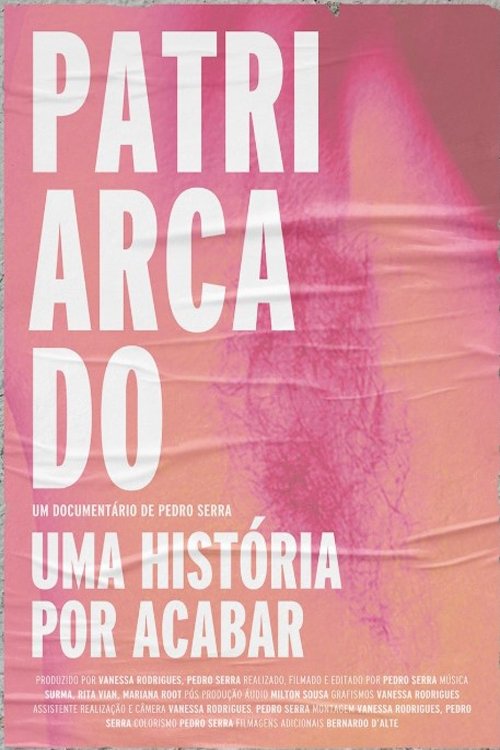
A documentary that brings together interviews with 20 activists who address the issue of intersectional feminism and patriarchy in Portugal.
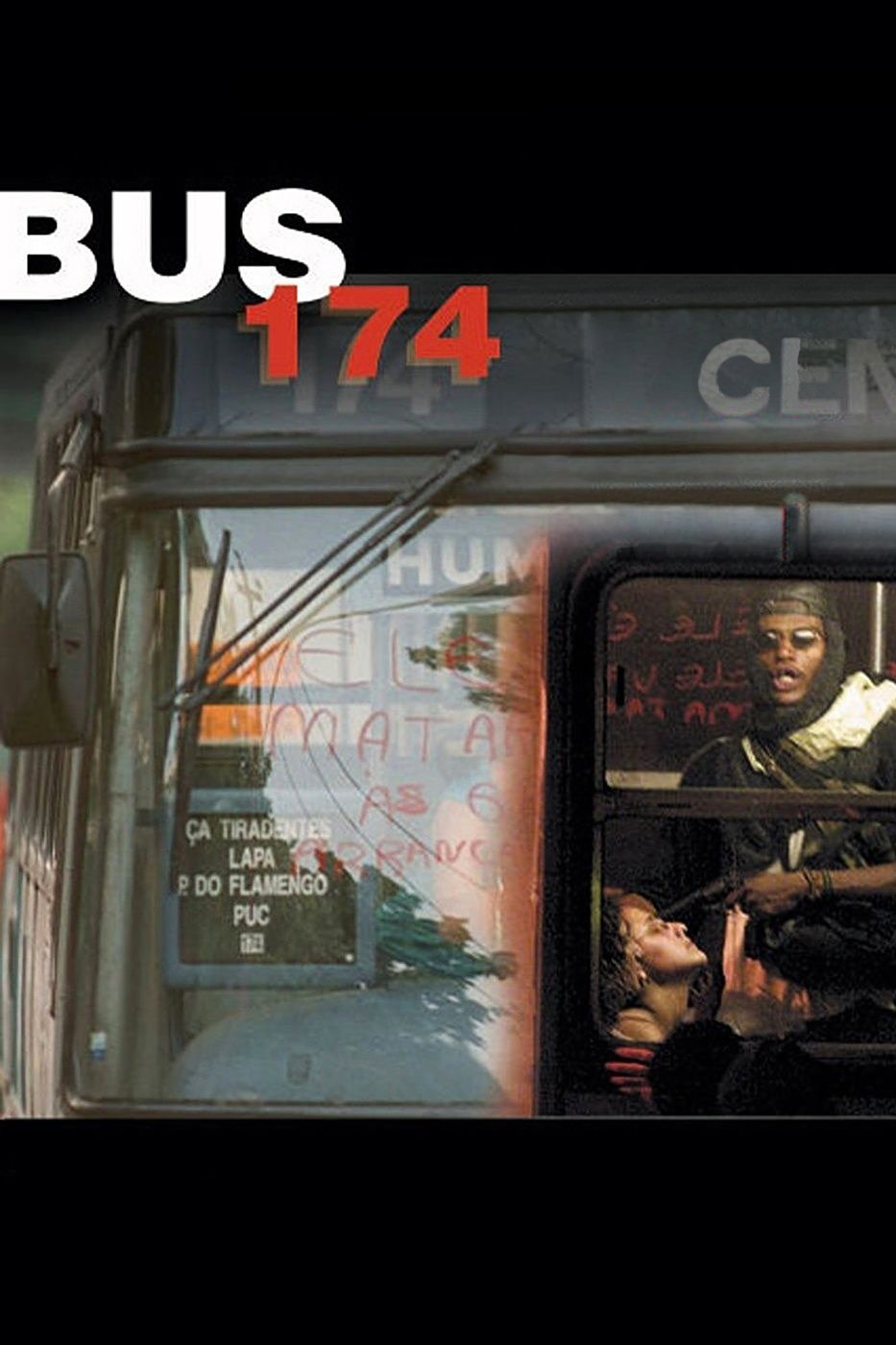
On 12 June 2000, in Rio de Janeiro, Ônibus 174 was taken by an armed young man, threatening to kill all the passengers. Transmitted live on all national networks, this shocking and tragic event became one of violence's most shocking portraits, and one of the most terrifying examples of police incompetence and abuse in recent years.
All the stories told, all the memories, dreams and lost moments were left in a tank from other generations.
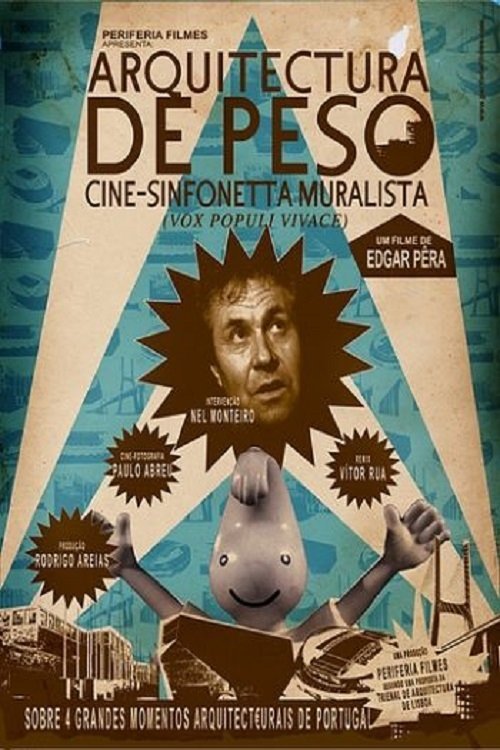
Documentary about 4 large architectural landmarks that projected Portugal abroad.
A behind-the-scenes look at "Viagens", one of the greatest portuguese records of the 1990s, in the year of its 20th anniversary.
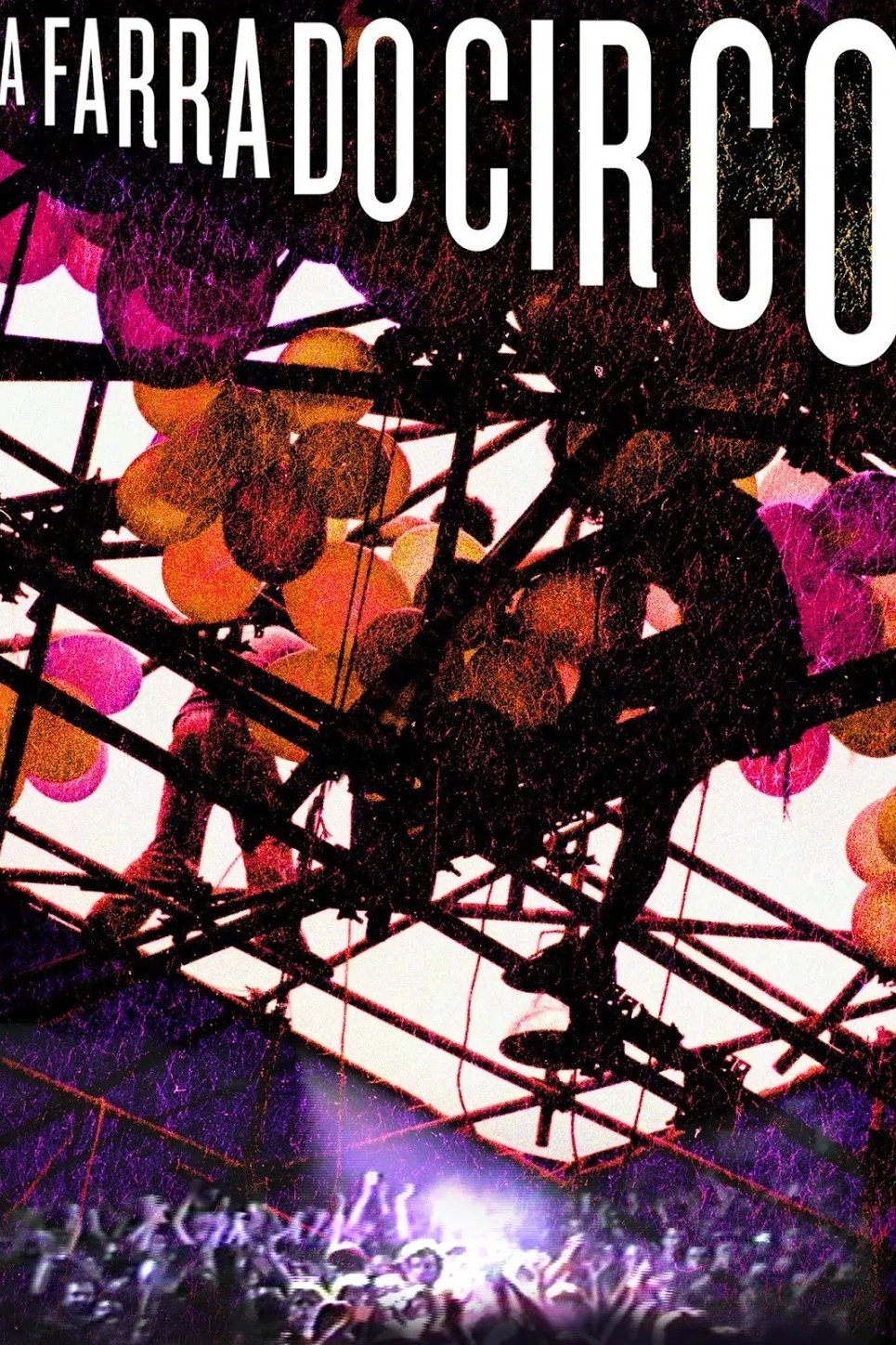
This documentary highlights the evolution of Brazil's Circo Voador venue from homespun artists' performance space to national cultural institution.
A date that will remain in Portuguese football history forever – July 10, 2016, the day Portugal became European champions.
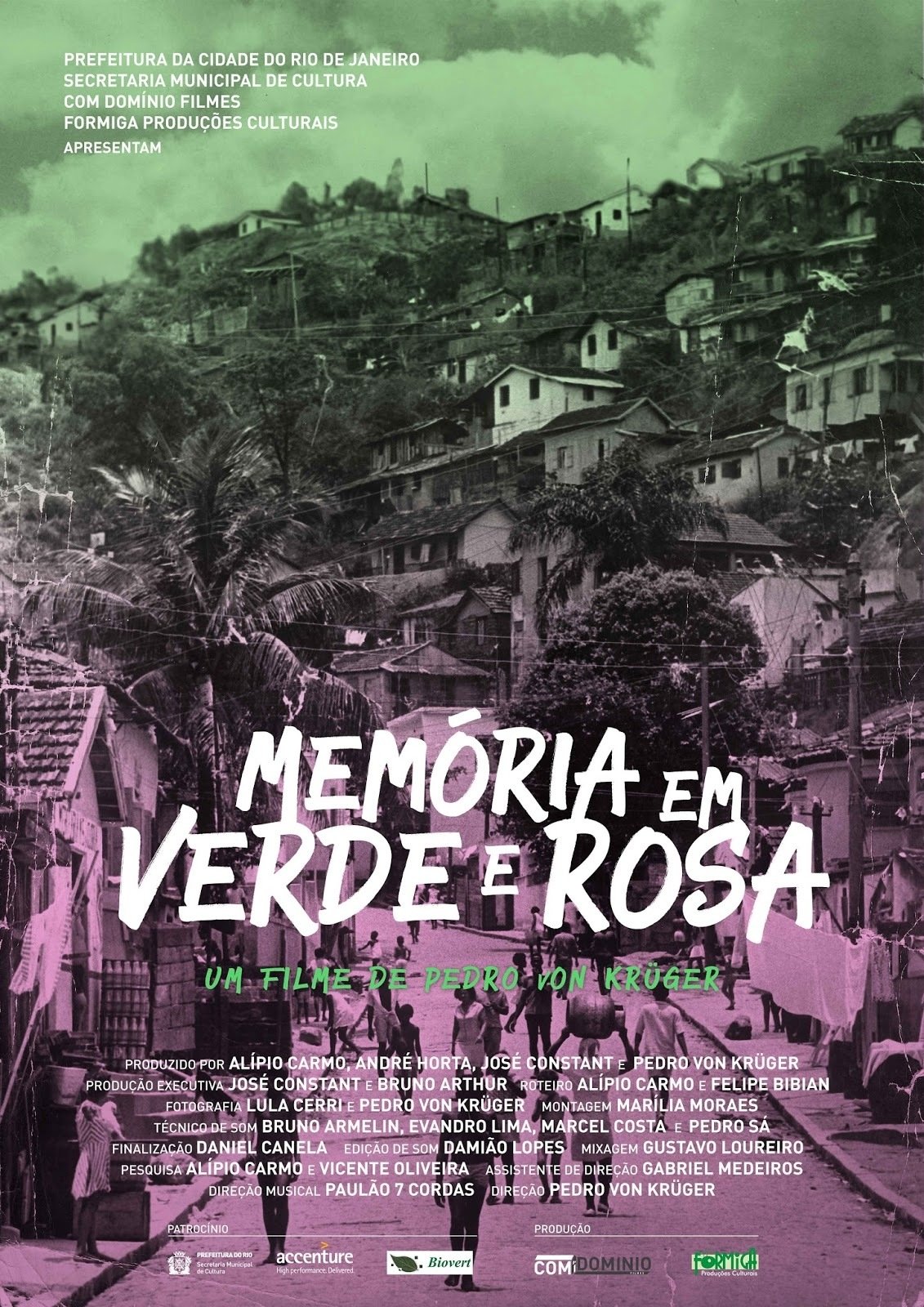
The Mangueira slum is the scenario where Tantinho and the old samba composers remember stories about the slums and samba.
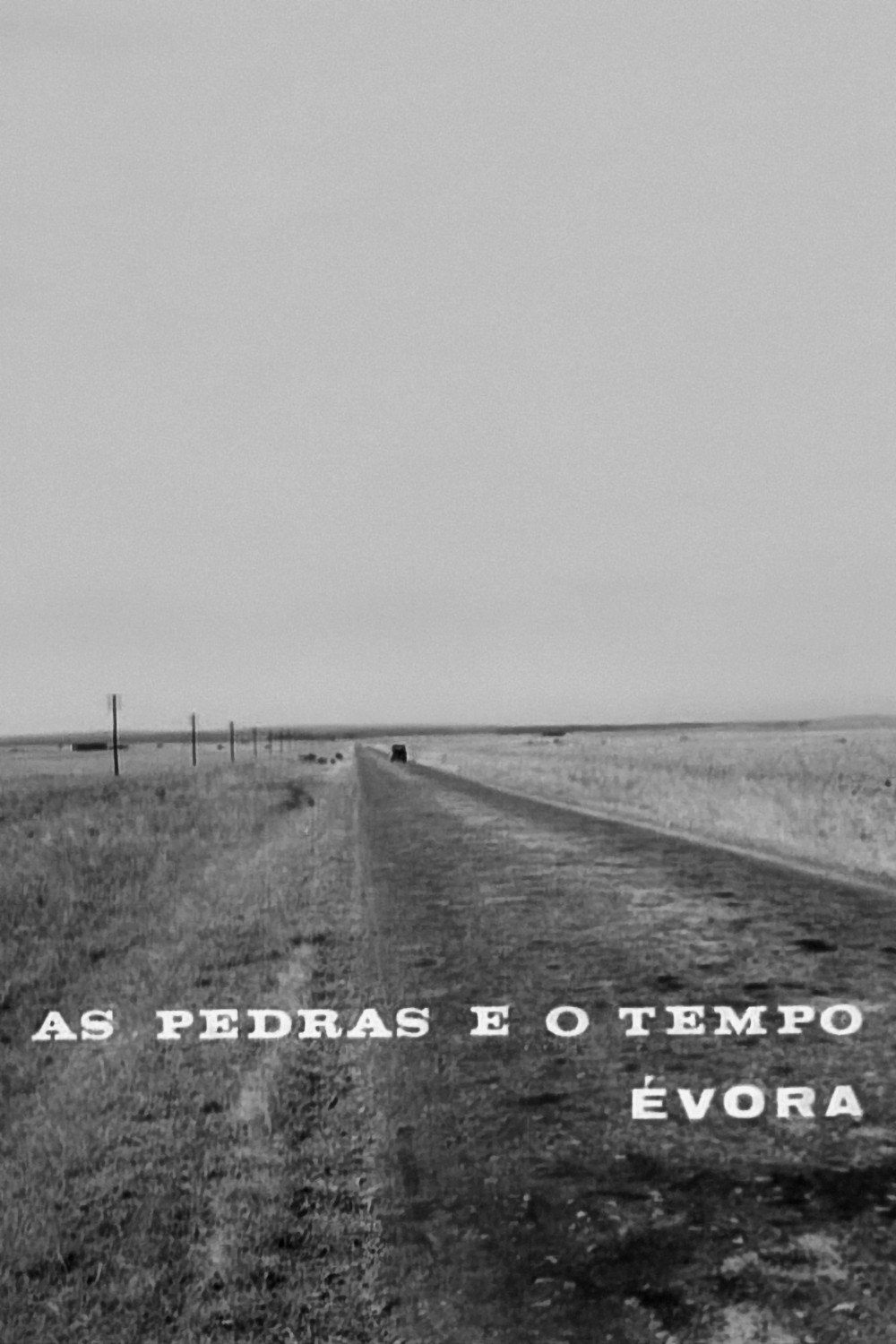
Documentary short film on the city of Évora, Portugal. Usually regarded as the first film of the Portuguese New Wave.
The young Portuguese artist Rafa. is facing a turning point in his career, composing, recording and balancing roots and ambitions as he prepares to leave for Leeds and finalize his first EP.
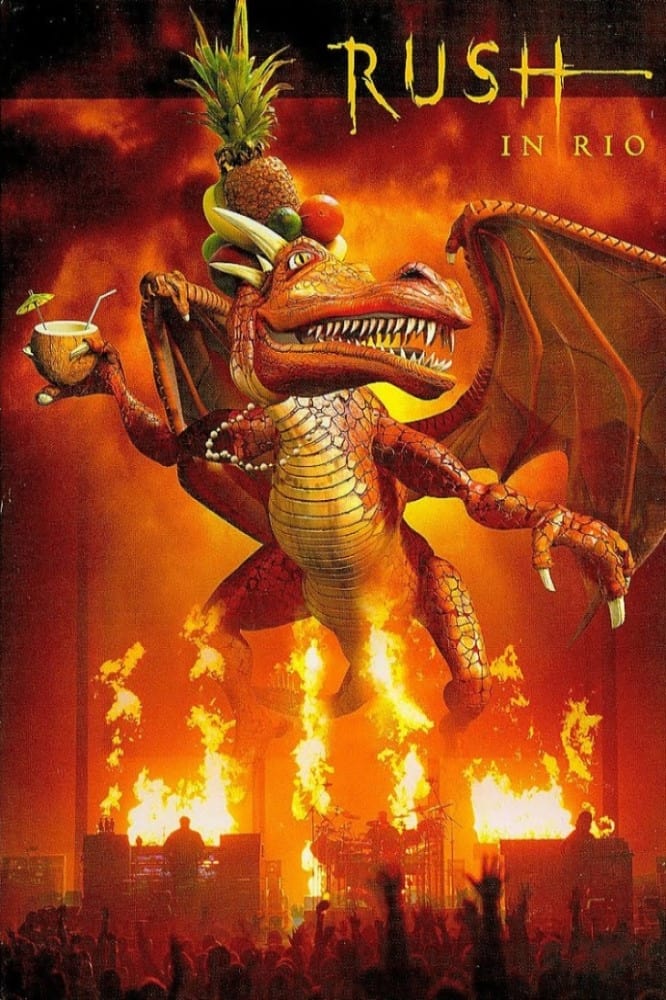
Legendary rock band Rush plays the Maracana Stadium in Rio de Janeiro, Brazil, on the final night of the band's 2002 Vapor Trails tour, in front of 40,000 fans.
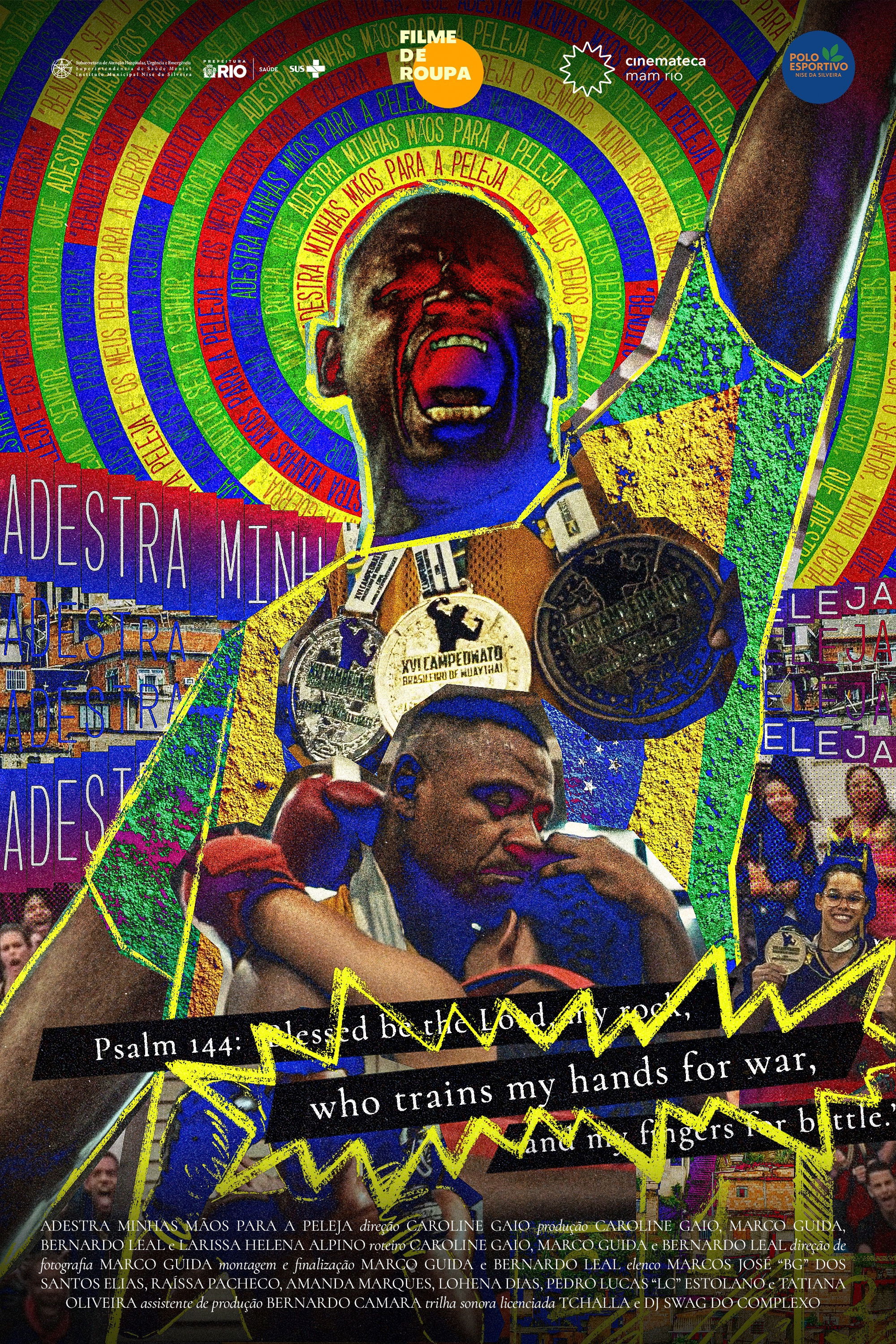
Founding a social Muay Thai project in the North Zone of Rio de Janeiro, Mestre BG and his competitors face the adversities of an underfunded project and fight to win their place on the podium. The challenges intensify when one of the students, Raíssa Pacheco, secures a spot to compete in a South American championship in Uruguay.
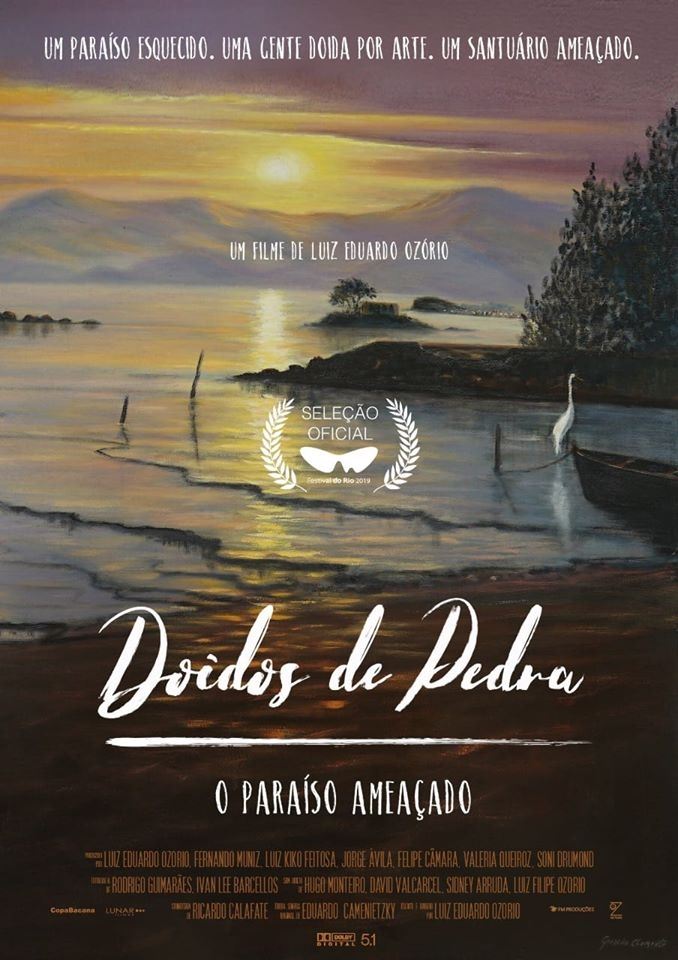
From the 60's, the neighborhood of Pedra de Guaratiba, in Rio de Janeiro, was invaded by a varied artistic community.
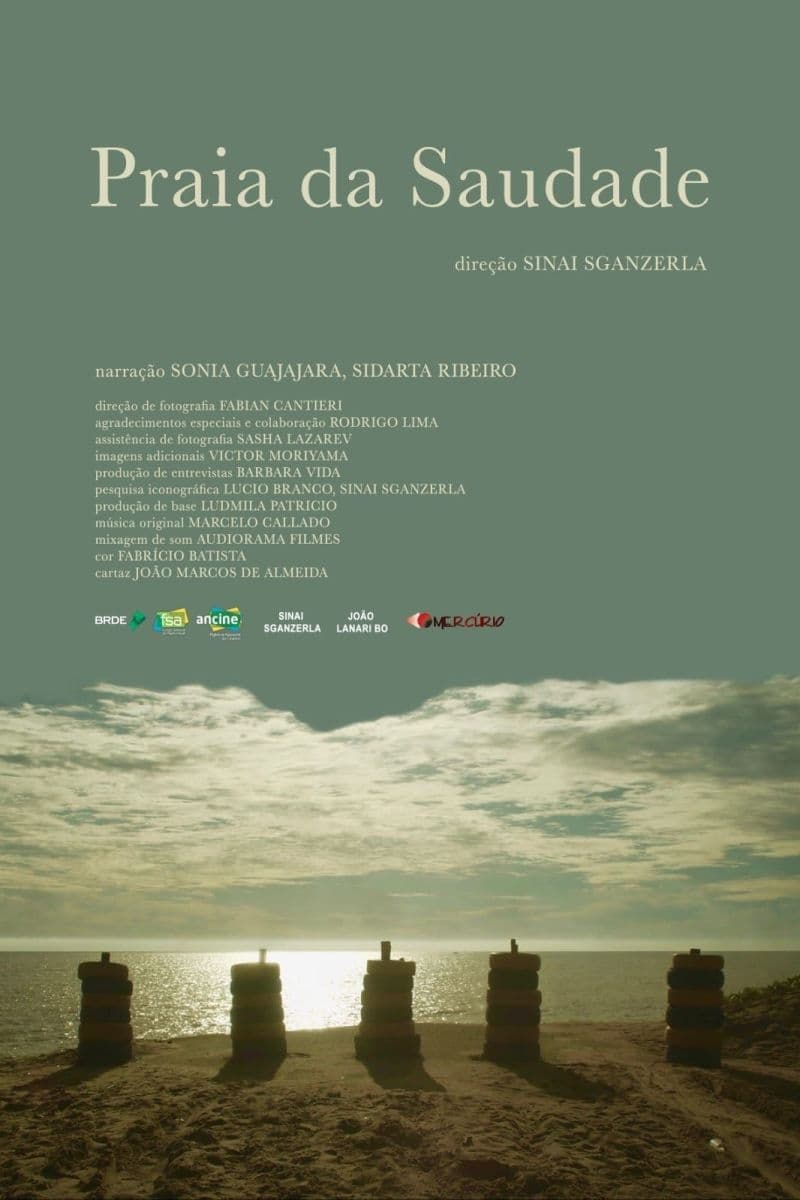
A documentary about climate change in Brazil, especially at Atafona Beach (in the Campos de Goytacazes region), which is being swallowed up by the sea. Narrated by Sonia Guajajara and Sidarta Ribeiro, the film deals with the genocide of the native people of Goytacazes.
Filmmaker Christopher Quinn observes the ordeal of three Sudanese refugees -- Jon Bul Dau, Daniel Abul Pach and Panther Bior -- as they try to come to terms with the horrors they experienced in their homeland, while adjusting to their new lives in the United States.
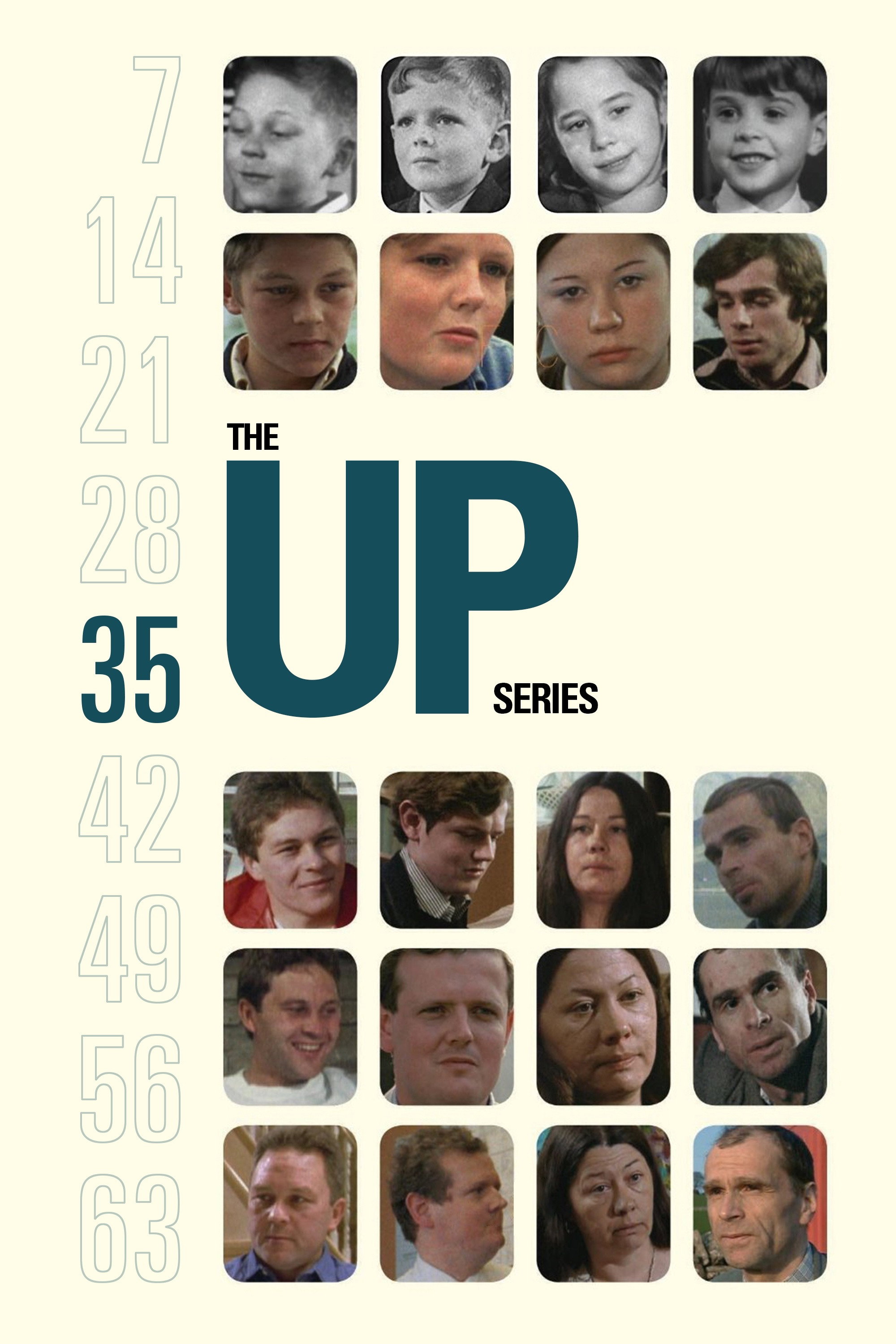
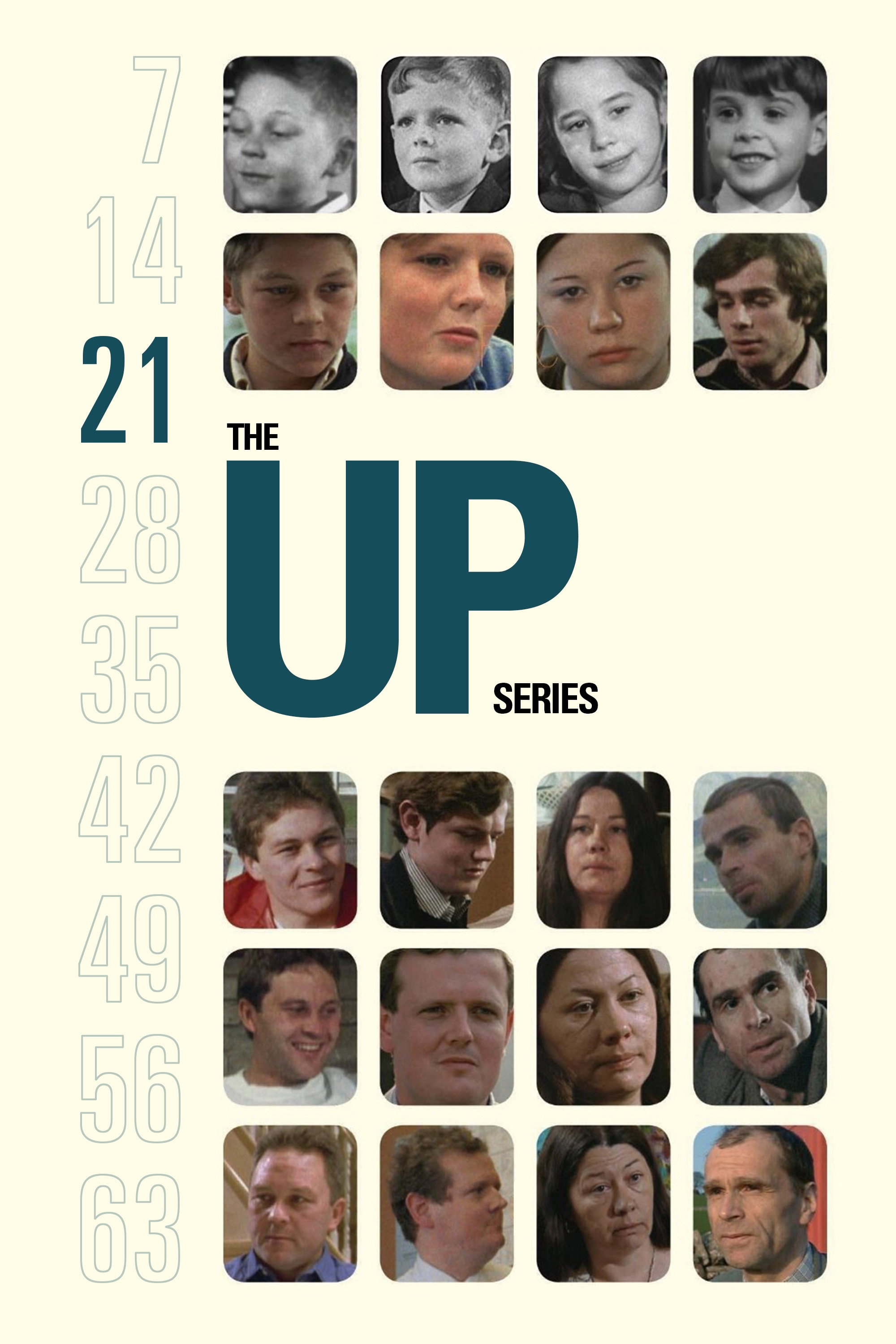
Director Michael Apted revisits the same group of British-born adults after a 7 year wait. The subjects are interviewed as to the changes that have occurred in their lives during the last seven years.
A detailing of the rise to prominence and global sporting superstardom of six supremely talented young Manchester United football players (David Beckham, Nicky Butt, Ryan Giggs, Paul Scholes, Phil and Gary Neville). The film covers the period 1992-1999, culminating in Manchester United's European Cup triumph.
Ranjit, a farmer in India, takes on the fight of his life when he demands justice for his 13-year-old daughter, the victim of a brutal gang rape. His decision to support his daughter is virtually unheard of, and his journey unprecedented.
Follow the evolution of the 'Halloween' movies over the past twenty-five years. It examines why the films are so popular and revisits many of the original locations used in the films - seeing the effects on the local community. For the first time, cast, crew, critics and fans join together in the ultimate 'Halloween' retrospective.
Explore the evolution of Buzz Lightyear from toy to human in the making of Pixar’s Lightyear. Dive into the origin and cultural impact of everyone’s favorite Space Ranger, the art of designing a new “human Buzz,” and the challenges faced by the Lightyear crew along the way.
In an intimate and joyful story of love in the face of loss, celebrated poets Andrea Gibson and Megan Falley find strength—and unexpected hilarity—in what might be their final year together.
An inside look at one of the most anticipated movie sequels ever with James Cameron and cast.
Documentary sequel that offers a close-up look into the personal lives of the legendary porn stars who've survived the test of time and influenced popular culture. Blends rare interviews with erotic clips and additional appearances by Whoopi Goldberg, Steven Soderbergh and a host of adult stars, directors and trendsetters.
Artists in LA discover the work of forgotten Polish sculptor Stanislav Szukalski, a mad genius whose true story unfolds chapter by astounding chapter.
A compilation of over 30 years of private home movie footage shot by Lithuanian-American avant-garde director Jonas Mekas, assembled by Mekas "purely by chance", without concern for chronological order.
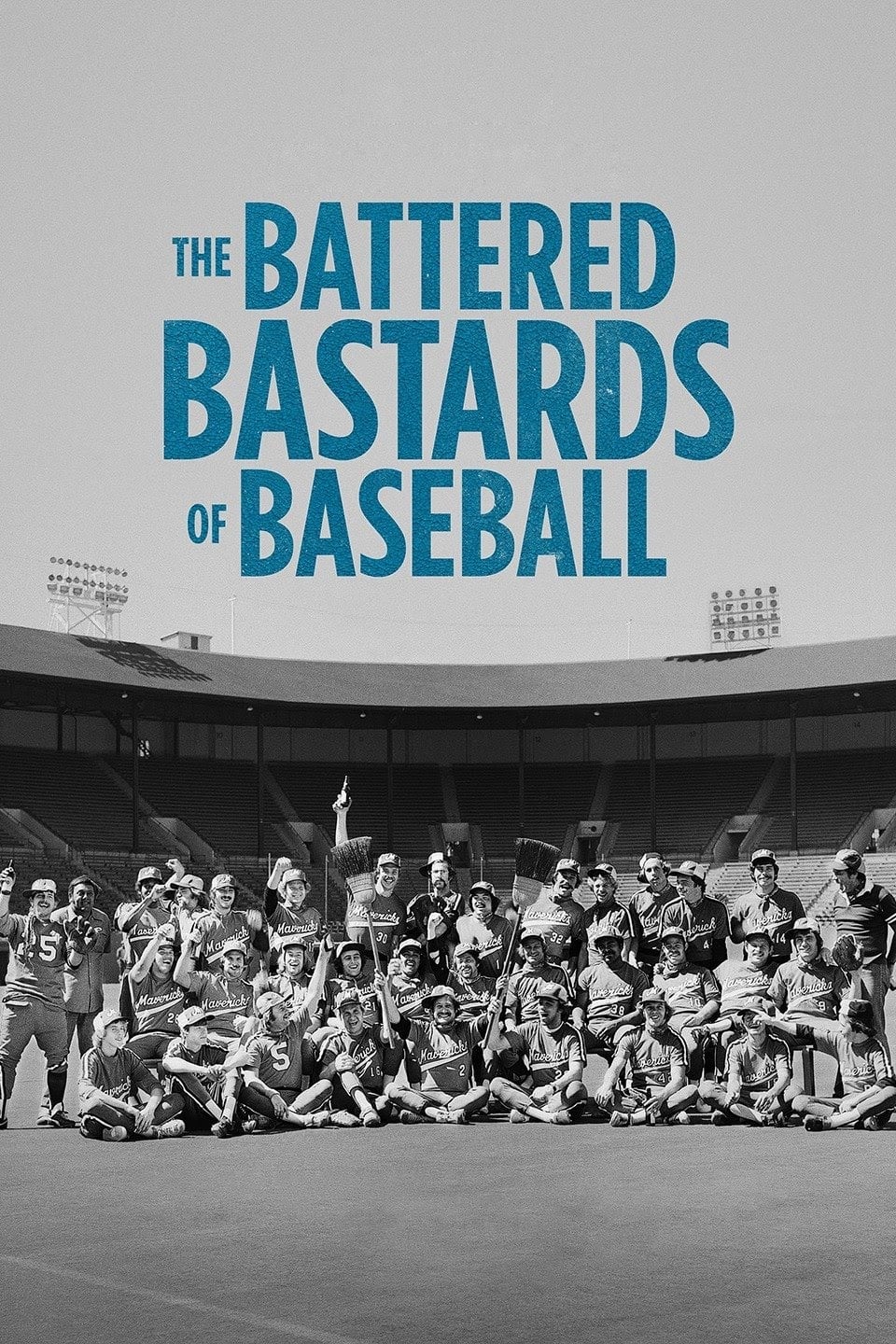
Hollywood veteran Bing Russell creates the only independent baseball team in the country—alarming the baseball establishment and sparking the meteoric rise of the 1970s Portland Mavericks.
After another 7 year wait, director Michael Apted revisits the same group of British-born children from Seven Up! and 7 Plus Seven. The subjects are interviewed as to the changes that have occurred in their lives during the last seven years.
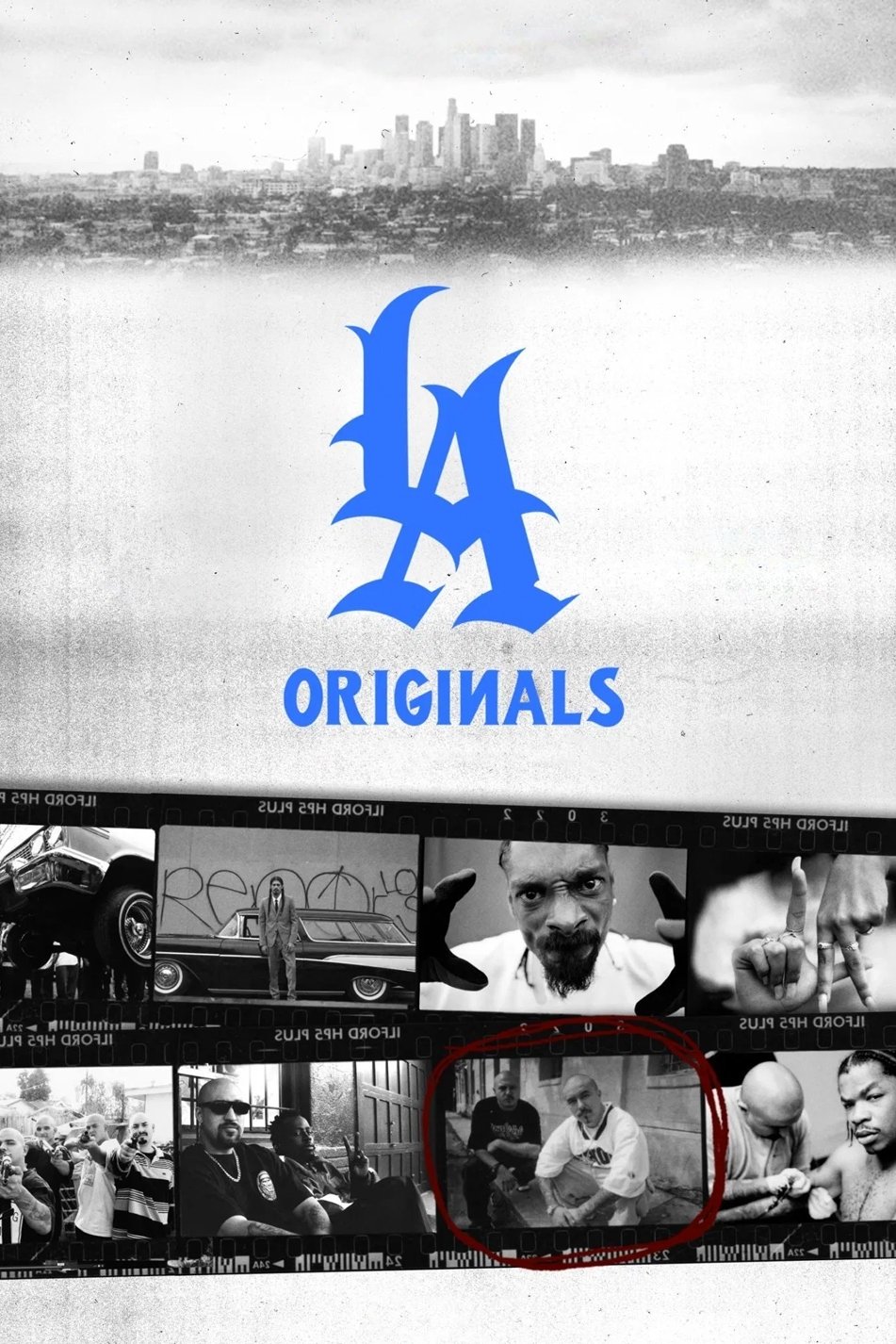
Photographer Estevan Oriol and artist Mister Cartoon turned their Chicano roots into gritty art, impacting street culture, hip hop and beyond.
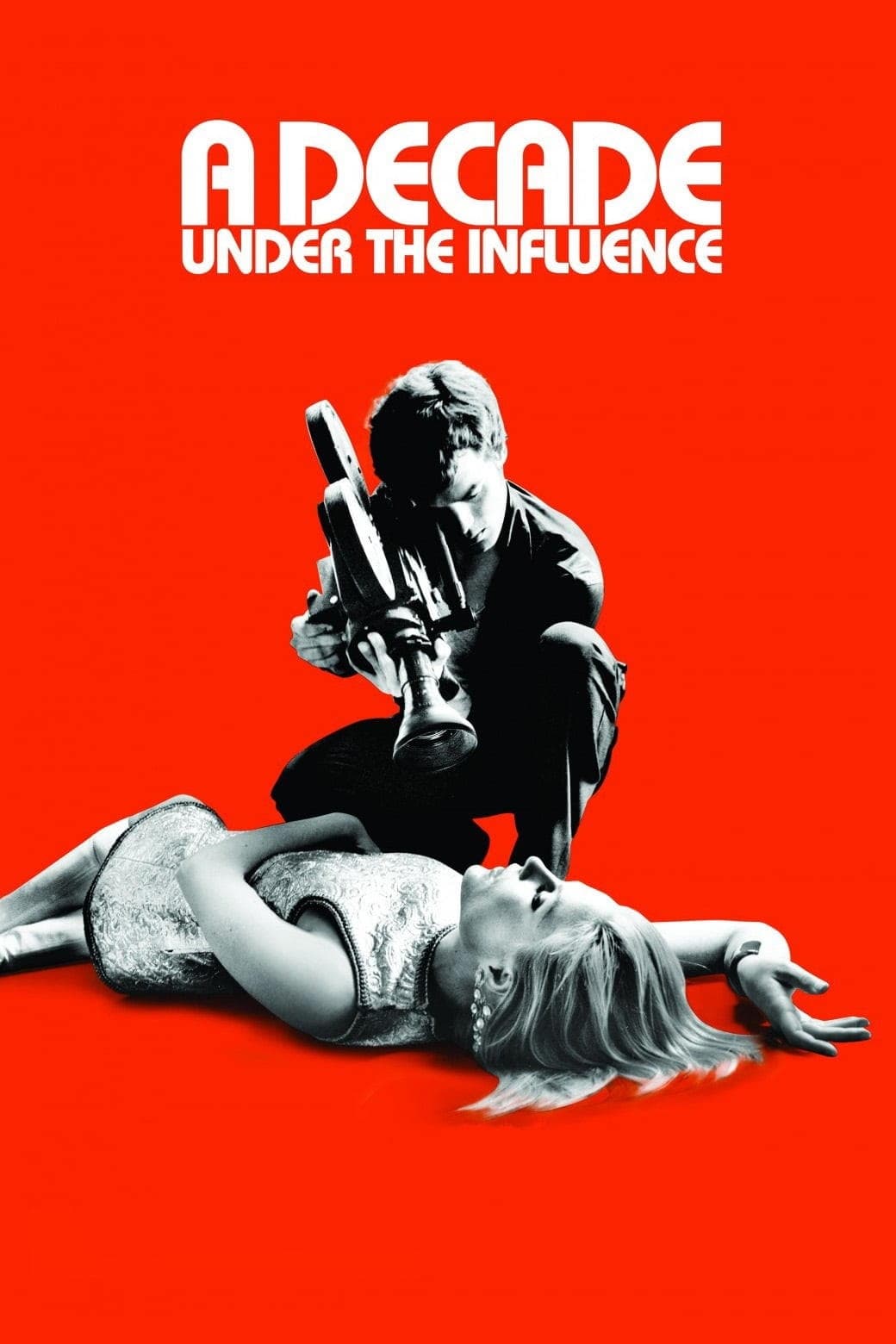
A documentary examining the decade of the 1970s as a turning point in American cinema. Some of today's best filmmakers interview the influential directors of that time.
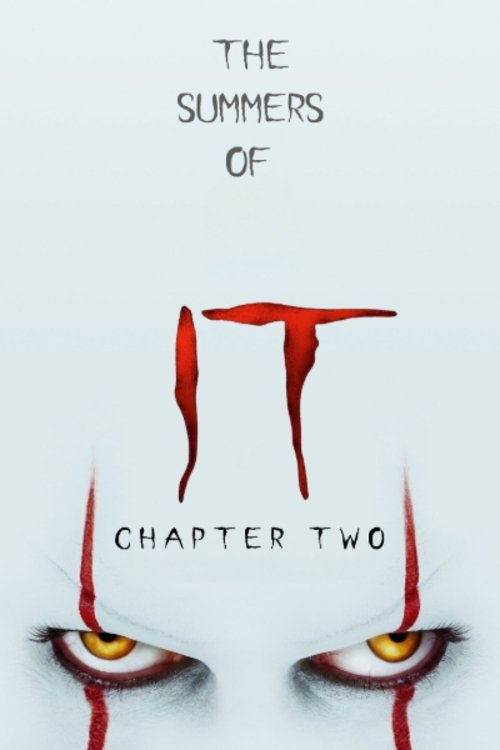
This documentary focuses on the actors and their journey over two summers to create the remake to the original IT, by Stephen King. The documentary originally released as bonus material, bundled with IT: Chapter Two.
A documentary about the making of David Fincher's 2008 film THE CURIOUS CASE OF BENJAMIN BUTTON. Virtually every element in the evolution of the Fincher's film is documented here, from the project's attachment to numerous other directors during the 1990s, to its shoot in 2006 and 2007 in New Orleans, to its complex, CGI-intensive postproduction process.
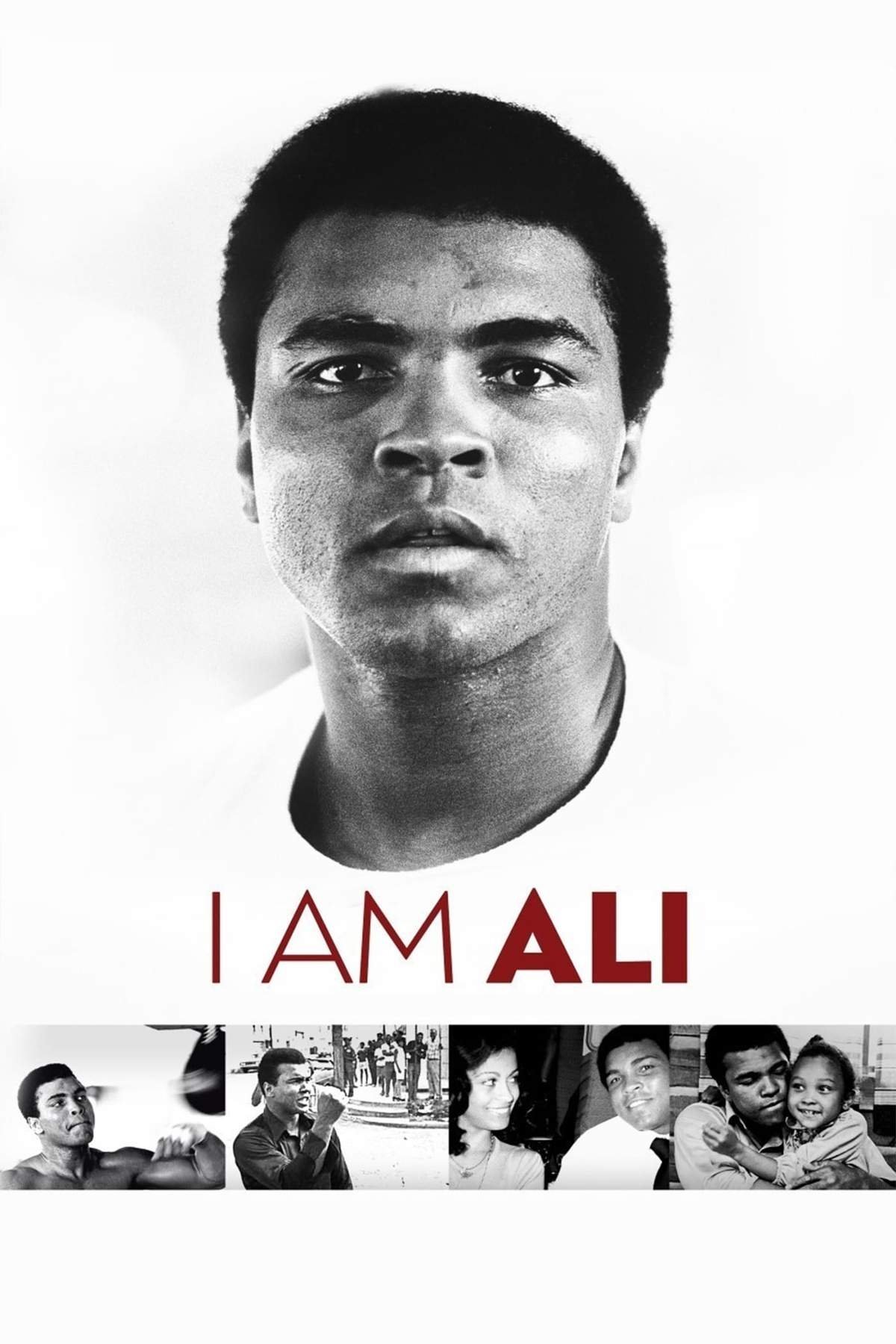
Unprecedented access to Muhammad Ali's personal archive of "audio journals" as well as interviews and testimonials from his inner circle of family and friends are used to tell the legend's life story.
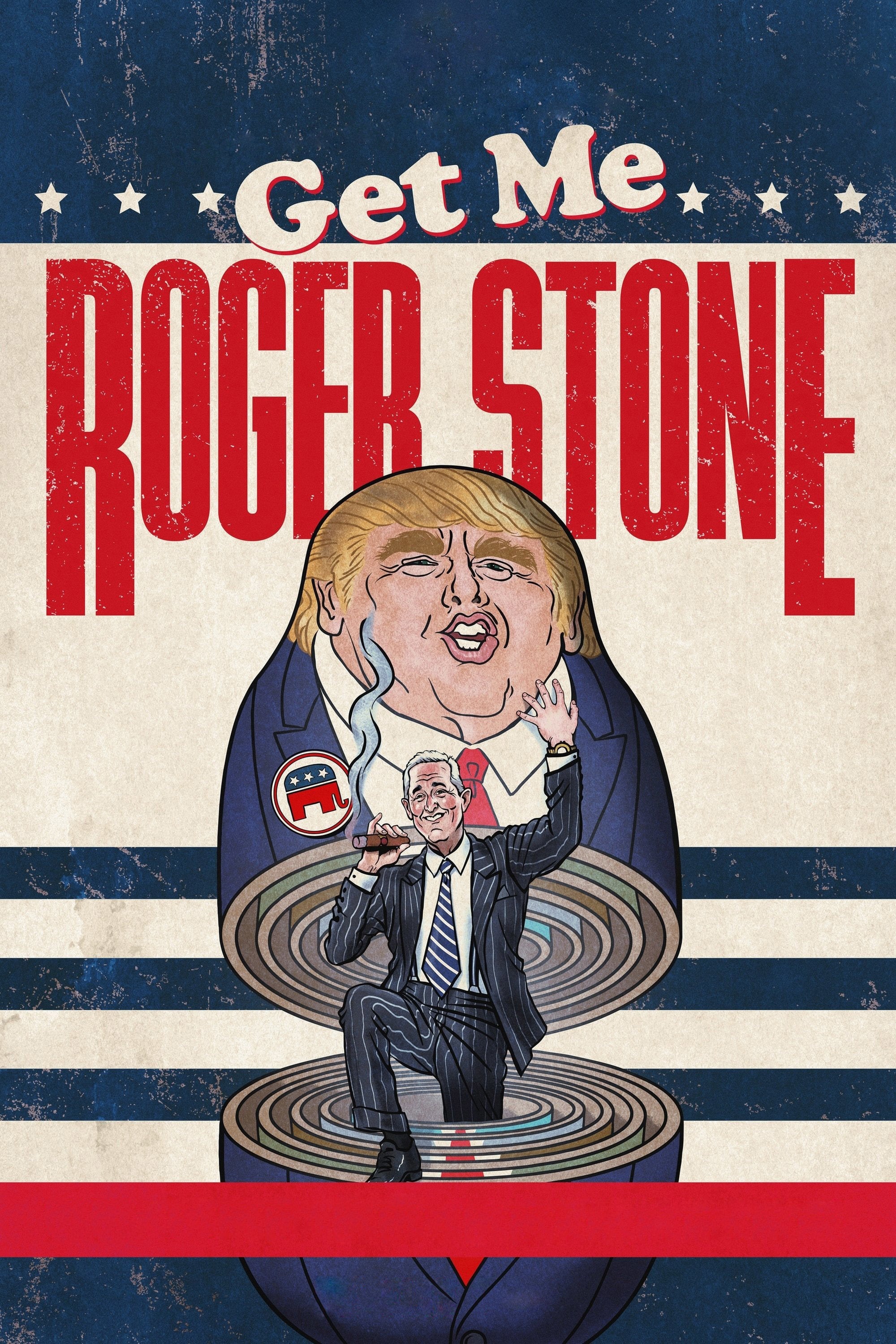
From his days of testifying at the Watergate hearings to advising recent presidential candidate Donald Trump, Roger Stone has long offended people on both sides of the political fence as a force in conservative America. Outspoken author, pundit, ahead of his time election strategist, this is his story.