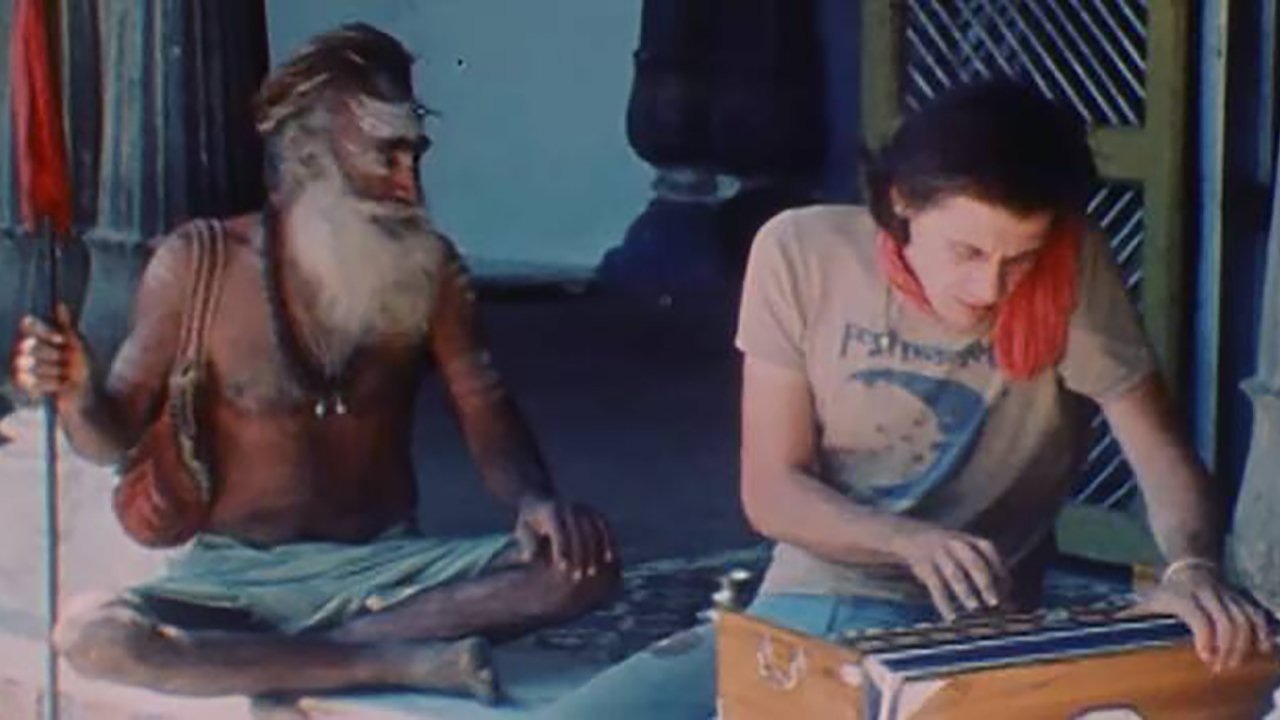
In 1979, krautrock group Embryo toured Iran, Afghanistan and India by bus, while performing with local musicians and documenting their trip.
Social & External
The people behind it
Embryo
Themselves
Roman Bunka
Self
Christian Burchard
Remigius Drechsler
Edgar Hofmann
Friedemann Josch
Uwe Müllrich
Michael Wehmeyer
Documents the band "Korter í Flog". Their way to the top and their ultimate downfall. Post-dreifing, THAT Húrra concert and so much more.
In 1968, musician Irmin Schmidt and friends founded the avant-garde band "Can", which achieved worldwide fame. Schmidt also made a name for himself as a composer for films by Wim Wenders. In this documentary, the charismatic sound tinkerer looks back on his life and career.
1993 recording of band Les Rallizes Dénudés performing at the Baus Theater.
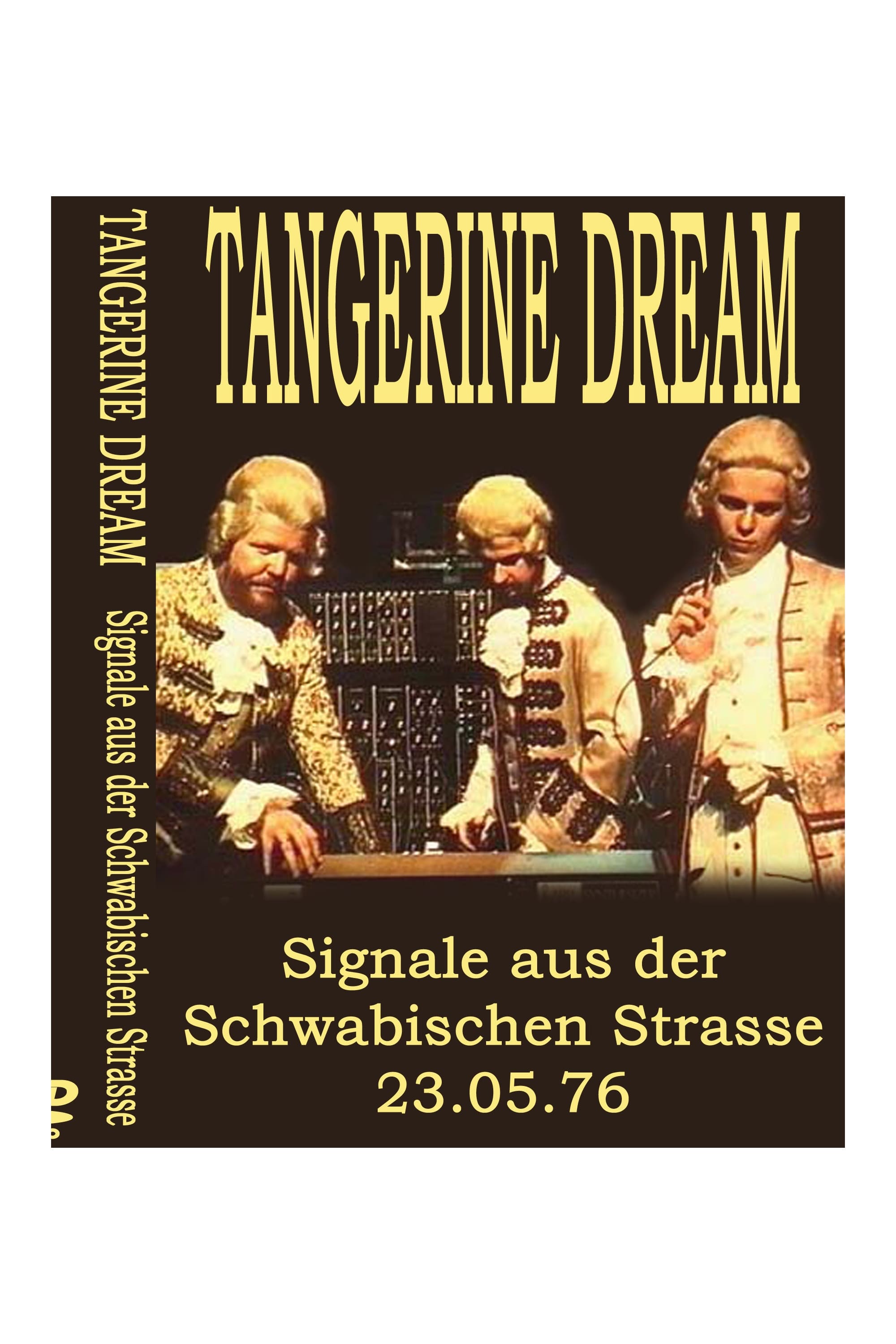
German TV film, also shown on Spanish TV in 1976, this is a film all about TD which includes informal interviews and concert/studio footage, most of which seems to have been done exclusively for the film. The interviews are in the German language. The street name in the title refers to where Edgar Froese used to live in Berlin (apparently Klaus Schulze lived on the same street at the time) and is now the site of the TDI offices.
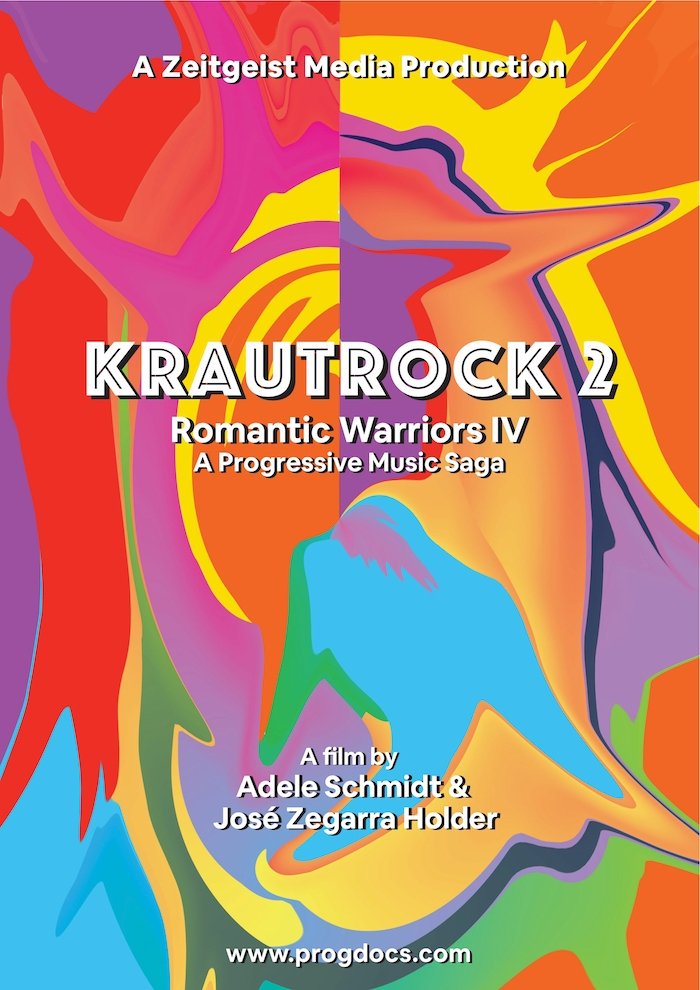
Romantic Warriors IV: Krautrock (Part 2) is the 2nd film of the Krautrock Trilogy, and explores eminent Krautrock bands from the South of Germany. Part 2 focuses on bands from Munich, Wiesbaden, Ulm, and Heidelberg, and highlights a more recent band from Aachen.
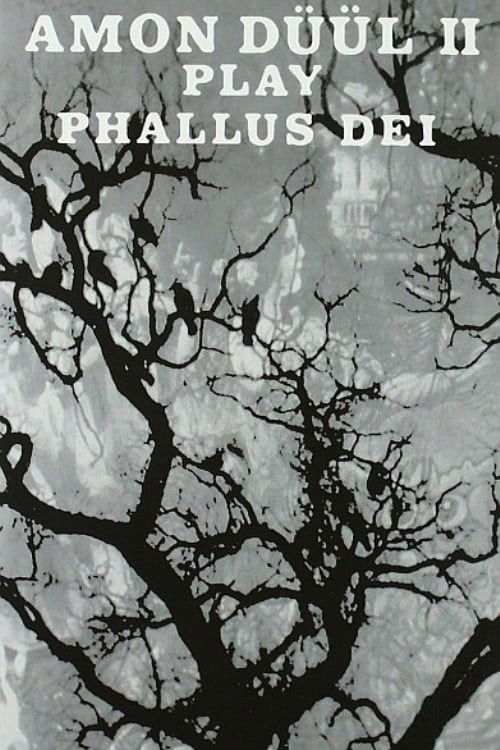
Directed by German filmmaker Rüdiger Nüchtern, this behind-the-scenes rock documentary captures Amon Düül II, as the progressive rockers record their debut album, "Phallus Dei," in a Munich recording studio in 1968. Blending performance footage with a collection of psychedelic nature clips, Nüchtern's meditative film captures the true essence of the legendary krautrock collective. The movie premiered at the Edinburgh Film Festival.
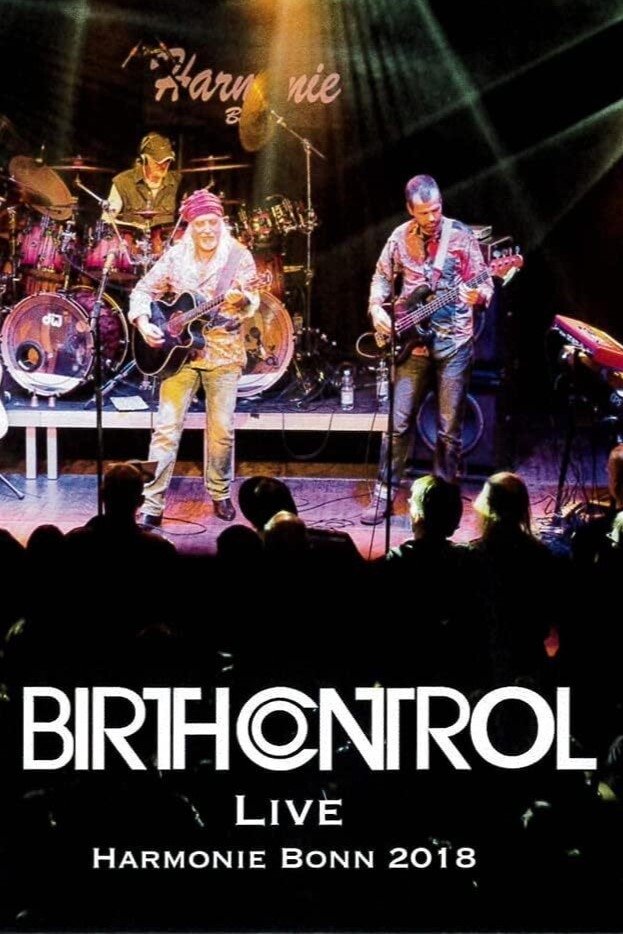
Live performance of the prog legends Birth Control. The concert recording contains new material, but also well-known classics, handmade grooves, interesting harmonies, burning solos and soulful rock vocals in front of an enthusiastic audience.
The late-'60s avant garde rock band CAN gets a feature-length tribute with this affectionate documentary chronicling its odd inception and subsequent career. In CAN -- The Documentary, the remaining band members are interviewed amidst culled together archival footage from talk shows, concerts, and television appearances to paint a portrait of a band who always remained happily on the sidelines of mass appeal, mixing street music, jazz, folk, and rock into a sometimes poppy, sometimes abstract stew. The band's influence on such seminal acts as Sonic Youth and Talking Heads is also analyzed.
Kraftwerk's vision of a keyboard-driven world of clicking metronomic rhythms and digitised sound bites may have been the stuff of avant fantasy in the 1970s (the decade that saw the band's first groundbreaking albums), but it is a reality in the new millennium. Their visionary style is explored in KRAFTWERK AND THE ELECTRONIC REVOLUTION, a study of the group, their career and their emergence as the most influential electronic band in the world.
The experimental German krautrockers CAN's legendary "Free Concert," recorded in Cologne's Sporthalle, Germany, on February 3, 1972. The circumstances of this Cologne show were unusual. Rather improbably for such an experimental band, Can actually scored a chart success in Germany with "Spoon," which would later be tacked onto the end of Ege Bamyasi.
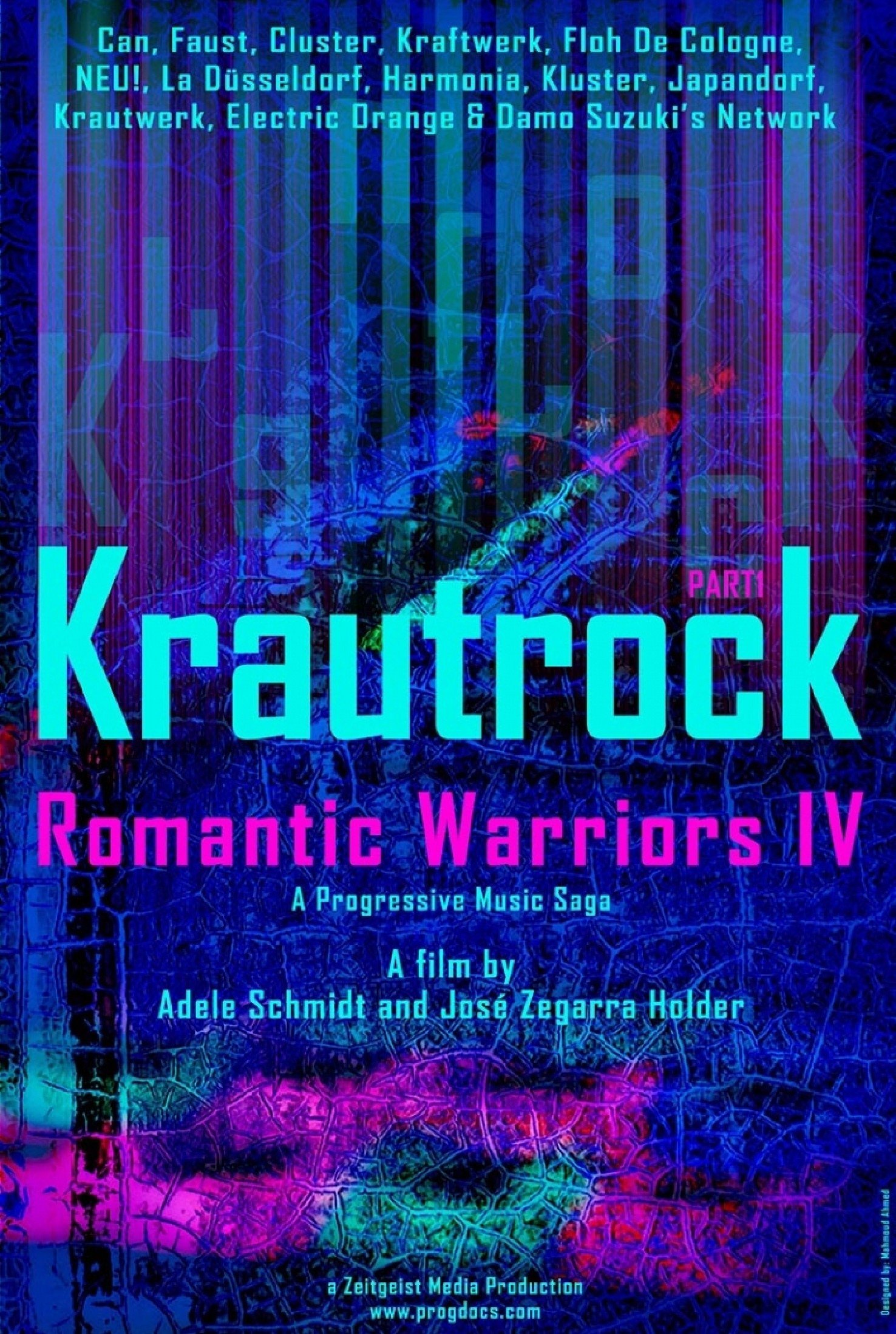
The fourth in a series of feature-length documentaries about Progressive rock written and directed by Adele Schmidt and José Zegarra Holder. Krautrock, Part 1 focuses on German progressive rock, popularly known as Krautrock, from in and around the Cologne, Düsseldorf, and Hamburg regions of Germany. Artist featured include Kraftwerk, Neu, Can, Faust and others.
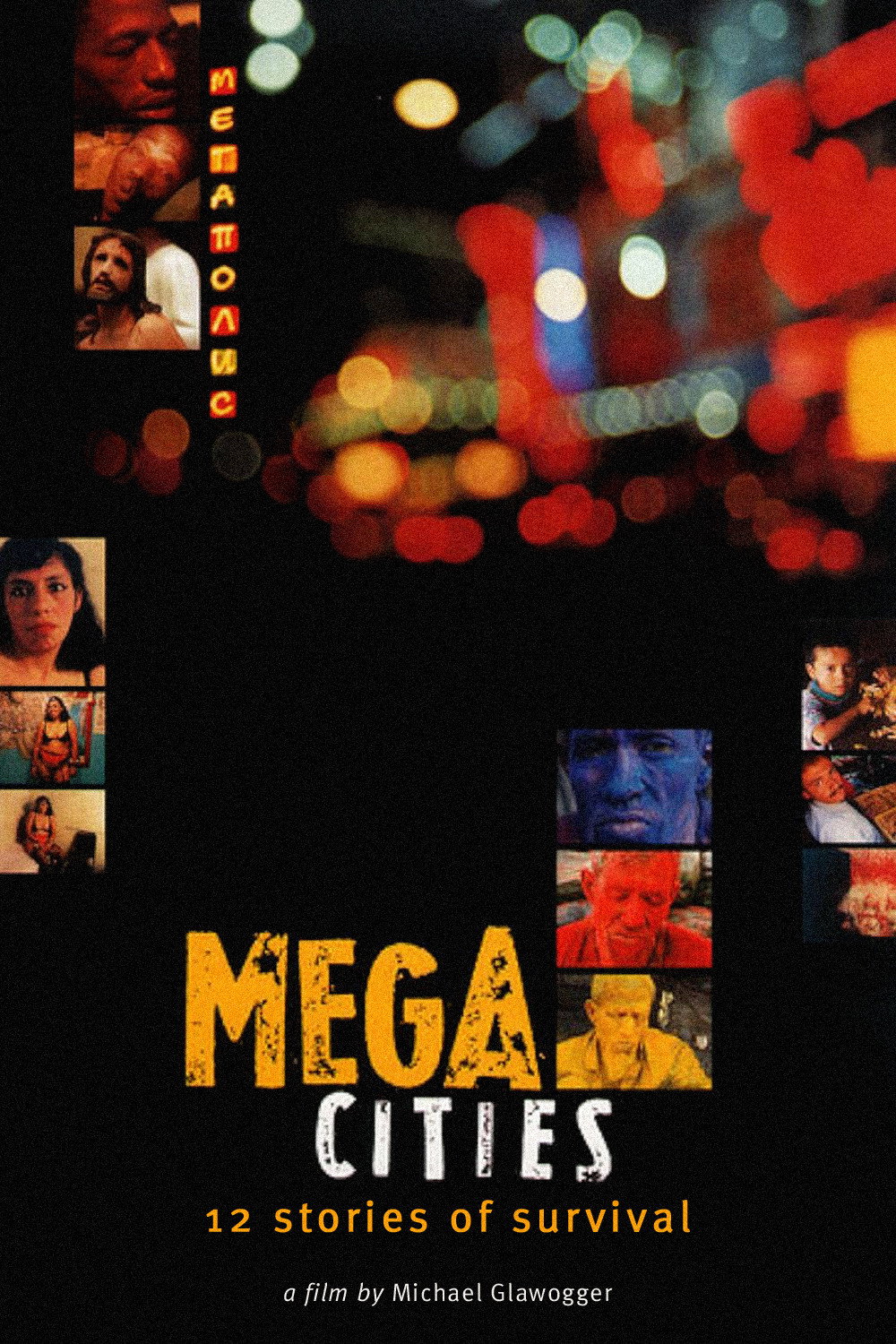
Timo Novotny labels his new project an experimental music documentary film, in a remix of the celebrated film Megacities (1997), a visually refined essay on the hidden faces of several world "megacities" by leading Austrian documentarist Michael Glawogger. Novotny complements 30 % of material taken straight from the film (and re-edited) with 70 % as yet unseen footage in which he blends original shots unused by Glawogger with his own sequences (shot by Megacities cameraman Wolfgang Thaler) from Tokyo. Alongside the Japanese metropolis, Life in Loops takes us right into the atmosphere of Mexico City, New York, Moscow and Bombay. This electrifying combination of fascinating film images and an equally compelling soundtrack from Sofa Surfers sets us off on a stunning audiovisual adventure across the continents. The film also makes an original contribution to the discussion on new trends in documentary filmmaking.
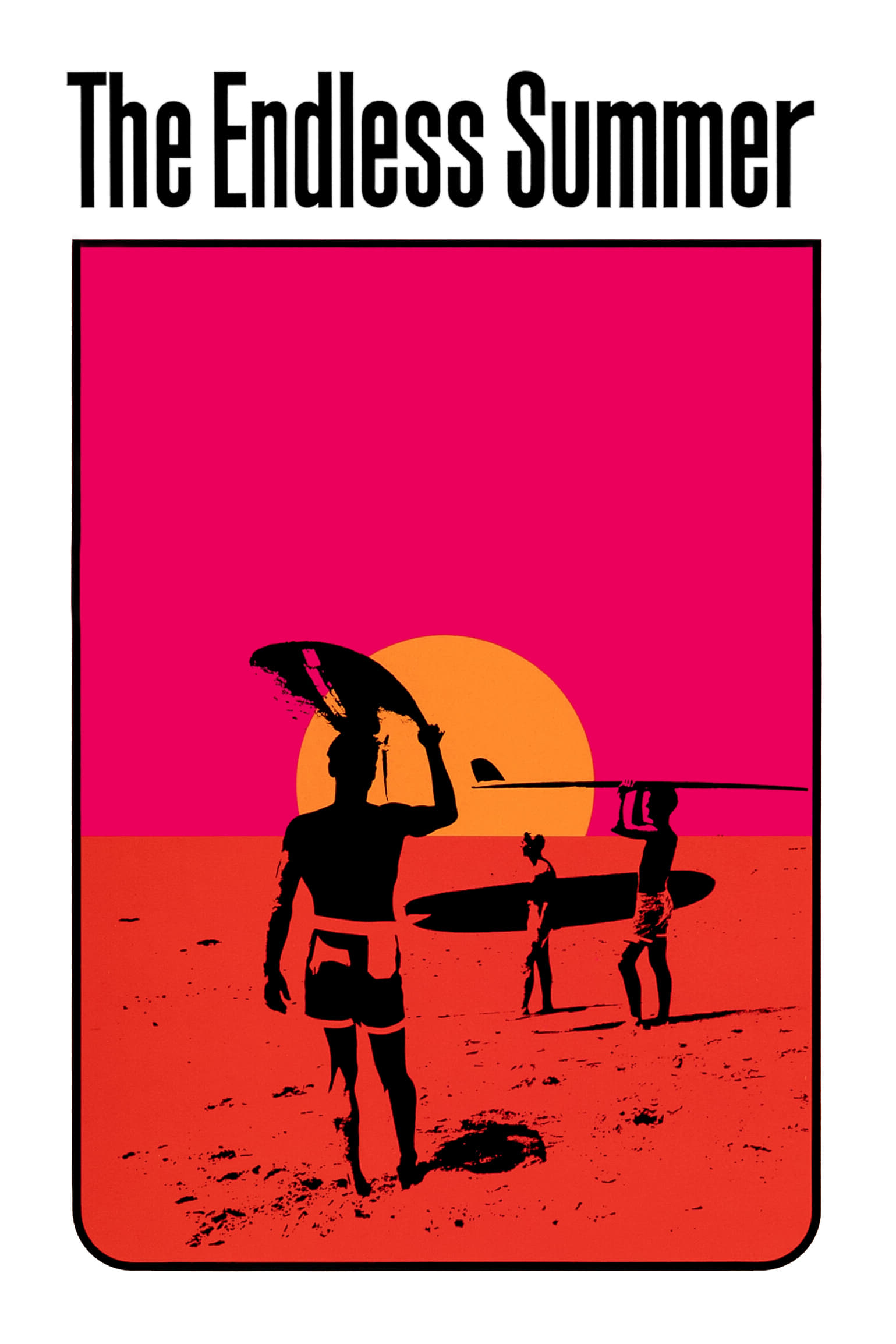
Bruce Brown's The Endless Summer is one of the first and most influential surf movies of all time. The film documents American surfers Mike Hynson and Robert August as they travel the world during California’s winter (which, back in 1965 was off-season for surfing) in search of the perfect wave and ultimately, an endless summer.
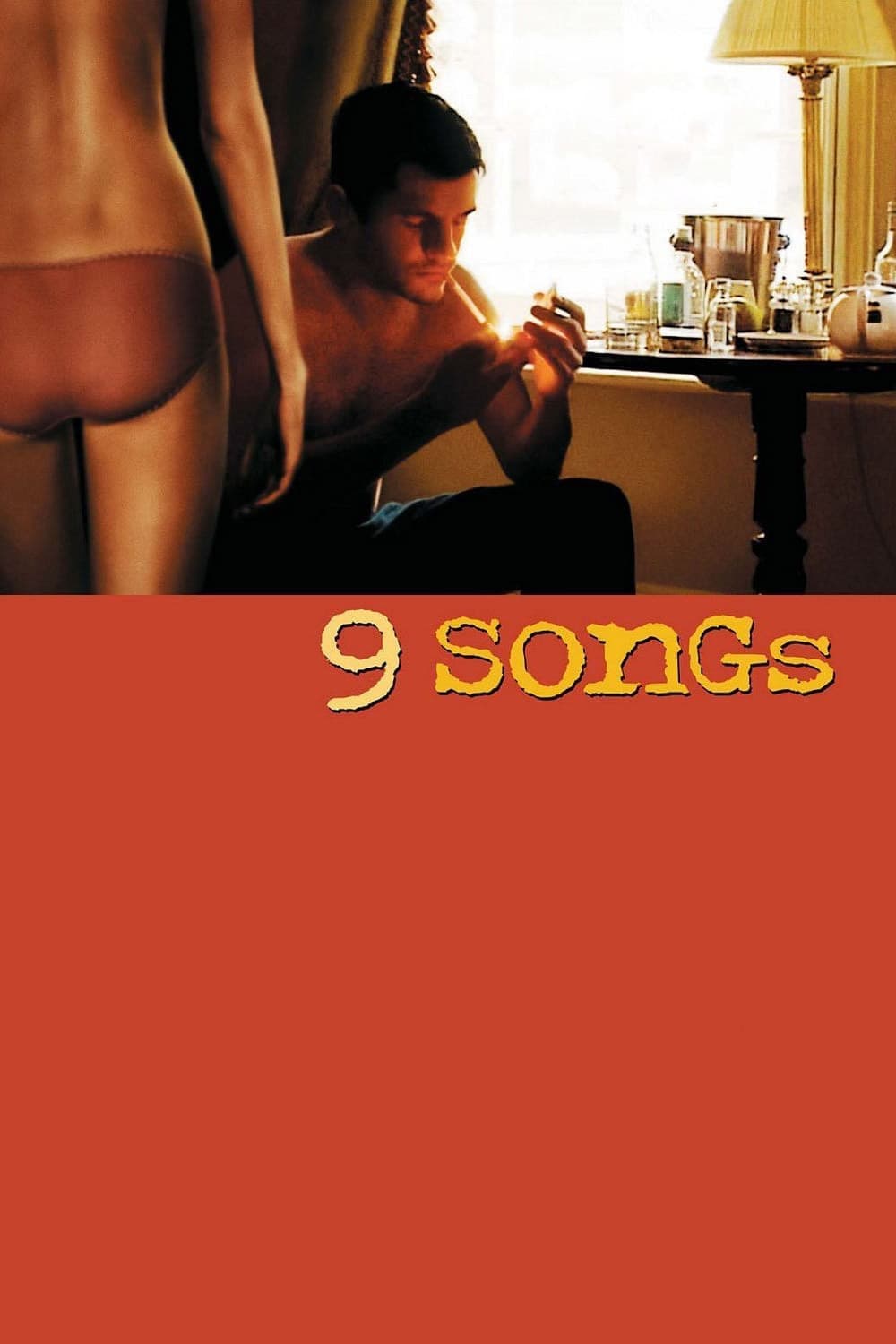
Matt, a young glaciologist, soars across the vast, silent, icebound immensities of the South Pole as he recalls his love affair with Lisa. They meet at a mobbed rock concert in a vast music hall - London's Brixton Academy. They are in bed at night's end. Together, over a period of several months, they pursue a mutual sexual passion whose inevitable stages unfold in counterpoint to nine live-concert songs.
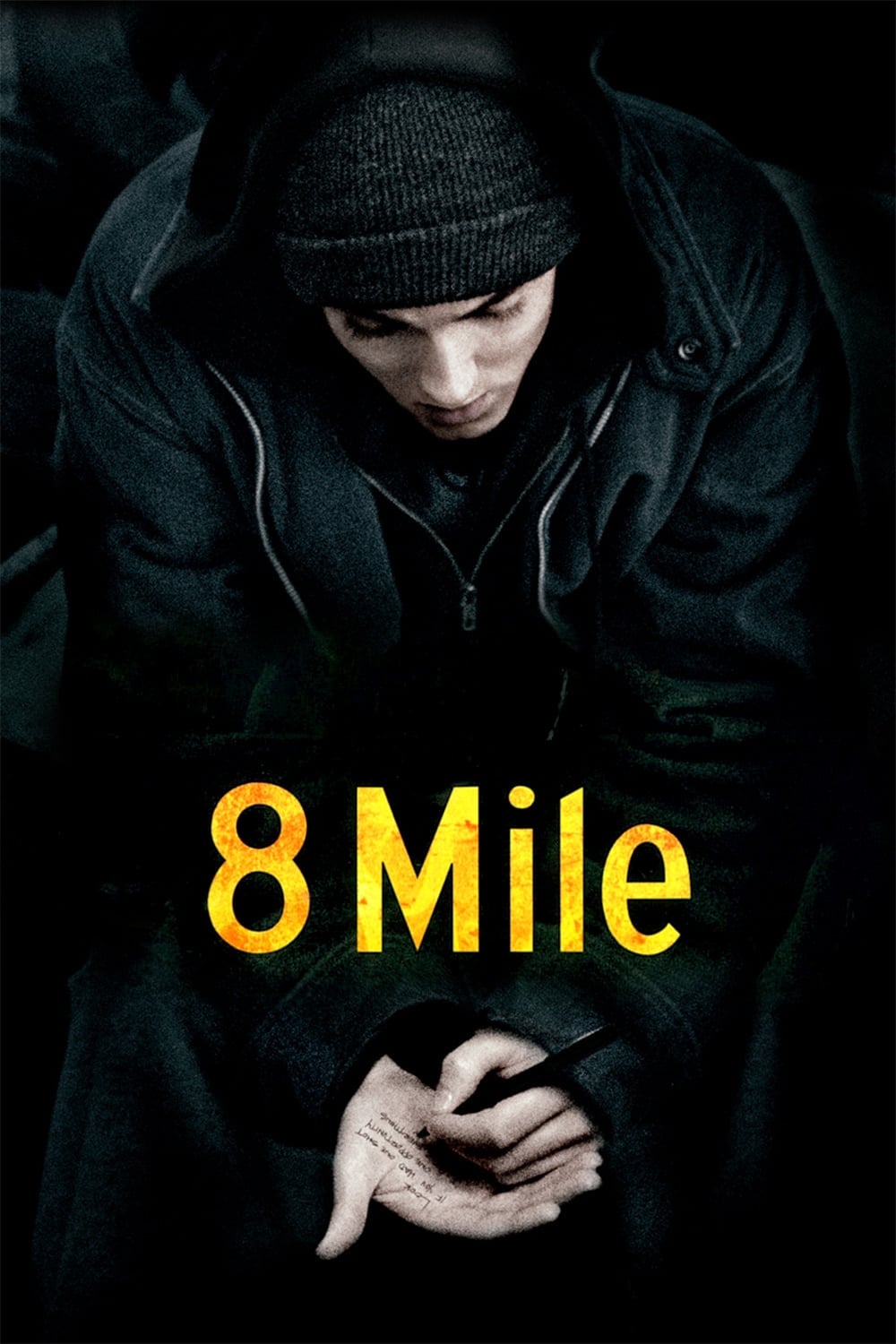
For Jimmy Smith, Jr., life is a daily fight just to keep hope alive. Feeding his dreams in Detroit's vibrant music scene, Jimmy wages an extraordinary personal struggle to find his own voice - and earn a place in a world where rhymes rule, legends are born and every moment… is another chance.
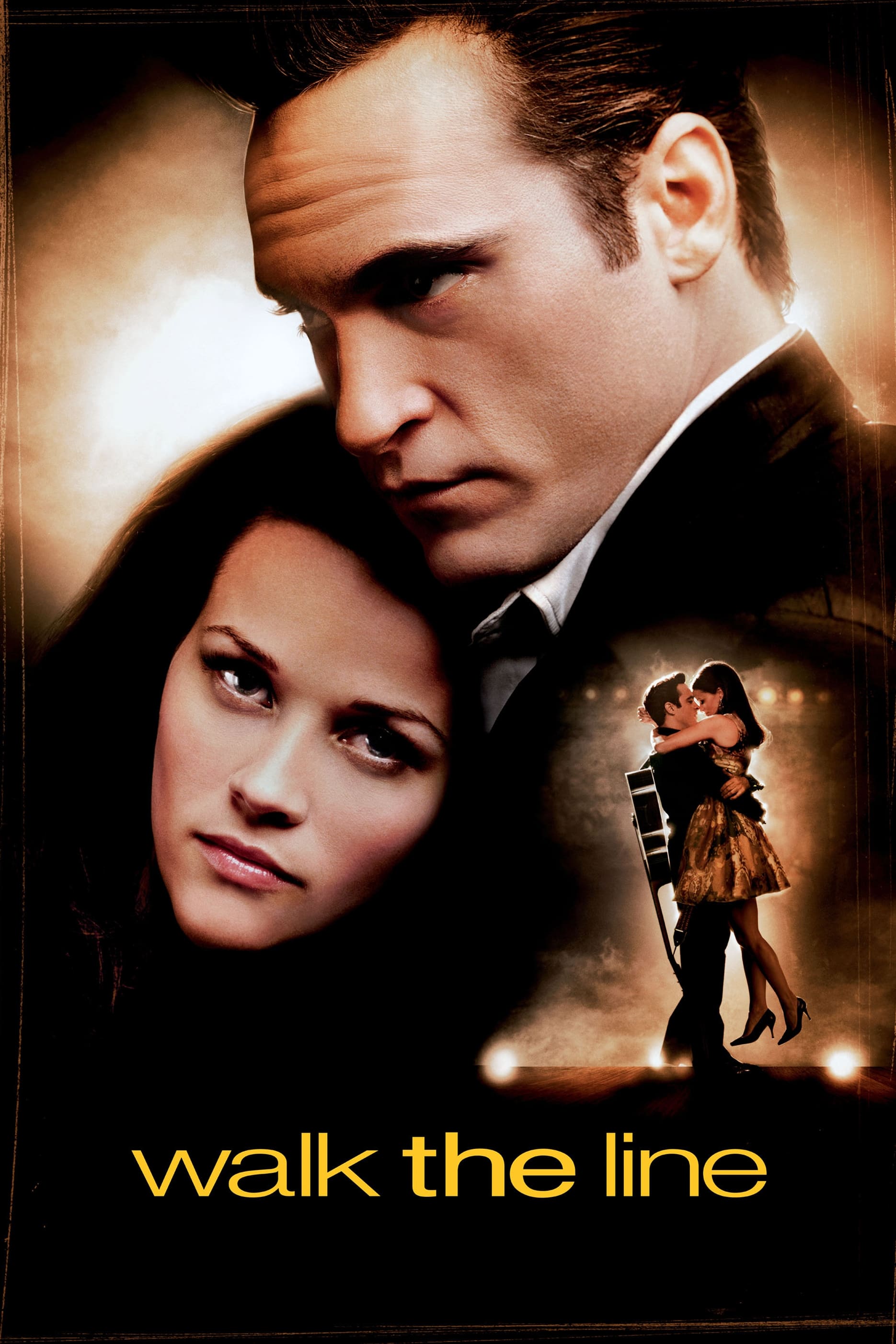
A chronicle of country music legend Johnny Cash's life, from his early days on an Arkansas cotton farm to his rise to fame with Sun Records in Memphis, where he recorded alongside Elvis Presley, Jerry Lee Lewis and Carl Perkins.
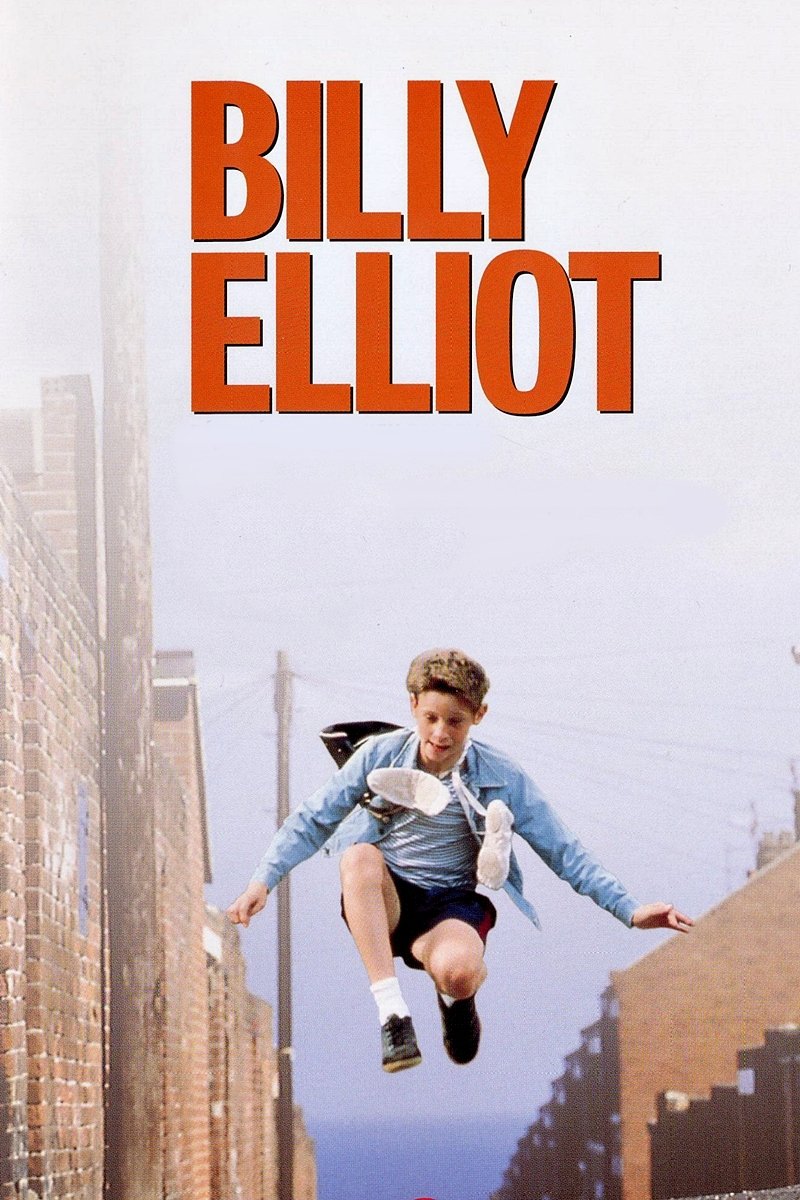
County Durham, England, 1984. The miners' strike has started and the police have started coming up from Bethnal Green, starting a class war with the lower classes suffering. Caught in the middle of the conflict is 11-year old Billy Elliot, who, after leaving his boxing club for the day, stumbles upon a ballet class and finds out that he's naturally talented. He practices with his teacher Mrs. Wilkinson for an upcoming audition in Newcastle-upon Tyne for the royal Ballet school in London.
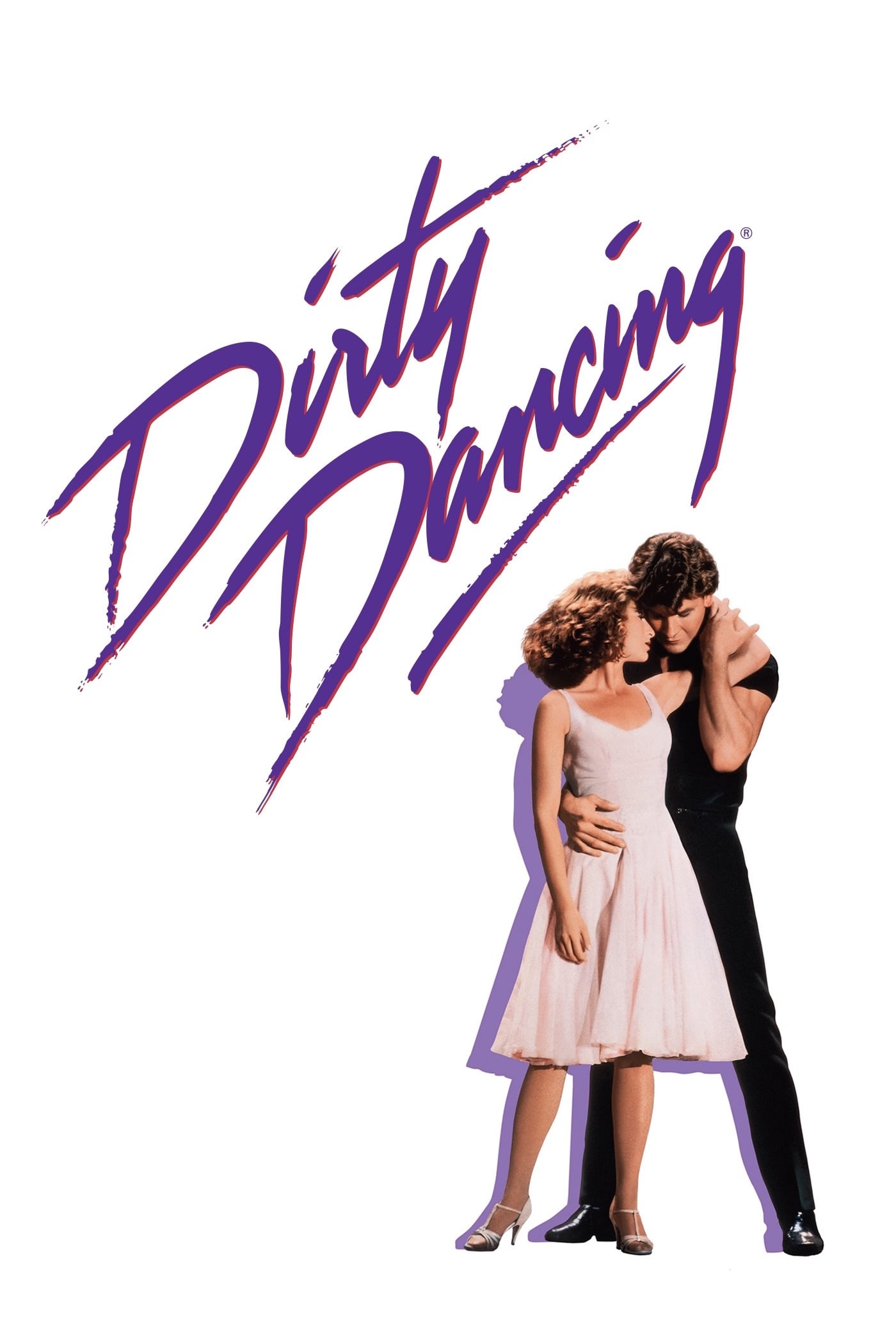
Expecting the usual tedium that accompanies a summer in the Catskills with her family, 17-year-old Frances 'Baby' Houseman is surprised to find herself stepping into the shoes of a professional hoofer—and unexpectedly falling in love.
An exploration —manipulated and staged— of life in Las Hurdes, in the province of Cáceres, in Extremadura, Spain, as it was in 1932. Insalubrity, misery and lack of opportunities provoke the emigration of young people and the solitude of those who remain in the desolation of one of the poorest and least developed Spanish regions at that time.
Megacities is a documentary about the slums of five different metropolitan cities.
Live Aid was held on 13 July 1985, simultaneously in Wembley Stadium in London, England, and the John F. Kennedy Stadium in Philadelphia, United States. It was one of the largest scale satellite link-ups and television broadcasts of all time: watched live by an estimated global audience of 1.9 billion, across 150 nations. "It's twelve noon in London, seven AM in Philadelphia, and around the world it's time for Live Aid...!"
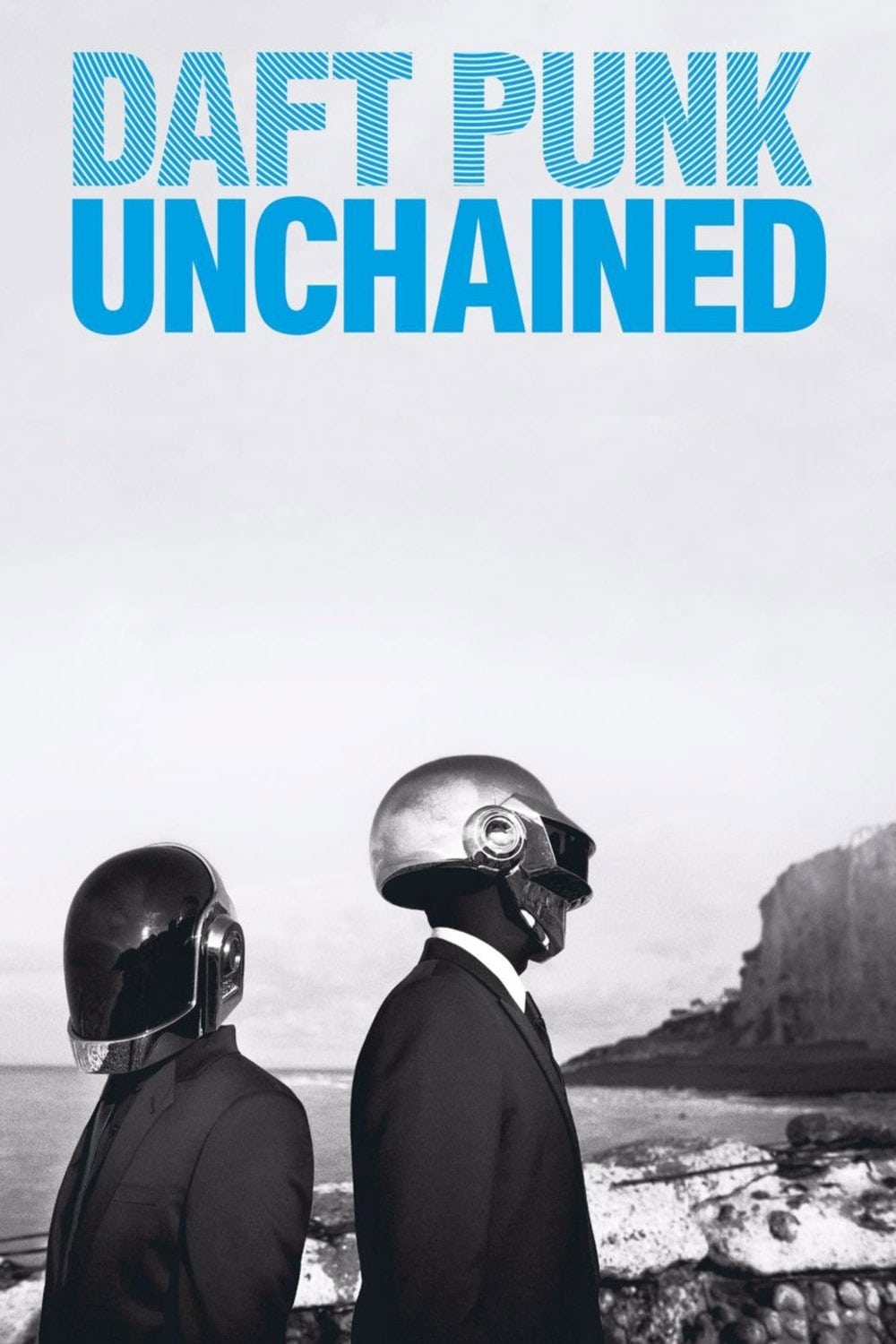
Daft Punk Unchained is the first film about the pop culture phenomenon that is Daft Punk, the duo with 12 million albums sold worldwide and seven Grammy Awards. Throughout their career Thomas Bangalter and Guy-Manuel de Homem-Christo have always resisted compromise and the established codes of show business. They have remained determined to maintain control of every link in the chain of their creative process. In the era of globalisation and social networks, they rarely speak in public and neither do they show their faces on TV. This documentary explores this unprecedented cultural revolution revealing a duo of artists on a permanent quest for creativity, independence and freedom.
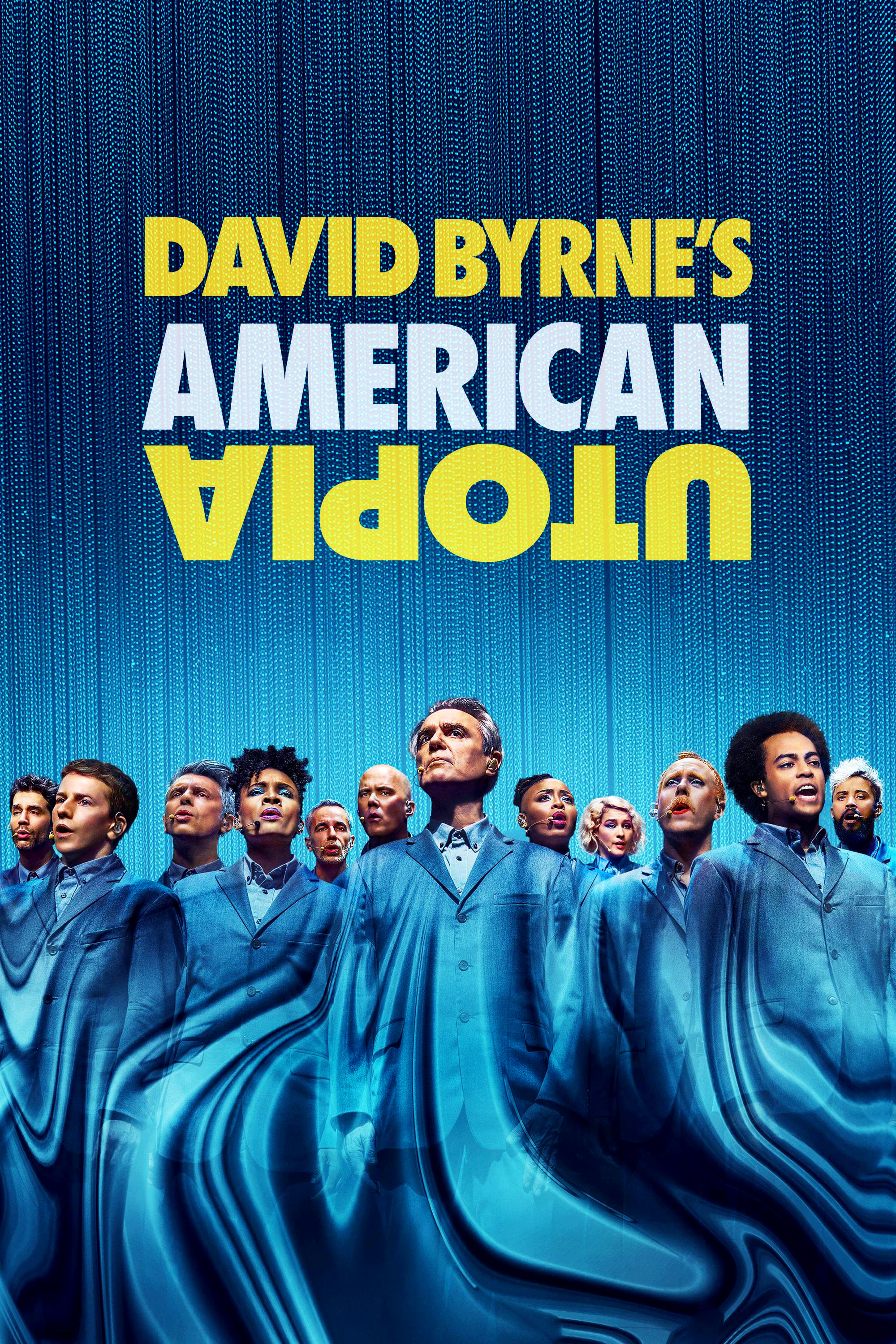
A filmed version of David Byrne's Broadway show, a unifying musical celebration that inspires audiences to connect to each other and to the global community.
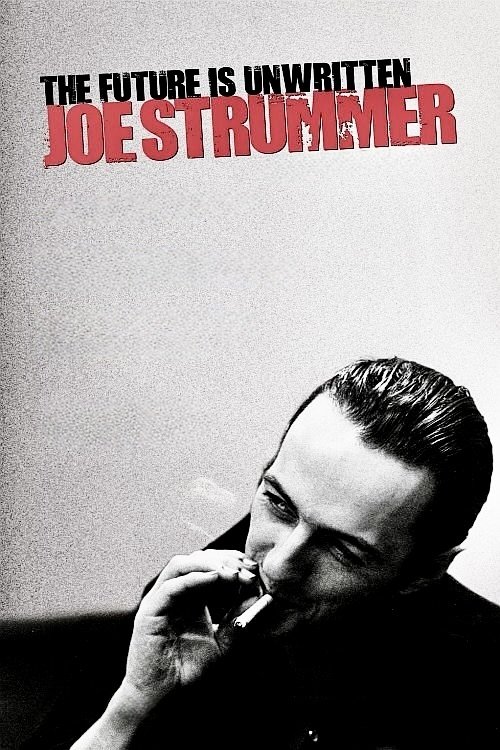
As the front man of the Clash from 1977 onwards, Joe Strummer changed people's lives forever. Four years after his death, his influence reaches out around the world, more strongly now than ever before. In "The Future Is Unwritten", from British film director Julien Temple, Joe Strummer is revealed not just as a legend or musician, but as a true communicator of our times. Drawing on both a shared punk history and the close personal friendship which developed over the last years of Joe's life, Julien Temple's film is a celebration of Joe Strummer - before, during and after the Clash.
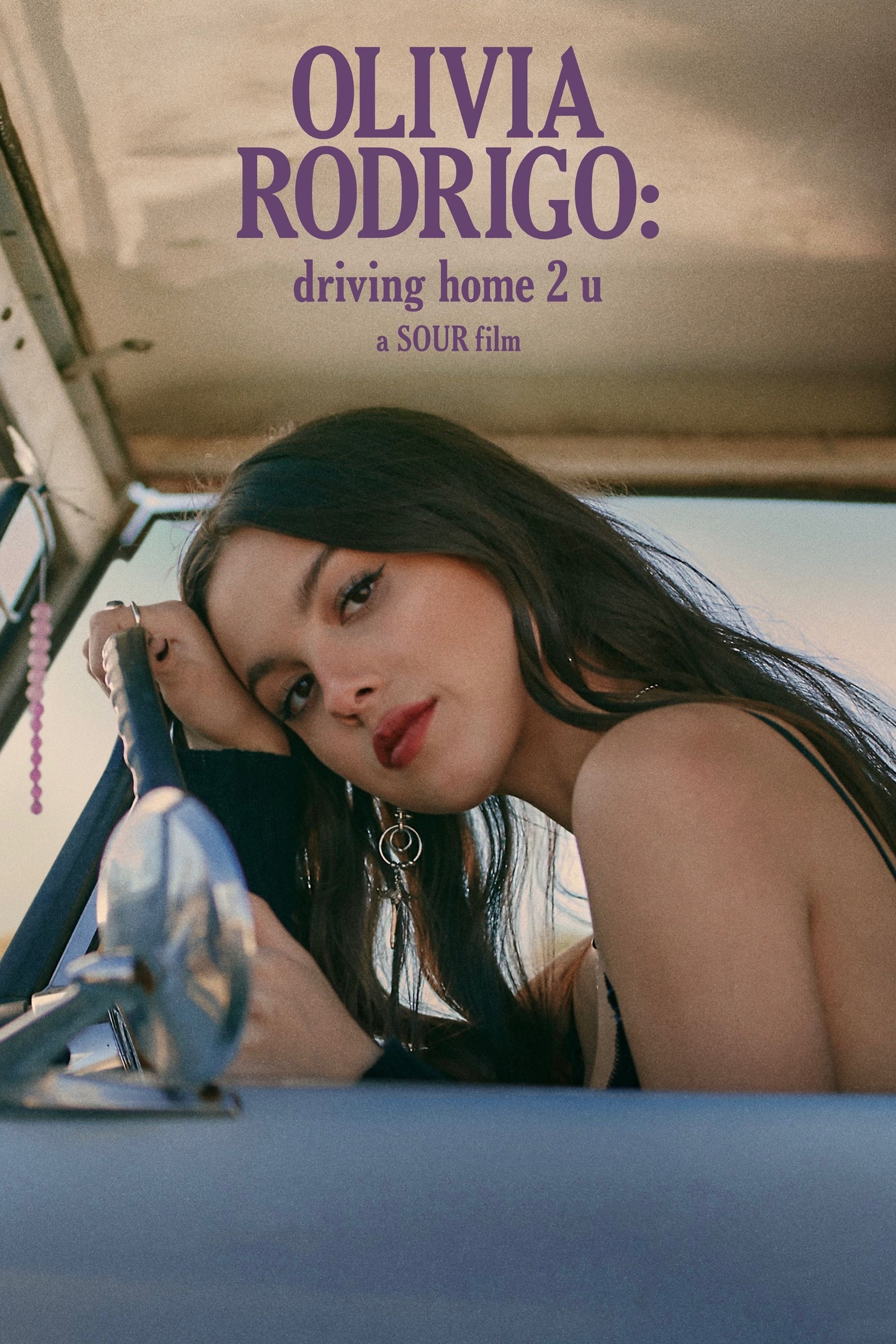
Grammy® winner singer-songwriter Olivia Rodrigo takes a familiar road trip from Salt Lake City, where she began writing her debut album “SOUR,” to Los Angeles. Along the way, Rodrigo recounts the memories of writing and creating her record-breaking debut album and shares her feelings as a young woman navigating a specific time in her life. Through new live arrangements of her songs, intimate interviews and never-before-seen footage from the making of the album, audiences will follow Olivia along on a cinematic journey exploring the story of “SOUR.”
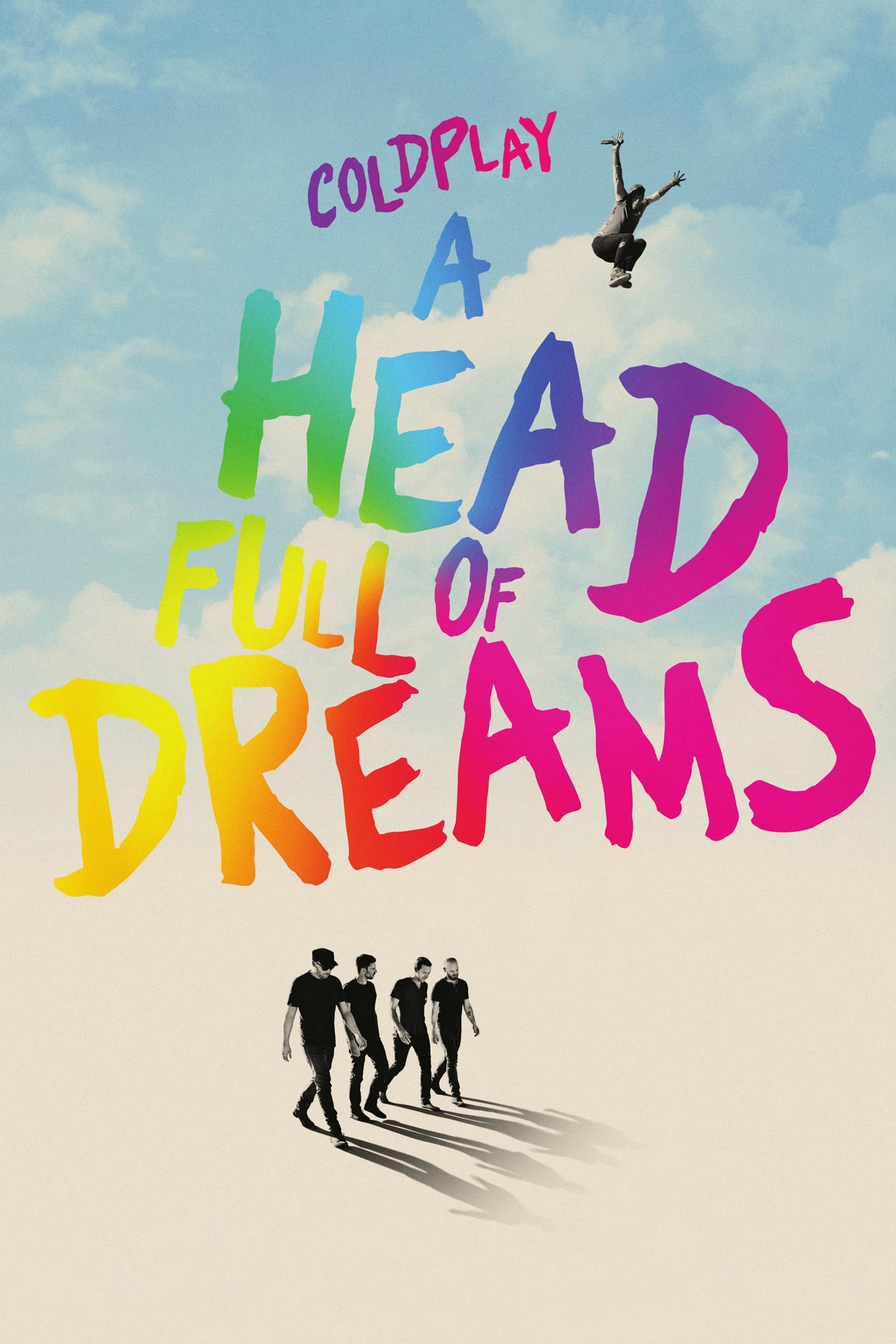
An in-depth and intimate portrait of Coldplay's spectacular rise from the backrooms of Camden pubs to selling out stadiums across the planet. At the heart of the story is the band's unshakeable brotherhood which has endured through many highs and lows.
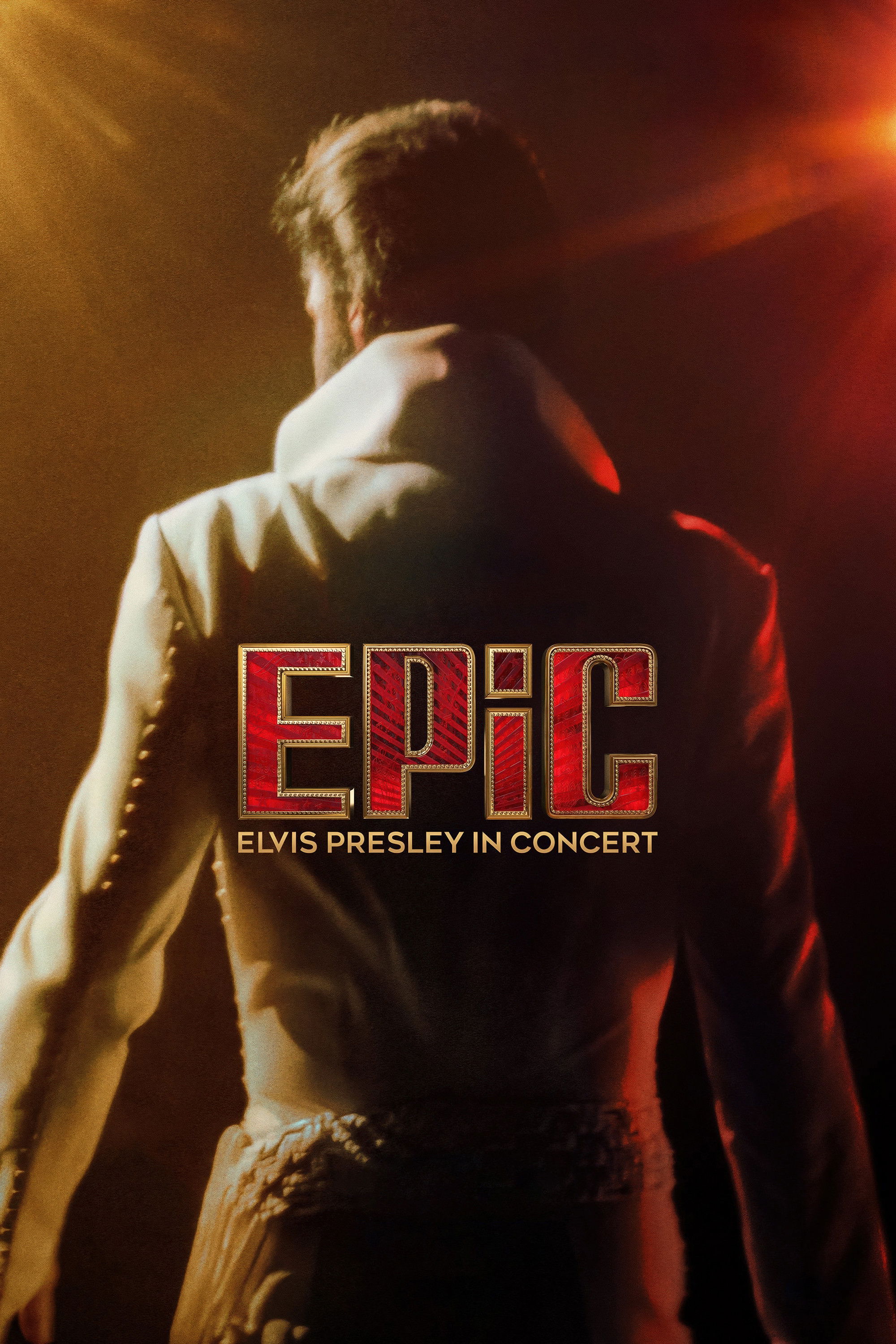
Long-lost footage from Elvis Presley's legendary Las Vegas residency in the 1970s woven together with rare 16mm footage from Elvis on Tour, and 8mm from the Graceland archive, plus recordings of Elvis telling "his side of the story" rediscovered during Baz Luhrmann's research for his 2022 film, Elvis.
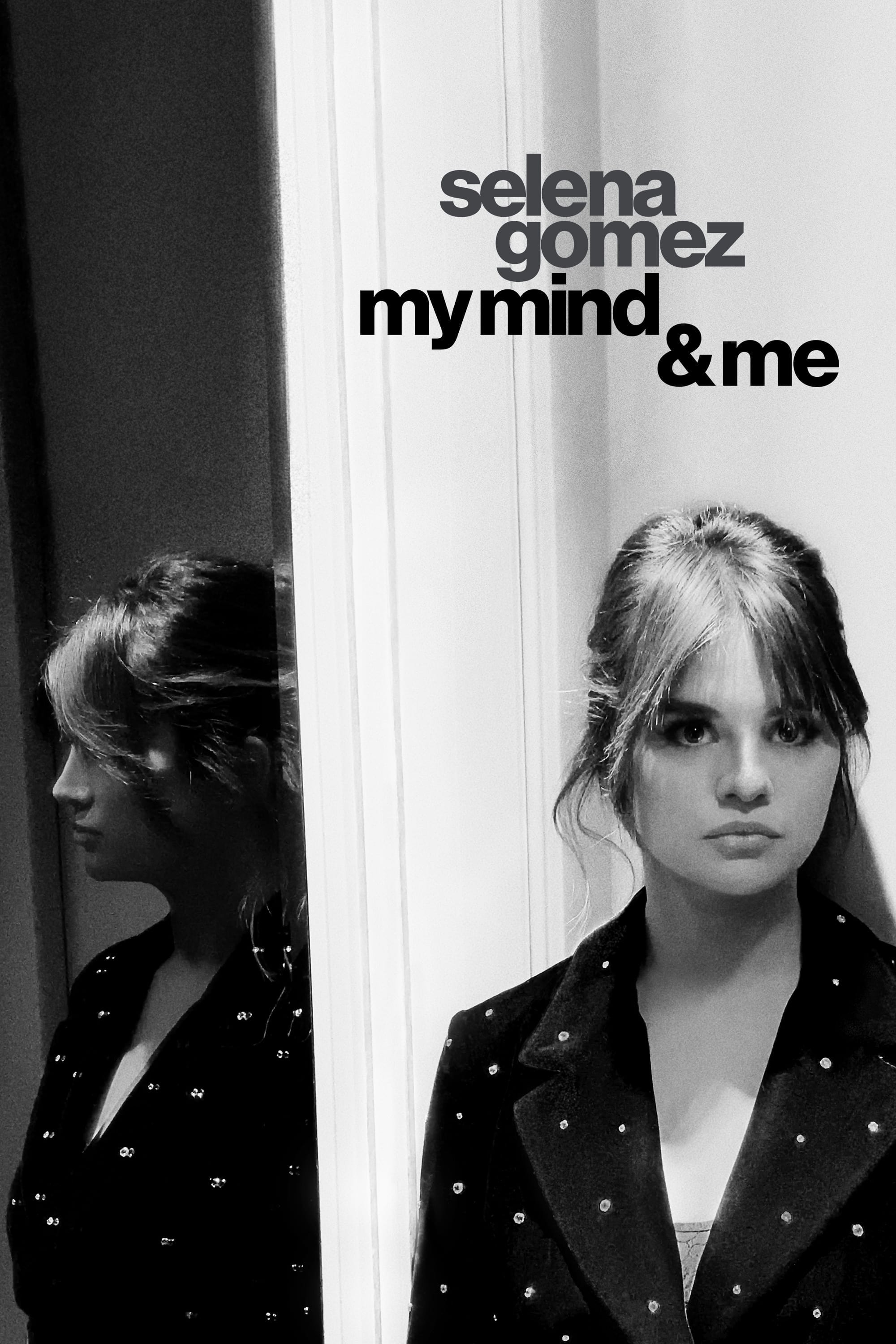
After years in the limelight, Selena Gomez achieves unimaginable stardom. But just as she reaches a new peak, an unexpected turn pulls her into darkness. This uniquely raw and intimate documentary spans her six-year journey into a new light.
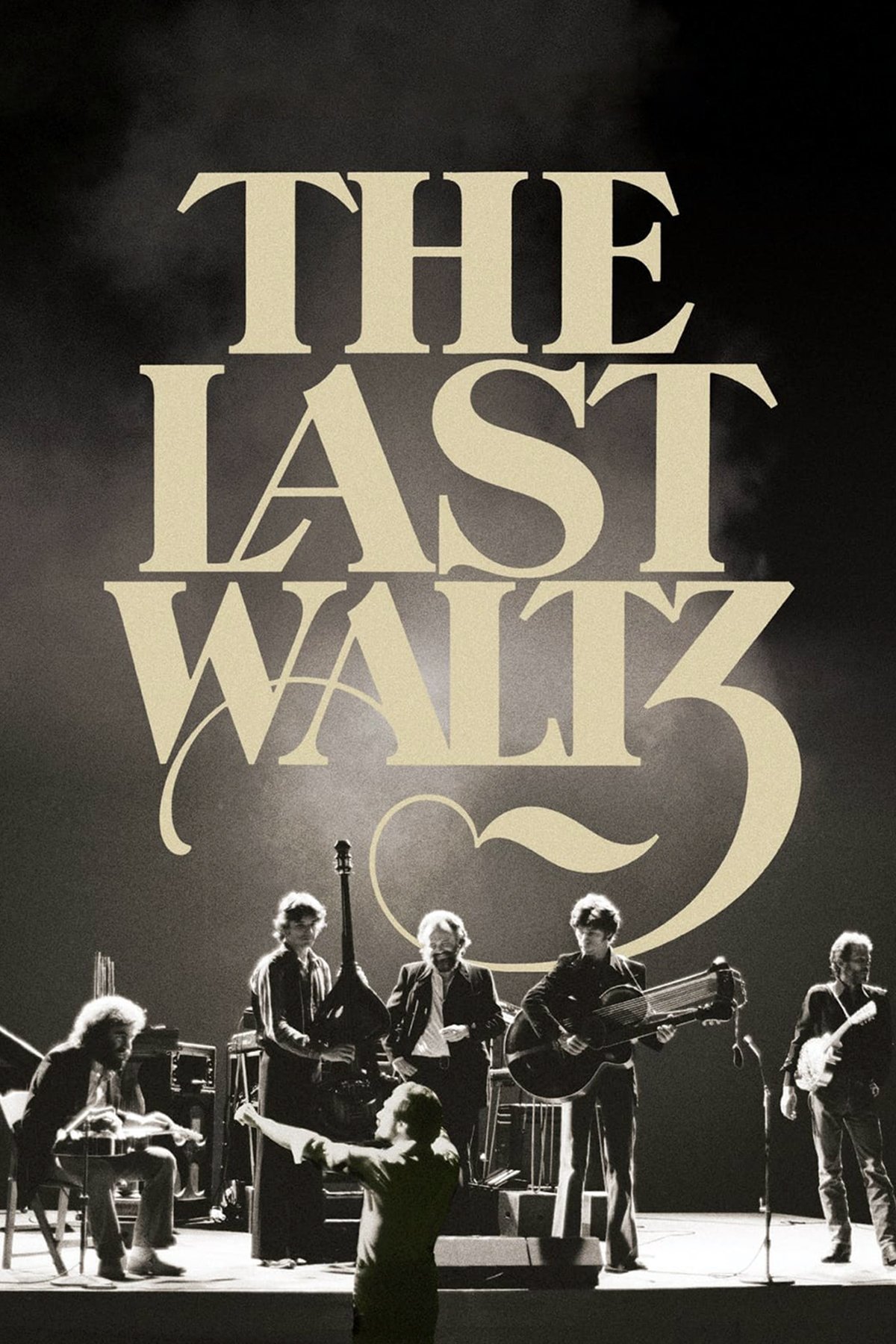
Martin Scorsese's documentary intertwines footage from The Band's incredible farewell tour with probing backstage interviews and featured performances by Eric Clapton, Bob Dylan, Joni Mitchell, Van Morrison, and other rock legends.
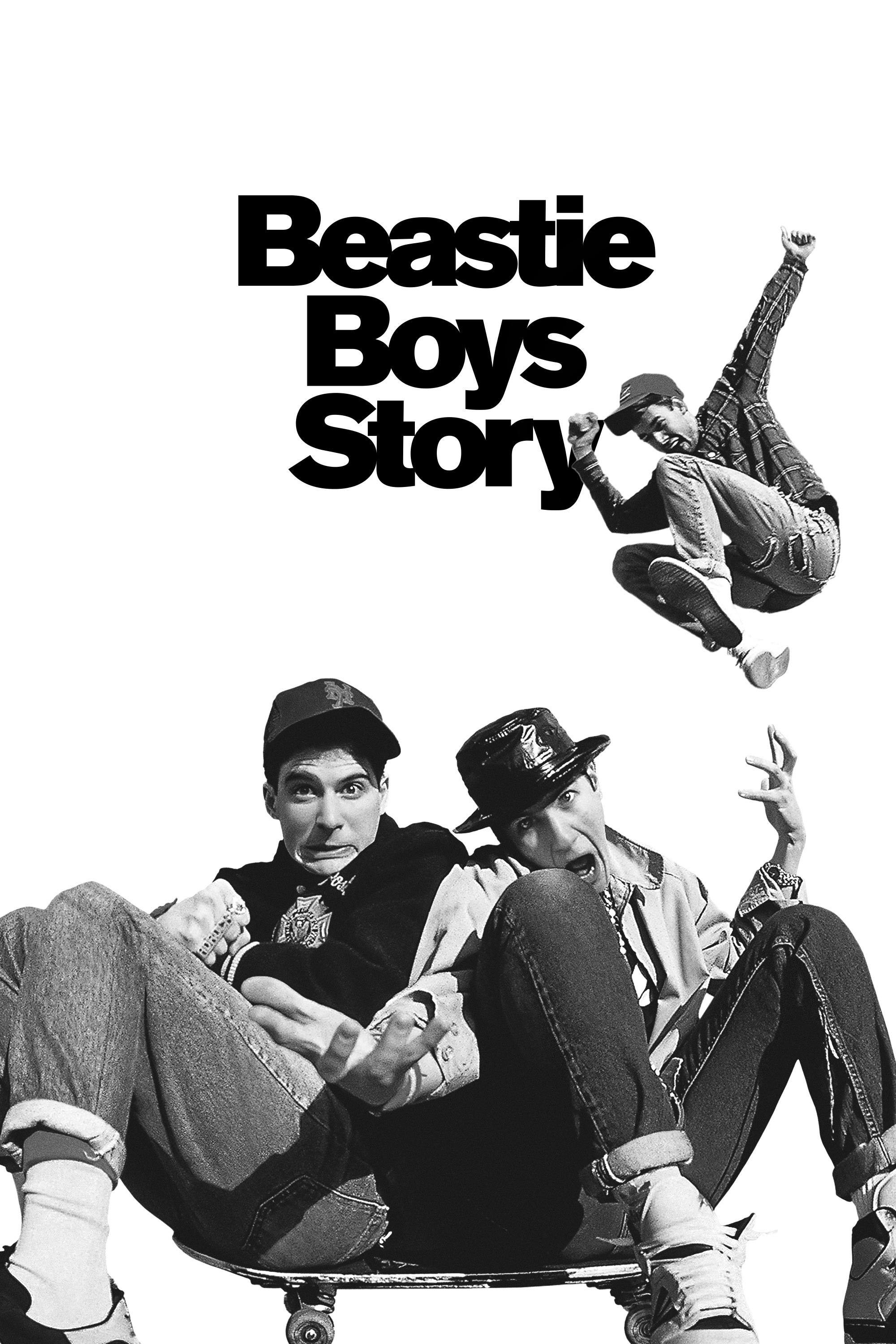
Here's a little story they're about to tell... Mike Diamond and Adam Horovitz share the story of their band and 40 years of friendship in a live documentary experience directed by friend, collaborator, and their former grandfather, Spike Jonze.
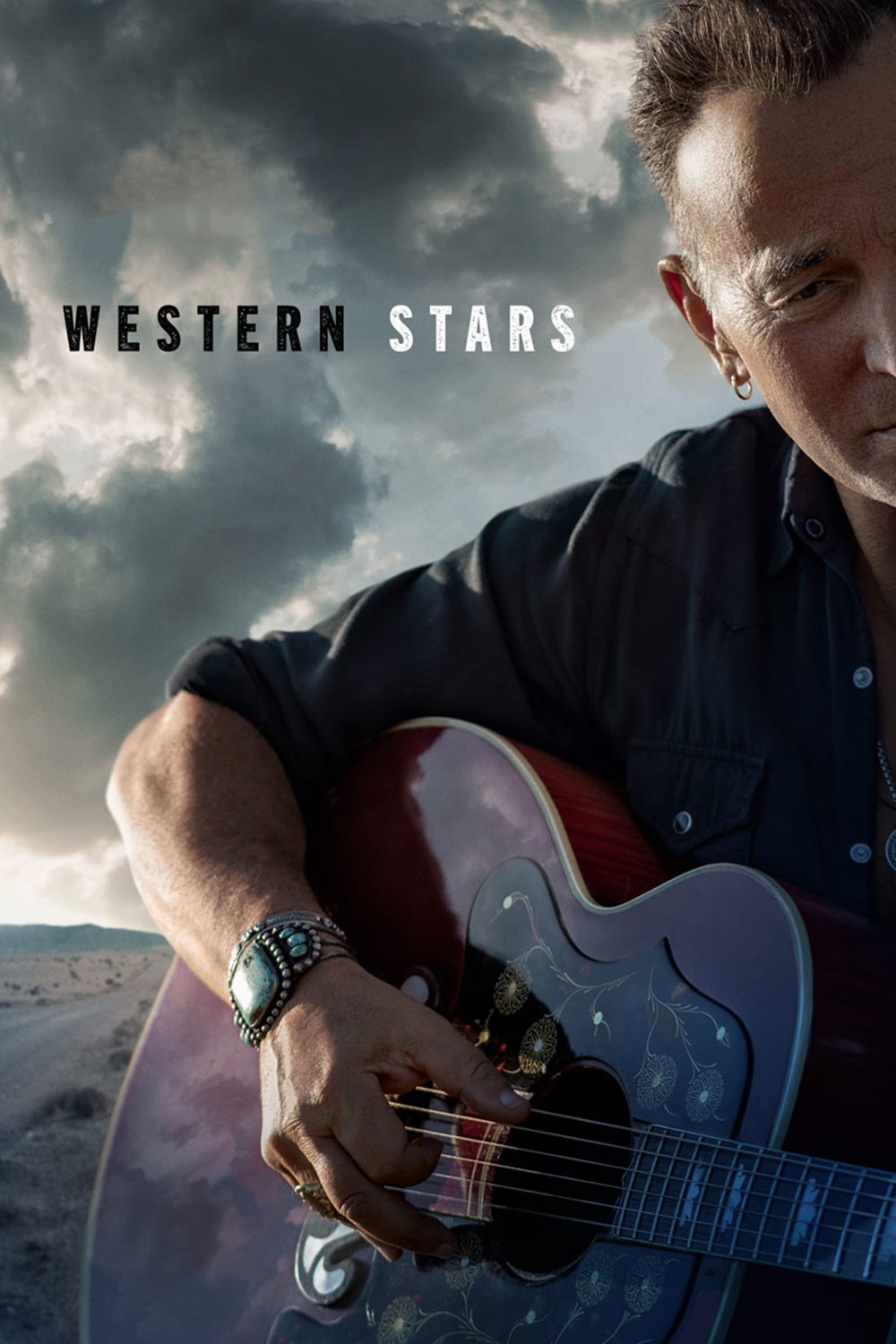
The incomparable Bruce Springsteen performs his critically acclaimed latest album and muses on life, rock, and the American dream, in this intimate and personal concert film co-directed by Thom Zimny and Springsteen himself.
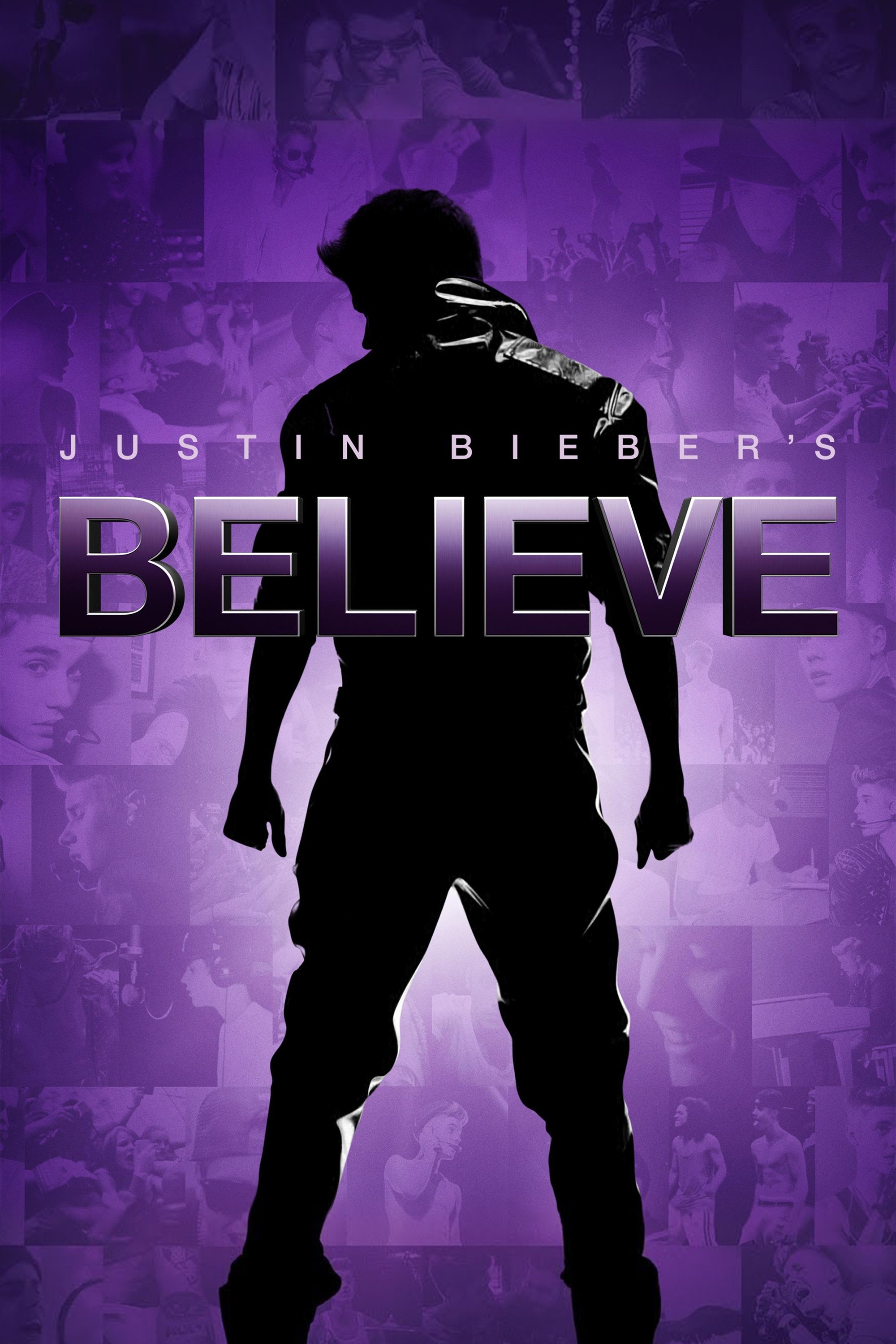
A backstage and on-stage look at Justin Bieber during his rise to super stardom.
A primetime special with performances from the superstar including Adele’s first new material in six years plus her chart-topping hits. The special will also feature an exclusive interview with Adele by Oprah Winfrey from her rose garden, in Adele’s first televised wide-ranging conversation.
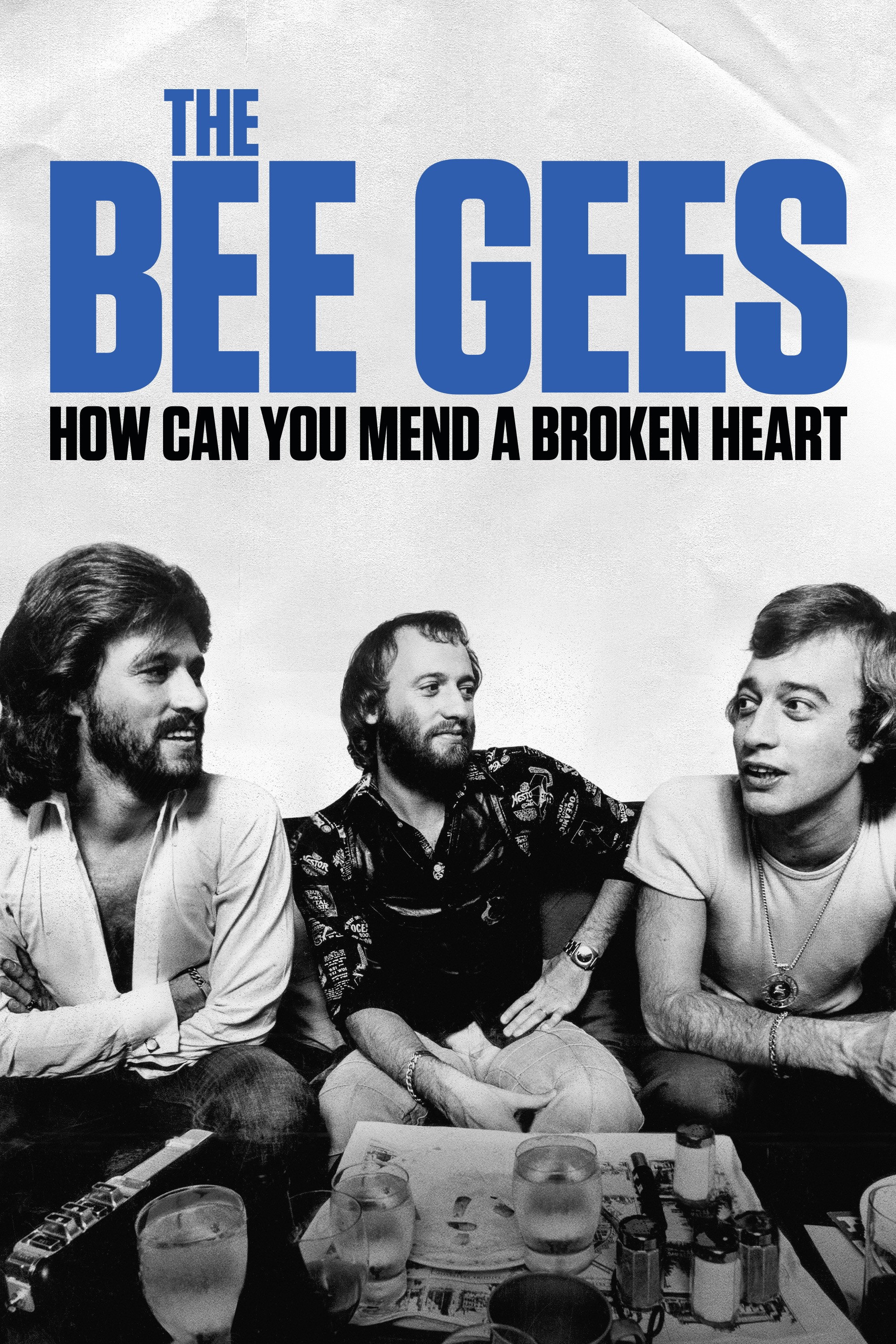
The story of the triumphs and hurdles of brothers Barry, Maurice, and Robin Gibb, otherwise known as the Bee Gees. The iconic trio, who found early fame in the 1960s, went on to write over 1,000 songs and have 20 No. 1 hits throughout their career, transcending more than five decades of changing tastes and styles.
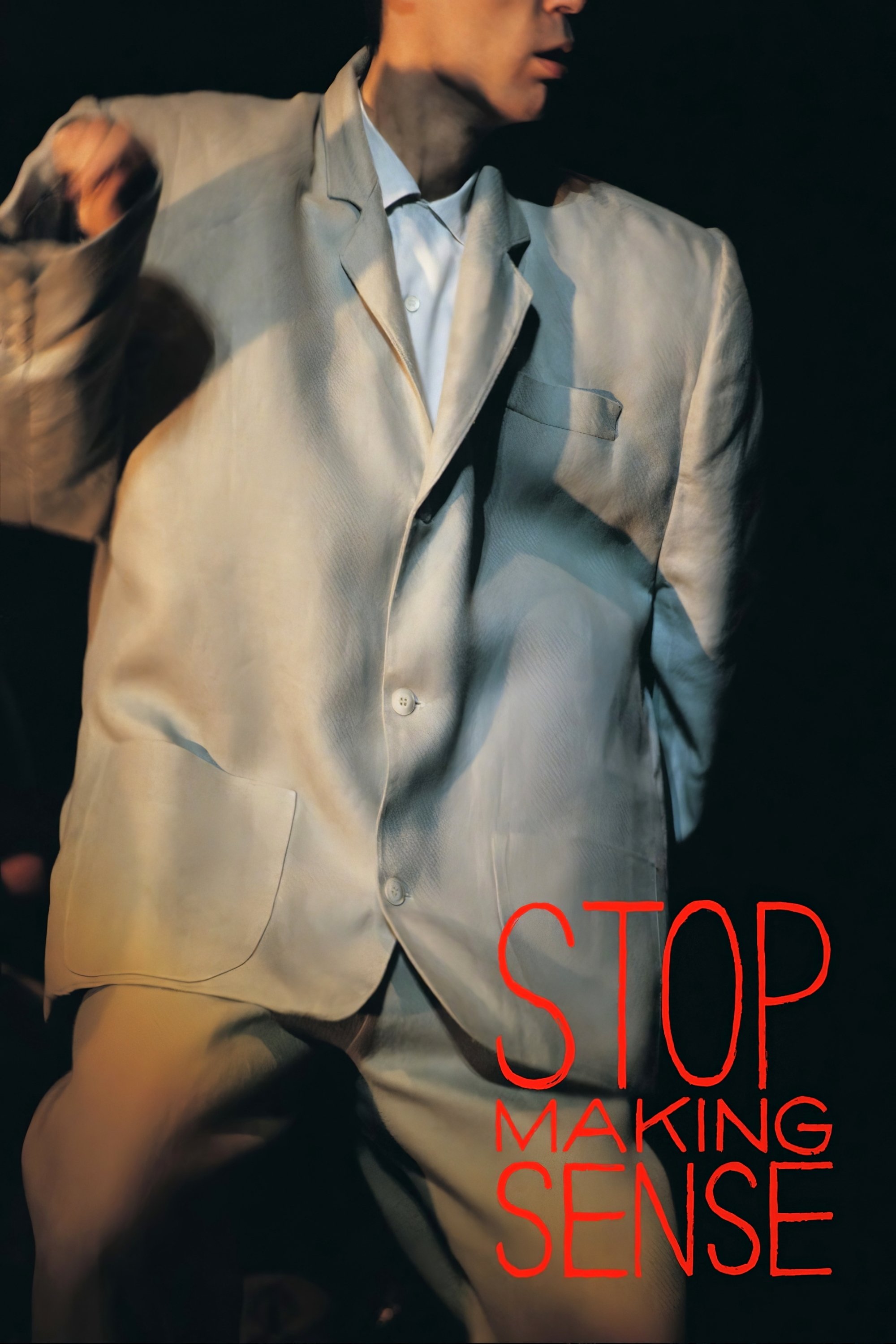
A concert film documenting Talking Heads at the height of their popularity, on tour for their 1983 album "Speaking in Tongues." The band takes the stage one by one and is joined by a cadre of guest musicians for a career-spanning and cinematic performance that features creative choreography and visuals.
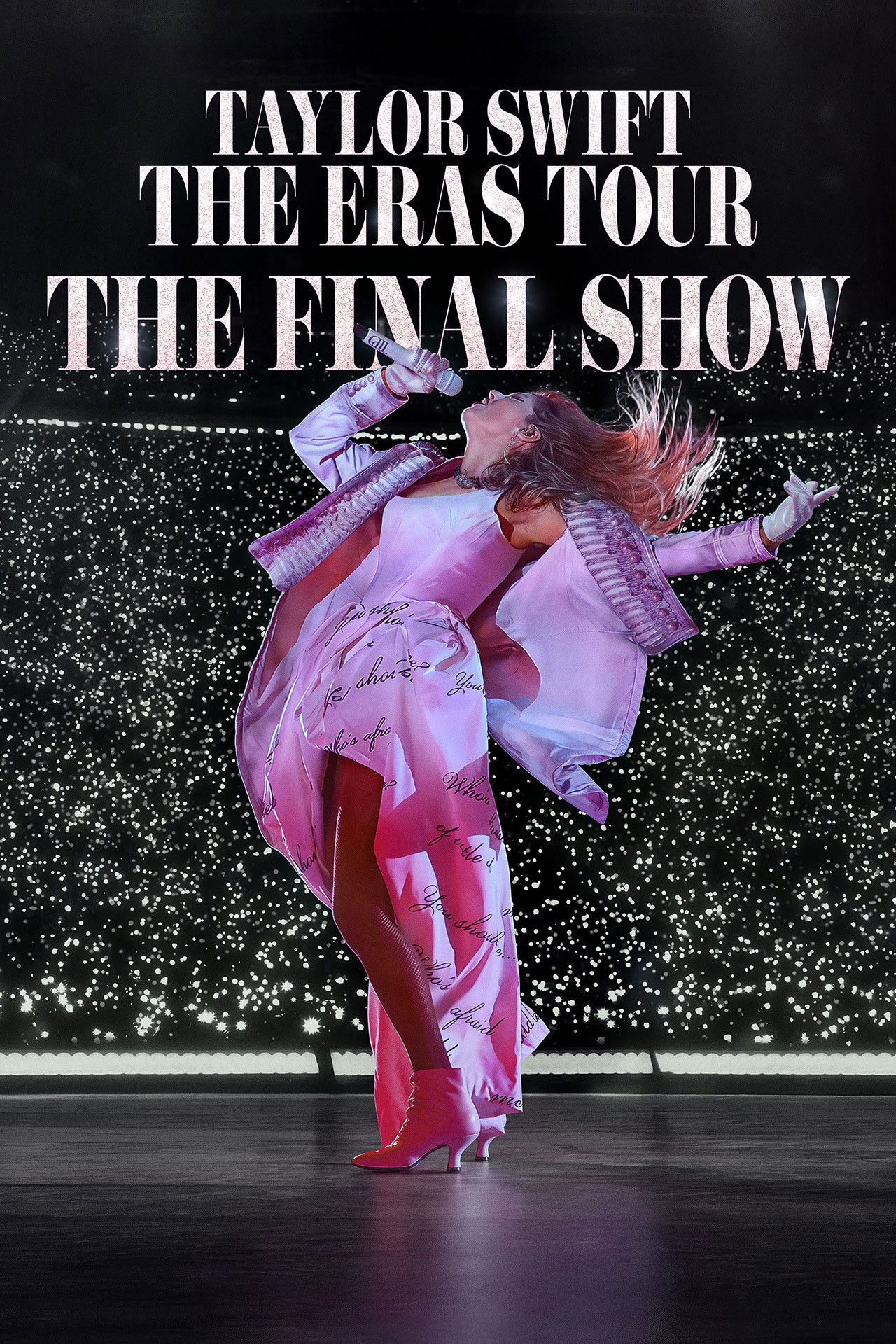
Filmed at the end of the tour in Vancouver, B.C., with the entire Tortured Poets Department set.
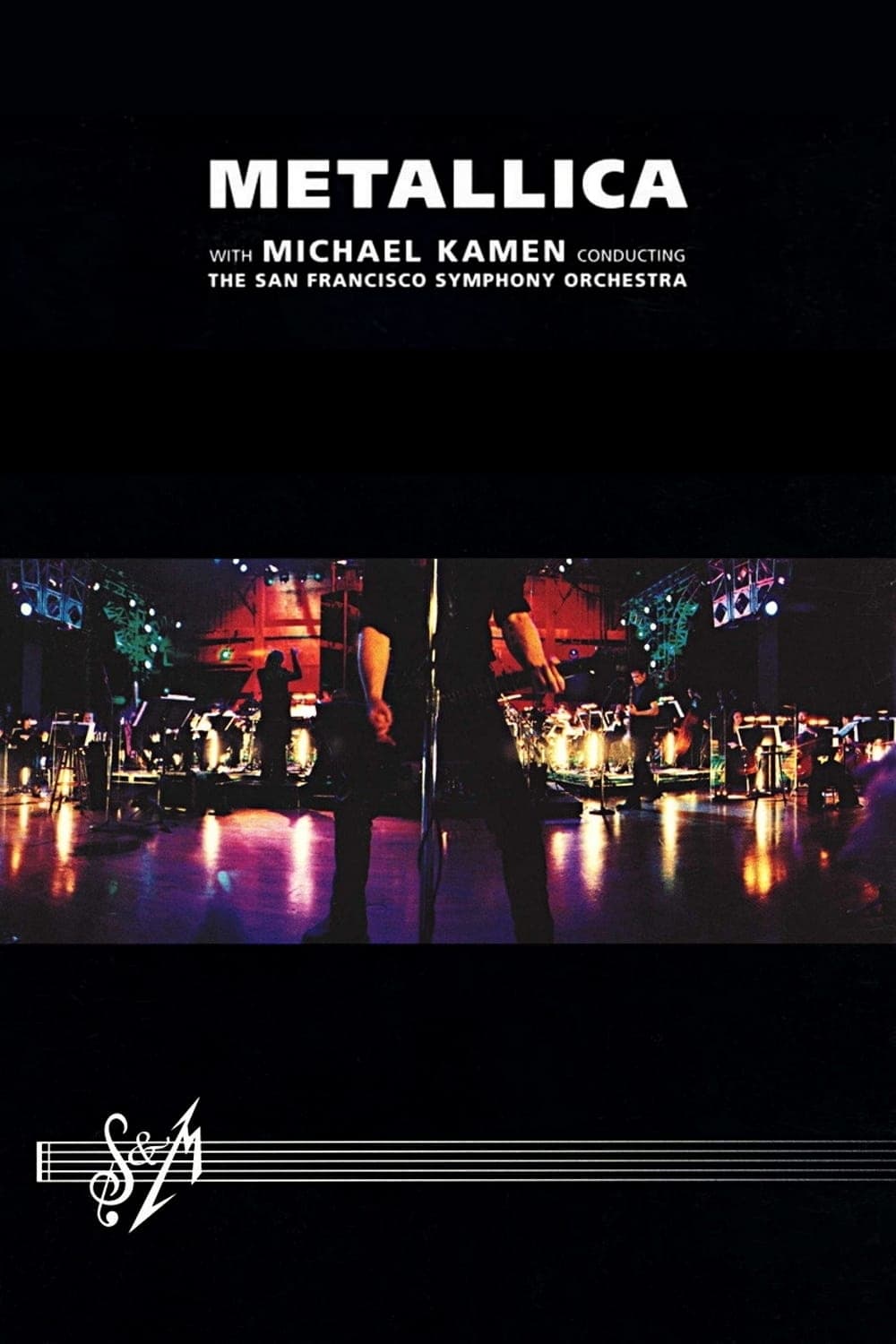
Michael Kamen conducts the San Francisco Symphony Orchestra in support of metal rockers Metallica in this 1999 concert performance.
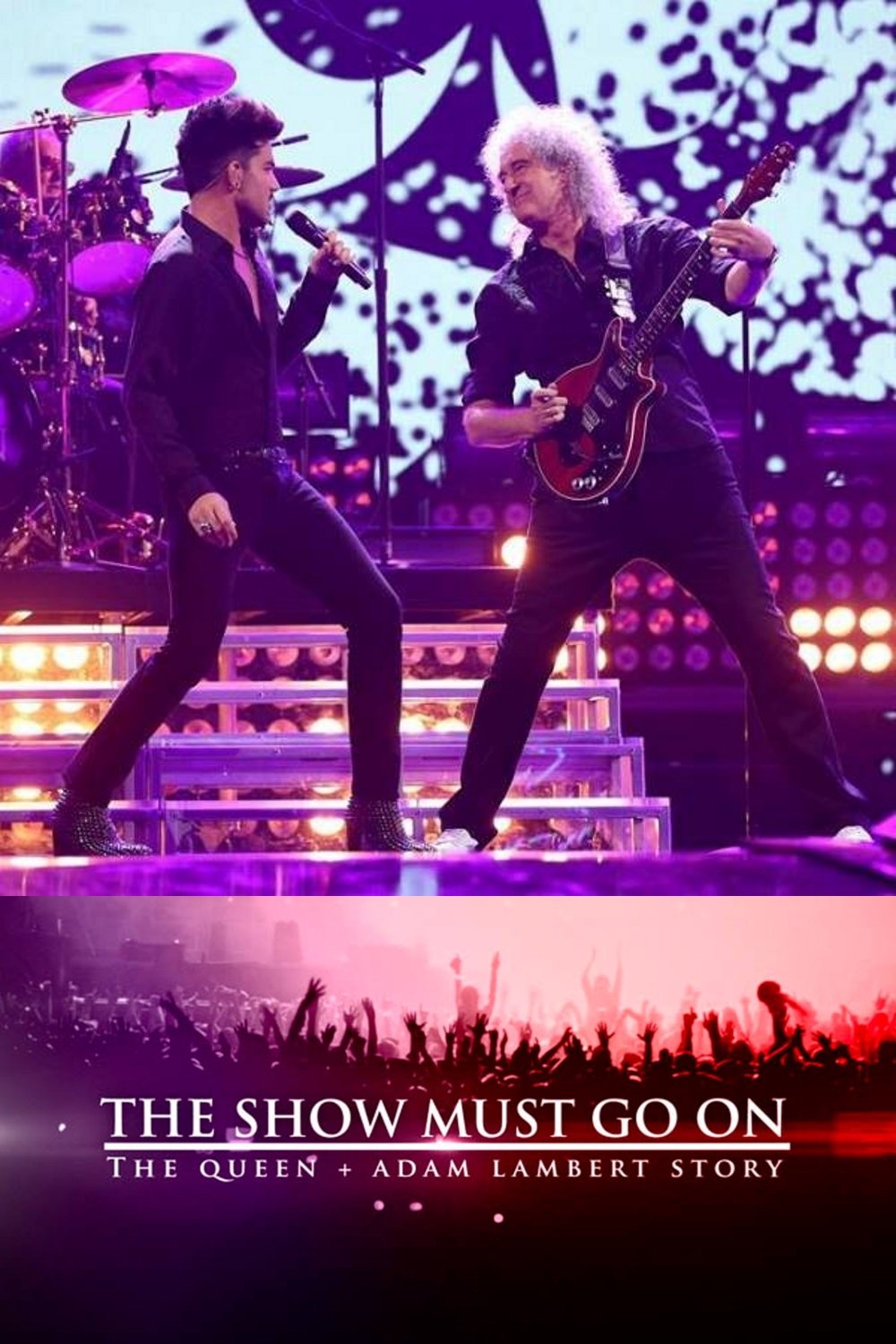
A documentary chronicling Queen and Lambert's incredible journey since they first shared the stage together on "American Idol" in 2009.
A unique cinematic experience that invites audiences on a vibrant journey through the life of cultural icon Pharrell Williams. Told through the lens of LEGO® animation, turn up the volume on your imagination and witness the evolution of one of music's most innovative minds.
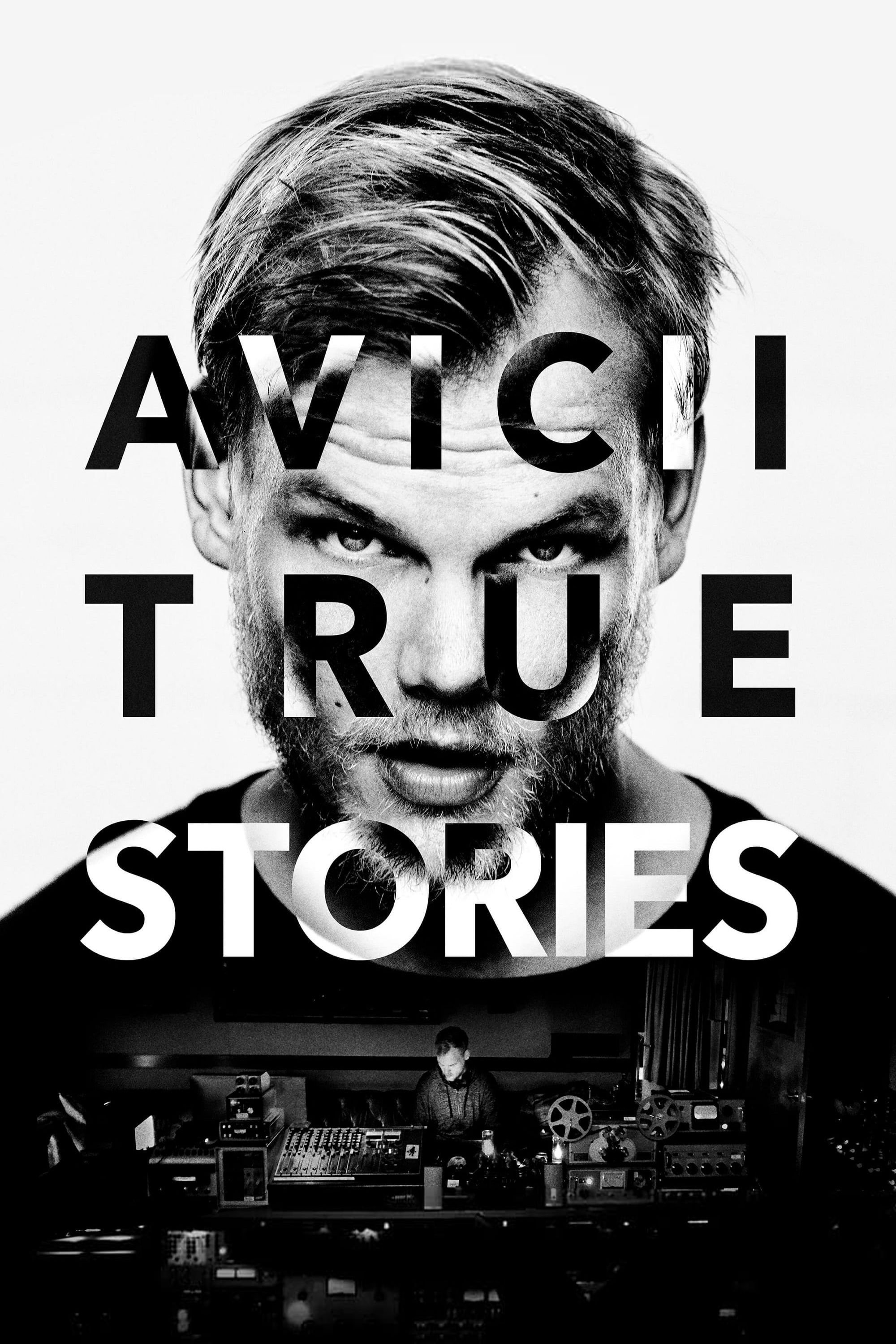
Documentary about the arena-packing Swedish DJ, chronicling his explosive rise to fame and surprising decision to retire from live performances in 2016.