Social & External
The people behind it
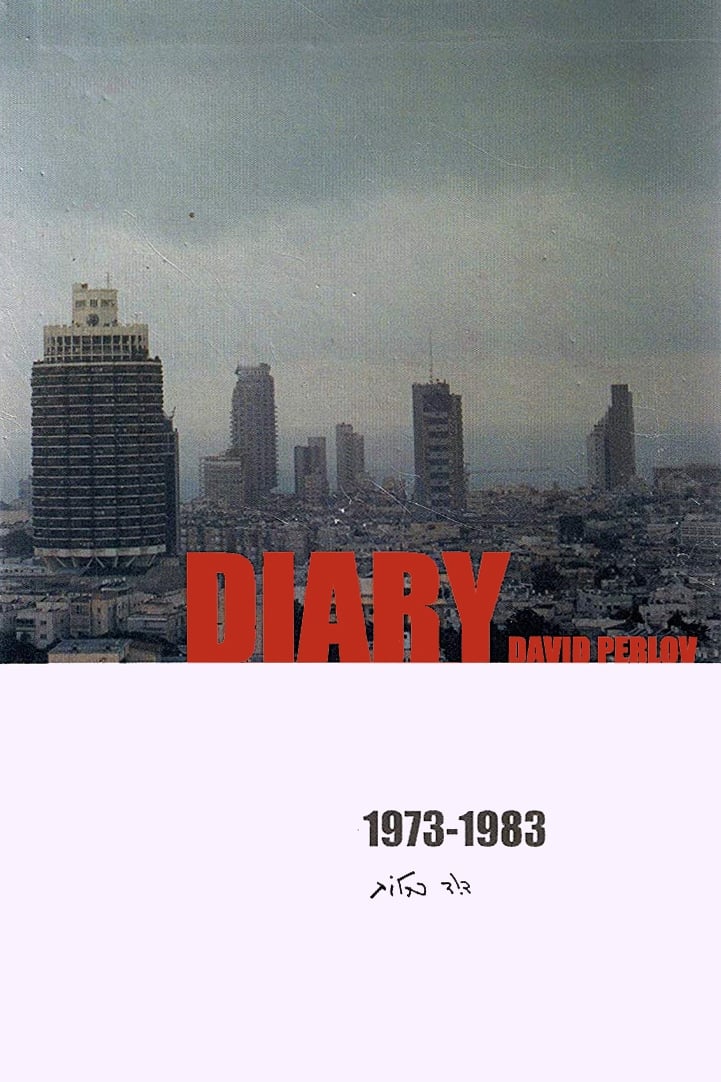
A film diary in which Perlov films the minutiae of his and his family's day-to-day life. From these small bits, he builds up a broad picture of life in Israel in the '70s and '80s.
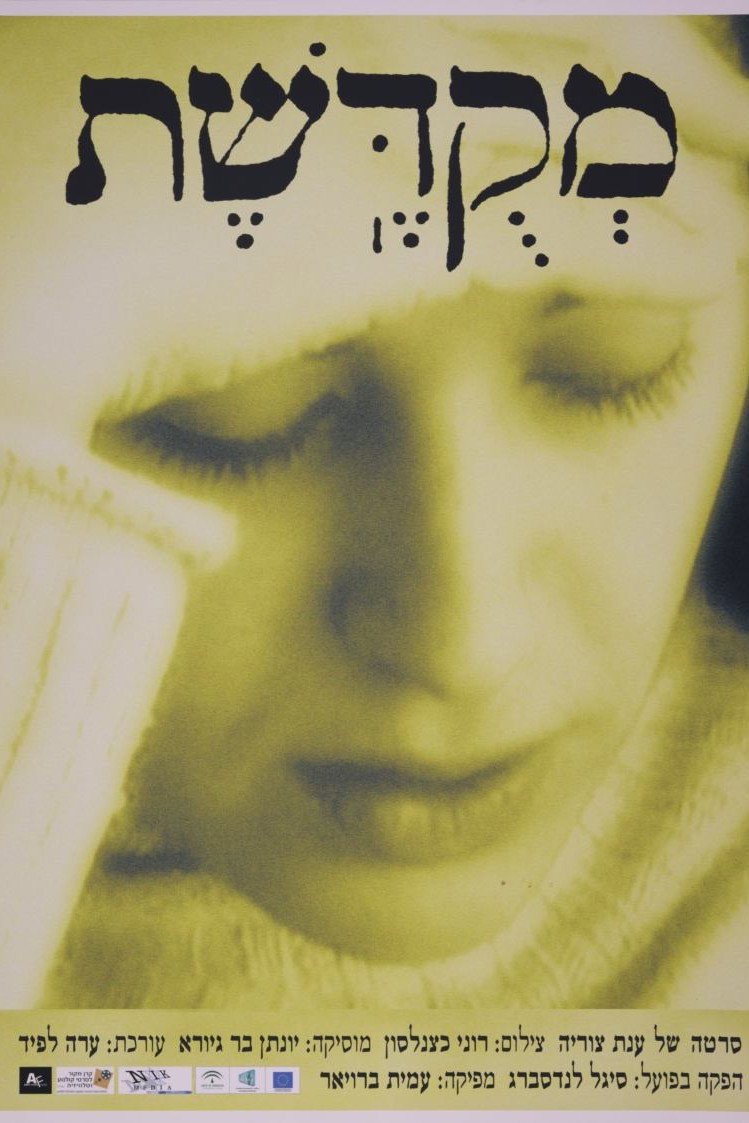
A documentary focusing on the stories of three Israeli women seeking a divorce through religious courts.
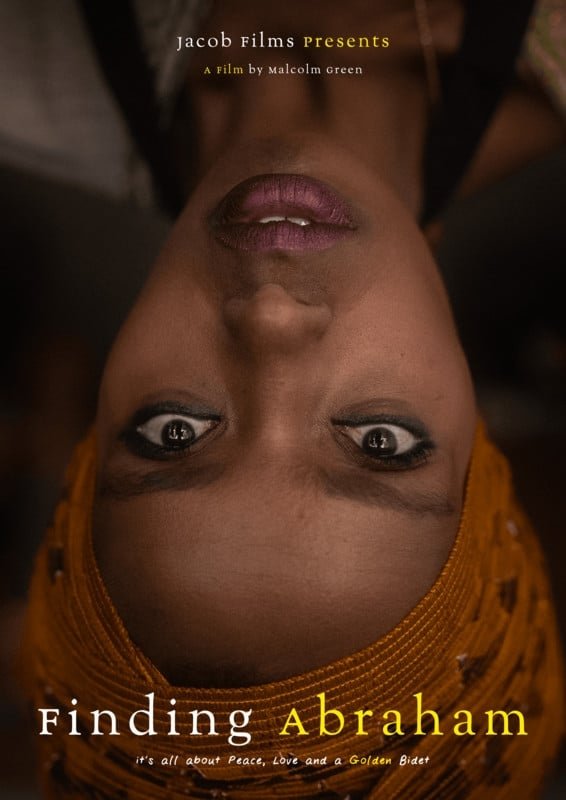
A group of young Arabs and Israelis join together for road trip across the desert. In the wake of recent Peace Agreements between their countries, they’re on a journey to find Abraham, offering an honest, open, challenging, unconventional insight into a peace process that, rooted in Religious conflict, is as much about profits as prophets.
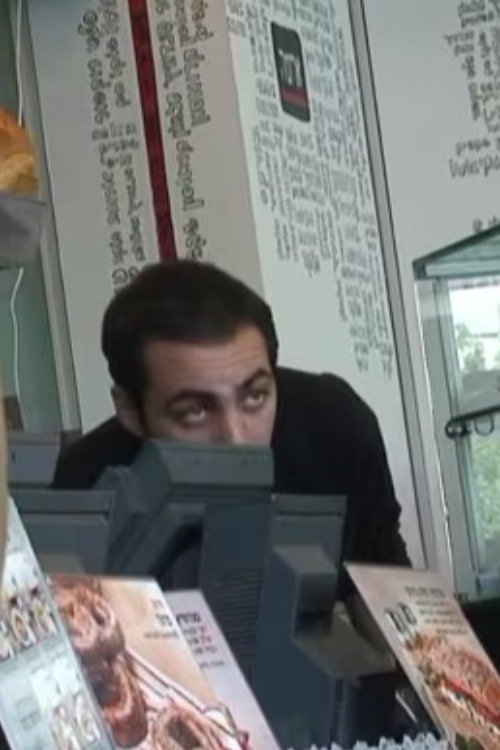
Foreign Names focuses on the worker displacement in a compilation of video clips from Aroma, a coffee shop chain. Ben-Ner’s video shows counter staff at the coffee shops yelling nonsensical English “names,” fabricated and given to them by the artist. The texts edited together become a lament of the waiters’ disappearance and the state of workers today.
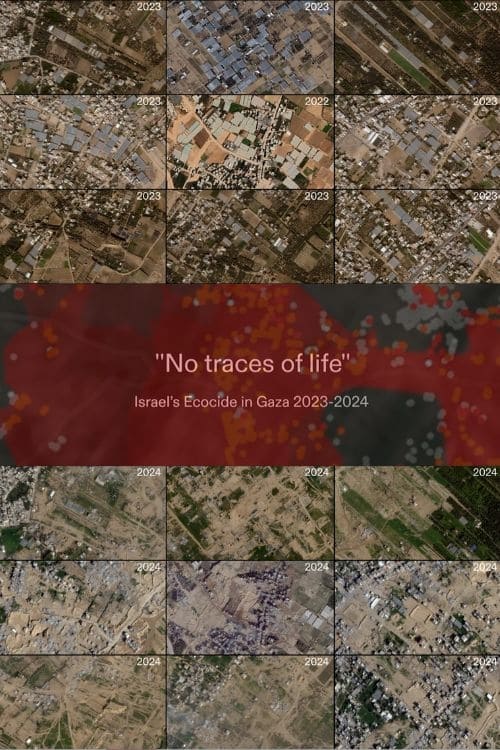
Building on Forensic Architecture’s previous investigation into herbicidal warfare and its effects on Palestinian farmers along the eastern perimeter of the occupied Gaza Strip, this investigation marks Land Day in Palestine by examining the systematic targeting of orchards and greenhouses by Israeli forces since October 2023. Our analysis reveals that this destruction is a widespread and deliberate act of ecocide that has exacerbated the ongoing catastrophic famine in Gaza and is part of a wider pattern of deliberately depriving Palestinians of critical resources for survival.
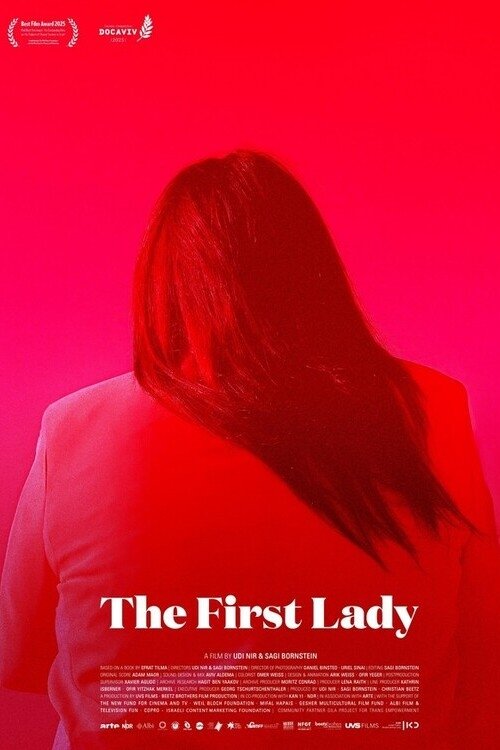
Fearing for her life, Israeli transgender pioneer Efrat Tilma fled the country as a teenager. Now in her seventies, she must fight for her freedom once again, as the country spirals into political and social regression.
A short documentary about urban planning and the harmonisation of old and new building elements in Jerusalem of the 1970's, led by the architect Moshe Safdie.
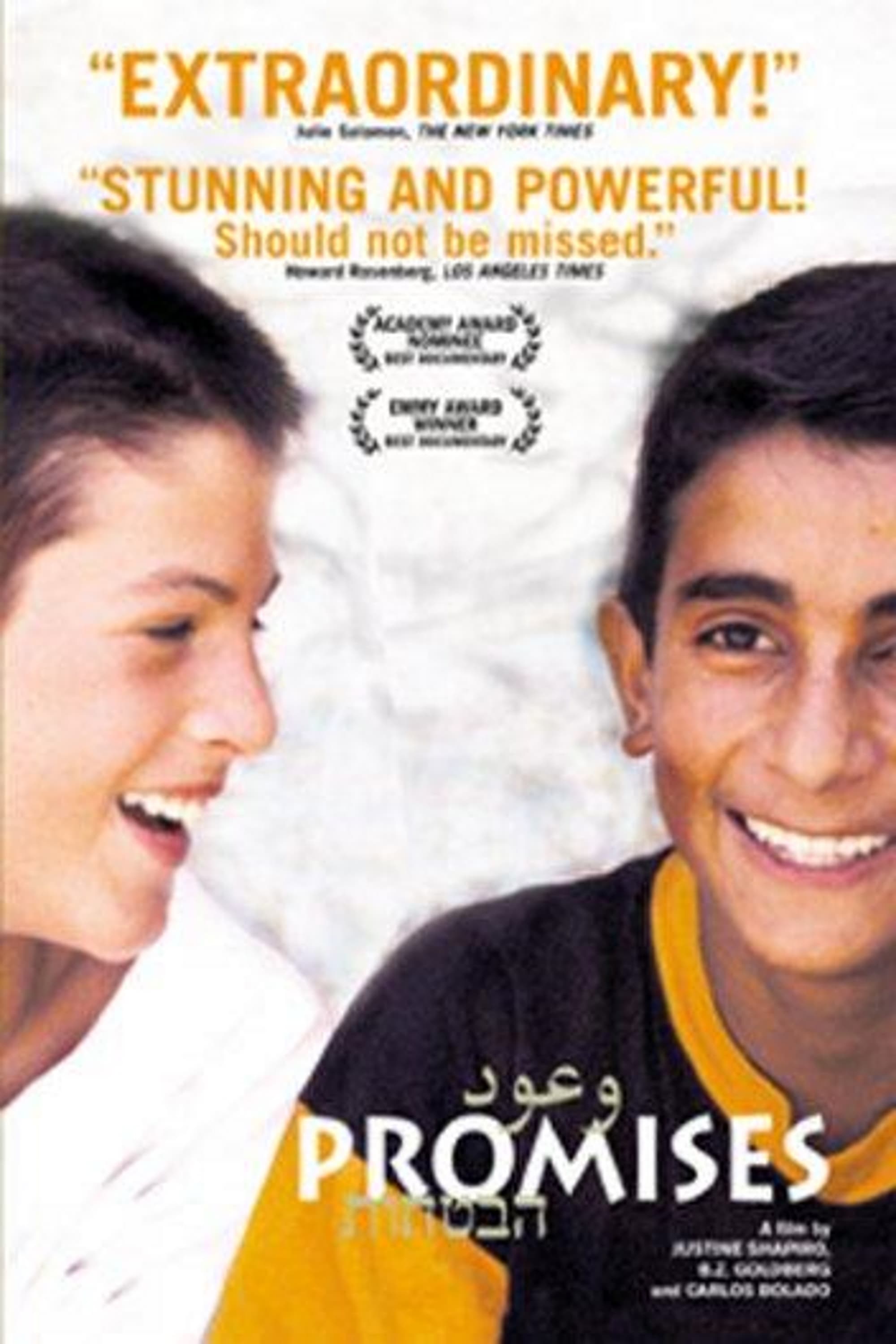
Documentarians Justine Shapiro and B.Z. Goldberg traveled to Israel to interview Palestinian and Israeli kids ages 11 to 13, assembling their views on living in a society afflicted with violence, separatism and religious and political extremism. This 2002 Oscar nominee for Best Feature Documentary culminates in an astonishing day in which two Israeli children meet Palestinian youngsters at a refugee camp.
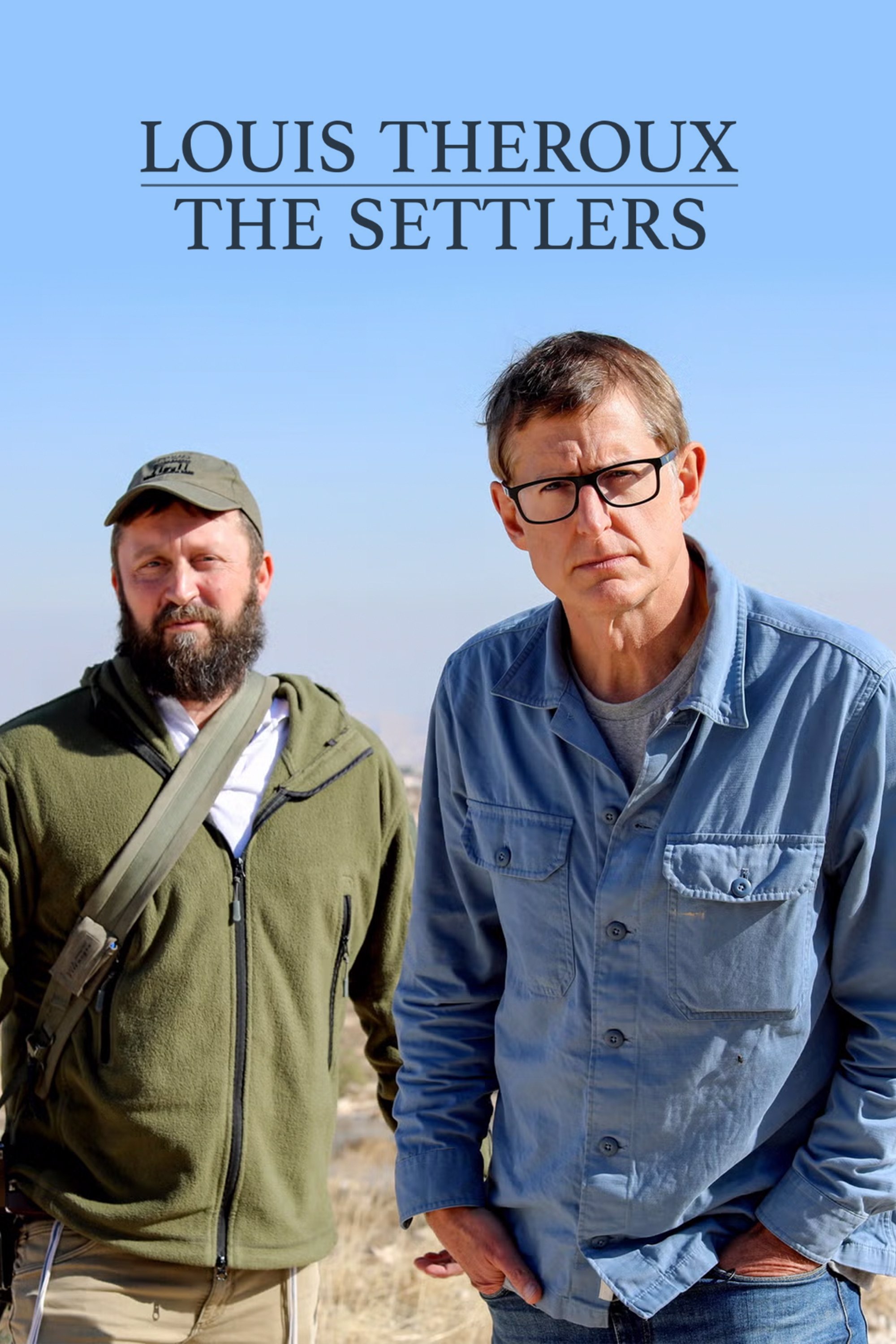
Fourteen years after his first visit, Louis Theroux meets some of the growing community of religious-nationalist Israelis who have settled in the occupied West Bank.
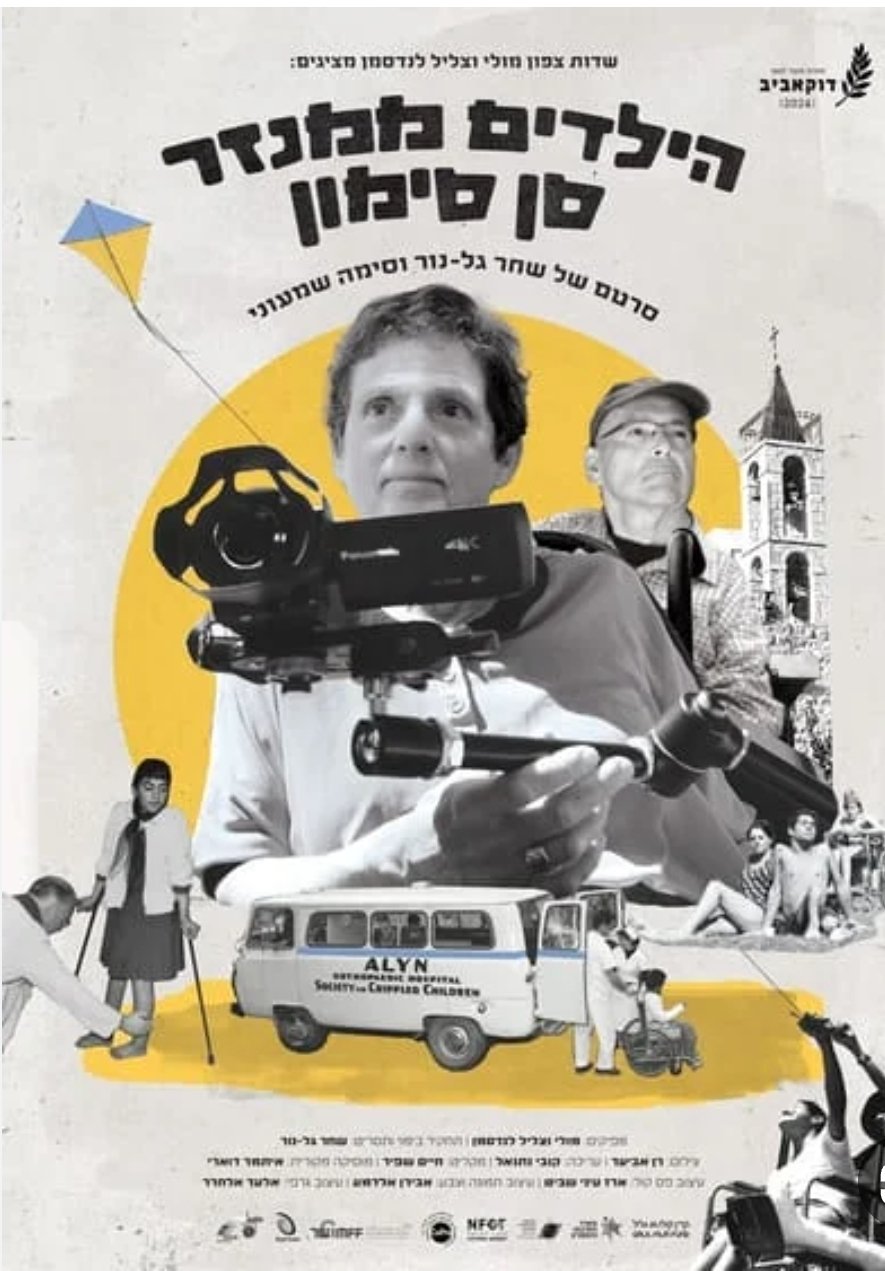
Sima Shimony, age 69, embarks on a mission to find her friends and staff from the "ALYN" Institute for Children with Disabilities, which was situated in the secluded San-Simon monastery in Jerusalem, during the 1960s. Armed with a small camera attached to her wheelchair, she sets off on a journey across the country together with her friend Pini Newirth, also a polio child, to unfold and reclaim the story of the children affected by the Polio epidemic. In a futile attempt to rebuild their bodies so they could walk, the children were subjected to excruciating medical procedures with no parents or family at their side. But growing up together forged a group of remarkable, self-driven women and men with disabilities who eventually launched the Disability Rights movement in Israel.
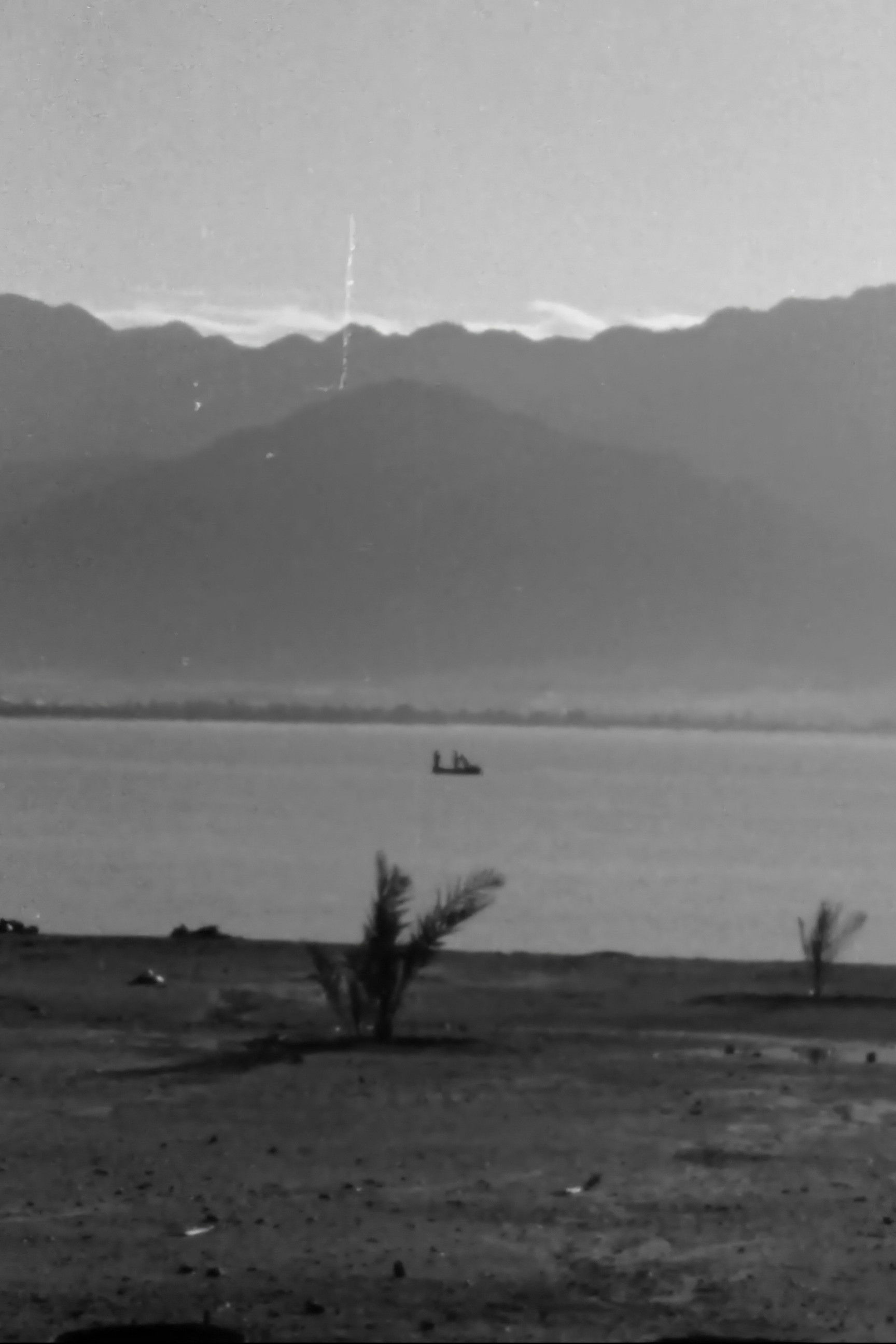
Between the mountains of Edom and the Red Sea, the younger and older workers of the United Kibbutz Brigade positioned themselves in order to build and settle the city of Eilat. Under the leadership of Beni Marshak, the organization’s secretaries are exploring the possibility of establishing permanent structures while supervising British activities in the area. Meanwhile, in the brigade camp, meals are being prepared and clothes are being thoroughly washed by the dedicated female brigade members. The brigade members take on tasks for the preparation of the settlement, in carpentry, fishing, planting gardens and orchards, and in the construction work of a Solel Boneh. The 12th grade students from the Kibbutzim come to be impressed by the pioneering work in the city.
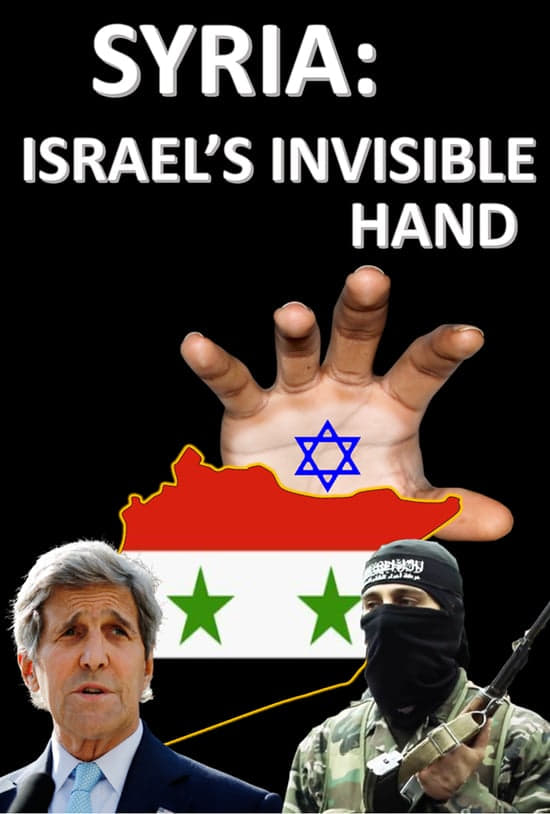
A horrible six year conflict befell Syria with a multitude of factions fighting for territories backed by a score of foreign players. The script for war as with Iraq in 2003 originated with Zionist partisans with Israeli interests in mind. From Oded Yinon to the Israeli "Clean Break" papers, the Zionist regime made it very clear what their intentions were in Iraq and Syria. American mass media had a uniform message that "Assad must go" for years until the Trump administration took power. In Iraq, after the US made it clear that they did not back Kurdish secession and would not give them air support, the Iraqi forces chased out the Peshmerga in a mere 36hrs. The world must know that the US was dragged into these conflicts via Israeli pressure and deceptions.
The inauguration ceremony of the monument to the victims of the Harel Brigade of the Palmach during the War of Independence in the cemetery in Kiryat Anavim. A glimpse into the work of the fishermen of Kibbutz Nachsholim on their ship Nachshol, sailing towards the fishing grounds off the coast of Turkey. A veterinarian performs surgery and removes nails and glass from a cow’s stomach. And finally, a request not to throw away cigarette waste where it could cause a fire.
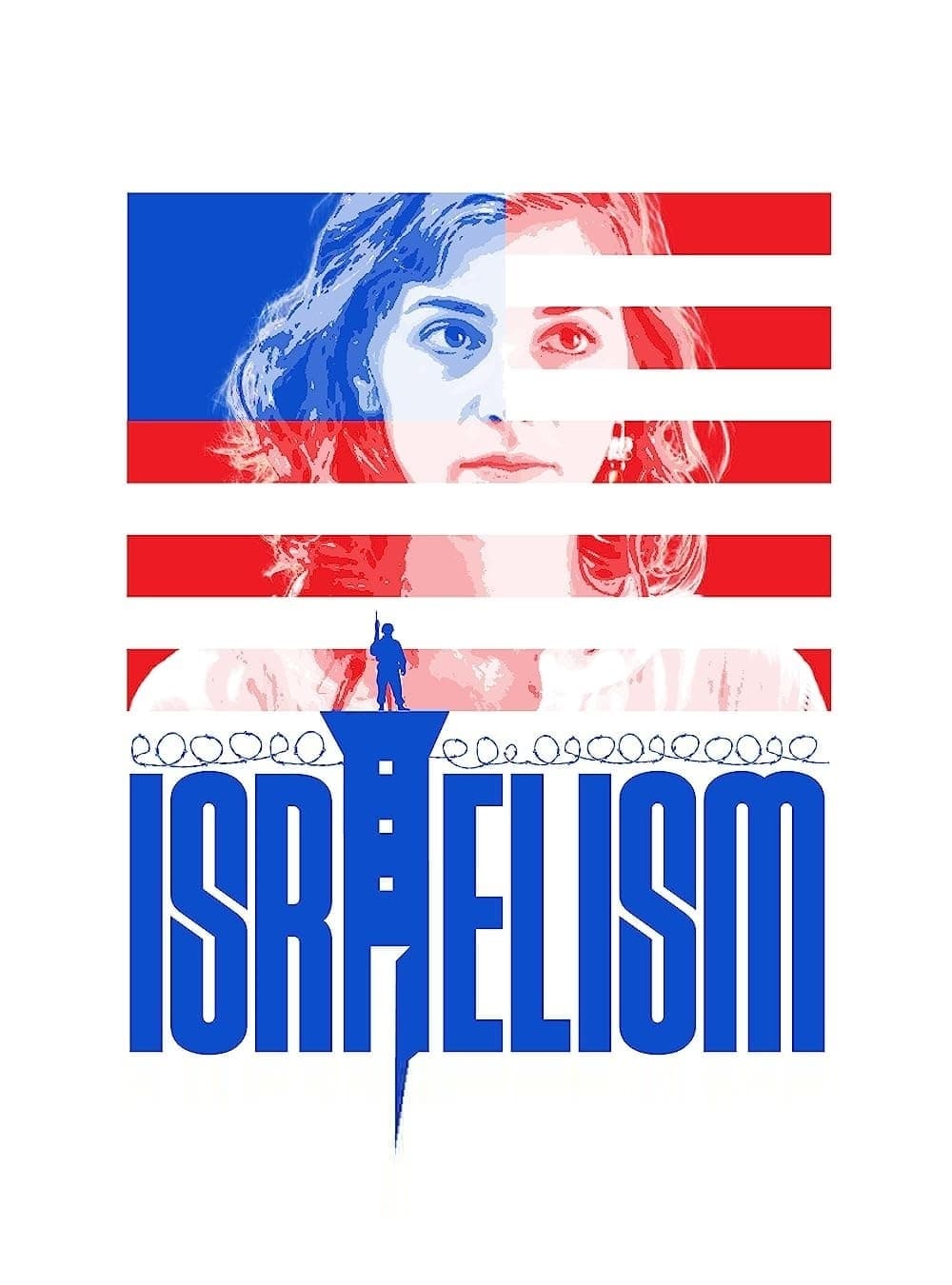
When two young American Jews raised to unconditionally love Israel witness the mistreatment of Palestinians, they battle the old guard to create a new movement opposing Israel’s occupation, and recentering Judaism itself.
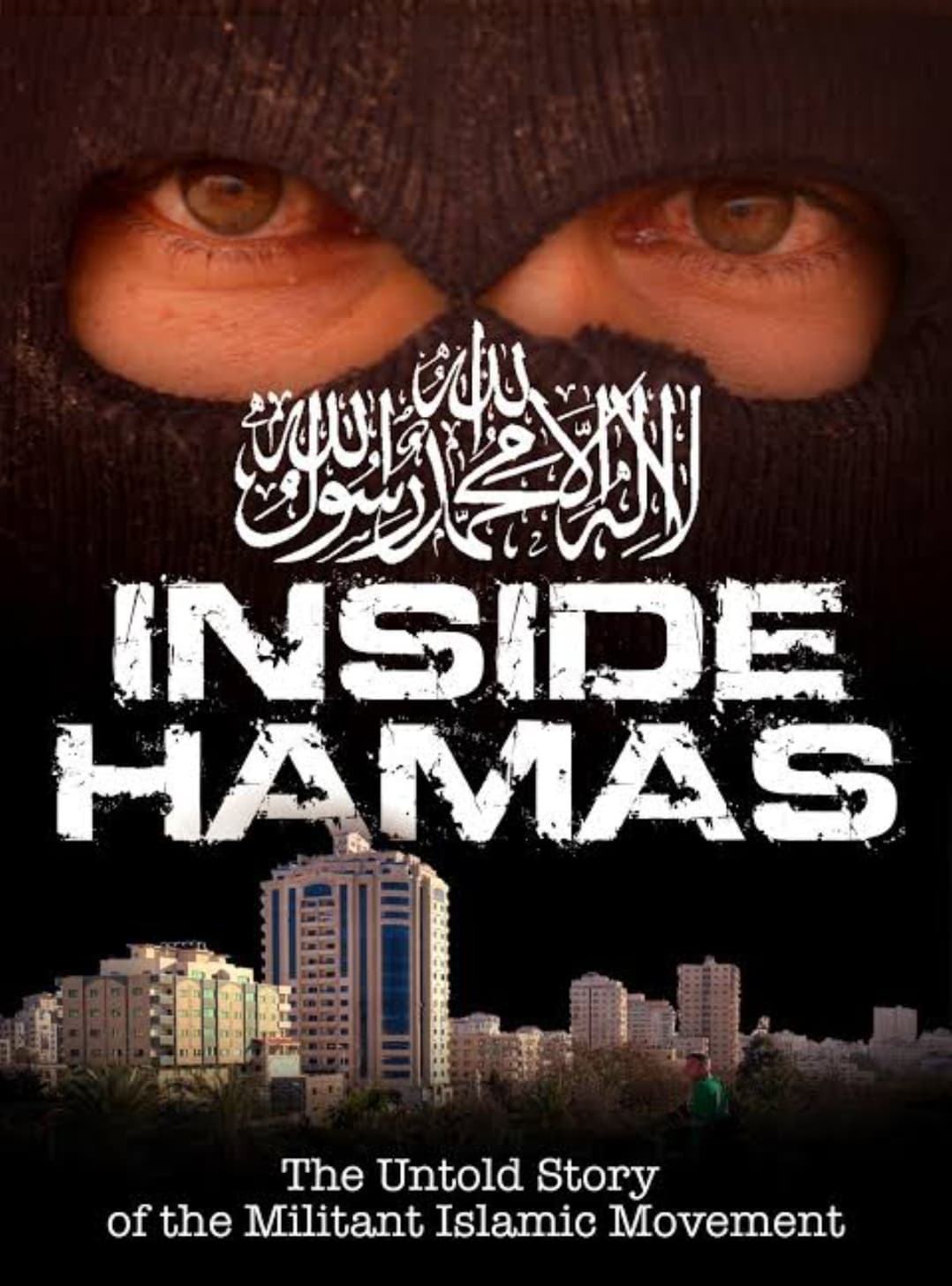
What is the reality of daily life in Gaza, along the border of Israel? Can the religious organization of Hamas, rivals to the PLO, move from international pariah to meaningful political player with citizens' interests at heart? Developed over two years and with unprecedented access to this 'terrorist' organization, this documentary uncovers the deeper issues defining life in Gaza under Hamas.
Kibbutz Ein Harod hosts the 18th conference of the United Kibbutz. It is attended by representatives of the kibbutzim, Prime Minister David Ben-Gurion, and representatives of the government and the Knesset.
Documentation of the innovative and strange agricultural technology in Kibbutz Hulata, footage from the dining room in Givat Brenner and the pantomime show based on it, and documentation of the twins’ conference of “The Kibbutz Family” exhibition in Tel Aviv.
The tenth annual camp of the members of the United Kibbutz in HaNoar HaOved VeHaLomed is set up in Tarshiha, where the youth of the kibbutz get up early for group activities and sports games, until night, when they dance around the fire. And in Naan, the mature members set up a court to hold a hearing, comparing municipal education and kibbutz education. Finally, the acceptance ceremony to the kibbutz takes place.
Brilliant, long in-the-works story of the life and art of the world's greatest comedian and the cinema's first genius, Charlie Chaplin. Produced, written and directed by renowned film critic Richard Schickel.
In an intimate and joyful story of love in the face of loss, celebrated poets Andrea Gibson and Megan Falley find strength—and unexpected hilarity—in what might be their final year together.
An inside look at one of the most anticipated movie sequels ever with James Cameron and cast.
A string of threatening emails escalates into a revenge plot involving a newly married US marshal and his ex-girlfriend.
The life and career of an actor, artist, and icon. His own journey through his own camera.
The life of Mr. Spock, as well as that of Leonard Nimoy, the actor who played him for almost fifty years, written and directed by his son: Adam.
The Making-of James Cameron's Avatar. It shows interesting parts of the work on the set.
Artists in LA discover the work of forgotten Polish sculptor Stanislav Szukalski, a mad genius whose true story unfolds chapter by astounding chapter.
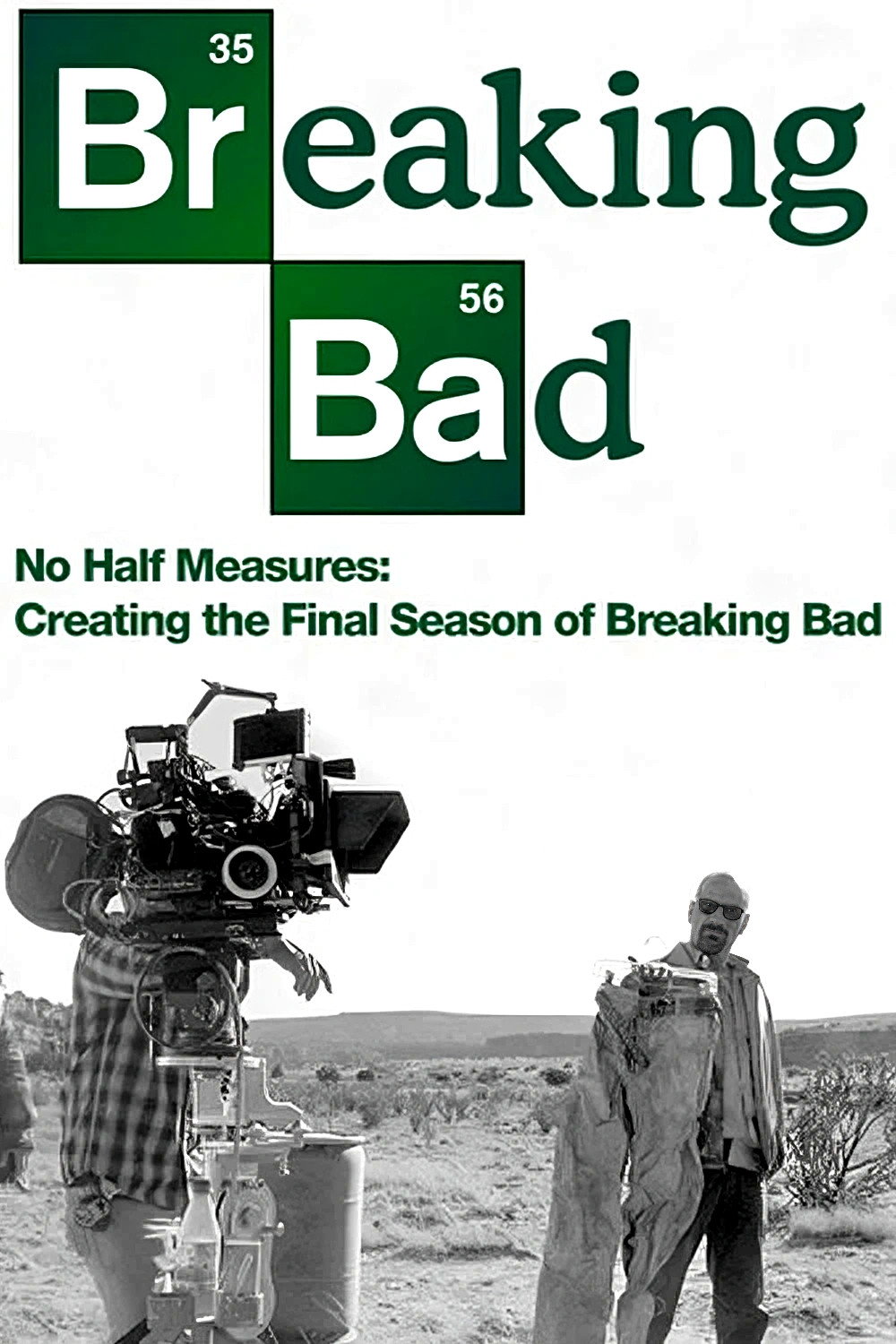
A documentary about the making of season five of the acclaimed AMC series Breaking Bad.
A detailing of the rise to prominence and global sporting superstardom of six supremely talented young Manchester United football players (David Beckham, Nicky Butt, Ryan Giggs, Paul Scholes, Phil and Gary Neville). The film covers the period 1992-1999, culminating in Manchester United's European Cup triumph.
Through deeply personal interviews with her siblings and an examination of the photographs, letters, and belongings left behind, Mariska assembles a new portrait of her mother Jayne Mansfield, an extraordinary and complex woman.
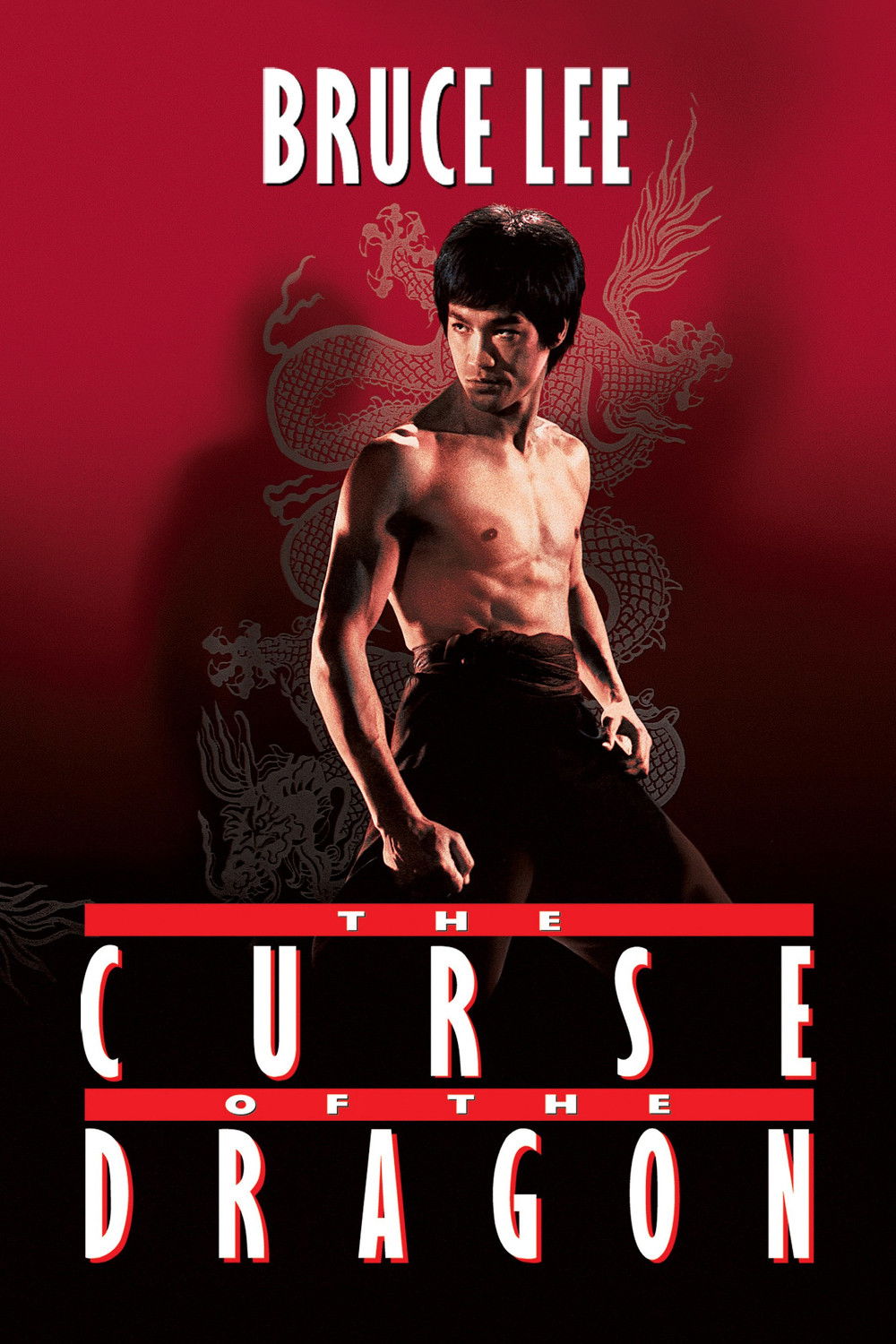
A 1993 documentary film about Bruce Lee. The film includes interviews from some of his fellow students and opponents who worked alongside him in his movies.
A documentary about the life and films of director John Ford.
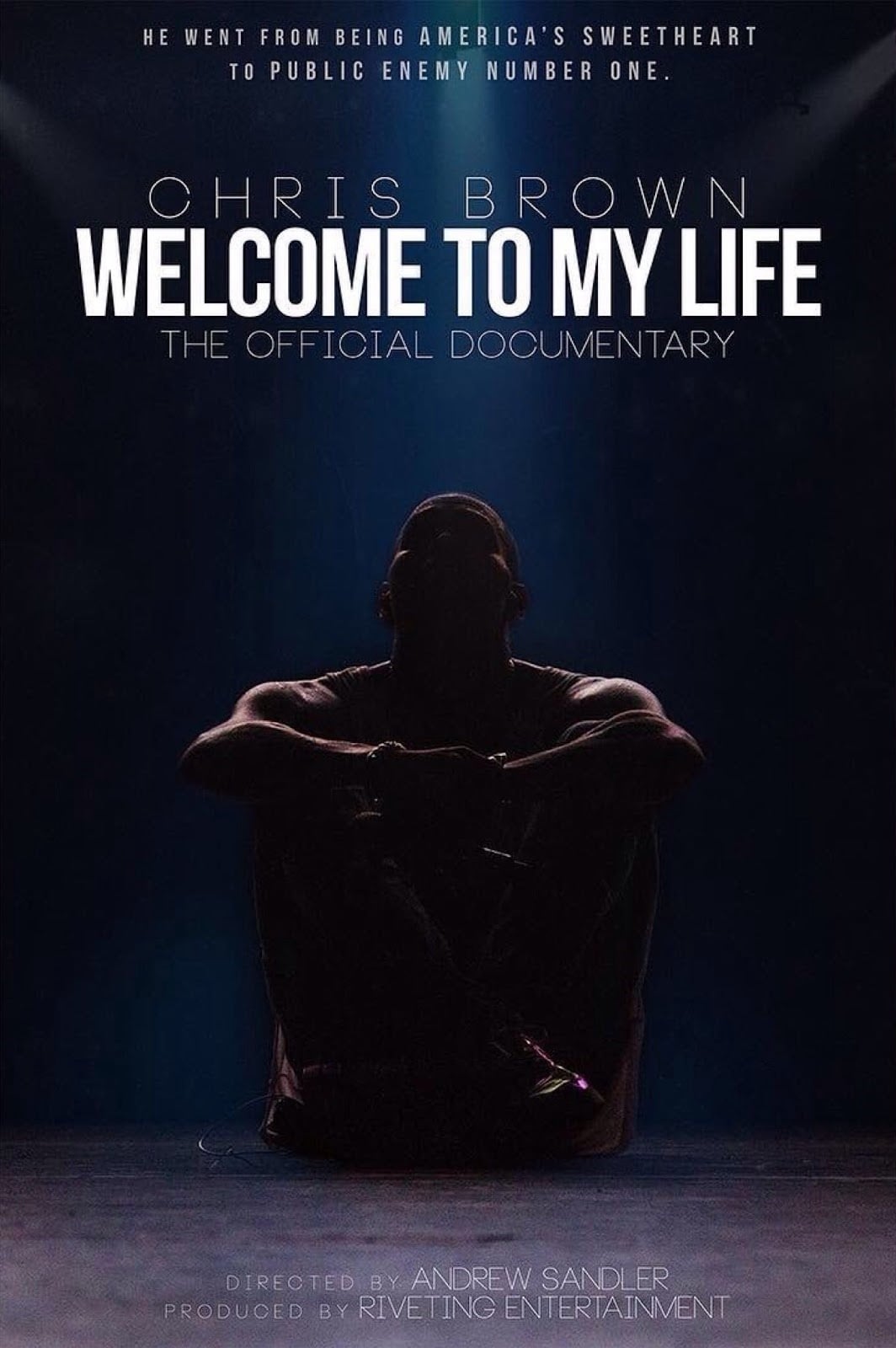
This compelling Documentary moves beyond the spotlight and past the attention-grabbing headlines to give pop superstar Chris Brown a chance to tell his own story. New interviews with the international phenomenon reveal long-awaited answers about his passion for making music, his tumultuous and much publicized relationships, and the pitfalls of coming of age in the public eye. Also included is new concert footage, behind-the-scenes access, and special interviews from Usher, Jennifer Lopez, DJ Khaled, Mike Tyson, Jamie Foxx and others.
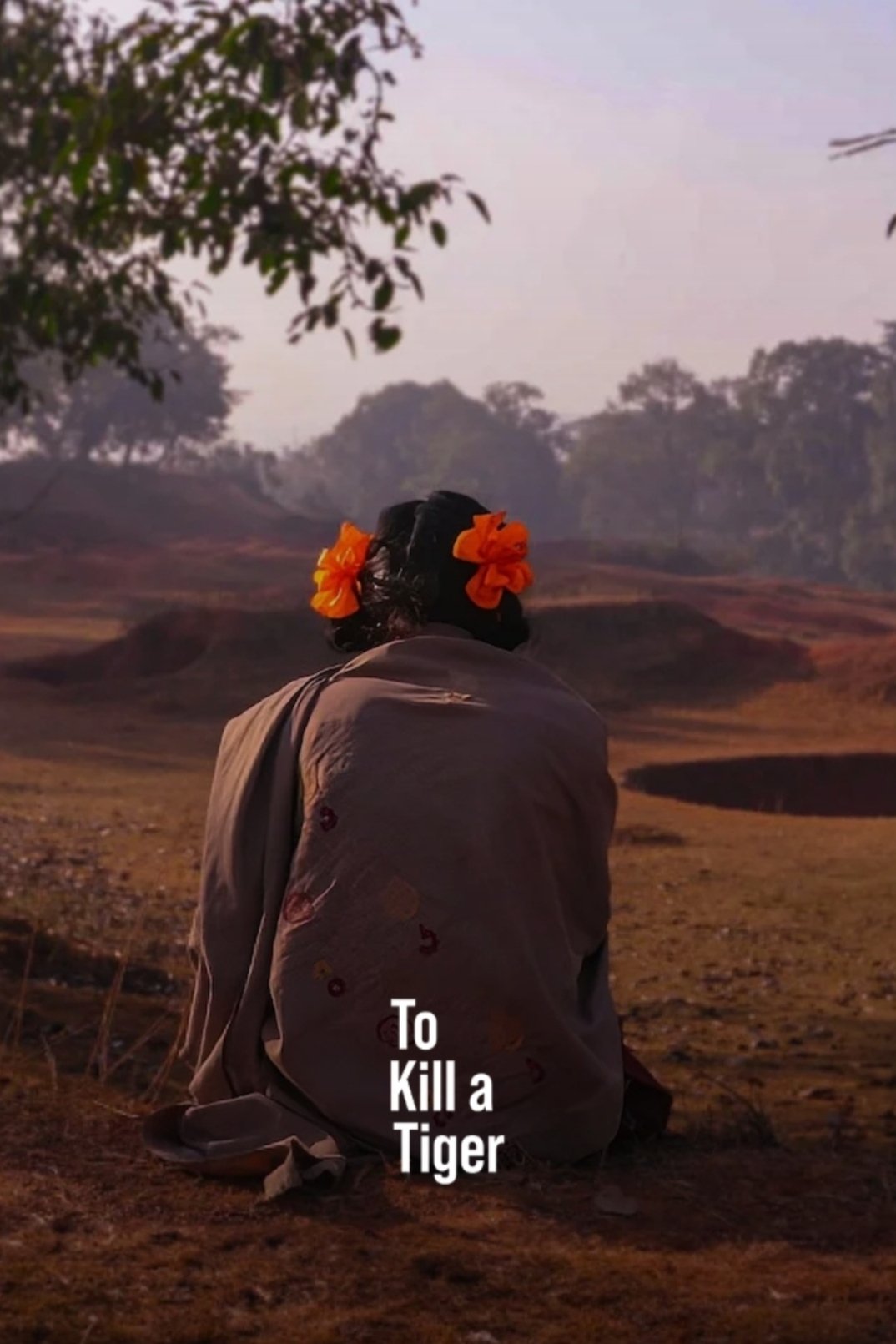
Ranjit, a farmer in India, takes on the fight of his life when he demands justice for his 13-year-old daughter, the victim of a brutal gang rape. His decision to support his daughter is virtually unheard of, and his journey unprecedented.
A visual montage portrait of our contemporary world dominated by globalized technology and violence.
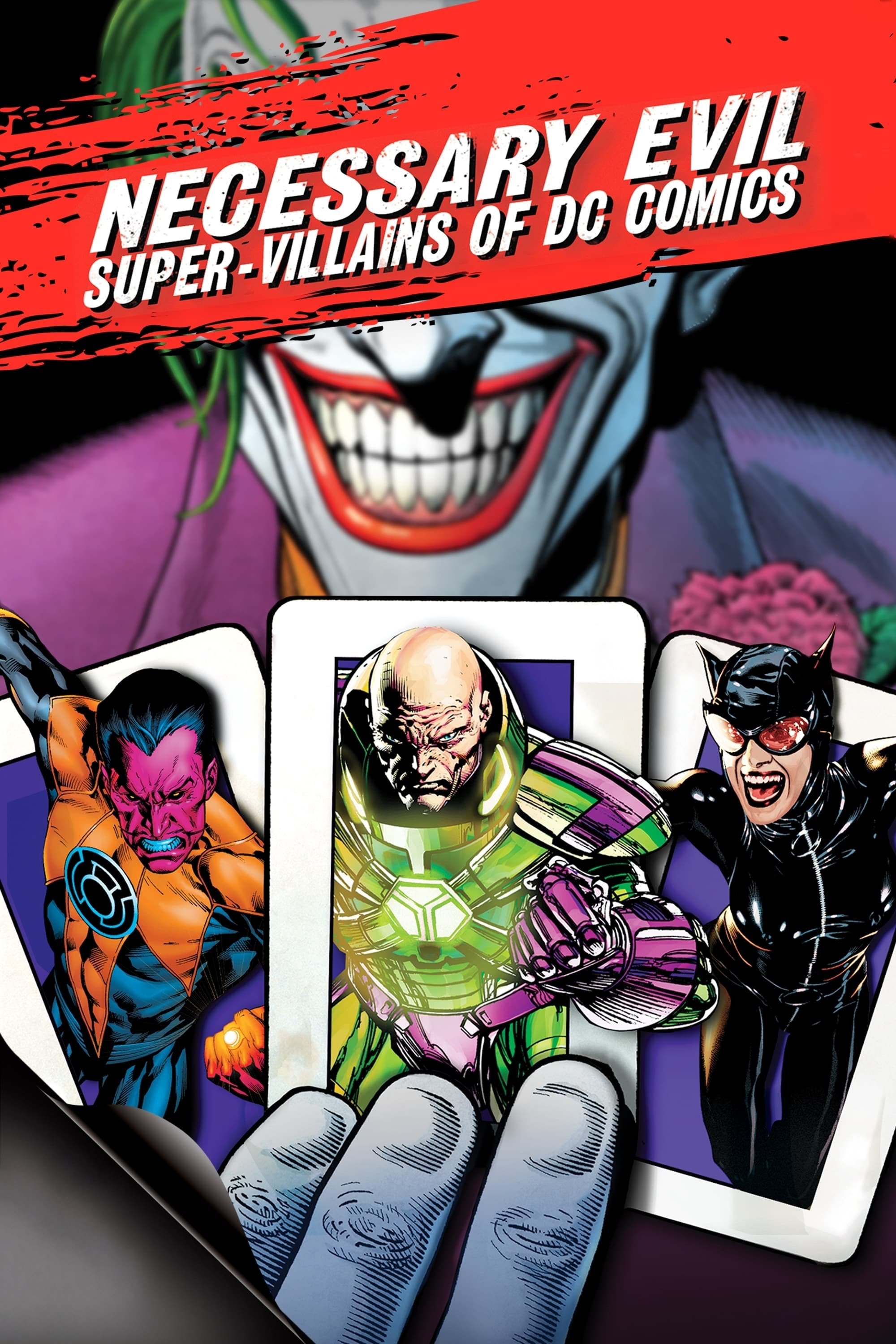
A documentary detailing the epic Rogues' Gallery of DC Comics from The Joker and Lex Luthor, Sinestro, Darkseid and more, this documentary will explore the Super Villains of DC Comics.
The life and career of one of comedy's most inimitable modern voices, Mr. Gilbert Gottfried.
A documentary about the making of David Fincher's 2008 film THE CURIOUS CASE OF BENJAMIN BUTTON. Virtually every element in the evolution of the Fincher's film is documented here, from the project's attachment to numerous other directors during the 1990s, to its shoot in 2006 and 2007 in New Orleans, to its complex, CGI-intensive postproduction process.
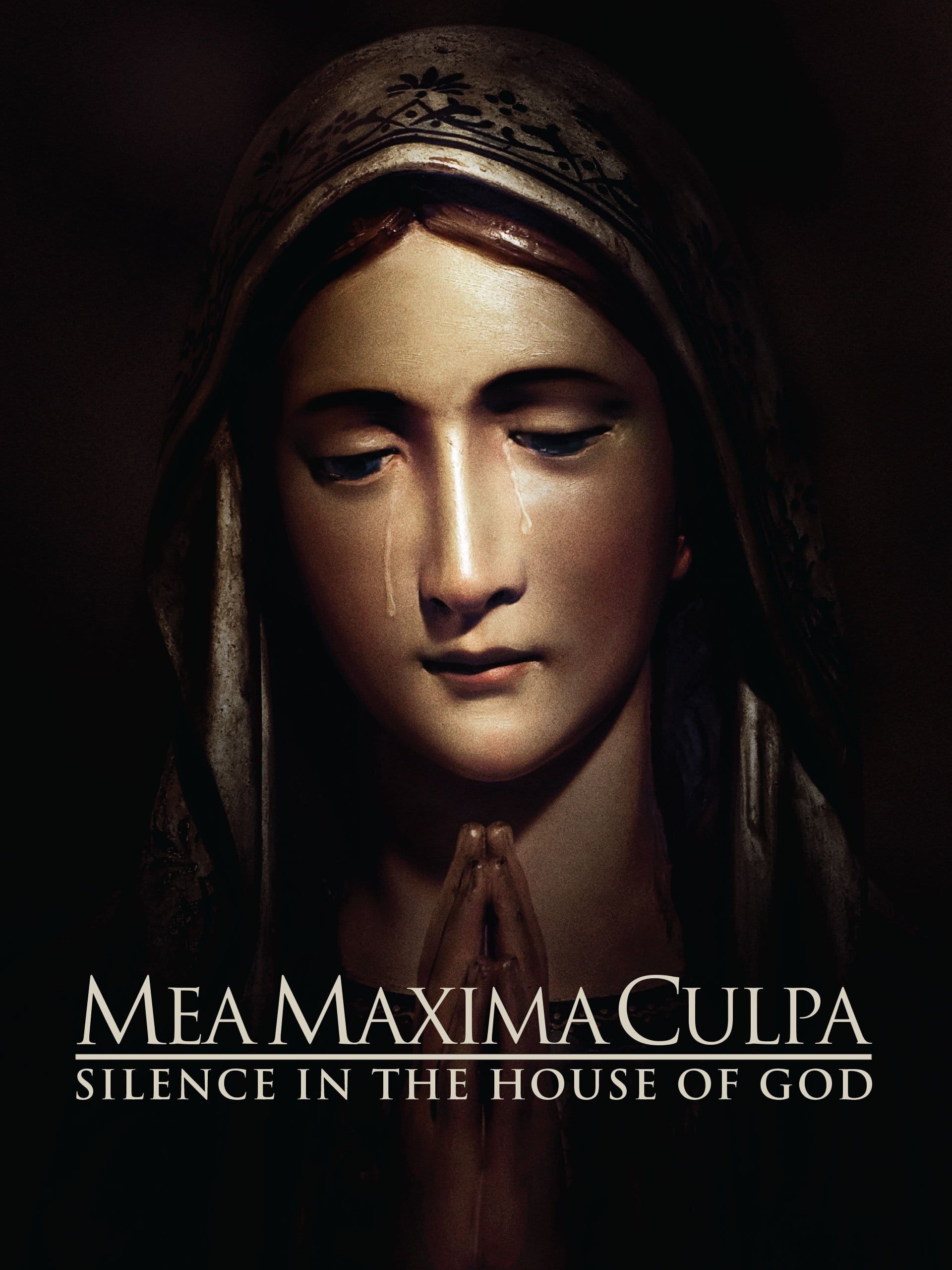
Alex Gibney explores the charged issue of pedophilia in the Catholic Church, following a trail from the first known protest against clerical sexual abuse in the United States and all way to the Vatican.