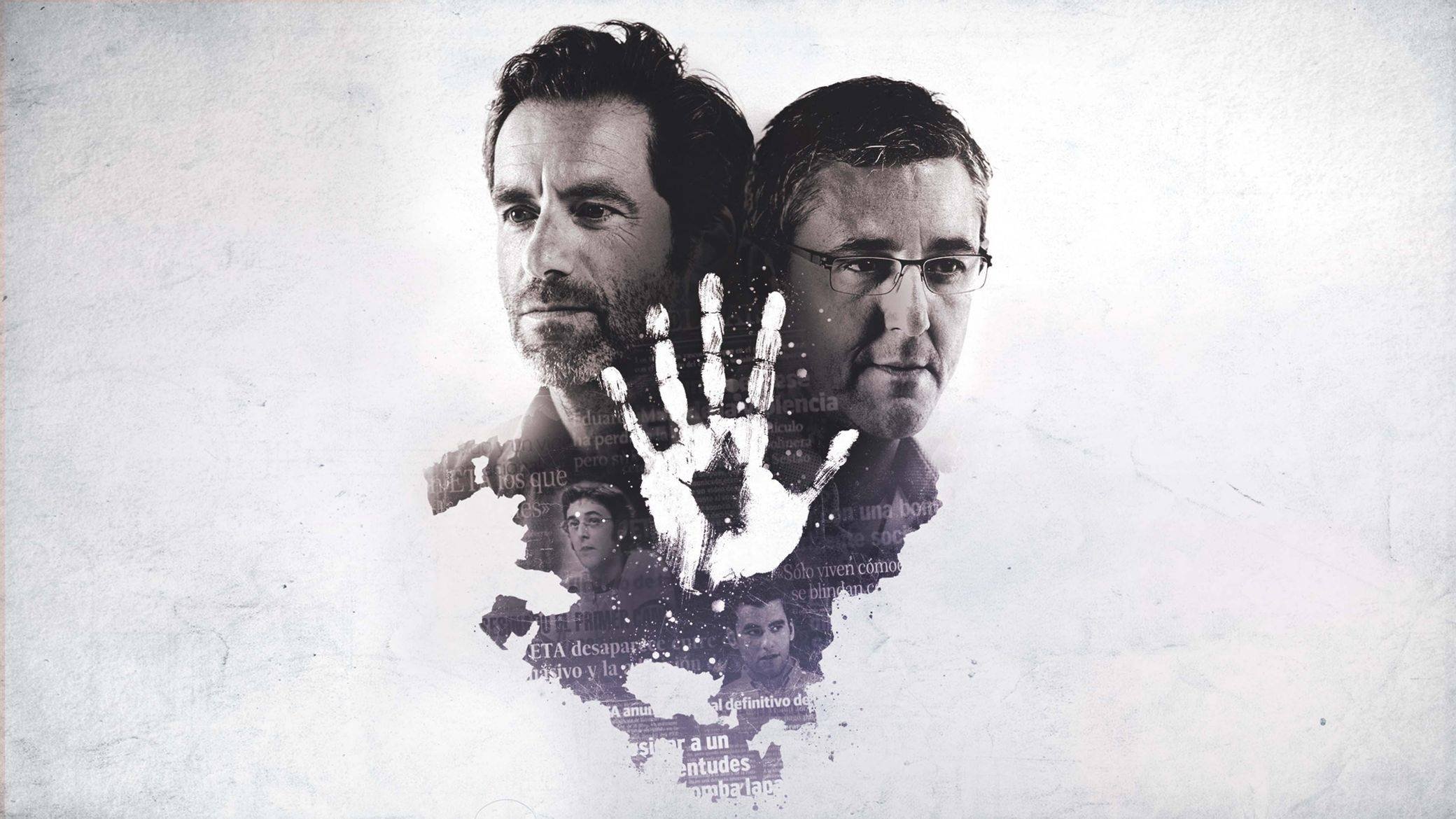
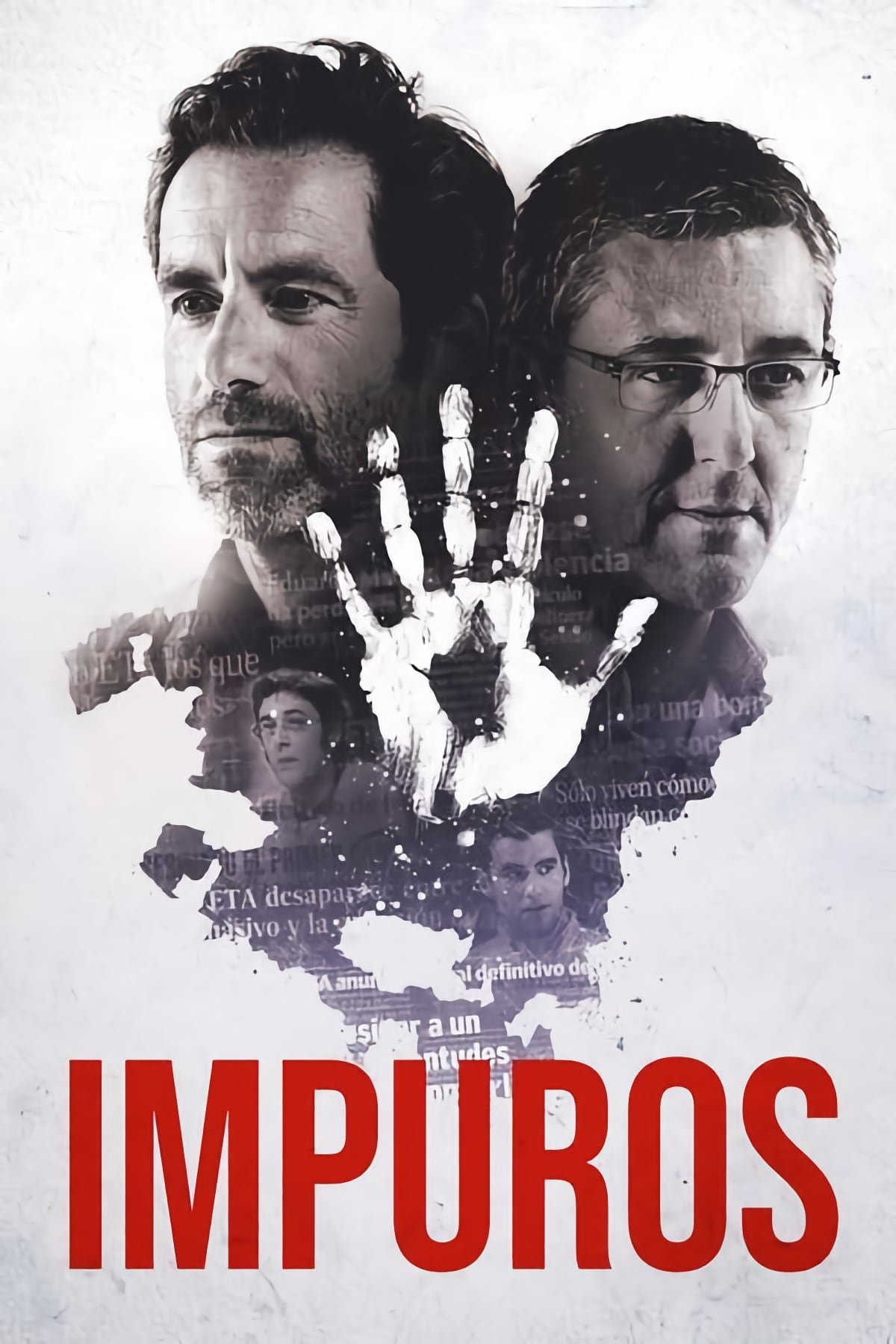
At just 17 years old, Eduardo Madina and Borja Semper decided to enter politics to defend freedom of thought in the Basque Country. This made them a target of the ETA terrorist group for almost two decades.
Social & External
Unknown Role
An attempt to create a bridge between the different political positions that coexist, sometimes violently, in the Basque Country, in northern Spain.
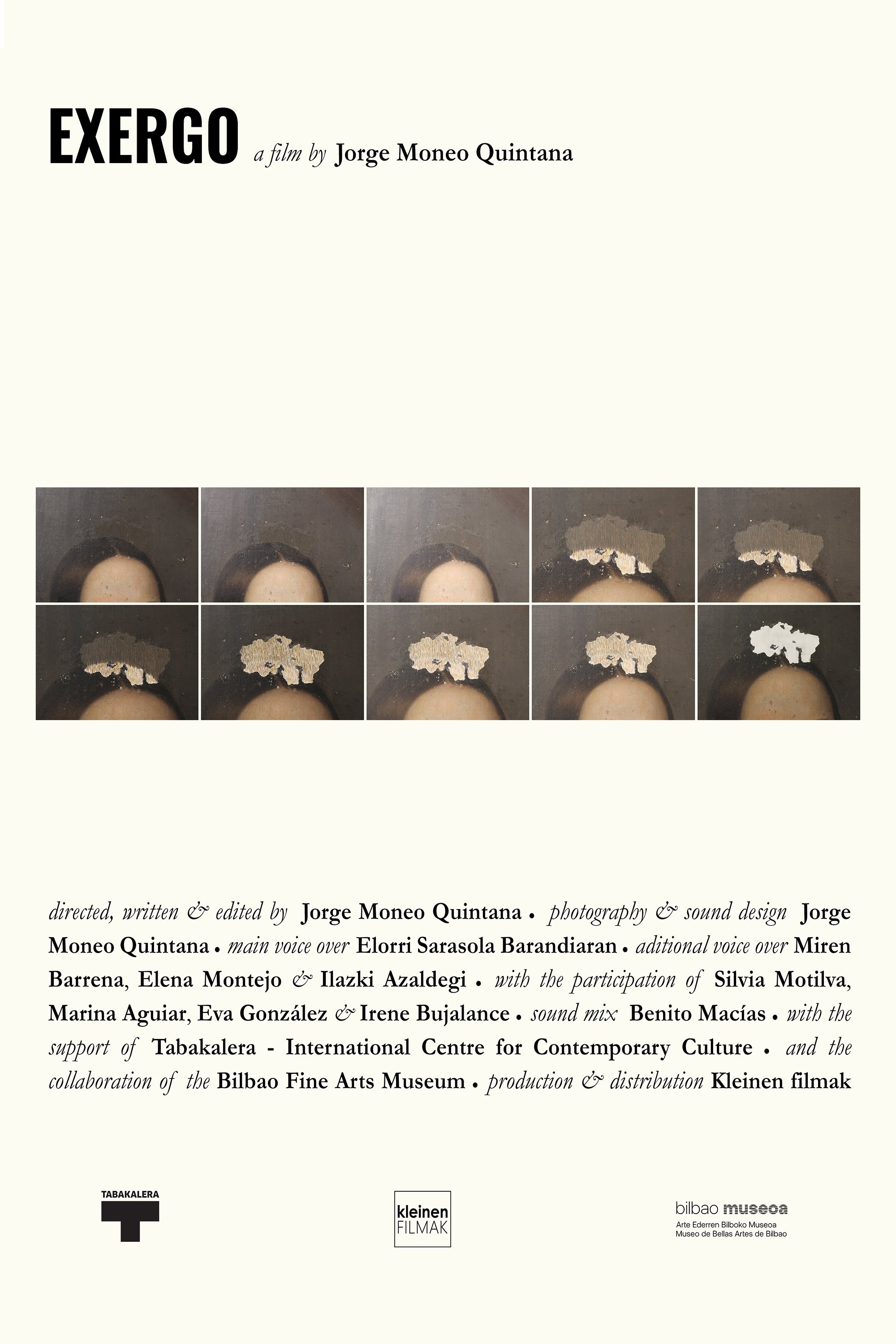
Departing from peripheral details of some paintings of the Bilbao Fine Arts Museum, a female narrator unravels several stories related to the economic, social and psychological conditions of past and current artists.
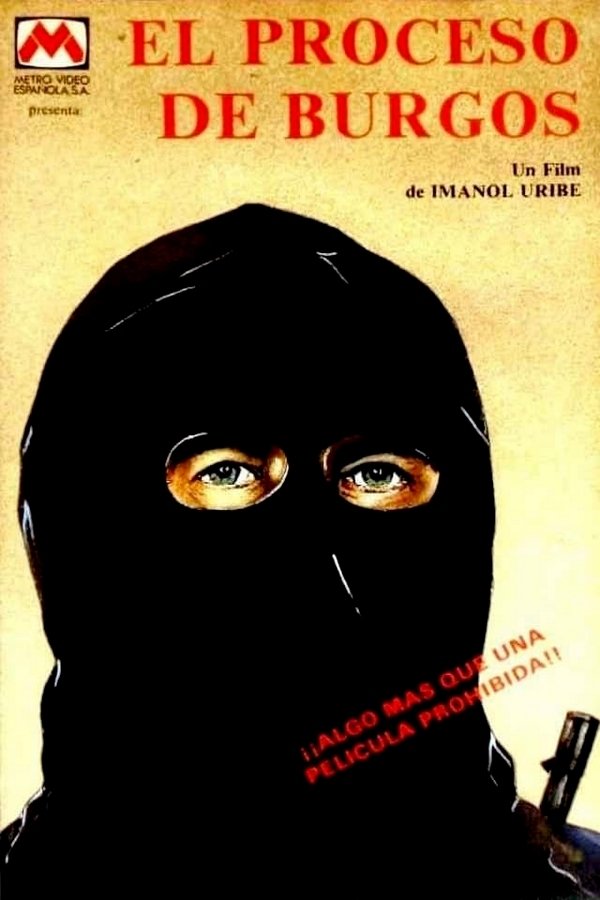
Documentary about the court martial held following the assassination of Melitón Manzanas, commissioner of the Political-Social Brigade of Guipúzcoa, in an attack carried out by ETA on August 2, 1968. The film includes a series of interviews and testimonies from those imprisoned and prosecuted in that court martial. Following the attack, a state of emergency was declared in Guipúzcoa and hundreds of people were arrested.
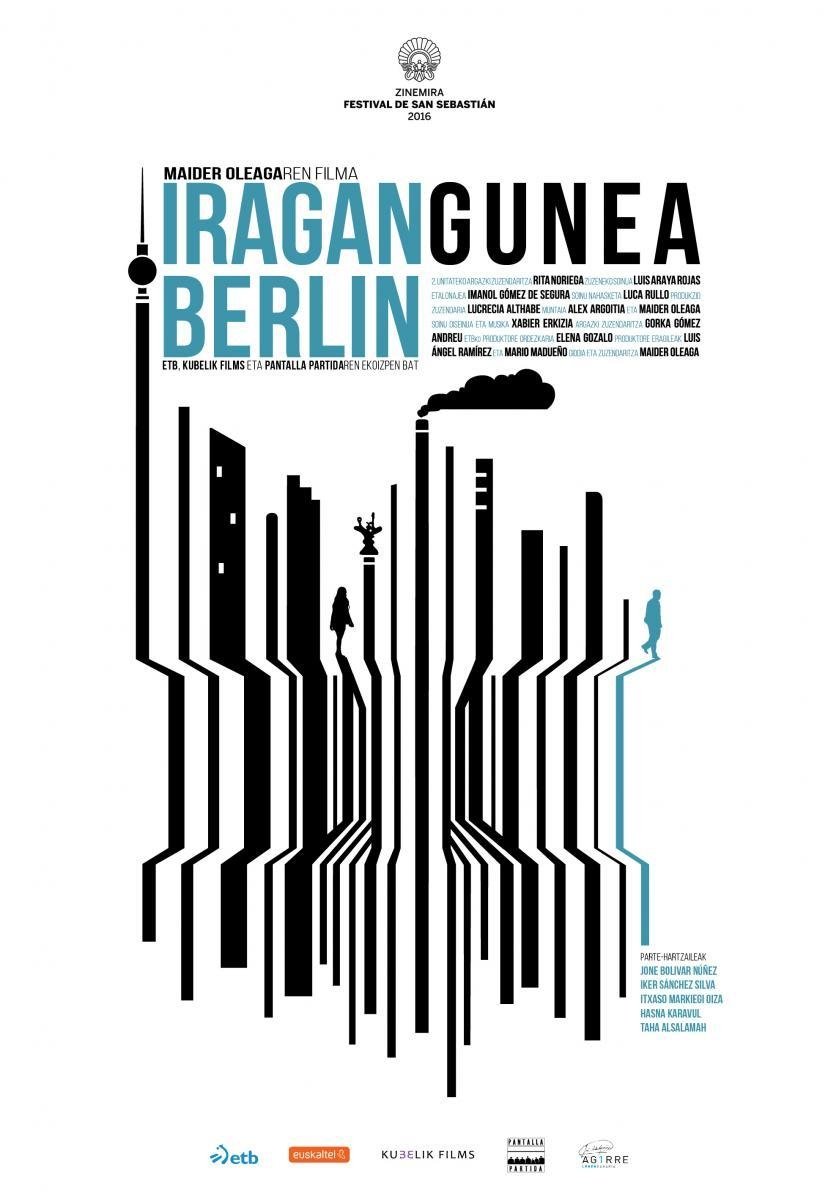
The film follows five people from different origins as they move anonymously around the streets of Berlin. Each of them with another life somewhere else, trying to ascertain where to go.
When he was just a child, Jon discovered his father's past, Iñaki Viar, linked to ETA. Son, grandson, and great-grandson of Basque nationalists, Iñaki was arrested in 1969 by the political-social brigade and tried alongside Teo Uriarte and Mario Onaindia in the Burgos Trial. Years later, he organized the escape from Segovia and, finally, in 1977, he regained his freedom. Iñaki, like many other prisoners, renounces nationalism and condemns terrorist violence. Jon, a film buff, tries to understand his father's past while living with attacks, kidnappings, and a lot of silence. By then, Iñaki is already considered a "traitor" by the nationalist world.
The documentary tells the story of six friends who fought against compulsory military service in the Basque Country. They were all imprisoned for refusing to perform military service, and they all preferred prison to the army. They showed great courage and stubbornness, until they managed to win the antimilitarist struggle against the Spanish State.
Donostia-San Sebastián, Basque Country, Spain, 2011. Maider, a filmmaker, moves to the very same flat where pedadogist Elbira Zipitria Irastorza (1906-1982) clandestinely established the first ikastola, a Basque school, under the harsh regime of dictator Francisco Franco. Despite of her pioneering work, developed throughout thirty years, her story is not well known, so Maider, intrigued, begins to research…
An in-depth interview with José Antonio Urrutikoetxea, known as Josu Ternera, one of the most relevant leaders of the terrorist gang ETA.
The turbulent story of the Lagun bookstore — located in San Sebastián, in the Basque Country, Spain — is a powerful tale of courage, resistance and struggle; first against the Franco dictatorship, then against the terrorist gang ETA and its numerous and sinister acolytes.

Spain, 1997. The story of twelve days in July during which Basque society left indifference and fear behind and faced the threat of the terrorist group ETA.
Donostia-San Sebastián, Basque Country, Spain, November 26th, 1985, at night. Mikel Zabalza, a young bus driver, is arrested along with other people by the Guardia Civil as part of an operation against the ruthless terrorist gang ETA. When the other detainees are released, they denounce that they have been brutally tortured in the Intxaurrondo facilities. Besides, Mikel is not among them: Mikel has disappeared.

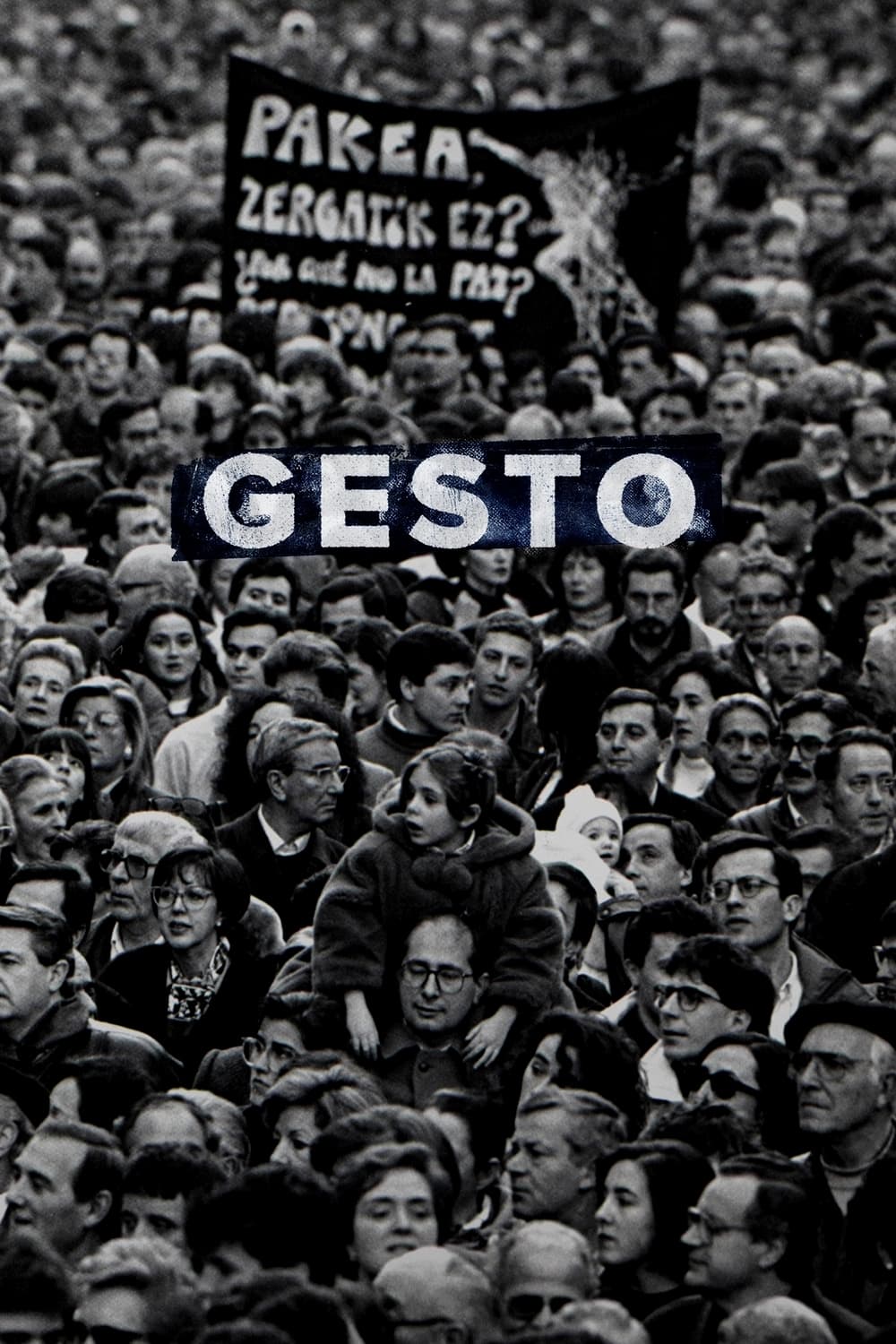
The history of the citizens' movement that for thirty years worked hard to overcome fear, fight hatred and eradicate the violence exercised by the savage terrorist gang ETA, both in the Basque Country and in the rest of Spain.
In the north of the Iberian Peninsula, we find two regions that will provide us with great moments. These are the Basque Country and Navarre, two territories that are home to a high percentage of Europe's biodiversity. At Natura Bizia, we will reveal the best-preserved corners, the most spectacular biodiversity, and animal fauna in its wildest state. Vertical cliffs, an endless sea, magical forests, and enormous limestone mountains will provide us with unforgettable experiences. We will swim among the largest cetaceans on the planet, enjoy the first steps of the brown bear after its winter hibernation, witness the daily struggle of wolves to conquer new territory, and fly alongside the most powerful of our eagles.
Part of a series in which foreign filmmakers portray a region or town in France. Otar Iosselani looks at the Basque region and its inhabitants.
Asier and I grew up in the Basque Country. But one day he disappeared, later I found out he had joined ETA.
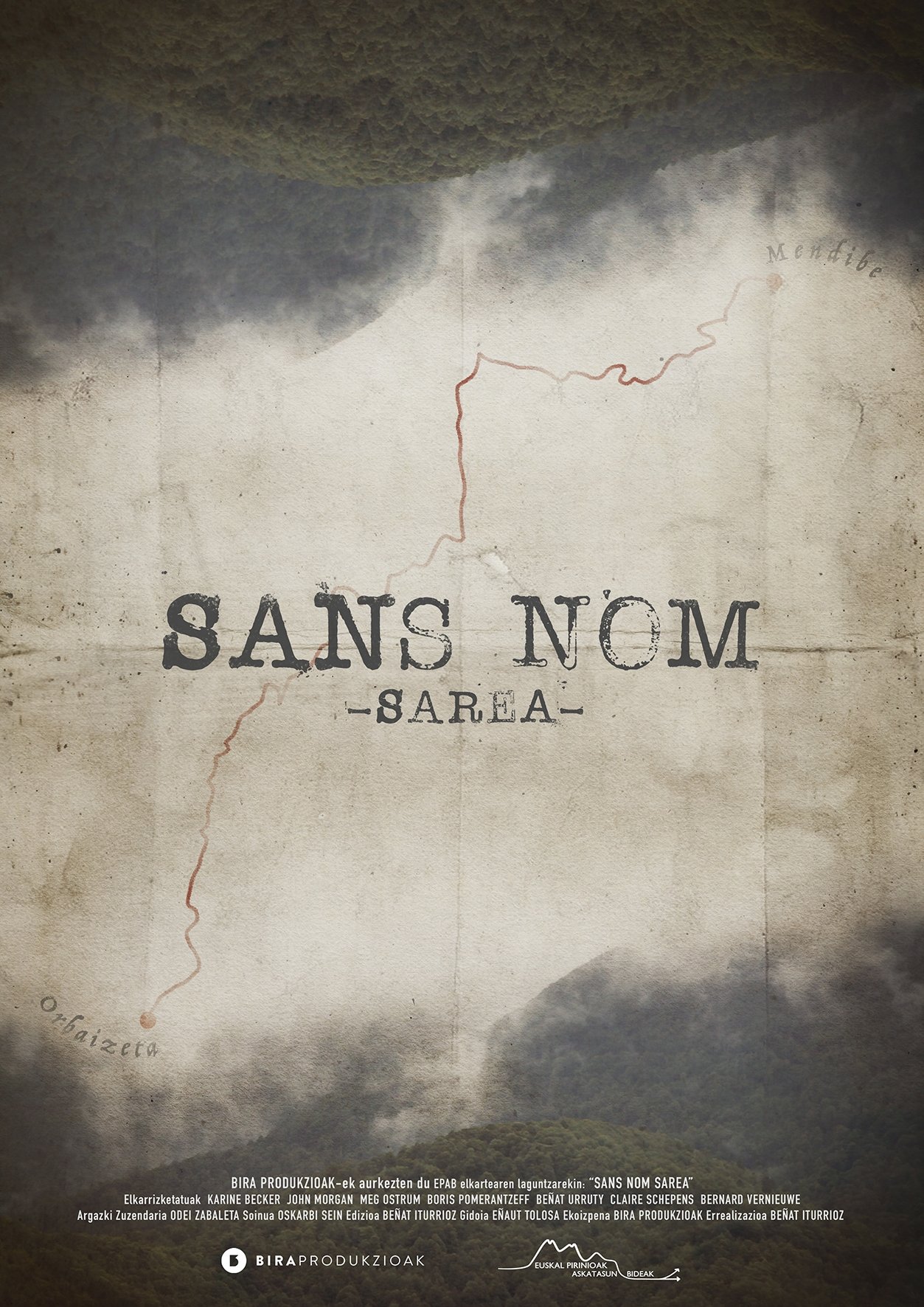
In this documentary, we travel to the main locations where the musical movement known as "Basque Radical Rock" exploded, emerging in the Basque Country and Navarre in the 1980s. It recalls bands from that era, such as Cicatriz, Zarama, RIP, Eskorbuto, and Kortatu, and interviews some of its leading figures.
A documentary about Basque Radical Rock. Its name comes from a song by the well-known and successful band Hertzainak, which is also referenced in the documentary, along with the work of other rock bands and singer-songwriters. The documentary features interviews with musicians who played rock from mid-1975 to 1990. There are 23 interviews in total, with musicians from bands such as Barricada, Hertzainak, Itoiz, Zarama... In addition, the documentary includes spectacular images from that period, as the rock boom was linked to different movements in the Basque Country: gaztetxes (youth clubs), free radio stations, and fanzines. The documentary is a portrait of the youth who had just emerged from the dictatorship.
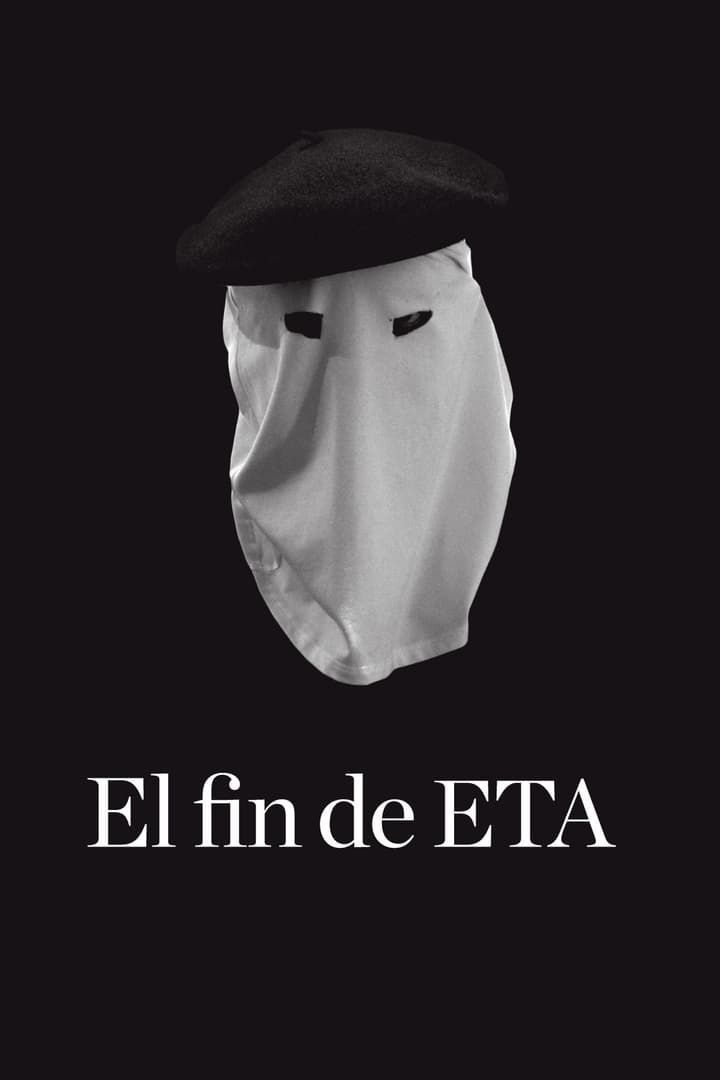
The chronicle of the process, ten long years, that led to the end of ETA (Euskadi Ta Askatasuna), a Basque terrorist gang that perpetrated robberies, kidnappings and murders in Spain and the French Basque Country for more than fifty years. Almost 1,000 people died, but others are still alive to tell the story of how the nightmare finally ended.
'Ama Lur' is a documentary, directed by Nestor Basterretxea and Fernando Larruquert, that premiered in San Sebastián in 1968, and it is considered the foundation of Basque cinema.
The six-decade transformation of a block of houses, shown by means of artfully featured archival shots, highlights the beauty and sadness of human-made decay. In the blink of an eye 66 years pass by and a savings bank replaces a church.
A historical revolutionary film depicting the struggle of peasants and the Baku proletariat against landowners and Musavatists in 1919.
A visitor from the western front tells young children, in a sober commentary, about the battle of Verdun.
A classic about an anteater who makes life rough for a colony of ants. In the ant community, the queen spreads warnings of their greatest enemy, the Anteater. "He's a menace, he's a brute, he will scoop you with his snoot." Their motto is "make him yell uncle," which they do when the anteater invades them.
Betty Jara reassembles the Yaguareté Commandos to exchange an imprisoned criminal for one of her own agents. A risky operation becomes even more so when she realizes they are not just fighting a drug ring but the highest spheres of power.
On the shimmering shores of Europe’s otherworldly edge, two teenage girls, Hanake and her best friend are discussing their first love interest while gazing out at yachts sailing to Kyoto. They whisper prayers and poems, the language of their longings. But the magic is fading in their isolated fishing village as they’re dealing with a recent disaster, with some indulging in erotic art, some in spiritual spells. It becomes clear that intimacy alone won’t help them process their loss.
Disconnected from her pregnant daughter by several time zones and her impetuous nature, Barbara longs to be a part of her grandchild’s birth in London, England. But is she wanted?
Dong-chun, an elementary school student overwhelmed with seven afterschool learning academies, stumbles upon a mysterious bottle of rice wine during a school retreat. As the rice wine ferments and emits strange sounds like Morse code, Dong-chun sets out to unravel its identity and discovers the secrets of the world and the reasons behind her current way of life.
Unlike all other films of Cuneyt Arkin, this film picture is taken by a highly skilled team with quite a lot of preparations. The scenario is a fairy tale which is pleasantly supported by some high quality visual effects (prepared in a visual lab in England). The scenes are all supported with high quality decorations of the old times of the tale. Cuneyt Arkin with his athletic capabilities enables the hero of this tale to be brought to life in his act. It is really unlucky for the film team to prepare such a good film after a series of junk films which directly reduced the interest to this high quality film.
nspired by his recent trip to the USA, a filmmaker (played by Dariush Farhang) dreams of making an action film in modern Iran. Having little experience to draw on, he finds that the task is much more daunting that he had first imagined. As he faces setback after setback, he wonders if he will ever complete his project. An interesting look into the complexities of filmmaking.
The demonic Nicholas Diabolus is put on trial accused of interfering with people's lives.
Mr Lucas, a grocer, wants to attract the clientele; he imagines a lottery; every week, you can win a bike. It's a big success.
Restaurant owners share their thoughts about technology, marketing and what message they want to convey to new entrepreneurs coming into this industry.