Drawing animation, Reshooting 8mm Film.
Social & External
The people behind it
Short experimental animation by Jules Engel
A short experimental animation by Jules Engel
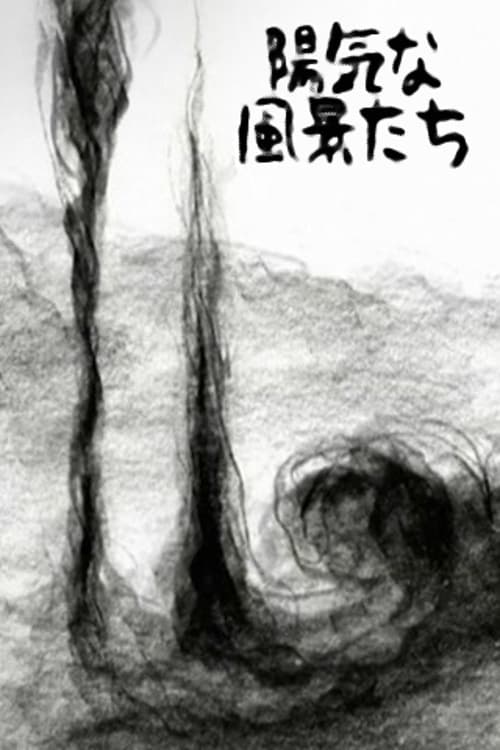
An experimental film created from 3 years worth of abstract pencil drawings with the goal of being a catalyst for unveiling a new mental landscape in viewers.
Man often yearns of a past more innocent and pure. This film disregards that sentimentality and depicts a constant, permanent transformation of the landscape of mountains and rivers. A beautiful and intense image poem made from thousands of pencil drawings.
An experimental short from Oskar Fischinger
Short experimental computer animation by Jules Engel
Flashing lights explode across an apartment as images of a woman in bed flicker in and out.
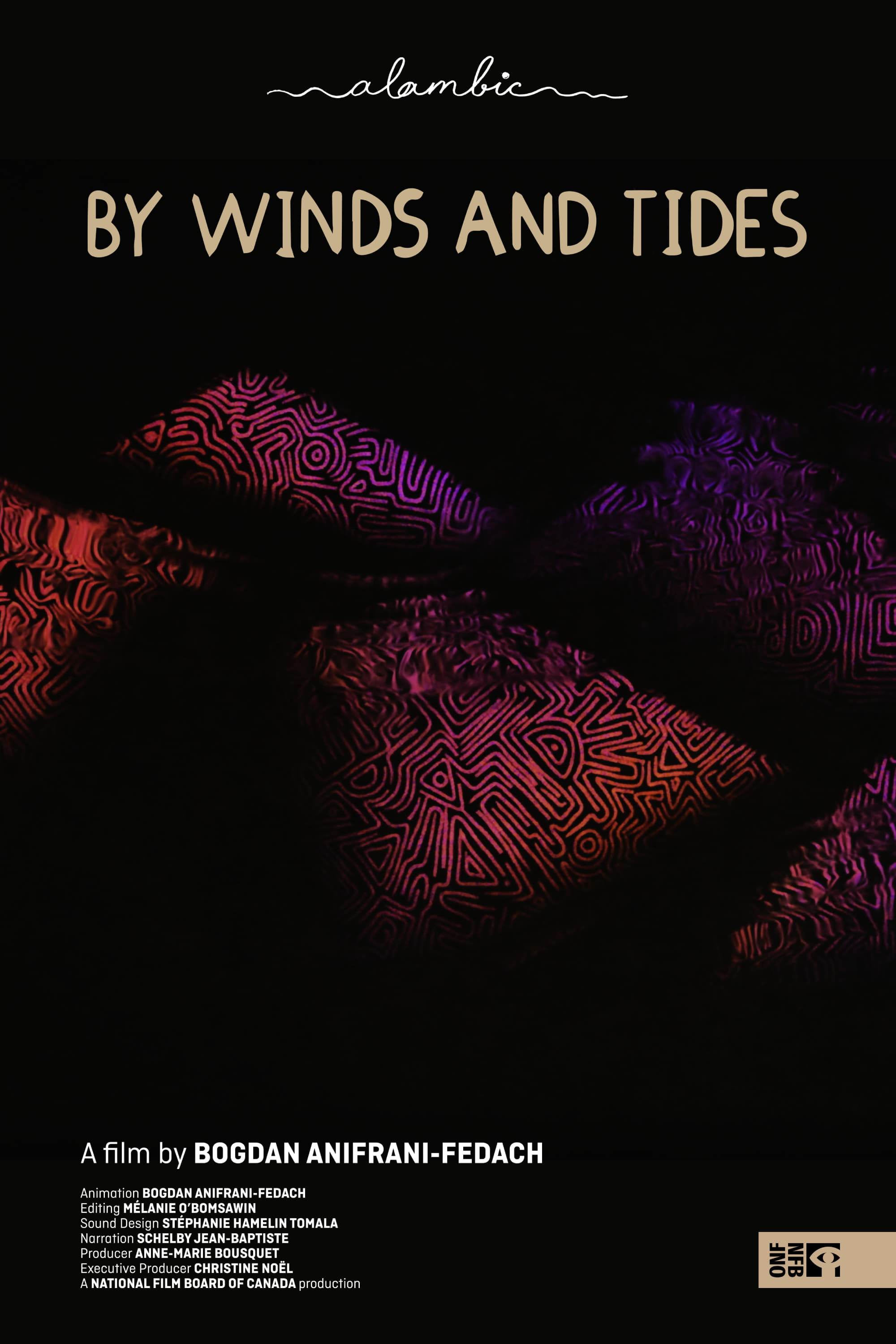
Exploring the conscious, the unconscious and the self, By Winds and Tides takes a deep experimental dive into the birth of an idea—how it takes shape, how it is released. An allegorical quest, the film combines images and words into a singular sigh.
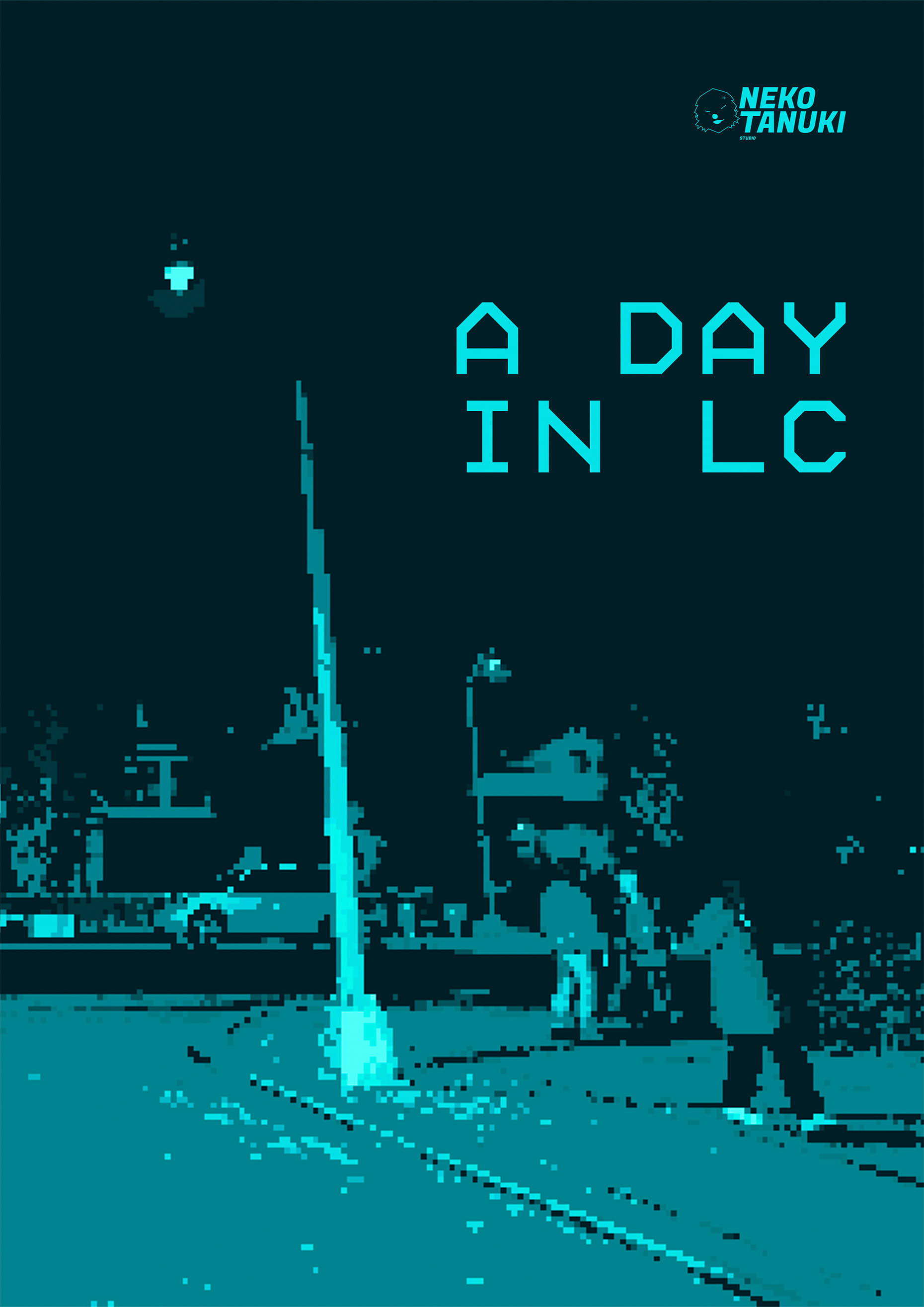
A person living in Liberty City goes to work, have some food & gets back home.
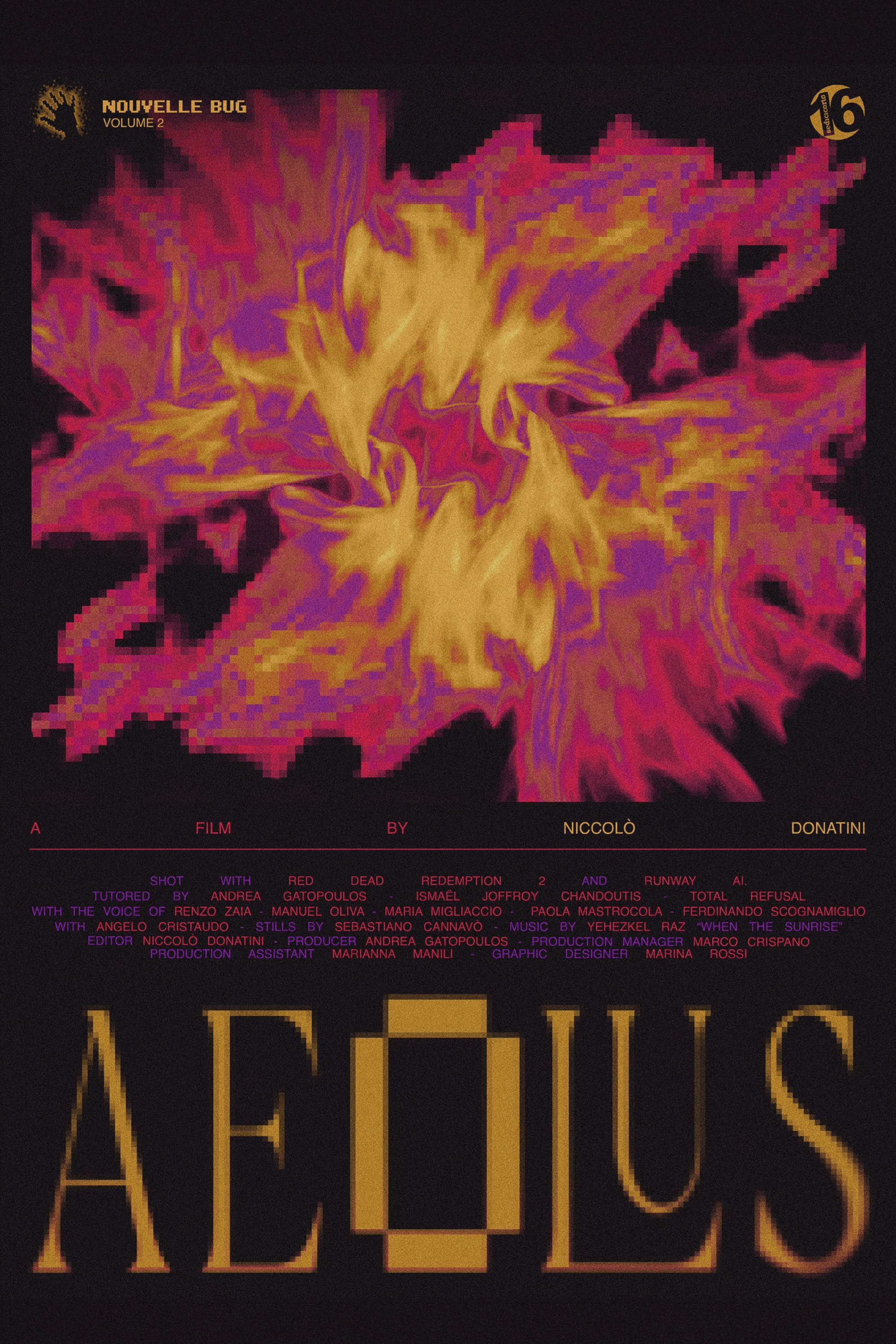
This project moves sound and image using wind movements. It shows the alteration of spectrograms with these motion vectors and applies a sound resynthesis.
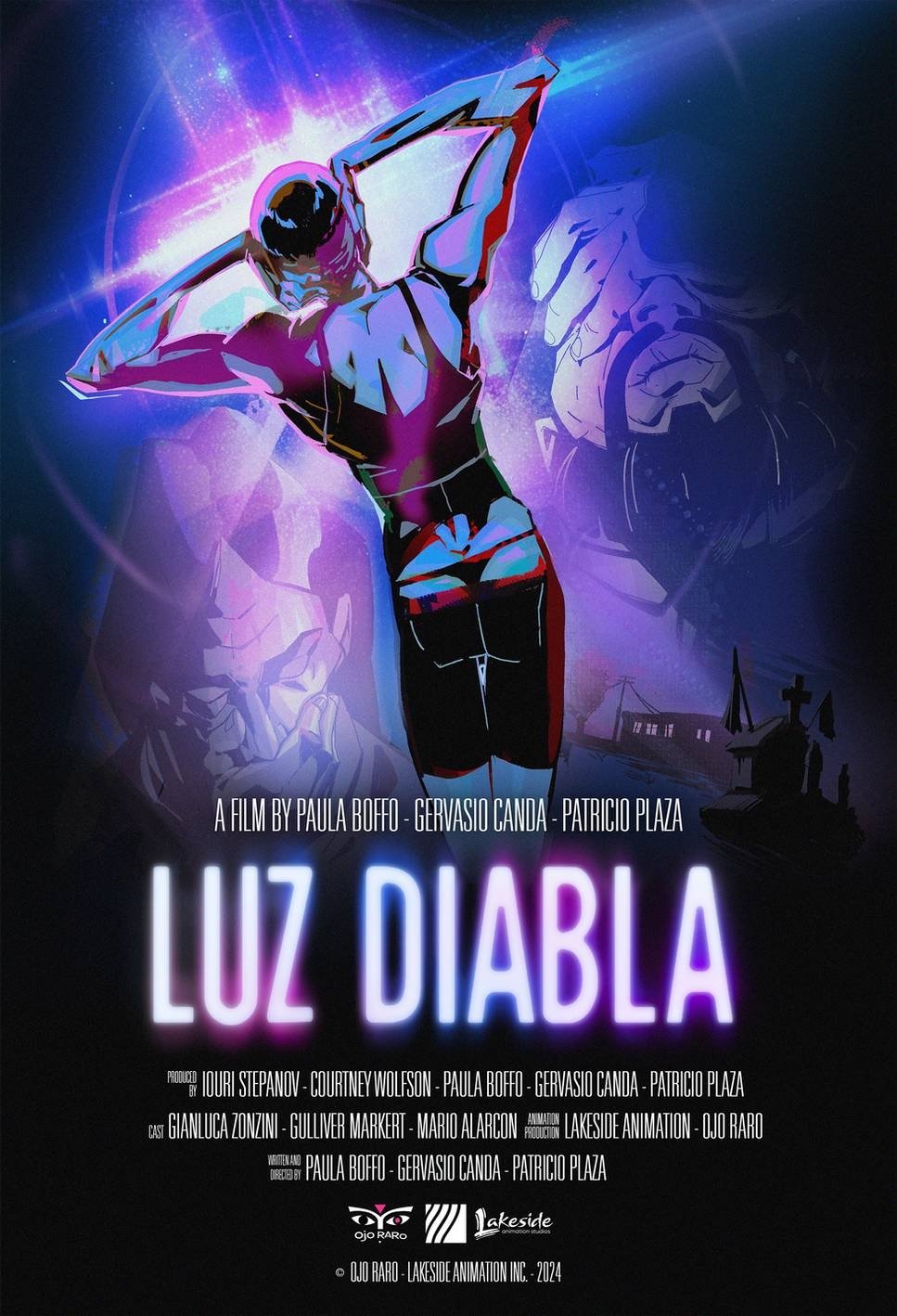
Martín, a young urban raver, is involved in a strange accident on the road on his way to a party in the middle of the Argentine Pampas. Finding refuge in a mysterious country grocery store and sheltered by two strange locals, Martín's paranoia begins to take over him. As the hours progress, his perception begins to distort, unleashing disturbing visions that will lead him to confront the supernatural forces that hide in the night.
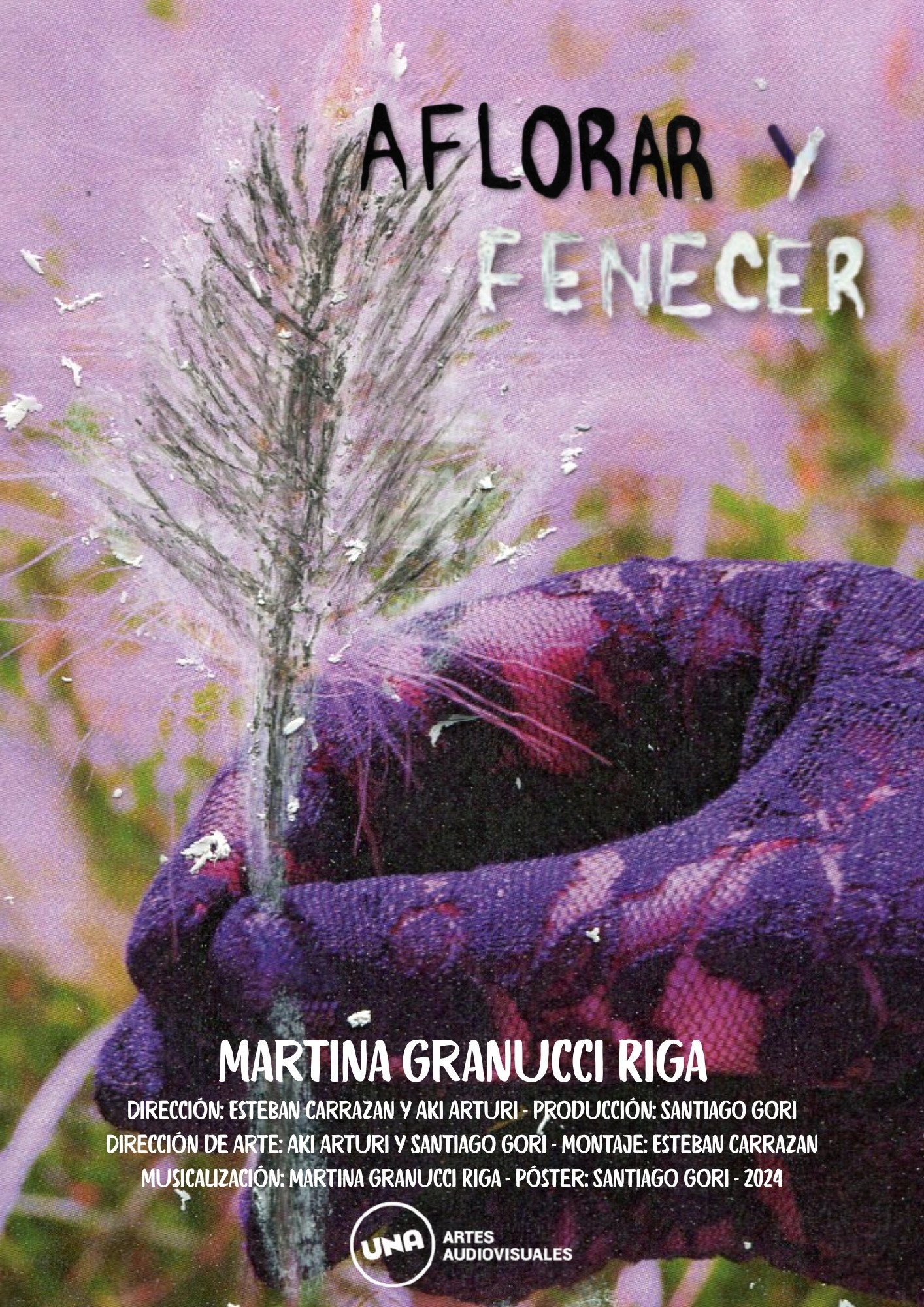
Two figures —an angel bathed in light and a widow veiled in mourning— mirror each other’s gestures. Through the interplay of costume, color, and hand-drawn intervention, Emerge & Fade explores how innocence and disillusion coexist and transform one another.
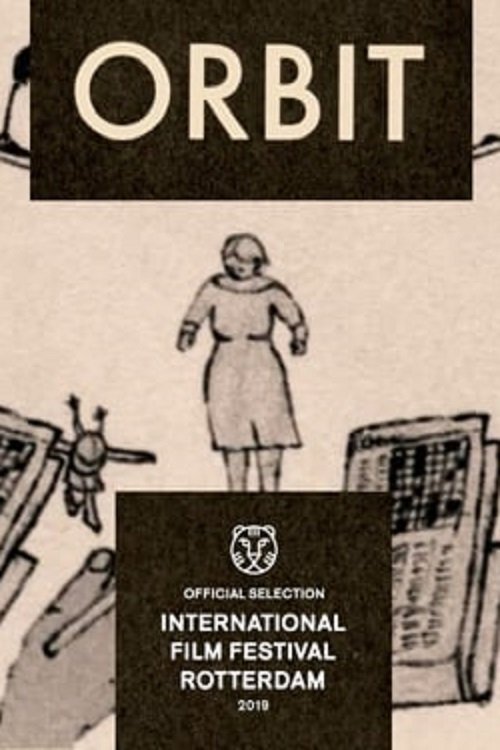
The sun’s energy circulates throughout the earth, feeding the cycle of life. Everything is connected in a natural loop, which repeats, like the circular discs of magical optical toys. This perfectly balanced rhythm is disrupted by human excess, throwing the cycle out of orbit and temporarily stopping the circulation of energy in nature.
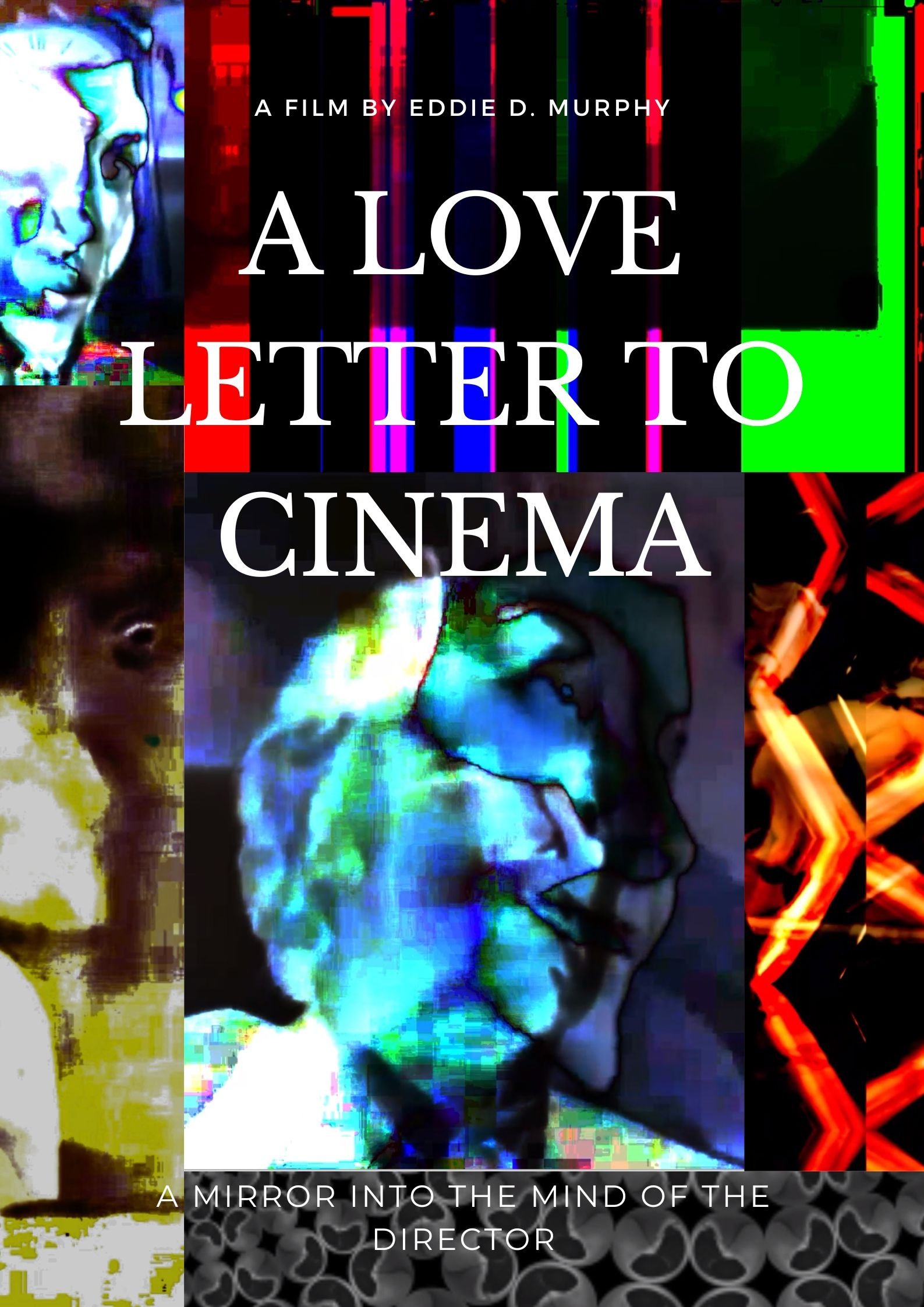
An experimental sampled film which shows the pleasurable art of movies about movies through scenes inside of theaters.
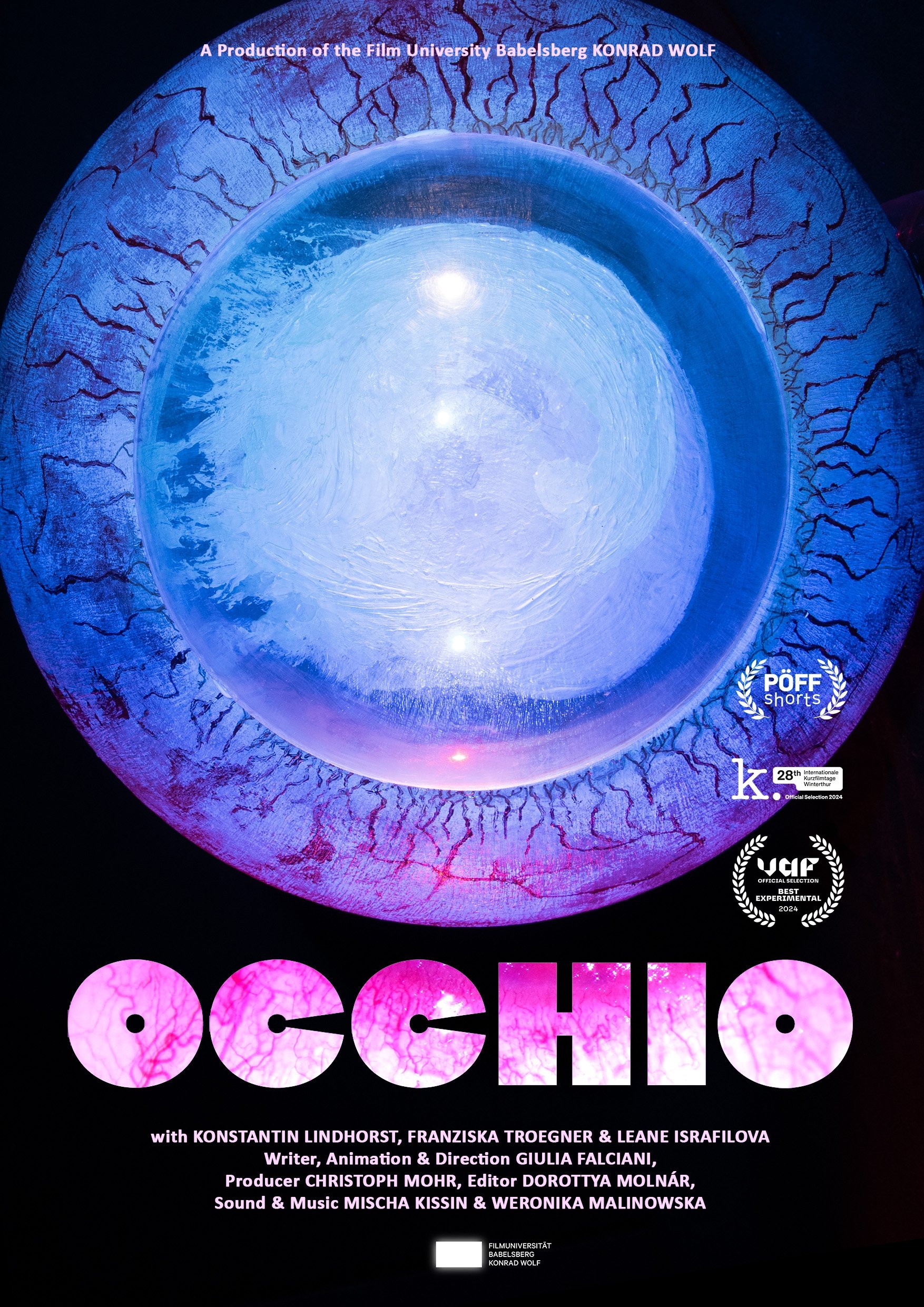
An important sensory organ, the eye, is damaged. The exhausting healing process takes us on an inner journey full of pain, fragility and mental unrest, in which even superstition and witchcraft seem to have an influence on recovery.
Abstract video art set to the music of Philip Glass.
An NTSC space opera.
In an alternate Manhattan, two researchers-Robert Lang and Jeff Hawthorne-are drawn into Project STARLING, a covert operation buried deep within the Titanpointe building. When Hawthorne breaks protocol and vanishes into a mysterious portal, the city reels from unexplained phenomena. Lang is forced to navigate a collapsing reality as STARLING agents turn ruthless and the boundaries between dimensions begin to rupture. As transformations unfold and the city descends into chaos, both men confront forces beyond comprehension-shifting identities, spectral adversaries, and a growing sense that something vast and irreversible is approaching.
An experimental avant-garde film where the character battles with herself, struggling to understand and embrace her true identity. Blending dream-like and reality sequences together, the film connotes inside the character’s mind. Escaping to different parts of her subconscious, she is met with confrontation, fear & desire. This piece of work highlights themes of identity, surrealism & subjectivity, where the instability of the self is at the forefront of the film. The film uses elements of mixed media montage to portray the character’s inner thoughts.
I made this film especially for you. I needed to check in with you. I needed to tell you how I feel.
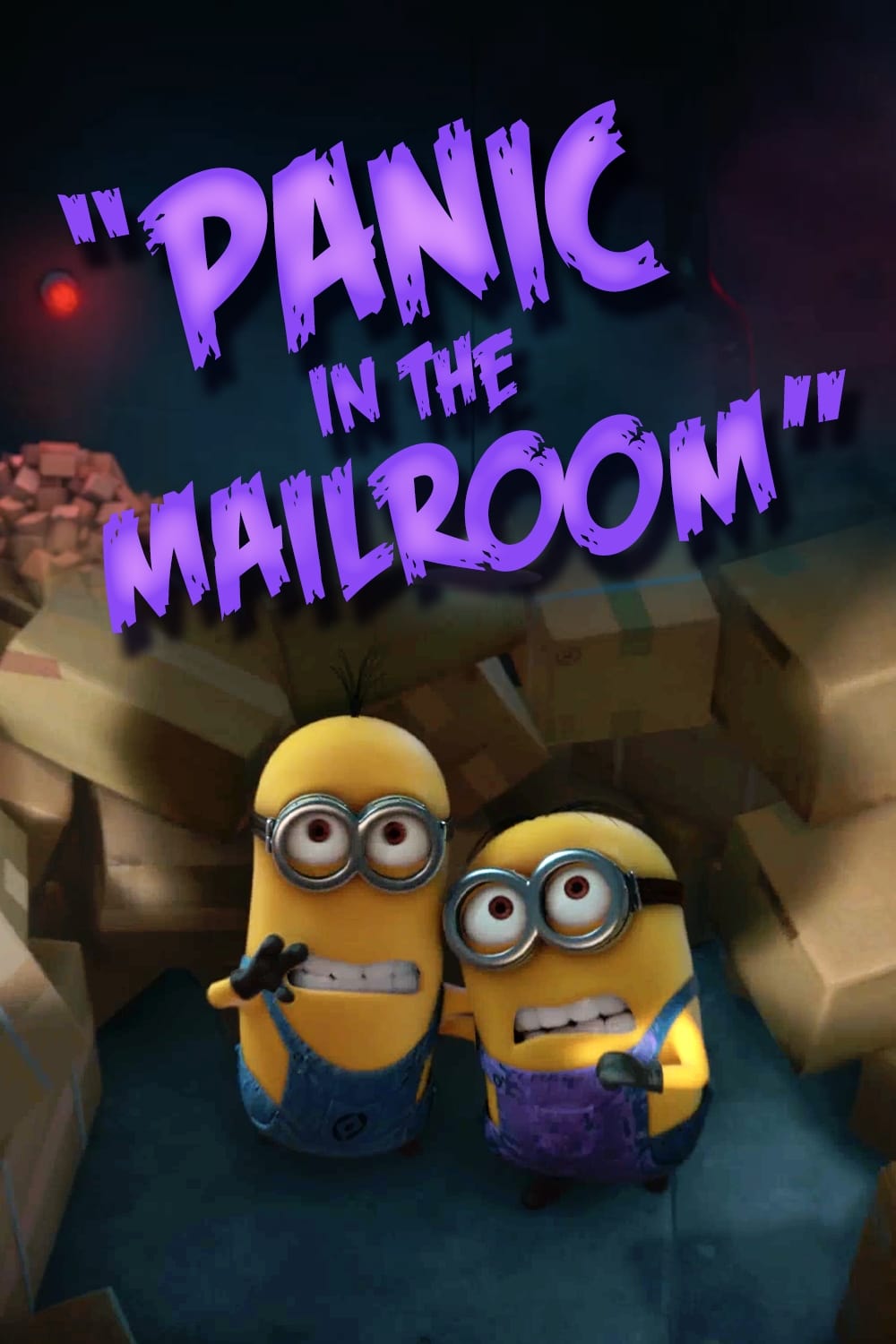
This collection of 11 short films produced by Illumination includes: From the "Despicable Me" franchise: Mower Minions (2016); Yellow Is the New Black (2018); Competition (2015); Cro Minion (2015); Binky Nelson Unpacified (2015); Panic in the Mailroom (2013). From the "Secret Life of Pets" franchise: Super Gidget (2019). From the "Sing" franchise: Eddie's Life Coach (2017); Gunter Babysits (2017). From the "Lorax" franchise: Serenade (2012); Wagon Ho! (2012).
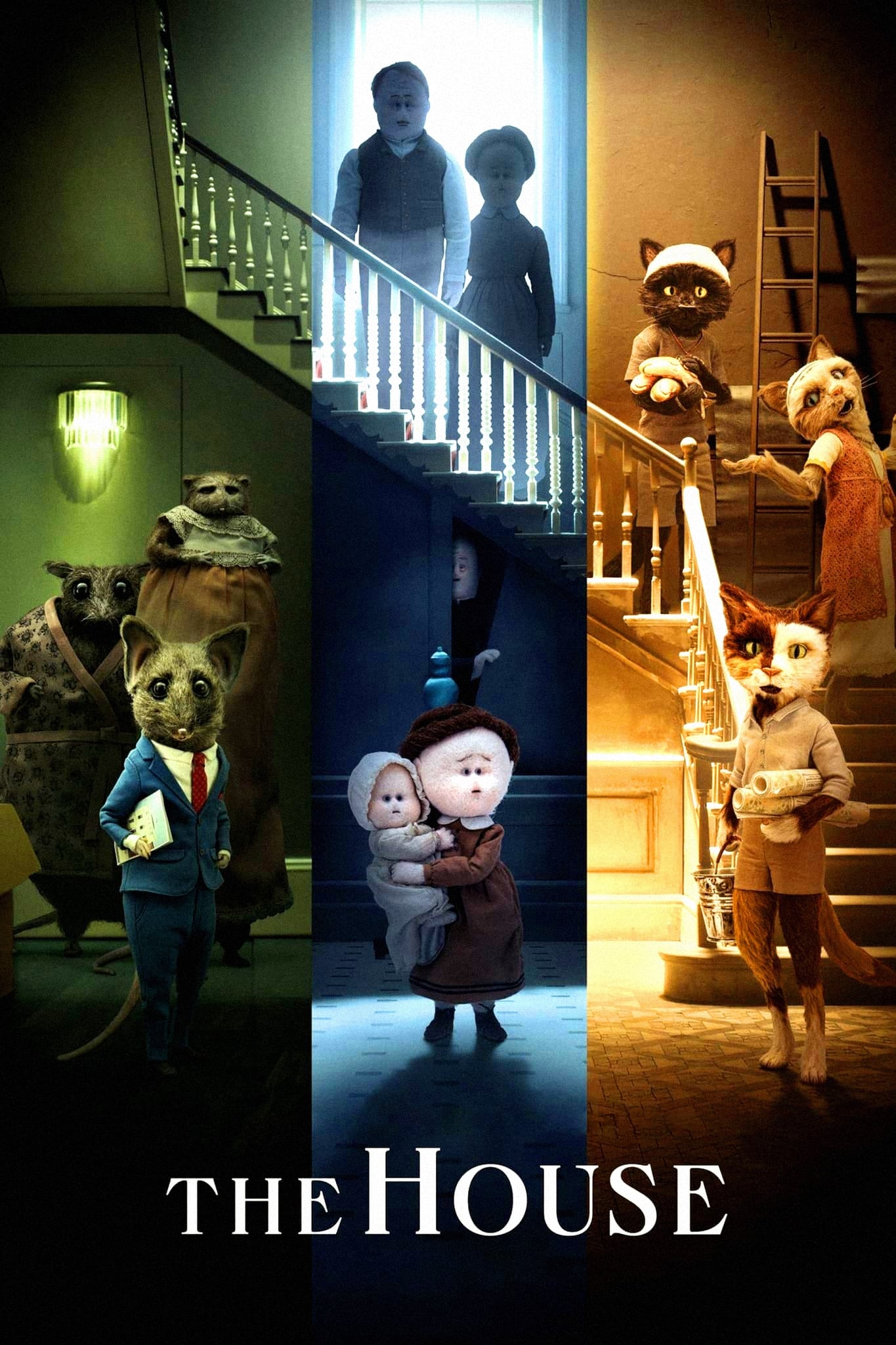
Across different eras, a poor family, an anxious developer and a fed-up landlady become tied to the same mysterious house in this animated dark comedy.
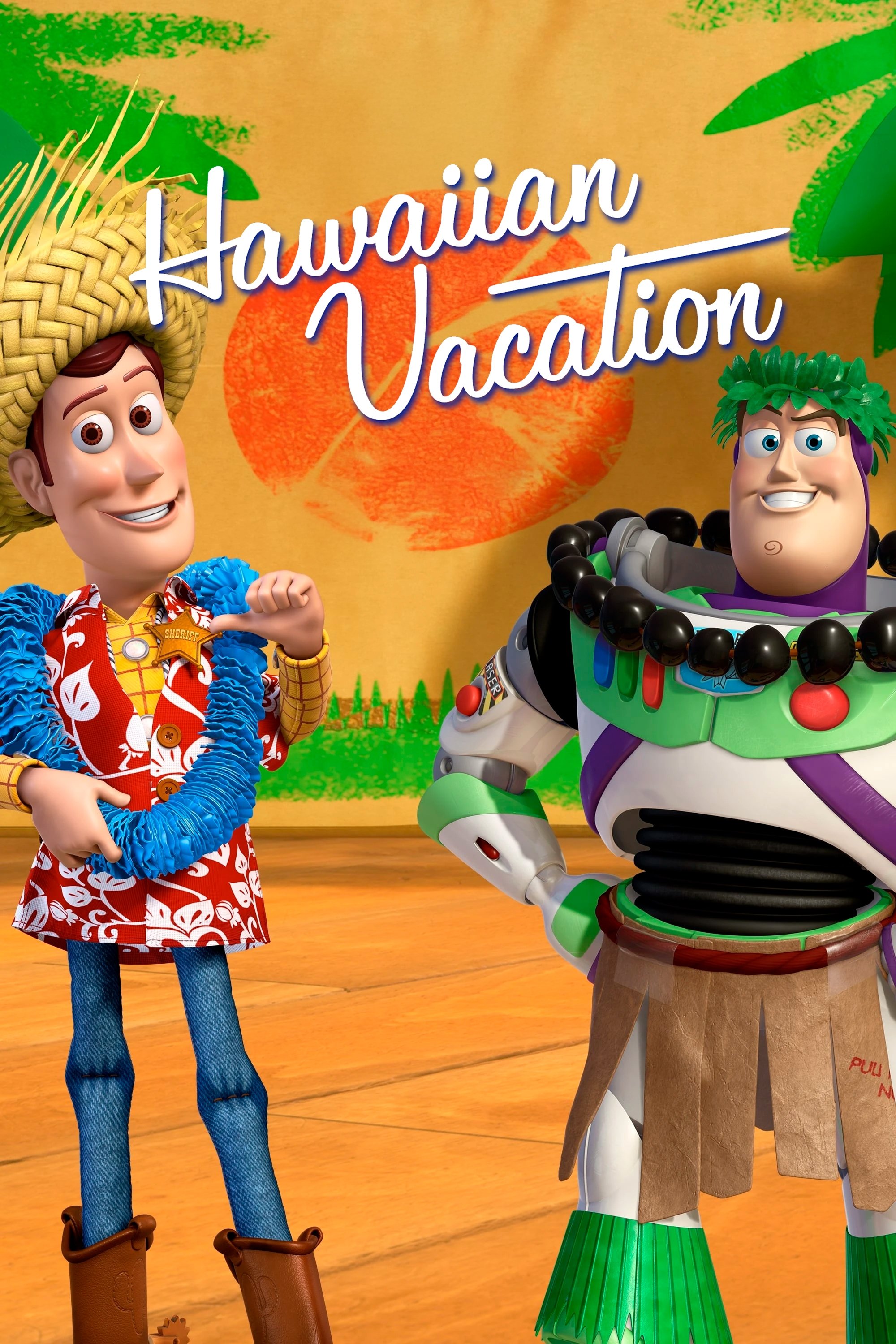
The toys throw Ken and Barbie a Hawaiian vacation in Bonnie's room.
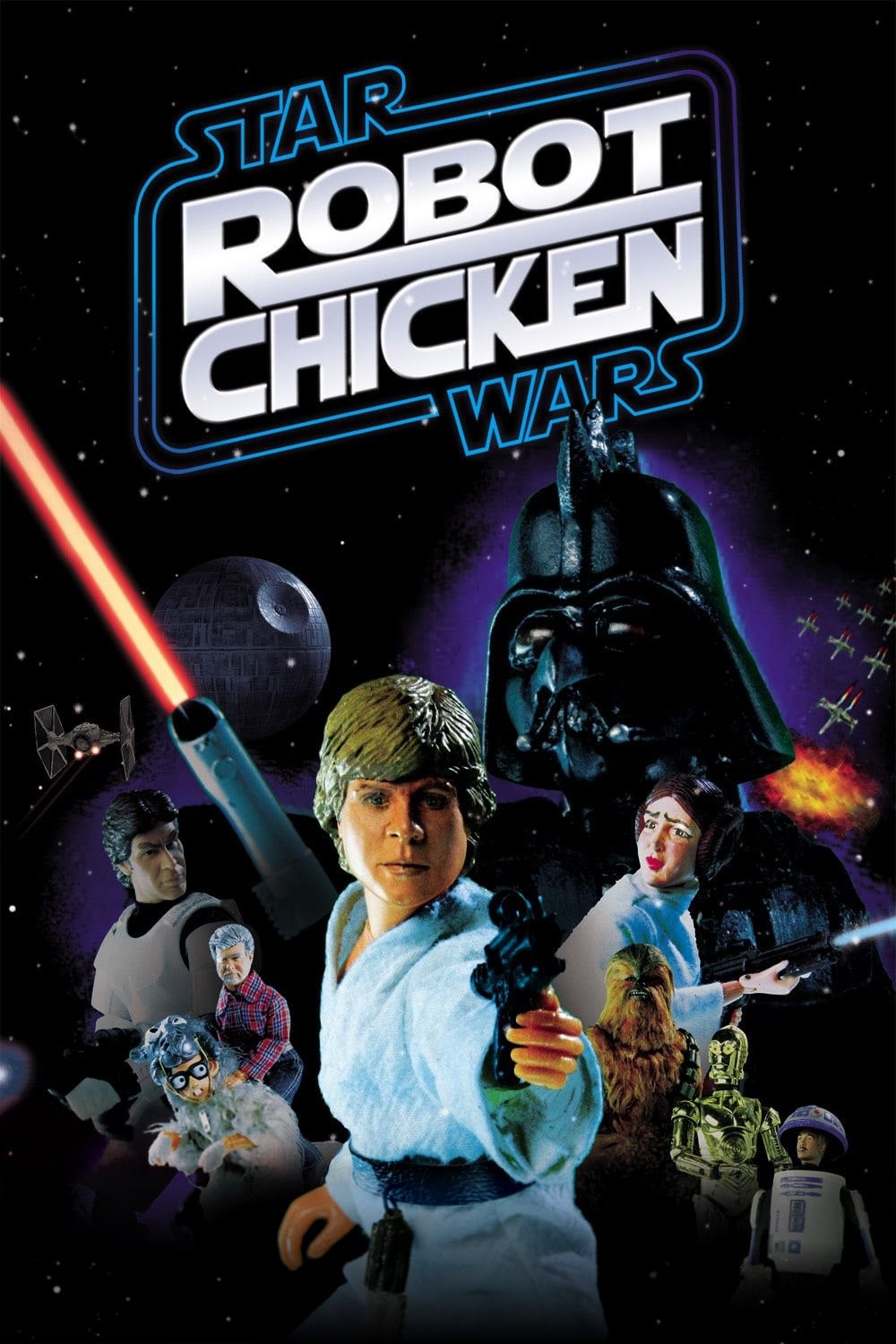
A series of 30 sketches, following the hilarious antics of various characters from a galaxy, far, far away.
Mater the tow truck travels from country to country as he retells his infamous but unbelievable stories.
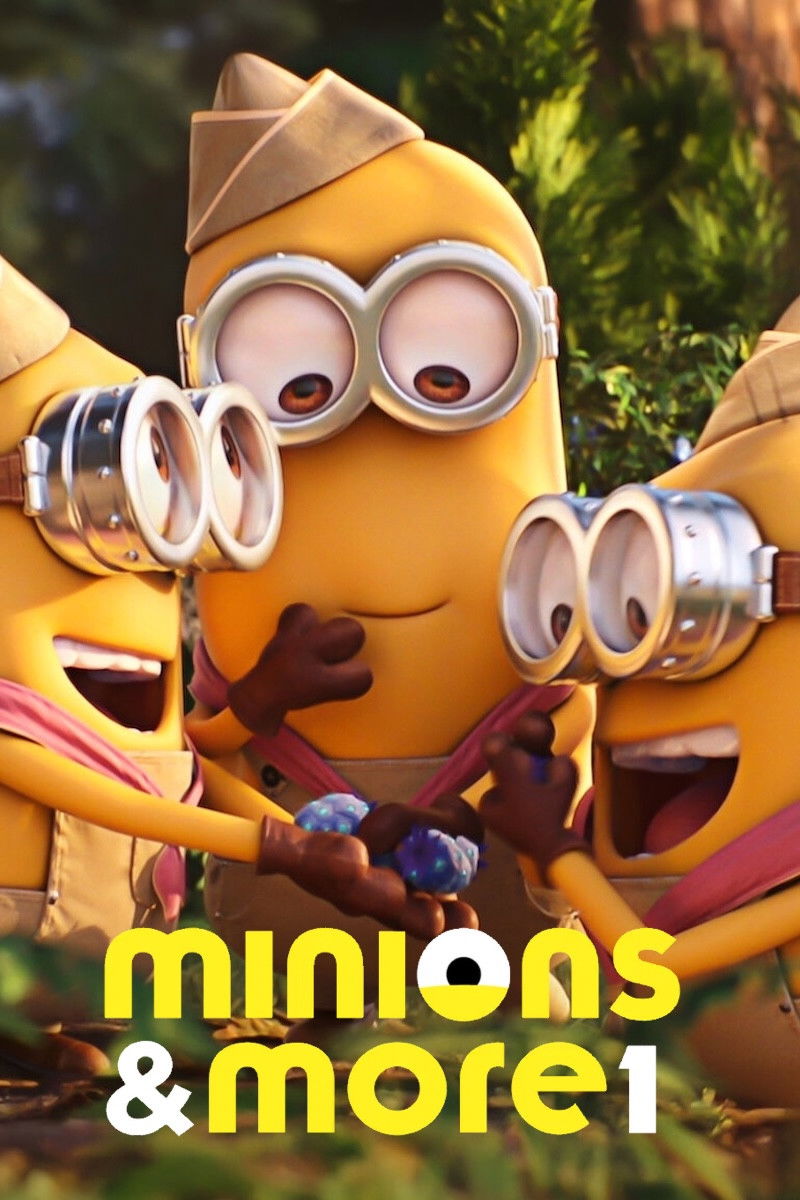
This collection of 10 short films produced by Illumination includes: From the "Despicable Me" franchise: Puppy (2013); Minion Scouts (2019); Training Wheels (2013); The Secret Life of Kyle (2017); Santa's Little Helpers (2019). From the "Grinch" franchise: The Dog Days of Winter (2019). From the "Secret Life of Pets" franchise: Norman Television (2016); Weenie (2016). From the "Sing" franchise: Love at First Sight (2017). From the "Lorax" franchise: Forces of Nature (2012).
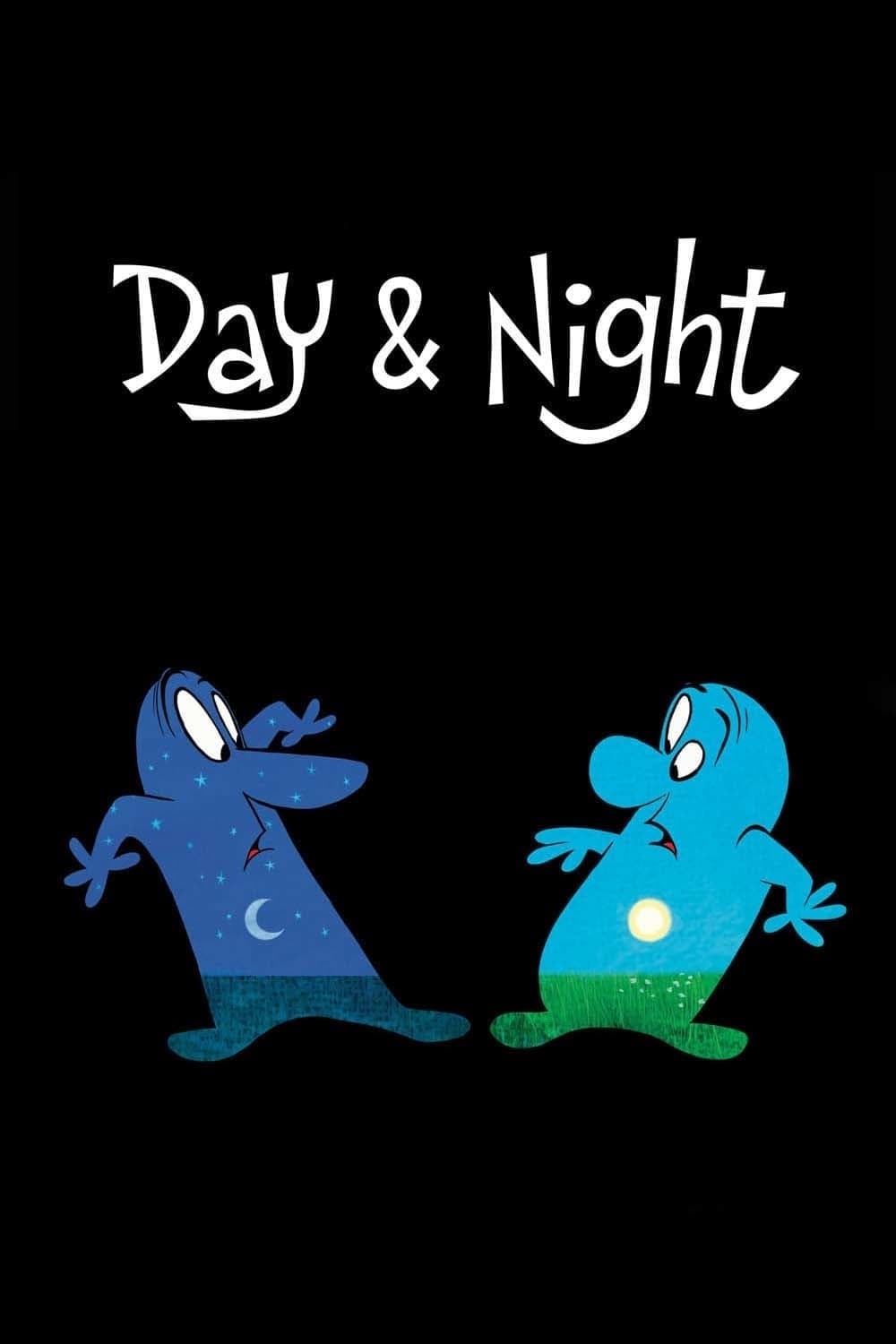
When Day, a sunny fellow, encounters Night, a stranger of distinctly darker moods, sparks fly! Day and Night are frightened and suspicious of each other at first, and quickly get off on the wrong foot. But as they discover each other's unique qualities--and come to realize that each of them offers a different window onto the same world-the friendship helps both to gain a new perspective.
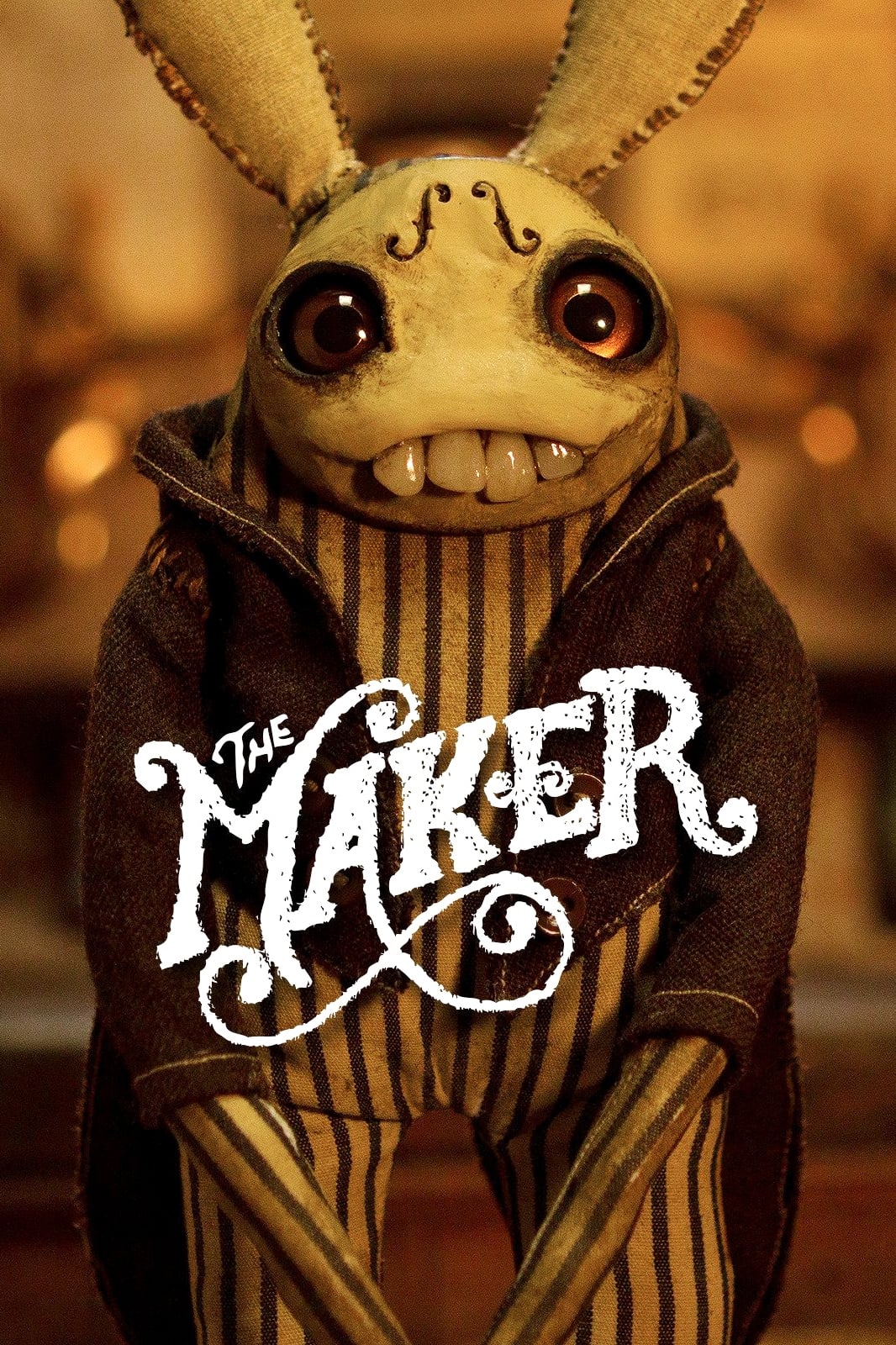
A strange creature races against time to make the most important and beautiful creation of his life.
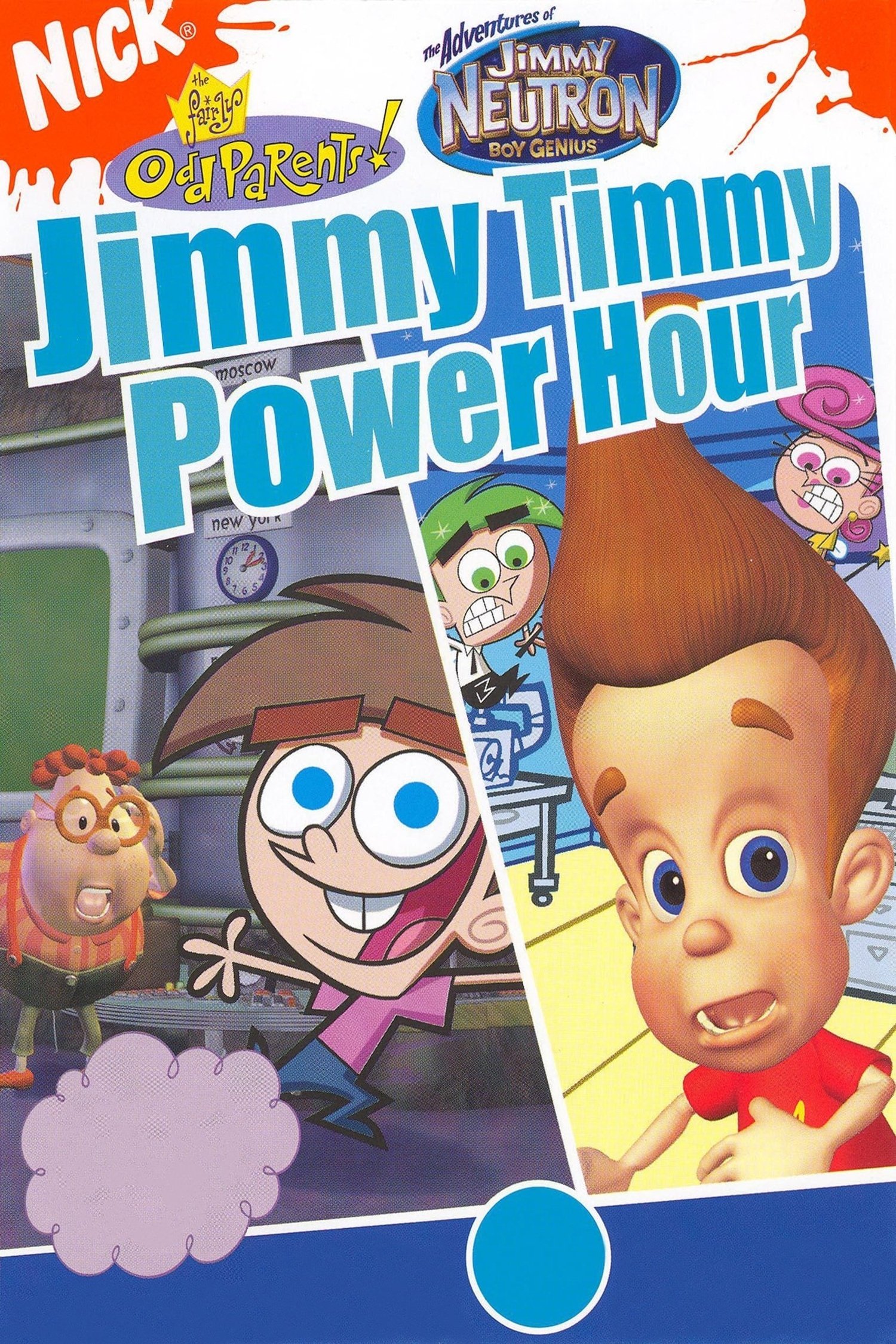
Mayhem reigns supreme in the animated kingdom as whiz kid Jimmy Neutron and Timmy from "The Fairly Oddparents" swap places in each other's worlds.
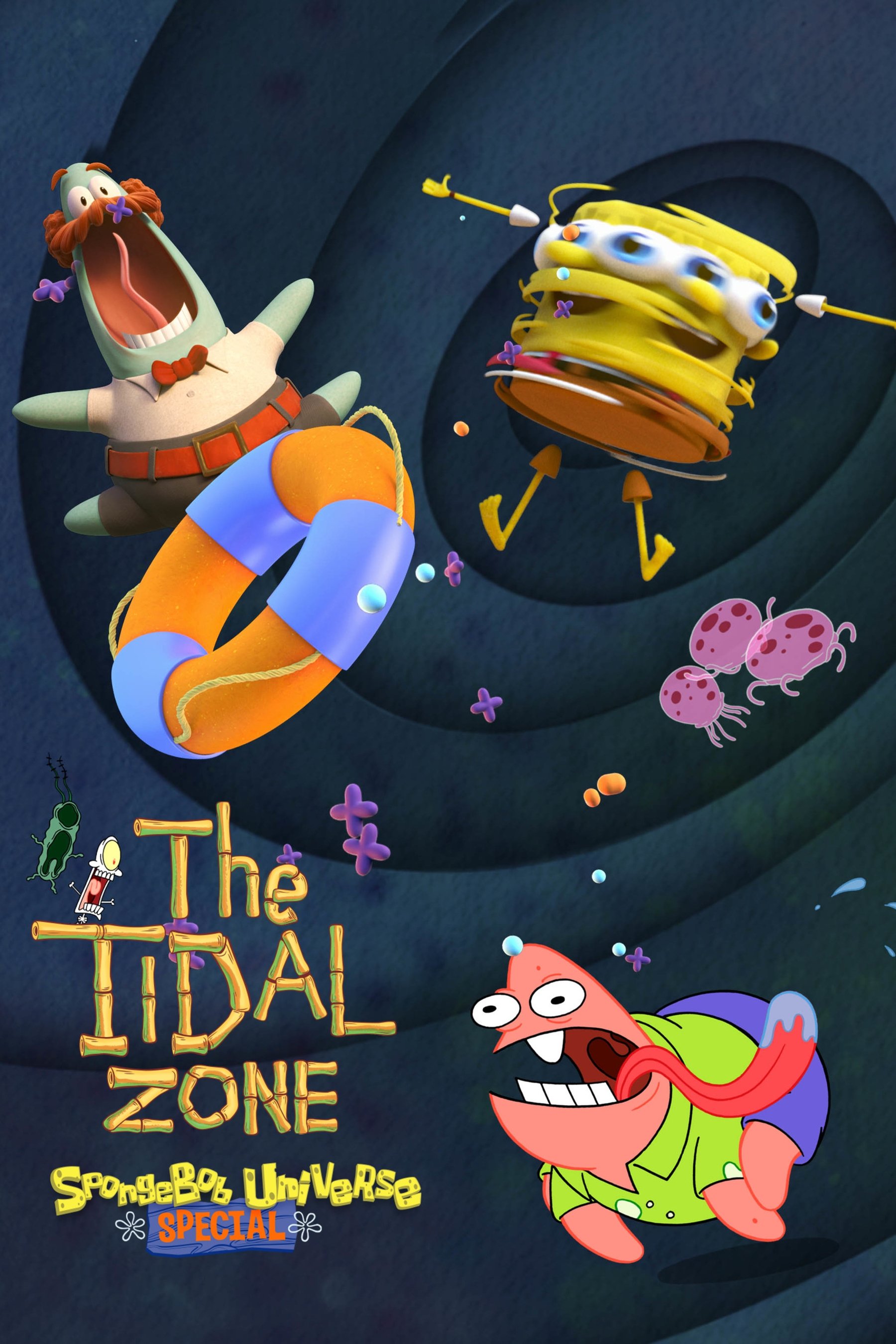
GrandPat travels through alternate dimensions and timelines to get home.
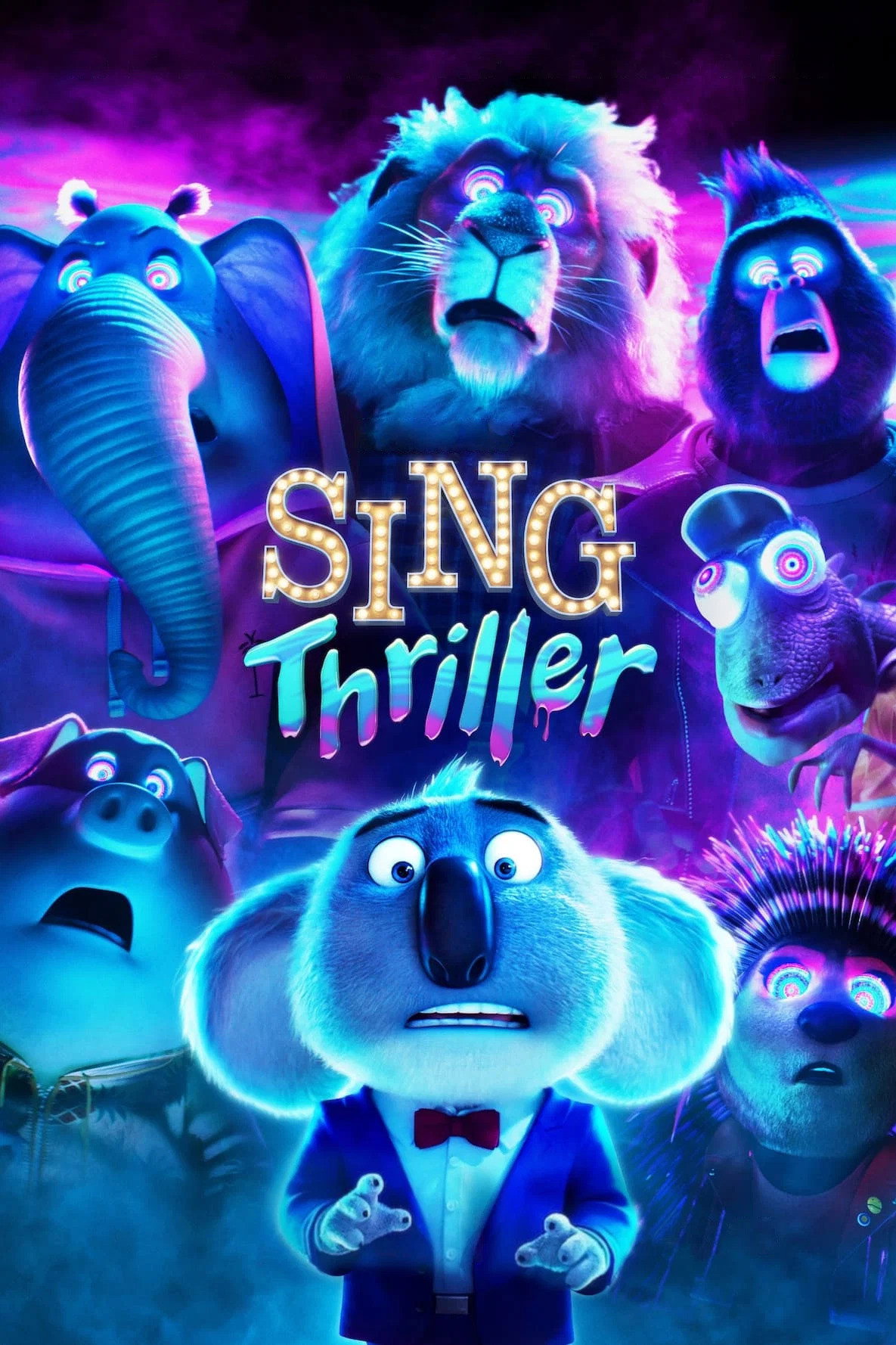
Buster Moon dreams up a star-studded spectacle set to Michael Jackson's "Thriller" in this animated short featuring characters from the hit "Sing" films.
Two Minions are busy at work in the mailroom. One of them, bored, decides to throw a box of expired PX-41 samples into its designated chute.
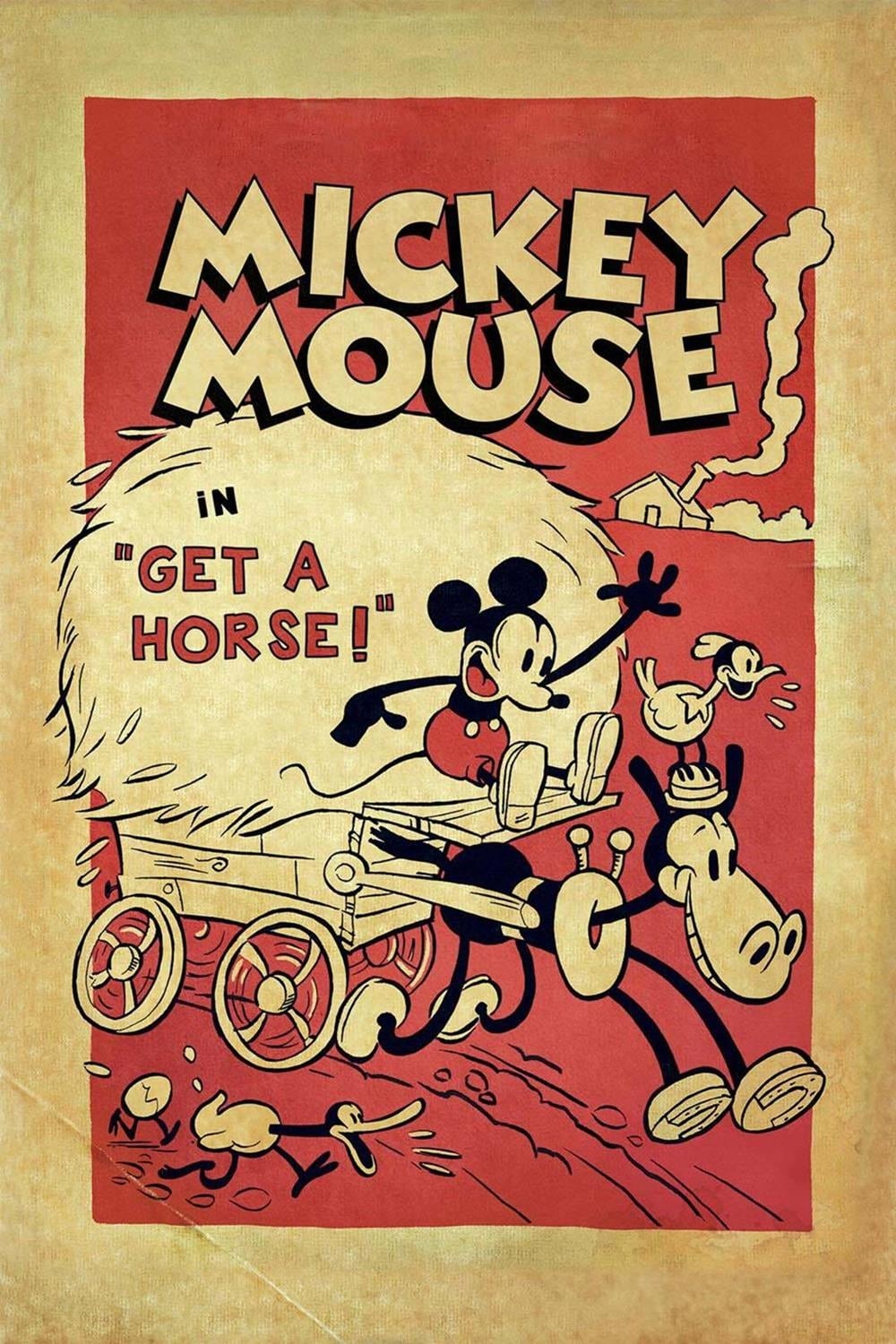
Mickey, Minnie, Horace Horsecollar, and Clarabelle Cow go on a musical wagon ride until Peg-Leg Pete tries to run them off the road.
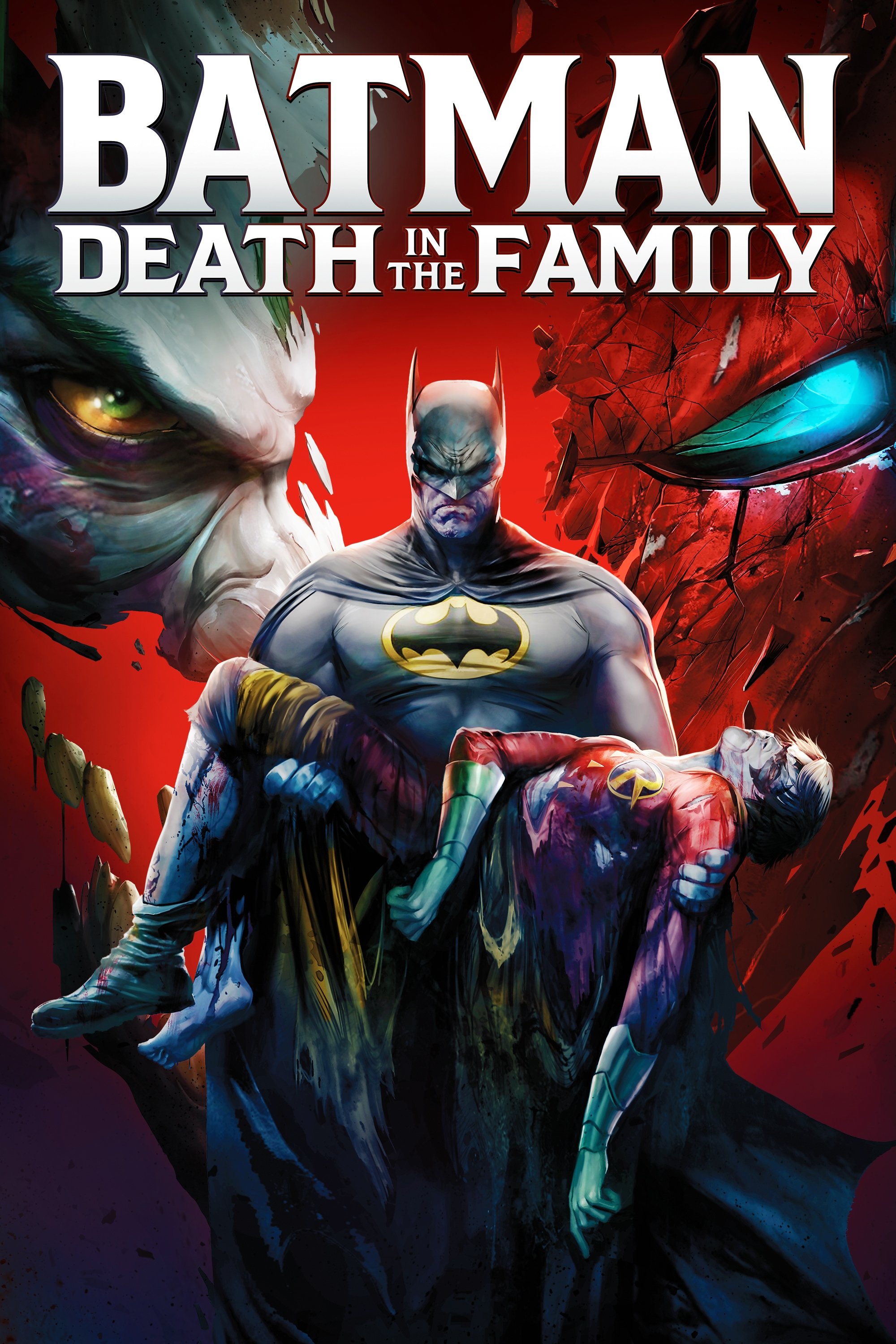
Tragedy strikes the Batman's life again when Robin Jason Todd tracks down his birth mother only to run afoul of the Joker. An adaptation of the 1988 comic book storyline of the same name.
This short film continues the adventures of the title character as he tries to retrieve his elusive acorn.
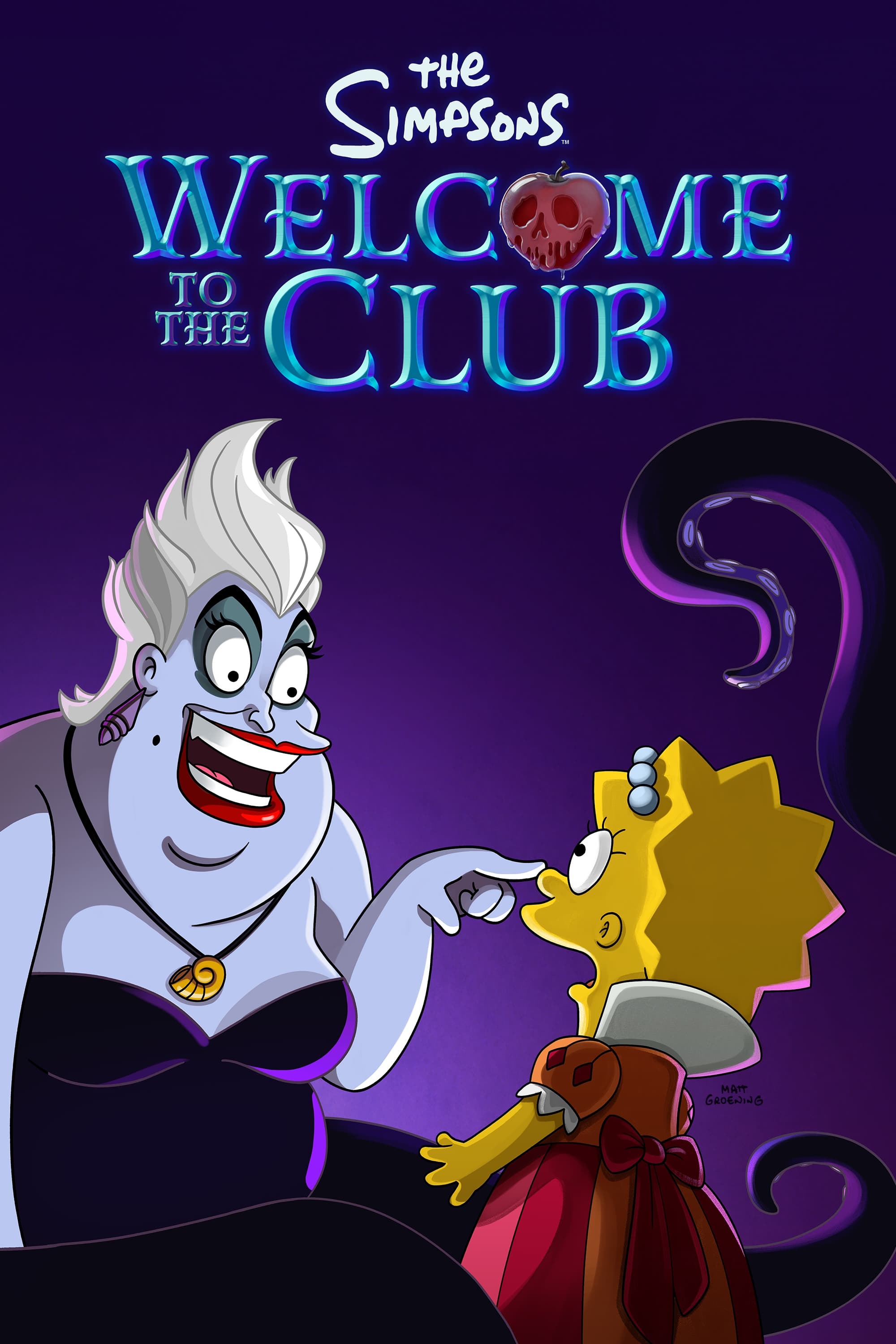
Heart set on becoming a princess, Lisa Simpson is surprised to learn being bad might be more fun.
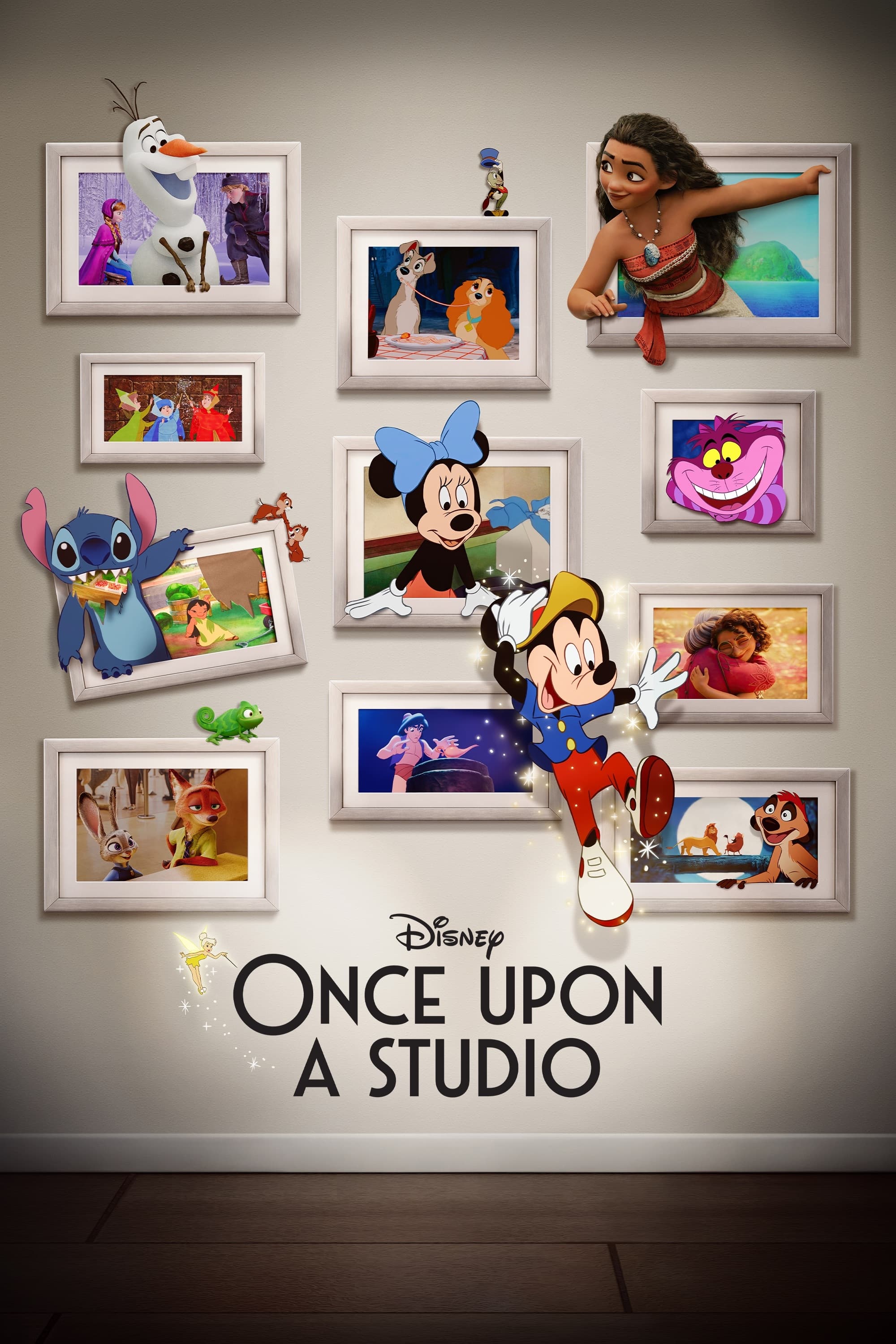
Created for Disney's 100th anniversary, the short features Mickey Mouse corralling a gallery of legendary Disney characters for a group photo.
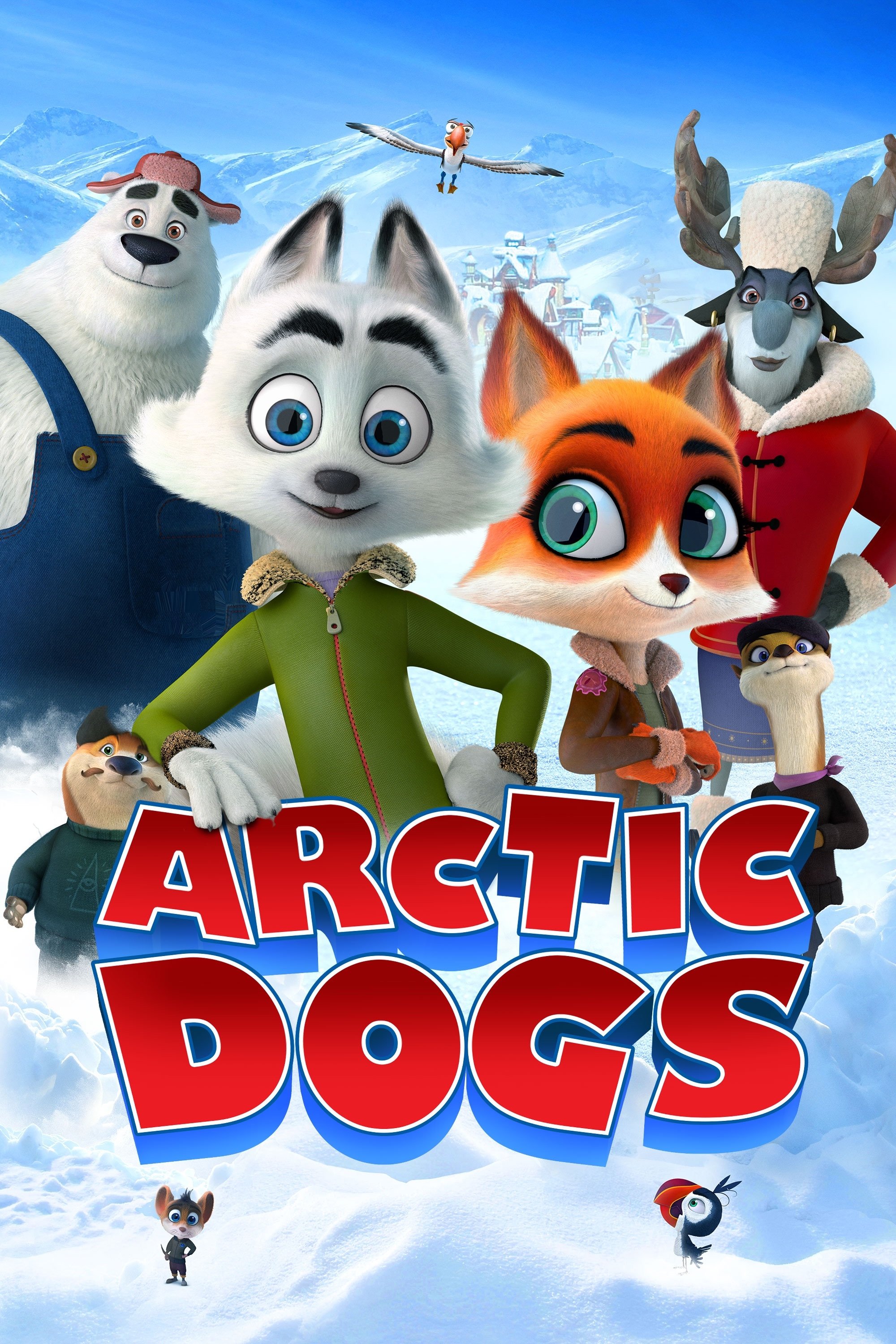
Animals band together to save the day when the evil Otto Von Walrus hatches a sinister scheme to accelerate global warming and melt the Arctic Circle.
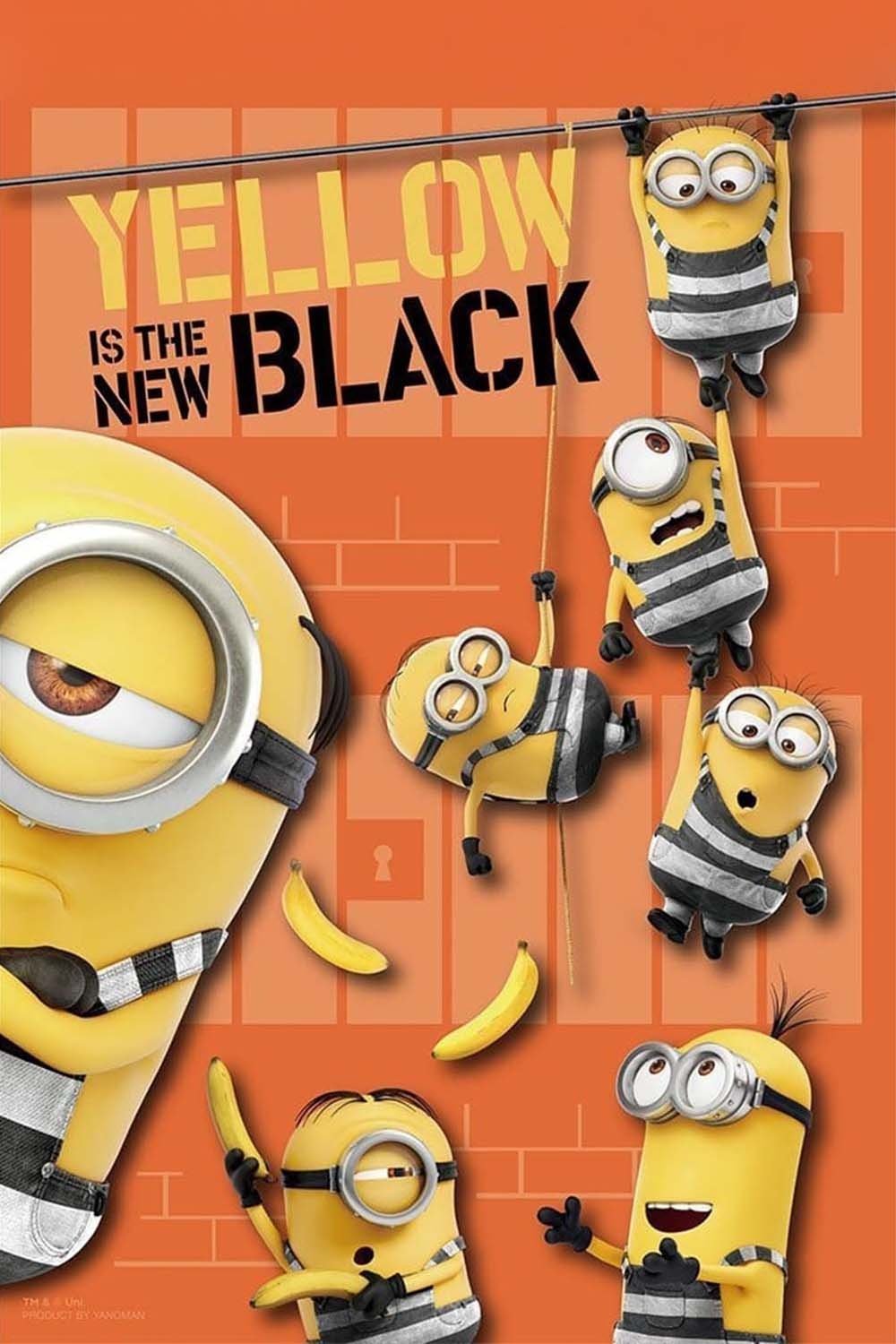
An adventure about two Minions who make a daring (though temporary) escape from jail. As they navigate the chaos of their breakout, their antics showcase the Minions' signature blend of resourcefulness and mischief, resulting in a short filled with hilariously unpredictable moments.