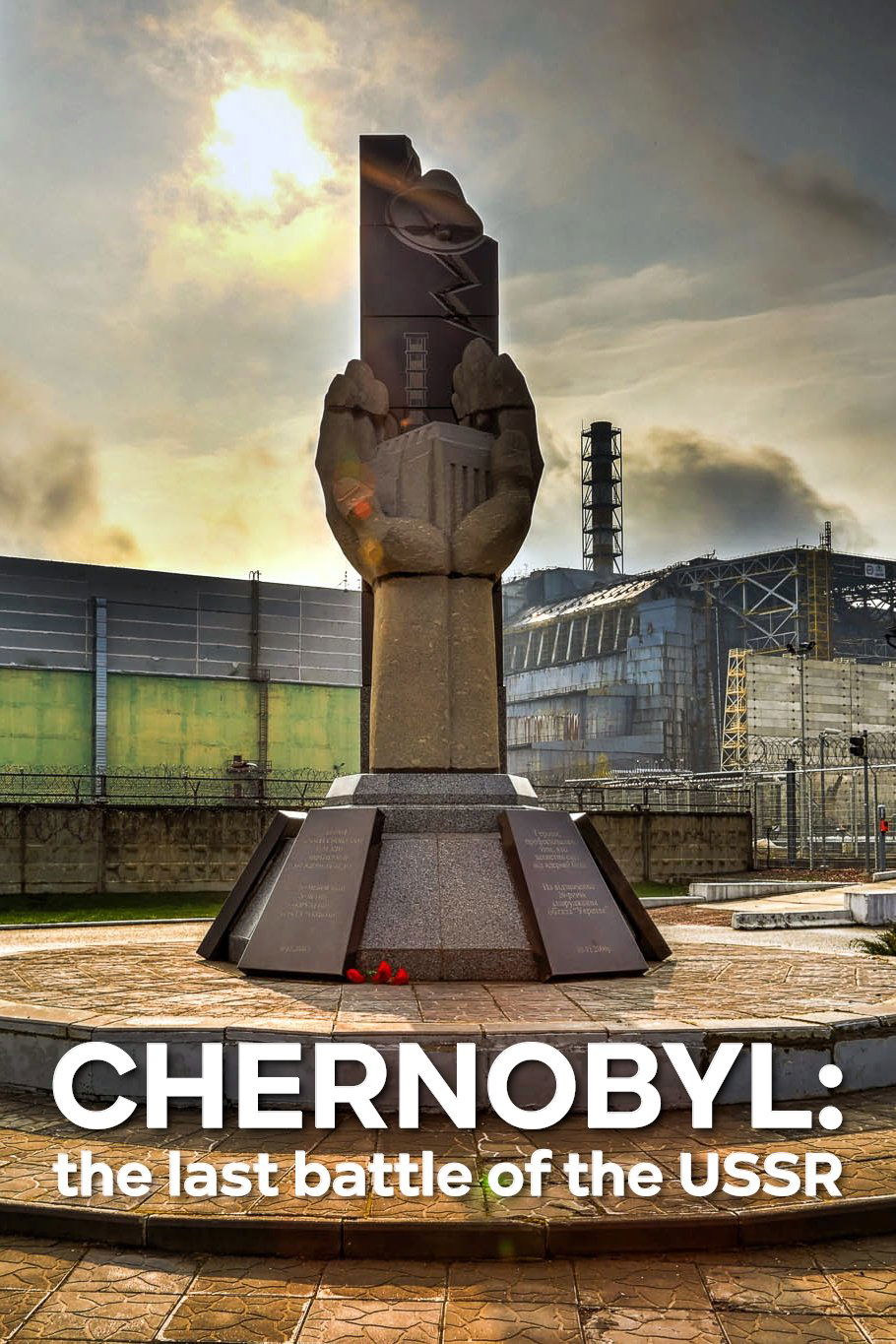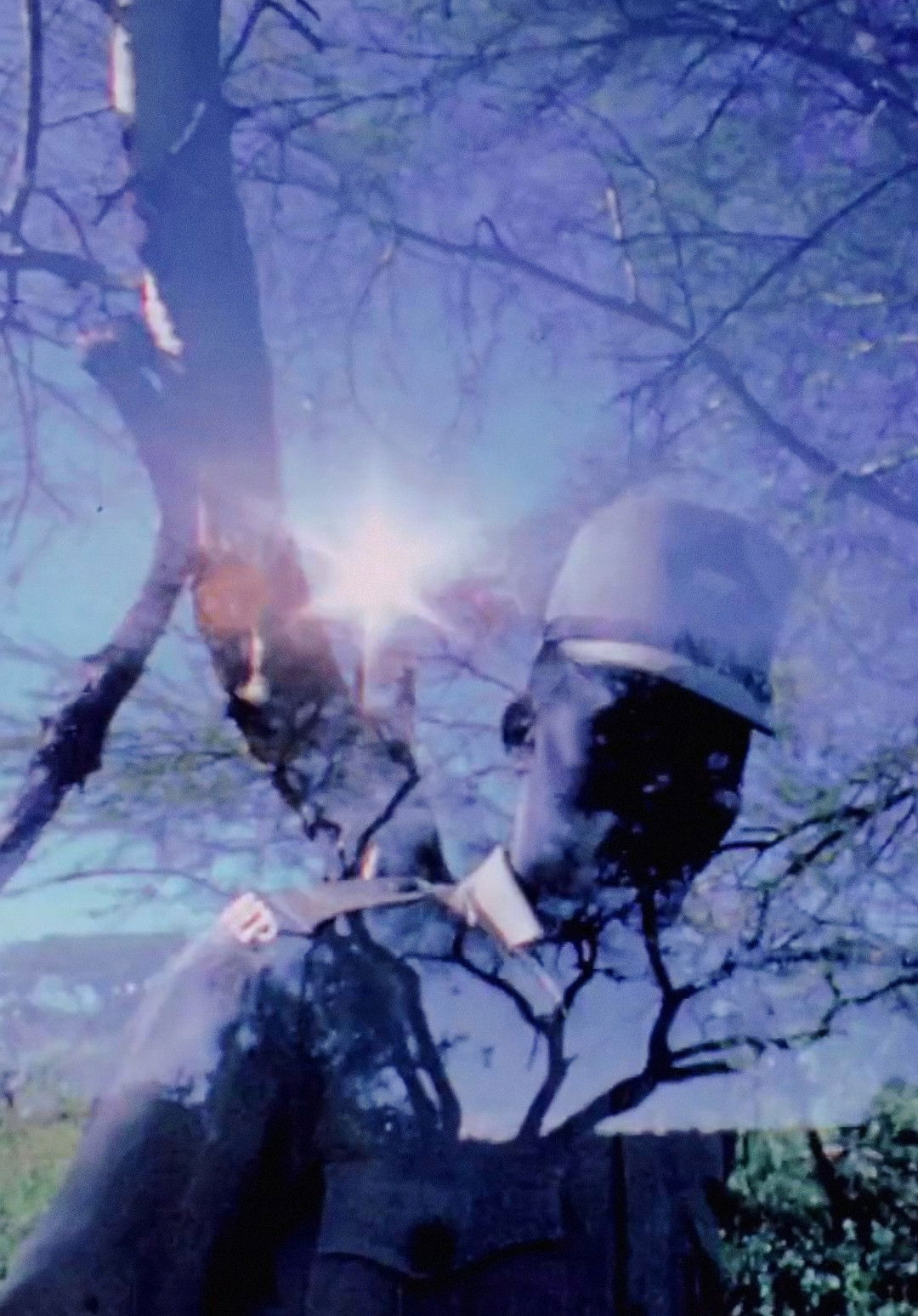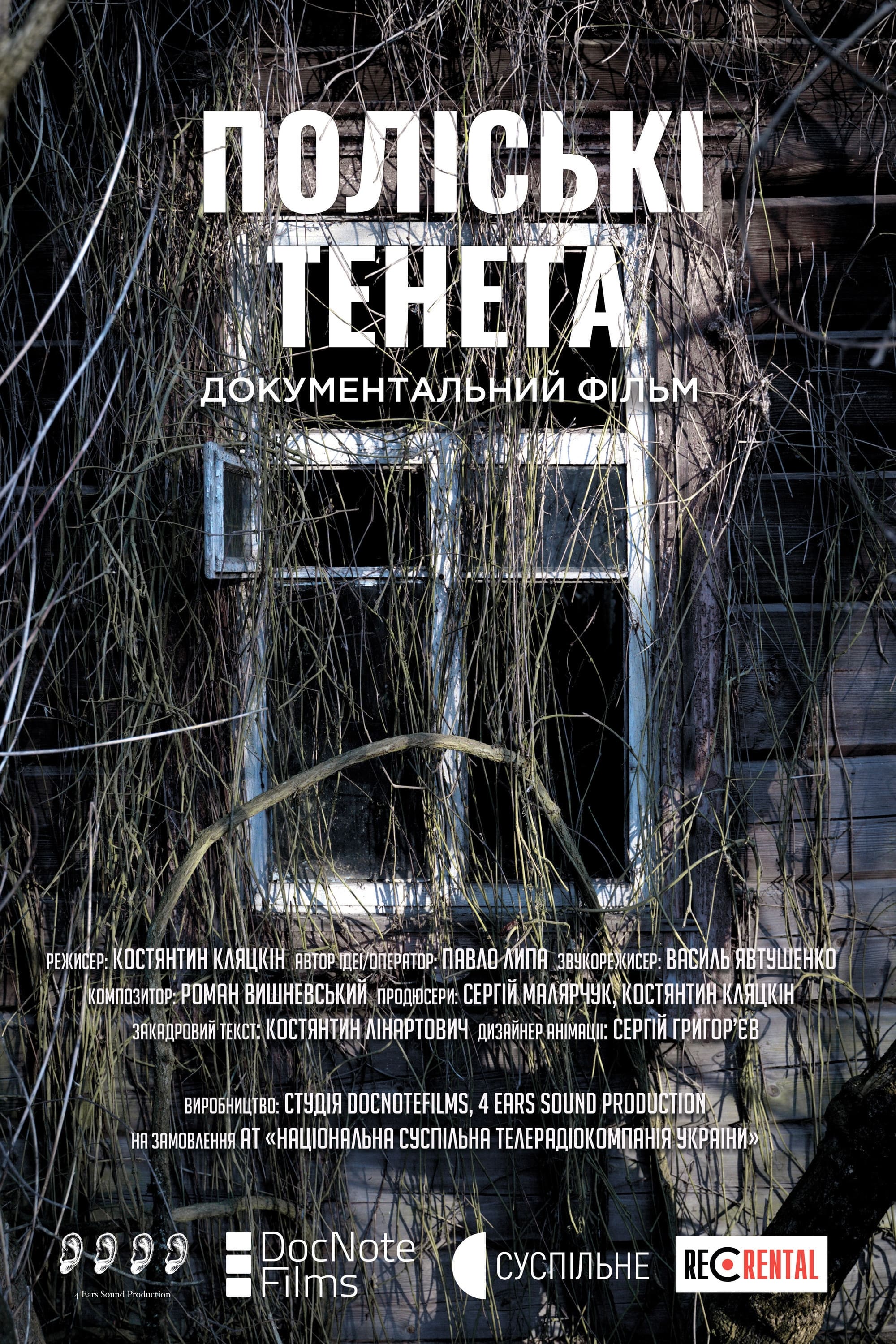
Poliske was contaminated with radioactive material after the 1986 Chornobyl disaster. Soviet authorities did everything they could to erase the ancient history of this town, and after Chornobyl, they destroyed its future.
Social & External
Despite losing her parents at age three in a car accident, Toko experiences an idyllic childhood thanks to her uncle, who raises her. She dreams of being an actress and, having had some local notoriety in her town, she is ready to take a leap of faith and travel to Tokyo to audition. But, as fate would have it, her hopes are dashed as her world and her country are turned upside down when Japan is struck by the Great East Japan Earthquake on March 11, 2011. This motivates Toko to assist with aid efforts in Kesennuma where she meets volunteer organizer Kiyotaka. While she initially senses something about Kiyotaka is amiss in the midst of their devastated surroundings, feelings of hope grow as do their feelings for one another.
The adventurous life of Natacha Rambova (1897-1966), an American artist, born Winifred Kimball Shaughnessy, who reincarnated herself countless times: false Russian dancer, silent film actress, scenographer and costume designer, writer, spiritist, Egyptologist, indefatigable traveler, mysterious and curious; an amazing 20th century woman who created the myth of Rudolph Valentino.
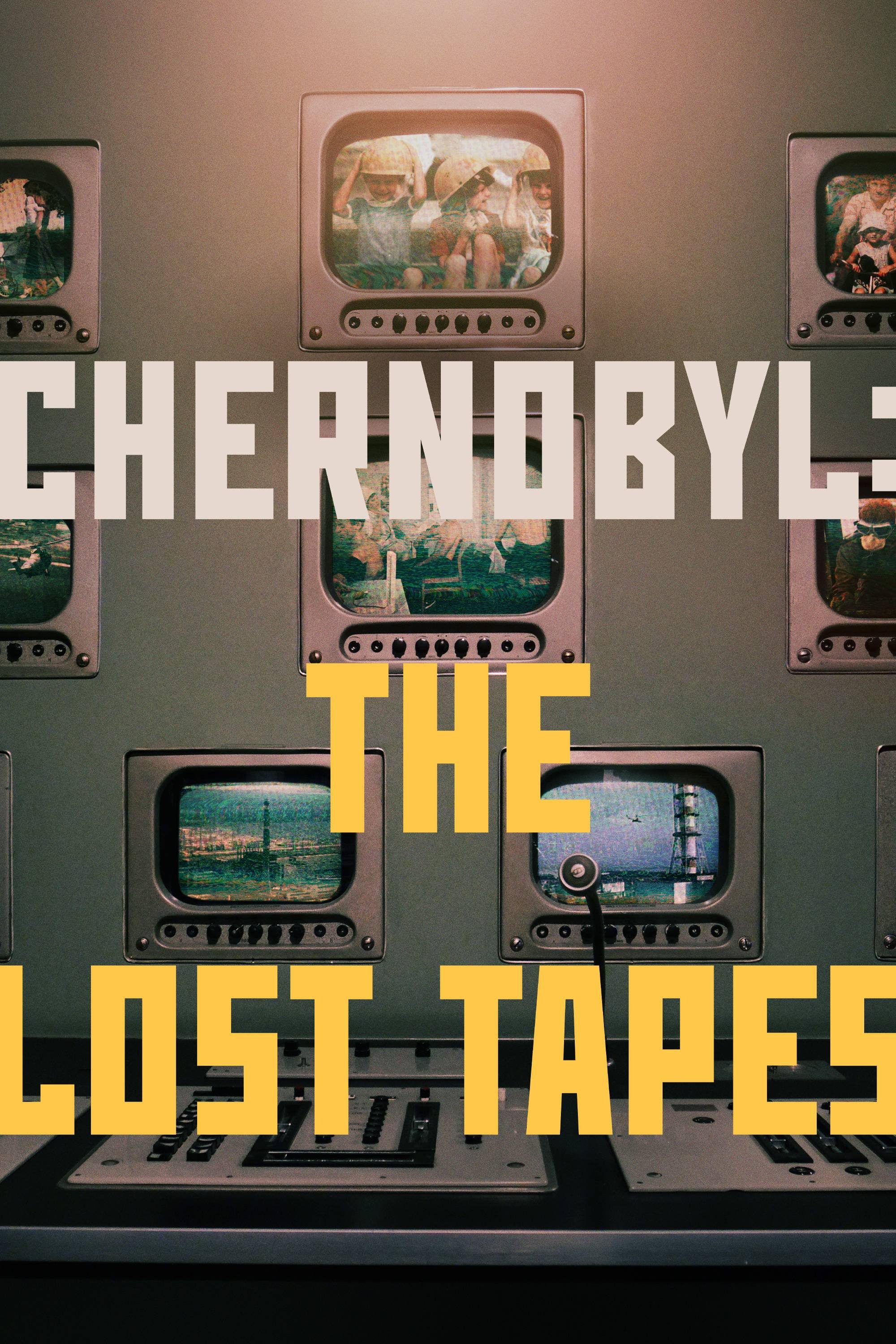
Mothers and doctors speak out about the grim reality of life in the five years following the Chernobyl disaster. In children, doctors witnessed a massive increase of recurrent infections, baldness, as well as leukaemia and other cancers.
Palermo, Sicily, Italy, 2017. Twenty-five years after the murders of anti-mafia judges Giovanni Falcone, on May 23, 1992, and Paolo Borsellino, on July 19, 1992; and on the occasion of the tributes held in memory of both heroes, skeptical photographer Letizia Battaglia, chronicler of their titanic combat, criticizes the opportunism of shady characters who, like businessman Ciccio Mira, profit from the commemoration of both tragedies.
July, 1941. After the beginning of the German invasion, an Italian soldier, a veteran of the colonial wars, is sent to the Soviet front. As he remembers the fairy tales his Russian mother used to tell him, the train he is travelling in crosses Europe on its way to the vast Ukrainian plains, where the enemy and a cruel winter await him… (Based on the experiences of several Italian soldiers.)
During the Napoleonic Wars at the beginning of the 19th century, Andreas Hofer became a Tyrolean folk hero. As the head of a resistance movement, he became caught up in a dangerous political game of interests between the French and Austrians, Napoleon and the Habsburgs. After the defeat at Austerlitz, the Habsburgs had to cede Tyrol to the Bavarian kings in 1805. The liberal Bavarians implemented numerous reforms in Tyrol, including religious reforms, which met with resistance from the rural population. The young Archduke Johann wanted to take advantage of their discontent. In Andreas Hofer, the commander-in-chief of the Tyrolean troops, the brother of Emperor Franz I finds a loyal patriot whom he can use for his political moves. The Tyrolean revolt against the French and Bavarians puts Napoleon in a tight spot. In several battles, the rebels succeed in defeating the Bavarian and French troops, but not in defeating them for good.
Tatiana is forty-two years old and she is a stylist for one of Kyiv’s women’s magazines. She is ironic, self-confident, Tatiana lives in a large house on the suburbs of the Ukrainian capital and she enjoys the freedom that her recent divorce gave her. Her quite successful life is interrupted by the outbreak of the war. Friends and acquaintances come to her house, including her ex-husband and colleague who has a crush on her. Together, they watch how Russia destroys their city. After a few days, almost everyone tries to get out of Kyiv and persuades Tatiana to follow. But she can’t make up her mind.
This docudrama takes us on a journey through Nikolai Astrup's life and the inspiration behind some of his most famous paintings until his early death in 1928.
What has shaped the appearance of Brno and the lives of its inhabitants over the last two centuries? What do architectural monuments and cultural and social traditions refer to?
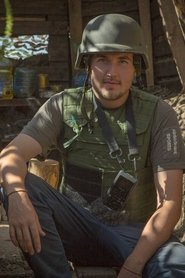
Based on a true story. Two fighters of 'Donbas' Volunteer Battalion get locked inside city of Ilovaysk after regular Russian army enters Ukraine and shells the surrounded divisions of Ukrainian Army in the infamous would-be 'green corridor'. The fighters survive thanks to the help of the locals and manage to break out through the front line to reach the freed territory. Taras Kostanchuk who is playing himself as 'Beshoot' is that same Donbas commander who is the prototype of the story. Half of the actors and extras are real 'Donbas' volunteers who survived the battle.
Ljudmila Ignatenko tells the story of her and her husband Vasilij, a firefighter who was one of the victims of the Chernobyl disaster in 1986.
An account of a young Italian boy who was taken in by a Canadian military unit during World War II.
Twenty-five-year-old Vadym earns a living recording and selling all kinds of different sounds; nevertheless, he’d rather exchange his life in Kyiv for a better future in far-flung Canada. Thus, when he gets a generous job offer which might help him realise his dream, he jumps at the chance; he soon sets off to record the sounds of animals indigenous to Ukraine and also a rare bird native to the Carpathians. The situation proves somewhat more complicated when Vadym’s companion on the trip turns out to be his mother… To the sounds of a synthesized music score, debuting Ukrainian director Antonio Lukich unfolds a visually creative road movie, in which he demonstrates a highly unusual talent for constructing tragicomic situations.
The history of Europeans in North America, from the arrival of Columbus in 1492 to the business success of German immigrants such as Heinz, Strauss or Friedrich Trumpf, Donald Trump's grandfather. During the 19th century, thirty million people — Germans, Irish, Scots, Russians, Hungarians, Italians and many others — left the old continent, fleeing poverty, racism or political repression, hoping to make a fortune and realize the American dream.
A look at the world of US writer Paul Auster, on the occasion of the publication of his new novel, an exploration of human identity and the soul of New York, the city that Auster has portrayed as no one else has ever done.
The mysterious parallel story of Italian painters Andrea Mantegna (ca. 1431-1506) and Giovanni Bellini (ca. 1435-1516), brothers-in-law, public rivals and masters of the early Renaissance.
It’s the last dictatorship of Europe, caught in a Soviet time-warp, where the secret police is still called the KGB and the president rules by fear. Disappearances, political assassinations, waves of repression and mass arrests are all regular occurances. But while half of Belarus moves closer to Russia, the other half is trying to resist…
In the first century, after the death of Herod the Great, Judea goes through a long period of turbulence due to the actions of the corrupt Roman governors and the internal struggles, both religious and political, between Jewish factions, events that soon lead to the uprising of the population and a cruel war that lasts several years and causes thousands of deaths, a catastrophe described in detail by the Romanized Jewish historian Titus Flavius Josephus.
An account of the reign of Herod the Great, king of Judea under the rule of the Roman Empire, remembered for having ordered, according to the Gospel of Matthew, the murder of all male infants born in Bethlehem at the time of the birth of Jesus, an unproven event that is not mentioned by Titus Flavius Josephus, the main historian of that period.
Nazi troops massacre 30,000 Jews over a three-day period in September 1941. Babyn Yar ravine in Kyiv, Ukraine.