This documentary in the Look At Life series – made by the Rank Organisation for screening in Odeon and Gaumont cinemas – was released in 1967 and anticipated a radical redevelopment of Piccadilly Circus, which never actually happened.
Social & External
Narrator
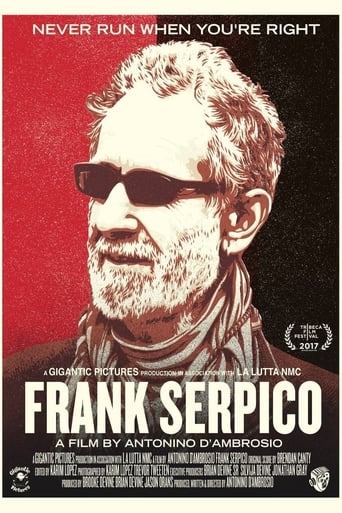
In 1972, officer Frank Serpico exposes the corruption which poisons the roots of the NYPD and becomes famous in 1973 when director Sidney Lumet tells his story in the classic film “Serpico,” starring Al Pacino.
Is the story of a generation of thieves who achieved their greatest victories in the sixties; their distinctive code of ethics, the various categories of delinquents inhabiting the citys streets, their alliances with high ranking police officials that allowed them to operate, the betrayals that followed, and the price they ended up paying.
The life and career of the hailed Hollywood movie star and underappreciated genius inventor, Hedy Lamarr.
Thirty years after the release of his film JFK (1991), filmmaker Oliver Stone reviews recently declassified evidence related to the assassination of President John F. Kennedy, which took place in Dallas on November 22, 1963.
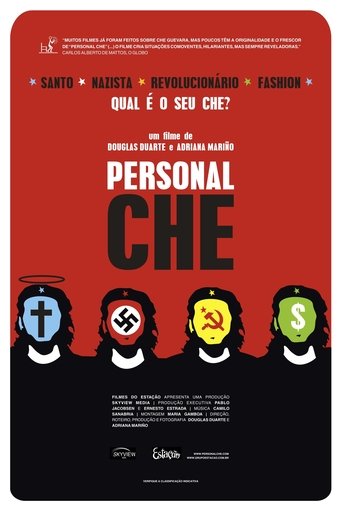
A documentary that explores the myth behind the truth. Different people around the globe reinterpret the legend of Che Guevara at will: from the rebel living in Hong Kong fighting Chinese domination, to the German neonazi preaching revolution and the Castro-hating Cuban. Their testimonies prove that the Argentinian revolutionary's historical impact reverberates still. But like with all legends, each sees what he will, in often contradictory perspectives.
The film looks at men and women of color in the U.S. Merchant Marine from 1938-1975. Through chronicling the lives of these men and women who, with a median age of 82, are beset with a host of life-threatening illnesses, the movie tells how they navigated issues of racism, disparities in the workplace, gender and familial relations.
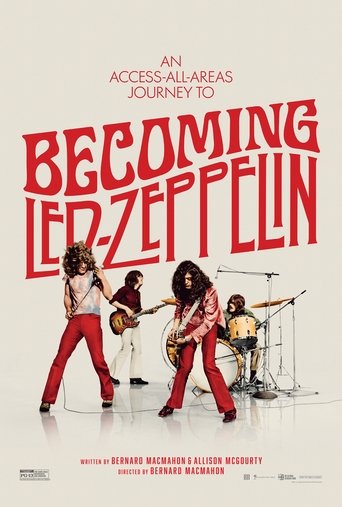
The individual journeys of the four members of the band, as they move through the music scene of the 1960s, playing small clubs throughout Britain and performing some of the biggest hits of the era, until their meeting in the summer of 1968 for a rehearsal that changes their lives forever.
Using local media footage from the London Borough of Southwark spanning the past 20 years, this documentary discusses complex social issues including gang violence, knife crime, and mental and sexual health.
Twiggy takes a comprehensive look at the life story of UK model and cultural icon Twiggy, real name Lesley Lawson, whose career kickstarted in the 1960s. It features interviews with Twiggy and her husband Leigh Lawson, as well as commentary from Erin O’Connor, Paul McCartney, Lulu, Poppy Delavigne, Brooke Shields, Pattie Boyd and Zandra Rhodes.
They are young, all-American girls who enjoy horse riding, karate and Sherlock Holmes. But there's more to Brynne, Tess and Savannah than wholesome pursuits - they're exorcists. The girls believe much of the world's population is possessed by evil spirits which are causing addiction, depression and suffering. In a fight against the devil's army, they have been touring America performing public exorcisms on their believers. Now they are taking the fight to a city they think of as one of the most spiritually corrupt in the world - London. But what will Brits make of these evangelical American exorcists?
A documentary account by award-winning filmmaker John Ferry of the events that led up to the 1969 Native American occupation of Alcatraz Island as told by principal organizer, Adam Fortunate Eagle. The story unfolds through Fortunate Eagle's remembrances, archival newsreel footage and photographs.
St James's in London is renowned for being Britain's poshest high street. We meet the characters who run the stores, and the customers who buy their premium products.
Spain, 1968. An analysis of the political and social situation of the country, suffocated by the boot of General Franco's tyrannical regime. (Filmed clandestinely in Madrid and Barcelona during the spring of 1968.)
Experimental movie, where a man comes home and experiences LSD. His kaleidoscopic visions follow, with readings inspired by the Tibethan Book of the Dead.
'L'ultimo pugno di terra' (The Last Fistful of Land) is a 1966 documentary film directed by Fiorenzo Serra about the anguish and instability of the lower classes in a destitute Sardinia. Originally commissioned by the Sardinian regional government as a celebratory piece on the 'miraculous' effects of the 'Piano di Rinascita della Sardegna' (Sardinia's Rebirth Plan), the film instead shows an island still 'standing still in time', barely affected by the painful oxymoron of the inevitable changes taking place.
In 1966 a group of determined young men defied the New Zealand government and launched a pirate radio station aboard a ship in the Hauraki Gulf.
Actress Elizabeth Taylor, who was born in London, England, gives viewers a tour of the city, including her birthplace, the Westminster Bridge, the Houses of Parliament, Battersea Park and an East End church that was damaged in the infamous "blitz" air raids during World War II. She also recites several famous English poems and speeches by notable English figures.
Based on Geoffrey Fletcher’s book, this captivating documentary exposes the real London of the swinging sixties. Turning its back on familiar sights, the film explores the hidden details of a crumbling metropolis. With James Mason as our Guide, we are led on an tour of the weird and wonderful pockets of London from abandoned music-halls to egg breaking factories.
In the fifties, when the future Democratic Republic of Congo was still a Belgian colony, an entire generation of musicians fused traditional African tunes with Afro-Cuban music to create the electrifying Congolese rumba, a style that conquered the entire continent thanks to an infectious rhythm, captivating guitar sounds and smooth vocals.