Social & External
The trial of Alfred Plock differed from previous trials in that it did not have an explicitly political background. A group of engineers from the Ministry of Post, Industry, and Standard Electric were charged solely because they wanted to implement a revolutionary technological innovation and turn Prague into the headquarters of a new pan-European telecommunications system. Among other things, they wanted to enhance their country's prestige on the international stage. However, it was precisely this intention that aroused the suspicion of the security authorities and Soviet advisers. They therefore decided to take decisive action.
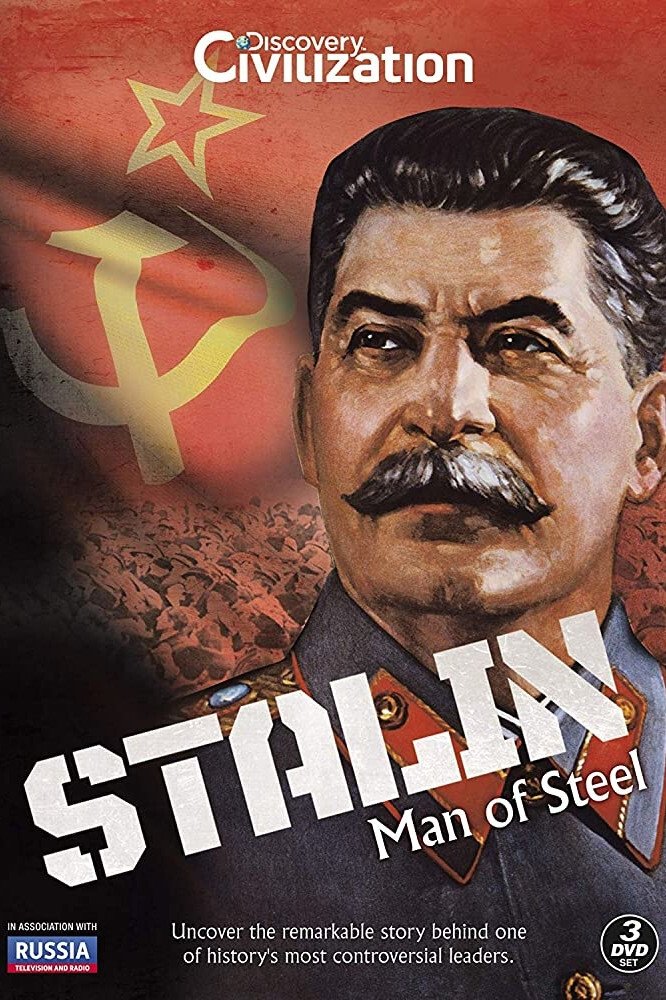
Emmy Awards nominee for "Outstanding Individual Achievement in a Craft: Research: Multi-faceted portrait of the man who succeeded Lenin as the head of the Soviet Union. With a captivating blend of period documents, newly-released information, newsreel and archival footage and interviews with experts, the program examines his rise to power, deconstructs the cult of personality that helped him maintain an iron grip over his vast empire, and analyzes the policies he introduced, including the deadly expansion of the notorious gulags where he banished so many of his countrymen to certain death.
This excellent and breathtaking documentary is the result of a long study on the Gulag to try to understand why more than 60 million Soviet citizens were sent to the camps from 1918 to 1956, how such a massive confinement could take place during two generations. From the Solovki in the north-west to the Kolima in Siberia, from Lenine to Kroutchev, a polar geography is erected into the Gulag system. One does not escape from camps. After ten years of imprisonment, one dies. Some survived, some left traces; they witness: organisation, work and discipline, but also resistance, repression and revolt.
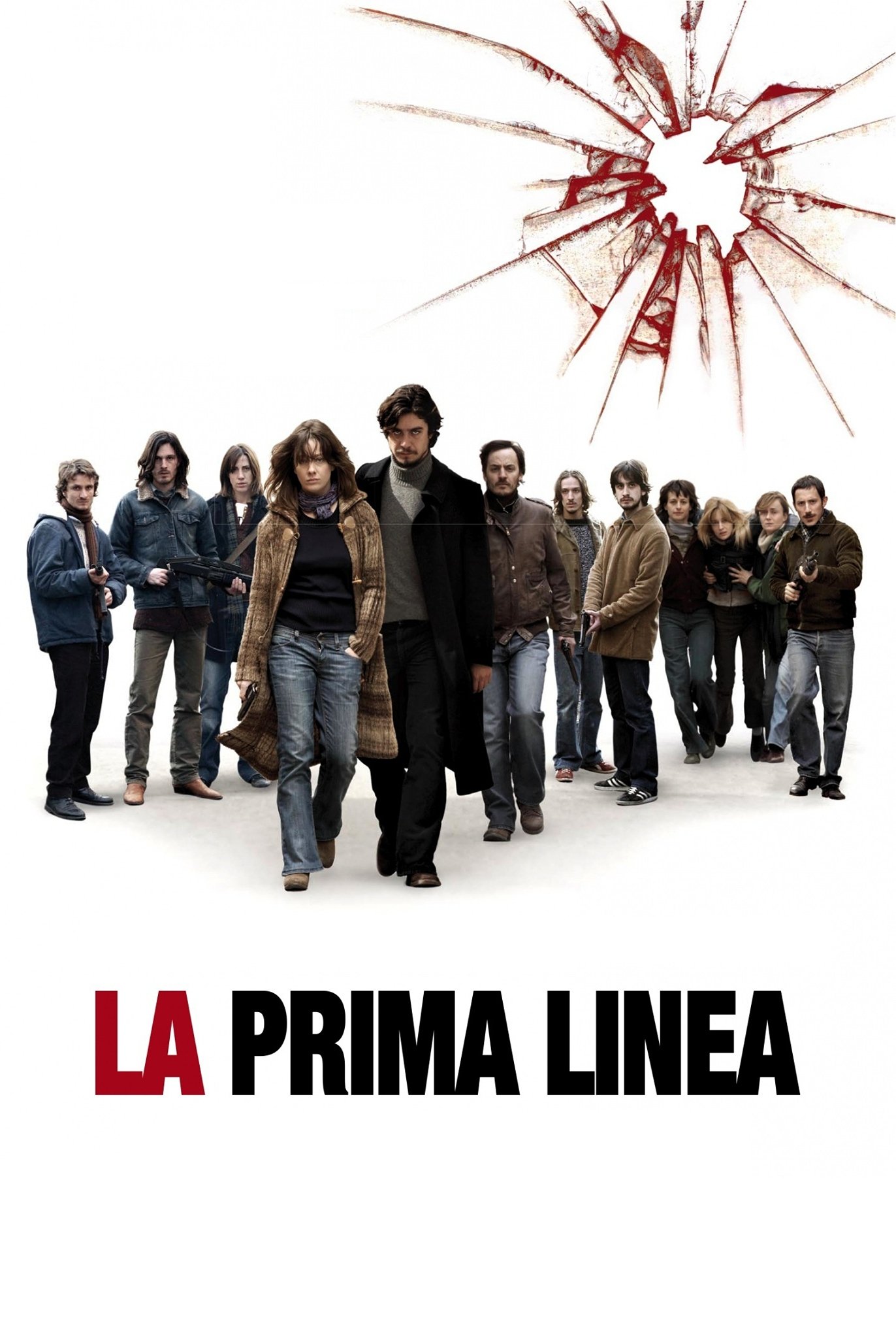
United by an uncompromising struggle as members of the infamous 1970s far-left terrorist group Prima Linea, fugitive couple Sergio and Susanna have become increasingly alienated from the real world. Their luck runs out when Susanna is captured and thrown in jail. Putting his life on the line, Sergio embarks on a radical plan... Loosely based on the memoir by Prima Linea's 'commander' Sergio Segio.
The story of what daily life was like in Poland under communism: private conversations, cruel interrogations, recruitment attempts, recorded and filmed with hidden devices; of how the secret services spied on every activity of ordinary citizens: nothing escaped the brutal system of control developed by the Soviets in the name of freedom.
A documentary about the modern controversy between Poland and Russia over Russian prisoners of war from the time when Poland regained its independence, after the First World War.
The forest in Bykovnia near Kyiv hides the remains of more than 30,000 NKVD victims, including several thousand Poles. In 2006, a team of Polish archeologists, with the cooperation of the Ukrainian side, conducted exhumation work there, which confirmed that Poles were buried in the cemetery. At the time, two people whose fathers are believed to be buried there also came to the Bykovsky forest. The film tells the story of the history of the place, the local residents' perception of it, and the search for the fathers' graves.
Three family cope with having lost their only child in 2008 deadly Chinese earthquake.
Young teen girl Xiu Xiu is sent away to a remote corner of the Sichuan steppes for manual labor in 1975 (sending young people to there was a part of Cultural Revolution in China). A year later, she agrees to go to even more remote spot with a Tibetan saddle tramp Lao Jin to learn horse herding.
A woman prisoner is harshly incarcerated and suddenly released.
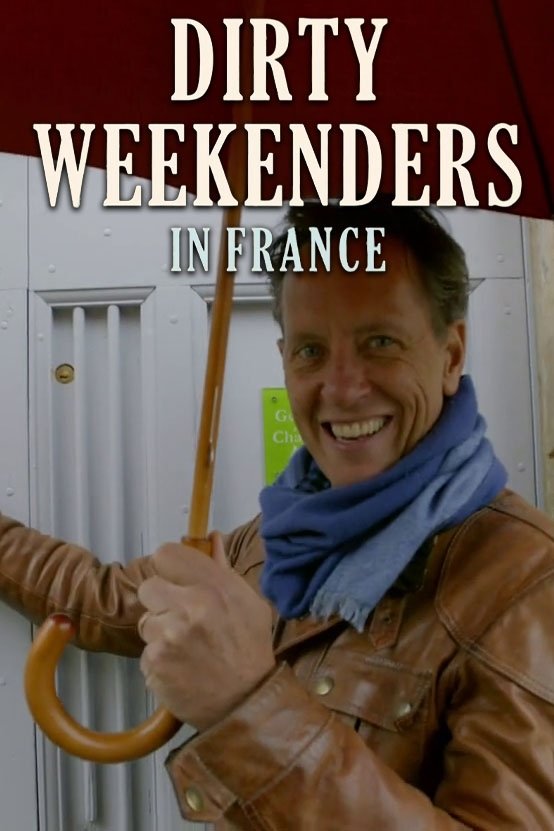
Self-confessed curio hunter Richard E. Grant takes a trip to the continent to reveal the world of the people who spend their time rifling through the barns, cowsheds and French farm attics, looking for pre-war treasures to bring back home. The show explores the world of professional antique hunters and dealers who seek out hidden treasures at flea markets and antique shops all over France; hoping to find curios like absinthe glasses, horse linen and vintage traffic lights that will sell like wildfire in the UK. Richard and two dealers storm the continent to plunder its treasures and discover the stories behind their amazing vintage finds, as well as the history and culture of the areas they visit. But can they recover their outlay in a weekend? And as Richard revels in the land of dusty cafes, beautiful B&Bs and the perfect citron pressé, can these dealers actually make a living from their weekend of treasure hunting?
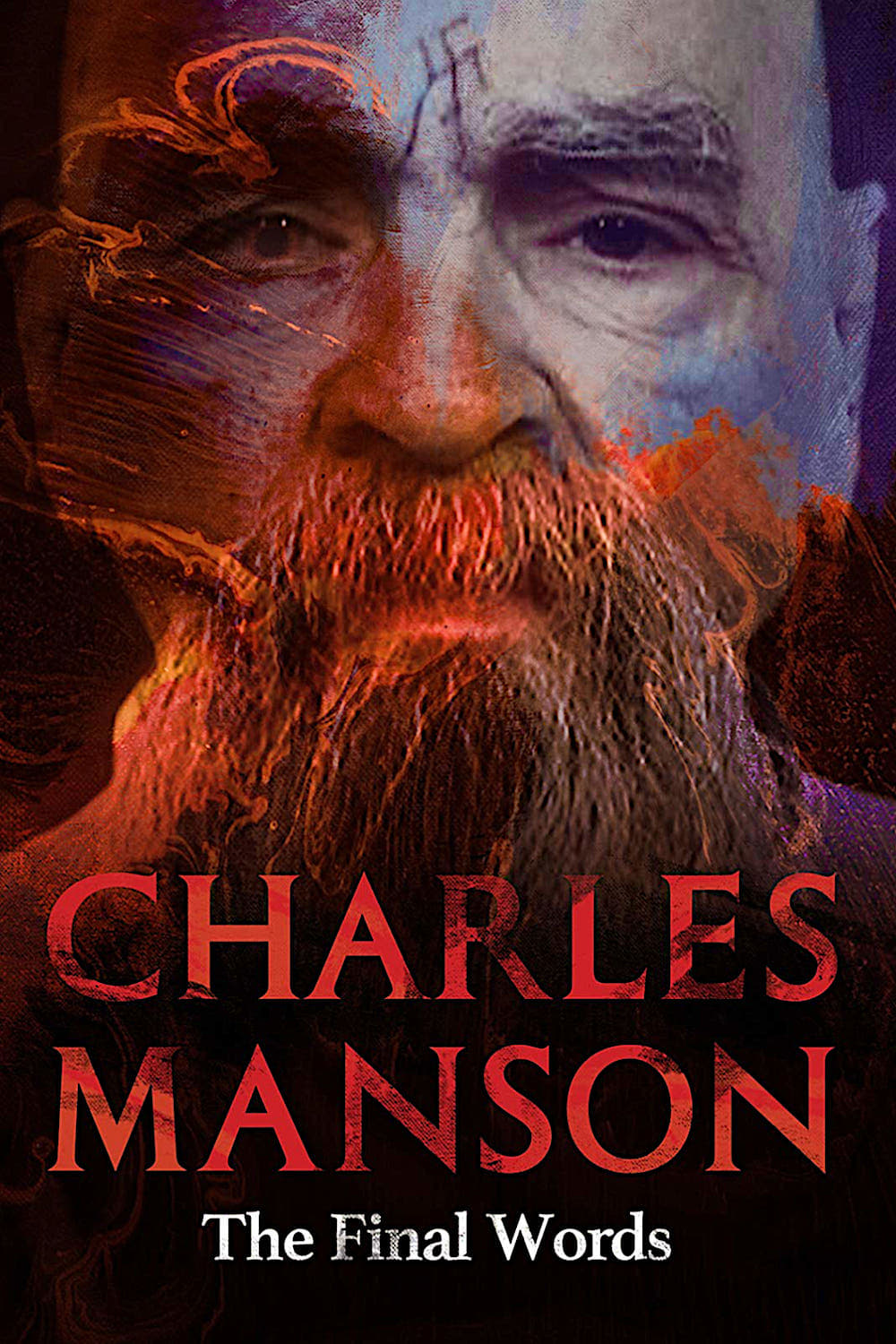
An explosive documentary that changes the conversation about Charles Manson and the notorious "Manson Family" murders.
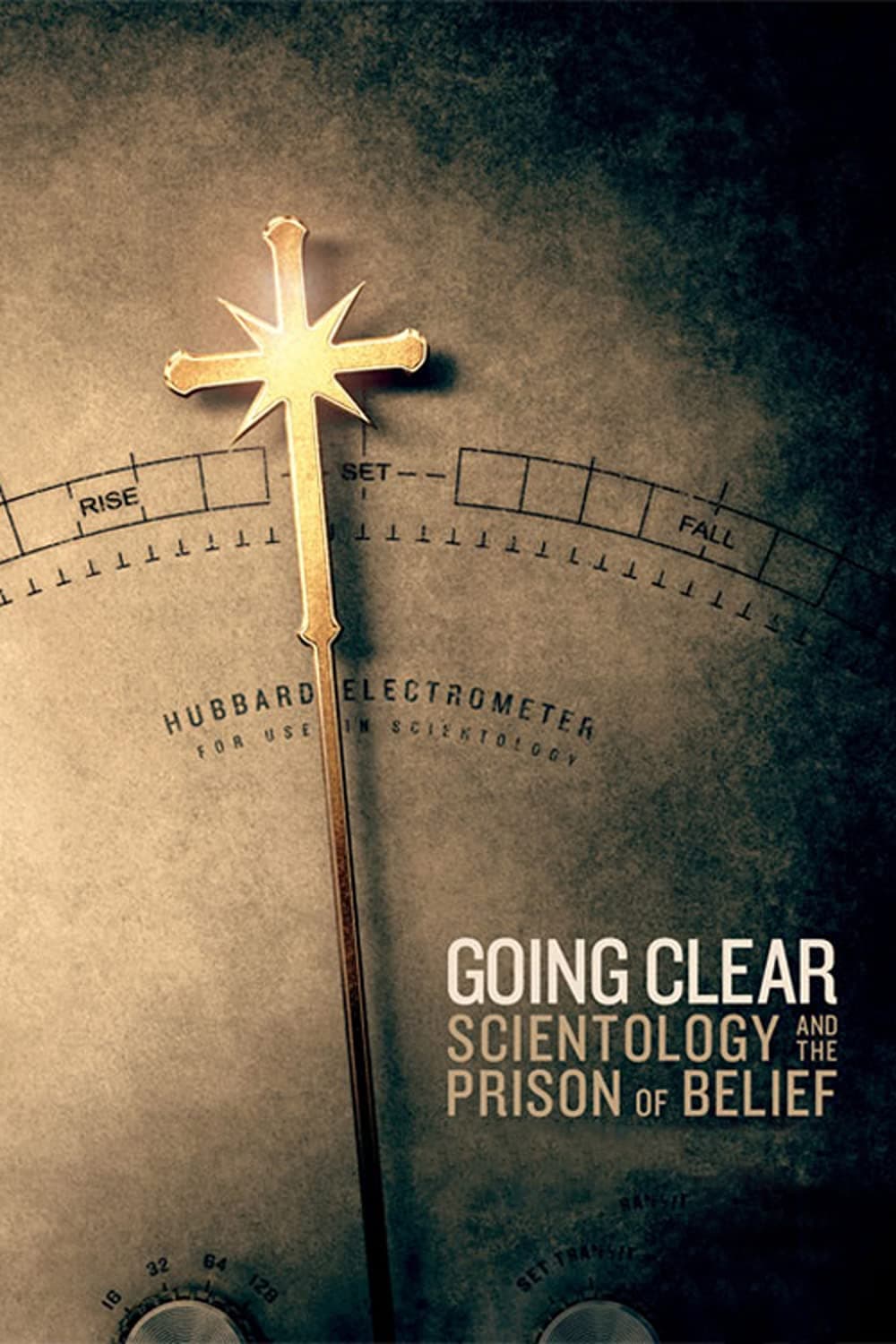
GOING CLEAR intimately profiles eight former members of the Church of Scientology, shining a light on how they attract true believers and the things they do in the name of religion.
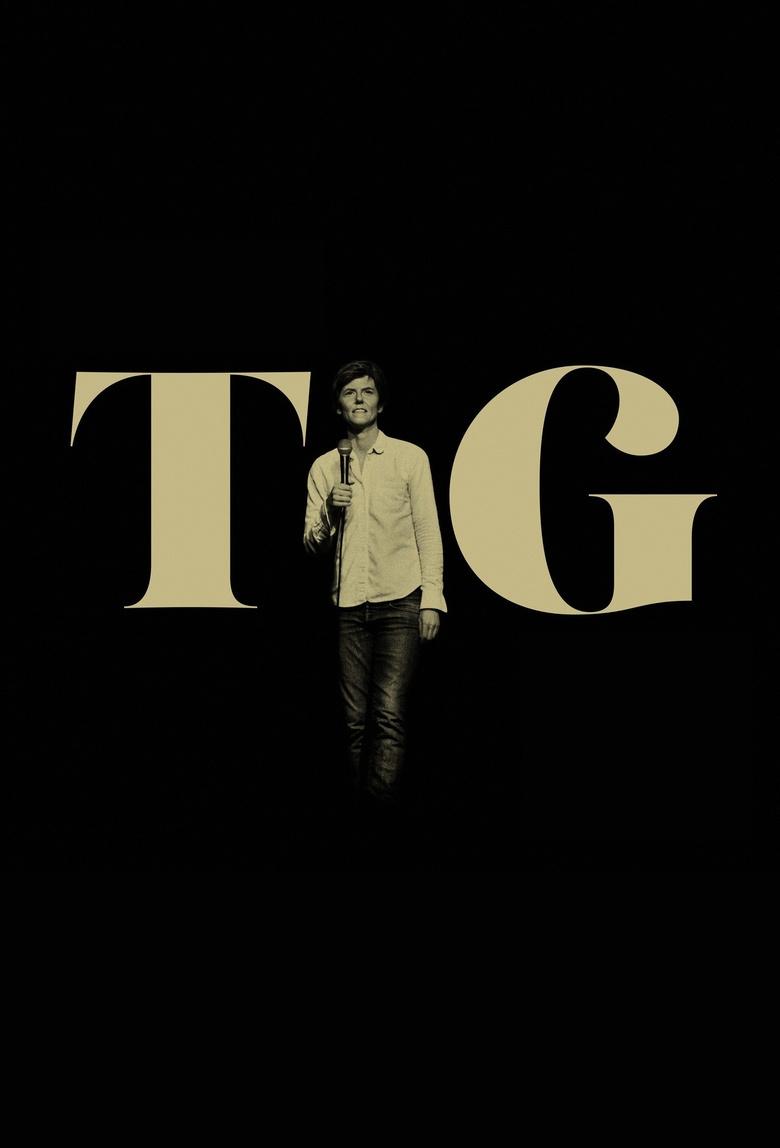
An intimate documentary that follows Tig Notaro, a Los Angeles based comedian, who just days after being diagnosed with invasive stage II breast cancer changed the course of her career with a poignant stand-up set that became legendary overnight. It explores Tig's extraordinary journey as her career ignites and as her life unfolds in grand and unexpected ways, all the while continuing to battle a life-threatening illness and falling in love.
A first-ever look at the realities of the professional “amateur” porn world and the steady stream of 18-to-19-year old girls entering into it.
In Columbus, Ohio, a group of autistic teenagers and young adults role-play this transition by going through the deceptively complex social interactions of preparing for a spring formal. Focusing on several young women as they go through an iconic American rite of passage, we are given intimate access to people who are often unable to share their experiences with others. With humor and heartbreak, How to Dance in Ohio shows the daily courage of people facing their fears and opening themselves to the pain, worry, and joy of the social world.
Oliver Stone charts the history of the United States from the Second World War to the present.
The history of cinematic sound, told by legendary sound designers and visionary filmmakers.
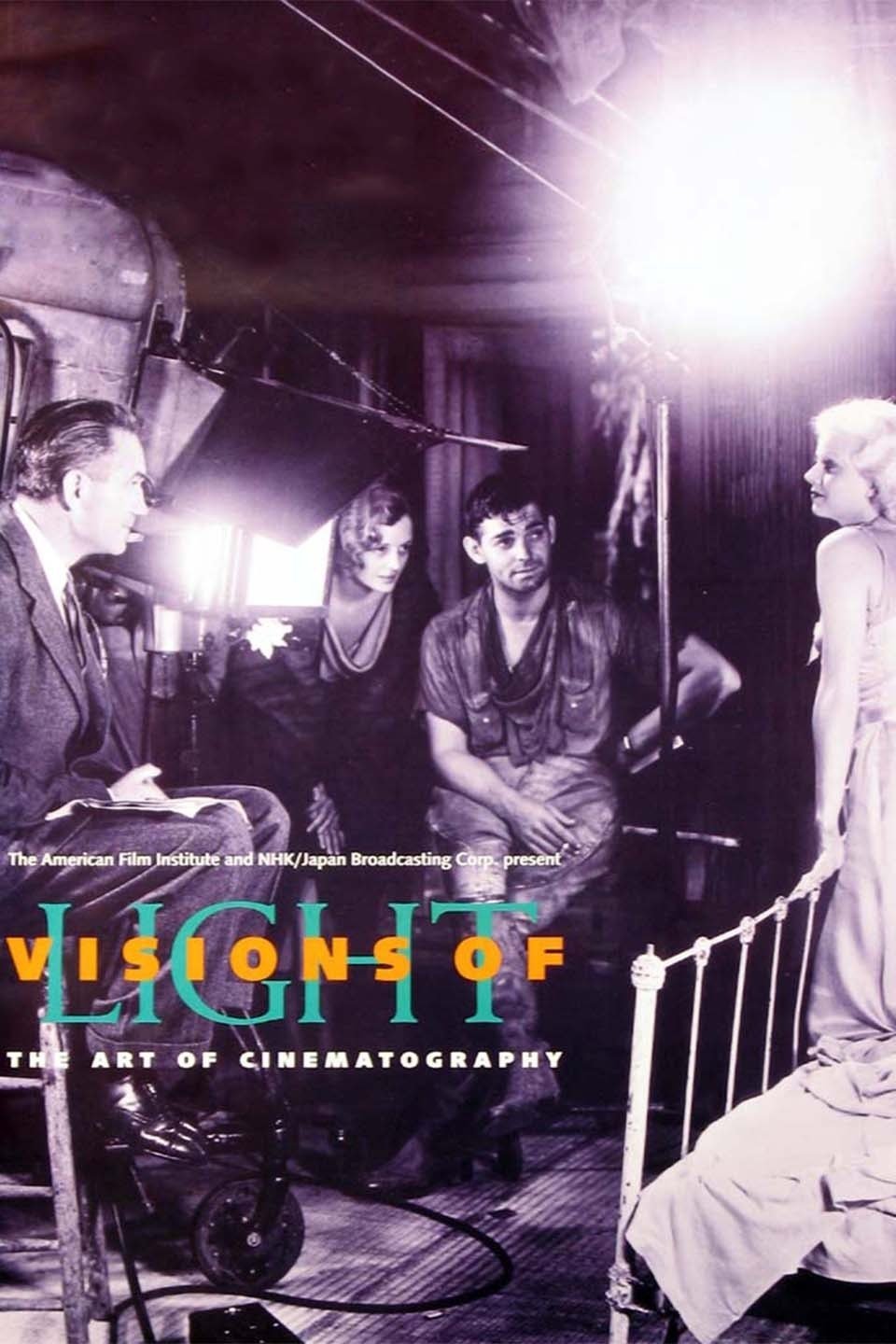
Cameramen and women discuss the craft and art of cinematography and of the "DP" (the director of photography), illustrating their points with clips from 100 films, from Birth of a Nation to Do the Right Thing. Themes: the DP tells people where to look; changes in movies (the arrival of sound, color, and wide screens) required creative responses from DPs; and, these artisans constantly invent new equipment and try new things, with wonderful results. The narration takes us through the identifiable studio styles of the 30s, the emergence of noir, the New York look, and the impact of Europeans. Citizen Kane, The Conformist, and Gordon Willis get special attention.
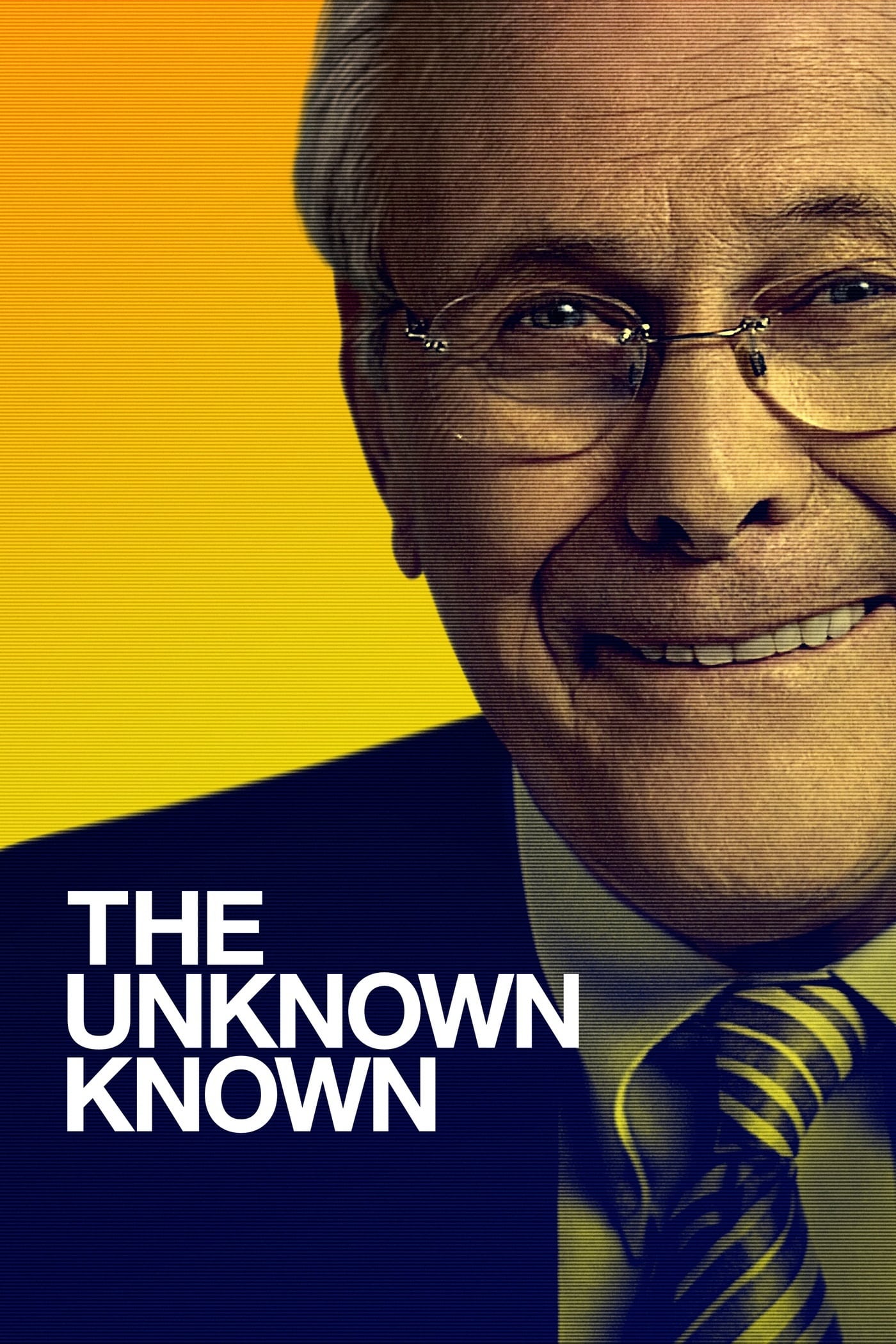
Former United States Secretary of Defense, Donald Rumsfeld, discusses his career in Washington D.C. from his days as a congressman in the early 1960s to planning the invasion of Iraq in 2003.
A documentary on the expletive's origin, why it offends some people so deeply, and what can be gained from its use.
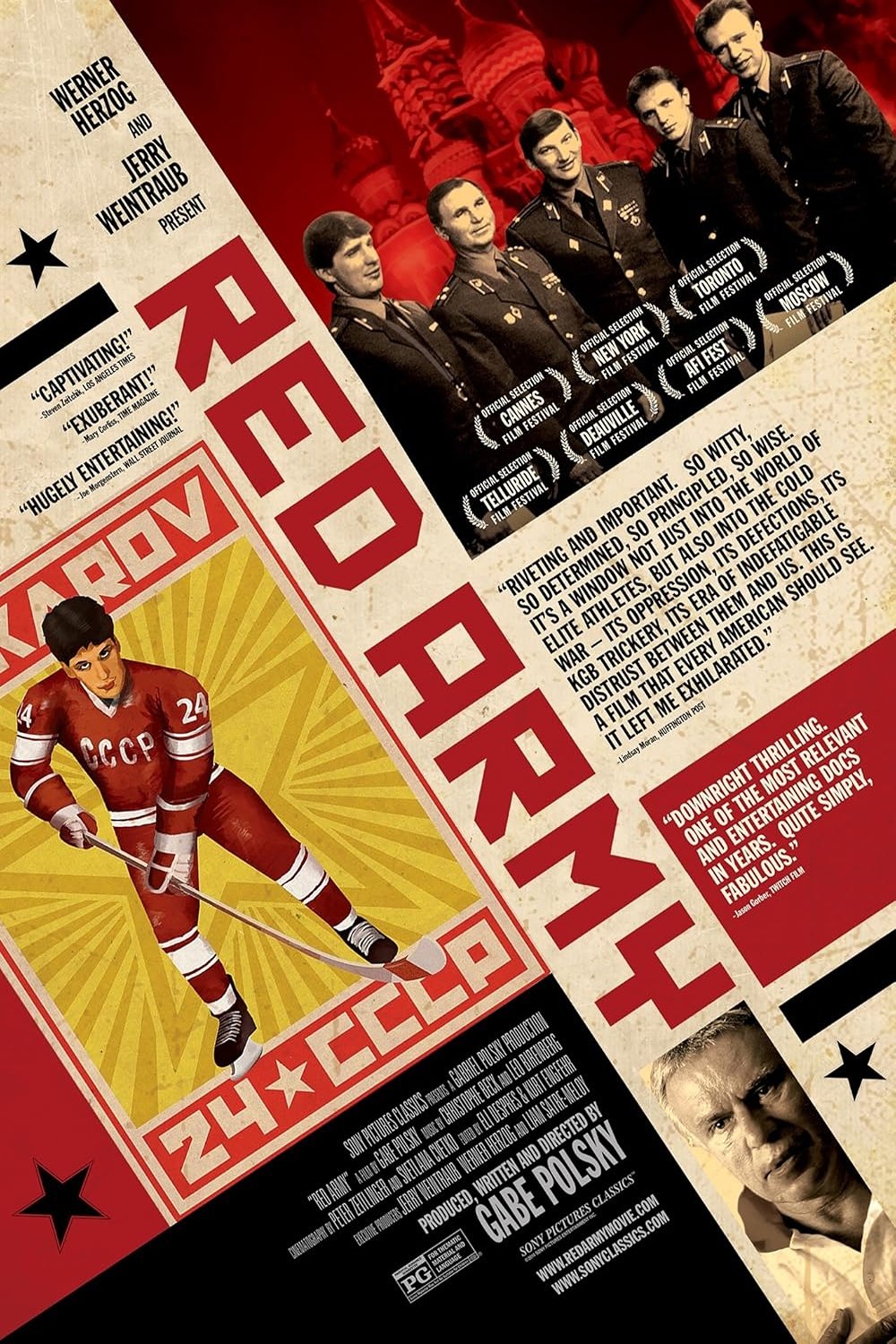
A documentary highlighting the Soviet Union's legendary and enigmatic hockey training culture and world-dominating team through the eyes of the team's Captain Slava Fetisov, following his shift from hockey star and celebrated national hero to political enemy.
This documentary brings to life the stories of four people believed by their family and friends to be “DB Cooper,” a man who hijacked a 727 flying out of Seattle and jumped from the plane over the wilds of Washington State with a parachute and $200,000, never to be heard from again.
Documentary about the art of film editing. Clips are shown from many groundbreaking films with innovative editing styles.
A visual montage portrait of our contemporary world dominated by globalized technology and violence.
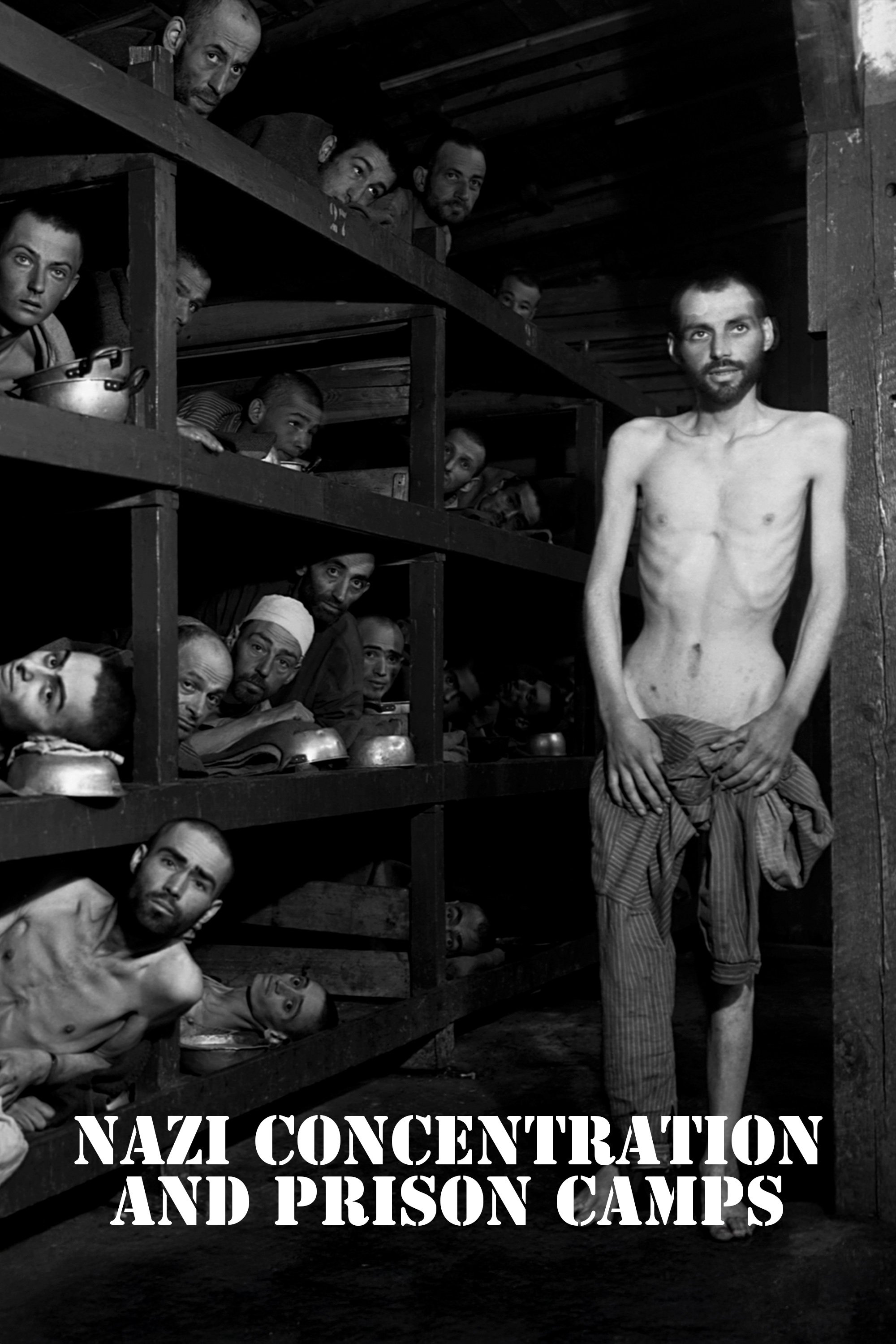
Produced and presented as evidence at the Nuremberg war crimes trial of Hermann Göring and twenty other Nazi leaders, this film consists primarily of dead and surviving prisoners and of facilities used to kill and torture during the World War II.
A subjective documentary that explores various theories about hidden meanings in Stanley Kubrick's classic film The Shining. Five very different points of view are illuminated through voice over, film clips, animation and dramatic reenactments.
Set both in Latin America and the United States, the film explores the historic and current relationship of Washington with countries such as Venezuela, Bolivia and Chile. Pilger says that the film "...tells a universal story... analysing and revealing, through vivid testimony, the story of great power behind its venerable myths. It allows us to understand the true nature of the so-called "war on terror". According to Pilger, the film’s message is that the greed and power of empire is not invincible and that people power is always the "seed beneath the snow".
A documentary examining possible historical and modern conspiracies surrounding Christianity, the 9/11 terrorist attacks, and the Federal Reserve bank.
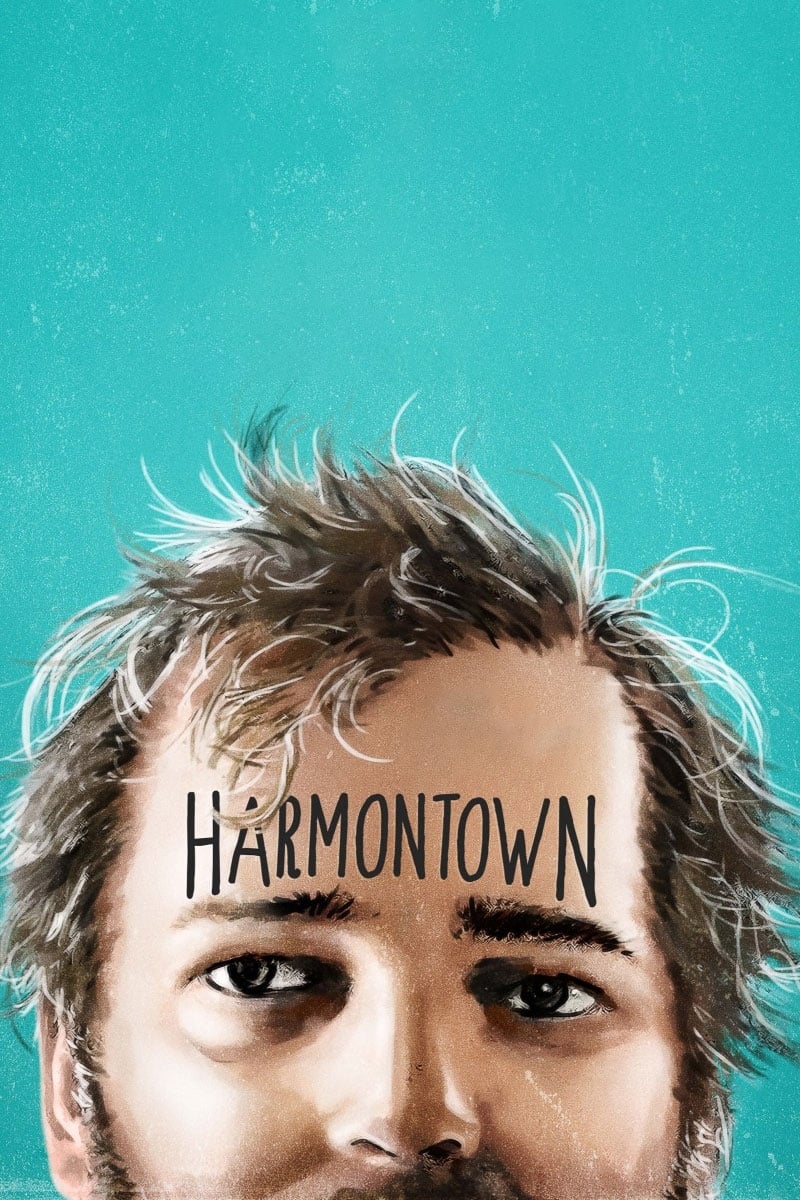
A comedic, brutally honest documentary following self-destructive TV writer Dan Harmon as he takes his live podcast on a national tour.
The most comprehensive retrospective of the '80s action film genre ever made.
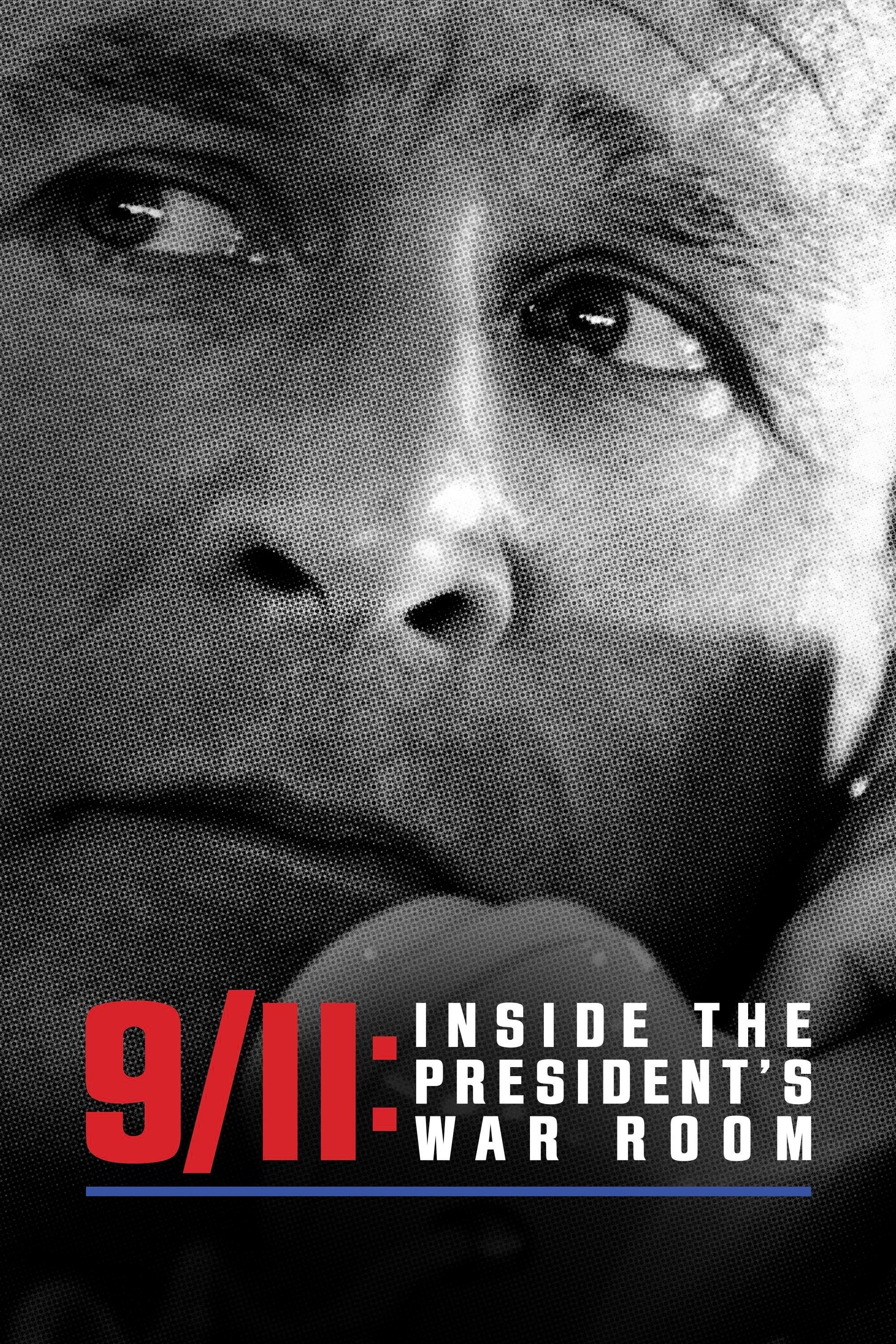
Experience the events of September 11, 2001 through the eyes of President Bush and his closest advisors as they personally detail the crucial hours and key decisions from that historic day.
Diaries, audiotapes, videotapes and testimonials from friends and colleagues offer insight into the life and career of Gilda Radner -- the beloved comic and actress who became an icon on Saturday Night Live.
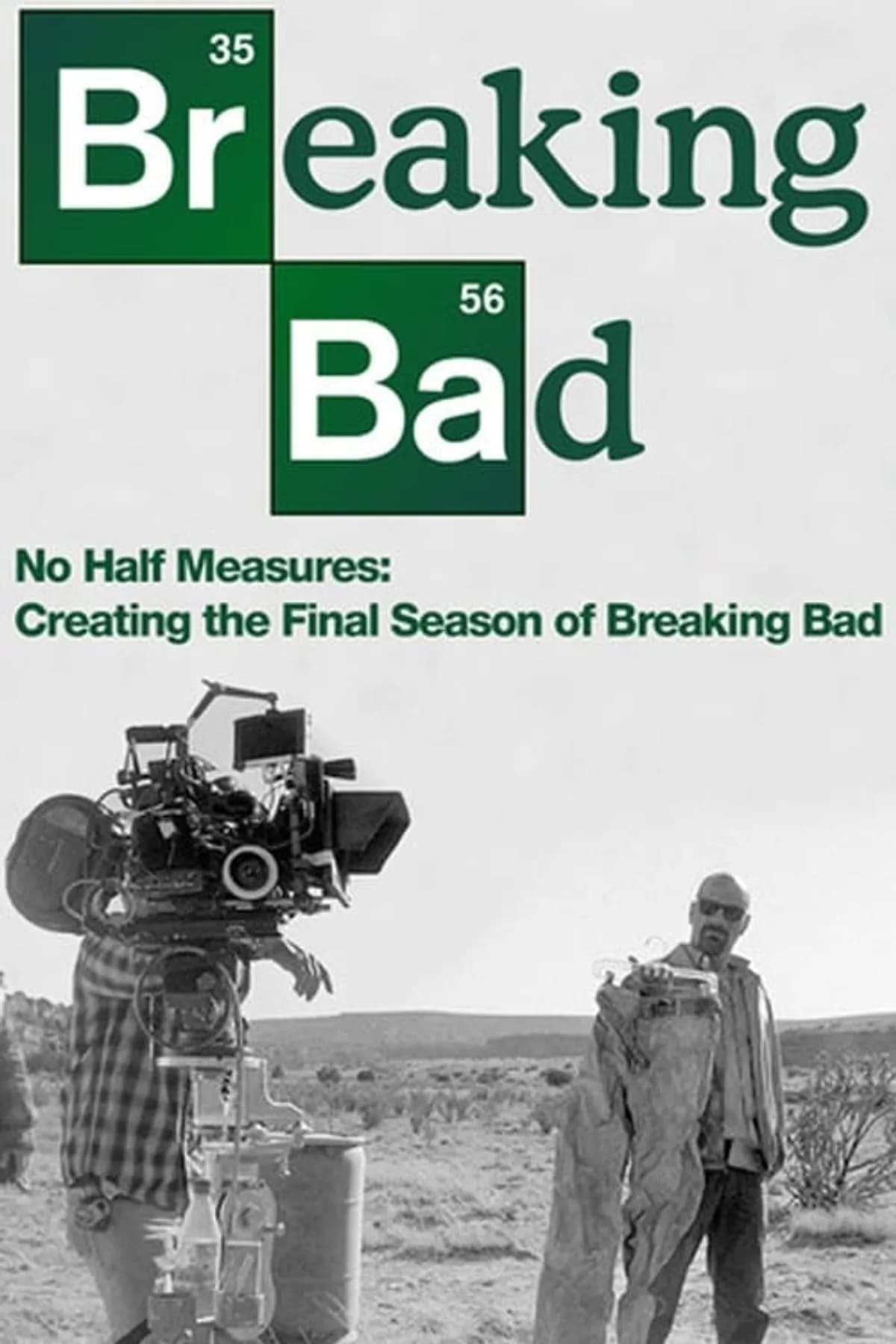
A documentary about the making of season five of the acclaimed AMC series Breaking Bad.
When Allied forces liberated the Nazi concentration camps in 1944-45, their terrible discoveries were recorded by army and newsreel cameramen, revealing for the first time the full horror of what had happened. Making use of British, Soviet and American footage, the Ministry of Information’s Sidney Bernstein (later founder of Granada Television) aimed to create a documentary that would provide lasting, undeniable evidence of the Nazis’ unspeakable crimes. He commissioned a wealth of British talent, including editor Stewart McAllister, writer and future cabinet minister Richard Crossman – and, as treatment advisor, his friend Alfred Hitchcock. Yet, despite initial support from the British and US Governments, the film was shelved, and only now, 70 years on, has it been restored and completed by Imperial War Museums under its original title "German Concentration Camps Factual Survey".
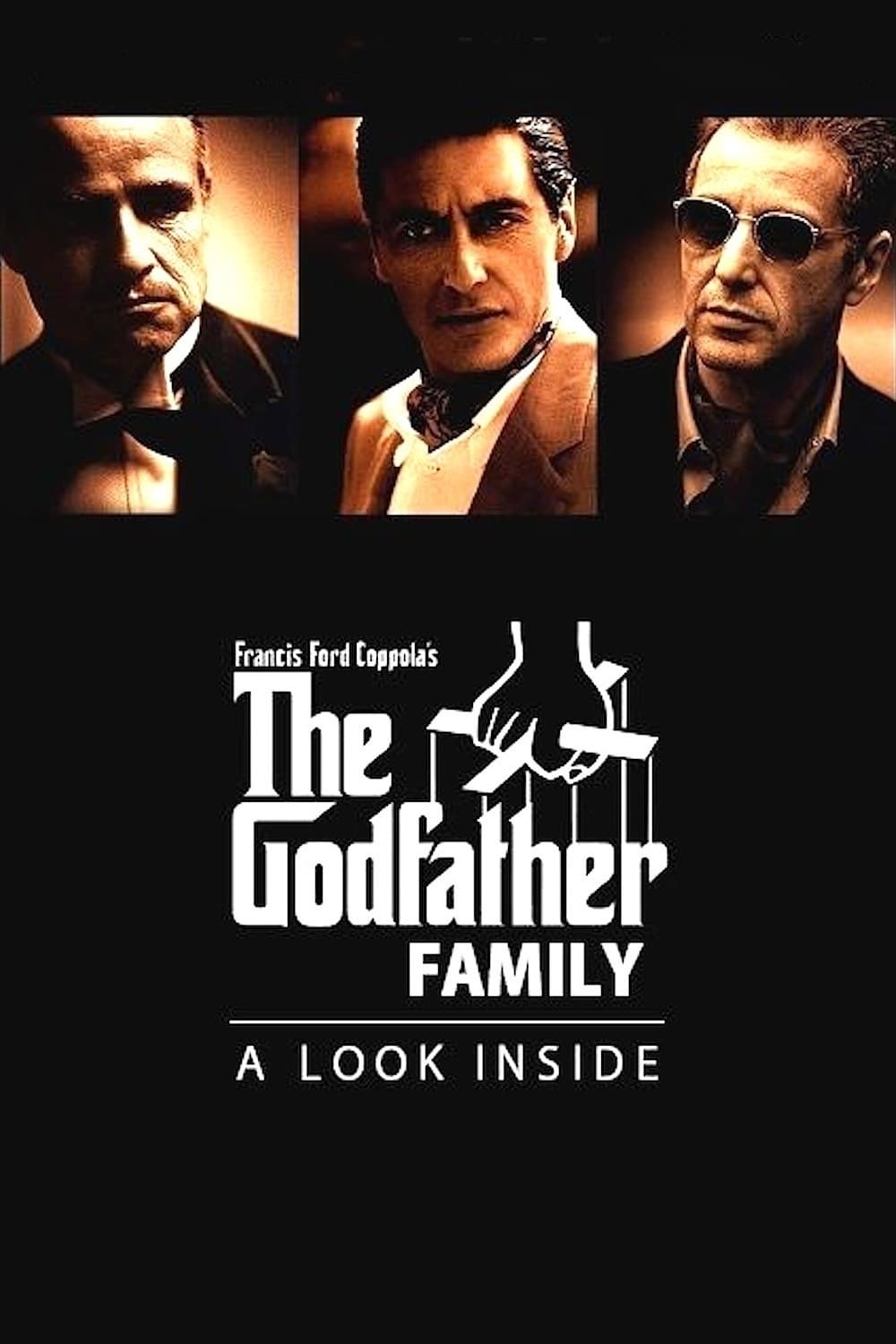
A documentary on the making of the three Godfather films, with interviews and recollections from the film makers and cast. This feature also includes the original screen tests of some of the actors for "The Godfather" film, and some candid moments on the set of "The Godfather: Part III."