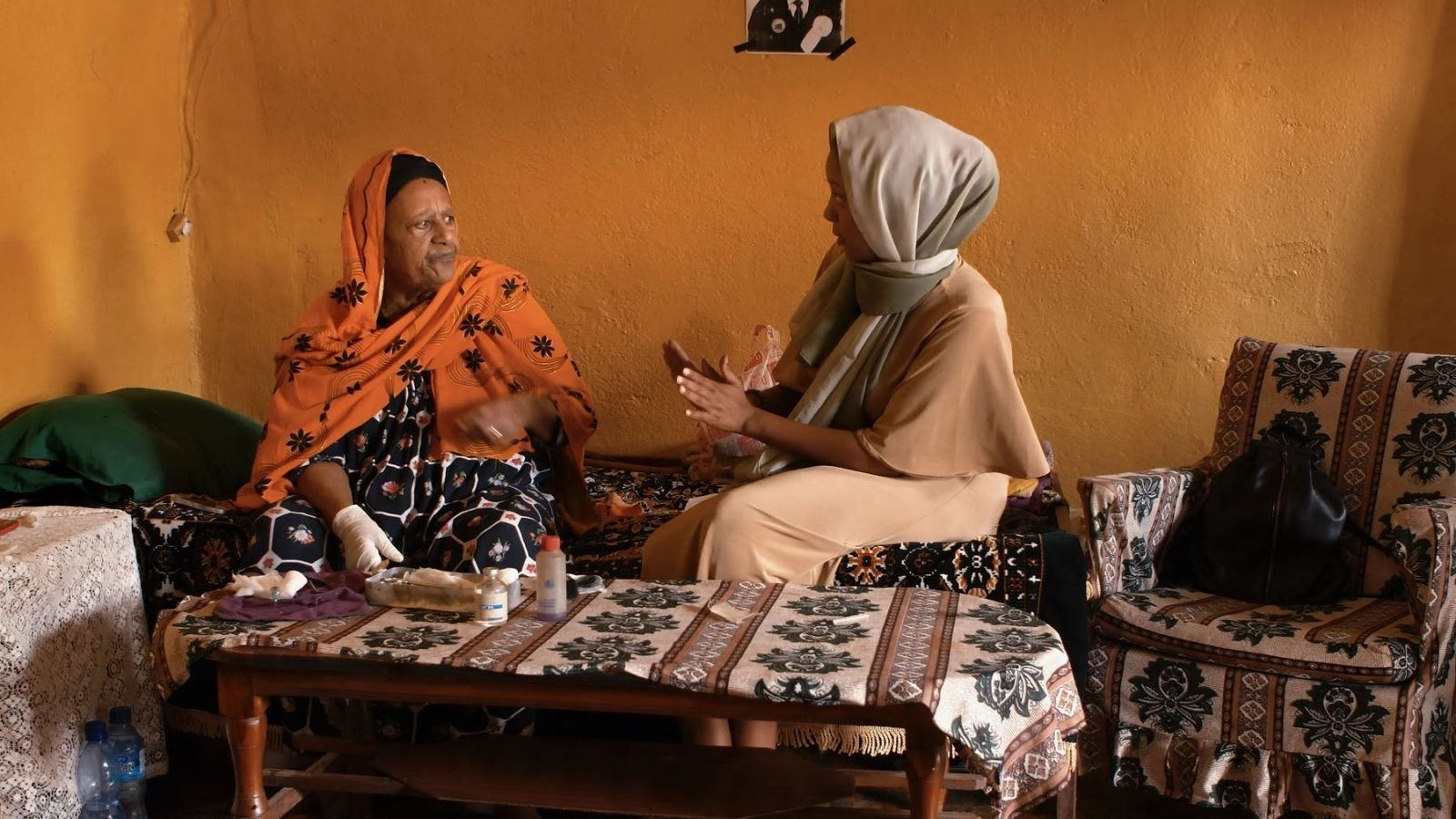
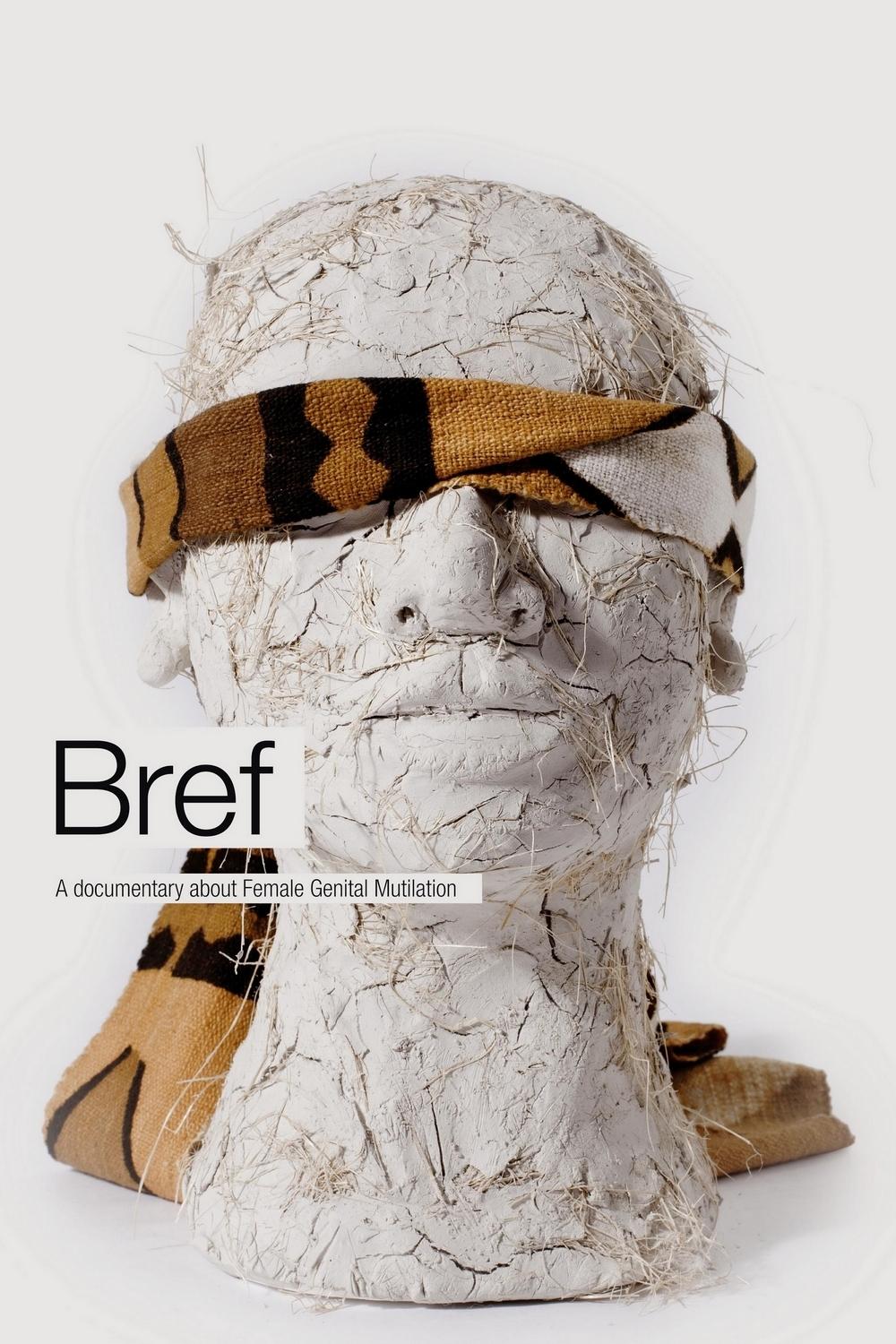
Sara from Zurich was circumcised as a little girl in Ethiopia. This event severely traumatized her. To find her inner peace, Sara decides to look for her circumciser.
Social & External
The people behind it
Haile Gerima and Ryszard Kapuscinski travel around Ethiopia talking to people about their current situations and what needs to be done for a prosperous country.
The history of art in Ethiopia. The film emphasizes the styles, materials, etc. ofpaintings on walls and roofs of ancient churche
An intimate look inside the immigrant community in Portland, Maine, as told by Nyamuon Nguany Machar who arrived as refugee in 1995 and David Zwalita Mota who came as an asylum seeker in 2019.
"A Walk to Beautiful" tells the story of five women in Ethiopia suffering from devastating childbirth injuries. Rejected by their husbands and ostracized by their communities, these women are left to spend the rest of their lives in loneliness and shame. The trials they endure and their attempts to rebuild their lives tell a universal story of hope, courage, and transformation.
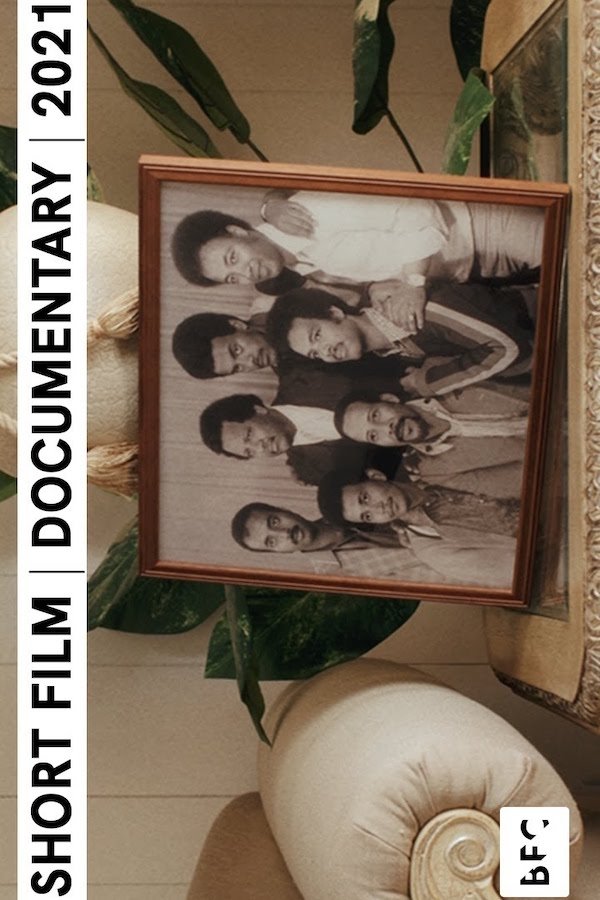
A short film documenting Ethiopian musician Hailu Mergia's life as the leader of the Walias Band in the 1970, his immigration to the United States and his subsequent re-emergence as a performer in 2014.
Documentary on the Ethiopian orphanage ‘Toukoul’, filmed in Addis Ababa in December 2003
35 Cows and a Kalashnikov is a joyously made triptych about warrior-farmers, colorful dandies and voodoo wrestlers in Ethiopia, Brazzaville and Kinshasa. It paints a loving and attentive portrait of African pride and beauty.
Running Movie is a documentary film that focuses on Israeli long-distance runner Ayele Seteng (a.k.a. Haile Satayin), the oldest marathon runner to compete in the 2008 Summer Olympics in Beijing, and his efforts to participate in the 2012 Summer Olympics in London. Satayin has been a long-distance runner since he was a young boy in Ethiopia, but he only became a marathon runner after immigrating to Israel in the early 1990s. Now, at the age of 55, he keeps on running. We follow him as he practices in Ethiopia, far from his wife and eight children, and witness his moments of victory and defeat, as he competes in marathons around the world—from Berlin, Germany, to Tiberias, Israel.
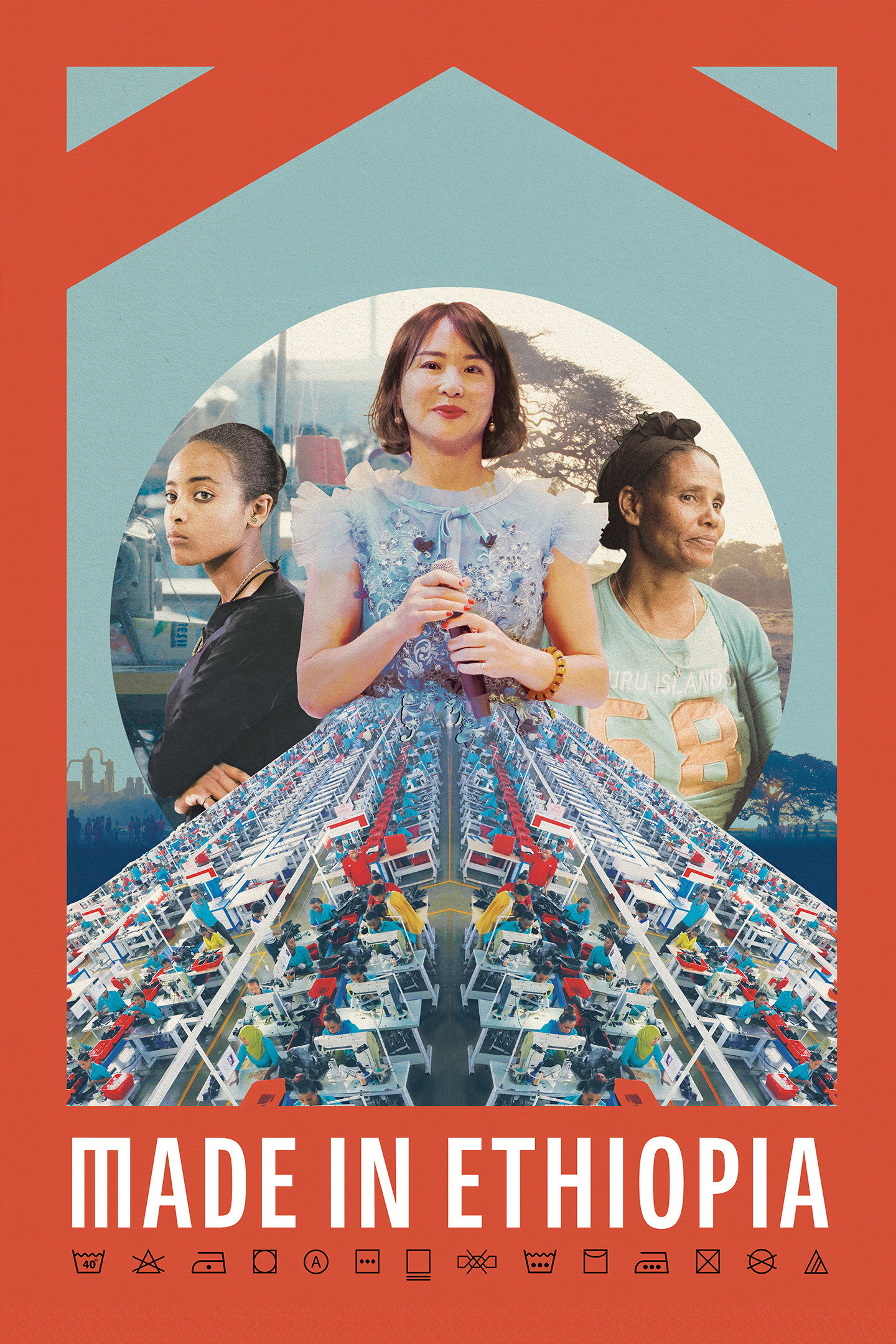
When a massive Chinese factory complex attempts a high-stakes expansion in rural Ethiopia, three women in search of prosperity have their faith in industrialization tested to the limit. Filmed over four years with singular access, Made in Ethiopia lifts the curtain on China’s historic but misunderstood impact on Africa, and explores contemporary Ethiopia at a moment of profound crisis. The film was awarded the Jury Special Mention at Tribeca Festival.
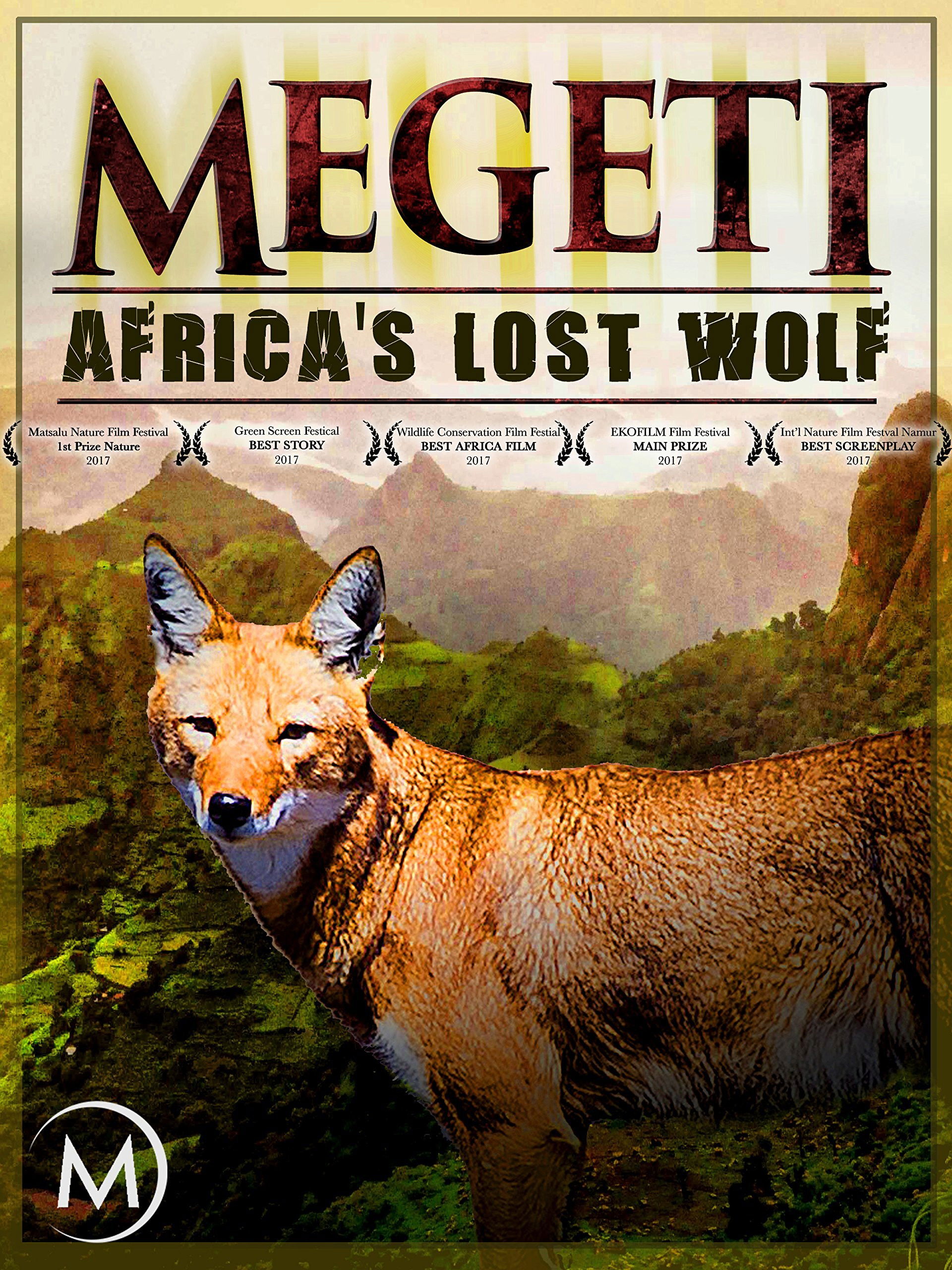
This film tells the dramatic story of Megeti, a lone wolf who wanders across the highlands on a quest to find a new home after losing her pack and suddenly being left to fend for herself. For the young wolf to survive, it is vital that she finds a new family and this quest pushes her into foreign territory, occupied by cattle breeders and other wolves.
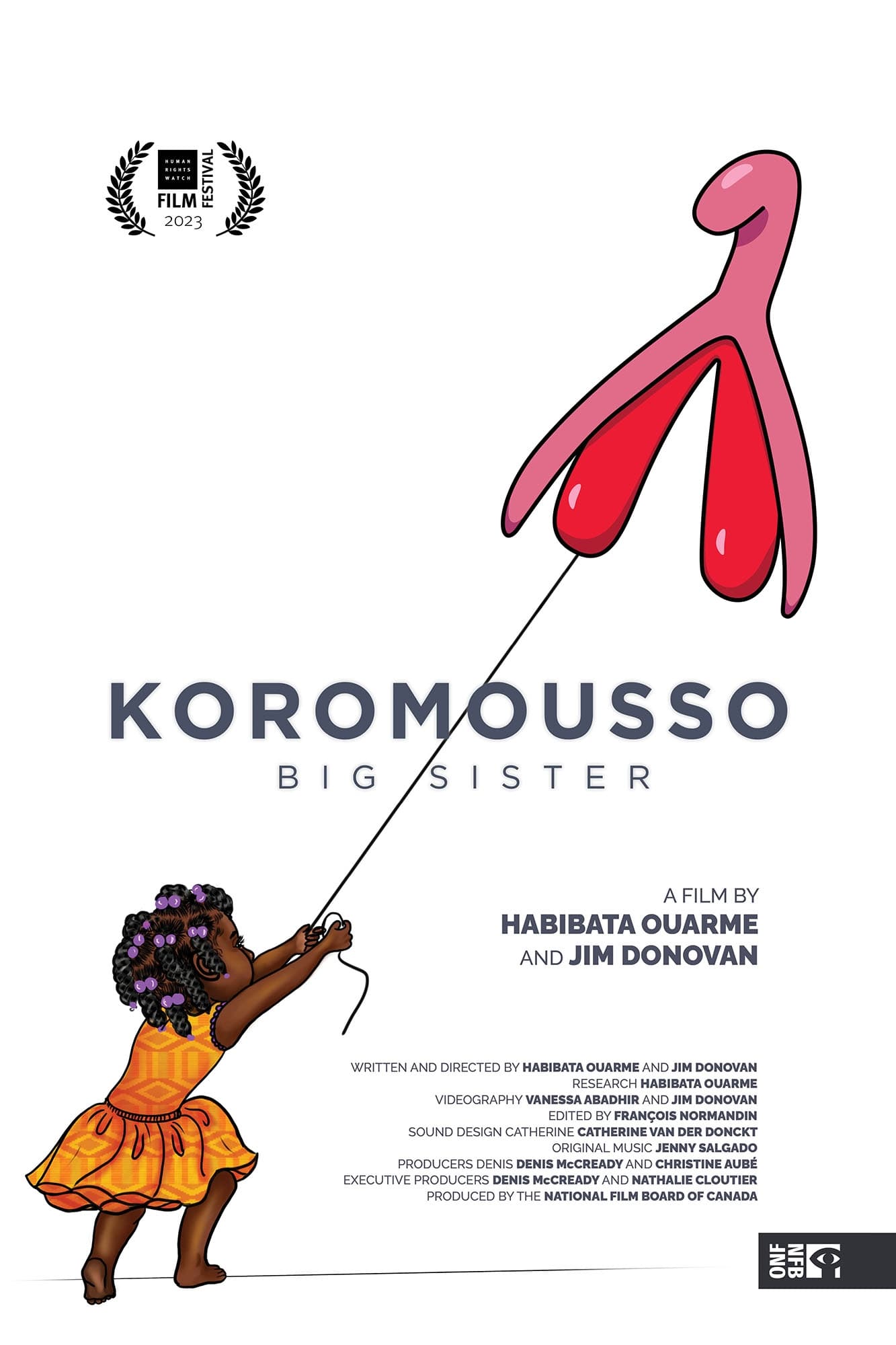
With candor, humour and courage, a group of African-Canadian women challenge cultural taboos surrounding female sexuality and fight to take back ownership of their bodies. Combining her own journey with personal accounts from some of her radiant, endearing friends, co-director Habibata Ouarme explores the phenomenon of female genital mutilation and the road to individual and collective healing, both in Africa and in Canada.
Several African immigrants living in Spain speak openly about female genital mutilation.
A brief visit to the unique wildlife and peoples of Ethiopia. Expect the unexpected.
This is the second part of a four parts series of documentaries on Ethiopia made by the German television journalist Klaus Stephan in the mid 60ies.
A sentimental, delightful journey along the former railway route “Porečanka” that connected Trieste and Poreč from 1902 until 1935. Then it was dismantled and the tracks to be used in Mussolini’s war in Abyssinia but they sank in the Mediterranean – an ironic turn of history, an ideal subject for Karpo Godina, the master of tender wit.
A celebration of the diversity of Ethiopia's culture and wildlife. It journeys from North to South - spanning mountains, rainforests and the hottest place on Earth. It documents Muslims mixing with Christians as they have for over a millennia and the 'honey people' of the forest, filmed here for the first time. Visually stunning and unsentimental, this is Ethiopia as you've never seen it before.
Ranjit, a farmer in India, takes on the fight of his life when he demands justice for his 13-year-old daughter, the victim of a brutal gang rape. His decision to support his daughter is virtually unheard of, and his journey unprecedented.
Through deeply personal interviews with her siblings and an examination of the photographs, letters, and belongings left behind, Mariska assembles a new portrait of her mother Jayne Mansfield, an extraordinary and complex woman.
A string of threatening emails escalates into a revenge plot involving a newly married US marshal and his ex-girlfriend.
After the high-profile killing of Damilola Taylor, Cornelius' family move out of London. But when they discover their new town is run by racists, Cornelius takes a drastic step to survive.
Vanessa Guillen was 20 years old when she was found murdered at a US Army base. Rather than submit to silence, her family fought for justice and change.
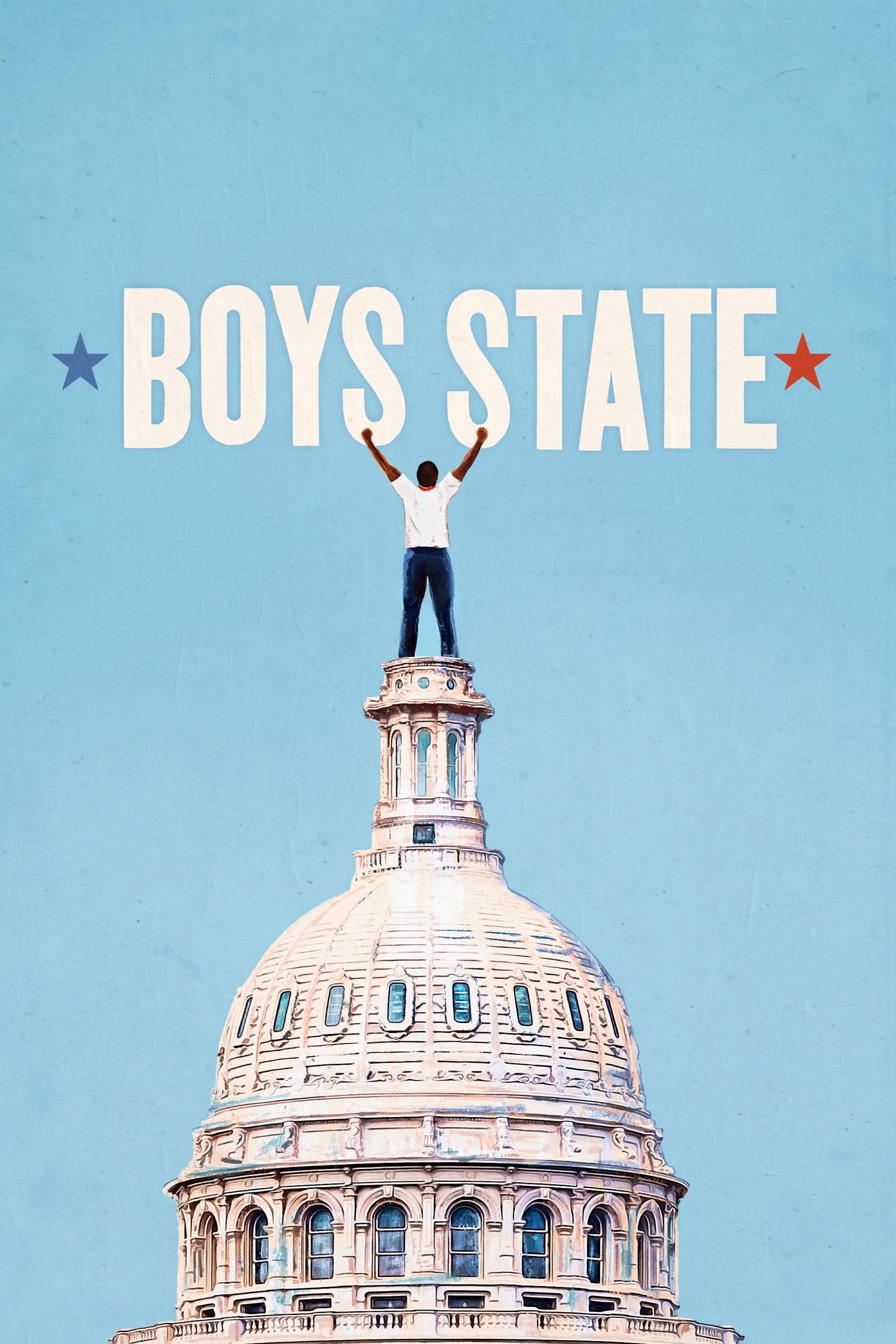
This raucous journey into the heart of democracy captures an unusual rite of passage: 1,100 teenage boys from across Texas coming together to build a representative government from the ground up.
Brilliant, long in-the-works story of the life and art of the world's greatest comedian and the cinema's first genius, Charlie Chaplin. Produced, written and directed by renowned film critic Richard Schickel.
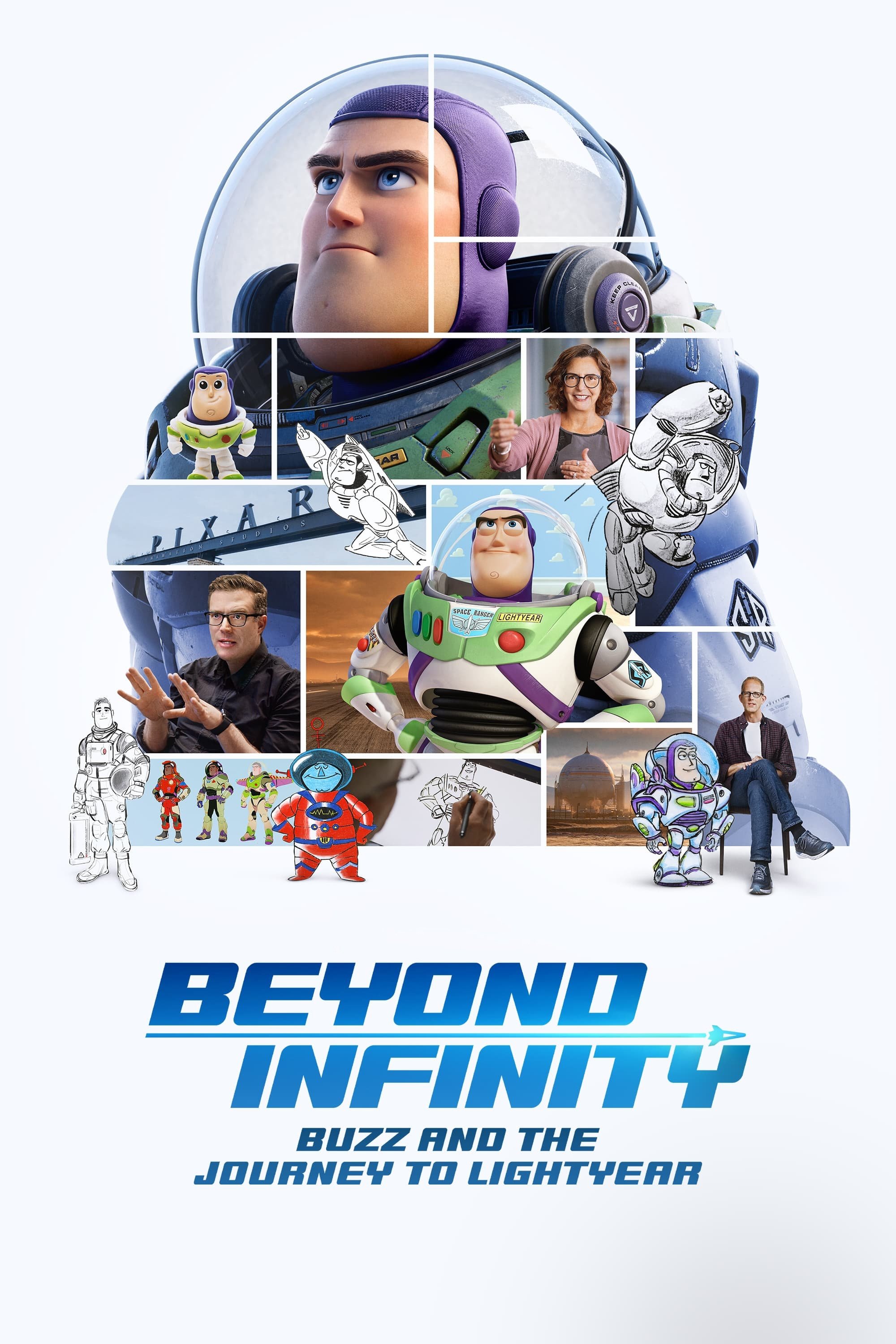
Explore the evolution of Buzz Lightyear from toy to human in the making of Pixar’s Lightyear. Dive into the origin and cultural impact of everyone’s favorite Space Ranger, the art of designing a new “human Buzz,” and the challenges faced by the Lightyear crew along the way.
Follow the evolution of the 'Halloween' movies over the past twenty-five years. It examines why the films are so popular and revisits many of the original locations used in the films - seeing the effects on the local community. For the first time, cast, crew, critics and fans join together in the ultimate 'Halloween' retrospective.
A detailing of the rise to prominence and global sporting superstardom of six supremely talented young Manchester United football players (David Beckham, Nicky Butt, Ryan Giggs, Paul Scholes, Phil and Gary Neville). The film covers the period 1992-1999, culminating in Manchester United's European Cup triumph.
Vulgar, taunting texts blow up the phones of a teen and her boyfriend. Who's sending them — and why? This twisty documentary reveals the shocking answer.
In an intimate and joyful story of love in the face of loss, celebrated poets Andrea Gibson and Megan Falley find strength—and unexpected hilarity—in what might be their final year together.
A glimpse into the raw and simple power of nature through encounters with farm animals: the eponymous Gunda, a mother pig; two cows, and a one-legged chicken.
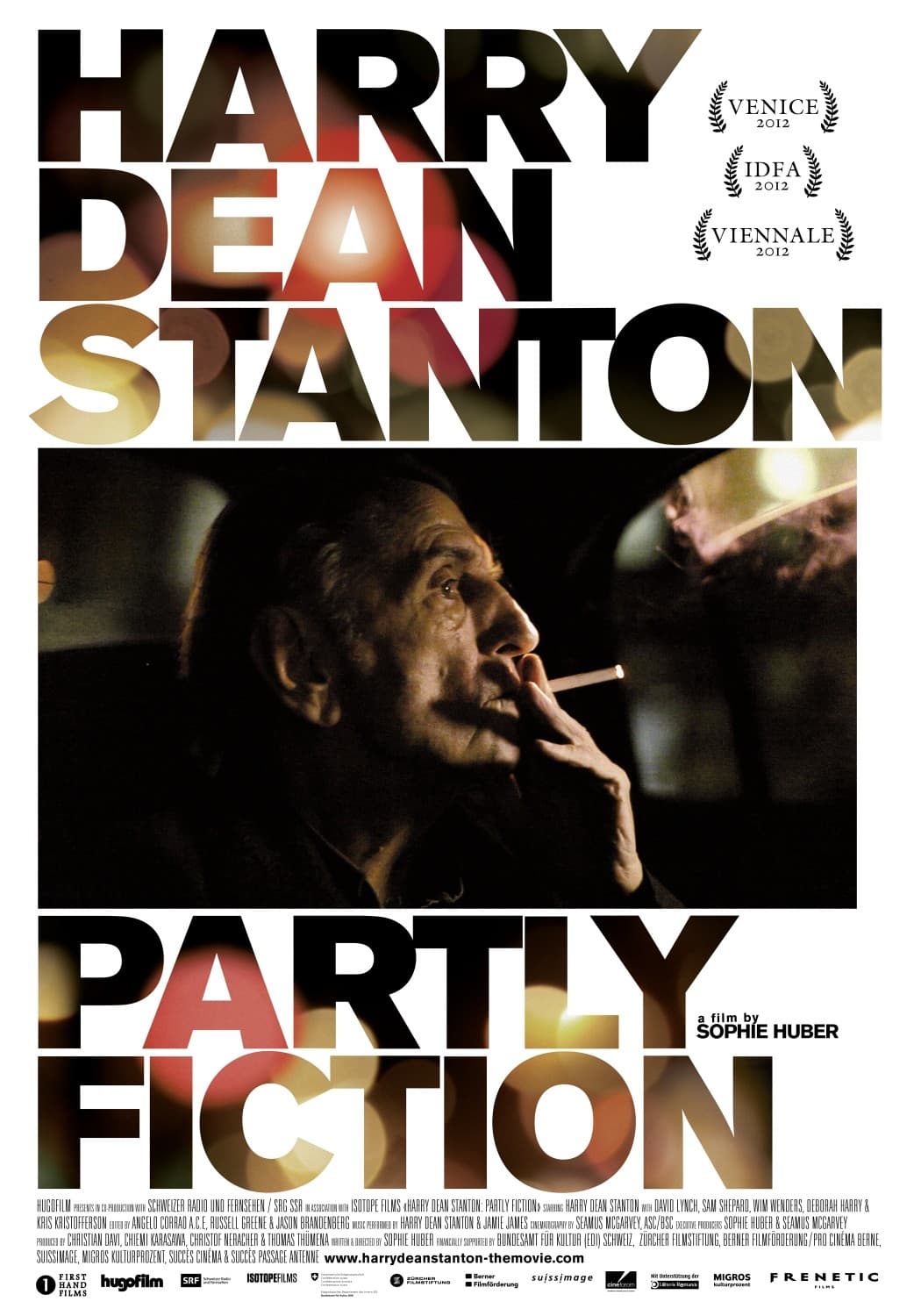
An impressionistic portrait of the iconic actor Harry Dean Stanton comprised of intimate moments, film clips from some of his 250 films and his renditions of American folk songs.
Unravel the case of Utah therapist Jodi Hildebrandt, whose child abuse arrest with parenting YouTuber Ruby Franke exposed a twisted tale of manipulation.
From his days of testifying at the Watergate hearings to advising recent presidential candidate Donald Trump, Roger Stone has long offended people on both sides of the political fence as a force in conservative America. Outspoken author, pundit, ahead of his time election strategist, this is his story.
From the heights of her modeling fame to her tragic death, this documentary reveals Anna Nicole Smith through the eyes of the people closest to her.
A documentary about how a dominant cultural and demographic institution both sustains their traditional activities and adapts to the digital revolution.
The film follows adventurer Jeff Johnson as he retraces the epic 1968 journey of his heroes Yvon Chouinard and Doug Tompkins to Patagonia.
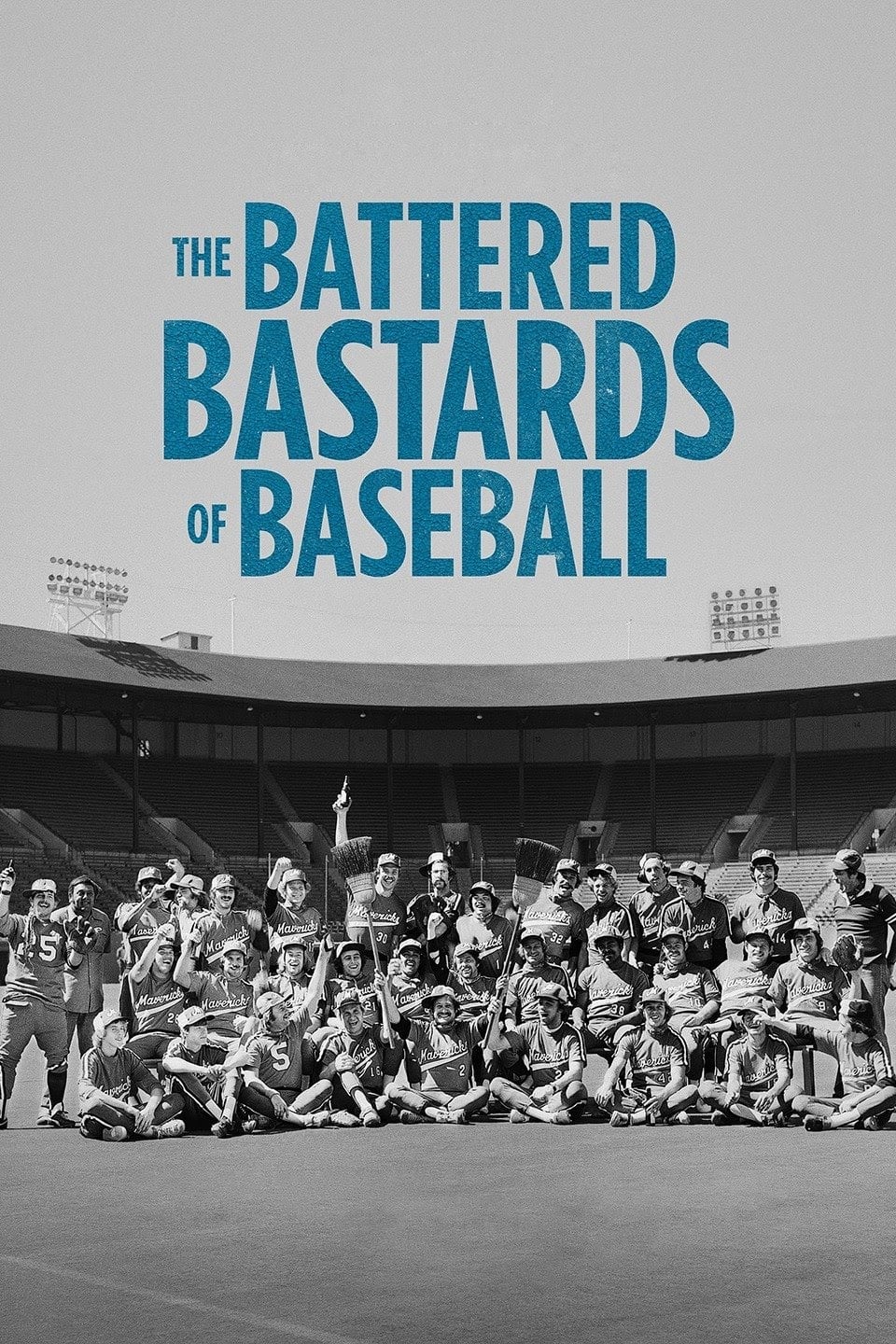
Hollywood veteran Bing Russell creates the only independent baseball team in the country—alarming the baseball establishment and sparking the meteoric rise of the 1970s Portland Mavericks.