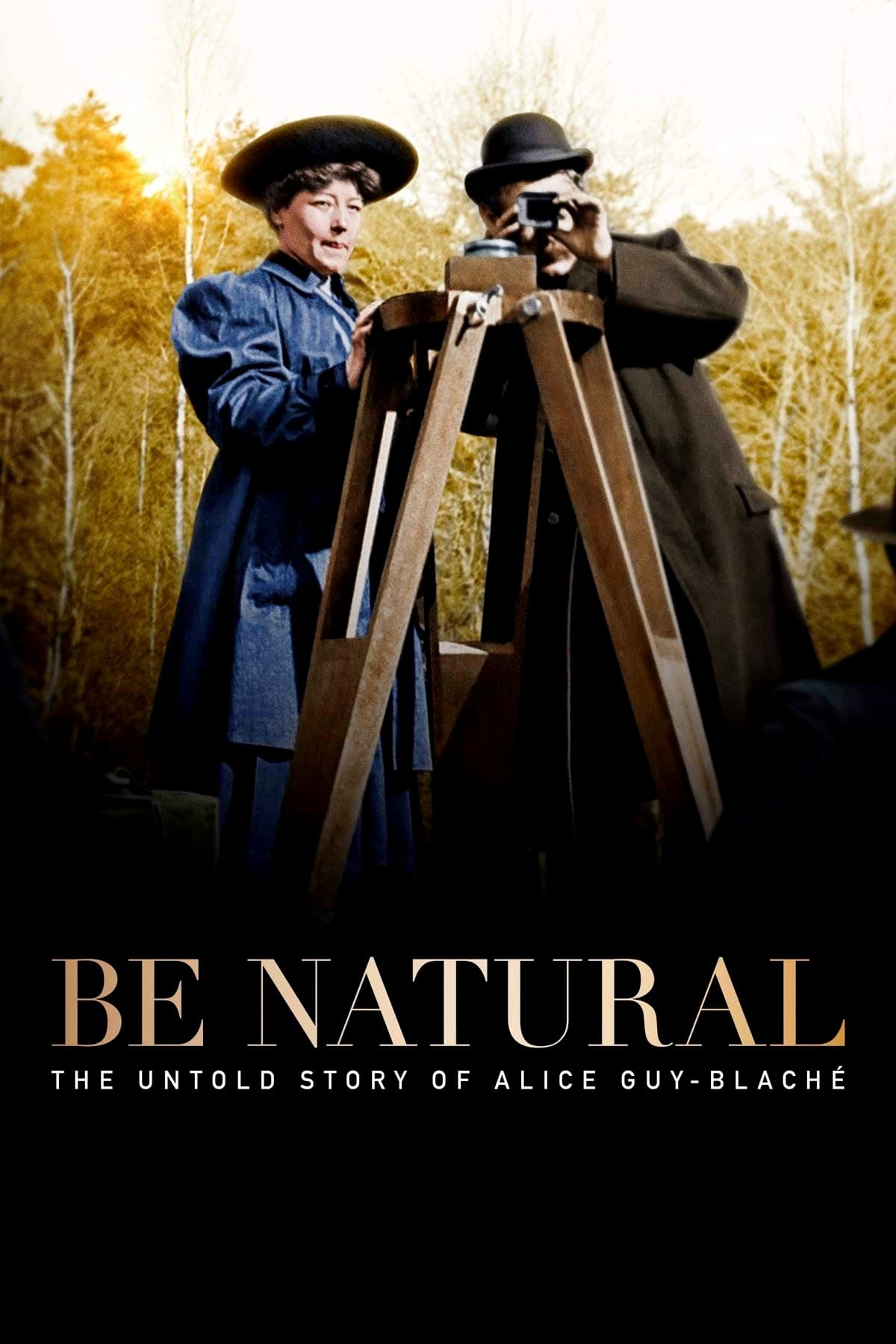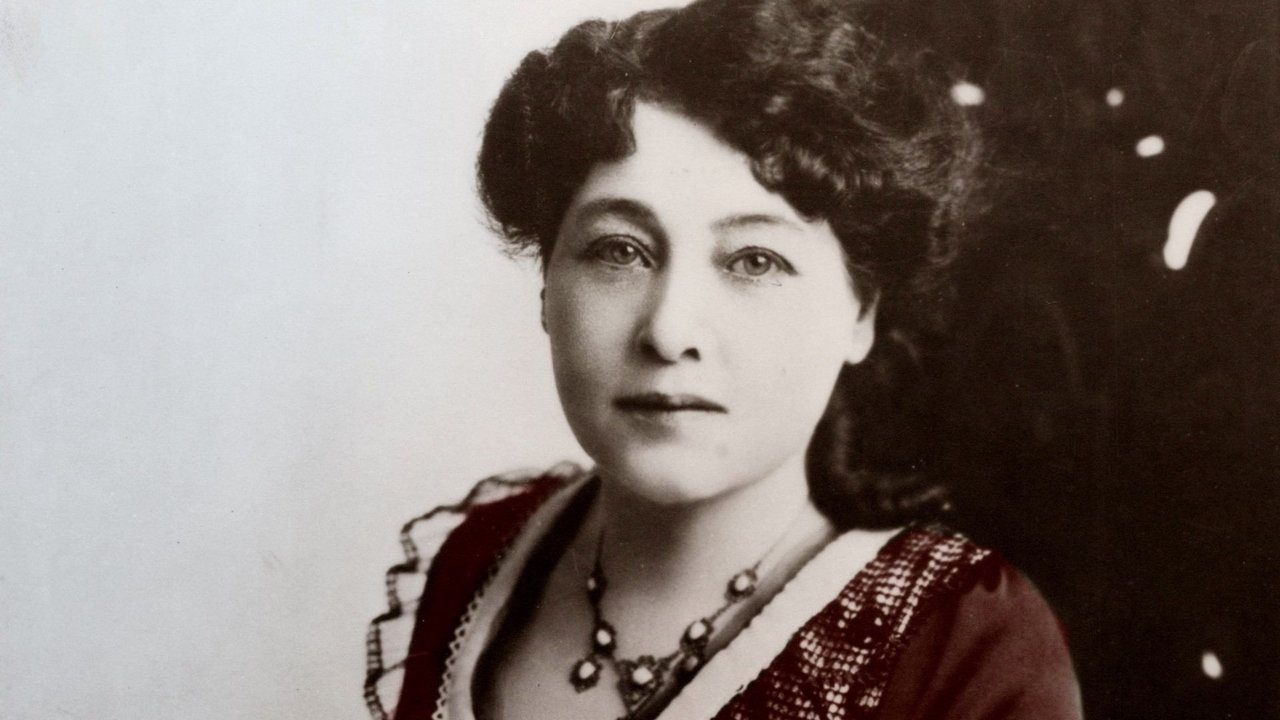
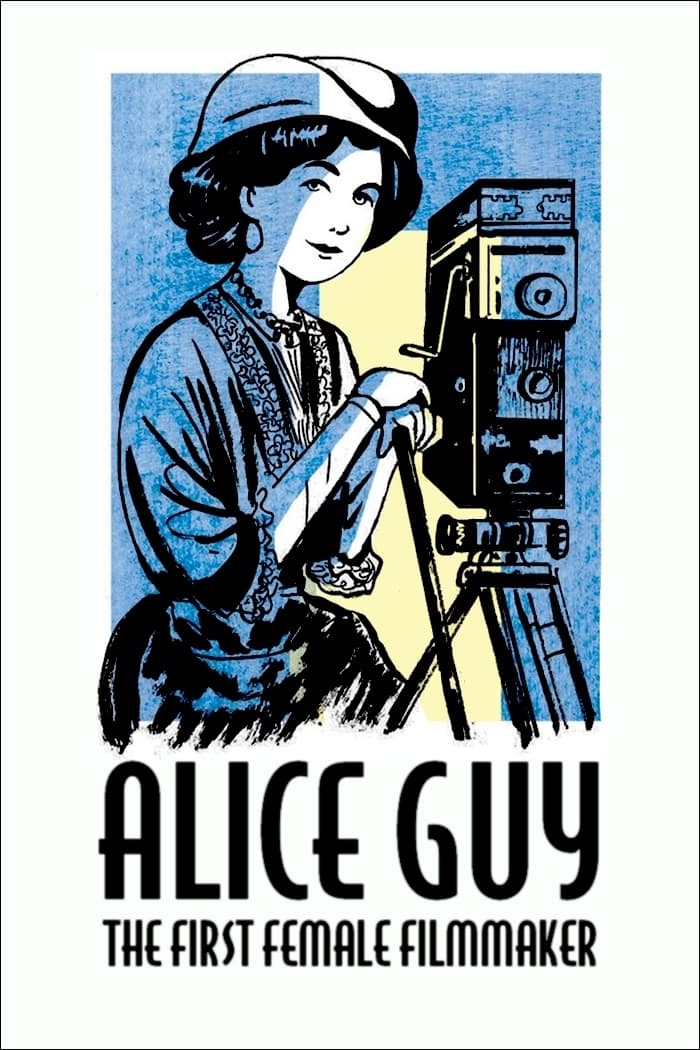
Who, apart from moviegoers, knows Alice Guy (1873-1968) today? However, she was the first woman behind the camera and the first female director and producer of fiction films in history.

Social & External
The people behind it
Agnès Jaoui
Self - Narrator (voice)
Maud Wyler
Alice Guy-Blaché (voice)
Alice Guy-Blaché
Self - Filmmaker (archive footage)
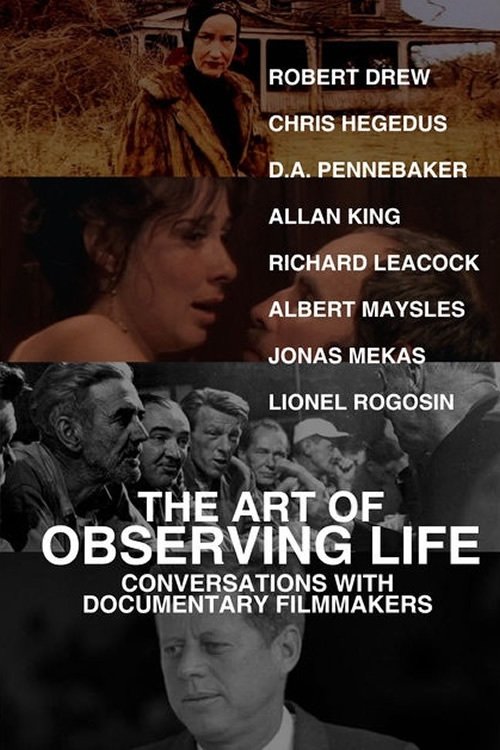
Over twenty years, the Russian documentary filmmaker Marina Goldovskaya interviewed pioneers of American documentaries, such as Richard Leacock, Robert and Anne Drew, Albert Maysles, D.A. Pennebaker, Jonas Mekas, among others. In long conversations, they discuss the elaboration of titles that are now fundamental to the genre’s world history, commenting on the introduction of new light and portable cameras that allowed the advent of Cinema Verite, in addition to sharing the fundamentals and principles of the art of capturing life. The sum of these parts corresponds to a singular opportunity of re-encounter with the thinking of these masters, even those that have already passed away.
For Barbara Figueroa
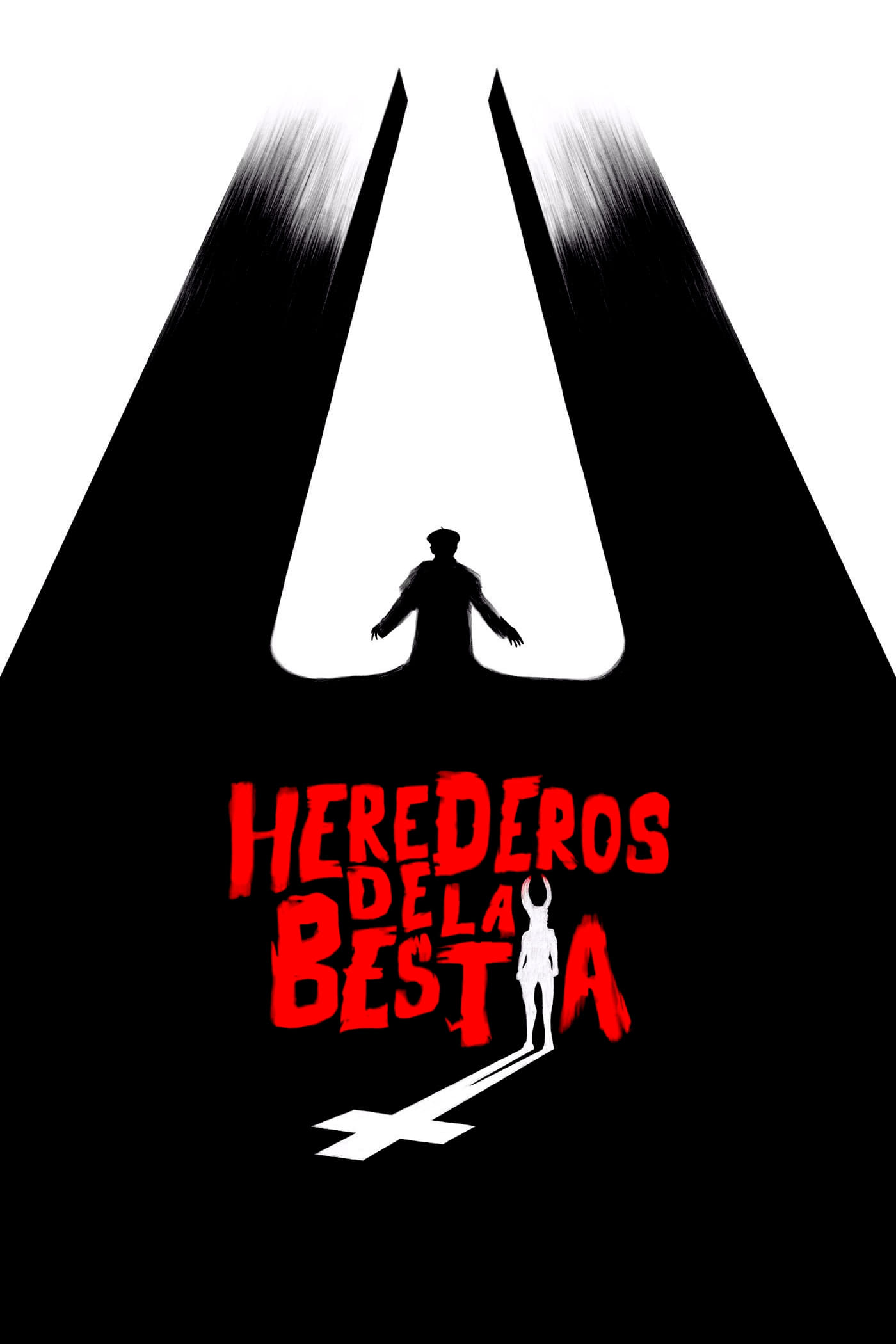
The story of the making and subsequent success of The Day of the Beast, the Spanish cult film directed by Álex de la Iglesia and released in 1995.
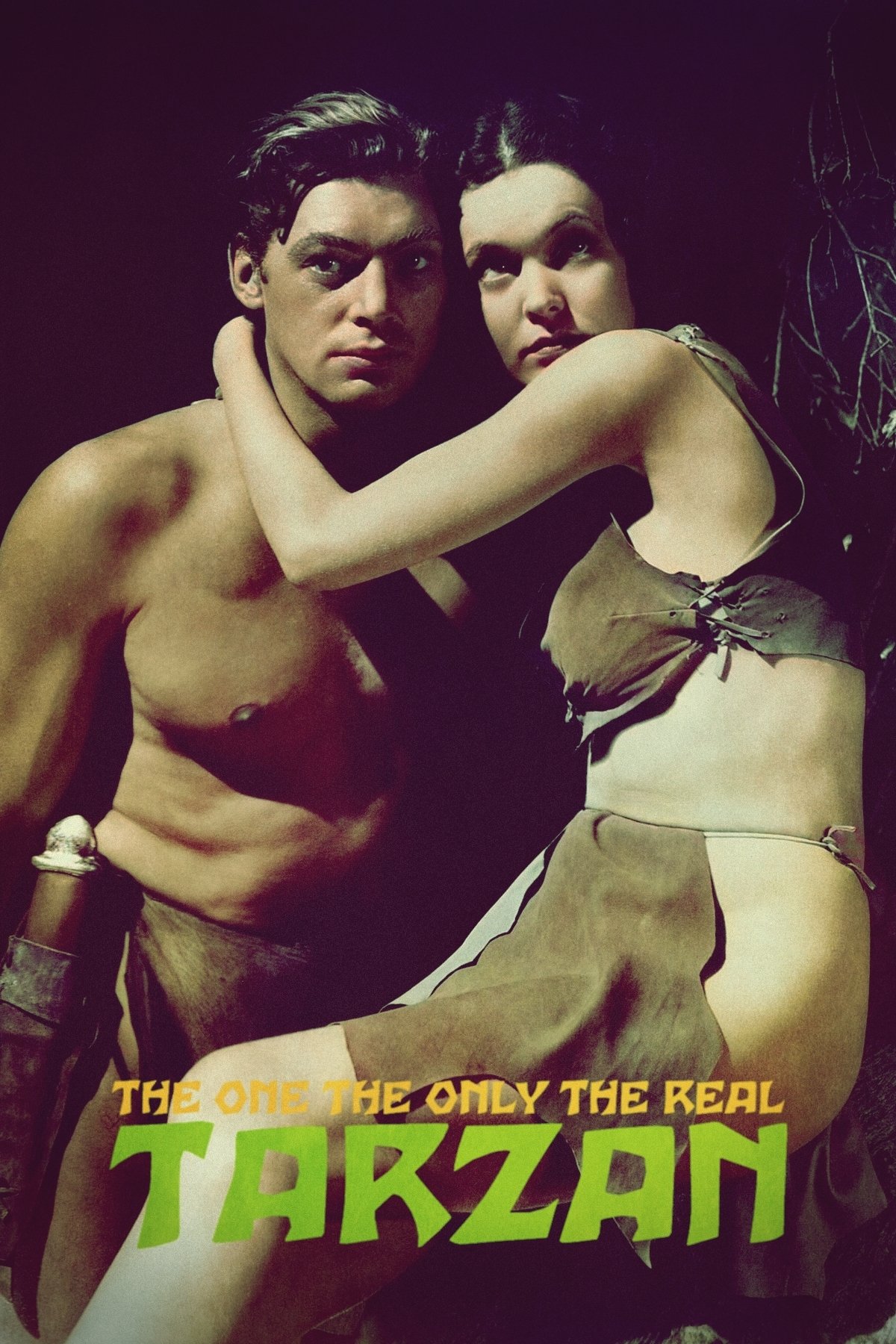
The glorious and tragic story of American athlete and actor Johnny Weissmuller (1904-84), Olympic swimmer, water polo player and the only true Tarzan, an archetypal character and myth of cinema, that of the original Hollywood blockbusters (1932-48).
Buenos Aires at the outskirts of XIX century. A society rigid in patriarchal rules. A war between brothers of Argentina, Brazil, Uruguay and Paraguay. Two young and very much in love youngsters, fight for their right to be together. Obeyance and fear sets them apart along more than ten years. When they are finally reunited, will they be able to overcome the pain and tragedy that haunts them?
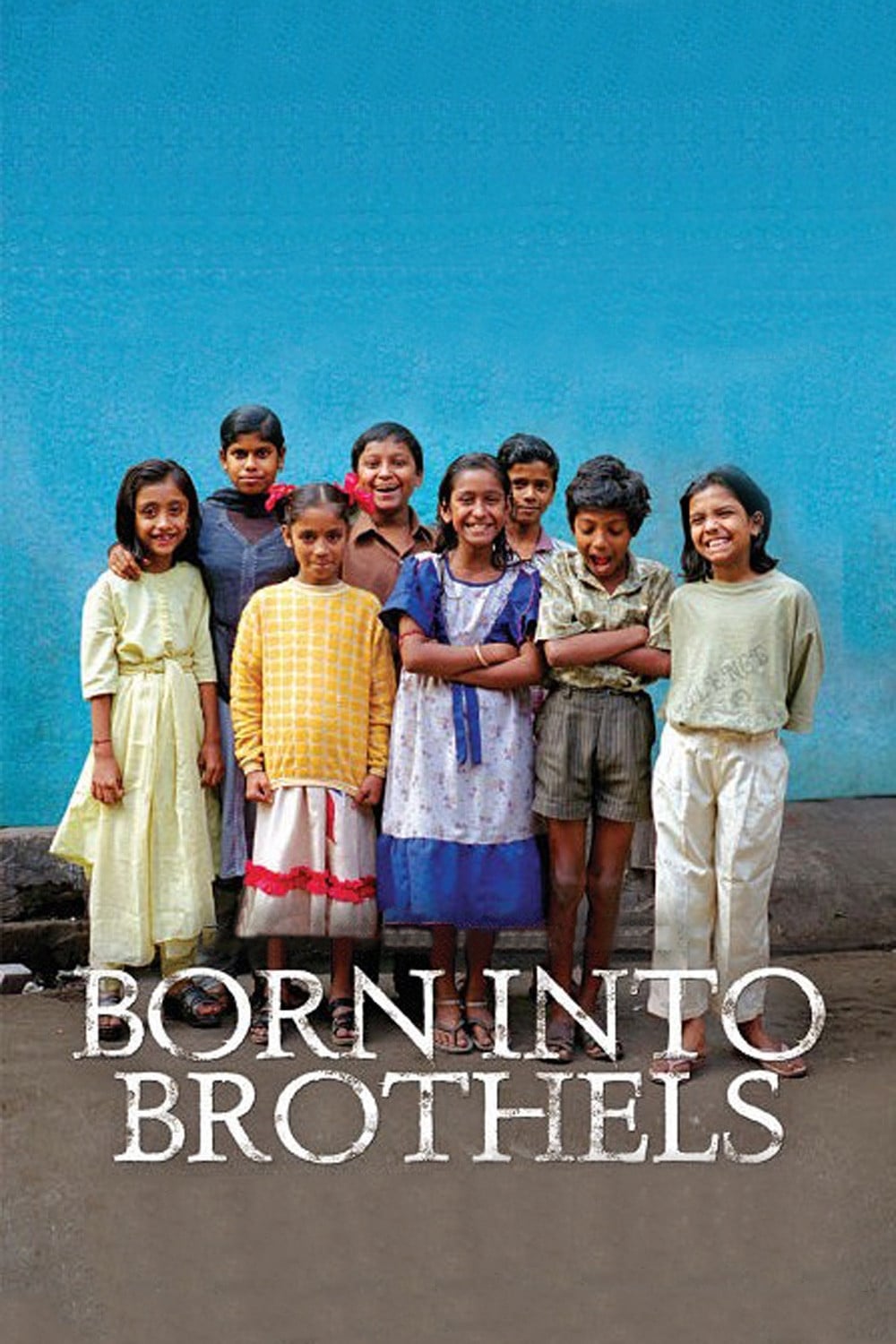
Documentary depicting the lives of child prostitutes in the red light district of Songachi, Calcutta. Director Zana Briski went to photograph the prostitutes when she met and became friends with their children. Briski began giving photography lessons to the children and became aware that their photography might be a way for them to lead better lives.
A dual portrait of young drifters on the streets of Odessa, where every day seems the same and the future keeps getting further away.
The people of Rwanda attempt to reconcile after the genocide through an open process of admission and forgiveness.
Six American mothers, each grieving the death of a child, journey to South Africa to volunteer with impoverished children. The strength of the people they meet and the reality of the poverty they witness deeply affects them. They ultimately discover hope and healing as a result of serving others, and through the unexpected friendships they form with each other.
Forget the pie charts, color-coded maps and hyperventilating pundits. What's the street-level experience of voters in today's America? In a triumph of documentary storytelling, ELECTION DAY combines eleven stories--all shot simultaneously on November 2, 2004, from dawn until long past midnight--into one. Factory workers, ex-felons, harried moms, Native American activists and diligent poll watchers, from South Dakota to Florida, take the process of democracy into their own hands. The result: an entertaining, inspiring and sometimes unsettling tapestry of citizens determined on one fateful day to make their votes count.
The film describes the microcosmos of the small village Wacken and shows the clash of the cultures, before and during the biggest heavy metal festival in Europe.
Documentary film about a Yugoslavian migrant worker couple who have been living in German-speaking Switzerland for 16 years but hope to realize their dreams and values by returning to their homeland.
Documentary about the history of Philippine cinema.
A humorous and heartwarming documentary feature, CYBER-SENIORS chronicles the extraordinary journey of a group of senior citizens as they discover the world of the Internet through the guidance of teenage mentors. Their exploration of cyberspace is catapulted to another level when 89 year-old Shura decides to create a YouTube cooking video. A spirited video competition for the most “views" evolves as the cyber-seniors’ hidden talents and competitive spirits are revealed. CYBER-SENIORS provides insight into the wonderful things that can happen when generation gaps are bridged, proving you are never too old to get "connected."
When a Mongolian nomadic family's newest camel colt is rejected by its mother, a musician is needed for a ritual to change her mind.
Devoted teacher Anne Sullivan leads deaf, blind and mute Helen Keller out of solitude and helps integrate her into the world.
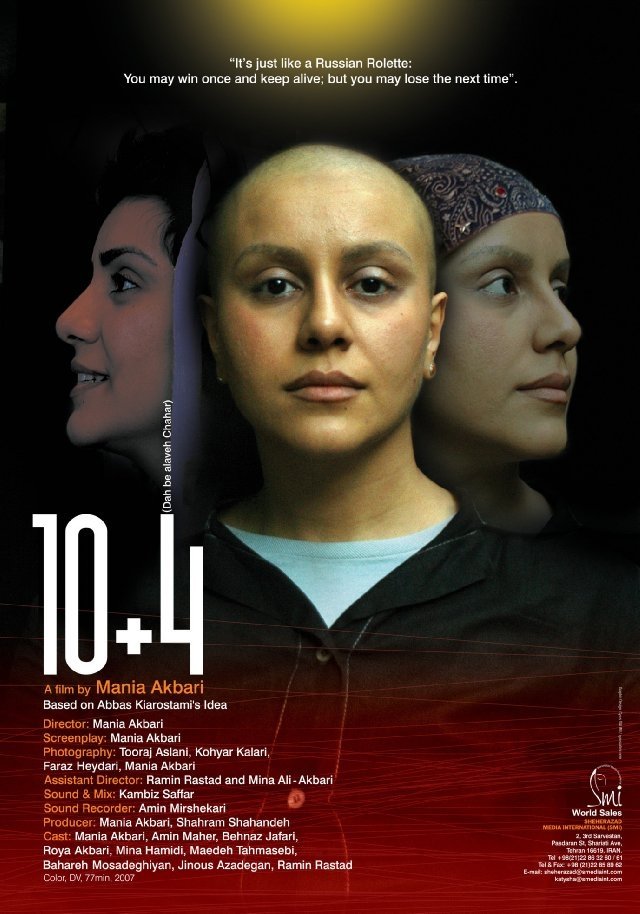
After casting painter and video artist Mania Akbari as the central figure of his groundbreaking Ten (2002), and then witnessing her outstanding debut as a feature film director in 20 Fingers (2004), Abbas Kiarostami urged her to direct a sequel to the film. In Dah be alaveh Chahar (10 + 4), though, circumstances are different: Mania is fighting cancer. She has undergone surgery; she has lost her hair following chemotherapy and no longer wears the compulsory headscarf; and sometimes she is too weak to drive. So the camera follows her to record conversations with friends and family in different spaces, from the gondola she had famously used in her first feature to a hospital bed.
María is an Amorúa girl; an indigenous group that traveled the savannas of Orinoquía as nomads. She lives with her grandmother Matilde, her sister diana and her cousins in Puerto Carreño, in the Colombia-Venezuela border. The amorúa are considered wild and are not literate. Matilde wants her granddaughters to learn to write and read to live better in this town of "rational whites" as they call us. The director follows María's life for 8 years from her childhood to her adolescence and invites her to travel the places her grandma did as a nomad.
Menhaden: The Most Important Fish in the Bay examines the role of a little-known, oily, little fish in the Chesapeake Bay. From its original concept as a classic man-versus-environment story, the film evolved to reflect the complexity of sustaining a menhaden fishery that many diverse interests depend on. The outcome: a story that seamlessly weaves together different perspectives on the menhaden fishing industry and its culture utilizing engaging personal vignettes, scientific data and creative visual storytelling techniques. Techniques include archival footage blended with cinematic live-action footage, musical performances and original, handmade animations.
Documentary about the art of film editing. Clips are shown from many groundbreaking films with innovative editing styles.
American filmmaker Stanley Kubrick (1928–1999), one of the greatest in history, but also one of the most reserved, gave few interviews throughout his long career, and none of them were filmed. A first-person journey through his life and work, based on a recorded conversation with French film critic Michel Climent.
The epic life story of Alice Guy-Blaché (1873–1968), a French screenwriter, director and producer, true pioneer of cinema, the first person who made a narrative fiction film; author of hundreds of movies, but banished from history books. Ignored and forgotten. At last remembered.
The history of cinematic sound, told by legendary sound designers and visionary filmmakers.
An unprecedented and intimate look at the life, work and enduring legacy of British actress Audrey Hepburn (1929-1993).
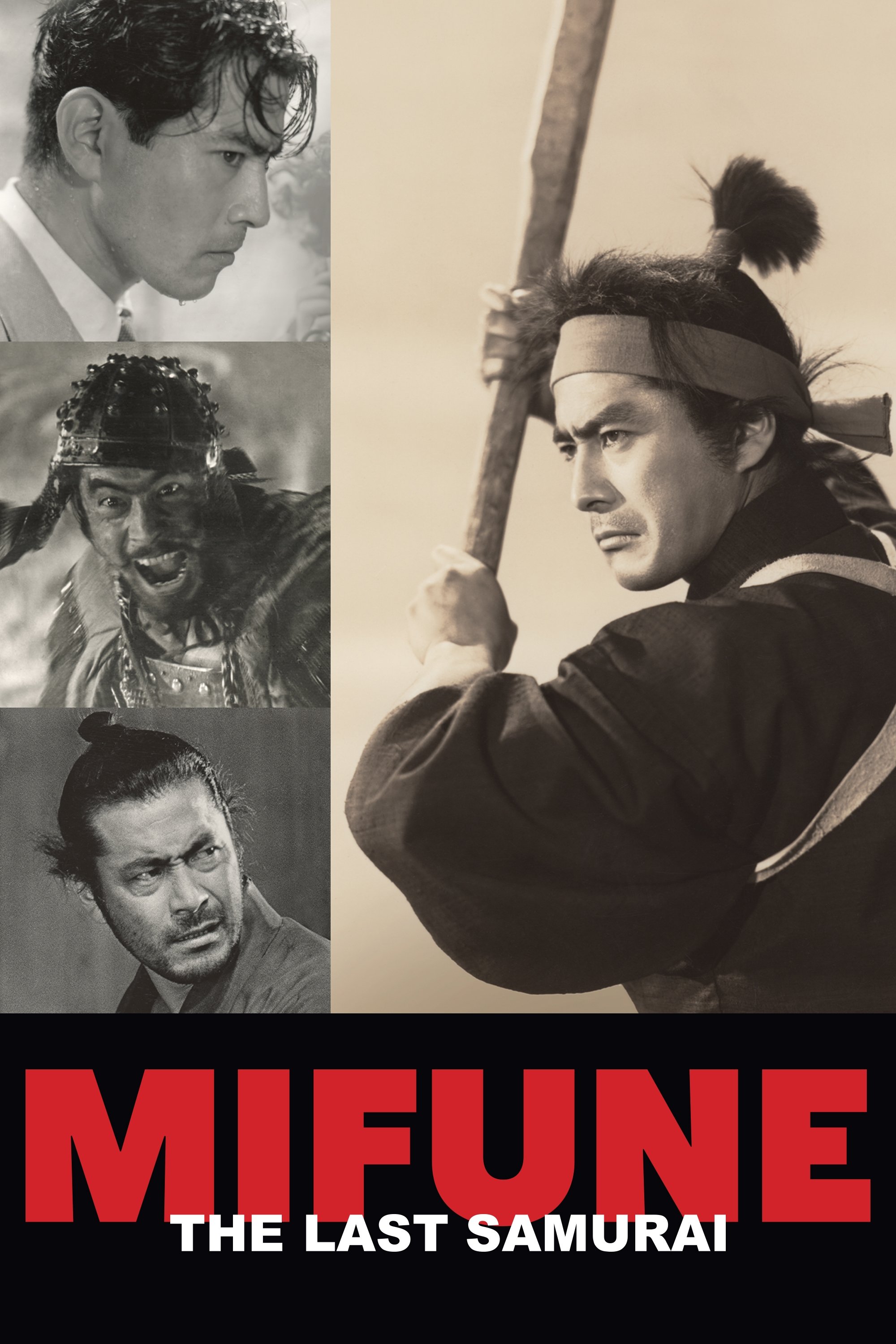
An account of the life and work of legendary Japanese actor Toshirō Mifune (1920-97), the most prominent actor of the Golden Age of Japanese cinema.
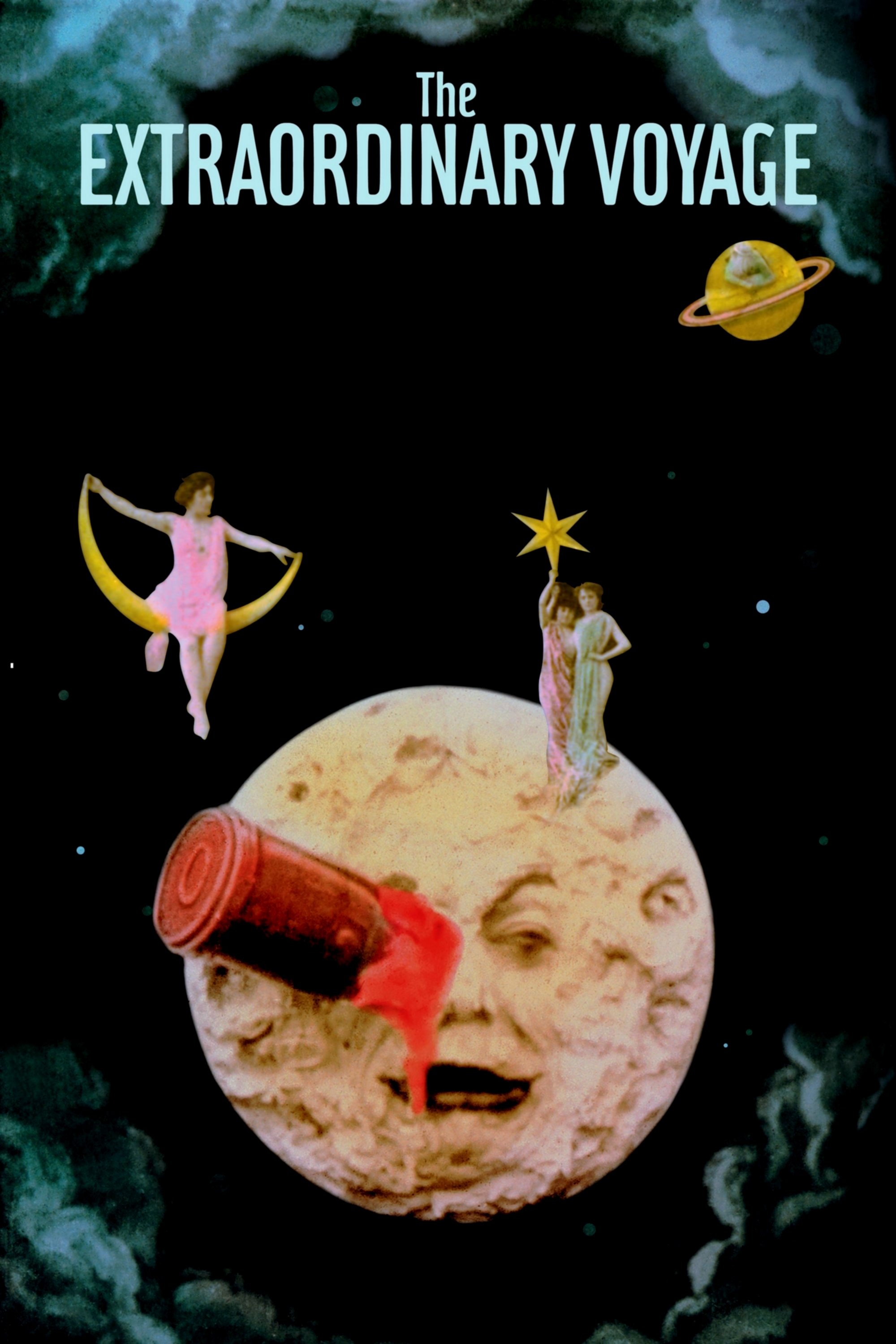
An account of the extraordinary life of film pioneer Georges Méliès (1861-1938) and the amazing story of the copy in color of his masterpiece A Trip to the Moon (1902), unexpectedly found in Spain and restored thanks to the heroic efforts of a group of true cinema lovers.
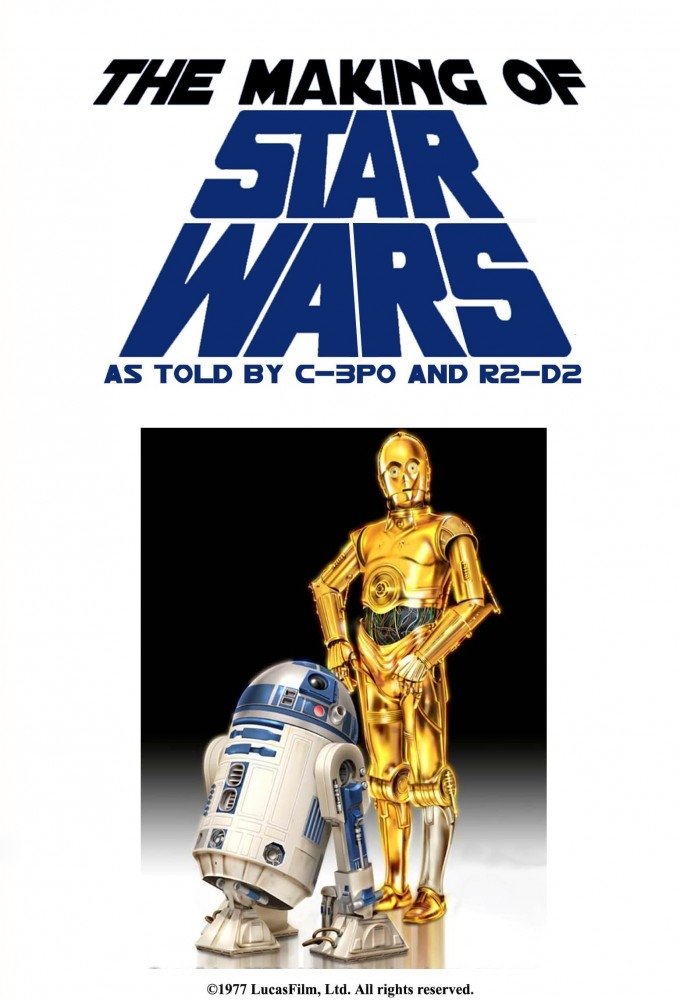
Learn the incredible behind-the-scenes story of how the original Star Wars movie was brought to the big screen in this fascinating documentary hosted by C-3PO and R2-D2 which includes interviews with George Lucas and appearances by Mark Hamill, Harrison Ford and Carrie Fisher.
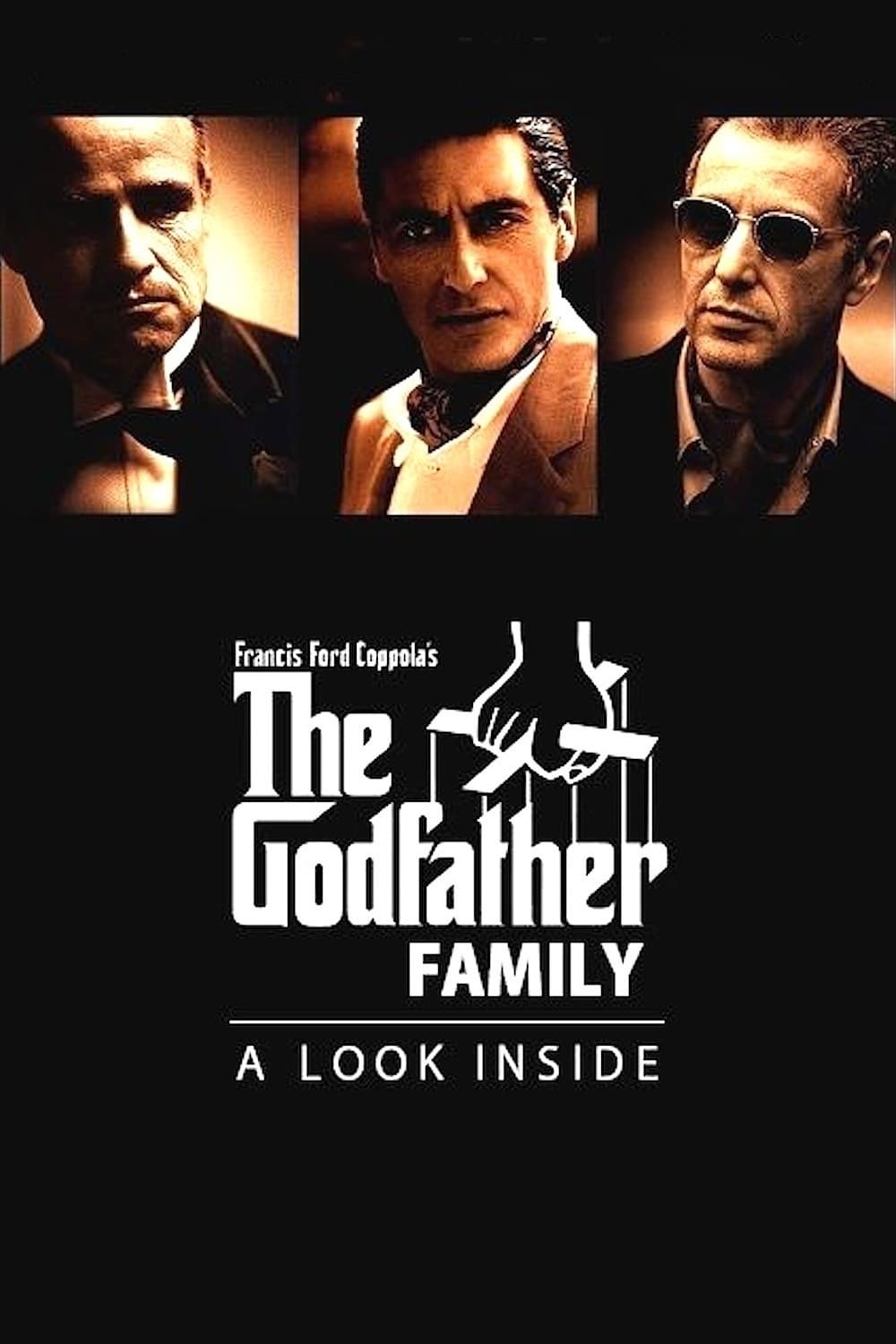
A documentary on the making of the three Godfather films, with interviews and recollections from the film makers and cast. This feature also includes the original screen tests of some of the actors for "The Godfather" film, and some candid moments on the set of "The Godfather: Part III."
Director Claude Lanzmann spent 11 years on this sprawling documentary about the Holocaust, conducting his own interviews and refusing to use a single frame of archival footage. Dividing Holocaust witnesses into three categories – survivors, bystanders, and perpetrators – Lanzmann presents testimonies from survivors of the Chelmno concentration camp, an Auschwitz escapee, and witnesses of the Warsaw Ghetto Uprising, as well as a chilling report of gas chambers from an SS officer at Treblinka.
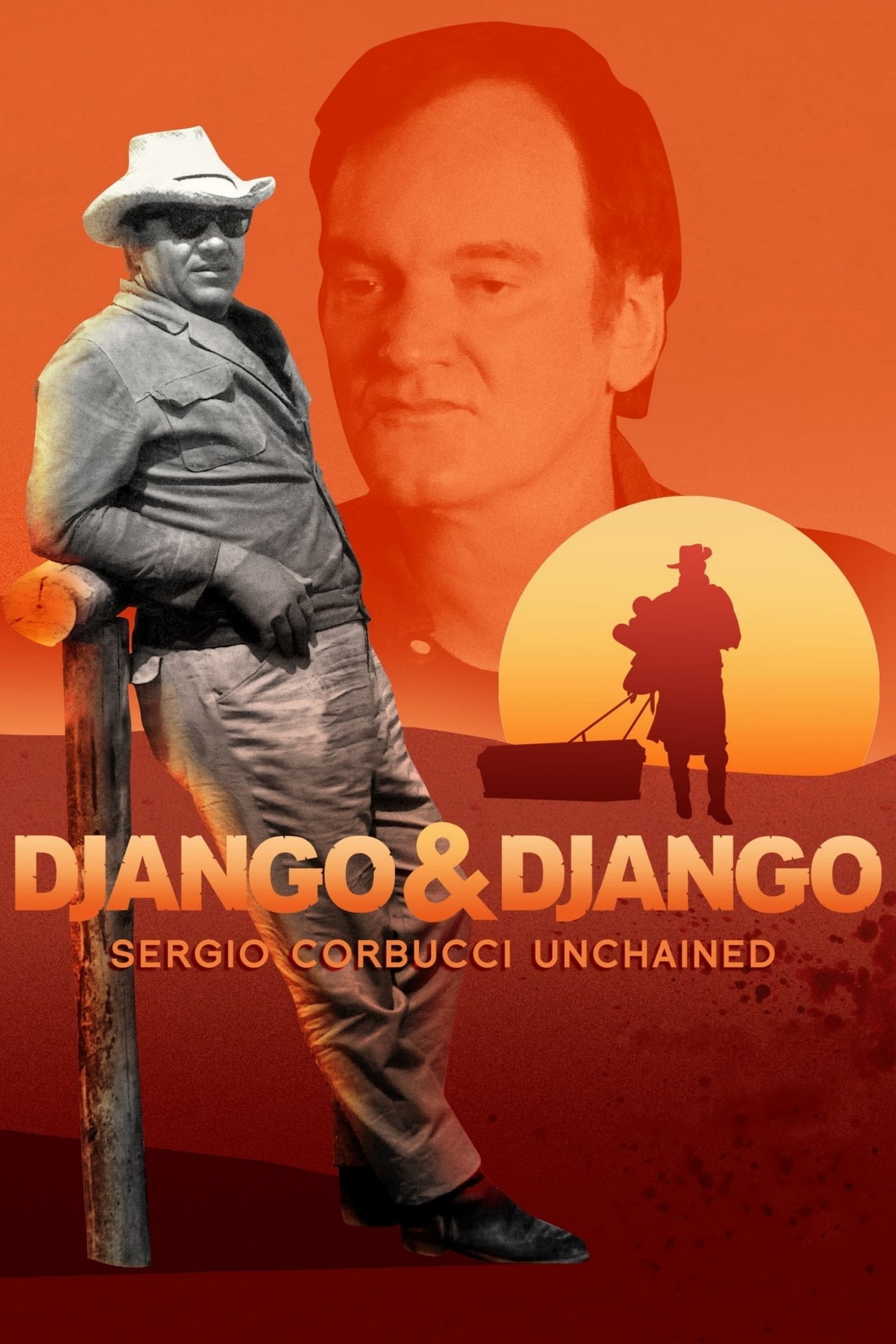
A tribute to Italian filmmaker Sergio Corbucci (1926-90), presented by American filmmaker Quentin Tarantino.
A look behind the lens of Christopher Nolan's space epic.
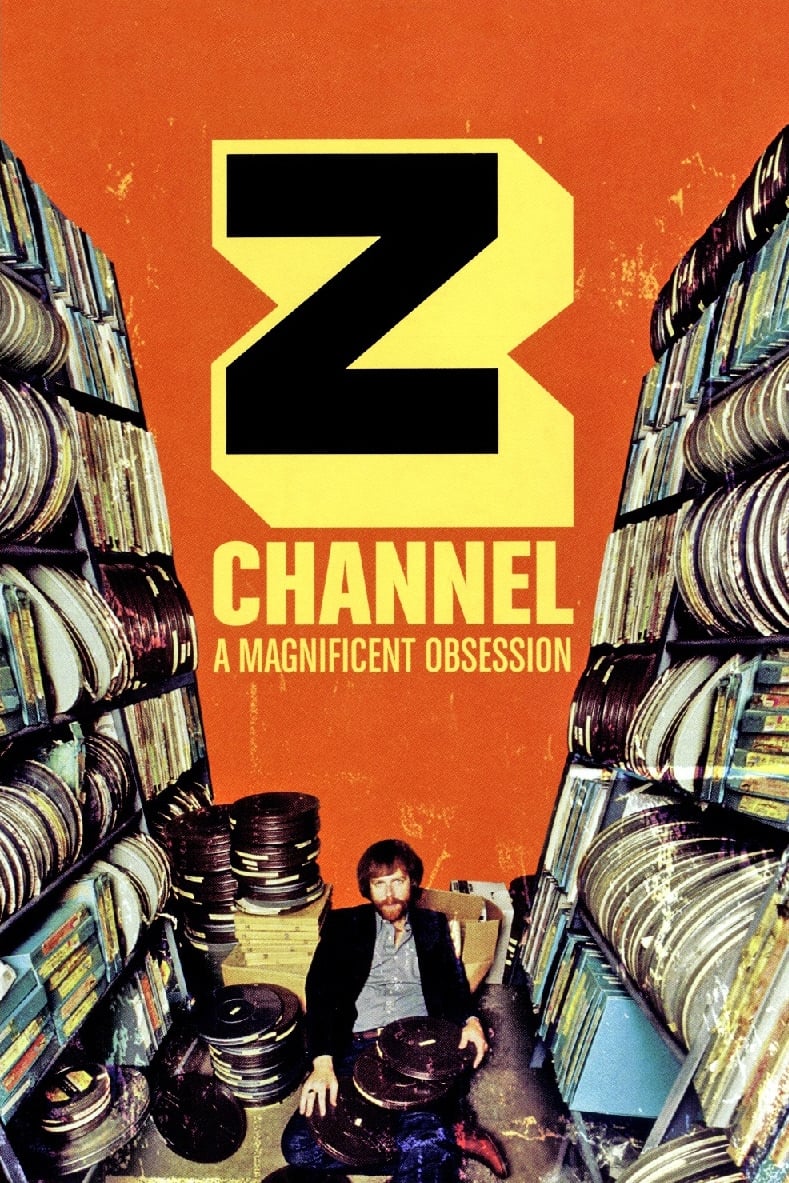
A documentary on the Z Channel, one of the first pay cable stations in the US, and its programming chief, Jerry Harvey. Debuting in 1974, the LA-based channel's eclectic slate of movies became a prime example of the untapped power of cable television.
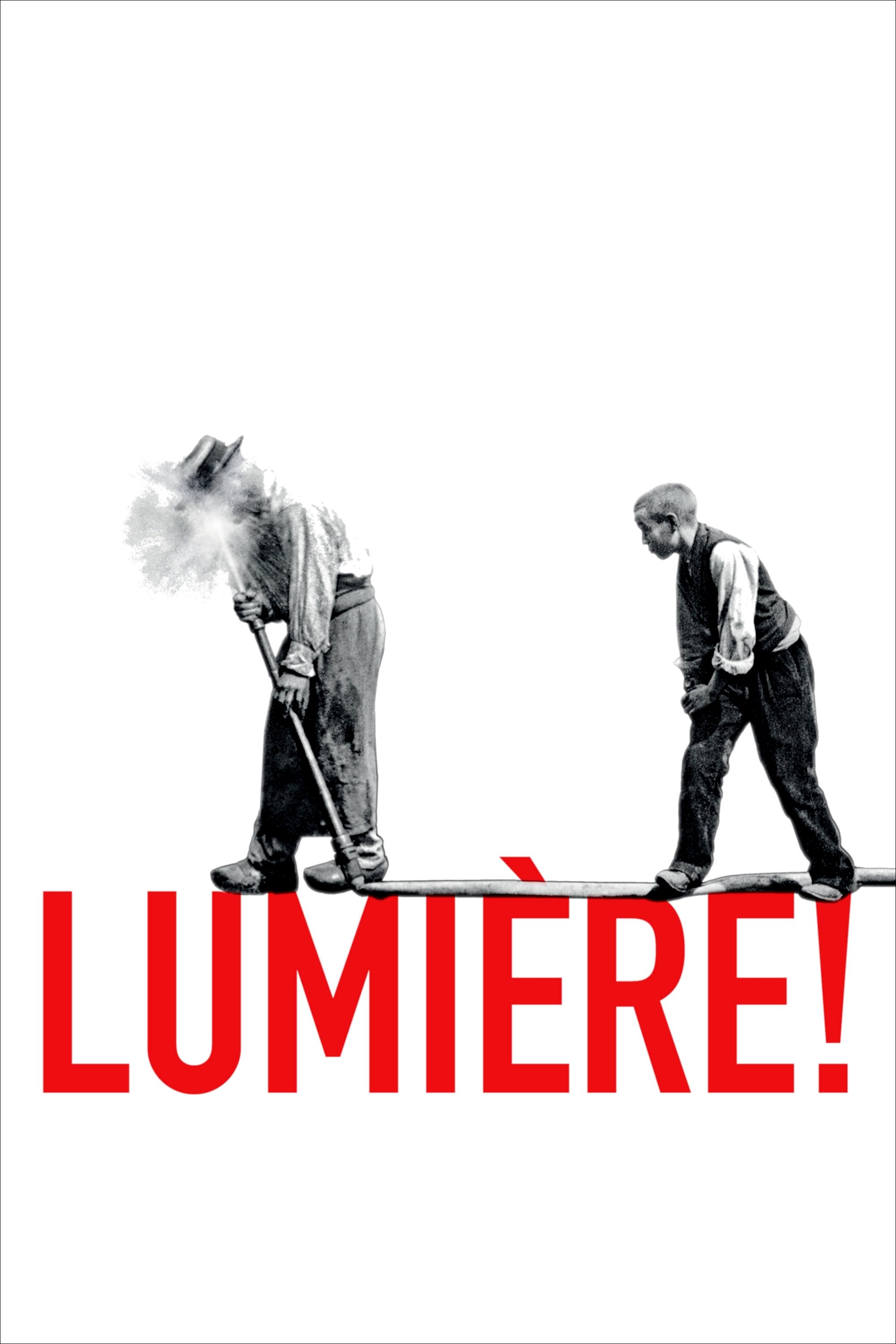
A collection of restored prints from the Lumière Brothers.
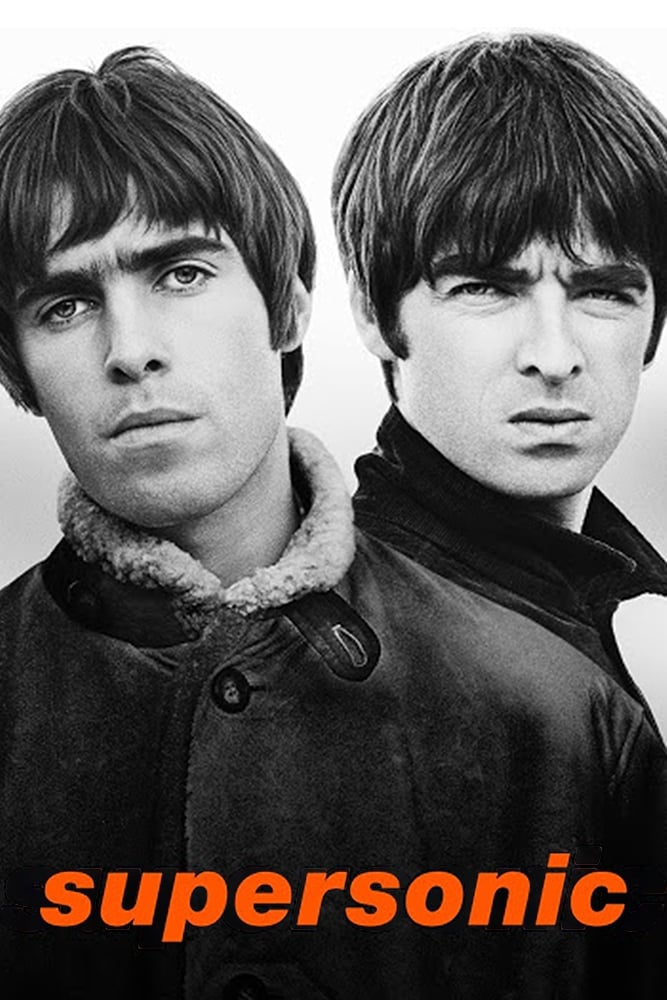
Supersonic charts the meteoric rise of Oasis from the council estates of Manchester to some of the biggest concerts of all time in just three short years. This palpable, raw and moving film shines a light on one of the most genre and generation-defining British bands that has ever existed and features candid new interviews with Noel and Liam Gallagher, their mother, and members of the band and road crew.
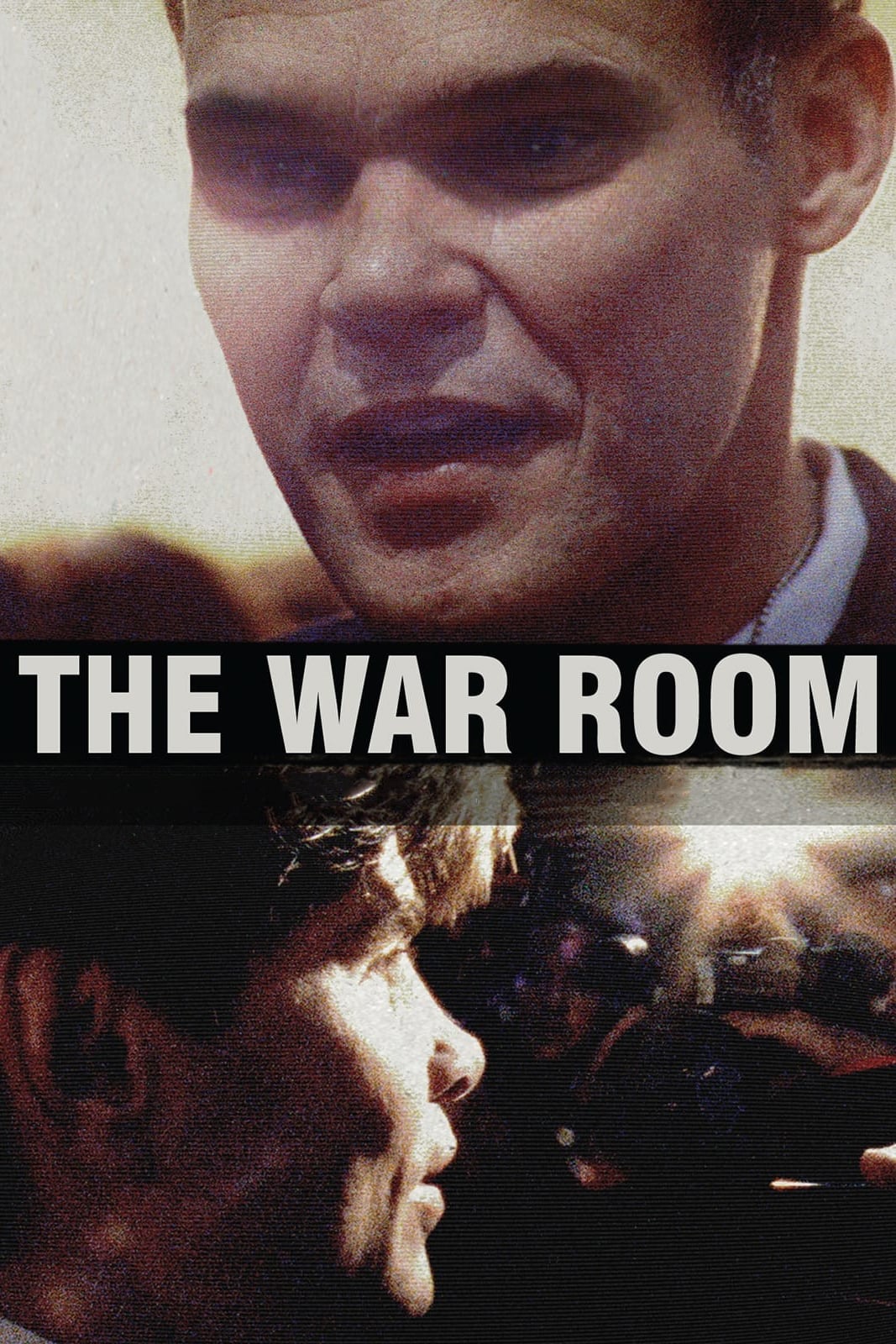
A behind-the-scenes documentary about the Clinton for President campaign, focusing on the adventures of spin doctors James Carville and George Stephanopoulos.
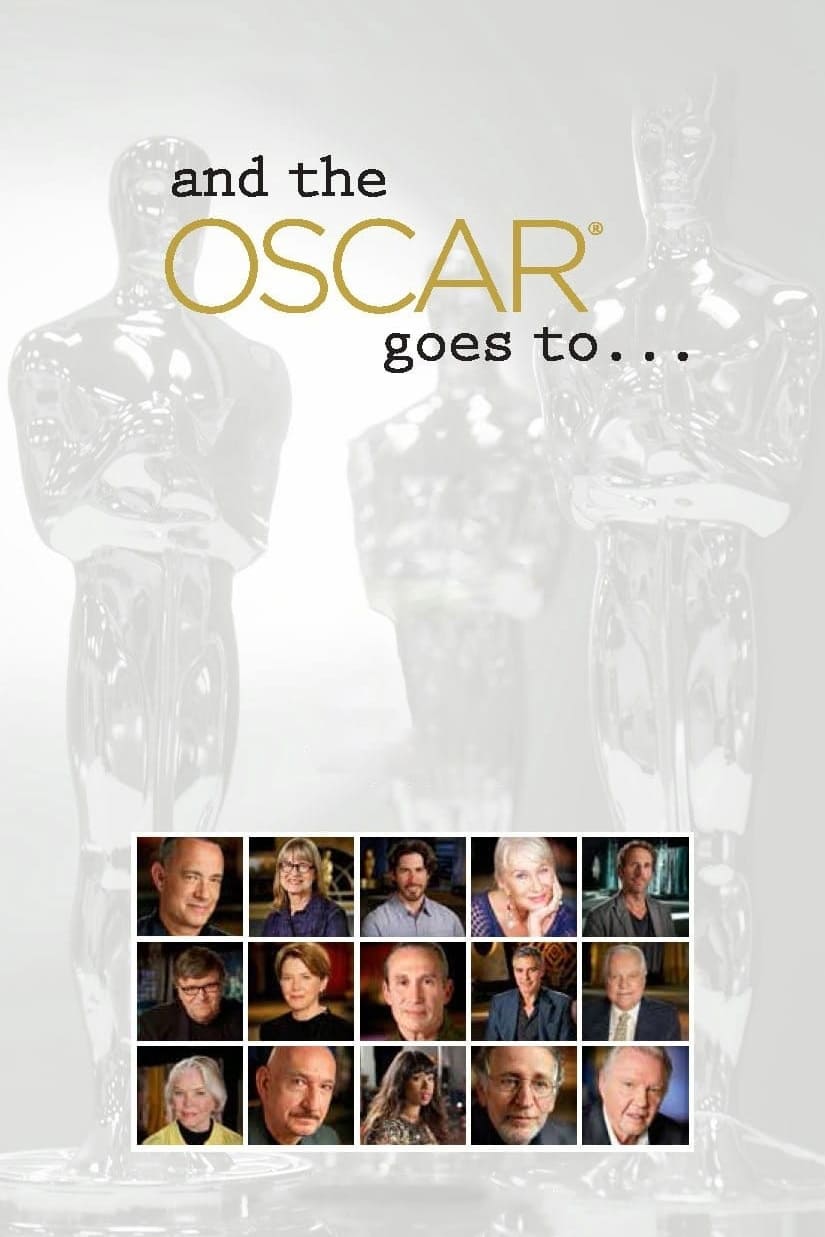
The story of the gold-plated statuette that became the film industry's most coveted prize, AND THE OSCAR GOES TO... traces the history of the Academy itself, which began in 1927 when Louis B. Mayer, then head of MGM, led other prominent members of the industry in forming this professional honorary organization. Two years later the Academy began bestowing awards, which were nicknamed "Oscar," and quickly came to represent the pinnacle of cinematic achievement.
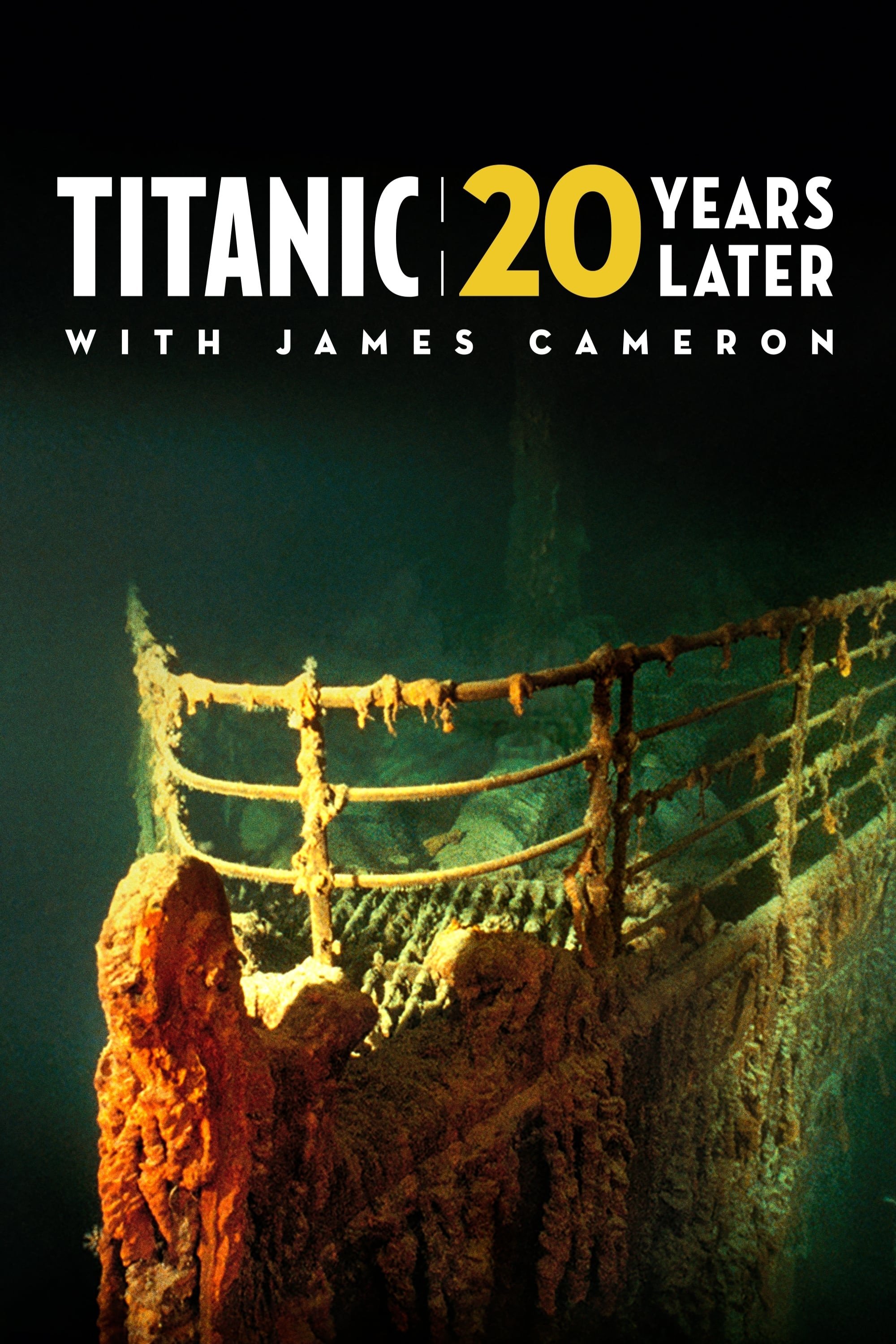
For the 20th anniversary of "Titanic," James Cameron reopens the file on the disaster.
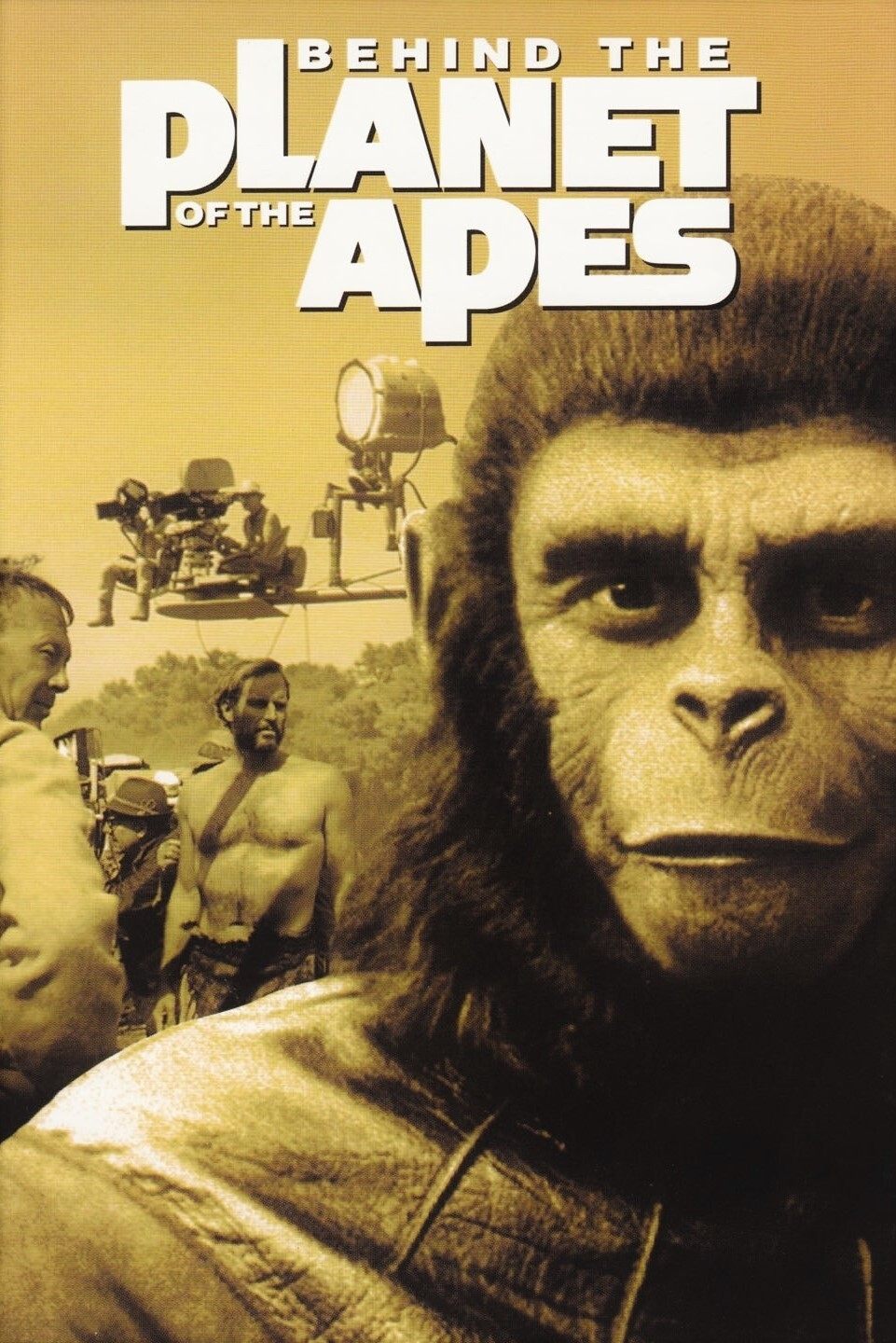
Roddy McDowall takes you, film by film, from production meetings to make-up sessions, then right onto the movie set to see the actual filming of the science fiction masterpiece. The most comprehensive history of Planet of the Apes ever created, this fascinating 127-minute documentary explores one of the most imaginative and influential series in movie history.
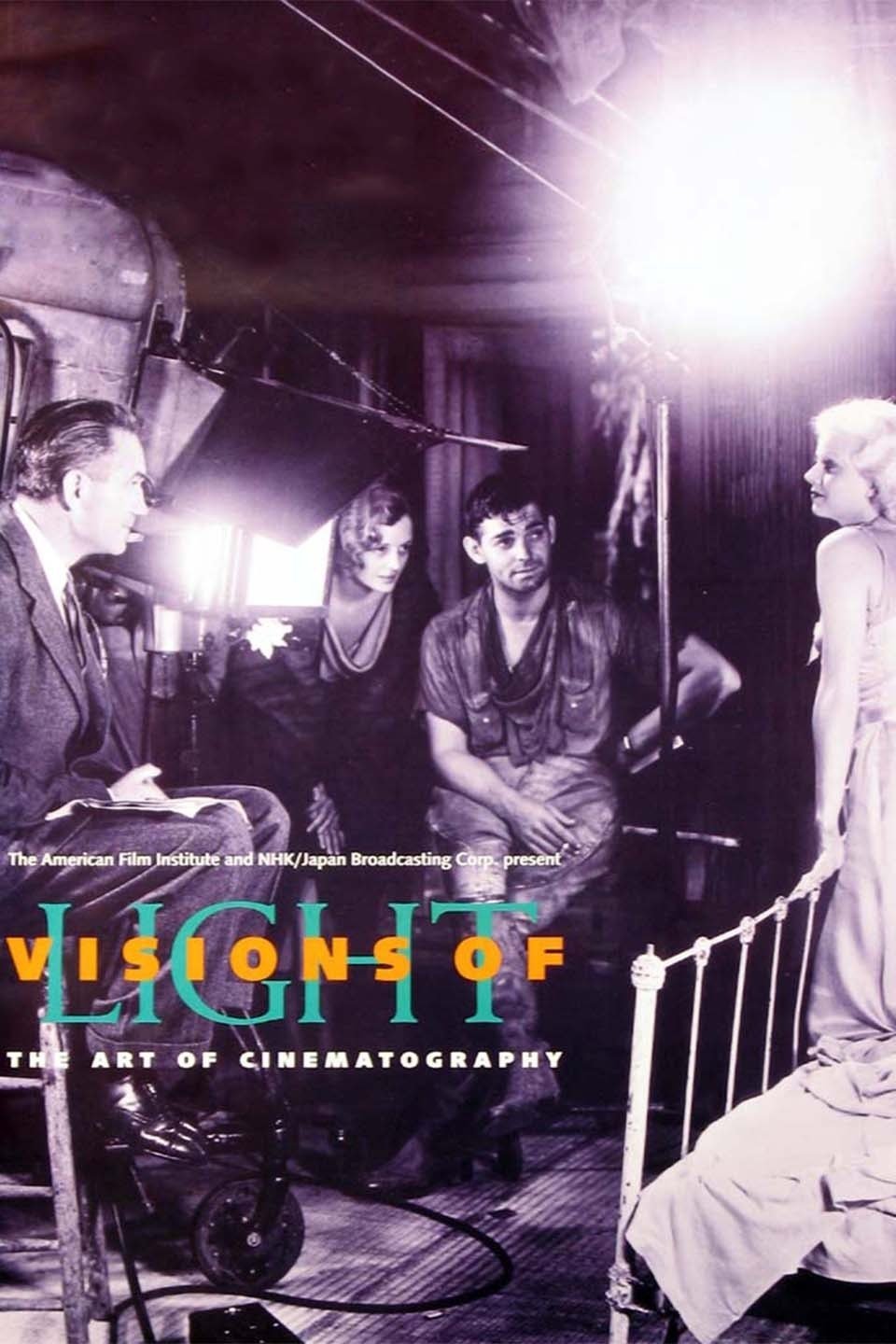
Cameramen and women discuss the craft and art of cinematography and of the "DP" (the director of photography), illustrating their points with clips from 100 films, from Birth of a Nation to Do the Right Thing. Themes: the DP tells people where to look; changes in movies (the arrival of sound, color, and wide screens) required creative responses from DPs; and, these artisans constantly invent new equipment and try new things, with wonderful results. The narration takes us through the identifiable studio styles of the 30s, the emergence of noir, the New York look, and the impact of Europeans. Citizen Kane, The Conformist, and Gordon Willis get special attention.