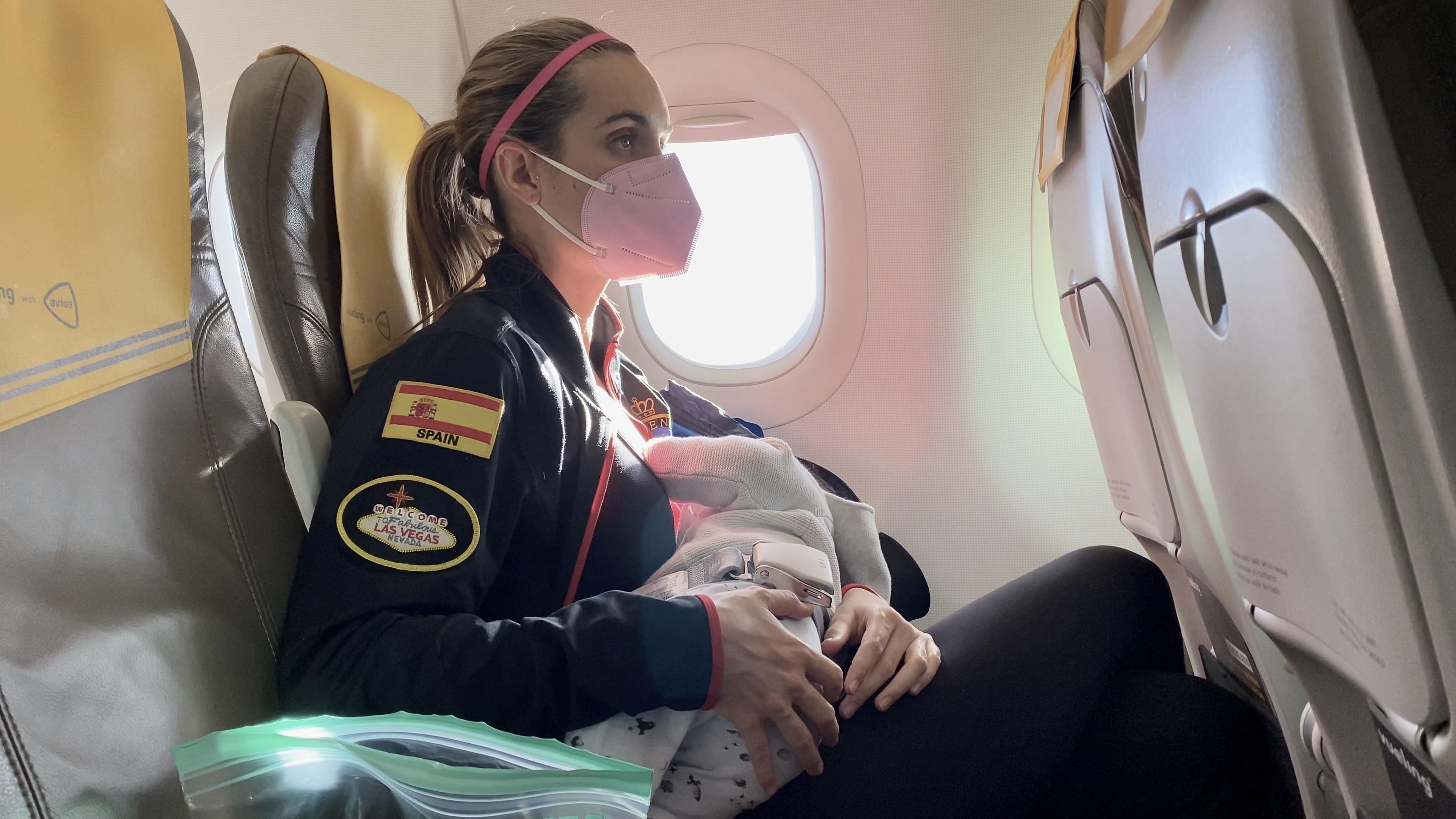
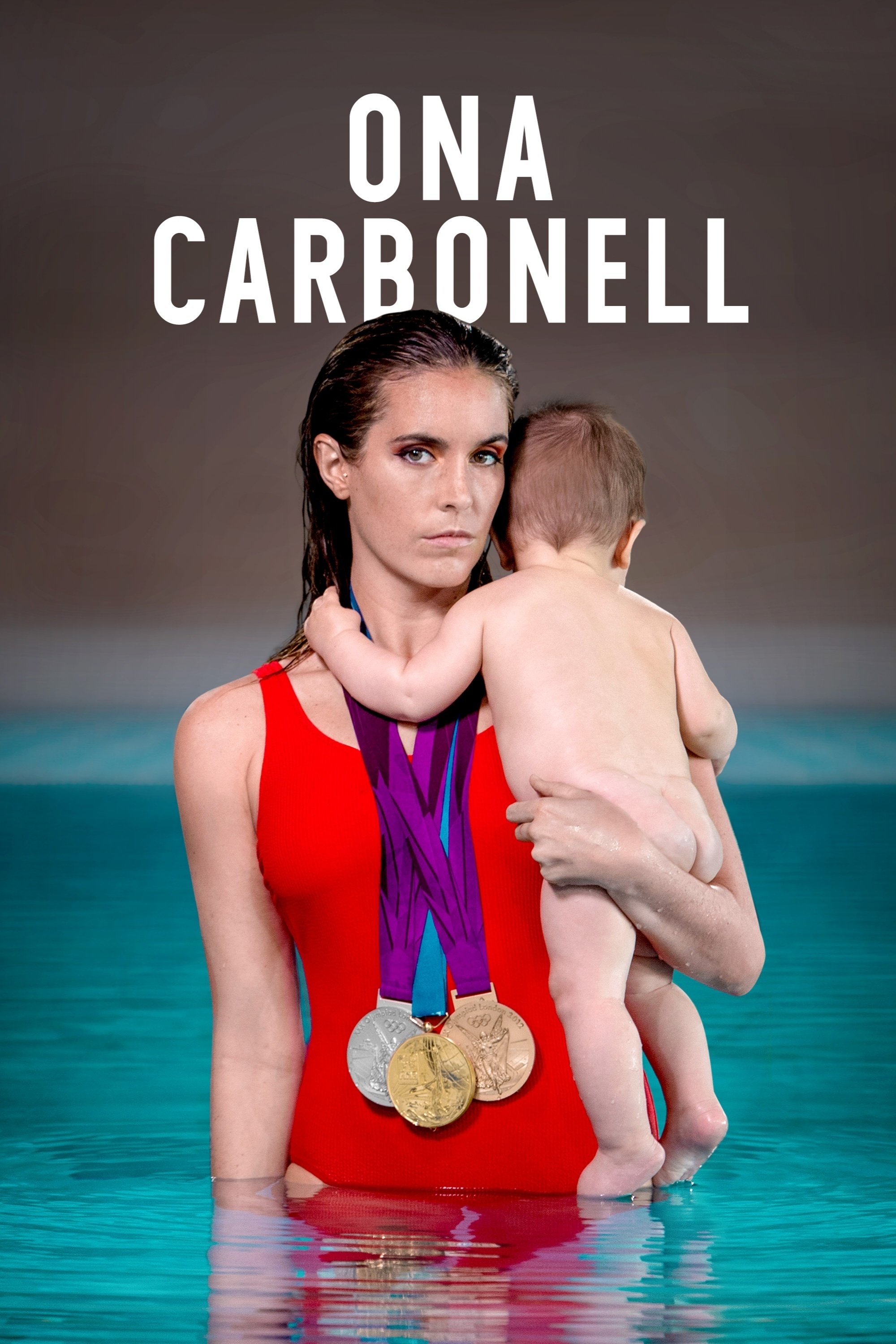
In August 2020, Olympic artistic swimmer Ona Carbonell became a first time mother, an experience that reshaped her life overnight.
Social & External
The people behind it
Ona Carbonell
Self
Pau Gasol
Paz Vega
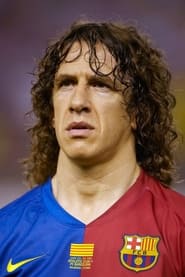
Carles Puyol
Mayu Fujiki
Pablo Ibáñez
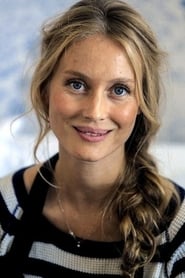
Stéphanie Kauffmann
Cecilia Jiménez
Vanessa Lorenzo
Blanca Toledano
"Heart of the Country" is the story of Shinichi Yasutomo, the extraordinary principal of a rural elementary school in Kanayama, central Hokkaido, Northern Japan. Yasutomo is a man driven by his vision for learning and his passion for educating the heart as well as the mind. The film follows Yasutomo, his teachers and staff, students and their families over the course of one entire school year. The film is also the story of the families of Kanayama. Parents and elders of this once impoverished town embrace Yasutomo's vision, but not without wary glances back to the past. This small community, bound together by love for its children, is also defined by its journey through the cultural upheavals of postwar Japan.
A mother discovers that her son has a disability that causes her breast milk to intoxicate him. But the discovery comes too late to prevent the loss of neurons.
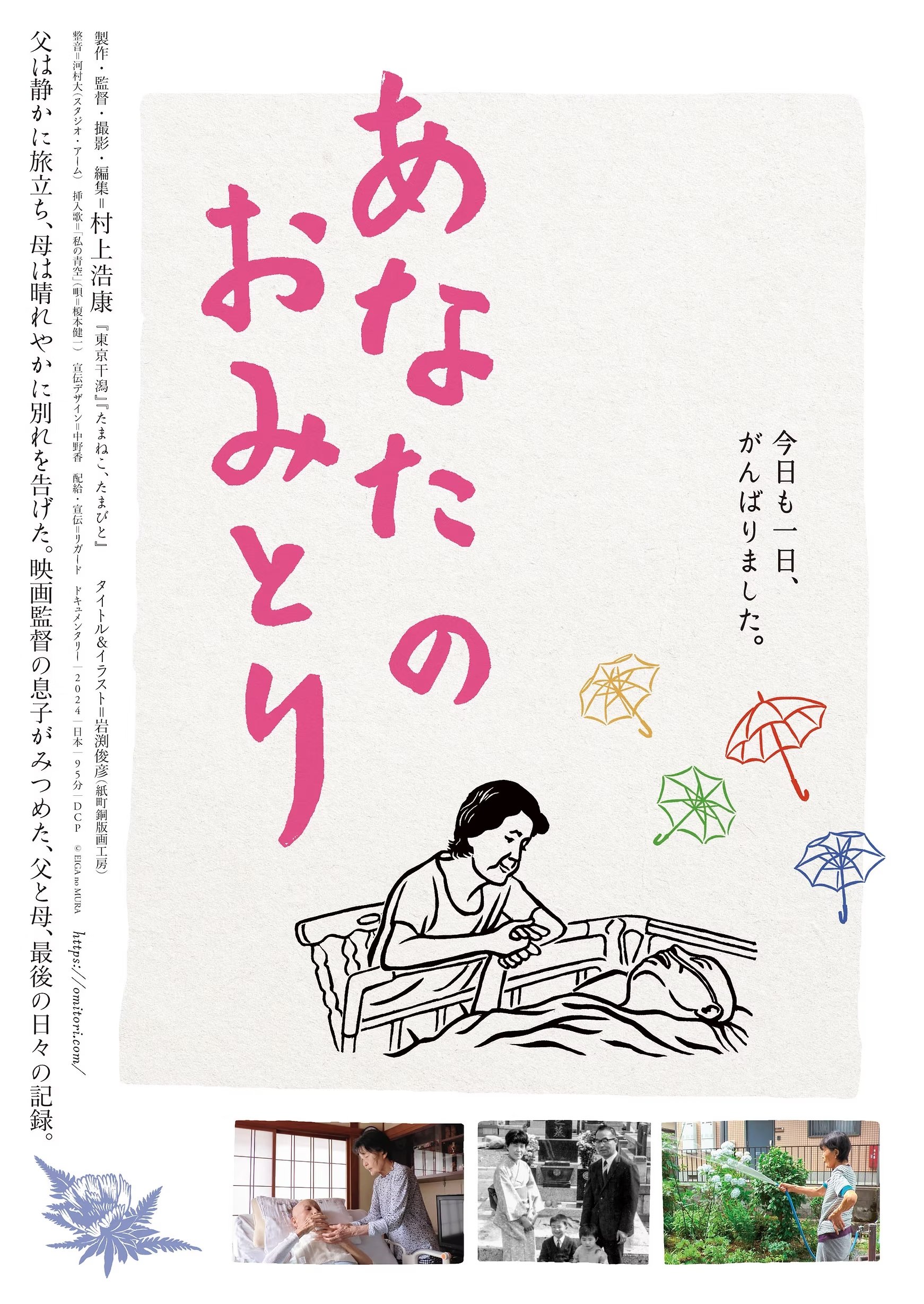
A son films his elderly mother as she cares for his ailing father on his deathbed.
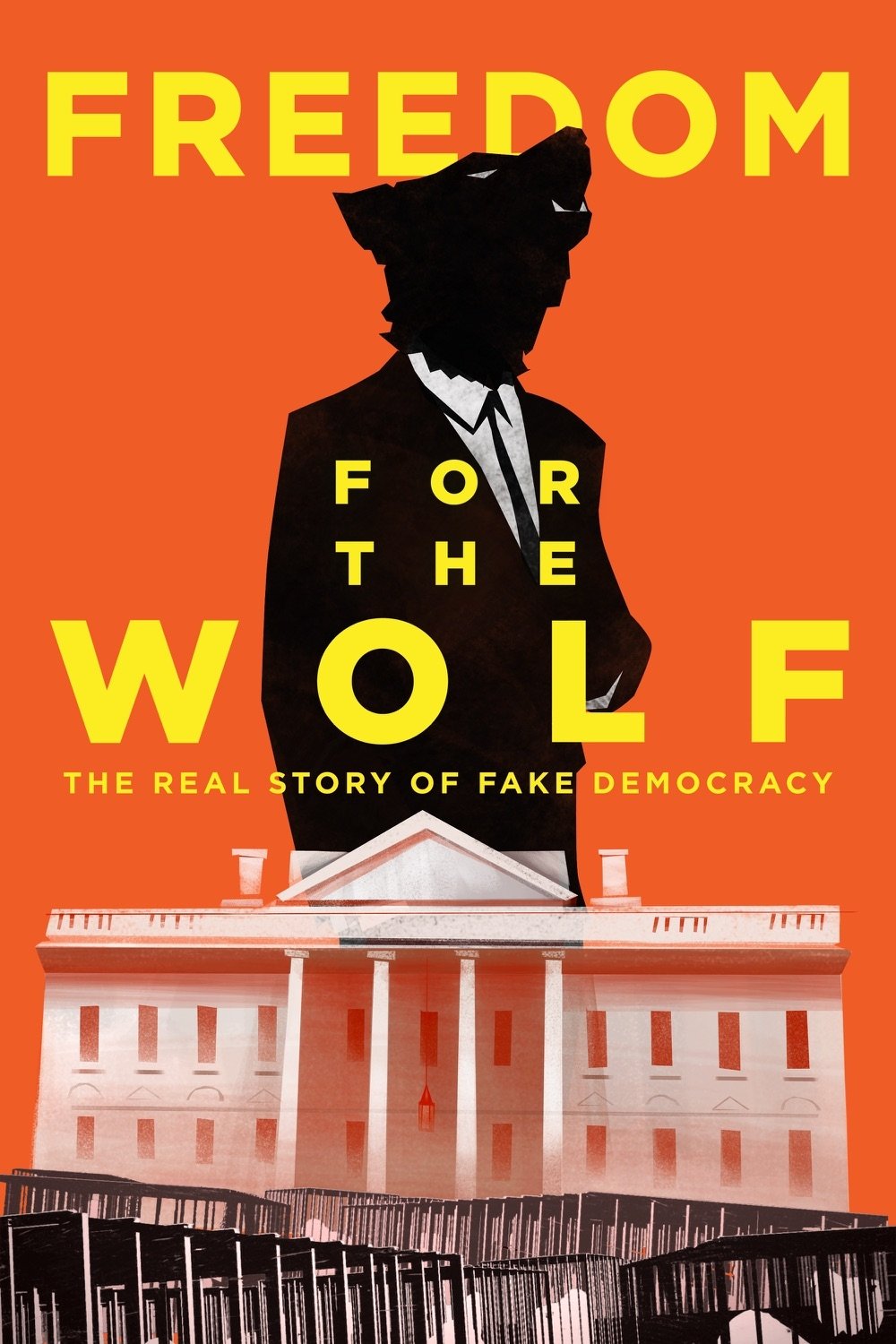
The Real Story of Fake Democracy. Filmed over three years in five countries, FREEDOM FOR THE WOLF is an epic investigation into the new regime of illiberal democracy. From the young students of Hong Kong, to a rapper in post-Arab Spring Tunisia and the viral comedians of Bollywood, we discover how people from every corner of the globe are fighting the same struggle. They are fighting against elected leaders who trample on human rights, minorities, and their political opponents.
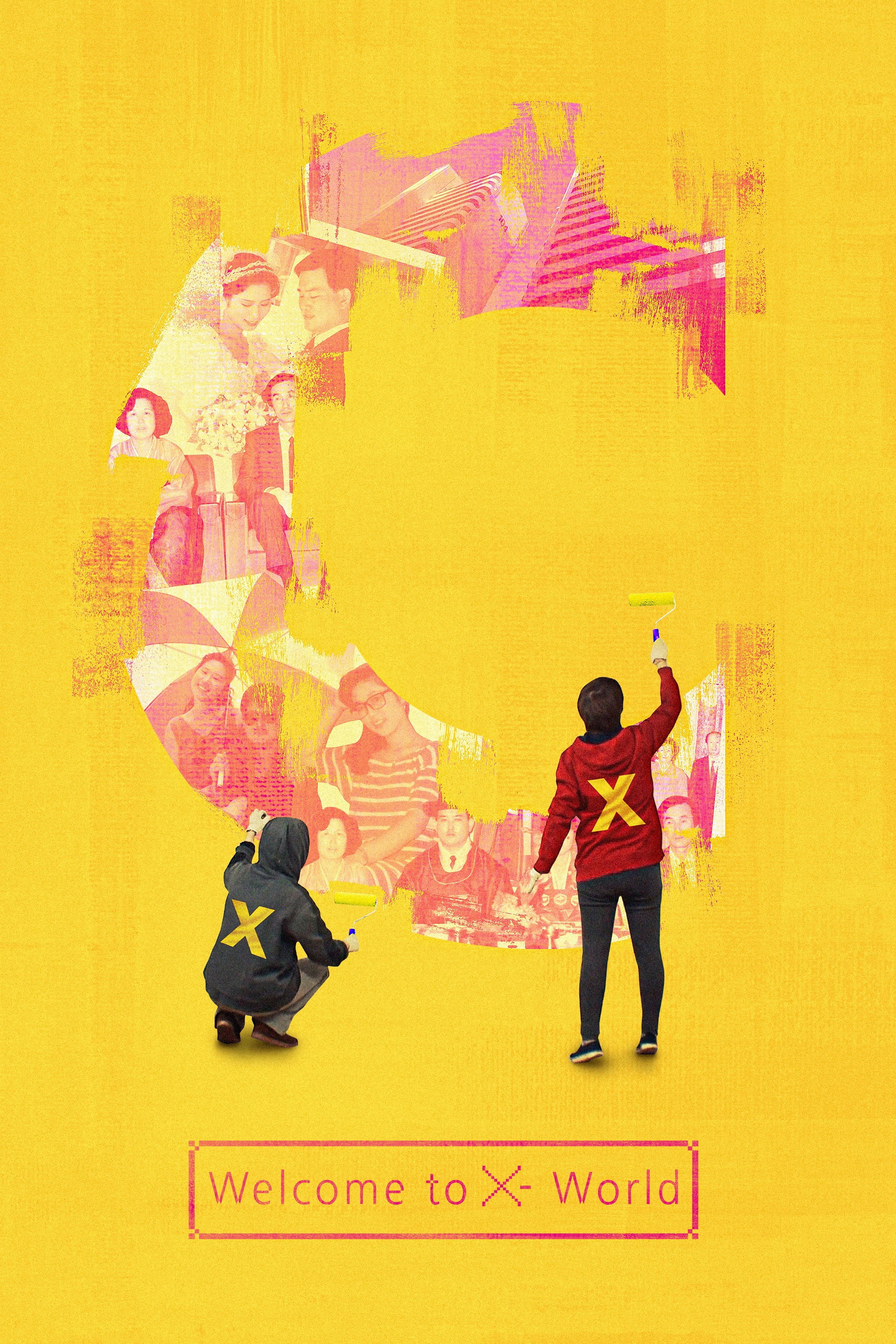
Three people live in Doosan Apartment in Guro-dong. Me, mom, and my grandfather. Even though it has been 12 years since dad died, we are still living under the same roof. I thought it was because of the financial situation that we could not move out of grandfather’s house. But when I found out that mom already had enough money to get a house, I became confused. Why didn’t mom move out from the “x-world” when she could? From a marriage that didn’t work out well, to a father-in-law with a temper. Why has she been enduring it, unchanging, for all the time I had witnessed her life to become a woman against marriage? One day when my anxiousness was at its peak, grandfather suggested that we live separately. Mom, reluctant to leave Guro-dong that she’d been living in for 20 years and her marriage life, will she be able to find herself and move out well?
How the Japanese process American pop culture and make it their own -- a mind-bending odyssey through cultural mixing.
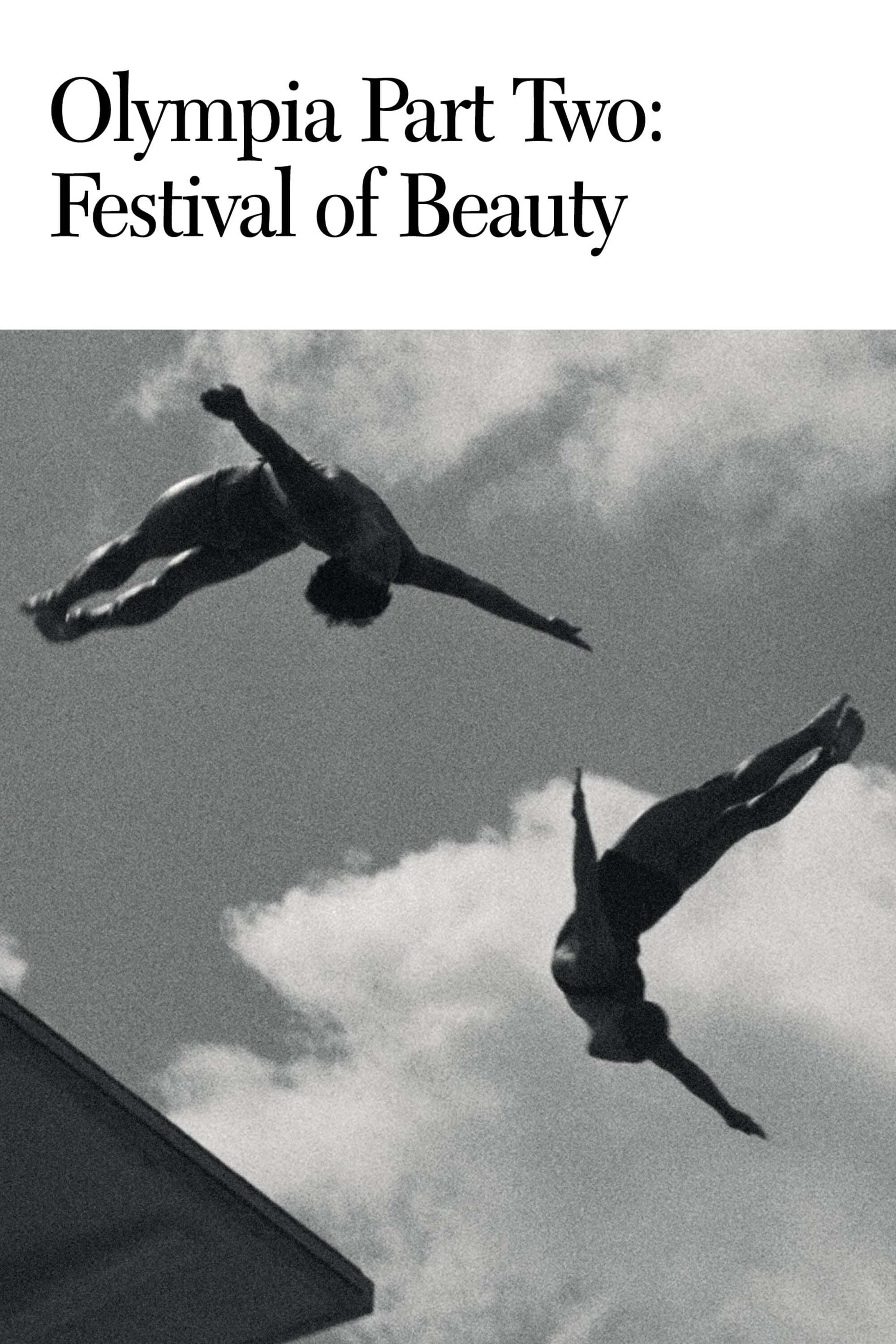
Part two of Leni Riefenstahl's monumental examination of the 1938 Olympic Games, the cameras leave the main stadium and venture into the many halls and fields deployed for such sports as fencing, polo, cycling, and the modern pentathlon, which was won by American Glenn Morris.
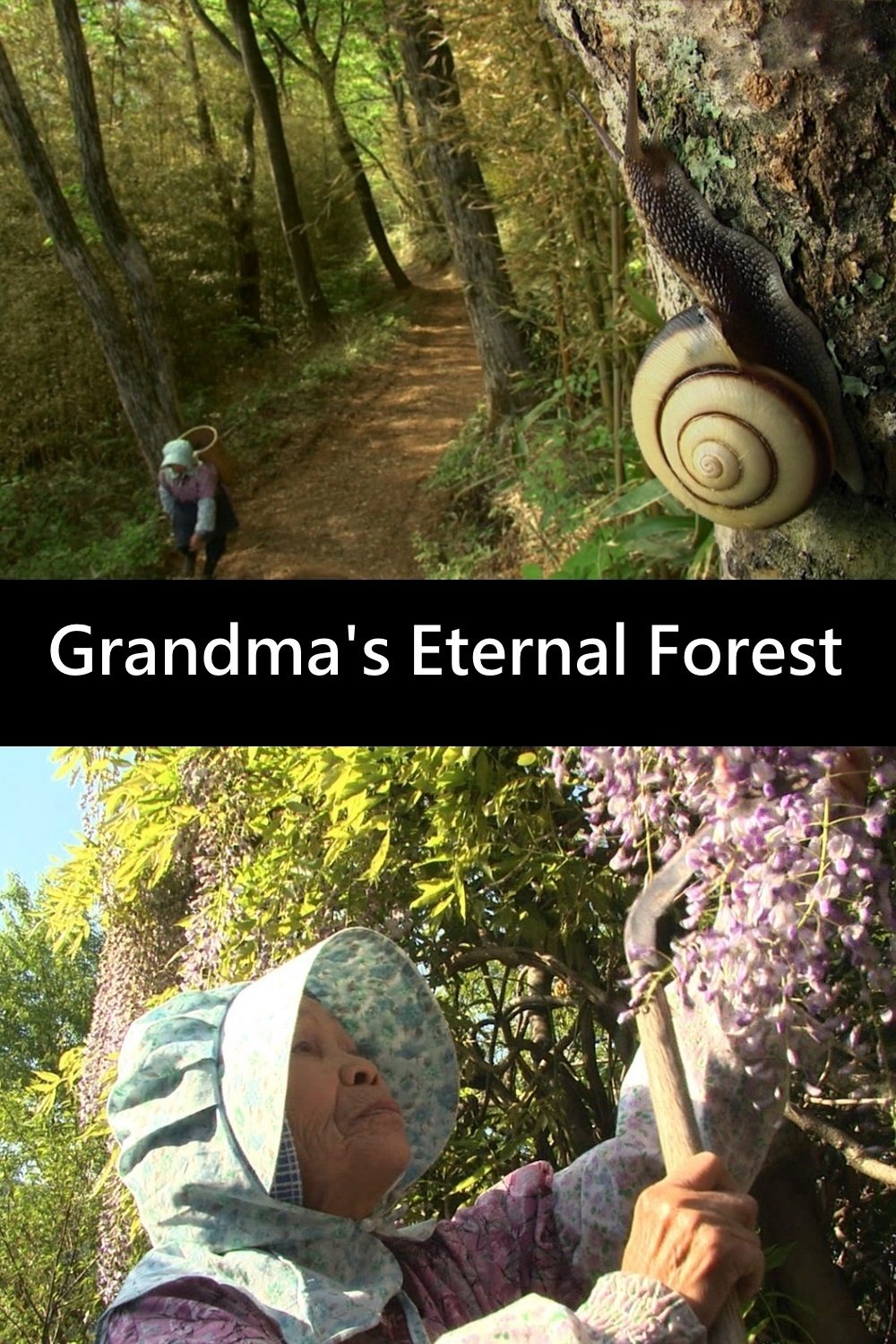
A 49 minutes documentary on the footsteps of 87 years old "Grandma" Kuniko Shiiba, perpetuating a 4000 years traditional and sustainable form of agriculture. Shohei SHIBATA followed her a whole year through the forest and its medicinal plants, fire spirits and mountains.
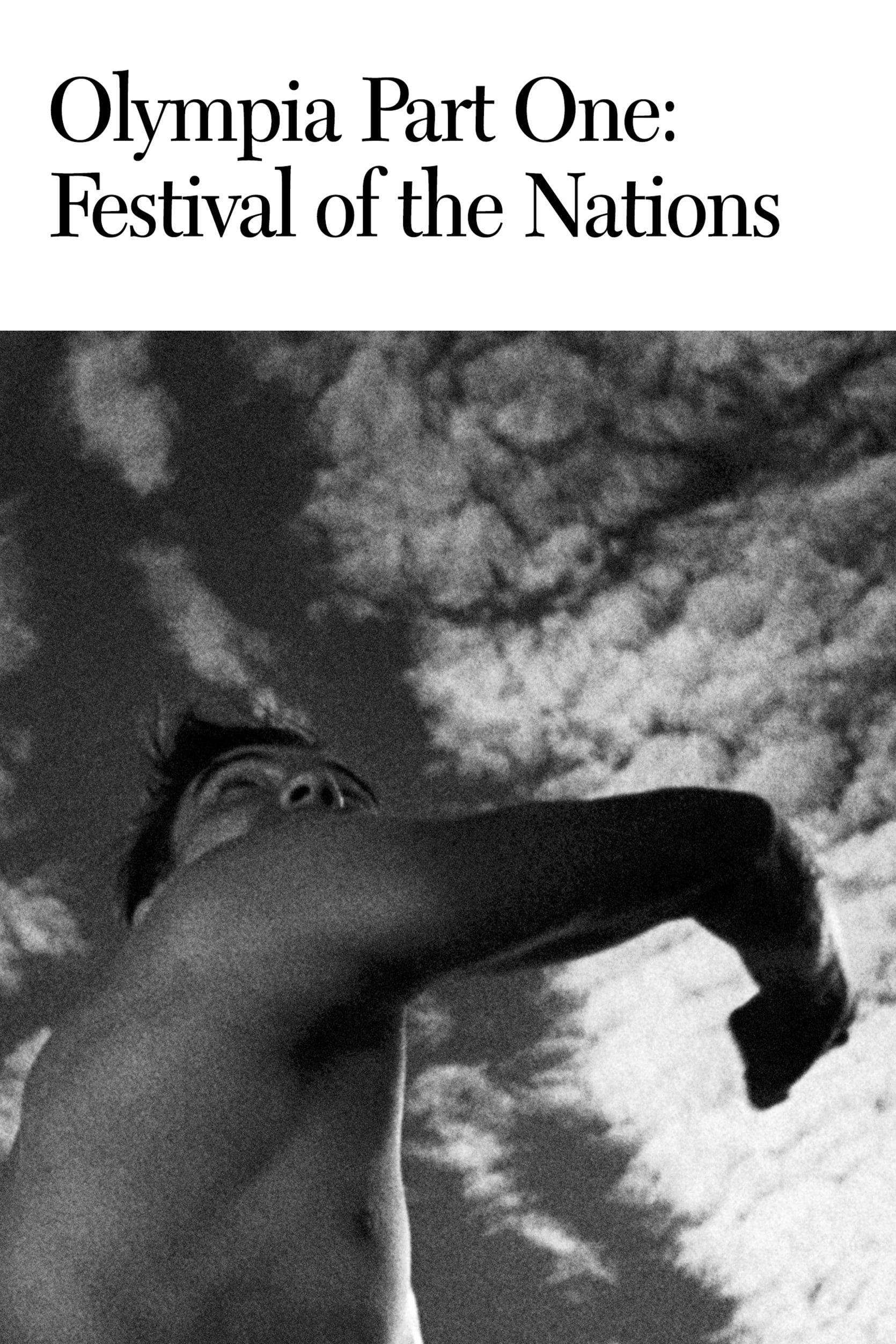
Starting with a long and lyrical overture, evoking the origins of the Olympic Games in ancient Greece, Riefenstahl covers twenty-one athletic events in the first half of this two-part love letter to the human body and spirit, culminating with the marathon, where Jesse Owens became the first track and field athlete to win four gold medals in a single Olympics.
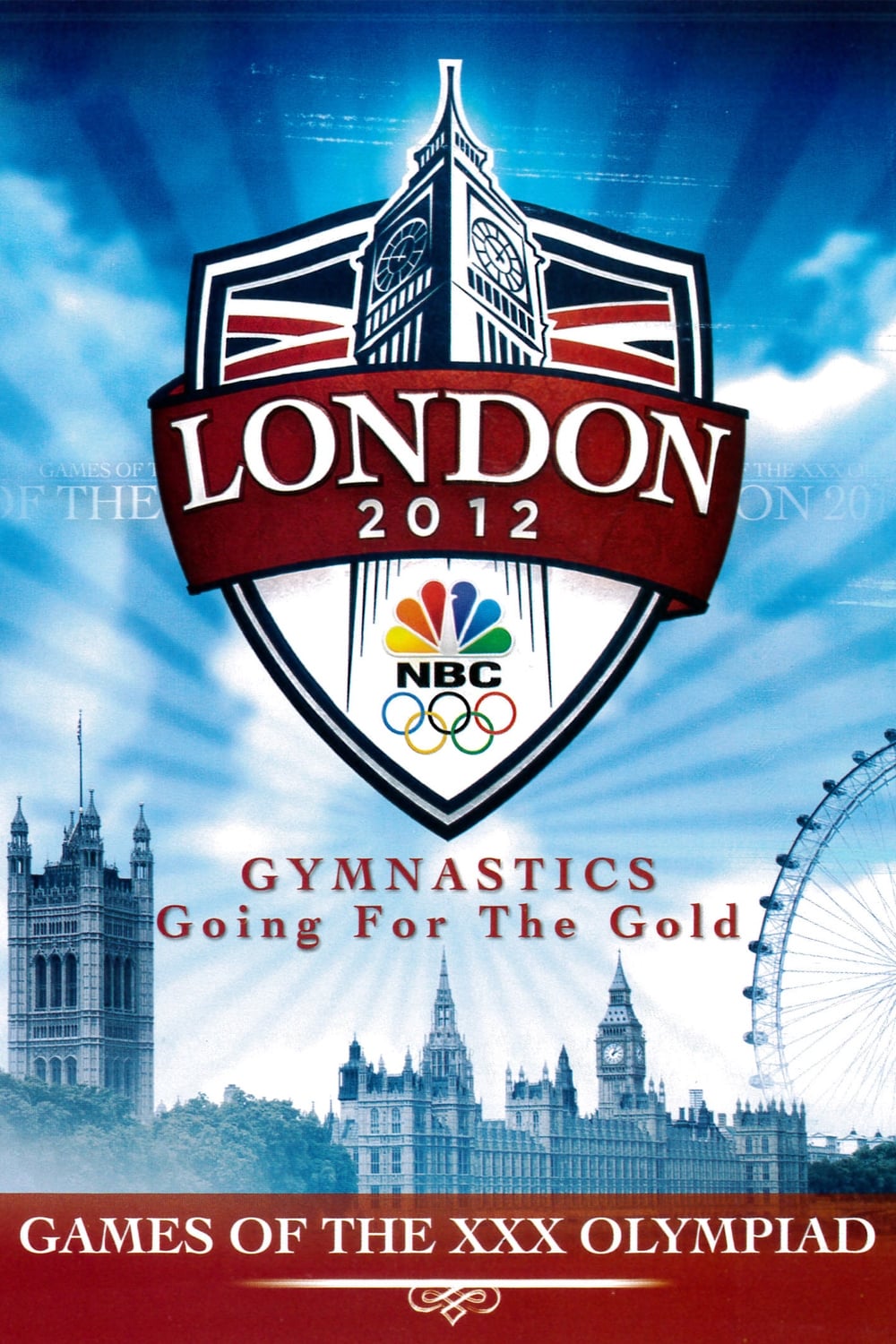
At the 1996 Atlanta Games, the Magnificent Seven became the first American women to ever win gymnastics team gold. Sixteen years later, in London, the Fierce Five joined them in the history books. Relive all the excitement as Gabby Douglas, Aly Raisman, Jordyn Wieber, McKayla Maroney and Kyla Ross take the lead from the first rotation and never look back on their way to gold. Follow Gabby Douglas on her way to the podium to make it three straight American gold medals in the individual all-around competition. Every individual event final is featured on this DVD, including Aly Raisman's historic gold-medal performance in the floor exercise, her bronze on the balance beam, as well as McKayla Maroney's silver medal in the vault.
The 1948 London Olympics see Wembley stadium host the athletics plus diving and the swimming at the Empire Pool.
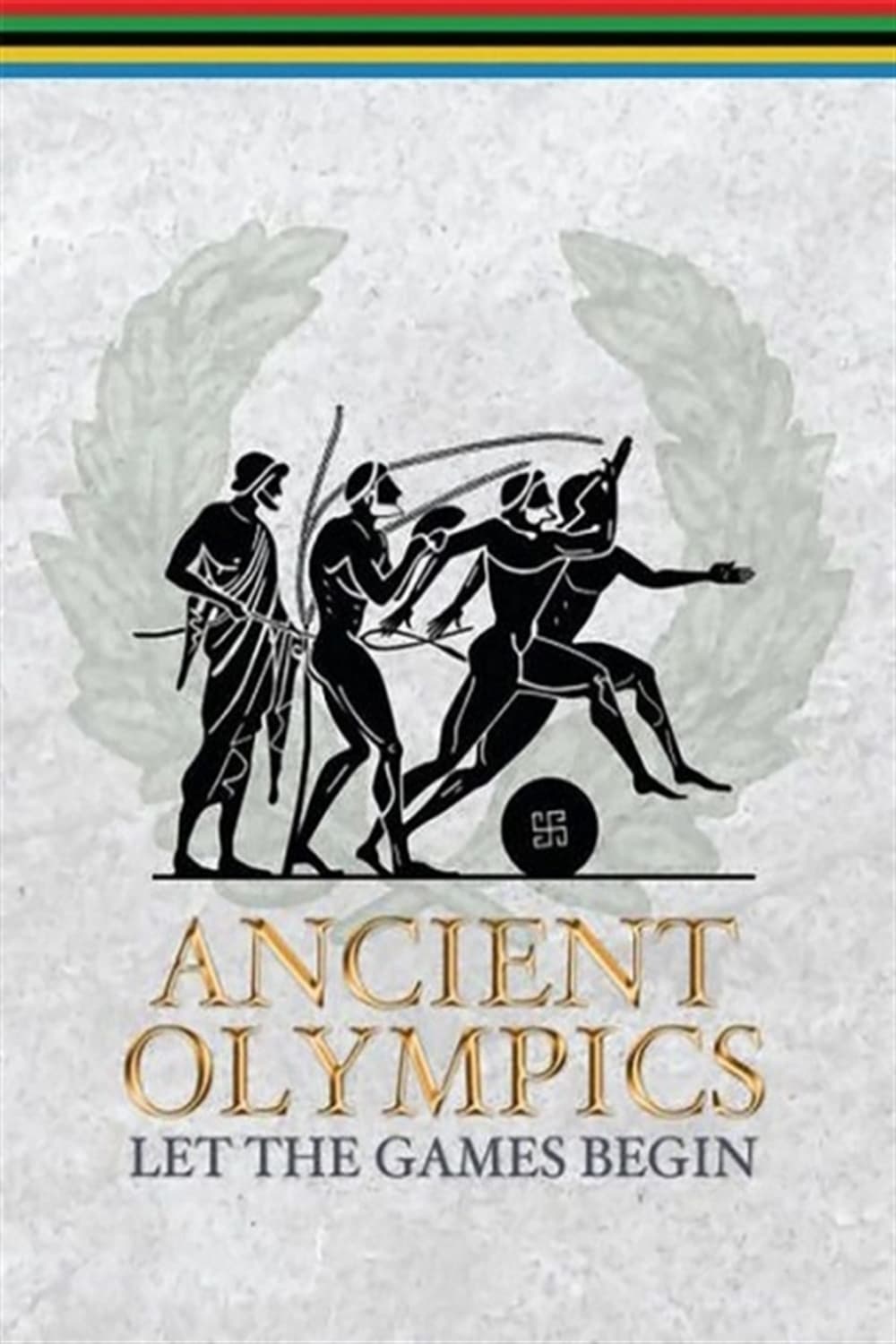
Come back with us to Ancient Greece, 2,500 Years ago to the original Olympic Games. The ancient Games, like our modern Olympics, included champions and cheaters, glory and scandals, bitter rivalries and contests of strength, speed and savage combat. Set in 448 BC when the pounding of horse's hooves and the brutal hand-to-hand combat could be heard and seen by the crowds that filled the Olympic stadium. This one-hour special event follows the glory and corruption of the arc of a single, five-day Olympiad. The competitions include chariot racing, running, jumping, discus, javelin and two man-to-man combat finals-boxing and pankration, a form of extreme fighting in which death was not uncommon. With the help of sports historians and great athletes such as George Chuvalo and Olympic medallists Donovan Bailey and Angela Schneider, viewers travel back to a very different life-in a very different world.
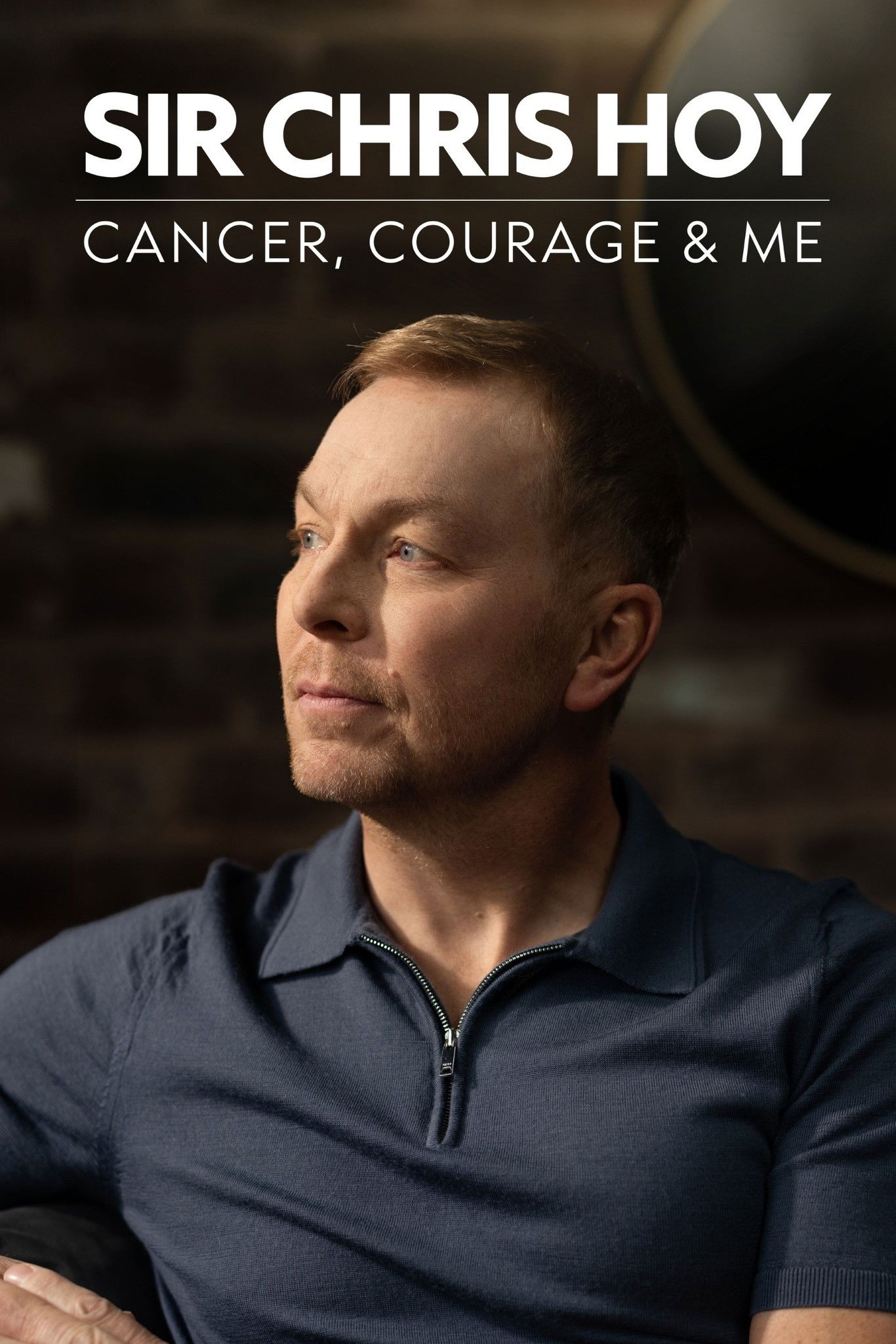
Facing the biggest challenge of his life, Sir Chris Hoy opens up about his journey with terminal cancer and how the mental strength he honed as a six-time Olympic gold medallist is now helping him to inspire others. Drawing on his Olympic career, Chris reconsiders his purpose and how he will choose to live with cancer – turning his focus towards raising awareness and inspiring others. The story follows Chris from the early stages of planning a brand new cycling event through to being joined by friends, including Sir Andy Murray, for the end result in Glasgow: the Tour de Four, a bike ride with the ambition to raise one million pounds for charity and show fellow sufferers that it’s possible to stay active throughout their treatment.
In Japan, more than four million young people survive by taking on precarious jobs. They are called “freeters”. The film gives voice to these “discard-after-use” workers, who regard their situation with both lucidity and desperation, as well as to ex-freeters who have become activists in the fight against exclusions.
Thomas Haemmerli is about to celebrate his fortieth birthday when he learns of his mother's death. A further shock follows when he and his brother Erik discover her apartment, which is filthy and full to bursting with junk. It takes the brothers an entire month to clean out the place. Among the chaos, they find films going back to the 1930s, photos and other memorabilia.
Pelican, a bakery located at Asakusa, Tokyo, becomes crowded every morning. There are only two types of bread sold. It looks ordinary but meet a bakery that has been loved for 74 years with a taste you won't get tired of even if you eat it everyday!
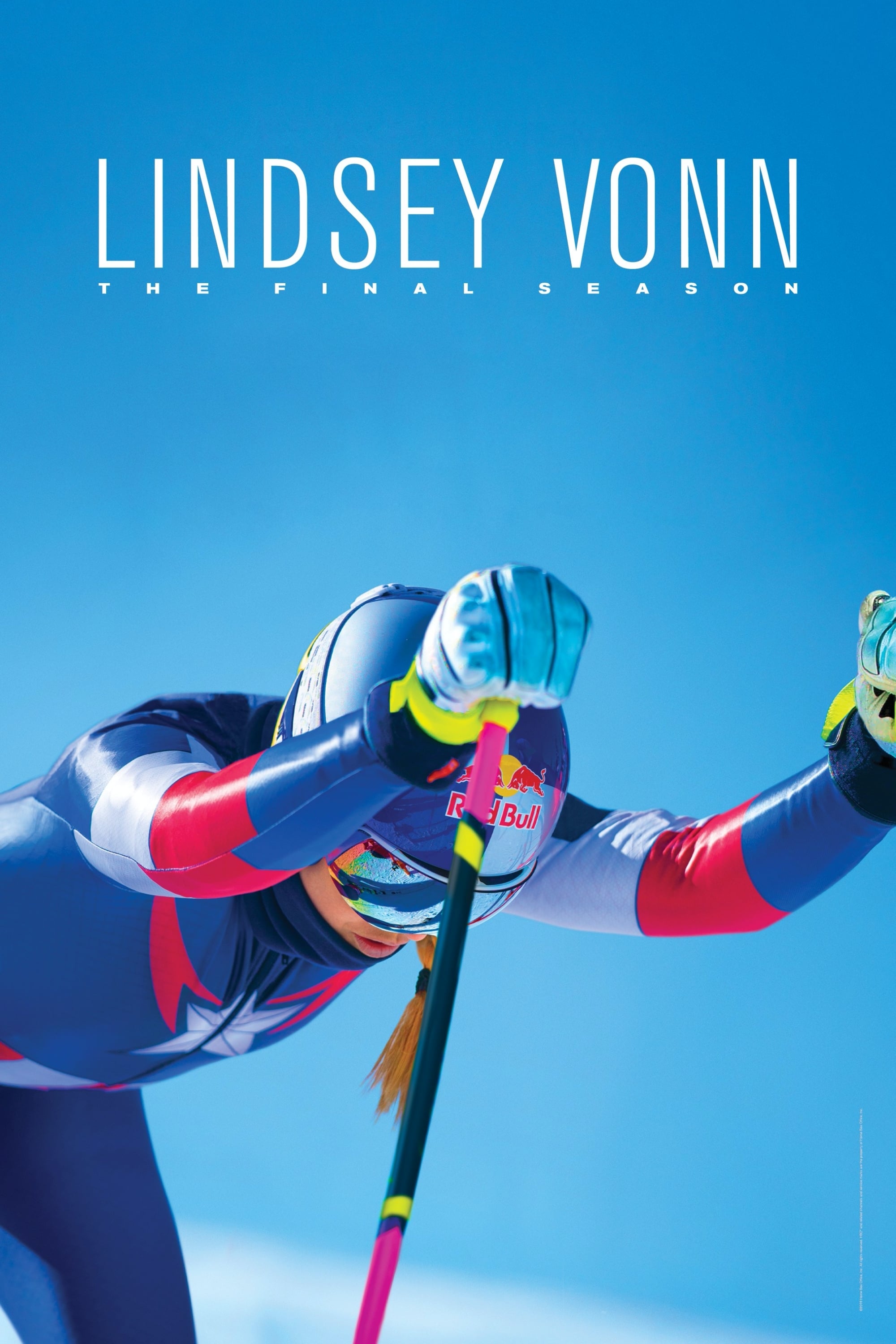
Universally recognized as the greatest female skier ever, Lindsey Vonn went on a remarkable journey that was defined by unexpected twists and turns and dramatic peaks and valleys in its final chapter. LINDSEY VONN: THE FINAL SEASON intimately recounts the iconic skier’s last competitive campaign while looking back on her transcendent career, from child prodigy to decorated Olympian to global superstar.
Musician and performance artist Laurie Anderson reflects on the deaths of her husband Lou Reed, her mother and her beloved dog.
Over 35 years after Bob Lazar's revelations, this documentary exposes secrets of a facility the government still denies. Featuring Lazar's testimony, recreations, and new evidence, it reopens a case that continues to spark global curiosity
A love letter from a young mother to her daughter, the film tells the story of Waad al-Kateab’s life through five years of the uprising in Aleppo, Syria as she falls in love, gets married and gives birth to Sama, all while cataclysmic conflict rises around her. Her camera captures incredible stories of loss, laughter and survival as Waad wrestles with an impossible choice– whether or not to flee the city to protect her daughter’s life, when leaving means abandoning the struggle for freedom for which she has already sacrificed so much.
A visual montage portrait of our contemporary world dominated by globalized technology and violence.
Through deeply personal interviews with her siblings and an examination of the photographs, letters, and belongings left behind, Mariska assembles a new portrait of her mother Jayne Mansfield, an extraordinary and complex woman.
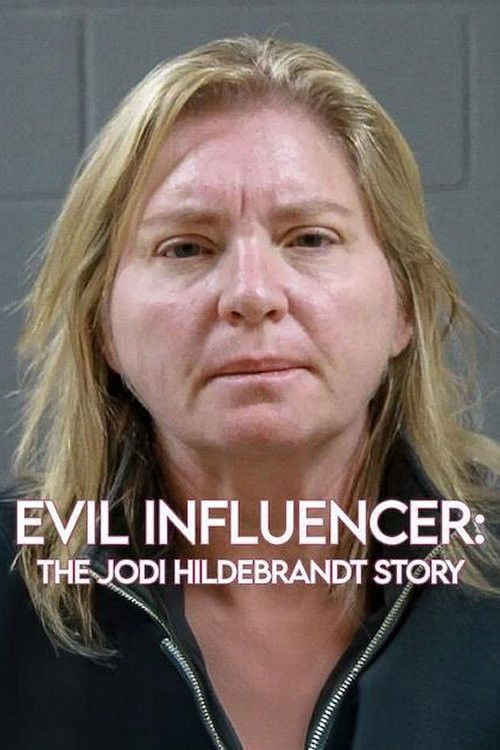
Unravel the case of Utah therapist Jodi Hildebrandt, whose child abuse arrest with parenting YouTuber Ruby Franke exposed a twisted tale of manipulation.
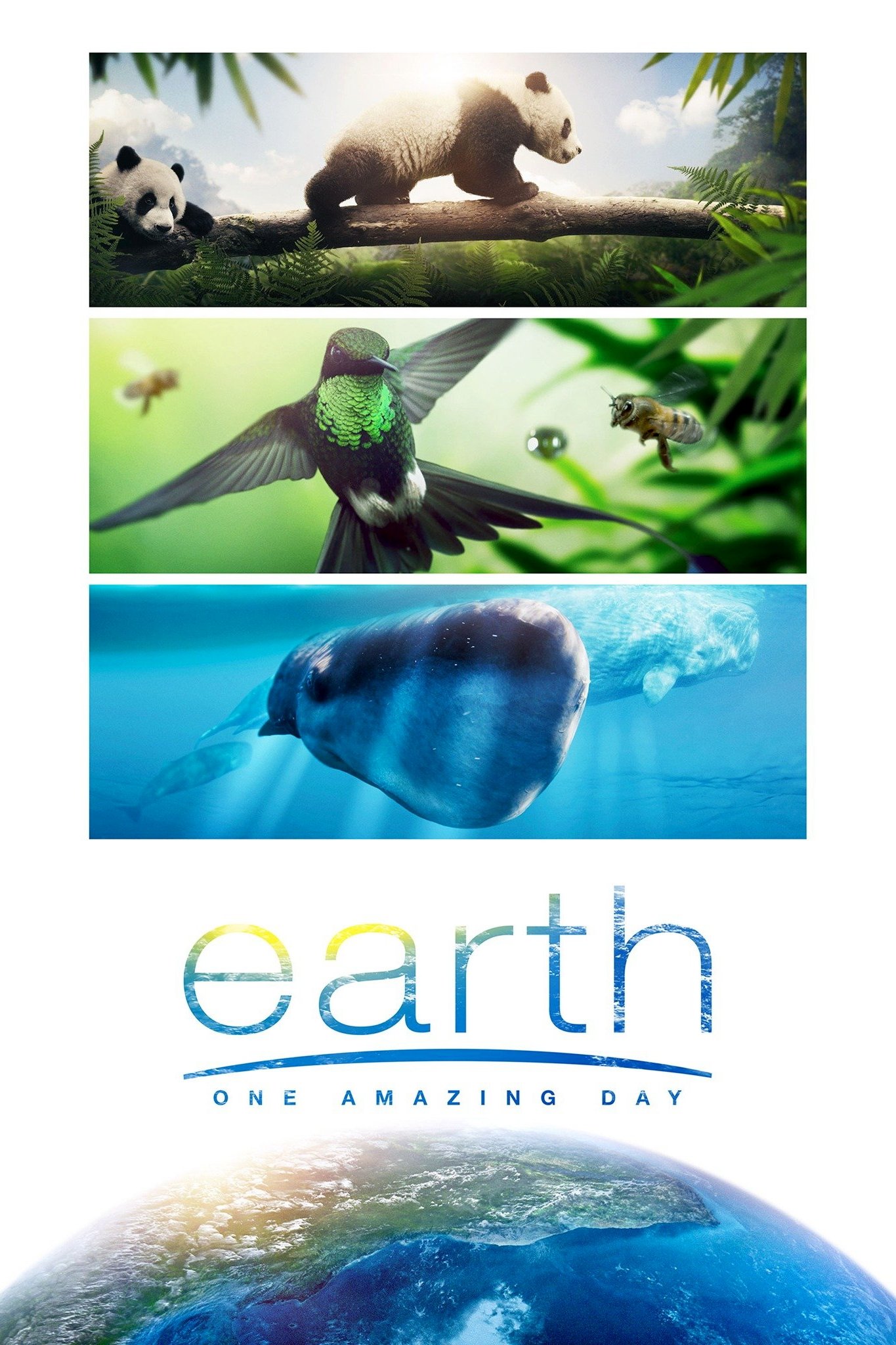
An astonishing journey revealing the awesome power of the natural world. Over the course of one single day, we track the sun from the highest mountains to the remotest islands to exotic jungles.
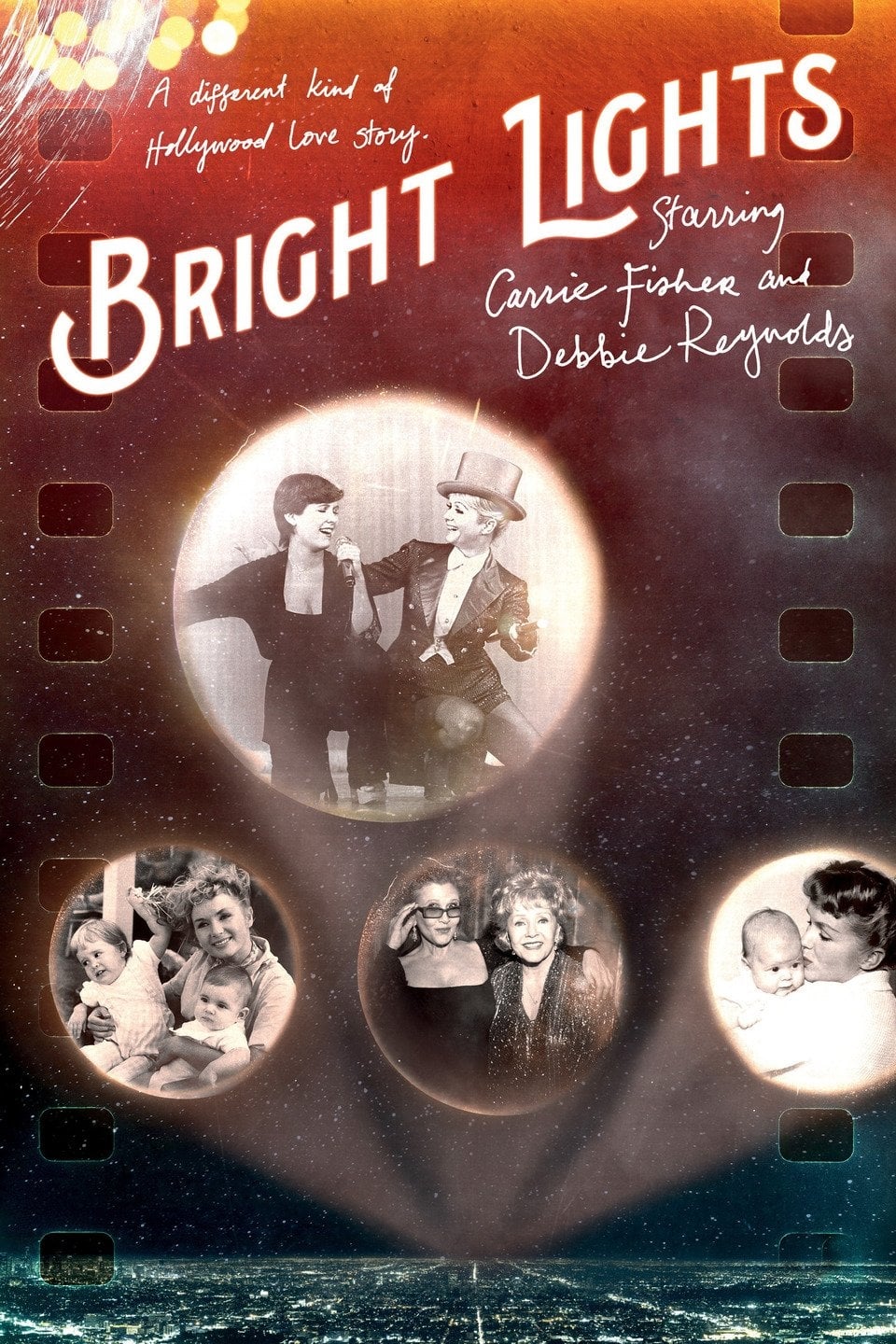
An intimate portrait of Hollywood royalty featuring Debbie Reynolds, Todd Fisher, and Carrie Fisher.
From the heights of her modeling fame to her tragic death, this documentary reveals Anna Nicole Smith through the eyes of the people closest to her.
A string of threatening emails escalates into a revenge plot involving a newly married US marshal and his ex-girlfriend.
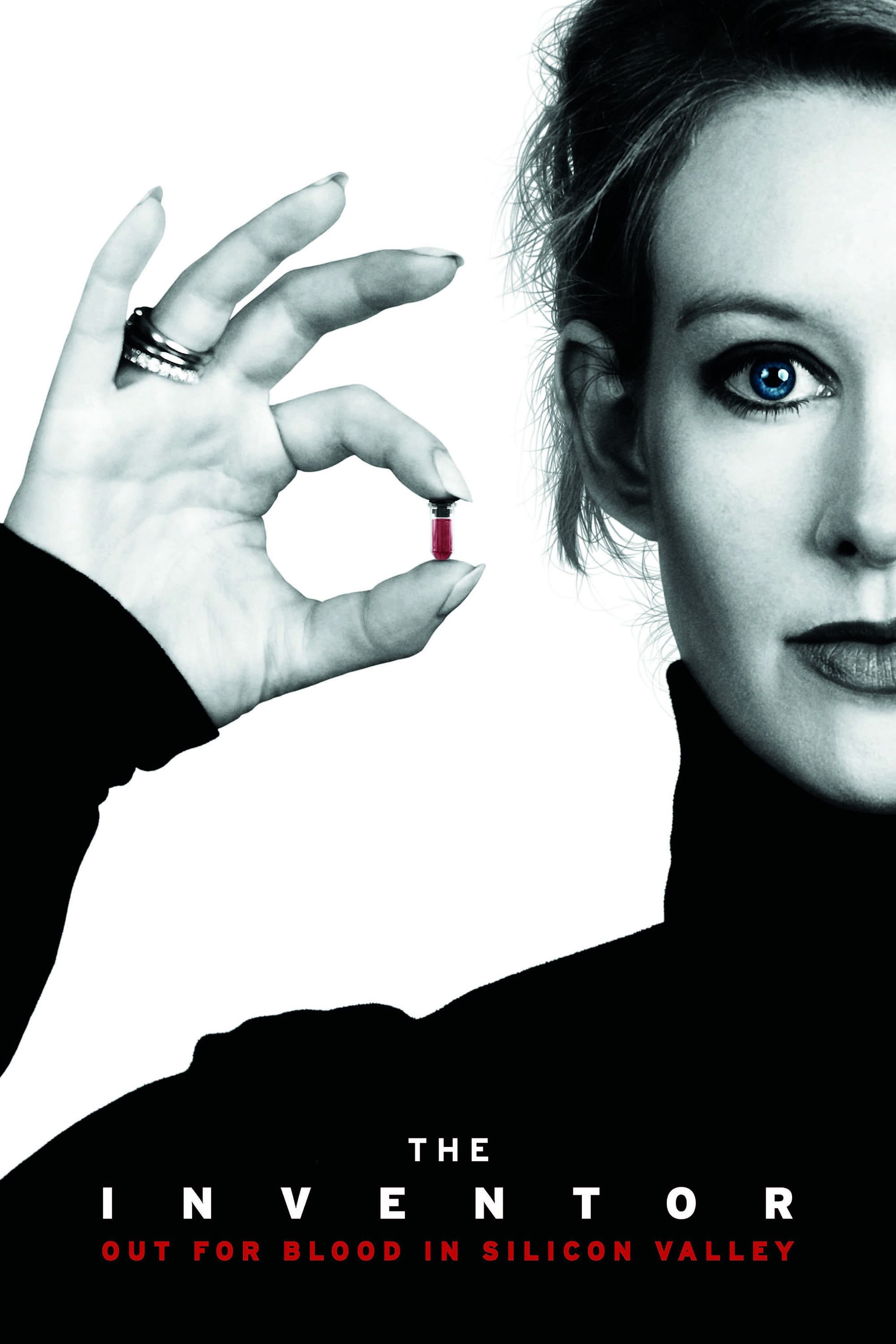
With a magical new invention that promised to revolutionize blood testing, Elizabeth Holmes became the world’s youngest self-made billionaire, heralded as the next Steve Jobs. Then, overnight, her 10-billion-dollar company dissolved. The rise and fall of Theranos is a window into the psychology of fraud.
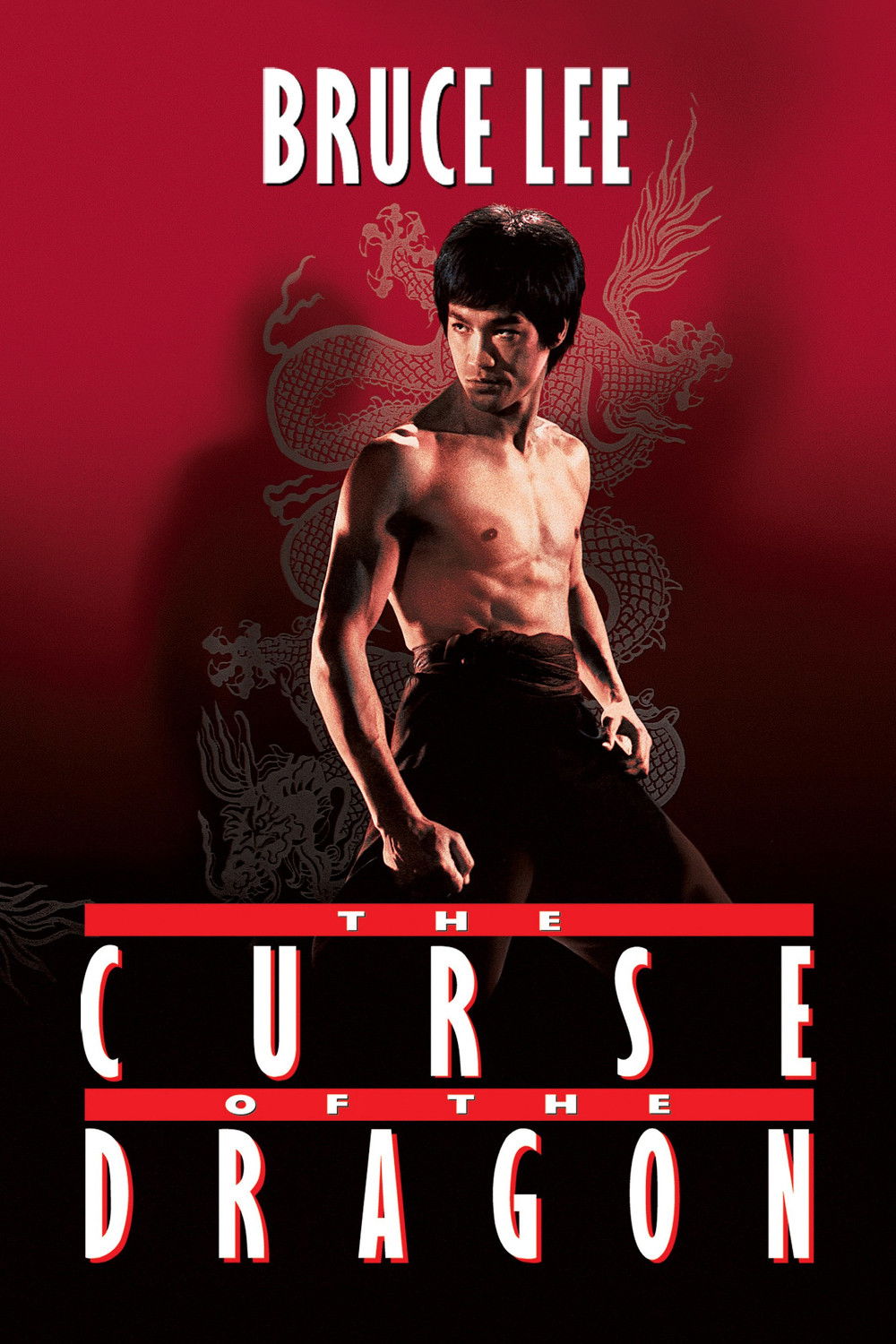
A 1993 documentary film about Bruce Lee. The film includes interviews from some of his fellow students and opponents who worked alongside him in his movies.
An exploration of technologically developing nations and the effect the transition to Western-style modernization has had on them.
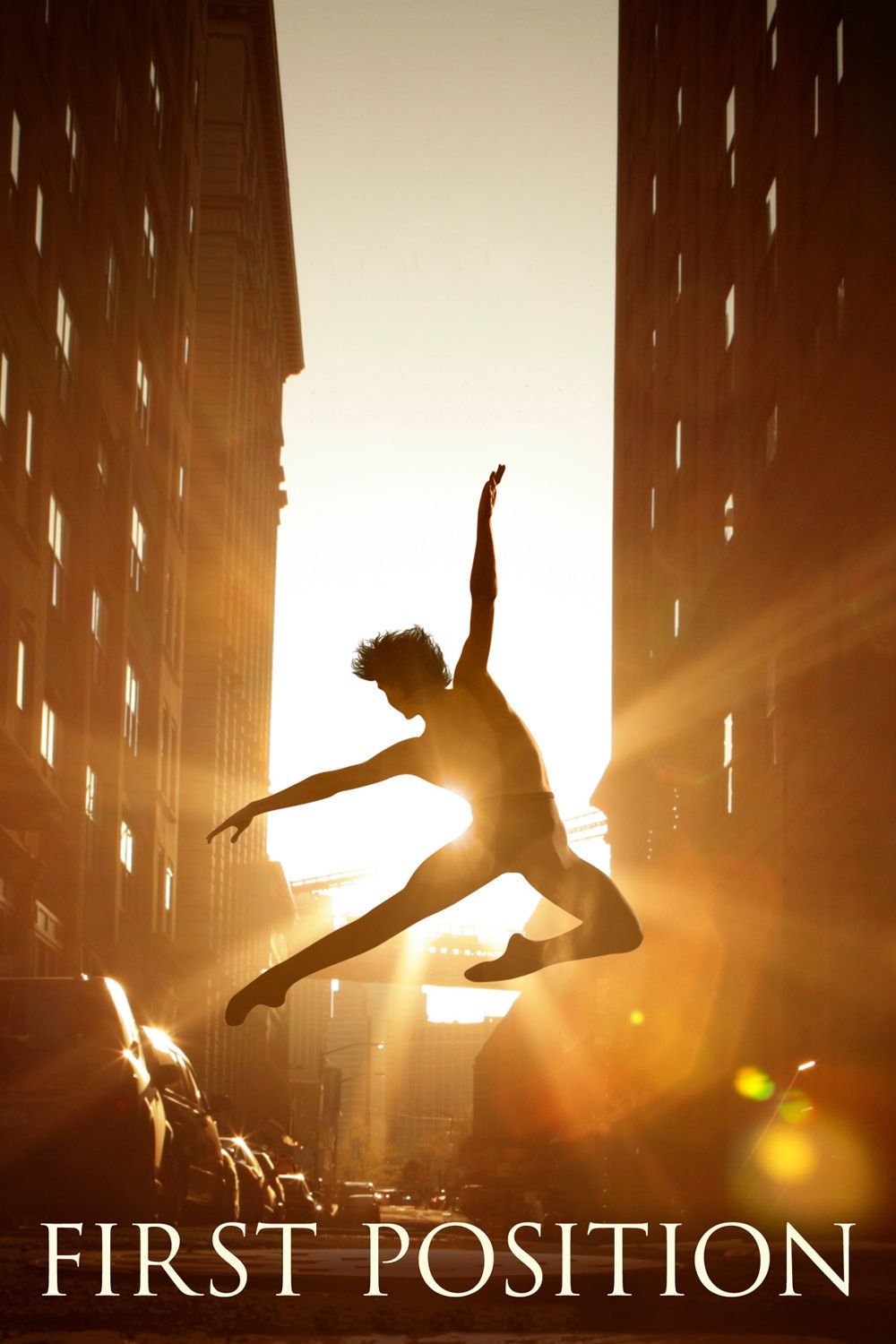
A documentary that follows six young dancers from around the world as they prepare for the Youth America Grand Prix, one of the most prestigious ballet competitions in the world.
A documentary about how a dominant cultural and demographic institution both sustains their traditional activities and adapts to the digital revolution.
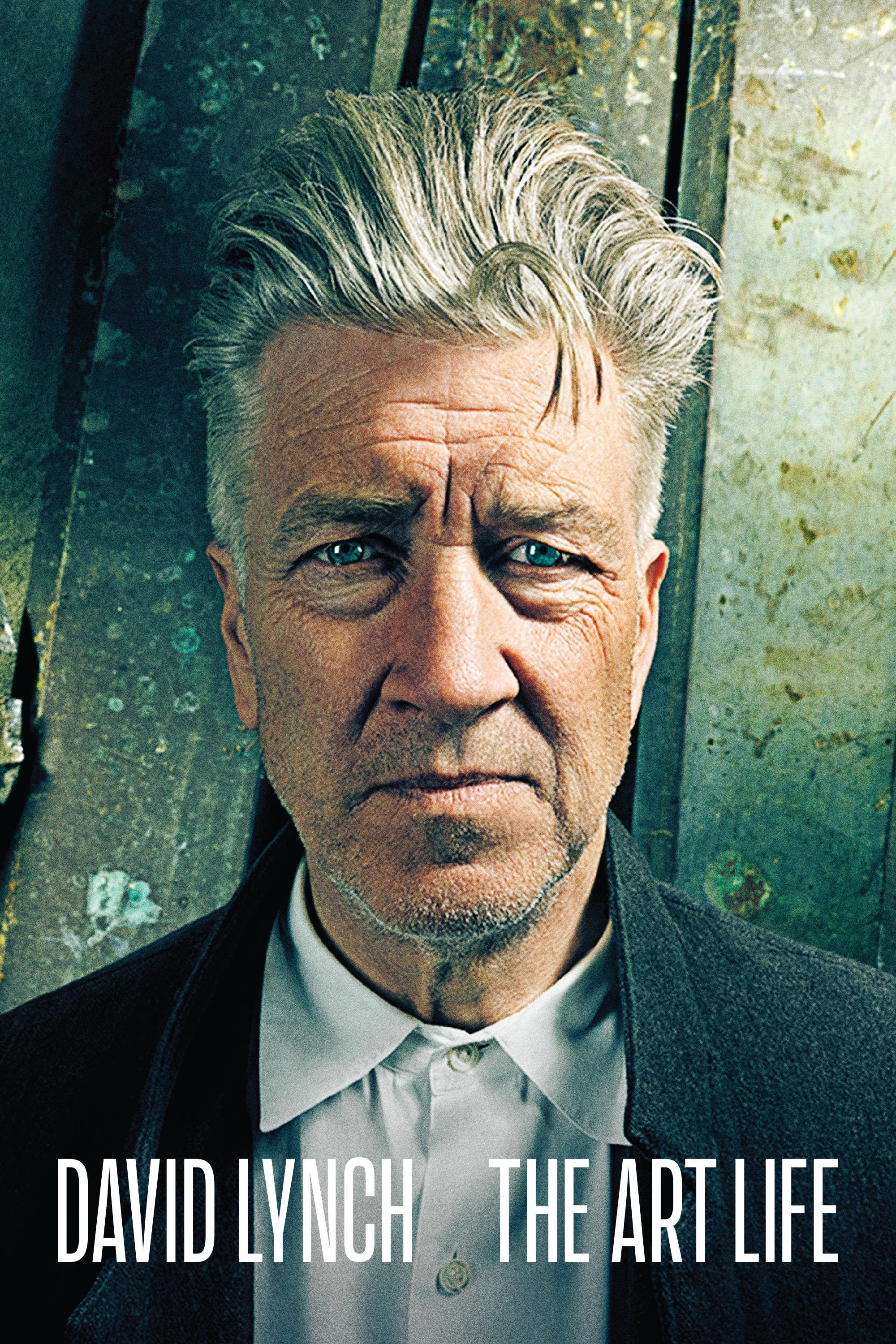
An intimate journey through the formative years of David Lynch's life. From his idyllic upbringing in small town America to the dark streets of Philadelphia, we follow Lynch as he traces the events that have helped to shape one of cinema's most enigmatic directors.
Behind the scenes look at fight choreography and action training.
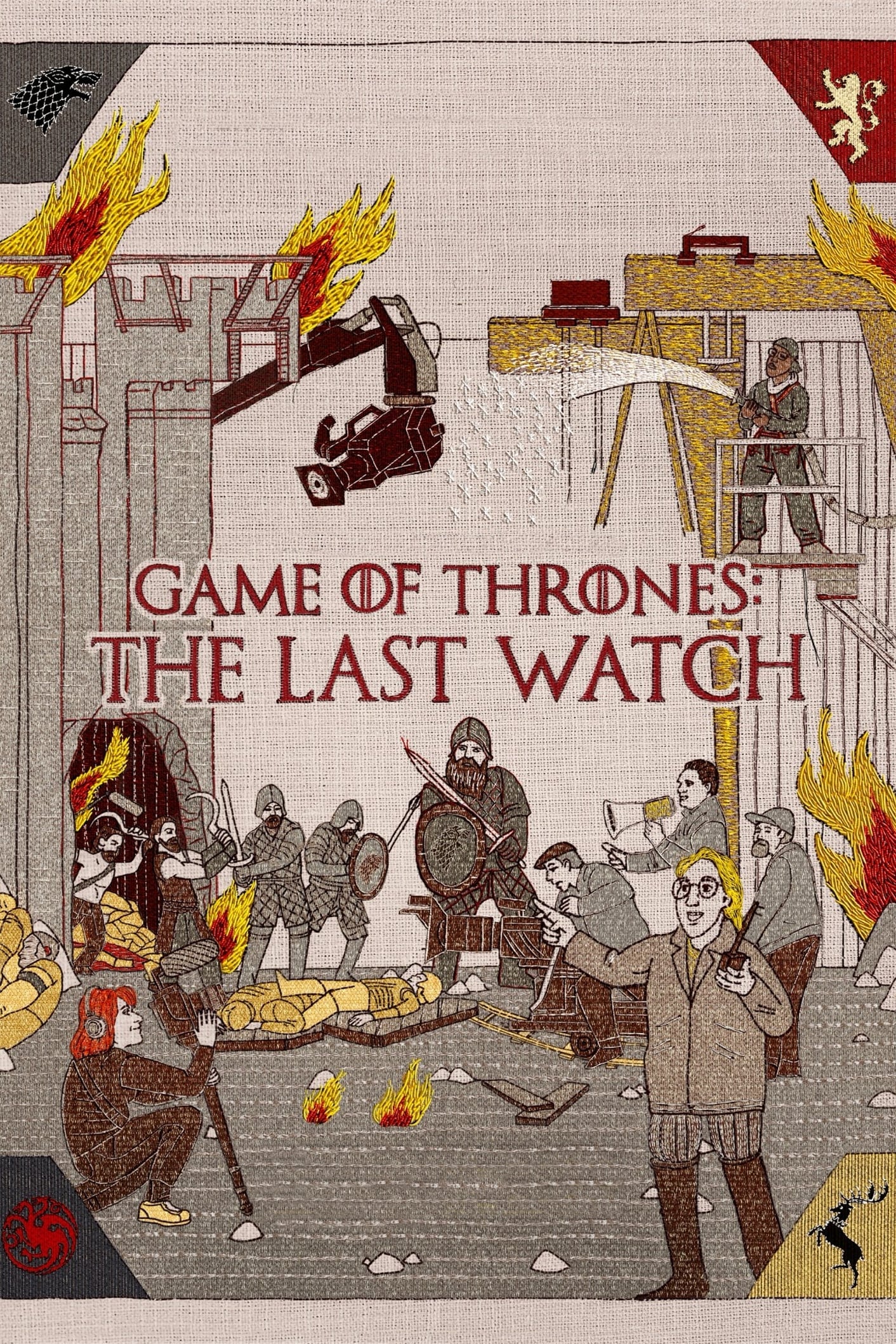
For a year, acclaimed British filmmaker Jeanie Finlay was embedded on the set of the hit HBO series “Game of Thrones,” chronicling the creation of the show’s most ambitious and complicated season. Debuting one week after the series 8 finale, GAME OF THRONES: THE LAST WATCH delves deep into the mud and blood to reveal the tears and triumphs involved in the challenge of bringing the fantasy world of Westeros to life in the very real studios, fields and car-parks of Northern Ireland. Made with unprecedented access, GAME OF THRONES: THE LAST WATCH is an up-close and personal portrait from the trenches of production, following the crew and the cast as they contend with extreme weather, punishing deadlines and an ever-excited fandom hungry for spoilers. Much more than a “making of” documentary, this is a funny, heartbreaking story, told with wit and intimacy, about the bittersweet pleasures of what it means to create a world – and then have to say goodbye to it.
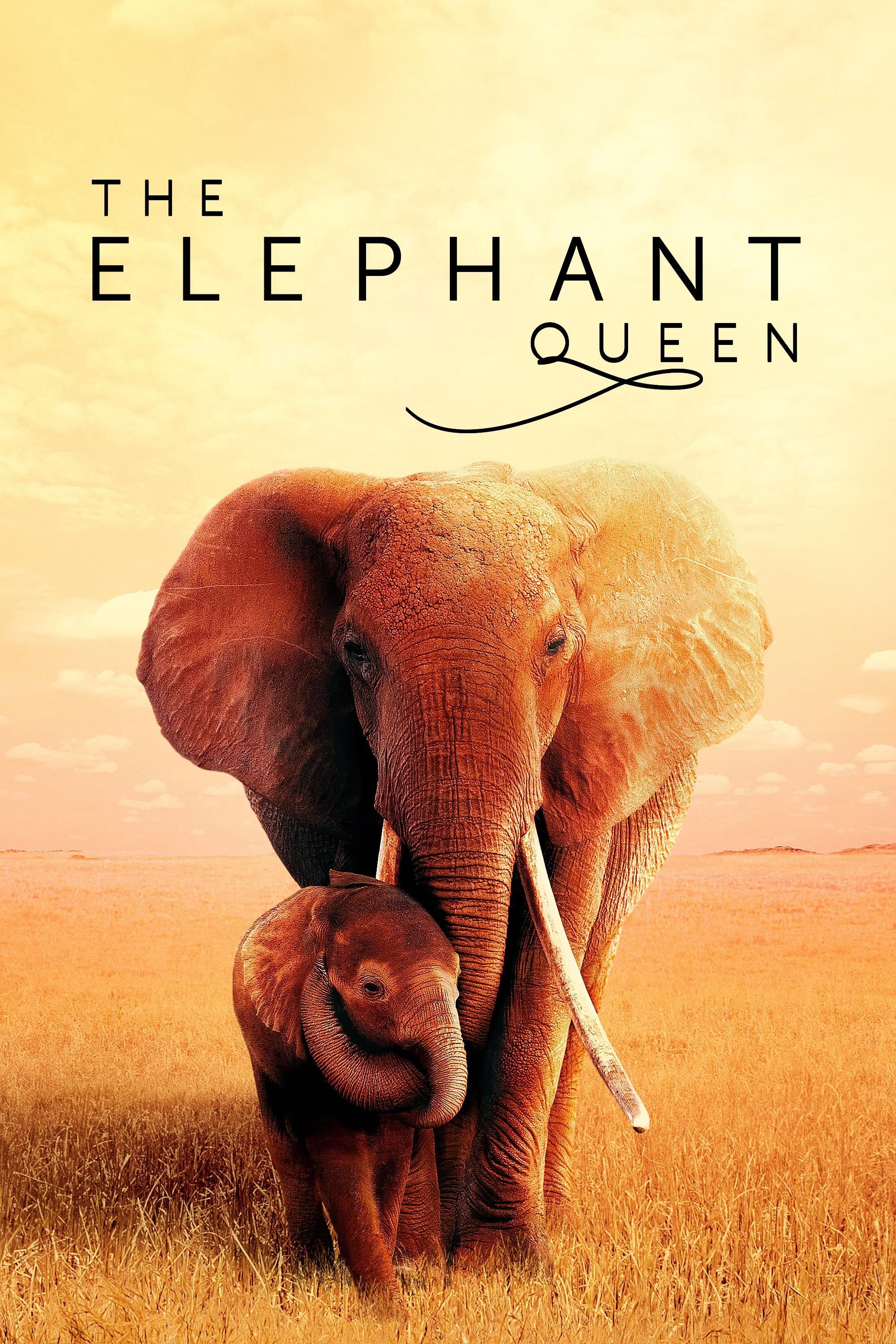
Embark on an epic journey of family, courage, and coming home in this feature-length documentary. Join Athena, the majestic matriarch, as she leads her elephant herd across an unforgiving African landscape filled with vibrant wildlife.
Echo is a youngster who can't quite decide if it's time to grow up and take on new responsibilities-or give in to her silly side and just have fun. Dolphin society is tricky, and the coral reef that Echo and his family call home depends on all of its inhabitants to keep it healthy. But Echo has a tough time resisting the many adventures the ocean has to offer.