Social & External
Unknown Role
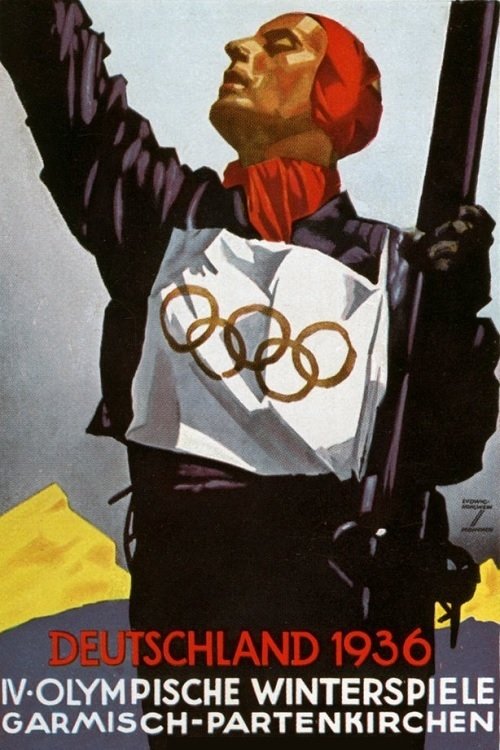
This Nazi propaganda film covers the 1936 Winter Olympics that were held in Germany.
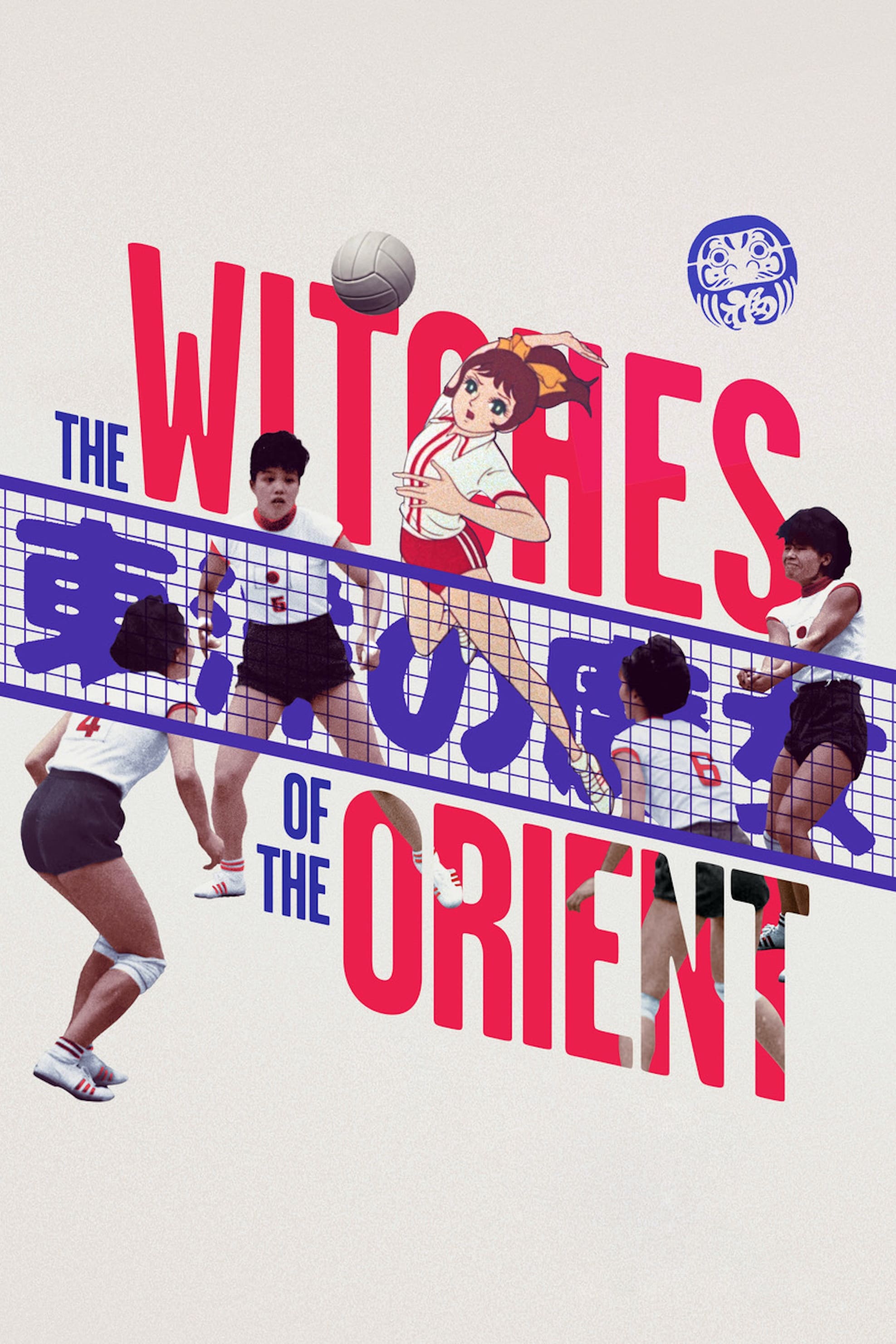
The Japanese volleyball players called the “Oriental Witches” are now in their 70s. From the formation of the team at the factory until their victory at the Tokyo Olympics in 1964, memories and legends rise to the surface and blend inextricably.
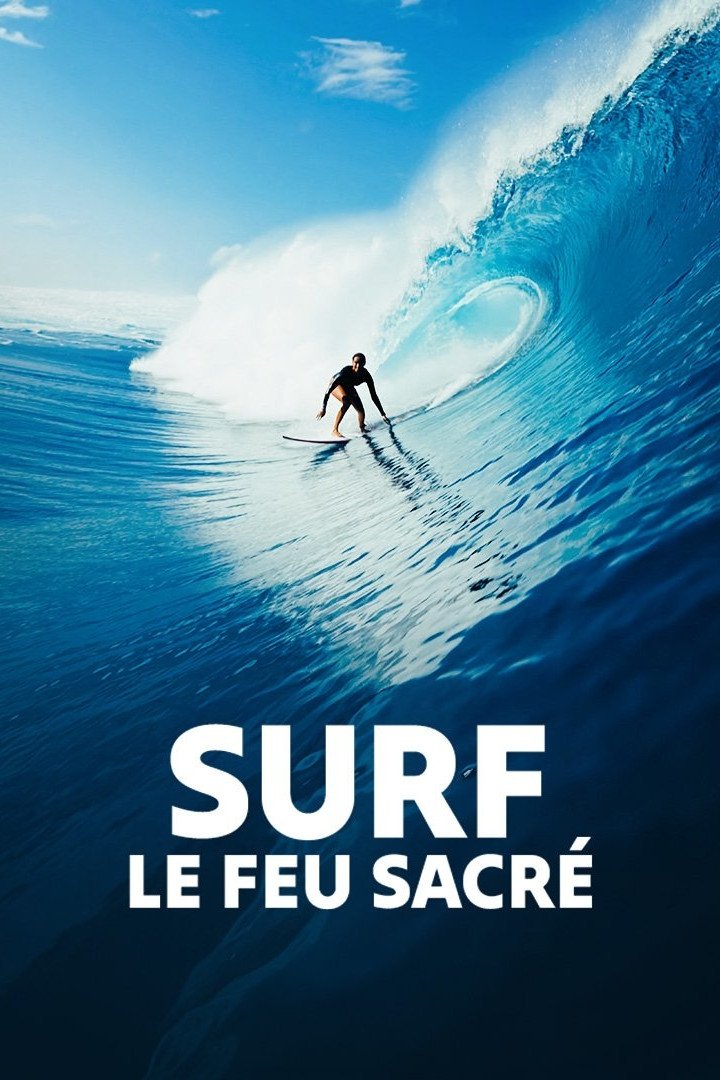
The history of surfing is like one long ride in which surfers relay the baton to each other across the years on a single, endless wave. In order to understand how this ancestral Polynesian tradition was able to span the globe and the eras until it became a competitive sport and eventually won a place at the Olympics, we’ll plunge into its history through the exceptional stories of those who allowed it to survive and be reinvented.


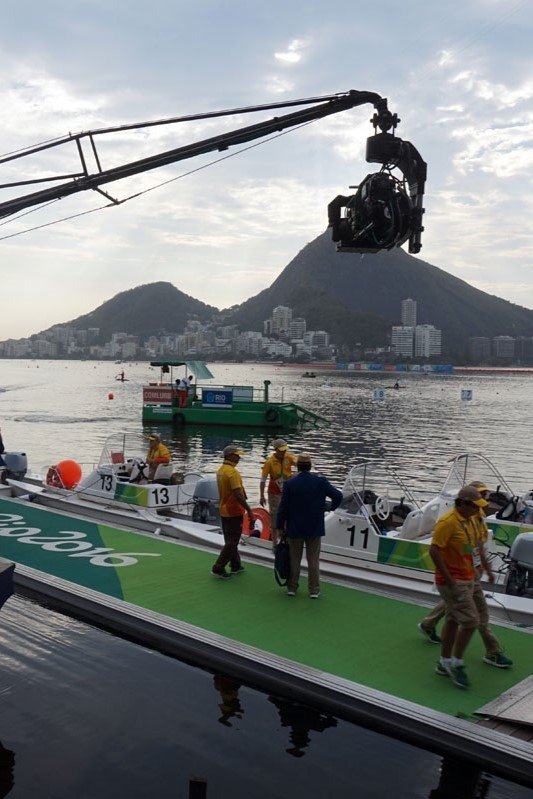
Experience the broadcasting of the Olympic Games from behind-the-scenes.
While investigating the furtive world of illegal doping in sports, director Bryan Fogel connects with renegade Russian scientist Dr. Grigory Rodchenkov—a pillar of his country’s “anti-doping” program. Over dozens of Skype calls, urine samples, and badly administered hormone injections, Fogel and Rodchenkov grow closer despite shocking allegations that place Rodchenkov at the center of Russia’s state-sponsored Olympic doping program.
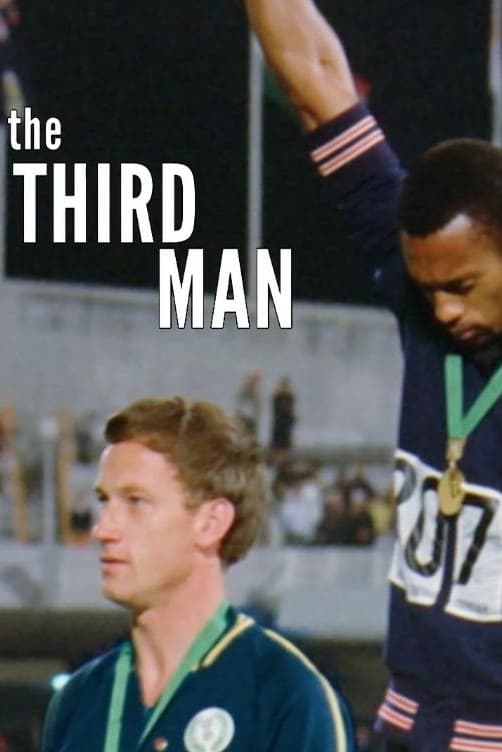
The moment where American sprinters Tommie Smith and John Carlos raised their gloved hands in defiance on the podium at the 1968 Mexico City Olympics is one of the most memorable images in sports history. But there is a third man in the photo, the white Australian who finished second to Smith and ahead of Carlos in the 200 meters. His name is Peter Norman, and he stands in quiet solidarity with them. Norman’s story is retold in this film with passion and perspective.
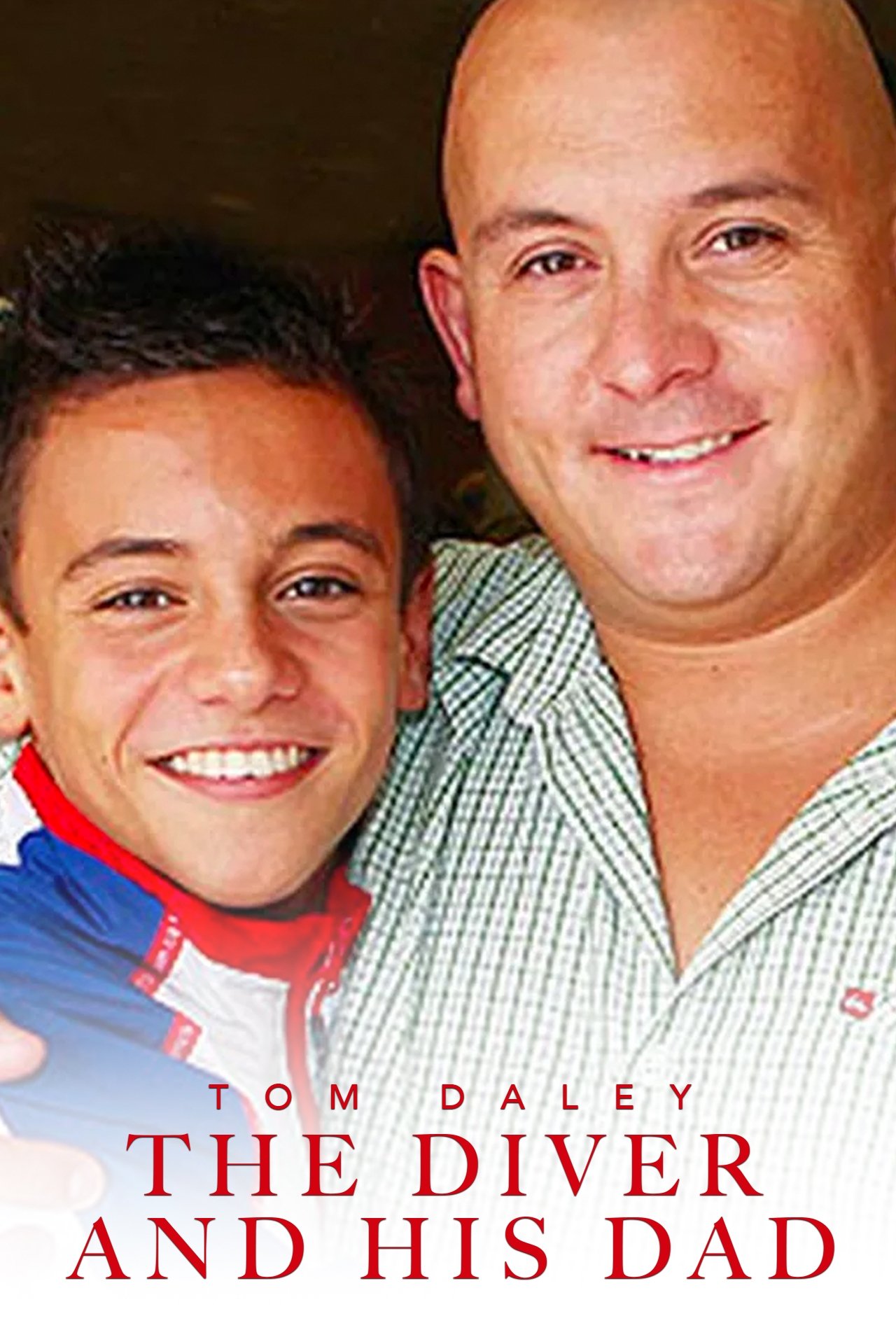
Tom Daley came to national and international prominence when he won the Men's 10 metre platform diving European championship in 2008, at the age of 13, and came 7th in the individual competition and 8th in the synchro competition at the Beijing Olympics. In the summer of 2009, aged 15, he won the World Championships, and this documentary followed him through the 2010 diving season.
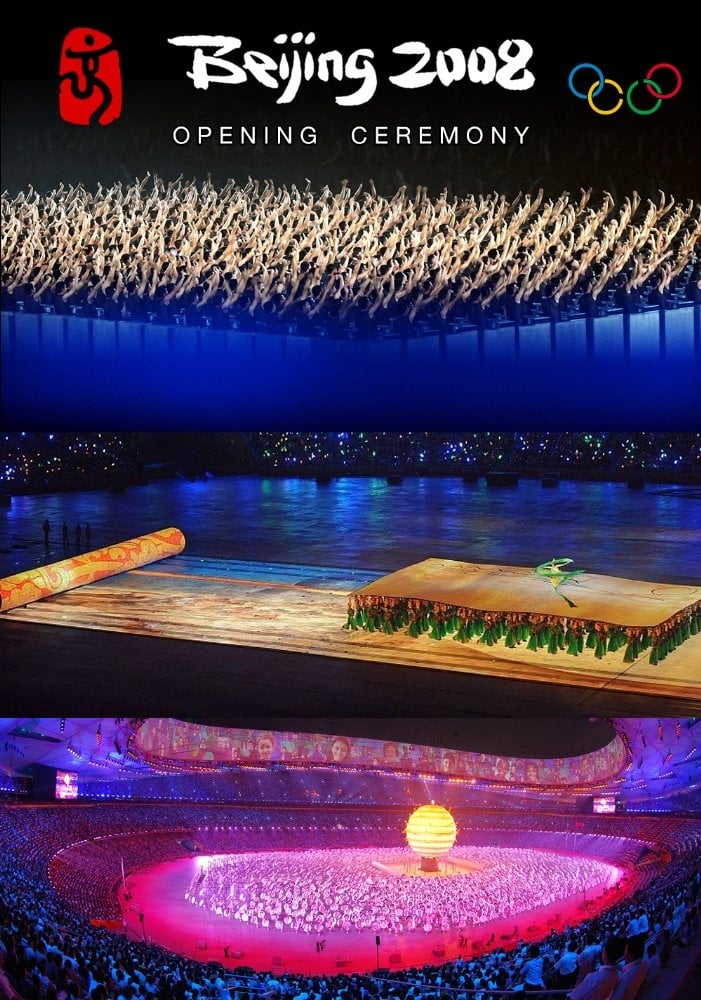
The 2008 Summer Olympics opening ceremony was held at the Beijing National Stadium, also known as the Bird's Nest. It began at 8:00 p.m. China Standard Time (UTC+8) on August 8, 2008, as 8 is considered to be a lucky number in Chinese culture. Featuring more than 15,000 performers, the ceremony lasted over four hours and cost over $100 million USD to produce.
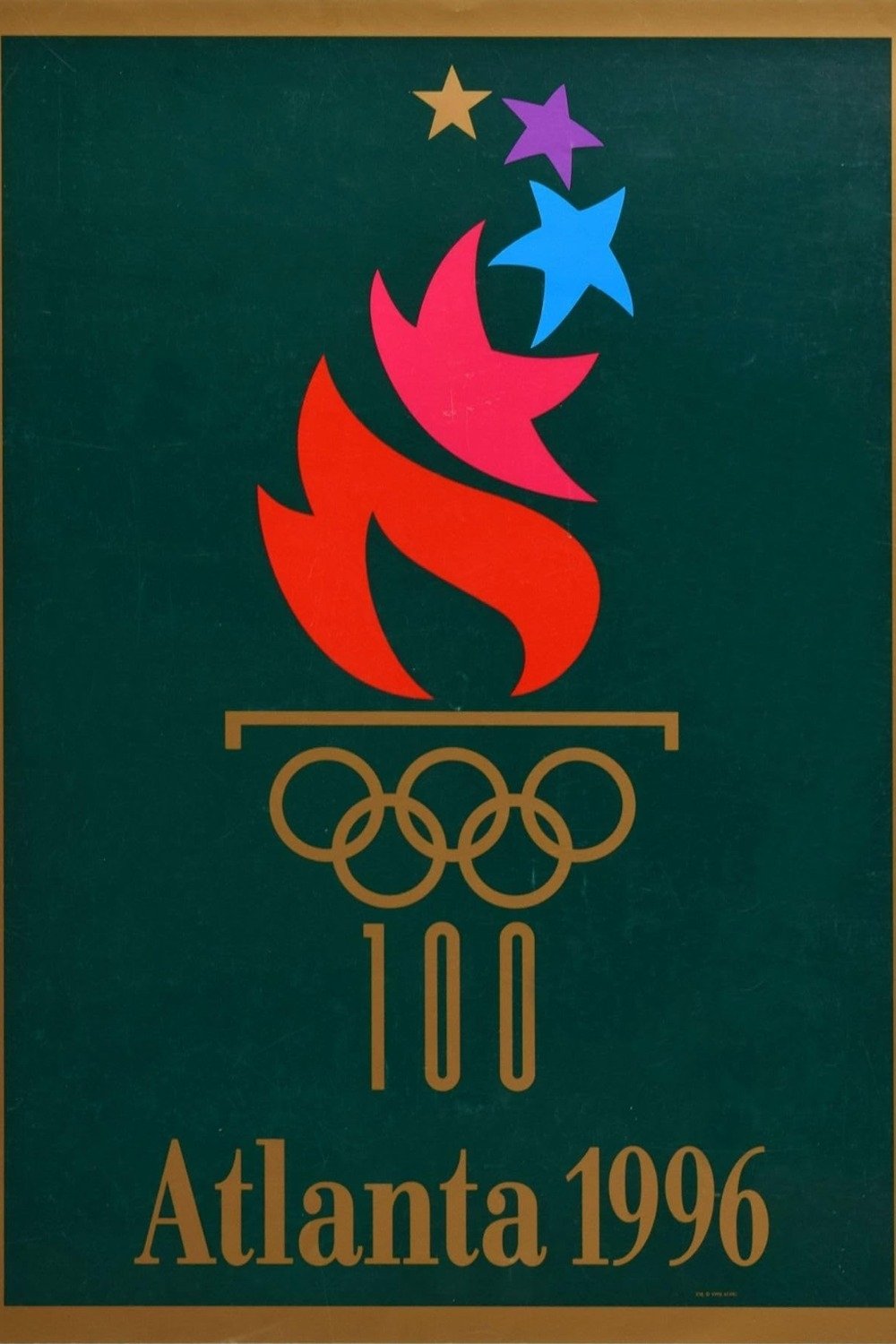
Live coverage of the opening ceremony of the 1996 Summer Olympics which took place in the evening on Friday 19 July in the Centennial Olympic Stadium, Atlanta, United States.
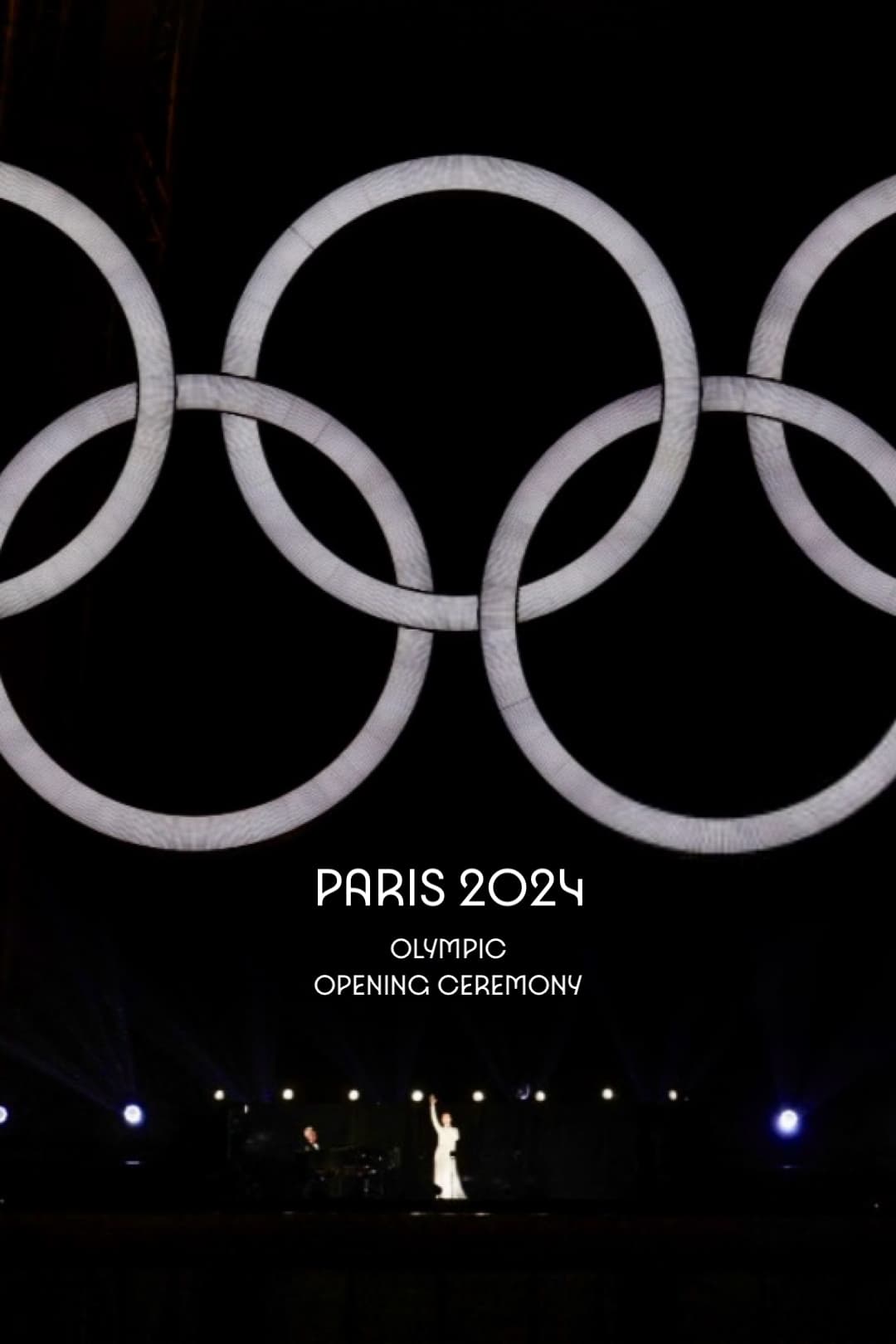
On 26 July 2024, the largest-ever Olympic Games Opening Ceremony took place, beginning at 7.30 p.m. CET. The Opening Ceremony of the Olympic Games Paris 2024 was an unprecedented experience drawing on the natural light of the setting sun with all its nuances to illuminate the world’s best athletes as they travelled down the Seine, in the heart of the French capital.
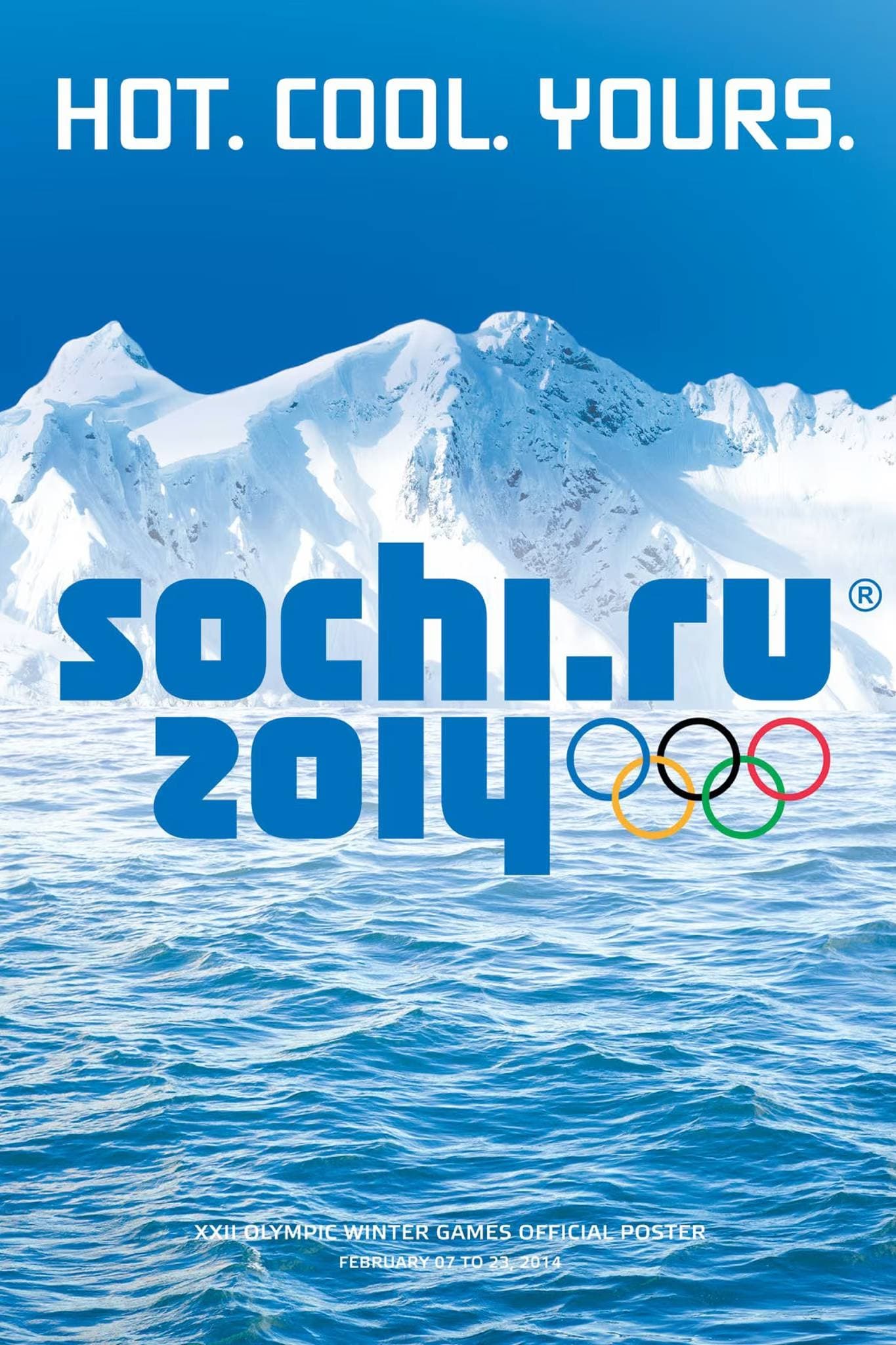
The opening ceremony of the 2014 Winter Olympics took place at the Fisht Olympic Stadium in Sochi, Russia, on 7 February 2014. It began at 20:14 MSK (UTC+4) and finished at 23:02 MSK (UTC+4) This was the first Winter Olympics and first Olympic Games opening ceremony under the IOC presidency of Thomas Bach. The Games were officially opened by President Vladimir Putin. An audience of 40,000 were in attendance at the stadium with an estimated 2,000 performers. The ceremony touched upon various aspects of Russian history, and included tributes to famous Russians, such as Peter Tchaikovsky (1840–1893), Ukrainian-born Russian humourist, dramatist, and novelist Nikolai Gogol (1809–1852), filmmaker Sergei Eisenstein (1898–1948), ballet dancer Vaslav Nijinsky (1889–1950), and patron of arts, and founder of Ballet Russes, Sergei Diaghilev (1872–1929).
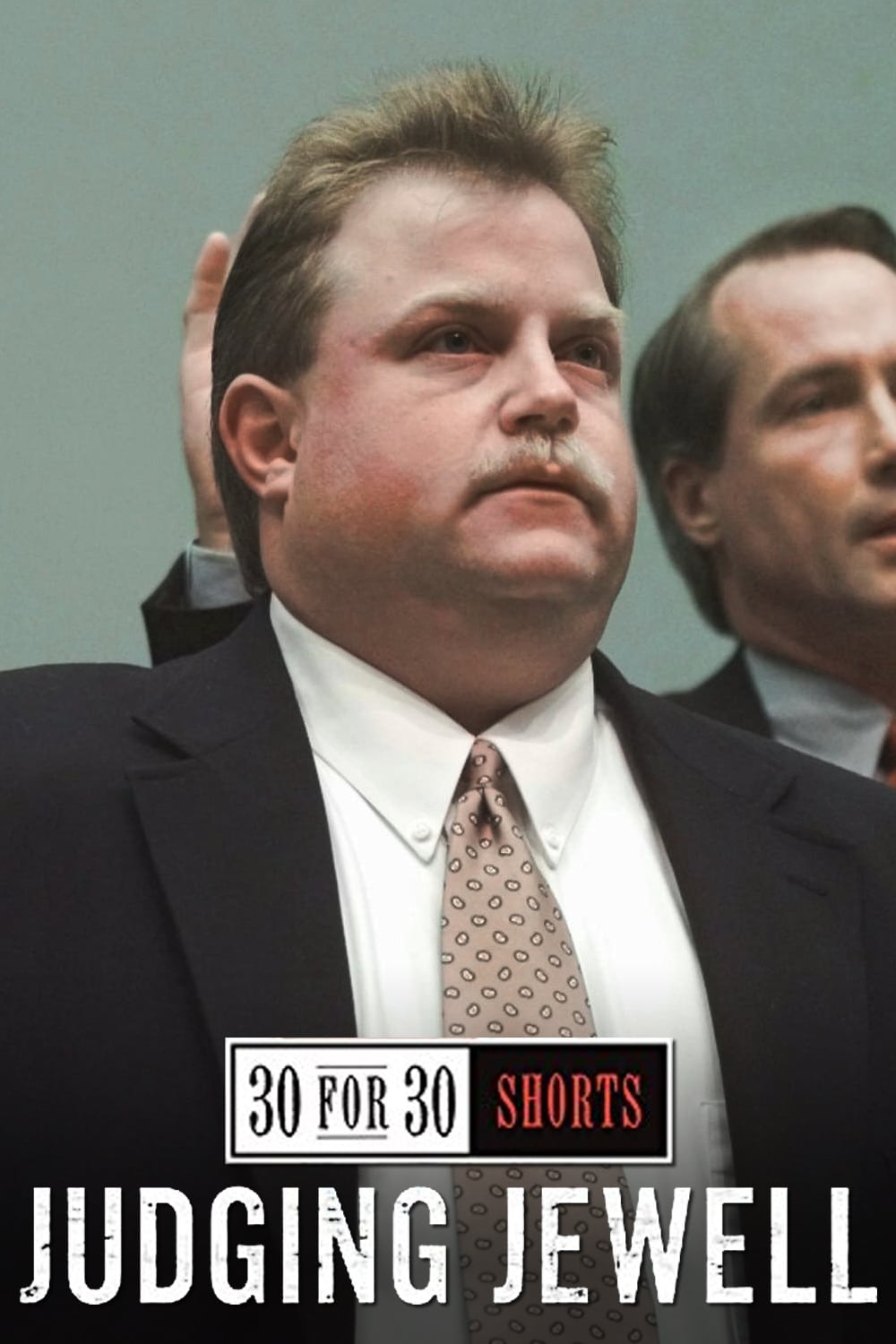
On Saturday, July 27, 1996, a terrorist’s bomb exploded in Centennial Olympic Park at the Atlanta Summer Games, killing two and injuring 111. The toll would have been far higher if not for security guard Richard Jewell, who discovered the bag holding the bomb and helped clear the area. Yet within hours, praise of his heroism turned to vicious accusations. Jewell would be hounded for months by investigations and the media. Eventually, the FBI would capture and convict Eric Robert Rudolph for the crime. Judging Jewell revisits the scene in Atlanta where Richard Jewell, a man simply doing his job, lost the one thing he valued most — his honor.
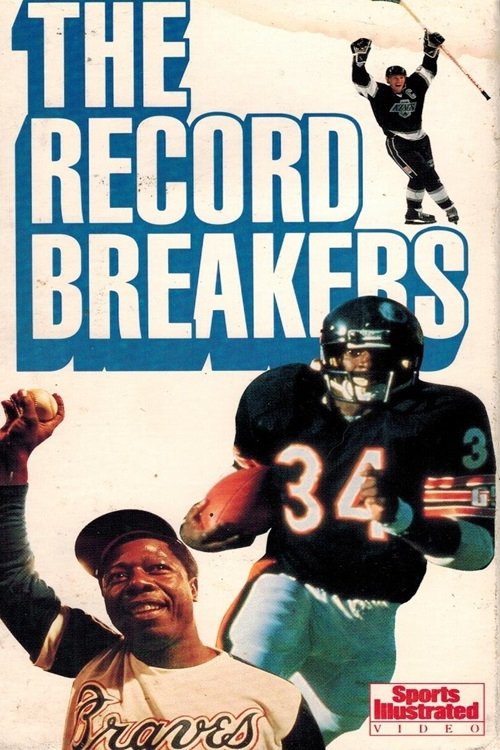
Welcome to a hard driving video about the biggest winners of all, the athletes and teams who broken records in their sports.
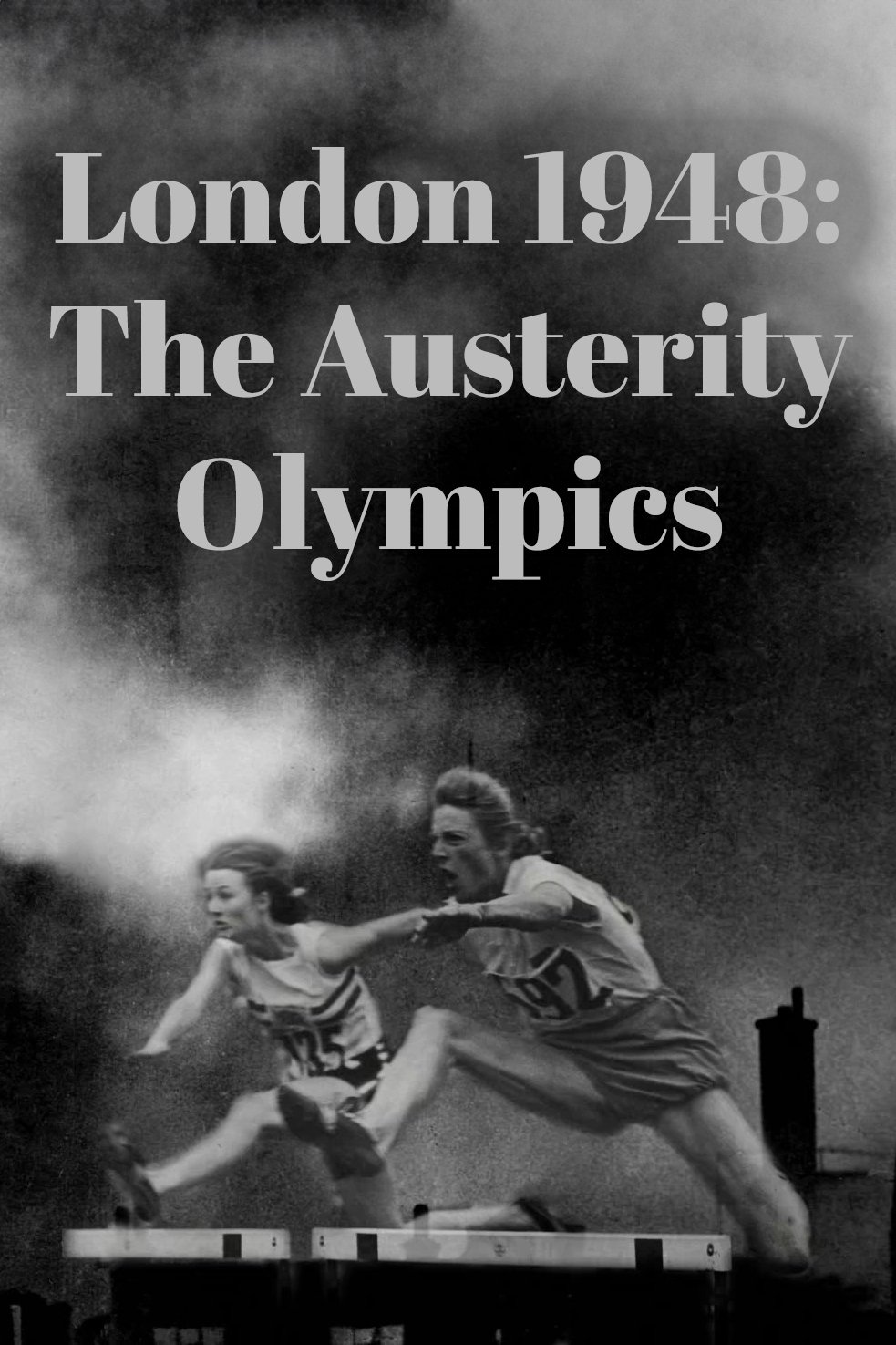
How the 1948 Olympic Games came into being, as the world struggled to cope in the aftermath of the Second World War, and the Games were held for the first time in 12 years. With Britain in the midst of widespread poverty and rationing, hosting the event seemed unlikely, but existing venues were renovated despite a low budget and little time to play with, and the British people pulled together to make the Games a success.
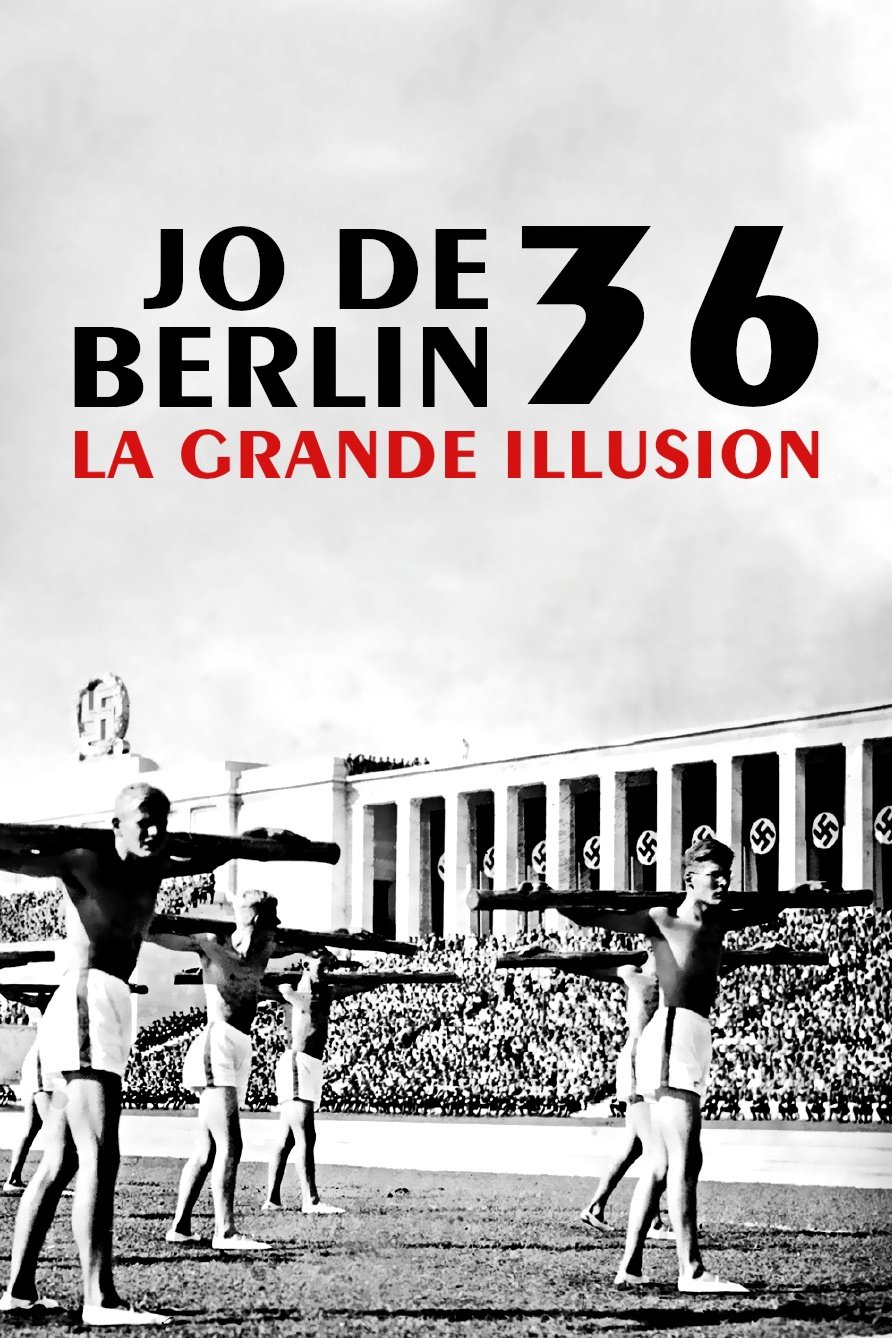
In August 1936, the Olympic Games, orchestrated by Joseph Goebbels, the Third Reich's Minister of Propaganda, took place in Berlin. This was a vast charm offensive designed to present Germany as a nation that respected the Olympic principles of equality and fraternity. This documentary reveals the political strategies of the Third Reich, which benefited from the complicity of the International Olympic Committee in thwarting calls for a boycott by several countries. Once the games were over, Nazi policy intensified. How could the civilized world turn a blind eye to this "great illusion"? Gretel Bergmann, the German Jewish athlete at the center of a bargaining chip between the German authorities and the US government, and Noël Vandernotte, who won a bronze medal in rowing, share their stories.
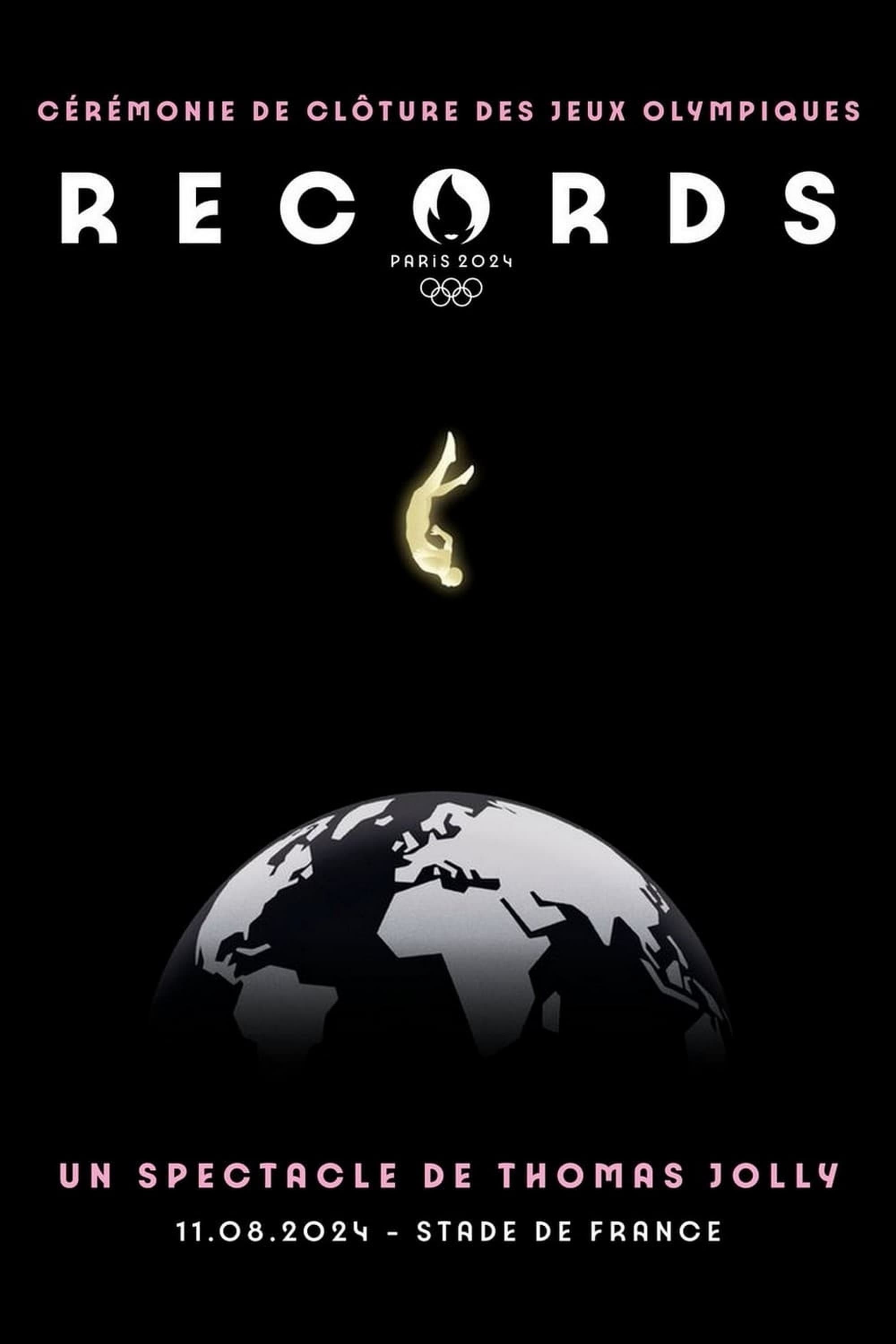
Like an indelible memory, this Olympic closing ceremony will be marked by audacity, fraternity and emotion. In the heart of the Stade de France, athletes from all over the world will represent their countries one last time in an incredible moment of celebration and sharing. With their eyes riveted to the flame, the emotion will be immense as we close the great Olympic book of Paris 2024.
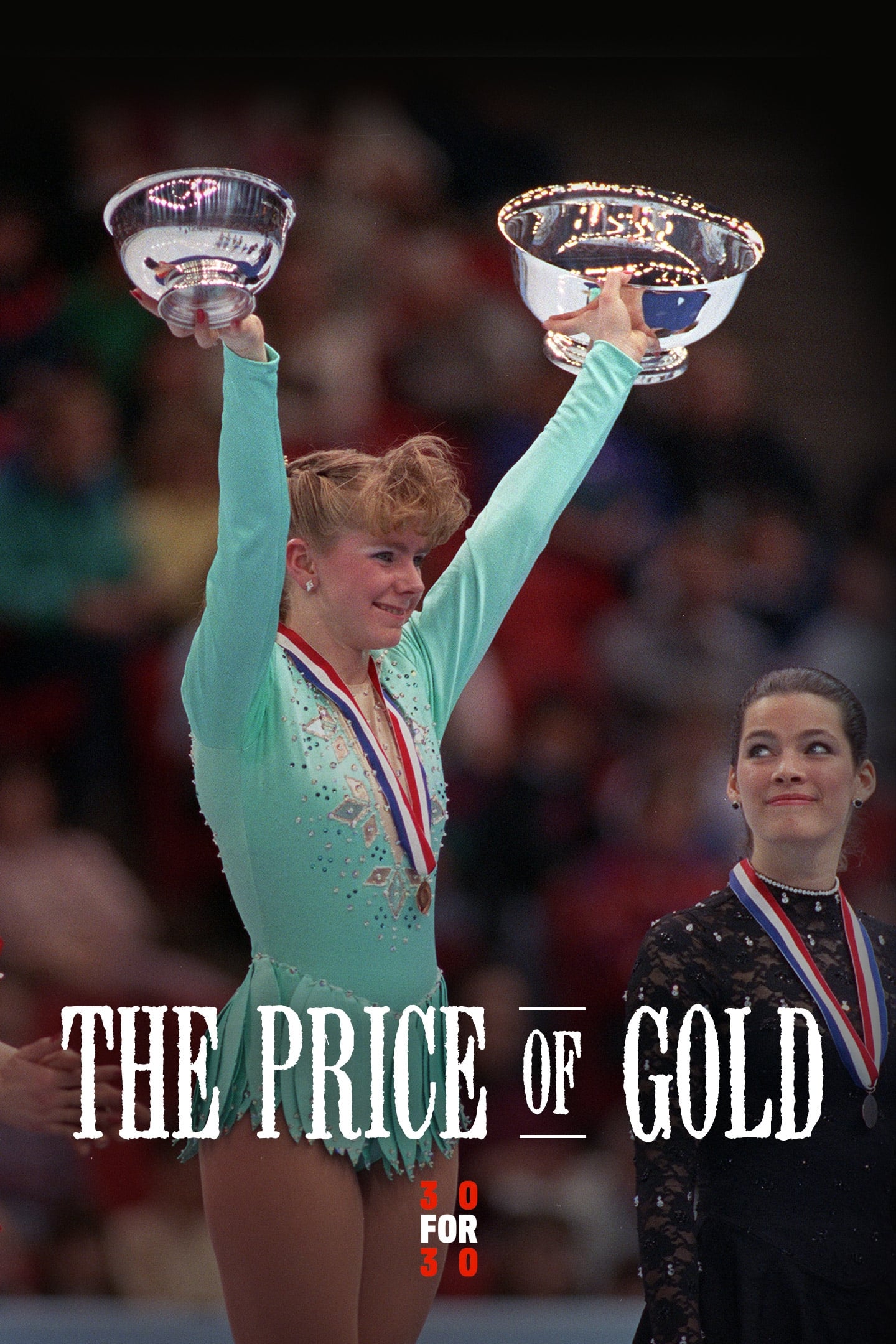
The world couldn't keep its eyes off two athletes at the 1994 Winter Games in Lillehammer - Nancy Kerrigan, the elegant brunette from the Northeast, and Tonya Harding, the feisty blonde engulfed in scandal. Just weeks before the Olympics on Jan. 6, 1994 at the U.S. Figure Skating Championships, Kerrigan was stunningly clubbed on the right knee by an unknown assailant and left wailing, "Why, why, why?" As the bizarre "why" mystery unraveled, it was revealed that Harding's ex-husband, Jeff Gillooly, had plotted the attack with his misfit friends to literally eliminate Kerrigan from the competition. Now two decades later, THE PRICE OF GOLD takes a fresh look through Harding's turbulent career and life at the spectacle that elevated the popularity of professional figure skating and has Harding still facing questions over what she knew and when she knew it.
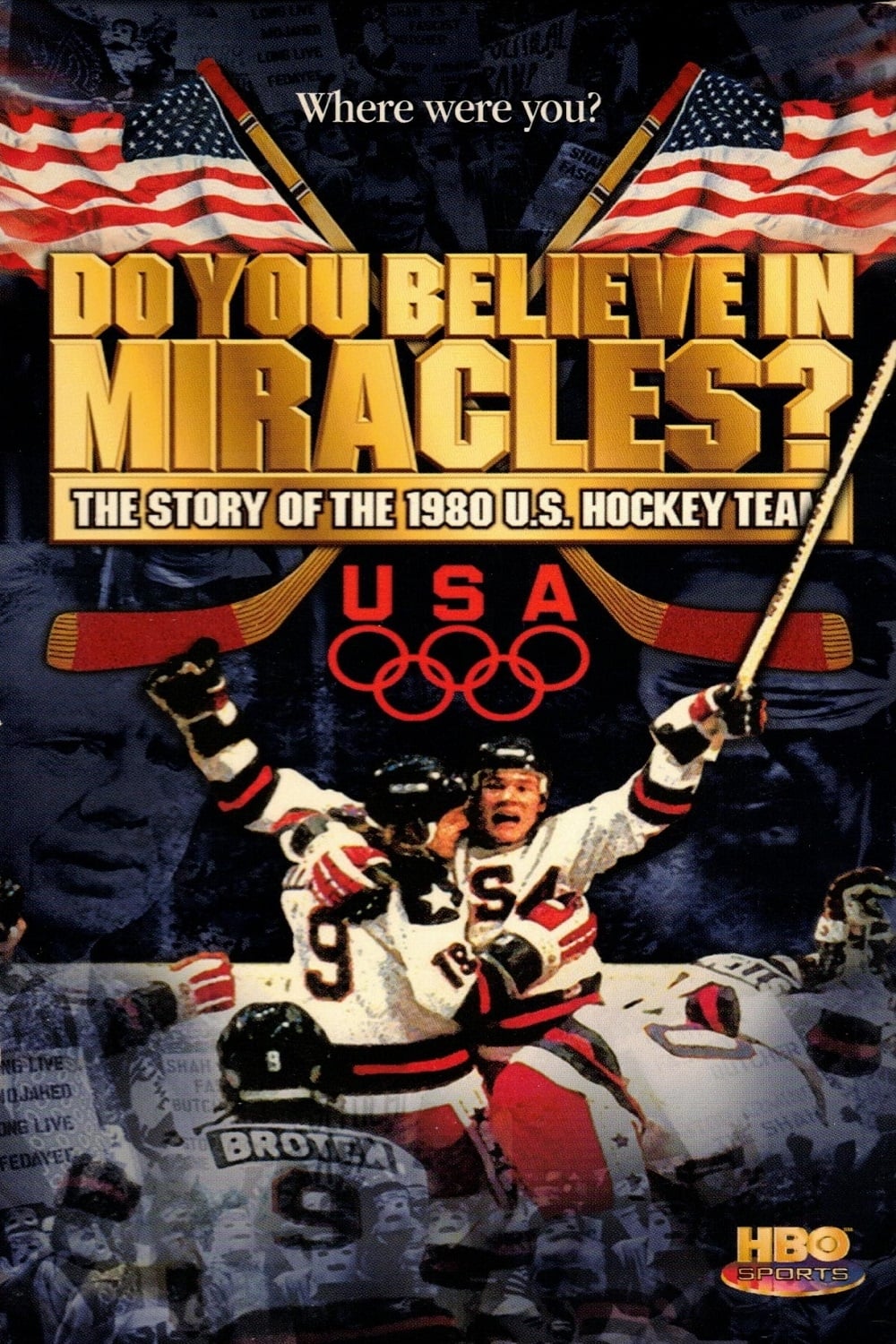
At the Winter Olympics of 1980, after two tense weeks amidst growing Cold War fears, the U.S. Olympic hockey team found themselves playing improbably against the legendary unbeatable Soviet Army hockey team for Olympic Gold. From the live footage taken at Lake Placid, NY, and through interviews beginning with the team's assembly through the experience of winning the gold medal.
Through deeply personal interviews with her siblings and an examination of the photographs, letters, and belongings left behind, Mariska assembles a new portrait of her mother Jayne Mansfield, an extraordinary and complex woman.
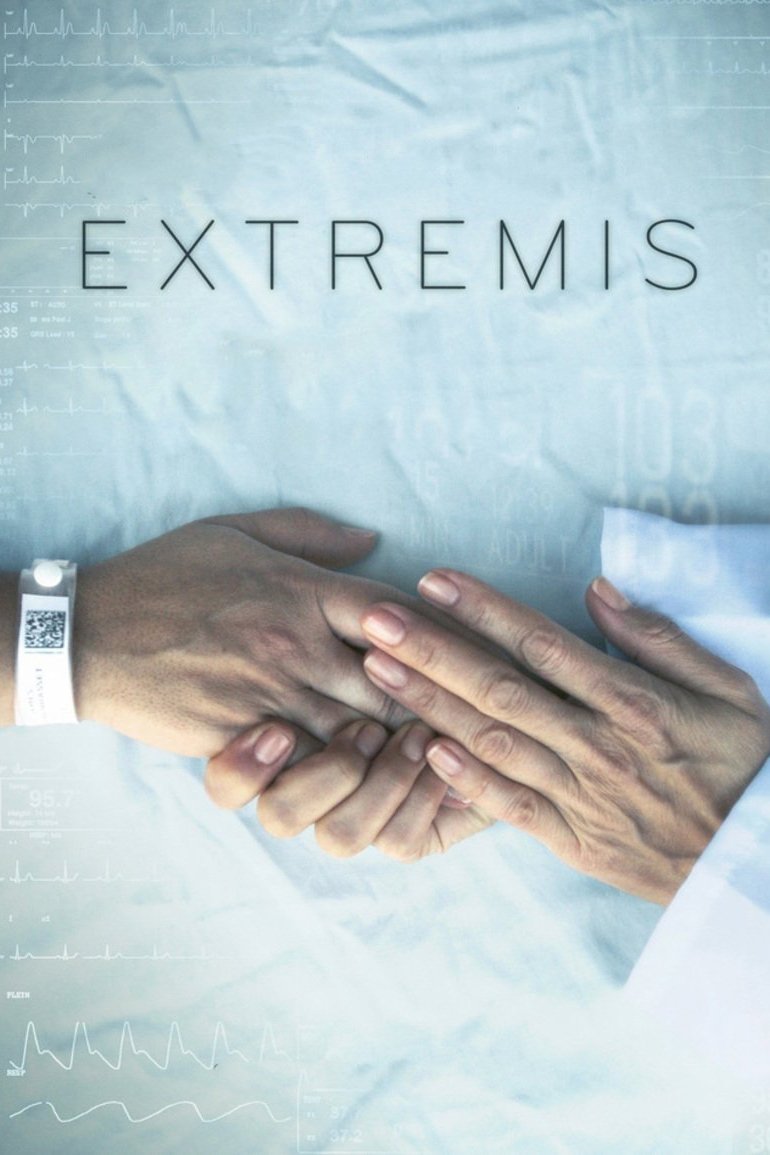
A purely observational non-fiction film that takes viewers into the ethically murky world of end-of-life decision making in a public hospital.
A detailing of the rise to prominence and global sporting superstardom of six supremely talented young Manchester United football players (David Beckham, Nicky Butt, Ryan Giggs, Paul Scholes, Phil and Gary Neville). The film covers the period 1992-1999, culminating in Manchester United's European Cup triumph.
In this genre-bending tale, Errol Morris explores the mysterious death of a U.S. scientist entangled in a secret Cold War program known as MK-Ultra.
JB Smoove and Martin Starr host a celebration of 20 years of "Spider-Man" movies, from the Sam Raimi trilogy to Marc Webb's movies and the trio from Jon Watts.
A documentary on a former Miss Wyoming who is charged with abducting and imprisoning a young Mormon Missionary.
Lyrical and powerfully personal essay film that reflects on the deaths of her husband Lou Reed, her mother, her beloved dog, and such diverse subjects as family memories, surveillance, and Buddhist teachings.
Documentary filmmaker Frederick Wiseman takes us inside Northeast High School as a fly on the wall to observe the teachers and how they interact with the students.
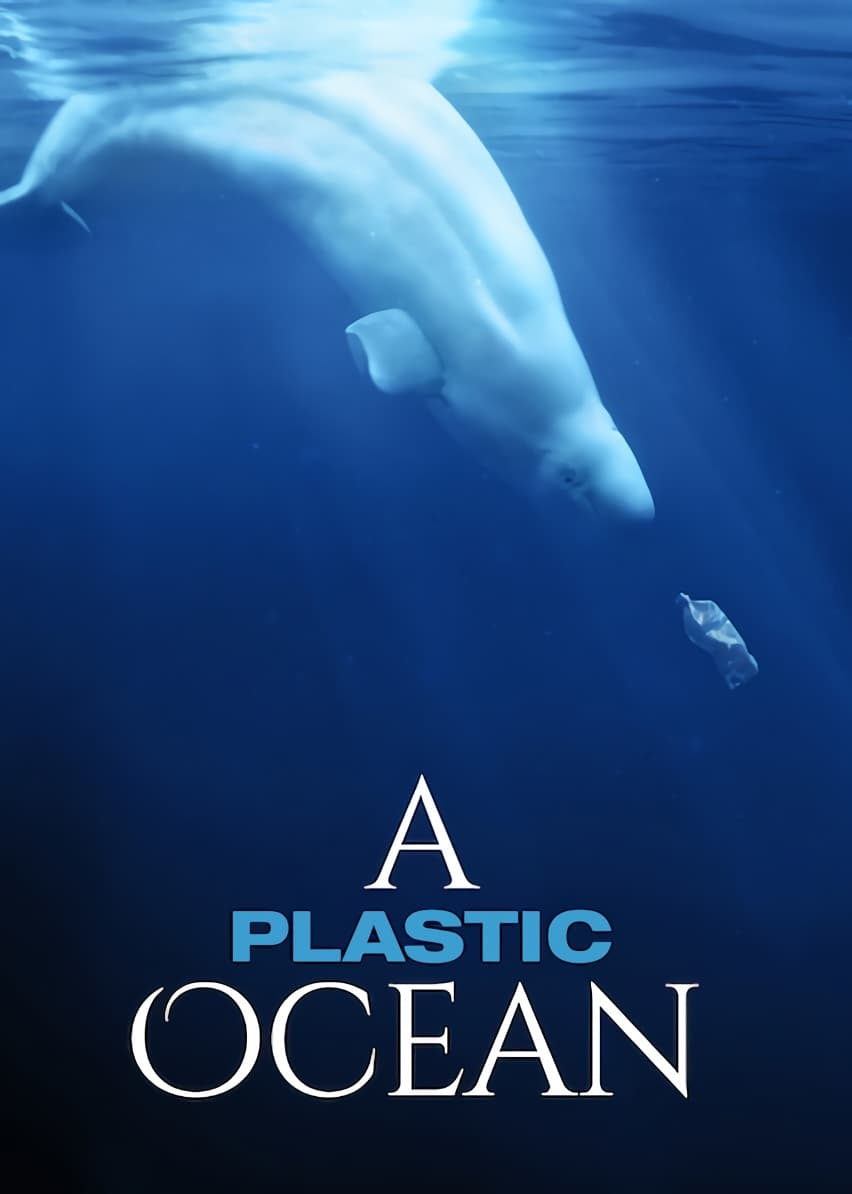
A documentary focused on plastic pollution in the world's oceans.
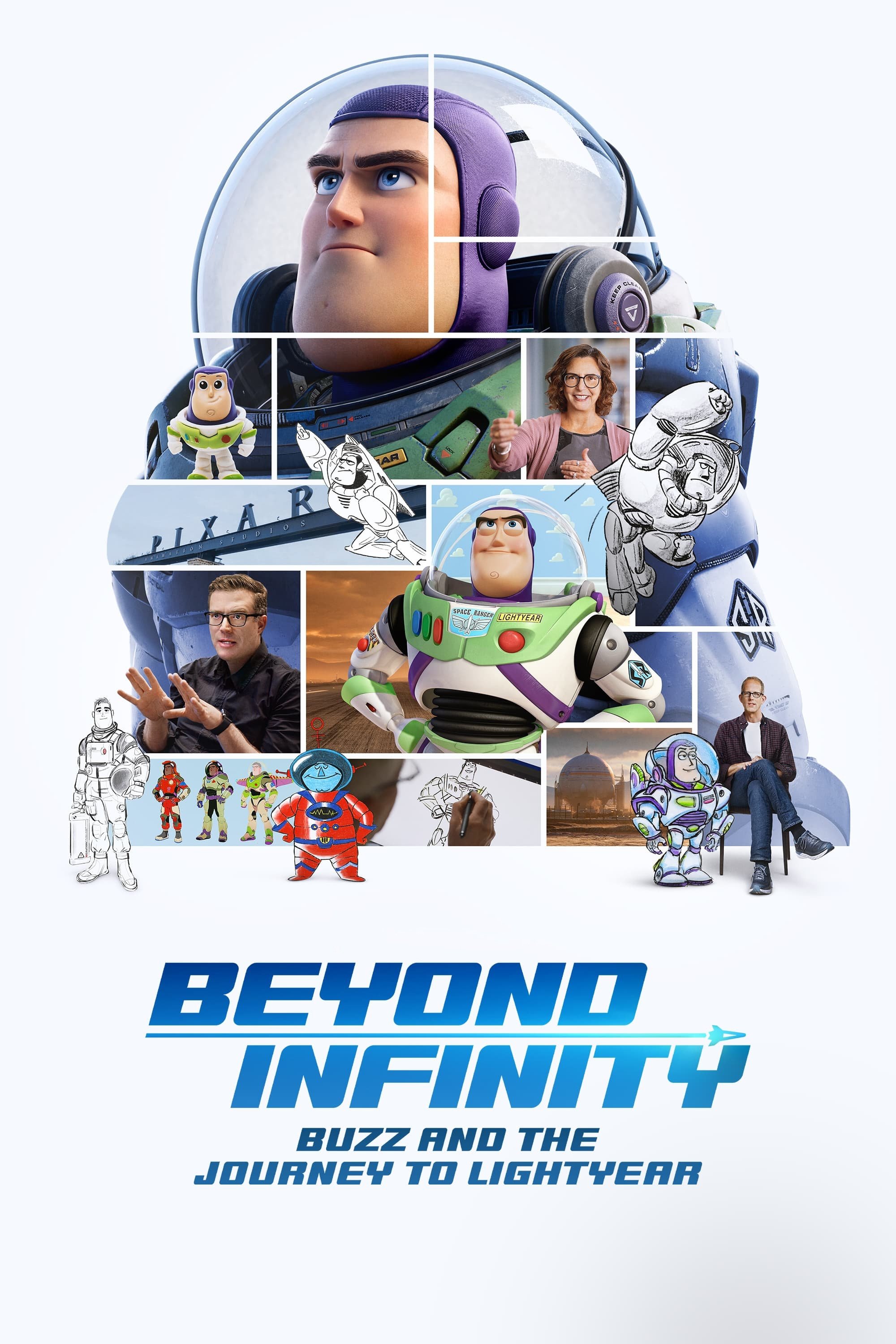
Explore the evolution of Buzz Lightyear from toy to human in the making of Pixar’s Lightyear. Dive into the origin and cultural impact of everyone’s favorite Space Ranger, the art of designing a new “human Buzz,” and the challenges faced by the Lightyear crew along the way.
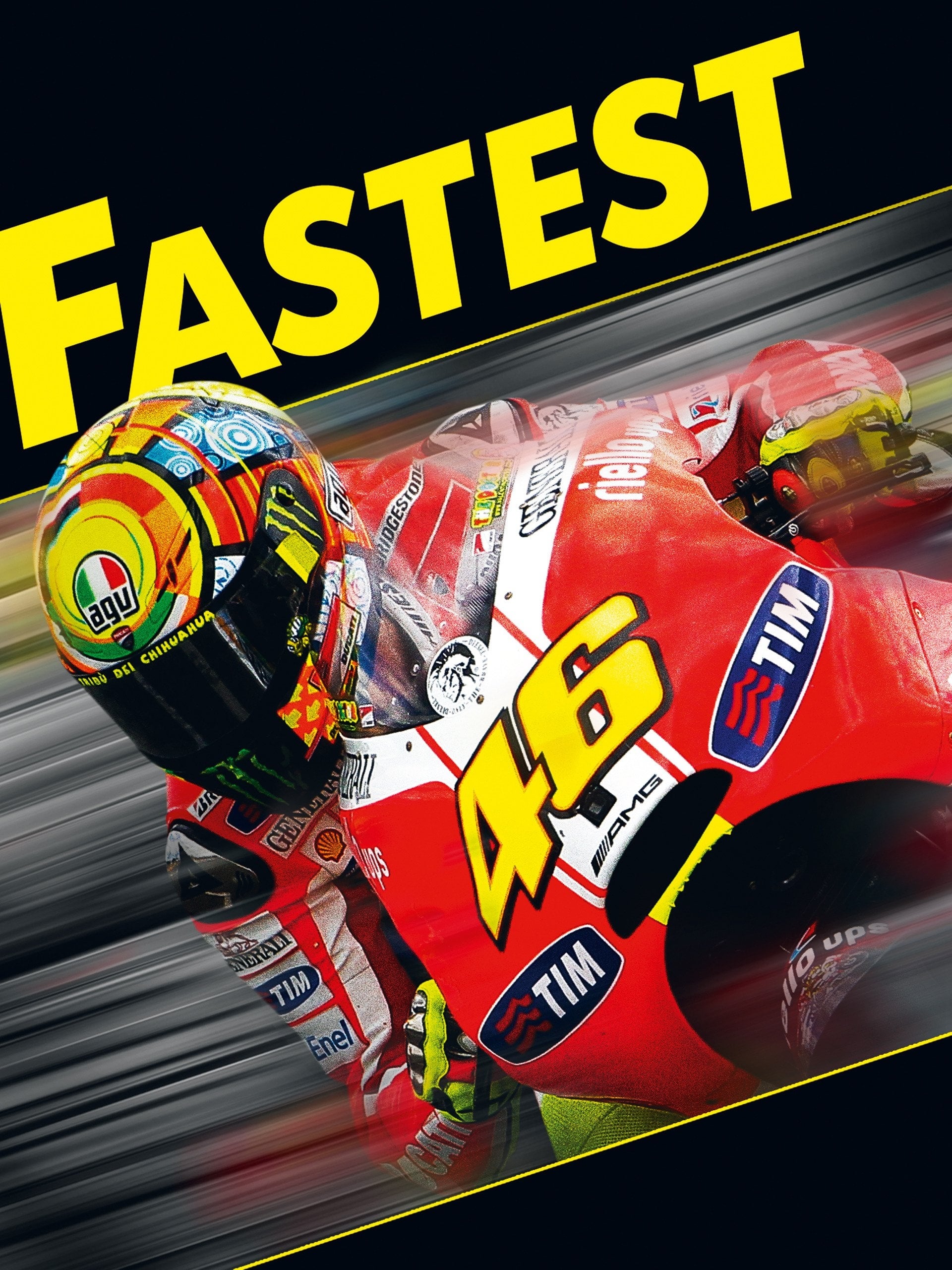
What does it take to be the fastest? From award-winning filmmaker Mark Neale, comes Fastest, a spectacular maximum-speed, full-length documentary delving deep into the world of MotoGP™. This thrilling documentary, narrated by Ewan McGregor, highlights the thrills, spills and incredible commitment and courage the sport demands of it stars. With unprecedented behind-the-scenes access and never before seen angles, interviews and insight, this truly cinematic experience charts the exhilarating highs, crushing lows, career-threatening crashes and spectacular comebacks, including Rossi’s 41 days turn around to race following a leg shattering crash.
A documentary chronicling Vogue editor-in-chief Anna Wintour's preparations for the 2007 fall-fashion issue.
This documentary focuses on the actors and their journey over two summers to create the remake to the original IT, by Stephen King. The documentary originally released as bonus material, bundled with IT: Chapter Two.
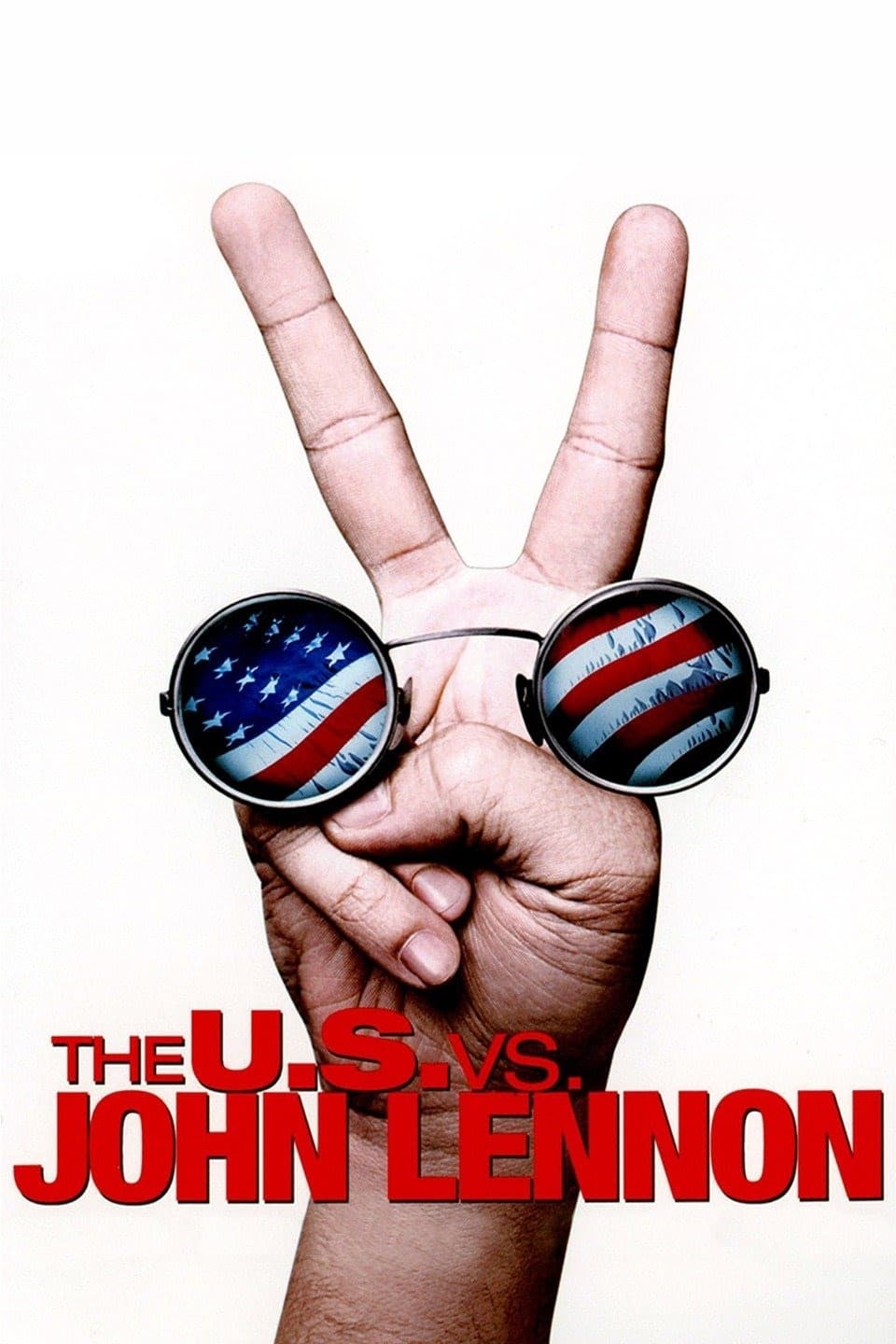
A documentary on the life of John Lennon, with a focus on the time in his life when he transformed from a musician into an antiwar activist.
An inside look at one of the most anticipated movie sequels ever with James Cameron and cast.
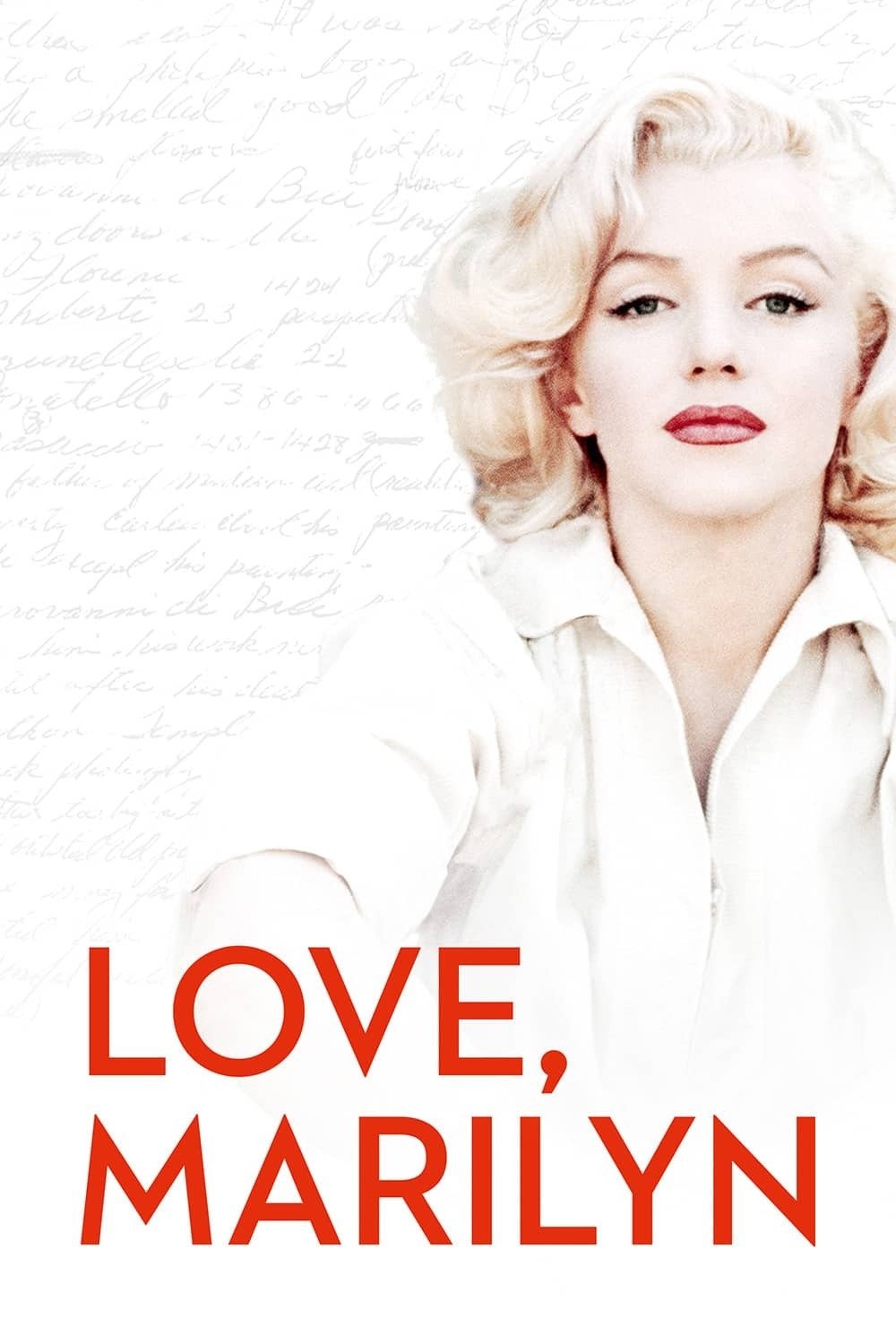
Using the book 'Fragments', which collects Marilyn Monroe's poems, notes and letters, and with participation from the Arthur Miller and Truman Capote estates who have contributed more material, each of the actresses will embody the legend at various stages in her life.
Join director Clint Eastwood and his creative team, along with Bradley Cooper and Sienna Miller, as they overcome enormous creative and logistic obstacles to make a film that brings the truth of Navy SEAL Chris Kyle's story to the screen.
A look at the origins, history and conspiracies behind the "Majestic 12", a clandestine group of military and corporate figureheads charged with reverse-engineering extraterrestrial technology.
Al Pacino's deeply-felt rumination on Shakespeare's significance and relevance to the modern world through interviews and an in-depth analysis of "Richard III."
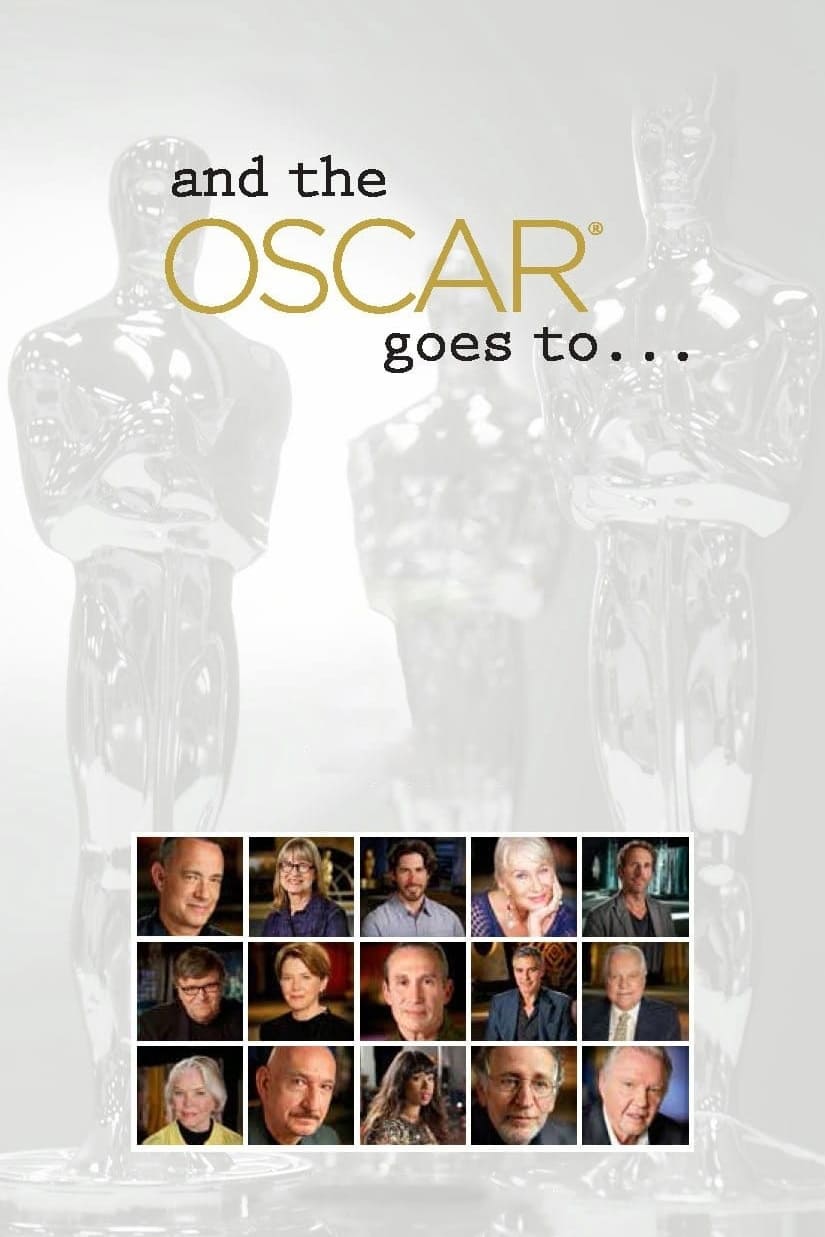
The story of the gold-plated statuette that became the film industry's most coveted prize, AND THE OSCAR GOES TO... traces the history of the Academy itself, which began in 1927 when Louis B. Mayer, then head of MGM, led other prominent members of the industry in forming this professional honorary organization. Two years later the Academy began bestowing awards, which were nicknamed "Oscar," and quickly came to represent the pinnacle of cinematic achievement.