A report on the detention of Uyghurs in Xinjiang, China.
Social & External
The people behind it
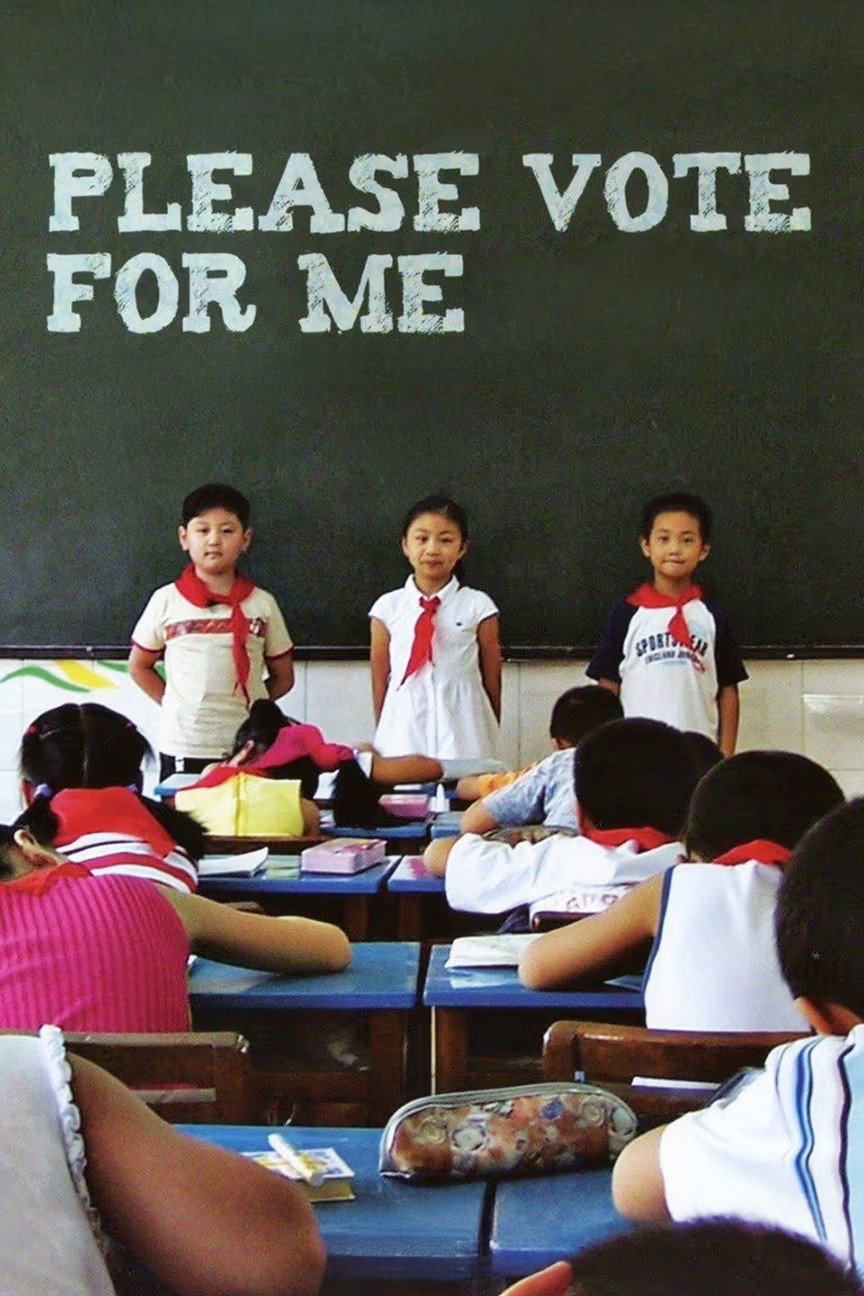
At Evergreen Primary School in Wuhan, China, a Grade 3 class learns what democracy is when an election for class monitor is being held. Three children are chosen by the teacher as candidates and they have a few days to campaign and convince their classmates to vote for them. The little candidates are seen at school and at home, where their parents do their best to make sure their child will win the election.
In China, there exists an astonishing place. A burial ground to rival Egypt’s Valley of the Kings, where pyramid tombs of stupendous size are full of astonishing riches. In 221 BC, China's first Emperor united warring kingdoms into a nation that still exists today. To memorialise this achievement, he bankrupted the national treasury and oppressed thousands of workers to build one of the world’s biggest mortuary complexes. China's second dynasty, the Han, inherited the daunting challenge of building larger tombs to command respect and establish their right to rule without running the nation into the ground. Although no Han emperor's tomb has been opened, the tombs of lesser Han aristocrats have revealed astonishing things: complete underground palaces (including kitchens and toilets) and at least one corpse so amazingly well-preserved some believe Han tomb-builders knew how to "engineer immortality".
The city of Ordos, in the middle of China, was build for a million people yet remains completely empty. Ordos is not so much a place but a symbol of babylonic hype. But nothing will change - as long as people believe.
Three farming families in Hanyuan, China, strive to give their children a good life in the midst of an ecological crisis, as widespread use of pesticides leads to a dramatic decline in bees and other pollinating insects in the valley.
In a quiet village in southern China, Fang Xiuying is sixty-seven years old. Having suffered from Alzheimer's for several years, with advanced symptoms and ineffective treatment, she was sent back home. Now, bedridden, she is surrounded by her relatives and neighbors, as they witness and accompany her through her last days.
An unsettling and eye-opening Wall Street horror story about Chinese companies, the American stock market, and the opportunistic greed behind the biggest heist you've never heard of.
Railroad of Hope consists of interviews and footage collected over three days by Ning Ying of migrant agricultural workers traveling from Sichuan in China's interior, to the Xinjiang Autonomous Region, China's northwest frontier.[1] Through informal interviews aboard the cramped rail cars, Ning Ying explores the hopes and dreams of the workers, many of whom have never left their homes before.
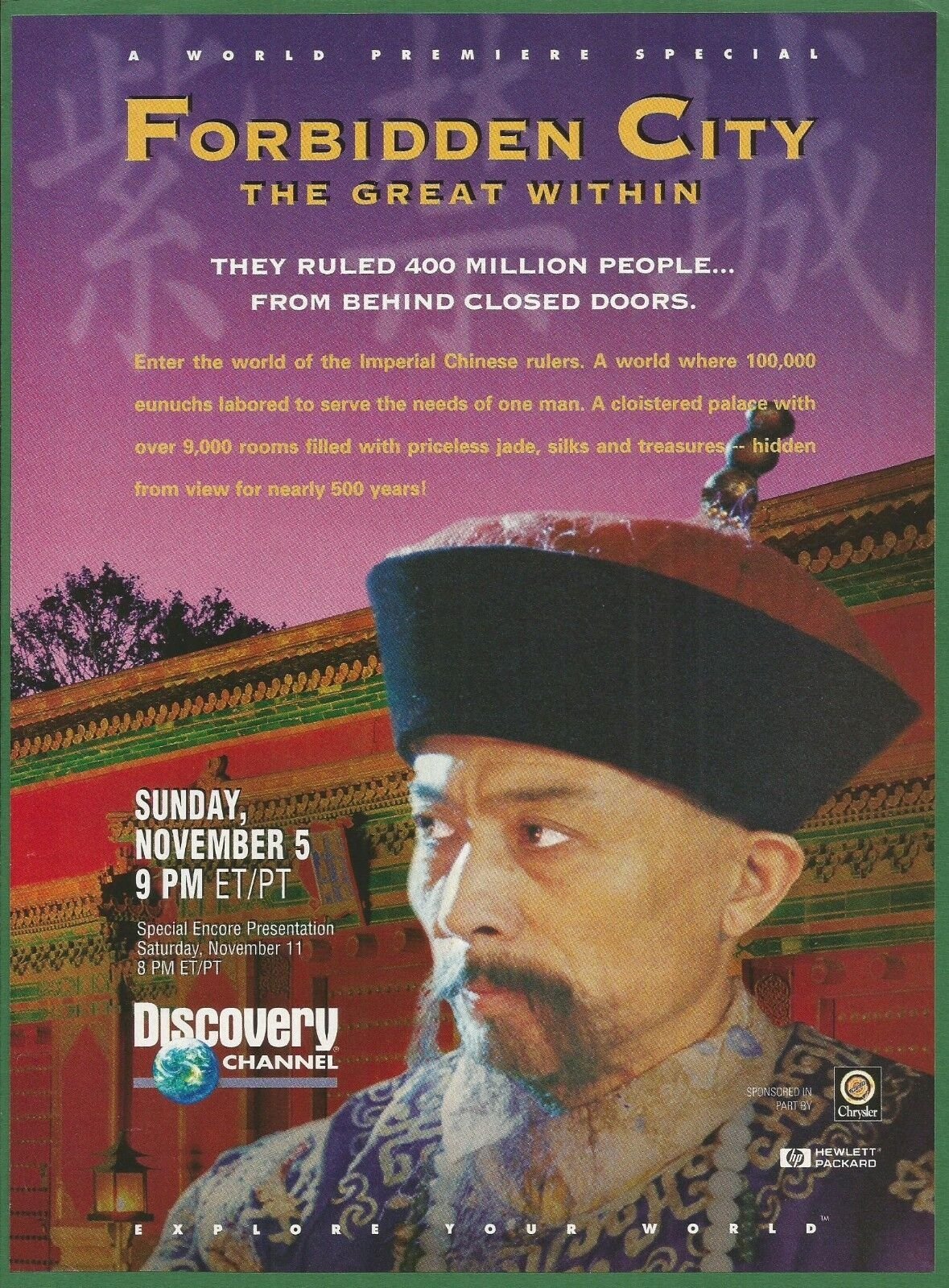
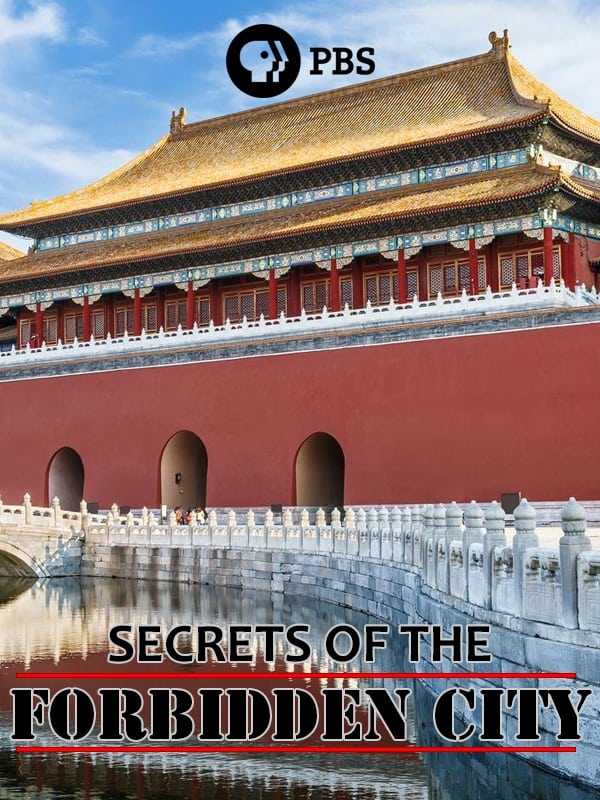
Amidst the grand walls of the Forbidden City, the film takes us on a deep journey through the ceremonial life of the Chinese emperor, unveiling the secrets and intrigues of concubines, eunuchs, and palace maids. As the West begins to influence China in the late 19th century, the dynamics within the city shift dramatically. The film highlights the preservation and restoration of invaluable treasures and paintings, culminating in the creation of the Palace Museum. With insights from renowned China scholar, Jonathan Spence, this is an intimate exploration of the rich cultural and historical tapestry that makes up the heart of ancient China.
An inside look at China working towards the goal of becoming a superpower by the year 2000 via education as the key to modernization. Filmed in Peking, on a rural commune in central China, and in the industrial northeast region, Jack Reynolds interviews Vice Premier Fang Yi and the president of Peking University, as well as students, workers, and peasants.
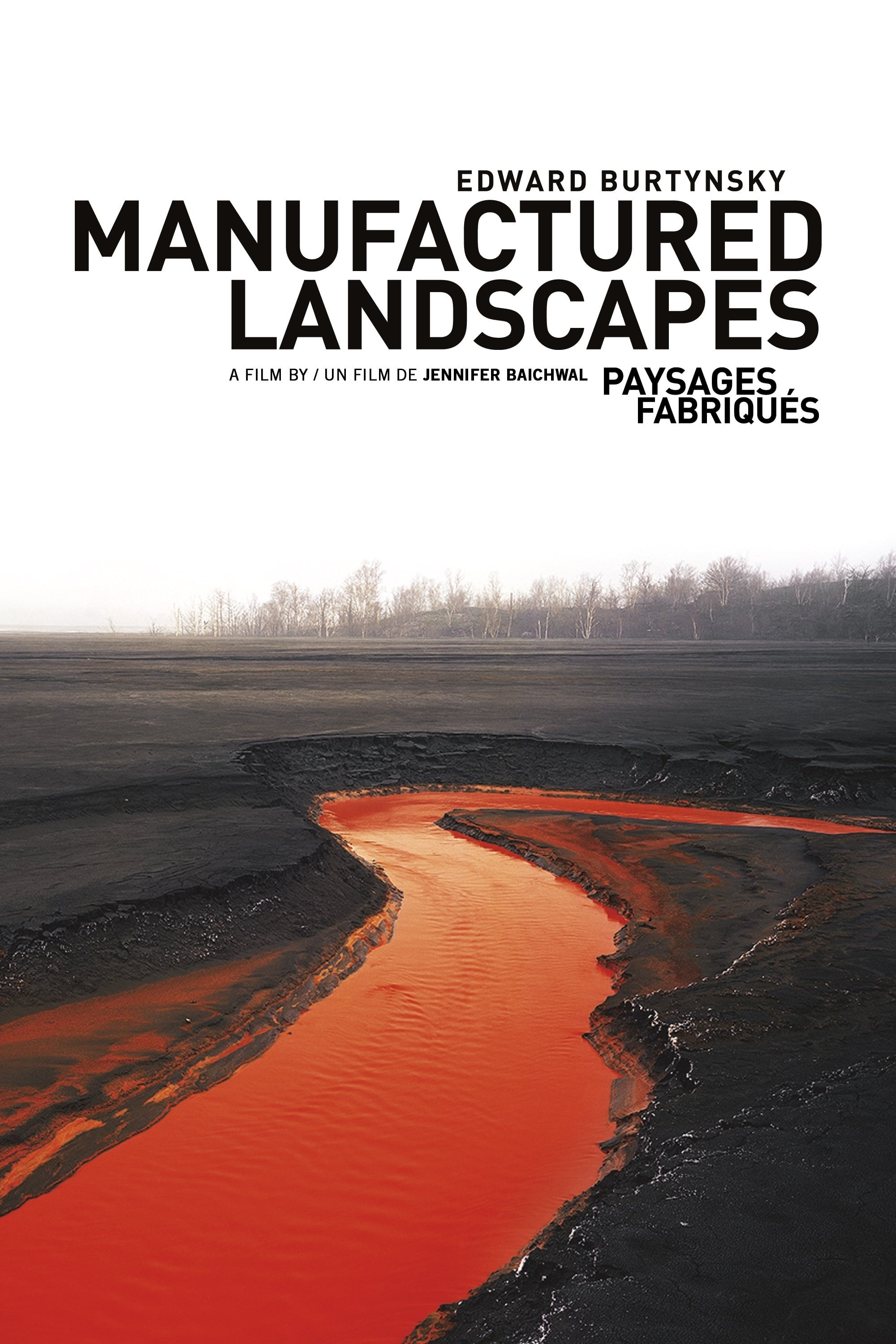
MANUFACTURED LANDSCAPES is the striking new documentary on the world and work of renowned artist Edward Burtynsky. Internationally acclaimed for his large-scale photographs of “manufactured landscapes”—quarries, recycling yards, factories, mines and dams—Burtynsky creates stunningly beautiful art from civilization’s materials and debris.
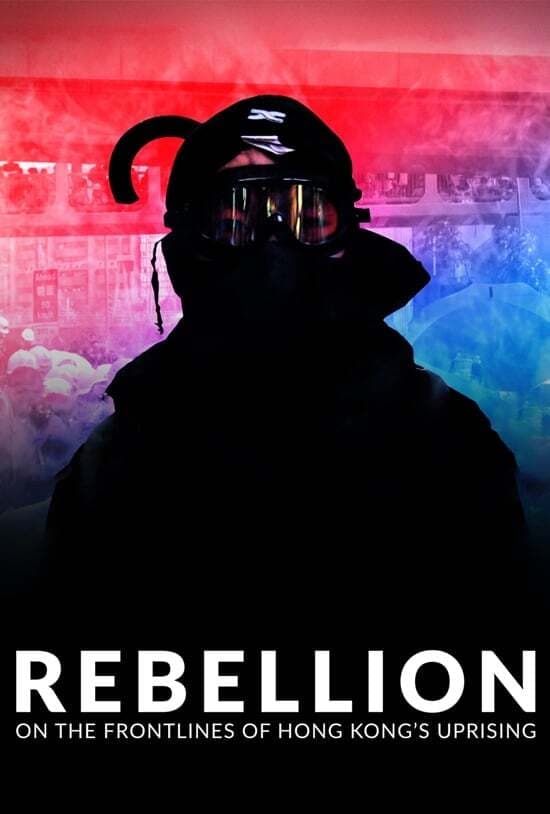
As the 'one country two systems' policy in Hong Kong has slowly eroded, resentment among the territory's citizens has steadily grown. What began as a series of spontaneous protests against an extradition law in March 2019 has now escalated in to a full-blown popular uprising that shows no signs of abating. ABC Four Corners reports from the frontline of the action, capturing extraordinary footage of the growing tension and violence.
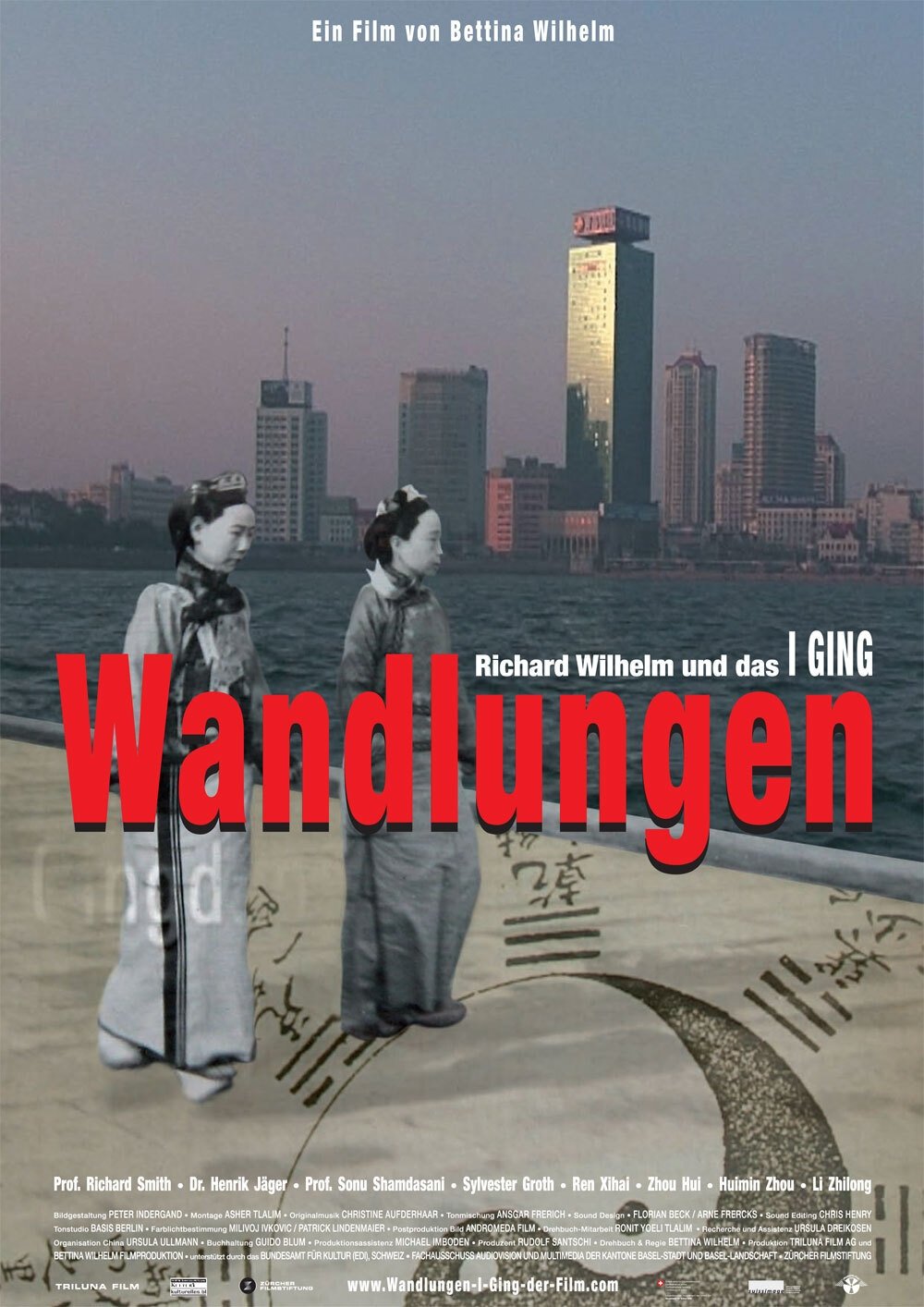
As a young missionary, Richard Wilhelm in 1899 to China, which was then exploited by the colonial powers. He lived there revolts against foreigners, the end of the imperial dynasties and the First World War. In these times of turbulent upheavals he was indefatigable in search of the deepest truth that helps people deal with change and able to shape their own lives. Richard Wilhelm baptized not only Chinese, but accomplished one of the largest translation services of the 20th century: Confucius, LAOTSE the most important texts of Daoism and especially the I CHING THE BOOK OF CHANGES. The book also served many readers in the West as inspiration. Wilhelm is still one of the most important mediators of Chinese culture in Europe.
Life begins with a dream. When it is fulfilled, there is some hope in the end. In between there is seldom anything more important than love. This is a documentary about the German-Chinese photographer and filmmaker Eva Siao (*1911) who grew up in a Jewish family in Wroclaw and later married the Chinese revolutionary poet Emi Siao. Her life story reflects the moving history of the 20th century. Her work gives an undisguised, direct impression of China before and during the Cultural Revolution.
The Forbidden City is the world’s biggest and most extravagant palace complex ever built. For five centuries, it was the power center of imperial China and survived wars, revolution, fires, and earthquakes. How did the Ming Emperor’s workforce construct its sprawling array of nearly 1,000 buildings and dozens of temples in a little over a decade?
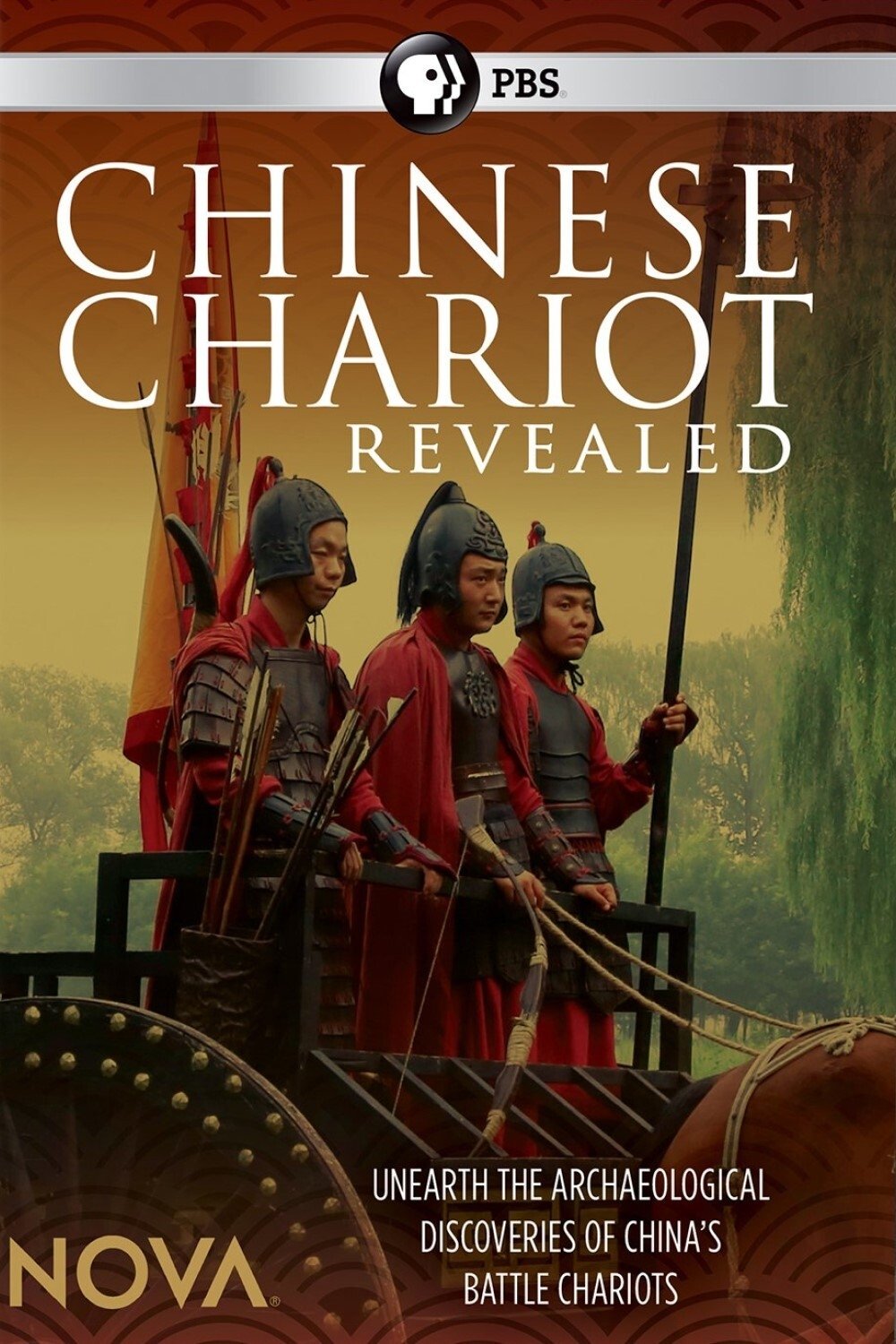
For over 1,000 years, chariots were indispensable weapons in ancient China. The art of chariot driving and special warfare were used there for longer than anywhere else. Their contribution to the unification of the Chinese empire is undisputed. New archaeological discoveries reveal how the Chinese developed and perfected this sophisticated weapon. In the Bronze Age, over 3,000 years ago, chariots and other war equipment arrived in China from Central Asia via the Hexi Corridor. In addition to trade and new alliances, their spread was mainly due to the Zhou dynasty's incessant military campaigns against rebellious vassal states and the constant attacks by the mobile cavalries of its northern neighbors. Manned with spearmen or archers, the chariots were a decisive weapon in battle.
The film is based on interviews with 2,000 women from 50 countries, and covers the status of women all over the world. The topics covered include forced marriages, sexual assault, female genital mutilation, acid attacks, motherhood, sexuality, menstruation, education and the professional success of women.
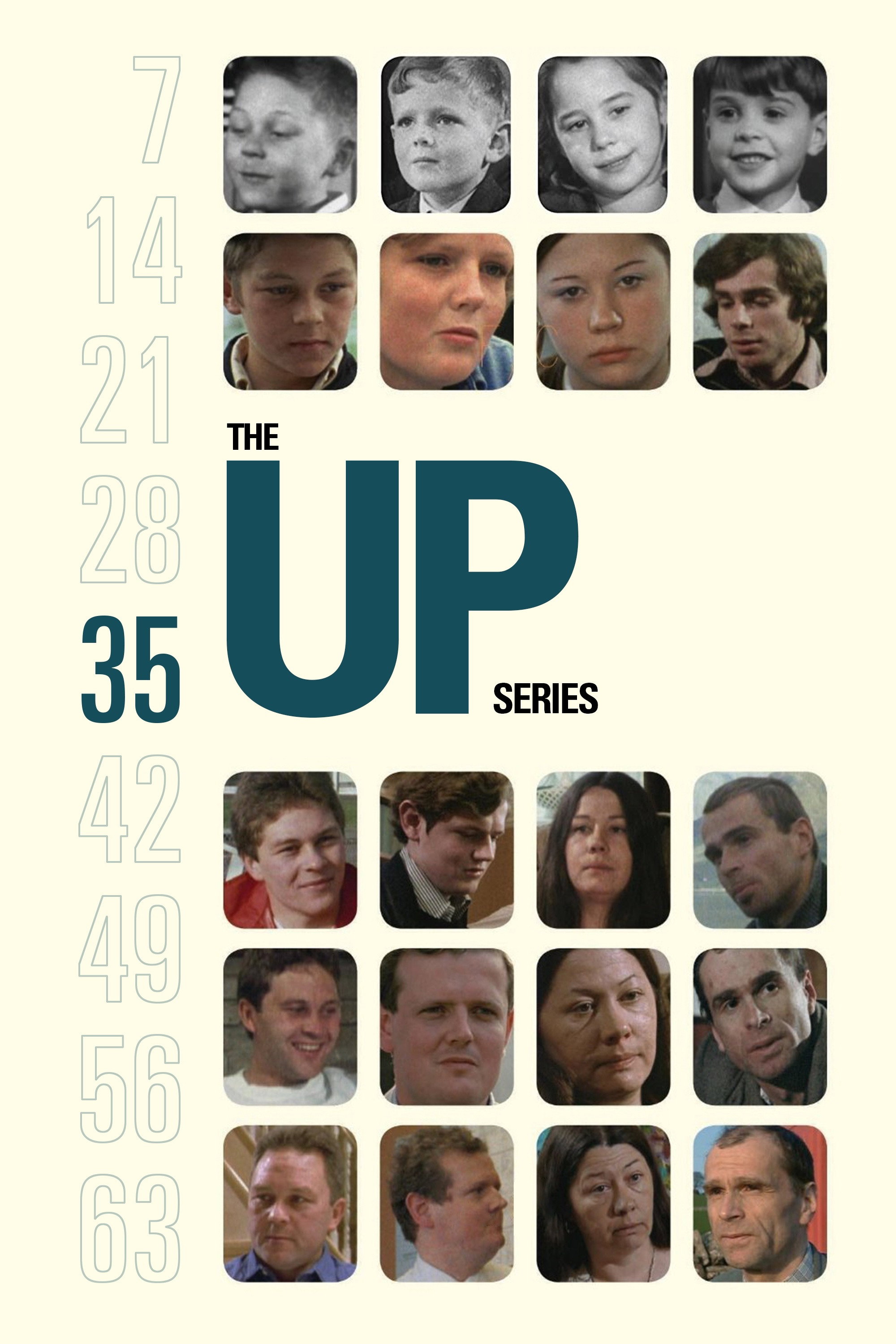
Just two years away from turning 30, participants in Michael Apted's documentary series are facing serious questions of identity and purpose, wondering whether they've found their place in the world.
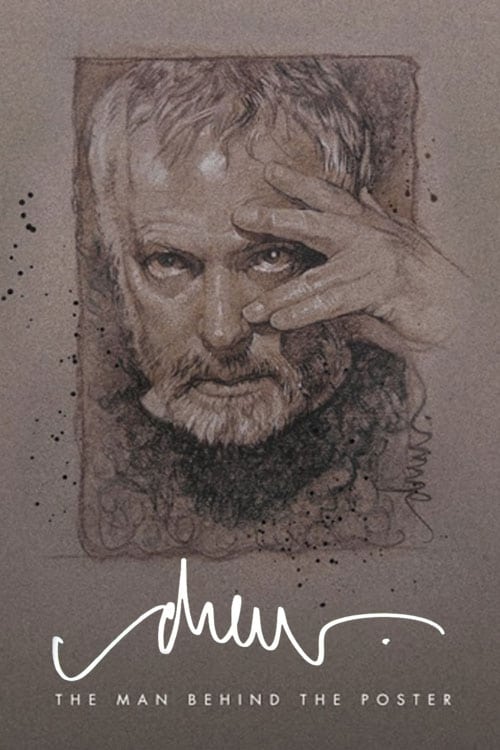
A documentary on legendary movie-poster artist Drew Struzan.
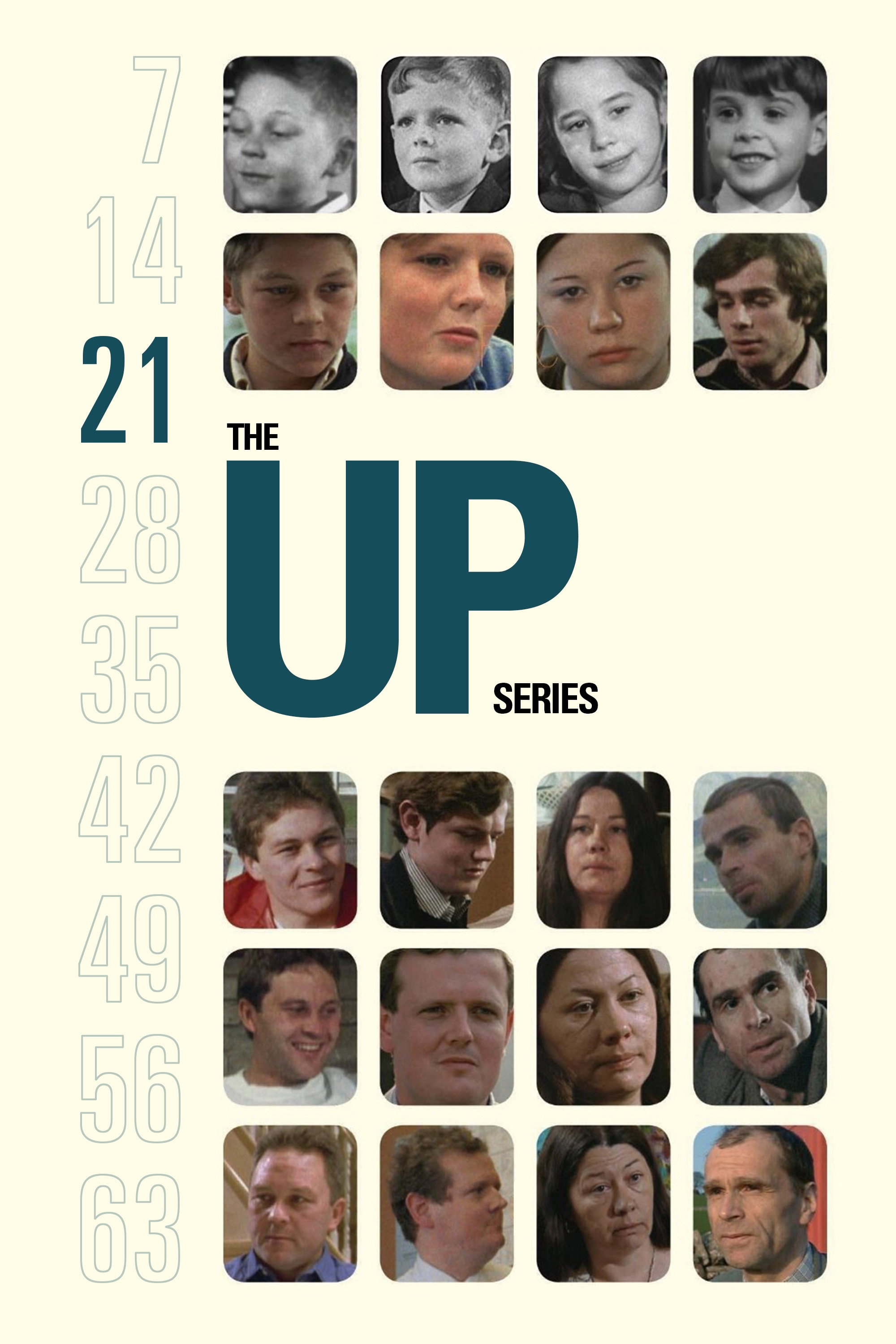
Director Michael Apted revisits the same group of British-born adults after a 7 year wait. The subjects are interviewed as to the changes that have occurred in their lives during the last seven years.
A string of threatening emails escalates into a revenge plot involving a newly married US marshal and his ex-girlfriend.
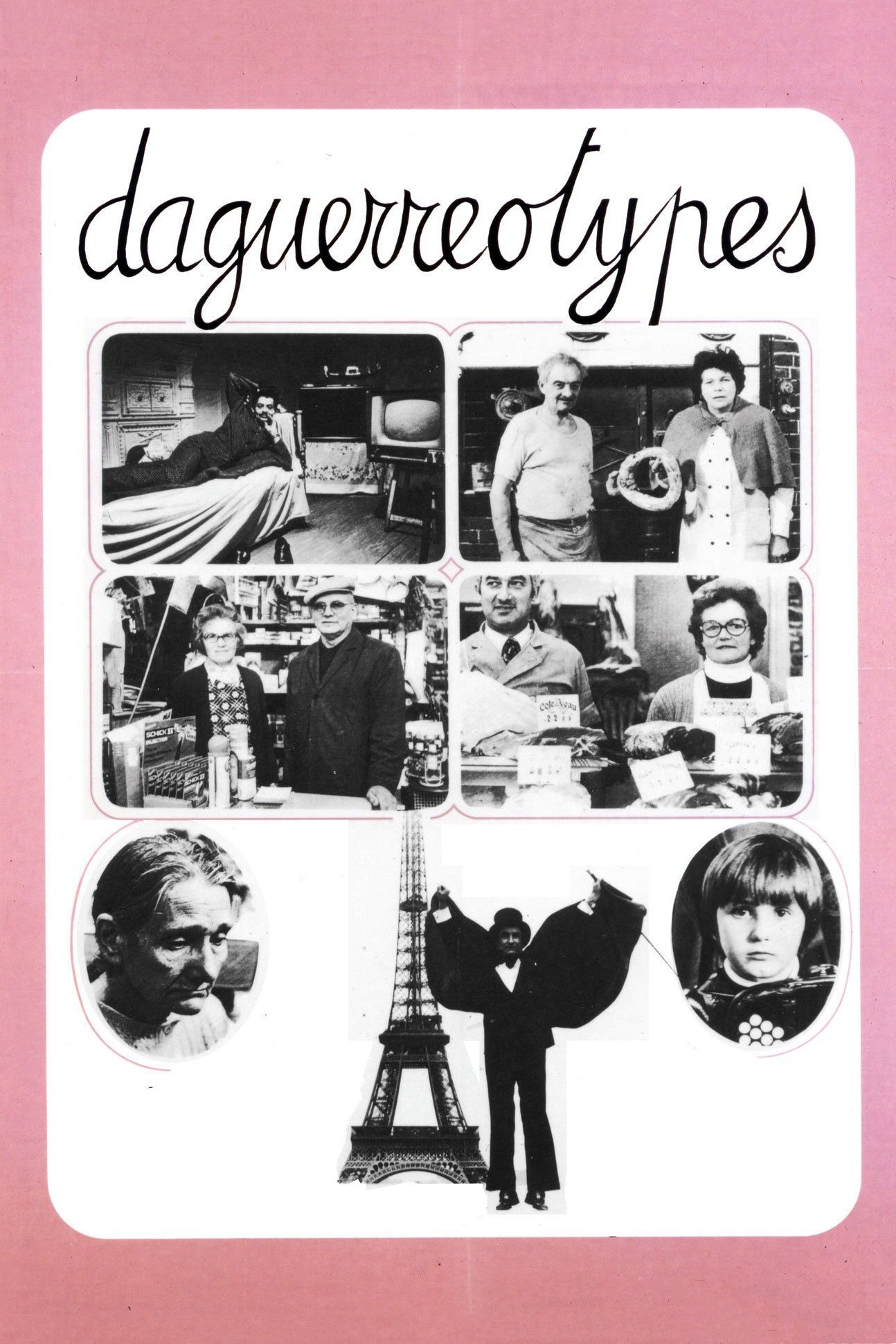
An intimate portrait of the small shops and shopkeepers of the Rue Daguerre in Paris, a picturesque street that has been the filmmaker’s home for more than 50 years.
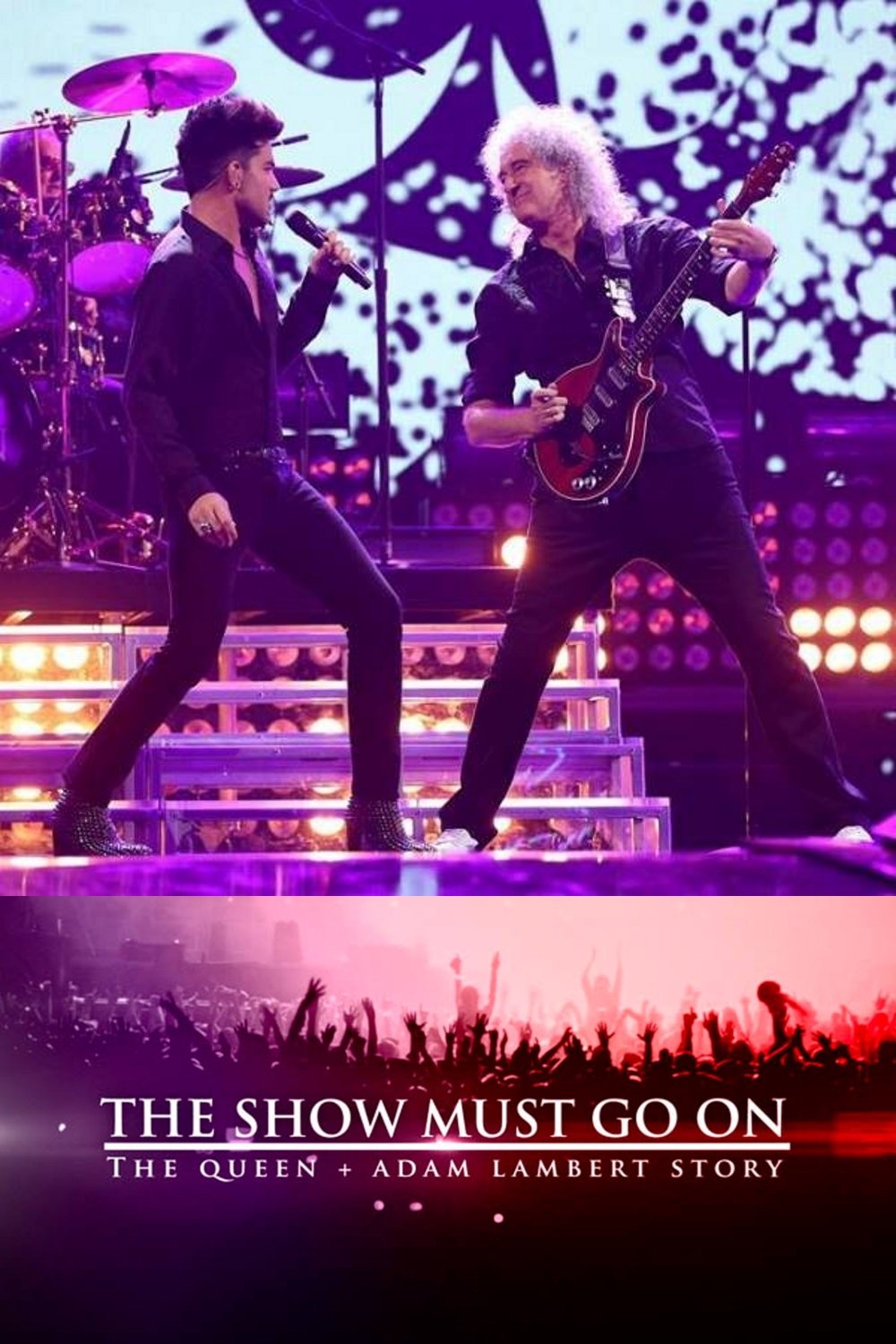
A documentary chronicling Queen and Lambert's incredible journey since they first shared the stage together on "American Idol" in 2009.
A new documentary by filmmaker-photographer Raymond Depardon – where justice and psychiatry meet.
Ranjit, a farmer in India, takes on the fight of his life when he demands justice for his 13-year-old daughter, the victim of a brutal gang rape. His decision to support his daughter is virtually unheard of, and his journey unprecedented.
A look at the origins, history and conspiracies behind the "Majestic 12", a clandestine group of military and corporate figureheads charged with reverse-engineering extraterrestrial technology.
After another 7 year wait, director Michael Apted revisits the same group of British-born children from Seven Up! and 7 Plus Seven. The subjects are interviewed as to the changes that have occurred in their lives during the last seven years.
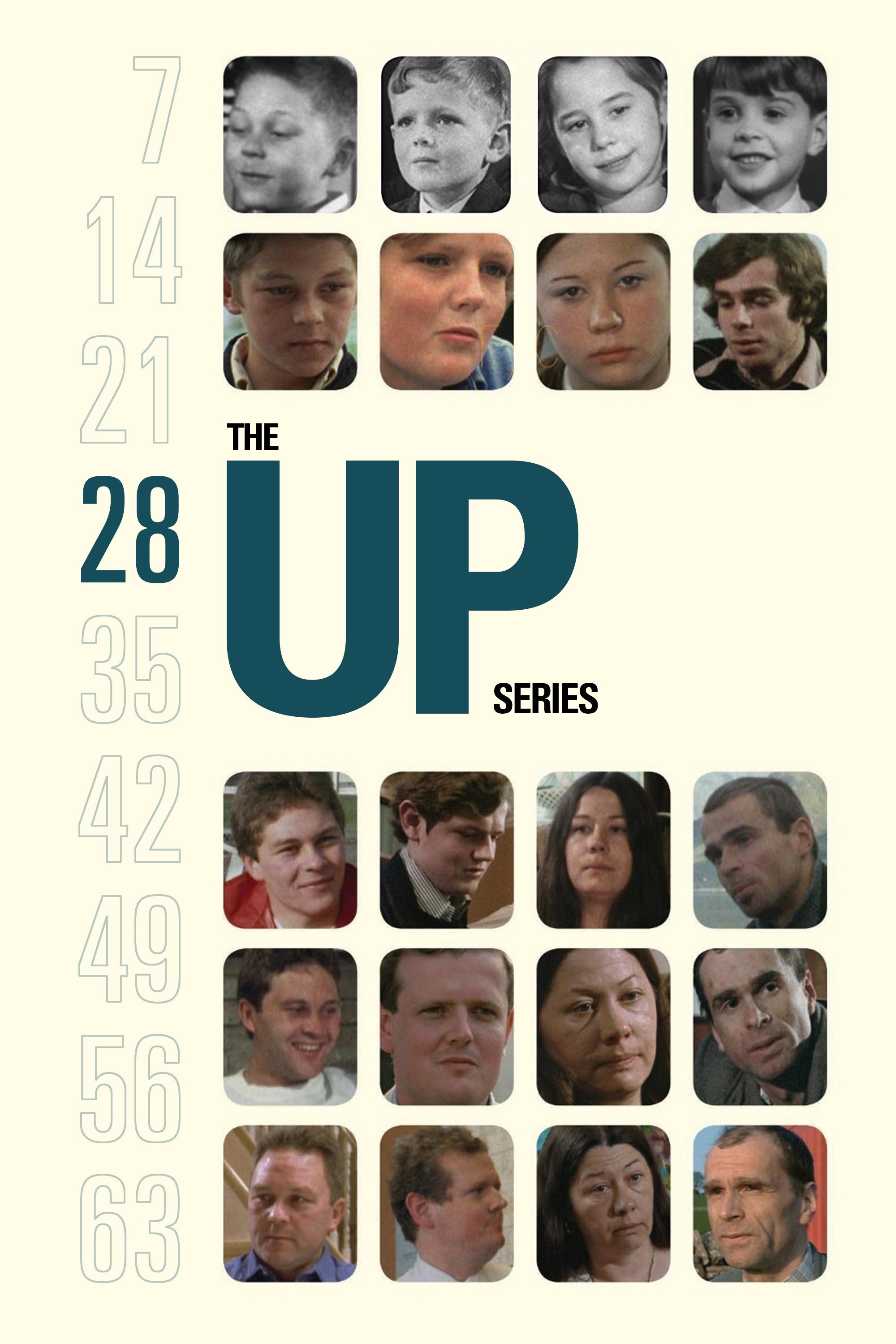
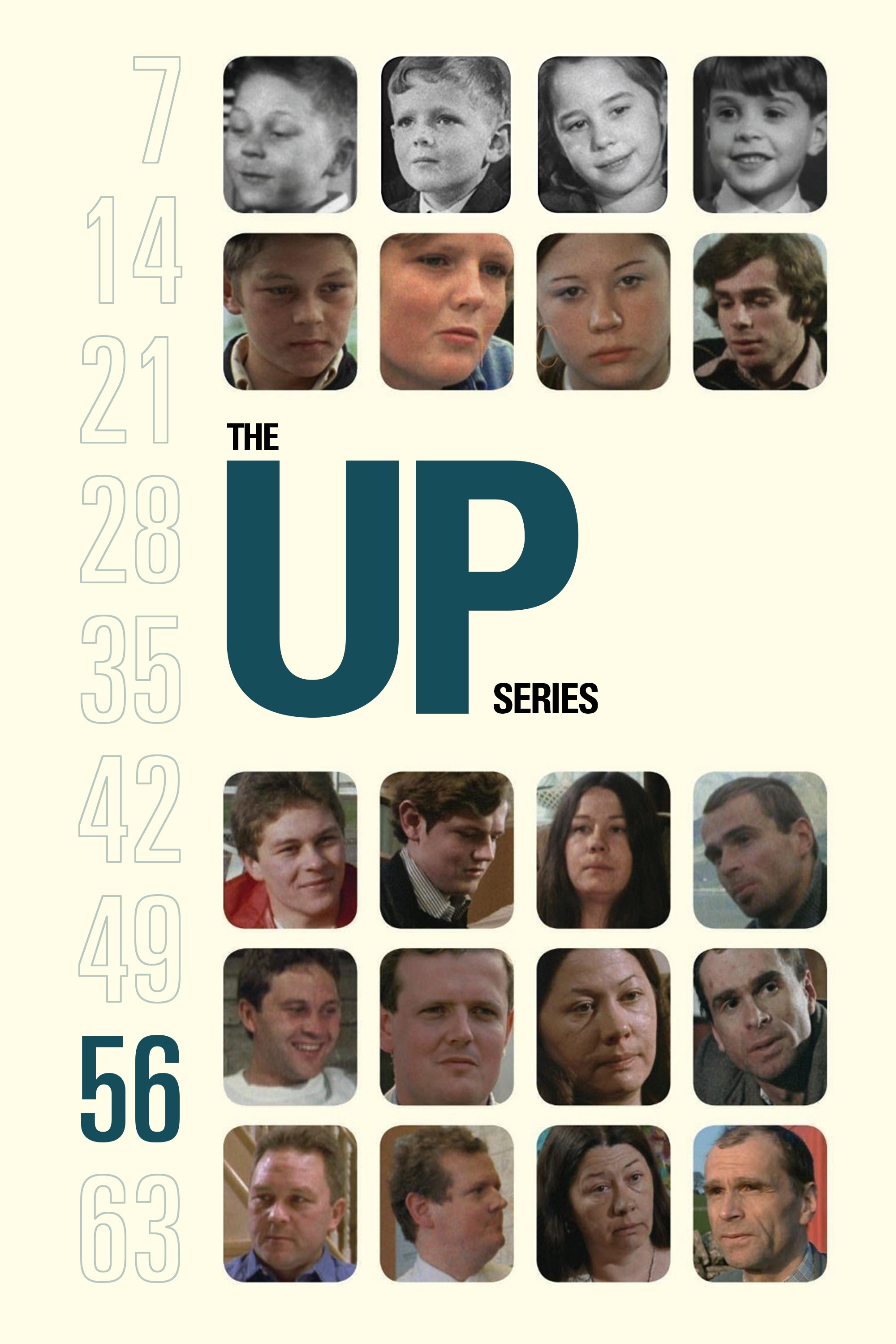
When a cross-section of seven-year-olds were interviewed for 7 Up in 1964 it was immediately evident that their social backgrounds influenced their attitudes towards life. While the upper class children were confident and self-assured, those from middle and working class backgrounds were resigned to a challenging life of hard work. This premise was put to the test every seven years when the same group were interviewed about the progression of their lives. 49 years in the making, the changes that occurred to the original 14 make for fascinating television and are in many ways the stories of all our lives. From success and disappointment, marriage and childbirth, to poverty and illness, nearly every facet of life has been captured on film. Now, at the age of 56, the group are once more brought together and, with the benefit of hindsight, assess whether their lives have been ruled by circumstance or self-determination.
A detailing of the rise to prominence and global sporting superstardom of six supremely talented young Manchester United football players (David Beckham, Nicky Butt, Ryan Giggs, Paul Scholes, Phil and Gary Neville). The film covers the period 1992-1999, culminating in Manchester United's European Cup triumph.
A documentary about the life and films of director John Ford.
A documentary on the expletive's origin, why it offends some people so deeply, and what can be gained from its use.
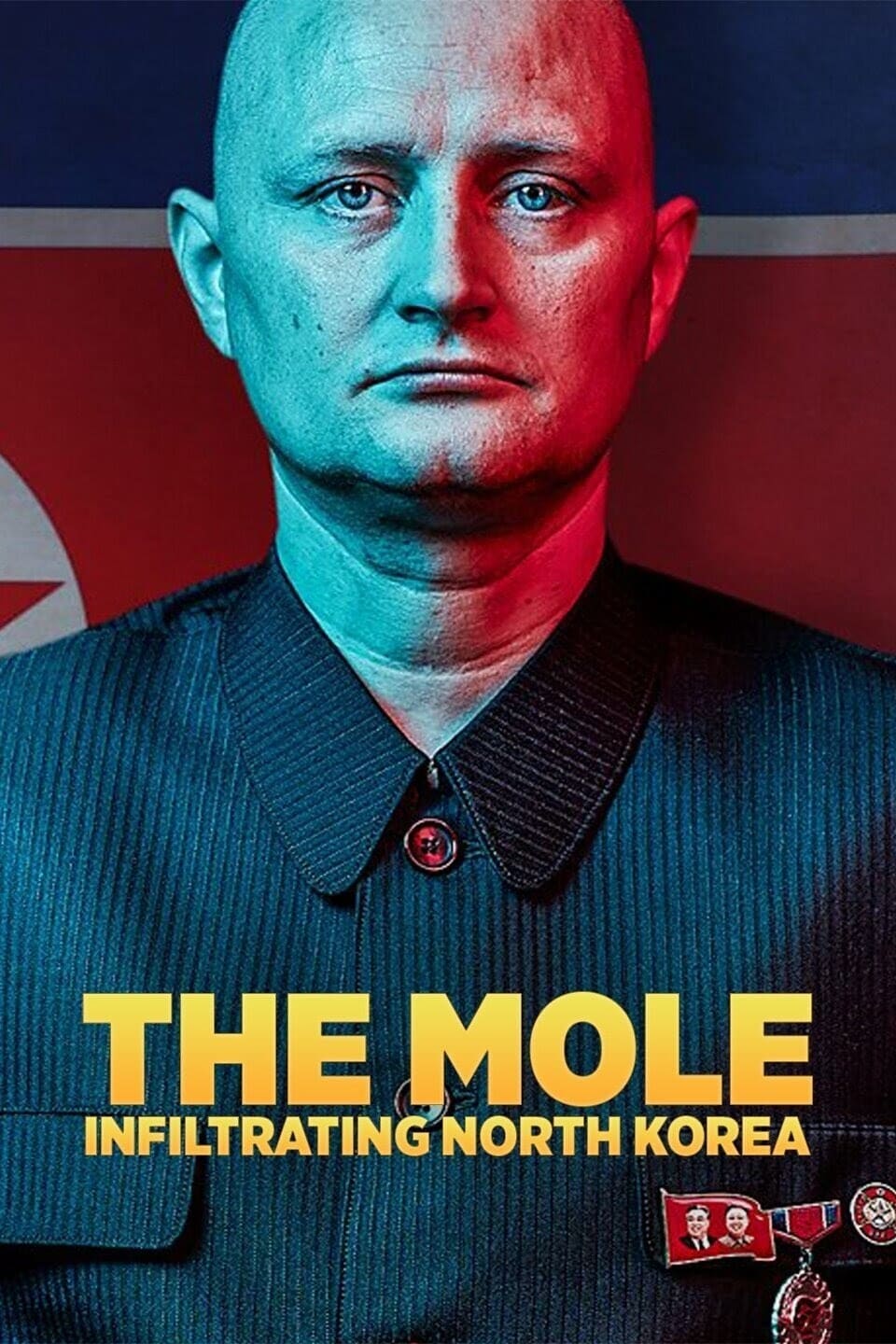
A real-life undercover thriller about two ordinary men who embark on an outrageously dangerous ten-year mission to penetrate the world's most secretive and brutal dictatorship: North Korea.
Through deeply personal interviews with her siblings and an examination of the photographs, letters, and belongings left behind, Mariska assembles a new portrait of her mother Jayne Mansfield, an extraordinary and complex woman.
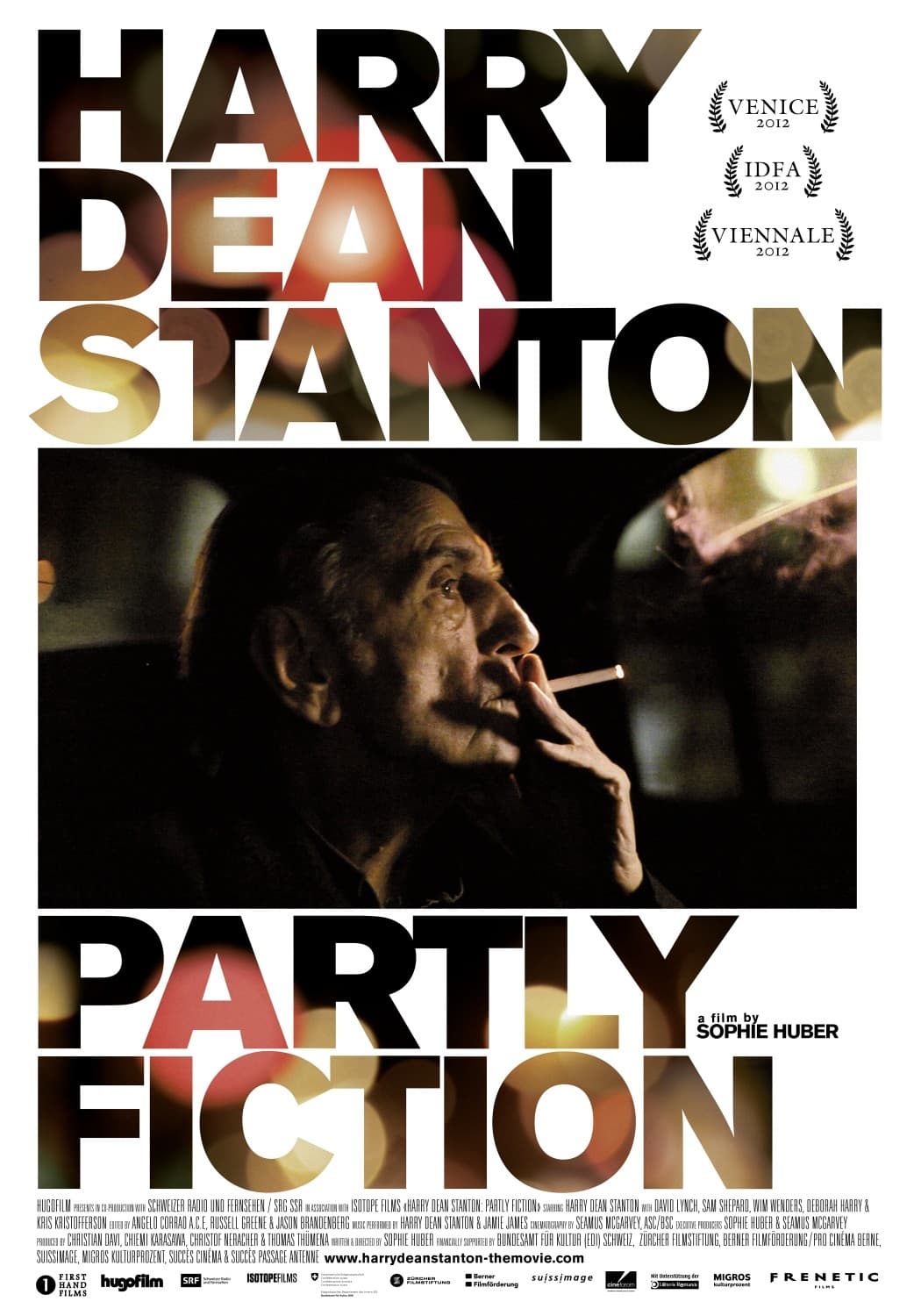
An impressionistic portrait of the iconic actor Harry Dean Stanton comprised of intimate moments, film clips from some of his 250 films and his renditions of American folk songs.
Alexander McQueen's rags-to-riches story is a modern-day fairy tale, laced with the gothic. Mirroring the savage beauty, boldness and vivacity of his design, this documentary is an intimate revelation of McQueen's own world, both tortured and inspired, which celebrates a radical and mesmerizing genius of profound influence.
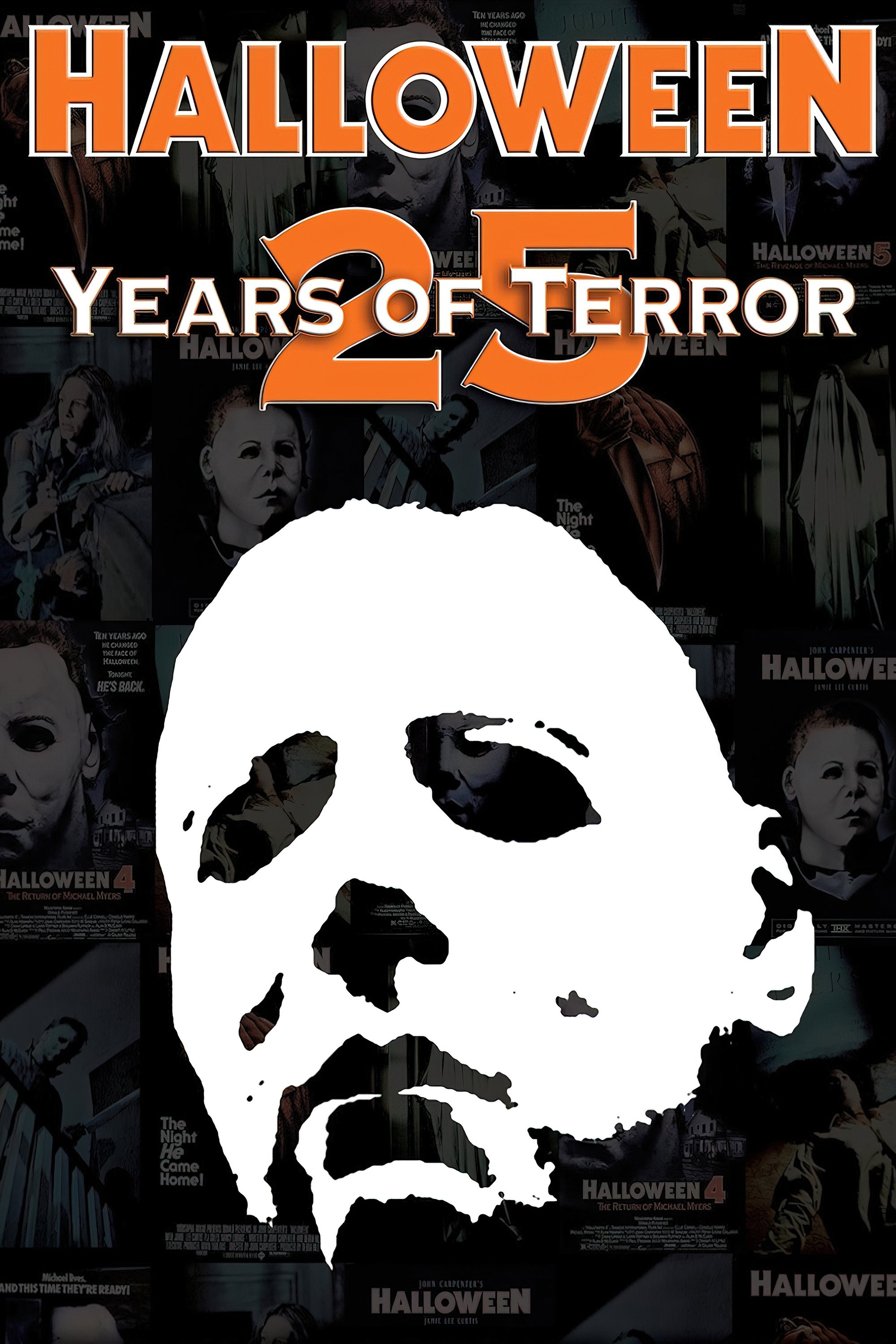
Follow the evolution of the 'Halloween' movies over the past twenty-five years. It examines why the films are so popular and revisits many of the original locations used in the films - seeing the effects on the local community. For the first time, cast, crew, critics and fans join together in the ultimate 'Halloween' retrospective.