Film produced and directed by Ricky Leacock, Edward Pincus, and MIT Center for Advanced Visual Studies documenting the Centerbeam kinetic sculpture project and its first installation at documenta 6 in Kassel, Germany in 1977
Social & External
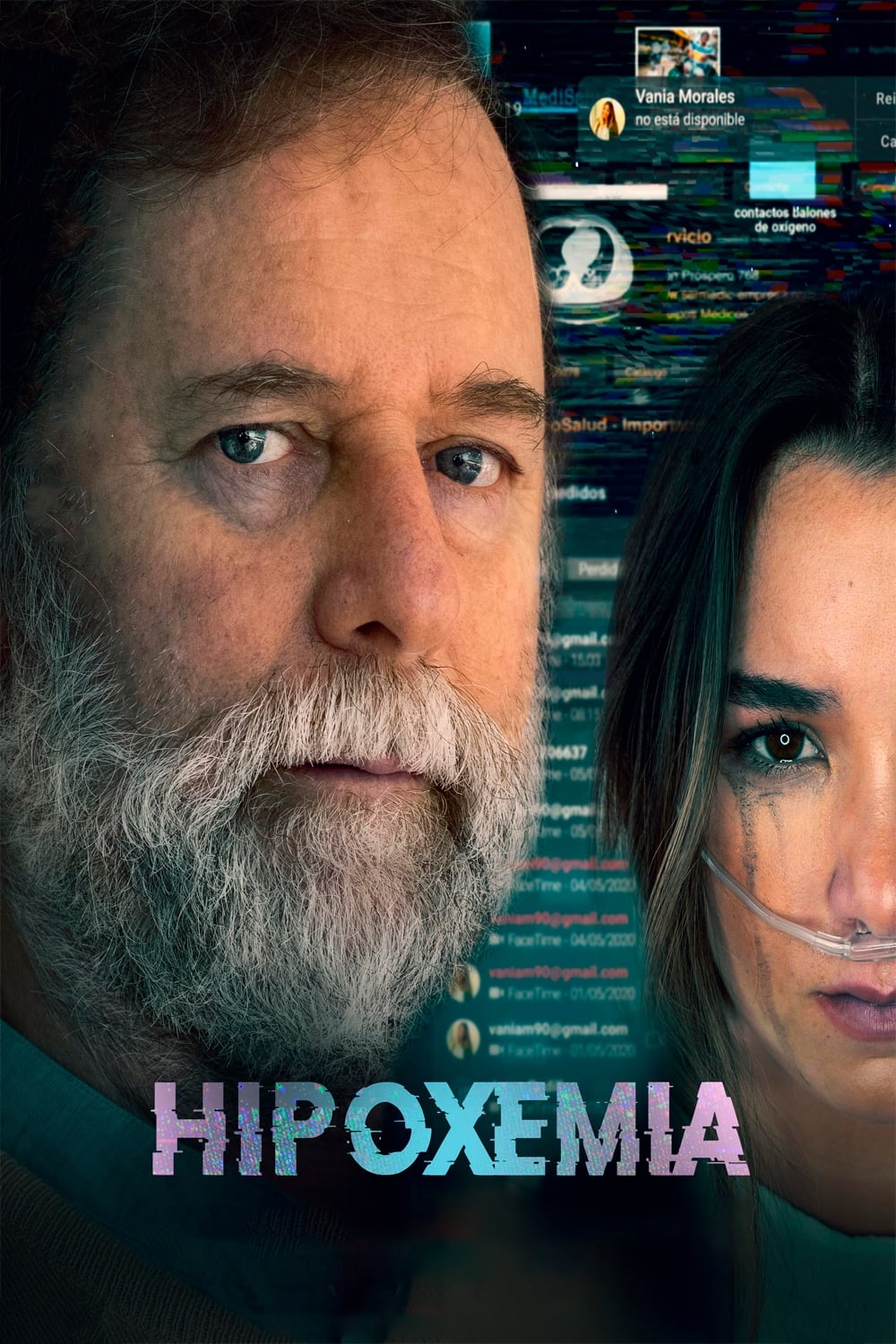
Wilfredo Morales, a man whose daughter is a bachelor of medicine, is infected while working in the midst of the COVID-19 pandemic, having to face a poor health system, he starts a race against the clock: Wilfredo only has 2 hours to Find an oxygen balloon and a mechanical ventilator before it's too late.
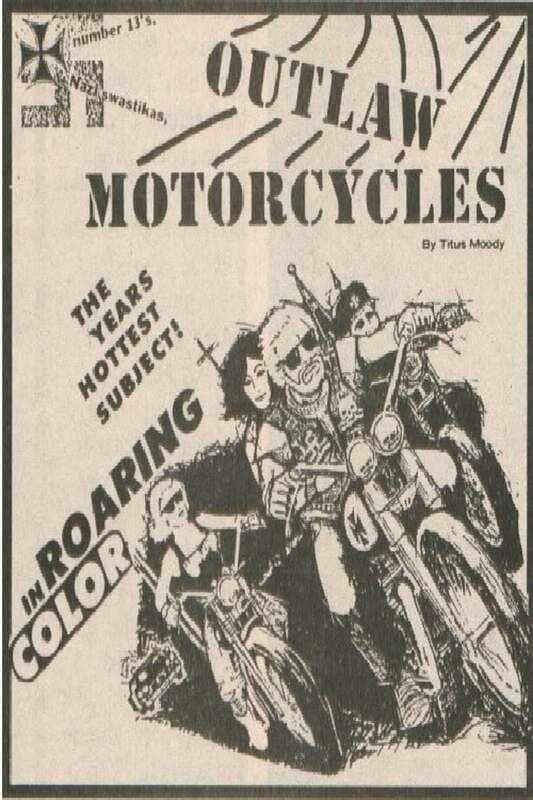
In 1965 actor and hopeful first time director Titus Moede befriended ‘Preacher’ of the outlaw motorcycle club the Coffin Cheaters while looking for a project. He soon realized that this was exactly the subject he had been looking for.
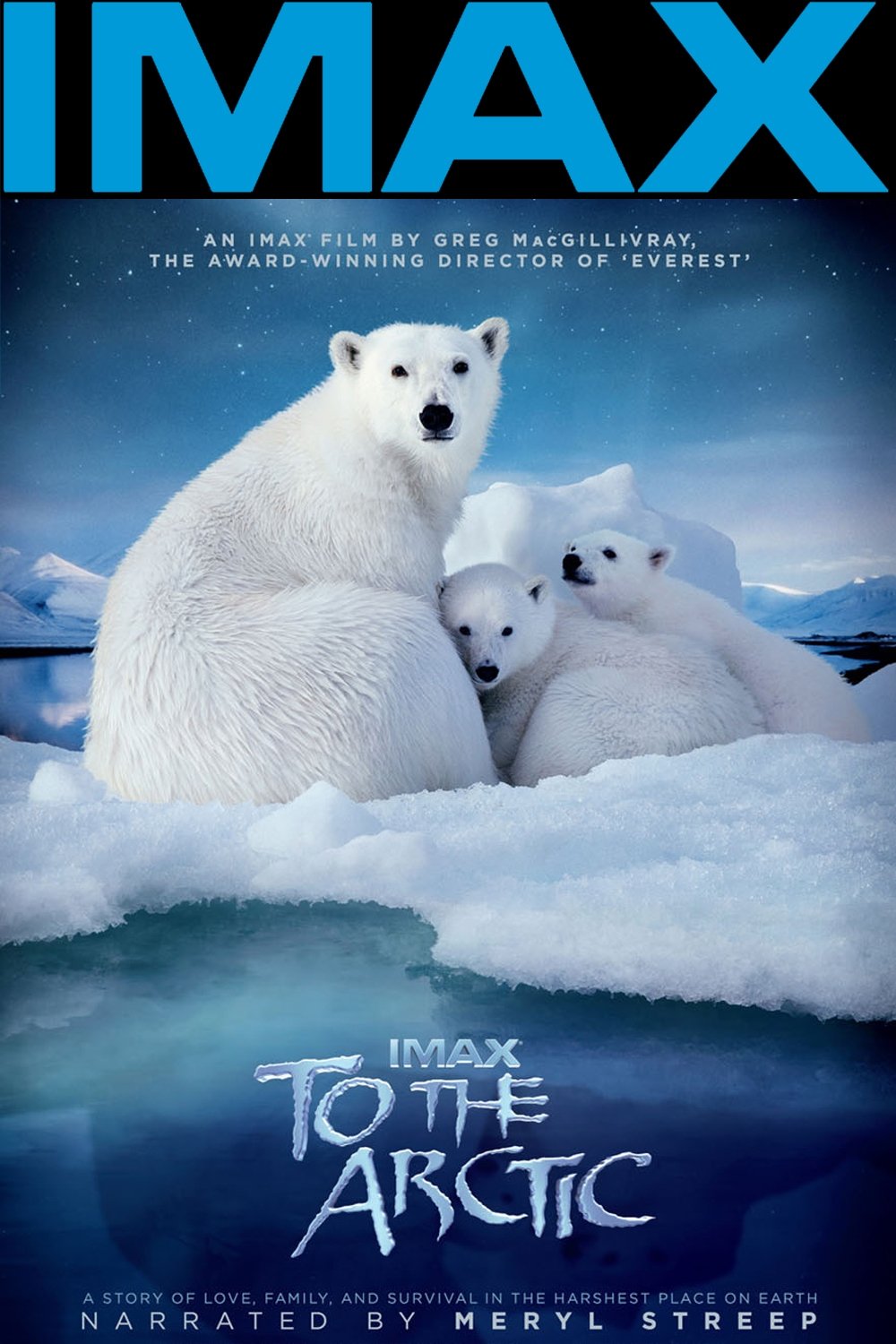
A journey into the lives of a mother polar bear and her two seven-month-old cubs as they navigate the changing Arctic wilderness they call home.
What does it mean to be goth—to be an outsider, to live both on the margins and in the midst of society? Filmmakers Jordan Hemingway and Alban Adam prize open the coffin on a world of darkness and light, exploring its multiplicities and intersections with subcultures and the ever-present experience of queerness.
Short doc about the "Miss Berlin" beauty contest in 1987.
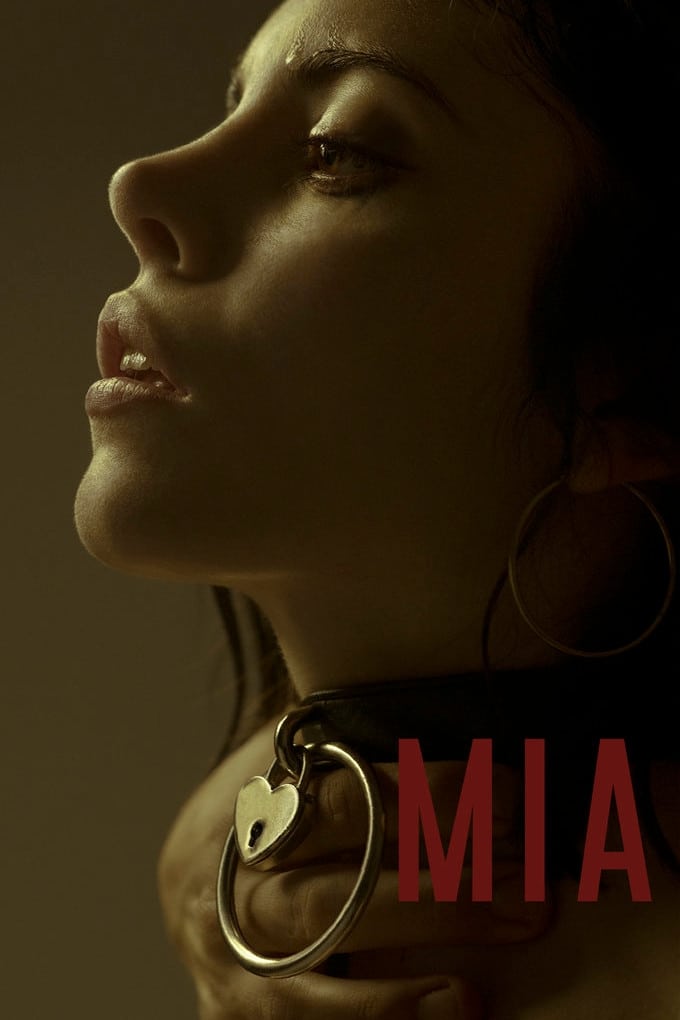
Mia recounts her most intimate confessions, uncensored, in her first approach to a totally new world of domination and submission.
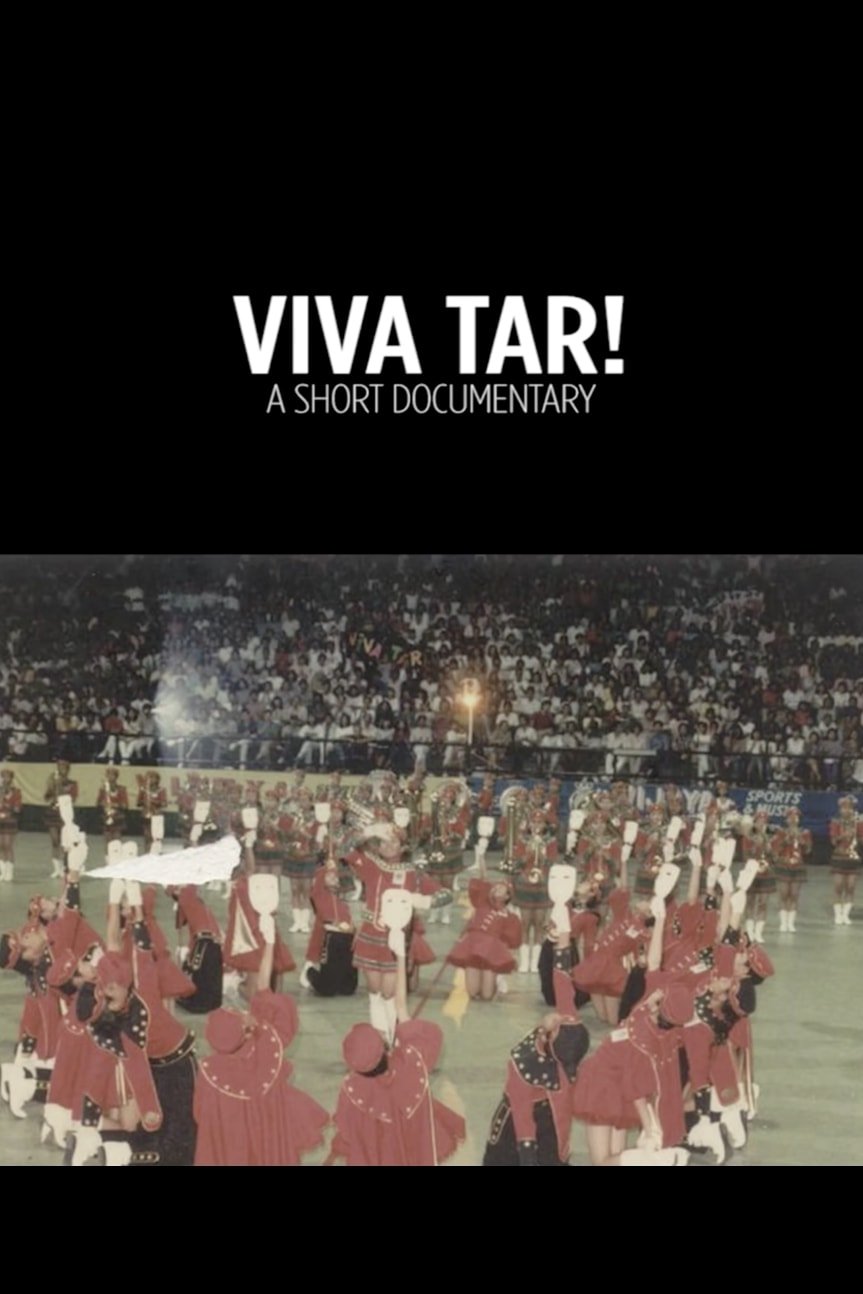
From the lens of its alumni, this film chronicles about the history of Marching Band Korps Putri Tarakanita, a marching band extracurricular that continues its legacy to this day.
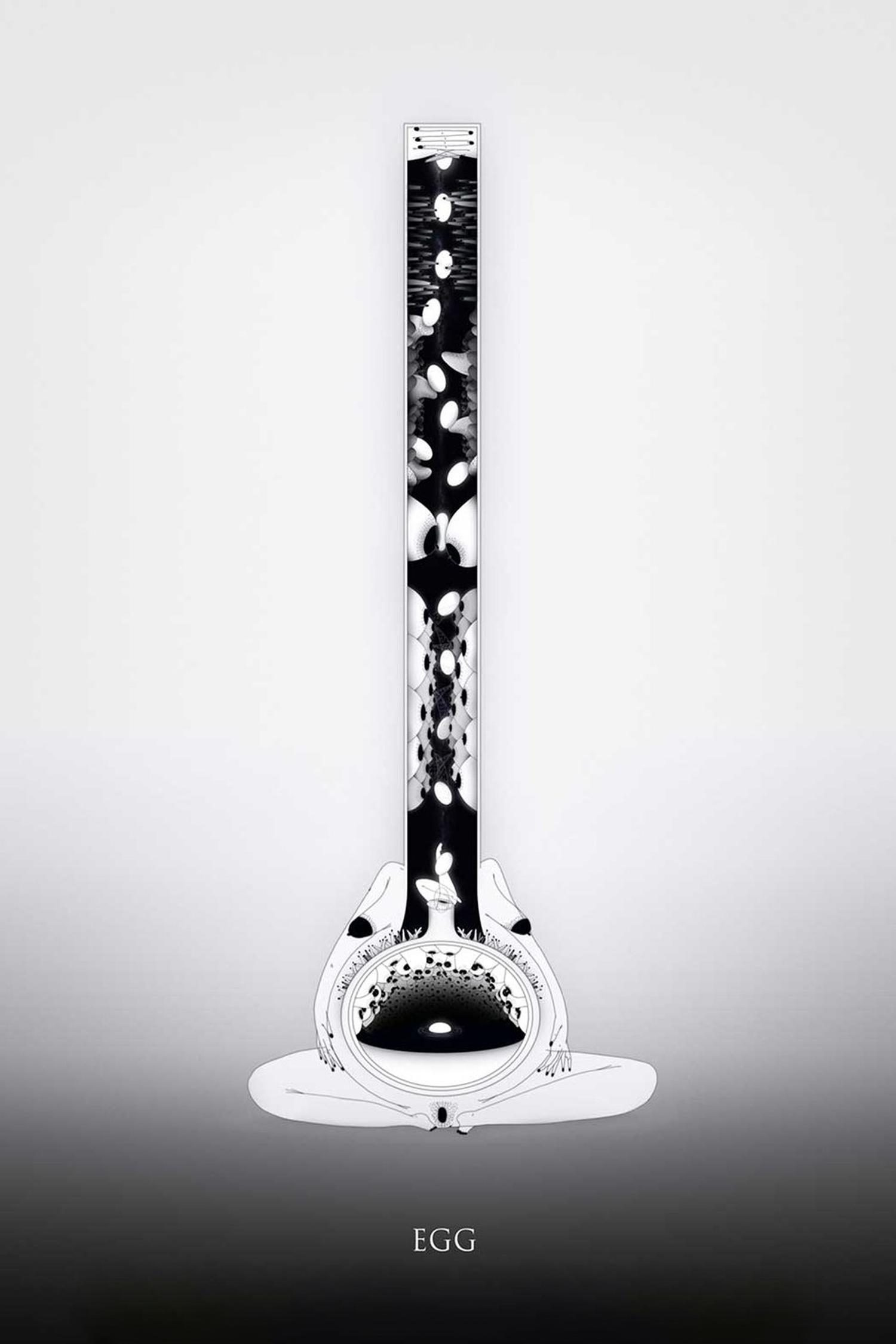
A woman is locked in her home with an egg, which she is both attracted to and scared of. She eats the egg, she repents. She kills it. She lets the egg die of hunger. EGG is a poetic short film based on a small yet significant moment of the director’s own life. It portrays a moment of shame, defeat and yet of victory.
40,000 years in the making: Kogonada's video essay created for The Connected Series.
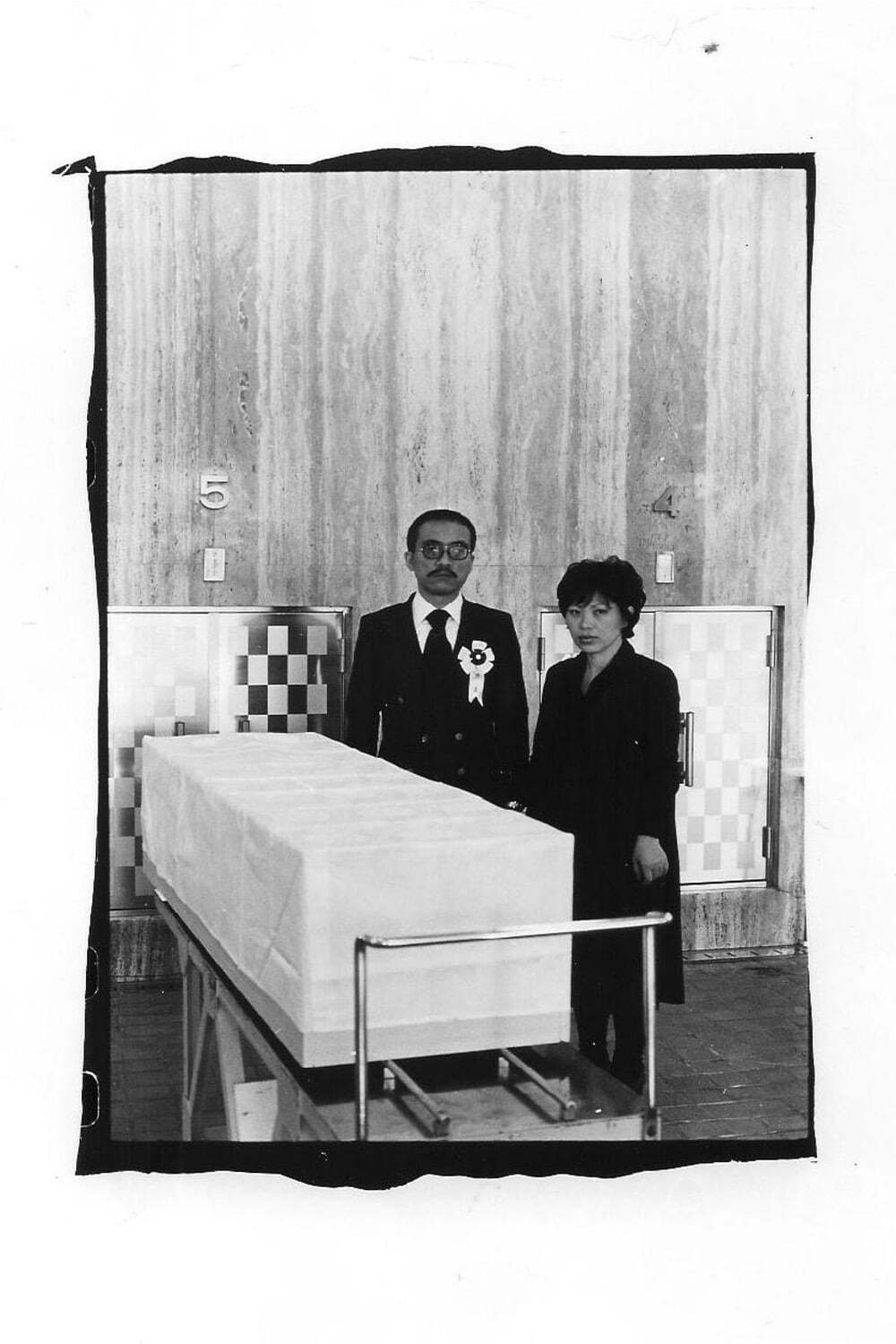
This work was started in 1967 as a documentation of Nakajima’s life. The footage was edited into a single piece for the first time in 1974, in time to show the work to the curator Barbara London, who was visiting Japan. Generations of his family were lost and gained that year, with Nakajima's mother passing away, and then his child was born. The piece is an installation with two monitors; the left presents his mother and himself, and the right, his child and himself. Nakajima continues to work on the sequels of "My Life" with his grandchild.
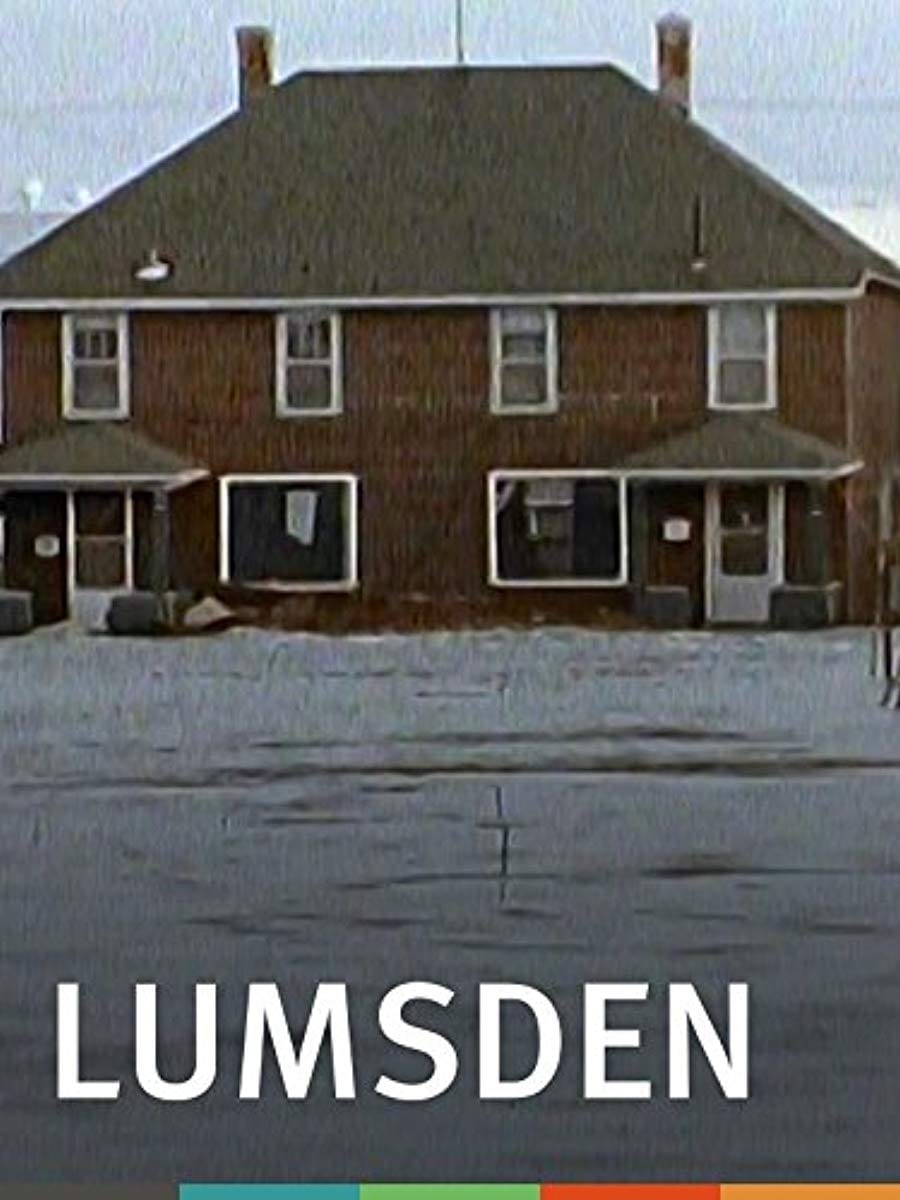
Lumsden, Saskatchewan is a town of 850 citizens on a river called the Qu'Appelle. In the spring of 1974, the river doubled its volume and threatened to flood the town. The townspeople organized themselves and the whole province stood behind them. Lumsden is the story of an incredible battle against impossible odds.
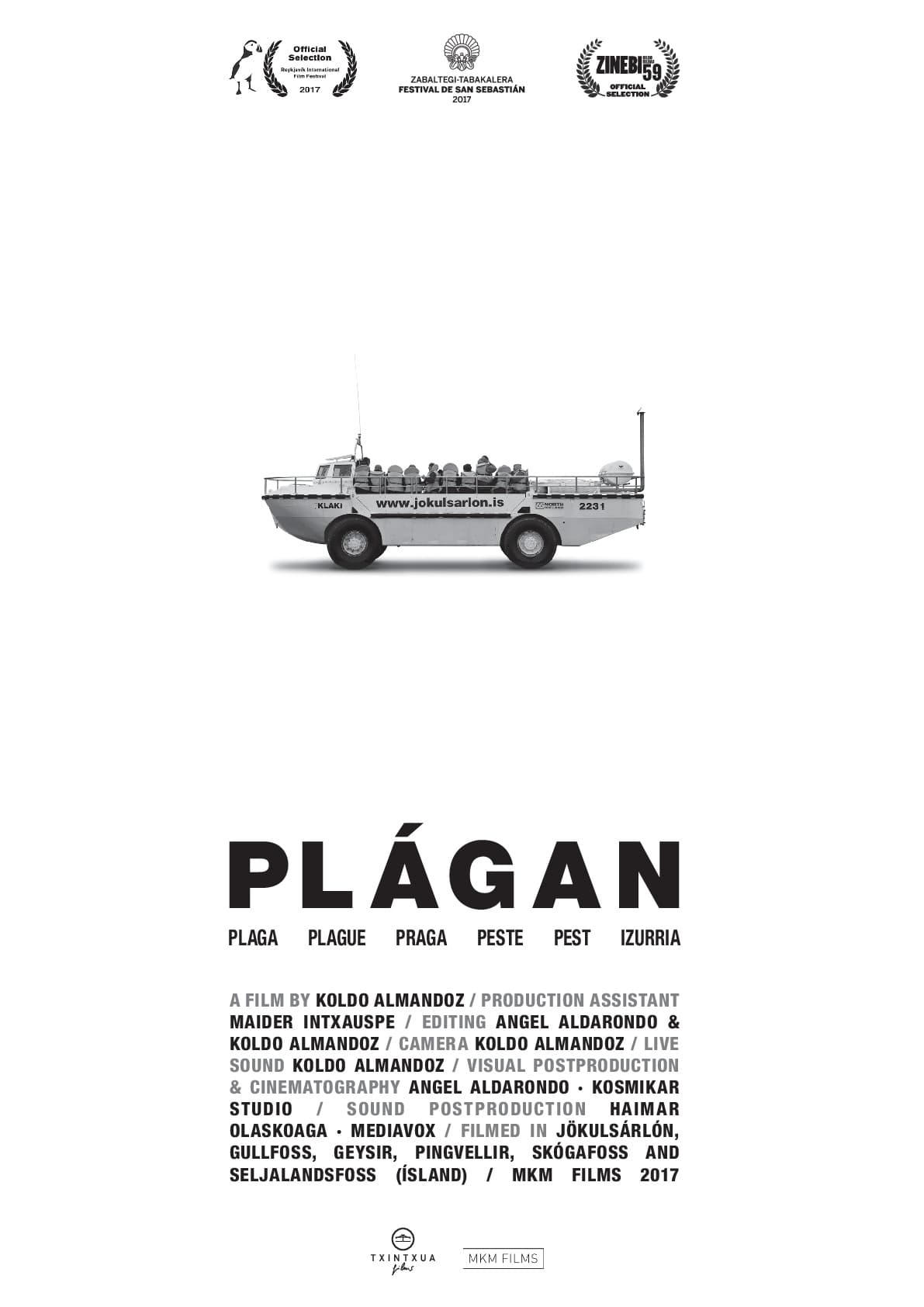
Plague: From the Latin word “plaga” meaning 'blow', 'wound'. Meaning: Massive, sudden appearance of living beings of the same species that cause serious damage to animal or plant populations. Abundance of something harmful.
A woman attends a party where she is observed by and finally meets a mysterious guest.
Each portrayed painter produced an experimental animated short film to be featured in this film. A short film by Herbert Seggelke.
Documentary short film extolling the virtues of the American Community Chest charity program and its value to the Allied war effort.
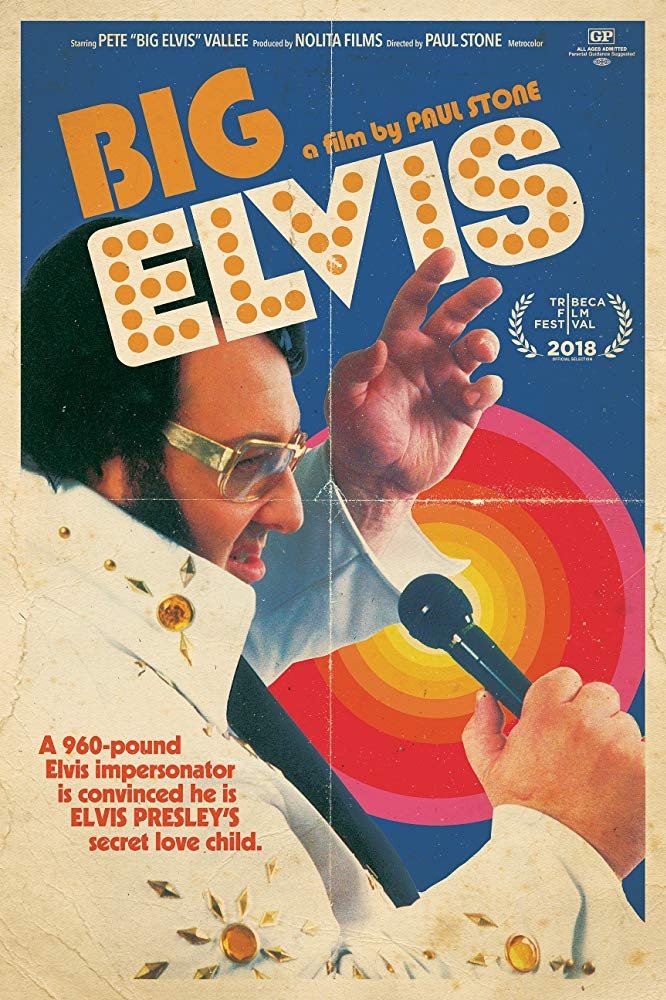
A 960-pound Elvis impersonator is absolutely convinced he is Elvis Presley's secret love child.
In 1971, John Lennon and Yoko Ono embark on a search for a girl named Kyoko. On April 23rd, they are arrested by the police at a hotel in Palma de Mallorca, Spain.
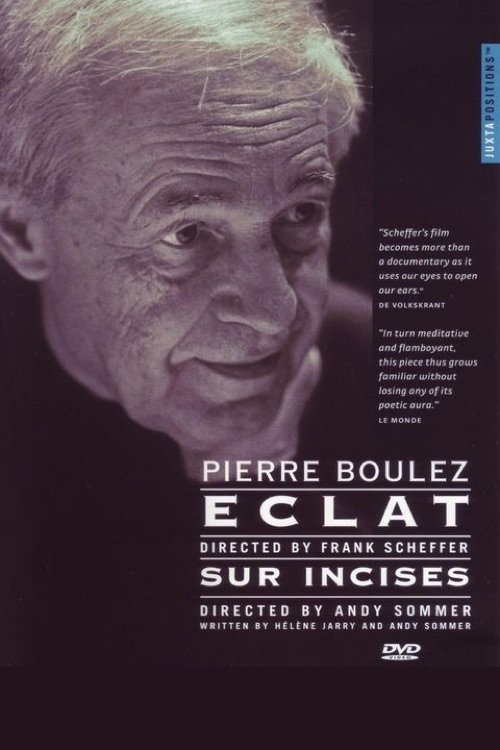
Eclat is a fascinating documentary about the work. We witness rehearsals by the Netherlands' Nieuw Ensemble, hear comments about the piece from the composer, conductor Ed Spanjaard and some of the musicians, and we see a full performance of the work. Eclat ("To burst out") is a beautiful example of the strangely lyrical pointillist style that Boulez had inherited from Anton von Webern. Aural pinwheels and shifting musical kaleidoscopes with stunning instrumental color is the only way to verbally describe what must be heard to be understood. This is definitely not for those who hate "modern" music. For those who respond to contemporary music, this piece is masterful and this film is a must-see!
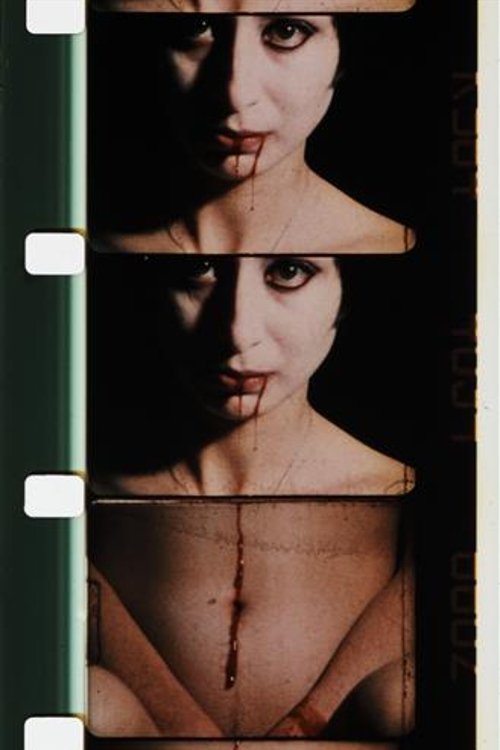
With this film-manifesto, the two artists invent what they called the Cinéma corporel (Cinema of the Body), they present themselves as a "double auteur femme" and they lay the foundations of the radical critical and esthetical positions of their work to come. Double Labyrinthe has a mirror structure based on their "mutual gaze": in the first part Katerina performs while filmed by Maria and in the second part Maria performs filmed by Katerina.
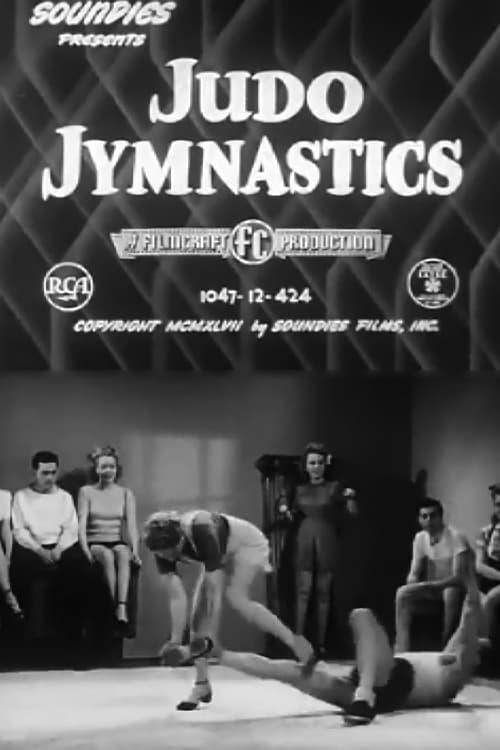
In a gym, a girl is pulling some pulleys, to gain arm strength, while three men and three girls watch a judo demonstration in the middle of the room. A girl wearing a sweater and shorts applies a succession of holds to a young man in a sleeveless undershirt and a black trunks: over the shoulder projection, arm lock, over the hip projection, sideways headlock and knee to the face, sacrifice fall followed by school-girl pin, kidney punching followed by a groin kick, sideways kick to the knee and arm-lock, eye-gouge and kick to the ribs, attack to both legs with arms and legs, arm-lock and tripping followed by a leg blow to the throat, disarming a knife attack from above, and then an up-thrust with the knife, disarming a revolver menace from the back, usage of a leather belt to strangle and throw an attacker, usage of hair holds for control and throw of the opponent, and KO punching. The man simulates different forms of attack and stands gamely every time - except the last.