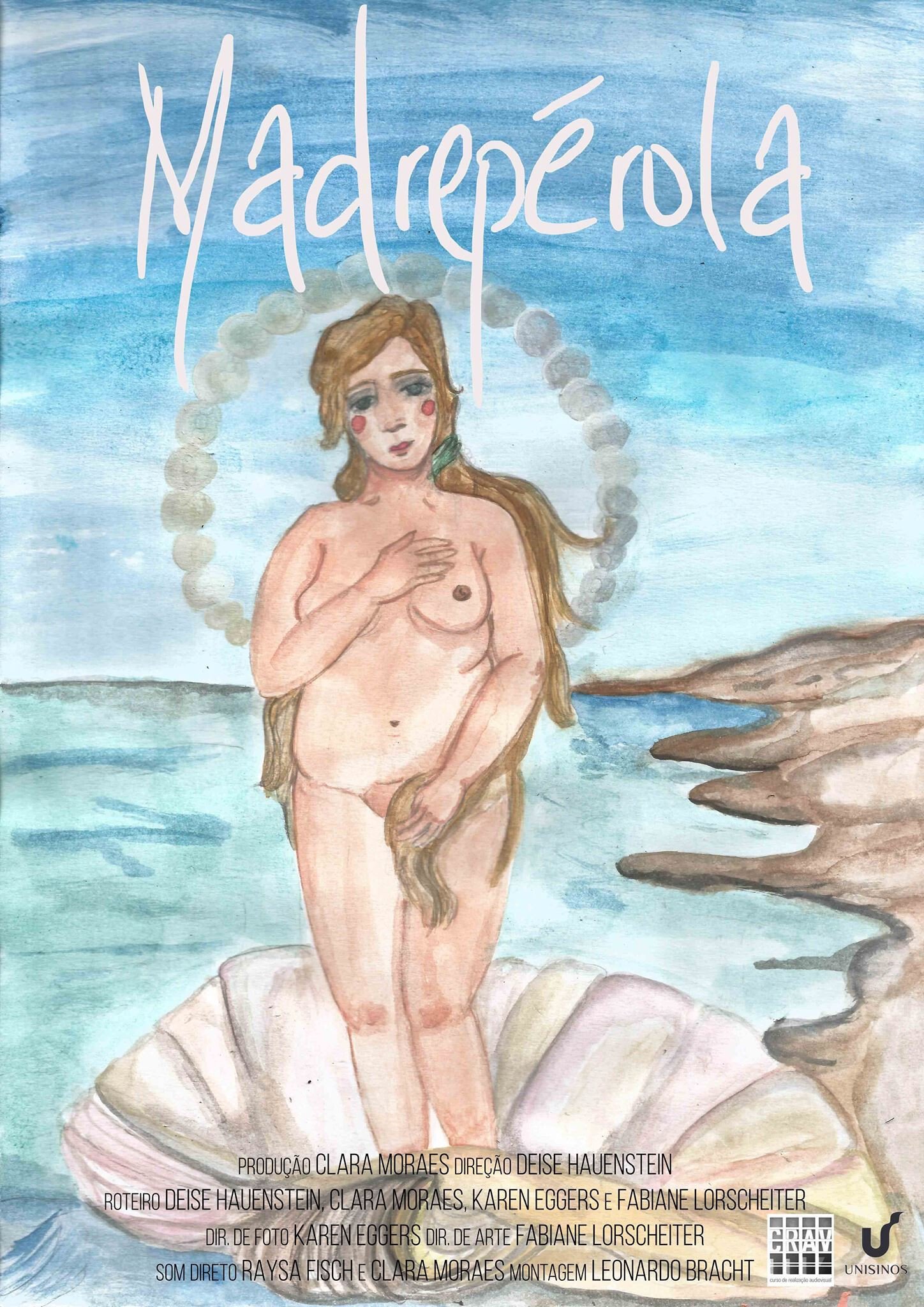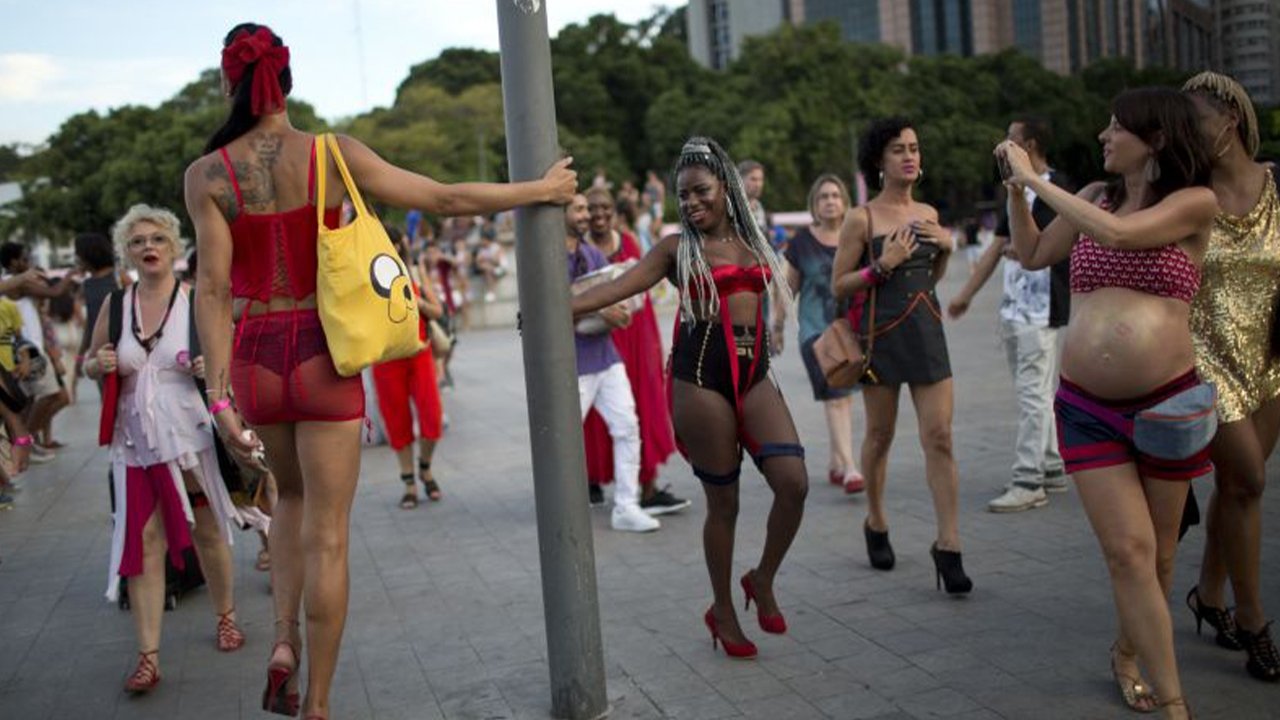
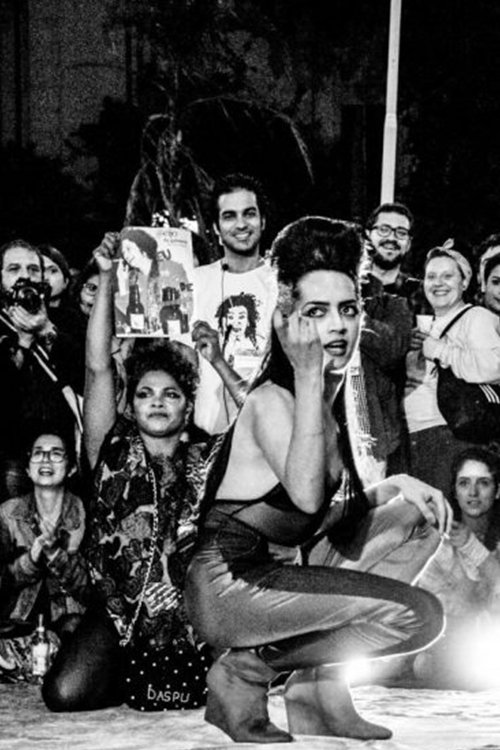
A group of prostitutes in Rio de Janeiro who fight to obtain rights and reduce stigma, create a clothing label that quickly invades Brazilian fashion shows. Poster photo by Daniela Pinheiro.

Social & External
Filmmaker Anand Patwardhan looks to history and psychology as he delves into the possible reasons behind the demolition of the Babri Mosque.

The 1920s saw a revolution in technology, the advent of the recording industry, that created the first class of African-American women to sing their way to fame and fortune. Blues divas such as Bessie Smith, Ma Rainey, and Alberta Hunter created and promoted a working-class vision of blues life that provided an alternative to the Victorian gentility of middle-class manners. In their lives and music, blues women presented themselves as strong, independent women who lived hard lives and were unapologetic about their unconventional choices in clothes, recreational activities, and bed partners. Blues singers disseminated a Black feminism that celebrated emotional resilience and sexual pleasure, no matter the source.
Quiet towns across rural Australia are in the grip of an Ice epidemic. Major international drug cartels are working with local outlawed motorcycle gangs to push crystal meth to a captive market of children.
An exploration —manipulated and staged— of life in Las Hurdes, in the province of Cáceres, in Extremadura, Spain, as it was in 1932. Insalubrity, misery and lack of opportunities provoke the emigration of young people and the solitude of those who remain in the desolation of one of the poorest and least developed Spanish regions at that time.
Oxana is a woman, a fighter, an artist. As a teenager, her passion for iconography almost inspires her to join a convent, but in the end she decides to devote her talents to the Femen movement. With Anna, Inna and Sasha, she founds the famous feminist group which protests against the regime and which will see her leave her homeland, Ukraine, and travel all over Europe. Driven by a creative zeal and a desire to change the world, Oxana allows us a glimpse into her world and her personality, which is as unassuming, mesmerising and vibrant as her passionate artworks.
The Jeepney is a common affordable transportation in the Philippines. Made from abandoned American Jeeps during World War II, the Jeepney remains a symbolic figure of the Philippine identity.
At the beginning of the 80s, the antinuclear movement was in full expansion internationally and also in the Basque Country. In addition to the three plants that were about to be built on the coast (Lemoiz, Ea-Ispaster and Deba), a fourth was planned to be built in Arguedas. To protest against this, mobilizations were organized in Tudela. Gladys del Estal Ferreño traveled to Tudela, but did not return. In that peaceful demonstration, she was killed by the gunshot of a Civil Guard. This documentary, following the Gladys incident, tries to make a portrait of a social movement that attracted the majority of Basque society at that time.
A documentary film by Canadian Director Debra Kellner, produced by Frank Giustra, Serge Lalou, and Richard Copans. Inside My Heart chronicles the plight of three refugee families fleeing their war torn countries over a period of nearly 3 years. Despite having lost everything and their harrowing stories about the atrocities of war, each family continues their fight to stay alive. Unable to return to their countries without the risk of being killed, today they are forced to live with the consequences of their broken dreams.
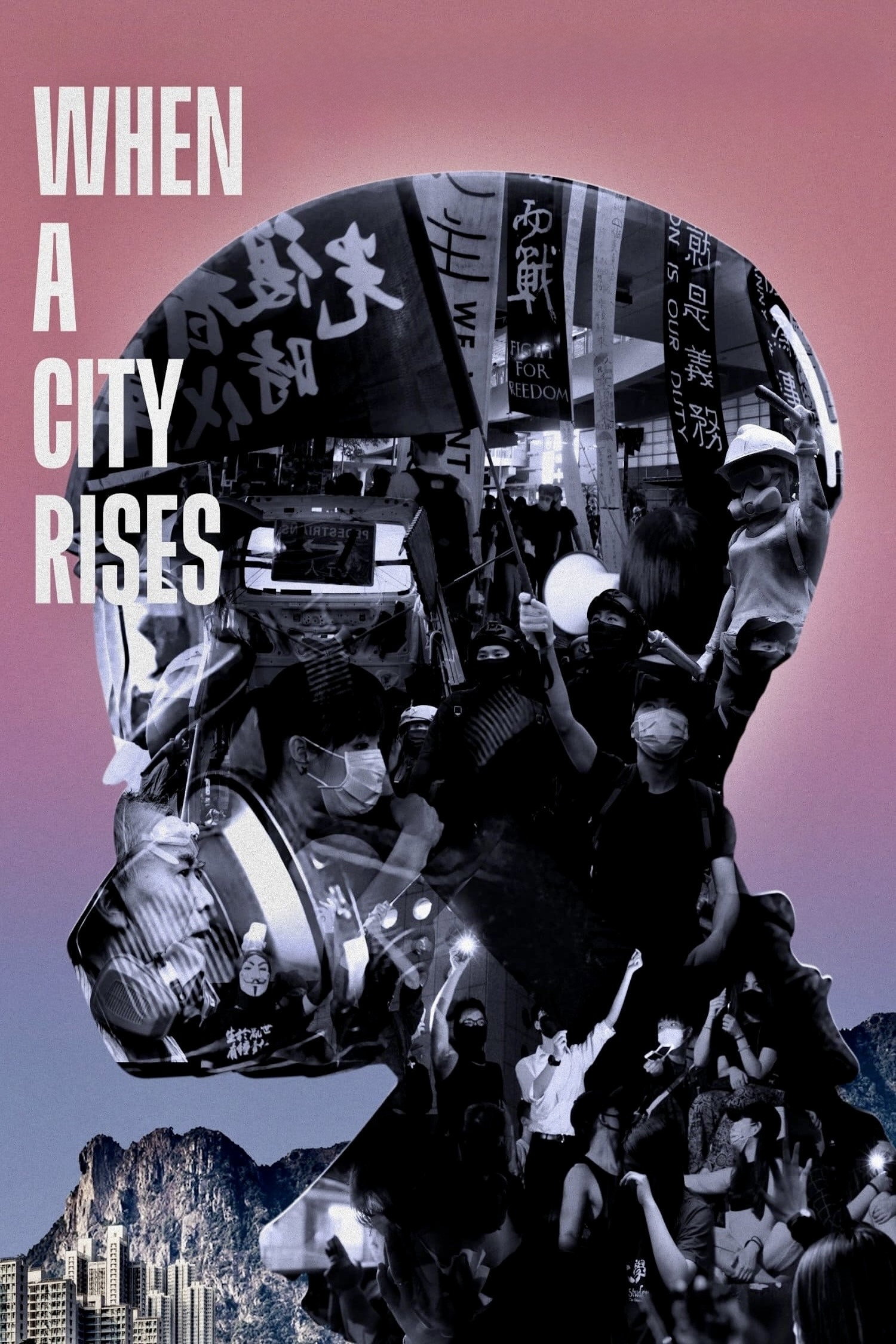
Throughout Hong Kong’s history, Hongkongers have fought for freedom and democracy but have yet to succeed. In 2019, a controversial extradition bill was introduced that would allow Hongkongers to be tried in mainland China. This decision spurred massive protests, riots, and resistance against heavy-handed Chinese rule over the City-State. Award-winning director Kiwi Chow documents the events to tell the story of the movement, with both a macro view of its historical context and footage and interviews from protestors on the front lines.
Shut Up and Sing is a documentary about the country band from Texas called the Dixie Chicks and how one tiny comment against President Bush dropped their number one hit off the charts and caused fans to hate them, destroy their CD’s, and protest at their concerts. A film about freedom of speech gone out of control and the three girls lives that were forever changed by a small anti-Bush comment
This third opus will take us into the homes of some of the Adamant and Averroes & Rosa Parks’ protagonists, during the visits led by their caregivers.
A documentary about the Swedish rapper and artist Silvana Imam.
For four years (1977-1981) Esaias Baitel documented a violent Parisian neo-Nazi gang. Having gained their trust, he was able to get close to them. Living among the gang members, he witnessed horrific events, and while hiding his real identity, he photographed a one-of-a-kind collection of gripping stills. Over thirty years have passed. Esaias Baitel has laid his camera down. He returns to the dark nights he spent in the City of Lights, the city where he lived a double life, going back and forth from the gang to the young family he had just started.
A documentary film exposing the truth about psychics and fortune-tellers. All the ins and outs of magical TV shows and services of the most famous psychics with evidence, names and prices.
Jamie Johnson takes the exploration of wealth that he began in Born Rich one step further. The One Percent, refers to the tiny percentage of Americans who control nearly half the wealth of the U.S. Johnson's thesis is that this wealth in the hands of so few people is a danger to our very way of life.
The history of Hip-Hop / Urban fashion and its rise from southern cotton plantations to the gangs of 1970s in the South Bronx, to corporate America, and everywhere in-between. Supported by rich archival materials and in-depth interviews with individuals crucial to the evolution of a way of life--and the outsiders who studied and admired them – Fresh Dressed goes to the core of where style was born on the black and brown side of town.
Juxtaposing scenes from the 1967 Royal Commission on the Status of Women with the 2nd Pan-Canadian Young Feminist Gathering in 2011 in Winnipeg, organized by the rebELLEs movement, the film explores the progress made on concerns raised 45 years ago: universal childcare, violence against women, and abortion access.
100 years ago Mata Hari faced the firing squad as a convicted Dutch spy. It was at this moment that the legend of Mata Hari, the seductive spy, was born. Newly-discovered documents cast doubt on her guilt and reveal startling truths about her life. Mata Hari was a self-made woman whose boldness and sexuality threatened the male establishment. Most of what we've known about her until now has largely been myth. Mata Hari's challenges as an abused wife, single mother and a creative independent woman are familiar to women around the world. At the turn of the century, her struggles to attain sexual freedom, artistic expression, and liberation from the constraints of conventional society are the same ones women face today. She graced the cover of Vogue, performed all over Europe and left a coterie of smitten admirers in her wake.
The art of drag represents an artistic transformation where individuals create characters by amplifying gendered traits, challenging established social norms. This practice, known for its spectacular performances, has evolved through periods of repression and acceptance. Through humor and self-mockery, drag disrupts conventions and is deeply rooted in the history of LGBT+ movements. This documentary traces the history of Drag in France and around the world, from William Dorsey Swann—a young emancipated slave considered the first drag queen—to RuPaul, Nicky Doll, and Paloma. Featuring contributions from historians, anthropologists, and sociologists specialized in drag, as well as testimonies from drag artists who are shaping or have shaped this history.