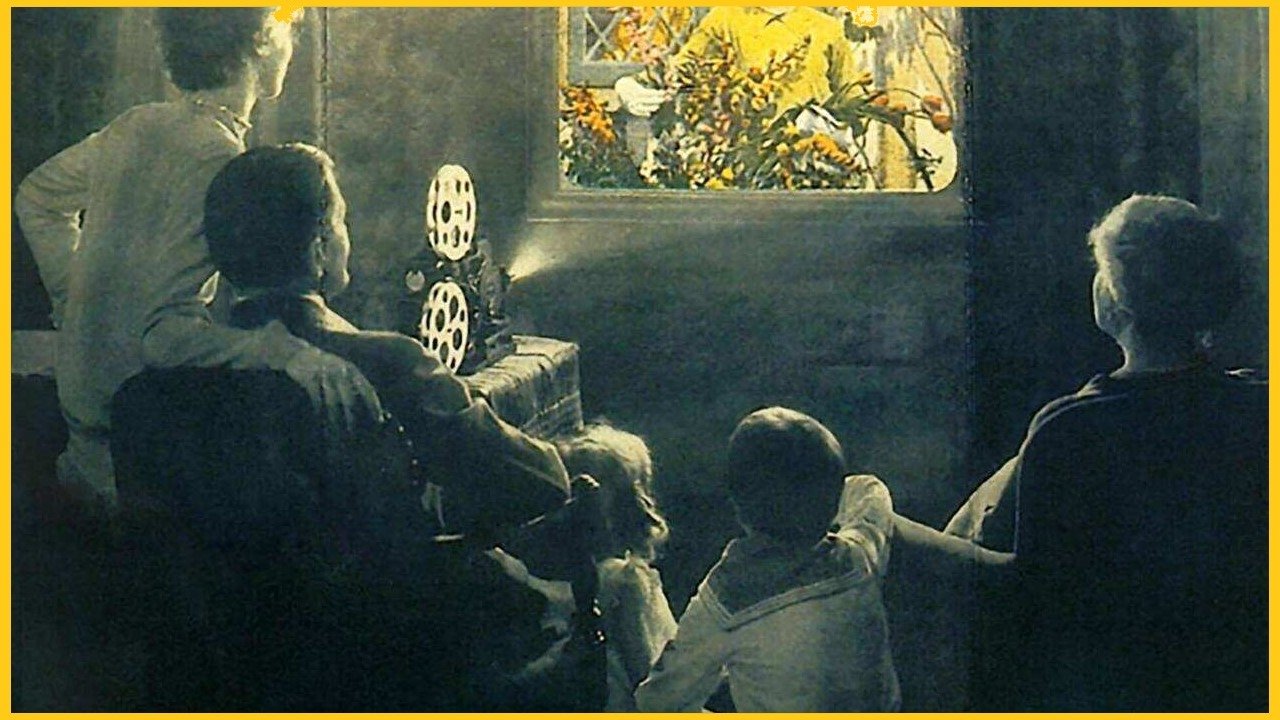
Art and science have worked together to allow cinema to switch to color. Numerous processes have succeeded one another to try to solve this difficulty.
Social & External
The people behind it
Leonard Maltin
Narrator
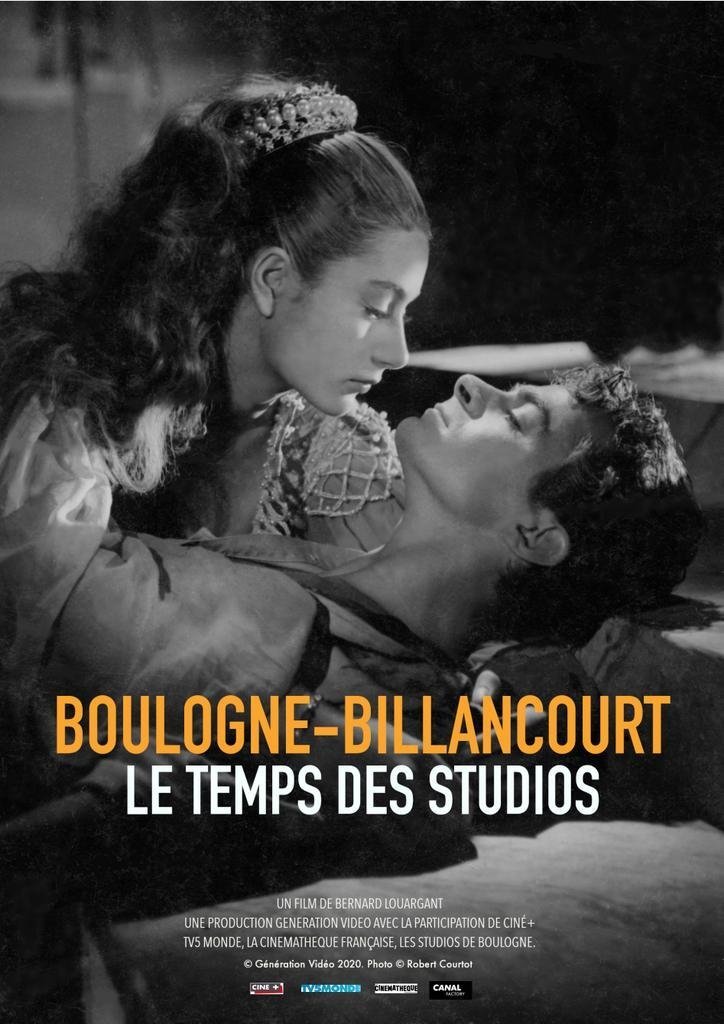
Since 1922, Boulogne-Billancourt cinema studios have welcomed the greatest actors, directors and technicians of French cinema and have given birth to many masterpieces.
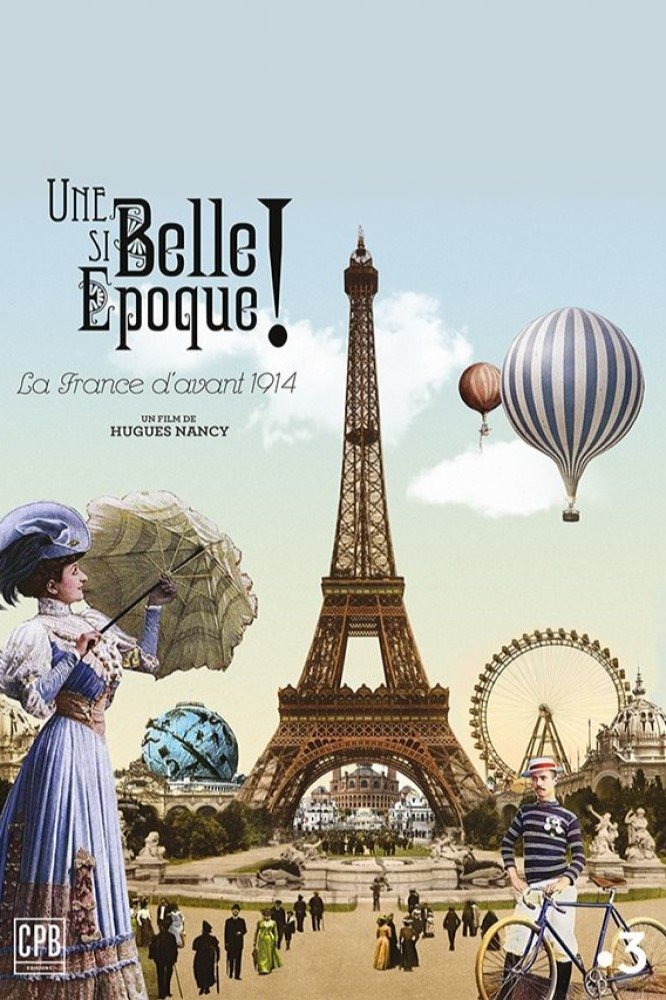
In 1900, the eyes of the whole world are on Paris. The World's Fair welcomed 50 million amazed visitors, and the city celebrated itself in a glamorous era. This period went down in history as the "Belle Époque." Elaborately restored and colorized historical photographs bring to life the exciting life in Paris between the end of the 19th century and the beginning of World War I in 1914. Bicycles, cars, airplanes, moving pictures, newly founded film studios, revolutionary composers and painters, avant-garde ballet performances, fashion houses, summer resorts on the Atlantic coast – life was intoxicating. People celebrate in the variety shows, cabarets, and revue theaters of Paris. Moulin Rouge, Folies Bergères, Bal Tabarin—in Paris, the nights are long and life is too short to sleep through. It is a dance on the volcano, given the political developments in the world.
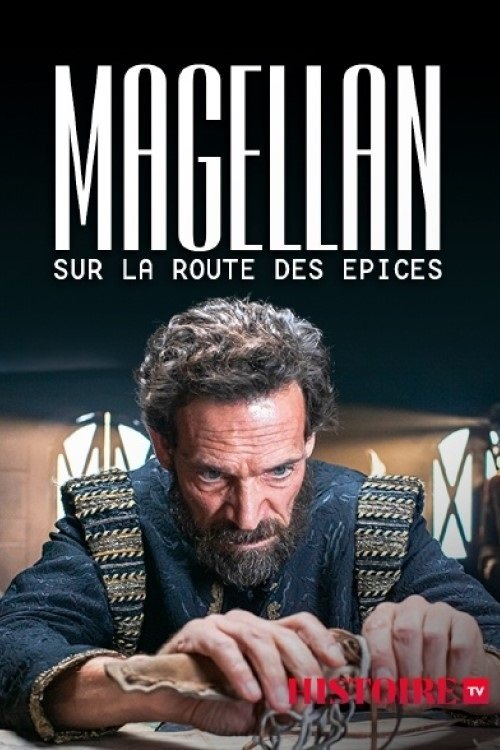
In 1519, Portuguese explorer Fernand de Magellan and his men embarked on an expedition that would forever change the way we see the world. Like Christopher Columbus before him, he set out in search of a western sea route to Asia's legendary Moluccan archipelago.
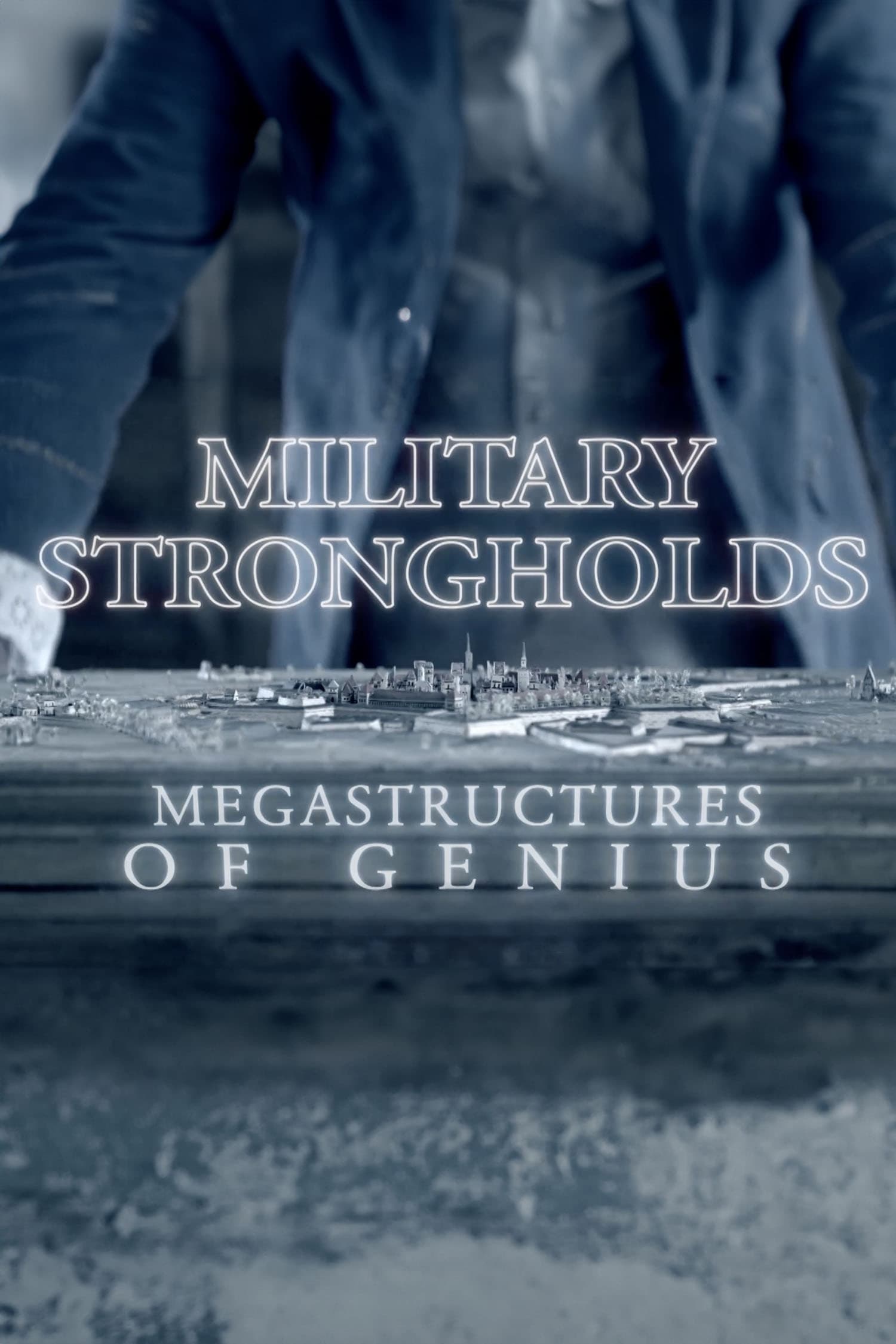
In the heart of central Europe are some of the world’s most impenetrable military strongholds. In France, 160 megastructure fortresses still line the country’s borders 3 centuries after they were constructed. As solid as ever, how did they withstand attack after attack? Was the secret in their materials? Their shape? In fact, the strength and resilience of these megastructures is due to the genius of one man: Sébastien le Prestre de Vauban.
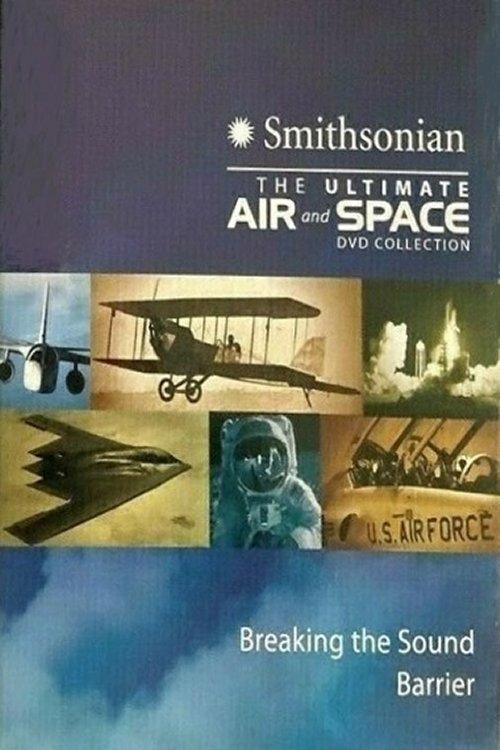
On October 14, 1947, Captain Chuck Yeager accomplished what many thought was impossible: he broke the sound barrier and in doing so, changed aviation history forever. Behind this remarkable achievement was a dedicated team of rocket scientists and engineers, and one incredible plane, a Bell X-1 named "Glamorous Glennis." This is the story of the plane and the people who dared to travel faster than the speed of sound, pushing flight science forward and proving that no matter the barrier, humanity can find a way to break through.
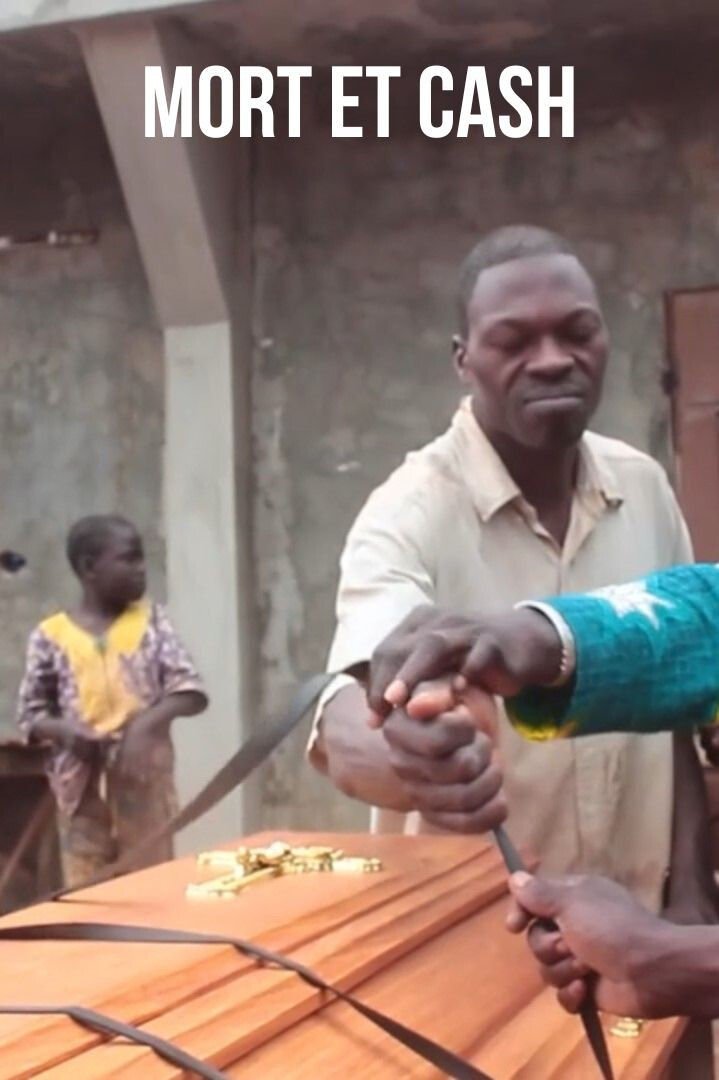
Honoré and Grégoire prepare their mother’s funeral. They are faced with the common and individual expenses inherent to funerals in Porto-Novo (Benin). Money is the nerve of their concern.
Every Music Theory class, Mark and Boris playfully taunt each other in the back row. One day, during a listening session of Tchaikovsky's "Swan Lake," the teenagers' customary teasing unveils a deeper truth about their feelings for one another.
A poor couple wants to buy a pearl necklace with their own money.
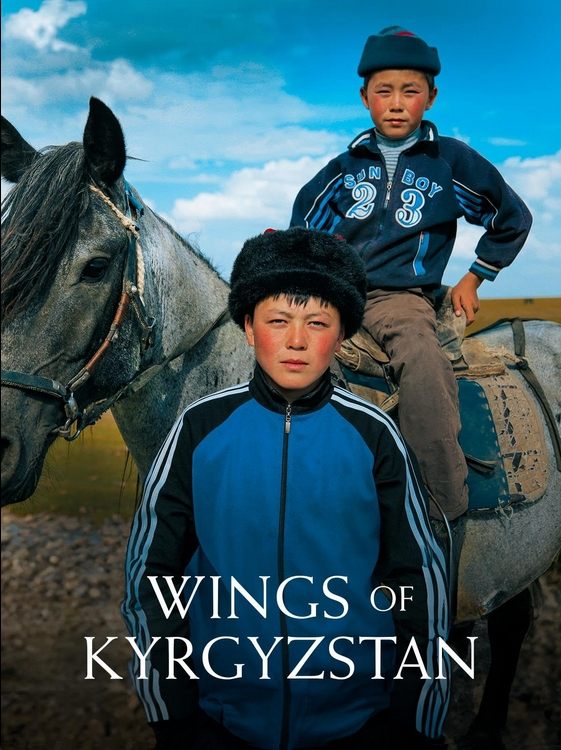
Wings of Kyrgyzstan (2019) This reverent cinematic journey is a deep lyrical look into the lives of diverse mountain families, vivid portraits of young men and women, semi nomads, who have one foot deep in their ancestral past, and one reaching for a new future.
Winter, Friday. A group of young university students leave for a weekend in São João da Cruz to celebrate their promotion to the prestigious Academic Life Association (AVA). The young people's fun turns to terror when, at night, on Praia da Cruz beach, a hazing ritual is taken to the extreme.
Anna and her rebellious daughter Lena live on the outskirts of Riga. Lena skips school and falls into dangerous circles. When her best friend dies of an overdose and Lena narrowly survives, they have to flee abroad to escape the police. They find refuge with Anna's cousin in Switzerland. But Lena's resistance jeopardises their new start.
A group of 4 teenagers go camping in an isolated forest. Soon, strange events and increasingly disturbing behavior jeopardize their stay. As one after another disappears or descends into paranoia, they realize that the threat may be closer than they imagined...
Accidents, theft, violence, disturbances. Calls to 17, the police emergency number, are intended for urgent situations. In reality, the number of calls keeps increasing, with many being considered "non-urgent." However, these calls capture raw moments of emotion, distress, or anxiety, offering insight into a society facing a growing sense of insecurity. How do officers, expected to handle everything and sometimes the impossible, manage their demanding work?
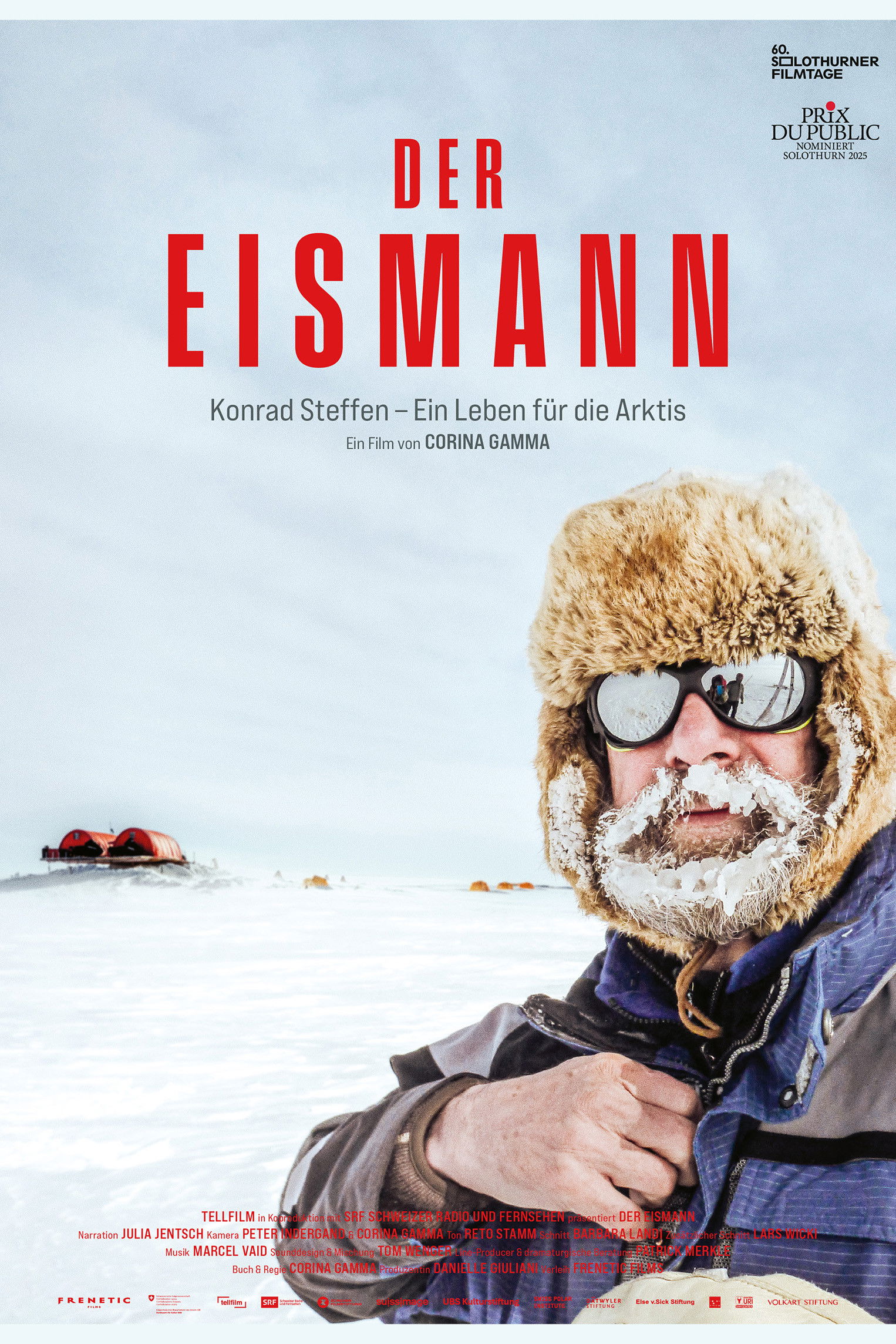
In August 2020, the well-known Swiss polar researcher Konrad Steffen died on the Greenland ice. It is suspected that he fell into a crevasse covered in fresh snow while on a routine trip to a measuring station. To this day, there is no trace of him.
The President of East Timor (Timor-Leste), Xanana Gusmao, takes us on a breathtaking and intimate journey. Revelations from the 24-year Resistance against Indonesian occupation, to the present-day challenges of the world's youngest nation.
Le Mirail, Toulouse. Crime, rioting, religion, and terrorism: it seems there is no common ground between the different communities of the ghetto. The divisions are widening beyond control. This documentary offers straight talk, rooted in time and trust. It can be direct or abrupt, sometimes even confusing or shocking, but it is essential in forming the first few threads of a dialogue. Only through learning and understanding can we resist the reflex to reject the Other.
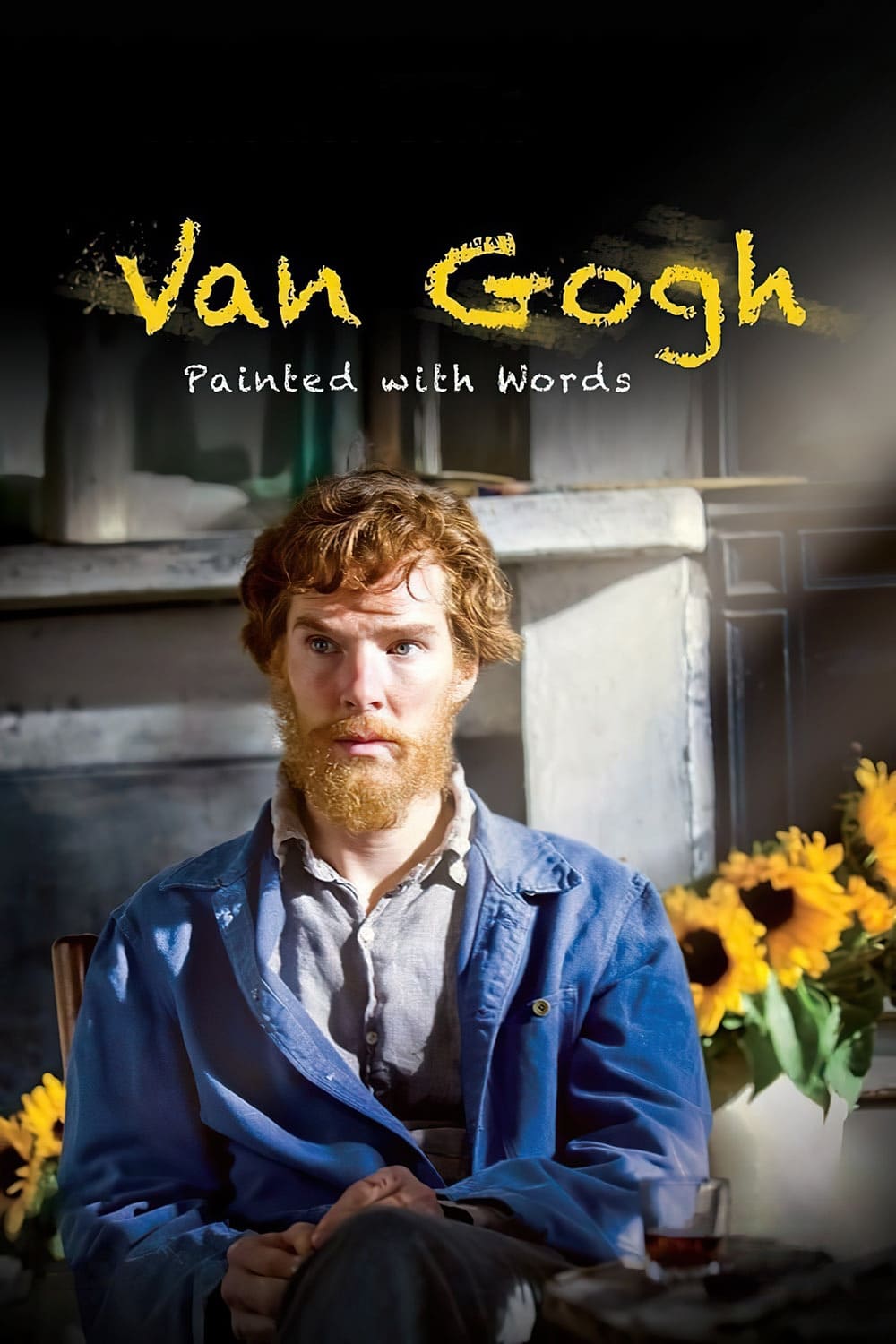
A drama-documentary presented by Alan Yentob, with Benedict Cumberbatch in the lead role. Every word spoken by the actors in this film is sourced from the letters that Van Gogh sent to his younger brother Theo, and of those around him. What emerges is a complex portrait of a sophisticated, civilised and yet tormented man.
An inside look at one of the most anticipated movie sequels ever with James Cameron and cast.
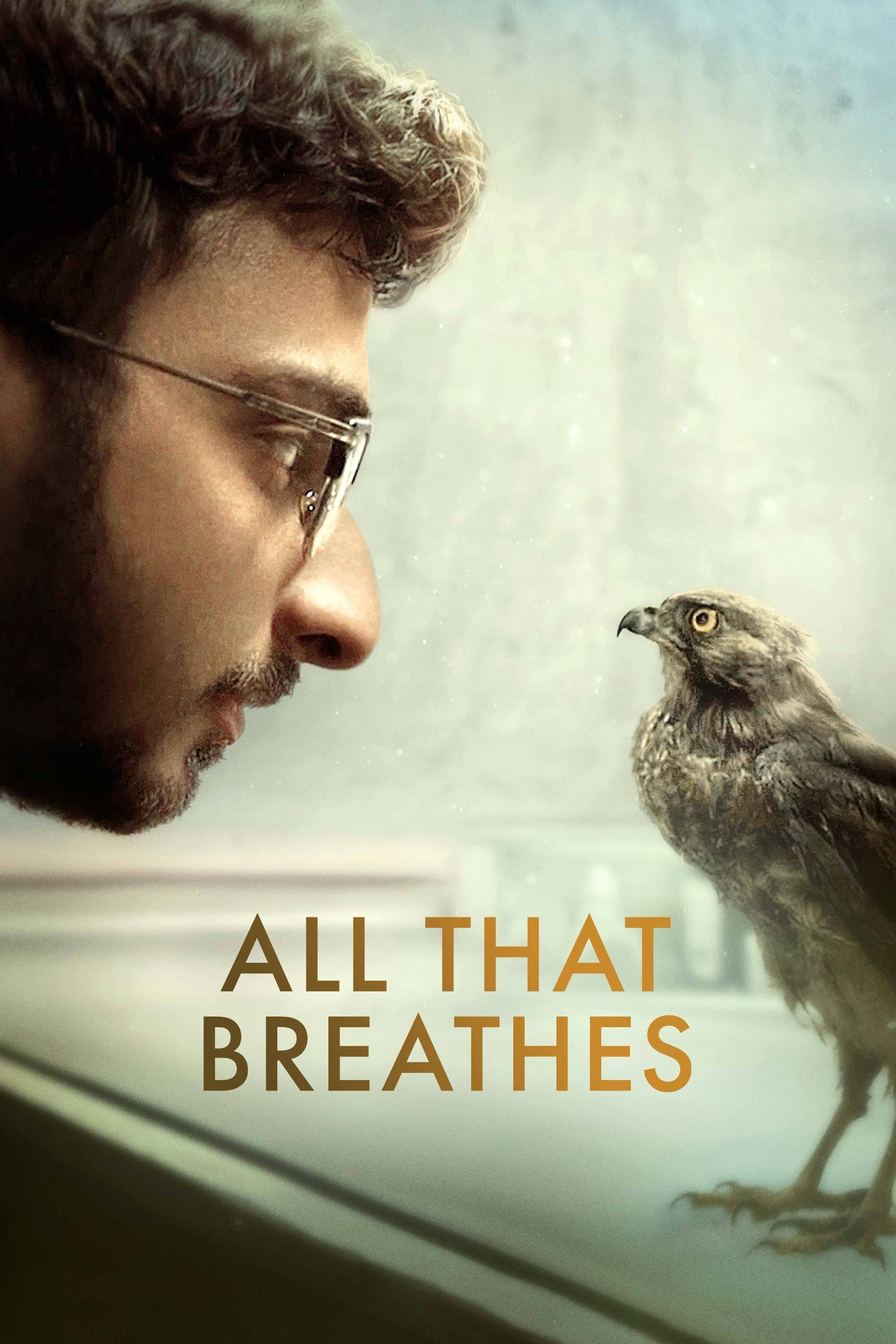
Against the darkening backdrop of New Delhi's apocalyptic air and escalating violence, two brothers devote their lives to protecting one casualty of the turbulent times: the bird known as the black kite.
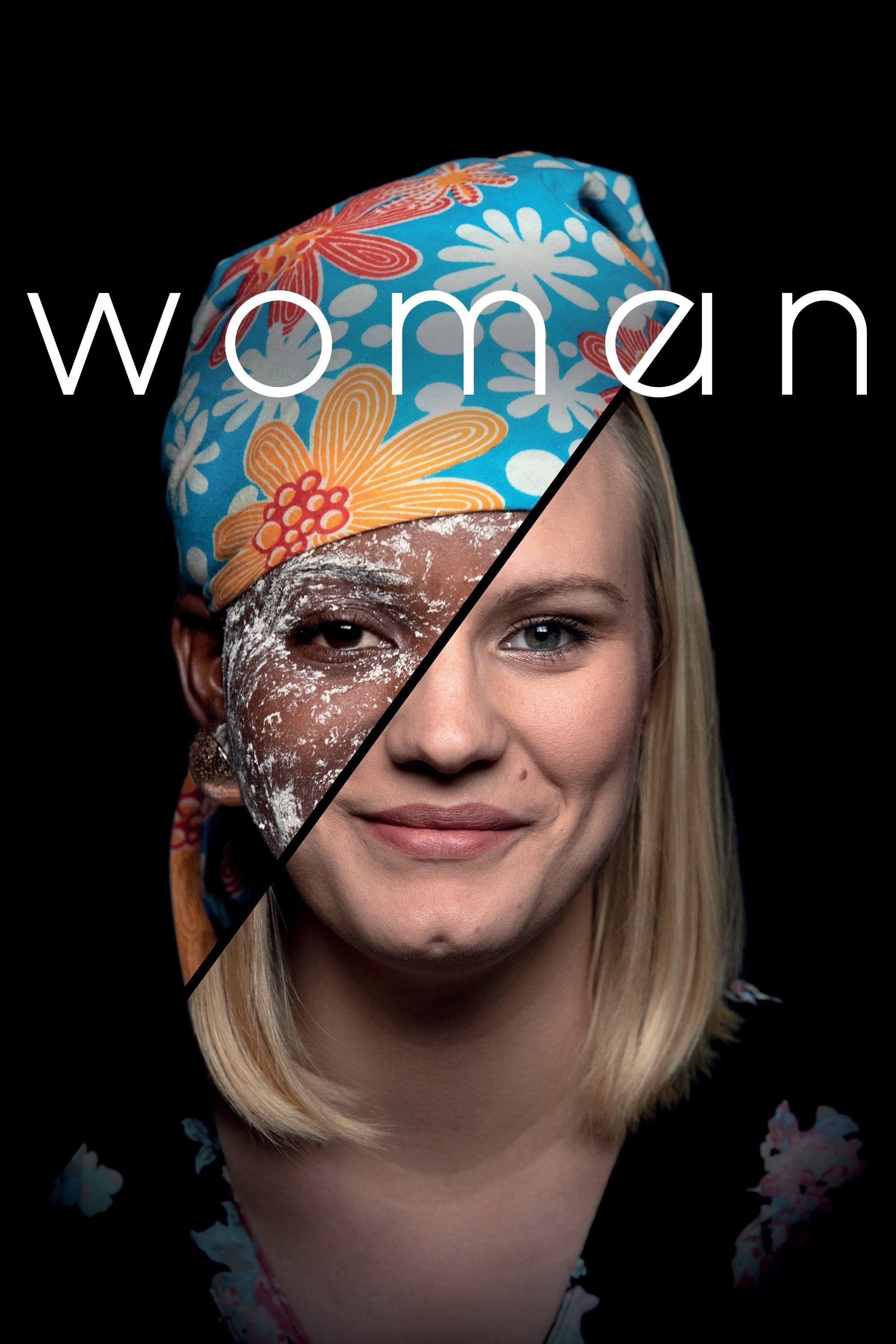
The film is based on interviews with 2,000 women from 50 countries, and covers the status of women all over the world. The topics covered include forced marriages, sexual assault, female genital mutilation, acid attacks, motherhood, sexuality, menstruation, education and the professional success of women.
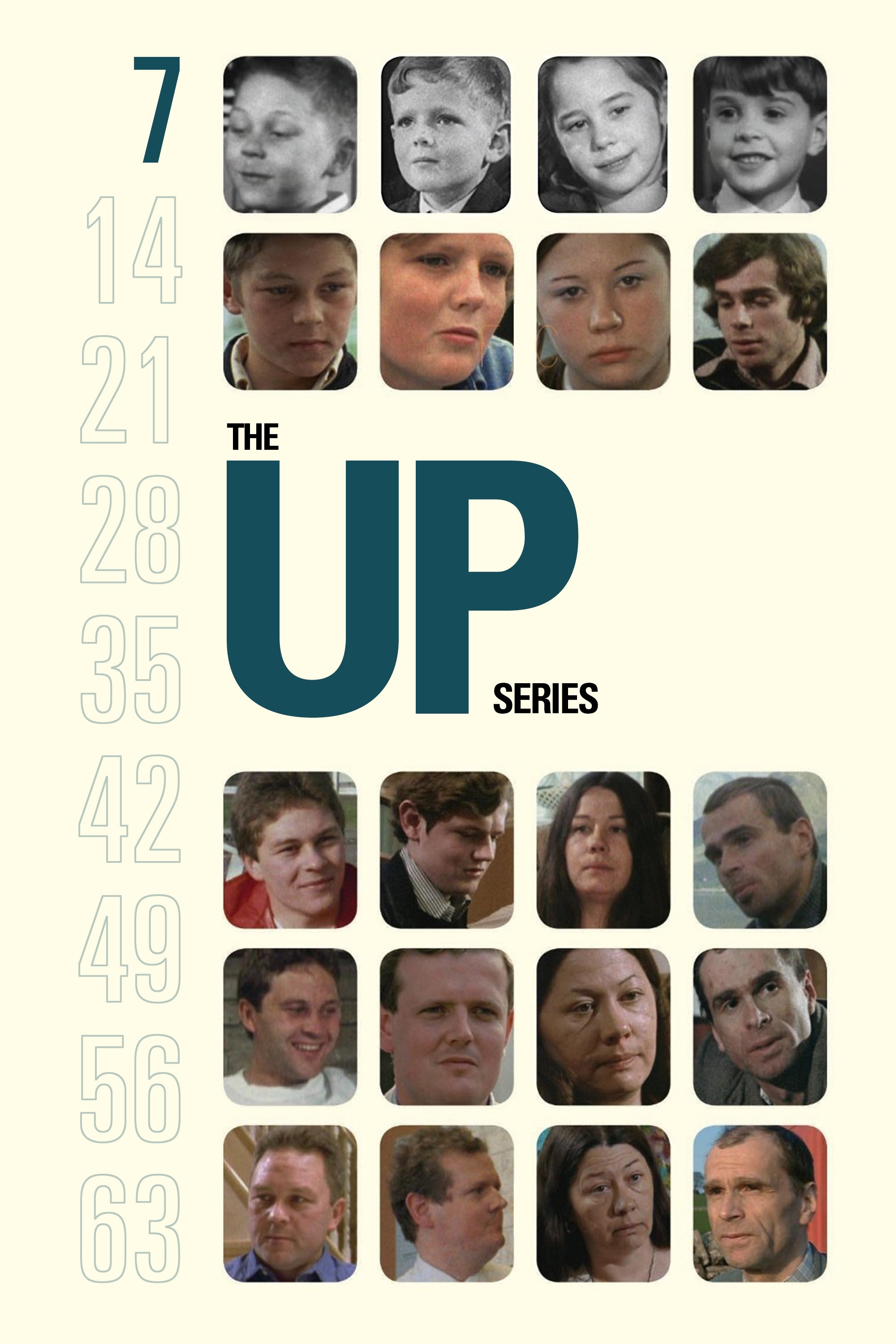
A group of British children aged 7 from widely ranging backgrounds are interviewed about a range of subjects. The filmmakers plan to re-interview them at 7 year intervals to track how their lives and attitudes change as they age.
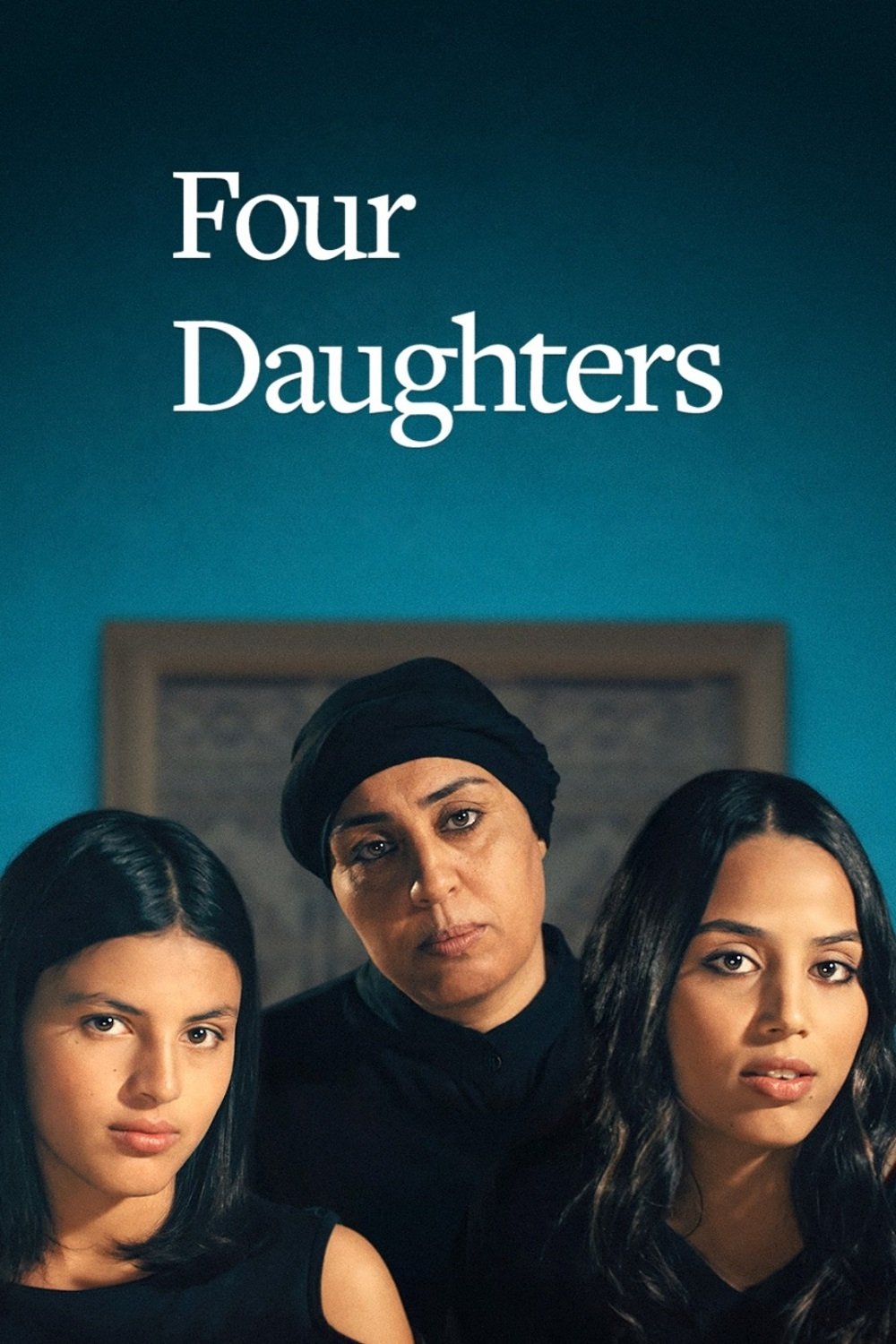
Between light and darkness stands Olfa, a Tunisian woman and the mother of four daughters. One day, her two older daughters disappear. To fill in their absence, the filmmaker Kaouther Ben Hania invites professional actresses and invents a unique cinema experience that will lift the veil on Olfa and her daughters' life stories. An intimate journey of hope, rebellion, violence, transmission and sisterhood that will question the very foundations of our societies.
SEDUCED AND ABANDONED combines acting legend Alec Baldwin with director James Toback as they lead us on a troublesome and often hilarious journey of raising financing for their next feature film. Moving from director to financier to star actor, the two players provide us with a unique look behind the curtain at the world's biggest and most glamourous film festival, shining a light on the bitter-sweet relationship filmmakers have with Cannes and the film business. Featuring insights from directors Martin Scorsese, 'Bernando Bertolucci' and Roman Polanski; actors Ryan Gosling and Jessica Chastain and a host of film distribution luminaries.
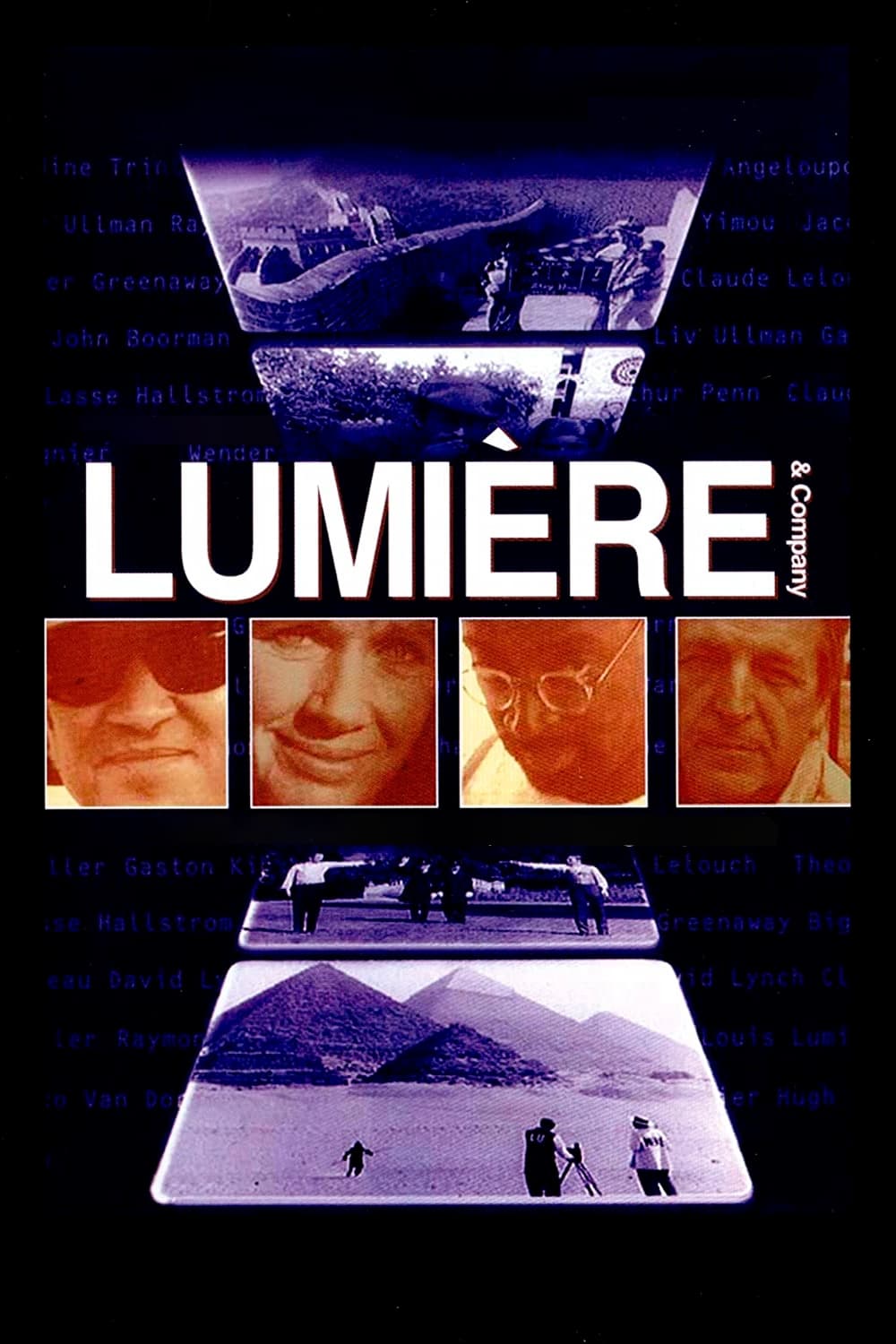
40 international directors were asked to make a short film using the original Cinematographe invented by the Lumière Brothers, working under conditions similar to those of 1895. There were three rules: (1) The film could be no longer than 52 seconds, (2) no synchronized sound was permitted, and (3) no more than three takes.
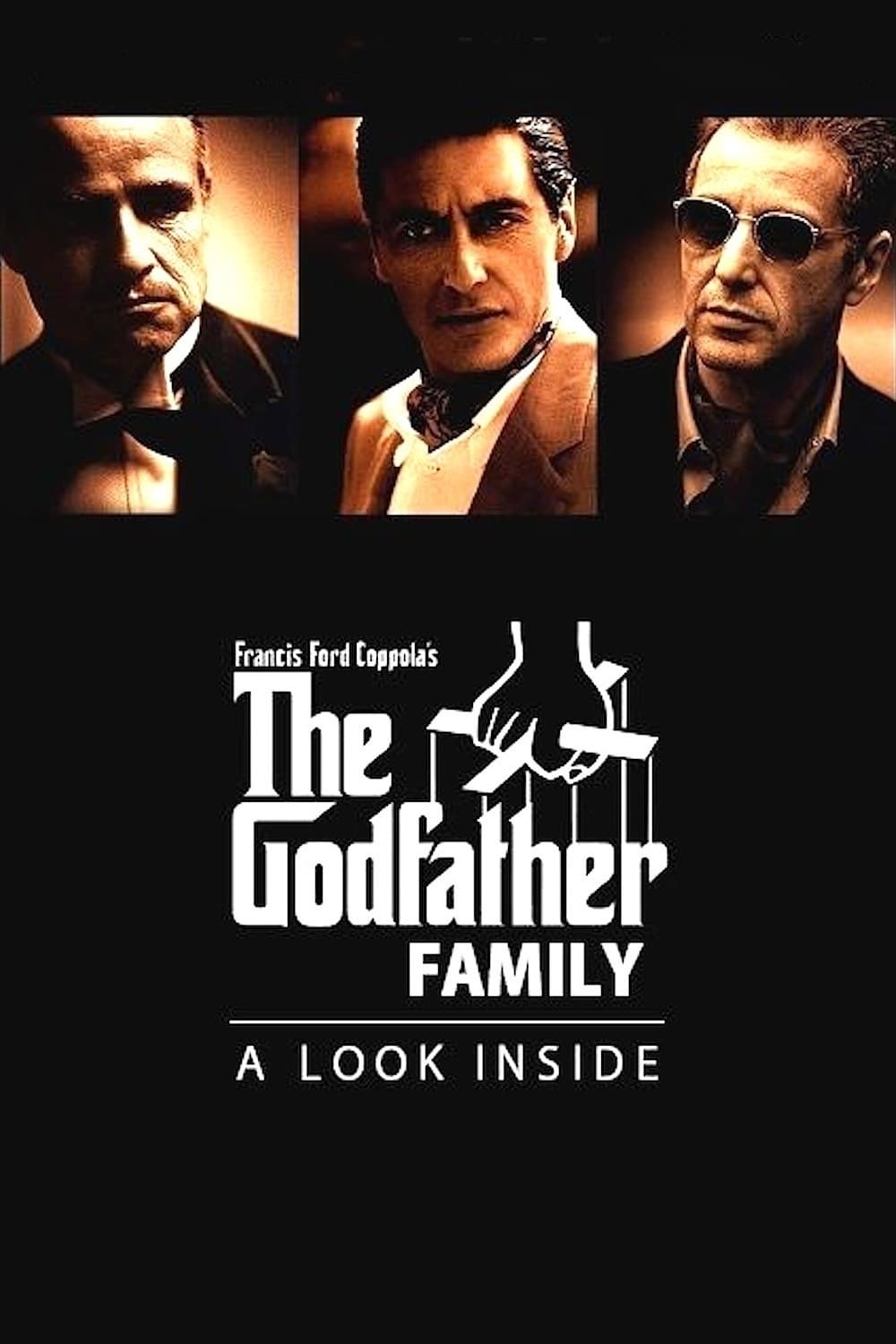
A documentary on the making of the three Godfather films, with interviews and recollections from the film makers and cast. This feature also includes the original screen tests of some of the actors for "The Godfather" film, and some candid moments on the set of "The Godfather: Part III."
A visual montage portrait of our contemporary world dominated by globalized technology and violence.
A documentary about the making of David Fincher's 2008 film THE CURIOUS CASE OF BENJAMIN BUTTON. Virtually every element in the evolution of the Fincher's film is documented here, from the project's attachment to numerous other directors during the 1990s, to its shoot in 2006 and 2007 in New Orleans, to its complex, CGI-intensive postproduction process.
A documentary on the expletive's origin, why it offends some people so deeply, and what can be gained from its use.
Musician and performance artist Laurie Anderson reflects on the deaths of her husband Lou Reed, her mother and her beloved dog.
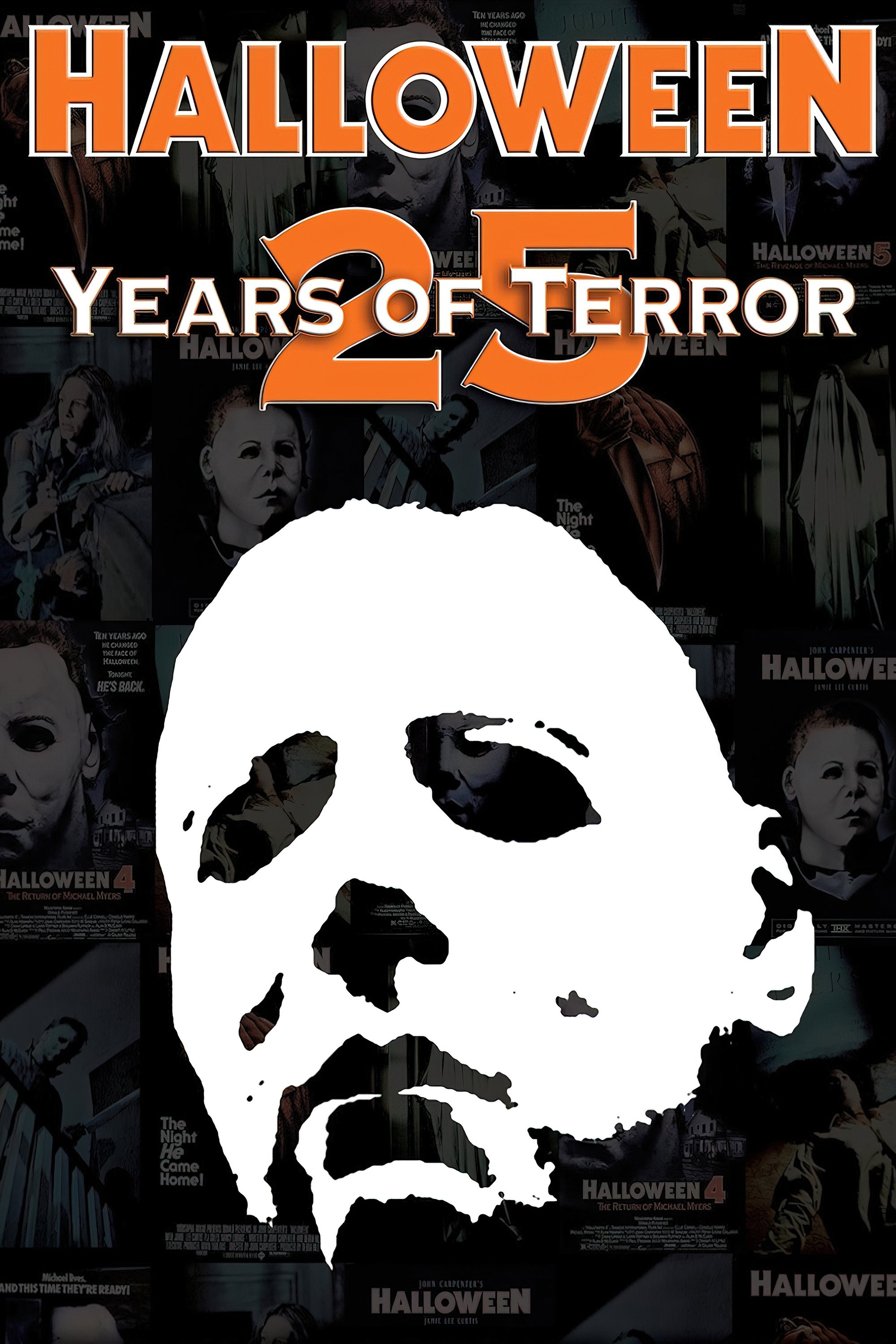
Follow the evolution of the 'Halloween' movies over the past twenty-five years. It examines why the films are so popular and revisits many of the original locations used in the films - seeing the effects on the local community. For the first time, cast, crew, critics and fans join together in the ultimate 'Halloween' retrospective.
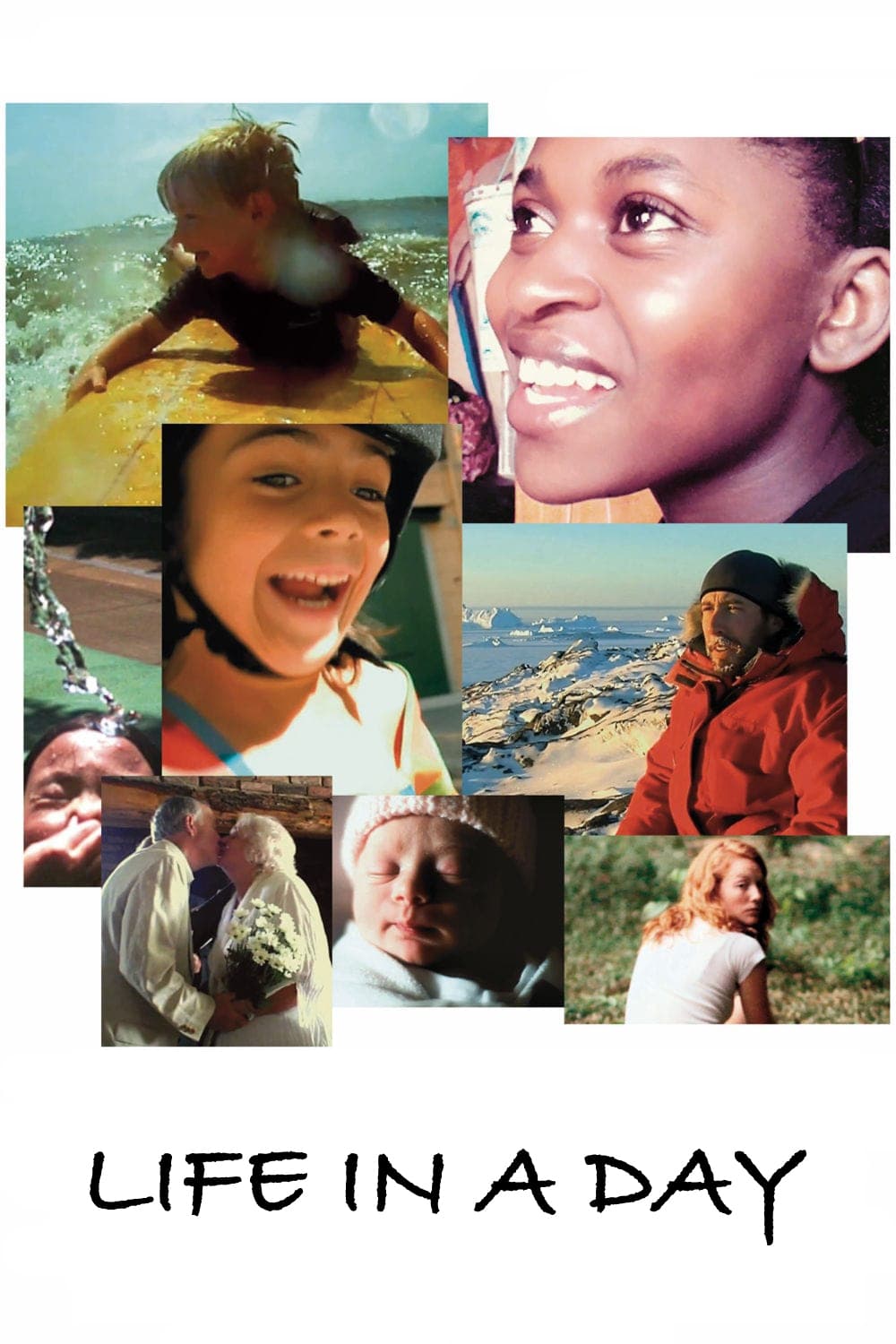
A documentary shot by filmmakers all over the world that serves as a time capsule to show future generations what it was like to be alive on the 24th of July, 2010.
Against a plain, unchanging blue screen, a densely interwoven soundtrack of voices, sound effects and music attempt to convey a portrait of Derek Jarman's experiences with AIDS, both literally and allegorically, together with an exploration of the meanings associated with the colour blue.
Alexander McQueen's rags-to-riches story is a modern-day fairy tale, laced with the gothic. Mirroring the savage beauty, boldness and vivacity of his design, this documentary is an intimate revelation of McQueen's own world, both tortured and inspired, which celebrates a radical and mesmerizing genius of profound influence.
A documentary about the life and films of director John Ford.
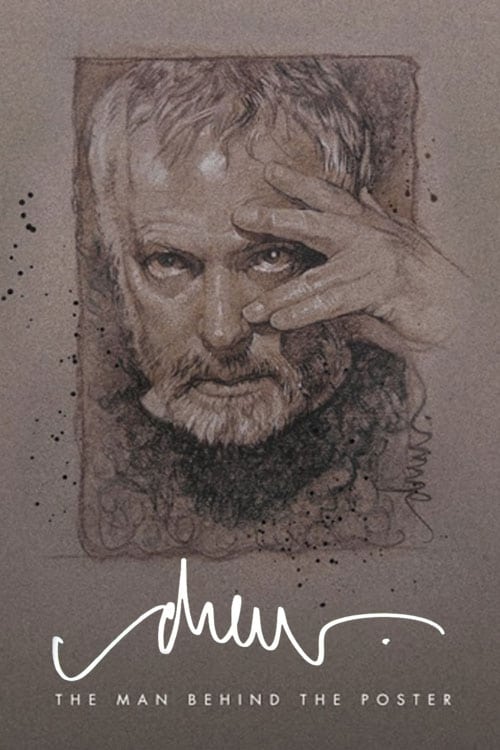
A documentary on legendary movie-poster artist Drew Struzan.
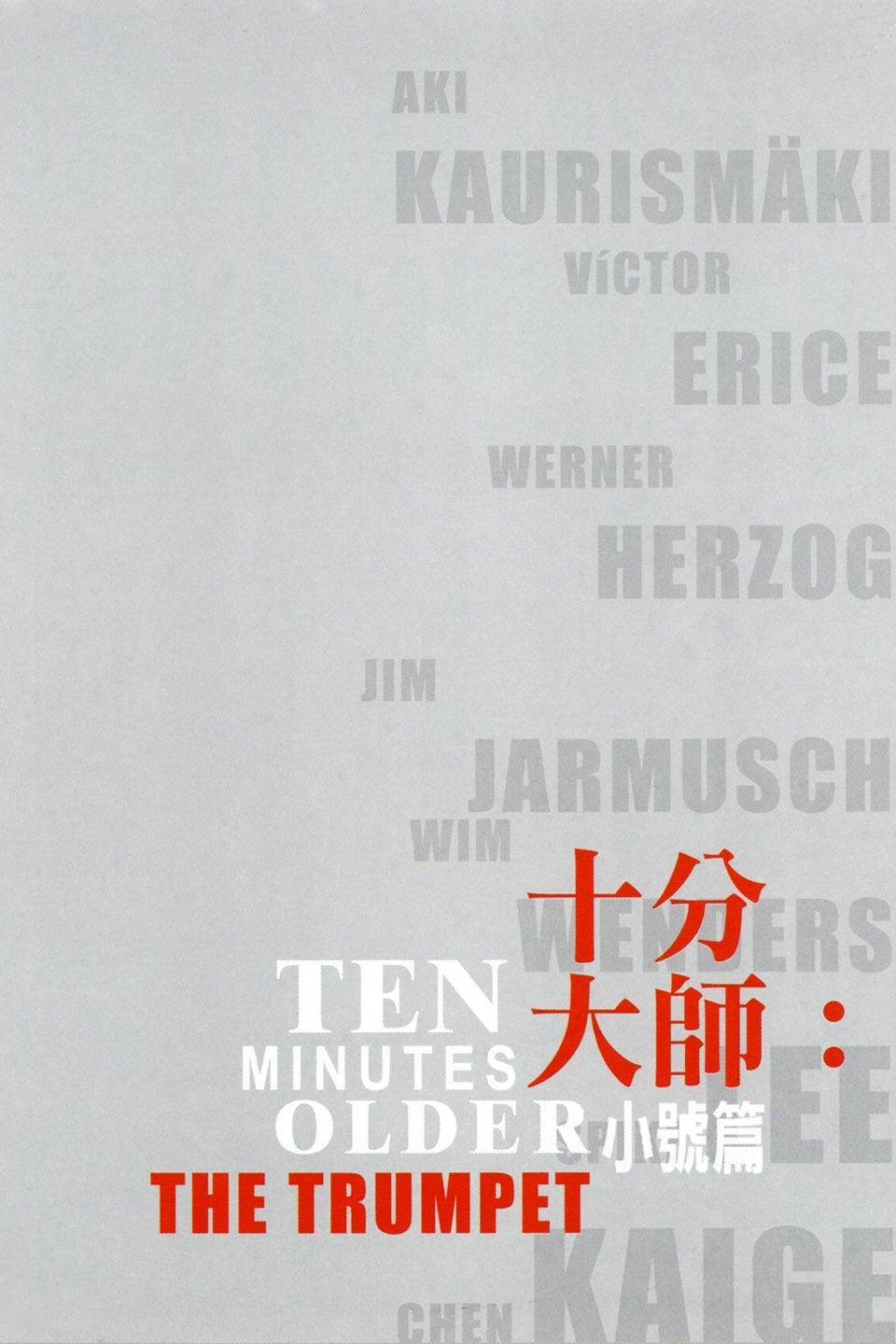
Ten Minutes Older is a 2002 film project consisting of two compilation feature films entitled The Trumpet and The Cello. The project was conceived by the producer Nicolas McClintock as a reflection on the theme of time at the turn of the Millennium. Fifteen celebrated film-makers were invited to create their own vision of what time means in ten minutes of film.