Social & External
Self - Presenter
Surviving against all odds. In 1940, Benjamin Orenstein, just a teenager, was sent to his first concentration camp in Poland. It was the beginning of a journey that would mark him for life. After years of silence, he now bears witness to one of the darkest chapters in history.
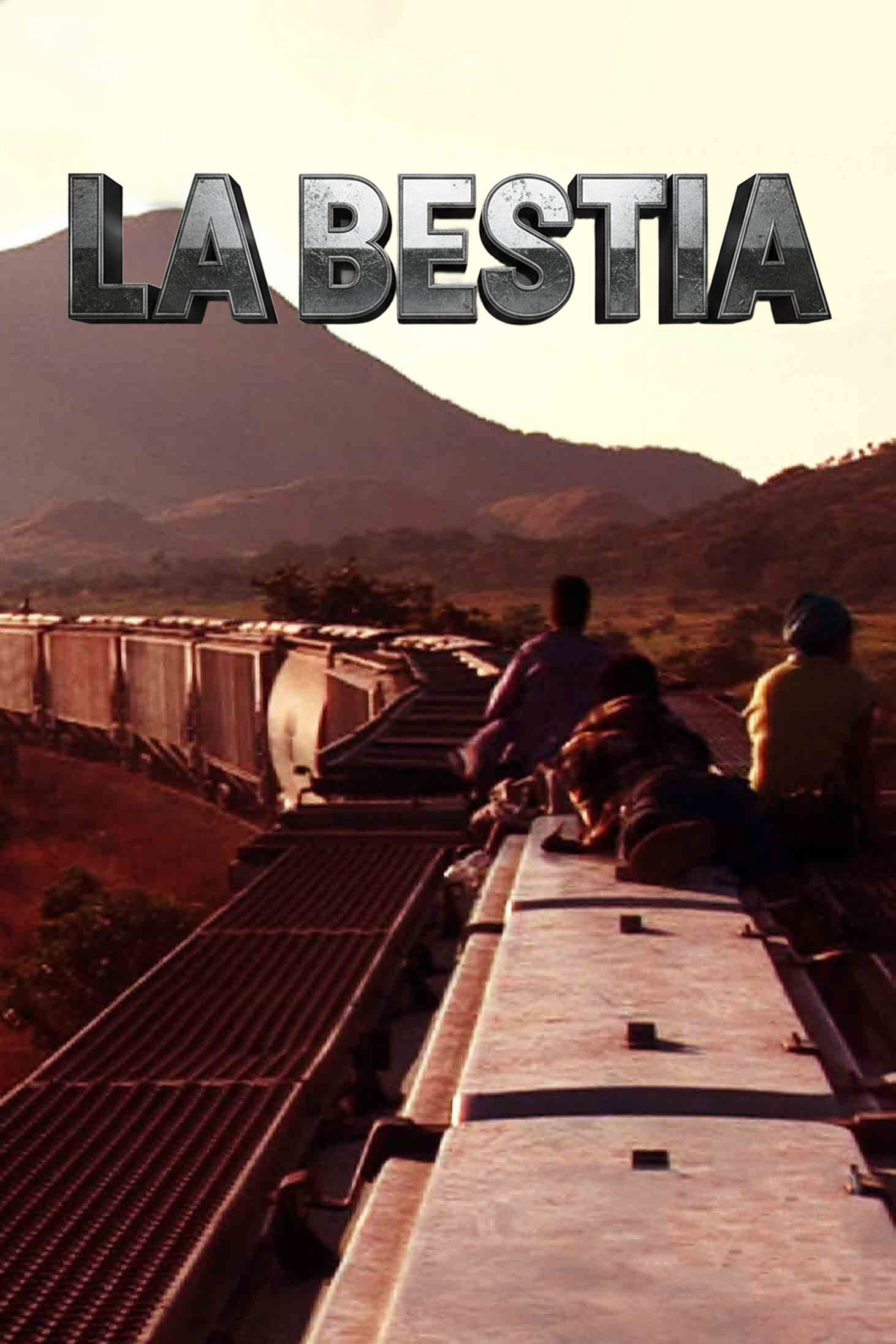
Each year, hundreds of Central American migrants try to cross the northern border of Mexico on the freight train known as the Beast. That trip is usually the most dangerous journey of their lives. On the road many lost their dreams, their body parts and even their lives. Crossing Mexico is their biggest challenge, here are victims of discrimination, violence and even murder. This film portrays the suffering of those people who travel in search of a better life.
Dark Fellowships attempts to uncover the truth about a bizarre occult group, whose members allegedly included many leaders of the Nazi Party, even Hitler himself.
During the Nazi-occupied Ustasha regime "NDH" in former Yugoslavia during WWII, little girl Dara is sent to the concentration camp complex Jasenovac in Croatia also known as "Balkan's Auschwitz".
A filmmaker and his siblings research the experiences of their late father, who survived the Holocaust during World War II.
In February 1945, American troops launched a major offensive intended to bring about the end of the Third Reich. Accompanying them were two dozen cameramen from the U.S. Signal Corps, who documented the downfall of Nazi Germany on 35mm celluloid. A two-part SPIEGEL-TV documentary by Michael Kloft.
Newsreel footage from both sides of World War II make a case for convicting Nazi war criminals.
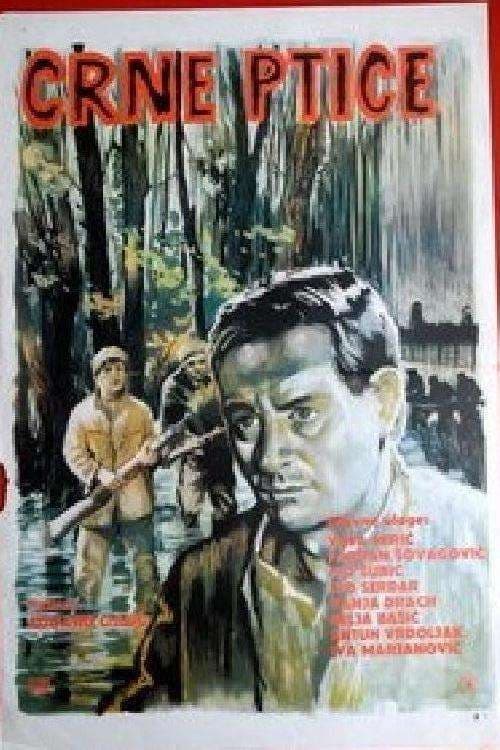
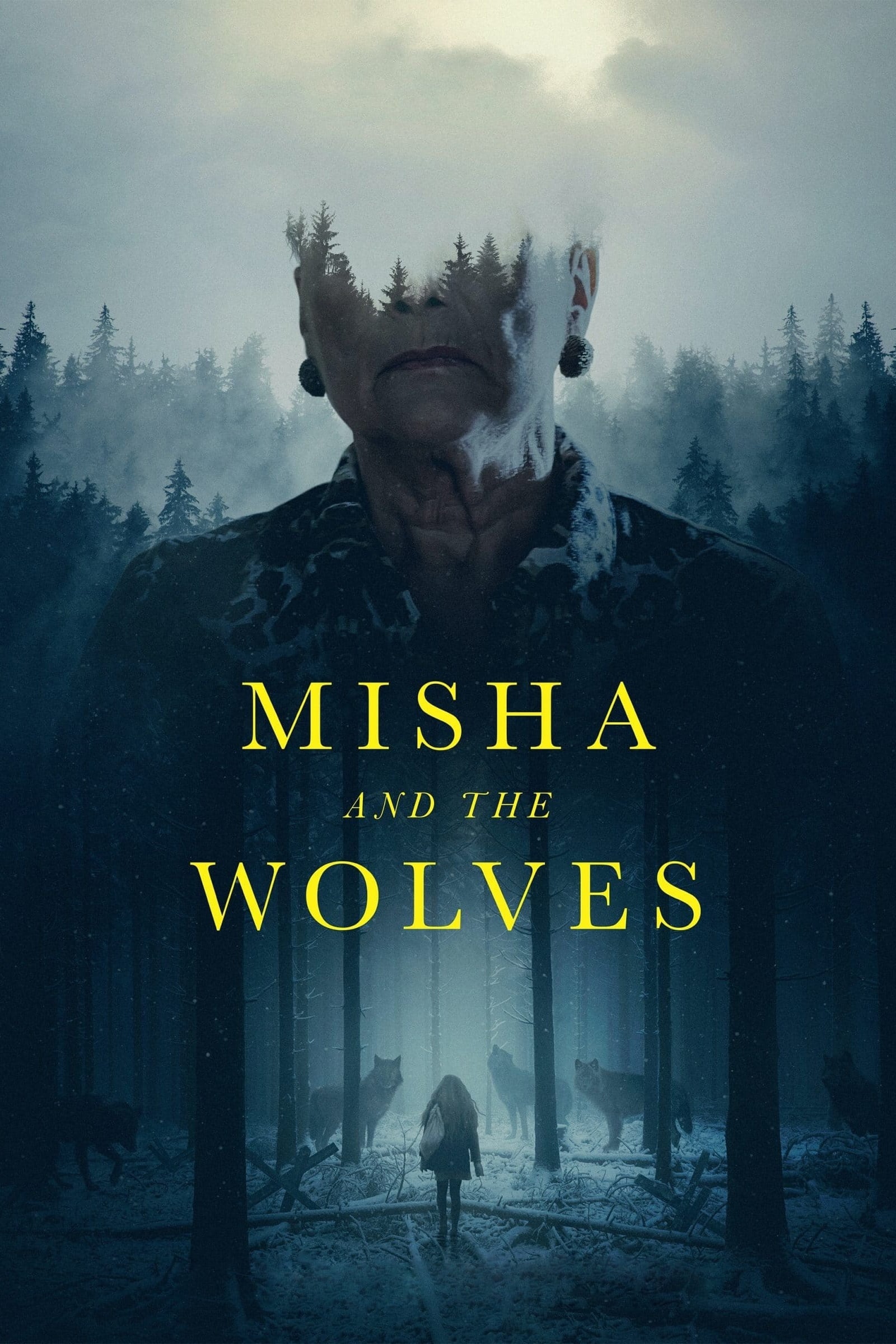
WW2 story about group of prisoners who are trying to escape the death camp, run by local pro-Nazi militia.
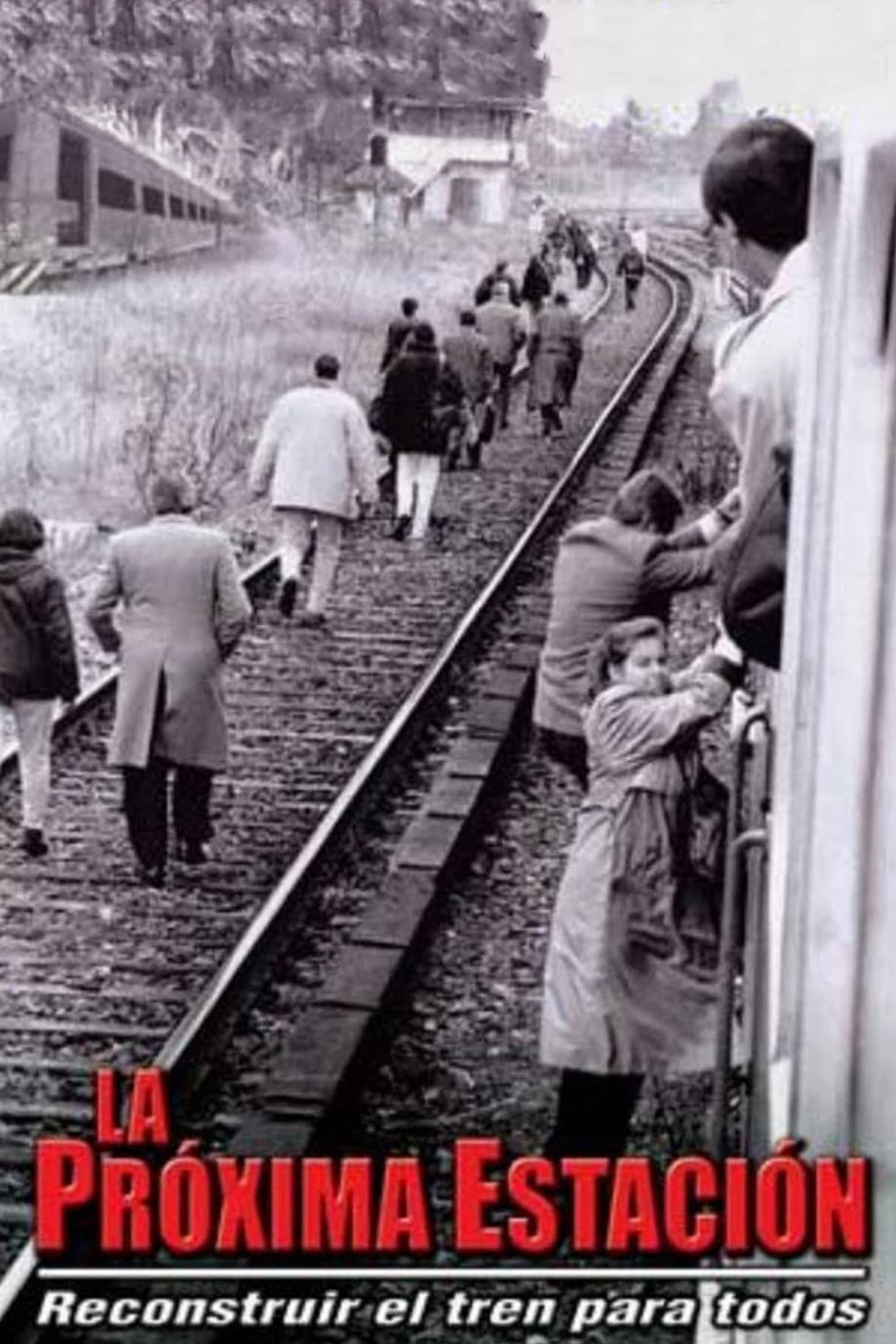
The history of the Argentine railways, from 1857 until the crisis of the current transport system. The closing of branches of the railway lines turned towns whose main source of work was the train into ghost towns. The privatization of the lines caused the dismissal of tens of thousands of workers as well as the deterioration of public service, causing in turn the increase of motor transport and the multiplication of automobile accidents.
The film follows Mrs. Sarika's departure to a Jewish retirement home. What was supposed to be a peaceful end to life, turns into the horror of the Holocaust, and she herself becomes a victim.
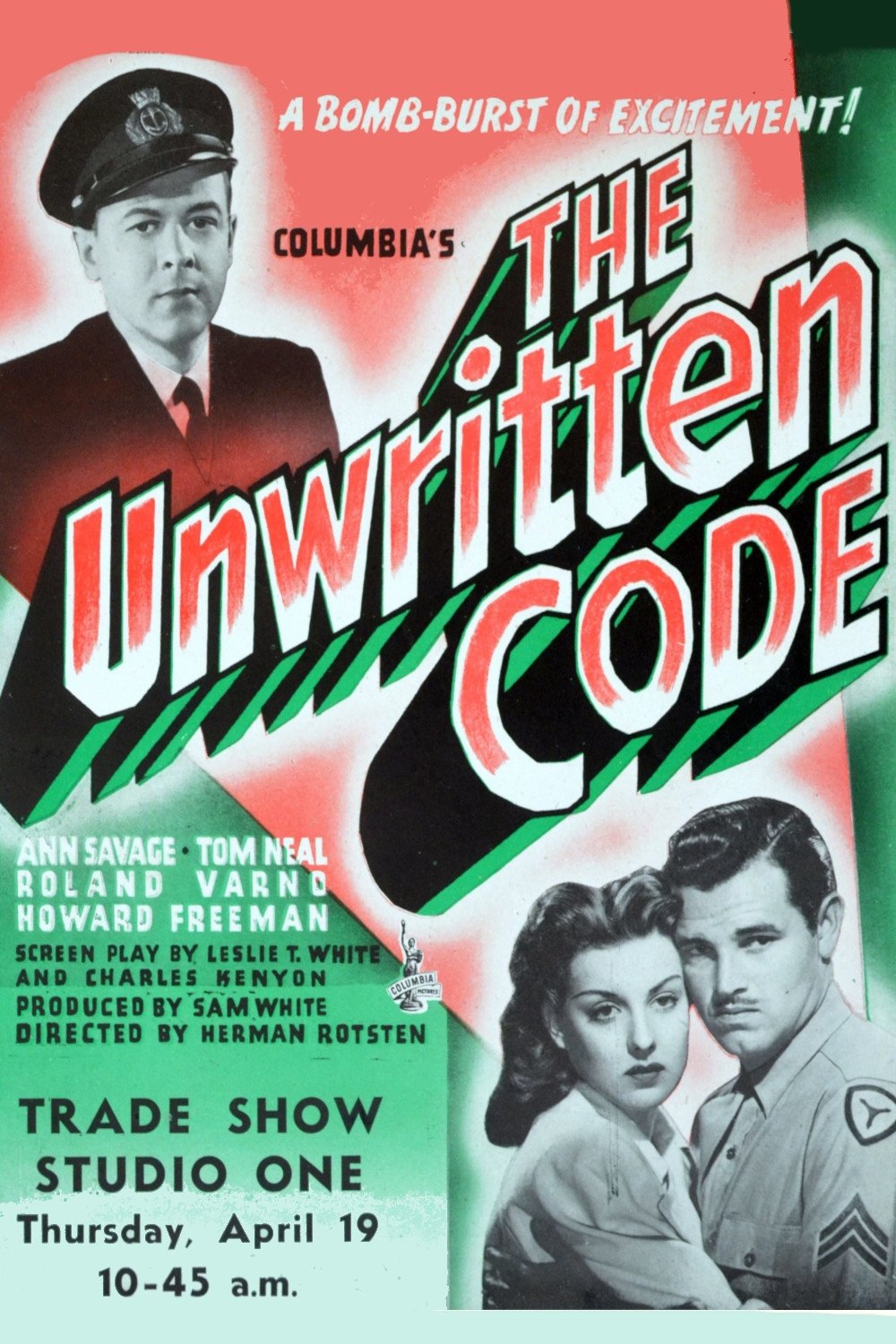
A Nazi spy sneaks into the U.S., hoping to release hundreds of German prisoners. He fails, but not until plenty of bullets have been spent.
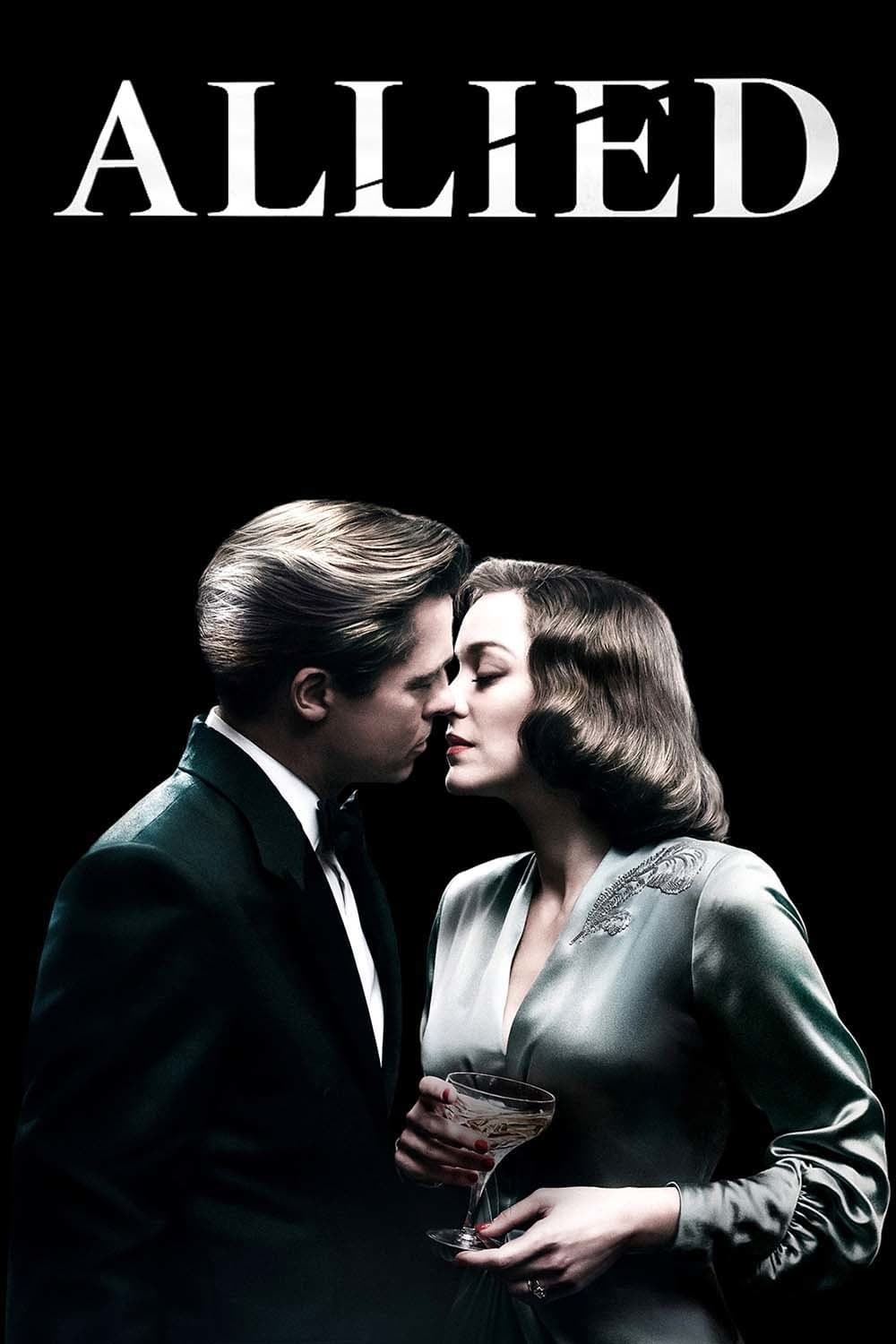
In 1942, an intelligence officer in North Africa encounters a female French Resistance fighter on a deadly mission behind enemy lines. When they reunite in London, their relationship is tested by the pressures of war.
Ever Again examines the sweeping resurgence of antisemitism in 21st century Europe and its connection to global terrorism.
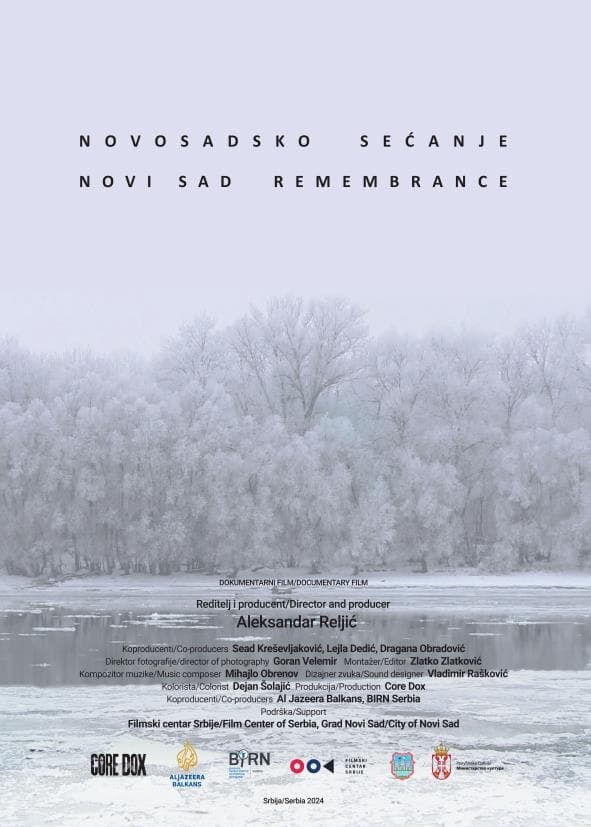
Teodor Kovač, Ivan Ivanji and Marta Flato survived the 1942 pogrom known as the Novi Sad raid, when Hungarian fascists killed more than a thousand people from Novi Sad and dumped their bodies under the ice of the Danube river. Sociology professor Marija Vasić fights against forgetting and teaches students about the Novi Sad raid, while the local authorities erect a controversial monument to innocent victims, and on that list are the names of war criminals who participated in the Novi Sad raid.
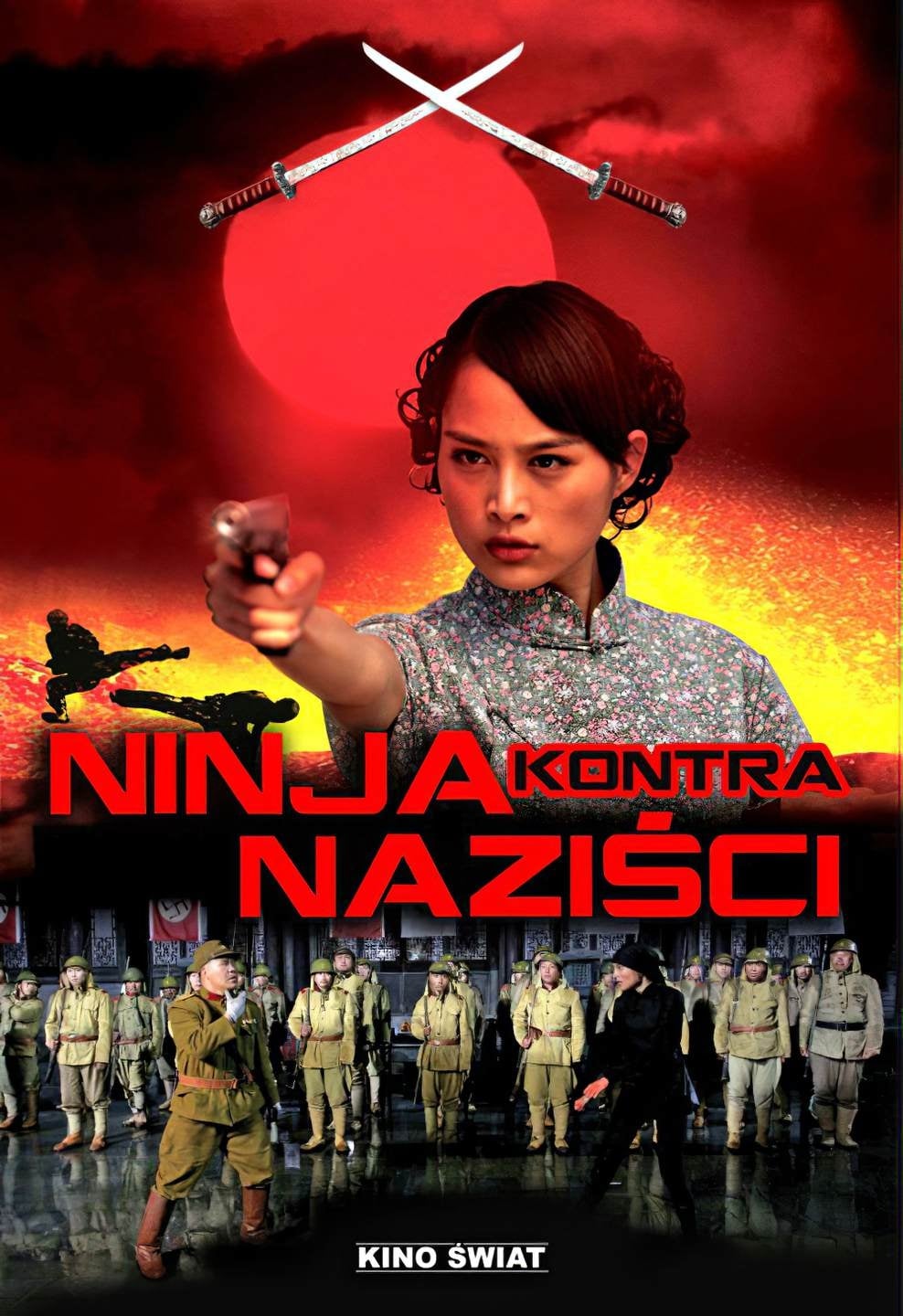
In 1937, Japan began their invasion of China by murdering over 300,000 people in the capital of Nanjing. The atrocities committed against women and their daughters are especially barbaric. One of them is Xiaoyun, a peasant girl who fights with the Chinese resistance group. On her way to freedom she must fight against Japanese soldiers, ninjas, a killer geisha, Nazis, and the evil General of the Japanese imperial army.
In the film we find some scrap of slow motion they see a Monica Vitti trying to cry, a meeting between Antonioni and Grifi, a film shot in the concentration camp of Auschwitz with a survivor who recounts those awful moments, a glimpse of Palestine today, Grifi's reflections on the prison.
“The Soviet Story” is a story of an Allied power, which helped the Nazis to fight Jews and which slaughtered its own people on an industrial scale. Assisted by the West, this power triumphed on May 9th, 1945. Its crimes were made taboo, and the complete story of Europe’s most murderous regime has never been told. Until now...
A woman’s Holocaust memoir takes the world by storm, but a fallout with her publisher-turned-detective reveals her story as an audacious deception created to hide a darker truth.
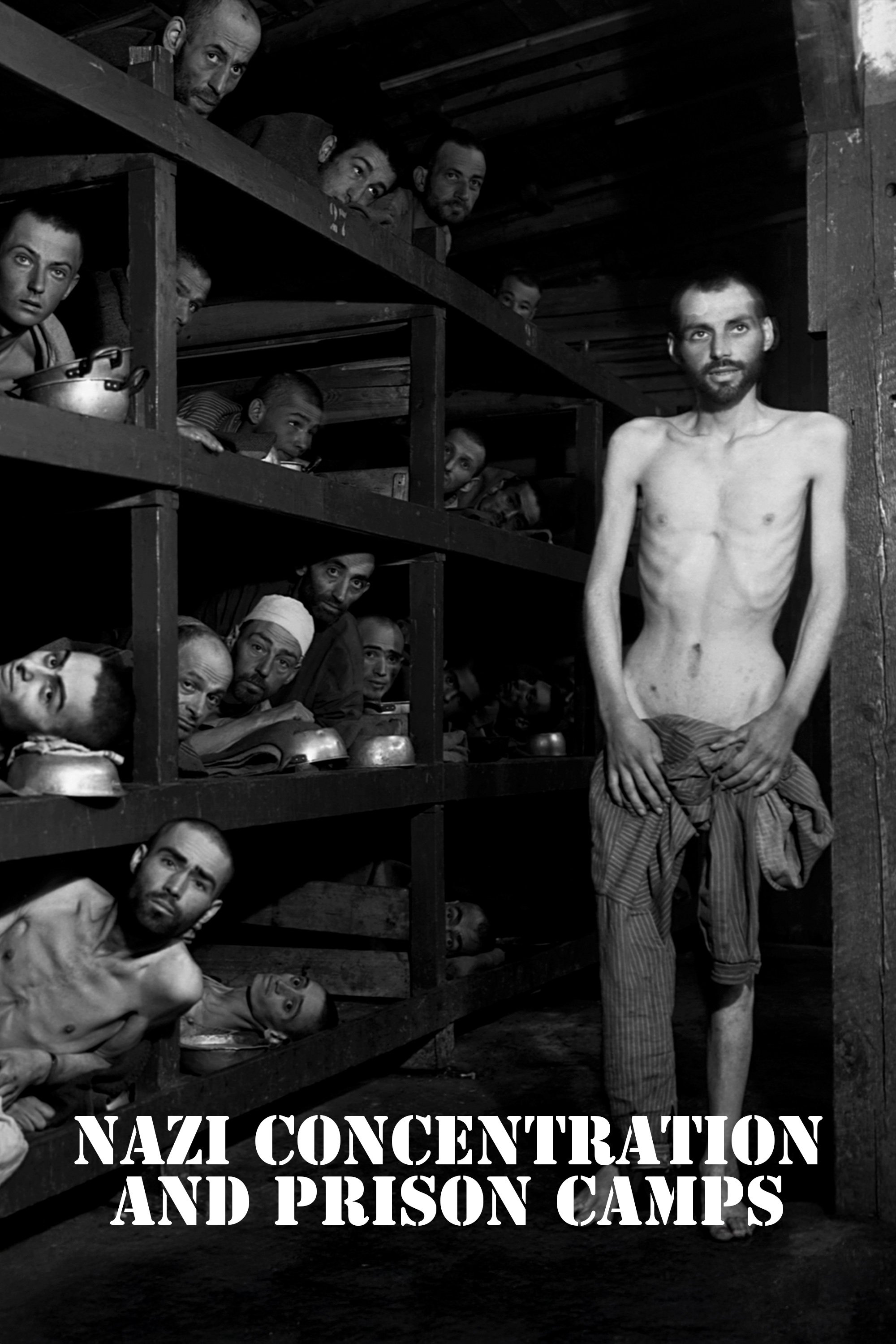
When Allied forces liberated the Nazi concentration camps in 1944-45, their terrible discoveries were recorded by army and newsreel cameramen, revealing for the first time the full horror of what had happened. Making use of British, Soviet and American footage, the Ministry of Information’s Sidney Bernstein (later founder of Granada Television) aimed to create a documentary that would provide lasting, undeniable evidence of the Nazis’ unspeakable crimes. He commissioned a wealth of British talent, including editor Stewart McAllister, writer and future cabinet minister Richard Crossman – and, as treatment advisor, his friend Alfred Hitchcock. Yet, despite initial support from the British and US Governments, the film was shelved, and only now, 70 years on, has it been restored and completed by Imperial War Museums under its original title "German Concentration Camps Factual Survey".
A love letter from a young mother to her daughter, the film tells the story of Waad al-Kateab’s life through five years of the uprising in Aleppo, Syria as she falls in love, gets married and gives birth to Sama, all while cataclysmic conflict rises around her. Her camera captures incredible stories of loss, laughter and survival as Waad wrestles with an impossible choice– whether or not to flee the city to protect her daughter’s life, when leaving means abandoning the struggle for freedom for which she has already sacrificed so much.
Amid the failing counteroffensive, a journalist follows a Ukrainian platoon on their mission to traverse one mile of heavily fortified forest and liberate a strategic village from Russian occupation. But the farther they advance through their destroyed homeland, the more they realize that this war may never end.
Produced and presented as evidence at the Nuremberg war crimes trial of Hermann Göring and twenty other Nazi leaders, this film consists primarily of dead and surviving prisoners and of facilities used to kill and torture during the World War II.
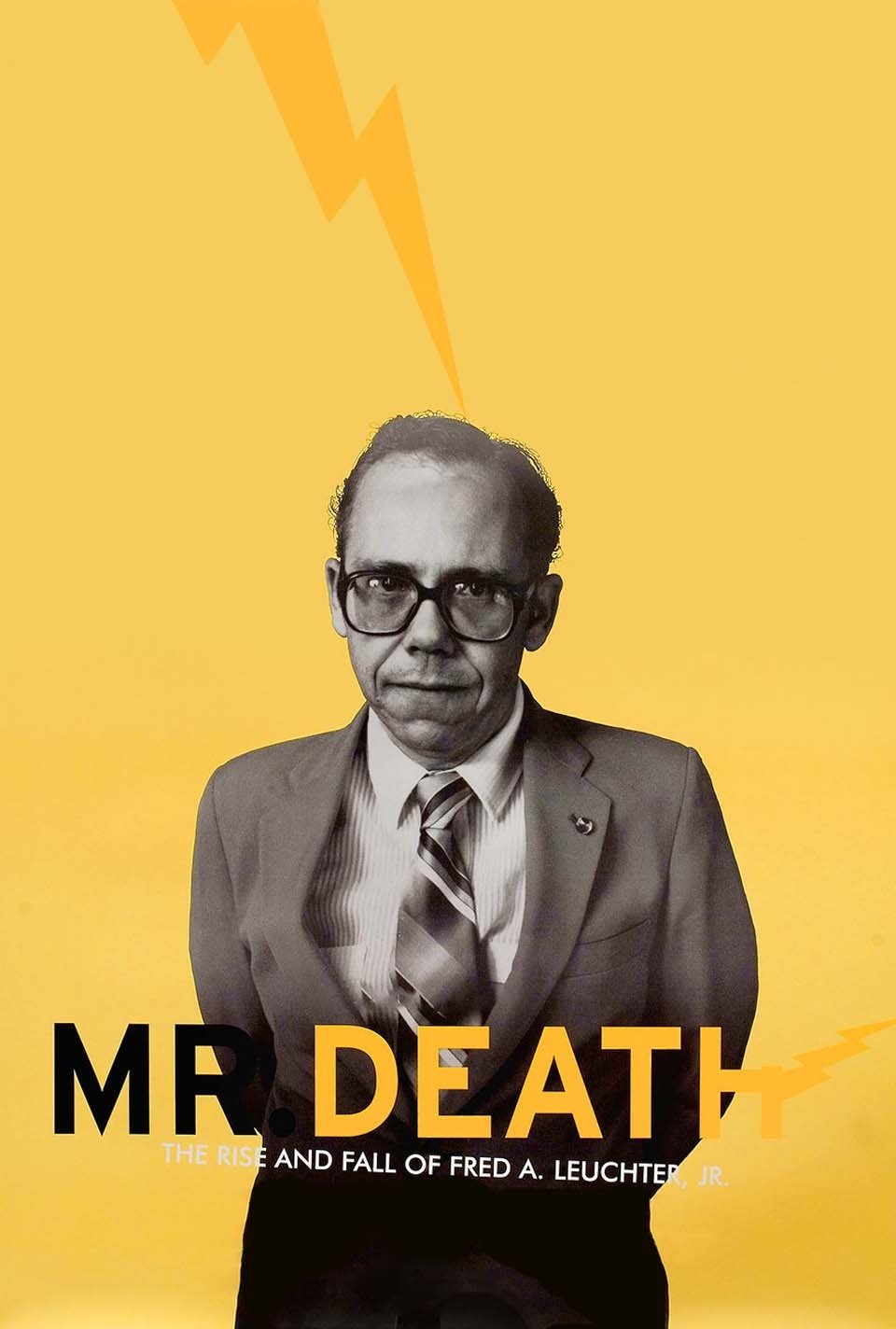
Documentary filmmaker Errol Morris investigates the case of a man who became an authority on capital punishment, but was discredited when he got involved on the wrong side of a court case. Leuchter, a meek man whose appearance belies his grim expertise, develops what he says is a more effective electric chair. Before long he's in demand from officials who want his opinions on other kinds of execution. But when called to aid the case of an accused Holocaust denier, Leuchter's problems begin.
A documentary about World War I with never-before-seen footage to commemorate the centennial of Armistice Day, and the end of the war.
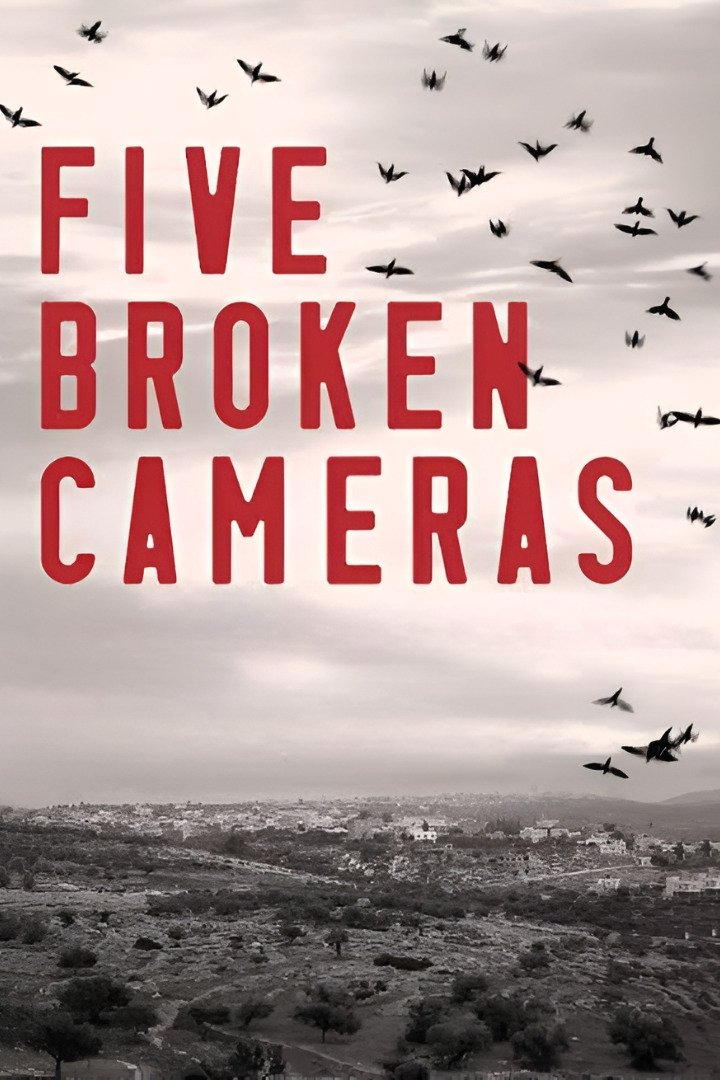
Five broken cameras – and each one has a powerful tale to tell. Embedded in the bullet-ridden remains of digital technology is the story of Emad Burnat, a farmer from the Palestinian village of Bil’in, which famously chose nonviolent resistance when the Israeli army encroached upon its land to make room for Jewish colonists. Emad buys his first camera in 2005 to document the birth of his fourth son, Gibreel. Over the course of the film, he becomes the peaceful archivist of an escalating struggle as olive trees are bulldozed, lives are lost, and a wall is built to segregate burgeoning Israeli settlements.
As the Russian invasion begins, a team of Ukrainian journalists trapped in the besieged city of Mariupol struggle to continue their work documenting the war's atrocities.
Dick Proenneke retired at age 50 in 1967 and decided to build his own cabin in the wilderness at the base of the Aleutian Peninsula, in what is now Lake Clark National Park. Using color footage he shot himself, Proenneke traces how he came to this remote area, selected a homestead site and built his log cabin completely by himself. The documentary covers his first year in-country, showing his day-to-day activities and the passing of the seasons as he sought to scratch out a living alone in the wilderness.
Stars of "The Walking Dead," Andrew Lincoln and Danai Gurira, walk down memory lane and visit iconic locations where pivotal moments between their characters, Rick and Michonne, were filmed.
A journalist and a photographer set out to memorialize the bedrooms left behind by children killed in school shootings.
Documentarian Ross McElwee originally set out to make a travelogue of sorts tracing General William T. Sherman's infamous scorched-earth march through the Confederacy in the latter stages of the Civil War. Instead, haunted by a recent breakup with a girlfriend, McElwee ends up documenting his progress -- or lack thereof -- in starting a new relationship. His journey then becomes one of self-reflection and self-discovery rather than a historical/sociological exploration.
A documentary about the making of season five of the acclaimed AMC series Breaking Bad.
In the Realms of the Unreal is a documentary about the reclusive Chicago-based artist Henry Darger. Henry Darger was so reclusive that when he died his neighbors were surprised to find a 15,145-page manuscript along with hundreds of paintings depicting The Story of the Vivian Girls, in What is Known as the Realms of the Unreal, of the Glodeco-Angelinnian War Storm, Cased by the Child Slave Rebellion.
14-year-old Laura Dekker sets out on a two-year voyage in pursuit of her dream to become the youngest person ever to sail around the world alone.
Justice Ruth Bader Ginsburg now 84, and still inspired by the lawyers who defended free speech during the Red Scare, Ginsburg refuses to relinquish her passionate duty, steadily fighting for equal rights for all citizens under the law. Through intimate interviews and unprecedented access to Ginsburg’s life outside the court, RBG tells the electric story of Ginsburg’s consuming love affairs with both the Constitution and her beloved husband Marty—and of a life’s work that led her to become an icon of justice in the highest court in the land.
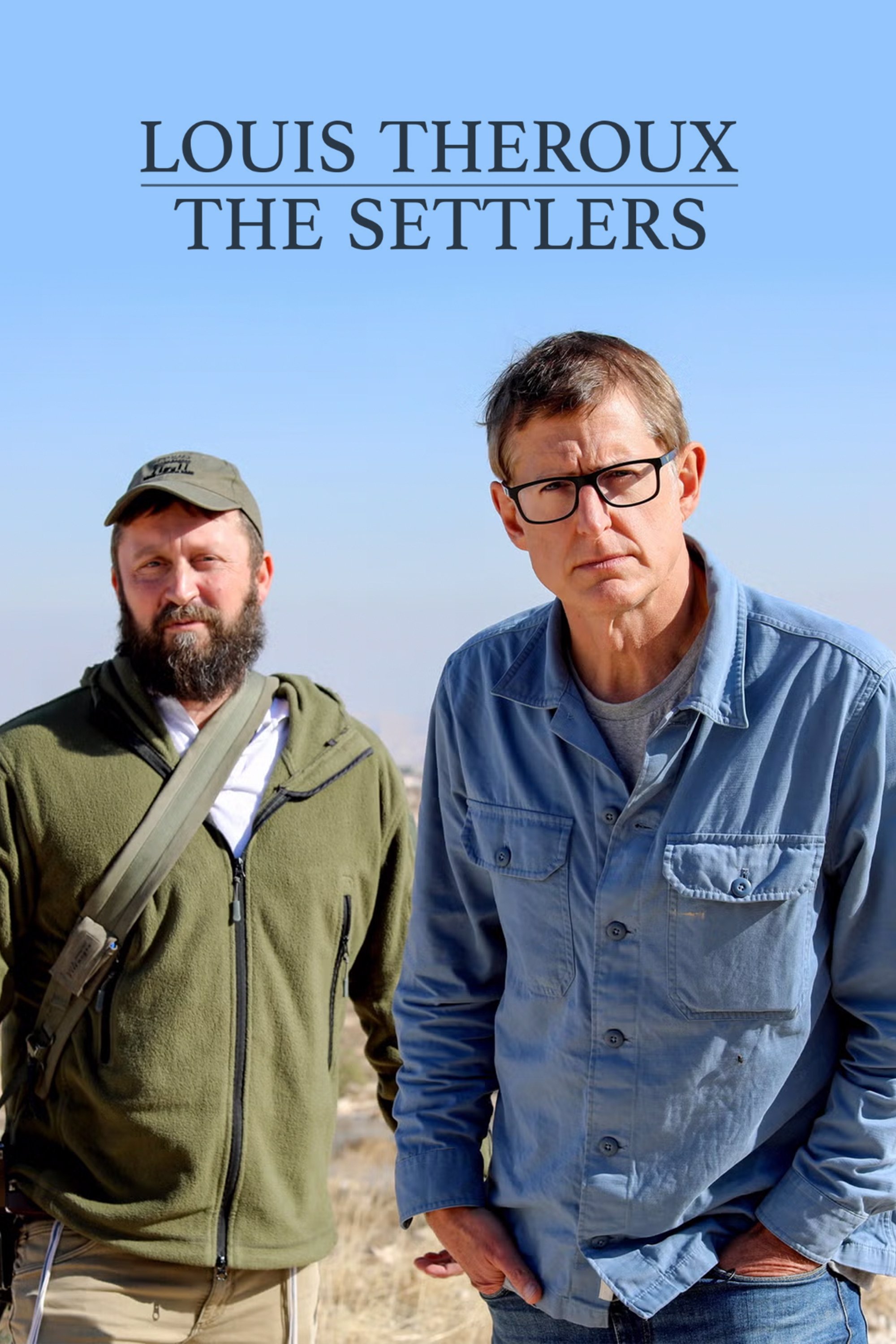
Fourteen years after his first visit, Louis Theroux meets some of the growing community of religious-nationalist Israelis who have settled in the occupied West Bank.
"Trinity and Beyond" is an unsettling yet visually fascinating documentary presenting the history of nuclear weapons development and testing between 1945-1963. Narrated by William Shatner and featuring an original score performed by the Moscow Symphony Orchestra, this award-winning documentary reveals previously unreleased and classified government footage from several countries.